01
Cheap Eats Seoul: Best Budget Meals Under ₩10,000 (2026 Guide)
Cheap eats Seoul guide for budget travelers 2026: meals under ₩10,000, kimbap…
Seoul is one of the best-value major cities in Asia, and visiting Seoul on a budget doesn’t mean sacrificing quality — it means being strategic. With free palace grounds, world-class street food for under ₩5,000, a subway that costs ₩1,550 a ride, and beds starting around ₩12,000 a night, Seoul rewards careful travelers with experiences that rival what you’d get spending three times as much elsewhere.
3 guides, ordered the way you will need them. Each one stands alone if you arrived from search.
01
Cheap eats Seoul guide for budget travelers 2026: meals under ₩10,000, kimbap…
02
Complete 2026 guide to Seoul discount passes: Discover Seoul Pass, Climate Card…
03
Complete duty-free shopping Seoul guide 2026: top downtown stores (Lotte, Hyundai…

This guide breaks down exactly how to do Seoul cheaply in 2026: realistic daily costs, where to sleep for next to nothing, how to eat like a local for pocket change, the city’s enormous roster of free attractions, transit tricks, and the money-saving habits most first-timers learn a week too late. I’ve leaned on years of repeat trips and the kind of mistakes you only make once — like paying airport exchange rates or queueing for a taxi when a ₩4,150 train sat one floor below.
Before you book anything, it helps to know what a day on the ground really costs. Here’s a realistic per-person, per-day breakdown across three spending levels — the numbers come from current 2026 prices, not optimistic guesses.
Backpacker budget (₩50,000–70,000 / ~$38–53 USD): A hostel dorm bed (₩20,000), convenience-store breakfast plus two market meals (₩15,000), public transport on a T-Money card (₩6,000), and a day of free attractions with one paid activity (₩10,000). This is not a survival budget — it’s a comfortable one if you lean into Seoul’s free side.
Comfortable budget (₩100,000–150,000 / ~$75–115 USD): A private hotel or guesthouse room (₩60,000–80,000), proper sit-down restaurant meals (₩30,000–40,000), transit with the odd taxi (₩10,000), and a couple of paid attractions (₩20,000). Most independent travelers land here and never feel pinched.
Mid-range (₩200,000–300,000 / ~$150–230 USD): A smart four-star hotel (₩120,000–180,000), Korean BBQ dinners and serious café time (₩50,000–70,000), taxis when convenient (₩15,000), and multiple paid attractions (₩30,000). For a full picture of trip costs across a whole stay, our breakdown of how much a Seoul trip costs runs the math by length of stay.
The takeaway: the backpacker budget is entirely achievable without feeling deprived. Seoul’s free attractions, cheap transit, and absurdly good-value food make it one of the most affordable capitals in the developed world. A useful rule of thumb — your bed and your dinners are the two levers that move your daily spend the most; get those right and everything else is rounding error.
To make it concrete, here’s how a genuinely good day looks on a tight budget. Breakfast is a triangle gimbap and a banana milk from a GS25 (₩2,500). Morning is free: the changing-of-the-guard ceremony at Gyeongbokgung at 10 AM, then a wander through the palace grounds (₩3,000) or free if you rented a hanbok. Lunch is a ₩6,000 bowl of kalguksu at Gwangjang Market. Afternoon is the National Museum of Korea — free, and one of the largest museums on earth. Dinner is a ₩8,000 baekban set near your hostel, with unlimited banchan. Evening is a free walk along Cheonggyecheon Stream and Hongdae busking. Transport for the whole day on T-Money runs about ₩4,500. Total: roughly ₩24,000 plus your bed. You’d struggle to spend more without trying.
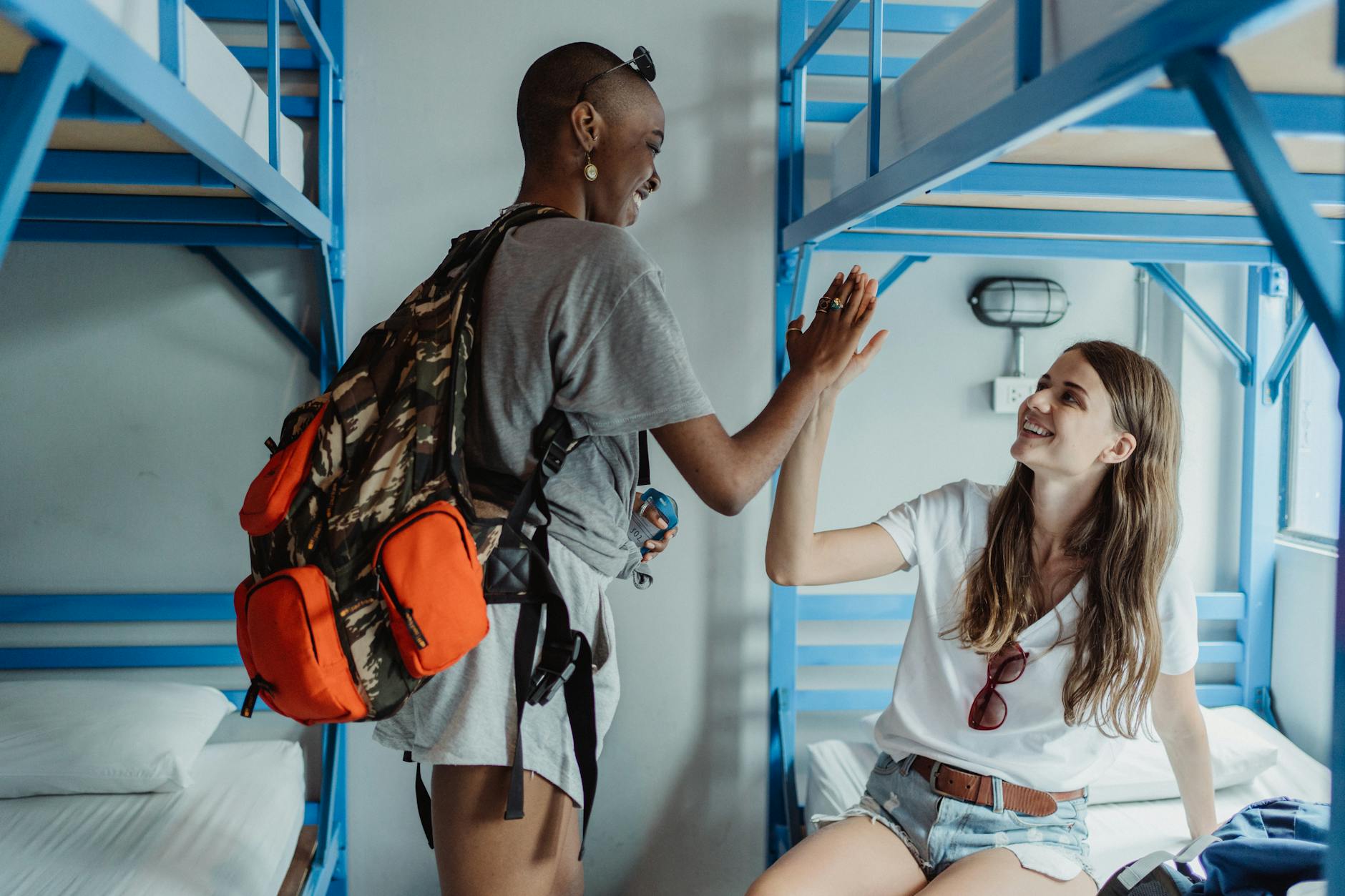
Accommodation is usually your single biggest expense, but Seoul offers more creative low-cost options than almost any city its size. The trick is matching the format to your trip — a dorm for sociability, a goshiwon for privacy on the cheap, a jjimjilbang for the nights you arrive late or leave early. For the full neighborhood-by-neighborhood rundown, our Seoul budget accommodation guide goes deeper, and the broader where to stay in Seoul pillar maps every district to a traveler type.
Seoul’s hostels are excellent and cluster in Hongdae, Myeongdong, and Insadong. Korean hostels tend to be spotless, with fast free WiFi, lockers, and often a free toast-and-jam breakfast. Dorm beds average ₩20,000–25,000; private rooms inside hostels run ₩40,000–60,000. Reliable budget picks include Bunk Guesthouse and ZZZIP Guesthouse in Hongdae and the Kimchee Guesthouse chain. Book a Hongdae bed if you want to be out late — the neighborhood barely sleeps — and a Myeongdong or Insadong bed if you’d rather walk to palaces and the airport train.
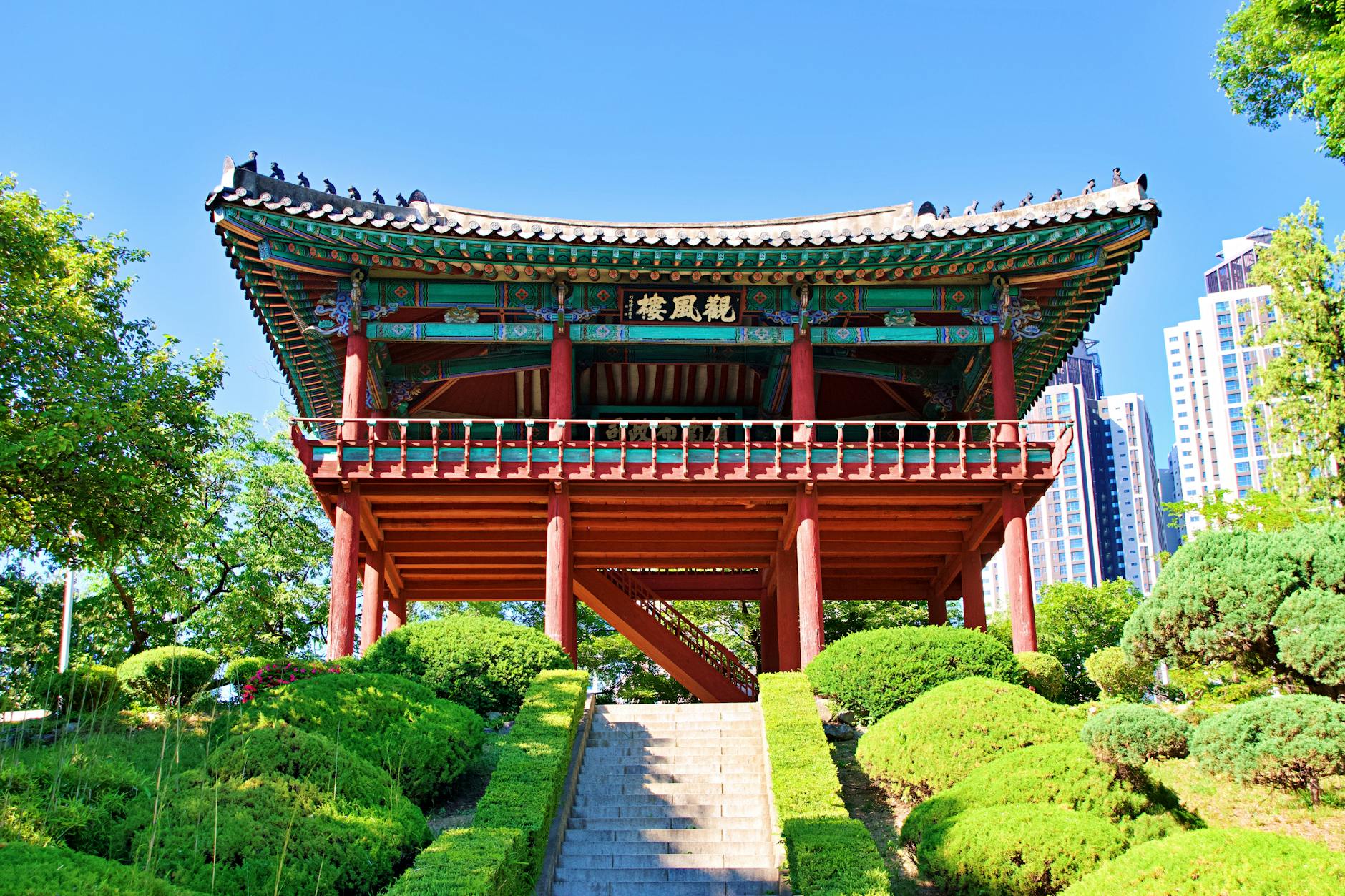
A jjimjilbang (찜질방) is a Korean bathhouse-spa where you pay one entry fee (₩9,000–15,000) and can stay overnight in heated communal sleeping rooms. Entry buys you hot and cold baths, several themed saunas, the famous heated jade and salt rooms, and usually a snack bar serving sikhye and baked eggs. Siloam Sauna by Seoul Station (₩9,000 day / ₩12,000 overnight) is the traveler favorite for its location; Dragon Hill Spa in Yongsan (₩15,000 overnight) is a sprawling palace of a place. It isn’t luxury and you’ll sleep on a mat on the floor, but it’s authentically Korean and genuinely restful. Pack earplugs and an eye mask — the lights stay on and the floor heating runs warm. Brilliant for a red-eye arrival before your real check-in.
Originally built for students cramming for exams, goshiwon are ultra-compact private rooms — 3 to 5 square meters with a bed, a desk, and sometimes a closet-sized bathroom. They’re spartan but clean, and most throw in free rice, ramyeon, kimchi, and coffee in a shared kitchen. Nightly rates beat any private room in town, and monthly deals of ₩300,000–500,000 make them a serious option for slow travelers. Skip them if you’re even mildly claustrophobic; love them if you want your own door for hostel-dorm money.
Shared rooms and shared apartments on Airbnb give you more space than a goshiwon at similar prices — filter for “shared room” in Hongdae or Mapo-gu for the best value. If you’d rather spend a little more on atmosphere than amenities, a dorm bed or simple room in a traditional courtyard house in Bukchon can be a highlight of the trip; our hanok stays in Seoul guide lists the affordable ones. Wherever you land, book near a subway line on the 2, 4, or AREX routes to keep your transit cheap and your days short.
Food is where Seoul on a budget truly shines. You can eat astonishingly well for very little here, because cheap food in Korea is rarely sad food — it’s the same dishes locals queue for. The full map of where to eat sits in our Seoul food guide and the dedicated cheap eats in Seoul roundup, but here’s how to keep every meal under ₩10,000 without trying.
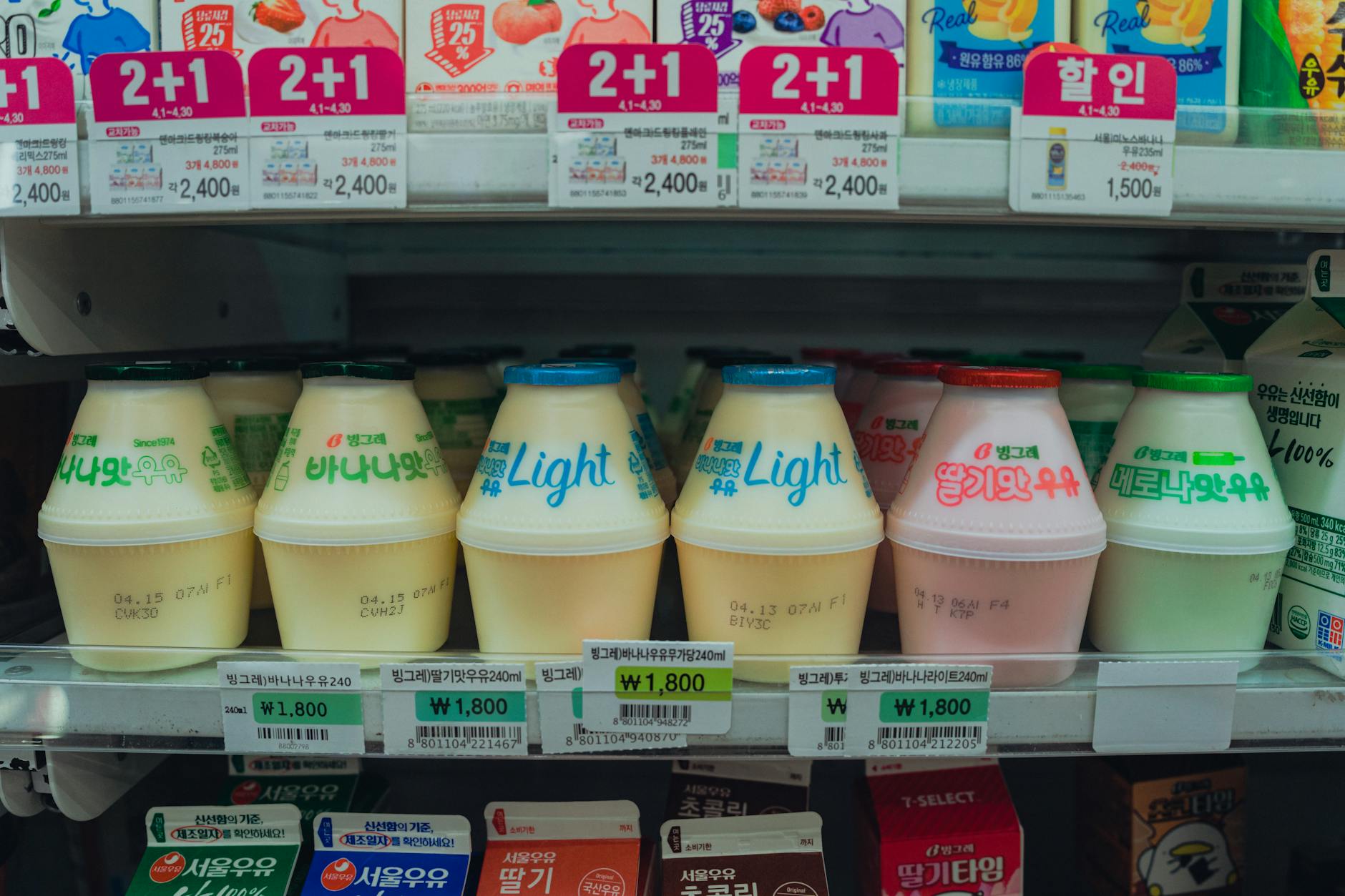
Korean convenience stores — CU, GS25, 7-Eleven, Emart24 — are a legitimate meal, not just a snack run. Triangle gimbap costs ₩1,200–1,800, cup ramyeon is ₩1,200–2,000 (there’s a hot-water station and microwave in-store to prepare it), and full dosirak lunchboxes run ₩3,500–5,000. They also carry fresh sandwiches, hard-boiled eggs, fried chicken, and a rotating cast of limited-edition snacks worth the gamble. Most branches have a counter or seats; the GS25 and CU stores along the Han River are practically open-air cafeterias on a warm evening. Pro move: the “1+1” and “2+1” stickers mean buy-one-get-one — stack them on drinks and instant coffee.
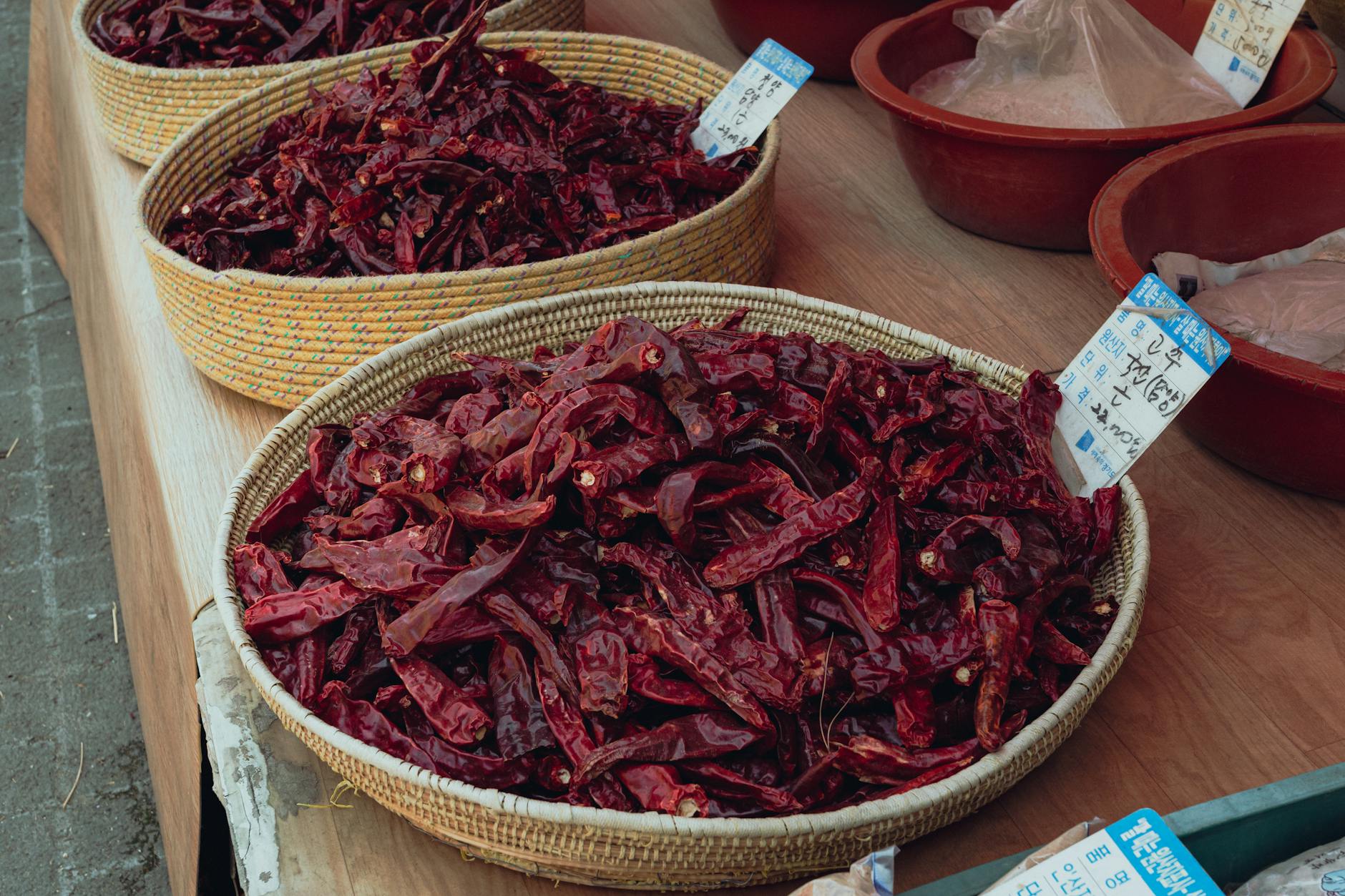
Seoul’s traditional markets serve the best-value meals in the city, full stop. At Gwangjang Market a plate of crispy bindaetteok (mung-bean pancake) is ₩5,000, a roll of mayak gimbap is ₩3,000, and a bowl of kalguksu runs ₩6,000 — our Gwangjang Market food guide maps the stalls worth the elbows. Namdaemun, Mangwon, and Tongin Markets are just as affordable; at Tongin you buy brass tokens and build your own tray lunch for ₩5,000. For the wider canon of skewers, tteokbokki, and hotteok, see the Seoul street food guide. Snack items — tteokbokki (₩3,000), fish-cake skewers (₩1,000), hotteok (₩1,000–2,000) — bridge the gaps between meals for almost nothing.
Korean home-style set meals (baekban, 백반) at neighborhood spots cost ₩7,000–9,000 and arrive with rice, soup, and a spread of banchan that refills for free — properly filling. Chains like Kimbap Cheonguk and Hansot Dosirak serve full meals for ₩4,000–7,000. University districts — Hongdae, Sinchon, the Konkuk area — are packed with student-priced restaurants where portions are huge and prices are low. Even Korean BBQ, the splurge most people assume is out of reach, has budget tiers: lunch sets and pork-belly joints serve a proper grill-it-yourself meal from around ₩12,000 a head, as our Korean BBQ guide lays out. If you only learn ten dishes before you arrive, start with our list of the best Korean dishes to try so you order with confidence.
Lunch specials (점심특선): many restaurants run set menus at lunch that are 30–50% cheaper than dinner for the same food — eat your big meal at noon. Bakery discounts: Paris Baguette and Tous Les Jours mark down bread and pastries 30–50% after 8 PM. Banchan are bottomless: side dishes refill free — fill up. Water is free: nearly every restaurant pours free water or barley tea, and subway stations have free filtered-water dispensers, so skip bottled water entirely.
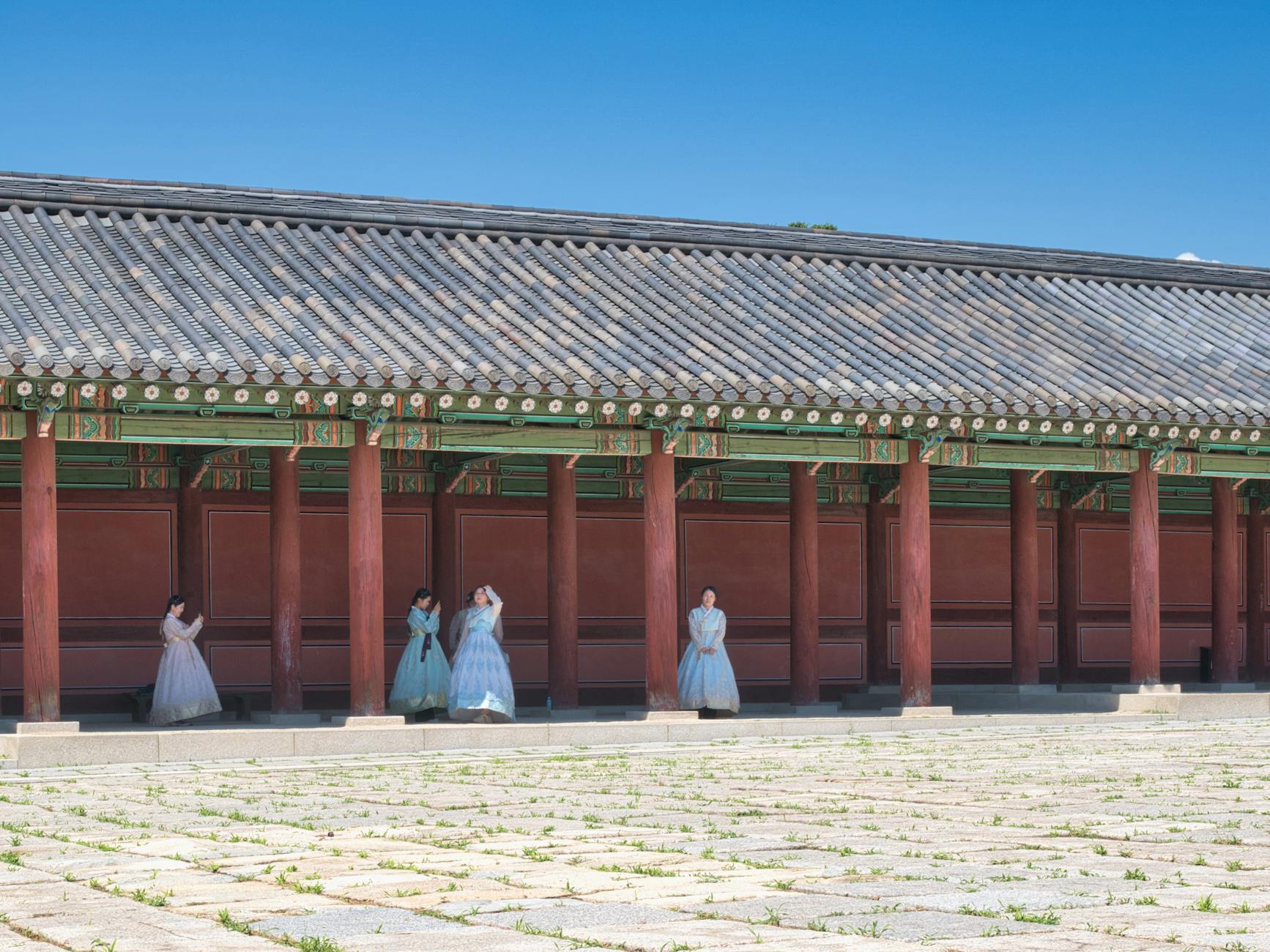
Seoul has more genuinely free things to do than almost any major city, which is the real secret behind a cheap trip here. Our full free things to do in Seoul guide runs to dozens of entries; these are the ones I send everyone to first.
Gyeongbokgung (₩3,000) and Changdeokgung (₩3,000) are the must-sees. The hack every local knows: rent a hanbok for ₩10,000–15,000 from the shops clustered by the palace gates and you walk in free at all the palaces while you’re wearing it — and you leave with photos worth far more than the rental. Split a group rental across an afternoon and it pays for itself. The free Changing of the Guard ceremony at Gyeongbokgung runs daily at 10 AM and 2 PM and is worth timing your visit around.
The National Museum of Korea (free, and one of the world’s largest), the National Museum of Modern and Contemporary Art (MMCA, free permanent collection), the War Memorial of Korea (free), Seoul Museum of History (free), and Jogyesa Temple (free) add up to days of culture without a won spent. The temple is a working one in the middle of downtown — slip in during a lantern festival and it’s magic; our Seoul temples and shrines guide covers the rest.
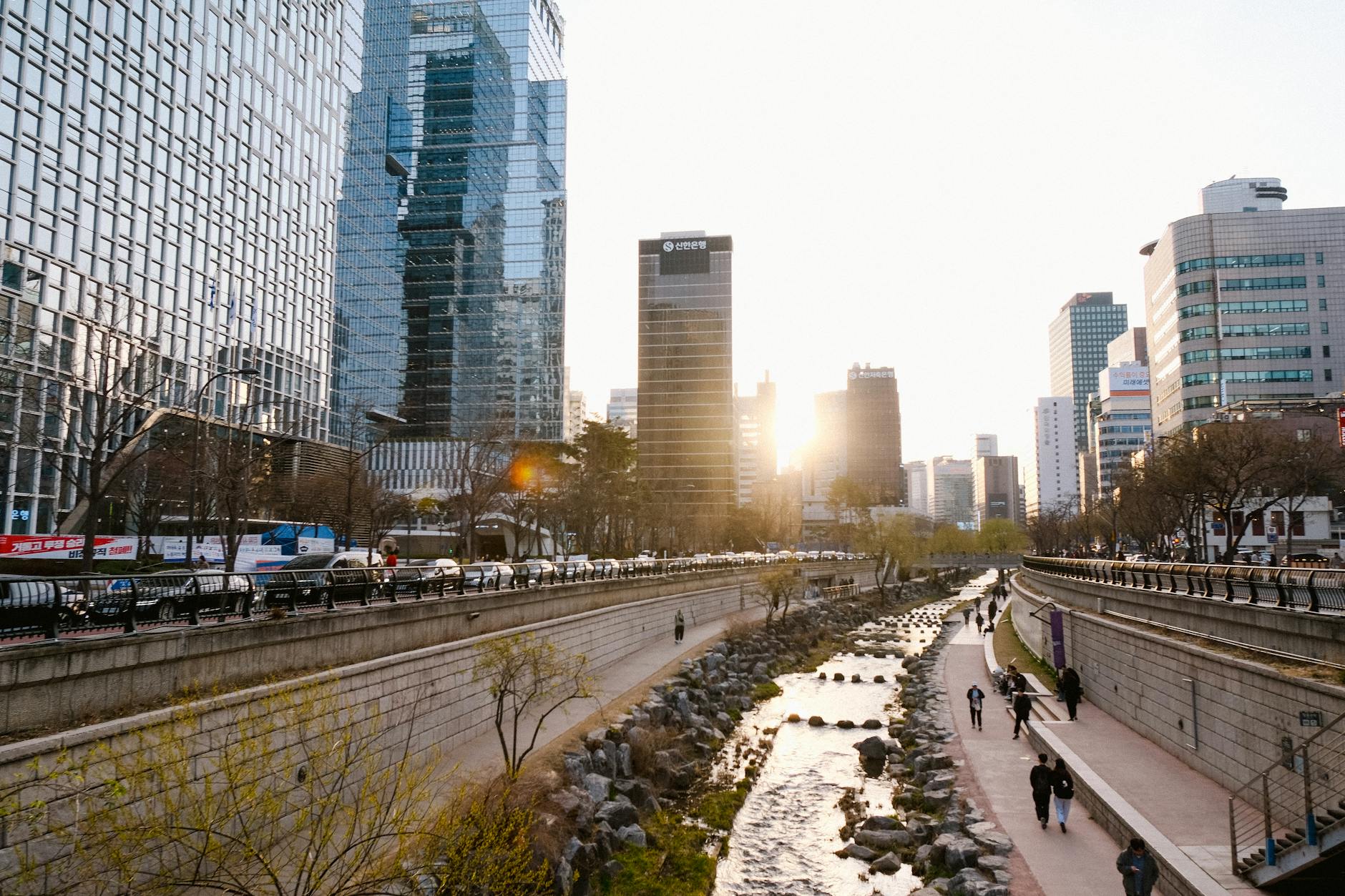
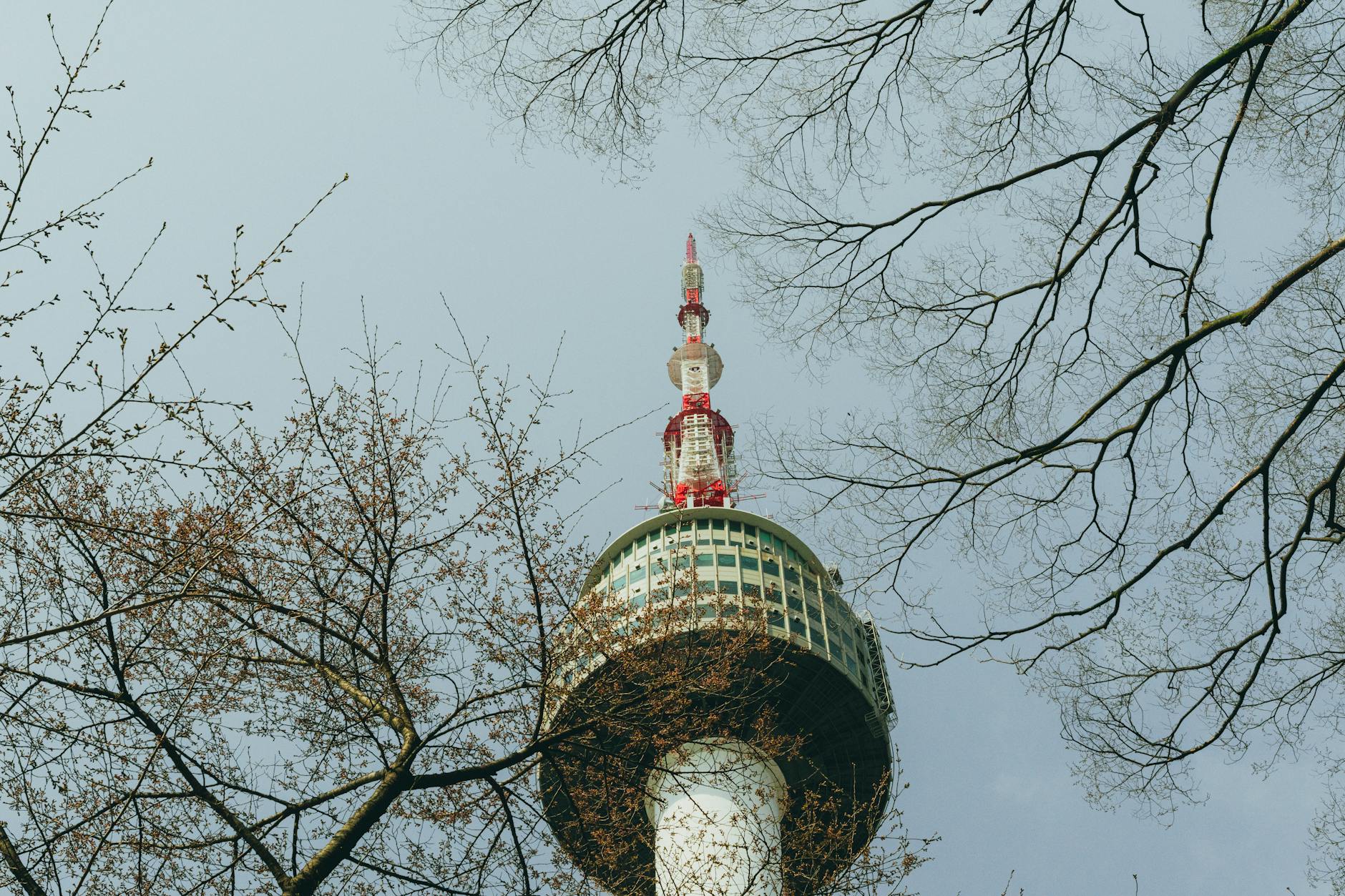
Cheonggyecheon Stream (a 10.9 km restored waterway threading central Seoul — free), the Namsan hike up to N Seoul Tower (the climb is free; only the observation deck costs ₩16,000), the Han River parks (eleven of them strung along the water, all free, with free outdoor gym equipment), Bukhansan National Park (free, and a genuinely spectacular granite-ridge hike 40 minutes from downtown), and the 18.6 km Seoul City Wall trail (free) are world-class outdoors at zero cost. The Han River parks in particular are where Seoul relaxes — rent nothing, bring a convenience-store beer and a mat, and you’ve got the city’s favorite cheap night out; our Han River activities guide has the best park for each mood.
Beyond the marquee sites, Seoul hands out small free pleasures everywhere: the lantern-lit lanes of Bukchon Hanok Village (free to wander), antique browsing in Insadong, the weekend busking and street dance that takes over Hongdae after dark, and temple-stay information sessions at Jogyesa. String a few of these together and you’ve filled an afternoon for the price of a subway ride. For more ideas that cost little or nothing, our things to do in Seoul hub sorts everything by interest and budget.
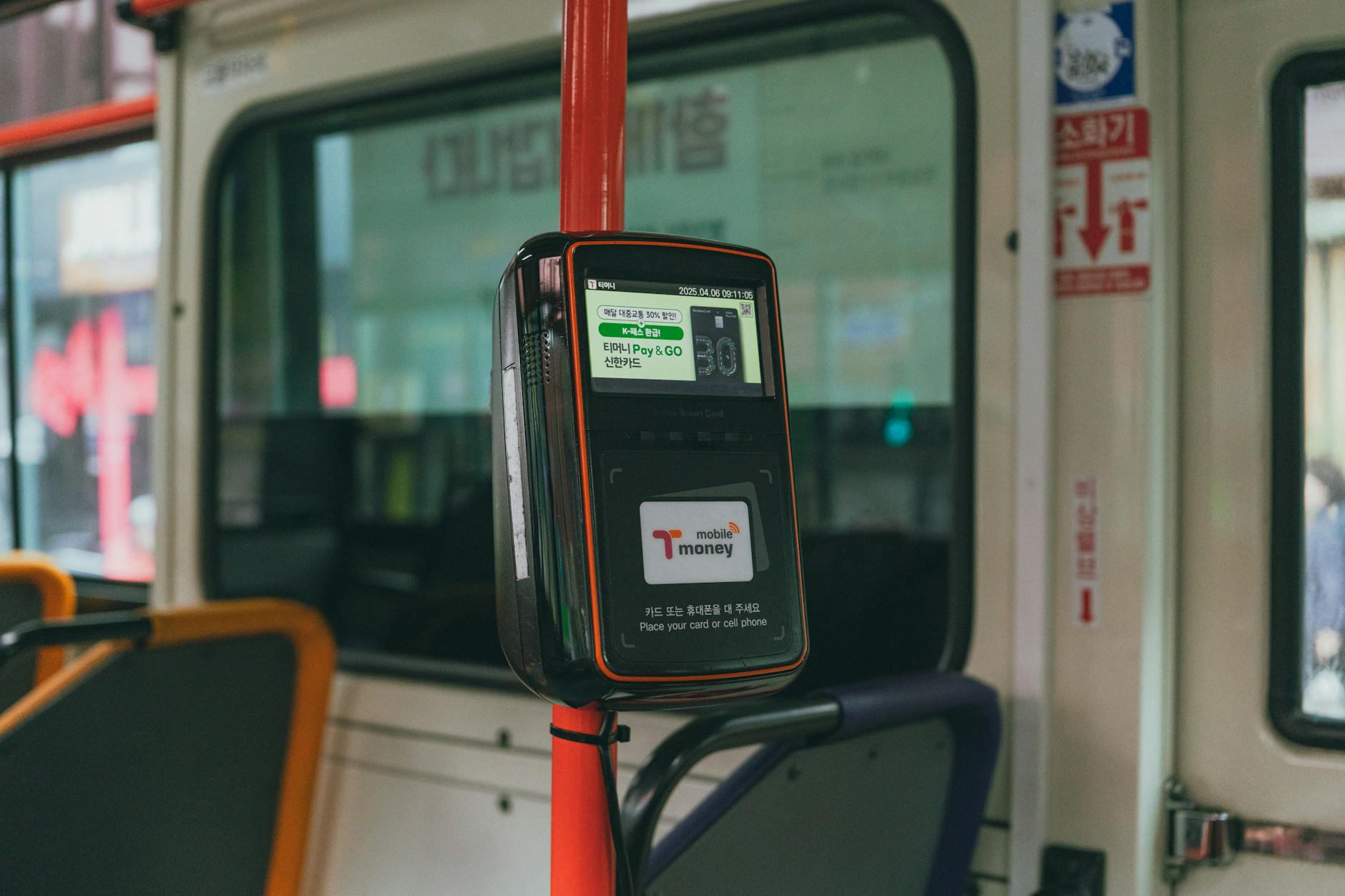
Seoul’s public transport is already cheap, but a few habits shave it lower still. Start with our getting around Seoul pillar for the full system, then layer on these savings.
Always use a T-Money card. It saves ₩100 a trip versus single tickets and, more importantly, unlocks free subway-to-bus transfers that can save ₩1,500+ per journey. Buy and load one at any convenience store; our T-Money card guide walks through topping up and getting your deposit back.
Consider the Climate Card. For ₩5,000 a day (or ₩20,000 for 7 days) you ride Seoul’s subway and buses unlimited. If you’re making four or more trips a day it pays for itself — and it removes the small mental tax of watching your balance.
Walk between neighbors. Myeongdong to Insadong is a flat 20-minute stroll; Hongdae to Yeonnam-dong is 10; Bukchon to Samcheong-dong is 5. Save the card for real distances and you’ll see more of the city at street level anyway.
Master the night buses. When the subway closes around midnight, the blue N-buses cost a flat ₩2,500 versus ₩15,000+ for a late taxi. Learn the N13 (Gangnam–Jongno) and N26 (Seoul Station–Songpa) and you can stay out as late as you like for the price of a snack. The full network is in our Seoul bus guide, and the Seoul subway guide covers the daytime system.
Skip the airport taxi. The all-stop AREX train from Incheon is ₩4,150 to Hongdae; even the express is ₩11,000 — against ₩70,000+ for a cab. Our Incheon Airport to Seoul guide compares every option so you don’t get talked into the expensive one at arrivals.
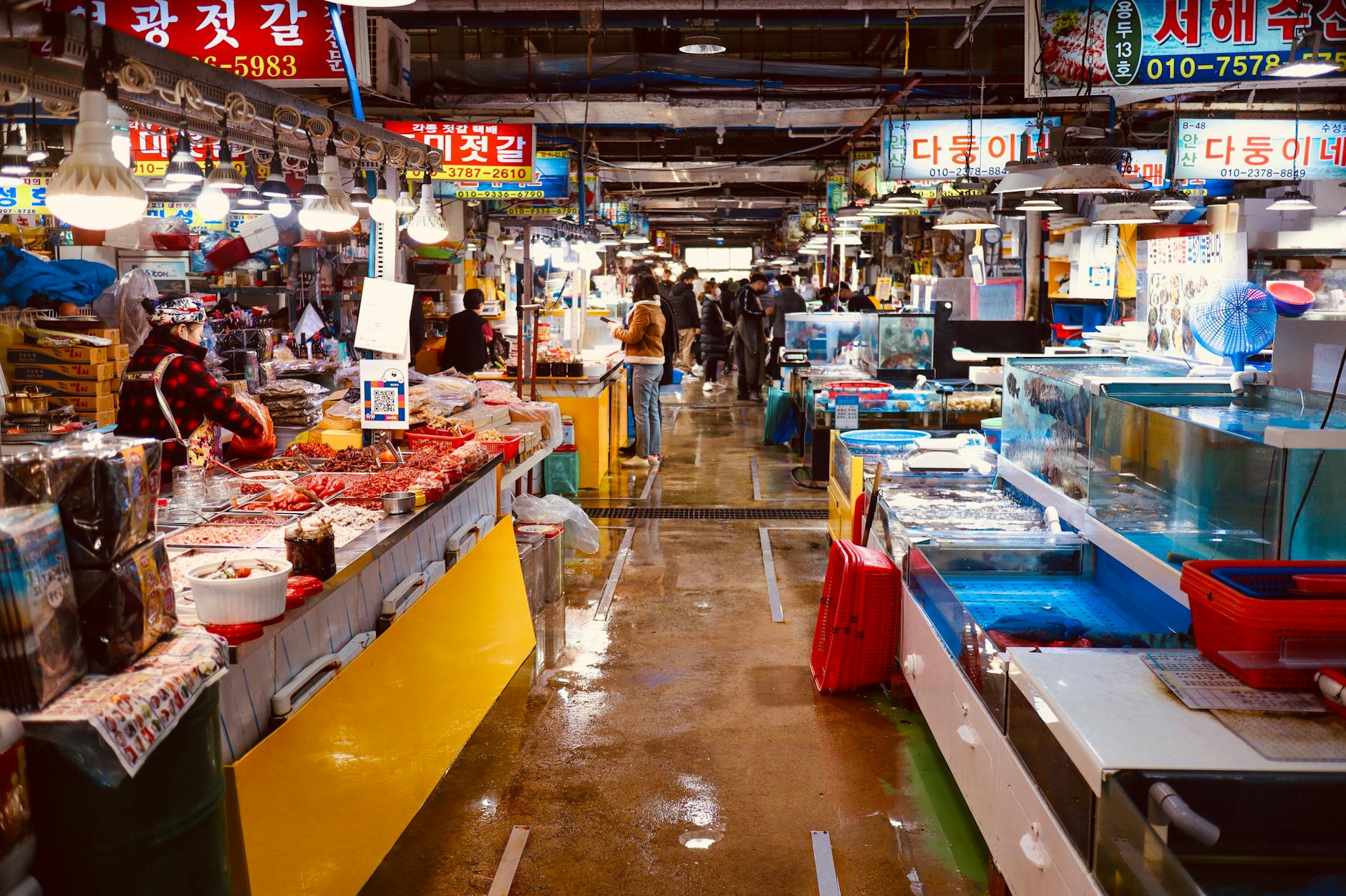
Seoul is a shopping city even when you’re counting won. The whole landscape — markets, malls, underground arcades — is in our Seoul shopping guide; these are the moves that keep it cheap.
Dongdaemun after midnight: the wholesale fashion malls (Dongdaemun Market, Gwanghui Market) drop to their lowest prices after midnight when buyers arrive — Korean fashion at 50–70% under retail if you’re willing to be a night owl.
Daiso: Korea’s beloved everything-store, with thousands of items from ₩1,000–5,000. The Myeongdong flagship is enormous and unbeatable for souvenirs, stationery, and anything you forgot to pack — check our Seoul packing list before you buy duplicates.
Underground arcades: the malls beneath Gangnam Station, Express Bus Terminal, and COEX sell fashion, accessories, and cosmetics cheaply, with room to haggle at the terminal.
Tax-free and beauty deals: spend over ₩30,000 at participating shops and claim back 10% VAT at the airport; for skincare specifically, our K-beauty shopping guide and duty-free shopping guide point you to the genuine bargains versus the tourist markups.
Best exchange rates: Myeongdong’s licensed private money changers, especially near the main intersection, consistently beat airports, banks, and hotels. Itaewon’s changers are competitive too. The difference on a few hundred dollars easily covers a couple of dinners.
Go cashless: Seoul is one of the most cashless cities on earth. Visa and Mastercard work nearly everywhere, including small restaurants and many street-food vendors. Carry a little cash for markets and the oldest holes-in-the-wall, but you’ll use it less than you expect.
WOWPASS: this tourist card rolls currency exchange, T-Money transit, and card payments into one. Load it with foreign cash at WOWPASS ATMs at fair rates — convenient if you’d rather not juggle a separate transit card and wallet.
Avoid airport exchange: airport rates are the worst in Korea. Change only ₩50,000 or so for immediate needs at arrivals, then do the rest in Myeongdong.
Discover Seoul Pass (from ₩39,900 / 24 hours): free entry to 40+ attractions — Gyeongbokgung, N Seoul Tower, Lotte World, the aquarium — plus restaurant and shop discounts. It pays for itself the moment you hit three paid attractions in a day, so plan your busiest sightseeing day around it. Our Seoul discount passes guide compares it against the Climate Card and Korea Pass so you don’t double-buy.
Delivery apps: Coupang Eats and Baemin hand out new-user discounts (₩3,000–5,000 off the first few orders) — handy for a cheap night in. Klook and KKday routinely list Seoul attractions, tours, and transfers 10–30% below walk-up prices. Load these and a translation app before you land; our Seoul travel apps guide lists the few that actually earn a spot on your phone.
When you go changes what you spend. Peak season — cherry-blossom weeks in early April and the autumn foliage of late October — brings the highest hotel rates and the thickest crowds. The sweet spots for value are late winter (December through February, bar the New Year holiday) and the shoulder weeks of late May and early September, when the weather is kind and rooms cost noticeably less. Summer is cheaper still but hot, humid, and prone to monsoon downpours in July; pack light and lean on Seoul’s air-conditioned cafés and museums. Our best time to visit Seoul guide breaks down the trade-offs month by month, and avoiding the two peak windows can cut your accommodation bill by a third.
A few expensive habits trip up first-timers again and again. Taking a taxi from Incheon instead of the AREX train burns ₩65,000 in your first hour. Eating in the tourist-facing restaurants right on Myeongdong’s main drag costs double what the same dish costs one street back. Exchanging all your cash at the airport quietly skims 5–8% off everything. Buying bottled water when free filtered water is everywhere adds up over a week. Booking accommodation far from a subway line trades a small nightly saving for daily taxi fares and lost time. And paying for attractions individually when a pass would have covered them — always tally your sightseeing day first. For more orientation before you go, our first-time Seoul travel tips and Seoul itineraries help you sequence days so you’re not backtracking across the city and paying for it twice.
Where you sleep shapes your whole budget, because the right base cuts your transport spend and puts free attractions on your doorstep. Three districts give you the most for the least.
Hongdae is the backpacker heart of Seoul: the densest cluster of cheap hostels, ₩4,000 student meals, free busking every weekend night, and the AREX line straight to the airport. If you’re young, social, or out late, base here — our Hongdae guide maps the cheap eats and the live-music dives. Myeongdong trades nightlife for convenience: it’s walkable to Gyeongbokgung, Namsan, and the best money changers, with countless budget guesthouses and the city’s biggest Daiso; the Myeongdong guide has the lay of the land. Insadong and Jongno put you among the palaces, Bukchon, and Cheonggyecheon — the highest concentration of free sights in Seoul — so your daily transport bill barely registers; see the Insadong and Jongno guides. Wherever you choose, the broader Seoul neighborhoods guide compares vibe, price, and transport links side by side.
Stretch the daily math across a full trip and the numbers stay friendly. A seven-day backpacker week — six nights in dorms (₩135,000), three market or convenience-store meals a day (₩105,000), a Climate Card for unlimited transit (₩20,000), and a handful of paid attractions and one paid activity (₩60,000) — lands around ₩320,000, or roughly $245, before flights. Bump that to the comfortable tier with private rooms and sit-down dinners and you’re near ₩750,000 ($575) for the week. Either way, Seoul delivers more trip per dollar than almost any developed-world capital. To pressure-test your own numbers against a longer or shorter stay, run them through our how much does a Seoul trip cost breakdown, and once the budget’s set, our Seoul itineraries turn it into day-by-day plans.
Time your visit well and the city throws free entertainment at you. Spring brings free cherry-blossom festivals along Yeouido’s riverside and at Seokchon Lake — no ticket, just crowds and food stalls. Summer means free outdoor cinema and night markets along the Han River, plus the Hi Seoul and Seoul Drum festivals. Autumn lights up with the (free) Seoul Lantern Festival along Cheonggyecheon and fireworks over the river. Even winter delivers free illuminations at Gwanghwamun and Cheonggyecheon and the open-air ice activities downtown. Our Seoul festivals and events guide lists what’s on by month so you can build a free night or two into any trip — these are some of the best evenings the city offers, and they cost nothing but a subway fare.
After enough trips you collect the small tricks that don’t make the guidebooks. The cleverest one is the hanbok-for-free-palaces move stacked with the free Changing of the Guard — you get costume, photos, and ceremony for the price of a rental split between friends. Locals also know that Olive Young, the K-beauty chain, runs constant point-promotions and gives tourists an instant discount on a passport — never pay sticker for skincare. The big department-store food halls (Lotte, Shinsegae) slash prepared food 30–50% in the last hour before closing, turning a ₩20,000 bento into an ₩8,000 feast. University cafeterias at places like Korea University and Yonsei are open to anyone and serve full meals for ₩4,000–5,000. Public libraries and the Seoul Metropolitan Library by City Hall are quiet, free, warm-in-winter, cool-in-summer refuges with city views. And free walking tours run daily from Gwanghwamun and Insadong — tip what you can, learn the city’s bones, and use them to plan the rest of your trip. Bank these and the daily numbers above start to look generous.
One more habit worth building: download a translation and a transit app before you land, set up a tap-to-pay card, and screenshot your accommodation’s Korean address for taxi or bus drivers. The few minutes of prep save real money — no roaming-data surprises, no overpriced airport SIM, no getting lost into a taxi fare. Our Seoul travel apps guide covers exactly which ones earn their place, and the first-time travel tips guide rounds up the etiquette and logistics that keep a budget trip running smoothly.
For sheer value, nothing in Seoul beats a night at the baseball: an outfield seat is ₩10,000 on a weekday, you are allowed to carry in your own fried chicken and beer, and the whole evening for two comes to well under ₩50,000. Our Korean baseball guide explains how to get the tickets, which is the only difficult part.
For about ₩5,000 you can walk into any self-photo studio in the city, spend a quarter of an hour and leave with two printed strips and the digital files — one of the cheapest genuinely memorable things Seoul offers. Our guide to how they work explains the machine flow, which nobody tells visitors.
Plan on ₩50,000–70,000 (around $38–53) per person per day for a comfortable backpacker trip — that covers a hostel dorm, three good meals, public transport, and a paid attraction. Drop to ₩35,000 if you stay in a jjimjilbang or goshiwon and stick to convenience-store and market food. Couples sharing a private room often land near ₩100,000 combined.
Generally, yes — especially on food and transport. A satisfying Korean meal at a market or set-menu restaurant runs ₩6,000–9,000, subway rides start at ₩1,550, and budget beds are plentiful. Tokyo edges ahead only on the very cheapest convenience-store eating, where the two cities are roughly level.
The all-stop AREX train at ₩4,150 to Hongdae or Seoul Station. It’s clean, frequent, and faster than traffic. Skip the taxi (₩70,000+) unless you’re arriving in the dead of night with heavy bags, in which case a limousine bus (₩16,000–17,000) is the comfortable middle ground. See our Incheon Airport to Seoul guide for door-to-door timing.
Yes — it’s a normal, legal, and common thing to do. You pay ₩9,000–15,000, get a locker and spa access, and sleep on a mat in a heated communal room. Bring earplugs and an eye mask, keep valuables in your locker, and treat it as a fun cultural experience rather than a hotel substitute every night.
Cards cover the vast majority of spending — Seoul is nearly cashless. Carry ₩50,000–100,000 in cash for traditional markets, a few old-school restaurants, and street-food vendors, and you’ll rarely need more. Exchange it in Myeongdong, not at the airport.
Easily. Markets, baekban set-meal restaurants, university-district eateries, and convenience stores all serve filling, genuinely good food well under that mark. Our cheap eats in Seoul guide lists specific spots, and remember banchan and water are always free refills.
Seoul on a budget isn’t about going without — it’s about knowing where the value hides. The city’s superb public infrastructure, vast free cultural offering, and pound-for-pound unbeatable food make a world-class trip possible without spending like it. Build your days with our Seoul itineraries, sort your bed with the where to stay in Seoul guide, and you’ll come home wondering why anyone says travel has to be expensive.