This comprehensive month-by-month guide breaks down Seoul’s weather patterns, major festivals, crowd levels, and travel costs so you can pick the perfect time for your Seoul trip. Whether you’re chasing cherry blossoms along the Han River or hunting for budget-friendly winter deals, we’ll help you plan the ideal visit to South Korea’s dynamic capital.

Seoul’s Four Seasons at a Glance
Seoul has a humid continental climate with four dramatically different seasons. Temperatures range from a bitter -10°C (14°F) in January to a sweltering 30°C (86°F) in August. Annual rainfall averages around 1,418mm (56 inches), with nearly three-quarters falling during the summer monsoon season from June through September. Understanding these seasonal patterns is the key to choosing when to visit.
Quick Season Summary
Spring (March–May): Warming from about 2–11°C in March to 14–24°C in May, with cherry blossoms. The most popular time to visit.
Summer (June–August): Hot and humid, with average highs of 29–30°C in July and August, and monsoon rains.
Autumn (September–November): Cooling from about 18–26°C in September to 4–12°C in November, with stunning foliage and clear skies. Equally popular as spring.
Winter (December–February): Cold, with snow and holiday markets, and quieter outside the holiday periods.
Month-by-Month Guide to Visiting Seoul
January: The Coldest Month
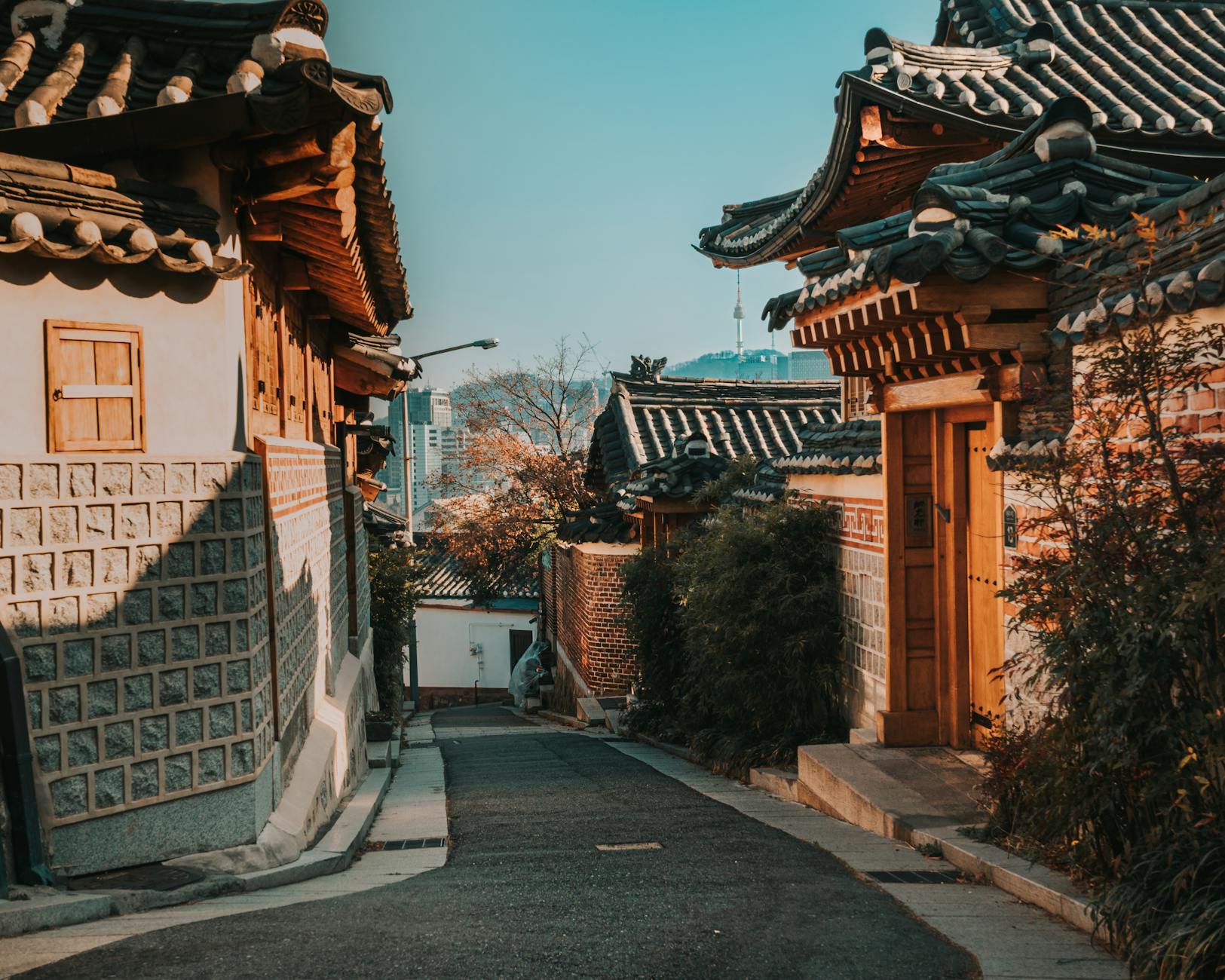
January is Seoul’s coldest month, with average temperatures between -6°C and 2°C (21–36°F). Snowfall is common, and wind chill can make it feel even colder. Despite the frigid weather, January offers some genuine advantages for visitors. Hotel prices are usually lower than in spring and autumn, and popular attractions like Gyeongbokgung Palace and Bukchon Hanok Village tend to be quieter.
Seollal (Korean Lunar New Year) sometimes falls in late January, bringing special cultural events at palaces and folk villages. Indoor attractions like the COEX Mall, Lotte World, and Seoul’s countless themed cafés make winter visits comfortable. Traditional jjimjilbang (Korean bathhouses) are especially appealing in the cold, offering a quintessential Seoul wellness experience.
February: Late Winter Deals
February sees temperatures of -3°C to 5°C (27–41°F), with humidity at its lowest of the year at around 55%. It’s still firmly winter, but daylight hours start increasing. Seollal (Korean Lunar New Year) often falls in February, which is a major national holiday lasting three days. If your visit coincides with Seollal, you’ll experience traditional folk games, ancestral rites, and special palace events — though many restaurants and small shops close during the holiday.
February remains one of the cheapest months to visit Seoul. Flight prices from most international departure points are at their lowest, and accommodation deals are plentiful. It’s an excellent time for budget travelers who don’t mind bundling up.

March: Early Spring Awakening
March marks the transition from winter to spring, with temperatures climbing from 2°C to 11°C (36–52°F). Early March still feels wintry, and when the first cherry blossoms appear varies from year to year. The air is dry with very little rainfall, making it pleasant for walking and sightseeing.
This shoulder season offers a sweet spot: spring is arriving but peak-season crowds haven’t hit yet. Hotel prices begin rising toward the end of the month as cherry blossom forecasts are released and travelers start booking. If you time it right, late March can deliver early blooms without the April crush.
April: Cherry Blossom Peak
April is arguably Seoul’s most magical month. Average temperatures range from 8–18°C (46–64°F). The cherry blossom season typically peaks in early to mid-April, turning locations like Yeouido Hangang Park, Seokchon Lake near Lotte World Tower, and the trails around Namsan Tower into corridors of pale pink petals.
The Yeouido Cherry Blossom Festival is held each spring around Yeouiseo-ro, with dates that shift from year to year. Other spring events include the Royal Culture Festival at Gyeongbokgung Palace and the Jongmyo Daeje (Royal Ancestral Rite). April is a popular month to visit, so book accommodation and flights well in advance.

May: Late Spring Perfection
May brings warm, comfortable weather with temperatures from about 14°C to 24°C (57–75°F) and low rainfall. The cherry blossoms have faded, but lush greenery, blooming roses, and azaleas take their place. It’s one of the most pleasant months weather-wise, with longer daylight hours perfect for exploring Seoul’s diverse neighborhoods.
May hosts the spectacular Lotus Lantern Festival (Yeondeunghoe), a UNESCO Intangible Cultural Heritage celebration leading up to Buddha’s Birthday. The Grand Lantern Parade through Jongno is one of Seoul’s most unforgettable spectacles, with thousands of colorful lanterns illuminating the night. Children’s Day (May 5) also brings family-friendly events across the city. Crowds are slightly thinner than April, making May a savvy alternative for spring visitors.

June: The Shoulder Before Monsoon
June is a transitional month — warm at 18–28°C (64–82°F) with increasing humidity. The monsoon season (called jangma) typically begins in late June, bringing heavy rains that last through mid-July. Early to mid-June can still be quite pleasant, offering warm weather with fewer crowds than May.
Flight prices start dropping in June as the summer off-peak season approaches. If you visit in early June, you can enjoy outdoor activities along the Han River, explore the hiking trails around Bukhansan and Inwangsan, and take advantage of the long daylight hours before the rains set in. Pack a light rain jacket and an umbrella just in case.
July: Monsoon Season
July is Seoul’s wettest month, averaging around 414mm of rainfall across 16 rainy days. Temperatures hover between 22–29°C (72–84°F) with suffocating humidity averaging 76%. The monsoon rains can be torrential, sometimes causing localized flooding and disrupting outdoor plans.
However, July isn’t without its perks. Hotel and flight prices plummet, making it a genuinely budget-friendly time to visit. The Boryeong Mud Festival (a short trip from Seoul) draws fun-loving visitors, and the Hangang Summer Festival offers river-side activities including outdoor swimming pools, water sports, and evening movie screenings. Seoul’s incredible indoor attractions — museums, shopping malls, karaoke rooms, and nightlife venues — are perfect rainy-day options.
August: Hot and Humid
August is Seoul’s hottest month, with average highs of 30°C (86°F) and average lows of 23°C (73°F). The monsoon usually tapers off by mid-August, but humidity remains high. This is also peak vacation season for Korean domestic travelers — schools are on summer break, and Korean families flood resort areas and popular attractions.
Despite the heat, August offers some unique experiences. Water parks like Caribbean Bay and Vivaldi Park are in full swing. The Itaewon Global Village Festival celebrates Seoul’s multicultural character, and evening walks along Cheonggyecheon Stream provide welcome relief from daytime temperatures. International flight prices remain relatively low compared to spring and autumn.

September: Autumn Begins
September marks the beautiful shift into autumn. Temperatures cool to 18–26°C (64–79°F), humidity drops noticeably, and rainfall decreases. Autumn color around Seoul generally begins in October, starting in the higher mountains. The weather is comfortable for walking, hiking, and outdoor exploration.
Chuseok (Korean Thanksgiving) falls in September or early October, depending on the lunar calendar. Like Seollal, it’s a major three-day holiday when many Koreans travel to their hometowns. Some shops and restaurants close, but palaces and cultural sites often host special events. The Seoul Drum Festival and Bamdokkaebi Night Market at Yeouido Hangang Park make September evenings particularly lively.
October: Peak Autumn Foliage
October is Seoul’s other showstopper month, rivaling April for sheer visual beauty. Temperatures of 11–20°C (52–68°F) create ideal sightseeing conditions. Autumn foliage begins transforming the city in mid-October, with maple trees turning crimson, ginkgo trees going golden, and the mountainsides around Seoul erupting in color.
Prime foliage spots include Namsan Park, Changdeokgung Palace’s Secret Garden, Deoksugung’s stone wall road, and the trails of Bukhansan National Park. The Seoul Lantern Festival along Cheonggyecheon Stream begins in late October, featuring elaborate illuminated displays. Like April, October is peak tourism season — expect higher prices and bigger crowds, especially at popular foliage viewpoints.

November: Late Autumn Beauty
November offers the tail end of autumn foliage with significantly fewer crowds than October. Temperatures cool to 4–12°C (39–54°F), and the air turns crisp. Seoul’s foliage typically peaks around late October or early November, with timing that varies by location and weather, and early November still shows deep red maples alongside golden ginkgoes in a stunning palette.
Ginkgo-lined streets like those at Yeouido and near Kyung Hee University hold their golden color through late November, even after maples have dropped their leaves. The Seoul Lantern Festival continues through mid-November, and the city’s cozy café scene becomes especially inviting. Hotel prices begin dropping as the month progresses, making late November a smart value pick.

December: Winter Magic
December brings winter back to Seoul with temperatures of -4°C to 4°C (25–39°F) and the chance of early snowfall. The holiday season transforms the city with Christmas illuminations at Myeongdong, Starfield COEX Mall, and along Cheonggyecheon Stream. Seoul’s Christmas markets offer a unique blend of Korean and Western holiday traditions.
New Year’s Eve celebrations at Bosingak Pavilion feature the traditional bell-ringing ceremony, drawing thousands to Jongno. While December sees a brief tourism bump around the holidays, prices are still considerably lower than spring or autumn peaks. The first two weeks of December, before the holiday rush, offer the best value for winter visitors looking to enjoy Seoul’s festive atmosphere, excellent Korean comfort food, and uncrowded attractions.
Seoul Cherry Blossom Season: Detailed Timing Guide
Cherry blossoms (벚꽃, beotkkot) are a spring highlight in Seoul, and timing your trip correctly is crucial since the exact bloom dates shift with the weather.
Typical bloom timeline for Seoul: Cherry blossoms in Seoul open in early spring, and the timing varies from year to year. Full bloom usually occurs in the first week of April, and petals begin falling by mid-April. Dates shift with winter severity and spring temperatures, so check the latest bloom forecast on VisitKorea’s site before you book.
Best cherry blossom viewing spots in Seoul:
- Yeouido Hangang Park: One of Seoul’s most popular cherry blossom destinations, with the festival centred on Yeouiseo-ro and the riverside area. The 2026 Yeouido Cherry Blossom Festival ran from 3 to 7 April; the Yeongdeungpo Cultural Foundation’s festival announcements give the dates for the next edition.
- Seokchon Lake (Lotte World Tower): A circular walking path around the lake surrounded by cherry trees, with the iconic Lotte World Tower as a backdrop.
- Namsan Park/Seoul Tower: Cherry blossoms at various elevations mean slightly staggered bloom times as you climb the mountain.
- Gyeongbokgung Palace: Cherry trees frame the palace’s traditional architecture, creating stunning photo opportunities.
- Seoul Forest: A more relaxed alternative to crowded Yeouido, with extensive cherry tree groves along walking paths.
Seoul Autumn Foliage: When and Where to See Fall Colors
Autumn foliage in Seoul is equally as spectacular as cherry blossom season, though it unfolds over a longer period. The gradual transformation from green to gold, orange, and crimson typically lasts from early October through late November.
Foliage timeline for Seoul:
- Early October: Sporadic color changes begin at higher elevations, particularly on Bukhansan’s upper trails.
- Late October–Early November: Typically the peak window for foliage in Seoul, with timing that varies by location and weather. Great time for photography.
- Mid-November: Color lingers in the city’s maples and ginkgoes, though timing varies by location and weather.
- Late November: Leaves begin falling, though ginkgo trees often hold their golden color a little longer.
Top autumn foliage spots in Seoul:
- Namsan Park: Multi-layered mountain foliage visible from across the city, with walking trails through canopies of color.
- Changdeokgung Secret Garden: Limited-entry palace garden with ancient maples — arguably Seoul’s most beautiful autumn spot.
- Deoksugung Stone Wall Road: Iconic autumn stroll lined with tall trees creating a golden tunnel effect.
- Bukhansan National Park: Dramatic mountain foliage accessible via several hiking trails from the city.
- Olympic Park: Expansive grounds with ginkgo-lined paths and fewer crowds than central Seoul spots.

Seoul Festival Calendar: Major Events by Month
Seoul’s packed festival calendar means there’s almost always something special happening, regardless of when you visit. Here are the highlights that might influence your travel timing:
January–February: Seollal (Lunar New Year) celebrations at palaces and folk villages. Ice fishing festivals at Hwacheon and Inje (day trips from Seoul). Lunar New Year falls on different dates each year — check in advance.
March: Seoul International Women’s Film Festival. Early cherry blossom viewing in southern Seoul parks.
April: Yeouido Cherry Blossom Festival. Royal Culture Festival at Gyeongbokgung Palace. Jongmyo Daeje Royal Ancestral Rite (UNESCO heritage event).
May: Lotus Lantern Festival (Yeondeunghoe), a UNESCO-recognized celebration culminating in the Grand Lantern Parade through Jongno. Buddha’s Birthday celebrations at temples across Seoul. Children’s Day (May 5) events.
June: Dano Festival (traditional holiday with folk activities). Seoul Queer Culture Festival.
July–August: Boryeong Mud Festival (weekend trip from Seoul). Hangang Summer Festival with river activities. Bucheon International Fantastic Film Festival.
September: Chuseok (Korean Thanksgiving) celebrations. Seoul Drum Festival. Bamdokkaebi Night Market season.
October: Seoul Lantern Festival at Cheonggyecheon Stream. Seoul International Fireworks Festival over the Han River. Itaewon Global Village Festival.
November: Seoul Lantern Festival continues. Various autumn-themed food festivals.
December: Christmas illuminations citywide. Bosingak Bell-Ringing Ceremony on New Year’s Eve. Ice skating rinks open at Seoul Plaza and Grand Hyatt Hotel.
Peak vs. Off-Peak: Crowds and Costs
Understanding Seoul’s tourism cycles can save you hundreds of dollars and hours of waiting in line. Here’s how the year breaks down in terms of visitor volume and costs:
Peak Season (Highest Prices, Biggest Crowds)
April–May and September–October are Seoul’s undeniable peak months. Cherry blossoms, autumn foliage, and pleasant weather make these popular times to visit. Expect higher hotel prices than in the off-season, busy restaurants, and fuller subway cars. Book flights and accommodation at least 2–3 months in advance for these periods.
Shoulder Season (Moderate Crowds, Good Value)
March, June, November, and early December offer a compelling balance. Weather is still reasonable (if not perfect), tourist numbers thin out, and prices ease from peak rates. Late March can catch early cherry blossoms, early June offers warm weather before monsoon, and November delivers late autumn color without October’s crowds. These months are ideal for travelers who want the Seoul experience without the peak-season pressure.
Off-Peak Season (Lowest Prices, Fewest Tourists)
January–February and July–August see the fewest international visitors (though August sees high domestic tourism). Winter visitors brave the cold but enjoy hotel rates that can be half of peak-season prices, with significantly shorter queues at attractions. Summer monsoon season offers the cheapest flights from most international origins. If you’re on a tight budget and flexible on weather, these months offer the best bang for your won.
What to Pack for Each Season in Seoul
Seoul’s extreme seasonal variation means your packing list will change dramatically depending on when you visit. Here’s what to bring for each season (and check our detailed Seoul packing list for a comprehensive guide):
Spring (March–May) Packing Essentials
Layers are critical in spring. Mornings and evenings can be chilly (especially in March and early April), while afternoons warm up nicely. Pack a light jacket or cardigan, comfortable walking shoes, and sunscreen. A thin scarf doubles as warmth in the morning and a fashion accessory for palace visits. Don’t forget allergy medication if you’re sensitive to pollen — Seoul’s parks release significant amounts during cherry blossom season.
Summer (June–August) Packing Essentials
Light, breathable clothing is essential. Pack moisture-wicking fabrics, a compact umbrella or rain jacket for monsoon downpours, and comfortable sandals that can handle getting wet. A portable fan and sunscreen are necessities. If you plan to visit temples or palaces, keep a light long-sleeved layer for modesty. Waterproof bags for electronics are smart during the heaviest rain periods.
Autumn (September–November) Packing Essentials
Similar to spring, layers work best in autumn. Start with lighter clothing for September and add warmer layers as November approaches. A medium-weight jacket, comfortable walking shoes (you’ll want to hike to foliage viewpoints), and a camera with extra storage are must-haves. Evening temperatures drop quickly, so pack a warm sweater or light down jacket for November visits.
Winter (December–February) Packing Essentials
Seoul winters demand serious cold-weather gear. A heavy insulated coat, thermal underlayers, insulated waterproof boots, thick gloves, a warm hat, and a scarf are non-negotiable. Hand warmers are sold at every convenience store in Seoul and are a winter essential. The good news: Seoul’s buildings, subway system, and buses are well-heated, so you can shed layers once indoors. Many visitors buy affordable Korean winter fashion upon arrival at areas like Myeongdong or Hongdae.
Special Considerations for Timing Your Seoul Trip
Avoid Korean National Holidays (Unless You Want the Experience)
Seollal (Lunar New Year) and Chuseok (Korean Thanksgiving) are three-day national holidays when millions of Koreans travel. Public transportation gets extremely busy, many restaurants and shops close, and accommodation prices can spike. However, these holidays also offer unique cultural experiences — palaces host special events, and the city has a different energy. If you do visit during these times, plan well in advance and embrace the cultural immersion.
Yellow Dust Season (March–May)
Fine dust (misemeonji) and yellow dust (hwangsa) from mainland Asia can affect Seoul’s air quality during spring. While it doesn’t ruin a trip, sensitive travelers should pack KF94 masks (Korea’s equivalent of N95) and check air quality apps like AirVisual or the Korean Meteorological Administration’s forecasts. Most days are fine, but occasionally air quality dips enough to make extended outdoor activities uncomfortable.
School Break Periods
Korean schools break for summer (late July–August) and winter (late December–February). During these periods, domestic family travel increases, affecting prices and crowds at theme parks like Lotte World and Everland. International visitors may also see higher prices for group tours and activities geared toward families during these periods.
Entry Rules and K-ETA Lead Time
Timing is not only about weather. Before you commit to dates, run your passport against the current Seoul visa requirements and K-ETA rules — most short-stay tourists enter Korea without a visa, but the K-ETA exemption list has changed more than once in recent years, and any authorization has to be approved online before you fly rather than issued on arrival. It takes minutes to check and avoids an expensive surprise at the departure gate.

Our Verdict: The Best Time to Visit Seoul
If we had to pick a single best time, mid-to-late October edges out April by a narrow margin. The weather is consistently beautiful, the autumn foliage is jaw-dropping, the festival calendar is packed, and humidity is comfortable. April is a close second thanks to cherry blossoms, but spring’s fine dust concerns and more unpredictable weather give autumn the slight edge.
That said, there’s no bad time to visit Seoul — each season has genuine highlights. Budget travelers should consider winter (January–February) or summer (July–August) for significant savings. Shoulder months like March, June, and November offer the best balance of weather, crowds, and prices. The “worst” time? Mid-July during the peak of monsoon season, when heavy rains can genuinely disrupt outdoor plans for days at a stretch.
Whatever month you choose, Seoul’s incredible food scene, world-class shopping, rich history, and vibrant K-culture ensure an unforgettable trip. Start planning your perfect Seoul timing with our comprehensive Seoul travel guide, and build your day-by-day adventure with our curated Seoul itineraries.
If you already know roughly when you are going and want the detail, our Seoul weather by month guide gives the average high, low, rainfall and humidity for all twelve months, along with what to wear, what is in bloom and the one thing worth doing in each.
Frequently Asked Questions
What is the cheapest month to visit Seoul?
January and February are typically the cheapest months for both flights and hotels. Airfare and hotel rates are usually lower than in the spring peak. July is also affordable for flights, though accommodation prices don’t drop as much due to domestic summer tourism.
When do cherry blossoms bloom in Seoul?
Seoul’s cherry blossoms typically bloom from late March through mid-April, with peak bloom usually occurring in the first week of April. The exact dates shift each year depending on winter temperatures — the Korea Meteorological Administration releases official forecasts in early March. Yeouido Hangang Park and Seokchon Lake are the most popular viewing locations.
Is Seoul worth visiting in winter?
Absolutely. While cold (temperatures can drop below -10°C), Seoul in winter offers snow-dusted palaces, Christmas markets, incredible comfort food like hotpot and tteokbokki, thermal spa experiences at jjimjilbang, ice skating, and significantly lower prices. The city’s excellent indoor attractions and well-heated public spaces make winter visits comfortable despite the temperatures.
Should I avoid Seoul during monsoon season?
It depends on your priorities. The monsoon season (late June through mid-August) brings heavy rainfall and high humidity, but also the lowest flight prices and plenty of indoor things to do. If you’re flexible with your itinerary and don’t mind rainy days, monsoon season can be a budget-friendly option. If outdoor activities are your priority, choose a different season.
When is the best time to see autumn foliage in Seoul?
Seoul’s autumn foliage typically peaks around late October or early November, though timing varies by location and weather. The autumn color season extends from early October through late November, so visiting in early to mid-November still offers good foliage color and slightly smaller crowds than the peak.
How far in advance should I book for peak season in Seoul?
For April (cherry blossoms) and October (autumn foliage), book flights and accommodation 2–3 months in advance. During major festivals like the Yeouido Cherry Blossom Festival, hotels near Yeouido and central Seoul can sell out weeks ahead. Budget accommodations fill up fastest, so early booking is especially important for hostels and guesthouses.