01
Best Hotels in Myeongdong, Seoul: 15 Top Picks for 2026
Myeongdong is the most central place to stay in Seoul. This 2026 guide ranks the 15…
Choosing where to stay in Seoul can make or break your trip. The South Korean capital is enormous — home to nearly 10 million people across 25 distinct districts — and your neighborhood determines what you’ll see, eat, and experience most easily. The good news: Seoul’s exceptional public transportation means nowhere is truly inconvenient, but staying in the right area saves time, money, and energy.
6 guides, ordered the way you will need them. Each one stands alone if you arrived from search.
01
Myeongdong is the most central place to stay in Seoul. This 2026 guide ranks the 15…
02
Hongdae is Seoul's youth and nightlife capital. This 2026 guide ranks the 14 best…
03
Gangnam is Seoul's upscale district and the home of the city's most luxurious…
04
Seoul is one of Asia's most affordable big cities for accommodation. This 2026…

This guide breaks down Seoul’s best neighborhoods for tourists, covering atmosphere, accessibility, price ranges, and accommodation types. Whether you’re a first-time visitor looking for the most central base, a budget traveler hunting for affordable hostels, a couple seeking boutique romance, or a family needing space and safety, this guide will help you find the perfect place to stay in Seoul.
Before diving into details, here’s a quick summary of where to stay in Seoul based on your travel style:
First-time visitors: Myeongdong or Insadong — central, well-connected, tourist-friendly. Budget travelers: Hongdae or Dongdaemun — affordable hostels, cheap eats, lively atmosphere. Luxury seekers: Gangnam or Yeouido — upscale hotels, fine dining, modern skyline. Culture lovers: Bukchon/Samcheong-dong or Ikseon-dong — traditional hanok stays, galleries, teahouses. Nightlife fans: Hongdae or Itaewon — bars, clubs, and late-night restaurants. Families: Insadong/Jongno or Jamsil — safe, spacious options, near family attractions. Repeat visitors: Seongsu-dong or Yeonnam-dong — trendy, local-feeling, off the beaten path.
With so many strong options, the choice comes down to a few honest questions. What’s your trip about? If it’s palaces, markets, and first-time sightseeing, base north of the river in Myeongdong, Insadong, or Jongno, where the historic core is walkable. If it’s nightlife and budget, Hongdae wins; if it’s luxury, shopping, and K-pop, Gangnam delivers. How much do you value being central versus local? Myeongdong is maximally convenient but touristy; Seongsu-dong and Yeonnam-dong feel authentically Seoul but sit further from the marquee sights. What’s your luggage-and-stairs tolerance? Bukchon and Itaewon are hilly and hard on wheels, so pack light or pick flatter ground. And how early is your flight? An early Incheon departure argues for Hongdae or Seoul Station, both on the AREX airport line. Whatever you decide, the city’s superb subway means no choice is a wrong one — our Seoul neighborhoods guide compares the districts side by side, and the getting around Seoul guide shows how quickly they connect.
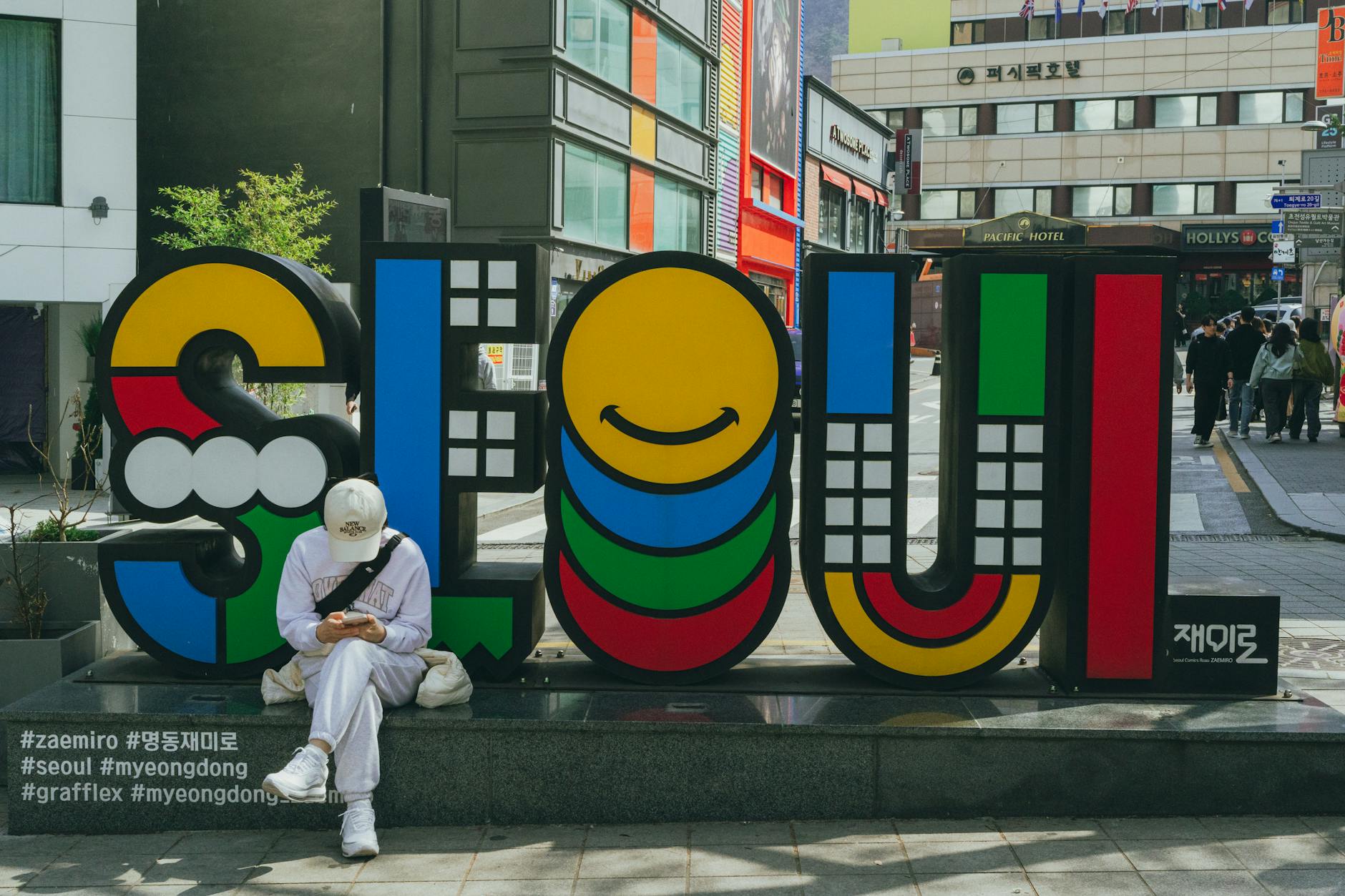
Myeongdong is Seoul’s most central tourist district and the top recommendation for first-time visitors figuring out where to stay in Seoul. Located in the heart of the city, it’s walking distance from Namdaemun Market, N Seoul Tower, and Deoksugung Palace, and our full Myeongdong guide covers what surrounds it, with subway Lines 2 and 4 intersecting here for easy access to everywhere else.
Why stay here: Maximum convenience. Two major subway stations, dense shopping (Korean cosmetics, fashion, duty-free stores), abundant restaurants and street food, and the highest concentration of tourist services (money exchange, pharmacies, information centers). Everything is labeled in English, Chinese, and Japanese.
Accommodation types: Mainly mid-range to luxury hotels. Major chains include LOTTE Hotel Seoul, L7 Myeongdong, Hotel 28 Myeongdong, and Shilla Stay — compare current rates and locations in our best hotels in Myeongdong guide. Budget options exist but are limited — nearby Euljiro and Chungmuro offer more affordable alternatives within walking distance.
Price range: Budget ₩60,000–100,000/night | Mid-range ₩120,000–250,000 | Luxury ₩300,000+
Drawbacks: Crowded, especially on weekends. Limited nightlife compared to Hongdae or Itaewon. Can feel overly touristy.
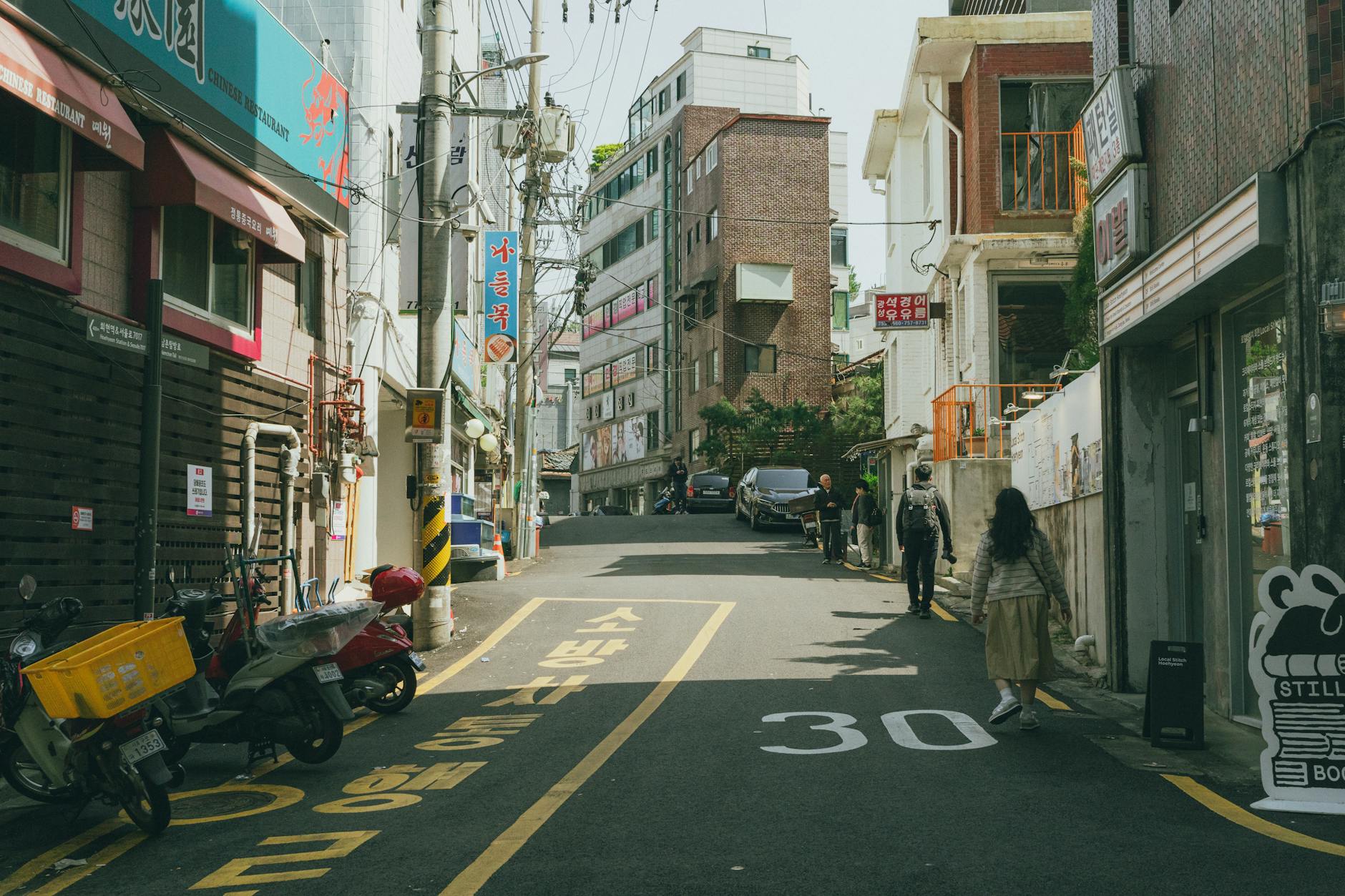
Hongdae (short for Hongik University area) is Seoul’s most energetic neighborhood and the best choice for budget travelers, solo backpackers, and anyone who wants to be in the thick of Seoul’s nightlife scene. The area around Hongik University Station (Line 2, Airport Railroad, Gyeongui-Jungang Line) — explored in depth in our Hongdae guide — is packed with affordable hostels, indie cafes, live music venues, and clubs.
Why stay here: Best hostel selection in Seoul, direct AREX connection to Incheon Airport (no transfer needed), vibrant street art and busking culture, endless cheap Korean and international restaurants, and the party runs until dawn on weekends. The neighboring areas of Yeonnam-dong (quieter, cafe-focused) and Sinchon (student-friendly) extend your options.
Accommodation types: Hostels and guesthouses dominate, with excellent options like Bunk Guesthouse Hongdae, ZZZIP Guesthouse, and Hongdae-area Airbnb studios. Mid-range hotels include L7 Hongdae by LOTTE and RYSE Hotel (Marriott Autograph Collection); see our best hotels in Hongdae guide for the full picture, and the Seoul budget accommodation guide for the cheapest dorms.
Price range: Dorm bed ₩20,000–35,000 | Budget private ₩50,000–80,000 | Mid-range ₩100,000–200,000
Drawbacks: Noisy, especially Thursday through Saturday nights. Streets can be dirty on weekend mornings. Limited traditional sightseeing within walking distance.
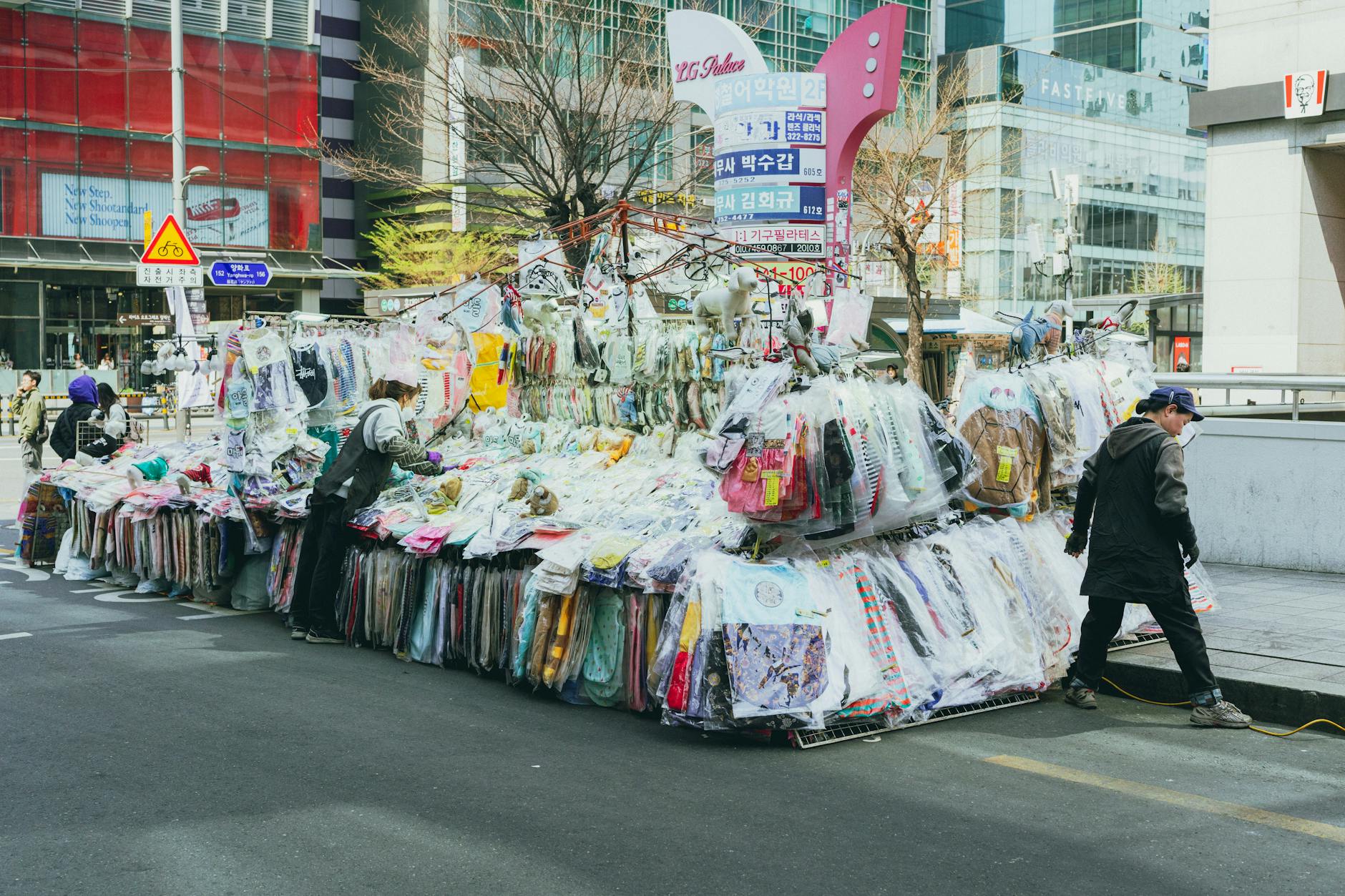
The Insadong–Jongno area is Seoul’s cultural heartland and an excellent choice for families, culture enthusiasts, and anyone who wants to stay near the city’s most important historical sites. Gyeongbokgung Palace, Changdeokgung Palace, Jogyesa Temple, and the Bukchon Hanok Village are all within walking distance.
Why stay here: Walking distance to Seoul’s top five palaces and most museums. Insadong’s main street is a vibrant pedestrian zone filled with traditional craft shops, galleries, and tea houses. Ikseon-dong (a 5-minute walk) is a beautifully restored hanok alley with trendy cafes and restaurants. The area is family-safe with wide sidewalks and low traffic. Subway access is excellent — Anguk (Line 3) and Jongno 3-ga (Lines 1, 3, 5) are nearby.
Accommodation types: Mix of modern hotels and traditional hanok guesthouses. Four Seasons Hotel Seoul anchors the luxury end, while Moxy Seoul Insadong offers stylish mid-range rooms. For a unique experience, stay in a renovated hanok — options like Rakkojae Seoul and Bukchon Maru Hanok Guesthouse let you sleep on traditional ondol (heated floor) rooms; our hanok stays in Seoul guide rounds up the best.
Price range: Hanok guesthouse ₩60,000–150,000 | Mid-range ₩100,000–200,000 | Luxury ₩350,000+
Drawbacks: Relatively quiet at night. Fewer dining options late in the evening compared to Hongdae or Myeongdong.
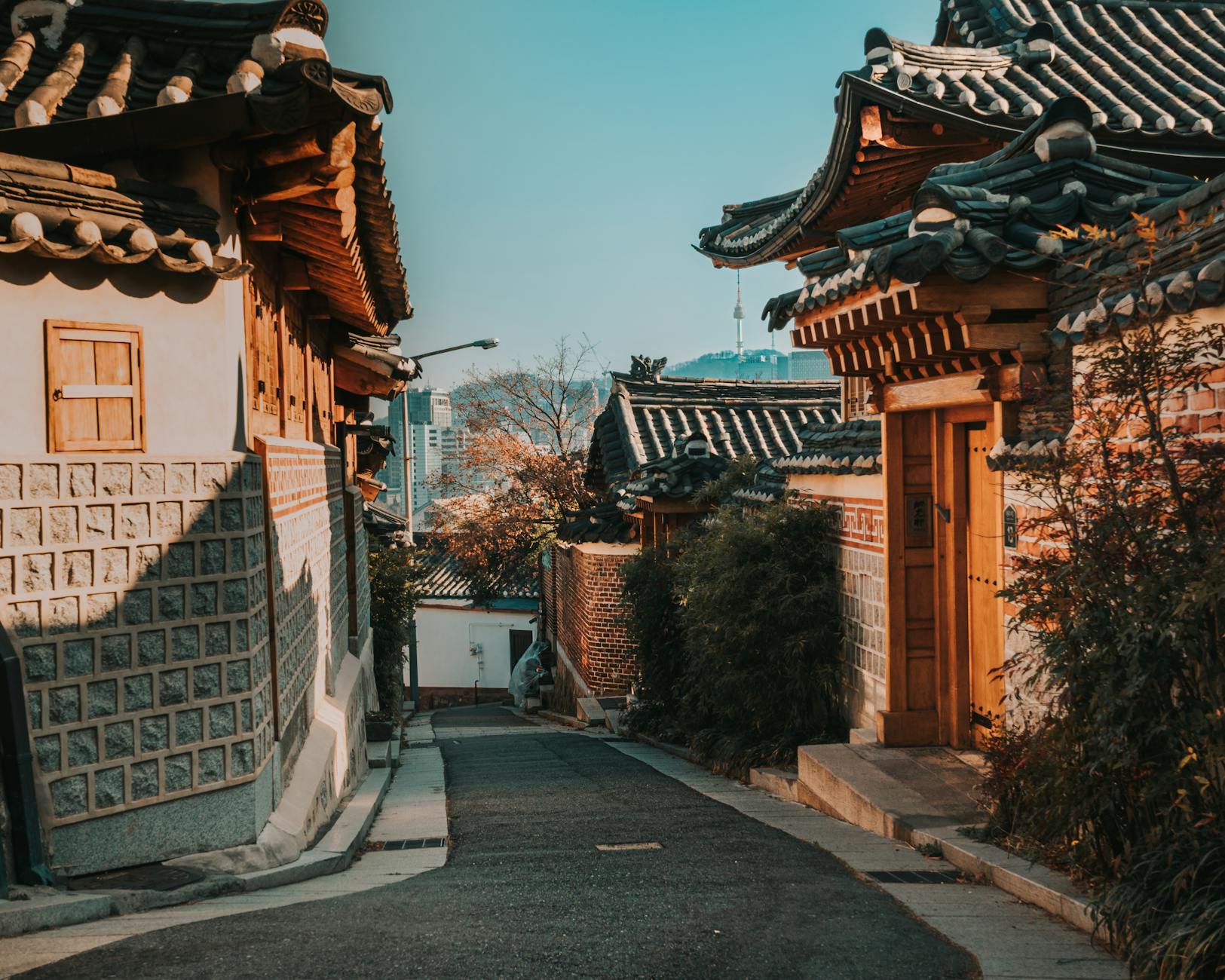
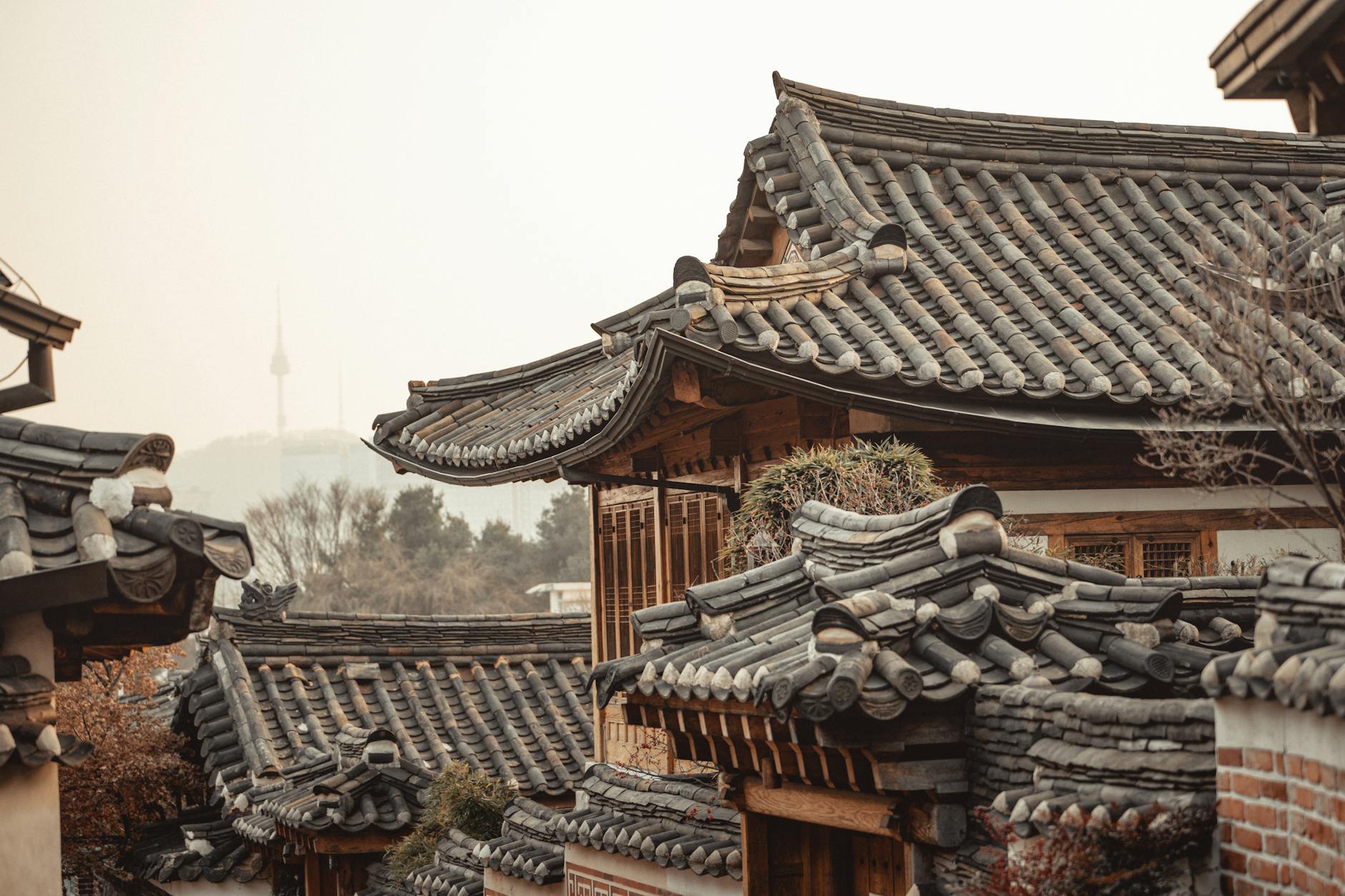
Bukchon Hanok Village and neighboring Samcheong-dong sit on the hillside between Gyeongbokgung and Changdeokgung palaces, forming one of Seoul’s most picturesque neighborhoods. The area is defined by its hundreds of traditional hanok houses, narrow winding alleys, and stunning views over the palace rooftops.
Why stay here: The most atmospheric and photogenic neighborhood in Seoul. Sleeping in a hanok guesthouse here means experiencing traditional Korean architecture firsthand — sliding paper doors, wooden beams, courtyard gardens, and heated ondol floors. Art galleries, independent boutiques, and artisan cafes line Samcheong-dong’s main road. It’s a quiet residential area perfect for couples and photography enthusiasts.
Accommodation types: Primarily hanok guesthouses and boutique stays. Rakkojae Seoul Main Hanok, Stay Onyou, and Doo Guesthouse offer authentic hanok experiences — more in our hanok stays guide. Rooms are typically small (traditional Korean style) with shared or private bathrooms.
Price range: ₩80,000–200,000/night for most hanok stays
Drawbacks: Hilly terrain with stairs (tough with heavy luggage). Limited hotel options — no major chains. The hanok houses are residential, so noise restrictions after 10 PM are strictly enforced. Fewer restaurants and convenience stores than other areas.
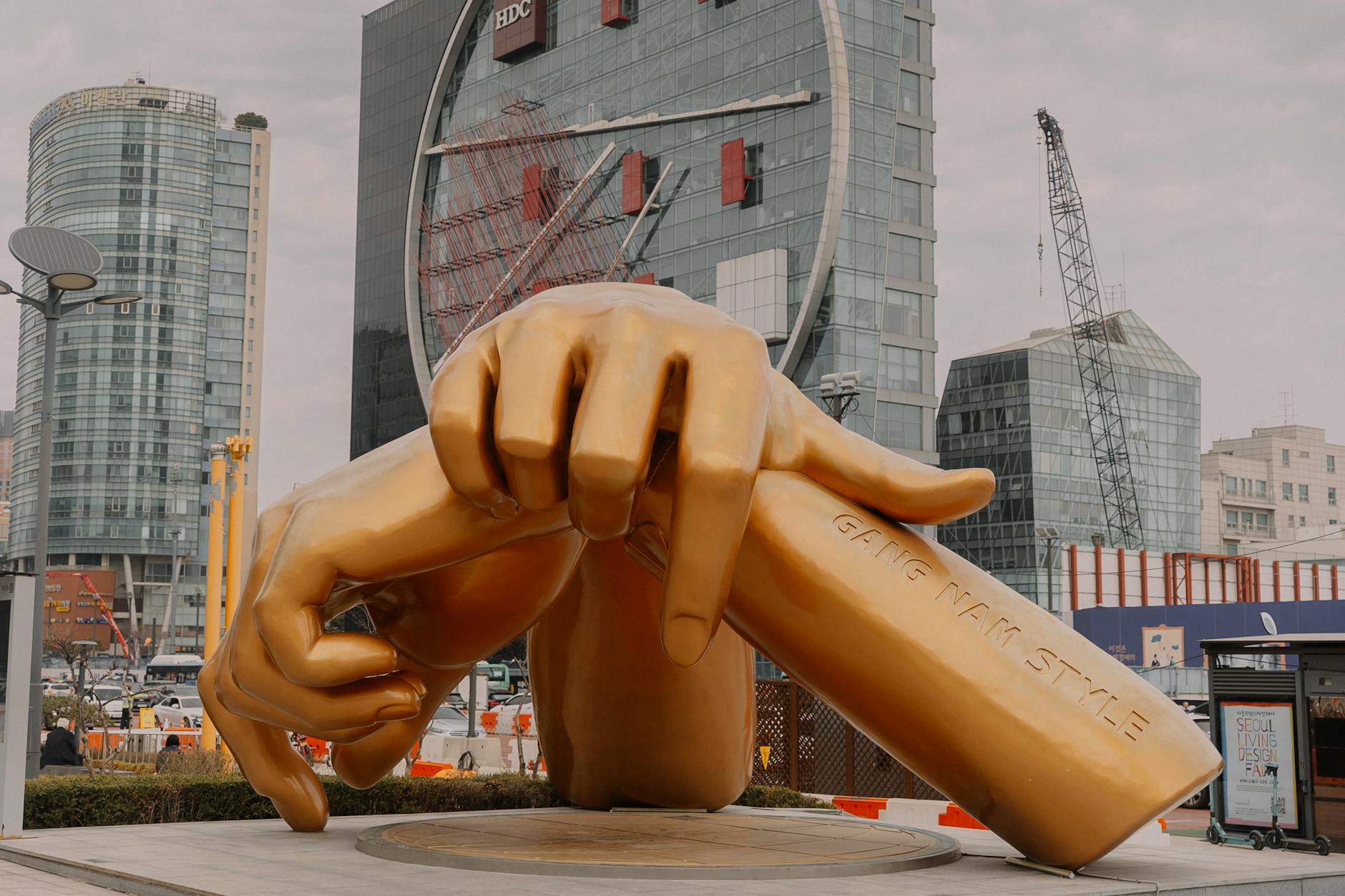
South of the Han River, Gangnam is Seoul’s most affluent and modern district — the commercial powerhouse that inspired the viral song. If you want luxury hotels, upscale dining, designer shopping, and a sleek urban atmosphere, this is where to stay in Seoul.
Why stay here: Seoul’s highest concentration of luxury hotels, world-class restaurants, and premium shopping (COEX Mall, Apgujeong Rodeo Street, Cheongdam-dong’s designer row). Gangnam Station is one of Seoul’s busiest subway hubs (Lines 2 and Shinbundang). The district is also home to Seoul’s best jjimjilbangs and spas.
Accommodation types: Dominated by luxury and business hotels. Josun Palace (Luxury Collection), Park Hyatt Seoul, InterContinental COEX, and Signiel Seoul (in Lotte World Tower) are standouts. Mid-range options include L7 Gangnam, Dormy Inn, and Hotel Cappuccino; our best hotels in Gangnam guide compares them, and the Gangnam neighborhood guide covers the district itself.
Price range: Mid-range ₩120,000–200,000 | Luxury ₩300,000–700,000 | Ultra-luxury ₩800,000+
Drawbacks: Far from most traditional sightseeing (palaces, markets). Can feel corporate and less characterful than northern Seoul neighborhoods. Traffic congestion is notorious.
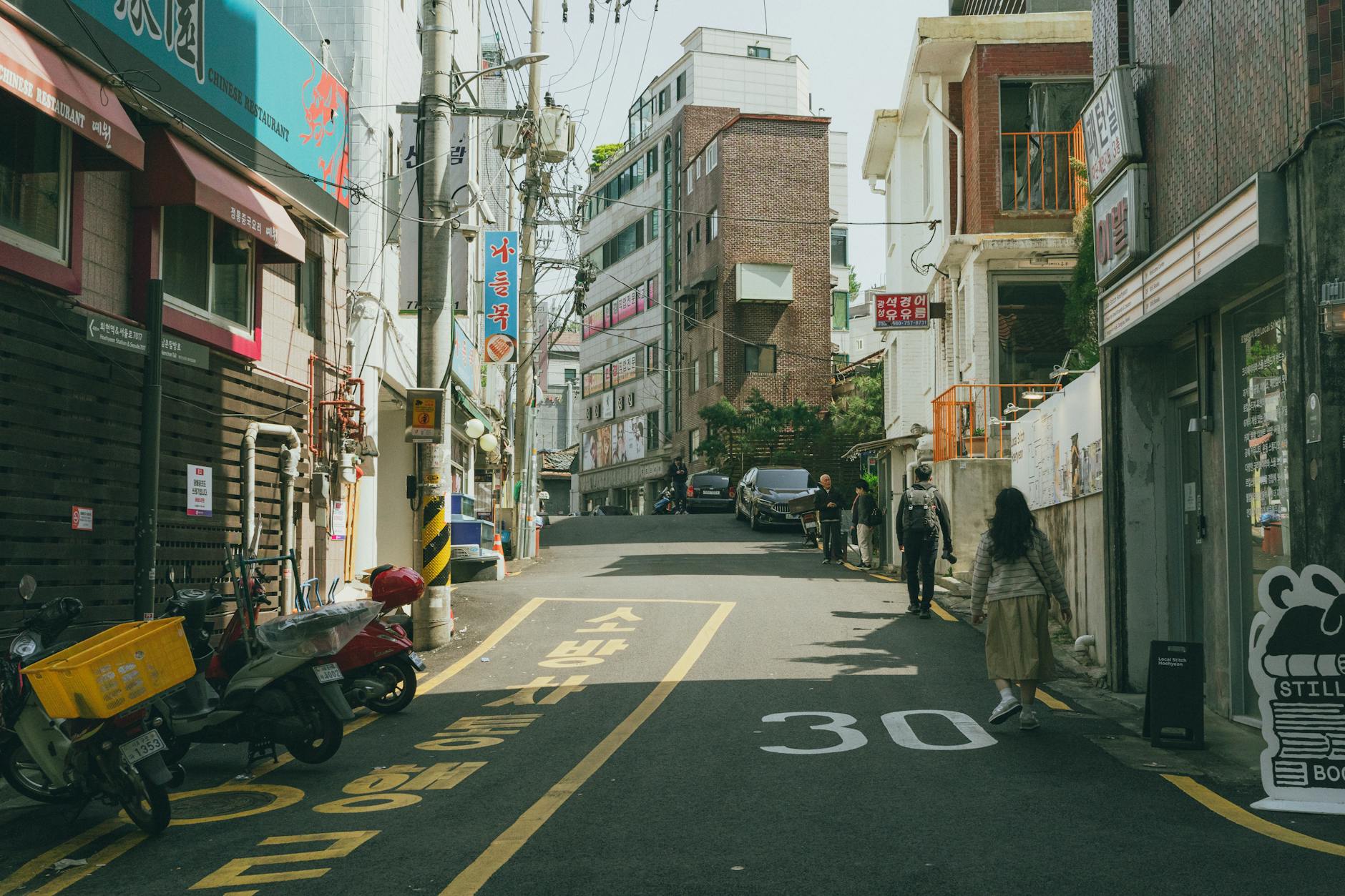
Itaewon has long been Seoul’s most international neighborhood, historically shaped by the nearby US military base (Yongsan Garrison). Today it’s a diverse, progressive area — mapped in our Itaewon guide — known for international restaurants, LGBTQ+ friendly bars, Muslim-friendly dining, and a cosmopolitan atmosphere unlike anywhere else in Seoul.
Why stay here: The widest variety of international cuisines in Seoul — Mexican, Indian, Turkish, Thai, Italian, and more. Excellent bars and rooftop lounges. The National Museum of Korea and War Memorial are nearby in Yongsan. Hannam-dong (adjacent) has become one of Seoul’s trendiest areas with high-end galleries, concept stores, and the Blue Square entertainment complex. English is more widely spoken here than almost anywhere else in the city.
Accommodation types: Mix of boutique hotels and Airbnb apartments. Grand Hyatt Seoul sits on the hill overlooking the neighborhood. Hamilton Hotel and Hotel Icon are popular mid-range choices. Many travelers opt for Airbnb apartments in the area for longer stays.
Price range: Budget ₩50,000–80,000 | Mid-range ₩100,000–180,000 | Luxury ₩250,000+
Drawbacks: Hilly terrain — the walk from Itaewon Station uphill to some accommodations is steep. Some areas can feel rowdy on weekend nights.
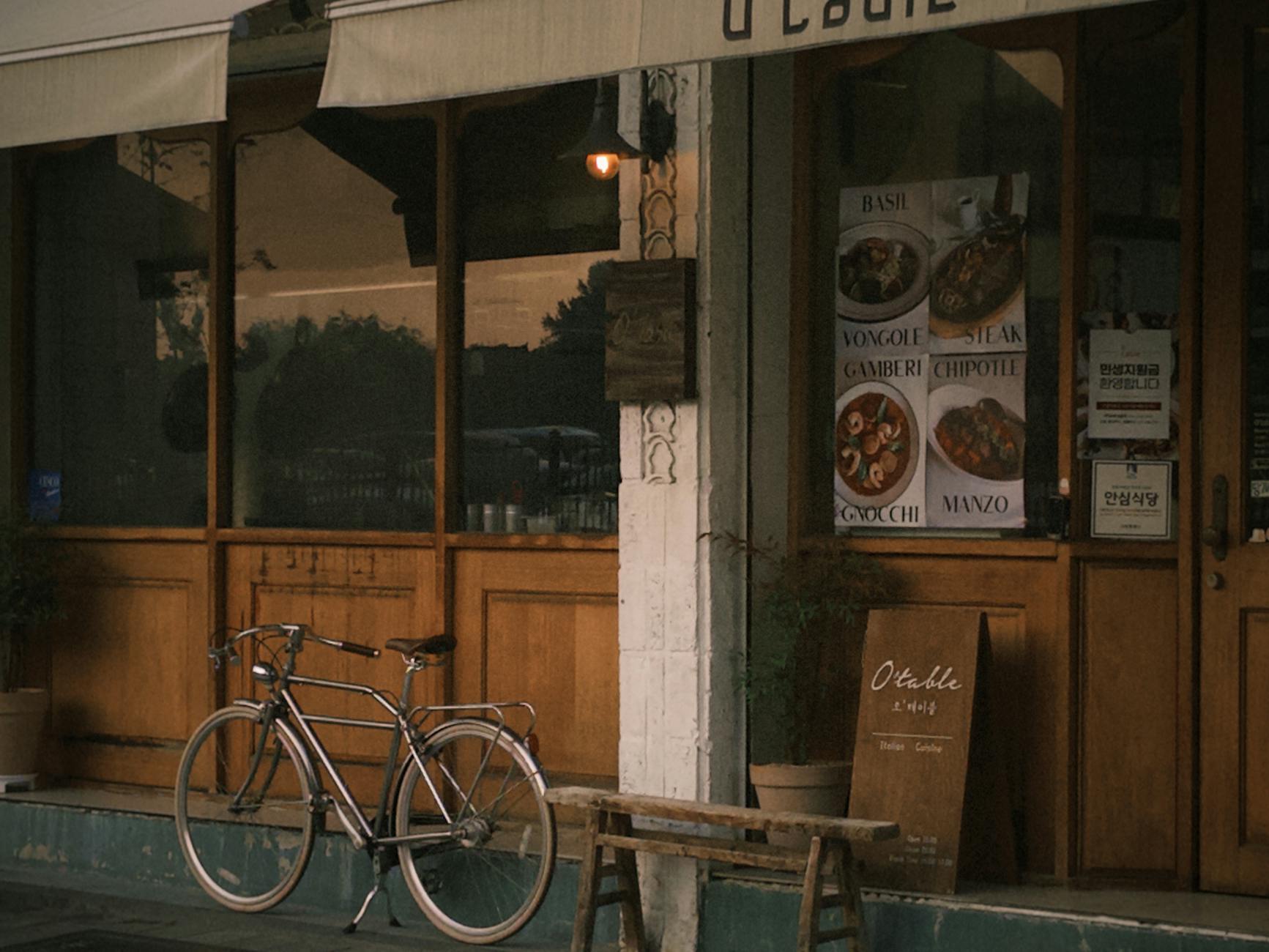
Seongsu-dong — profiled in our Seongsu-dong guide — is Seoul’s answer to Brooklyn — a former industrial and shoe-manufacturing district that’s been transformed into the city’s trendiest neighborhood. Converted warehouses now house concept cafes, indie fashion brands, popup stores, and artisan workshops. It’s where young Koreans go on weekends, and it offers a completely different experience from the typical tourist trail.
Why stay here: Seoul’s coolest cafe scene (this is where viral cafes like Onion and Café Layered have their flagship locations), detailed in our Seoul cafe guide. Seoul Forest — a beautiful urban park — is a 10-minute walk away. The area feels authentically local rather than touristy. Seongsu Station (Line 2) provides quick subway access to Gangnam, Hongdae, and central Seoul. Great for repeat visitors or travelers who want to experience contemporary Seoul culture.
Accommodation types: Primarily Airbnb apartments, boutique hotels, and design hotels. Hotel POCO and The Classic 500 Pentaz are notable options. Accommodation supply is growing rapidly as the area develops.
Price range: Airbnb ₩60,000–120,000 | Mid-range hotel ₩100,000–180,000
Drawbacks: Far from traditional tourist sights. Limited nightlife (cafes close early; it’s not a bar district). Still developing as a tourist area, so English signage and tourist services are sparse.
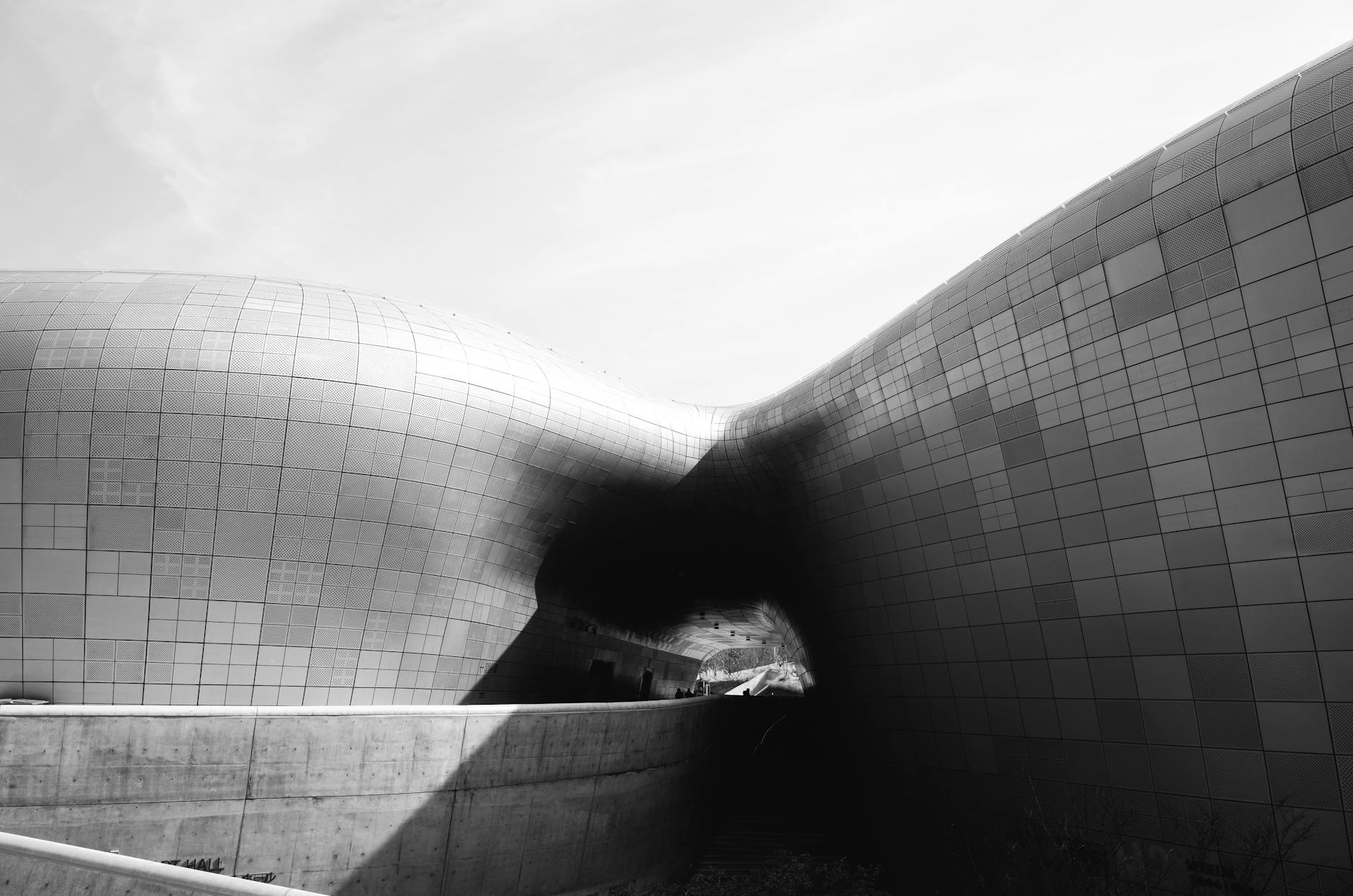
Dongdaemun is Seoul’s late-night shopping district, home to massive fashion malls (Doota, Migliore, Goodmorning City), wholesale markets that trade past midnight, and the stunning Dongdaemun Design Plaza (DDP). Opening hours vary from building to building, so check each mall before planning a late run. If shopping is a priority and you want affordable accommodation with excellent transit links, Dongdaemun is a strong choice for where to stay in Seoul.
Why stay here: Unbeatable for shopping addicts — the wholesale markets offer Korean fashion at rock-bottom prices, especially after midnight when retail tourists clear out and wholesale buyers arrive. Well-connected subway hub (Lines 1, 2, 4, 5 within walking distance). Budget-friendly hotels and guest houses abound. Excellent proximity to Gwangjang Market for food.
Accommodation types: Abundant budget to mid-range hotels. JW Marriott Dongdaemun Square Seoul is the luxury anchor. Western-style hotels and Korean-style “motels” (yeogwan/모텔) — clean, functional, and cheap — are plentiful.
Price range: Budget ₩40,000–70,000 | Mid-range ₩80,000–150,000 | Luxury ₩200,000+
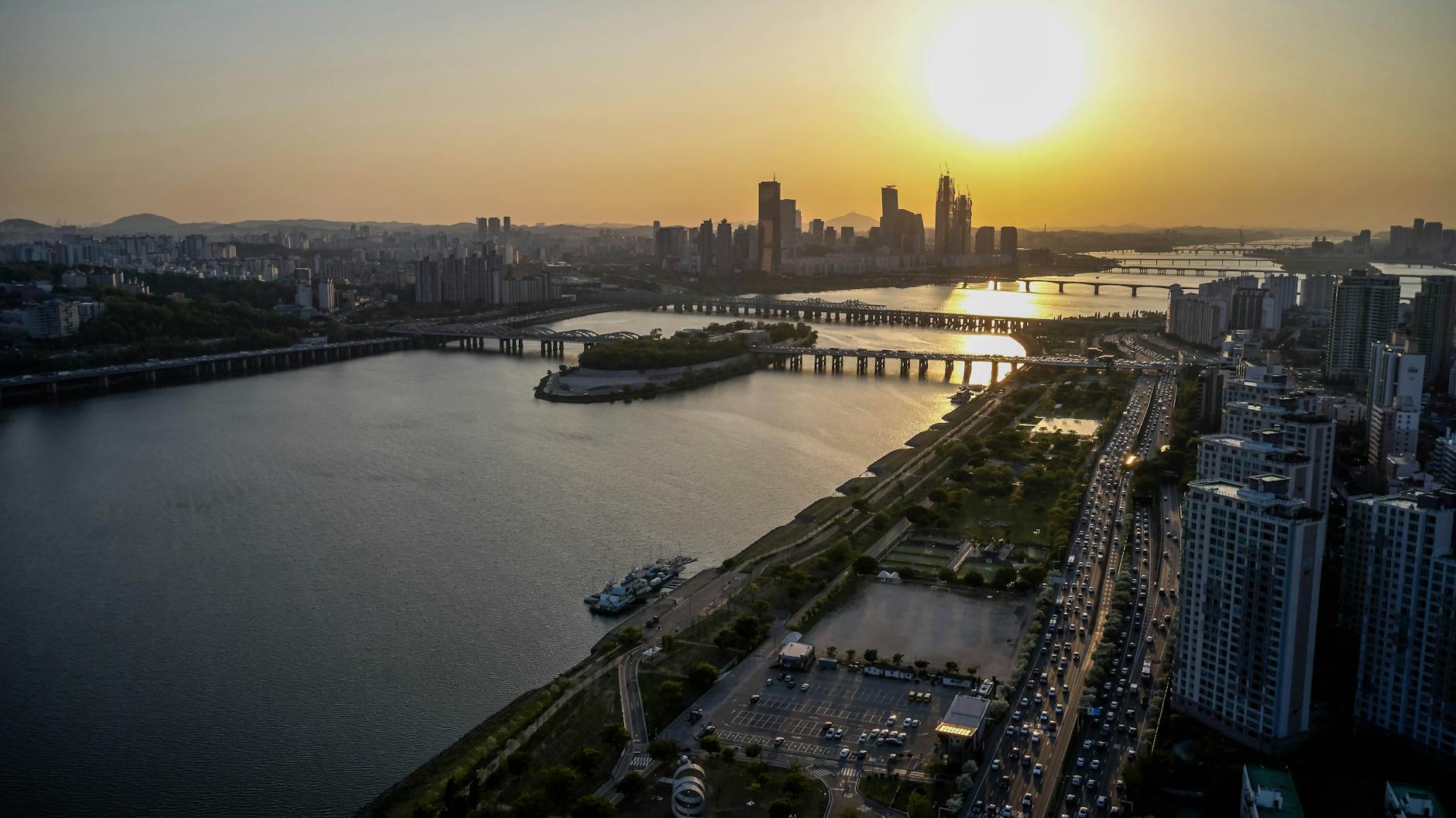
Yeouido is Seoul’s financial district — an island in the Han River home to the National Assembly, major broadcasting companies, and the IFC Mall complex. It’s less touristy than other areas but offers a different perspective on Seoul life, especially during cherry blossom season (April) when Yeouido’s famous cherry blossom tunnel draws millions.
Why stay here: Beautiful Han River walking and cycling paths right outside your hotel. Stunning nighttime skyline views. Excellent for business travelers. The IFC Mall and The Hyundai Seoul offer premium shopping and dining. During spring, the cherry blossoms along Yeouinaru make this the most scenic spot in the city. Subway Lines 5 and 9 provide decent connectivity.
Accommodation types: Business-oriented hotels dominate. Conrad Seoul (Hilton), Glad Hotel Yeouido, and Marriott Executive Apartments are top picks. Fewer boutique or budget options.
Price range: Mid-range ₩130,000–200,000 | Luxury ₩280,000+
Seoul offers a wider range of accommodation types than most cities. Understanding your options helps you find the right fit:
Hotels (호텔): International chains and Korean brands operate across all price points. Korean hotel rooms tend to be smaller than Western equivalents at the same star rating. Check whether breakfast is included — it often isn’t, even at 4- and 5-star properties.
Hanok Guesthouses (한옥 게스트하우스): Traditional Korean houses converted into guest accommodations. You sleep on a yo (mattress) on the heated ondol floor, with paper sliding doors and courtyard views. Bathrooms may be shared. A uniquely Korean experience best found in Bukchon, Insadong, and Jongno — see our hanok stays in Seoul guide.
Goshiwon/Gositel (고시원): Extremely small, bare-minimum rooms originally designed for students preparing for exams. Rooms are as small as 3–5 square meters with shared bathrooms. Prices start around ₩300,000–500,000 per month (some offer nightly rates). Only recommended for ultra-budget solo travelers comfortable with minimal space.
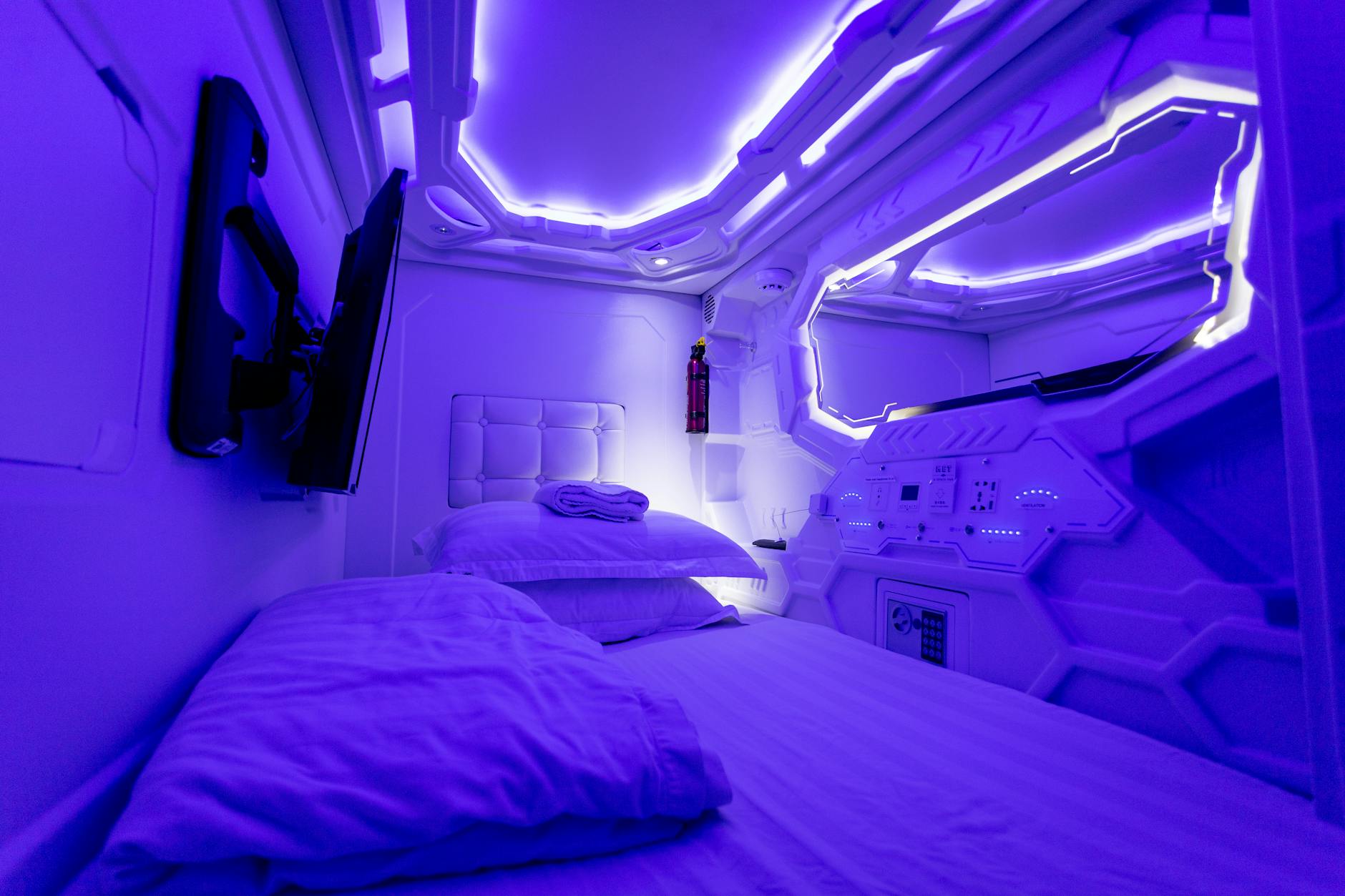
Hostels (호스텔): Concentrated in Hongdae, Myeongdong, and Itaewon. Korean hostels are generally very clean and well-maintained, and our Seoul budget accommodation guide lists the best. Dorm beds average ₩20,000–35,000 per night. Many include free breakfast, lockers, and common areas.
Airbnb & Serviced Apartments: Excellent for families and longer stays. Entire apartments are available across all neighborhoods, typically offering more space and kitchen facilities than hotels. Prices start around ₩50,000/night for studios. Note: some Airbnb listings in Korea operate in legal grey areas, so book through established platforms with good reviews.
Jjimjilbangs (찜질방): Korean bathhouse-spa complexes that offer overnight sleeping areas for ₩12,000–20,000. Not a conventional accommodation but a genuinely fun, budget-friendly option for one night. More sleep-cheap ideas in our Seoul on a budget guide.
A few practical tips for finding and booking where to stay in Seoul:
When to book: For peak seasons (cherry blossom in April, autumn foliage in October/November, major K-pop events), book 2–3 months in advance. For other periods, 2–4 weeks ahead usually secures good rates. Last-minute bookings can work for budget options but not for popular hotels.
Best booking platforms: Booking.com and Agoda tend to have the widest selection and best prices for Korean hotels. For hanok stays, Airbnb and direct booking (via the guesthouse’s website or Instagram) often give better rates. Klook and Coupang Travel sometimes offer flash deals on Seoul hotels.
Check-in/check-out: Standard check-in is 3:00 PM and check-out is 11:00 AM in most Korean hotels (earlier than the noon checkout common in Western countries). Many hotels offer luggage storage for early arrivals or late departures.
Free cancellation matters: Korea’s cancellation culture is generally flexible — most hotels offer free cancellation up to 1–3 days before arrival. Always book refundable rates when possible, especially during peak season when plans may change.
Airport proximity: If you have an early morning flight from Incheon (before 8 AM), consider staying near Seoul Station (direct AREX access) or in the Hongdae area (on the airport railroad line). Alternatively, Incheon Airport has a transit hotel inside Terminal 2.
How long you’re in town should shape where you base yourself. On a short 2–3 day trip, prioritize being central above all else — book in Myeongdong, Insadong, or Jongno so you can walk to the palaces and markets and waste no time commuting; pair it with our Seoul itineraries to map efficient days. On a 5-day trip, you have room to trade a little centrality for character: Hongdae or Itaewon keep you near nightlife and dining while still well-connected, and a day trip or two won’t suffer. On a week or longer, consider splitting your stay — three nights in the historic north for the classic sights, then a few in Seongsu-dong, Yeonnam-dong, or Gangnam to live a more local, contemporary Seoul. A two-base trip costs a little in logistics but doubles the neighborhoods you’ll truly get to know, and Seoul’s left-luggage services and easy subway make the mid-trip move painless. Whatever the length, lock your accommodation around your transport — a base within a few minutes of a Line 2 or AREX station quietly saves hours over a week.
If you have narrowed it down to the big three and want them set side by side rather than described one after another, we have built a dedicated head-to-head: Myeongdong vs Hongdae vs Gangnam compares them on nightly price, transfers to the palaces, late-night noise, food within five minutes of the lobby and how easy each is to reach from Incheon — with a straight verdict rather than a diplomatic one.
Myeongdong or Insadong. Both are central, well-connected by subway, and within easy reach of the palaces, markets, and N Seoul Tower. Myeongdong offers more hotels and shopping; Insadong is quieter and more traditional. Compare specific properties in our best hotels in Myeongdong guide.
Hongdae has the best hostel scene and a direct airport-train link, while Dongdaemun offers cheap hotels beside 24-hour shopping. For dorms, goshiwon, and jjimjilbang options across the city, see our Seoul budget accommodation guide and the wider Seoul on a budget playbook.
For at least a night or two, yes — sleeping on a heated ondol floor in a courtyard house in Bukchon or Insadong is one of Seoul’s most memorable experiences. Rooms are simple and some bathrooms are shared, so it’s about atmosphere over amenities. Our hanok stays in Seoul guide lists the best ones.
Hongdae for budget bars, clubs, and live music; Itaewon for cocktails, an international crowd, and LGBTQ+-friendly venues; Gangnam for upscale mega-clubs. Staying in any of the three puts you within walking distance of a great night out — our Seoul nightlife guide has the full rundown.
Insadong and Jongno are safe, central, and near family-friendly attractions with wide sidewalks and low traffic; Jamsil suits families heading to Lotte World. Airbnb apartments and serviced residences give families more space and a kitchen than standard hotel rooms.
Book two to three months ahead for peak windows — cherry-blossom April, autumn foliage in October and November, and major K-pop events. For other periods, two to four weeks is usually enough. Always favor free-cancellation rates in case plans shift.
It’s excellent for luxury hotels, shopping, fine dining, and K-pop culture, but it sits south of the river, away from the palaces and traditional markets, so you’ll commute more for classic sightseeing. If that’s your trip, it’s ideal — browse the options in our best hotels in Gangnam guide and the wider Gangnam neighborhood guide.
For more on navigating between neighborhoods, see our Getting Around Seoul guide. Wondering what’s near your hotel? Our 50 best things to do in Seoul covers attractions across every district. And for the best restaurants near where you’re staying, check our Seoul Food Guide.