01
3 Day Seoul Itinerary: Perfect First-Timer Plan (2026 Guide)
Perfect 3 day Seoul itinerary 2026 for first-time visitors: hour-by-hour plan with…
Planning the perfect Seoul itinerary can feel overwhelming — the city is massive, packed with attractions, and offers something for every interest. Whether you have a quick 3-day stopover or a full week to explore, this guide provides detailed day-by-day plans that maximize your time while keeping a comfortable pace. We’ve structured each itinerary so you’ll experience the best of Seoul’s history, food, neighborhoods, and modern culture without the stress of constant rushing.
8 guides, ordered the way you will need them. Each one stands alone if you arrived from search.
01
Perfect 3 day Seoul itinerary 2026 for first-time visitors: hour-by-hour plan with…
02
Perfect 5 day Seoul itinerary 2026 for first-time visitors: hour-by-hour plan with…
03
Perfect 7 day Seoul itinerary 2026: deep-dive Seoul plan or Seoul + Busan KTX…
04
Romantic Seoul itinerary for couples 2026: 4-day plan with N Seoul Tower love…

These itineraries are designed for first-time visitors but work equally well for repeat travelers who want to ensure they haven’t missed Seoul’s essentials. Each plan includes timing suggestions, restaurant recommendations, and practical tips to make your days flow smoothly. Adjust freely based on your interests — if K-pop is your priority, swap in attractions from our K-Pop Seoul Guide; if food is your focus, use our Seoul Food Guide to customize your dining stops.
Below you’ll find complete day-by-day plans for 3, 5, and 7 days. If you want even more granular, hour-by-hour detail for one specific length, we’ve built standalone deep-dives worth bookmarking: the 3-day Seoul itinerary, the 5-day Seoul itinerary, and the 7-day Seoul itinerary. To mix and match freely, browse our full list of the best things to do in Seoul, and sort your transport first with the getting around Seoul guide so every day flows without backtracking.
3 days covers the essential highlights — palaces, key neighborhoods, markets, and iconic landmarks. It’s tight but doable if you’re efficient. 5 days is the sweet spot for most first-time visitors, giving you time for a day trip (DMZ or nearby attractions) and deeper neighborhood exploration without feeling rushed. 7 days lets you truly experience Seoul at a relaxed pace, with time for hidden gems, wellness days, and multiple day trip options. We recommend a minimum of 5 days for a satisfying first visit.
Layover or flying visit? You can still taste the best of the city. With one day, do historic Seoul in the morning — Gyeongbokgung at the 9am opening, the guard ceremony at 10, then Bukchon Hanok Village — and modern Seoul in the afternoon, with street food in Myeongdong and sunset from N Seoul Tower. With a second day, add Gwangjang Market for breakfast, a walk along Cheonggyecheon Stream, café-hopping in Hongdae, and a Korean BBQ dinner. Base yourself centrally in Myeongdong or Jongno to keep transit short, and lean on the subway rather than taxis — two stops here are rarely more than ten minutes apart. It’s tight, but Seoul packs in beautifully when you stay in one or two districts per day rather than crisscrossing the river.
This compact itinerary hits Seoul’s absolute must-sees, perfect for a stopover or short trip. For an even more detailed hour-by-hour version with restaurant picks and exact timings, see our dedicated 3-day Seoul itinerary.
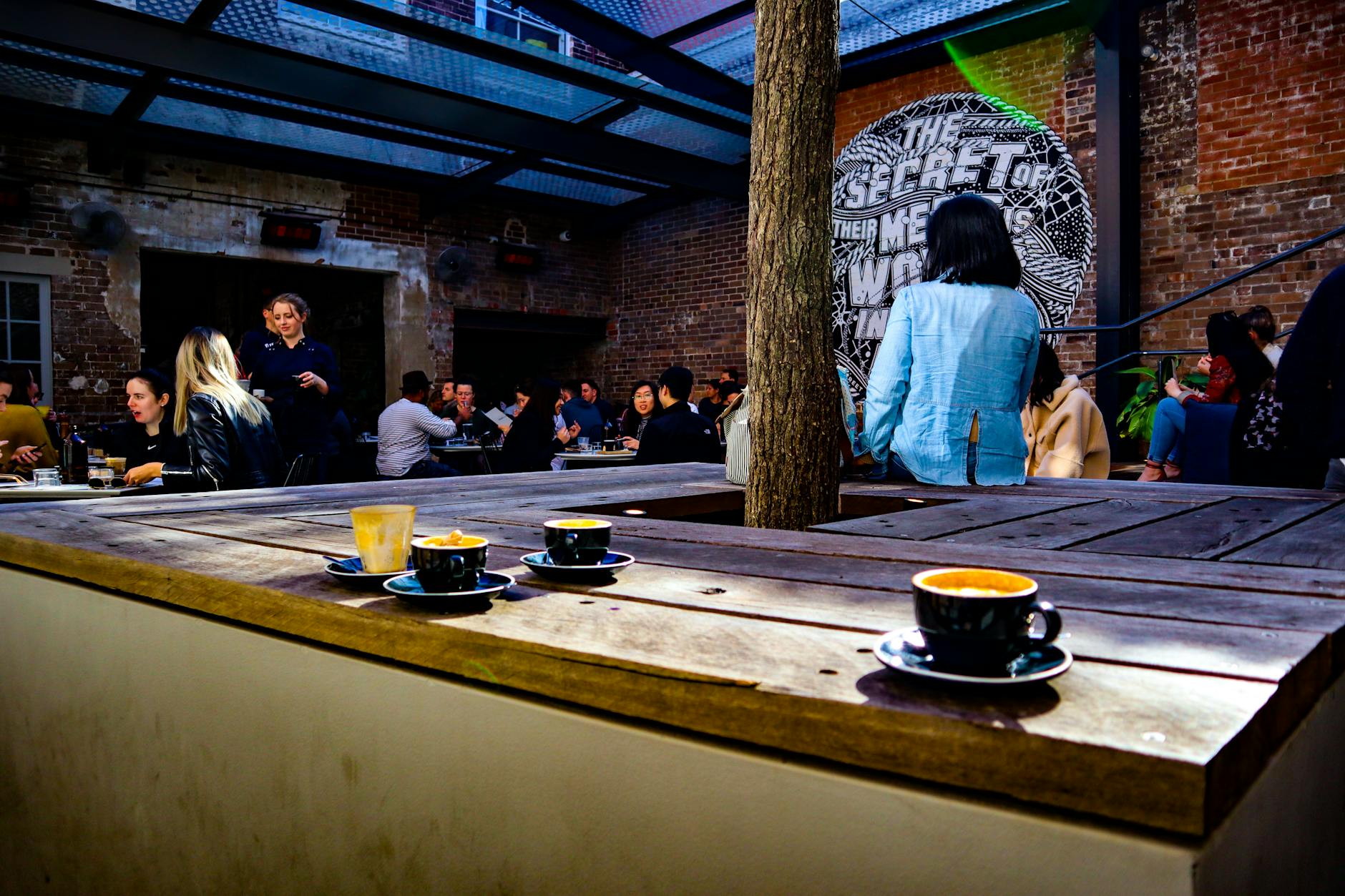
Morning (9:00–12:00): Start at Gyeongbokgung Palace, arriving right when the gates open at 9am to beat the crowds. Watch the royal guard changing ceremony (held at 10:00 and 14:00) — it’s a colorful and photogenic spectacle. Consider renting a hanbok (traditional Korean dress) from one of the many rental shops nearby (₩15,000–₩25,000 for a few hours) — wearing hanbok grants you free palace entry and makes for stunning photos. Explore the palace grounds including the National Folk Museum of Korea inside the complex.
Lunch (12:00–13:00): Walk to the nearby Tongin Market for their unique lunch box café experience — you buy coins and fill a tray with various traditional Korean dishes from market vendors. It’s affordable, delicious, and gives you a taste of multiple Korean foods in one meal.
Afternoon (13:00–17:00): Stroll through Bukchon Hanok Village, a residential area of beautifully preserved traditional Korean houses (hanok) nestled between Gyeongbokgung and Changdeokgung Palaces. Be respectful of residents — it’s a real neighborhood. Continue to Insadong for its art galleries, traditional tea houses, and souvenir shopping along the pedestrian street.
Evening (17:00–21:00): Head to Gwangjang Market, one of Seoul’s most popular traditional markets, for an authentic Korean street food dinner. Try bindaetteok (mung bean pancakes), mayak gimbap (addictive mini seaweed rolls), and tteokbokki (spicy rice cakes). After eating, take a gentle walk along the Cheonggyecheon Stream, a 10.84km waterway whose 5.84km central stretch was restored in 2005 and is romantically lit in the evening.
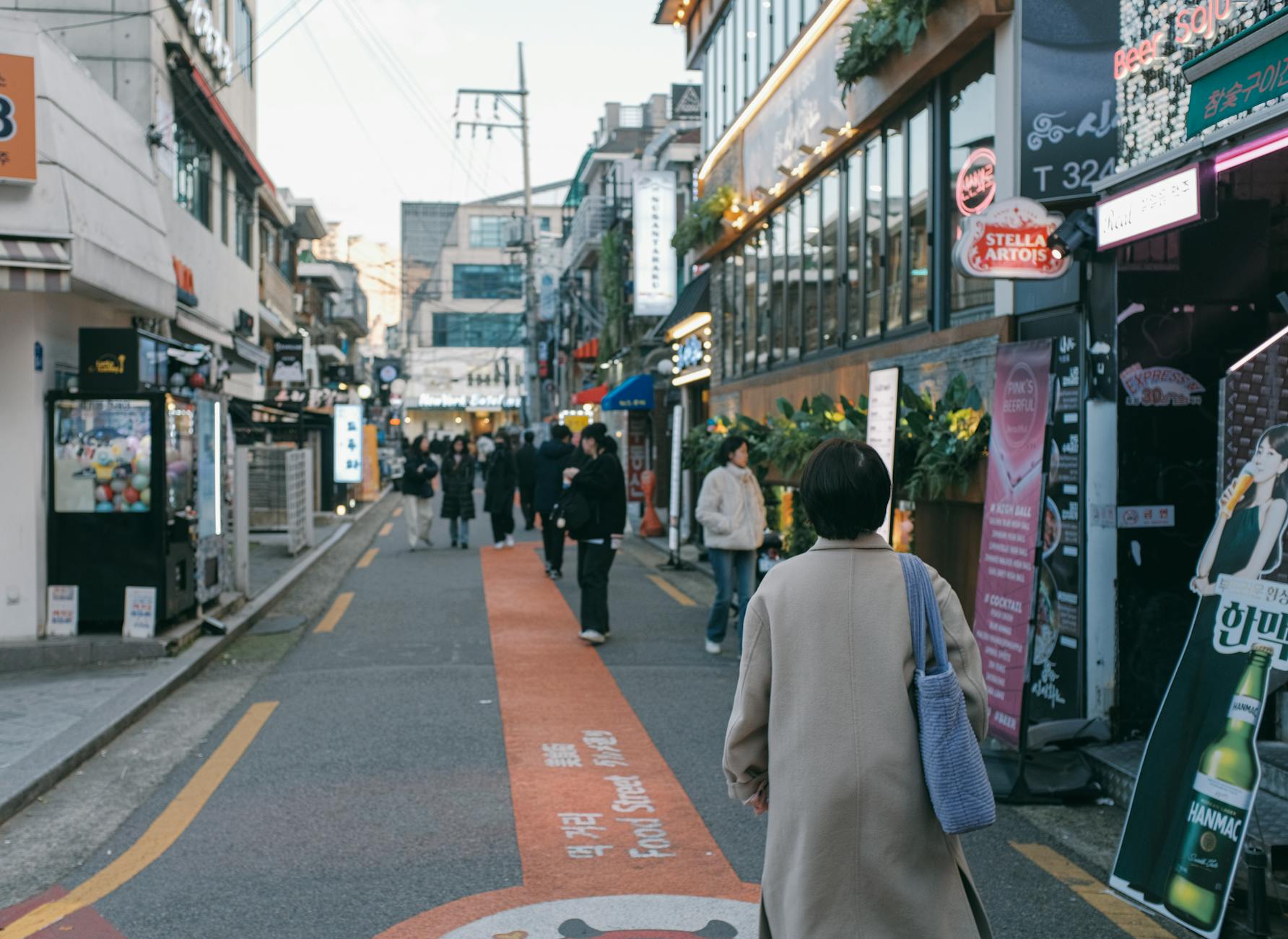
Morning (9:30–12:00): Begin in Hongdae, Seoul’s youth culture epicenter. Start at the charming Yeonnamdong area for café hopping — the neighborhood is full of Instagram-worthy cafés with creative drinks and pastries. Walk along the Gyeongui Line Forest Park, a converted railway track that’s now a leafy urban walking path connecting trendy shops and eateries.
Lunch (12:00–13:30): Visit Mangwon Market for excellent street food in a more local, less touristy atmosphere than Gwangjang. Try fresh hotteok (sweet pancakes), eomuk (fish cakes), and seasonal fruit juices.
Afternoon (13:30–17:00): Explore Hongdae’s main shopping area — packed with independent boutiques, vintage stores, K-pop merchandise shops, and photo booths (a Korean craze). Drop into the Alive Museum for interactive fun, or browse the quirky independent stores around Hongdae Playground.
Evening (17:00–22:00): As the sun sets, Hongdae transforms into one of Seoul’s most vibrant nightlife areas. Watch the street performers on Hongdae’s R2 Busking Street, grab dinner at one of the area’s Korean BBQ or fried chicken restaurants, and if you’re up for it, try noraebang (Korean karaoke) — a quintessential Seoul experience. Check our Seoul Nightlife Guide for the best spots.
Morning (9:00–12:00): Hike up to Namsan Seoul Tower (N Seoul Tower) for panoramic city views. You can walk up from the cable car base or ride the cable car to the top. On clear days, views stretch across the entire Seoul basin. Visit the famous love lock terrace — featured in countless K-dramas.
Lunch (12:00–13:30): Descend to Namdaemun Market, the traditional market at the foot of Namsan. Get lost among the stalls selling everything from clothing to kitchenware, and sample the legendary kalguksu (knife-cut noodle soup) at the market’s dedicated food alley.
Afternoon (13:30–17:00): Head to Myeongdong for K-beauty shopping — the street is lined with flagship cosmetics stores with testers out to try. Explore the underground shopping centers for deals on clothing and accessories. If time permits, visit Myeongdong Cathedral, a beautiful Gothic church that’s a peaceful oasis amid the shopping frenzy.
Evening (17:00–21:00): Myeongdong’s street food vendors come out in the evening — try tornado potatoes, egg bread, and mozzarella corn dogs. For a spectacular final evening experience, catch a NANTA show — a non-verbal comedy performance using kitchen utensils that’s hilarious even without understanding Korean.
Follow the 3-day itinerary above, then add these two days for a more complete Seoul experience. Our standalone 5-day Seoul itinerary expands each of these days with extra stops, dining reservations, and timing notes.
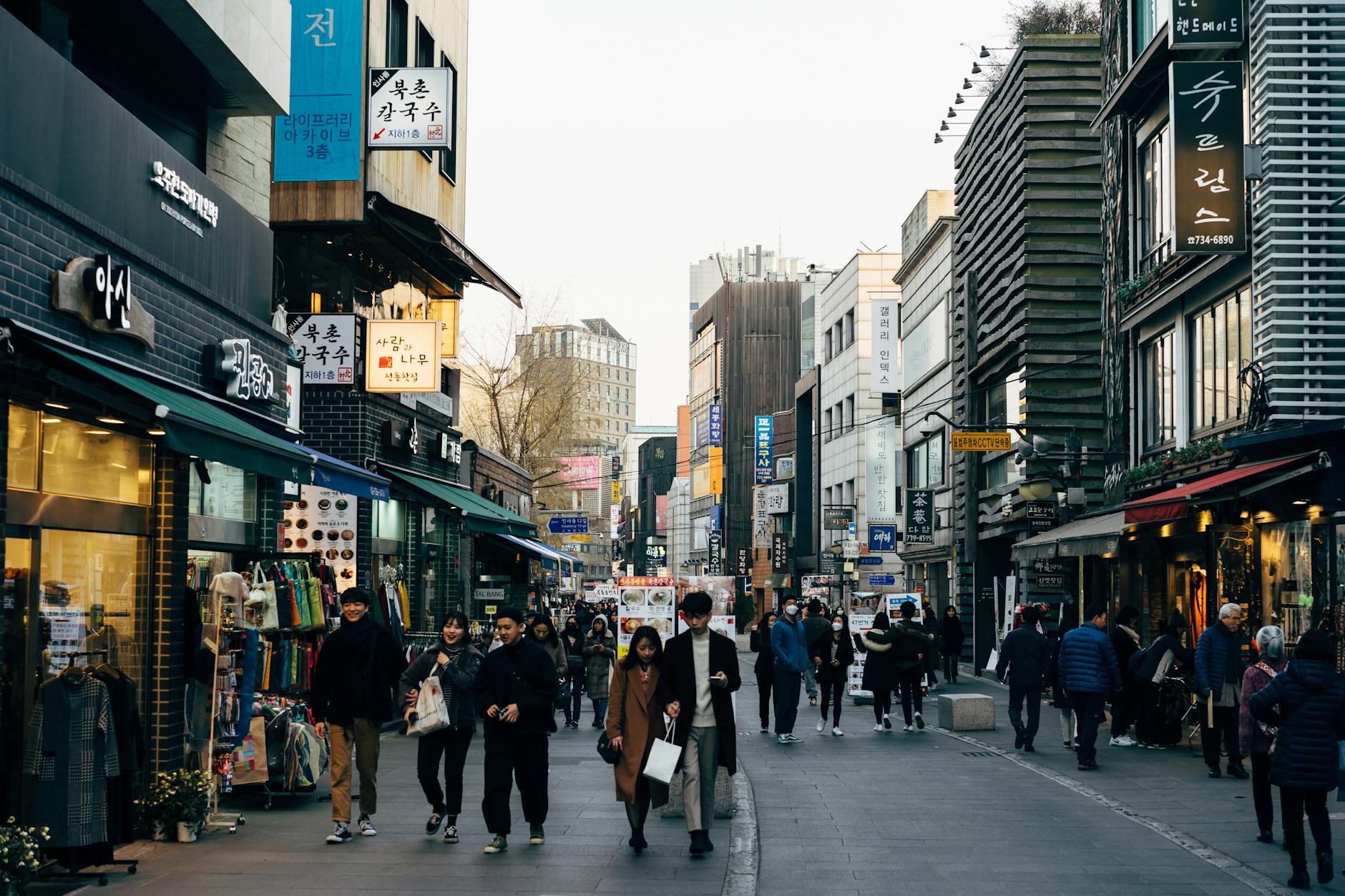
Morning (10:00–12:30): Start on Garosu-gil (Tree-Lined Street) in the Sinsa-dong area for designer fashion shops and cafés, then nearby Apgujeong Rodeo Street, a luxury-brand shopping street popular with trendsetters. This is where K-pop idols and Korean celebrities shop and dine.
Midday (12:30–14:30): Visit Bongeunsa Temple, a serene Buddhist temple that sits in stunning contrast to the modern Gangnam skyscrapers surrounding it. Temple grounds are free to enter and offer a peaceful escape from urban energy.
Afternoon (14:30–17:00): Explore COEX Mall and its famous Starfield Library — an Instagram-famous open library with soaring bookshelves inside the massive underground mall. Browse the COEX Aquarium or simply window-shop in one of Asia’s largest underground shopping centers.
Evening (17:00–22:00): Explore Gangnam’s nightlife scene with craft breweries and rooftop bars. Baseball fans should know that Jamsil Baseball Stadium hosted its last KBO games in 2026 and is due to be demolished from December 2026, so there are no games there to catch. See our Seoul Neighborhoods Guide for more Gangnam recommendations.
Full Day (7:00–17:00): Take a guided tour to the Demilitarized Zone (DMZ) — the 4km buffer zone between North and South Korea. This is one of the most unique geopolitical experiences on earth. Tours typically include the Freedom Bridge, Dora Observatory (where you can peer into North Korea) and the Third Infiltration Tunnel. Some itineraries add Dorasan Station, rebuilt for a planned rail link with the North.
Important: you must book an organized tour — independent visits aren’t permitted. Bring your passport. Tours depart from central Seoul early morning and return by late afternoon. Multiple operators offer tours starting around ₩50,000–₩80,000. The newer Gamaksan Suspension Bridge near the DMZ is a dramatic addition to many tour itineraries.
Evening: Return to Seoul and enjoy a relaxed final dinner. Eulji-ro is the perfect neighborhood for unwinding — its converted industrial spaces house some of Seoul’s most atmospheric bars and restaurants.
Follow the 5-day itinerary, then add these two days for a truly immersive Seoul week. The full 7-day Seoul itinerary goes deeper still, with neighborhood detours and day-trip options woven through the week.
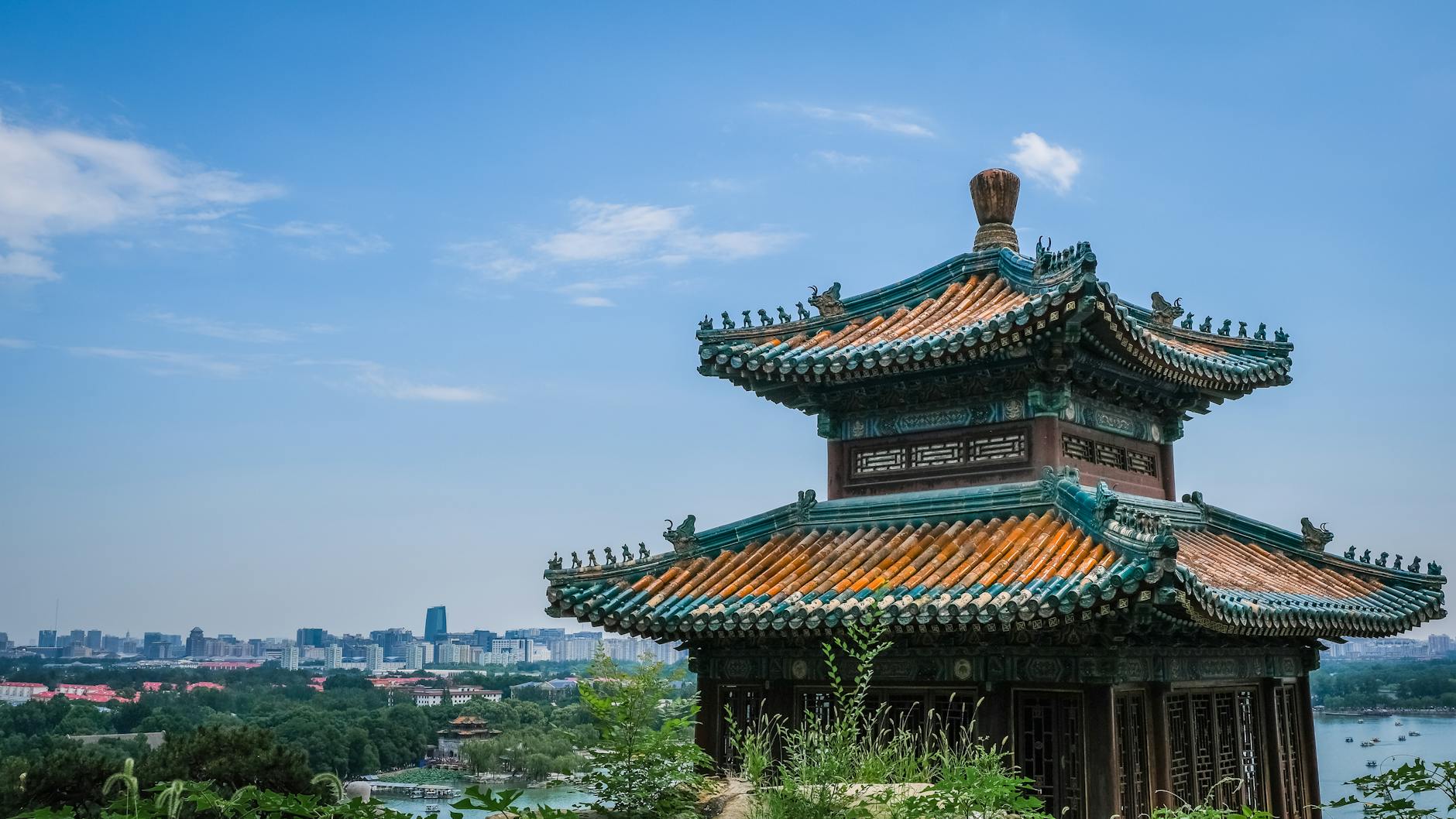
Morning (9:00–12:00): Start your day at a jjimjilbang (Korean spa/bathhouse) for a quintessential Korean wellness experience. Or try one of Gangnam’s premium skincare clinics for a K-beauty facial treatment. Visit our Seoul Wellness & Spa Guide for full recommendations.
Afternoon (12:00–17:00): Dedicate the afternoon to Seoul’s incredible café culture. The Seongsu-dong district is Seoul’s “Brooklyn” — packed with converted warehouse cafés, artisan coffee roasters, and concept stores. Don’t miss themed cafés like cat cafés, raccoon cafés, or the numerous aesthetic cafés designed for photography. See our Seoul Café Guide for the best spots.
Evening (17:00–20:00): Book a Korean cooking class and learn to make dishes like bibimbap, kimchi, or Korean fried chicken. Classes typically run 2–3 hours, include eating what you cook, and cost ₩40,000–₩70,000. This is a wonderful way to bring a piece of Seoul home with you.
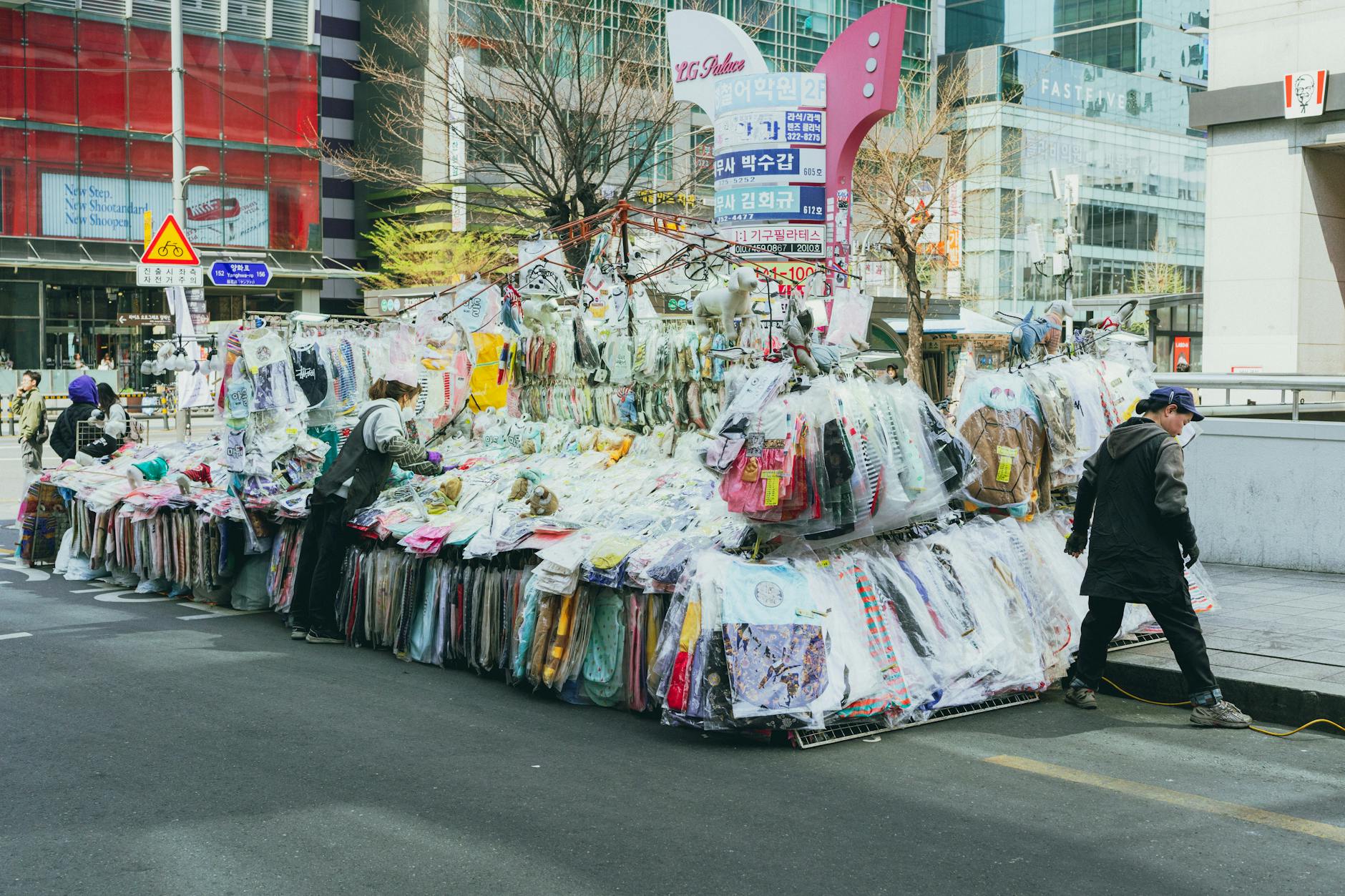
Morning (9:00–12:00): Walk a section of the Seoul Fortress Wall — the ancient city wall that once protected the Joseon capital. The Naksan route is the most scenic and manageable section: 2.1km from Hyehwamun Gate to Heunginjimun Gate, about an hour’s walk plus time for stops. The walk offers elevated views across both historic and modern Seoul with minimal difficulty.
Lunch & Afternoon (12:00–17:00): Head to the Dongdaemun area. Visit the Dongdaemun Design Plaza (DDP) — Zaha Hadid’s futuristic architectural landmark — for photo opportunities and any current exhibitions. Then explore the surrounding shopping district, which mixes daytime retail with overnight wholesale markets; hours and closing days vary from building to building. For a quieter alternative, explore the Ikseon-dong Hanok Village — a tiny neighborhood of converted hanok houses turned into trendy cafés, restaurants, and boutiques that feels like a hidden gem despite its central location.
Evening (17:00–21:00): End your Seoul week at Gwangjang Market (worth a second visit!) or try the nighttime atmosphere at Namdaemun Market. For a final memorable dinner, book a Korean BBQ experience at one of Seoul’s top-rated spots — a fitting farewell to an incredible week.
Lucky enough to have ten days or more? Seoul makes an ideal base for some of Korea’s best day trips, all reachable by train or bus. Suwon (subway Line 1 to Suwon Station, then local transport to the fortress) circles the UNESCO-listed Hwaseong Fortress, a walkable 18th-century wall with sweeping ramparts. Nami Island and Gangchon, reached via the ITX-Cheongchun, deliver the tree-lined lanes made famous by K-dramas, best in autumn. Everland, Korea’s largest theme park, is a full, exhilarating day for families. The DMZ, if you didn’t fit it into five days, is a full-day excursion worth adding. And the port city of Incheon — with its Chinatown, Open Port history, and the calm of Wolmido — pairs neatly with a final night near the airport before flying out; our Incheon Airport to Seoul guide covers the connection. For ideas closer to home on your extra days, the Han River activities and Seoul temples and shrines guides fill quiet afternoons, and the full things to do in Seoul hub never runs dry.
Spring (March–May): Add cherry blossom viewing along the Yeouido Han River Park or at Seokchon Lake in Jamsil. The city is gorgeous but crowded during peak bloom (early-mid April). Summer (June–August): Be prepared for monsoon season (late June–July) with rain gear. Take advantage of air-conditioned malls and museums during afternoon heat. When the rain settles in for a full day, swap the walking blocks for museums, spa floors, and covered markets — our guide to things to do in Seoul when it rains maps 50-plus indoor options by neighborhood so you are not improvising in a downpour. Autumn (September–November): Seoul’s best season — add foliage walks at Namsan Mountain, Bukhansan, or the Secret Garden at Changdeokgung Palace. Winter (December–February): Add ice skating at Seoul Plaza or COEX, visit Christmas light displays, and spend more time at indoor attractions and cozy cafés.
Seoul is one of Asia’s best-value major cities. A budget 7-day trip runs approximately $350–$500 per person (excluding flights), mid-range around $1,000–$1,500, and luxury approximately $3,000–$4,500. Key money-saving strategies: palace tickets cost only ₩1,000–₩3,000 (₩3,000 for Gyeongbokgung and Changdeokgung, ₩1,000 for Changgyeonggung and Deoksugung; free in hanbok), adult subway rides start at ₩1,550 with a T-money card, street food meals cost ₩3,000–₩8,000, and many top attractions are free. Consult our Seoul on a Budget guide for comprehensive savings tips.
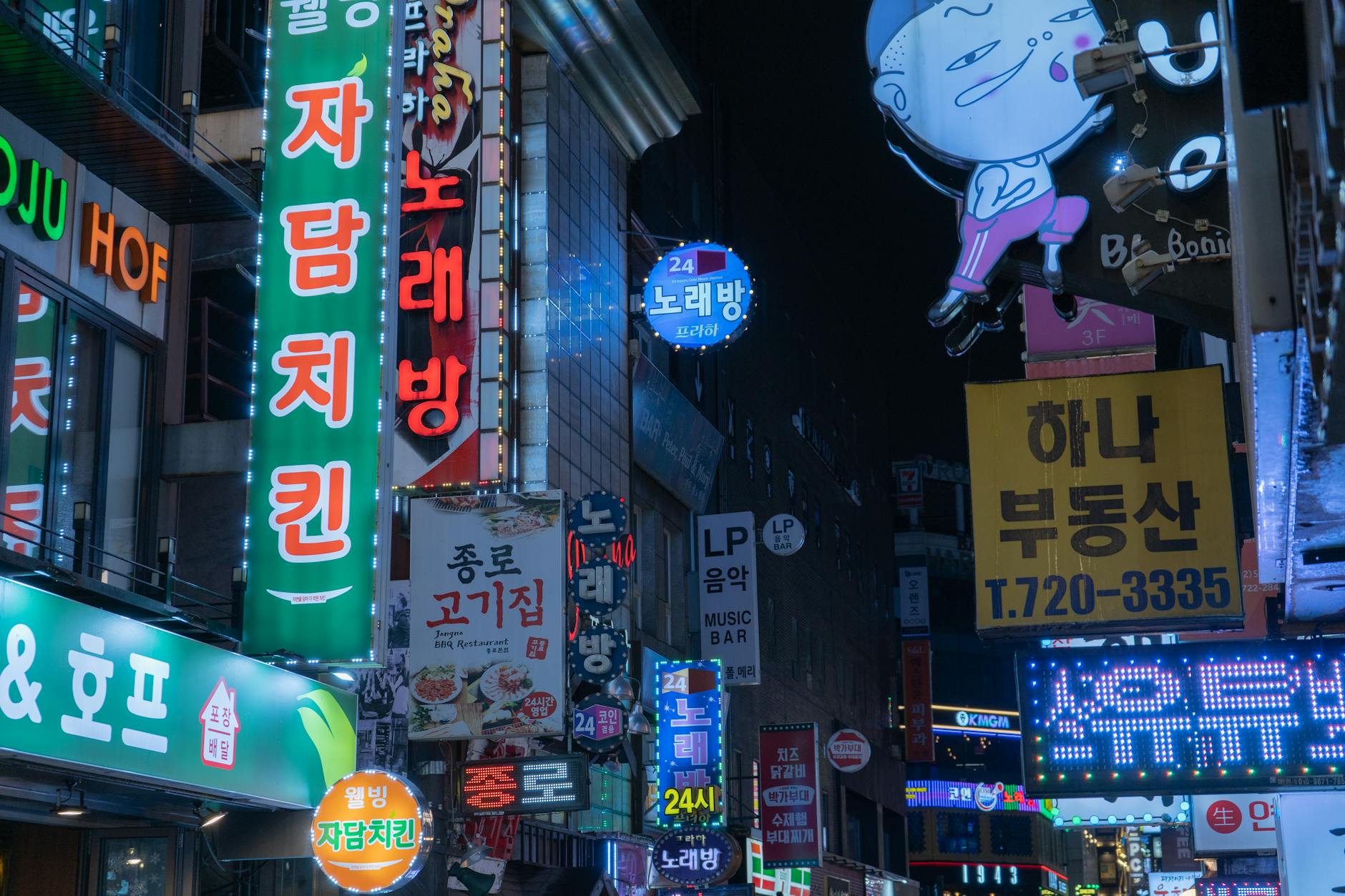
K-Pop fans: Swap Day 4’s Gangnam itinerary for entertainment company visits and K-Star Road (see our K-Pop Seoul Guide). Foodies: Replace shopping time with food tours or cooking classes (see our Seoul Food Guide). Nature lovers: Swap a city day for hiking at Bukhansan National Park (see our Seoul Outdoor & Nature Guide). History buffs: Add Changdeokgung Palace’s Secret Garden tour and the War Memorial of Korea museum. Couples: Trade a shopping block for a Namsan cable-car sunset and a Han River night cruise — our romantic Seoul itinerary for couples rebuilds four days around views, a hanok stay, and the dinners worth reserving ahead.
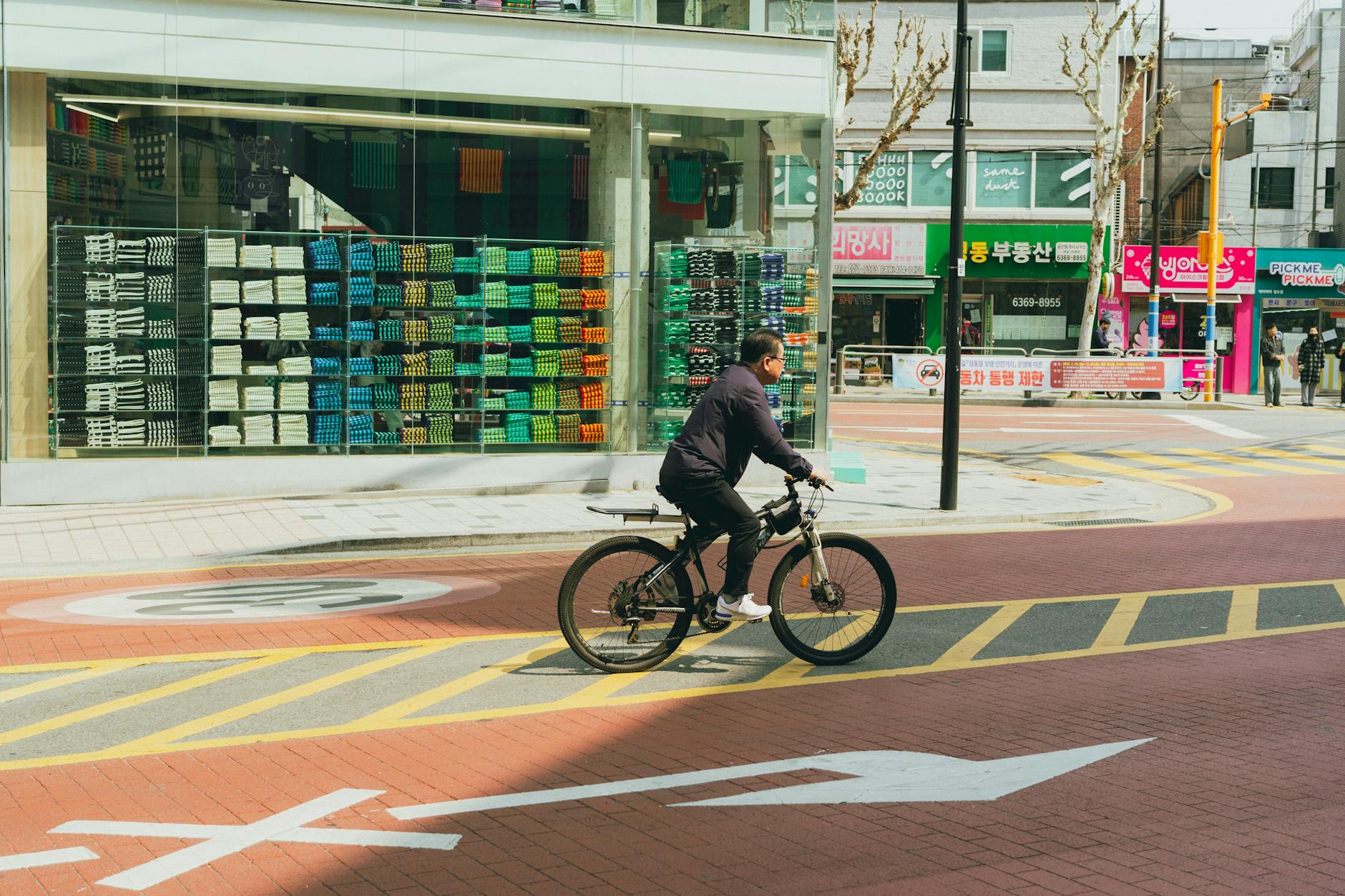
Getting Around: Seoul’s subway system is world-class — clean, efficient, cheap (from ₩1,550 per ride with a T-money card), and covers virtually everywhere you’ll want to go. Get a T-money card at the airport or any convenience store. Google Maps is limited for directions in Korea, so use Naver Map or KakaoMap for local navigation. For late nights, subways stop around midnight — use the Kakao T app for taxis. See our Getting Around Seoul guide for full transport details.
Timing Tips: Arrive at palaces right at opening (9am) to avoid tour groups. Save Myeongdong’s street food for the evening. Traditional markets are less crowded on weekday mornings. Many museums close on Mondays, though not all (MMCA Seoul opens), so check each one’s days before you go. Check your hanbok rental shop’s opening time and go as early as it allows, which is better for palace photo opportunities.
Connectivity: Rent a portable WiFi device or purchase an eSIM/SIM card at the airport — you’ll want constant connectivity for maps, translation apps (Papago is excellent for Korean), and restaurant searches. Free WiFi is widely available in cafés, subway stations, and public spaces.
Where to Stay: Your choice of neighborhood significantly affects your itinerary efficiency. Myeongdong/Jung-gu is the most central for sightseeing, Hongdae/Mapo-gu is best for nightlife and budget travelers, and Gangnam suits those interested in upscale shopping and K-pop culture. All are subway-connected so nowhere is truly inconvenient. Read our Where to Stay in Seoul guide for detailed area comparisons.
The single biggest mistake first-timers make is over-stuffing the schedule. Seoul is dense and the subway is fast, but jet lag, hills (Namsan, Bukchon, the fortress wall), and long market grazing sessions add up. Build in a deliberate slow block each afternoon — an hour in a café, a soak at a jjimjilbang, a riverside sit-down — and you’ll enjoy the evenings far more. A few rhythms that keep these itineraries humane: hit palaces and popular photo spots at the 9am opening before the tour buses, eat your big sit-down meal at lunch when set menus are cheaper, and save indoor attractions (museums, COEX, department stores) for the hottest or wettest part of the day. Keep each day anchored to one or two adjacent neighborhoods rather than ping-ponging across the Han River — the neighborhoods guide shows what sits near what. And don’t treat the plan as gospel: the best Seoul memories tend to come from the unplanned detour into a hidden café or a street festival you stumbled across. Load a transit app, keep your T-money card topped up, and let the city carry you between the fixed points.
Every itinerary on this page assumes you stay in Seoul, which is the right call below six days. Past that, the coast starts to earn its place — Seoul vs Busan sets out night-by-night splits for four, seven and ten-day trips, including why the smart ten-day version puts Gyeongju in between rather than giving Busan a fourth night.
If all you have is a single day — a stopover, a business trip with one free Saturday, or a long layover at Incheon — our one-day Seoul itinerary gives three timed versions: history-first, food-and-neighbourhoods, and a layover route that works backwards from your flight.
If Seoul is the start of a longer trip rather than the whole of it, our 10-day Korea itinerary takes the KTX south to Gyeongju and Busan and back, with a 7-day cut-down and a 14-day extension to Jeonju, Jeju or the east coast.
For a weekend or a two-night stopover, our 2-day Seoul itinerary splits the city at the river — historic Seoul on the first day, modern Seoul on the second — and is honest about what 48 hours leaves out.
Five days is the sweet spot for a first visit — enough for the palaces, the main neighborhoods, the markets, and one day trip without rushing. Three days covers the essentials if you’re efficient, and seven lets you add wellness, cafés, and the fortress wall at a relaxed pace. Our standalone 3-day, 5-day, and 7-day Seoul itineraries break down each length hour by hour.
Cluster by geography, not by theme, to avoid crossing the city twice. Group the palaces, Bukchon, Insadong, and Gwangjang Market into one northern-old-town day; Hongdae and the Mapo cafés into another; and Gangnam, COEX, and Bongeunsa into a third. The Seoul neighborhoods guide shows which areas sit next to each other.
Spring (April cherry blossoms) and autumn (October foliage) are the most beautiful, with mild weather ideal for the walking these itineraries involve. Summer is hot and wet; winter is cold but atmospheric and cheaper. See our best time to visit Seoul guide for a month-by-month breakdown.
For most first-timers, yes — it’s one of the most unique experiences on the planet, and it must be done as an organized tour with your passport. It eats a full day, so slot it on Day 5 or later once you’ve seen the city center, and book a week or two ahead in peak season.
Roughly $350–$500 per person for a budget week (excluding flights), $1,000–$1,500 mid-range, and $3,000+ for luxury. Adult palace entry is ₩3,000 at Gyeongbokgung and Changdeokgung and just ₩1,000 at Changgyeonggung and Deoksugung, subway rides start at ₩1,550, and street-food meals run ₩3,000–8,000, so the city is forgiving on a tight budget — our Seoul on a budget guide has the full savings playbook.
Myeongdong and Jongno are the most central for sightseeing; Hongdae suits nightlife and budget travelers; Gangnam fits shoppers and K-pop fans. All are well connected by subway, so nowhere is truly inconvenient — compare them in our where to stay in Seoul guide.
Seoul rewards both careful planning and spontaneous exploration. Use these itineraries as your foundation, but don’t be afraid to wander off-script — some of Seoul’s best moments come from stumbling into a hidden café, joining an unexpected street festival, or following a local’s restaurant recommendation. The city has a way of surprising you at every turn.