
Seoul’s Best Shopping Districts
Myeongdong: K-Beauty Capital
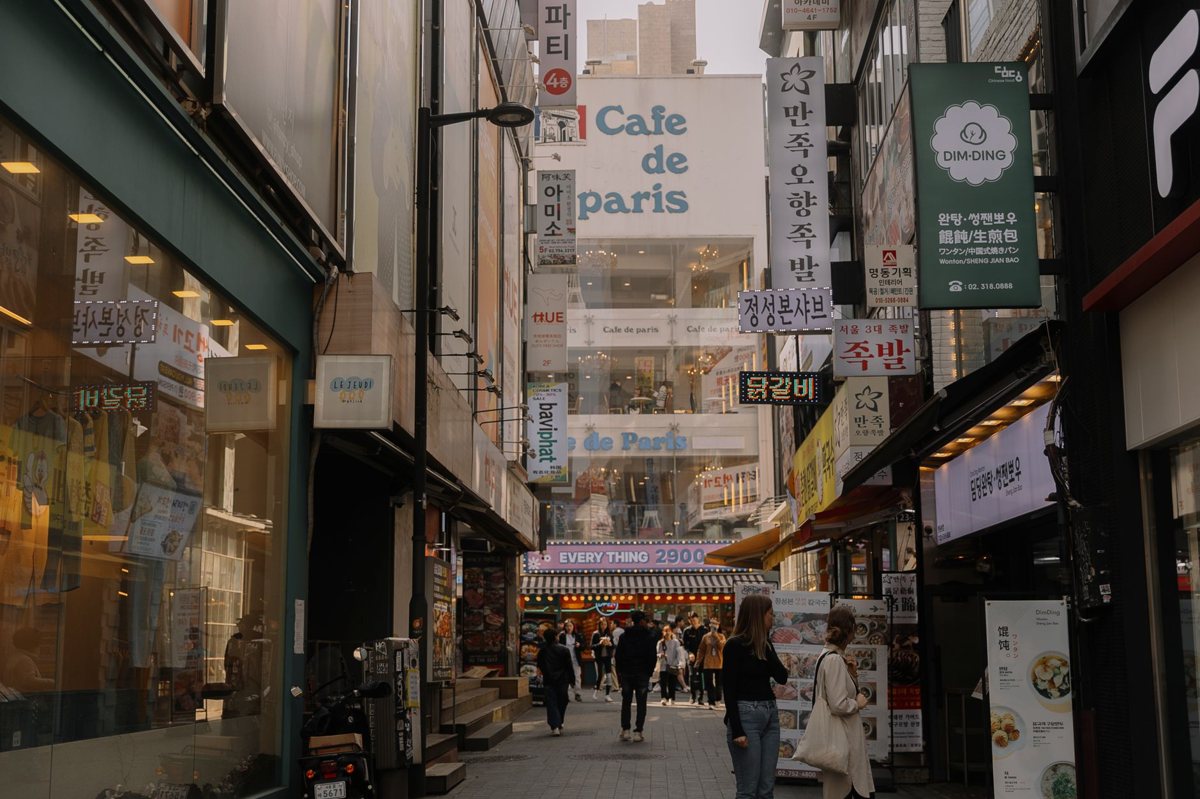
Myeongdong is Seoul’s most concentrated shopping district and ground zero for K-beauty shopping. You’ll find cosmetic stores, major Korean fashion brands, international retailers, and street food stalls packed into the same streets. Road shop brands like Innisfree, Etude House, Nature Republic, and The Face Shop compete for attention with generous free samples — often five to ten sachets per purchase. Multilingual staff (English, Japanese, Chinese) make the experience accessible for international shoppers. The area comes alive after sunset when the neon signs blaze and street food vendors set up their stalls between the storefronts.
Pro tip: There are several Olive Young branches around Myeongdong, so if the biggest store is packed, try a smaller one nearby for a calmer browse.
Dongdaemun: Fashion Hub
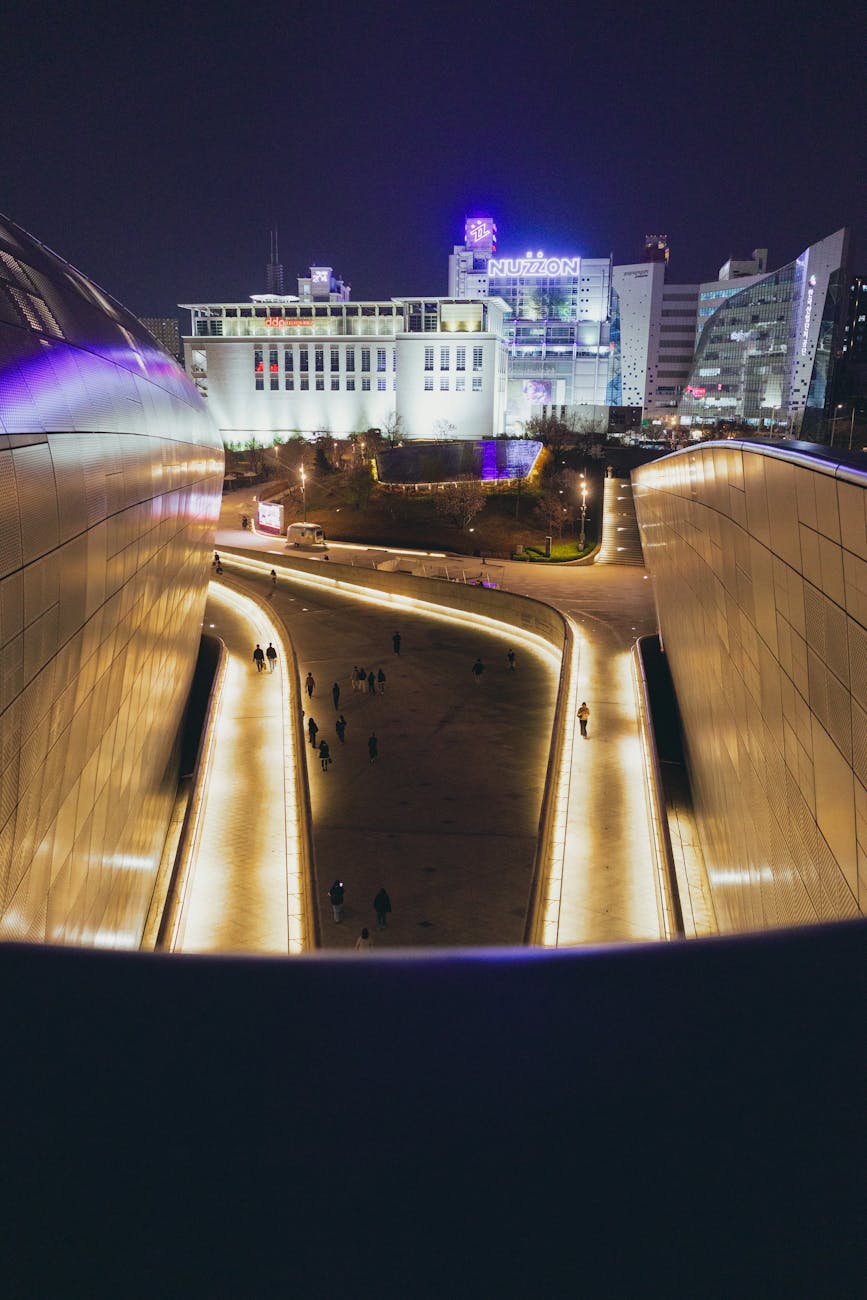
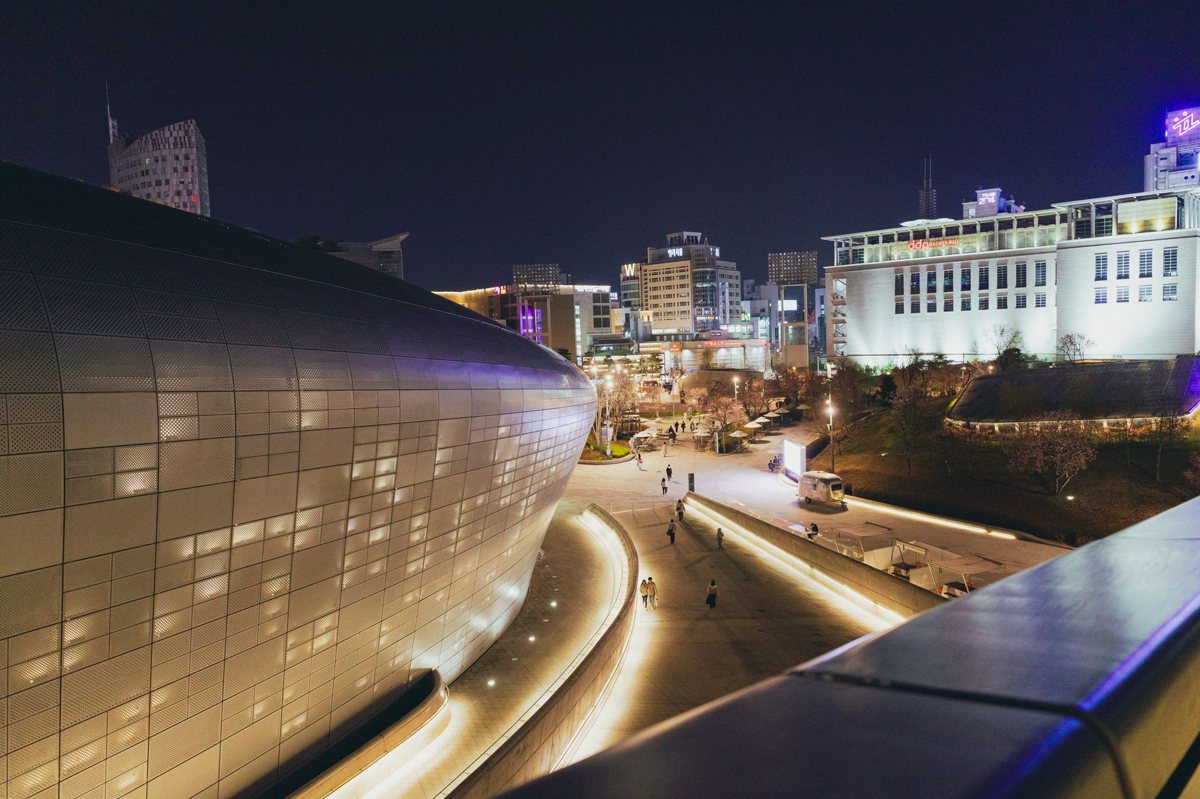
Dongdaemun is Seoul’s legendary fashion district — a sprawling complex of shopping malls and specialty shops. The area runs on two distinct schedules: daytime retail malls like Doota Mall and Lotte Fitin cater to regular shoppers, while the wholesale markets work through the night, attracting fashion buyers, designers, and night owl bargain hunters. You’ll find everything from textiles and high-fashion apparel to shoes, jewelry, leather goods, and accessories. The iconic Dongdaemun Design Plaza (DDP), designed by Zaha Hadid, anchors the district with its futuristic architecture and rotating exhibitions. If it’s the labels rather than the districts you’re chasing, our guide to Korean fashion shopping in Seoul sorts the scene by brand and price tier, from the Dongdaemun wholesale floors to the mid-price Korean labels stocked in Doota and the designer boutiques of Cheongdam-dong.
Gangnam and Apgujeong: Luxury Shopping
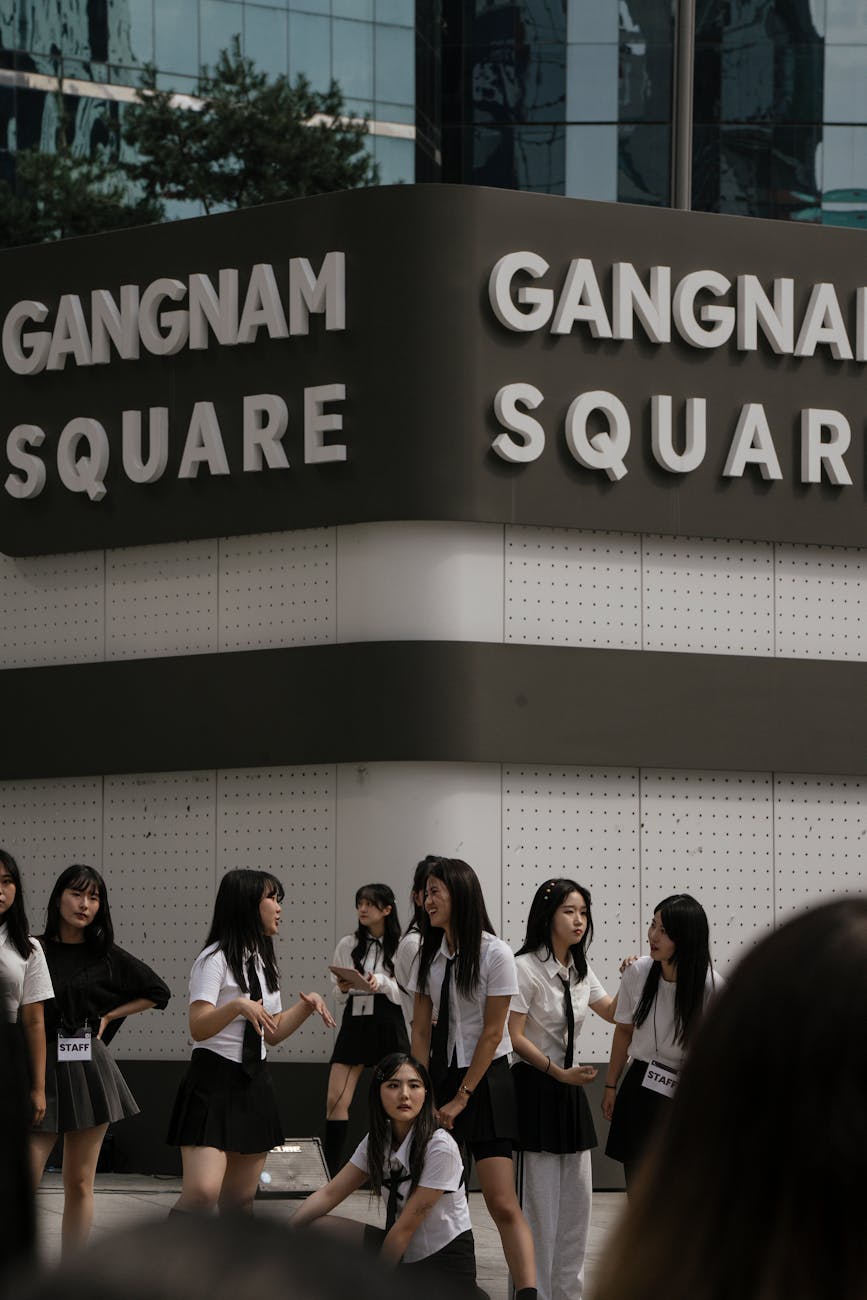
South of the Han River, Gangnam and Apgujeong represent Seoul’s upscale shopping scene. The Dosan Park area in Apgujeong is home to Sulwhasoo’s luxury flagship store, designed more like an art gallery than a retail space. COEX Mall in Samseong-dong is home to the famous Starfield Library. The Hyundai Seoul in Yeouido is a major shopping destination. Cheongdam-dong, often called Seoul’s Rodeo Drive, lines up luxury European and Korean designer boutiques along tree-shaded streets. For those watching their budget, our Seoul on a budget guide covers affordable alternatives.
Hongdae: Indie Fashion and Youth Culture
Hongdae’s creative energy extends to its shopping scene — independent boutiques, vintage stores, handmade accessories, and streetwear labels fill the narrow alleys around Hongik University. The weekend Free Market near Hongik University playground showcases handmade goods from local artists and designers. Ader Error, a Korean streetwear brand with a cult following, has its flagship here, alongside dozens of small shops selling unique Korean fashion pieces you won’t find anywhere else. Nearby Yeonnam-dong adds a quieter alternative with curated lifestyle shops and design stores.
Insadong: Traditional Crafts and Souvenirs
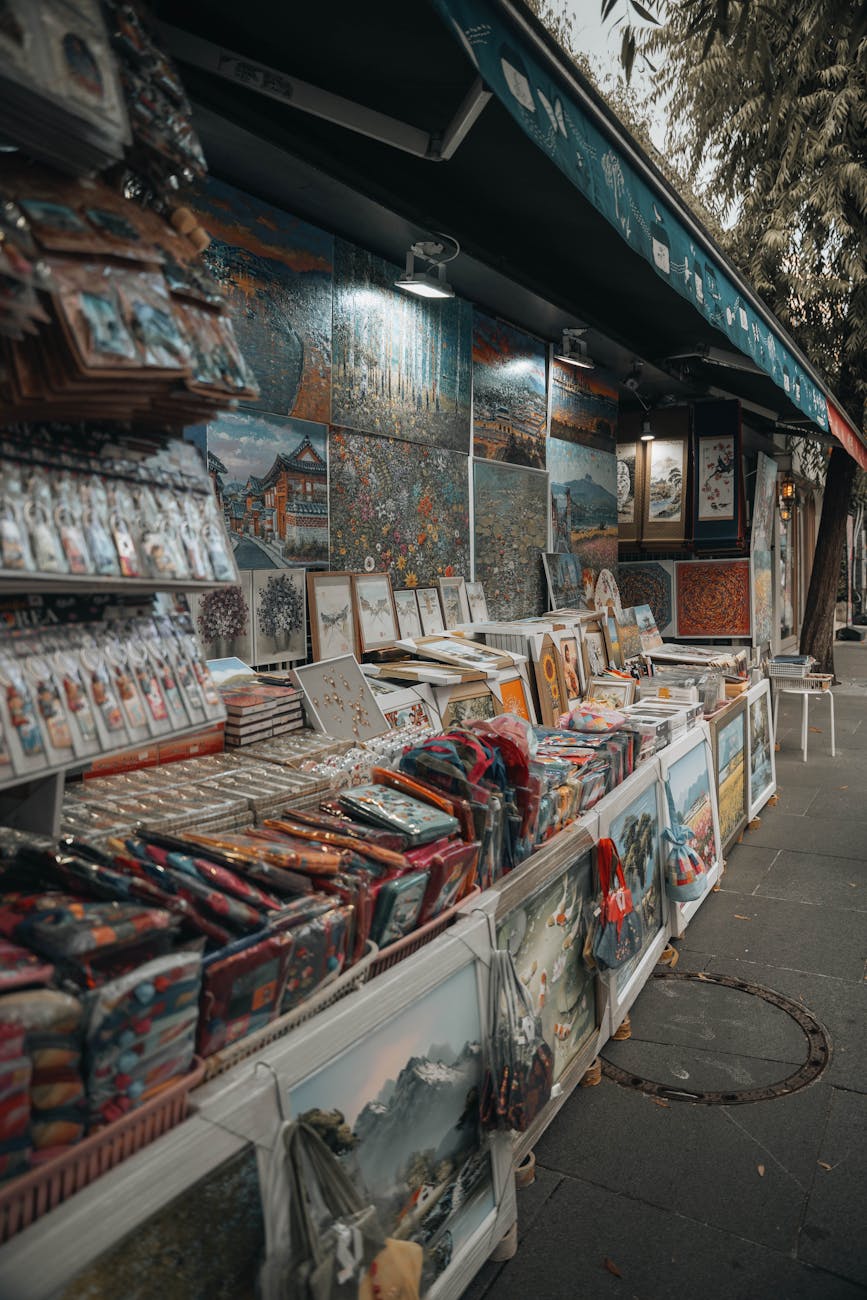
For traditional Korean souvenirs and cultural gifts, Insadong is the destination. The pedestrianized main street and its branching alleys house galleries, traditional craft shops, hanbok stores, calligraphy supplies, pottery studios, and tea houses. Ssamzigil, a spiraling open-air complex, showcases handmade Korean crafts across four floors connected by a continuous upward ramp. Look for hanji (traditional paper) products, celadon ceramics, mother-of-pearl lacquerware, and traditional Korean masks — all make meaningful souvenirs. The area connects naturally to nearby Bukchon Hanok Village and Samcheong-dong for a full cultural shopping circuit.
Seongsu-dong: Seoul’s Brooklyn
Seoul’s trendiest emerging district has transformed from an industrial shoe-manufacturing area into a hip destination filled with converted warehouse cafes, concept stores, and beauty brand flagships. Olive Young N Seongsu, Amorepacific’s flagship, and pop-up stores from brands like Rom&nd, Dasique, and Tirtir draw beauty enthusiasts. Common Ground, built from 200 shipping containers, houses Korean indie fashion brands and weekend markets. The area rewards those willing to explore beyond the main tourist circuits.
Traditional Markets
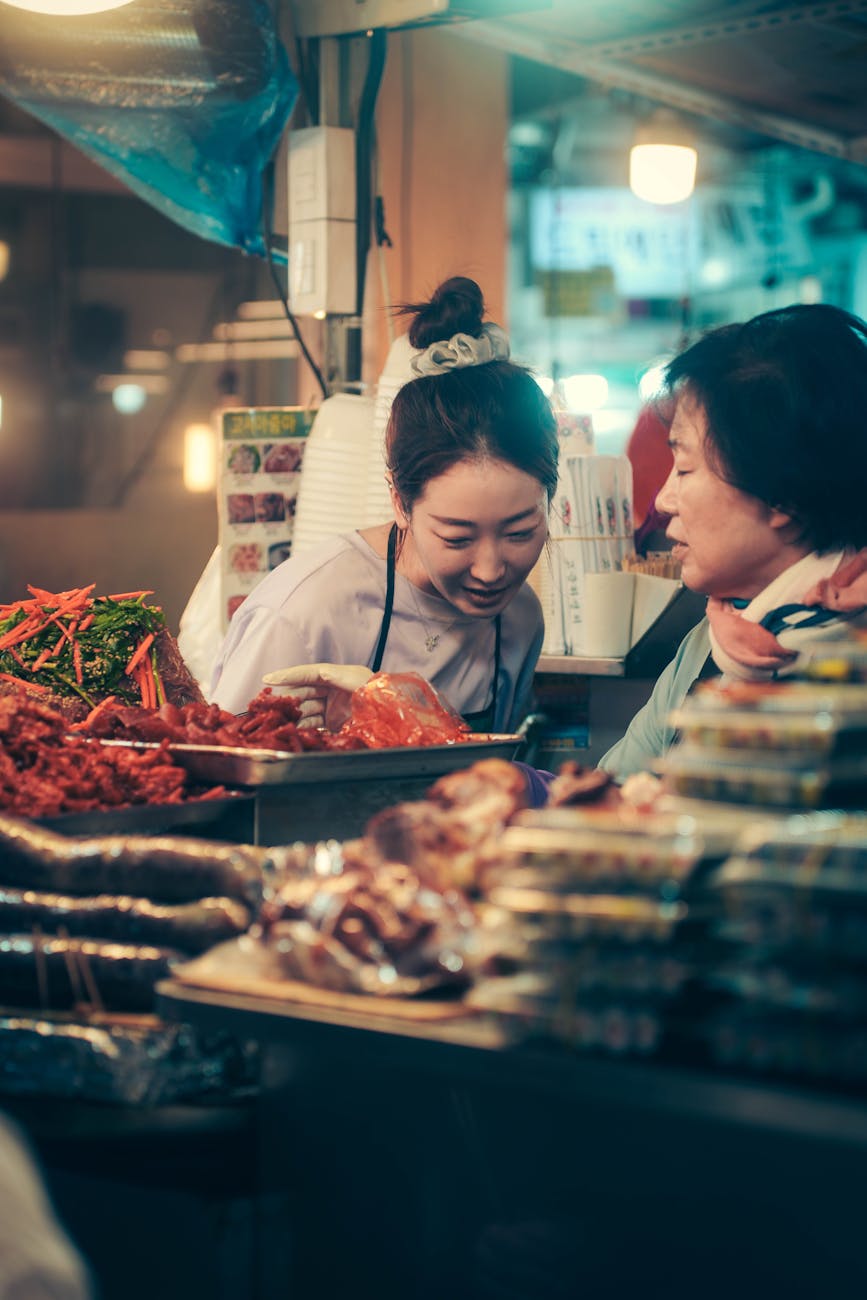
Seoul’s traditional markets are where the city’s commercial soul lives — vibrant, chaotic, and endlessly rewarding for shoppers willing to explore. These are not just tourist attractions; they’re working markets where Seoulites shop daily. Our dedicated guide to Seoul’s traditional markets goes deeper on each one — opening hours, which stalls are worth the queue at Gwangjang, and the neighborhood markets that never make the tour-bus circuit.
Namdaemun Market (남대문시장)
Seoul’s oldest and largest traditional market is a maze-like network of over 10,000 shops selling everything from children’s clothing and household items to imported goods, accessories, electronics, and bulk food. Prices are significantly lower than retail stores, and bargaining is expected — start at about 20 to 30 percent below the asking price and negotiate from there. The market is especially known for its wholesale ginseng shops, kitchenware stalls, and made-to-order glasses (often ready within an hour). The surrounding food alleys serve some of Seoul’s best and most affordable street food, including the legendary kalguksu (knife-cut noodle) alley. Access from Hoehyeon Station (Line 4).
Gwangjang Market (광장시장)
One of Korea’s oldest and most beloved traditional markets, Gwangjang is famous equally for its food and its textiles. The ground floor houses the iconic food hall where vendors serve bindaetteok (mung bean pancakes), mayak gimbap (addictive mini rice rolls), and yukhoe (Korean beef tartare) to standing-room crowds. Upper floors specialize in hanbok fabrics, vintage clothing, silk, and bedding at wholesale prices. The vintage clothing section on the second floor is a hidden gem for unique finds. Visit our Seoul food guide for more on market dining. Access from Jongno 5-ga Station (Line 1).
More Markets Worth Visiting
- Noryangjin Fish Market — Seoul’s largest seafood wholesale market, where you can buy fresh seafood and have it prepared for an extra charge at restaurants inside the market. An immersive culinary experience.
- Mangwon Market — A local neighborhood market in Mapo-gu popular with young Seoulites for artisan food vendors, fresh produce, and a more intimate atmosphere than the mega-markets.
- Seoul Folk Flea Market — Antiques, vintage goods, retro Korean collectibles, and secondhand items near Sinseol-dong Station.
- Tongin Market — Famous for its unique lunchbox system where you buy brass coins and exchange them for small dishes at different stalls, creating your own curated Korean meal tray.
K-Beauty Shopping Guide
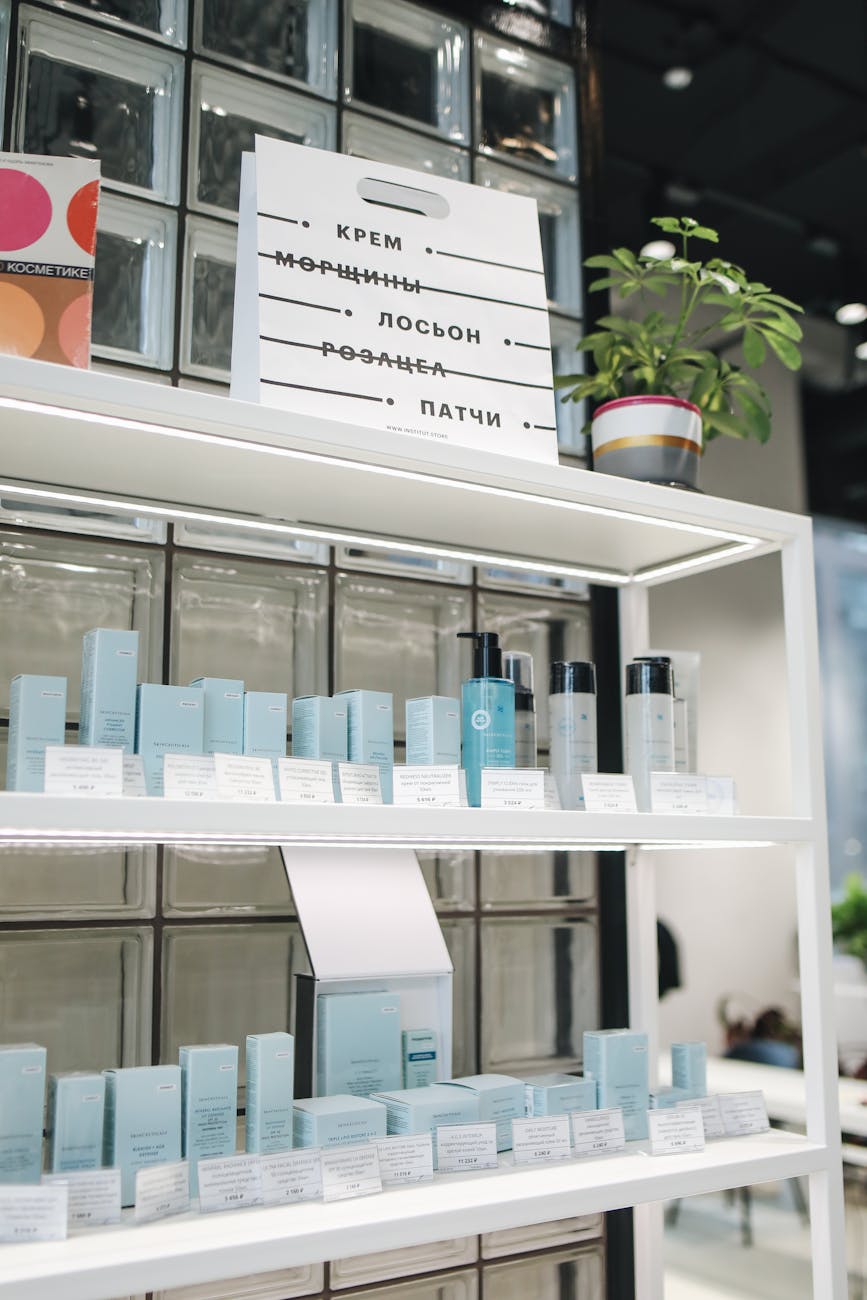
Korean beauty products are among the most sought-after souvenirs and shopping finds in Seoul. The K-beauty industry is globally influential, and shopping at the source means access to a wide selection, the newest releases, and prices often 30 to 50 percent below international retail.
Where to Buy K-Beauty
- Olive Young — Korea’s dominant health and beauty chain, essentially a K-beauty supermarket. The Myeongdong, Gangnam, and Hongdae flagship stores are massive, but smaller neighborhood branches often have better stock availability. Staff recommendations are genuinely helpful and not just upselling. Look for their “Olive Young Awards” shelf featuring the year’s bestselling products.
- Chicor — A more upscale beauty retailer with curated selections of premium and “clean beauty” brands. Calmer atmosphere with generous testing areas.
- Brand Flagships in Seongsu — Major K-beauty brands have opened experiential flagship stores in Seongsu-dong, offering exclusive products, personalized consultations, and Instagram-worthy interiors.
- Myeongdong Road Shops — Individual brand stores (Innisfree, Etude House, Laneige, The Face Shop, Nature Republic) where free samples flow freely and seasonal promotions offer significant discounts.
- Daiso Korea — Don’t overlook Korea’s equivalent of a dollar store — Daiso stocks a surprising range of affordable K-beauty basics, tools, and accessories at rock-bottom prices.
What to Buy
The most popular K-beauty categories for international shoppers include sheet masks (buy in bulk — they’re a fraction of international prices), sunscreens (Korean SPF formulations are globally acclaimed for their lightweight textures), serums and essences (especially snail mucin, centella, and vitamin C products), cushion compacts, lip tints, and skincare sets. For authentic products, stick to authorized retailers like Olive Young, Chicor, and official brand stores rather than unbranded discount shops where expiry dates and authenticity can be concerns.
Shopping Malls and Department Stores
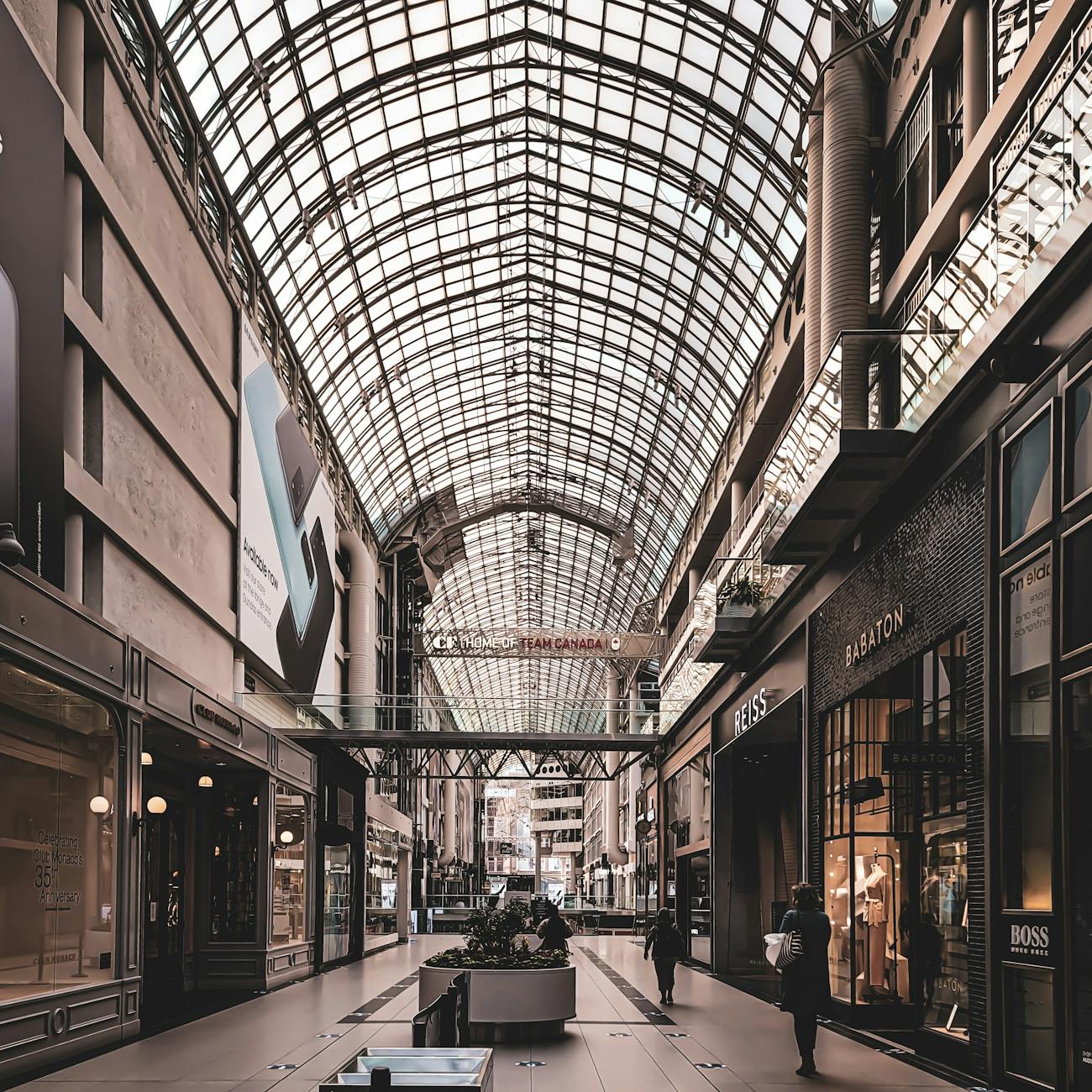
Seoul’s modern shopping malls go far beyond simple retail — they’re entertainment complexes, culinary destinations, and cultural venues rolled into one.
- The Hyundai Seoul (Yeouido) — A major department store in Yeouido, opened in 2021, with an indoor garden under a glass ceiling. Access from Yeouinaru Station (Line 5).
- COEX Mall (Samseong) — A massive underground complex with the Starfield Library (towering bookshelves in an atrium that’s become a Seoul icon), an aquarium, and a cinema. Near Exits 5 and 6 of Samseong Station (Line 2).
- Lotte Department Store (Myeongdong) — Lotte’s flagship department store, with Lotte Duty Free in the same complex. Lotte Young Plaza nearby covers more trend-focused brands.
- Shinsegae Department Store (Myeongdong) — The main store has a premium food market in the basement (depachika-style) that’s worth visiting even if you’re not shopping for fashion.
- Doota Mall (Dongdaemun) — A fashion, beauty, lifestyle and dining mall in Dongdaemun, handy alongside the area’s night-shopping culture.
- Times Square (Yeongdeungpo) — A comprehensive mall with an IMAX cinema, large bookstore, and diverse food options away from the main tourist circuits.
Underground Shopping Centers
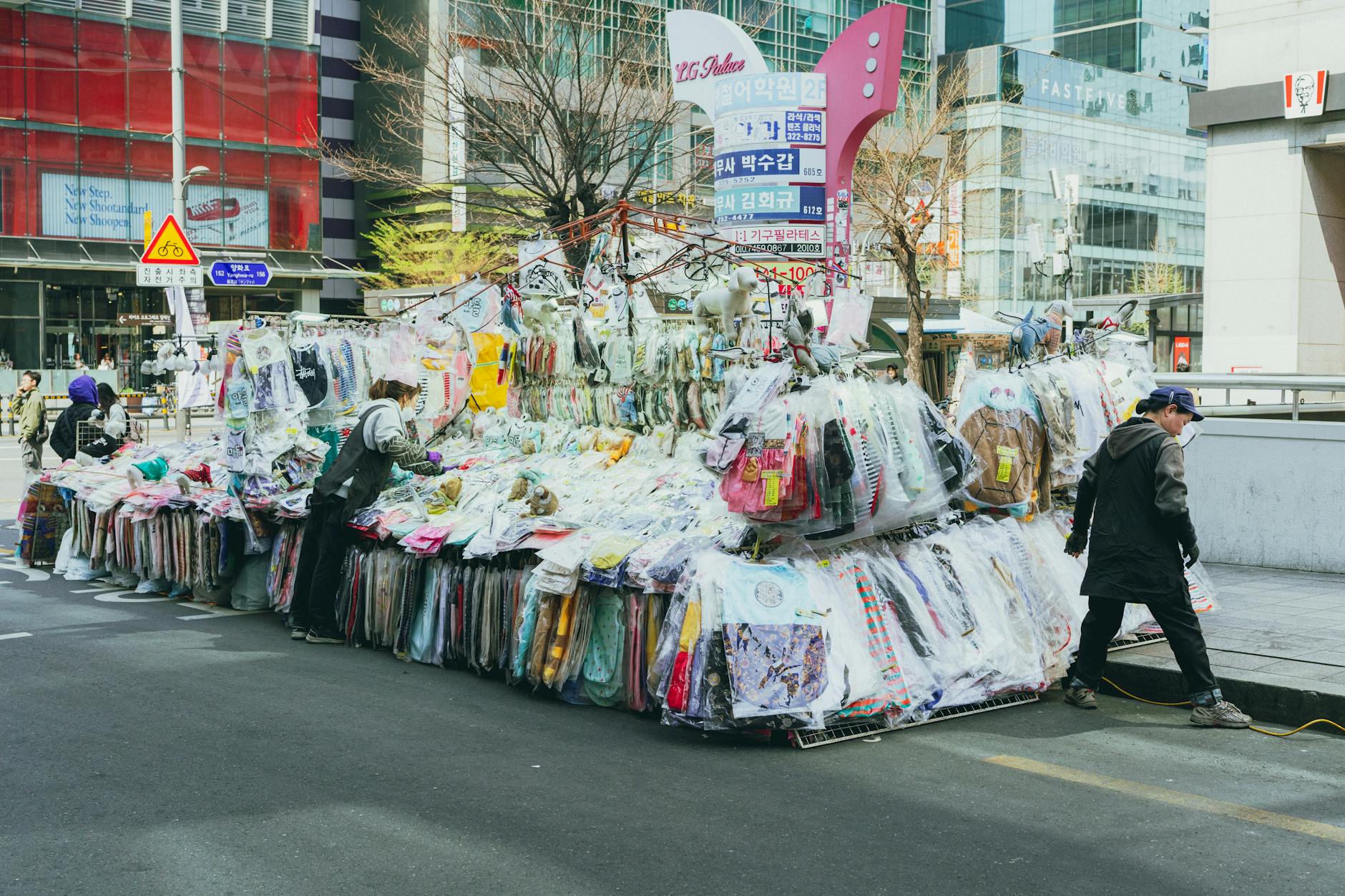
Seoul’s subway system hides some of the city’s best bargain shopping. Underground shopping centers connect major stations with corridors lined with small fashion stalls, accessory shops, and discount stores. The best include Gangnam Underground Shopping Center (beneath Gangnam Station), Express Bus Terminal Underground Shopping Mall (enormous and surprisingly stylish), Myeongdong Underground Shopping Center, and Jamsil Underground Shopping Center. Prices are significantly lower than street-level retail, and many stalls offer the latest Korean fashion trends at a fraction of department store prices. Bargaining is generally not expected at fixed-price stalls, but buying multiple items from one vendor may earn you a small discount. Our full guide to underground shopping in Seoul maps the biggest complexes — including GoTo Mall, the corridor of hundreds of shops under Express Bus Terminal Station — and names the station exits that drop you at the right entrance.
Electronics and Technology
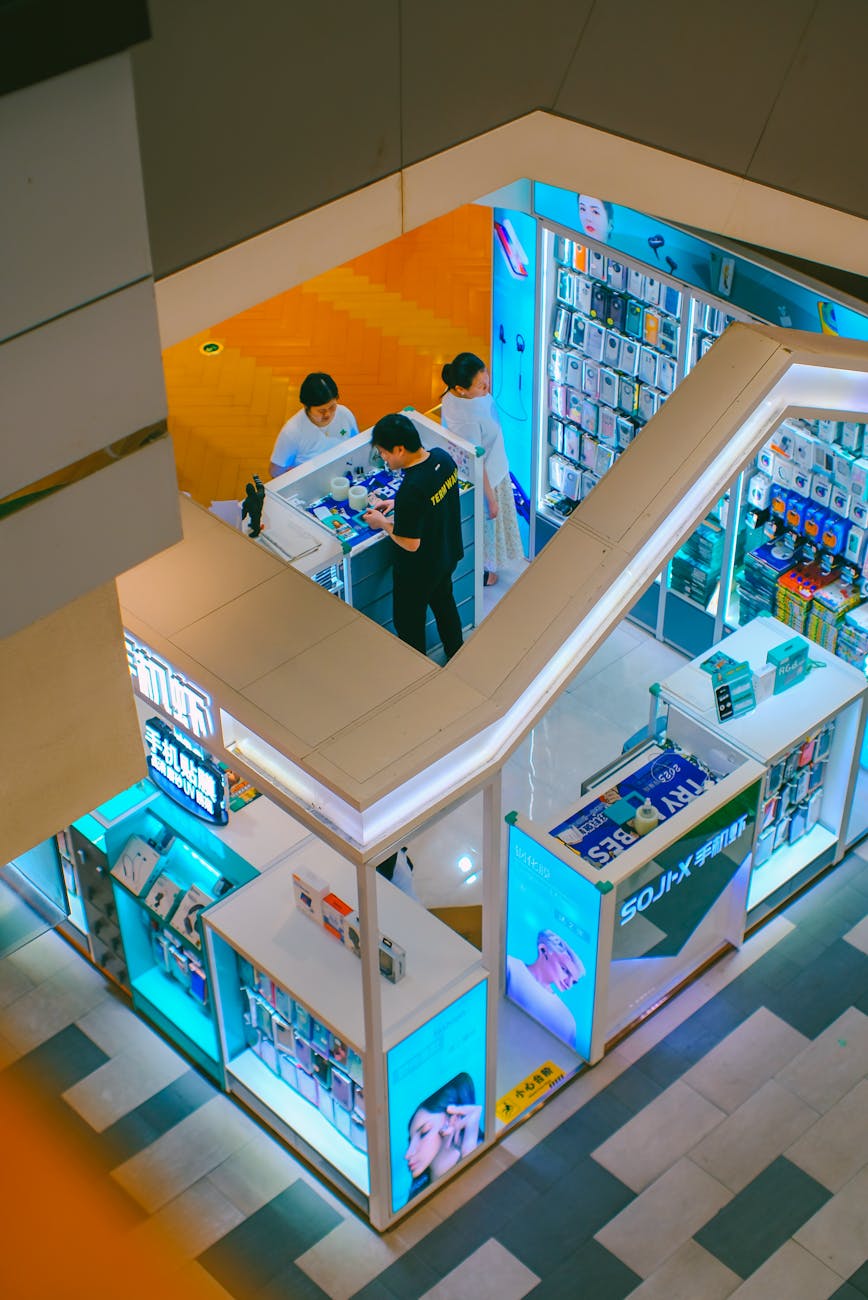
While Seoul has moved beyond its reputation as primarily a tech shopping destination, the city still offers excellent electronics retail. Yongsan Electronics Market, located near Yongsan Station (Line 1), remains the traditional center for tech shopping. For smartphones, cameras, and computer components, prices are competitive but not dramatically cheaper than international retail. The real value lies in Korea-exclusive tech products, gaming peripherals, and accessories. Gangnam’s Apple Store and Samsung Experience stores offer the full product lines of both tech giants.
What to Buy in Seoul: Top Souvenirs
Beyond K-beauty and fashion, Seoul offers distinctive souvenirs that make meaningful gifts and keepsakes:
- Korean tea sets — Handcrafted ceramic tea sets from Insadong or Samcheong-dong, ranging from affordable modern designs to museum-quality celadon pieces.
- Hanji products — Items made from traditional Korean mulberry paper: journals, lamps, cards, and decorative objects.
- Soju glasses and drinking accessories — Artfully designed soju glasses, bottle openers, and matching sets make fun, lightweight souvenirs.
- Korean snacks — Honey butter chips, Pepero, tteok (rice cakes), dried seaweed, and gochujang (red pepper paste) are popular edible souvenirs. Stock up at grocery stores or markets rather than tourist shops for better prices.
- K-pop merchandise — Official albums, photo cards, lightsticks, and branded goods from SM Town and YG Entertainment shops. See our K-pop guide to Seoul for store locations.
- Mother-of-pearl lacquerware — Traditional najeonchilgi (lacquerware inlaid with mother-of-pearl) boxes, mirrors, and accessories available in Insadong and Namdaemun.
- Korean ginseng — Red ginseng products (extract, tea, candy) from Namdaemun Market or official KGC (Korea Ginseng Corp) stores are prized health souvenirs.
If you’d rather shop from a list than wander, our rundown of what to buy in Korea ranks twelve souvenirs by price, packability, and the cheapest reliable place to pick each one up — useful before you decide how much suitcase space to leave empty.
Tax Refunds and Duty-Free Shopping
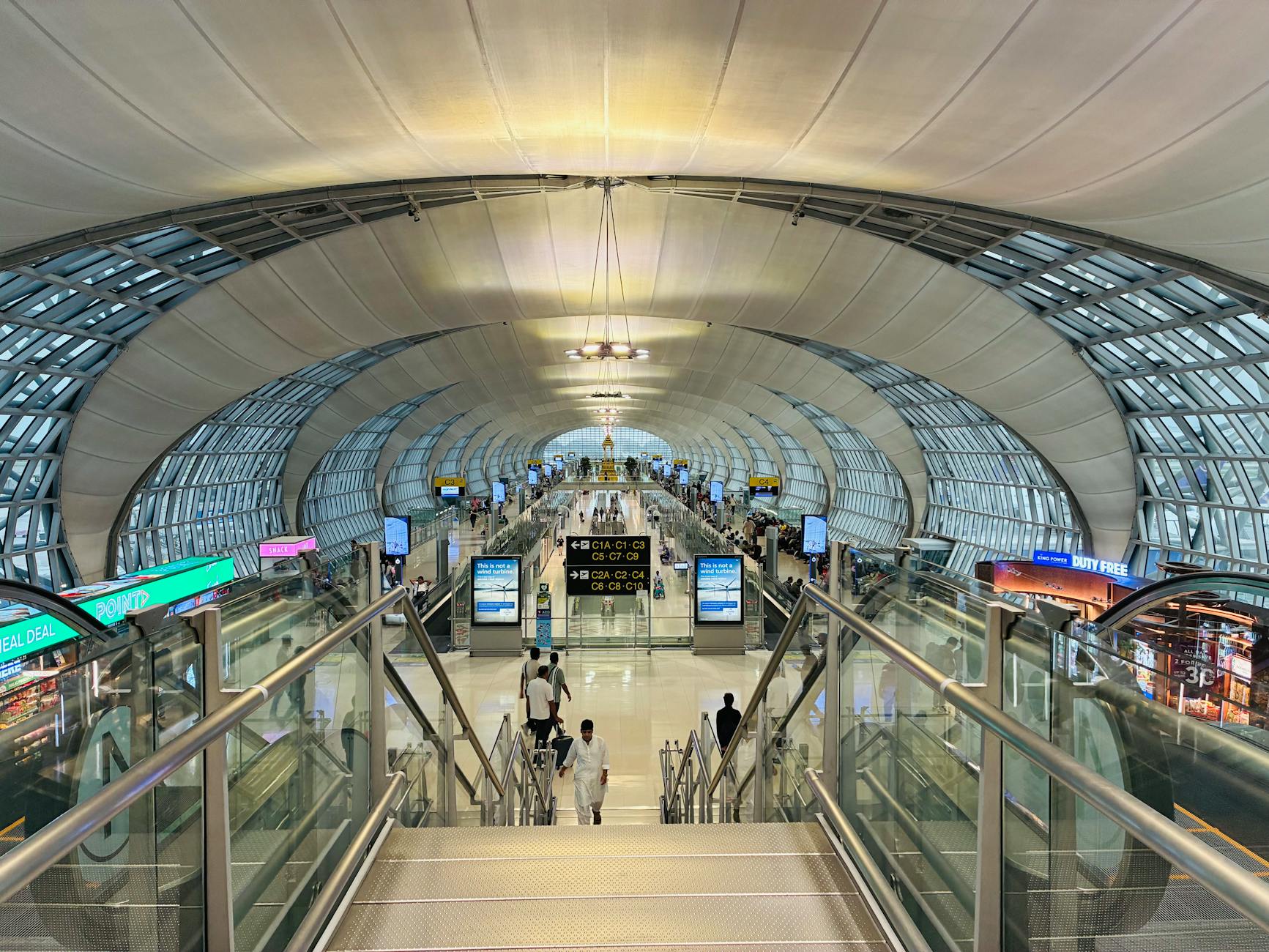
International tourists can reclaim Value Added Tax (VAT) on purchases made in South Korea, making an already affordable shopping destination even more attractive.
Tax Refund Basics
- Foreign tourists staying less than six months are eligible for VAT refunds.
- Minimum purchase amount is 15,000 won (approximately $11 USD) per transaction at participating stores.
- Look for “Tax Free” signs or logos at store entrances — most major retailers, beauty stores, and department stores participate.
- The official VAT rate is 10%, but the refund is a fixed amount set by purchase bracket rather than a straight percentage.
How to Claim
There are two methods: Immediate Tax Refund, where the tax is deducted at the register for eligible purchases (increasingly common at Olive Young, major department stores, and fashion brands — just show your passport), and Airport Refund, where you collect your refund at Incheon Airport before departure. For the airport method, keep your receipts and tax refund forms, then follow the signs at the airport: larger refunds need a customs check before you check luggage, and you collect your refund at designated kiosks or counters after immigration. Immediate refunds cover purchases of at least 15,000 won and under 1,000,000 won each, up to 5,000,000 won per trip, so mid-range purchases skip the airport queue.
Duty-Free Shopping
Duty-free shops eliminate taxes entirely from the retail price, including VAT and individual consumption tax. Major operators include Lotte Duty Free, Shilla Duty Free, and Shinsegae Duty Free, with downtown stores in Myeongdong and Gangnam as well as airport locations. Downtown duty-free purchases are collected at the airport before departure. Prices on luxury goods, cosmetics, and alcohol are typically 20 to 40 percent below regular Korean retail. For maximizing your shopping budget, combine duty-free purchases for luxury items with tax-refund shopping at regular stores for K-beauty and fashion.
Shopping Tips for Seoul
- Bargaining: Expected at traditional markets (Namdaemun, Gwangjang) but not at malls, department stores, brand shops, or underground shopping centers. Start at 20 to 30 percent below the asking price and be friendly — aggressive bargaining is counterproductive.
- Payment: Credit cards are accepted virtually everywhere, including small market stalls. Cash is useful at some traditional market vendors but increasingly unnecessary.
- Sales seasons: Major sales happen in January (New Year clearance), July (summer sale), and November (Korea’s version of Black Friday). Department stores run seasonal promotions with significant discounts.
- Sizing: Korean clothing runs smaller than Western sizes. Most shops have fitting rooms, and staff are helpful with sizing guidance. Shoe sizes use the metric system (millimeters).
- Shopping hours: Department stores usually open at 10:30 AM and close around 8 PM, while some malls such as Starfield COEX stay open later. Traditional market hours vary by market and section; Gwangjang Market’s food alley, for example, runs from 9 AM to 11 PM. Dongdaemun hours vary by building, so check the individual mall before planning a late-night visit.
- Shipping home: EMS (Express Mail Service) through Korea Post offices is the most reliable way to ship purchases home. Department stores and some major retailers offer international shipping services.
- Getting around: Use Seoul’s subway to connect shopping districts efficiently. Our transport guide covers routes between major shopping areas. Many districts in our neighborhoods guide double as excellent shopping destinations.
Shopping by Budget
Budget shoppers: Focus on Namdaemun Market, Dongdaemun (daytime retail), underground shopping centers, Daiso, and market stalls. K-beauty basics at Olive Young are already very affordable by international standards. The Express Bus Terminal Underground Shopping Mall is a hidden gem for stylish budget fashion.
Mid-range shoppers: Myeongdong, Hongdae boutiques, COEX Mall, and Doota Mall offer quality Korean brands at reasonable prices. K-beauty shopping at Olive Young and Chicor gives excellent value. Use tax refunds on larger purchases.
Luxury shoppers: Gangnam and Cheongdam-dong for designer fashion, The Hyundai Seoul for the premium department store experience, duty-free downtown stores for tax-free luxury goods, and Apgujeong Dosan for concept flagship stores.
Start Shopping in Seoul
Seoul’s shopping scene is as diverse and dynamic as the city itself — from ancient markets where bargaining is an art form to sleek malls where retail meets entertainment. Whether you’re filling a suitcase with K-beauty products, hunting for unique fashion pieces in Hongdae’s indie boutiques, or searching for the perfect traditional souvenir in Insadong, Seoul rewards shoppers of every taste and budget. Plan your shopping into your Seoul itinerary, carry your passport for tax refunds, and leave some extra room in your luggage — you’ll need it.