01
Best Bars in Seoul: 21 Cocktail, Rooftop & Speakeasy Picks (2026)
The complete best bars in Seoul guide for 2026: 11 top cocktail bars, 6 rooftop…
Seoul doesn’t sleep. While many Asian capitals quiet down after midnight, Seoul’s nightlife is just warming up. This Seoul nightlife guide covers the city after dark — underground techno clubs and craft-cocktail speakeasies, neon-drenched karaoke rooms and 4 AM fried chicken, riverside picnics and rooftop bars — across every district, every budget, and every night of the week, because here the party genuinely runs until the first trains.
5 guides, ordered the way you will need them. Each one stands alone if you arrived from search.
01
The complete best bars in Seoul guide for 2026: 11 top cocktail bars, 6 rooftop…
02
Best clubs in Seoul guide for 2026: Octagon, Soap, Faust, M2, NB2, and the top…
03
Complete karaoke in Seoul guide 2026: how Korean noraebang works, coin booth vs…
04
Late-night food Seoul guide 2026: pojangmacha tent bars, 24-hour haejangguk…

I’ve spent more nights out in this city than I’d care to total, and the thing that still gets me is the range: you can start with ₩5,000 beers in a Hongdae basement and end in a hidden Euljiro cocktail bar, or grill pork belly at midnight and sing until sunrise. Below is everything you need — the best districts, the bar and club types, karaoke etiquette, live music, what to drink, late-night food, safety, costs, and a sample night that ties it together.
Korean going-out culture has its own rhythm, and understanding it will make your night smoother. A few ground rules first-timers always wish they’d known:
Drinking is social, not solitary. Koreans rarely drink alone — alcohol is glue for groups, whether it’s a work dinner (hoesik/회식), friends, or a date. Solo-drinker bars exist but are the exception. If you’re traveling alone, a Hongdae or Itaewon pub crawl is the fastest way to fall in with a crowd.
The night starts late and moves in rounds. Most locals don’t hit the bars until 10 PM, and clubs don’t peak until 1–2 AM. The structure is almost ritual: dinner with soju until 9–10 (that’s 1-cha), a bar for 2-cha, then a noraebang or late-night restaurant for 3-cha, and the truly committed push to 4-cha at dawn. Pace yourself accordingly.
Food and drink are inseparable. You almost always eat while drinking here. Bars serve anju (drinking food), and some won’t serve alcohol without a food order. Lean into it — the snacks are half the fun, and they keep you upright. The customs around pouring and receiving are worth learning; our Korean dining etiquette guide covers them, and the Korean alcohol guide explains what’s in your glass.
The subway stops around midnight. Last trains leave terminals between 11:00 and 11:40 PM. After that it’s night buses (N-buses, ₩2,500 flat), a Kakao T taxi, or simply staying out until the 5:30 AM first trains — an option a surprising number of people choose. Plan your exit before you’re three rounds deep; our getting around Seoul and Seoul taxi guide cover the late-night logistics.
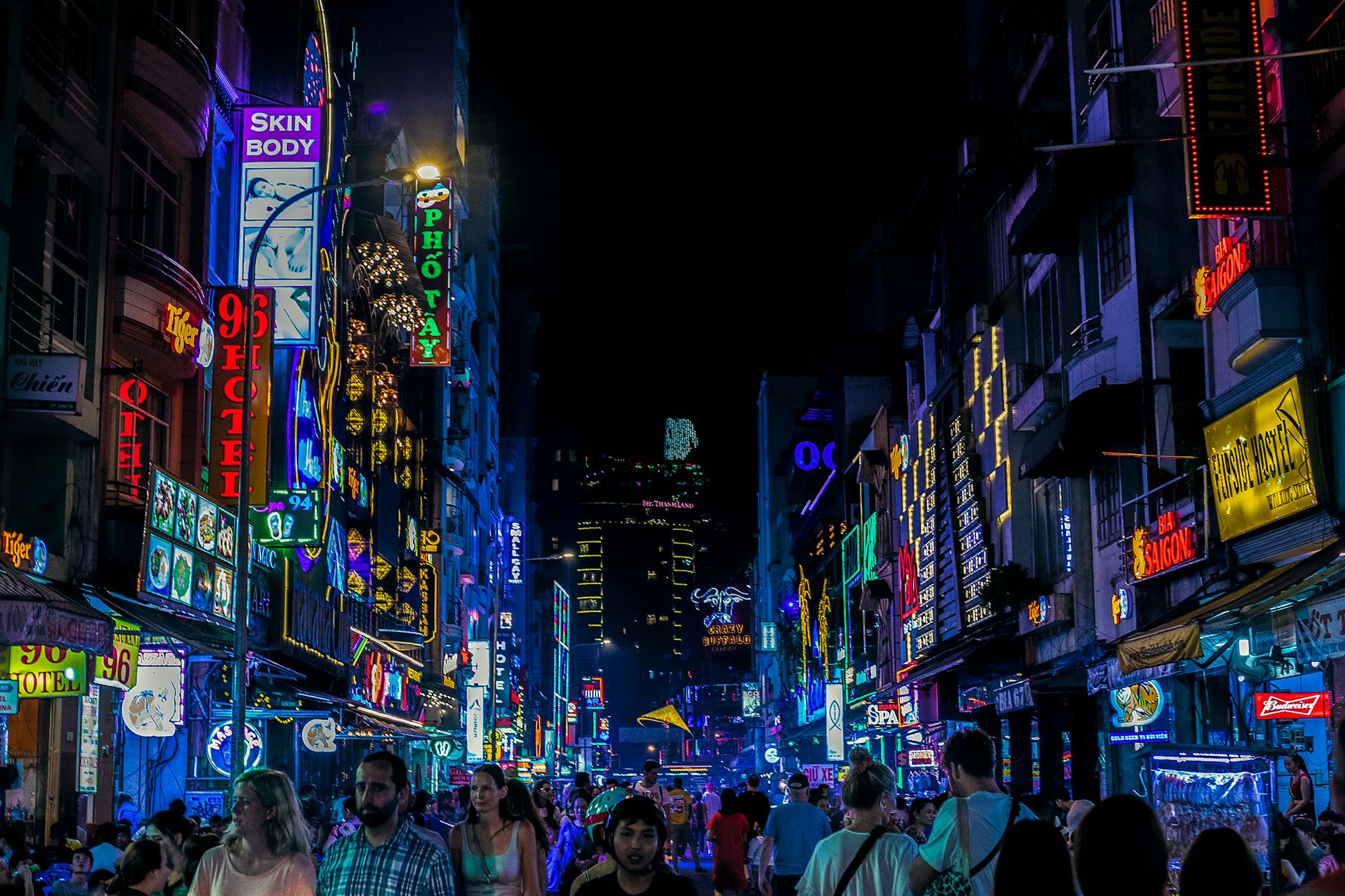
Hongdae is Seoul’s most famous nightlife district and the right starting point for first-timers. Built around Hongik University, one of Korea’s top art schools, it hums with youthful energy every night and detonates on Fridays and Saturdays, when the streets fill with buskers, partiers, and food carts. The full lay of the land — daytime cafés, shopping, and which exits lead where — is in our Hongdae guide.
What you’ll find: budget bars with ₩5,000–8,000 drinks, indie live-music clubs, EDM floors (Club FF, Cocoon, NB2), the famous busking and street-dance in the playground area, craft-beer spots, and an endless supply of Korean BBQ and fried-chicken joints for late-night refueling. For the dance floors specifically, our best clubs in Seoul guide ranks the rooms worth queueing for.
Typical costs: club entry ₩10,000–20,000 (often with a drink), cocktails ₩8,000–15,000, draft beer ₩5,000–7,000, a bottle of soju ₩4,000–5,000. Hongdae is the most affordable nightlife district in the city — pair it with our Seoul on a budget guide for a big night that barely dents your wallet.
Best for: first-timers, budget nights, live music, meeting other travelers, EDM and K-pop club nights. Getting there: Hongik University Station (Line 2, Airport Railroad), Exit 9.
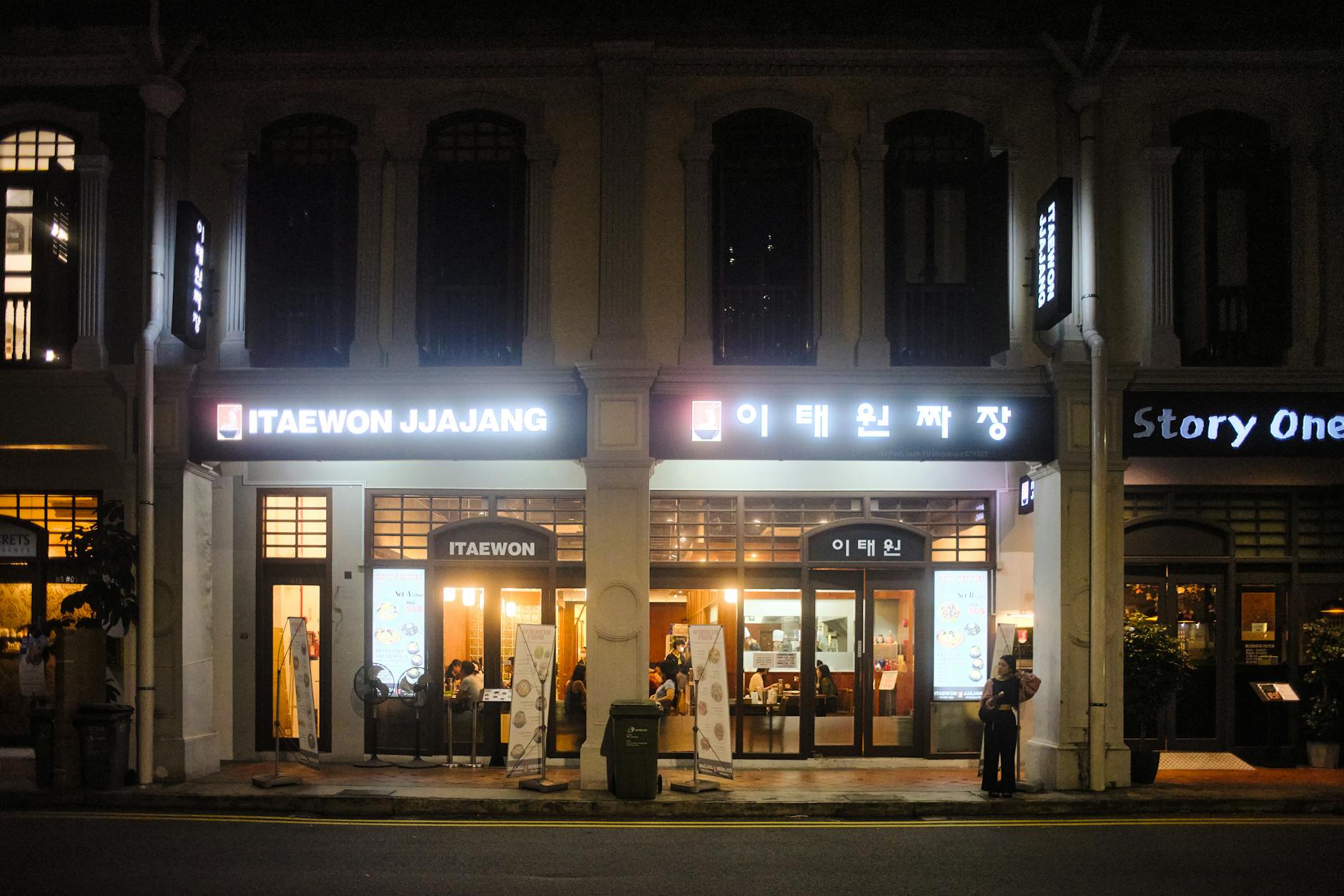
Itaewon is Seoul’s most international night out — diverse, English-friendly, and inclusive. Set in the hills of Yongsan-gu, it draws expats, travelers, and Koreans after something different from the standard scene. Our Itaewon guide maps the steep, bar-lined lanes so you don’t wander in circles.
What you’ll find: craft-cocktail bars and speakeasies up the Usadan-ro and Haebangchon slopes, rooftop bars with Namsan views, the LGBTQ+-friendly venues of “Homo Hill” near the Hamilton Hotel, international DJ nights at Cakeshop and Faust, hookah lounges, sports bars, and wine bars. It’s more grown-up and varied than Hongdae — our best bars in Seoul roundup leans heavily on this district for a reason.
Typical costs: cocktails ₩12,000–18,000, craft beer ₩8,000–12,000, club entry ₩15,000–25,000. Mid-range — pricier than Hongdae, gentler than Gangnam.
Best for: cocktail lovers, LGBTQ+ travelers, an international crowd, craft beer, rooftop drinks. Getting there: Itaewon Station (Line 6), Exit 1 or 4.
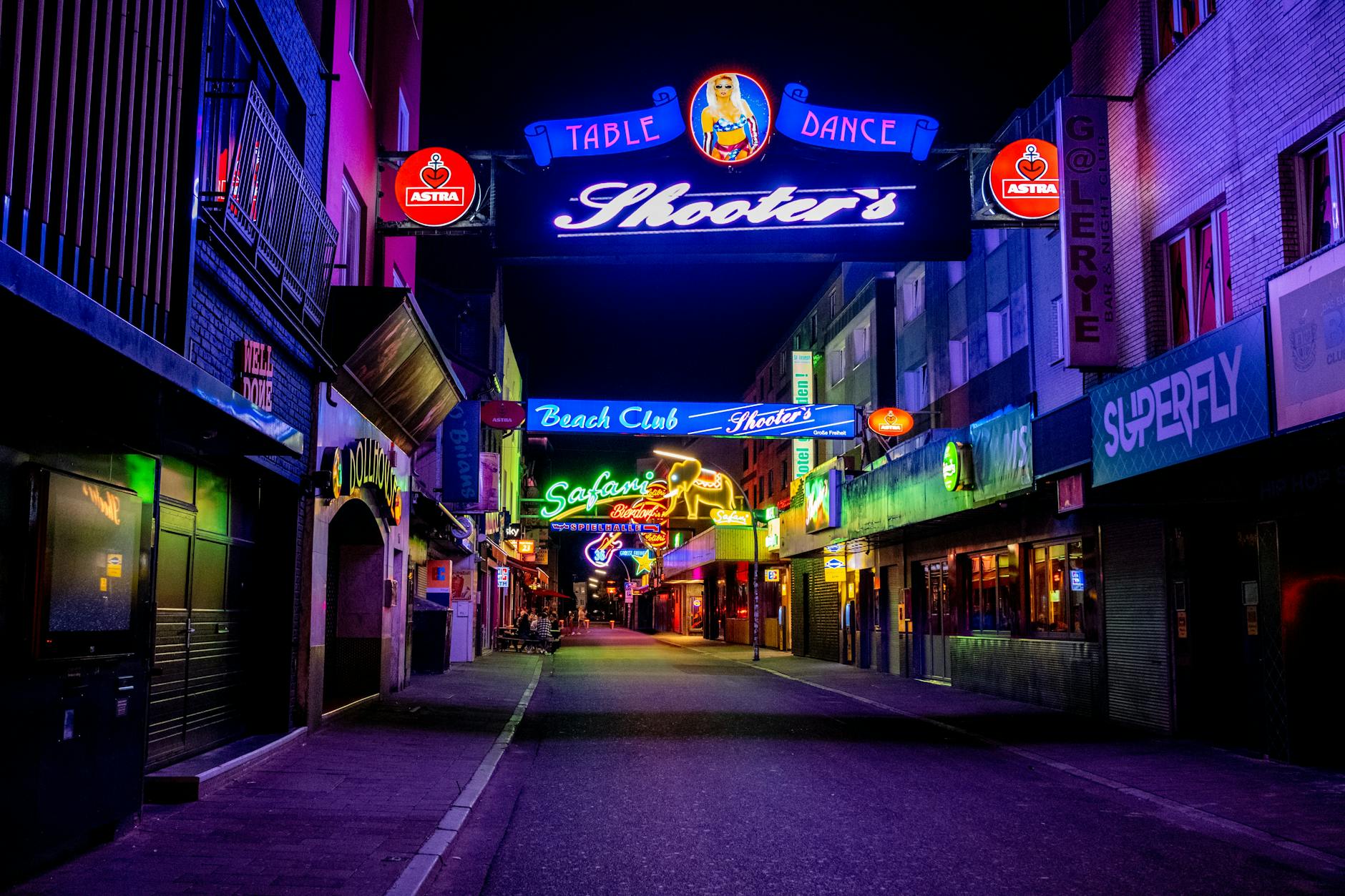
Gangnam is Seoul’s premium tier: bigger clubs, stricter doors, higher prices — and production values (sound, lighting, VIP design) that are genuinely world-class. This is where K-celebrities party and where corporate Korea meets the small hours. The wider district, including its daytime shopping and dining, is covered in our Gangnam guide.
What you’ll find: mega-clubs (Arena, Octagon — regularly ranked among Asia’s best), premium cocktail lounges, wine bars, luxury noraebang, and the uniquely Korean “booking clubs” where staff introduce tables to one another. Dress codes are enforced — no shorts, sandals, or sportswear for men. For the marquee floors, see our best clubs in Seoul guide.
Typical costs: club entry ₩20,000–30,000, table service ₩300,000+ for bottle packages, cocktails ₩15,000–25,000. Expensive by any measure.
Best for: high-end clubbing, big-name DJs, VIP experiences, polished Korean nightlife. Getting there: Gangnam Station (Line 2), Cheongdam (Line 7), Apgujeong Rodeo (Bundang Line).
Euljiro is Seoul’s worst-kept secret — a daytime district of welding shops and lighting wholesalers that hides some of the city’s most atmospheric bars in its basements and upper floors. The thrill is the juxtaposition: push past a hardware supplier to find a candlelit cocktail den, or climb a raw concrete staircase to a rooftop with a skyline view. The scene shifts fast and the best spots are deliberately unmarked, so recommendations go stale quickly — ask a bartender what’s opened recently and follow the thread. The neighborhood’s craft-cocktail bars regularly make our best bars in Seoul list, deservedly.
Best for: speakeasy culture, photography, adventurous bar-hoppers who like the hunt. Getting there: Euljiro 3-ga Station (Lines 2, 3).
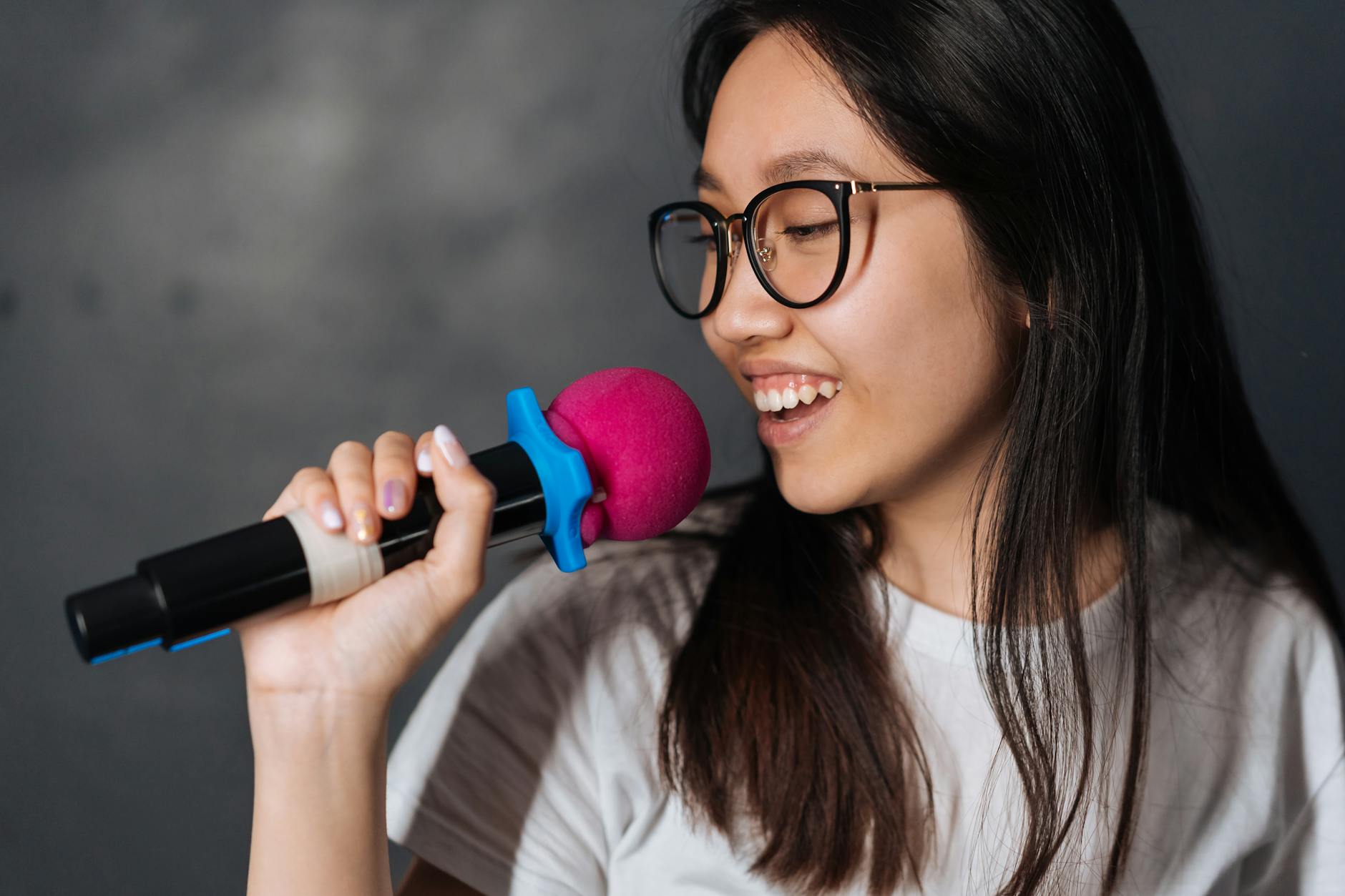
No Seoul nightlife guide is complete without noraebang (노래방). Unlike Western karaoke where you perform for strangers, a Korean noraebang gives your group a private room with a big screen, a proper mic setup, tambourines, and disco lights. Song libraries are huge and well-stocked with English, Japanese, and Chinese tracks alongside the K-pop catalog. Our dedicated karaoke in Seoul guide covers the chains, the etiquette, and how to game the scoring machine.
How it works: you pay by the hour for the room (₩10,000–25,000), not per person. Punch in songs by number, order drinks and snacks from the in-room phone or a vending machine, and don’t be shy — talent is genuinely not required. Upscale “luxury noraebang” add full bar service and food.
Coin noraebang (코인노래방): for solo singers, couples, or the budget-minded, coin noraebangs charge ₩500–1,000 per song in small booths, open 24/7 and scattered through every nightlife district. They’re the perfect ₩3,000 nightcap after the bars.
Best for: groups of three or more, post-dinner 3-cha, anyone who enjoys a sing. Just look for the 노래방 signs — they’re everywhere.
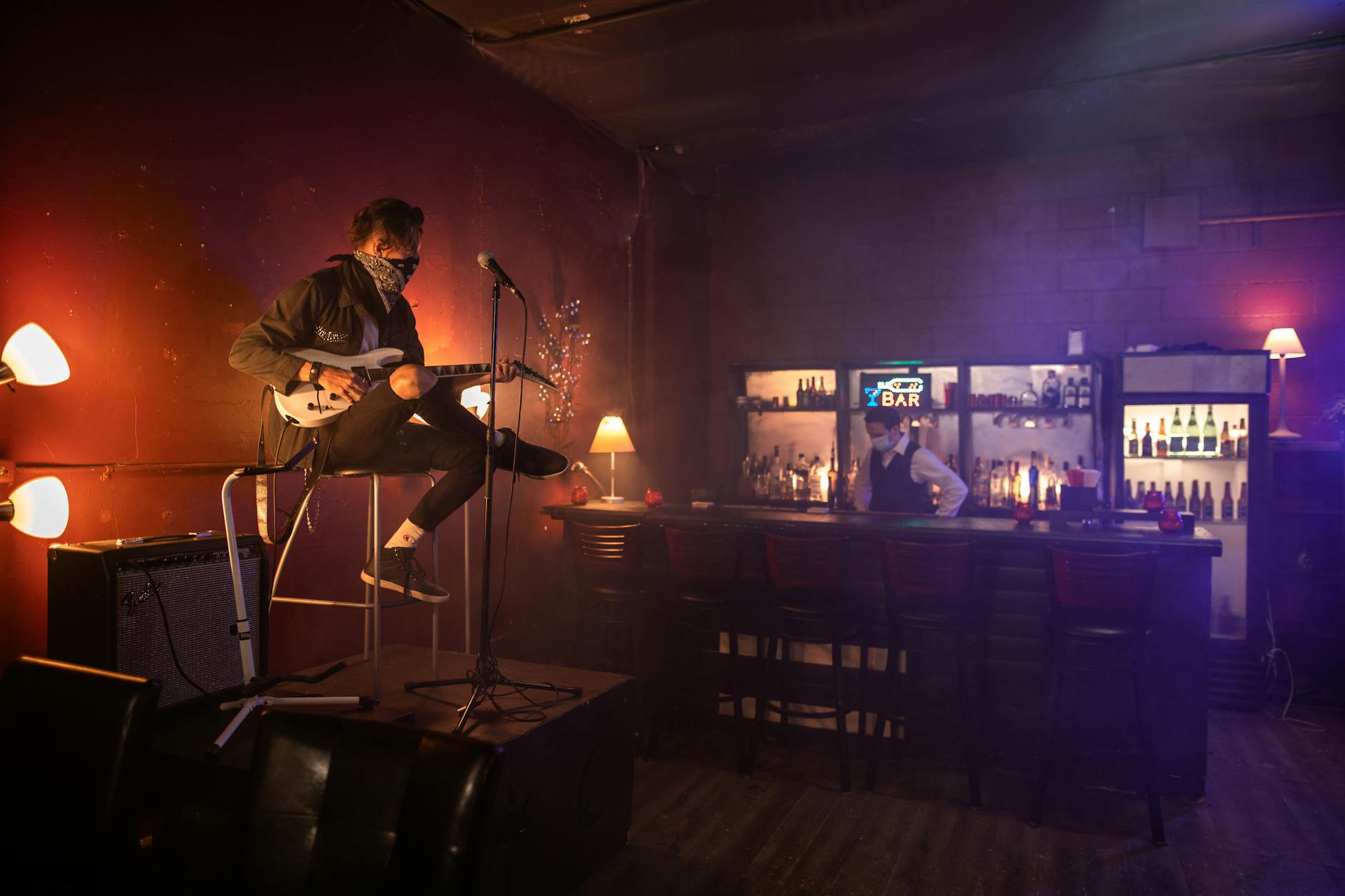
Seoul’s live scene runs from sweaty indie basements to candlelit jazz rooms and full K-pop showcases. Our Seoul live music venues guide lists the rooms by genre; here’s the shape of it.
Hongdae live houses: Rolling Hall, DGBD, and Club Freebird host Korean indie bands and the odd international act, with covers of ₩10,000–20,000 and shows from 7–8 PM. The free busking and street dance in Hongdae’s playground area on weekend evenings is a show in itself.
Jazz bars: a thriving scene clusters in Itaewon (Once in a Blue Moon, All That Jazz) and Jongno (Club Evans), with sets from 8 PM to midnight and covers around ₩10,000–20,000, usually including a drink.
K-pop experiences: for fans, the broadcasters MBC, SBS, and KBS record live music shows you can attend free — book through their websites weeks ahead. Bigger concerts and fan events run year-round; our K-pop concerts and events guide tracks what’s on and how to get tickets, and the broader K-pop and K-culture guide covers the rest of the fandom trail.
Knowing what to order makes you a better drinking companion. Soju is the national spirit — clean, slightly sweet, around 16–20% ABV, ₩4,000–5,000 a bottle in bars and barely ₩2,000 in convenience stores. Makgeolli is the cloudy, lightly fizzy rice wine traditionally served in a brass bowl, fantastic with savory pancakes on a rainy night. Korean craft beer has exploded — Magpie, The Booth, Amazing Brewing, and Hand and Malt all run taprooms. And then there’s somaek, the soju-and-beer boilermaker that fuels half the city’s evenings — order it and watch your Korean friends approve. For the full taxonomy, including how to drink each one properly, see our Korean alcohol guide.
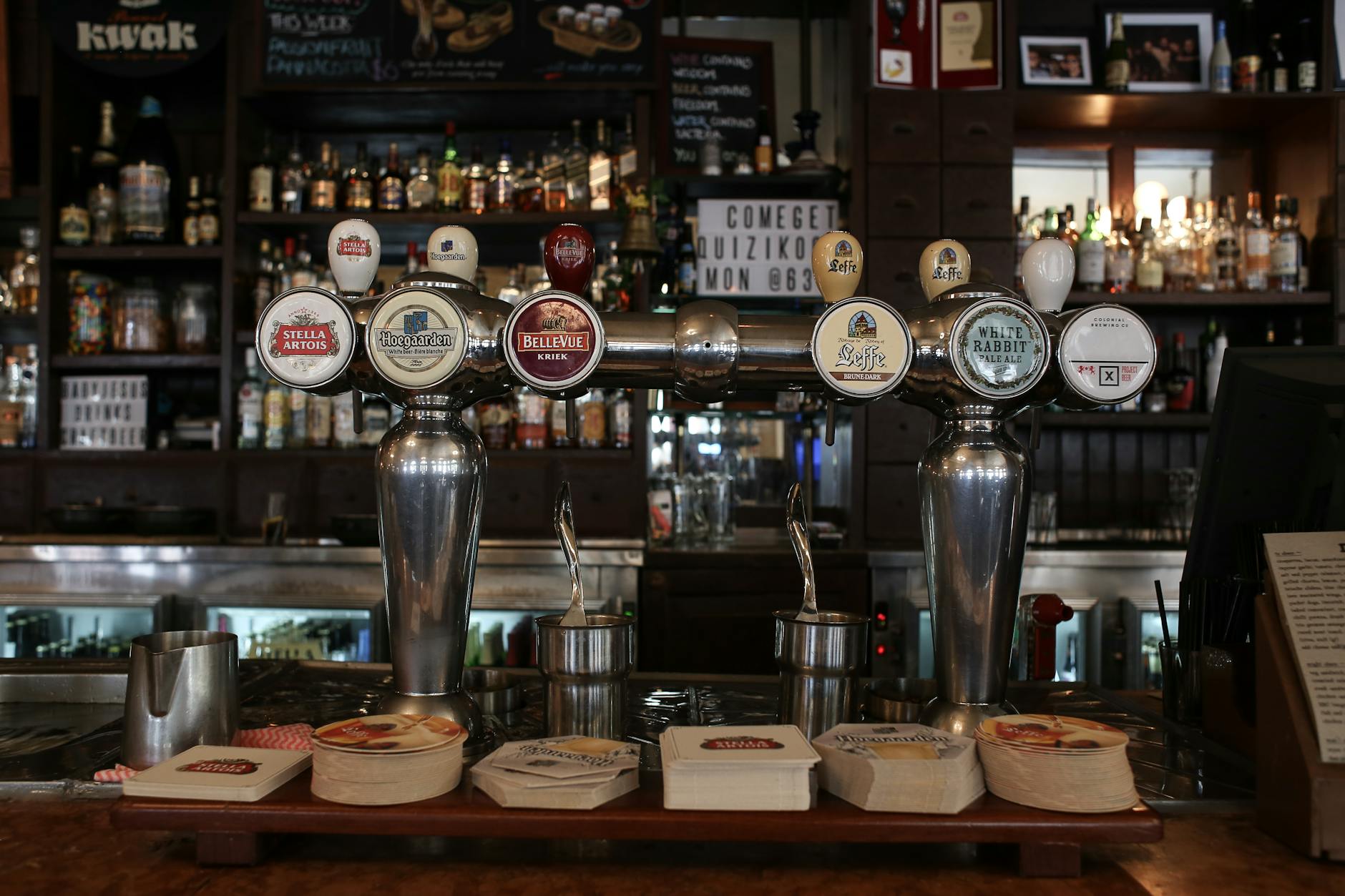
Seoul’s craft-beverage scene has matured fast. Korean breweries — Amazing Brewing Company, Magpie, The Booth, Hand and Malt — run taprooms across the city, with Itaewon and Yeonnam-dong the twin epicenters and pints at ₩7,000–12,000. The cocktail world is just as serious: Charles H (inside the Four Seasons, perennially on Asia’s-best lists), Le Chamber (a Prohibition-styled speakeasy), and Alice in Gangnam (theatrical, garnish-as-art presentations) deliver world-class mixology at ₩15,000–25,000 a drink. These and a dozen more sit in our best bars in Seoul guide if you want to build a proper bar crawl.
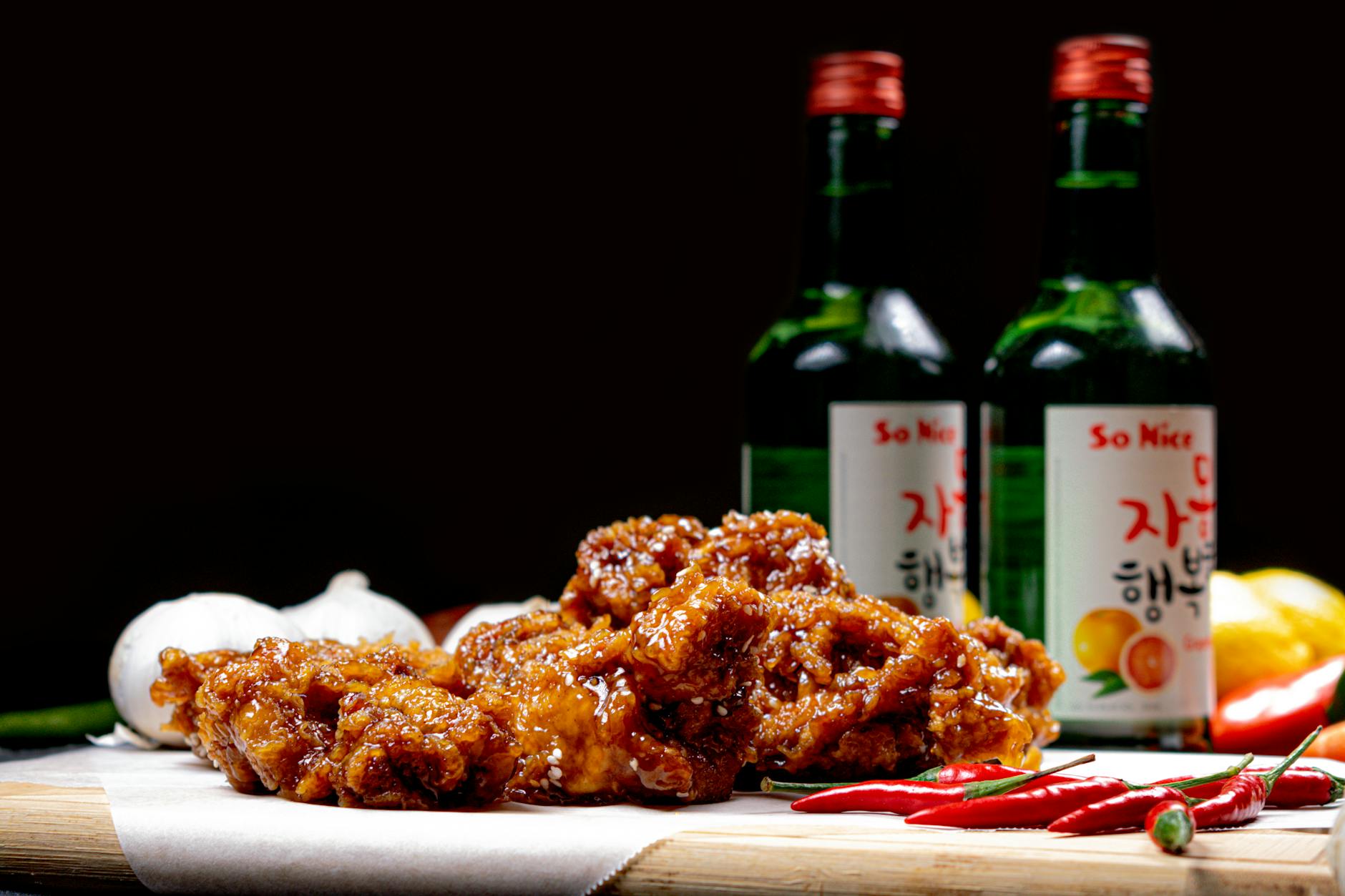
In Seoul the night doesn’t end at the bar — it ends at the table. Late-night eating (야식/yasik) is core to the culture, and plenty of restaurants run to 2–4 AM or around the clock. Our late-night food in Seoul guide maps the best after-dark kitchens by district.
The essentials: chimaek (치맥) — fried chicken and beer — is the quintessential combo, and our Korean BBQ guide covers the grills that stay lit past 2 AM. Jjamppong, the fiery seafood noodle soup, is the classic hangover hedge. Pojangmacha — the orange street tents serving soju with anju — are the most atmospheric cheap option going. And haejangguk (해장국, “hangover soup”) joints open at 5–6 AM specifically to put you back together. For the wider canon of where and what to eat, the Seoul food guide is the mothership.
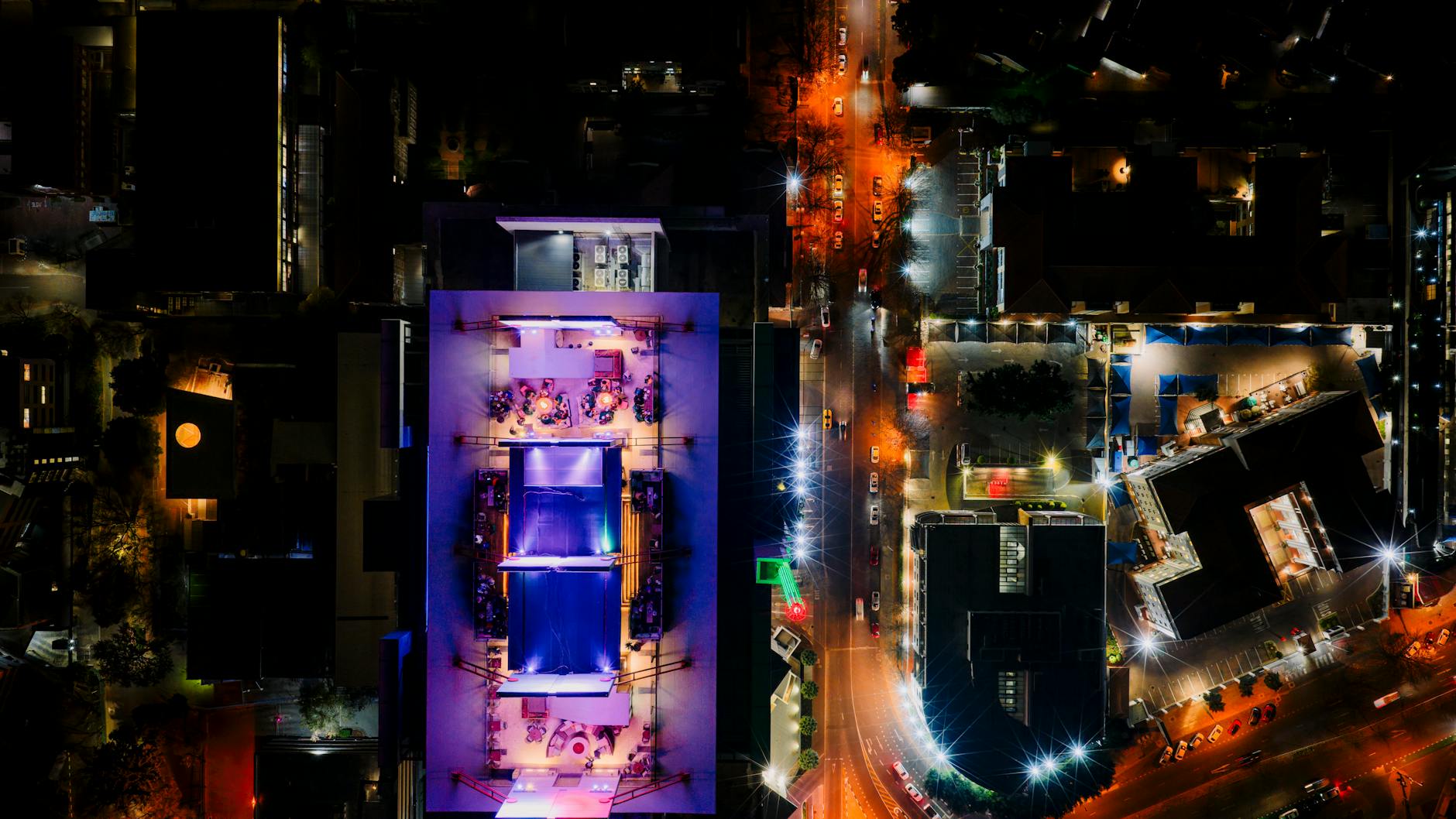
For a calmer evening, Seoul’s rooftops and riverbanks beat any club. Rooftop bars across Itaewon, Hannam-dong, and high-rise Gangnam frame the skyline and Namsan Tower; nurse one cocktail and the view does the rest.
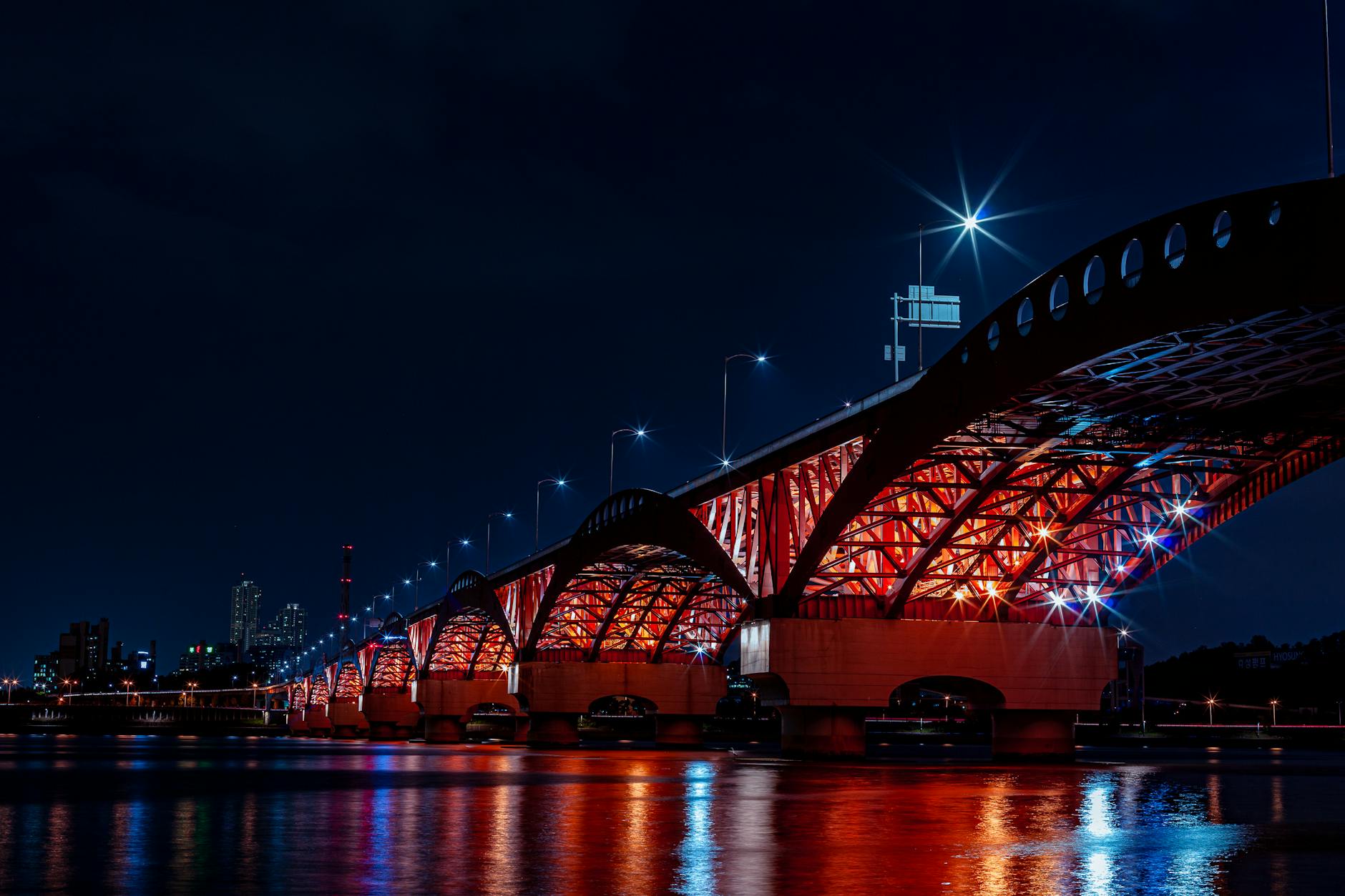
Han River nights: from April to October the Han River parks turn into Seoul’s communal living room after dark. Locals order fried chicken straight to the grass via delivery app, unroll picnic mats, and settle in. The Banpo Bridge Rainbow Fountain runs shows at 7:30, 8:00, 8:30, and 9:00 PM in season, and the riverside convenience stores sell cold beer and soju by the armful. It’s the cheapest, most quintessentially Seoul night out there is.
Yes, Seoul goes out seven nights, but the texture changes. Friday and Saturday are peak — clubs heave, lines form by midnight, and Hongdae’s streets become a single moving crowd. Thursday is the locals’ sleeper night, busy but breathable, with student energy in the university districts. Sunday through Wednesday belong to the bars rather than the clubs: this is when speakeasies, jazz rooms, and craft taprooms shine, with no cover and room to actually talk. If you only have a weeknight, skip the mega-clubs and spend it in Euljiro or Itaewon’s cocktail bars — you’ll have a better time. Plan which district suits your night using our Seoul neighborhoods guide.
Here’s a night that shows off the city’s range. Start at 7 PM with Korean BBQ and soju in Hongdae (1-cha). At 9, walk to a craft-beer taproom for a couple of pints (2-cha). By 11, jump in a Kakao T taxi to Itaewon for cocktails on a rooftop as the skyline lights up. Around 1 AM, descend into a Cakeshop or Faust DJ set if you’ve got the legs for it — or pivot to a coin noraebang and sing your hearts out for ₩1,000 a song (3-cha). At 3, the obligatory chimaek or a steaming bowl of jjamppong (4-cha). And if you’ve truly gone the distance, haejangguk at dawn before the 5:30 first train carries you home. Not every night needs all six rounds — but it’s good to know the city can deliver them.
Seoul is one of the safest major cities in the world for a night out — violent crime is rare and the streets stay busy and lit until dawn. Still, the basics apply:
Carry ID. Clubs and many bars check at the door; bring your passport or a copy. The legal drinking age is 19 (international age).
Mind the soju customs. Pour for others rather than yourself, receive with two hands when someone older pours for you, and turn slightly away from elders as you sip. Getting this right earns real warmth — our Korean dining etiquette guide has the details.
Don’t get pressured into overdrinking. The culture can push you to keep pace, but a polite refusal is always respected — “괜찮아요” (gwaenchanayo, “I’m fine”) does the job.
Taxi smart after midnight. Use the Kakao T app rather than flagging random cabs; it logs your route and driver. Avoid unmarked cars offering rides. Full guidance is in our Seoul taxi guide.
Budget the night. A rough guide: a budget night out (Hongdae, 2–3 venues, street food) runs ₩30,000–50,000; mid-range (Itaewon cocktails and dinner) ₩80,000–120,000; premium (Gangnam club, bottle service) ₩200,000+. Stretch the low end further with our Seoul on a budget guide.
If you want the most atmospheric — and most affordable — drinking experience in Seoul, find a pojangmacha (포장마차). These orange-tented street stalls set up at dusk along curbs and under overpasses, strung with bare bulbs and steamed up from the cooking. You perch on a plastic stool, order soju and a plate of anju — spicy stir-fried rice cakes, grilled intestines, egg roll, or a bubbling pot of odeng (fish-cake soup) — and watch the city stream past. A round here costs a fraction of any bar: soju at ₩4,000, a shared plate at ₩10,000–15,000. The old-school clusters near Jongno 3-ga and along the edges of Euljiro are the real thing, full of office workers decompressing after their hoesik. It’s the kind of night you can’t book or plan — you just stumble into it, and it becomes the story you tell back home. Our late-night food in Seoul guide points you to the best surviving tent clusters before they vanish to redevelopment.
Seoul’s bar scene loves a gimmick, and the best ones commit hard. There are board-game bars where ₩10,000 buys you a table and a shelf of a thousand games for the night; “comic book” and retro arcade bars stocked with 1980s consoles; science-lab cocktail bars where drinks arrive in beakers and smoke; and hidden-entrance speakeasies disguised as laundromats, refrigerators, or bookshelves. Hongdae and Itaewon hold the densest concentrations, but the genuinely strange ones hide in Euljiro and Seongsu. They’re a brilliant pivot for a night when you want fun over cool, or when someone in the group isn’t drinking much — the experience carries the evening. Several make our best bars in Seoul shortlist, and the creative-district crawl pairs naturally with our Seongsu-dong guide if you want to make a full evening of it.
The calendar reshapes Seoul after dark. Spring and autumn are the golden windows — the Han River parks fill nightly, rooftop bars throw open their terraces, and the temperature is perfect for tent-bar weather. Summer pushes everything outdoors and later: night markets along the river, open-air screenings, and clubs that don’t really start until the heat breaks after midnight; just expect humidity and the odd monsoon downpour. Winter drives the night indoors, which is its own pleasure — steamy pojangmacha, warm makgeolli with pancakes, basement jazz, and the city’s illuminations glittering along Cheonggyecheon. Whatever the season, there’s a version of a great Seoul night waiting; our Seoul festivals and events guide flags the seasonal nightlife events worth timing a trip around.
A few practicalities save you grief at the door. Bring your physical passport — clubs check ID strictly and a photo on your phone is often refused. Cover charges usually include a drink token, so don’t buy your first round before you’ve found the bar. Most big clubs run a coat-and-bag check (₩1,000–2,000); use it, because dance floors are packed and you don’t want to mind a jacket all night. Cash and card both work, but keep ₩20,000–30,000 in cash for entry and street food on the walk home. Lines build fast after midnight on weekends, so arrive by 11:30 if there’s a specific room you want, or embrace the bar-first approach and roll in later when the floor is full. Guest lists and presale tickets for DJ nights appear on the venues’ Instagram pages — worth a follow if you’re chasing a specific set, and our best clubs in Seoul guide links the current rooms.
One more cultural note worth understanding before Gangnam: the booking club and “table” system. At these venues, staff (called “MD”) physically walk patrons between tables to make introductions — it’s a paid, formalized way of meeting people that’s unique to Korean nightlife and can be jarring if you don’t expect it. You’re never obligated to participate; a polite decline is fine. If that’s not your scene, stick to the straightforward dance clubs and lounges, plenty of which skip the system entirely. Whatever you choose, you’ll find the city’s after-dark culture is welcoming once you read its rhythms — and this guide plus our Seoul itineraries will help you slot the right night into the right evening of your trip.
Late. Dinner-and-soju runs until 9–10 PM, bars fill from 10, and clubs don’t peak until 1–2 AM. If you arrive at a club at 11 it’ll feel empty — that’s normal. Plan a long dinner and a bar first rather than showing up early.
Three options: night buses (N-buses) at a flat ₩2,500, a Kakao T taxi (₩15,000+ across town), or staying out until the 5:30 AM first trains — which plenty of people do. Our getting around Seoul guide details the N-bus routes worth memorizing.
Very. Seoul consistently ranks among the safest big cities, streets stay busy until dawn, and solo nights out are common. Use Kakao T for taxis, keep an eye on your drink as anywhere, and a pub crawl in Hongdae or Itaewon is an easy, safe way to meet people if you’re on your own.
Hongdae is casual — jeans and sneakers are fine. Itaewon is smart-casual. Gangnam enforces dress codes: no shorts, sandals, or sportswear for men, and dressier outfits for everyone. When in doubt, dress up; it’s easier to get past a Gangnam door than to argue with it.
From ₩30,000 for a budget Hongdae night to ₩200,000+ for Gangnam bottle service. A typical mid-range night with cocktails and dinner lands around ₩80,000–120,000. Drinks are cheapest at convenience stores and Hongdae bars, priciest in Gangnam lounges.
Absolutely. Noraebang, the Han River parks, late-night cafés, rooftop views, live music, and the city’s endless 24-hour food scene make for a full night with zero alcohol. Coin noraebang and a riverside fried-chicken picnic are as “Seoul at night” as any club.
Seoul’s nightlife is as varied as the city itself. Whether you dance until sunrise in Hongdae, sip cocktails in a hidden Euljiro speakeasy, belt K-pop in a noraebang, or share chicken by the Han River, the city delivers. Pair this with our neighborhoods guide to pick your district and our things to do in Seoul hub for everything before the sun goes down.