
This Korean BBQ guide for Seoul covers everything: the difference between pork BBQ (samgyeopsal) and beef BBQ (galbi), how to read a Korean BBQ menu, the best neighborhoods, top restaurants for every budget, the unwritten rules locals expect you to follow, and how the meal traditionally ends with fried rice cooked on the grill. By the end you’ll order with confidence and eat like you’ve been doing this for years. For more food context, see our Seoul food guide pillar.
Pork BBQ vs. Beef BBQ: Know What You’re Ordering
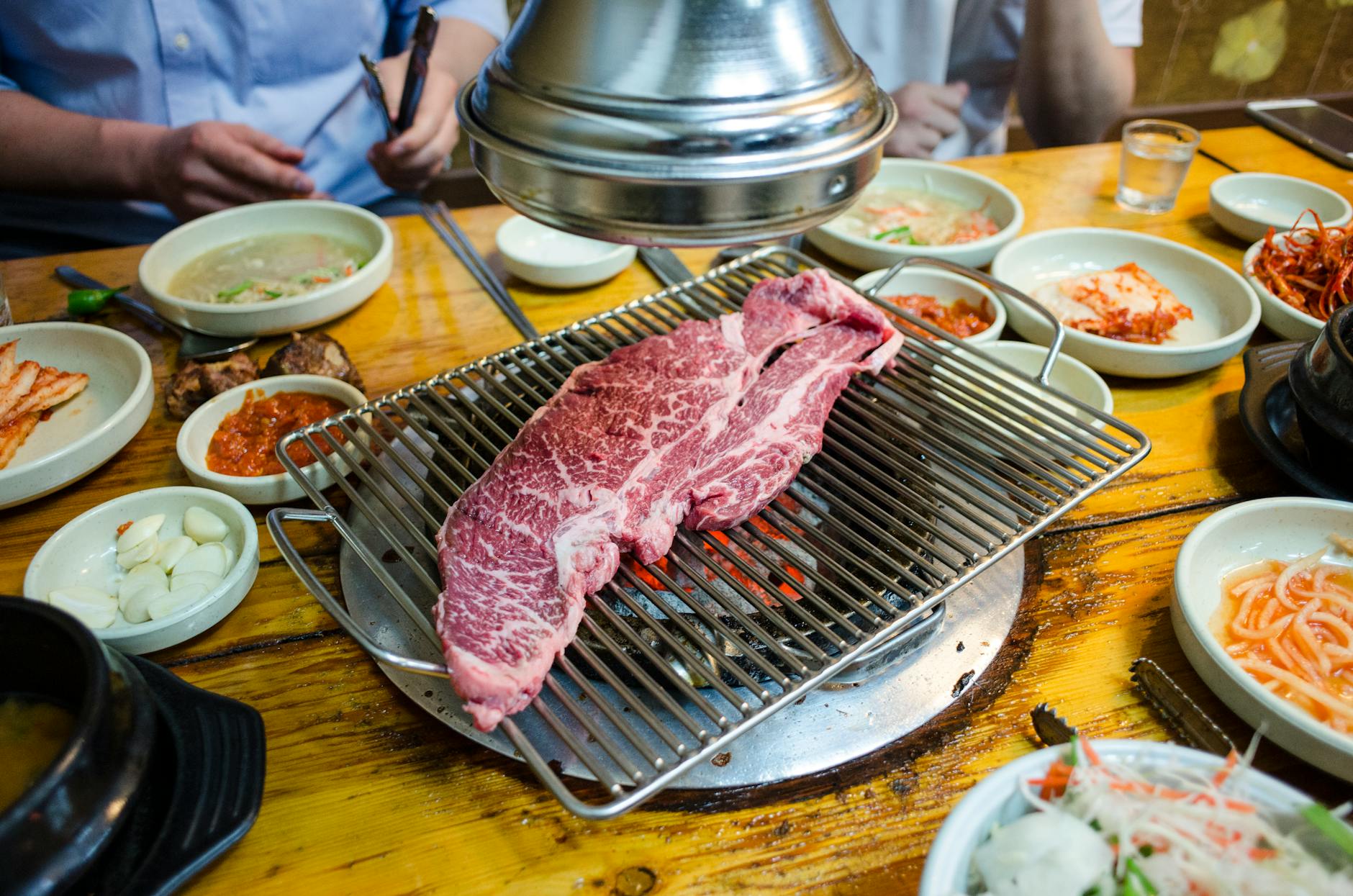
The first thing every Korean BBQ menu confronts you with is a choice: pork or beef. They’re priced differently, served differently, and almost never on the same menu in serious BBQ restaurants. Choose the wrong one and you’ll spend twice as much for half the experience.
Samgyeopsal (Pork Belly) — The Default Choice
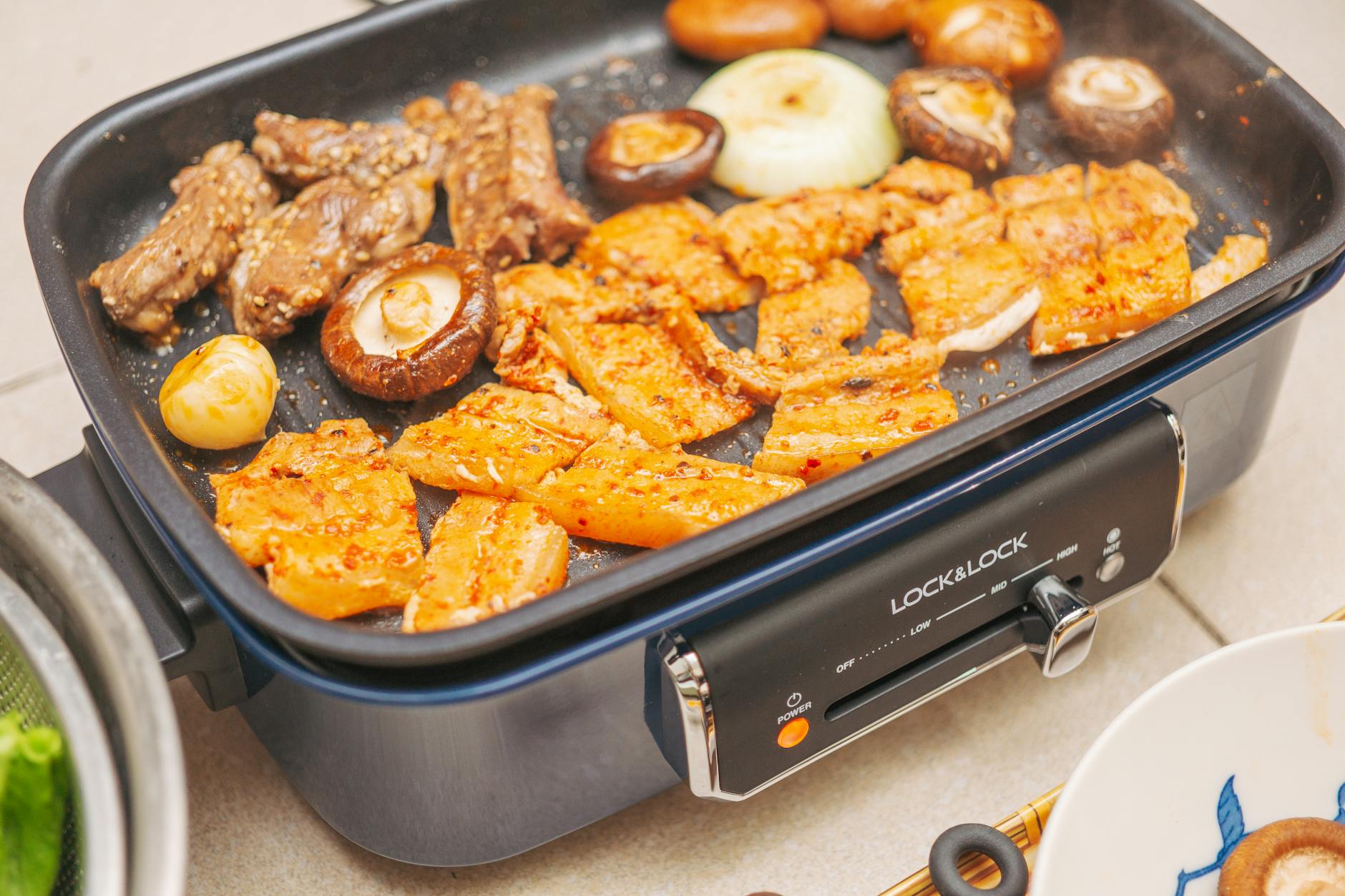
Samgyeopsal — three-layer pork belly — is what most Koreans actually eat for casual BBQ several times a month. It’s affordable (roughly 15,000-22,000 won per person), packed with flavor, and doesn’t need marinade because the fat does all the work. Order this if you’re new to Korean BBQ. Variations include ogyeopsal (five-layer belly), moksal (collar), hangjeongsal (jowl), and galmaegisal (skirt).
Galbi (Beef Short Ribs) — The Special Occasion
Galbi is marinated beef short ribs — sweet, savory, and dramatically more expensive (35,000-80,000 won per person depending on grade). The marinade includes soy, sugar, garlic, sesame oil, and pear. Locals reserve galbi for celebrations: birthdays, work bonuses, the in-laws visiting. If you only have one Korean BBQ meal in Seoul, splurge on galbi at a respected restaurant — it’s a different food entirely.
Hanwoo (Premium Korean Beef)
Hanwoo is Korean wagyu — heavily marbled, dry-aged, sold by grade (1++, 1+, 1, then numbered cuts) and priced like a luxury good. Top hanwoo restaurants charge 90,000-200,000 won per 200g for premium cuts like ribeye and brisket flap. Worth it once for the experience; not your everyday choice.
The Best Korean BBQ Neighborhoods in Seoul
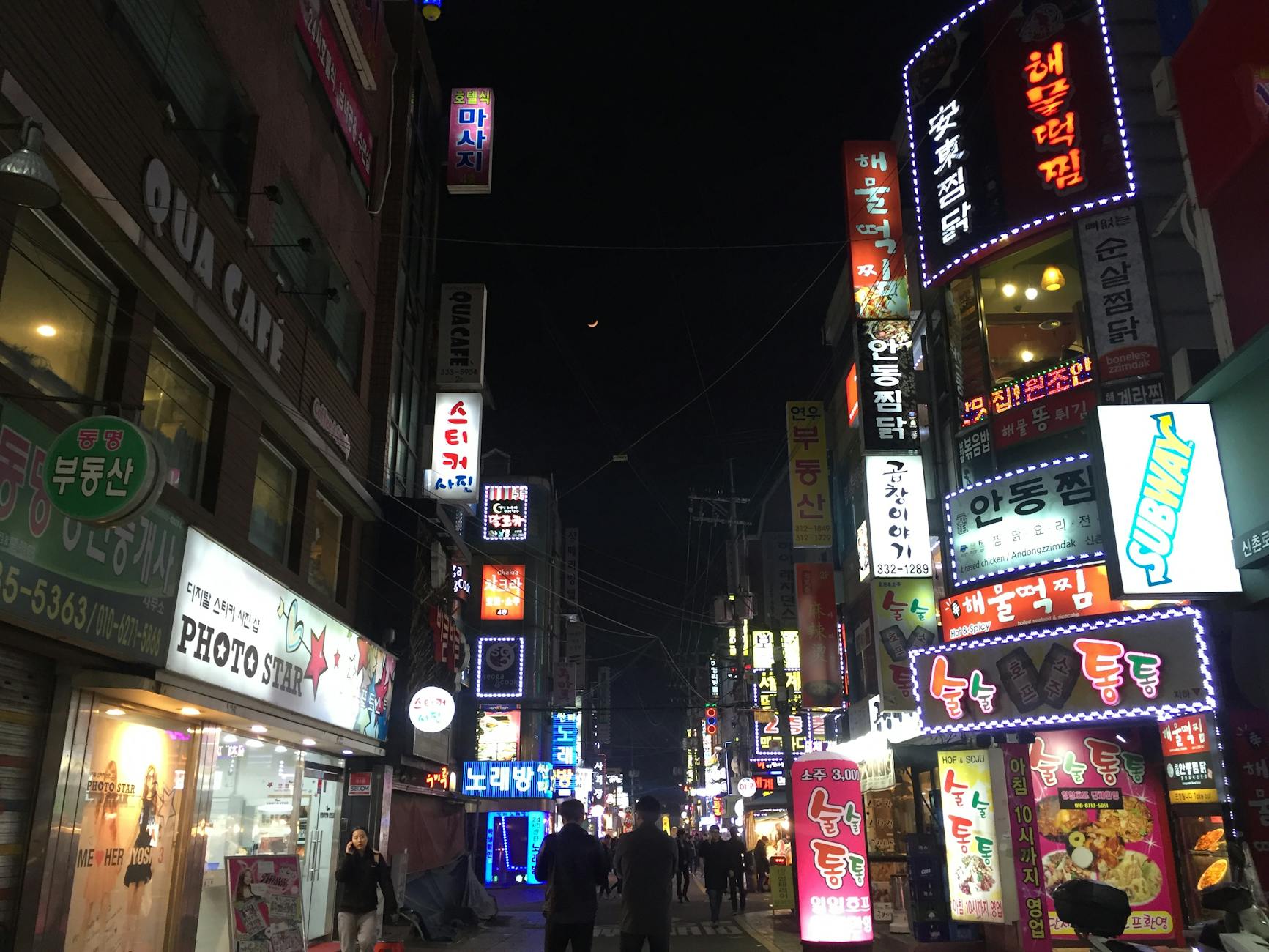
Seoul has Korean BBQ on every block, but a handful of neighborhoods are notably better than others. Avoid the Myeongdong tourist strip — prices are inflated and quality is mediocre. Head instead to one of these.
Mapo & Sangam (West Seoul)
Working-class neighborhoods northwest of central Seoul where samgyeopsal restaurants line entire streets. Prices are 20-30% lower than Gangnam for nearly identical meat. Mapo Galmaegi is a famous regional dish — marinated pork skirt grilled over charcoal — and Mapo neighborhood is the best place in the city to try it.
Sinsa & Apgujeong (Gangnam)
This is hanwoo country. The premium beef restaurants line the back streets behind Sinsa Station and Apgujeong Rodeo. Expect to pay 70,000-150,000 won per person, get well-marbled cuts, and dine alongside K-pop trainees and Gangnam moms.
Yongsan & Itaewon
Itaewon’s BBQ restaurants are among the most foreigner-friendly — English menus, English-speaking servers, and grills designed for tourists who don’t want to manage the meat themselves. Prices are mid-range. Particularly strong for hanwoo with a Korean-American twist.
Hongdae & Sinchon
University districts with cheap, lively BBQ joints aimed at students. Samgyeopsal here is often “all you can eat” for 15,000-20,000 won — the meat is leaner and lower-grade, but the atmosphere makes up for it. Great for groups of friends rather than a quiet date.
Jongno (Old Seoul)
The historic restaurant district has some of the city’s oldest BBQ houses, including Woo Lae Oak (since 1946), and several charcoal-grill specialists. Older customer base, more traditional. Excellent if you want history with your meal.
Top Korean BBQ Restaurants in Seoul (2026)
Mongtan (Samgakji)
Famous for its udae galbi, a 250-gram bone-in beef rib aged for 24 days. Lines start an hour before opening; reservations are nearly impossible. Around 70,000 won per person. Worth the queue once.
Woo Lae Oak (Jongno)
One of Seoul’s classic BBQ institutions, open since 1946. Known for bulgogi (marinated beef in broth) more than grilled meat, but the atmosphere — wooden booths, old-Korea vibe — is part of the experience. 35,000-50,000 won per person.
Maple Tree House (Itaewon, Gangnam)
The most consistently recommended Korean BBQ for first-time foreign visitors. Servers speak English fluently, grill the meat for you, and the menu is photo-illustrated. Premium hanwoo around 70,000 won per person, samgyeopsal around 30,000.
Born & Bred (Sinsa)
Modern, design-forward hanwoo restaurant where every cut is sourced and traceable. The “Born & Bred Course” at 130,000 won is a tasting menu of seven cuts — the best way to understand premium Korean beef.
Mapo Galmaegi (Mapo)
The neighborhood namesake — pork skirt steak (galmaegisal) grilled over real charcoal. Much cheaper than the Gangnam options, around 18,000-25,000 won per person. No reservations; arrive before 6 PM or expect to wait.
Wang Bi Jib (Myeongdong)
A well-known tourist option that actually delivers. English menus, foreigner-friendly grilling assistance, and decent hanwoo around 50,000 won per person. The price of convenience.
How to Read a Korean BBQ Menu
Most Seoul BBQ menus organize meat first by animal, then by cut, with prices per 200g serving. Here’s the cheat sheet:
| Korean | English | What It Is |
|---|---|---|
| 삼겹살 (Samgyeopsal) | Pork Belly | Three-layer fatty pork belly, the default order |
| 오겹살 (Ogyeopsal) | Five-layer Belly | Premium pork belly with the skin still on |
| 목살 (Moksal) | Pork Collar | Leaner pork from the shoulder |
| 항정살 (Hangjeongsal) | Pork Jowl | Marbled, intensely flavorful, more expensive |
| 갈매기살 (Galmaegisal) | Pork Skirt | The Mapo specialty |
| 갈비 (Galbi) | Short Ribs | Marinated beef ribs, the celebration cut |
| 등심 (Deungsim) | Ribeye | Tender, marbled, premium |
| 안창살 (Anchangsal) | Skirt Steak | Beefy, chewy, flavorful |
| 차돌박이 (Chadolbaegi) | Brisket | Thinly sliced, cooks in 15 seconds |
| 한우 (Hanwoo) | Korean Beef | Premium domestic beef, priced by grade |
Most BBQ restaurants require a 2-person minimum order per cut. Order at least one type of meat per two diners; you can always add more.
What’s Always Free at the Table: Banchan
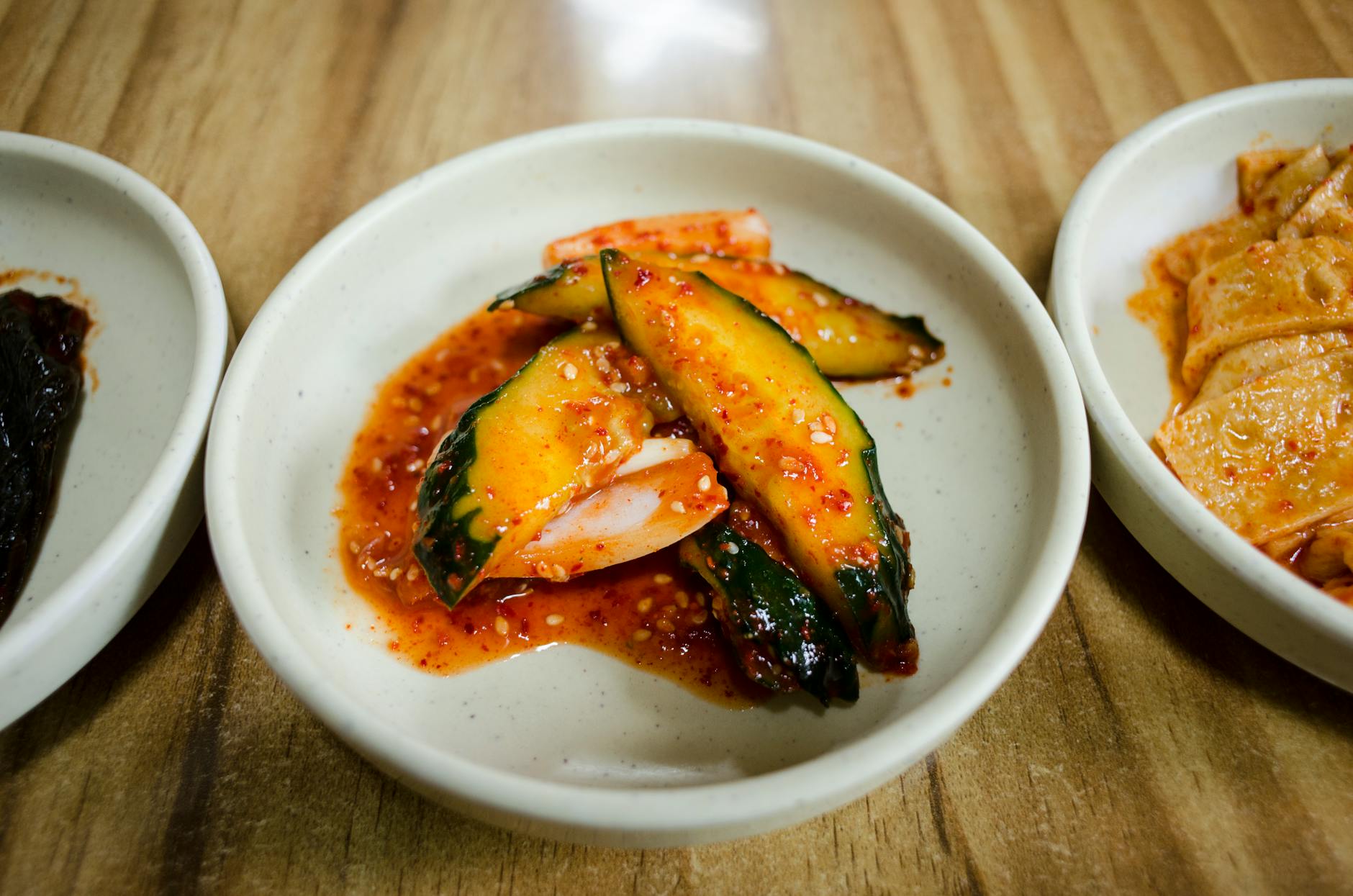
Every Korean BBQ meal comes with banchan — small side dishes — that arrive within minutes of sitting down. They’re free, refillable on request, and a meal in their own right. Standard banchan includes:
- Kimchi — fermented napa cabbage in chili paste
- Kkakdugi — cubed radish kimchi
- Ssamjang — savory dipping paste of soybean and chili
- Pa-muchim — green onion salad with sesame oil and chili flakes
- Saengchae — pickled vegetables
- Marinated garlic and chili peppers — for grilling alongside meat
Don’t be shy about asking for refills — servers will bring more without comment. Just say “더 주세요” (deo juseyo, “more please”) or point at the empty plate.
How to Eat Korean BBQ Like a Local
Watching first-time visitors at Korean BBQ is like watching someone use chopsticks for the first time — endearing but obvious. Here’s the choreography that locals do automatically.
Step 1: Don’t Touch the Grill
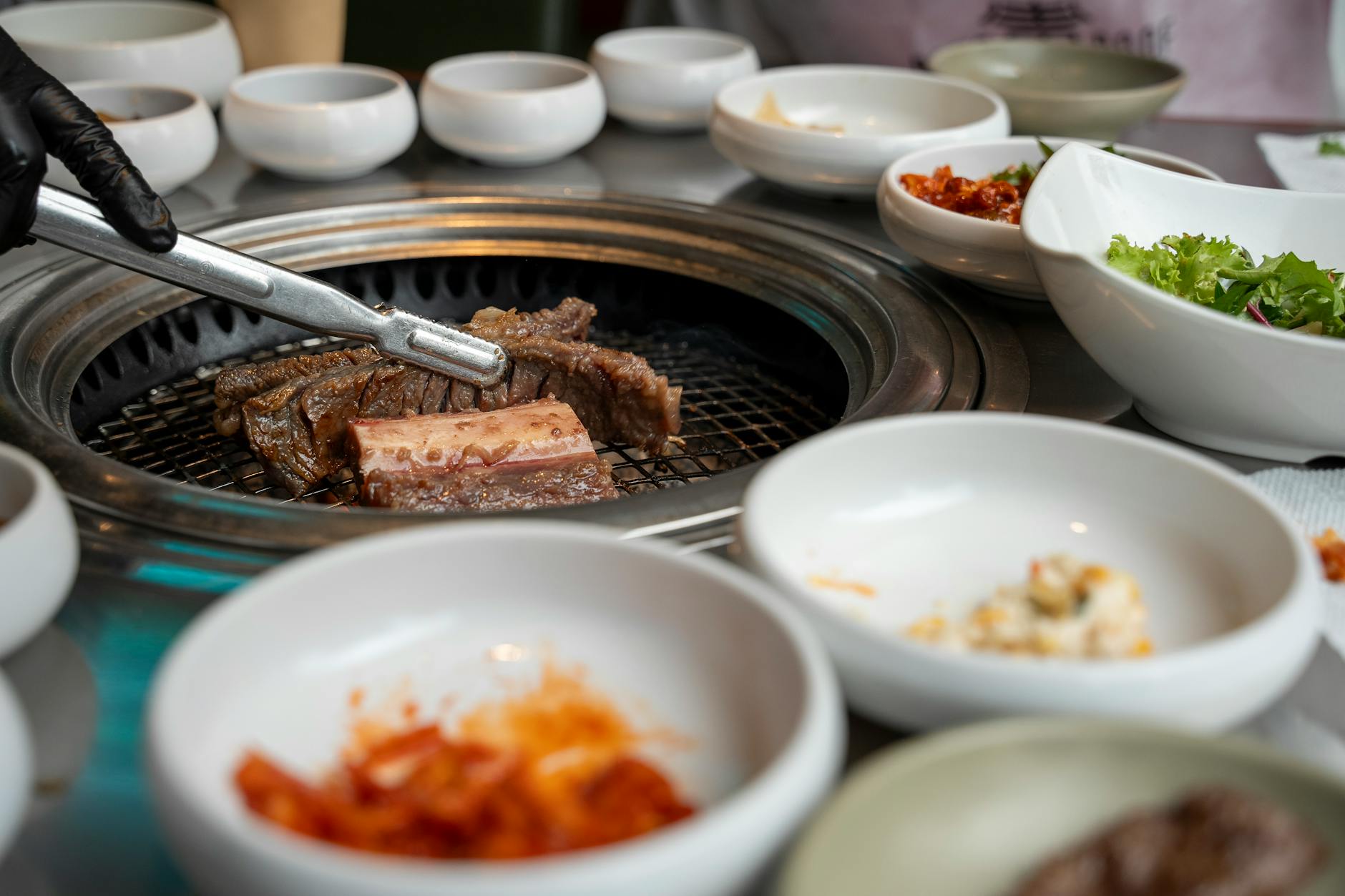
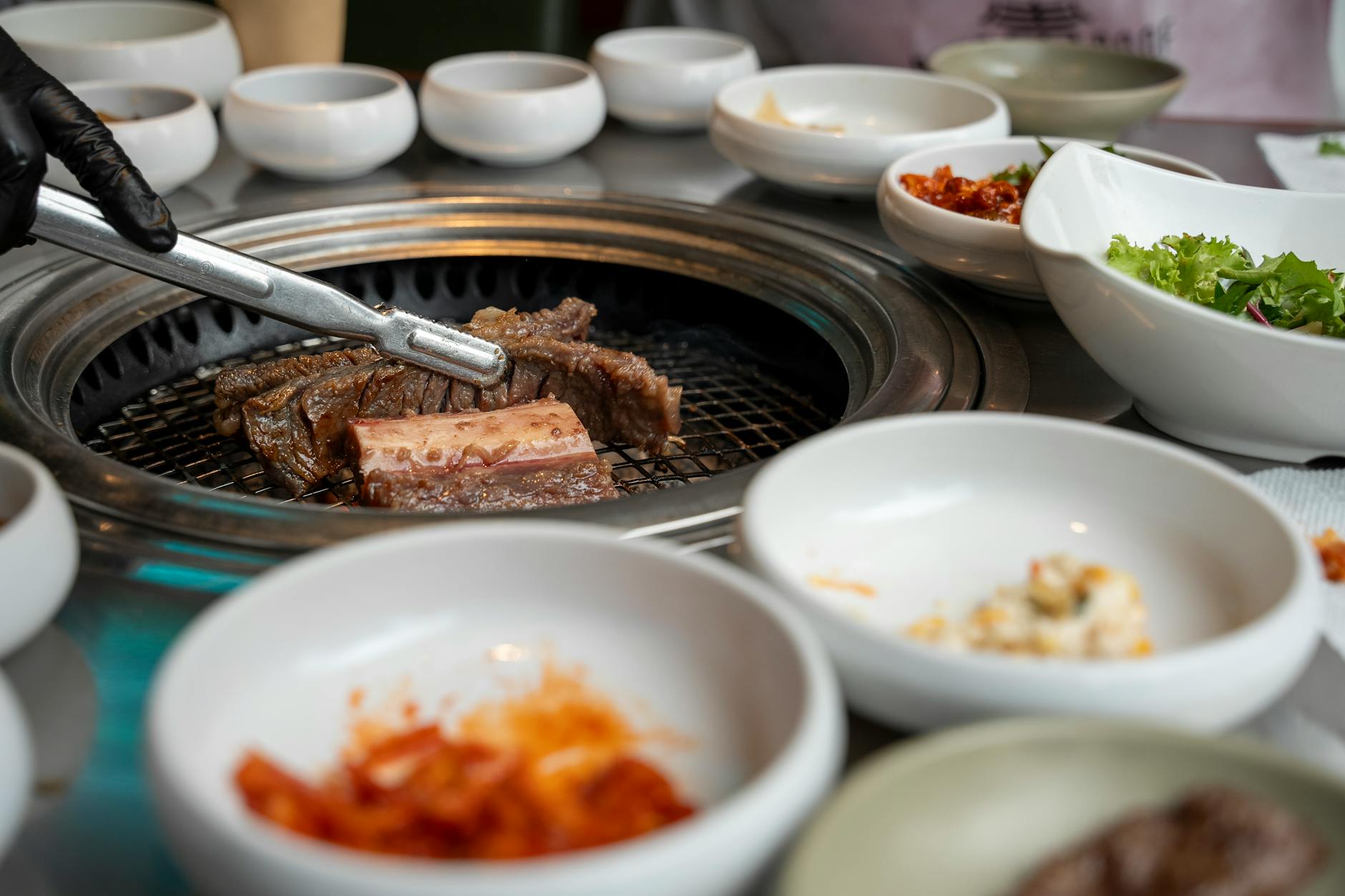
In most non-tourist BBQ restaurants, the server controls the grill. They’ll bring the raw meat, place it on the hot grates, and flip it with long tongs and scissors. Don’t reach for the tongs — let them work. (At “course” restaurants and in Itaewon, the server may grill the entire meal for you. Just relax.)
Step 2: Watch the Meat
Pork belly takes 4-5 minutes per side. Beef ribeye takes 1-2 minutes per side. The server will tell you when each piece is done by pulling it to a “ready” zone or stacking it in a corner of the grill.
Step 3: The Scissors Aren’t Decorative
Korean BBQ is cut at the table, not in the kitchen. The server will use big shears to cut larger pieces into bite-sized portions. Don’t be alarmed.
Step 4: Build a Ssam (Lettuce Wrap)
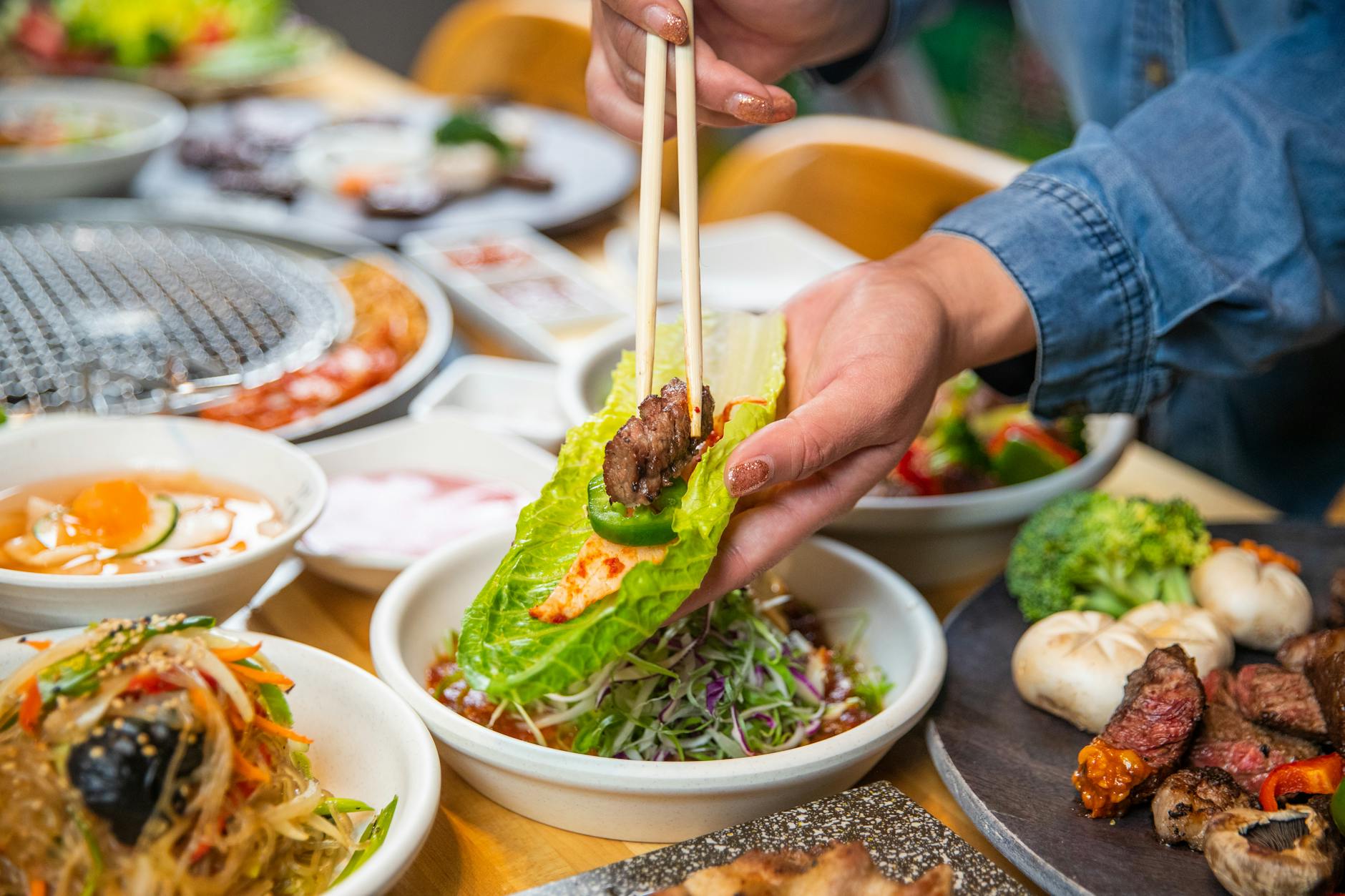
The classic Korean way to eat samgyeopsal: take a piece of lettuce in your hand, smear ssamjang on it, add a slice of cooked pork, a chunk of garlic (raw or grilled — both options are on the table), a slice of green chili, and a pinch of pa-muchim. Fold and pop the entire bundle in your mouth in one bite. Never bite a ssam in half — it’s considered slightly uncouth.
Step 5: Drink Soju
Korean BBQ pairs almost mandatorily with soju (rice spirit, around 17% ABV) or beer. Pour for the people across from you, never for yourself. Hold the bottle with two hands when pouring for someone older. Receive your glass with two hands. These small gestures earn enormous goodwill.
Step 6: Order the Bokkeumbap
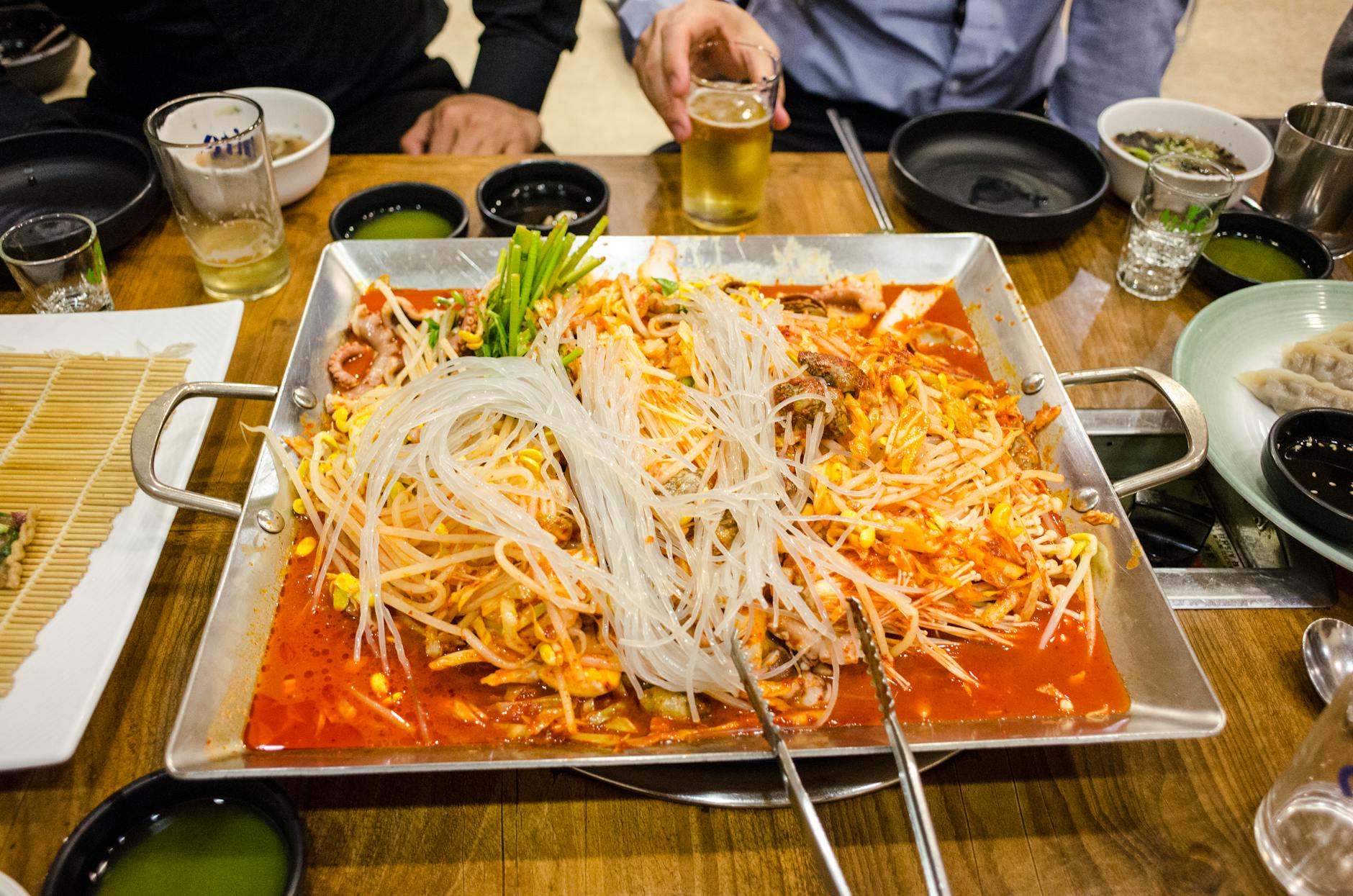
The unwritten finale to every Korean BBQ meal: when most of the meat is gone, the server scrapes the grease and crispy bits off the grill, adds rice, kimchi, sesame oil, and an egg, and stir-fries it directly on the grate. Many places melt cheese or seaweed flakes on top. Cost: 2,000-4,000 won. Korean tradition calls it the “true ending.”
What to Drink With Korean BBQ
The drink list is short, but the choices matter.
Soju
The default. A green bottle of Chamisul Fresh or Jinro Iceberg (the two market leaders) costs 4,000-6,000 won at restaurants. Both are vodka-like, lightly sweetened, and made for shooting. Ask for the local craft soju brands like Hwayo or Wonsoju if you want a more refined version (15,000-25,000 won).
Beer
Cass and Terra are the lighter Korean beers most paired with BBQ. A draft costs 4,000-6,000 won. The classic “somaek” pour mixes 30% soju with 70% beer in a glass — stronger than beer alone, smoother than soju.
Makgeolli
Cloudy fermented rice wine, slightly sweet, low alcohol (6-8%). Pairs especially well with pork. Served in a kettle and small bowls. Around 6,000-8,000 won per kettle.
Soft Drinks
If you don’t drink alcohol, every BBQ restaurant has Coca-Cola, Sprite, and Korean rice tea. There’s zero pressure to drink — Koreans are accustomed to non-drinkers and won’t push.
How Much Does a Korean BBQ Meal Cost in Seoul?
Budget per person, including meat, banchan, rice, soup, and a couple of soju/beers:
- Cheap (Hongdae all-you-can-eat samgyeopsal): 18,000-25,000 won
- Solid mid-range (neighborhood pork BBQ in Mapo or Yongsan): 25,000-40,000 won
- Quality samgyeopsal at a known restaurant: 35,000-55,000 won
- Beef galbi at a respected restaurant: 50,000-80,000 won
- Premium hanwoo (Sinsa or Apgujeong): 100,000-200,000 won
For more on Seoul food costs, see How Much Does a Seoul Trip Cost?
Vegetarians and Vegans at Korean BBQ
Korean BBQ is built around meat, but most restaurants do offer side options that work for vegetarians: grilled mushrooms, tofu kimchi-jjigae, japchae (glass noodles with vegetables), and pajeon (scallion pancake). Vegans will find limited options at dedicated BBQ houses; consider other Korean cuisines instead, or seek out the city’s growing roster of plant-based Korean restaurants in Itaewon and Hongdae.
Korean BBQ Etiquette: The Unwritten Rules
None of these are deal-breakers, but observing them earns visible respect:
- Don’t pour your own drink. Pour for others; let them pour for you.
- Receive drinks with two hands. Especially from someone older than you.
- Wait for the eldest to drink first. If at a table with older Koreans, wait for the senior person to take the first sip.
- Don’t stick chopsticks vertically in rice. It looks like funeral incense.
- Don’t blow your nose at the table. Step away to a bathroom if needed.
- Tipping is not expected. Round up if you want, but don’t add 15-20%.
- One person pays. Splitting bills is more common in younger circles, but the host or eldest typically pays for the whole table at traditional meals.
What to Order if You’re Alone
Most Korean BBQ restaurants have a 2-person minimum. Solo travelers have several workarounds:
- Bar-style BBQ counters in Hongdae and Yongsan have one-person grills.
- Order one cut and pay the 2-person price — common practice and accepted at most places.
- Try doejigukbap or galbi-tang — pork or beef rib soup that captures the flavor without needing a grill.
And if you would rather sidestep the two-person math entirely, Seoul’s street food markets have no minimum at all — Gwangjang’s stall counters seat solo eaters all day, and a full crawl of bindaetteok, mayak gimbap and tteokbokki lands well under 15,000 won.
Frequently Asked Questions
Is Korean BBQ in Seoul cheaper than in the US?
Yes — significantly. A meal that costs $80 per person at a Manhattan Korean BBQ runs around 35,000-45,000 won (roughly $26-33) in a comparable Seoul restaurant. Premium hanwoo prices are closer to parity.
Do Korean BBQ restaurants take reservations?
The popular ones do — book through Naver Maps or the restaurant’s KakaoTalk channel a day or two ahead. Mongtan and other tier-one spots may be booked weeks out.
Can children go to Korean BBQ?
Absolutely. Korean BBQ is a family activity, especially at lunch. The grills are vented and most restaurants are kid-friendly. Order a banchan-heavy table and add japchae or kimchi pancake for picky eaters.
What time do Korean BBQ restaurants open?
Most open from around 11:30 AM for lunch and run until 11:00 PM or later for dinner. Some neighborhood spots are 24-hour, especially around Hongdae and Jongno.
Is the meat halal or kosher?
Standard Korean BBQ uses non-halal pork or beef. A small handful of restaurants in Itaewon serve halal-certified meat — search “halal Korean BBQ” on KakaoMap.
What’s “samgyeopsal day”?
March 3 (3.3) is celebrated nationally as Samgyeopsal Day in Korea — a marketing-driven holiday where pork belly prices drop and restaurants run specials. If you happen to be in Seoul on March 3, look for promotions.
Can I take leftover meat home?
Generally, no. Korean BBQ etiquette assumes you finish what’s served. The exception is the bokkeumbap and some banchan, which can sometimes be packed up. Just ask the server.
Final Tips From a Seoul Local
Three rules for a great first Korean BBQ in Seoul: pick samgyeopsal at a Mapo or Yongsan neighborhood restaurant for your first try (don’t blow the budget on hanwoo until you know what you’re tasting); order at least one round of banchan refills (servers love it when guests engage with the side dishes); and always end with bokkeumbap, even if you’re full — it’s the meal’s true climax. Master that sequence and Korean BBQ becomes the highlight of your Seoul trip, not just one of many meals.
For more food adventures, return to our pillar guide: Seoul Food Guide. Or pair your BBQ tour with our Seoul nightlife guide for a full night out.