This is the complete Incheon Airport to Seoul guide for 2026: every option compared, with current prices, journey times, where to buy tickets, where to catch each service, and which one is right for which traveler.
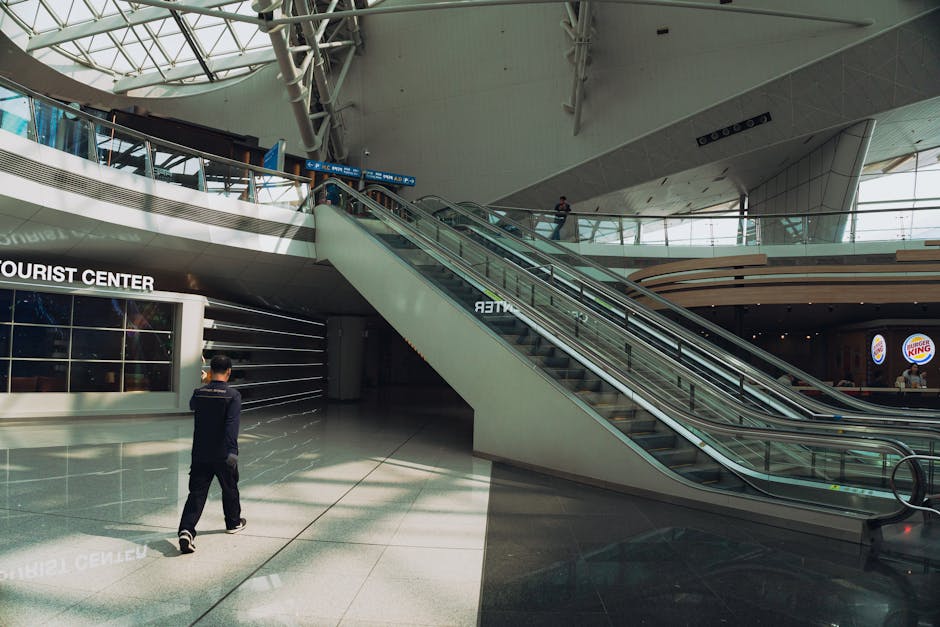
Quick Comparison: 5 Ways to Get from Incheon to Seoul
| Option | Cost (one-way) | Time | Best For |
|---|---|---|---|
| AREX Express Train | ₩11,000 | 43 min | Speed, light luggage |
| AREX All-Stop Train | ₩4,750 | 59 min | Budget travelers, stops near hotel |
| Limousine Bus | ₩17,000–18,000 | 60–80 min | Heavy luggage, hotel-area stops |
| Standard Taxi | ₩65,000–100,000 | 50–90 min | Late arrivals, families |
| Private Transfer | ₩100,000–160,000 | 50–90 min | Comfort, large groups |
Distance: about 50 km from ICN to central Seoul. There’s no single “best” option — there’s the right option for your situation.
Option 1: AREX Express Train (Best for Speed)
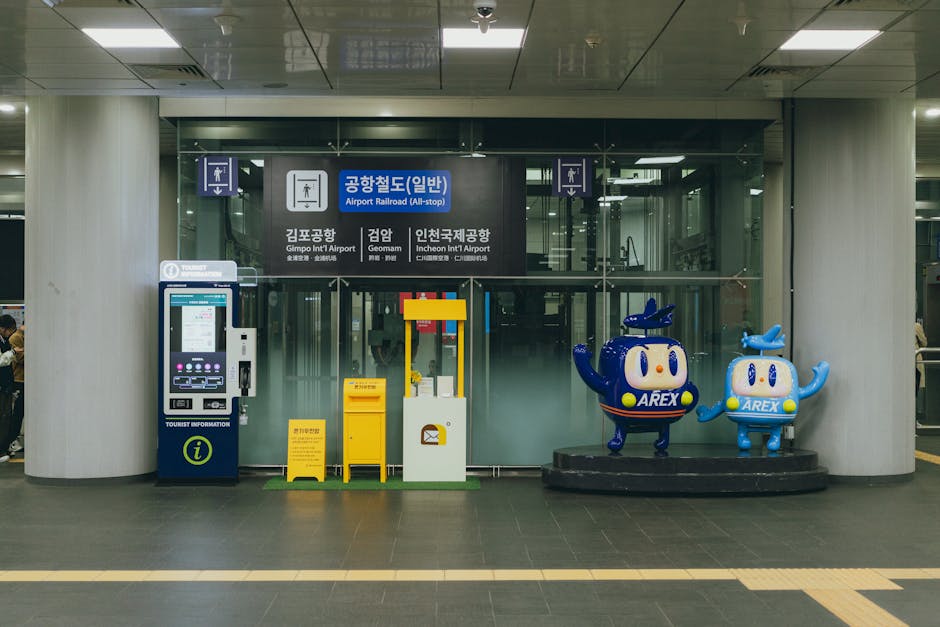
The AREX Express is the fastest way from Incheon Airport to Seoul Station. It’s a non-stop direct service with reserved seats, free Wi-Fi, ample luggage space, and a smooth 43-minute ride straight into the heart of the city.
- Cost: ₩11,000 (regular) — discounted advance tickets via Klook, KKday, Trazy: ₩7,500–9,000
- Journey: 43 minutes, non-stop
- Frequency: Every 25–40 minutes (5:23 AM – 22:48 from ICN T1)
- Endpoint: Seoul Station (Lines 1, 4, KTX, AREX)
- Tickets: Vending machines or counter at airport B1 level; or buy in advance online and exchange at the AREX desk
- Perks: Free Wi-Fi, USB ports, dedicated luggage racks, leather reserved seats
How to Catch the AREX Express
- Follow signs to “Train” or “Railroad” from your arrival hall (Terminal 1: B1 level; Terminal 2: B1 level via the underground walkway).
- Buy a ticket at the AREX vending machines or counter. English available. Reserved seats are assigned.
- Tap through the gate, find your platform.
- 43 minutes later, exit into Seoul Station.
Express vs. All-Stop: How to Tell the Difference
Both leave from the same B1 platforms but on different tracks. Express trains are dark blue with a white stripe, marked “Express.” All-Stop trains are mostly blue and resemble a normal subway. The all-stop is fine if you’re not in a rush — and it’s far cheaper.
Option 2: AREX All-Stop Train (Best for Budget)
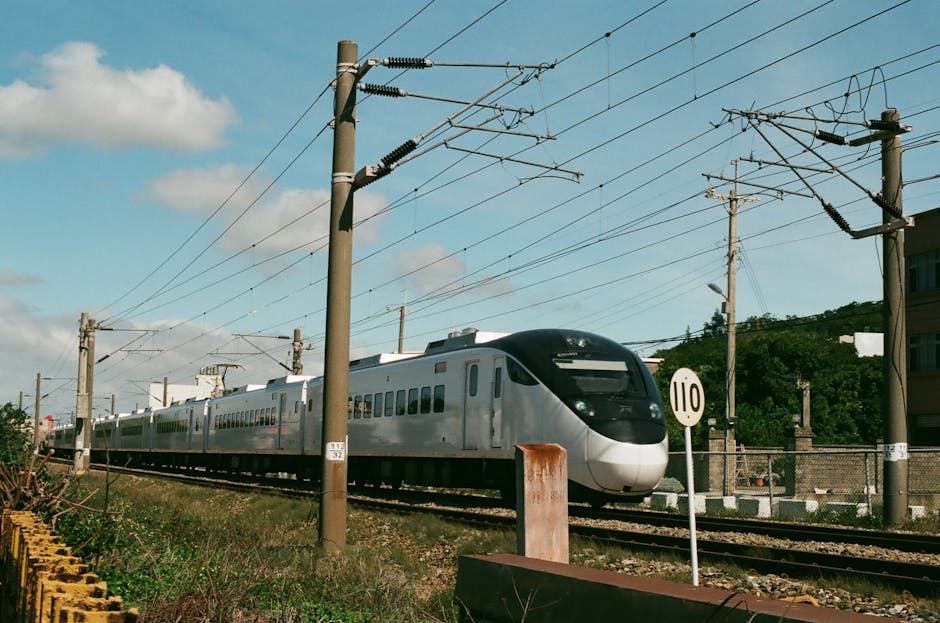
If your hotel is near a station between Incheon Airport and Seoul Station — Hongik University (Hongdae), Gongdeok, Digital Media City, or Gimpo Airport — the AREX All-Stop train is the best deal in airport transfers. It’s also the most flexible.
- Cost: ₩4,150–4,750 (T-money) depending on destination
- Journey: 59 minutes to Seoul Station, with intermediate stops
- Frequency: Every 6–12 minutes
- Operating hours: 5:23 AM – 23:30 from Terminal 1
- Stops: Cheongna Int’l City, Geomam, Gyeyang, Gimpo Int’l Airport, Magongnaru, DMC, Hongik Univ., Gongdeok, Seoul Station
- Tickets: Tap your T-money card on entry — no separate purchase required
Why the All-Stop is Often the Smarter Choice
Many tourists going to Hongdae, Gangnam (transfer at Hongik or DMC), or Itaewon save 15+ minutes versus going to Seoul Station first and backtracking. Always check Naver Maps for the real fastest route — sometimes the all-stop wins outright. Those transfers drop you straight onto the regular metro network, so it is worth skimming our Seoul subway guide before you land: line colors, transfer walking distances, and exit numbers all matter more than station names when you are hauling a suitcase.
Option 3: Airport Limousine Bus (Best for Hotel-Area Drop-offs)
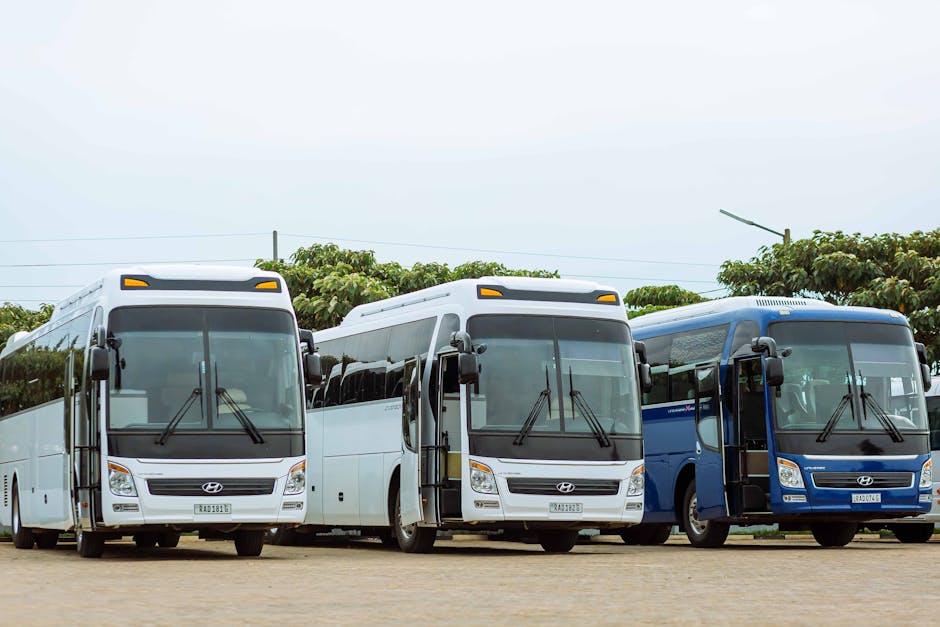
Seoul’s limousine bus network is the most convenient option for travelers with heavy luggage or hotels not near a subway station. Three companies operate routes — Airport Limousine, K-Limousine, and KAL Limousine — covering more than 50 routes serving practically every major hotel area in Seoul.
- Cost: ₩17,000 (standard) – ₩18,000 (premium K-Limousine, recliner seats)
- Journey: 60–80 minutes, depending on traffic
- Frequency: Every 15–30 minutes per route
- Tickets: Counters in the arrivals hall (Terminal 1 between Exits 4 and 9; Terminal 2 between Exits 4 and 5) — counters labeled in English
- Operating hours: Typically 5:00 AM – 22:30, varies by route
Most Useful Limousine Bus Routes for Tourists
- 6001: Dongdaemun, Jongno, Itaewon
- 6002: Sinchon, Hongdae area, Itaewon, Cheongnyangni
- 6005: Yeouido, Mapo, Gongdeok
- 6015: Myeongdong, Dongdaemun, Daehanmun
- 6030: Gangnam, COEX
- 6701 (KAL Limousine): Premium service to Lotte Hotel, Westin Chosun, Plaza Hotel
How to Catch the Limousine Bus
- Buy a ticket at the limousine bus counter inside arrivals (don’t go outside without a ticket — confusing for first-timers).
- Counter staff will tell you the platform number outside (typically 4 to 13 at Terminal 1; 4 to 6 at Terminal 2).
- Walk outside to the labeled platform. The bus accepts your large checked bag from the porter — no DIY required.
- Show your ticket; sit; ride; arrive at one of the bus’s pre-defined stops near your hotel.
Option 4: Standard Taxi
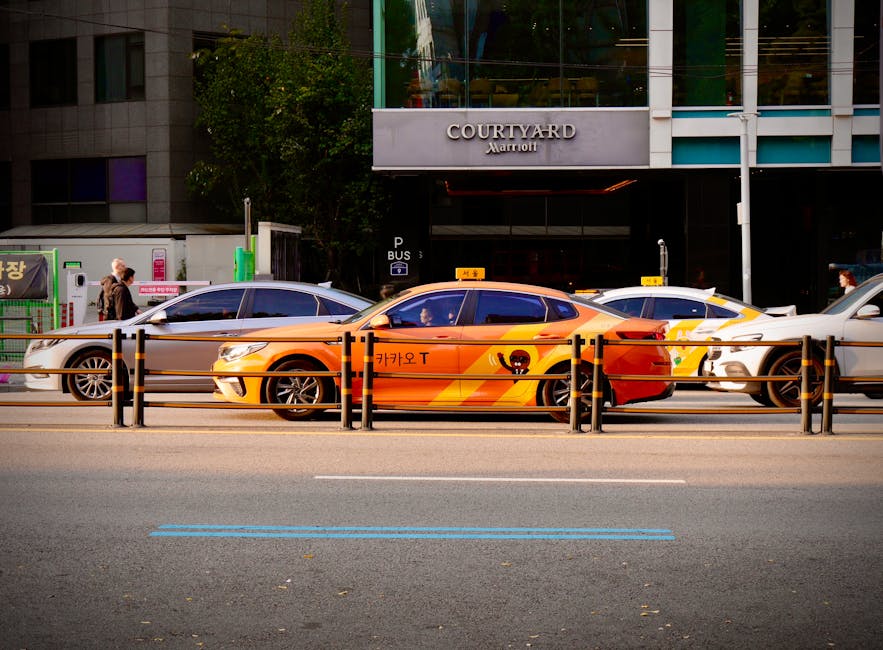
Taxis are convenient for late arrivals, families, or travelers with multiple bags going to a residential or non-tourist area. Costs are higher but the door-to-door service can be worth it.
Three Types of Taxis at Incheon
- Regular taxi (orange/silver): Standard meter taxi. Fare to central Seoul: ₩65,000–80,000 depending on traffic. Most common.
- Deluxe (black with yellow signs): More comfortable, larger, more experienced drivers. Fare: ₩90,000–110,000.
- International taxi (yellow signs, “International Taxi”): Drivers screened for English/Japanese/Chinese. Pre-set flat rates, e.g., ₩75,000–95,000 to most central Seoul areas.
Important Notes
- Late-night surcharge: 20–40% higher between 22:00 and 04:00.
- Tolls: Add ₩7,000–15,000 in tolls for the airport expressway. The driver will mention this.
- Avoid scams: Always use the official taxi rank outside arrivals, never accept rides from people approaching you inside the terminal. Insist on the meter (called “미터”). Reputable taxis don’t quote a flat fare unless International Taxi.
- Payment: Most taxis now accept T-money, Korean credit cards, and increasingly foreign Visa/Mastercard. Cash backup recommended.
Kakao T App
Kakao T is Korea’s main ride-hailing app. It calls a regular metered taxi to your location — not a private car like Uber. Excellent for return trips when you don’t want to wait at a taxi stand. Some drivers prefer cash; others accept the app’s “Pay to Driver” feature for foreign cards.
Option 5: Private Airport Transfer
Private transfers are pre-booked door-to-door rides with a driver waiting at arrivals holding a sign with your name. Easy, comfortable, and ideal for families, late-night flights, or business travelers.
- Cost: ₩100,000–160,000 (sedan up to 3 passengers); larger vans up to 12 people available
- Journey: 50–90 minutes, depending on traffic
- Booking: Klook, Welcome Pickups, KKday, Trazy, Get Your Guide
- What’s included: Meet-and-greet, luggage assistance, fixed price (no surge), English-speaking driver upon request
Premium ride options like Kakao Black and uberXL also operate at Incheon for slightly higher fares with luxury vehicles.
What’s the Right Choice for You?
If You’re a Solo Traveler with Light Luggage:
Take the AREX Express Train if going to Seoul Station, or AREX All-Stop if your hotel is near Hongdae, Mapo, or Gangnam (transfer at Hongik or DMC). Cheap, fast, painless.
If You Have Lots of Luggage:
Take a limousine bus. Counter staff will check your bag for you, and it drops you near your hotel — no subway transfers required.
If You’re Arriving Late at Night:
The AREX runs until 23:30 and limousines until ~22:30. After that, take a taxi or pre-book a private transfer. Add a 20–40% late-night surcharge for taxis.
If You’re a Family of 4+ or Have Toddlers:
A private transfer or two taxis often beats limousine pricing per person and removes stroller/luggage stress.
If You’re Going to Gangnam:
The limousine bus 6020 or 6030 drops you in the heart of Gangnam without transfers — a 90-minute door-to-door beats the AREX-then-subway combo for first-time visitors.
Heading the Other Direction: Seoul to Incheon Airport
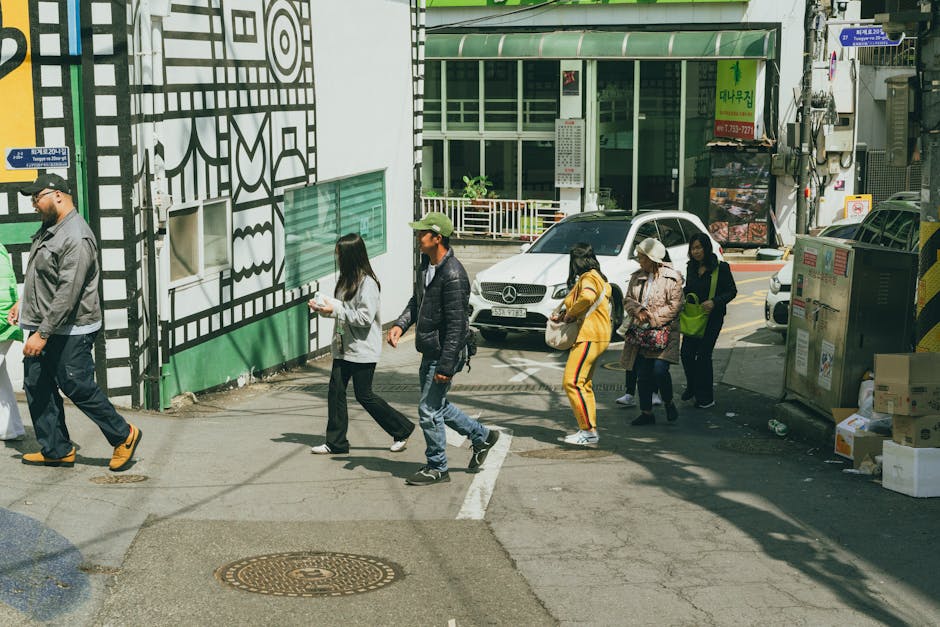
The same options work in reverse, with two important notes:
- City Airport Terminal: If flying Korean Air, Asiana, or Jeju Air, you can pre-check baggage and complete immigration at the Seoul Station City Airport Terminal before boarding the AREX Express. Allow 3+ hours before flight time. Saves a lot of stress.
- Buffer for traffic: Departures-side traffic from Seoul to Incheon can add 30 minutes during 4:00 PM – 7:00 PM. Build in extra time.
Tips for First-Time Arrivals
- Get a SIM or eSIM at the airport before leaving — easier to navigate apps. KT, SK Telecom, and LG U+ have airport counters with English service.
- Pick up a T-money card at any convenience store in arrivals. Useful from your first AREX ride.
- Cash: ATMs are everywhere; foreign cards work at airport ATMs and Standard Chartered, KEB, IBK, and Citibank machines downtown. Cash is rarely required.
- Wi-Fi: Free Incheon Airport Wi-Fi. Decent speed.
- Money exchange: Multiple counters in arrivals; rates are decent (better than airport norm). Hana Bank and KEB are competitive.
- Check whether your hotel has free shuttle: Some 4-star and 5-star Seoul hotels still operate complimentary airport shuttles — confirm at booking.
Incheon Airport Layout: Terminal 1 vs. Terminal 2
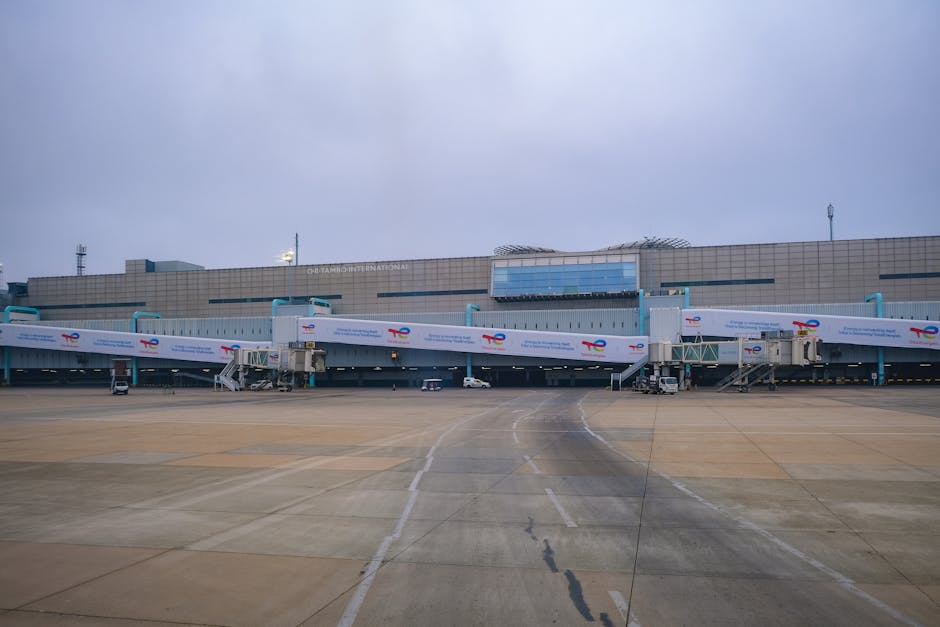
Incheon Airport has two terminals:
- Terminal 1: Most international airlines (United, Delta, ANA, Cathay, JAL, Singapore, Vietnam, etc.)
- Terminal 2: Korean Air, Delta partner code-share flights, KLM, Air France, Garuda, Aeroflot, China Airlines, China Eastern
The terminals are 15 minutes apart by free shuttle bus or AREX. Always verify your terminal before flying — confused tourists frequently arrive at the wrong one.
Common Mistakes Tourists Make
- Confusing Express with All-Stop AREX on the platform. Always check the front-of-train sign.
- Buying limousine tickets outside the terminal — the proper counters are inside arrivals.
- Not checking which limousine bus stops near their hotel. Many buses skip Hongdae or Itaewon.
- Accepting taxi offers from solicitors inside the terminal. Always use the official taxi rank.
- Forgetting the late-night taxi surcharge. A ₩70,000 day fare can become ₩90,000+ at 1 AM.
- Underestimating return-trip traffic. Allow 90 minutes for a 50 km drive in afternoon rush hour.
Where to Stay Near Incheon Airport
Got a layover or an early flight? Several airport hotels are walkable from the terminals:
- Grand Hyatt Incheon (Terminal 1): 5-star luxury, 5-min shuttle.
- Hyatt Regency Incheon (Terminal 2): Connected via skywalk.
- Best Western Premier Incheon Airport: Mid-range, 10-min shuttle.
- Sheraton Grand Incheon: Near Songdo Convensia.
- Capsule by Incheon Airport: Budget short-stay capsule hotel inside the terminals.
For city-side options, see our complete where to stay in Seoul guide.
Connecting Onward: Seoul to Other Cities
From Seoul Station, you can connect onward to almost anywhere in Korea:
- KTX high-speed train to Busan: 2.5 hours
- KTX to Gyeongju: 2 hours (to Gyeongju Station, formerly Singyeongju)
- KTX from Suseo to Busan (the former SRT): 2.5 hours
- Bus to Gangneung: 3 hours
- Domestic flights from Gimpo (Line 5/9 from Seoul)
Useful Apps for Airport Transfer
- Naver Maps / KakaoMap: Best for plotting subway routes and transfer times.
- Kakao T: Korea’s Uber — for taxis on demand.
- Klook / KKday / Trazy: Pre-buy AREX tickets at a discount.
- Incheon Airport official app: Real-time flight info, terminal maps.
- Papago: Korean translation, useful with cab drivers if needed.
Pair with our best apps for traveling in Seoul.
With eight hours or more between flights, AREX makes a trip into the city realistic — but only if you do the arithmetic first. Our one-day Seoul itinerary includes a layover timeline that works backwards from your departure and gets you back to the terminal with three hours to spare.
Frequently Asked Questions
What’s the cheapest way from Incheon Airport to Seoul?
The AREX All-Stop train at ₩4,150–4,750 with a T-money card. Direct, no transfers needed if you stop at Hongdae, Mapo, Gimpo, or Seoul Station.
What’s the fastest way from Incheon Airport to Seoul?
The AREX Express Train — 43 minutes non-stop to Seoul Station for ₩11,000.
Should I take a taxi from Incheon Airport?
Only for late-night arrivals, families with toddlers, or remote destinations. Costs ₩65,000–110,000 plus tolls.
Can I use a T-money card on the AREX?
Yes — on the All-Stop train. The Express requires a separate ticket purchased in advance or at the AREX counter.
Where do I buy a limousine bus ticket?
At the limousine bus counters inside arrivals (Terminal 1: between Exits 4–9; Terminal 2: between Exits 4–5).
Is Uber available at Incheon Airport?
Uber operates in Korea but only as Uber Black (premium) and Uber Taxi (regular taxi via Uber app). Most locals use Kakao T instead.
How early should I leave for my flight from Seoul?
Allow 2 hours by AREX or limousine plus a 30-minute traffic buffer for daytime departures. Add 30 minutes more during weekday rush hour.
Can I check my luggage at Seoul Station before flying?
Yes — at the City Airport Terminal in Seoul Station, available for Korean Air, Asiana, and Jeju Air. Up to 3 hours before flight time.
Which terminal is my airline?
Most non-Korean carriers use Terminal 1. Korean Air, Delta SkyTeam partners, KLM, Air France, and a few others use Terminal 2. Verify before flying.
Are taxis safe at Incheon Airport?
Yes, when using the official rank. Avoid solicitors. International Taxi (yellow signs) offers fixed-fare English-speaking service for foreigners.
Can I get from Incheon Airport to Gangnam directly?
Yes — limousine bus 6020 or 6030 stops at major Gangnam hotels in 70–90 minutes for ₩17,000.
Final Thoughts
Getting from Incheon to Seoul is one of the easiest airport transfers in Asia — choose AREX Express for speed, AREX All-Stop for budget, limousine bus for hotel-area drop-offs, taxi for late nights, or private transfer for comfort. Pick the one that matches your luggage, hotel location, and time of arrival, and you’ll be in your room within 90 minutes of clearing customs.
Plan the rest of your trip with our complete Seoul travel guide, master onward transit in our getting around Seoul hub, get your T-money card sorted, and review our first-time Seoul tips before takeoff. Welcome to Seoul.