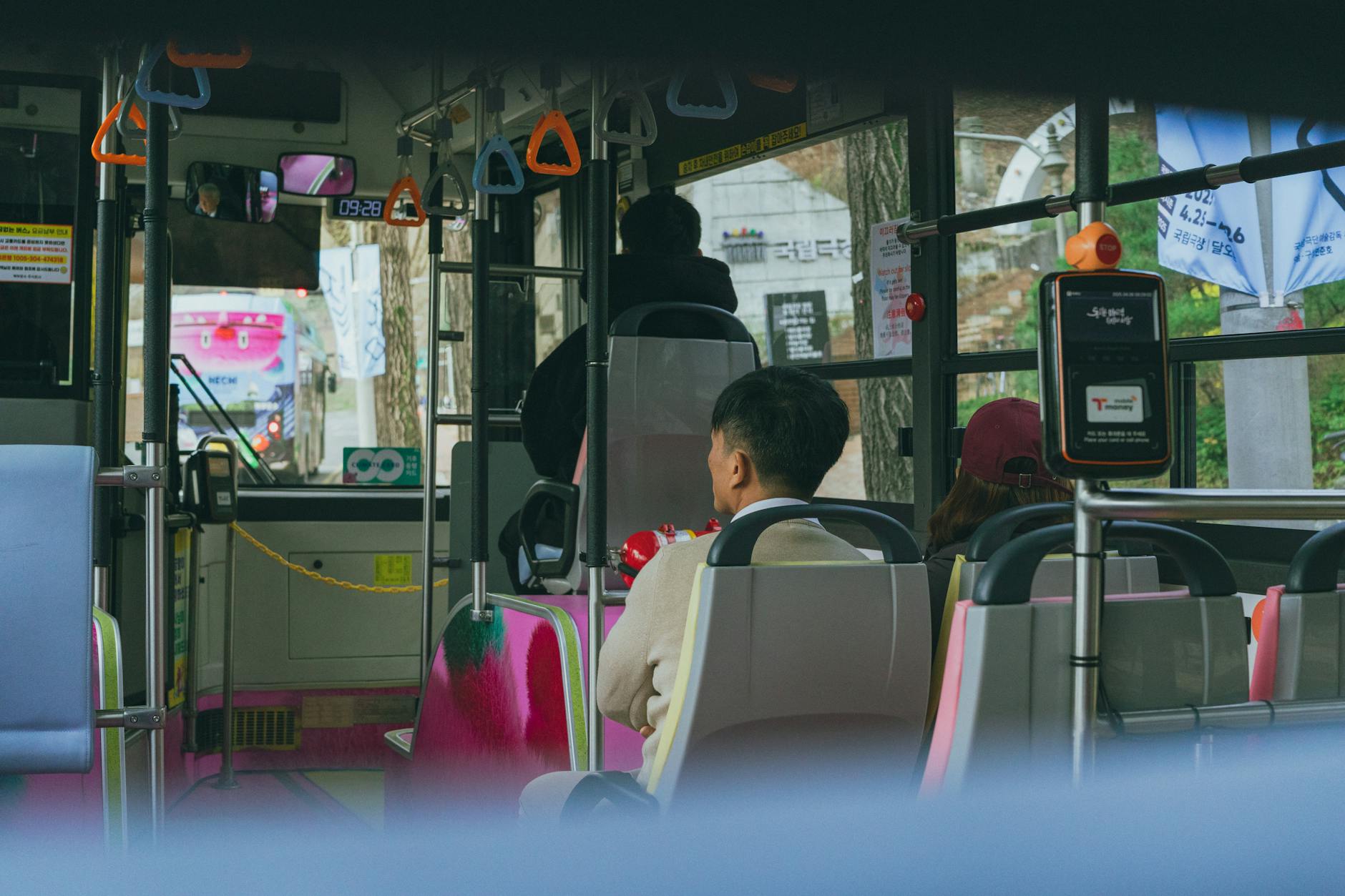
This complete Seoul bus system guide covers every bus type, current 2026 fares, how to pay, how to read routes, transfer rules, the best apps, late-night Owl Buses, tourist-friendly hop-on-hop-off options, and the rookie mistakes to avoid. Whether you’ve already mastered the Seoul subway or you’re just landing at Incheon Airport, by the end of this guide you’ll be riding Seoul’s buses like a local.
Why Take the Bus in Seoul?
Seoul has one of the most efficient subway systems in the world, so first-time visitors often skip buses entirely. That’s a mistake. Buses fill in the gaps the subway leaves: the steep climb to Namsan Tower, the riverside stretches of the Han, the back streets of Bukchon, and many of the city’s smaller museums and cafes are reached fastest by bus. They’re also the cheapest way to move across town — a single ride costs less than a bottle of water.
Add to this the fact that nearly every bus stop has a real-time digital arrival sign, every bus accepts the same T-money card you use on the subway, and Google-rivaling navigation apps tell you exactly which route to take, and Seoul becomes a city where the bus is often the smarter choice.
Seoul’s Color-Coded Bus System Explained
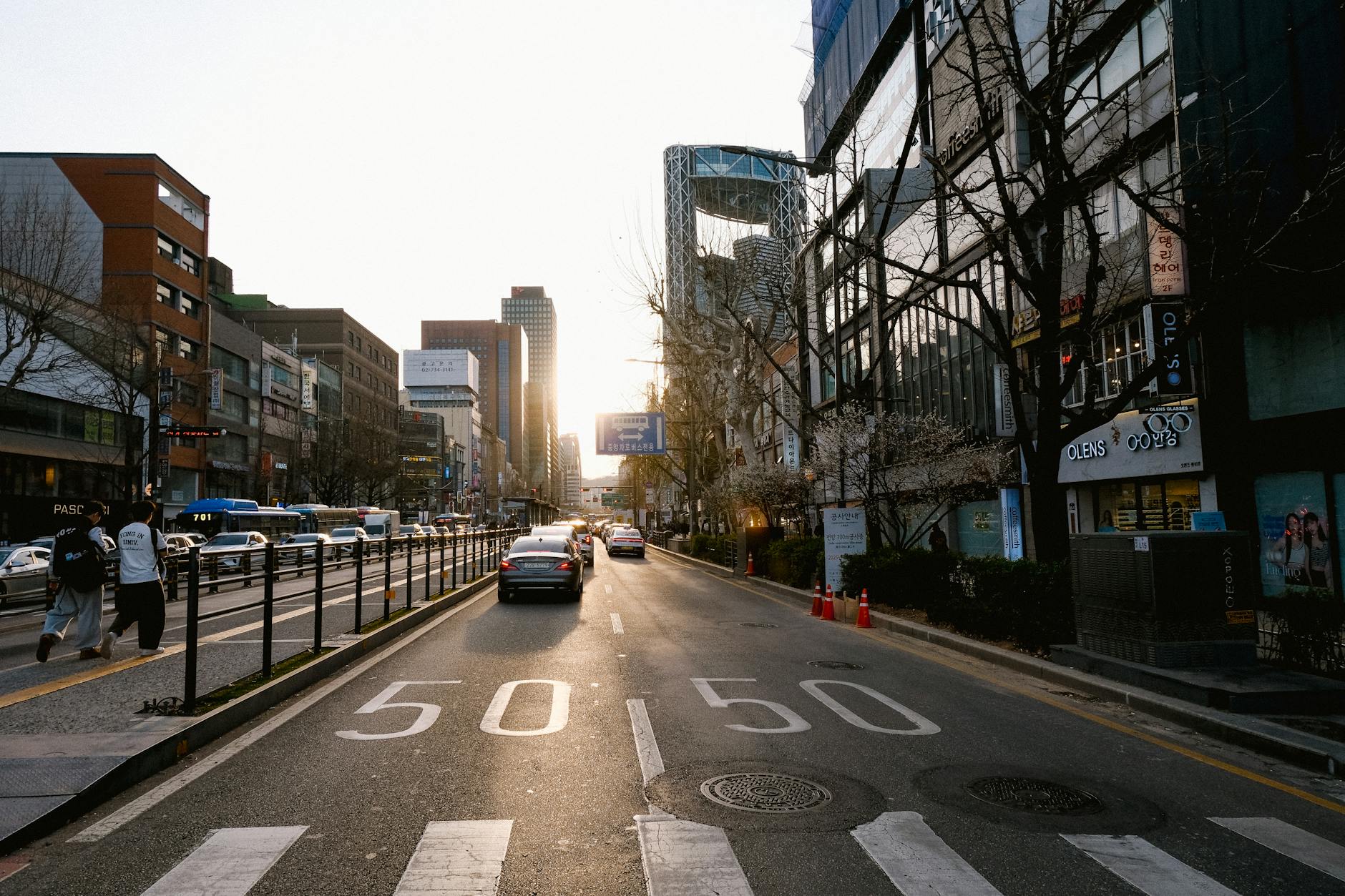
Seoul standardized its bus network in 2004 with one of the world’s most visitor-friendly innovations: a color code. Every bus is painted one of five colors, and each color tells you exactly what kind of route it runs. Memorize this once and the entire city becomes legible.
Blue Buses (Trunk)
Blue buses are the backbone. They run long, mostly straight routes that connect major districts of Seoul — think Gangnam to Jongno, or Yongsan to Eunpyeong. They use main roads and dedicated bus-only median lanes, which means they often beat traffic during rush hour. Numbers have three digits and start with a number that indicates the origin district.
Green Buses (Branch)
Green buses are feeders. They connect subway stations and blue-bus corridors with residential neighborhoods, so you’ll catch them when your destination is a few blocks off the subway map. Numbers have four digits.
Maeul Buses (Village)
The smallest green buses are maeul, or village, buses. They’re noticeably shorter, sometimes just 20 seats, and they wind through narrow streets in a single neighborhood — climbing Namsan, looping around Bukchon Hanok Village, or running up to the entrances of mountain trails. If you’re going somewhere with a steep address, there’s almost always a maeul bus that gets you to the door.
Yellow Buses (Circulator)
Yellow circulators run loops in the city center, hitting major sights one after the other. The most useful for tourists is the 01A/01B yellow loop around Jongno’s palace district, which connects Gyeongbokgung, Bukchon, Insadong, and Jongmyo Shrine.
Red Buses (Express)
Red buses are intercity express buses connecting Seoul with Gyeonggi-do (the surrounding province) and satellite cities like Suwon, Bundang, and Ilsan. Most travelers won’t need them, but they’re the fastest way to reach destinations like Korean Folk Village or Suwon Hwaseong Fortress.
Seoul Bus Fares in 2026
Bus fares went up modestly in 2024 and remain stable in 2026. All fares below assume payment with a T-money or Cashbee card; cash fares are 100 won higher and don’t earn transfer benefits.
| Bus Type | Adult Fare | Youth (13-18) | Child (6-12) |
|---|---|---|---|
| Blue / Green | 1,500 won | 900 won | 550 won |
| Maeul (Village) | 1,200 won | 600 won | 400 won |
| Yellow (Circulator) | 1,400 won | 800 won | 500 won |
| Red (Express) | 3,000 won | 1,800 won | 1,500 won |
| Late-Night Owl Bus (N) | 2,500 won | 1,600 won | 1,200 won |
Distance surcharges apply on long red-bus routes — generally an extra 100 won per 5 km after the first 30 km. For day-to-day Seoul sightseeing on blue, green, and maeul buses, you’ll never feel them.
How to Pay: T-money, Cashbee & WOWPASS
Cash is technically accepted but discouraged: you’ll need exact change, you forfeit the discounted fare, and you lose access to free transfers. The smart move is to load a transit card at any convenience store the moment you land.
T-money Card
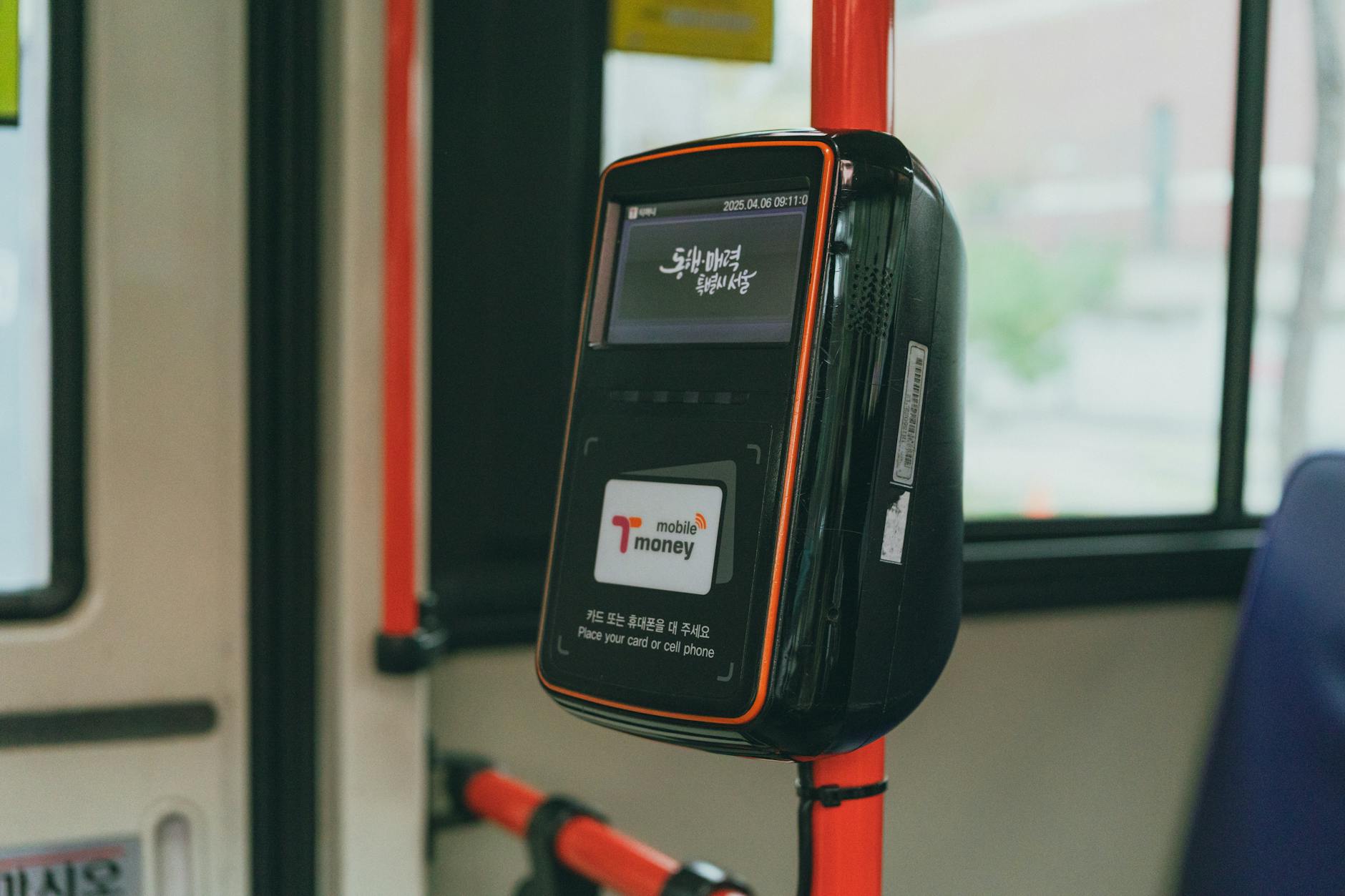
T-money is the universal Seoul transit card. You can buy it at any 7-Eleven, GS25, CU, or Ministop convenience store for 2,500 won (the card itself, non-refundable) and load any amount you like. The same card works on every bus, every subway line, AREX, and even most taxis. See our complete T-money card guide for refund procedures.
Cashbee Card
Cashbee is functionally identical to T-money — same fare discounts, same transfer rules, same network coverage. If a clerk hands you one, take it.
WOWPASS
WOWPASS is a hybrid prepaid debit and transit card aimed at tourists. It loads with foreign currency at airport kiosks, gives you a Mastercard you can use anywhere in Korea, and includes T-money functionality. It’s worth considering if you’d rather not carry won.
Mobile T-money
Android users in Korea can load T-money directly into Samsung Wallet. iPhone users will need a physical card, although Apple Pay launched limited support for Korean transit in late 2025 — check at the airport.
How to Ride a Seoul Bus, Step by Step
Riding a Seoul bus the first time can feel chaotic — drivers move fast, doors open briefly, and the whole bus pulls away the second the last passenger sits down. Follow these steps and you’ll look like a local on day one.
1. Find Your Stop and Bus Number
Open KakaoMap or Naver Map and search your destination. Each bus stop has a unique 5-digit code printed on the sign — the apps will tell you exactly which stop to wait at and which bus to board.
2. Read the Real-Time Sign
Every Seoul bus stop has a digital sign showing the next two or three buses, their numbers, and how many minutes until arrival. The text rotates between Korean and English every few seconds.
3. Wave the Bus Down
This part surprises new arrivals: Seoul buses don’t always stop unless someone signals them. As your bus approaches, raise your hand clearly. The driver will pull in at the curb.
4. Board at the Front, Tap In
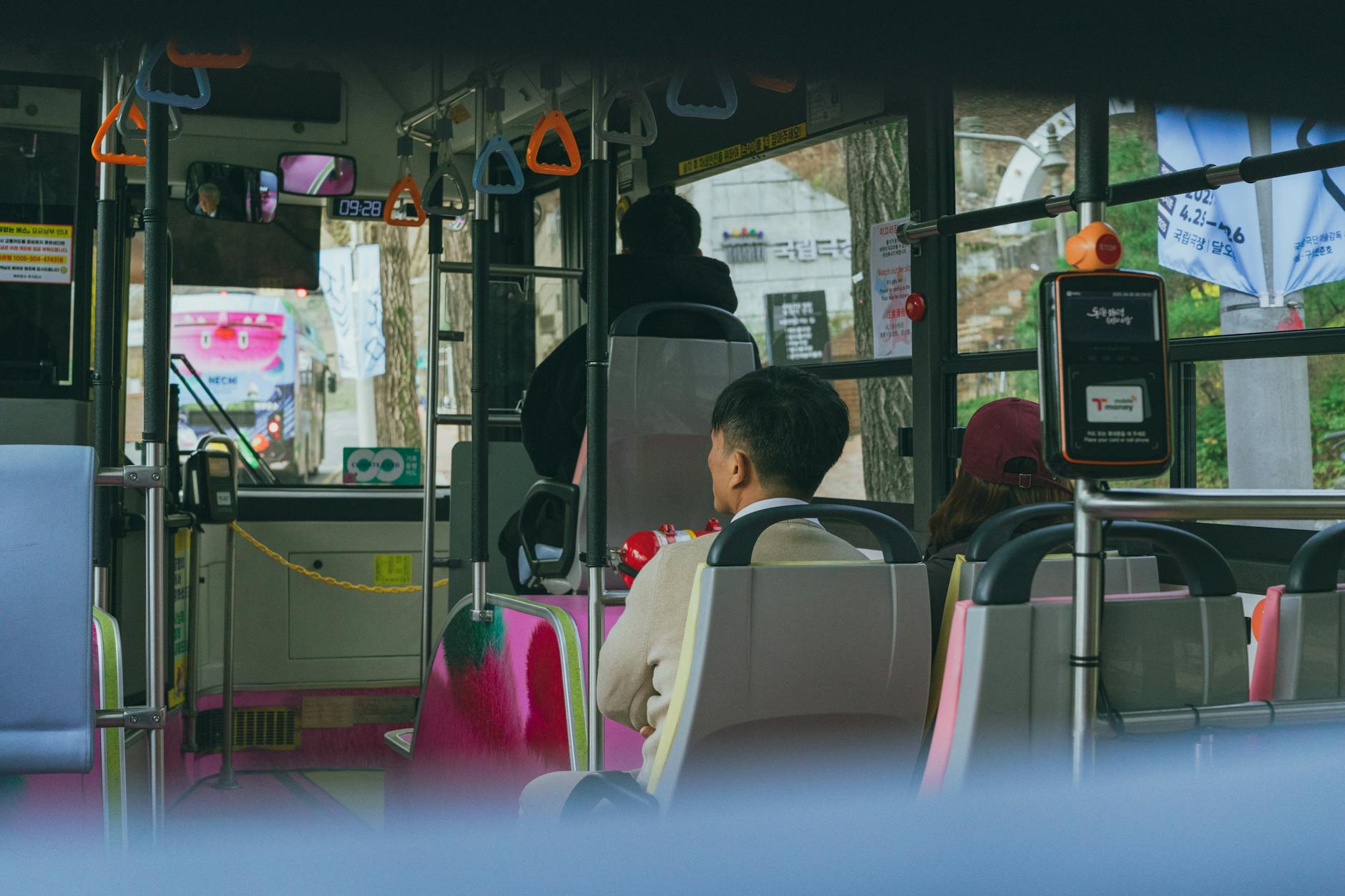
Always enter through the front door. Tap your T-money card on the reader to the right of the driver. You’ll hear a soft beep, see your fare on a small screen, and be ready to find a seat.
5. Press the Stop Button Early
Two stops before yours, look for a small red button on the railings or the seat in front of you and press it. The driver will pull over only if someone has signaled.
6. Tap Out at the Rear Door
Exit through the rear door and tap your card on the reader as you leave. This step is critical for transfers — if you forget, you’ll be charged a full fare on your next bus or subway ride.
Free Transfers: The Trick That Saves You Thousands of Won
Seoul’s transit system rewards you for chaining trips. As long as you tap in and tap out properly, you can transfer up to four times within 30 minutes (60 minutes between 9 PM and 7 AM) and only pay the fare difference between the most expensive segment and what you’ve already paid. In practice, that means most subway-plus-bus combinations cost the same as a single ride.
Three rules to remember: tap your card on every leg, finish all transfers within the 30-minute window, and never get on the same bus number twice (the system reads it as a round trip and charges full fare).
Best Apps for Seoul Buses
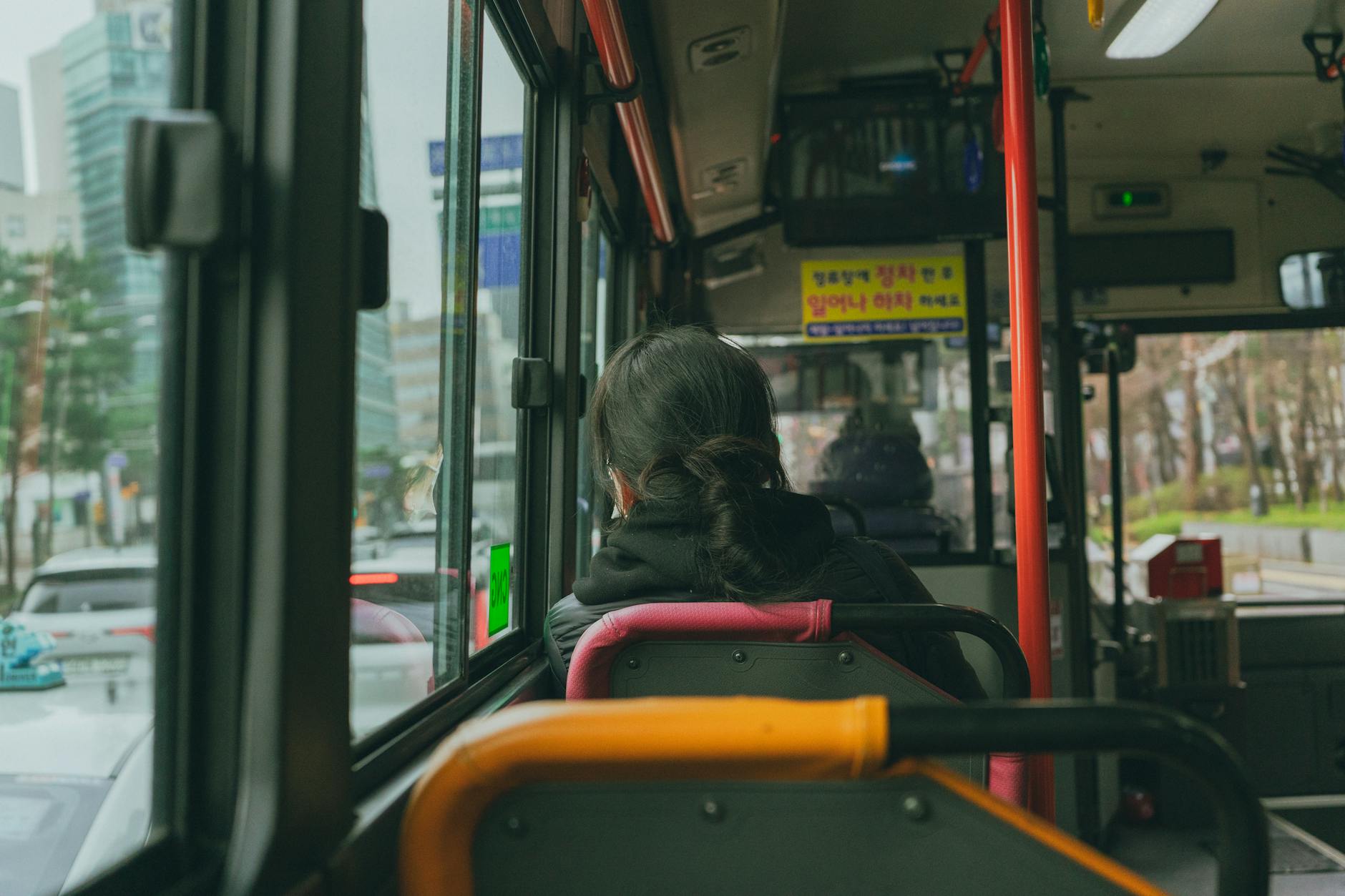
Google Maps does not work for transit directions inside Korea — Google’s data licensing is restricted by Korean law. You’ll need a Korean app, and the good news is the two best are free, available in English, and far better than Google Maps even when Google works.
KakaoMap
KakaoMap is the most accurate transit app in Seoul. Set your destination and it returns several routes — bus, subway, mixed — sorted by speed. Bus directions show you the exact stop to wait at, the bus number, the number of minutes until the next bus arrives, and live tracking once you’re on board. Available on iOS and Android in English.
Naver Map
Naver is the runner-up but has a slightly stronger walking-direction engine and more detail on bus stop entrances. Many locals use both apps — Kakao for transit, Naver for walking the last few hundred meters.
Subway Korea
For pure subway journeys, Subway Korea is faster than either Kakao or Naver because it doesn’t try to render maps — just type origin and destination and it returns the fastest line and platform. See more in our Seoul travel apps guide.
The Seoul Owl Bus: How to Get Home After Last Call
Seoul’s subway shuts down between roughly midnight and 5:30 AM. If you’re partying in Hongdae or Itaewon, the late-night Owl Buses (Night Bus, marked with N1, N2, etc.) are a lifesaver — and far cheaper than the 40% midnight surcharge taxis charge.
Owl Buses run from approximately 11:30 PM to 4:00 AM on nine cross-city routes that radiate from the city center. Fares are 2,500 won with a T-money card. Routes serve the major nightlife districts — N15, N16, and N26 hit Hongdae, Sinchon, and Itaewon respectively — and frequencies are 30 to 45 minutes.
Tourist-Friendly Bus Routes Worth Knowing
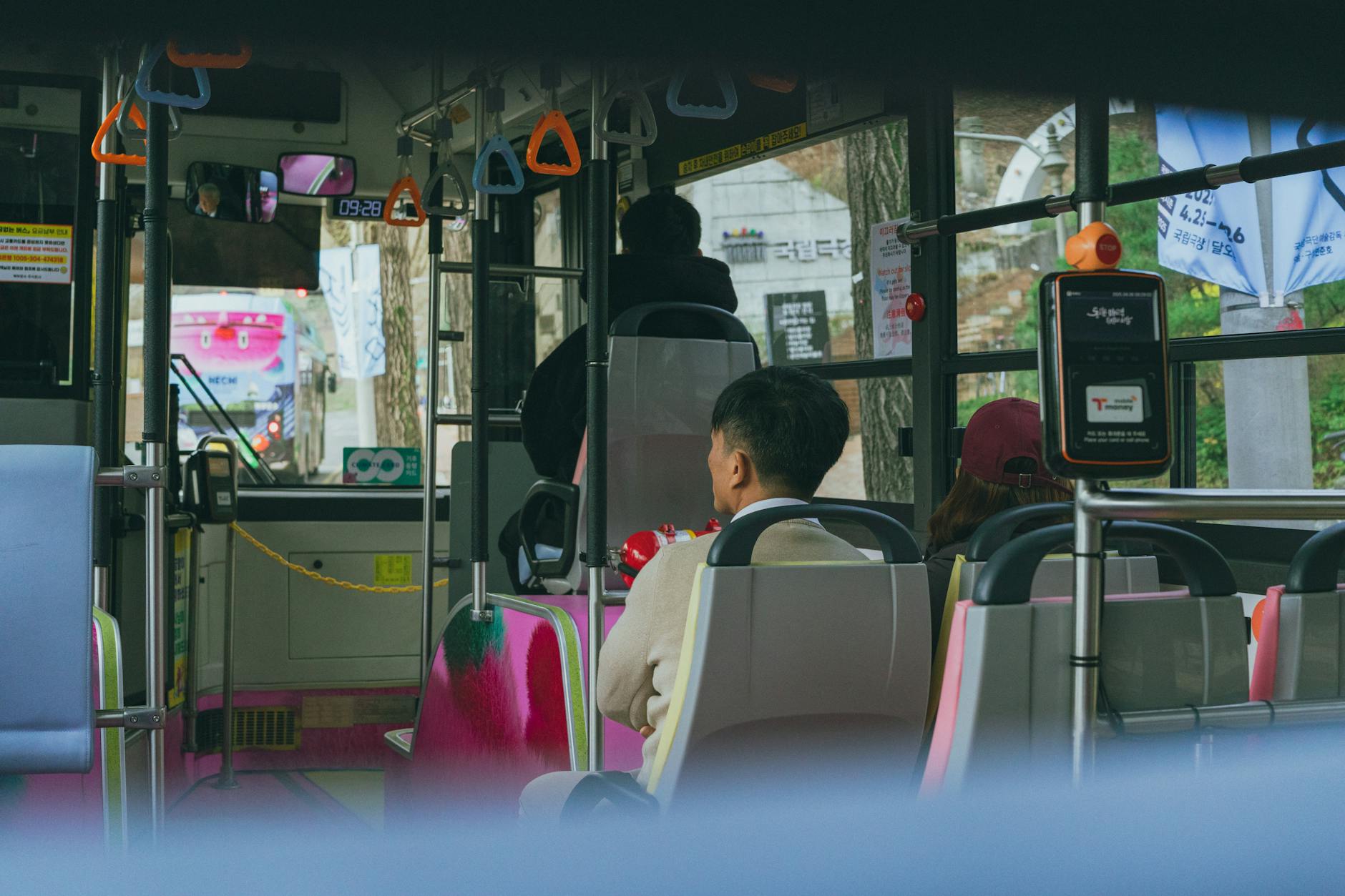
Among Seoul’s hundreds of routes, a handful are so useful for sightseeing that you should pin them on your map.
Bus 02 (Namsan Circulator)
The yellow Namsan Circulator climbs from Chungmuro Station to N Seoul Tower in about 12 minutes. Saves a sweaty 30-minute walk uphill — and the cable car can have hour-long lines on weekends.
Bus 7212 / 7022 (Hongdae to Gyeongbokgung)
Connects two of Seoul’s most-photographed neighborhoods directly without a subway transfer. About 25 minutes off-peak.
Bus 110A / 110B (Itaewon to Gangnam)
Crosses the Han River with stops at Hannam-dong, Apgujeong-rodeo, and Gangnam Station. A scenic alternative to the Line 3 subway.
Bus 1020 / 1711 (Bukchon Loop)
Runs around Bukchon Hanok Village and Samcheong-dong, dropping you near cafes and the Folk Museum without a long uphill walk.
Bus 9711 (Incheon Airport to Hongdae/Gangnam)
The 6001/6002 limousine buses are more famous, but 9711 is the local-priced red bus from Incheon to Hongdae and central Seoul, less than half the price of an airport limousine.
Seoul City Tour Bus (Hop-On, Hop-Off)
The Seoul City Tour Bus is a separate service designed for sightseers. It’s a double-decker hop-on, hop-off bus with English audio guides and four routes: Downtown Palace Course, Gangnam Course, Night View Course, and Around Namsan. A 1-day ticket costs 24,000 won and stops at most major attractions including Jogyesa Temple, the palaces, and N Seoul Tower.
Honestly, for the price of a city tour bus ticket, you can take 16 regular bus rides — and the regular buses run every 5 minutes. Skip the tour bus unless you specifically want the audio guide and don’t mind paying for the convenience.
Seoul Bus vs. Subway: Which to Choose?
For most journeys under 30 minutes, the bus and subway take roughly the same amount of time. Choose between them based on these rules of thumb:
| Take the Subway When… | Take the Bus When… |
|---|---|
| Going across the city (10+ km) | Going short distances (1-3 stops) |
| It’s rush hour and roads are jammed | You want to sightsee from the window |
| You don’t speak Korean and want simplicity | The destination is uphill or off the subway map |
| It’s pouring rain | The line transfer would add 15+ minutes |
| You have heavy luggage | You’re going late at night (Owl Bus only) |
Common Mistakes Tourists Make on Seoul Buses
- Forgetting to tap out. The most expensive mistake. You’ll pay full fare again on your next ride.
- Boarding at the rear door. Always enter at the front. Some buses won’t even let the rear door open until people exit.
- Not pressing the stop button. Drivers skip stops with no waiting passengers and no requested stop.
- Standing in the priority seats. The pink-marked seats near the front are reserved for elderly, pregnant, and disabled riders. Locals will leave them empty even on a packed bus.
- Eating or drinking on board. It’s frowned upon, especially anything with a strong smell.
- Talking loudly on the phone. Korean bus etiquette is quiet — keep voice calls short and quiet.
Accessibility on Seoul Buses
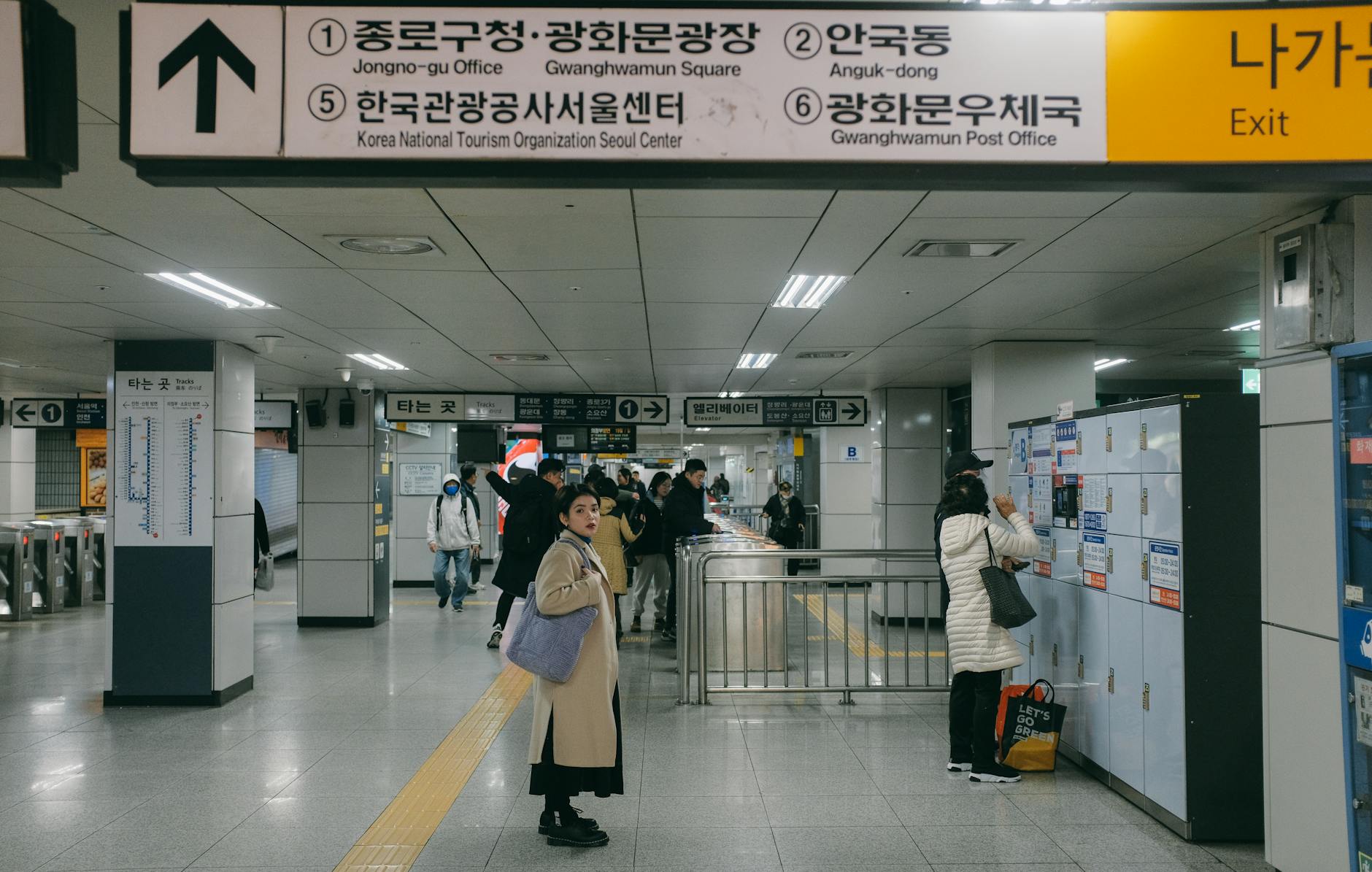
Roughly 90% of Seoul’s blue and green buses are now low-floor models with retractable ramps for wheelchairs and strollers. Maeul buses lag behind — about 60% are low-floor. The official Seoul TOPIS site and KakaoMap both show which buses are wheelchair-accessible in real time.
For travelers with limited mobility, see our Seoul for Every Traveler guide, which covers detailed accessibility information for transit, attractions, and accommodations.
Bus Etiquette Locals Wish Tourists Knew
Seoul bus culture has unwritten rules. Most are common sense; a few will surprise you:
- Move all the way to the back when boarding a crowded bus.
- Hold the railing — drivers brake hard and accelerate harder.
- Stand up and walk to the rear door before the bus reaches your stop. Drivers don’t wait.
- Offer your seat to elderly riders even outside the priority section.
- Don’t block the rear door, even when standing — the driver will yell and embarrass you in front of everyone.
Frequently Asked Questions
Is the bus in Seoul safe for tourists?
Seoul buses are extremely safe. Crime on public transport is virtually nonexistent, and CCTV runs in every vehicle. The only real risk is being thrown off balance — drivers are aggressive, so always grab a railing. See our Seoul safety guide for full context.
Do Seoul bus drivers speak English?
Most don’t. Have your destination written in Korean (KakaoMap shows the Korean name and the bus stop number — that’s enough) or simply show the driver your phone screen.
Can I pay with a credit card?
No. Buses accept T-money, Cashbee, WOWPASS, mobile T-money, and cash only. Foreign credit cards are not accepted on board.
What’s the difference between Seoul bus and KTX bus?
Seoul city buses (the ones in this guide) run inside Seoul and to nearby suburbs. Intercity express buses to other cities like Busan or Gyeongju leave from express bus terminals (Express Bus Terminal Station, Line 3/7/9), are a separate ticket, and are not part of the T-money network.
How early do Seoul buses start running?
Most regular routes start around 4:00 to 5:30 AM and stop between 11:00 PM and midnight. Owl Buses cover the gap until early morning.
Are Seoul buses crowded?
Rush hour (7:30-9:30 AM and 6:00-8:00 PM weekdays) on major blue routes can be standing-room only. Off-peak you’ll always get a seat.
Can I take luggage on a Seoul bus?
Technically yes, but it’s awkward — there’s no luggage rack and aisles are narrow. For airport runs, take the AREX train or an airport limousine instead.
Do I need a separate bus pass?
No. The same T-money card covers buses, subway, and AREX. There’s no Seoul-specific bus-only pass.
Final Tips From a Seoul Local
If you take just three things from this guide, take these: load enough credit on your T-money card to avoid mid-trip top-ups (20,000 won covers a long weekend); always tap out, even on short rides; and keep KakaoMap open whenever you’re navigating a new neighborhood. Master those, and Seoul’s bus network goes from intimidating to invisible — just another tool that gets you around faster than you thought possible.
For more on getting around the city, return to our pillar guide: Getting Around Seoul. Or jump to Seoul Subway Guide if rails are more your speed.