This is a complete tourist guide to Seoul temples and shrines: which to prioritize, when to go, what to expect, how to behave, and how to turn a temple visit into something deeper through the country’s renowned templestay program. Whether you have an afternoon or a full day to dedicate, this guide will help you choose wisely.
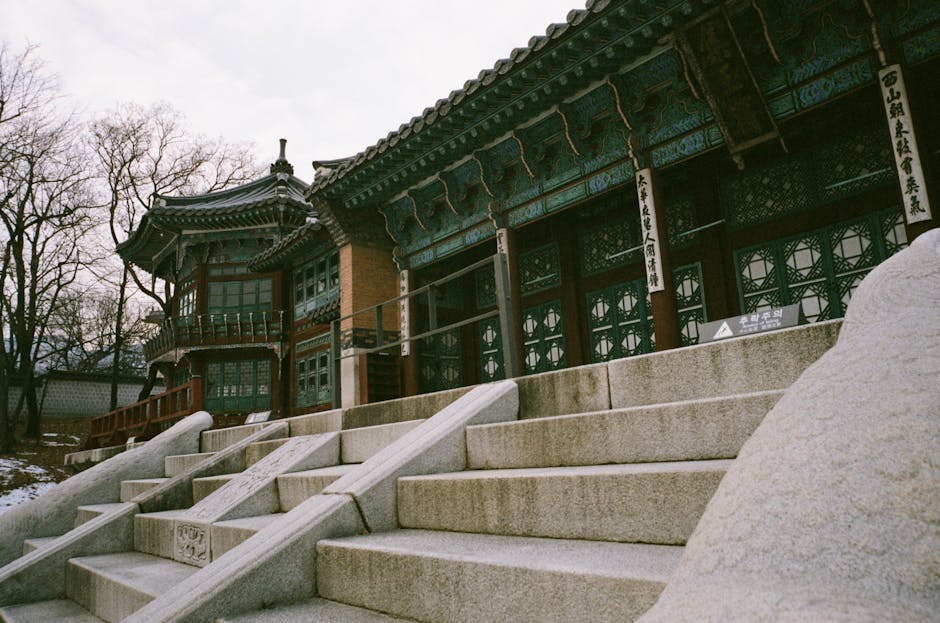
Why Visit Seoul’s Temples and Shrines?
Korea was a Buddhist kingdom for nearly a millennium under the Goryeo dynasty (918–1392) and a Confucian state for the 500 years that followed under the Joseon dynasty (1392–1910). That dual heritage shaped Seoul’s spiritual landscape in a way you don’t see anywhere else. Buddhist temples (사찰, sachal) emphasize calm, meditation, and lotus-flower symbolism, with multicolored dancheong paintings dancing across the eaves. Confucian shrines (사당, sadang) take the opposite approach, using radical austerity, unpainted timber, and silence to honor ancestors.
For visitors, that means three very different temple experiences await:
- Urban temples like Jogyesa, where ancient halls stand within steps of skyscrapers
- Mountain temples like Hwagyesa, hidden in the wooded folds of Bukhansan and Inwangsan
- Royal shrines like Jongmyo, where centuries-old ancestral rites are still performed every May
Best of all, most temple visits are free, and admission to even the UNESCO-listed Jongmyo Shrine costs only 1,000 won. That puts them among the best free things to do in Seoul, alongside the changing-of-the-guard ceremony at Gyeongbokgung and an evening walk down Cheonggyecheon Stream.
The 7 Best Buddhist Temples in Seoul
1. Jogyesa Temple (조계사) — The Heart of Korean Buddhism
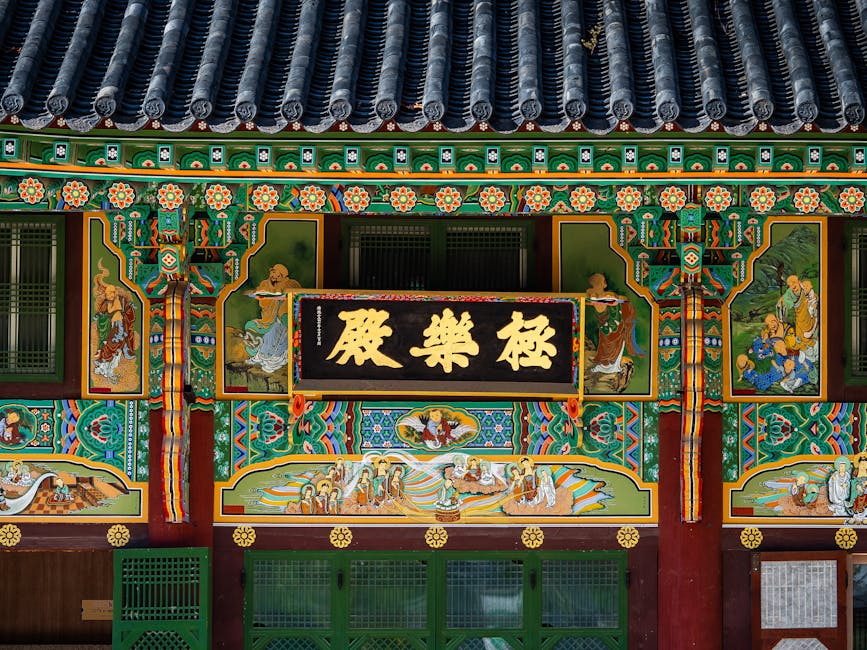
If you only have time for one temple in Seoul, make it Jogyesa. As the headquarters of the Jogye Order, the largest Buddhist sect in Korea, Jogyesa is functionally the spiritual capital of the country. What makes it remarkable is the setting: massive Daeungjeon hall and a pair of 500-year-old white pine trees standing in defiant calm against a backdrop of glass office towers in the Insadong–Jongno district.
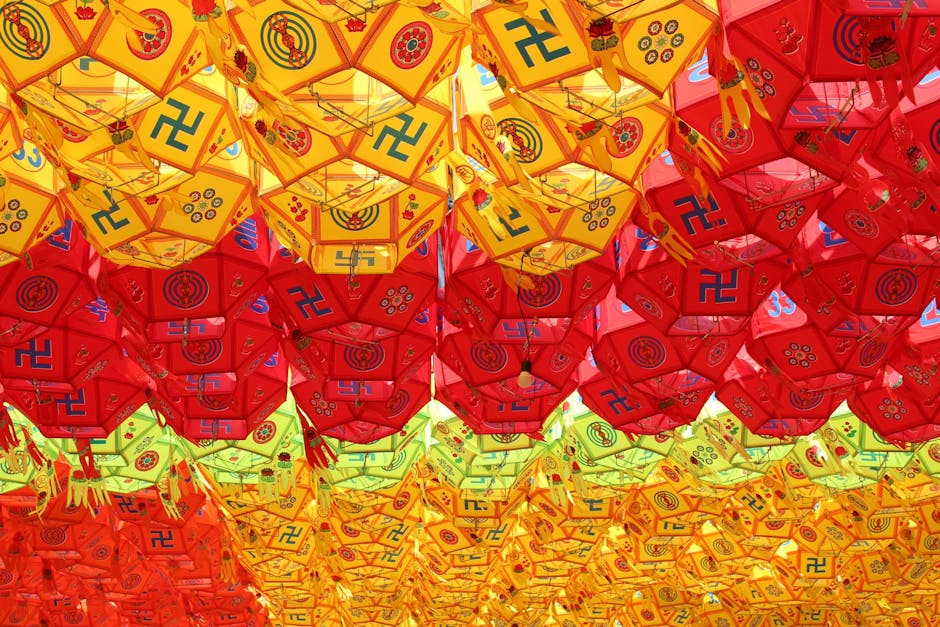
What to see: The main Daeungjeon hall houses three towering gilded Buddhas — Sakyamuni, Amitabha, and Bhaisajyaguru. Outside, the seven-story stone pagoda contains relics gifted by Sri Lanka in 1930. Look up: thousands of paper lotus lanterns are strung between the eaves year-round, and during the May lantern festival the entire courtyard becomes a forest of pink, yellow, and orange light.
Practical info:
- Address: 55 Ujeongguk-ro, Jongno-gu
- Hours: Temple grounds open 24 hours; main halls 4:00 AM – 9:00 PM
- Admission: Free
- Subway: Anguk Station (Line 3), Exit 6 — 5-minute walk
- Best time: Early morning chanting (around 4:00–5:00 AM) for atmosphere; weekday afternoons for fewer crowds
2. Bongeunsa Temple (봉은사) — Ancient Calm Across from COEX
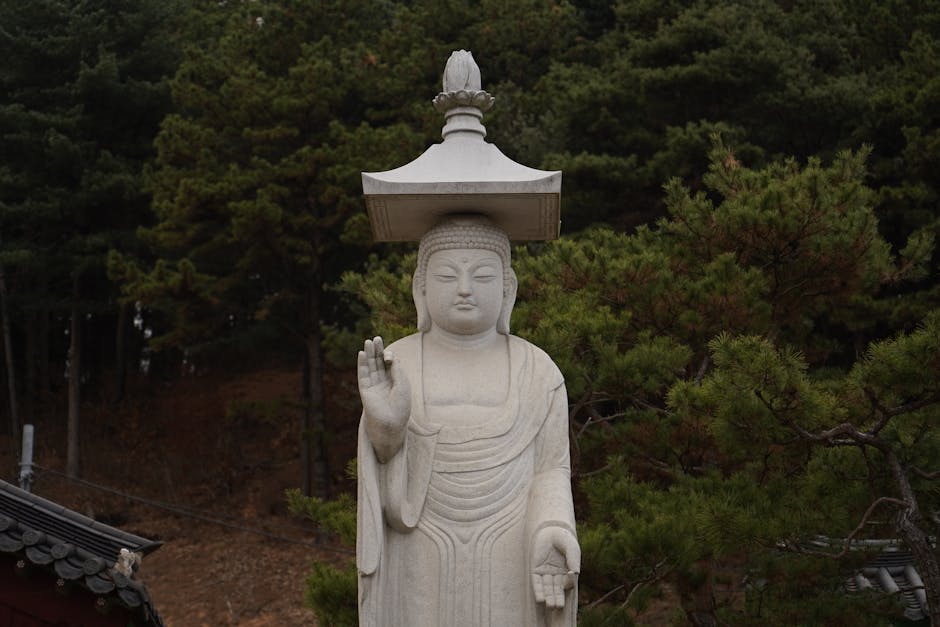
Founded in 794 AD during the Silla kingdom, Bongeunsa is older than almost everything around it — including the Gangnam district that grew up at its doorstep. Cross Yeongdong-daero from the COEX Mall and you’ll go from luxury shopping to a 75-foot stone Maitreya Buddha (the Buddha of the Future) in about four minutes.
What to see: Climb the steps to the Mireuk Daebul, the giant standing Buddha that dominates the temple’s upper terrace. Don’t miss Pansil-jeon, where 13,000 sutras carved on woodblocks are stored — one of the most significant Buddhist text collections in East Asia. The temple is exceptionally photogenic when its forested grounds erupt in autumn color in late October.
Practical info:
- Address: 531 Bongeunsa-ro, Gangnam-gu
- Hours: 4:00 AM – 10:00 PM (main halls 5:00 AM – 6:00 PM)
- Admission: Free
- Subway: Bongeunsa Station (Line 9), Exit 1 — connected directly
- Specialty: Free English temple tour Thursdays 2:00 PM (reserve via website)
3. Bongwonsa Temple (봉원사) — The 3,000 Buddhas Hall
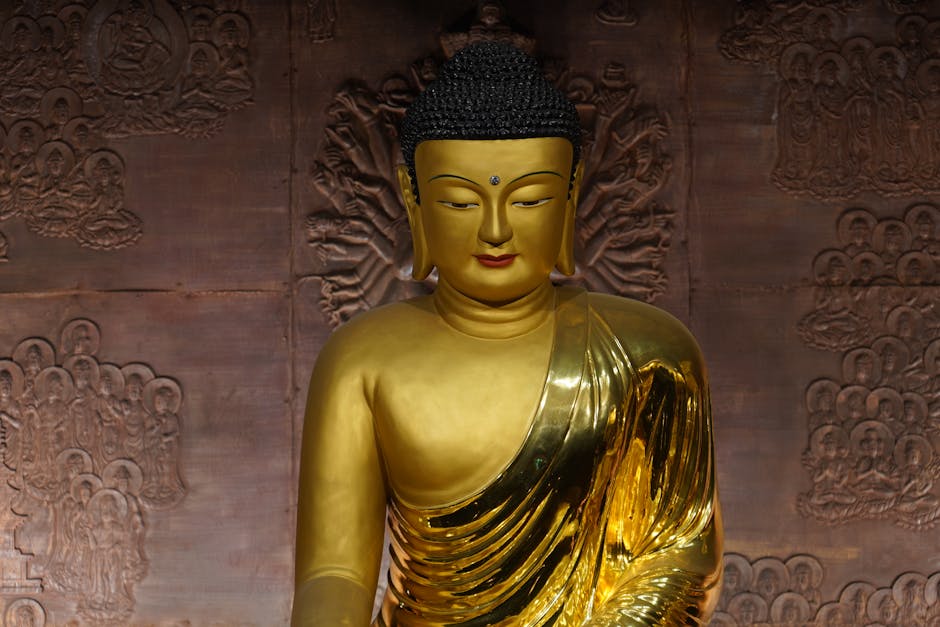
While crowds throng Jogyesa, Bongwonsa on the slopes of Ansan keeps a contemplative quiet that’s increasingly hard to find in central Seoul. The temple complex contains thirteen buildings, the centerpiece being the Samcheonbul-jeon — the largest wooden hall in Korea, housing 3,000 small Buddha statues arranged from floor to ceiling. The visual effect is genuinely arresting.
Bongwonsa is also the headquarters of the Taego Order, a smaller Korean Buddhist sect that allows married monks, giving the place a slightly different cultural texture than Jogye-affiliated temples.
Practical info:
- Address: 120 Bongwonsa-gil, Seodaemun-gu
- Subway: Sinchon Station (Line 2), Exit 2, then 15-minute walk uphill
- Admission: Free
- Best for: Travelers seeking a quieter, less touristy temple experience
4. Gilsangsa Temple (길상사) — The Reformed Restaurant
Gilsangsa has perhaps the most unusual origin story of any Seoul temple. Until 1997, the site was Daewongak, one of the most famous (and notorious) gisaeng restaurants in Korea. Its owner, Kim Young-han, donated the entire estate to the renowned Buddhist monk Beopjeong, who transformed the pavilions and gardens into a meditation temple. Today its terraced grounds in Seongbuk-gu feel like a secret hidden in the hills above the city.
The complex is famously beautiful in autumn, when red maples flame above the wooden pavilions. The Gilsangsa Library and tea house Darani Dawon make it a favorite among locals seeking a quiet afternoon.
Practical info:
- Address: 68 Seonjam-ro 5-gil, Seongbuk-gu
- Subway: Hansung Univ. Station (Line 4), Exit 6, then 10–15-minute taxi or bus
- Admission: Free
- Best in: October–November for autumn colors
5. Hwagyesa Temple (화계사) — Mountain Refuge in Bukhansan
Founded in 1522 and reconstructed several times after fires, Hwagyesa sits on the slopes of Samgaksan inside Bukhansan National Park. The setting alone justifies the trip: pine forests, granite cliffs, and birdsong replace the usual urban hum. Hwagyesa is also internationally known as a center for Western Zen practice, having hosted the influential Korean Seon master Seungsahn, and it actively welcomes foreign templestay participants.
Practical info:
- Address: 117 Hwagyesa-gil, Gangbuk-gu
- Subway: Suyu Station (Line 4), Exit 3, then bus 1144 or 15-minute taxi
- Admission: Free
- Templestay: Available year-round; English-friendly
6. Jingwansa Temple (진관사) — Royal Patronage in the Hills
Tucked into a valley on the western edge of Bukhansan, Jingwansa was founded in 1010 and historically served as a royal Buddhist center for the Joseon court. It’s one of the most respected temples in Seoul for templestay, and is renowned for its temple cuisine — the kind of slow, vegetable-forward Buddhist cooking that has been praised on shows like Netflix’s Chef’s Table. Its head nun, Kyeyoung Sunim, is one of Korea’s most celebrated temple-food masters.
Jingwansa’s grounds are particularly stunning during cherry-blossom season in early April and again under the deep reds of November maples.
Practical info:
- Subway: Gupabal Station (Line 3), Exit 1, then bus 7211 to Jingwansa entrance
- Templestay highlight: Vegetarian temple cooking workshops
- Admission: Free
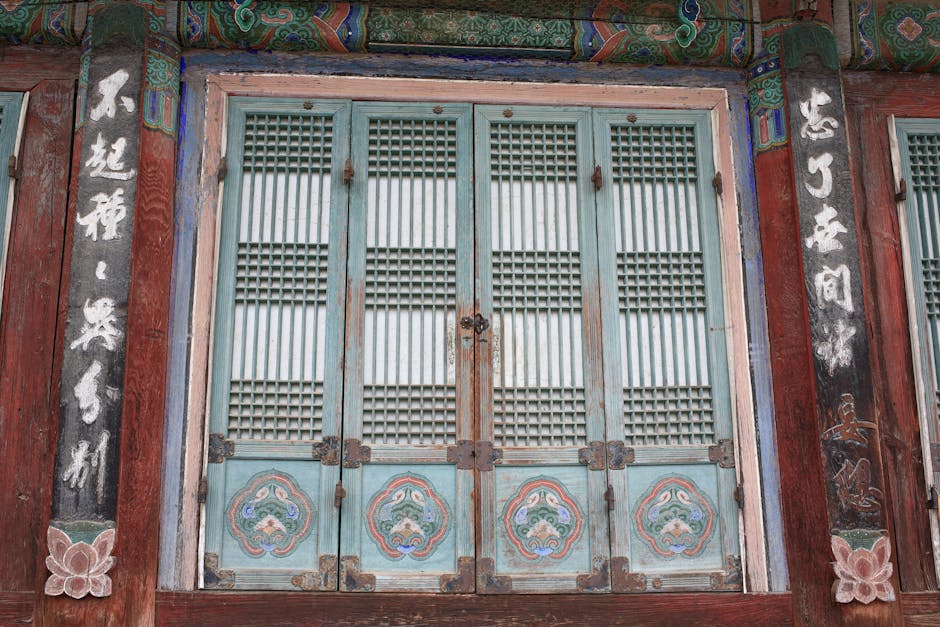
7. Geumsunsa Temple (금선사) — Hidden in Bibong
Few visitors find their way to Geumsunsa, and that is precisely the point. Tucked into Bibong valley on Bukhansan’s southwestern slopes, this small temple offers some of the most authentic templestay experiences in the capital. The hike up to it through pine forest is half the experience. Geumsunsa is one of the seven Seoul temples participating in the official templestay program and a favorite for those seeking solitude over spectacle.
Confucian Shrines and Royal Sites
Jongmyo Shrine (종묘) — UNESCO World Heritage
Jongmyo Shrine is the oldest and most authentic of all Confucian royal shrines remaining in East Asia. Inscribed on the UNESCO World Heritage list in 1995, it houses the spirit tablets of the Joseon kings and queens, with rituals that have been performed continuously for more than 600 years.
What makes Jongmyo unforgettable is its architecture of restraint. The main shrine, Jeongjeon, is the longest single wooden building in Asia, but it has no decorative paint, no carved flourishes, no glittering detail. Joseon Confucian scholars believed modesty was the highest form of respect, so the building’s power comes entirely from proportion, line, and the long stone path running its length.
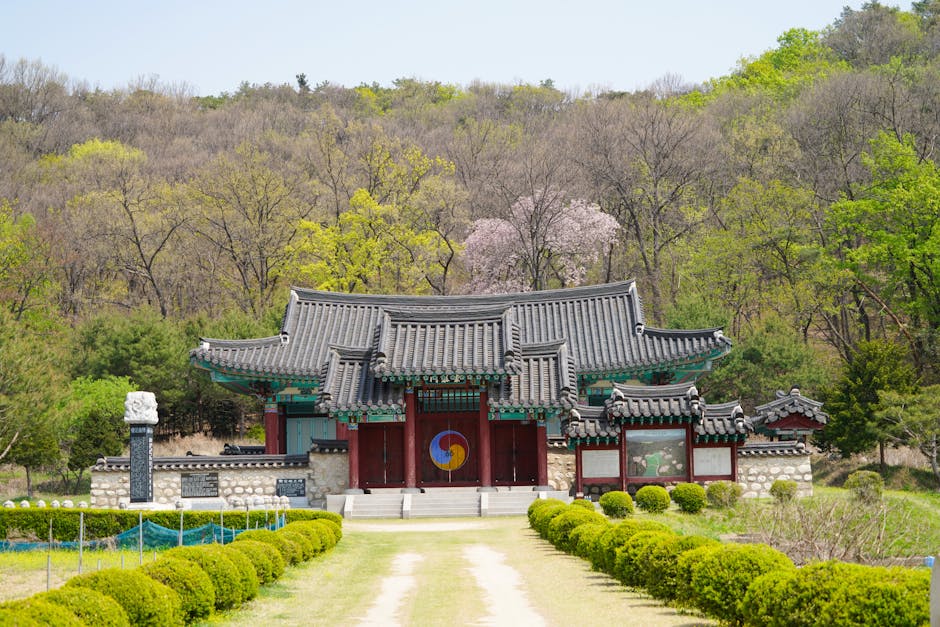
Each year on the first Sunday of May, the Jongmyo Daeje royal ancestral ritual is performed with full Joseon-era costumes, music, and dance. UNESCO has separately recognized this ceremony as Intangible Cultural Heritage. If your visit aligns with that date, prioritize attendance.
Practical info:
- Address: 157 Jong-ro, Jongno-gu
- Hours: 9:00 AM – 6:00 PM (closed Tuesdays)
- Admission: 1,000 won (adults)
- Subway: Jongno 3-ga Station (Lines 1, 3, 5), Exit 11
- Tours: Weekdays guided-tour only at scheduled times by language; weekends self-guided with QR audio
Sajik Shrine (사직단) — Altars to the Land and Grain
Tucked beside Sajik Park near Gyeongbokgung Palace, the Sajikdan consists of two square altars where Joseon kings prayed annually for good harvests. It’s quieter and less elaborate than Jongmyo, but the stark stone platforms convey the same Confucian aesthetic of clarity and restraint. Combine with a visit to nearby Gyeongbokgung for an efficient morning.
Munmyo Shrine (문묘) — The Confucian Academy
Located on the grounds of Sungkyunkwan, Korea’s oldest university, Munmyo Shrine is dedicated to Confucius and his disciples. The site has hosted scholarly rites since 1398. The 600-year-old ginkgo trees on the property turn brilliant gold each November, drawing photographers from across the city. Free to enter, located at Hyehwa Station (Line 4).
Temple Etiquette: How to Visit Respectfully
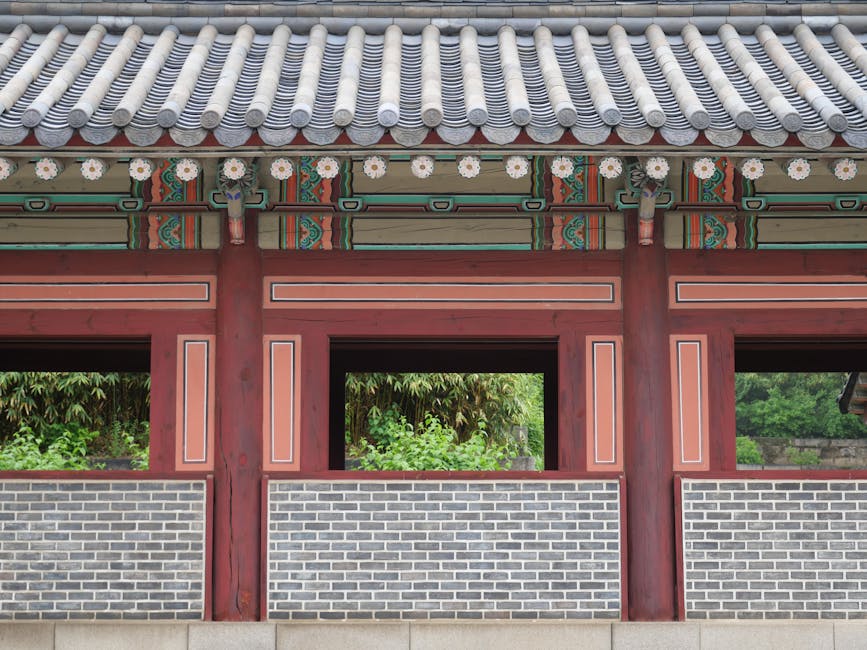
Seoul’s temples are active places of worship, not museums. Following these guidelines will keep your visit respectful and welcomed:
- Dress modestly: Cover shoulders and knees. Hats off when entering halls.
- Remove shoes before stepping onto wooden hall floors. Shelves or shoe racks are provided.
- Voices low: Especially inside halls and during chanting. Phones to silent.
- Photography: Allowed in courtyards. Never photograph the Buddha statues from inside a hall, and never use flash. When monks are present, ask before photographing them.
- Don’t point feet toward Buddha statues. When seated, tuck feet beneath you or to the side.
- Don’t touch the bell: The large bronze bell is rung at specific times. Watching is fine; ringing it is not.
- Bowing: Korean Buddhists bow three times when entering a hall. You’re not obligated, but if you’d like to participate, simply bow with palms together at chest level.
- Walk clockwise around stupas and pagodas — never counterclockwise.
The Templestay Program: An Overnight in Robes
The templestay program is one of the most rewarding experiences in Korea, and Seoul has seven participating temples making it remarkably accessible: Bongeunsa, Geumsunsa, Hwagyesa, Jingwansa, Jogyesa, Myogaksa, and the International Seon Center.
Programs come in three formats:
- One-day templestay (₩30,000–50,000): A four- to six-hour introduction with meditation, lotus-lantern making, tea ceremony, and a temple meal. Ideal if you’re short on time.
- Experience-oriented templestay (₩60,000–100,000): Overnight, 1–2 nights. Wake-up at 3:30–4:00 AM for chanting, full vegetarian meal practice, 108 prostrations, and Seon (Zen) meditation.
- Rest-oriented templestay: Looser schedule for those who want quiet time over structured activity.
You’ll be issued temple robes (haengja-bok), sleep on a heated ondol floor with thick traditional bedding, and eat balwoo gongyang — the formal monk meal where you finish every grain of rice and clean your bowls with tea you then drink. It’s transformative for many travelers. Few capitals let you book a night like that a subway ride from downtown, which is why it belongs on any shortlist of unique experiences in Seoul, next to a jjimjilbang overnight or dawn at Noryangjin fish market.
Reservations: Book through eng.templestay.com, the official English-language portal of the Korean Buddhist Cultural Corp. Programs in Seoul fill quickly during cherry blossom season (early April), Buddha’s Birthday (early May), and autumn foliage (late October).
Best Times of Year to Visit Seoul Temples
Buddha’s Birthday (May) — The Lotus Lantern Festival
The single best time to visit Seoul’s Buddhist temples is the week leading up to Buddha’s Birthday, which falls on the 8th day of the 4th lunar month — usually in early to mid-May. The Yeon Deung Hoe (Lotus Lantern Festival), recognized by UNESCO as Intangible Cultural Heritage, transforms downtown Seoul into a glowing river of light. The grand parade runs from Dongguk University to Jogyesa, drawing more than 100,000 participants and millions of lanterns.
For a calmer experience, simply visit Jogyesa, Bongeunsa, or any major temple in the daytime week leading up to the celebration — every courtyard is canopied by tens of thousands of paper lotus lanterns, and the photo opportunities are unmatched.
Autumn (Late October–November) — Foliage Season
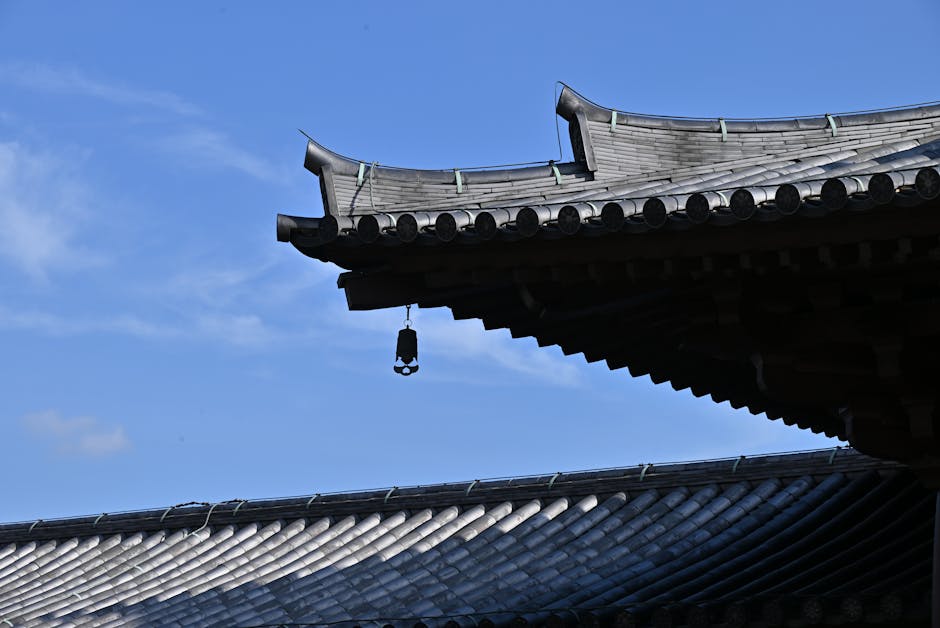
Mountain temples like Hwagyesa, Jingwansa, Bongwonsa, and Gilsangsa erupt in red maple and golden gingko in late October. The combined effect of color and curved roof lines is one of Seoul’s most photographed scenes.
Winter (December–February) — Snow on Tile Roofs
Snow on temple roofs is rarer than in central Korea, but when Seoul does see flakes, mountain temples become deeply contemplative. Bring layers — main halls are unheated.
Cherry Blossoms (Early April)
Jingwansa, Gilsangsa, and Bongeunsa all have stunning cherry trees on their grounds. Combine with our best time to visit Seoul guide for full bloom timing.
Suggested One-Day Temples & Shrines Itinerary
If you want to see Seoul’s spiritual landscape in a single, well-paced day, this route covers Buddhist and Confucian sites without rushing:
- 9:00 AM — Jongmyo Shrine. Take the first English guided tour and absorb the UNESCO main hall before crowds build.
- 11:00 AM — Walk through Insadong for a tea-house break and traditional craft browsing.
- 12:00 PM — Jogyesa Temple. Witness midday chants, marvel at the lotus lanterns, and have bibimbap lunch nearby.
- 2:30 PM — Subway to Bongeunsa (Line 9 to Bongeunsa Station). Climb to the giant Buddha and spend an hour in the wooded grounds.
- 4:30 PM — COEX Mall for the famous Starfield Library — a striking modern contrast to your day of ancient calm.
- 6:00 PM — Sunset at the Han River to round out the day.
Pair it with our Seoul itineraries and things to do in Seoul for variations.
Getting to Seoul’s Temples
The good news: every major temple in this guide is reachable by Seoul’s subway system plus a short walk or bus connection. A Seoul transportation guide will help you master the network. Keep these quick connections handy:
- Jogyesa → Anguk (Line 3), Exit 6
- Bongeunsa → Bongeunsa (Line 9), Exit 1
- Bongwonsa → Sinchon (Line 2), Exit 2 + 15 min walk
- Gilsangsa → Hansung Univ. (Line 4), Exit 6 + bus/taxi
- Hwagyesa → Suyu (Line 4), Exit 3 + bus 1144
- Jingwansa → Gupabal (Line 3), Exit 1 + bus 7211
- Jongmyo Shrine → Jongno 3-ga (Lines 1/3/5), Exit 11
If you’re new to the city, a T-money card makes hopping between sites painless — every fare is automatic and transfers between subway and bus are discounted.
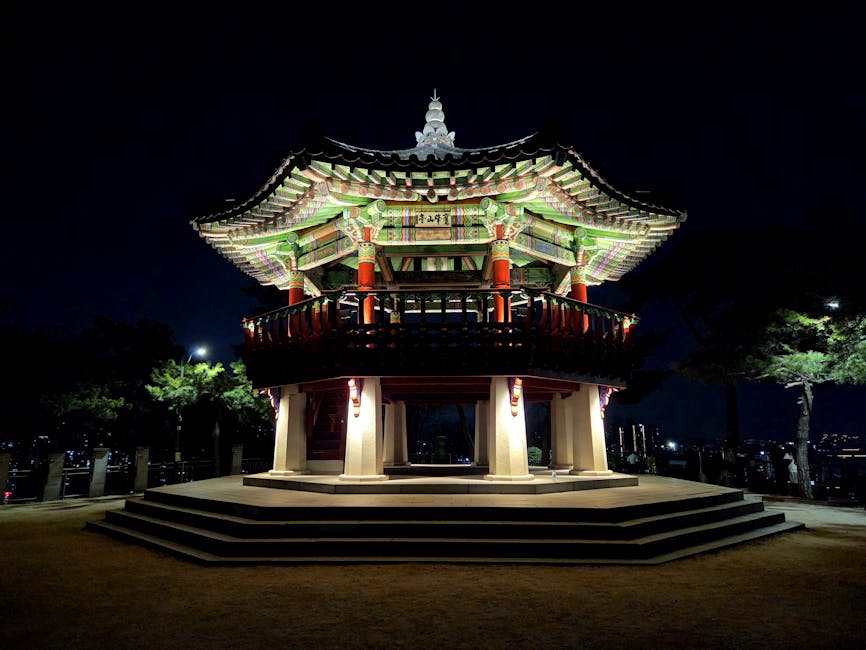
Jongmyo shares a combined ticket with the royal palaces, and the two are best understood together. Our Seoul palaces guide covers all five grand palaces alongside Jongmyo, including free-entry days and which sites to prioritise.
Frequently Asked Questions
Are Seoul temples free to enter?
Almost all Buddhist temples in Seoul are free, including Jogyesa, Bongeunsa, Bongwonsa, Hwagyesa, Jingwansa, Gilsangsa, and Geumsunsa. Jongmyo Shrine charges 1,000 won for adults — one of the most affordable UNESCO sites in the world.
Can non-Buddhists enter the main halls?
Yes. Visitors of any faith are welcome inside main halls so long as they remove shoes, stay quiet, and avoid photographing the Buddha statues. If a service is in progress, observe quietly from the rear.
Is there a dress code?
Modest dress is expected — covered shoulders and knees, especially at active temples and shrines. There’s no requirement to wear traditional clothing, though some travelers rent hanbok for photos at Jongmyo or Jogyesa.
What is the best Seoul temple for first-time visitors?
Jogyesa is the easiest, most central, and most active introduction. For a more atmospheric experience, pair it with Bongeunsa in Gangnam.
How long should I spend at each temple?
Plan 45–60 minutes at urban temples (Jogyesa, Bongeunsa) and 1.5–2 hours at mountain temples (Hwagyesa, Jingwansa, Gilsangsa) where the walk is part of the experience. Jongmyo Shrine is best with a full guided tour, around 90 minutes.
Is templestay worth it for foreigners?
Absolutely — and Seoul’s temples are unusually English-friendly compared with rural ones. Hwagyesa and Jingwansa specifically cater to international participants.
Are temples open on holidays?
Yes; in fact, Korean holidays like Buddha’s Birthday and Chuseok are when temples are most vibrant. Jongmyo Shrine is closed Tuesdays.
Can I attend a Buddhist ceremony as a tourist?
Yes. Daily morning chanting at Jogyesa around 4:00–5:00 AM and evening rites at most major temples are open to respectful observers.
Final Thoughts
Seoul rewards travelers who slow down. Between palace tours, shopping in Myeongdong, and late-night street food in Hongdae, an afternoon at Jogyesa or a dawn at Bongeunsa reveals a side of the city that’s equally essential — and arguably more memorable. For deeper immersion, an overnight templestay in the hills of Bukhansan is one of the most distinctive experiences any tourist can have in Korea.
Plan the rest of your visit with our complete Seoul travel guide, and explore other cultural highlights through the things to do in Seoul hub. Every temple courtyard you step into adds another layer to your understanding of this remarkable city.