01
Best Time to Visit Seoul: Month-by-Month Weather, Festivals & Travel Guide (2026)
Discover the best time to visit Seoul with our comprehensive month-by-month guide…
Seoul is a city of extraordinary contrasts. Ancient royal palaces sit in the shadow of glass-and-steel skyscrapers. Centuries-old Buddhist temples share blocks with neon-lit K-pop entertainment districts. Street vendors serving generations-old recipes operate steps away from Michelin-starred restaurants. For travelers, this collision of old and new, tradition and innovation, creates one of Asia’s most fascinating and rewarding destinations.
9 guides, ordered the way you will need them. Each one stands alone if you arrived from search.
01
Discover the best time to visit Seoul with our comprehensive month-by-month guide…
02
Complete guide to Seoul visa requirements in 2026 including visa-free countries…
03
Detailed Seoul trip cost breakdown for 2026 covering accommodation, food…
04
Essential Seoul travel tips for first time visitors covering cultural etiquette…
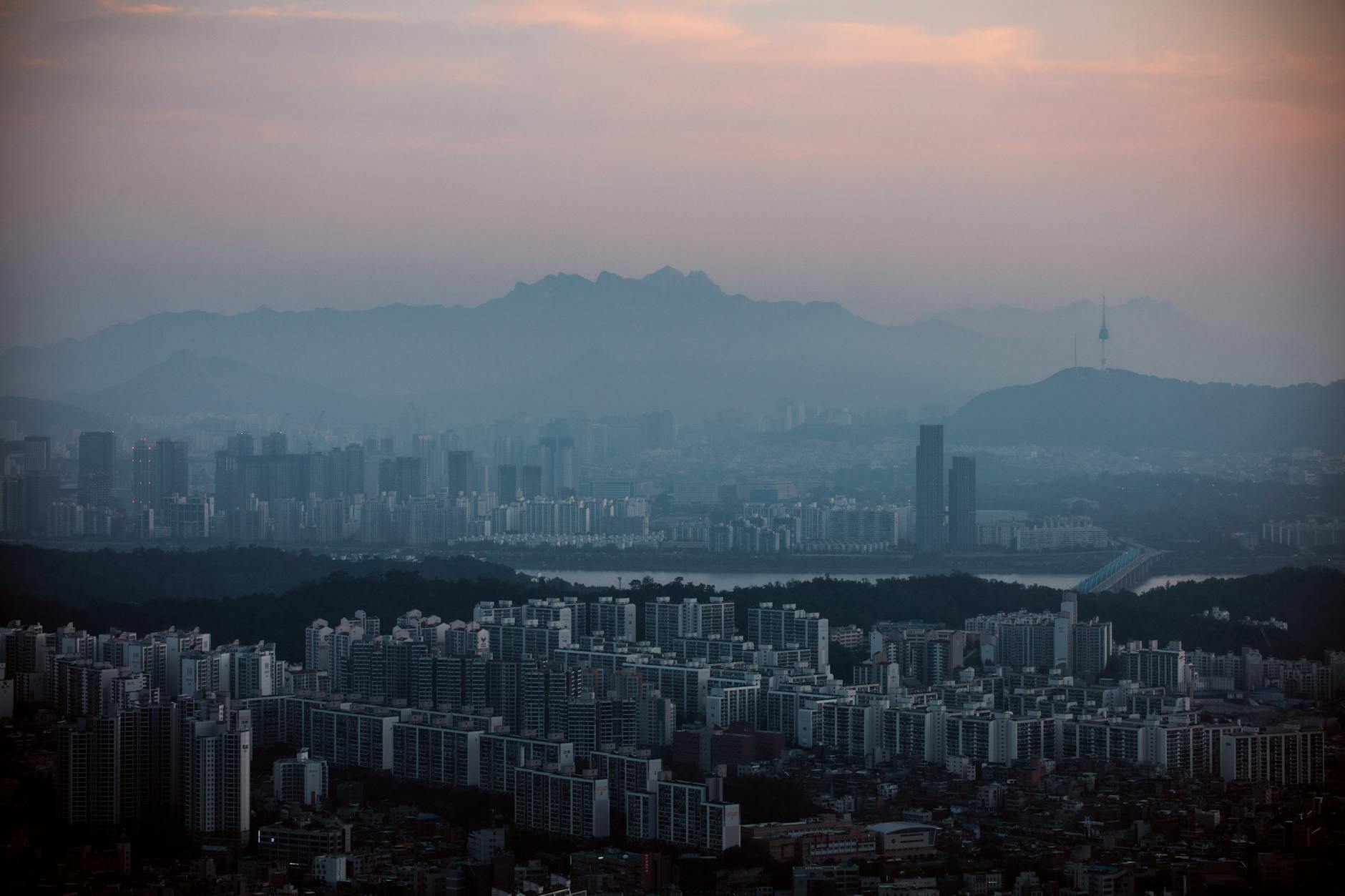
Whether you’re drawn by the global K-culture phenomenon, the legendary food scene, the incredible shopping, or the rich cultural heritage, this Seoul travel guide covers everything you need to plan an unforgettable trip. From visa essentials and budget planning to neighborhood breakdowns and must-see highlights, consider this your comprehensive roadmap to South Korea’s dynamic capital.
Seoul is home to roughly 10 million people (25 million in the greater metropolitan area), making it one of the most densely populated and culturally vibrant cities on Earth. But numbers alone don’t capture what makes Seoul special.
The city operates on a rhythm unlike any other Asian capital. Seoul genuinely never sleeps — convenience stores are open 24/7, restaurants serve steaming bowls of seolleongtang (ox bone broth soup) at 4 a.m., and the nightlife districts in Hongdae and Gangnam pulse until dawn. Yet despite this relentless energy, Seoul offers pockets of profound tranquility: hiking trails through forested mountains within city limits, serene temple stays, and peaceful palace gardens that feel worlds removed from the urban buzz.
Here’s what sets Seoul apart as a travel destination in 2026:
Seoul experiences four distinct seasons, each offering a different travel experience. The best time to visit depends on your priorities — cherry blossoms, autumn foliage, budget savings, or comfortable sightseeing weather.
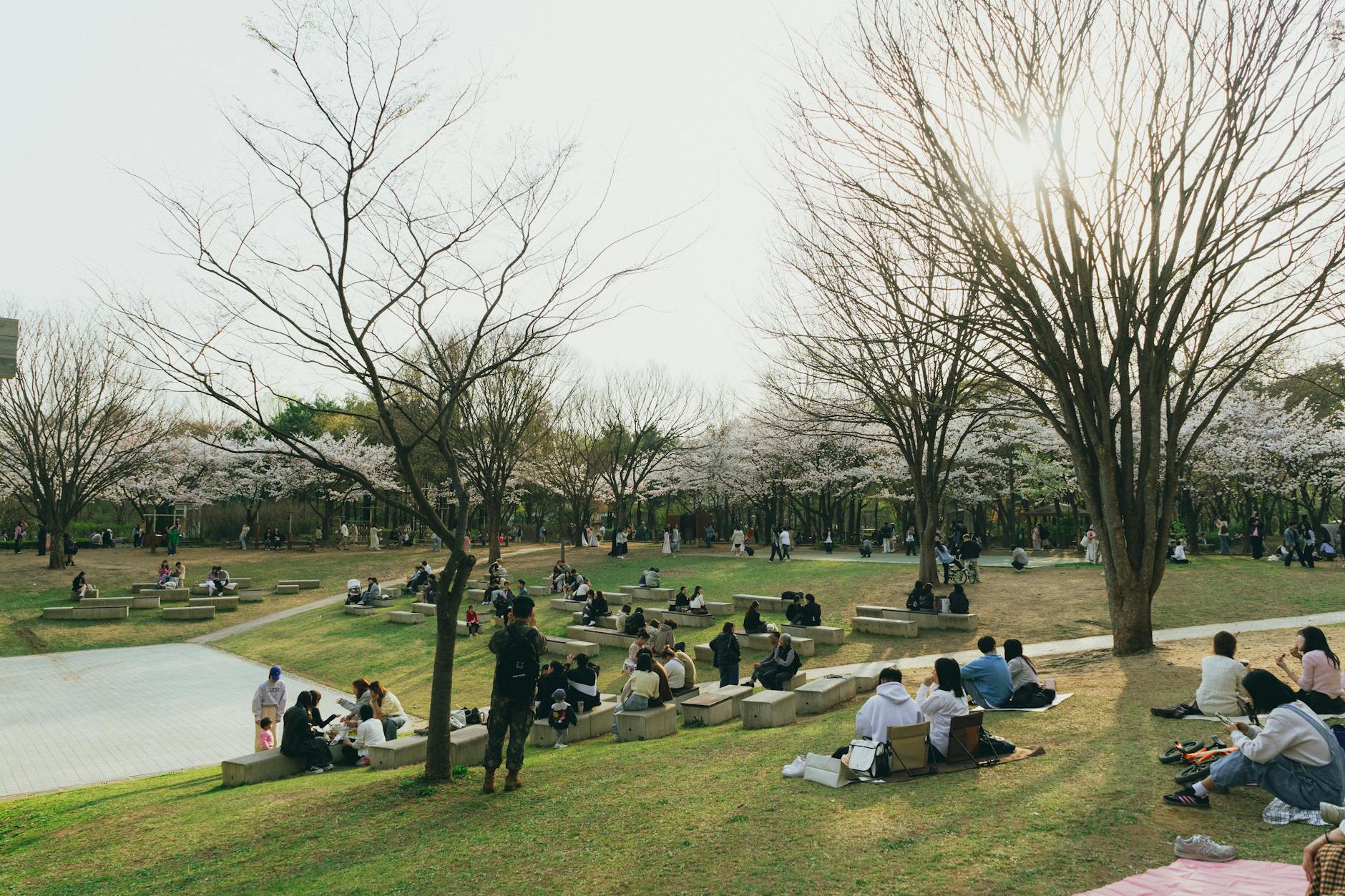
Spring is arguably Seoul’s most beautiful season. Cherry blossoms typically bloom from late March through mid-April, transforming the city’s parks, palace grounds, and riverside paths into ethereal tunnels of pink and white. Yeouido’s cherry blossom festival along the Han River is the most famous spot, but locals prefer the less-crowded paths around Seokchon Lake near Lotte World or the grounds of Changgyeonggung Palace.
Temperatures range from 5°C to 20°C (41°F–68°F), making it ideal for walking-intensive sightseeing. The main drawback is crowds — spring is peak tourist season, so expect higher accommodation prices and busier attractions, particularly during cherry blossom weeks and the Buddha’s Birthday celebrations in May.
Seoul summers are hot and humid, with temperatures regularly hitting 30–35°C (86–95°F) and the monsoon season (jangma) bringing heavy rainfall from late June through July. While this deters some visitors, summer has its advantages: fewer tourists at major attractions, lower hotel rates, and vibrant energy as locals flock to the Han River parks for evening picnics. Indoor attractions like the vast underground shopping malls, museums, and Korean BBQ restaurants offer welcome respite from the heat.
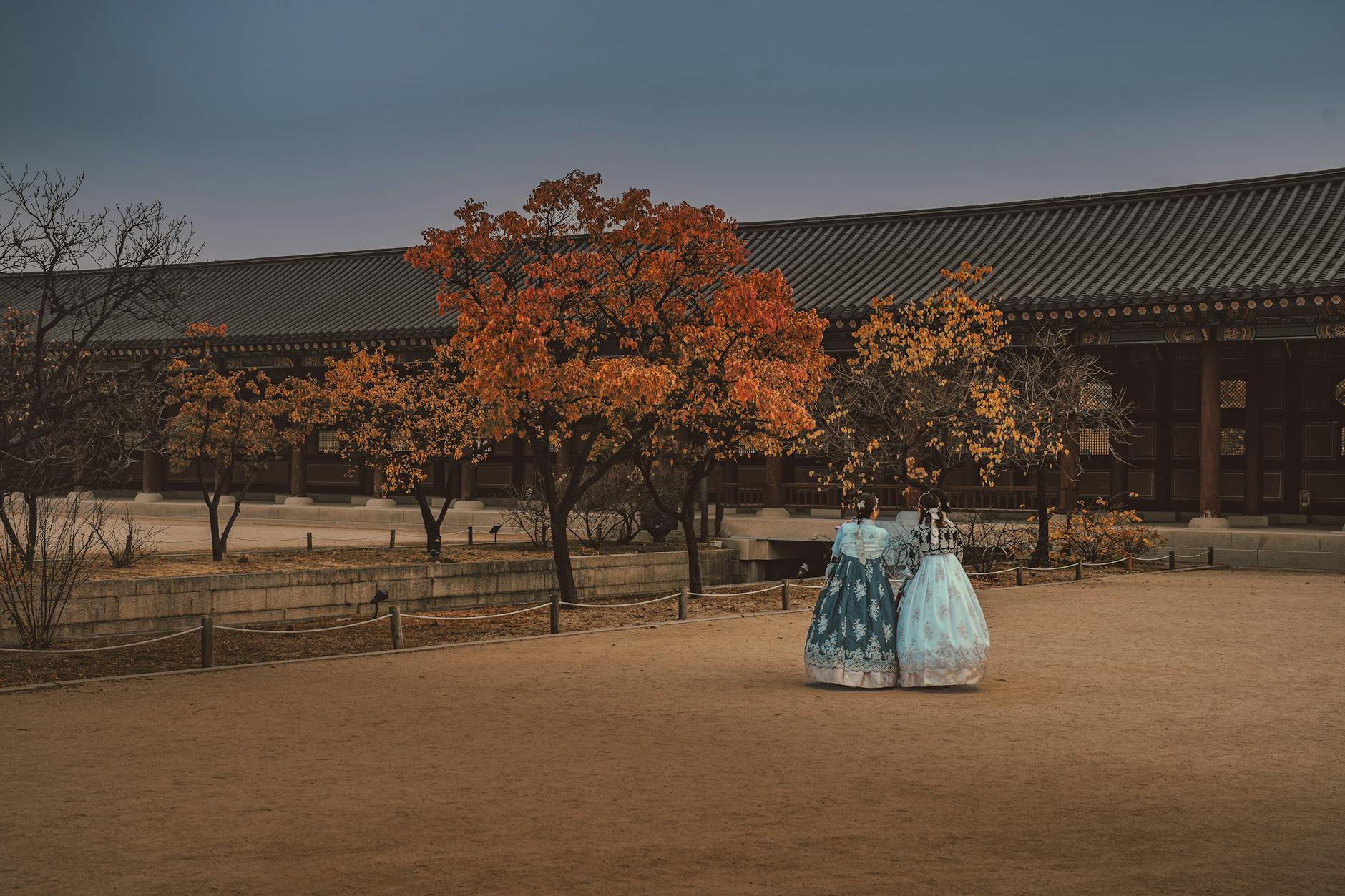
Many seasoned Seoul travelers consider autumn the perfect time to visit. From late September through November, the city is wrapped in spectacular golden, orange, and crimson foliage. Temperatures hover between 10°C and 25°C (50°F–77°F), skies are reliably clear and blue, and the air carries a crispness that makes walking the city’s hillside neighborhoods and palace grounds a genuine pleasure.
Namsan Mountain, the Secret Garden at Changdeokgung Palace, and the hiking trails of Bukhansan National Park are particularly stunning during peak foliage (typically mid-to-late October). Like spring, autumn draws visitors — book accommodation well in advance.
Seoul winters are serious — temperatures regularly drop to -10°C (14°F) with biting winds. But winter brings its own magic: the Christmas light displays along Cheonggyecheon Stream, steaming bowls of kalguksu (knife-cut noodle soup) in cozy restaurants, and dramatically fewer tourists at every major site. Budget travelers benefit from the lowest accommodation rates of the year, and the après-ski dining culture makes winter Seoul a food lover’s paradise.
Most international travelers arrive at Incheon International Airport (ICN), consistently rated one of the best airports in the world. Located about 60 km west of central Seoul, the airport connects to the city center via several options:
Gimpo International Airport (GMP) handles mostly domestic flights plus routes to Tokyo Haneda, Shanghai Hongqiao, and a few other regional destinations. It’s much closer to the city center (about 30 minutes by subway).
South Korea has relatively generous visa-free entry policies for tourists. Citizens of over 100 countries can enter without a visa for stays of 30 to 90 days, depending on nationality. Key details for 2026:
One of Seoul’s greatest strengths as a destination is its accessibility across budget levels. Street food meals cost as little as ₩3,000 ($2), while world-class dining experiences won’t break the bank the way they would in Tokyo or Paris. Here’s a realistic daily budget breakdown for 2026:
The South Korean Won (₩/KRW) is the local currency. In 2026, the exchange rate is particularly favorable for visitors from the US, Europe, and Australia, giving you significantly more purchasing power than in previous years.
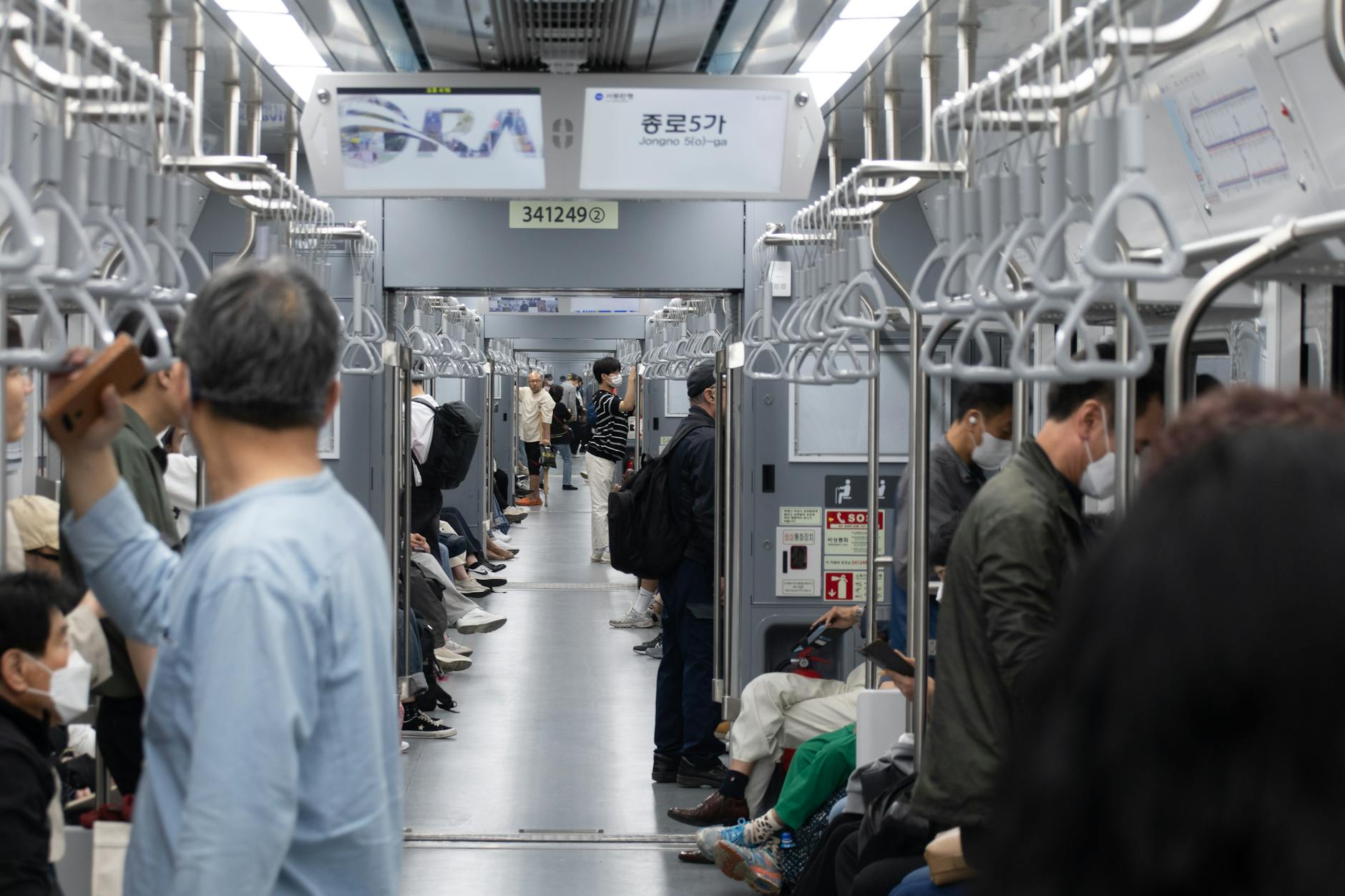
Seoul’s public transportation system is world-class — clean, affordable, punctual, and remarkably easy to navigate even for non-Korean speakers. Here’s how to move around the city like a local.
Before anything else, pick up a T-money card at any convenience store (CU, GS25, 7-Eleven) near the airport or your accommodation. The card costs ₩5,000 ($3.50) and can be loaded with credit for use on all subways, buses, and even taxis and convenience store purchases. You’ll save ₩100 per subway trip compared to buying single-use tickets, and transfers between subway and bus within 30 minutes are free.
Seoul’s subway network has over 20 lines covering virtually every corner of the city and surrounding areas. Trains run from approximately 5:30 a.m. to midnight (slightly later on weekends). All stations have signage in Korean, English, Chinese, and Japanese, and announcements are made in all four languages. A typical ride within the city costs ₩1,350–₩2,050 ($1–$1.50). Key tips:
Seoul’s color-coded bus system is extensive and covers areas the subway doesn’t reach directly. Blue buses run long trunk routes, green buses handle shorter feeder routes, and red buses connect to satellite cities. While buses can be trickier for non-Korean speakers, apps like Naver Maps make them perfectly navigable.
Seoul taxis are plentiful, affordable by international standards, and safe. Standard orange/silver taxis start at ₩4,800 ($3.30), and a 20-minute ride across town rarely exceeds ₩15,000 ($10). Black “deluxe” taxis are slightly more expensive but offer a premium experience. Use the Kakao T app for easy hailing and fare estimates.
Seoul’s neighborhoods each have distinct personalities. Where you base yourself significantly shapes your experience. Here are the top areas for visitors:
For a deep dive into each neighborhood, see our Seoul Neighborhoods Guide. For accommodation recommendations at every price point, check out Where to Stay in Seoul.
Seoul rewards both the checklist traveler and the aimless wanderer. Here are the essential experiences that define a trip to the city.
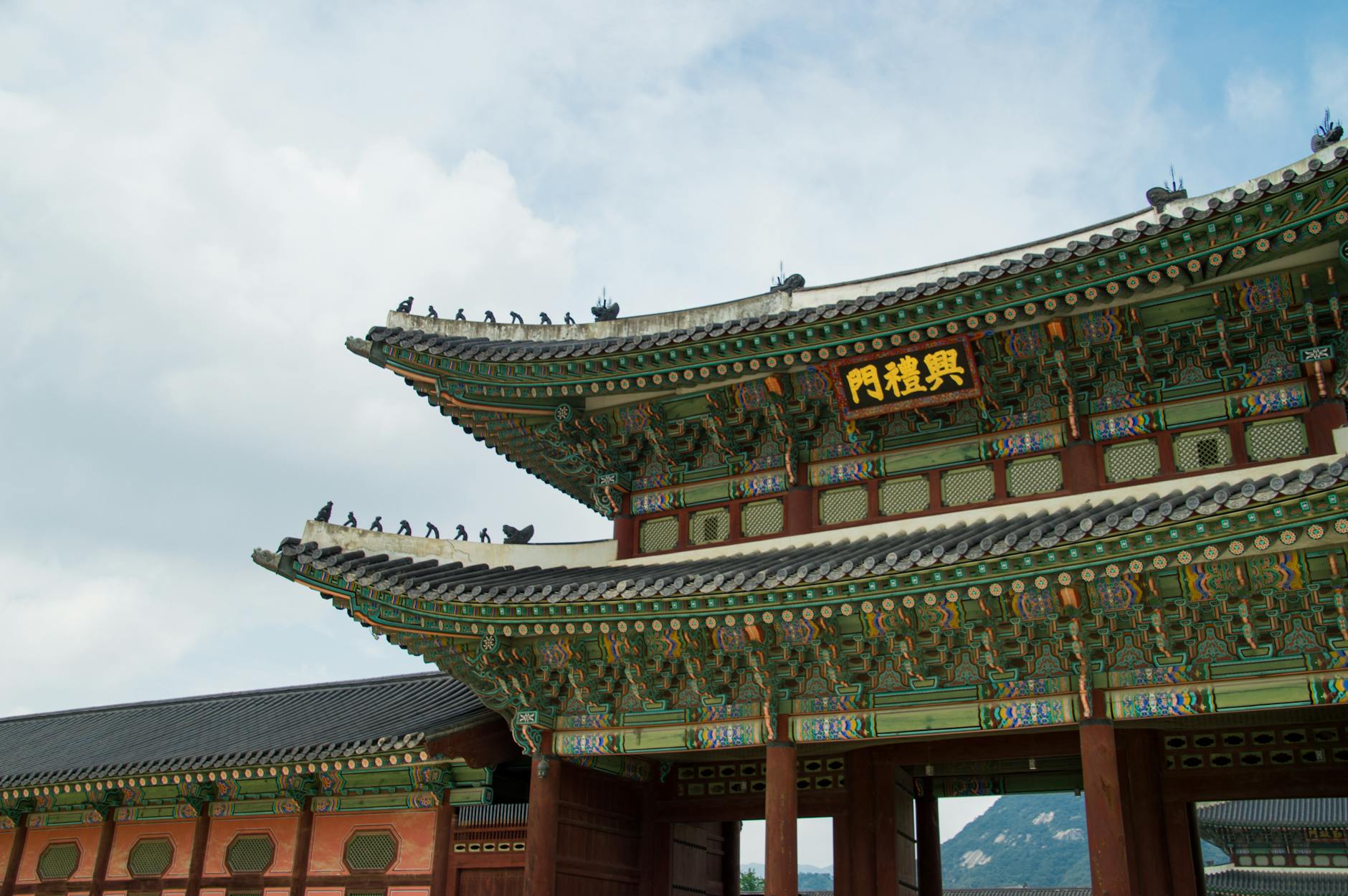
Seoul’s royal palaces are the city’s cultural crown jewels, dating from the Joseon Dynasty (1392–1897). While all five are worth visiting, start with these two:
Pro tip: Renting a hanbok from one of the many shops near the palaces (from ₩15,000/hour) grants free entry to all palaces and makes for incredible photos against the traditional architecture.
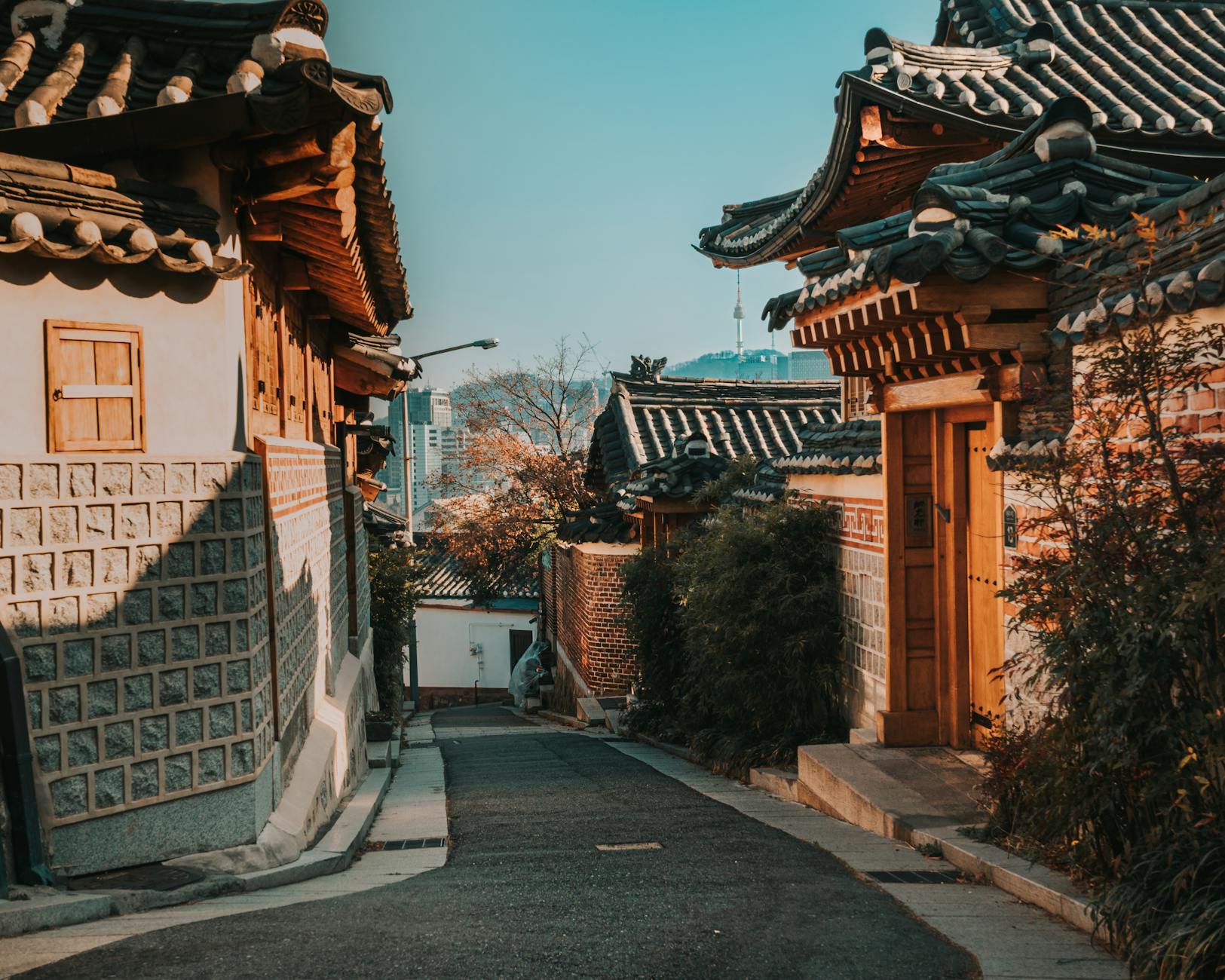
Bukchon Hanok Village is a living neighborhood of over 900 traditional Korean houses (hanok) nestled between Gyeongbokgung and Changdeokgung palaces. The narrow hillside alleyways offer some of Seoul’s most photographed scenes — traditional tiled rooftops framing the modern city skyline. Visit in the early morning to avoid crowds and respect the residents (this is a real neighborhood, not a theme park). Visiting hours are 10:00 a.m. to 5:00 p.m.
Ikseon-dong, nearby, is one of Seoul’s most charming areas — a tiny grid of hanok converted into stylish cafés, boutiques, and restaurants. It represents Seoul at its best: old buildings breathing new life.
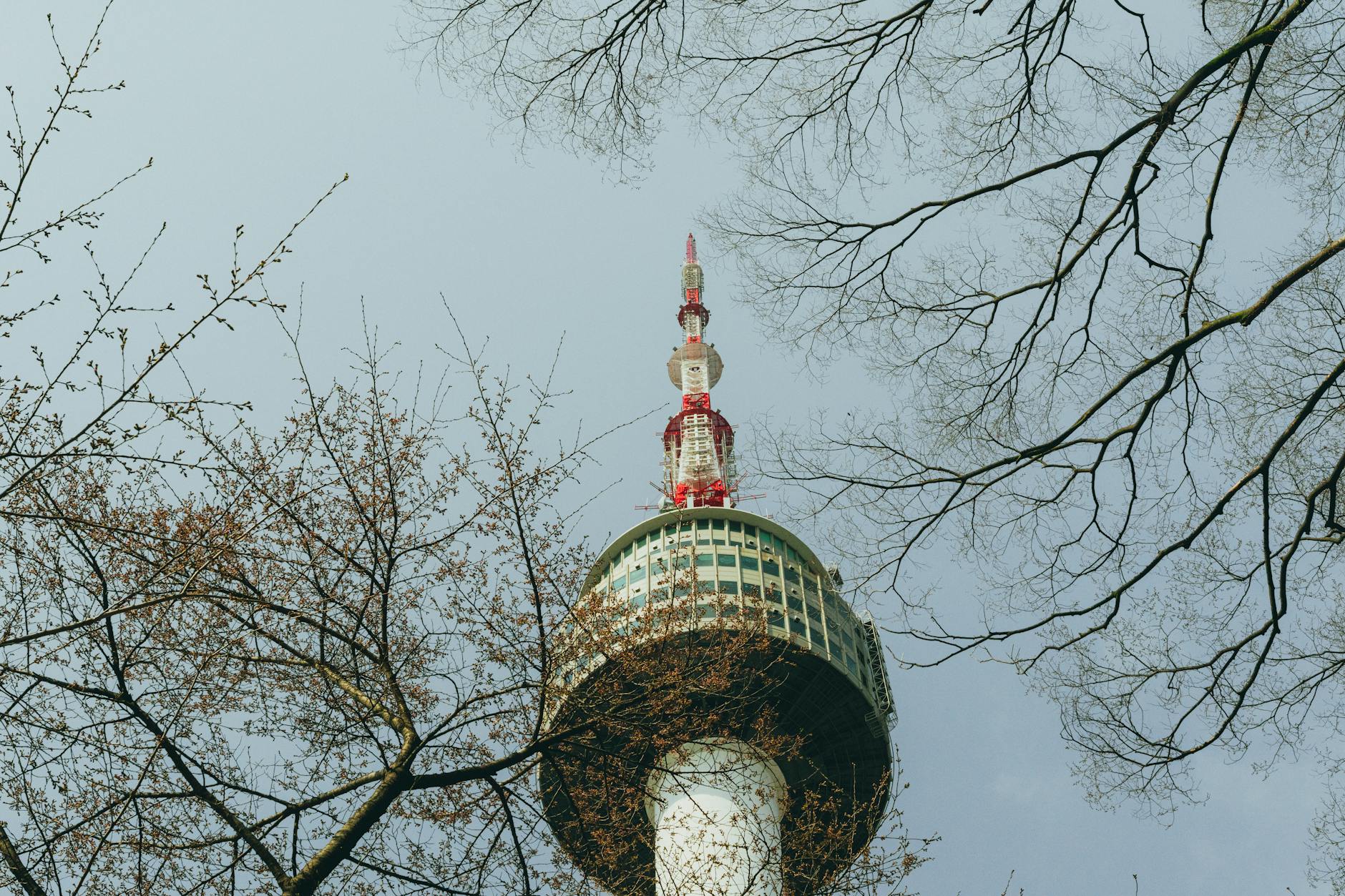
Perched atop Namsan Mountain in the heart of Seoul, N Seoul Tower offers the city’s most spectacular panoramic views. You can reach the base via cable car (₩12,000 round trip) or by hiking the pleasant 20-minute trail from the base. The observation deck (₩16,000) provides 360-degree views that are particularly magical at sunset and after dark, when Seoul’s skyline lights up. The surrounding Namsan Park is laced with walking paths and is beautiful in every season.
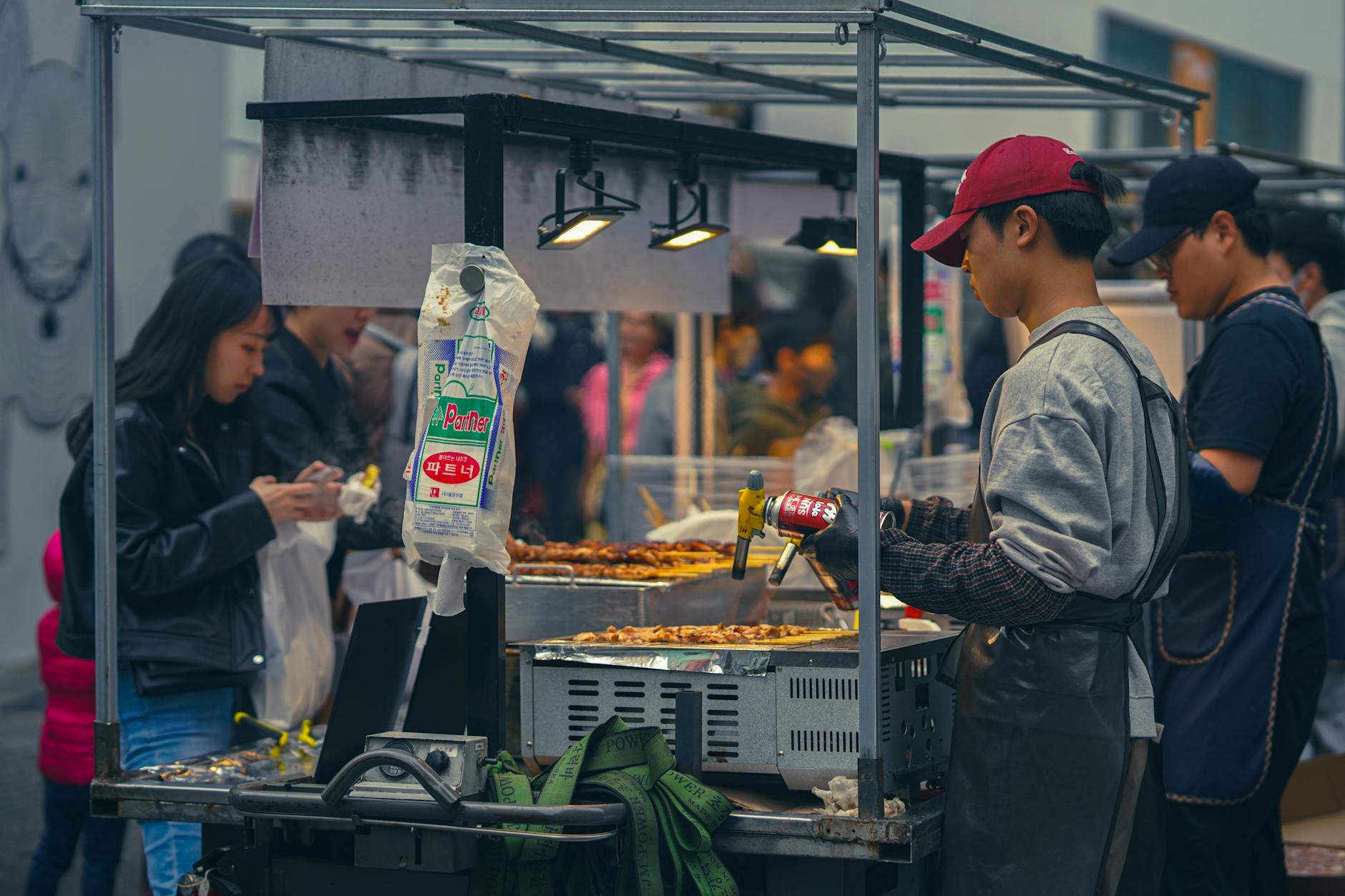
Seoul’s traditional markets are sensory overloads in the best possible way — mountains of colorful produce, sizzling street food, and the hum of vendors who’ve worked the same stall for decades.
For a comprehensive food exploration, see our Seoul Food Guide.
Food is inseparable from the Seoul experience. Korean cuisine is vast and deeply regional, but here are the essential dishes every visitor should try:
For detailed restaurant recommendations, market guides, and dining etiquette tips, explore our complete Seoul Food Guide.
A handful of small customs will smooth your first 48 hours: hand over and receive money, cards and drinks with two hands, take your shoes off before stepping onto a raised wooden floor, never leave chopsticks standing upright in a rice bowl, and let the oldest person at the table lift their spoon first. Our Seoul travel tips for first-time visitors covers the etiquette in depth, along with the no-tipping norm, subway and elevator manners, and the everyday mistakes that mark foreign visitors out.
South Korea has the fastest internet infrastructure in the world, and staying connected in Seoul is effortless. Free Wi-Fi is available on all subway trains, in stations, at most cafés and restaurants, and even in many public parks. For constant mobile connectivity:
While English proficiency in Seoul is improving — particularly among younger Koreans and in tourist areas — you shouldn’t assume English will work everywhere. Learning a few Korean phrases goes a long way:
The Korean writing system (Hangul) was specifically designed to be easy to learn — you can memorize the alphabet in an afternoon. Even basic Hangul reading ability dramatically improves your ability to navigate menus and signage.
Translation apps: Papago (by Naver) is far superior to Google Translate for Korean. Download it before your trip. The camera translation feature is invaluable for restaurant menus.
Seoul is one of the safest major cities in the world for travelers. Violent crime against tourists is extremely rare, and petty crime like pickpocketing is far less common than in European capitals. Women traveling solo consistently report feeling safe walking alone at night. That said, exercise normal precautions: keep valuables secured in crowded markets, be aware of your surroundings, and stick to well-lit areas late at night.
The specifics are worth knowing before you land: which nightlife districts get rowdy after midnight, how the handful of taxi and bar scams actually work, what to do if you lose a wallet or a phone (Korea’s recovery rate genuinely is unusual), and the 1330 Korea Travel Hotline that answers in English around the clock. Our Seoul safety guide for tourists walks through all of it, including emergency numbers and hospital access for visitors.
Those five will carry you through a week. The full rundown of must-have Seoul travel apps covers the next tier — delivery and restaurant-reservation apps that accept foreign cards, offline subway maps for when you drop below ground, Klook and Trazy for discounted attraction tickets, and the air-quality app locals check before deciding whether to walk or ride.
Seoul’s five Joseon-dynasty palaces are the backbone of any first visit, and each is very different: Gyeongbokgung for grandeur, Changdeokgung for its Secret Garden, Deoksugung for evenings. Our Seoul palaces guide compares all five, explains the ₩6,000 combined ticket and every free-entry rule, and tells you which to choose.
This Seoul travel guide is your starting point — the overview that connects all the detailed resources across our site. As you plan your trip, dive deeper into the topics that matter most to you:
Seoul has a way of exceeding expectations. The city is bigger, more dynamic, more delicious, and more surprising than most travelers anticipate. Whether you have three days or three weeks, this guide will help you make the most of every moment in South Korea’s extraordinary capital.