From centuries-old traditions to K-culture spectacles, the Korean capital hosts hundreds of festivals and events that blend heritage with cutting-edge modern culture. Whether you’re building your trip around a specific celebration or hoping to stumble onto something special, knowing what’s on — and when — transforms a good Seoul visit into an unforgettable one. Pair this calendar with our advice on the best time to visit Seoul and you’ll land in the city exactly when it’s at its liveliest.

Seoul Festival Calendar at a Glance
Here’s the year in fast-forward, so you can match your travel dates to the action. Spring (April–May) and autumn (September–November) are the densest, most comfortable festival seasons; summer is loud, hot, and fun; winter trades crowds for lights. Slot any of these into one of our seasonal Seoul itineraries.
- January–February: Seoul Winter Festival lights, New Year’s countdown at Bosingak, Lunar New Year (Seollal) palace programs.
- March: Seoul Fashion Week, early cherry blossoms, first warm-weather markets.
- April: Yeouido & Seokchon Lake cherry blossom festivals, Seoul Spring Festival, Royal Culture Festival.
- May: Lotus Lantern Festival (Buddha’s Birthday), Seoul Jazz Festival, Seoul Museum Night, Children’s Day events.
- June: Seoul International Book Fair, Hangang summer programs begin, Bamdokkaebi night markets in full swing.
- July: Waterbomb Seoul, Sinchon Water Gun Festival, Hangang fountain shows.
- August: Summer music festivals, late-night markets, Gwangbokjeol (Liberation Day) events.
- September: Chuseok (Korean Thanksgiving), early autumn cultural festivals.
- October: Seoul International Fireworks Festival, Seoul Drum Festival, Seoul Fashion Week, foliage season begins.
- November: Seoul Lantern Festival at Cheonggyecheon, Seoul Kimchi Festival, peak autumn foliage.
- December: Winter light festivals, Christmas markets, year-end countdown build-up.
Dates shift year to year, so confirm exact schedules close to your trip. For day-to-day logistics of reaching any venue, see our complete guide to getting around Seoul — nearly every major festival sits within a short walk of a subway station.
Spring Festivals in Seoul (March–May)
Spring is Seoul’s most festive season. As temperatures rise and cherry blossoms paint the city pink, Seoul bursts into celebration with outdoor festivals, cultural events, and flower viewing parties.
Cherry Blossom Festivals (Late March–Mid April)
Cherry blossom season transforms Seoul into a floral wonderland for roughly two weeks each spring. The timing varies slightly each year depending on temperatures, but blossoms typically peak in early to mid-April. Our dedicated guide to the best cherry blossom spots in Seoul carries the Korea Meteorological Administration’s 2026 bloom forecast — peak usually lands April 3–10 — along with the viewing spots, photo angles, and day-by-day timing that keep you ahead of the 1.5 million people who descend on Yeouido alone.
Yeouido Cherry Blossom Festival: Seoul’s most famous cherry blossom event takes place along Yeouinaru-ro, where 1,886 king cherry trees create a stunning pink tunnel. The festival features food stalls, busking performances, and evening illumination of the trees. Arrive early on weekdays to avoid the weekend crowds — this festival draws millions of visitors.
Seokchon Lake Cherry Blossom Festival: The lake surrounding Lotte World in Songpa-gu is ringed with cherry trees that reflect beautifully in the water. The festival includes photo zones, cultural performances, and evening lighting. It’s especially photogenic at sunset when the blossoms glow against the backdrop of Lotte World Tower.
Gyeongbokgung and Changdeokgung Palace Gardens: While not formal festivals, viewing cherry blossoms at Seoul’s historic palaces is an unmissable spring experience. The combination of traditional architecture and delicate pink blossoms creates unforgettable photo opportunities. Wearing hanbok (traditional Korean dress) grants free palace admission and completes the scene.
Seoul Spring Festival (April–May)
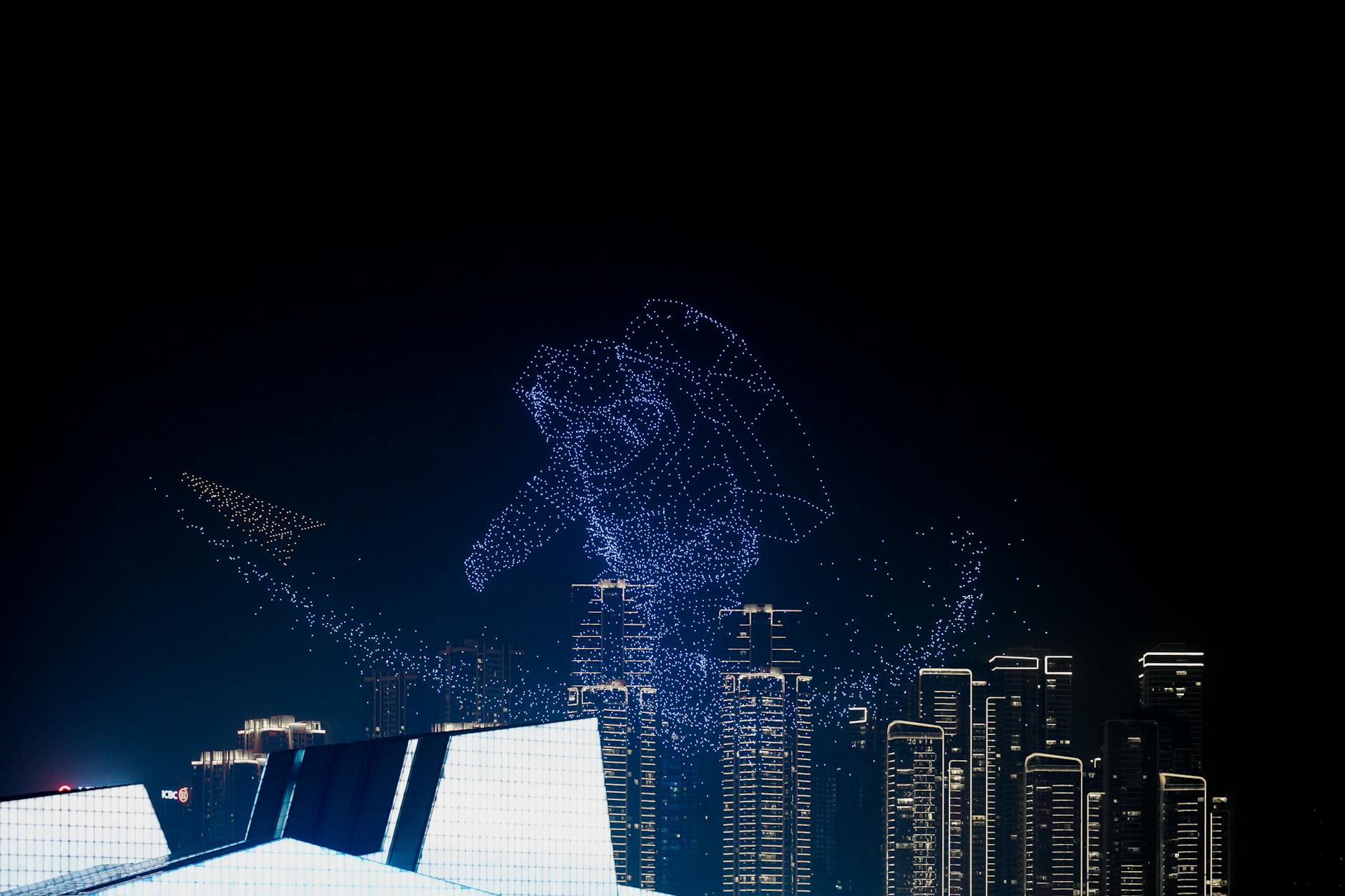
The Seoul Spring Festival is the city’s flagship spring celebration, running from early April through early May across multiple Hangang Park locations. In 2026, the festival spans 26 days (April 10–May 5) and features four signature “Big Shows” including spectacular drone light shows with up to 2,000 drones, K-pop performances at a specially built waterfront stage, cultural exhibitions, and interactive walking festivals. The festival centers on Yeouido Hangang Park and expands to Ttukseom and Banpo parks. Entry to most events is free.
Lotus Lantern Festival (May)
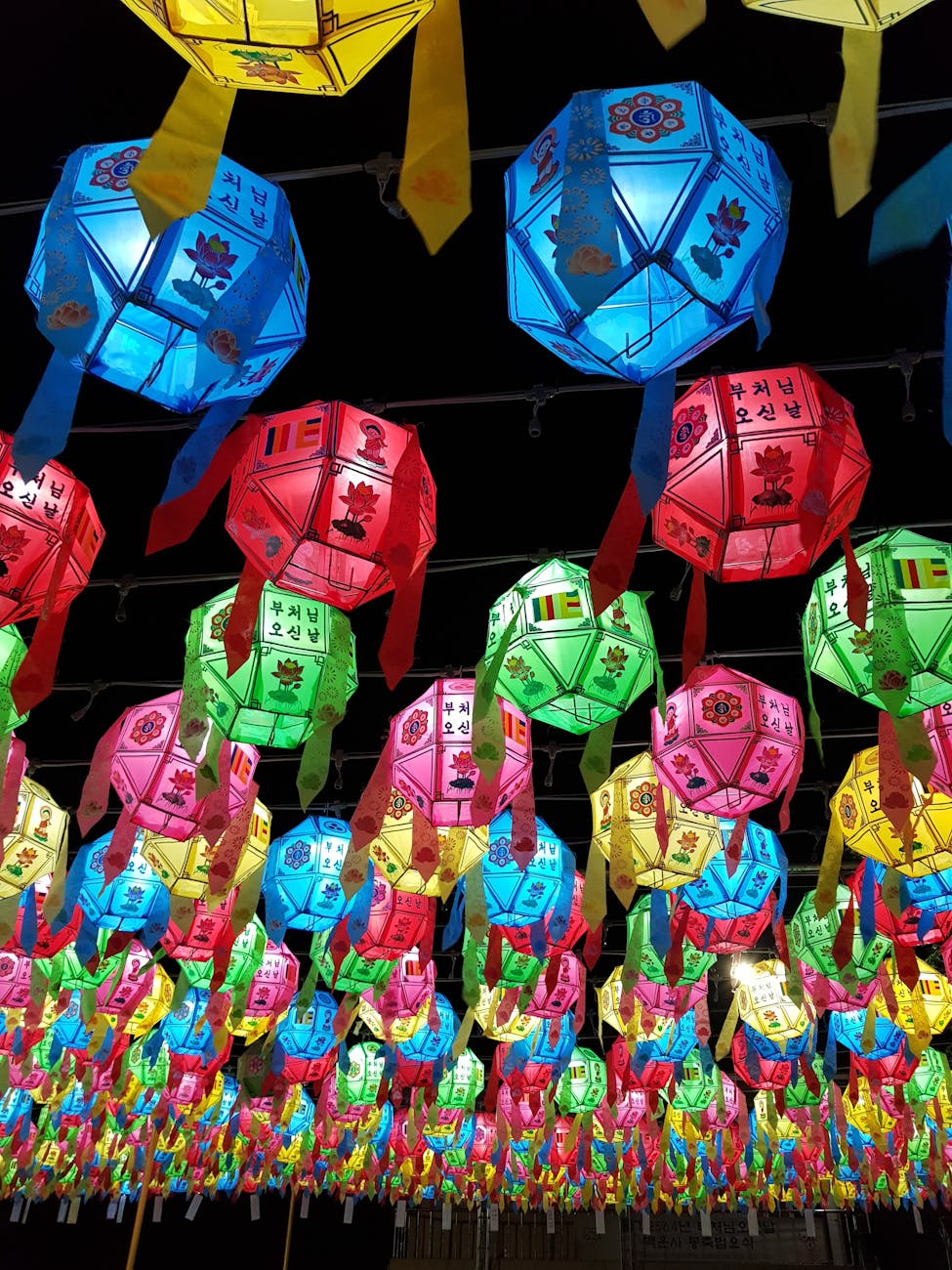
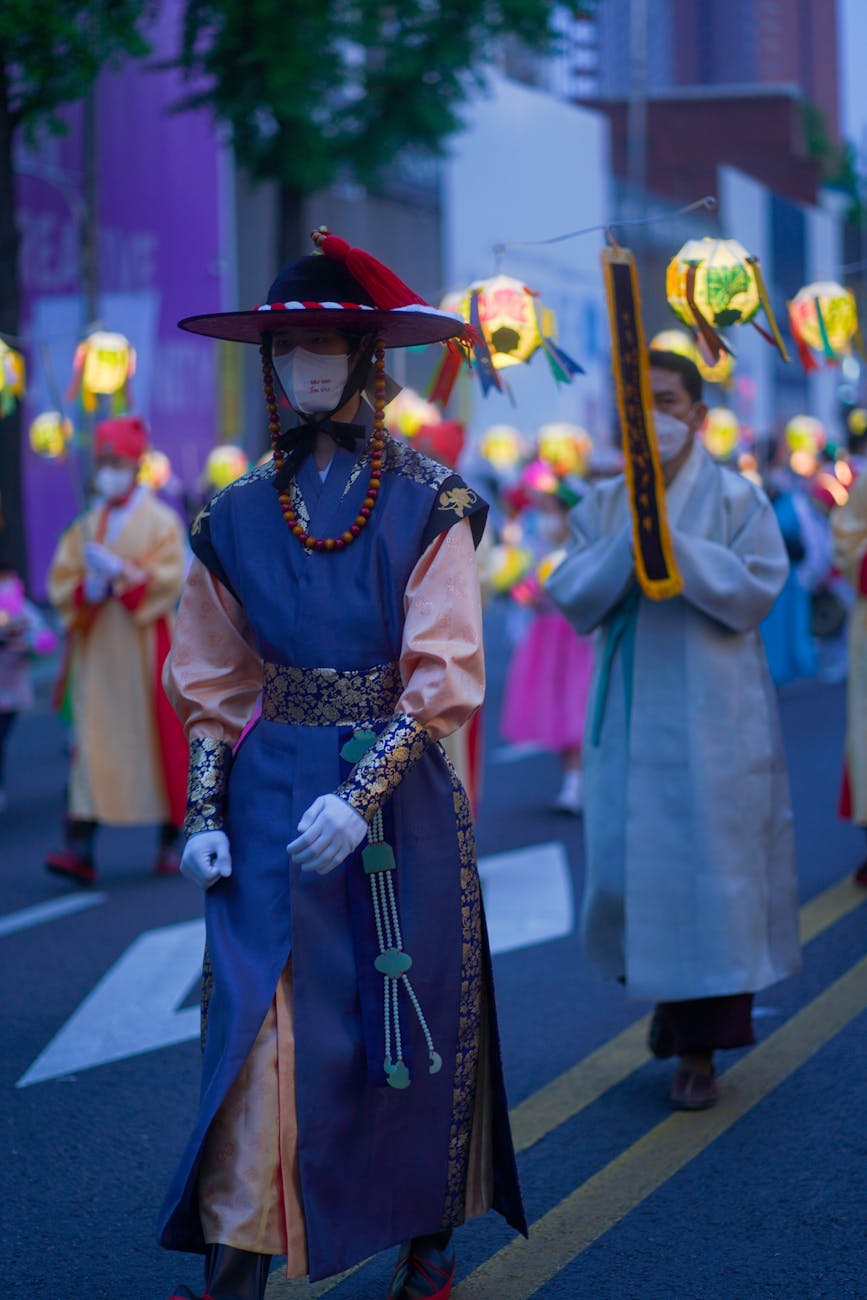
Celebrating Buddha’s Birthday (a national holiday), the Lotus Lantern Festival is a UNESCO Intangible Cultural Heritage event and one of Seoul’s most visually stunning celebrations. The highlight is the massive lantern parade through Jongno, where thousands of participants carry elaborate handmade lotus lanterns through the streets, creating a river of light. The festival includes lantern-making workshops, traditional cultural performances, and temple food tastings. The parade route runs from Dongdaemun to Jogyesa Temple and draws enormous crowds — arrive early to secure a good viewing spot along the route.
More Spring Events Worth Planning Around
Beyond the headline cherry-blossom festivals, spring packs the calendar with cultural gems. The Royal Culture Festival (late April–early May) animates all five of Seoul’s grand palaces — Gyeongbokgung, Changdeokgung, Changgyeonggung, Deoksugung, and Gyeonghuigung — with nighttime palace tours, royal banquet reenactments, traditional music, and hands-on programs. It’s one of the best ways to experience Joseon-era heritage, and many events are free or under ₩10,000. Tie it into a heritage day using our roundup of things to do in Seoul.
Children’s Day (May 5) turns parks, the Han River, and attractions like Seoul Grand Park and Lotte World into family festival grounds with performances and special programming. Buddha’s Birthday (the heart of the Lotus Lantern Festival) is also when Seoul’s temples — including Jogyesa and Bongeunsa — fill with hanging lanterns; it’s a beautiful, free, and deeply atmospheric experience covered further in our guide to Seoul’s temples and shrines. Spring is also prime Han River season, when riverside parks reopen for picnics, cycling, and the first night markets of the year.
Summer Festivals in Seoul (June–August)
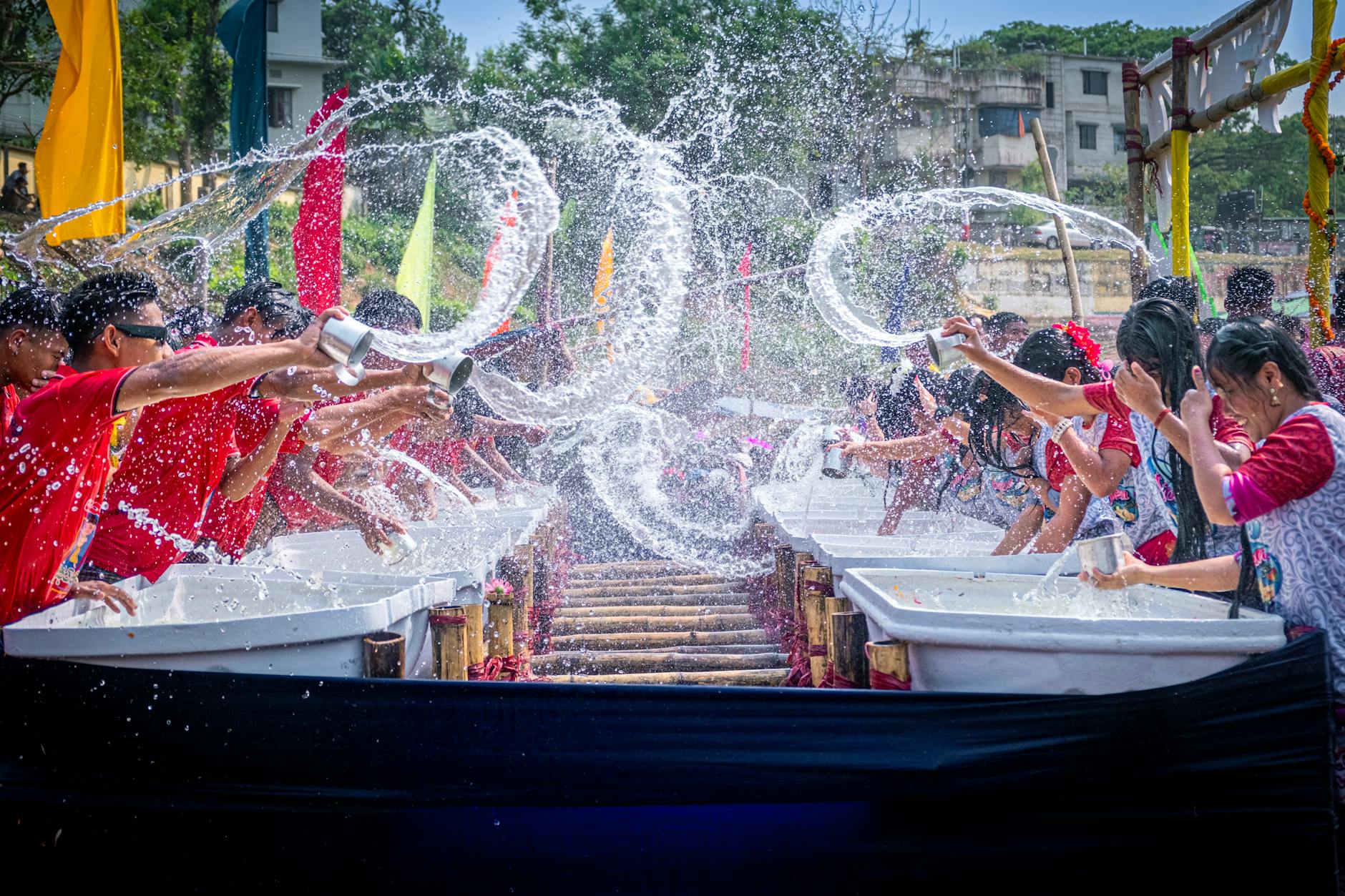
Seoul’s hot, humid summers inspire festivals centered on water, music, and evening entertainment when the city comes alive after dark.
Seoul Summer Festivals at Hangang Parks
Throughout summer, Seoul’s Hangang River parks host Han River Summer Festivals featuring outdoor concerts, food markets, and cultural activities along the waterfront. The Han River Night Markets at Yeouido and Banpo are particularly popular, combining food truck dining with live performances and views of the Banpo Bridge Rainbow Fountain — the world’s longest bridge fountain that shoots colored water jets synchronized to music.
Waterbomb Festival (July)
Waterbomb Seoul has become one of Asia’s hottest summer music festivals. This water-drenched event combines live performances by K-pop stars, hip-hop artists, and international EDM DJs with massive water cannons and pool areas. It’s essentially a concert and water fight rolled into one — expect to be thoroughly soaked. Tickets sell out quickly, so book well in advance.
Sinchon Water Gun Festival (July–August)
The Sinchon Water Gun Festival transforms Yonsei-ro in the university district into a massive water battleground. Tens of thousands of participants armed with water guns flood the street for an epic city-wide water fight, complete with giant water slides set up on the main road. It’s free, chaotic, and incredibly fun — bring your own water gun and wear clothes you don’t mind getting destroyed.
Seoul International Fireworks Festival (October)
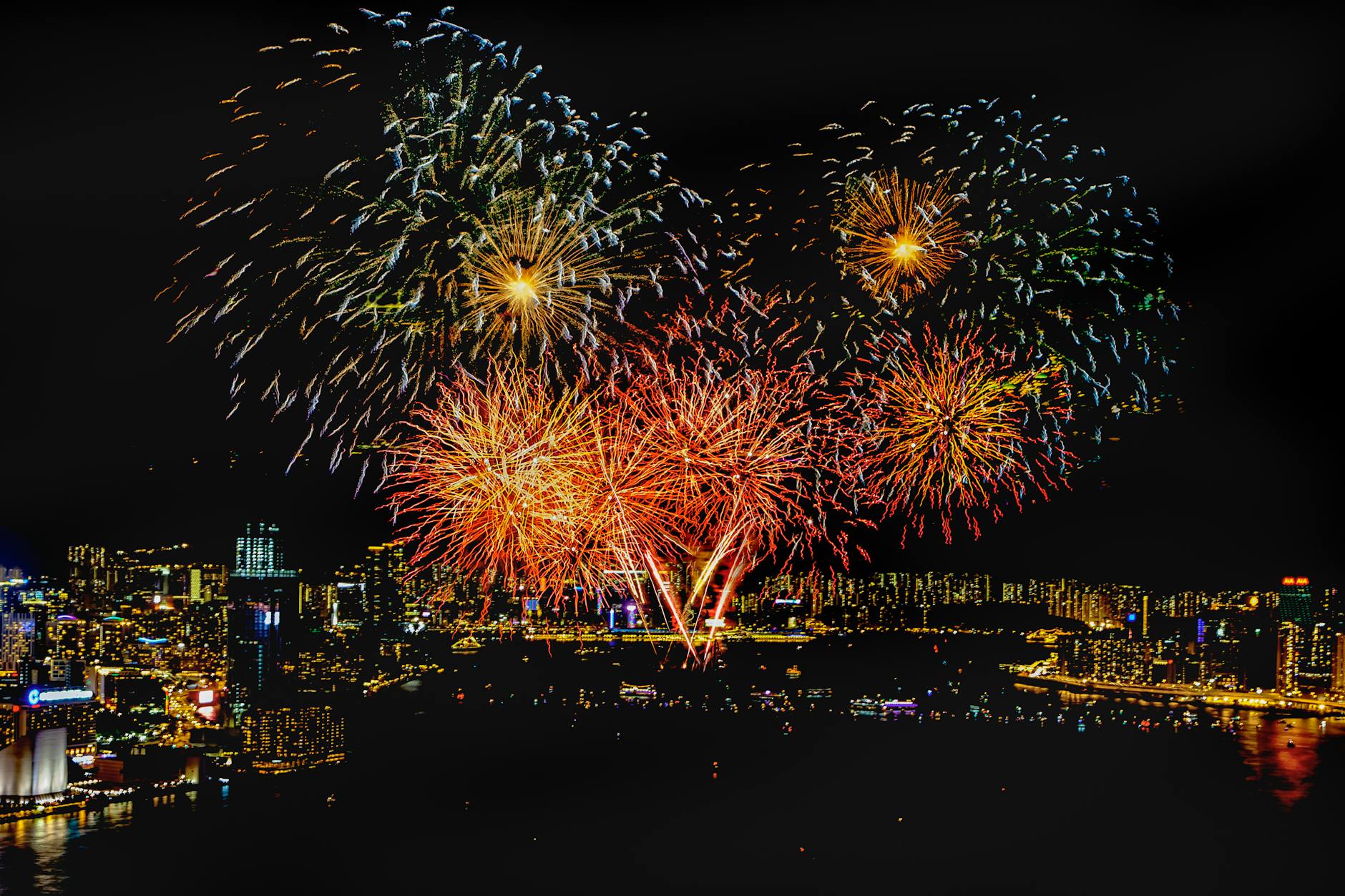
While technically an autumn event, the Seoul International Fireworks Festival at Yeouido Hangang Park is one of the city’s most anticipated annual spectacles. International pyrotechnics teams compete with elaborate fireworks displays choreographed to music over the Han River. Over a million spectators line both banks of the river. Prime viewing spots fill up hours in advance — many locals spread picnic mats along the riverside early in the afternoon. Some visitors book rooftop restaurants or river cruise tickets for a premium viewing experience.
Autumn Festivals in Seoul (September–November)
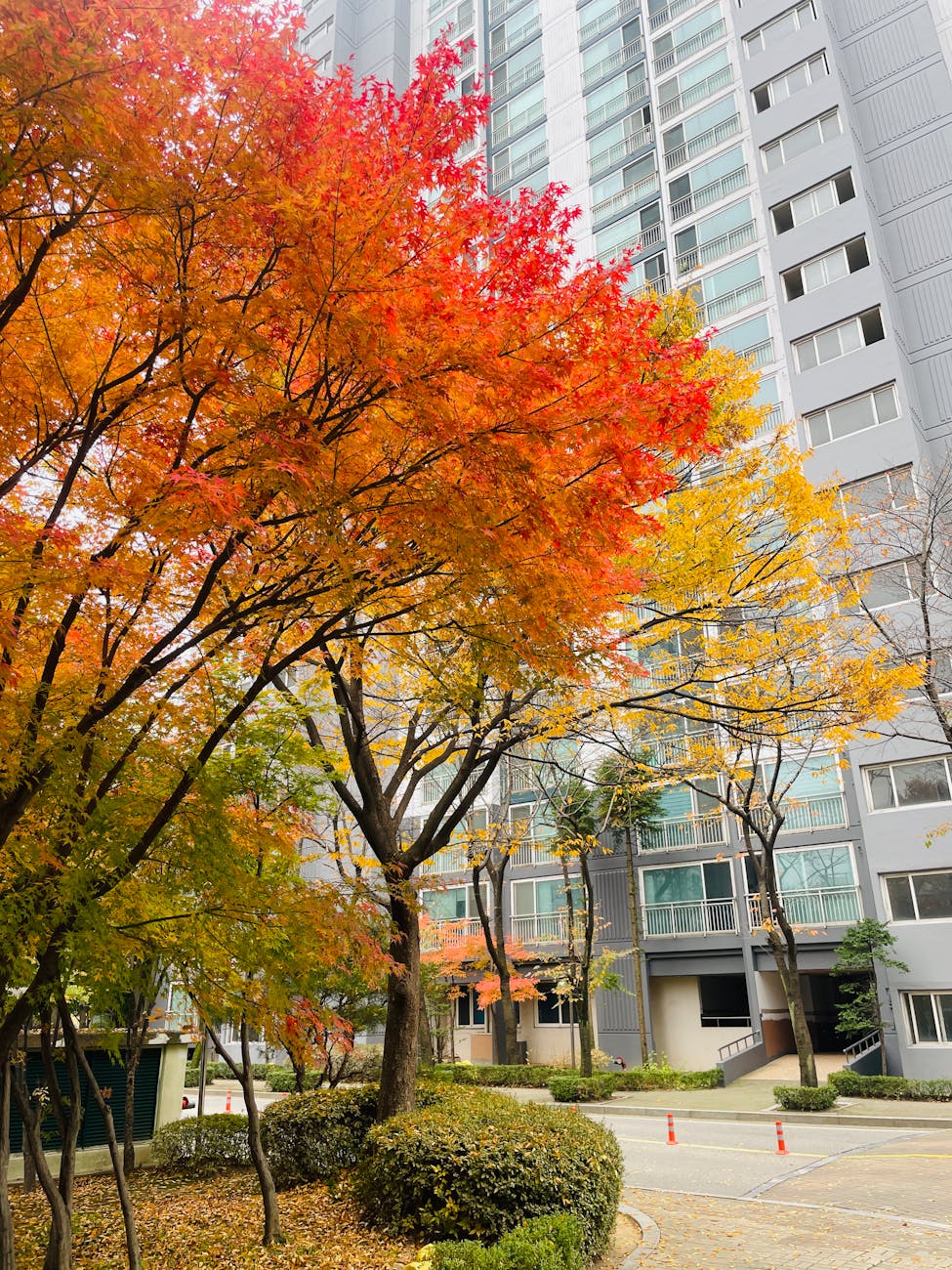
Autumn is arguably Seoul’s most beautiful season, with crisp air, clear skies, and brilliant fall foliage creating the perfect setting for cultural festivals and outdoor events.
Chuseok: Korean Thanksgiving (September/October)
Chuseok (추석) is Korea’s most important traditional holiday — a three-day harvest celebration equivalent to Thanksgiving. While many Koreans travel to their hometowns (meaning Seoul empties out considerably), the city’s palaces and cultural venues offer special Chuseok programs for visitors. Gyeongbokgung and Changdeokgung palaces host traditional games, folk performances, and cultural experiences. Traditional markets sell seasonal treats like songpyeon (half-moon rice cakes). Note that many restaurants and shops close during Chuseok — plan accordingly.
Seoul Drum Festival (October)
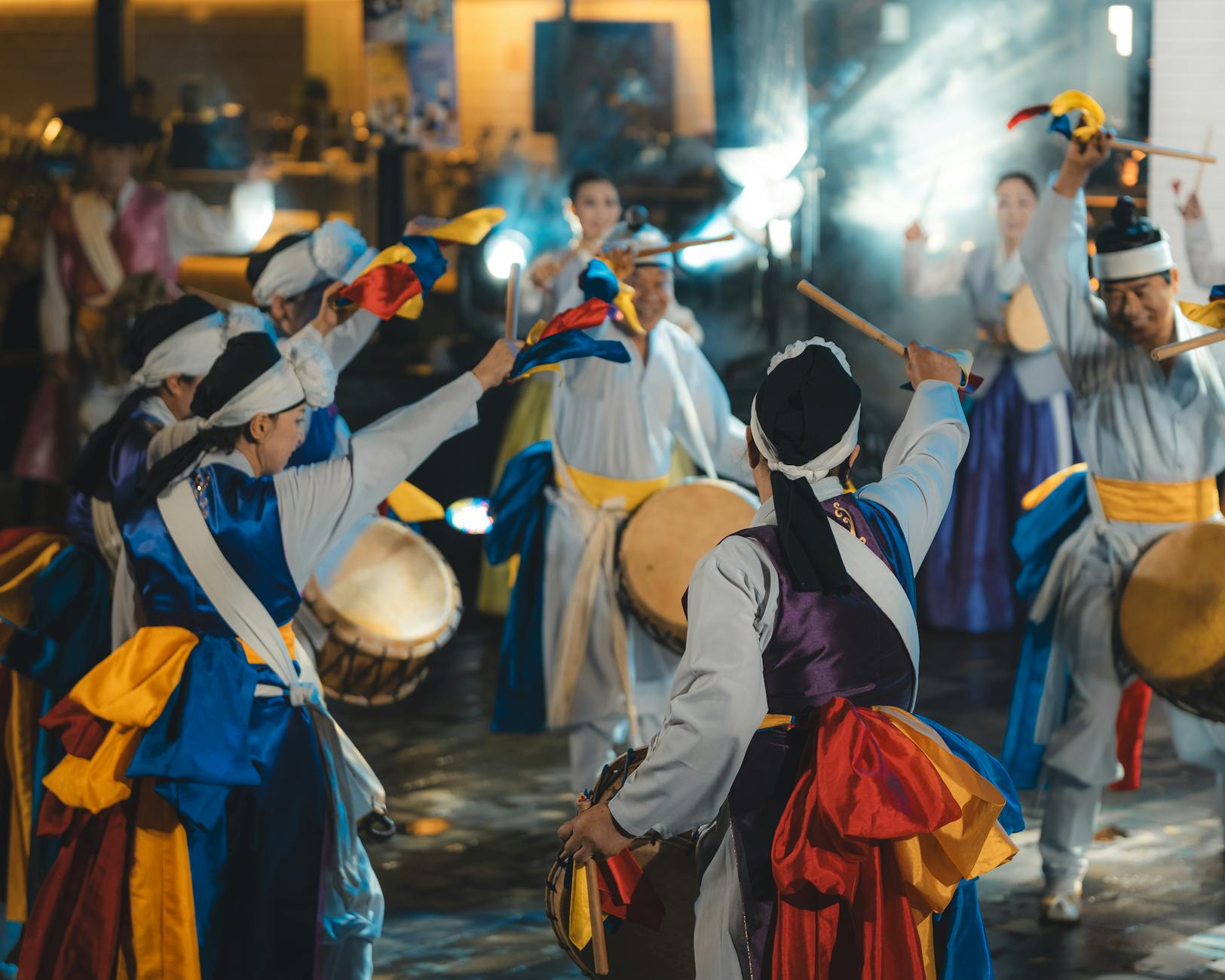
Held annually in the streets around Seoul Plaza and City Hall, the Seoul Drum Festival brings together percussion performers from around the world. Traditional Korean samulnori drumming meets African djembe, Japanese taiko, and Brazilian samba in an explosive celebration of rhythm. The festival includes workshops where visitors can try different drumming traditions, making it an interactive cultural experience.
Seoul Lantern Festival (November)
Each November, Cheonggyecheon Stream transforms into a glowing corridor of light during the Seoul Lantern Festival. Hundreds of handcrafted lanterns depicting scenes from Korean history, folklore, and contemporary culture are displayed along the restored urban stream. The festival includes lantern-making workshops, cultural performances, and food stalls. Walking the illuminated stream at night is one of Seoul’s most magical autumn experiences — the reflections on the water create stunning photo opportunities.
More Autumn Cultural Highlights
Autumn rivals spring for festival density, and the cooler air makes it arguably the best season to visit. Alongside the fireworks, drum, and lantern festivals already covered, look for the Seoul International Writers’ Festival, neighborhood arts events across Seoul’s distinct neighborhoods, and a string of music festivals at Olympic Park and Nanji Hangang Park. Foliage season (late October into November) brings its own informal “festival” as locals flock to Bukhansan, Namsan, and the ginkgo-lined streets of Deoksugung and the Seoul City Wall for leaf-peeping. Peak color inside the city usually lands November 5–15, with the ginkgoes turning a few days before the maples, and our Seoul autumn foliage guide ranks 14 spots by their individual peak dates so you can chase the color instead of missing it by a week.
This is also peak K-pop concert season — cooler weather means more stadium shows — so autumn is a smart time to build a trip around live music. See our dedicated guide to K-pop concerts and events in Seoul for venues, ticketing platforms, and fan-event tips. Hungry while you wander? Autumn food festivals pair perfectly with the seasonal eats in our Seoul food guide.
Winter Festivals in Seoul (December–February)
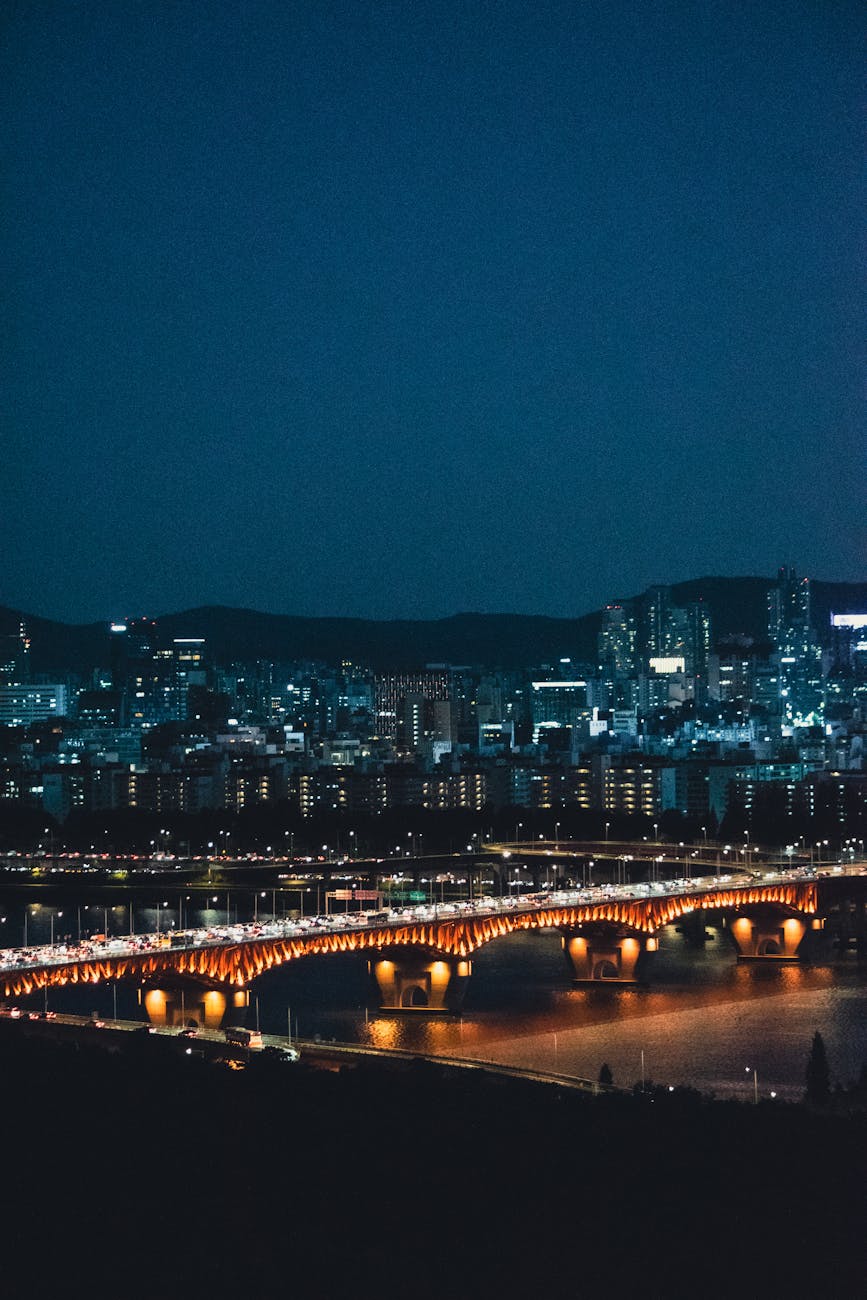
Seoul’s cold winters are brightened by spectacular light festivals, holiday markets, and New Year celebrations that make the season magical.
Seoul Winter Festival (December–January)
The Seoul Winter Festival is a large-scale urban celebration that transforms the city’s nightscape with dazzling light installations. In the 2026–2027 season (December 14–January 31), multiple neighborhoods are illuminated with themed displays, creating walking routes through Seoul’s most photogenic winter scenes. The festival typically includes ice skating, holiday markets, and cultural performances at multiple venues across the city.
New Year’s Celebrations
New Year’s Eve at Bosingak Pavilion: Seoul’s signature countdown takes place at the historic Bosingak Bell in Jongno. Thousands gather to watch the traditional bell-ringing ceremony at midnight — the bell is struck 33 times to welcome the new year, following a centuries-old tradition. The area around Jongno and Gwanghwamun fills with revelers, street performances, and festive energy.
Lunar New Year (Seollal): Korea’s most significant holiday, Seollal typically falls in late January or February. Like Chuseok, many Seoul residents travel home, but the city’s palaces and cultural centers offer special programs — traditional games like yutnori, folk performances, hanbok experiences, and New Year food tastings. The National Folk Museum at Gyeongbokgung Palace hosts one of the best Seollal programs for visitors.
K-Culture and Music Events
Seoul’s status as the global capital of K-pop and Korean Wave culture means the city hosts major entertainment events year-round.
K-Pop Concerts and Fan Events
Major K-pop concerts happen regularly at venues like KSPO Dome (Olympic Gymnastics Arena), Gocheok Sky Dome, and the Seoul Olympic Stadium. Concert seasons peak in spring and autumn when weather permits outdoor stadium shows. Fan meeting events, music show tapings (like Music Bank, Inkigayo, and M Countdown), and special concert series are scattered throughout the year. Check fan community sites and Korean ticketing platforms like Interpark and Yes24 for schedules.
MyK FESTA
MyK FESTA is a large-scale celebration of Korean culture that brings together K-pop performances, traditional music, K-drama exhibitions, webtoon showcases, and K-food pop-up markets in a single multi-day event. It’s designed to give visitors a comprehensive taste of everything that makes Korean pop culture a global phenomenon.
Seoul Jazz Festival (May)
Held at Olympic Park, the Seoul Jazz Festival has grown into one of Asia’s premier jazz events, featuring international headliners alongside Korean jazz artists over a full weekend. The open-air setting in Olympic Park makes it a wonderful spring music experience — many attendees bring picnic supplies to enjoy between sets.
Food Festivals in Seoul
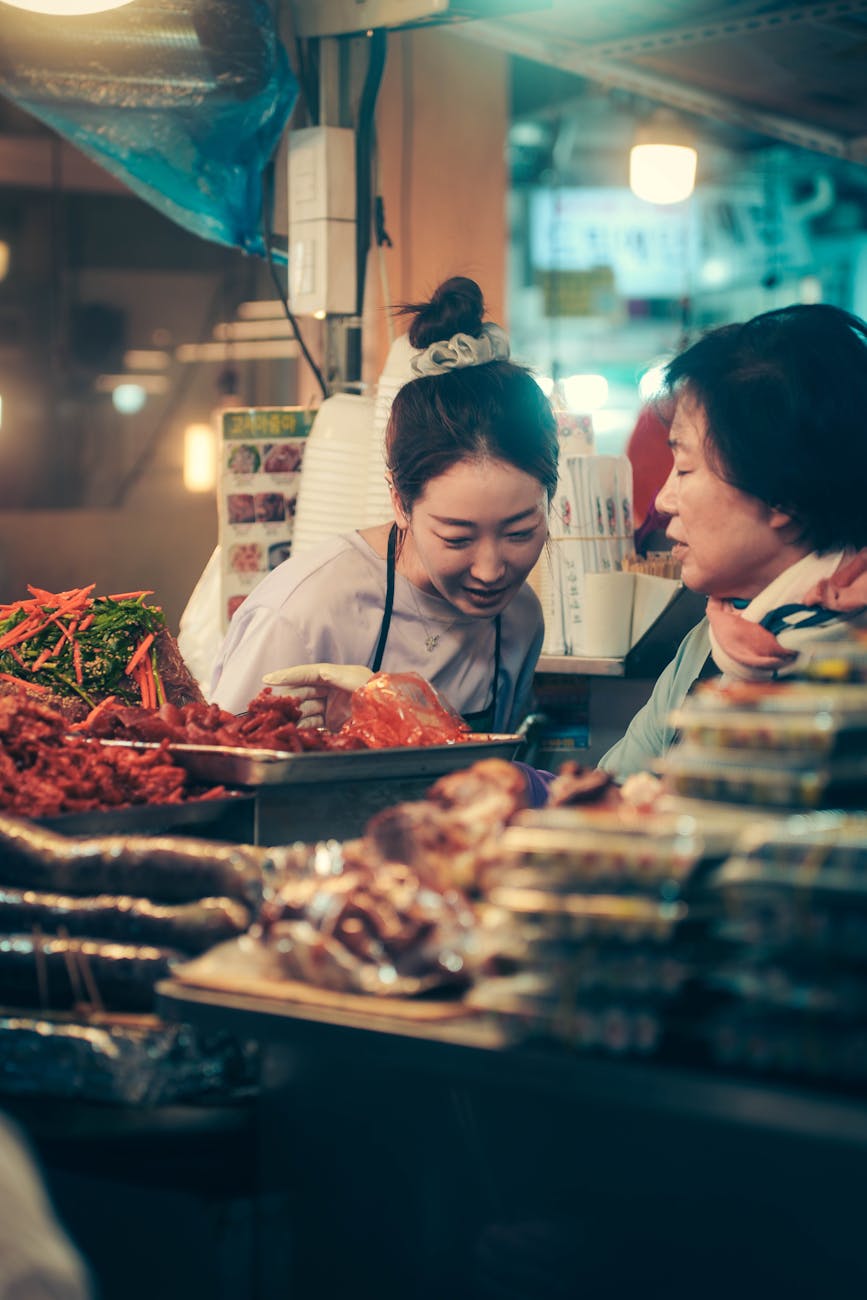
Food is central to Korean culture, and Seoul hosts numerous food-focused events throughout the year.
Seoul Kimchi Festival (November): Held at Seoul Plaza in front of City Hall, this festival celebrates Korea’s most iconic dish. Thousands of participants make kimchi together in a massive communal kimjang (kimchi-making) event. Visitors can try different regional kimchi varieties, learn fermentation techniques, and participate in hands-on kimchi-making workshops. It’s a UNESCO-recognized cultural tradition brought to life in the heart of Seoul.
Seoul Bamdokkaebi Night Markets (Spring–Autumn): These themed night markets operate at multiple Hangang River park locations from spring through autumn on Friday and Saturday evenings. Each location has a different theme — world food, handcraft goods, vintage items — creating a vibrant evening culture scene. The Yeouido location is the most popular, but Banpo and DDP (Dongdaemun Design Plaza) markets are less crowded alternatives.
Real Hangang Ramyun Festival: Part of the Seoul Spring Festival, this event celebrates the beloved Korean tradition of eating ramyun by the Han River. Set up at Yeouido Hangang Park, the festival offers various ramyun preparations alongside river views — a quintessential Seoul experience.
Cultural and Art Events
Seoul Fashion Week (March & October): Held biannually at Dongdaemun Design Plaza (DDP), Seoul Fashion Week has established the city as a major player in global fashion. While runway shows require invitations, the street fashion scene outside DDP is open to everyone and has become almost as famous as the official shows. It’s a fantastic people-watching opportunity and a window into Korean fashion trends.
Seoul Museum Night (May): For one night each May, dozens of Seoul’s museums and galleries open their doors for free late-night visits. The event includes special exhibitions, performances, and workshops that turn museum-hopping into an after-dark adventure. The National Museum of Korea, Leeum Museum of Art, and various Samcheong-dong galleries all participate.
Seoul International Book Fair (June): Asia’s largest book fair takes place at COEX in Gangnam, featuring author talks, literary exhibitions, and publishers from around the world. It’s a paradise for book lovers, with opportunities to discover Korean literature in translation and attend readings by Korean and international authors.
Royal Guard Changing Ceremonies: While not a festival per se, the daily royal guard changing ceremonies at Gyeongbokgung (10am, 2pm) and Deoksugung (11am, 2pm, 3:30pm) palaces are free, year-round cultural performances that shouldn’t be missed. The colorful ceremonies recreate Joseon Dynasty palace guard traditions with period costumes, music, and choreographed movements.
Summer in Seoul: Beyond Waterbomb
Seoul summers are hot and humid, with a rainy stretch (jangma) usually in July, but the city leans into the heat with some of its most energetic events. Beyond the headline water festivals, the Han River becomes the center of summer life: outdoor swimming pools open at Yeouido and Ttukseom, the Banpo Bridge Moonlight Rainbow Fountain runs nightly shows, and the riverside parks host open-air movie nights and pop-up performances after dark.
The Seoul Bamdokkaebi Night Markets hit their stride in summer, when balmy evenings draw crowds to Yeouido, Banpo, and DDP for food trucks, live buskers, and handmade goods. Rooftop bars and cinemas multiply across Itaewon and Gangnam, and several EDM and hip-hop festivals fill arenas and outdoor grounds. If you’re willing to take a short trip beyond the city, the famous Boryeong Mud Festival (on the west coast) and the Pentaport Rock Festival in nearby Incheon are popular summer add-ons. To beat the midday heat, plan indoor activities for the afternoon and save festivals and markets for the cooler evening — and always carry water and a hand fan. For the rest of the season — Hangang outdoor pool opening dates, the free movie nights on inflatable floats, the best bingsu counters, and 18 things to do that hold up in the humidity — see our guide to Seoul in summer.
Winter Lights, Markets, and Holiday Magic
Seoul winters are cold and dry, but the city answers with light. Beyond the Seoul Winter Festival, the season glows with illumination displays and holiday markets that make the chilly evenings worth braving. Cheonggyecheon Stream hosts a Christmas light festival, Myeongdong and Gwanghwamun Square go all-out with decorations and a giant tree, and department stores like Shinsegae unveil elaborate facade light shows that draw their own crowds.
For the most spectacular illuminations, many visitors take a day trip to the Garden of Morning Calm Lighting Festival in Gapyeong, while theme parks Everland and Lotte World transform into winter wonderlands with seasonal parades and light displays. Outdoor ice skating rinks pop up at Seoul Plaza and other spots, and Christmas markets — a relatively new but fast-growing tradition — bring mulled drinks and crafts to several neighborhoods. Bundle up properly (thermal layers, gloves, and hand warmers from any convenience store) and the cold becomes part of the fun. Winter is also low season for crowds, so it’s a savvy time to visit on a budget. December and January run roughly -8°C to 2°C, which sounds harsher than it feels once you know the indoor circuit, and our guide to Seoul in winter covers the ski resorts one to two hours out, jjimjilbang etiquette, what to pack, and a five-day cold-weather itinerary.
Booking Festival Tickets and Accommodation
Most of Seoul’s traditional and cultural festivals are free and need no booking — you simply show up. The events that require planning are ticketed concerts and a handful of marquee festivals, and for those, advance booking is non-negotiable.
Where to buy tickets: The main Korean platforms are Interpark Global, Yes24, and Melon Ticket. Interpark and Yes24 both have English-language options. K-pop concerts, Waterbomb, and major music festivals often sell out within minutes of release, so register an account ahead of time, note the exact on-sale date and time (Korea Standard Time), and have payment ready. Many sales require a Korean phone number or a workaround, so research your specific event in advance.
Accommodation timing: Hotels fill fast and prices spike around cherry blossom season (early April), Chuseok, Seollal, the fireworks festival, and major K-pop concert weekends. Book your room as early as you can for these dates, and stay near a subway line for easy festival access. Our guide to where to stay in Seoul breaks down the best neighborhoods, and budget travelers can keep costs down with tactics from our Seoul on a budget guide.
Free Festivals and Events in Seoul
One of the best things about Seoul’s event scene is how much of it costs nothing. You could fill an entire trip with free festivals and never run out. The cherry blossom festivals at Yeouido and Seokchon Lake, the Lotus Lantern and Seoul Lantern festivals, the Seoul Spring Festival with its drone shows, the Sinchon Water Gun Festival, the Bamdokkaebi night markets, and the daily royal guard changing ceremonies at Gyeongbokgung and Deoksugung are all free to attend.
Even the Seoul International Fireworks Festival — one of the city’s biggest spectacles — is free if you’re happy to claim a riverside spot (only premium rooftop and cruise views cost money). Add free museum nights, palace cultural programs, and the city’s endless rotation of neighborhood markets, and it’s clear that Seoul rewards travelers watching their won. For dozens more no-cost ideas, see our companion guide to free things to do in the city and the budget tips linked above. Pack a picnic mat, grab street food, and you’ve got a full festival day for the price of a subway ride.
Seoul Festivals by Traveler Type
Not sure which events suit you? Here’s how to prioritize based on what you’re into.
For K-pop and K-culture fans: Aim for spring or autumn concert season, MyK FESTA, and music-show tapings; our K-pop and K-culture guide maps the whole scene. For families: Children’s Day, the lantern festivals, water-themed summer events, and palace programs during Chuseok and Seollal are crowd-pleasers with built-in wonder. For foodies: Time your trip for the Kimchi Festival, the Bamdokkaebi night markets, and Hangang food events, then keep eating with our Seoul street food guide.
For culture and history lovers: The Royal Culture Festival, Lotus Lantern Festival, Seoul Drum Festival, and palace ceremonies deliver centuries of tradition. For nightlife seekers: Summer music festivals, the fireworks festival afterparties, and winter light events pair naturally with a night out — see our Seoul nightlife guide. For photographers: Cherry blossoms, lantern festivals, autumn foliage, and winter illuminations are the can’t-miss shots.
The Five Seoul Festivals You Shouldn’t Miss
If you can only plan around a handful, these five deliver the biggest payoff and define Seoul’s festival calendar. Each one is worth shaping a trip around.
1. Yeouido Cherry Blossom Festival (April). Nearly 1,900 king cherry trees form a glowing pink tunnel along the river, with food stalls, buskers, and evening illumination. It’s free, iconic, and the quintessential Seoul spring experience — just go early to beat the crowds. 2. Lotus Lantern Festival (May). A UNESCO-recognized celebration of Buddha’s Birthday, its lantern parade through Jongno turns the streets into a river of light, with workshops and temple-food tastings around Jogyesa. Read more in our temples and shrines guide.
3. Seoul International Fireworks Festival (October). A million-plus spectators line the Han River as international teams choreograph fireworks to music — claim a riverside mat in the afternoon or splurge on a cruise. 4. Seoul Lantern Festival (November). Cheonggyecheon Stream becomes a glowing corridor of handcrafted lanterns; walking it at night, with reflections shimmering on the water, is pure magic. 5. Seoul Spring Festival (April–May). The city’s flagship celebration packs drone shows, K-pop stages, and riverside programming into weeks of mostly free events. Build any of these into our ready-made Seoul itineraries, and check accommodation early using our where to stay in Seoul guide, since rooms vanish fast around these dates.
Practical Tips for Seoul Festival-Goers
Planning your trip: Seoul’s peak festival seasons are spring (April–May) and autumn (September–November). If festivals are a priority, plan your visit around specific events you want to attend. The Seoul Metropolitan Government website (english.seoul.go.kr) and Visit Seoul (english.visitseoul.net) maintain regularly updated event calendars.
Getting there: Major festivals are well-served by Seoul’s subway system — see getting around Seoul for routes and fares. Follow the crowds from the nearest station — festival-goers are easy to spot. During major events like the fireworks festival or cherry blossom season, expect significantly longer travel times and packed trains. Consider arriving 1–2 hours before peak times.
What to bring: A portable phone charger is essential — you’ll be taking hundreds of photos. For outdoor festivals, bring sunscreen in summer and thermal layers in winter. A small folding mat is useful for fireworks and park festivals. Bring cash for street food vendors who may not accept cards.
Tickets and reservations: Most traditional and cultural festivals are free. Music festivals and special events require tickets, typically purchased through Interpark (ticket.interpark.com), Yes24 (ticket.yes24.com), or Melon Ticket. Popular events sell out quickly — set calendar reminders for ticket release dates, especially for K-pop concerts and Waterbomb.
Holiday considerations: During Chuseok and Seollal, Seoul transforms dramatically. Many restaurants and shops close for 3–5 days, and public transportation runs on holiday schedules. However, tourist areas, palaces with special programs, and major attractions remain open. If your visit overlaps with these holidays, embrace the quieter Seoul and enjoy the special cultural programs offered at palaces and museums. Korea has 16 public holidays in 2026 and the two that actually shut the city down are Seollal (February 16–18) and Chuseok (September 24–27) — our full calendar of Korean holidays and festivals lists every date, what stays open on each, and which regional festivals justify a train ride.
Pro tip: Some of Seoul’s best festival experiences happen at smaller, neighborhood-level events that rarely appear in English tourist guides. Keep an eye on the bulletin boards at your hotel or guesthouse, check the Seoul Metropolitan Government’s monthly cultural events page, or ask locals about what’s happening nearby. These smaller events — neighborhood markets, local art festivals, temple celebrations — often provide the most authentic and uncrowded festival experiences.
Seoul’s festivals and events calendar ensures there’s never a dull moment in the Korean capital. From ancient traditions to K-culture spectacles, from intimate neighborhood celebrations to million-person fireworks viewings, these events offer some of the most memorable experiences you can have in Seoul. Time your visit right, and you won’t just see Seoul — you’ll celebrate it.
Frequently Asked Questions
What is the best time of year for festivals in Seoul?
Spring (April–May) and autumn (September–November) are the best festival seasons, combining comfortable weather with the densest event calendars. Spring brings cherry blossoms, the Seoul Spring Festival, and the Lotus Lantern Festival; autumn delivers the fireworks festival, foliage, and peak K-pop concert season. Summer is hot but high-energy, and winter trades crowds for spectacular light displays.
When is the cherry blossom festival in Seoul?
Seoul’s cherry blossoms typically peak in early to mid-April, though exact timing shifts with the weather each year. The Yeouido Cherry Blossom Festival and Seokchon Lake Festival are the biggest events. Check bloom forecasts a couple of weeks ahead and visit on a weekday morning to avoid the heaviest crowds.
Are Seoul festivals free to attend?
Most are. Cherry blossom festivals, lantern festivals, the Seoul Spring Festival, the Sinchon Water Gun Festival, night markets, the fireworks festival (from public riverside spots), and palace ceremonies are all free. The main paid events are K-pop concerts, Waterbomb, and certain music festivals, which require tickets purchased through platforms like Interpark, Yes24, or Melon Ticket.
How do I buy tickets for K-pop concerts and music festivals?
Use Interpark Global, Yes24, or Melon Ticket. Create an account in advance, note the exact on-sale time in Korea Standard Time, and be ready the moment tickets drop — popular shows sell out in minutes. Some sales require a Korean phone number, so research your specific event ahead of time. See our K-pop concerts guide for detailed ticketing strategies.
What happens in Seoul during Chuseok and Seollal?
During these major holidays, many Seoul residents travel to their hometowns, so the city quiets down and numerous restaurants and shops close for several days. However, the palaces and major cultural venues stay open with special programs — traditional games, folk performances, and hanbok experiences. If your trip overlaps, embrace the calmer city and enjoy the heritage programming at Gyeongbokgung and the National Folk Museum.
How early should I arrive at major Seoul festivals?
For huge events like the Seoul International Fireworks Festival, locals stake out riverside spots hours ahead — arrive by early afternoon for a good view. For cherry blossom hotspots, go in the morning. Expect packed subway trains around major festivals and build in extra travel time; the nearest stations can be shoulder-to-shoulder at peak hours.
Where can I find an up-to-date Seoul events calendar?
The official Visit Seoul (english.visitseoul.net) and Seoul Metropolitan Government (english.seoul.go.kr) websites maintain regularly updated, English-language event calendars. They’re the most reliable sources for confirming dates, which shift year to year. Your hotel or guesthouse bulletin board is also great for smaller neighborhood events that rarely make English guides.
What should I bring to a Seoul festival?
A portable phone charger, cash for street-food vendors, and a small folding mat for riverside events are the essentials. Add sunscreen and a fan in summer, thermal layers and hand warmers in winter, and comfortable shoes year-round. For water festivals like Waterbomb and the Sinchon Water Gun Festival, wear clothes you don’t mind soaking and protect your phone in a waterproof pouch.
Are Seoul’s festivals family-friendly?
Very much so. Cherry blossom and lantern festivals, Children’s Day events, the drum festival, palace cultural programs, and the Han River night markets all welcome families with kids. Summer water festivals are a hit with older children and teens. The main events to think twice about with young kids are crowded late-night concerts and the most packed sections of the fireworks festival.
Time your visit well, and you won’t just see Seoul — you’ll celebrate it. Whichever season you choose, there’s a festival waiting to turn your trip into a story worth telling.
Festival Etiquette and Staying Comfortable
A little local know-how makes festivals smoother. Koreans queue patiently and keep things orderly even in huge crowds, so follow suit — push into a line and you’ll stand out for the wrong reasons. At traditional and temple events like the Lotus Lantern Festival, dress a touch more modestly and keep your voice down during ceremonies. Photography is generally welcome, but ask before shooting performers up close, and never block a marked path for a photo.
Practical comfort matters too. Public restrooms are clean and plentiful but draw long lines at peak festival times, so go when you see a short one. Convenience stores (open 24/7 on nearly every corner) are your friend for water, snacks, ponchos, and hand warmers. Trash bins can be scarce — carry a small bag for your rubbish and sort recyclables where bins exist. Finally, keep some cash on hand: street-food vendors and market stalls often prefer it, even though most of Seoul is happily cashless. With those basics covered, you’re free to simply soak up the celebration.