01
Myeongdong Guide: Seoul’s Shopping & Street Food Capital (2026)
This 2026 Myeongdong guide for Seoul covers everything: K-beauty shopping, street…
Ask ten Seoul locals where a first-time visitor should stay and you will get ten different answers, each delivered with total conviction. That is not unhelpfulness — it is the truth about Seoul. This is a city of villages stitched together, where crossing a single subway stop can take you from a glassy luxury mall to a tangle of alleys selling knife-cut noodles, or from a centuries-old palace wall to a warehouse rave. Seoul does not have one personality. It has roughly twenty-five of them, one per district, and the trick to a great trip is matching the right neighborhoods to the kind of traveler you actually are.
12 guides, ordered the way you will need them. Each one stands alone if you arrived from search.
01
This 2026 Myeongdong guide for Seoul covers everything: K-beauty shopping, street…
02
Hongdae is Seoul's youth, music and nightlife capital. This 2026 Hongdae guide for…
03
Gangnam is Seoul's polished, upscale district - luxury fashion, Michelin-starred…
04
Itaewon is Seoul's most international neighborhood — global food, craft beer…
This guide walks you through every Seoul district worth your time — what each one feels like at street level, what to do there, where to eat, who it suits, and how the pieces fit together. Use it to decide where to base yourself and how to plan your days. When you are ready to go deeper, most of these neighborhoods have their own full guide linked along the way. For the practical side of moving between them, keep our getting around Seoul guide handy, and for booking decisions see where to stay in Seoul.
Seoul is split by the Han River into two halves that locals treat almost like different cities. North of the river — Gangbuk — is the old Seoul: palaces, hanok lanes, university districts, and most of the postcard history. South of the river — Gangnam, literally “south of the Han” — is the newer Seoul of finance towers, plastic-surgery clinics, and money that likes to be seen. Neither is better; they are simply different trips, and the river is wide enough that you will feel the shift.
Administratively the city divides into 25 gu (districts), and each gu into smaller dong (neighborhoods). You do not need to memorize any of this, but you will see it on signs and addresses, and it helps to know that when someone says “Seongsu-dong” or “Yeonnam-dong,” the -dong just means you have zoomed in to a specific pocket. The good news for visitors: the subway connects nearly all of it, and the neighborhoods worth visiting cluster into a handful of easy-to-grasp zones. Get those zones straight and the map stops being intimidating.

If Seoul has a town square, it is Myeongdong, and it is loud. Pedestrian lanes funnel a constant river of shoppers past flagship cosmetics stores stacked three deep, while in the evening the street fills with food carts griddling cheese-pull tornado potatoes, butter-grilled scallops, and egg bread that fogs up the cold air. It is touristy and it knows it — but Myeongdong earns the crowds. This is the most efficient place in the city to sample K-beauty, swap currency, and eat your way down a single street, all within a few blocks of the historic Myeongdong Cathedral.
Stay here if you value being central above all else: you are a short hop from Namsan and N Seoul Tower, Line 4 stops at Myeongdong, and Line 2 is a short walk away at Euljiro 1-ga, putting the rest of the city within reach. The trade-off is that Myeongdong empties of soul after the shutters come down — it is a place to do things, not to live a local life. Come hungry in the early evening when the carts fire up, and do not pay the first price you see on a side-street souvenir. For the full breakdown of stores, eats, and the best hotels here, read our complete Myeongdong guide.
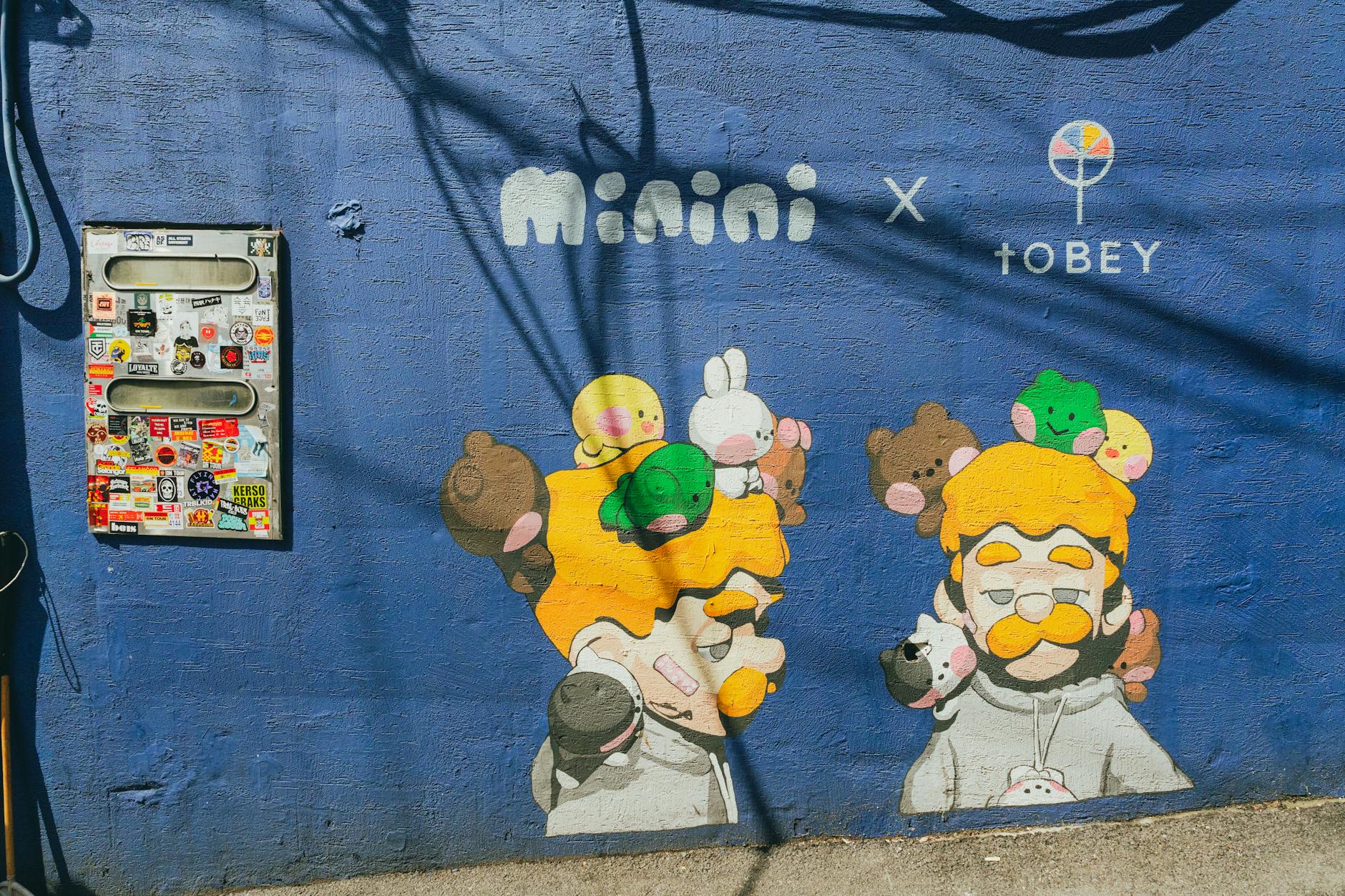
Named for the art university at its heart (Hongik), Hongdae is where young Seoul comes to play, and the energy is genuinely infectious. On a Friday night the main drag is a free festival: buskers pull crowds three rings deep, dance crews battle under streetlights, and the smell of tteokbokki and fried chicken drifts out of every doorway. By day it softens into independent boutiques, illustration shops, board-game cafes, and some of the city’s best people-watching over a flat white.
This is the district for travelers who want nightlife, budget eats, and a creative pulse rather than polish. It is also a magnet for solo travelers and students, which keeps prices down and guesthouses plentiful. The flip side is noise — light sleepers should book a room a couple of streets back from the action. Hongdae bleeds naturally into quieter Yeonnam-dong and Mangwon to the west, so it makes a smart base if you want fun on your doorstep but calm a short walk away. Dig into the venues, clubs, and late-night spots in our full Hongdae guide, and night owls should pair it with our Seoul nightlife guide.
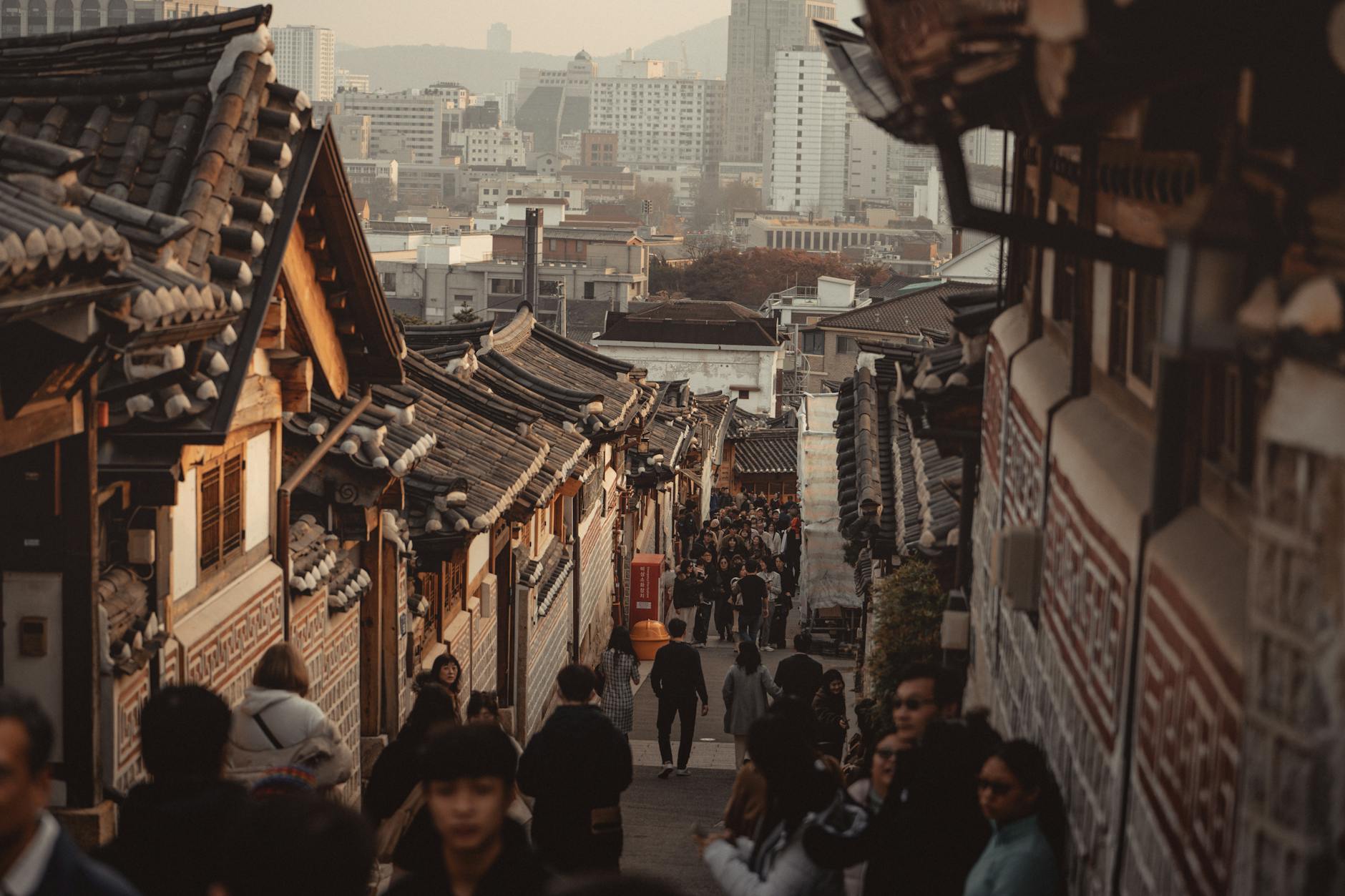
Insadong is the neighborhood people picture when they imagine “traditional Seoul” — a main street of calligraphy brushes, hanji paper, tea houses, and antique galleries, with even the Starbucks sign written in Hangul out of respect for the area’s character. It can tip into souvenir-stall predictability, but duck into the side lanes and you will find quiet tea rooms pouring persimmon and citron brews that have not changed in decades. It pairs perfectly with nearby Gyeongbokgung and Changdeokgung palaces for a history-heavy day.
A ten-minute walk away, Ikseon-dong does the same trick in reverse: a warren of restored 1920s hanok now packed with the city’s most photogenic cafes, natural-wine bars, and tiny restaurants. Where Insadong looks backward fondly, Ikseon-dong renovates the past into something Instagram-ready, and the contrast in a single afternoon is one of the most quietly satisfying things you can do in Seoul. Go on a weekday to actually get a table. Our Insadong guide maps the tea houses and craft shops worth your time, and culture buffs should add the temples and shrines within walking distance.
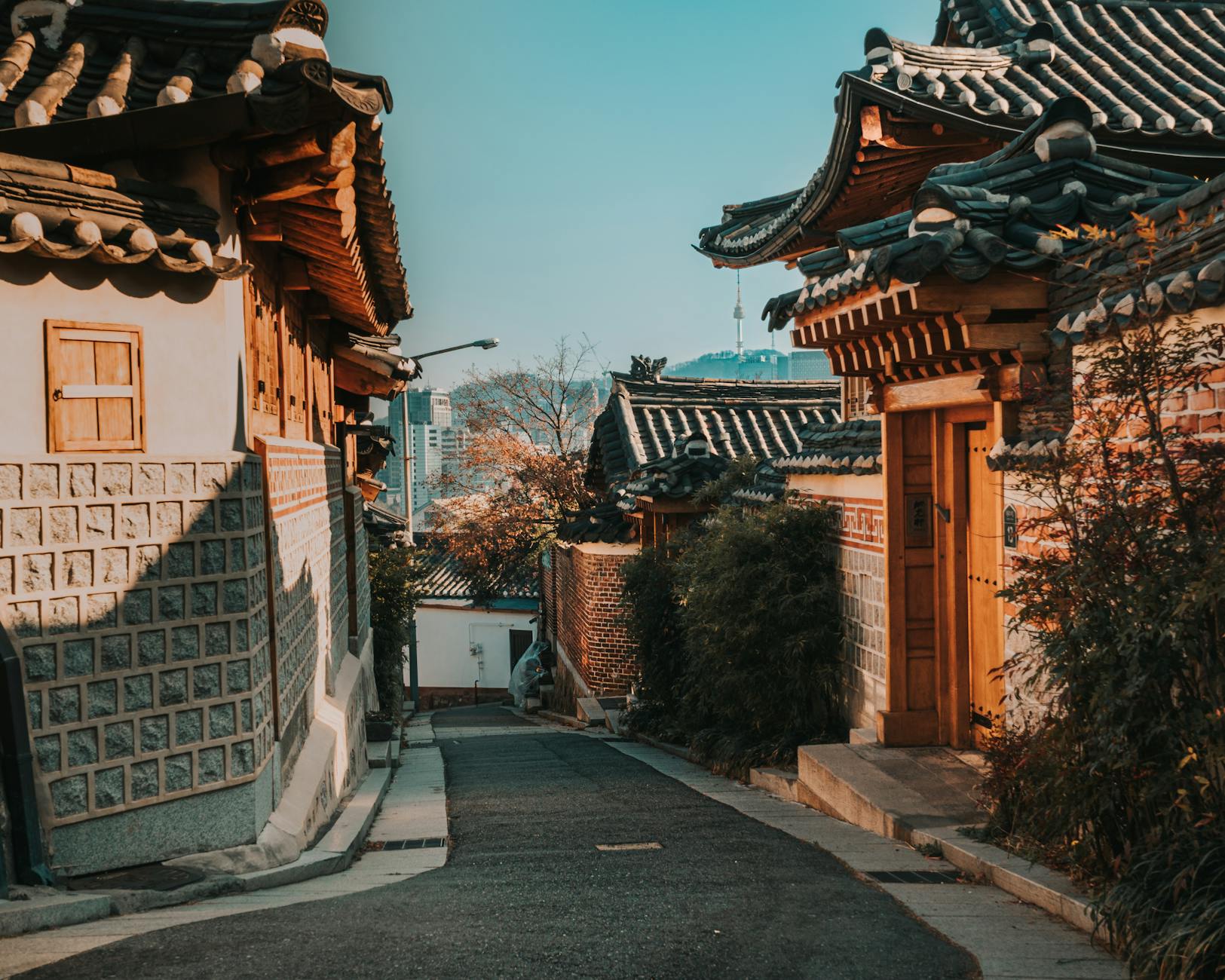
Strung along the hillside between Gyeongbokgung and Changdeokgung palaces, Bukchon is a living neighborhood of several hundred hanok — traditional tiled-roof homes — and walking its sloping lanes at golden hour is one of those Seoul moments that justifies the whole flight. A word of conscience: people actually live here, signs beg for quiet, and residents have grown weary of selfie crowds, so keep your voice down and your tripod away from doorways. Come early, ideally before 9am, and you may get an empty lane and soft light all to yourself.
Downhill, Samcheong-dong rewards the wander with a string of art galleries, design shops, and cafes tucked into low-rise charm, with far fewer crowds than the village above. Together they make the most elegant half-day in the city, especially layered onto a palace visit. If you want to sleep inside this world, a traditional stay is unforgettable — see our guides to Bukchon Hanok Village and hanok stays in Seoul.
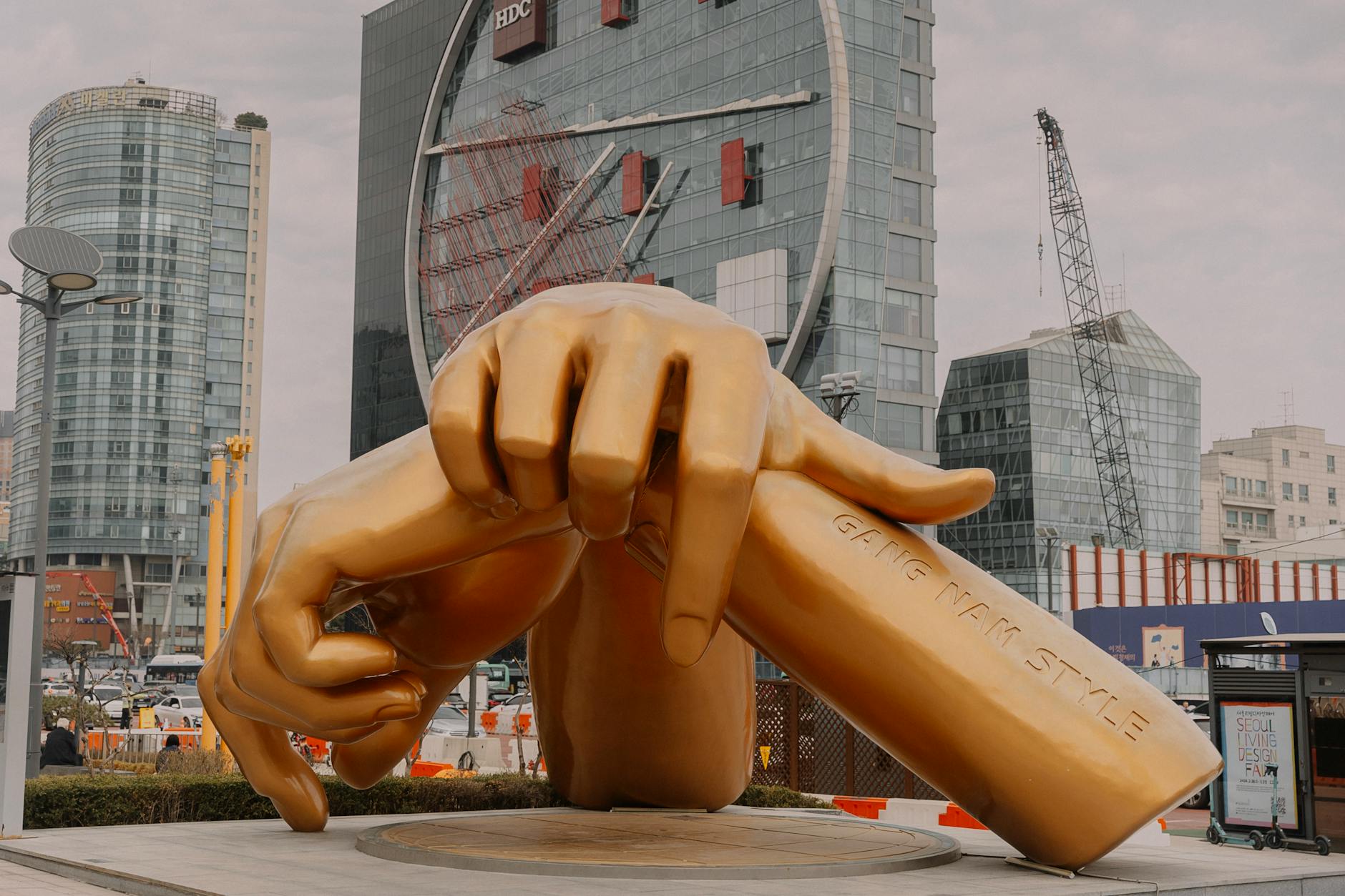
Yes, that Gangnam. The district the song made famous trades almost entirely in the new and the expensive: wide boulevards, mirrored office towers, designer flagships, and a nightlife scene where the cover charges have an extra zero. It is cleaner and more orderly than the north of the river, and that polish is exactly the appeal for some travelers — this is where to come for high-end shopping, sleek hotels, the COEX mall and its photogenic Starfield Library, and a glimpse of the aspirational Seoul that dominates K-dramas.
Be honest with yourself about whether it fits your trip. Gangnam is fantastic for business travelers, luxury seekers, and anyone who wants space and gloss; it is less rewarding if you came for tangled alleys and street-food serendipity, which live north of the river. Distances here are bigger than they look on the map, so plan to use the subway between stops. The neighboring enclaves of Apgujeong and Garosu-gil add tree-lined boutique shopping to the mix. Our Gangnam guide covers it in full, and shoppers should also see the Seoul shopping guide.
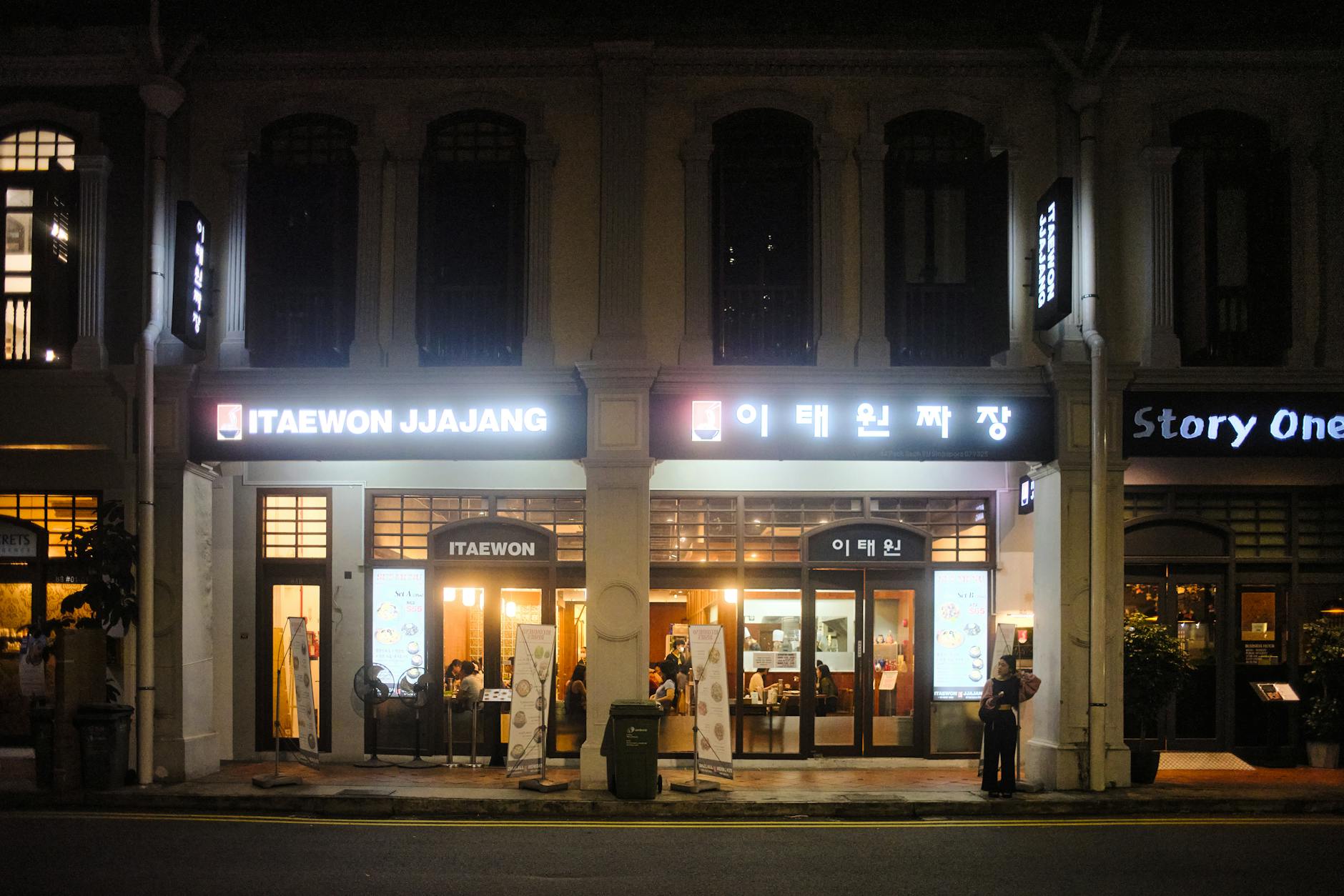
Itaewon is one of Seoul’s most culturally diverse neighborhoods — historically shaped by a nearby U.S. garrison and a long run of foreign visitors, today a melting pot of cuisines from around the world. It is one of the city’s most varied places to eat and a long-standing heart of its LGBTQ+ scene. The mood is open and a little rough around the edges in the best way, though it is worth visiting with awareness and care for the area’s recent history.
Climb the hill into Hannam-dong and the register changes completely: this is quiet old money, home to embassies, the superb Leeum Museum of Art, and serene concept stores and cafes. The whole area sits within Yongsan-gu, a district in fast transition around the redeveloped Yongsan Park and the electronics megamalls. For travelers, the combination means global food and culture by night and refined browsing by day. Explore it through our Itaewon guide and the wider Yongsan district guide.
If you only understand one district, make it Jongno — the ceremonial and historic spine of Seoul, where Gyeongbokgung’s gates open onto Gwanghwamun Square and the statues of Admiral Yi and King Sejong. This is the Seoul of palace-guard ceremonies, the lantern-lit Cheonggyecheon stream slicing through downtown, and centuries-old market alleys where grandmothers ladle out gukbap. It is dense with the city’s marquee sights, which makes it an unbeatable base for first-timers who want history on their doorstep and every subway line within reach.
The reward of staying central here is that you can walk to more landmarks than from anywhere else in the city, then retreat to a quiet hanok lane by night. Our Jongno guide lays out the palaces, markets, and eats, and you can thread them together with our Seoul itineraries.
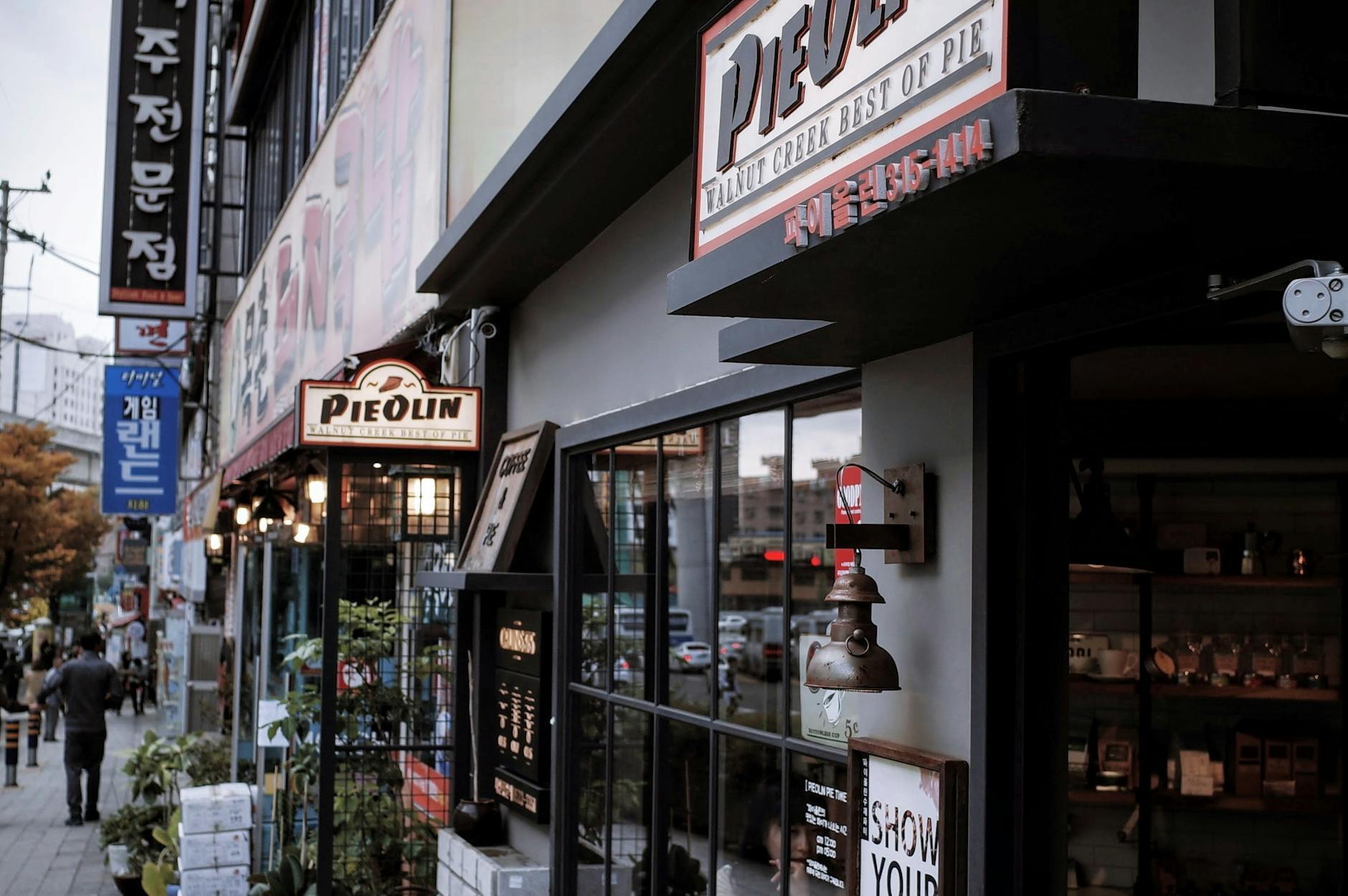
A decade ago Seongsu was shoe factories and auto-repair shops; today it is the most talked-about neighborhood in the city, and the transformation is the whole point. Brick warehouses now house specialty roasters, concept stores, and pop-up “flagships” that fashion brands rotate through like seasons, all while the original printing presses and metal workshops still clatter next door. That collision of grit and gloss — a third-wave cafe sharing a wall with a tannery — is what gives Seongsu its charge, and why creative Seoul migrated here.
Come for the cafes, which are genuinely destination-worthy, and stay to browse design shops and watch a neighborhood reinvent itself in real time. It is light on traditional sights, so treat it as a half-day of wandering rather than a checklist, ideally midweek before the weekend crowds arrive. Our Seongsu-dong guide picks the standout warehouses and roasters, and caffeine pilgrims should also read the Seoul cafe guide.
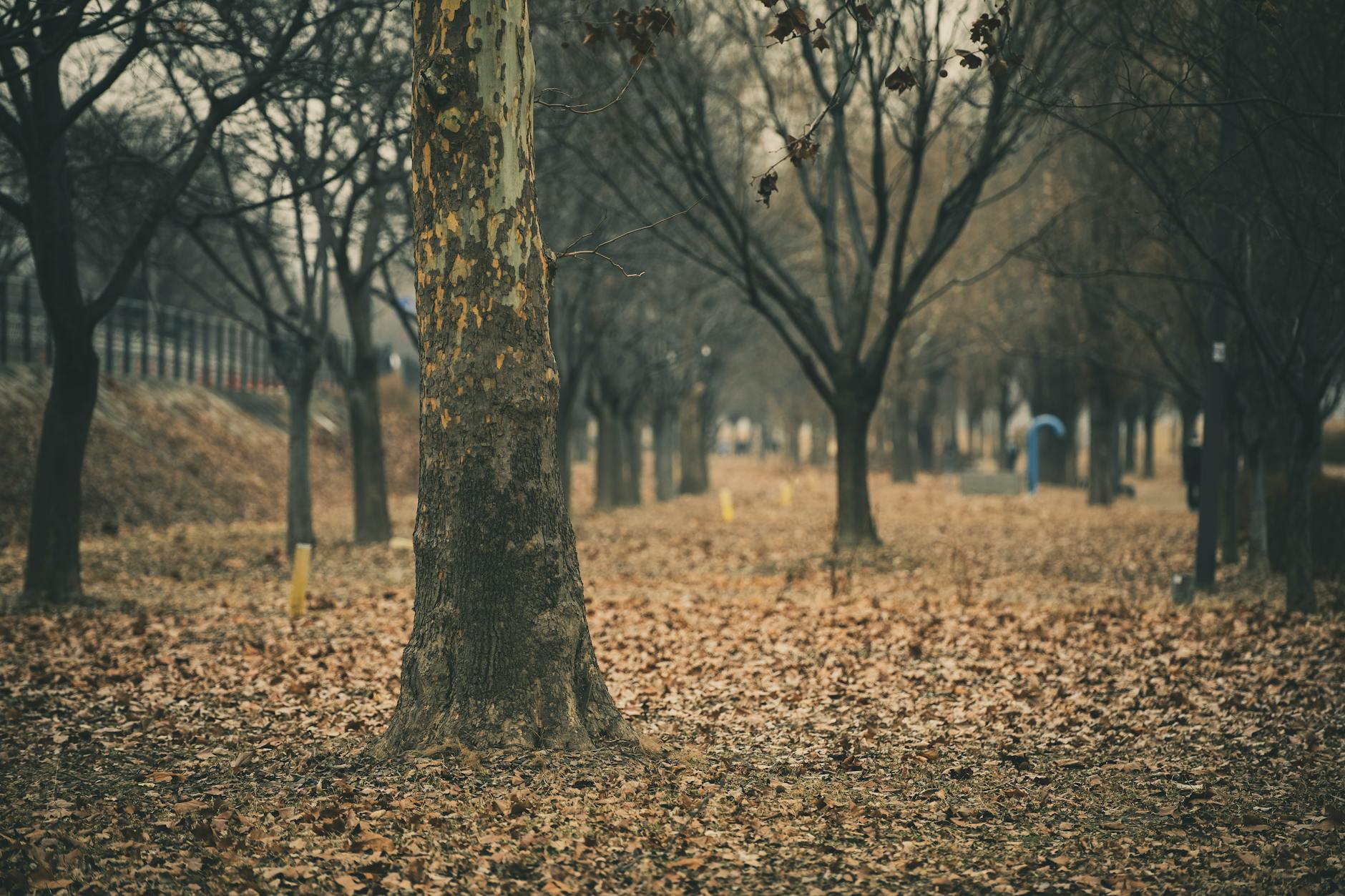
Just west of Hongdae’s roar, Yeonnam-dong is where the same creative energy exhales. Gyeongui Line Forest Park, a long linear park that follows the route of an old railway, runs through it, with a street of low-key cafes and brunch spots where you can lose a slow morning happily. It has become a favorite of the city’s twenty- and thirty-somethings precisely because it offers Hongdae’s taste without Hongdae’s volume.
Push a little further to Mangwon and you reach one of Seoul’s most rewarding everyday neighborhoods. Mangwon Market is a proper local market — cheap, friendly, and packed with fried snacks and side dishes rather than tour groups — and the riverside Mangwon Hangang Park is a favorite spot to grab convenience-store ramyeon and watch the sunset over the Han. This is the Seoul that residents quietly love. Browse more local-favorite outings in our things to do in Seoul guide and find similar eats in the Seoul food guide.
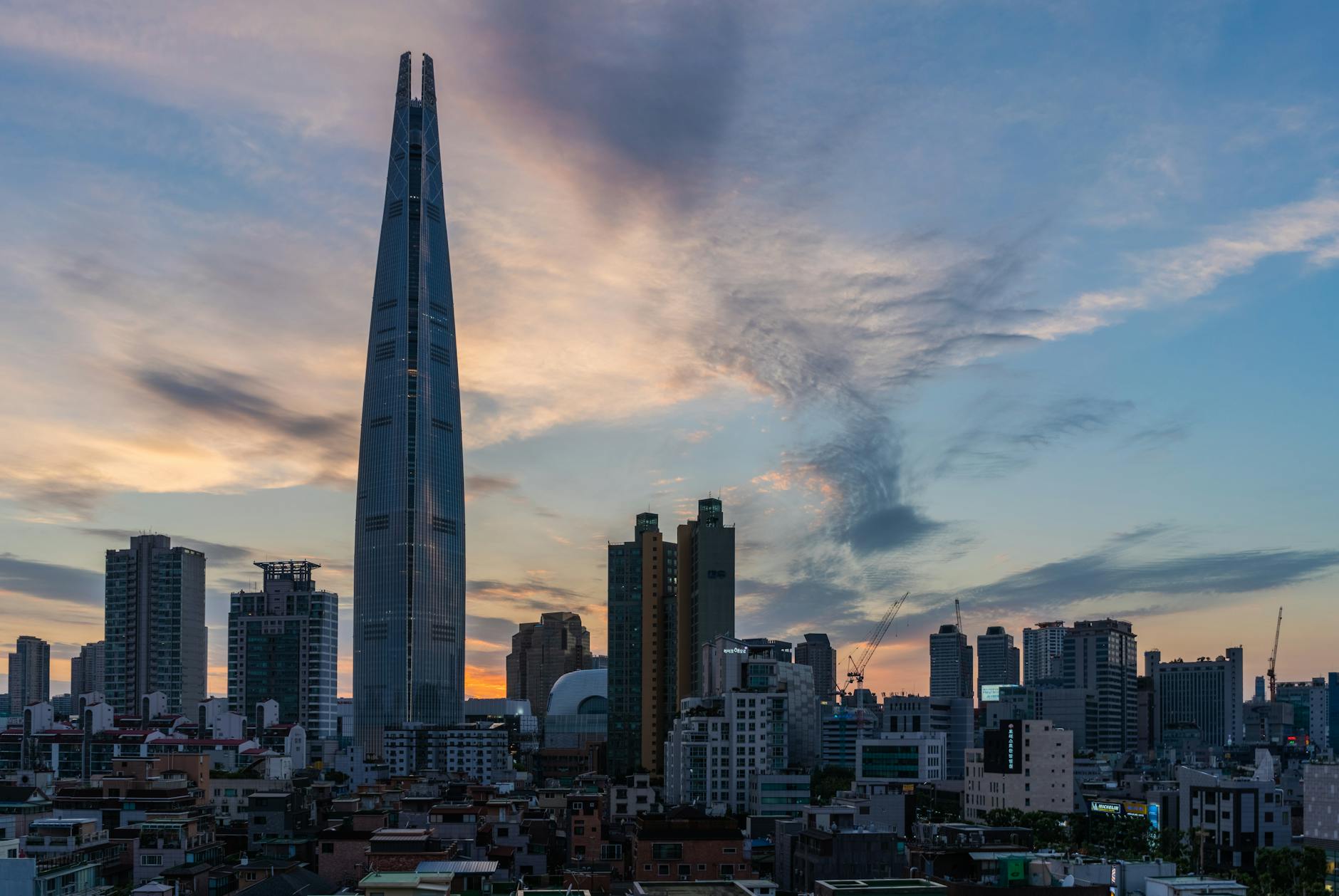
Out in the southeast, Jamsil is Seoul’s answer to a day with kids — or with anyone who likes a theme park. Lotte World combines an indoor park (a genuine blessing in Seoul’s humid summers and freezing winters) with an outdoor “Magic Island” castle on a lake, and next door the 555-meter Lotte World Tower offers the city’s highest observation deck and a glittering aquarium at its base. Add a baseball game at Jamsil Stadium in season and you have an easy, weatherproof, crowd-pleasing day.
It is not the district for atmosphere or history, and it sits a fair way south of the river, so treat it as a destination rather than a base unless you are traveling with children. Pair it with our Seoul with kids guide when you map out the day.
By day, Euljiro is a working district of hardware vendors, lighting wholesalers, and tile shops — the kind of place tourists walk straight through. By night, that same maze becomes one of Seoul’s most quietly fashionable drinking quarters, where unmarked doors and grubby stairwells open onto craft-beer bars, vinyl listening rooms, and retro hof pubs the locals call “Hipjiro.” Half the fun is the treasure hunt; the other half is the grilled-fish-and-soju dinners at no-frills spots that have fed factory workers for fifty years. Go with a sense of adventure and a charged phone for navigation, and you will feel like you found a Seoul the tour buses miss.
With so many options, decision paralysis is real, so here is the honest shortcut. Choose Myeongdong or Jongno if it is your first trip and you want maximum sights and transport within walking distance. Choose Hongdae, Yeonnam, or Mangwon if you are younger, social, traveling solo, or watching your budget. Choose Gangnam or Jamsil if you want modern comfort, luxury shopping, or are traveling with kids. Choose Insadong or Bukchon if culture and atmosphere matter more than nightlife. And if this is your second or third Seoul trip, base yourself somewhere local — Seongsu, Euljiro-adjacent, or the western neighborhoods — and live a little more like a resident.
Whatever you pick, remember Seoul’s superpower: the subway network reaches almost every neighbourhood, so no single choice will strand you. Lock in your area, then let our where to stay in Seoul guide handle the specific hotels and our itineraries stitch your days together.
Dongdaemun is the district most often visited at the wrong time of day. Turn up at two in the afternoon and it is a set of quiet malls; turn up at six in the evening and it is an entire garment industry waking up around a Zaha Hadid building. Our Dongdaemun guide explains the retail-versus-wholesale timetable and gives an evening plan that actually works.
Euljiro is the district that changed fastest. A working spine of printing, lighting and hardware wholesalers by day, it becomes “Hipjiro” after dark — outdoor beer halls and bars hidden on upper floors behind unmarked doors. Our Euljiro guide covers both halves and how to find the second one.
Ikseon-dong is small but worth planning around: a few lanes of converted hanok beside Jongno 3-ga Station, best enjoyed over a couple of hours with a coffee or a kettle of makgeolli. Our Ikseon-dong guide covers the alleys, the food and the timing.
Which Seoul neighborhood is best for first-time visitors? Jongno or Myeongdong. Both put you within walking distance of palaces, markets, and major subway lines, so you spend less time commuting and more time seeing the city. Myeongdong leans shopping-and-food; Jongno leans history.
Where should I stay in Seoul for nightlife? Hongdae for a younger, music-and-budget scene; Itaewon for international bars and variety; Gangnam for upscale clubs. Light sleepers should book a street or two off the main strips.
Is Gangnam or Gangbuk (north of the river) better for tourists? Most first-time sightseeing — palaces, hanok villages, traditional markets — is north of the river in Gangbuk. Gangnam suits luxury shopping, modern hotels, and business travel. Many visitors base north and day-trip south.
How many neighborhoods can I realistically see in a day? Two or three that sit near each other. Pairing adjacent districts — Insadong with Bukchon, or Hongdae with Yeonnam — saves transit time and lets each one breathe. Our Seoul itineraries group them efficiently.
Dongdaemun runs on a different clock from the rest of the city. This is Seoul’s wholesale fashion engine, where multi-story malls and historic market halls keep their lights on through the night so that buyers from across Asia can shop while the rest of the city sleeps. Anchoring it all is the Dongdaemun Design Plaza — Zaha Hadid’s swooping silver spaceship of a building, lit up after dark and ringed by a sea of LED roses in season. Around it, Gwangjang Market serves some of the best street food in Korea, from mung-bean bindaetteok to raw-beef yukhoe, in a clatter of stools and steam.
Visit for the architecture and the food markets by day, then come back near midnight to experience retail as a sport. It is more about energy and eating than conventional sights, and it links naturally to the historic core just to the west. Plan the food crawl with our Gwangjang Market guide and the wider Seoul street food guide.
Sitting on an island in the middle of the Han, Yeouido is Seoul’s finance district — a cluster of towers that empties on weekends, which is exactly when visitors should come. Its real draw is the riverside: Yeouido Hangang Park is the city’s premier spot for a picnic, a bike ride, or a lazy afternoon watching ferries, and in early April the Yunjungno road behind the National Assembly erupts into Seoul’s most spectacular cherry-blossom tunnel. Add the sprawling IFC Mall and the nearby “63 Building” for skyline views and you have an easy half-day with room to breathe.
It is light on nightlife and local grit, so think of Yeouido as fresh air and open sky rather than a base. Time a spring trip around the blossoms with our Seoul cherry blossom guide, and find more green space in the parks and gardens guide.