This comprehensive packing guide covers season-specific clothing, tech essentials, toiletries you should (and shouldn’t) bring, footwear advice, cultural considerations, and the carry-on vs. checked bag debate. Use it alongside our best time to visit Seoul guide to plan the perfect trip to South Korea’s capital.

Season-Specific Clothing: What to Pack for Each Season
Seoul’s four distinct seasons each demand their own wardrobe strategy. Here’s exactly what to pack for each time of year.
Spring (March–May) Clothing
Spring in Seoul is beautiful but unpredictable. March mornings can be near-freezing while April afternoons reach a pleasant 20°C. The key strategy is layering.
- Light jacket or cardigan: A versatile mid-weight jacket you can remove as the day warms up. A denim jacket or light bomber works well.
- Long-sleeve shirts and thin sweaters: Pack 3–4 that layer easily over t-shirts for the cooler mornings and evenings.
- T-shirts: 3–4 breathable cotton or moisture-wicking tees for warmer afternoons.
- Comfortable pants: 2–3 pairs of jeans, chinos, or travel pants. Avoid shorts in March — it’s still too cold.
- Light scarf: Doubles as warmth on cool mornings and a fashion accessory for palace visits.
- One warmer layer: A light down jacket or fleece for March and early April evenings, which can still drop to 5°C.
Spring special note: If you’re visiting during cherry blossom season (late March–mid April), pack allergy medication if you’re pollen-sensitive. The blooms are gorgeous but can trigger hay fever.
Summer (June–August) Clothing
Seoul summers are hot (30°C+), extremely humid, and punctuated by monsoon rains. Pack light, breathable, and water-ready.
- Lightweight, breathable tops: 4–5 moisture-wicking or linen shirts. Cotton absorbs sweat and stays wet in high humidity — synthetic blends dry faster.
- Shorts and light pants: 2 pairs of each. Quick-dry fabrics are ideal for monsoon downpours.
- Light dress or skirt: Comfortable and cooler than pants in the humidity.
- Compact rain jacket: Essential during monsoon season (late June–August). Choose a packable waterproof jacket you can stuff in your daypack.
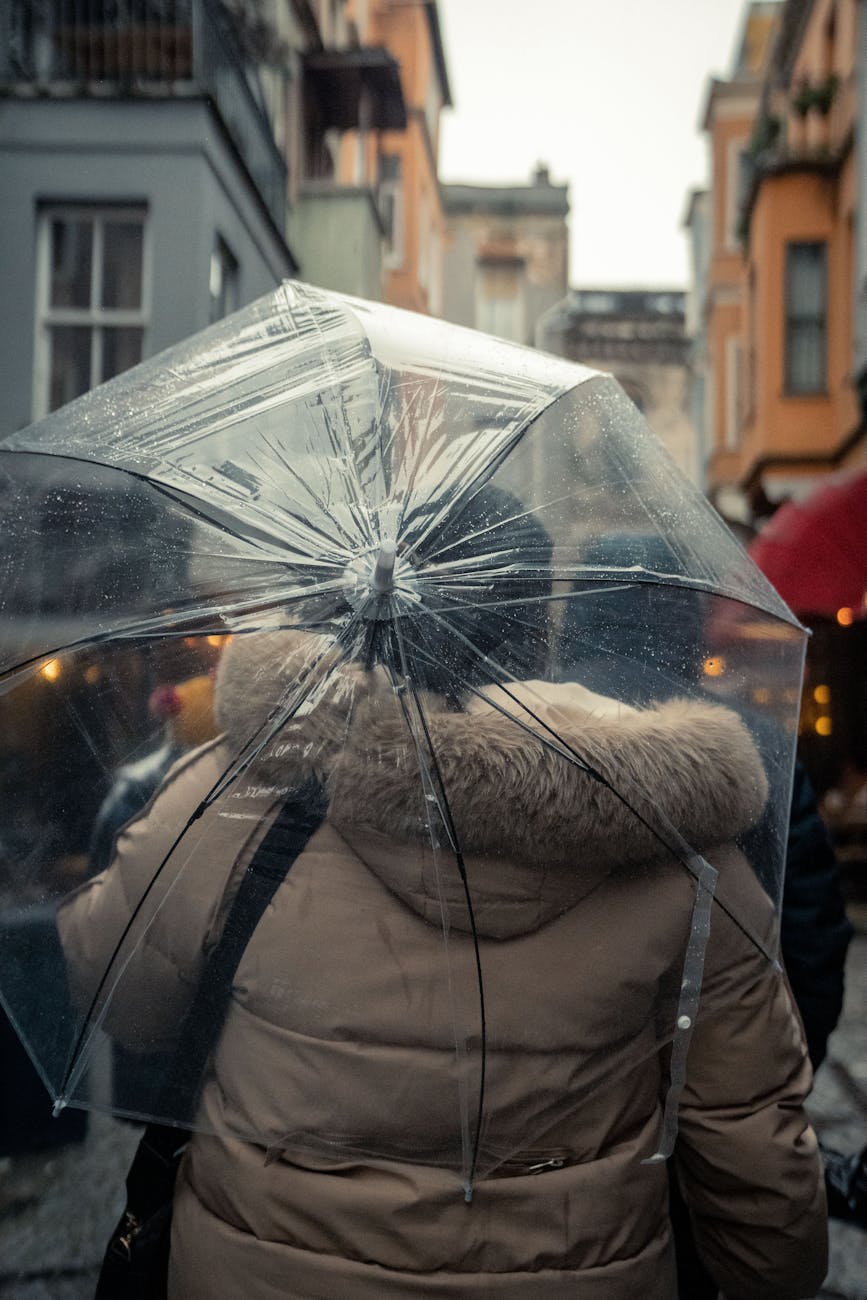
- Compact umbrella: Seoul monsoon rains can be torrential and sudden. A sturdy travel umbrella is non-negotiable.
- Light long-sleeve layer: For heavily air-conditioned buildings, subway cars, and modest temple visits. The contrast between outdoor heat and indoor AC is extreme.
Autumn (September–November) Clothing
Autumn is Seoul’s most photogenic season and the layering approach from spring applies here in reverse — warm September gradually cools into chilly November.
- Layerable tops: 3–4 long-sleeve shirts, sweaters, and t-shirts that mix and match.
- Medium-weight jacket: A trench coat, bomber jacket, or light wool coat works perfectly for October and early November.
- Warm jacket for late autumn: If visiting in November, pack a proper winter jacket — temperatures drop to 3°C by late November.
- Comfortable pants: 2–3 pairs. Jeans are perfectly stylish in Seoul.
- Scarves and light gloves: Useful from mid-October onward, especially for evening outings and mountain hikes to see foliage.
Winter (December–February) Clothing
Seoul winters are serious — temperatures regularly drop below -10°C with biting wind chill. Proper cold-weather gear is essential, not optional.
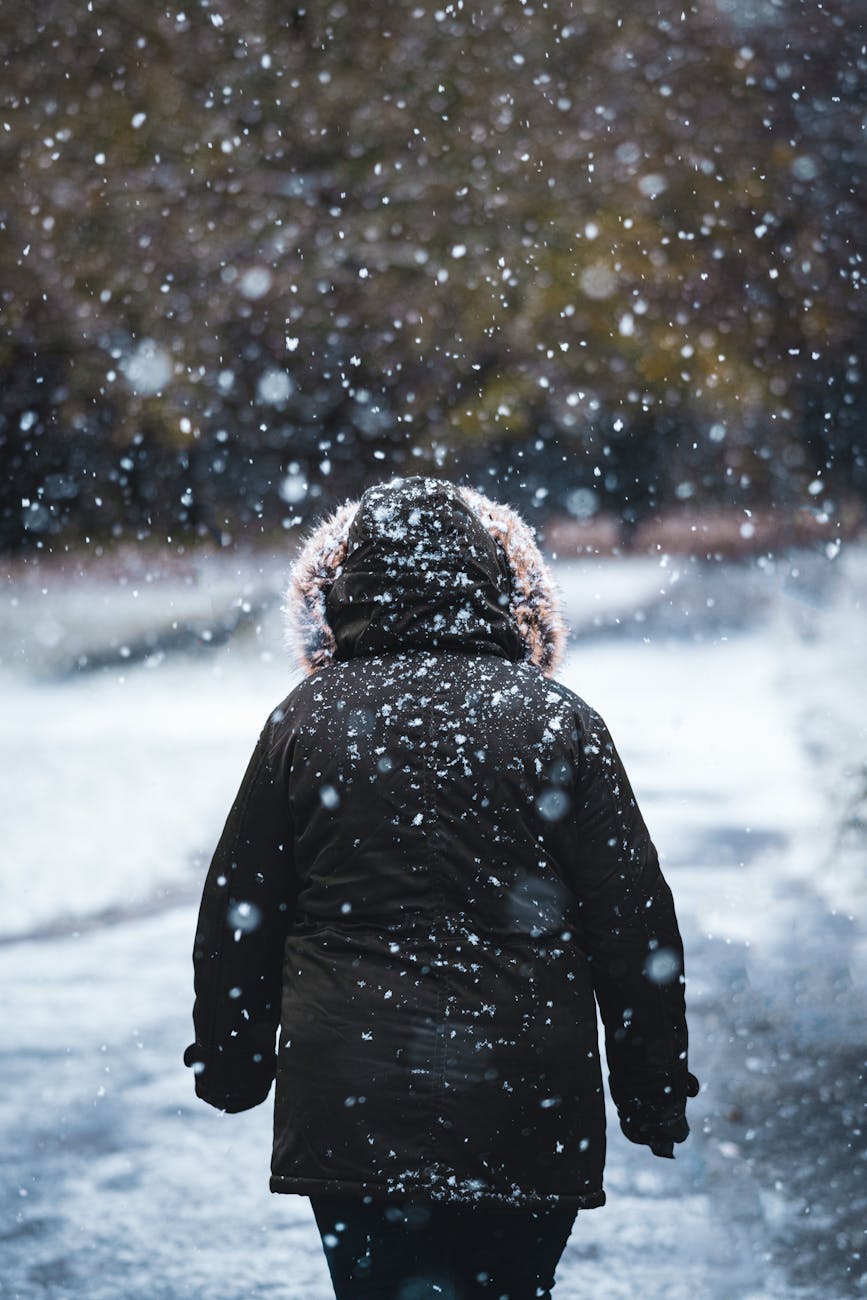
- Heavy insulated coat: A long, warm down parka or insulated winter coat is your most important item. Korean-style long padded coats (패딩, paeding) are extremely popular and effective.
- Thermal base layers: 2–3 sets of thermal underwear (top and bottom). Uniqlo HEATTECH or similar brands are widely available in Seoul if you’d rather buy there.
- Warm sweaters and fleece: 3–4 thick sweaters or fleece layers to wear under your coat.
- Thick gloves and warm hat: Insulated, wind-resistant gloves and a warm beanie or ear-covering hat. Wind chill along the Han River can be brutal.
- Warm scarf or neck gaiter: Protects your neck and lower face from the cold wind.
- Thick socks: 4–5 pairs of wool or thermal socks. Cold feet ruin winter sightseeing faster than anything.
- Hand warmers: Available at every Korean convenience store for ₩1,000–₩2,000. Buy them on arrival — they’re a winter essential that Koreans swear by.
Footwear: The Most Important Packing Decision
Seoul involves a LOT of walking — 15,000–25,000 steps per day is typical for active sightseers. Your footwear choice is arguably the most important packing decision you’ll make.
Essential Footwear
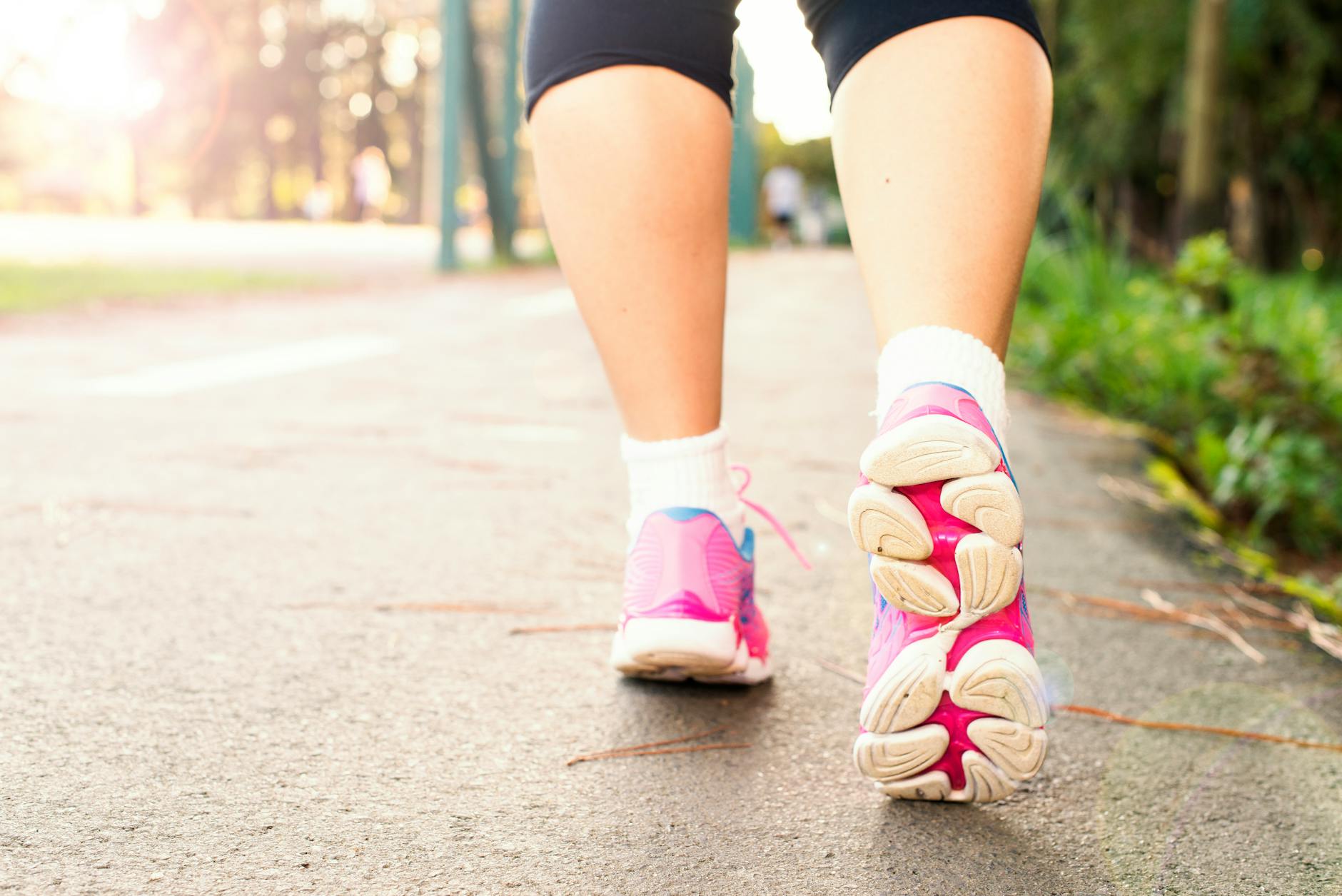
- Comfortable walking shoes: This is your primary shoe. Broken-in sneakers, trail runners, or supportive walking shoes that can handle hills (Seoul is surprisingly hilly), subway stairs, and long palace walks. Prioritize comfort over style — your feet will thank you.
- Easy slip-on shoes: You’ll be removing shoes frequently in Seoul — at temples, traditional restaurants, guesthouses, and even some shops. Having at least one pair of shoes that slide on and off easily (loafers, slip-on sneakers, or simple sandals) saves enormous hassle.
Season-Specific Footwear
- Summer: Add waterproof sandals or quick-dry shoes for monsoon rains. Tevas, Chacos, or similar water-friendly sandals work well.
- Winter: Insulated, waterproof boots with good traction. Seoul sidewalks can be icy, and slushy snow makes non-waterproof shoes miserable.
- Hiking: If you plan to hike Bukhansan or other trails near Seoul (check our outdoor guide), pack proper hiking shoes or boots with ankle support.
Pro tip: Korean shoe sizes tend to run small compared to Western sizes. If you have larger feet (US men’s 11+ or women’s 10+), finding shoes in Seoul may be difficult, so bring everything you need from home.
Tech Essentials
Seoul is one of the most connected cities in the world, and having the right tech setup enhances your trip enormously.
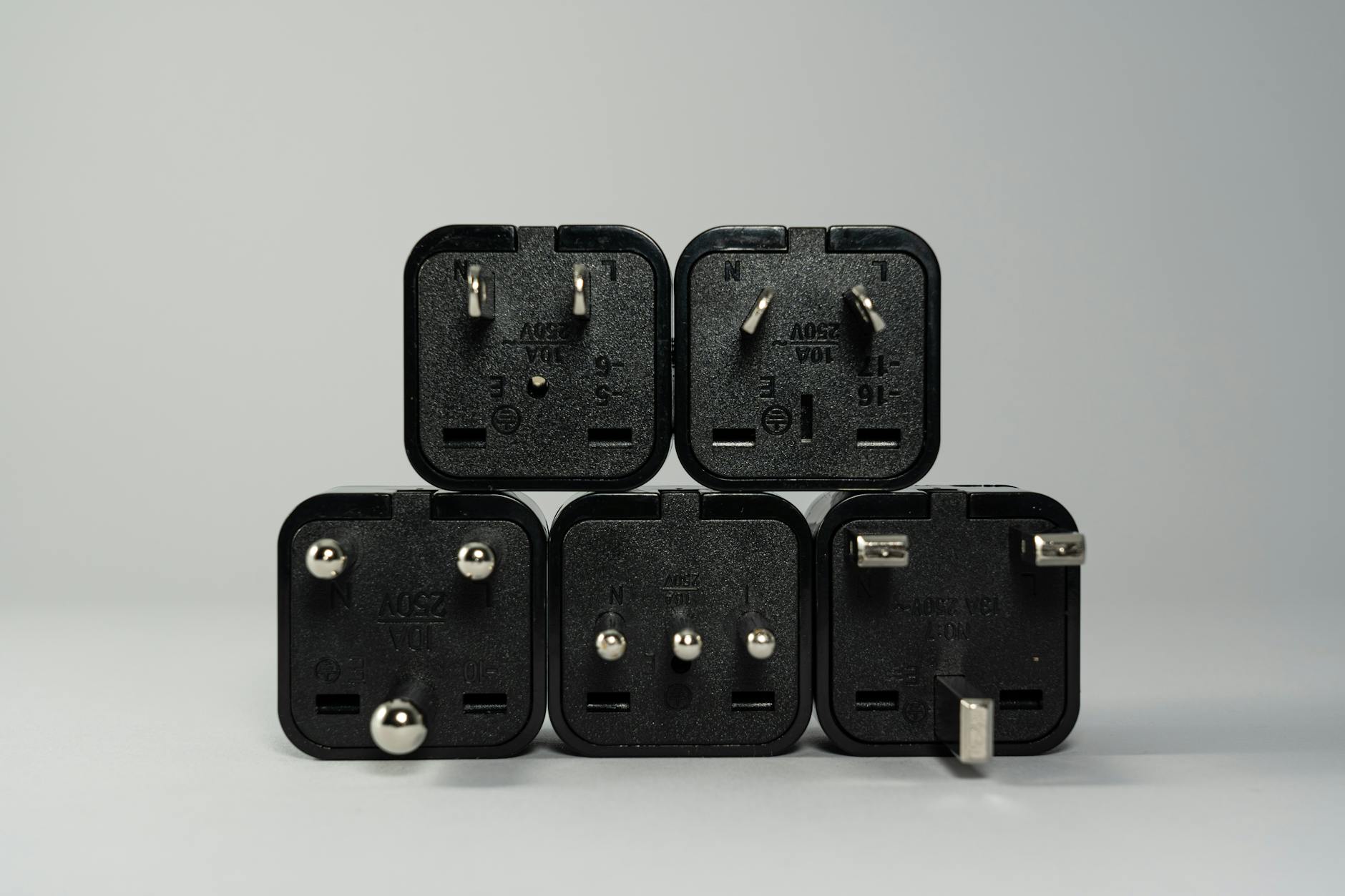
- Power adapter (Type C/F): South Korea uses round two-pin European-style plugs at 220V/60Hz. If coming from the US, UK, or Australia, you MUST bring an adapter. Pack a multi-port adapter to charge multiple devices simultaneously.
- Portable battery pack: Between navigation apps, camera use, translation apps, and social media, your phone battery will drain fast. A 10,000–20,000mAh portable charger is essential. Seoul also has rental power banks available at convenience stores if yours dies.
- Universal USB charging cable: Bring your phone’s charging cable plus a spare. USB-C cables are increasingly standard, but bring whatever your devices need.
- Earbuds/headphones: For subway rides, music while walking, and language learning apps. Noise-canceling headphones are a luxury that makes long flights and subway rides more pleasant.
- Camera (optional): Seoul is incredibly photogenic. While modern smartphones are excellent, dedicated cameras shine at palaces, neighborhood exploration, and autumn foliage photography. Bring extra memory cards.
Toiletries: What to Bring and What to Skip
Seoul is arguably the best city in the world for skincare and beauty products, which means you can pack lighter on toiletries than you might expect.
Bring From Home
- Deodorant: This is the #1 toiletry to bring. Western-style deodorant (especially antiperspirant) is surprisingly hard to find in Korea. Most Koreans don’t use it due to a genetic trait that reduces body odor. Bring enough for your entire trip.
- Prescription medications: Bring a full supply plus extras in case of delays. Keep medications in original labeled containers. Some medications that are over-the-counter elsewhere require prescriptions in Korea.
- Specific hair products: If you have textured or curly hair, products catering to these hair types are limited in Seoul. Bring your preferred products.
- Contact lens solution: Available in Korea but brands may differ. Bring your preferred solution to avoid eye irritation from an unfamiliar product.
Buy in Seoul (Save Suitcase Space)
- Skincare products: Seoul’s pharmacies, Olive Young stores, and beauty shops offer world-class skincare at lower prices than abroad. Sheet masks, sunscreen, moisturizers, and cleansers are all cheaper and better in Seoul. This is also a great shopping experience.
- Sunscreen: Korean sunscreens are widely considered the best in the world — lightweight, cosmetically elegant, and high-SPF. Buy it when you arrive.
- Basic toiletries: Toothpaste, shampoo, body wash, and razors are widely available and affordable. Hotels and guesthouses typically provide basics.
- Face masks (KF94): For fine dust days in spring, buy KF94 masks (Korea’s N95 equivalent) at any convenience store or pharmacy. They’re cheap, readily available, and much better than anything you’d bring from home.
Cultural Considerations for Packing
Korean fashion and cultural norms should influence what you pack. Understanding these nuances helps you blend in and show respect. For more cultural tips, see our first-time visitor guide.
- Modest shoulders and necklines for temples: Some Buddhist temples require covered shoulders. Pack at least one top that covers your shoulders and isn’t low-cut.
- Seoul fashion tends toward modest: While Seoul is a fashion-forward city, locals tend to cover more than in Western cities. Showing excessive cleavage is uncommon, while showing legs is more accepted. Adjust your wardrobe to your comfort level, but be aware of the cultural norm.
- Socks without holes: You’ll remove shoes frequently — at temples, traditional restaurants, guesthouses, and fitting rooms. Pack clean, hole-free socks. This sounds minor but becomes important quickly.
- Smart casual for nightlife: If you plan to visit clubs in Gangnam or Itaewon, pack at least one dressier outfit. Some upscale venues have dress codes.
- Neutral, mixable colors: Korean fashion favors neutral, coordinated outfits. A capsule wardrobe in blacks, whites, grays, and navy with 1–2 accent colors lets you create multiple outfits from fewer items.
Carry-On vs. Checked Luggage
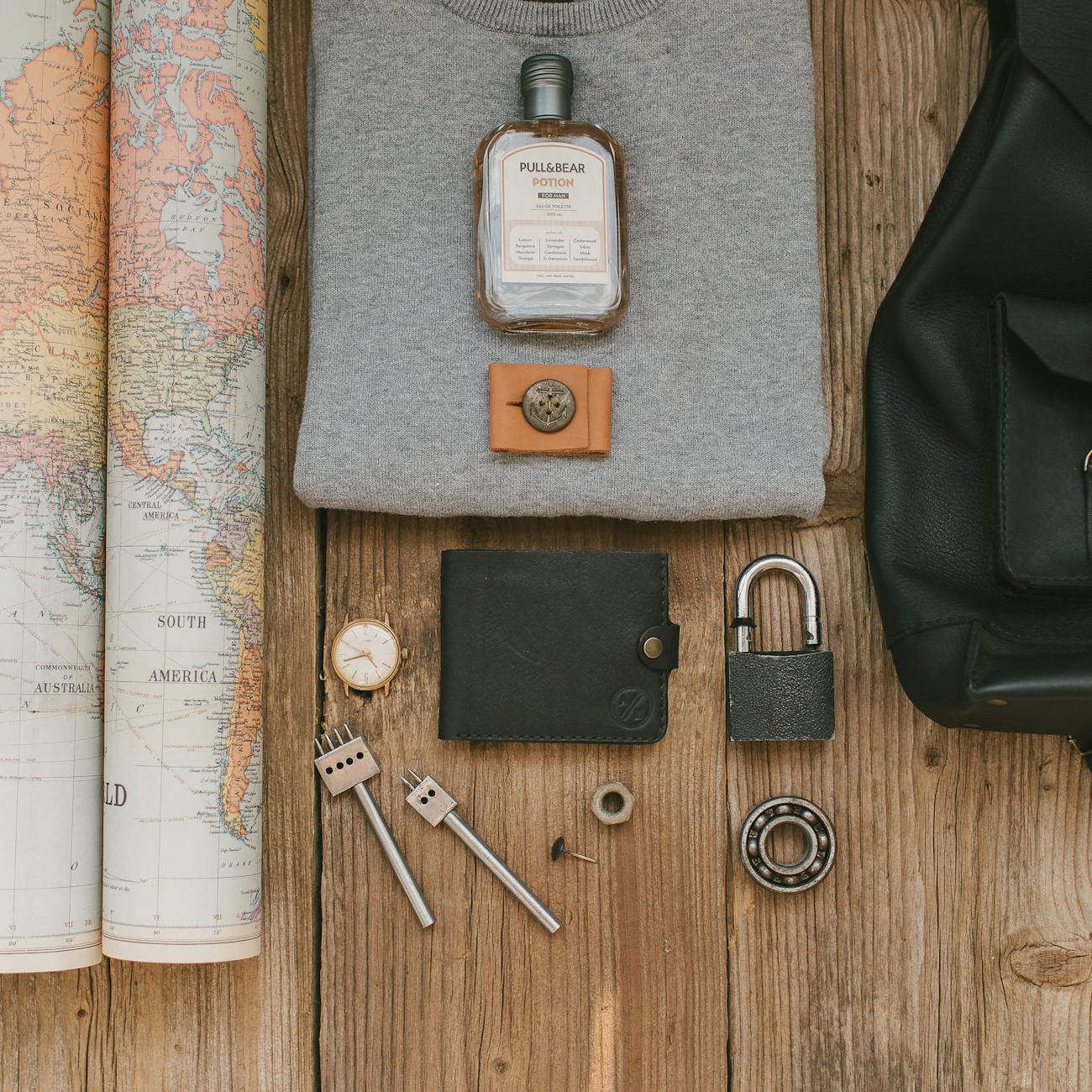
The carry-on vs. checked debate is especially relevant for Seoul trips because of two factors: the opportunity to buy amazing things in Seoul (skincare, fashion, K-pop merch), and the seasonal variation in clothing bulk.
When Carry-On Only Works
Spring, summer, and early autumn trips of 5–7 days can work with carry-on only if you pack strategically. Light fabrics compress well, and you can do laundry at coin laundromats (빨래방, ppallae-bang) found throughout Seoul for ₩3,000–₩5,000 per load. This approach gives you maximum mobility on Seoul’s subways and in narrow alleyways.
When You Need Checked Luggage
Winter trips almost always require checked luggage — a heavy coat, thermal layers, and insulated boots simply don’t compress into a carry-on. If you plan significant shopping, check a bag and leave room for purchases. Alternatively, bring a collapsible duffel bag that can serve as a second checked bag on the return flight.
Pro tip: Seoul has excellent luggage storage options if you want to explore light on arrival or departure day. Coin lockers at major subway stations cost ₩2,000–₩5,000, and luggage storage services at Seoul Station and major tourist areas offer full-day storage for ₩5,000–₩10,000.
The Complete Seoul Packing Checklist
Here’s a comprehensive checklist organized by category. Adjust based on your season and trip length:
Documents & Money: Passport (valid 6+ months), flight confirmations, hotel bookings, travel insurance documents, credit/debit cards (Visa/Mastercard), small amount of Korean won cash, photocopies of passport (stored separately). Check our visa requirements guide for entry documentation.
Clothing (adjust for season): 4–5 tops, 2–3 bottoms, season-appropriate outerwear, underwear and socks (7+ days worth), one dressier outfit for nicer restaurants or nightlife, sleepwear, swimsuit (if your hotel has a pool or you’re visiting a jjimjilbang).
Footwear: Comfortable walking shoes (primary), easy slip-on shoes, season-specific shoes (waterproof boots for winter, sandals for summer).
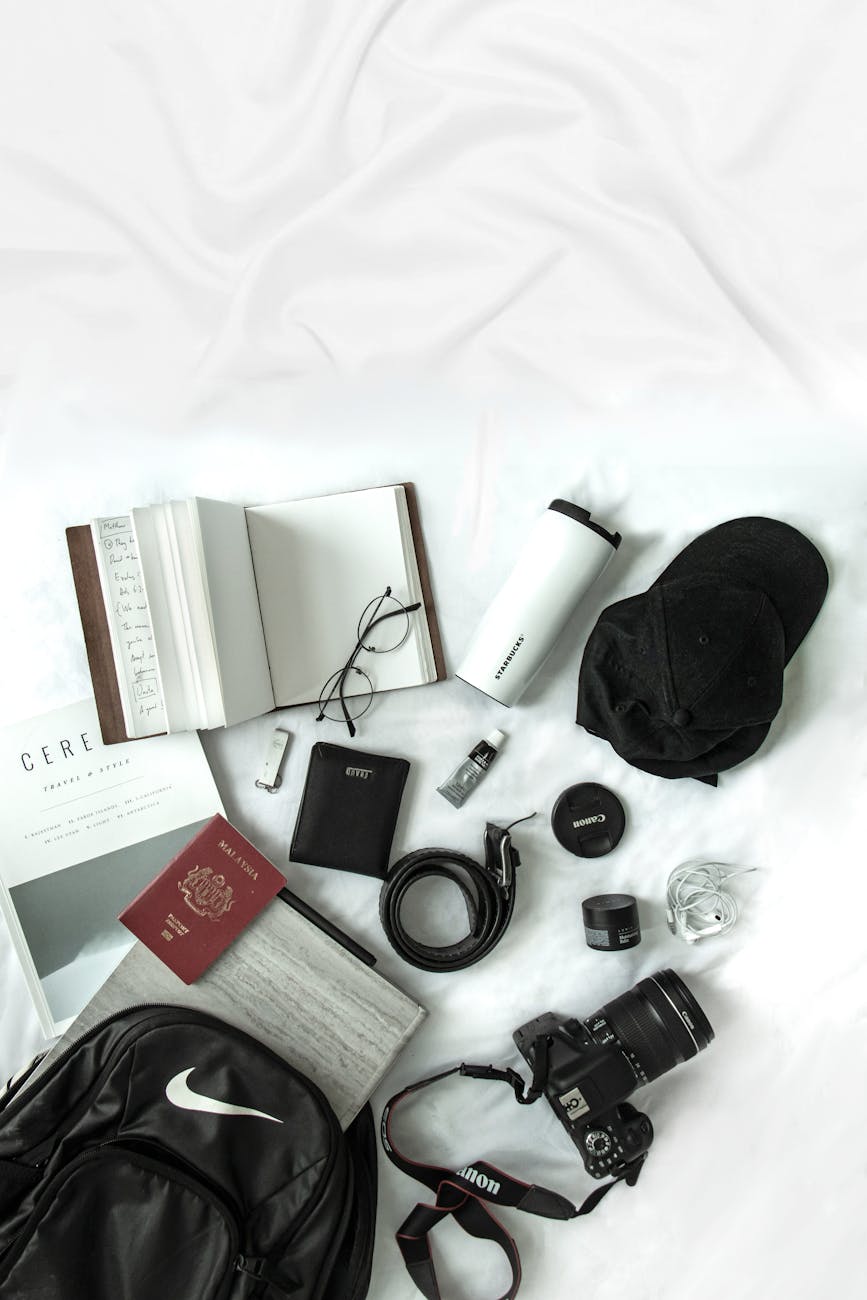
Tech: Phone and charger, Type C/F power adapter, portable battery pack, earbuds/headphones, camera and memory cards (optional).
Toiletries: Deodorant (essential — hard to find in Korea), prescription medications, sunscreen (or buy Korean sunscreen on arrival), travel-size basics, contact lens supplies.
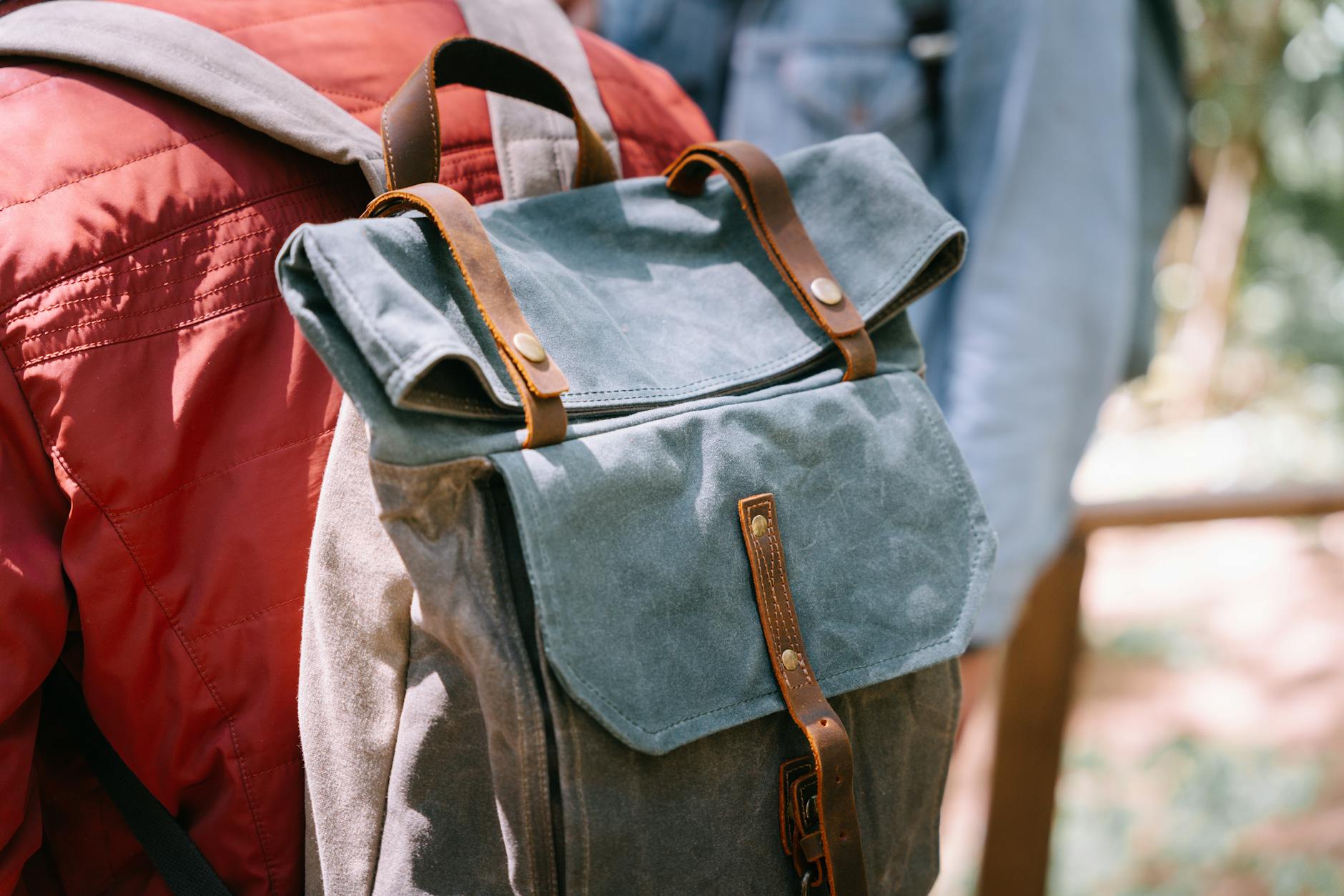
Accessories: Daypack/backpack for daily sightseeing, reusable water bottle, reusable shopping bag (plastic bags cost money), compact umbrella (especially summer), sunglasses, travel tissues/wet wipes.
What you pack depends far more on the month than on the length of your trip: a July suitcase and a January suitcase have almost nothing in common. Our Seoul weather by month guide gives average temperatures, rainfall and clothing advice for every month.
Frequently Asked Questions
What should I NOT bring to Seoul?
Skip bulky toiletries (buy skincare in Seoul), excessive clothing (laundromats are cheap and everywhere), travel guides (use apps instead), too much cash (Seoul is very card-friendly), and any skincare products you can buy better and cheaper in Korean beauty stores.
Can I buy winter clothes in Seoul instead of packing them?
Yes — and many travelers do. Seoul has excellent and affordable winter clothing options at UNIQLO, Zara, local Korean brands, and even underground shopping malls. However, if you arrive in winter without warm clothes, the walk from the airport to the shops will be miserable. Pack at least a warm coat and basic layers, then supplement in Seoul if needed.
Do I need to pack formal clothes for Seoul?
For most tourists, no. Seoul is a smart-casual city. Nice jeans and a clean top work for nearly all restaurants. The exceptions are Michelin-starred fine dining (business casual) and certain upscale clubs (no sneakers or sportswear). Pack one versatile outfit that can be dressed up if needed.
What’s the baggage allowance for Korean airlines?
Korean Air and Asiana Airlines typically allow one carry-on (10kg) and one checked bag (23kg) for economy class on international flights. Budget carriers like Jin Air, T’way, and Jeju Air have more restrictive policies — check your specific airline before packing. Plan your trip budget accordingly if you expect to pay for extra baggage.
Is there anything I can’t bring into South Korea?
South Korea prohibits bringing in fresh fruits, vegetables, meats, and animal products without proper quarantine declarations. Excessive amounts of medication (more than a personal supply) may require documentation. Certain over-the-counter medications from other countries (particularly those containing pseudoephedrine or codeine) may be restricted — check with the Korean embassy if unsure.
With your bags packed and ready, complete your Seoul trip planning with our comprehensive Seoul travel guide and curated itineraries for the ultimate Korean adventure.