
Whether you’re traveling Seoul on a budget or simply want to experience the city’s cultural riches beyond the paid tourist attractions, this guide covers 30 of the best free activities, organized by category so you can plan your days efficiently. Every activity below costs absolutely nothing — no hidden fees, no “free with purchase” catches.
A quick orientation before the list: the single most powerful money-saver is Culture Day, the last Wednesday of every month, when the palaces, national museums, and many paid venues open for free. Stack that with the hanbok-for-free-palace-entry trick and Seoul’s genuinely excellent free museums, and you can fill days without touching your attractions budget. We’ve grouped everything by category and by area so you can chain nearby stops together.
Free Royal Palaces and Historical Sites
Seoul’s five grand palaces are among its greatest treasures, and several offer free or conditionally free admission that make exploring Korea’s royal history incredibly accessible.
1. Gyeongbokgung Palace (Free with Hanbok)
Seoul’s largest and most iconic palace offers free admission to anyone wearing hanbok (traditional Korean clothing). Hanbok rental shops surround the palace, with rentals starting from ₩10,000-15,000, but the palace entry itself becomes completely free. Even without hanbok, the ₩3,000 standard admission is a steal, and the palace grounds, including the stunning Gyeonghoeru Pavilion reflected in its lotus pond, are worth hours of exploration.
Don’t miss: The Royal Guard Changing Ceremony (매일 10:00 & 14:00), a colorful recreation of Joseon-era military pageantry that takes place outside the main gate — completely free for everyone to watch.
2. Changdeokgung Palace (Free on Culture Day)
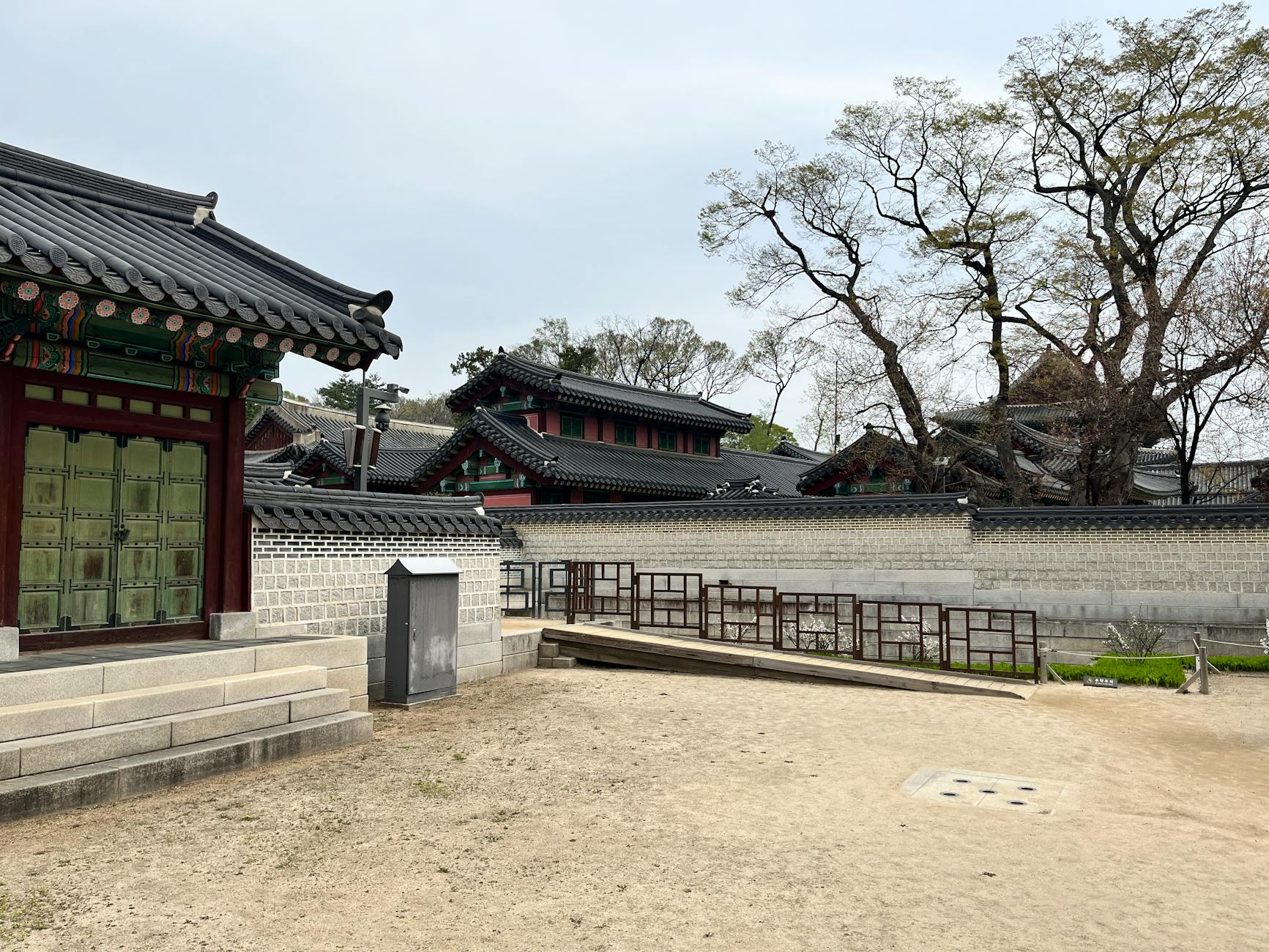
This UNESCO World Heritage site, famous for its Huwon (Secret Garden), offers free admission on Culture Day — the last Wednesday of every month. The palace’s harmonious integration with its natural landscape makes it arguably the most beautiful of Seoul’s five palaces. The Secret Garden tour usually costs an additional ₩5,000, but is also free on Culture Day.
3. Deoksugung Palace (Free on Culture Day)
Unique among Seoul’s palaces for blending traditional Korean and Western architecture, Deoksugung is beautifully lit at night and offers free admission on Culture Day. The Royal Guard Changing Ceremony here (11:00, 14:00, 15:30 — not Monday) is free to watch any day. The stone wall path alongside the palace, Deoksugung Doldam-gil, is one of Seoul’s most romantic walking routes.
4. Bukchon Hanok Village
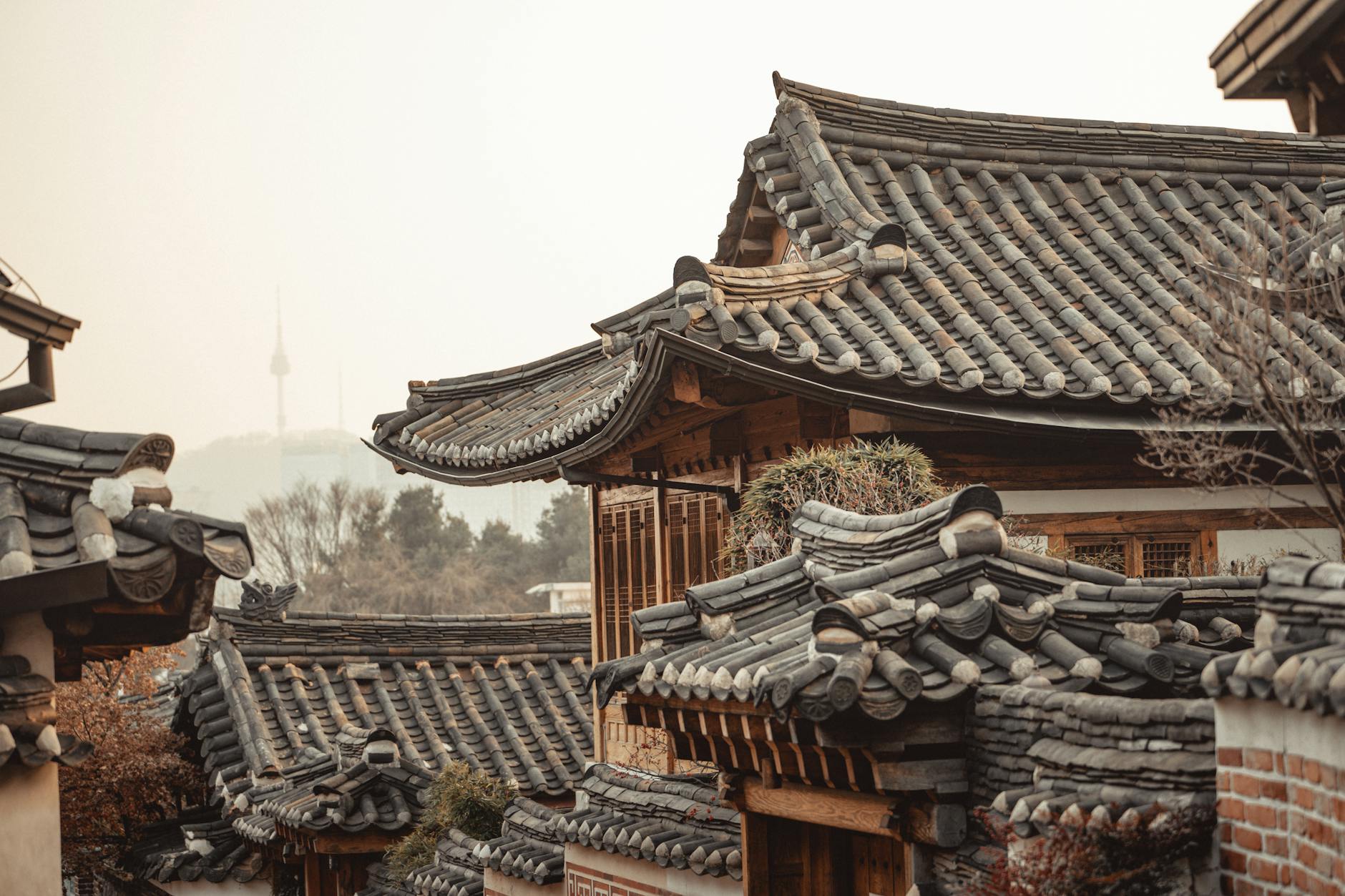
Nestled between Gyeongbokgung and Changdeokgung palaces, this village of 600-year-old traditional houses is completely free to wander. The photogenic alleys, particularly along Bukchon-ro 11-gil, offer some of Seoul’s most iconic views. Please be respectful — this is a residential neighborhood, so keep noise levels down and avoid blocking doorways.
5. Jogyesa Temple
Seoul’s chief Buddhist temple is free to visit year-round. The vibrant main hall, ancient locust trees, and serene atmosphere offer a peaceful escape from city bustle. Visit during Buddha’s Birthday (May) when thousands of colorful lanterns transform the temple. Free temple stay programs and meditation sessions are occasionally offered — check the temple website for schedules.
Free Museums and Cultural Spaces
Seoul boasts an impressive number of free museums, rivaling cities like London and Washington D.C. for no-cost cultural experiences.
6. National Museum of Korea
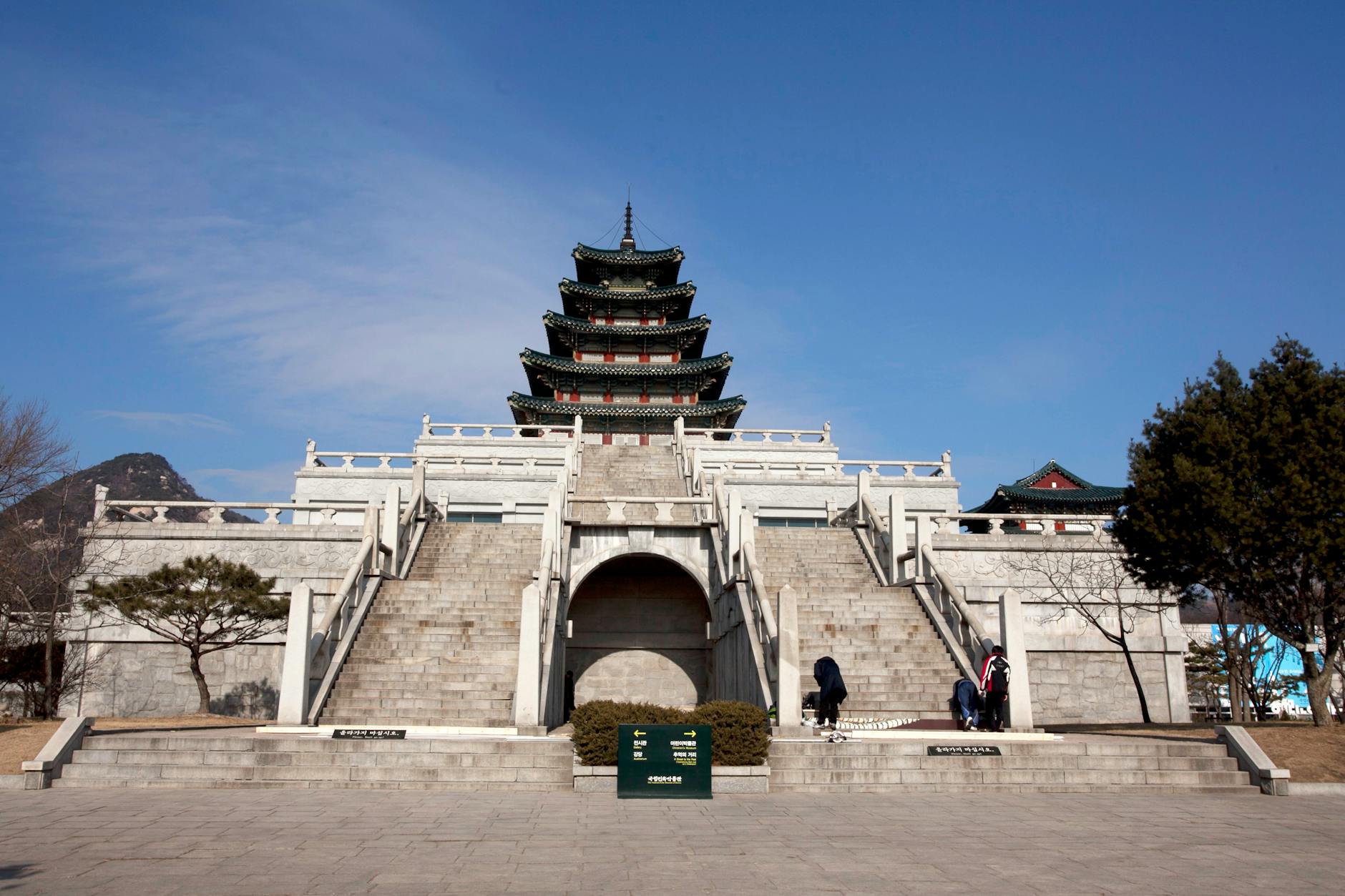
One of the world’s largest museums and absolutely free. The permanent collection spans 5,000 years of Korean history with over 15,000 artifacts on display, from prehistoric relics to stunning celadon ceramics and Buddhist art. You could easily spend 3-4 hours here. Only special temporary exhibitions require a fee. Check out our full Seoul museums and galleries guide for more details.
7. National Museum of Modern and Contemporary Art (MMCA Seoul)
Located next to Gyeongbokgung Palace, MMCA Seoul offers free admission to its permanent collection of modern and contemporary Korean art. The building itself is architectural eye candy, and the exhibitions rotate regularly. Special exhibitions may have a fee, but there’s always plenty to see for free.
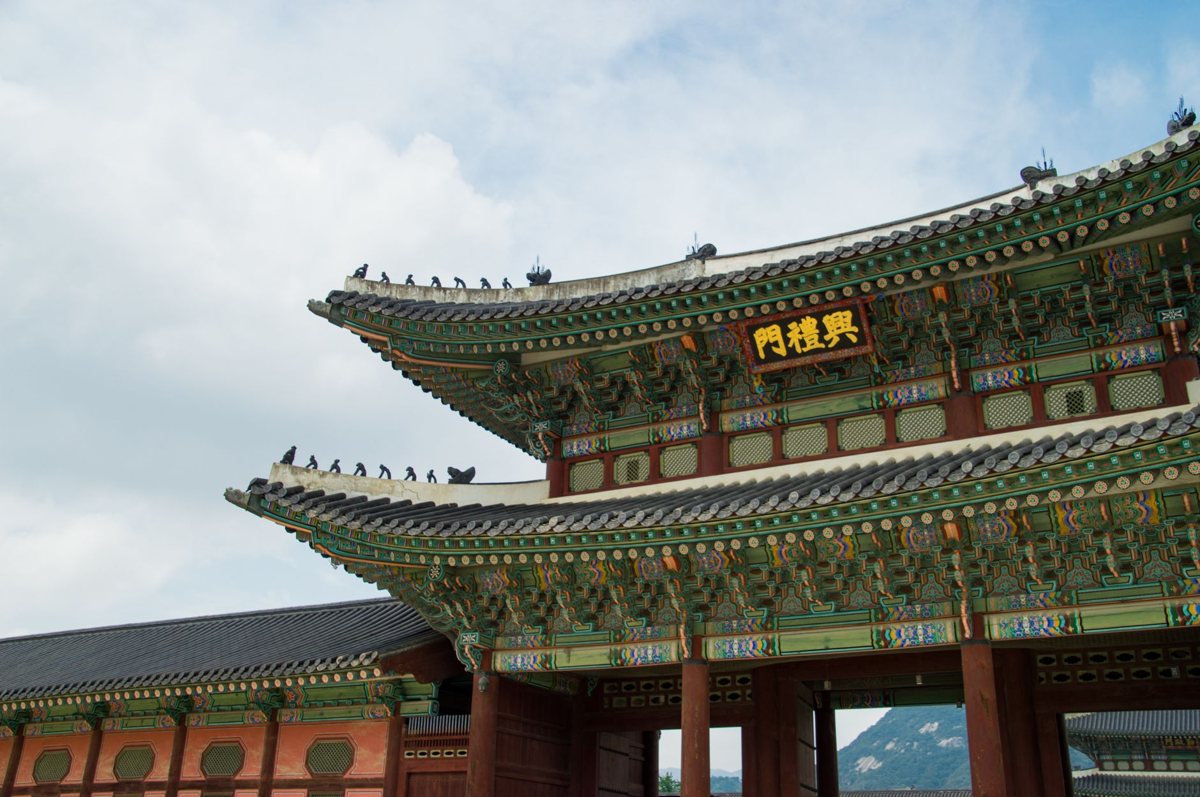
8. Seoul Museum of Art (SeMA)
Housed in the former Supreme Court building near Deoksugung Palace, SeMA offers free admission to exhibitions that address contemporary social issues through art. The building’s neoclassical architecture adds to the experience. Multiple gallery spaces mean there’s always something new on display.
9. Seoul Museum of History
This free museum near Gyeonghuigung Palace tells the story of Seoul from prehistoric times to the modern megacity. The outdoor exhibition area features restored buildings and a model of 1960s Seoul that’s fascinating for understanding the city’s rapid transformation.
10. War Memorial of Korea
A sobering and beautifully curated museum dedicated to Korea’s military history, with special emphasis on the Korean War. The outdoor exhibition features tanks, aircraft, and a full-size replica of a submarine. The indoor galleries are deeply moving and educational. Completely free admission year-round.
11. Seoul Museum of Craft Art (SeMoCA)
Korea’s first museum dedicated to crafts, showcasing traditional and contemporary Korean craftsmanship from ceramics to textiles. Free admission makes this an easy add to your Jongno-gu palace tour itinerary.
Free Parks, Nature, and Outdoor Activities
12. Bukhansan National Park
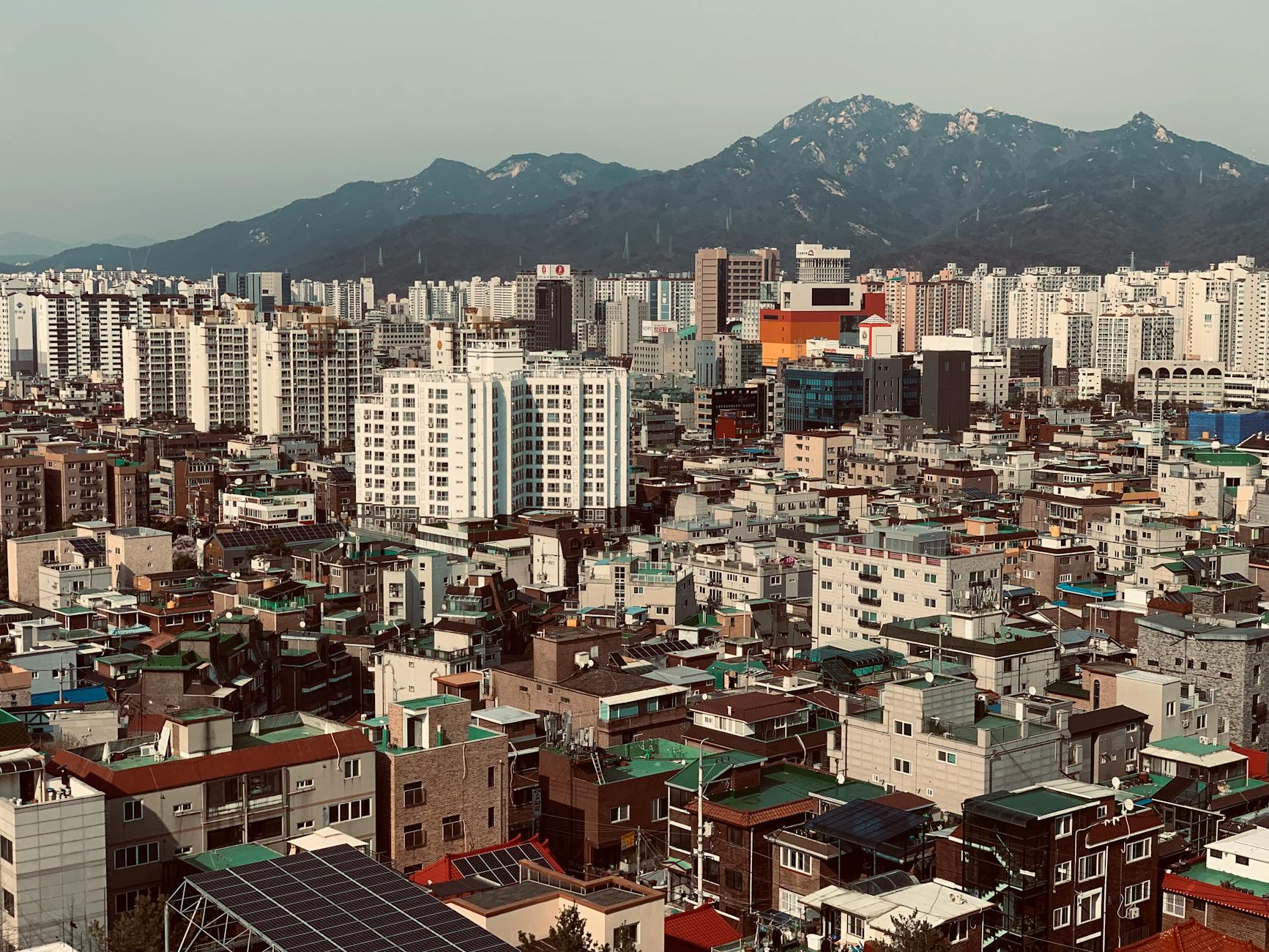
One of the world’s most visited national parks per square meter, Bukhansan offers spectacular granite peaks and hiking trails just a subway ride from central Seoul. All trails are free, ranging from easy 1-hour walks to challenging 4-5 hour summit hikes. The Baegundae Peak trail (836m) rewards climbers with panoramic city views. See our outdoor and nature guide for trail recommendations.
13. Han River Parks
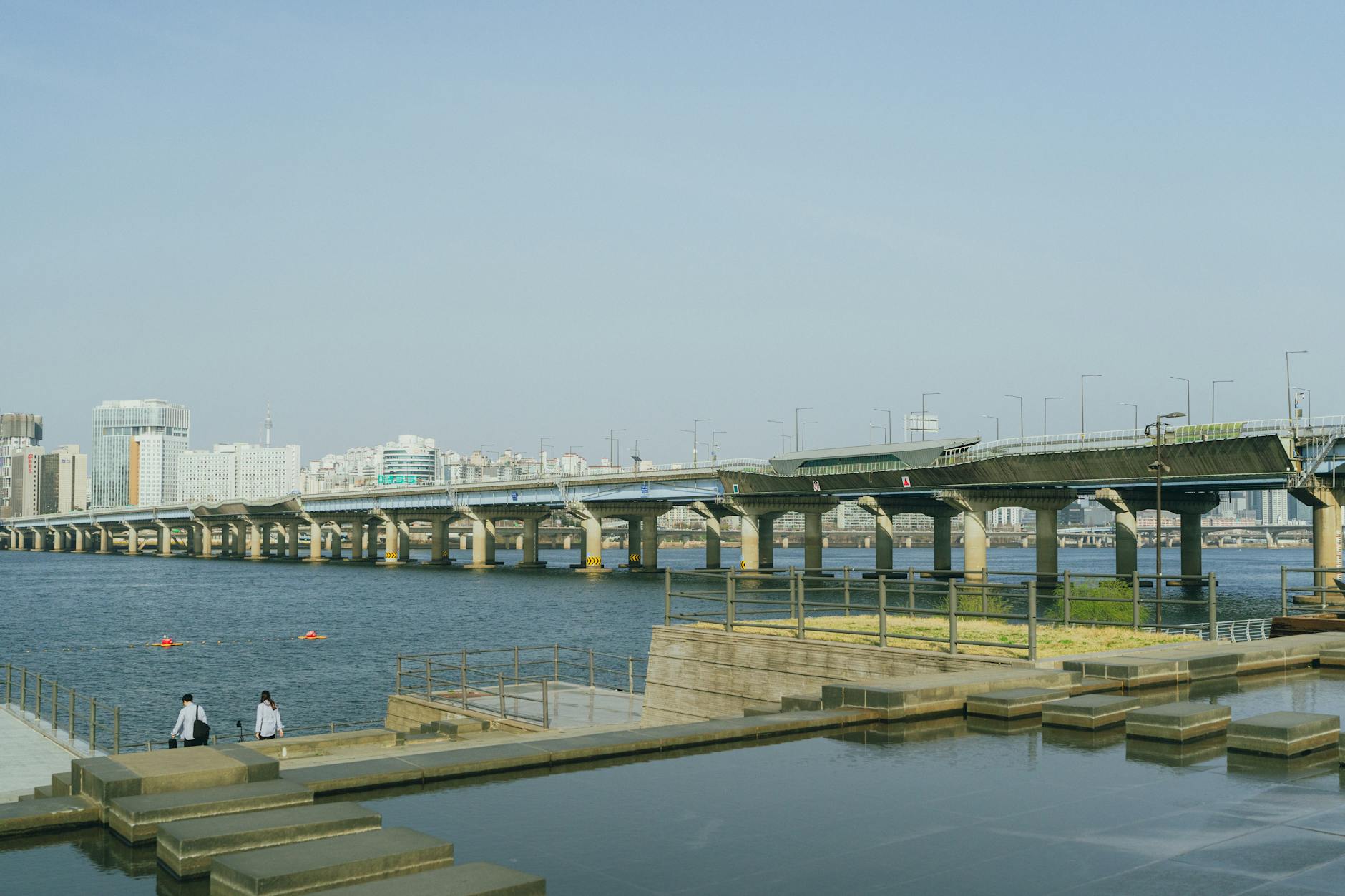
Seoul’s 11 riverside parks along the Han River are free urban oases. Walk, jog, or cycle along 40+ kilometers of riverside paths (bicycle rental is separately available from ₩3,000/hour). Yeouido Hangang Park, Banpo Hangang Park (home to the famous rainbow fountain), and Ttukseom Hangang Park are favorites. Grab convenience store snacks and join locals for a riverside picnic — a quintessential Seoul experience that costs virtually nothing. For the full menu of riverside things to do — free summer swimming pools, night markets, and ferry-watching — see our Han River activities guide.
14. Cheonggyecheon Stream
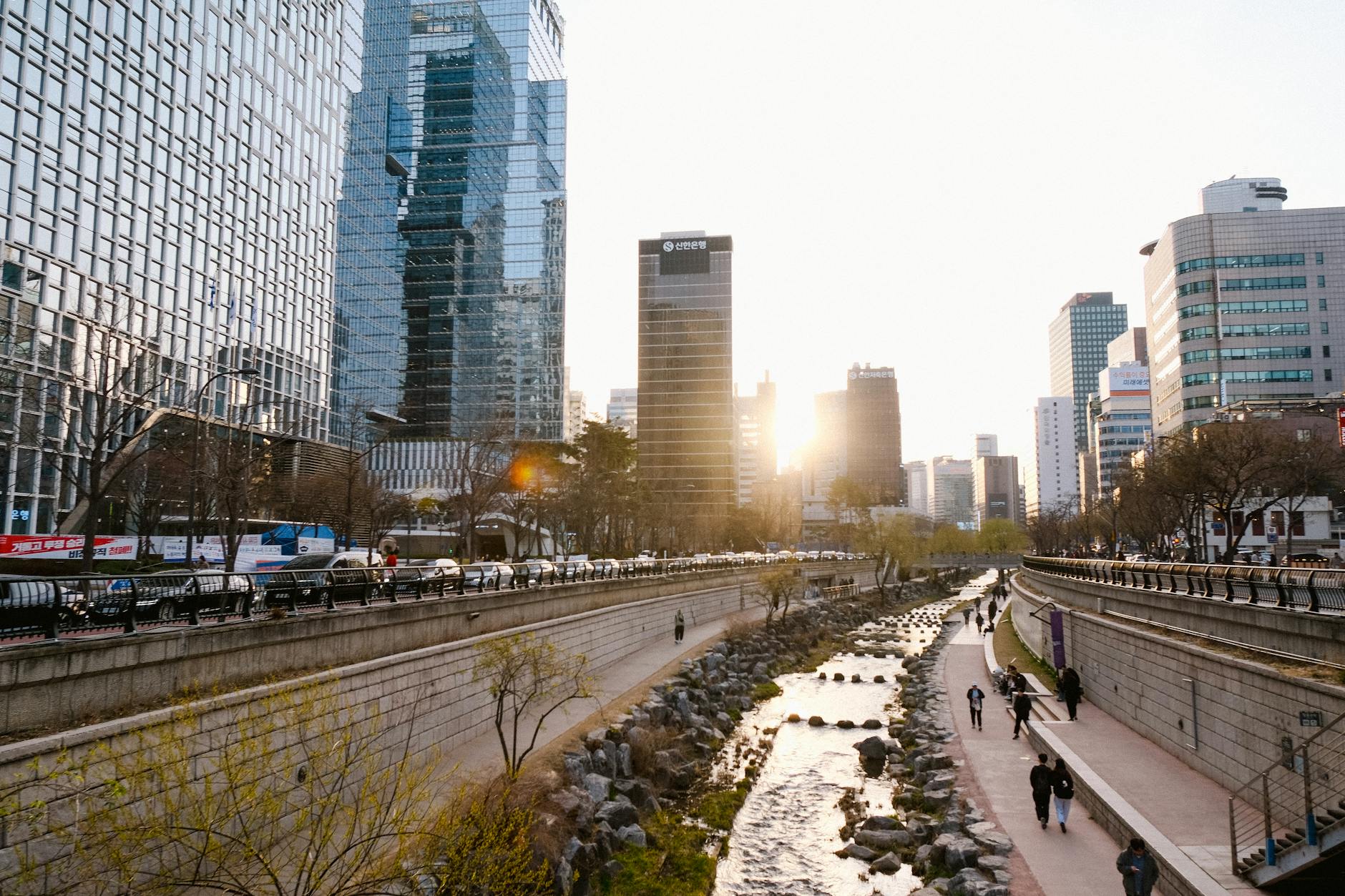
This 10.9-kilometer urban stream was restored from an elevated highway in 2005 and is now one of Seoul’s most beloved public spaces. Walking the stream from Cheonggye Plaza to the eastern end takes about 2 hours and passes through different themed sections, art installations, and beneath historic bridges. Beautifully lit at night, it’s equally magical after dark. Start at Cheonggye Plaza (Gwanghwamun Station, Exit 5) and simply follow the water east; benches, stepping-stones, and shade make it a perfect free rest between palace visits.
15. Namsan Mountain and N Seoul Tower Base
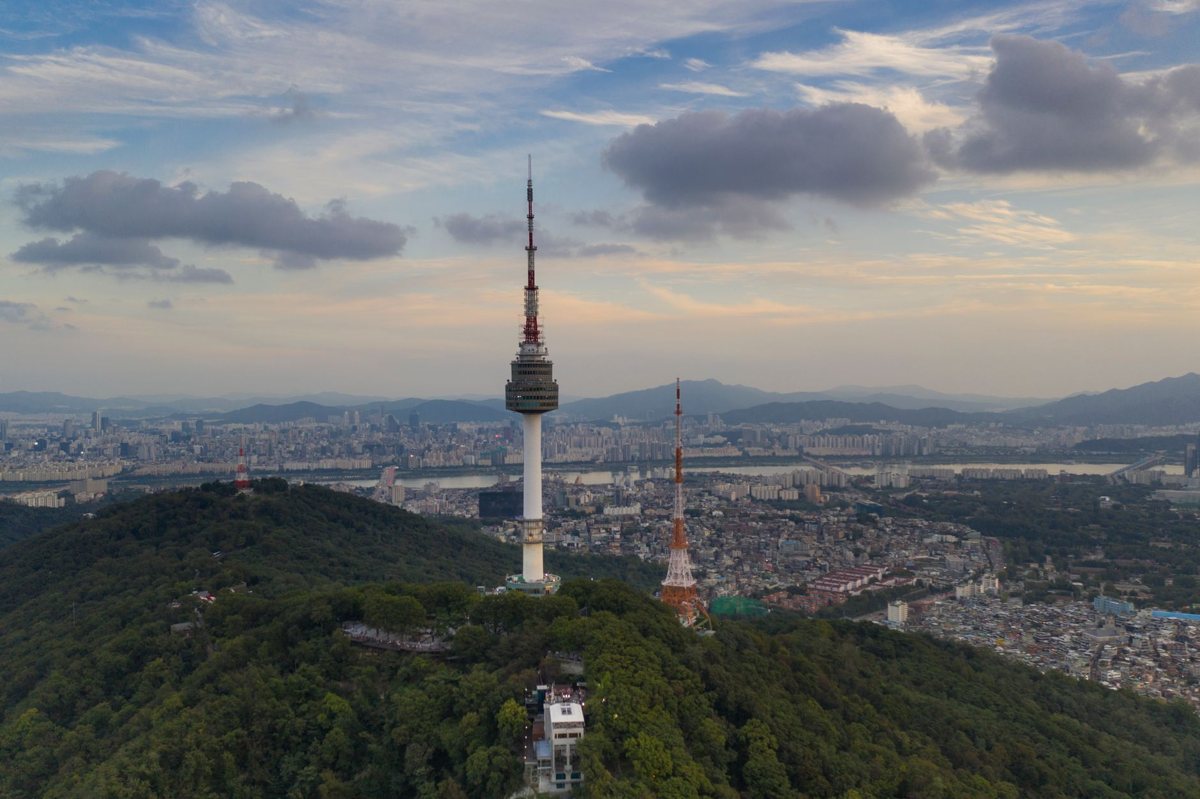
Hiking up Namsan Mountain to the base of N Seoul Tower is completely free and offers stunning views of the Seoul skyline. Multiple trails lead to the top, with the most popular starting from Myeongdong or Namsangol Hanok Village. The observation deck inside N Seoul Tower requires a ticket, but the free outdoor viewing area at the base is nearly as impressive.
16. Seoul Forest
Often compared to New York’s Central Park, Seoul Forest in Seongdong-gu is a massive free park with deer enclosures, butterfly gardens, wetlands, and art installations. The deer feeding area is particularly popular with families. It’s a peaceful contrast to Seoul’s urban energy and perfect for a leisurely afternoon.
17. Seonyudo Park
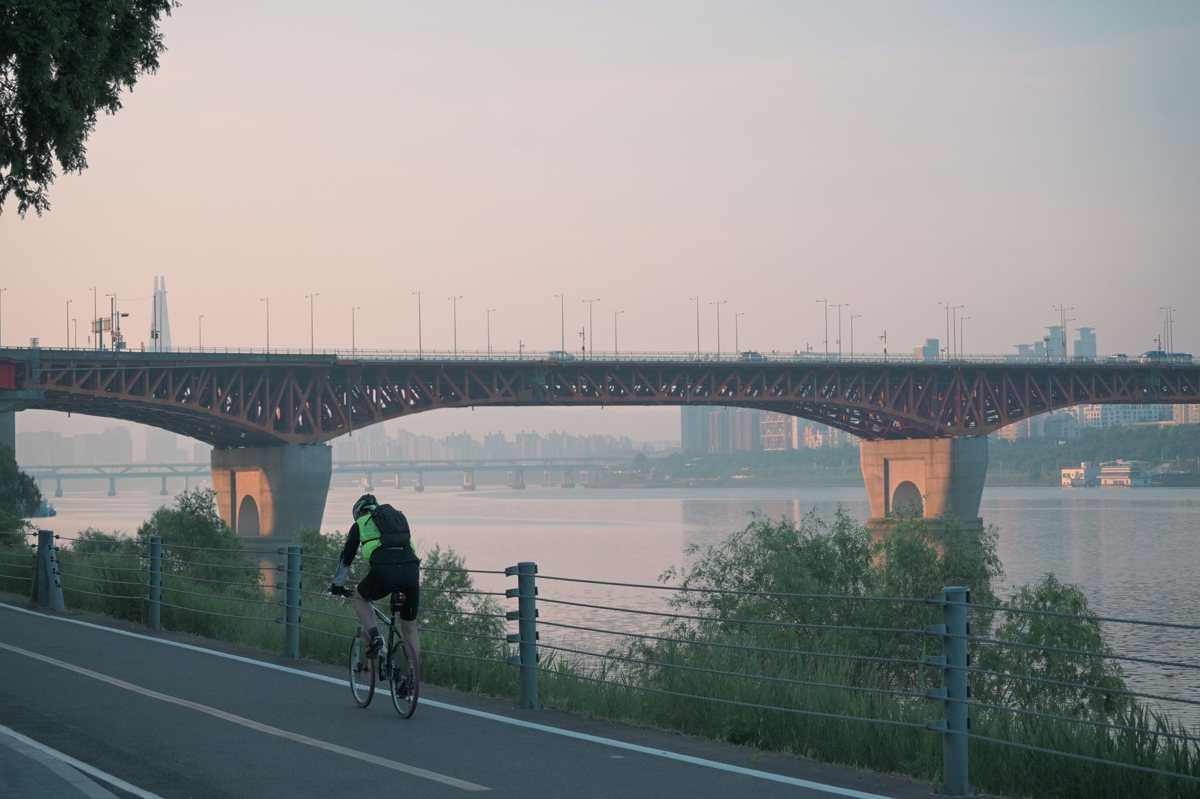
This island park in the Han River repurposed an old water treatment facility into beautiful gardens and walkways. The industrial-meets-nature aesthetic is unique, and the park sees far fewer tourists than more famous attractions. Access is free via a pedestrian bridge from Yangwha area.
Free Walking Tours and Neighborhood Exploration
18. Seoul City Free Walking Tours
The Seoul Metropolitan Government offers free guided walking tours in multiple languages (English, Chinese, Japanese, and more). Tours cover themes like royal history, traditional architecture, local food culture, and modern Seoul. Registration is through the Visit Seoul website. Guides are knowledgeable volunteers who provide genuine insider perspectives.
19. Ihwa Mural Village
A formerly declining neighborhood transformed by street art, Ihwa Mural Village on Naksan Mountain is free to explore and offers charming art around every corner. The colorful murals, sculptures, and installations create one of Seoul’s most photogenic experiences. The hilltop location also provides lovely views over the city. Reach it from Hyehwa Station (Line 4, Exit 2), and tread lightly — people still live here, so keep your voice down and don’t photograph into windows.
20. Ikseon-dong Hanok Alley
Seoul’s trendiest traditional neighborhood blends century-old hanok houses with hip cafes, boutiques, and restaurants. While eating and shopping cost money, simply wandering the narrow alleys and admiring the architectural fusion is free and endlessly photogenic. The area is especially atmospheric in the evening.
21. Seoullo 7017 Skygarden
A former highway overpass near Seoul Station transformed into an elevated garden walkway, Seoullo 7017 is free to walk and features over 24,000 plants, cafes, and city views. The park is especially beautiful at sunset and offers a unique perspective of Seoul’s layered urban landscape. It connects Seoul Station to Namdaemun Market and Namsan Mountain trails.
Free Cultural Performances and Events
22. Hongdae Street Performances
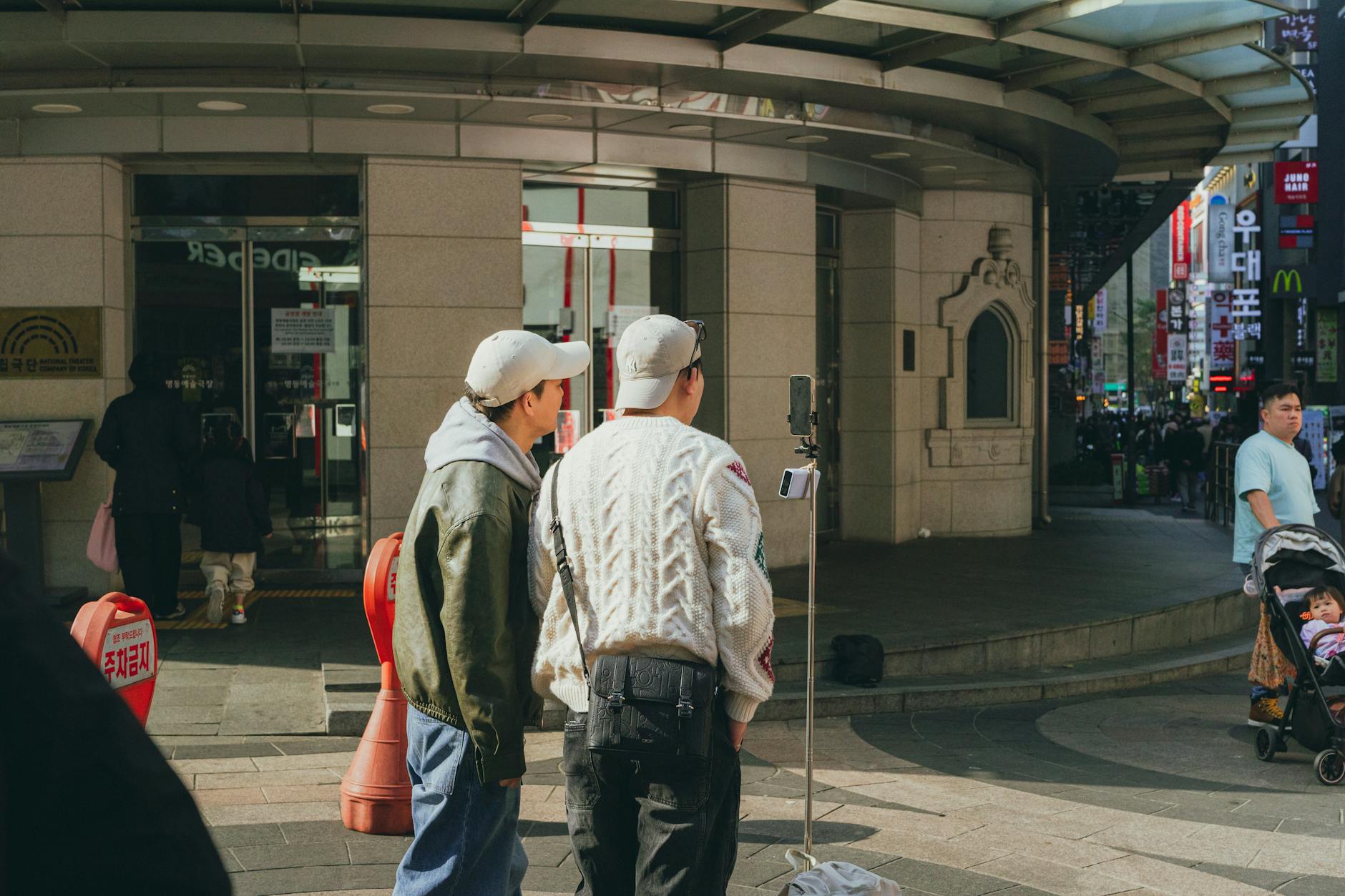
Every Friday and Saturday evening, Hongdae’s streets come alive with free performances — live bands, dance crews, singers, magicians, and more. The Hongdae Playground area is the epicenter, but performances pop up throughout the neighborhood. This is Seoul’s creative youth culture at its finest, and you might just discover the next K-pop star.
23. Namsangol Traditional Music Performances
Namsangol Hanok Village regularly hosts free traditional Korean music (gugak) and dance performances. Check the schedule at the visitor center or on their website. These authentic cultural performances would cost ₩30,000-50,000+ at dedicated theaters, but here they’re completely free.
24. COEX Starfield Library
The massive open library inside COEX Mall in Gangnam features towering 13-meter bookshelves and over 50,000 books and magazines. While not a traditional performance space, the library hosts free exhibitions, readings, and cultural events. Even without events, it’s one of Seoul’s most Instagram-worthy spaces and completely free to visit. It’s open roughly 10:30 AM–10:00 PM inside COEX Mall (Samseong Station) and pairs naturally with a free stroll to Bongeunsa Temple across the road.
Free Market and Food Experiences
25. Namdaemun Market Exploration
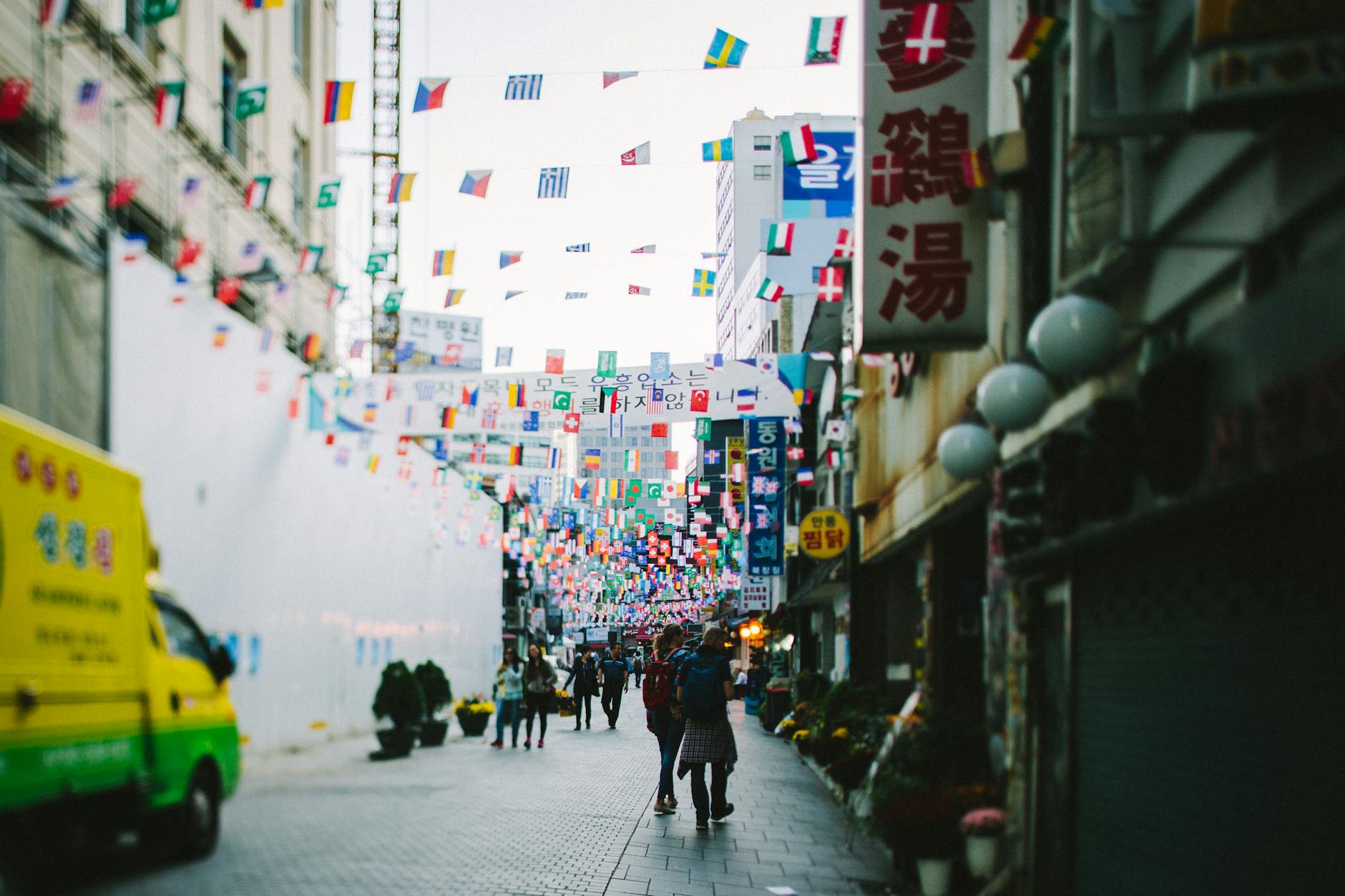
Korea’s oldest and largest traditional market (since 1414!) is free to explore. Over 10,000 shops sell everything from food to fashion. While buying requires money, the sensory experience of wandering through the market’s labyrinthine alleys is priceless and costs nothing. The energy, aromas, and visual spectacle make it one of Seoul’s essential things to do.
26. Gwangjang Market Atmosphere
Famous for its food stalls (featured in Netflix’s “Street Food”), Gwangjang Market is free to wander. The upper floors feature vintage clothing and fabric shops worth browsing. While the famous bindaetteok (mung bean pancakes) and mayak gimbap will tempt your wallet, simply experiencing the market atmosphere costs nothing.
27. Mangwon Market
A local favorite near Hongdae, Mangwon Market offers a more authentic, less touristy market experience. The vendors are friendly, the atmosphere is genuinely local, and exploring the narrow alleys reveals a side of Seoul most tourists never see. Free tasting samples are common at food stalls — the vendors are generous!
Other Free Activities Worth Your Time
28. Bongeunsa Temple
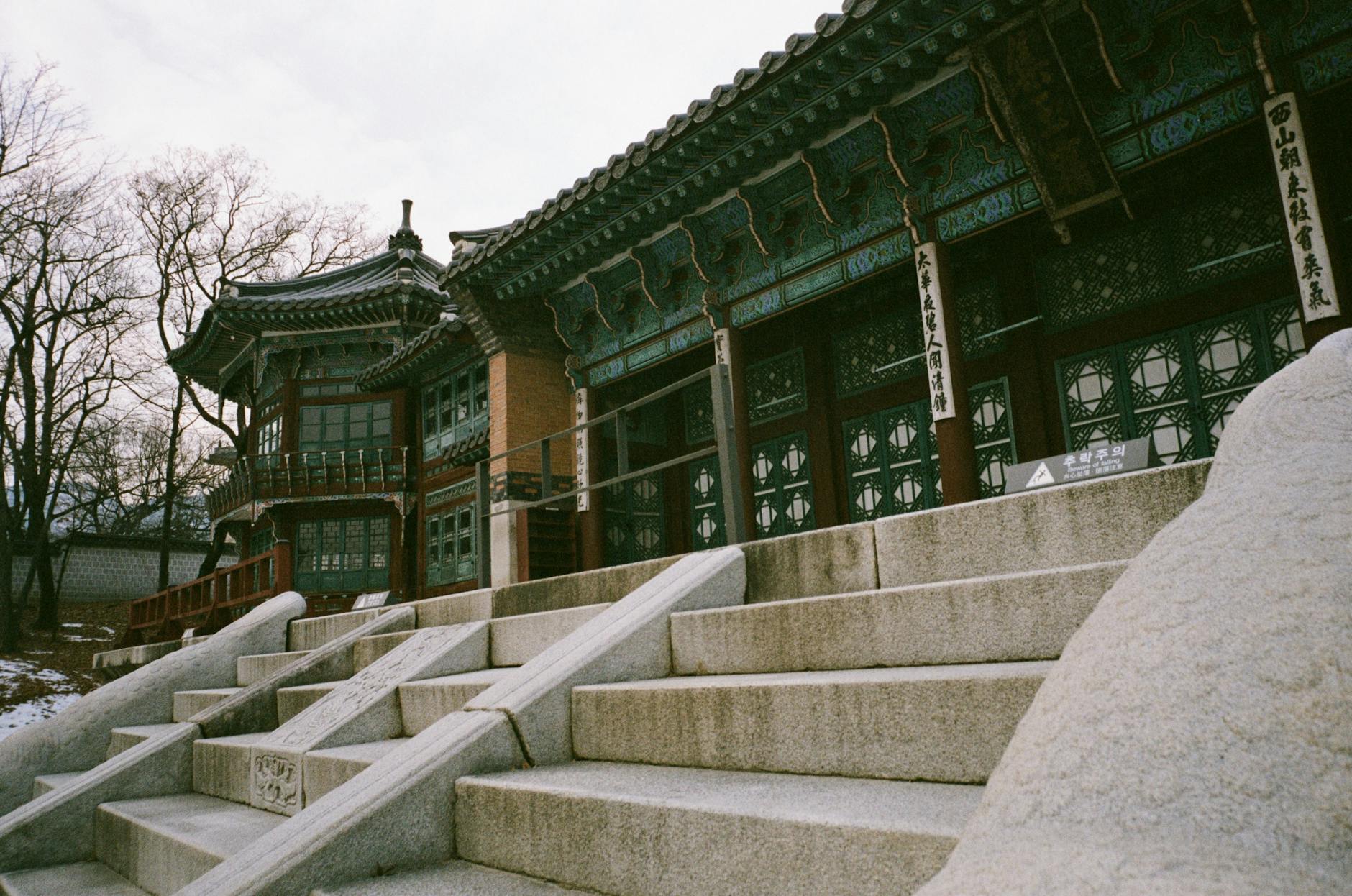
This 1,200-year-old Buddhist temple sits in the shadow of the COEX Mall in Gangnam, creating a striking contrast between ancient and modern Seoul. Free to enter, the temple offers a peaceful retreat with beautiful architecture and the impressive 23-meter Maitreya Buddha statue. Free temple tours are available, and the Thursday meditation programs are open to visitors.
29. Dongdaemun Design Plaza (DDP)
Designed by Zaha Hadid, this futuristic building is an architectural marvel free to admire from outside and partially free to explore inside. The exterior is particularly stunning at night when its curves are illuminated with LED displays. Free exhibitions rotate regularly in the ground-level galleries.
30. Banpo Bridge Rainbow Fountain
The world’s longest bridge fountain puts on a spectacular free show of water, light, and music from April to October. Shows typically run multiple times per evening (check schedules online). Watch from Banpo Hangang Park on either side of the bridge for the best views. Combined with a riverside walk, this makes for a perfect free evening activity. Shows usually run around 12:00, 7:30, 8:00, 8:30, and 9:00 PM in peak summer (fewer in spring and autumn), each lasting about 20 minutes — arrive 15 minutes early for a spot on the south-bank grass.
How to Plan a Full Free Day in Seoul
The 30 attractions above are scattered across the city, so a little geographic grouping turns them into effortless, wallet-free days. Here are three ready-made routes, each built entirely from free stops.
The Heritage Day (Jongno): Start at Gyeongbokgung for the 10:00 AM guard-changing ceremony, wander north into free Bukchon Hanok Village, drop down to Insadong’s galleries and Jogyesa Temple, then follow Cheonggyecheon Stream east as the lanterns come on. It is a straight cultural line through old Seoul and slots neatly into our 3-day Seoul itinerary, with more detail in our Insadong guide.
The Nature Day (north Seoul): Hike a morning trail on Bukhansan or gentler Inwangsan for city-wall views, picnic with convenience-store gimbap, then spend the afternoon along the Han River at Yeouido — cycle the path, nap on the grass, and stay for the Banpo Bridge rainbow fountain after dark.
The Modern Day (Gangnam & east): Photograph the Starfield COEX Library, find calm at 1,200-year-old Bongeunsa Temple across the street, admire Zaha Hadid’s illuminated DDP, then soak up Gwangjang Market’s atmosphere. For where to base yourself between these routes, see our Seoul neighborhoods guide.
More Free Hikes and Skyline Views
Beyond Bukhansan and Namsan, Seoul is ringed by low mountains and old fortress walls that deliver the city’s best panoramas for the price of a subway fare — which is to say, almost nothing.
Inwangsan (인왕산): A short, dramatic climb above Gyeongbokgung with granite ridges, shamanist shrines, and a restored stretch of the Seoul City Wall. The sunset view over the palace district and N Seoul Tower is one of the finest in the city, and the full loop takes about two hours.
Naksan Park & the Seoul City Wall: An easy paved walk along the eastern fortress wall linking Ihwa Mural Village to Dongdaemun, gorgeous at dusk when the wall lights up. Haneul (Sky) Park at World Cup Park rewards a stair climb with silvery eulalia reeds that glow each autumn, and Achasan is Seoul’s favourite easy sunrise hike over the Han River.
For trail notes, difficulty, and transport, see our dedicated Bukhansan hiking guide, the wider Seoul outdoor and nature guide, and our roundup of the city’s best parks and gardens.
Free Seasonal Experiences in Seoul
Some of Seoul’s most memorable free moments are tied to the calendar, so time your visit right and you will stumble into spectacle at no cost.
Spring (April): The cherry-blossom tunnel around Yeouido’s National Assembly and the lakeside walk at Seokchon Lake in Songpa are both free and unforgettable. In May, Jogyesa and Bongeunsa fill with the pink-and-orange lanterns of the Lotus Lantern Festival ahead of Buddha’s Birthday.
Autumn (late October–November): Free foliage blazes through Seoul Forest, the Deoksugung stone-wall path, and the ginkgo-lined streets of Jamsil. Winter brings free light installations along Cheonggyecheon and Christmas-market atmosphere around City Hall’s outdoor ice rink — skating is a token fee, but watching and wandering cost nothing.
Plan around the seasons with our Seoul festivals and events guide and our month-by-month best time to visit Seoul breakdown.
Free Ways to Experience K-Pop and Youth Culture
You do not need a concert ticket to feel Seoul’s pop-culture pulse — much of it plays out for free on the street.
In Hongdae, amateur dance crews perform polished K-pop covers outside Exit 8 and around the playground most weekend evenings — genuinely impressive and completely free. Flagship character stores like Line Friends and Kakao Friends in Gangnam and Hongdae double as free photo playgrounds, and the Starfield COEX square regularly hosts free fan events and pop-ups tied to new releases. The idol-agency neighborhoods around Seongsu and Apgujeong are fun to wander for cafe-window displays and the occasional fan-club banner.
Dig deeper with our K-pop and Korean culture guide, the K-pop merch shopping guide, and our Hongdae neighborhood guide for where the free street energy runs strongest.
Free Photo Spots Worth the Detour
Seoul is one of the most photogenic cities in Asia, and its best backdrops rarely charge admission. A few free corners worth building a walk around:
- Bukchon-ro 11-gil: the postcard shot of hanok rooftops against the modern skyline — go early to beat the crowds and respect the residents.
- Seonyudo Park: industrial-garden ruins framed by the Han River, and far quieter than the famous spots.
- Seongsu-dong back streets: Seoul’s “Brooklyn,” where converted factories, cafes, and murals form a free open-air gallery — full route in our Seongsu-dong guide.
- Naksan City Wall at dusk: the illuminated fortress wall with the whole city glittering below.
- Oil Tank Culture Park (Mapo): repurposed fuel tanks turned into a striking, free cultural venue.
Pair a photo walk with a stop at one of the neighborhood’s independent cafes from our Seoul café guide — the coffee costs a little, but the people-watching is free.
Free Things to Do in Seoul When It Rains
A wet day doesn’t have to cost anything either — Seoul’s best free rainy-day moves are all indoors and linked by covered subway.
Duck into the free permanent collections at the National Museum of Korea or MMCA, lose an hour among the 13-meter shelves of the Starfield COEX Library, or browse the underground shopping arcades that thread beneath Gangnam and Myeongdong without ever surfacing. Department-store art galleries on the top floors of Lotte and Shinsegae mount free exhibitions, and the vast market halls at Gwangjang and Namdaemun are effectively indoor cities you can wander dry. For a full wet-weather plan, see our Seoul rainy day activities guide.
Tips for Maximizing Free Activities in Seoul
- Culture Day (last Wednesday of each month): Many paid attractions offer free admission, including palaces and national museums with special exhibitions
- Hanbok hack: Wearing hanbok grants free palace entry — if you rent one anyway for photos, plan your palace visits for that day
- Discover Seoul Pass: While not free, this pass bundles multiple paid attractions at a discount and includes free public transport — worth calculating if you plan to visit several paid sites too
- Check Visit Seoul: The official tourism website and Visit Seoul app lists current free events, festivals, and exhibitions
- Free Wi-Fi: Seoul offers free public Wi-Fi throughout the subway, major tourist areas, and public spaces — perfect for looking up your next free activity
- Moonlight palace tours: On Culture Day evenings, Gyeongbokgung and Changdeokgung occasionally open after dark for free or low-cost moonlight tours — book the moment tickets release
- Pack a Han River picnic: Convenience-store ramyeon, gimbap, and a drink by the river is a beloved local ritual for a few thousand won — see our Seoul on a budget guide
- Wear real shoes: The best free stuff — palaces, hikes, market alleys, riverside paths — is all on foot, so save the taxi money and walk it
Frequently Asked Questions
What is Culture Day in Seoul?
Culture Day (문화가 있는 날) falls on the last Wednesday of every month. Many museums, palaces, and cultural venues offer free or discounted admission. It’s the single best day to maximize free activities in Seoul if your schedule aligns.
Are Seoul’s palaces really free?
Palaces are free on Culture Day and free anytime if you’re wearing hanbok. Regular admission is ₩1,000-3,000 (less than $2.50), making them nearly free even on regular days. The combined palace ticket (₩10,000) covers all four major palaces and Jongmyo Shrine.
Can I really spend a full day doing free things in Seoul?
Absolutely. A sample free day: morning hike on Bukhansan, afternoon at the National Museum of Korea, evening walk along Cheonggyecheon Stream, and night watching Hongdae street performances. That’s a full, rich day without spending a single won on activities.
What free things can you do in Seoul at night?
Plenty. Walk the illuminated Cheonggyecheon Stream, catch the Banpo Bridge rainbow fountain (April–October), watch Hongdae’s weekend street performances, admire DDP lit up after dark, or hike to the Namsan base for free skyline views. Seoul is a genuinely safe, walkable city after dark — see our is Seoul safe for tourists guide.
Are Seoul’s museums free for foreigners?
Yes — the National Museum of Korea, MMCA’s permanent collection, the War Memorial of Korea, and the Seoul Museum of History are all free to everyone regardless of nationality. Only special temporary exhibitions charge a fee.
How much money do I need for a day of free sightseeing in Seoul?
Realistically, ₩15,000–25,000 covers subway fares, convenience-store meals, and a coffee while the attractions themselves stay free. For a full breakdown of daily costs, see our guide to how much a Seoul trip costs.
What is the single best free thing to do in Seoul?
If you only pick one, wander Bukchon Hanok Village in the morning then walk down into Insadong — it captures traditional Seoul for free. For nature lovers, a Han River picnic at sunset with the Banpo fountain is the classic free evening.
Do the free walking tours need to be booked in advance?
Yes — the Seoul Metropolitan Government’s volunteer-guided tours are free but require online registration through the Visit Seoul website, usually a few days ahead. Popular royal-history and food-culture routes fill quickly in peak season.
Can you enjoy Seoul on a very tight budget?
Yes — between free palaces on Culture Day, free national museums, free hikes and river parks, and cheap street food, Seoul is one of Asia’s best-value capitals. Our Seoul on a budget guide shows how to keep a full day under ₩30,000 including food and transport.
Seoul proves that the best experiences don’t always come with a price tag. From ancient palaces and world-class museums to mountain hikes and vibrant street performances, the Korean capital offers an extraordinary range of free activities that could easily fill an entire vacation. Combine these free experiences with Seoul’s affordable street food and efficient public transportation, and you’ll see why the city is one of the best-value destinations in Asia. For more budget-friendly travel strategies, check our Seoul on a budget guide and start planning your things to do in Seoul itinerary.