Seongsu-dong is what happens when Seoul’s young creatives take an old shoe-factory district, keep the brick warehouses and concrete loading docks, and fill them with specialty coffee roasters, K-beauty flagships, and the most rotating pop-up scene in Korea. Often called “Seoul’s Brooklyn”, Seongsu-dong has — almost overnight — become the trendiest neighborhood in the city. By 2026, it hosts more than 200 active pop-up stores at any given time, the country’s largest Olive Young, the Amore Seongsu beauty showroom, and dozens of cafés inside still-operational factories.
This is the complete Seongsu-dong guide for Seoul tourists: how to navigate the warehouse café streets, which pop-ups are worth your time, the best K-beauty stops, where to eat, what to buy, and a half-day route that captures the neighborhood’s industrial-creative magic without the K-pop fan crowds.

Why Seongsu-dong is Called Seoul’s Brooklyn
Seongsu-dong sits east of central Seoul along the Han River. Until about 2011, it was a working-class manufacturing zone — Korea’s biggest concentration of shoe factories. Cheap rent and good subway access (Line 2’s Seongsu Station) attracted artists, then designers, then specialty coffee roasters. Old factories became galleries and cafés. By 2018, the neighborhood was already rebranded; by 2024, global luxury houses (Louis Vuitton, Gentle Monster, Tamburins) opened concept flagships, and rents now rival Gangnam.
What still distinguishes Seongsu-dong from Gangnam or Myeongdong is its raw industrial bones: red brick, exposed steel beams, concrete pillars, freight elevators, and the constant turnover of pop-up brands. You’ll see active garment workshops next door to a Maison Margiela pop-up. It’s chaotic in the best way.
That collision is exactly why Seongsu rewards a slow wander over a checklist. Turn a corner off the main café drag and you’ll pass a leather workshop that’s been cutting soles for forty years, then a raw-concrete gallery, then a queue of twenty-somethings waiting for a limited-edition sneaker drop. The neighborhood changes month to month — a pop-up that anchored a block in spring is a different brand by autumn — so locals treat it as a place to graze and discover rather than “do.” Lean into that and you’ll have a far better afternoon than anyone marching between landmarks.
How to Get to Seongsu-dong
- Subway: Seongsu Station (Line 2), Exits 3 and 4 — drop you in the heart of café street.
- Alt subway: Ttukseom Station (Line 2) for the Han River park access.
- From Hongdae: 35 minutes on Line 2 (no transfer needed).
- From Gangnam: Line 2, ~25 minutes.
- From Myeongdong: Transfer at Euljiro 3-ga to Line 2.
Need a transit primer? Read our Seoul subway guide and getting around Seoul hub.
Top 10 Things to Do in Seongsu-dong
1. Crawl the Café Street
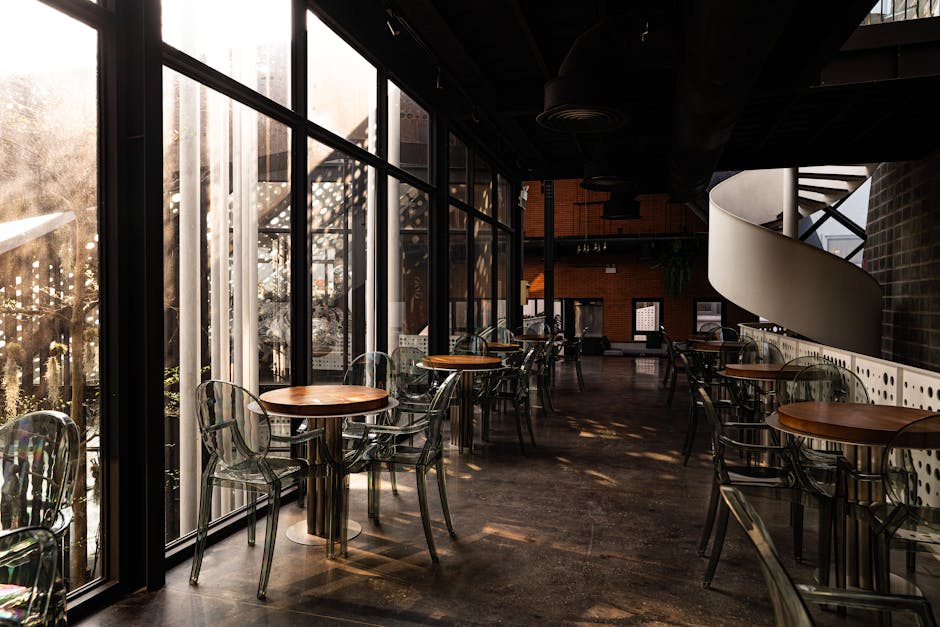
The original draw and still the main event. The blocks immediately east of Seongsu Station Exits 3 and 4 contain Korea’s densest cluster of specialty coffee roasters and concept cafés, most occupying old warehouses and shoe factories. Top picks for first-time visitors:
- Daelim Changgo (대림창고): The original “warehouse café,” set in a converted rice silo. Massive hipster-industrial vibe. Coffee ₩6,500–8,500.
- Onion Seongsu: Bakery + café in a still-active garage. Pandoro and almond croissants legendary. Always queueing.
- Center Coffee: Specialty roaster in a glass-walled warehouse. Single-origin pour-overs ₩7,000+.
- Mesh Coffee: Award-winning baristas, minimalist design, espresso program tasting flights.
- Café Halftime: Two-story warehouse with rooftop. Strong cold brew and dessert program.
- Likely Me: Influencer-favorite for matcha and tonal interior shots.
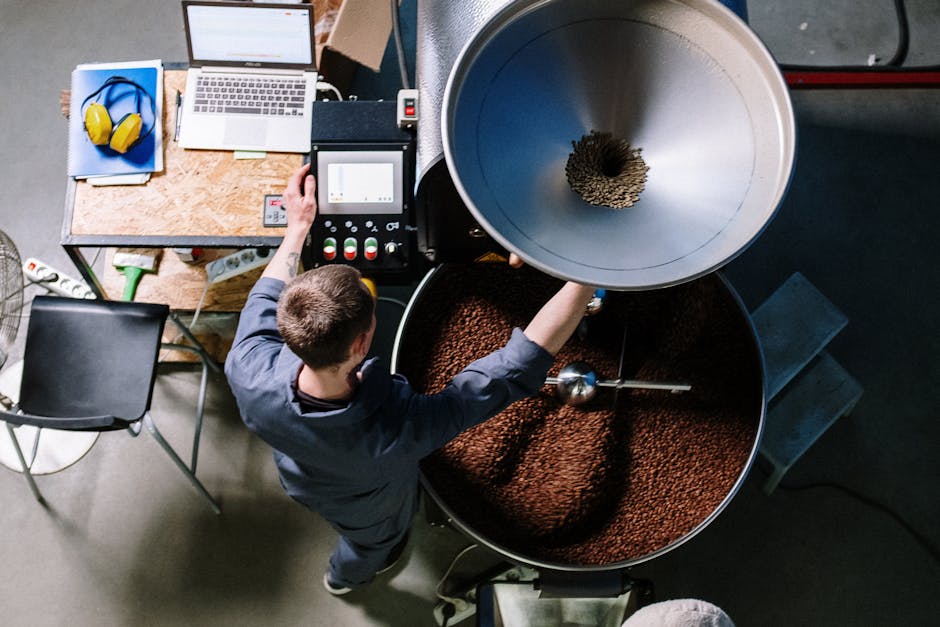
What sets these cafés apart isn’t just the coffee — it’s that the buildings are the attraction. You order a flat white and end up in a soaring former rice silo with fifteen-meter ceilings, or a glass box where you watch green beans roast behind the counter. Prices run ₩6,000–9,000 for a coffee, more for the elaborate desserts, and the move is to order one drink, photograph the space, and move on to the next rather than settling in for hours. For the citywide context — and the other neighborhoods worth a café day — see our Seoul café guide. Weekday mornings are calm; by Saturday afternoon the popular spots have real queues.
2. Visit the Korea’s Largest Olive Young
Olive Young is Korea’s biggest health-and-beauty chain, and the Olive Young Seongsu flagship is the largest store in the country. Three floors of K-beauty across every category: Cosrx, Beauty of Joseon, Anua, Skin1004, Numbuzin, Innisfree, Laneige, plus exclusive Seongsu-only product launches. Foreign-tourist tax-refund desk on-site.
3. Pop into Amore Seongsu
The flagship of Amorepacific (Korea’s biggest beauty conglomerate, parents of Sulwhasoo, Laneige, Innisfree, HERA, and others). Built into a converted factory, it lets you sample any product free, get a personalized skincare consultation, and try in-house treatments. Free admission; book treatment slots in advance.
Between the flagship Olive Young, Amore Seongsu, and the Aesop, Tamburins, and Le Labo stores a few doors apart, Seongsu has quietly become one of the best places in the city to shop skincare and fragrance — often with Seongsu-only launches you won’t find in Myeongdong’s cosmetics shops and street-food alleys. Bring your passport for the tax refund. For a full strategy on what’s worth buying and where prices are lowest, pair this with our K-beauty shopping guide.
4. Survey the Pop-Up Scene
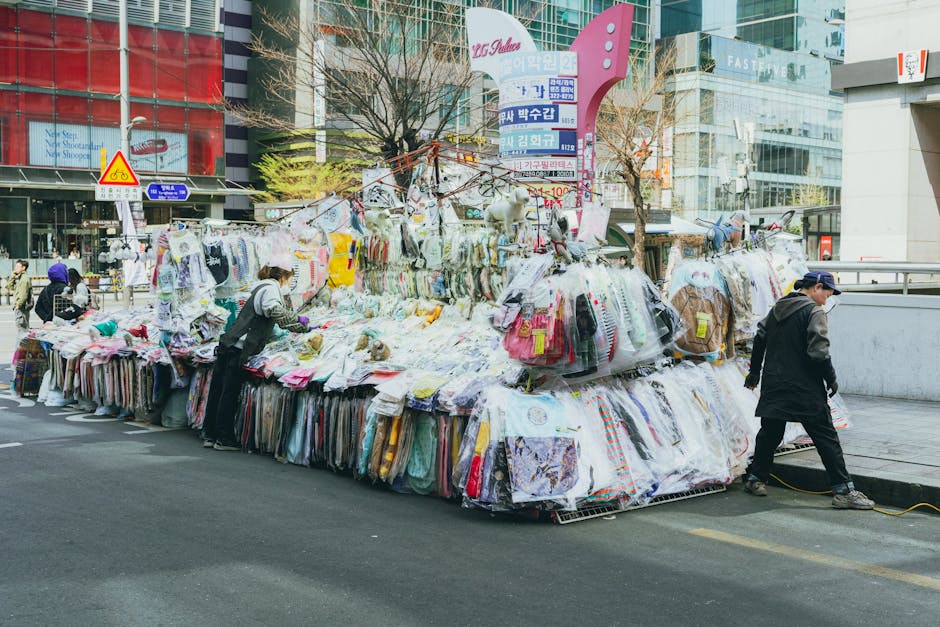
Seongsu has earned the nickname “pop-up capital of Korea.” At any time more than 200 pop-up stores are operating around Seongsu Station, ranging from luxury houses (Dior, Louis Vuitton, Maison Kitsuné) to local Korean designers, K-pop merch drops, gourmet ice cream brands, and indie skincare lines. Pop-ups change every 2–8 weeks. The best way to find current ones is to walk the side streets near Exits 3 and 4 or follow Korean Instagram accounts like @seongsu_popup_now.
Chasing pop-ups is the single most “Seongsu” thing you can do, and it’s free entertainment. The formula is reliable: a brand takes over a raw warehouse space for a few weeks, builds an elaborate immersive set, hands out freebies, and packs it with a photo moment engineered to go viral. Some of the big fashion and K-pop drops require a free timed reservation on the Korean-language Naver booking system — have your hotel help — but the majority you can simply walk into. Because the roster turns over constantly, treat any specific name as a snapshot: the joy is discovering what’s landed this week.
5. Browse Independent Korean Designers at LCDC
LCDC Seoul (라이프 컴퍼니 디자인 센터) houses 25+ rotating independent Korean designer brands across fashion, ceramics, candles, stationery, and home goods. Many are not sold elsewhere. Three floors, photo-friendly modern architecture, a top-floor café.
LCDC is the single best stop if you want to take home something genuinely Korean and genuinely independent — small-batch ceramics, candles, stationery, and clothing from designers who often sell nowhere else. Budget an hour; the top-floor café is a good regroup point mid-crawl.
6. See the Tamburins Flagship
Tamburins is Korea’s cult-favorite niche perfume and skincare brand, owned by the same group as Gentle Monster. Their Seongsu flagship is more art installation than store. Free entry; expect to take photos.
7. Visit Dior Seongsu
Dior opened a stunning multi-floor Seongsu boutique in 2024 — a glass cube wrapped in white-painted steel with a rooftop café. Even non-shoppers come to photograph the architecture. Reservations required during weekends. Free entry; café open to all.
Dior, Tamburins, Gentle Monster, and Louis Vuitton have all treated Seongsu as an architectural playground, which means you can spend a happy hour photographing world-class retail design without spending a won. Even if luxury shopping isn’t your thing, these flagships are among the most striking buildings in the city — the white-steel Dior cube and the surreal Tamburins interior in particular.
8. Walk Through Seongsu Federation (성수연방)
An old warehouse complex turned into a multi-tenant creative campus. Galleries, studios, vintage shops, and indie restaurants. Always something new opening or closing.
Seongsu Federation and the nearby Under Stand Avenue container complex are good “one-stop” clusters when the weather turns — multiple shops, studios, and food stalls under one roof, so you can browse without hopping between buildings in the rain.
9. Spend an Afternoon at Seoul Forest
Just one stop away (Ttukseom Station), Seoul Forest is the city’s largest park — 1.16 km² of woodlands, deer enclosures, an artificial wetland, bike paths, and quiet picnic lawns. Free admission. Combine Seongsu’s cafés with a Seoul Forest stroll for a perfect afternoon.
Seoul Forest is the perfect counterweight to a caffeine-and-shopping morning — a genuine breath of green with a deer paddock kids love, a mirror-pond, and long riverside paths good for a nap on the grass. It links straight to the Han River trail, so you can walk off lunch and watch the sunset over the water. Our Seoul parks and gardens guide has more green escapes if you want to build a slower day.
10. Bike Along the Han River
Seongsu-dong sits on the Han’s north bank. Walk south to Ttukseom Hangang Park for bike rentals and watersports. See our Han River activities guide for the full menu.
The riverside is also the neighborhood’s best free sunset: rent a bike for a few thousand won, ride the flat paved path along the water, and watch the light drop behind the bridges. On summer evenings the park fills with locals unrolling mats and ordering fried chicken to their exact GPS location — join them.
Where to Eat in Seongsu-dong
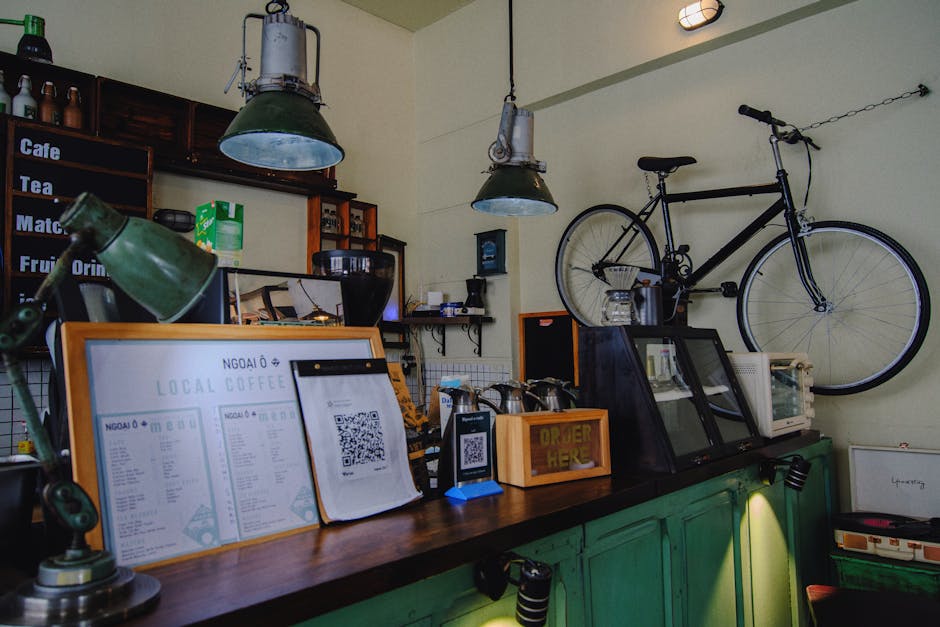
- Mootae Burger — Cult Korean burger spot. ₩9,000–13,000.
- Bistro Bath — Korean-French fusion in a converted bathhouse. Set lunch ₩28,000.
- Mil Toast House — Famous toast and ham-and-egg sandwiches. ₩7,000–10,000.
- Knotted Donuts — Korea’s most photographed donut chain. ₩4,500 a piece.
- Saon — Tonkatsu (Korean-Japanese fusion). ₩14,000–18,000.
- Seongsu Bunsik — Old-school Korean snack bar with tteokbokki and sundae sausage.
- Yum Yum Tree — Vegan-friendly bowls in a plant-filled space.
Seongsu eats better than its café-first reputation suggests. Beyond the burgers and toast, the back streets hide excellent Korean barbecue joints where locals go after work — smoky, unpretentious, and a fraction of Gangnam prices; our Korean BBQ guide explains how to order. There’s also a strong dessert-bar culture (the Knotted flagship, artisan gelato, natural-wine-and-cheese spots) that comes alive in the evening once the day-trippers thin out. Come hungry and graze.
Seongsu-dong Shopping: What to Buy
- K-beauty at Olive Young, Amore Seongsu, Aesop Seongsu
- Independent fashion at LCDC and pop-ups
- Specialty coffee beans from Center, Mesh, and Yeon Coffee
- Niche fragrance at Tamburins, Diptyque Seongsu, Le Labo Seongsu
- Korean ceramics & home goods at LCDC stores and design markets
- Vintage clothing at WGW, Mil-Mart, and weekend flea markets
A quick strategy note: the K-beauty and coffee beans are the most sensible things to carry home (light, unavailable abroad, and often cheaper here with the tax refund), while the indie fashion and ceramics are where you’ll find true one-of-a-kind pieces. If you’re building a bigger shopping day, our Seoul shopping guide maps how Seongsu compares with Myeongdong, Dongdaemun, and Gangnam.
Best Times to Visit Seongsu-dong
- Weekday afternoons (Tue–Thu, 1:00–5:00 PM): Peak café and pop-up time without weekend crush.
- Weekends: Energetic but extremely crowded — most pop-ups have 30–60 minute waits.
- Mondays: Many cafés and small shops close. Skip.
- Spring (April–May): Outdoor terrace season begins. Café streets at their best.
- Autumn (October–November): Cool weather + pop-ups peak.
Pair with our best time to visit Seoul guide for the seasonal calendar.
Suggested Half-Day Seongsu-dong Itinerary
- 11:00 AM — Arrive at Seongsu Station (Line 2), Exit 3.
- 11:15 AM — Coffee at Daelim Changgo or Onion Seongsu.
- 12:30 PM — Lunch at Mootae Burger or Bistro Bath.
- 2:00 PM — Olive Young flagship + Amore Seongsu (free samples).
- 3:30 PM — Pop-up crawl on the side streets near Exit 4.
- 4:30 PM — LCDC Seoul for indie Korean design.
- 5:30 PM — Walk down to Ttukseom Hangang Park for sunset.
- 7:00 PM — Dinner at Saon or back-street barbecue.
Short on time? The compressed version is Onion Seongsu for a pastry, the Olive Young flagship for a K-beauty haul, whatever pop-up is drawing a queue that week, and a sunset walk to the river — three hours that still capture the essence. Got a full day? Add Seoul Forest, LCDC, and a lingering dinner, and you’ve seen the neighborhood properly.
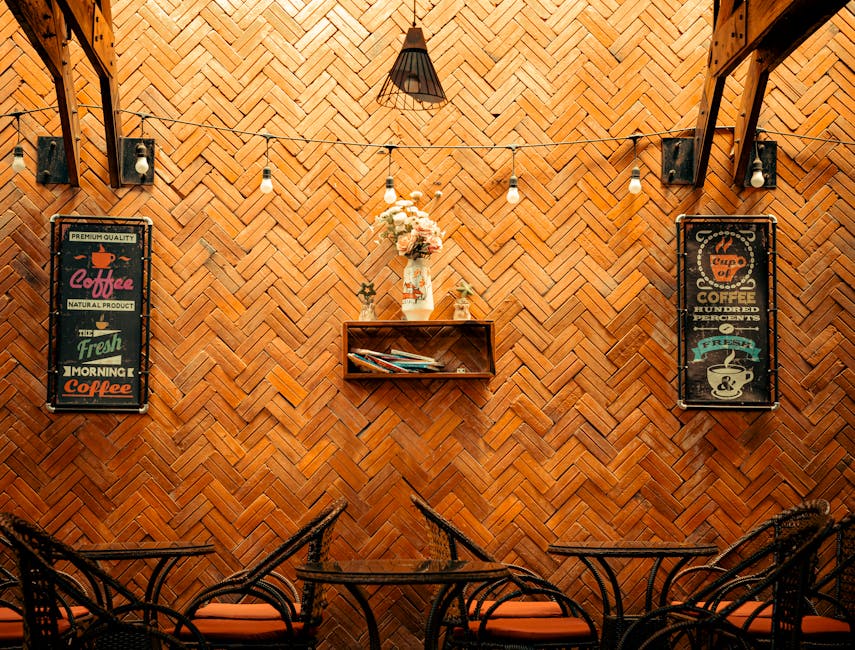
Seongsu-dong vs. Hongdae and Gangnam
If you’re choosing between Seoul’s “trendy” districts, here’s the breakdown:
- Hongdae = young, indie music, late-night, university energy
- Gangnam = luxury, polished, expensive, K-pop tour starts
- Itaewon = international, multicultural, nightlife
- Seongsu-dong = creative, design-forward, cafés and pop-ups, daytime
Seongsu is best in the daytime. For nights, hop the subway to Hongdae or Itaewon — see our Seoul nightlife guide.
The practical upshot: if you’ve only got time for one “trendy” district and you love coffee, design, and photography, make it Seongsu. If you’re here for nightlife and live music, choose Hongdae; for luxury and polish, Gangnam. Better yet, do Seongsu in the afternoon and one of the others after dark — they’re all on Line 2. The easiest pairing is 35 minutes west with no transfer, and Hongdae’s indie live-music clubs and busker street don’t hit their stride until Seongsu’s cafés have already shut.
Photography in Seongsu-dong
Seongsu-dong is one of the most Instagrammed neighborhoods in Seoul. Tips:
- Best light: 4:00–6:00 PM golden hour against red brick.
- No flash inside cafés. Most welcome photos but ask staff first for paid shoots.
- Architecture spots: Dior Seongsu glass cube, LCDC concrete tower, Daelim Changgo silo, Center Coffee glass walls.
- Drone: Restricted in central Seoul. Don’t.
One more courtesy that goes a long way: Seongsu’s cafés and pop-ups are gorgeous and everyone wants the shot, but many spaces are small and staff are working. Ask before photographing counters or staff, keep tripods out of walkways, and don’t block the queue for a ten-minute photoshoot. The neighborhood stays welcoming to cameras because most visitors are considerate — keep it that way.
Practical Tips for Visiting Seongsu-dong
- Card-friendly: Almost every café and store accepts foreign Visa/Mastercard.
- Wi-Fi: Free Seoul Wi-Fi covers the area.
- Restrooms: Cafés (paying customers) and Olive Young have public ones.
- Crowds: Saturdays peak. Plan around if you want quieter cafés.
- Tax-free shopping: Most flagships have foreign-tourist tax refund desks.
- Pop-up ticketing: Some big-name pop-ups (Dior, K-pop) require online reservations on the Korean side. Ask hotel concierge.
- Parking: Driving is hellish. Take the subway.
Seongsu-dong After Dark: Craft Beer and Wine Bars
Seongsu is a daytime neighborhood at heart, but it doesn’t switch off at dusk the way it used to. As the cafés close, a low-key evening scene takes over: natural-wine bars in converted storefronts, a handful of craft-beer taprooms and breweries pouring locally, and speakeasy-style cocktail rooms hidden behind unmarked doors. It’s more grown-up and design-conscious than Hongdae’s student energy — think small rooms, good playlists, and no cover charge. If you want a bigger night out afterward, the subway reaches Itaewon and Hongdae in well under 30 minutes; our best bars in Seoul guide has the citywide picks, and the Seoul nightlife guide covers the club scene.
A Local’s Take: What’s Worth It, What to Skip
Do: Go on a weekday if you possibly can — Seongsu on a Saturday is a scrum of influencers and 40-minute queues, while a Tuesday afternoon feels like the neighborhood the locals actually love. Prioritize the warehouse cafés and whatever pop-ups have landed that week; those are the genuinely unique experiences. Bring your passport for tax-free K-beauty hauls. End at Seoul Forest or the river.
Skip: Don’t try to “see everything” — the fun is wandering, not ticking off a list. Skip the longest queues (there’s always an equally good café one street over), don’t drive (parking is genuinely miserable), and don’t come on a Monday when much of the neighborhood is shuttered. And resist buying at the first pop-up; half the pleasure is comparison-hopping.
The History Behind the Hype
Understanding why Seongsu looks the way it does makes the visit richer. For most of the 20th century this was Seoul’s handmade-shoe capital — hundreds of small workshops clustered near the Han River and the Line 2 tracks. When manufacturing declined in the 2000s, the cheap rent and cavernous industrial spaces drew artists and roasters, and the city smartly protected the raw brick-and-steel character instead of bulldozing it. You can still find working leather and garment workshops operating next door to a luxury flagship — that friction between old industry and new money is the whole point of Seongsu, and it’s what separates it from a purely manufactured “trendy” district. See how it fits the bigger picture in our Seoul neighborhoods guide.
Where to Stay Near Seongsu-dong
Seongsu-dong itself has limited accommodation, but mid-range hotels in Wangsimni and Konkuk University area put you 1–2 stops away. For luxury, the new RYSE in Hongdae and JW Marriott Dongdaemun Square are 15-minute taxi rides. See our where to stay in Seoul guide.
Honestly, most travelers visit Seongsu as a half-day trip from a base in a more central or nightlife-heavy area rather than staying here. It’s so well connected on Line 2 that Hongdae, Myeongdong, and Gangnam are all an easy, transfer-free or one-transfer ride, so pick your hotel for your overall trip and treat Seongsu as an afternoon.
Seongsu does the photo-studio thing differently from Hongdae — fewer places, but larger self-studio rooms with proper backdrops and studio lighting rather than the curtained booth. Our guide to Korean self-photo studios covers the difference between the two formats and what each one costs.
Seongsu slots neatly into a short trip: mornings here are quiet, the cafés open around ten, and Seoul Forest is a ten-minute walk away. Our 2-day Seoul itinerary builds its second day around exactly that, before heading to the river and Hongdae.
Frequently Asked Questions
Why is Seongsu-dong called Seoul’s Brooklyn?
The neighborhood transformed from an industrial shoe-factory district into a creative cafe-and-design hub, mirroring Brooklyn’s own shift from industry to creative class. Old factories now host cafés, galleries, and pop-ups.
What’s the best café in Seongsu-dong?
Daelim Changgo for the original warehouse vibe, Onion Seongsu for bakery, Center Coffee for serious specialty pour-overs.
Is Seongsu-dong worth visiting?
Yes — it’s one of Seoul’s most distinctive neighborhoods and the best place to feel the city’s current creative pulse.
How long do I need in Seongsu-dong?
Half a day for cafés and shops. Add a few hours for pop-ups and Seoul Forest.
What’s the best subway exit for Seongsu-dong cafés?
Seongsu Station (Line 2), Exit 3 or 4. Both are surrounded by cafés.
Are there pop-up stores I should visit?
Always. The list rotates every 2–8 weeks. Walk Exits 3 and 4 area, or check Korean Instagram for current ones.
Is Seongsu-dong family-friendly?
Yes — kids enjoy Knotted Donuts, the parks, and the colorful pop-ups. Many cafés are stroller-friendly.
Can I shop tax-free in Seongsu-dong?
Yes — Olive Young, major flagships, and luxury stores all offer foreign-tourist tax refunds.
What should I buy in Seongsu-dong?
Specialty coffee beans, niche perfumes, indie Korean designer fashion, K-beauty exclusives.
Is Seongsu-dong better than Hongdae?
They serve different moods. Seongsu is design-led, daytime, café-and-pop-up territory; Hongdae is younger, music-driven, and best at night. Many visitors do Seongsu by day and Hongdae after dark.
Do I need reservations for the pop-ups?
Most you can walk into for free. Only the biggest fashion and K-pop pop-ups require a free timed booking on Korea’s Naver system — ask your hotel to help if the site is Korean-only.
When do Seongsu cafés and shops open?
Most cafés open around 10:00–11:00 and run to early evening; many small shops close Mondays. Aim for a weekday early afternoon to beat the crowds.
Is Seongsu-dong expensive?
Cafés and flagship shopping are mid-range (₩6,000–9,000 a coffee), but wandering, pop-ups, street art, Seoul Forest, and the riverside are all free — you can have a great day here on very little.
How do I get to Seongsu from the airport?
Take the AREX from Incheon to a Line 2 transfer (via Hongik University or City Hall) and ride Line 2 directly to Seongsu Station — roughly 90 minutes total.
Final Thoughts
Seongsu-dong is Seoul at its most creative right now. Spend an afternoon walking the warehouse-conversion cafés, dipping into rotating pop-ups, and browsing Korean designer concept stores, then end at the Han River as the sun sets. It’s the most up-to-the-minute neighborhood for travelers who want to see where Seoul is heading next, not where it’s been.
Plan your full Seoul trip with our Seoul travel guide, broader Seoul neighborhoods guide, the Seoul cafe guide, and our things to do in Seoul hub.