01
Themed Cafes in Seoul: 24 Best Unique Cafes Guide (2026)
Best themed cafes in Seoul 2026 - Harry Potter, animal cafes, K-pop, pink hotel, 2D…
This Seoul cafe guide maps the city’s extraordinary coffee culture — world-class specialty roasters, jaw-dropping themed cafes, centuries-old tea houses, and Instagram-famous dessert spots. With more cafes per capita than almost anywhere on earth, Seoul is a coffee lover’s paradise, and this guide shows you exactly where to go and what to order.
3 guides, ordered the way you will need them. Each one stands alone if you arrived from search.
01
Best themed cafes in Seoul 2026 - Harry Potter, animal cafes, K-pop, pink hotel, 2D…
02
Best traditional tea houses Seoul 2026 - Shin Old Tea House, Tteuran, Cha Mashineun…
03
Best coffee shops in Seoul 2026 - 25+ specialty cafes including Mesh, Brewing…
Seoul’s cafe culture is unlike anything else in the world. With over 90,000 cafes across the metropolitan area, coffee shops have become the beating heart of the city’s social life. But Seoul cafes are about far more than caffeine. They’re architectural showcases, design studios, cultural experiences, and community gathering spaces that reflect the city’s relentless creativity. Whether you have a single free afternoon or a week to cafe-hop across the city’s distinct Seoul neighborhoods, the variety here will spoil you. Pull up a chair — this is the most complete cafe map you’ll find.

To understand Seoul’s cafe obsession, you need to know how cafes function in Korean life. Unlike many Western countries where coffee shops are primarily morning pit stops, Korean cafes are “third spaces” — extensions of living rooms in a city where apartments are small and personal space is at a premium. People meet friends, hold casual business meetings, study for exams, work on laptops, go on first dates, and spend entire afternoons in cafes without anyone batting an eye. Nursing a single 5,500-won latte for three hours is completely normal here, and nobody will hand you a check or hover by your table.
Most Seoul cafes don’t open until 10 or 11 AM and stay open late into the evening — some until midnight or beyond. The vibe shifts throughout the day: quiet morning studiers give way to afternoon socializers and evening date-nighters. Many cafes have designated “study zones” (called study cafes or 카공 spaces) with power outlets, dividers, and unspoken no-talking rules alongside social areas buzzing with conversation. If you plan to work, look for a cafe with a 2-floor layout — the upper floor is almost always the quiet one.
Cafe-hopping is a legitimate Seoul pastime, especially on weekends. Young Koreans will travel across the city to visit a single buzzed-about cafe, order one signature drink and a dessert, photograph everything meticulously, and then move on to the next. The result is a hyper-competitive market where cafes survive on distinctive design, unusual concepts, and shareable menus. That competition is exactly why the visiting traveler wins: the bar for ambiance, presentation, and quality is absurdly high. Cafe culture pairs naturally with a day of exploring, so it slots easily into any of our Seoul itineraries.
The Korean cafe industry in 2026 is defined by the keyword B.E.Y.O.N.D — Better Community, Everyday Wellness, Your Moment, Original Local, Nature Forward, and Digital Transformation. In practice, that means more cafes built around wellness drinks and low-caffeine options, more “nature” interiors heavy on plants and natural light, and more spaces designed as community hubs rather than simple consumption points. You’ll feel the difference the moment you walk in.
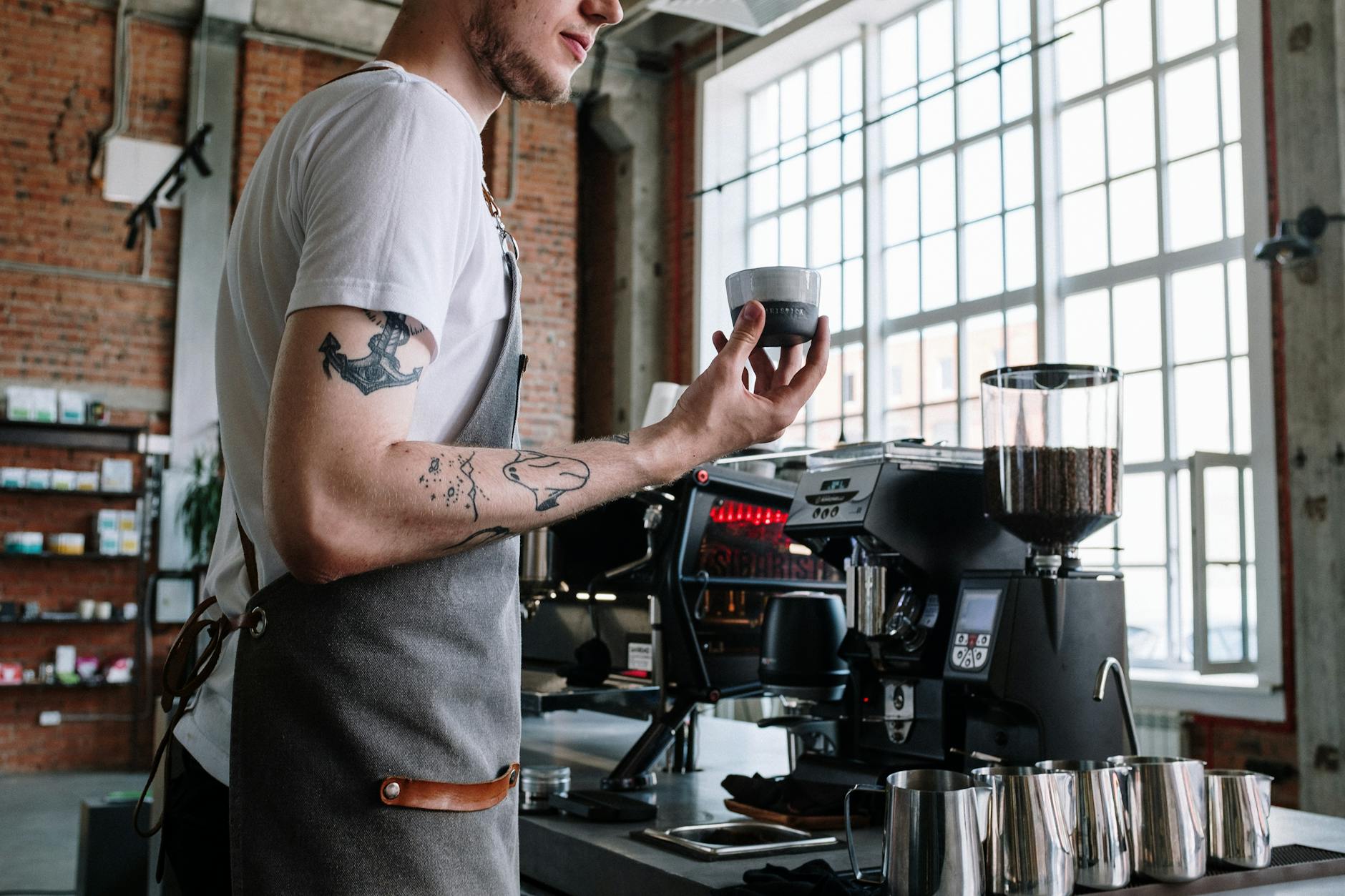
Seoul’s specialty coffee scene has exploded over the past decade, transforming the city from an instant-coffee culture into one of Asia’s most sophisticated coffee destinations. The city’s baristas regularly compete in — and win — international coffee championships, and Seoul roasters source exceptional single-origin beans from around the world through direct trade. If you take your coffee seriously, the bar here will surprise you: expect meticulously dialed-in pour-overs, competition-grade espresso, and baristas happy to talk through origin and process. If you want the ranked shortlist rather than the highlights, our guide to the best coffee shops in Seoul covers 25 roasters and specialty cafes, including the handful worth crossing the river for.
Fritz Coffee Company (프리츠): Widely regarded as Seoul’s finest specialty roaster. Fritz sources single-origin beans through direct trade and roasts in small batches on-site. Their flagship in Mapo-gu, set in a restored hanok, is a destination for serious coffee lovers — the filter coffee and flat whites meet global specialty standards, and the seal mascot branding has become an icon of Seoul coffee. Expect to pay around ₩5,000–6,500 for a pour-over. Grab a bag of beans on the way out; they make an excellent souvenir.
Namusairo (나무사이로): This Yeonnam-dong roastery is famous for its meticulous, scientific approach to brewing. Each cup is prepared with precision, and the baristas will gladly explain their process. The minimalist space lets the coffee speak for itself — this is where Seoul’s most discerning coffee drinkers come for their daily fix.
Center Coffee: A specialty pioneer with a cult following and outposts including a stunning Seongsu-dong flagship. Center focuses on light-roast single-origin pour-overs that highlight each bean’s terroir, with a rotating menu that rewards repeat visits.
Anthracite Coffee Roasters: Operating from beautifully converted industrial spaces — including a former shoe factory in Hapjeong — Anthracite pairs exceptional coffee with striking architectural design. The roasting facility is visible through glass walls, and the raw industrial aesthetic has become one of Seoul’s most photographed cafe interiors.
Coffee Libre (커피리브레): Known for an experimental streak, Coffee Libre pushes boundaries with unusual processing methods, fermented coffees, and creative seasonal drinks. If you want to taste the cutting edge of Seoul’s coffee innovation, this is the place. Their Yeonnam and Myeongdong cathedral-area branches are both worth seeking out.
Where to find them: The densest concentration of serious roasters sits in the Mapo-gu belt — Yeonnam-dong, Hapjeong, and Mangwon — within easy reach of Hongdae. Pair a roaster crawl with the area’s record shops and vintage stores for a perfect low-key afternoon. Coffee features in plenty of our unique things to do in Seoul, and a great flat white costs less than a museum ticket.
Seoul’s coffee story is surprisingly recent and helps explain why the scene feels so intense. Coffee arrived in Korea in the late 19th century — King Gojong was famously fond of it — but for most of the 20th century, “coffee” meant dabang tea-room culture and, later, sweet instant coffee mix (the three-in-one sachet of coffee, sugar, and creamer that’s still a fixture in offices and convenience stores). The modern transformation came in two waves.
The first wave was the franchise boom of the 2000s, when global and homegrown chains put a cafe on nearly every corner and made “going for coffee” the default social activity. The second — and the reason Seoul matters on the world coffee map today — was the specialty movement of the 2010s, led by pioneering roasters who trained abroad, competed internationally, and brought serious sourcing and brewing back home. By the 2020s, Korean baristas were winning world championships and Seoul had quietly become one of the most exciting coffee cities anywhere. Layer the country’s design obsession and social-media fluency on top, and you get the spectacular, hyper-competitive scene you’ll experience as a visitor.
What this means for you: quality is high almost everywhere, novelty is constant, and the cafes that survive have to be genuinely special. It also means coffee is woven into how locals see and use their city — which is why a thoughtful cafe stop tells you more about contemporary Seoul than most museums. For the bigger picture of where these cafes sit, browse our neighborhood-by-neighborhood guide.
Beyond the marquee names, a few more are worth building a morning around. Mesh Coffee in Hannam is a tiny, fiercely focused espresso bar beloved by industry people. Felt Coffee roasts thoughtfully and runs handsome branches near the palaces and in Gangnam. Protokoll and Manufact Coffee are Seongsu favorites for clean, modern brews. Hell Cafe takes a deliberately old-school, dark-roast approach for those who miss a more traditional cup. And Terarosa — originally from Gangneung — brings its respected roasting and gorgeous spaces to several Seoul locations, including a soaring branch in Gwanghwamun. Any one of these makes a worthy anchor for a half-day of exploring, easily slotted alongside the dining recommendations in our Seoul food guide.
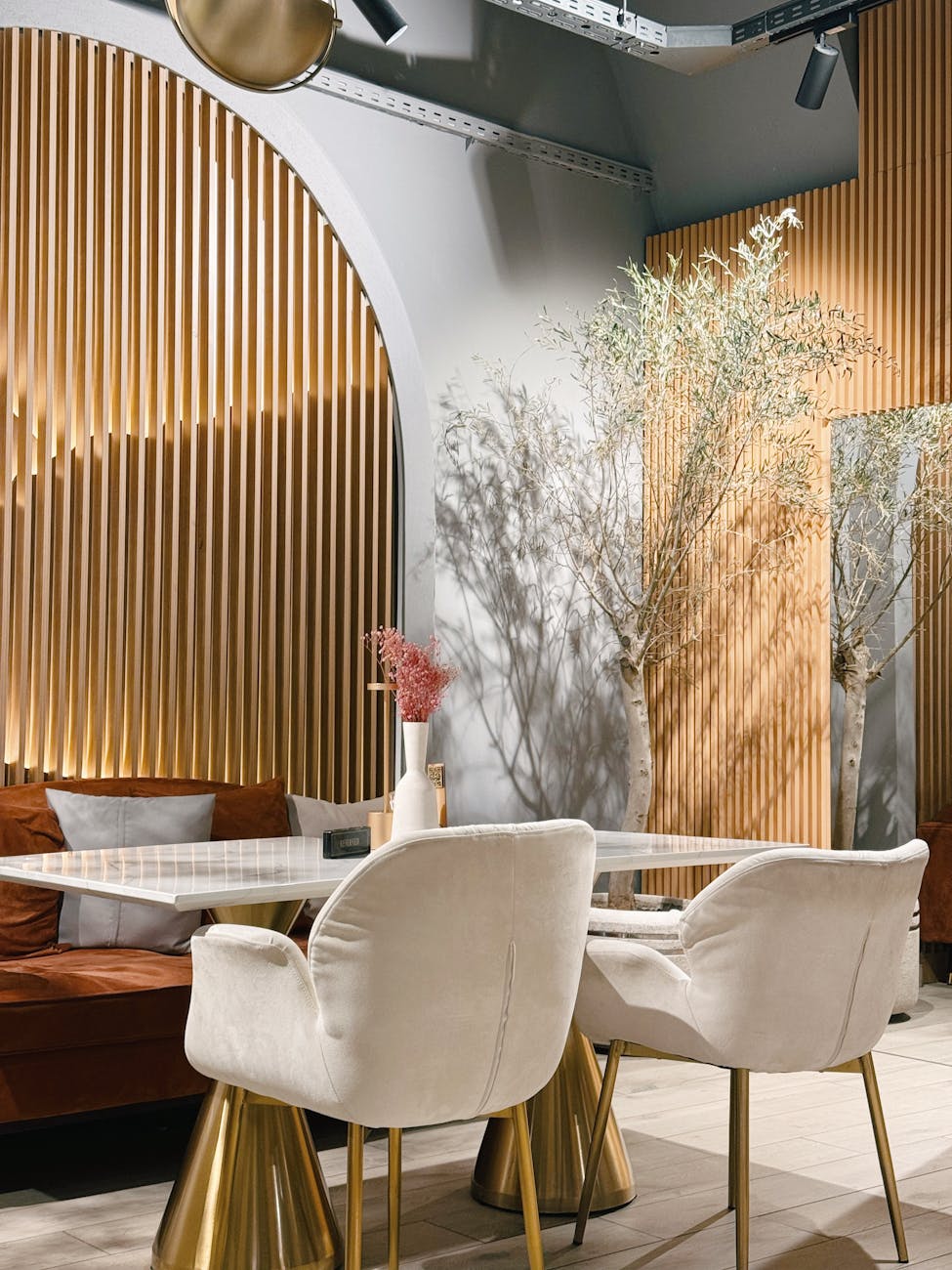
Seoul takes themed cafes to an art form. The city’s cafe entrepreneurs build immersive environments that transport visitors to entirely different worlds — and each one is engineered to be as photogenic as it is memorable. This is where Seoul’s cafe scene becomes a genuine tourist attraction in its own right. What follows are the standouts; our dedicated guide to themed cafes in Seoul runs to more than 25, grouped by concept, with notes on which ones justify the weekend queue and which are better left to the photos.
Cafe Onion Anguk (카페 어니언 안국): Housed in a renovated century-old hanok near Anguk Station, Onion is where traditional Korean architecture meets industrial minimalism. The contrast between ancient wooden beams and raw concrete is stunning, and the fresh-baked pastries — especially the pandoro dusted in powdered sugar — are as impressive as the space. Arrive before 10:30 AM on weekends; lines form fast. It’s a five-minute walk from Bukchon Hanok Village, so pair the two.
Drunken Bean: Step through the entrance and you’re inside the New York City subway — tiled walls, industrial lighting, a replica subway car, metal turnstiles, and authentic signage. The attention to detail is remarkable, and the coffee is genuinely good rather than an afterthought.
Temple of Ungnyeo (Cave Cafe): Hidden behind a fake stone exterior, you enter by pressing a button that slides the wall open, revealing a dark, atmospheric cave inspired by the Korean creation myth. The dramatic lighting and cave-like walls create one of Seoul’s most unusual cafe experiences — equal parts coffee shop and immersive set.
Zapangi (자판기): Accessed through a pink vending-machine door in Mangwon-dong, this Instagram-famous cafe specializes in creative drinks and desserts in equally creative presentations. The pink-themed interior draws a steady stream of social media visitors — go on a weekday morning if you want a clean shot.
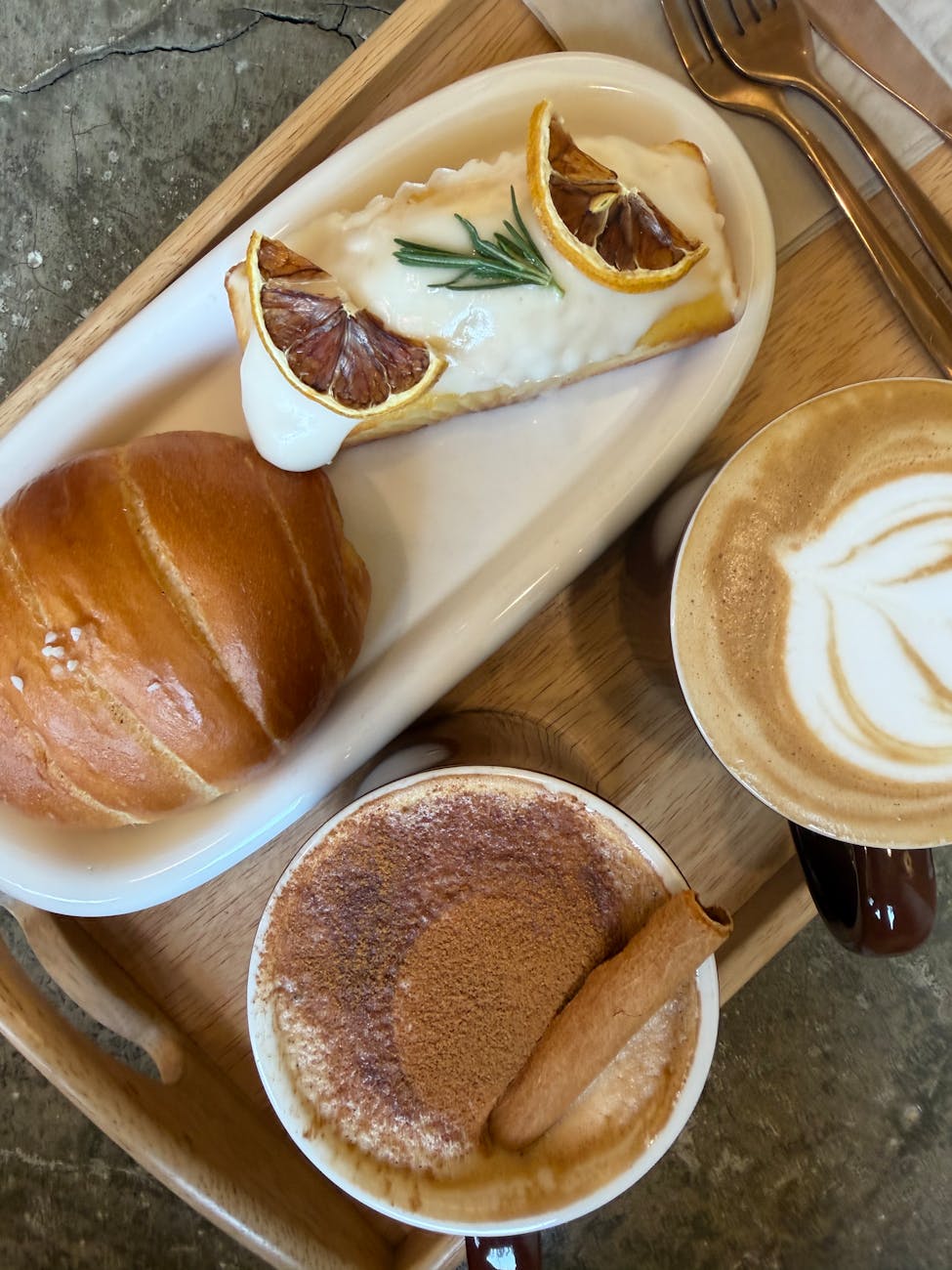
Seoul’s animal cafes range from delightful to gimmicky, so choose carefully. Cat and dog cafes are widespread — Hongdae has several reputable ones where the animals are clearly well cared for and free to roam. Skip any place where the animals look stressed or caged. For something gentler, sheep and meerkat cafes (Thanks Nature Cafe near Hongdae is the classic) let you sip a latte beside resident animals. Character cafes themed around K-pop groups, Kakao Friends, and Line Friends rotate constantly; the flagship Kakao Friends and Line Friends stores in Gangnam and Myeongdong include cafe counters serving character-shaped drinks and cakes.
View 376: Sitting directly on the Han River, this cafe offers one of Seoul’s most unobstructed river views. Floor-to-ceiling windows frame the water and skyline, making it a prime sunset spot. The 22 (Namsan area): Perched near Namsan, this cafe delivers panoramic views over central Seoul, best at golden hour. Rooftop cafes in Yongsan and Itaewon capitalize on hillside elevation — many of the best are tucked above Itaewon‘s sloping backstreets. For mountain-and-city panoramas, head to the cluster of glass-walled cafes around Bukak Skyway and Bugak Palgakjeong, where the entire city unfurls below you.

Before coffee took over, Korea had a centuries-old tea tradition, and a handful of atmospheric tea houses (찻집, chatjip) keep it alive. These are the antidote to Seoul’s hyper-modern coffee scene — quiet, wooden, scented with roasted grains and herbs, and often set in courtyards or hanok. The epicenter is Insadong, Seoul’s traditional arts district. We profile ten of the best traditional tea houses in Seoul separately, with what to order at each and how the chajip ritual differs from a cafe stop.
Shin Old Tea House (Insadong): A famously eccentric spot where finches fly freely among the plants and antiques. The atmosphere is unlike anywhere else in the city. Beautiful Tea Museum (Aritaum): A tea house, gallery, and shop in one, with dozens of teas served in handmade ceramics in a serene hanok courtyard. Cha Masineun Tteul: Tucked in Bukchon, this hillside tea house pairs traditional teas with a view over tiled hanok roofs.
What to order: Try omija-cha (five-flavor berry tea, served hot or iced and naturally pink), yujacha (honeyed citron tea, wonderful in winter), daechu-cha (jujube tea), or ssanghwa-cha (a medicinal herbal tonic often topped with nuts and an egg yolk). Most tea houses serve traditional sweets like tteok (rice cakes) and yakgwa (honey cookies) alongside. Expect ₩7,000–10,000 per pot — more than a coffee, but you’re paying for the ritual and the room.
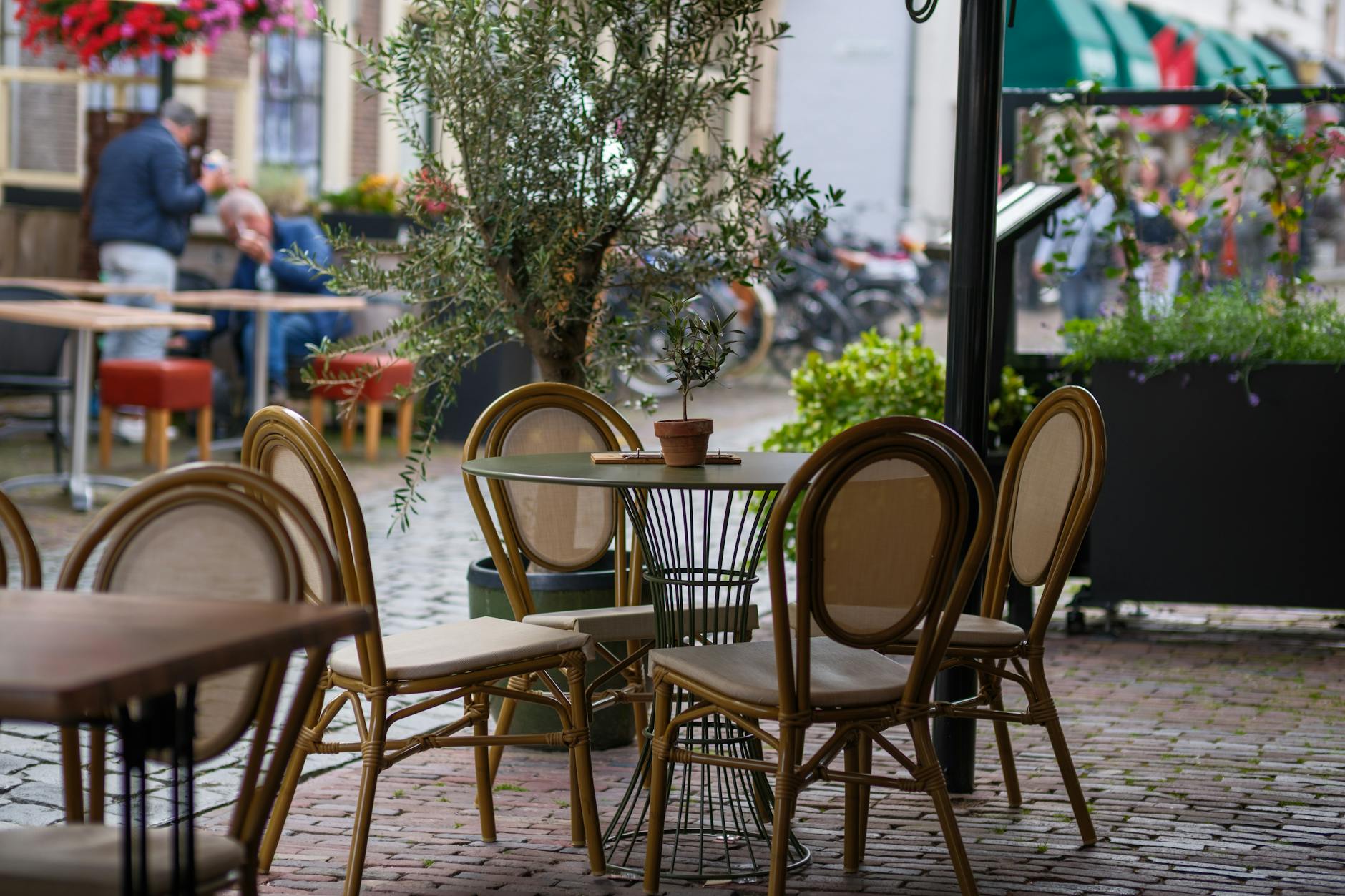
Where you cafe-hop depends on the mood you’re after. Each district has a distinct coffee personality — here’s how to choose, with deeper district detail in our guide to Seoul’s neighborhoods.
Seongsu-dong — the cafe capital. Nicknamed “Brooklyn of Seoul,” Seongsu-dong is the single best neighborhood for cafe-hopping. Former factories and warehouses now house cavernous concept cafes like Daelim Changgo (a converted warehouse gallery-cafe), Onion Seongsu, and Center Coffee. Plan a full afternoon and simply wander — you’ll stumble on a remarkable cafe every block.
Hongdae and Yeonnam-dong — youthful and experimental. The university energy of Hongdae spills into leafy Yeonnam-dong, home to indie roasters, dessert cafes, and the “Yeontral Park” linear park where cafes line both sides. This is where Seoul’s coffee trends are born.
Bukchon, Samcheong-dong, and Insadong — traditional and scenic. Hanok cafes, tea houses, and gallery cafes cluster around Bukchon and Samcheong-dong’s gently sloping lanes. Come here for atmosphere and history rather than cutting-edge coffee.
Gangnam and Apgujeong — polished and upscale. South of the river, Gangnam and the Apgujeong/Garosu-gil area deliver glossy flagship cafes, dessert bars, and designer interiors. Prices run higher, but so does the people-watching.
Myeongdong and Jung-gu — convenient and central. If you’re sightseeing downtown or near the palaces, Myeongdong has dependable chains and a few standouts for a quick caffeine break between attractions.
If coffee is Seoul’s obsession, dessert is its love language. Dessert-forward cafes (sometimes called 디저트 카페) treat plating like couture, and a single beautifully constructed cake can be the entire reason a cafe exists. These spots are where Seoul’s “cafe as experience” philosophy reaches its peak.
Tongue Planet, Layered, and Maison de la Créme built the scone-and-cake craze; Layered’s towering scones with clotted cream and jam are a rite of passage in Yeonnam and Anguk. Sulbing (설빙) is the go-to chain for bingsu, with injeolmi and mango versions that comfortably feed two. For French-pastry precision, Maison m’O and Passion 5 (a luxury bakery-patisserie complex in Hannam) showcase mirror-glaze tarts and macarons that rival Paris. And the croffle — a croissant pressed in a waffle iron, then loaded with cream and fruit — is a Seoul invention you’ll find on menus citywide.
Many dessert cafes set a one-order-per-person minimum and fill up fast, so treat them as a destination rather than a pit stop. Sharing is normal and encouraged — order one signature item and one classic, and you’ll leave happy without overdoing it. Pair a dessert crawl with the Seoul street food scene for a full day of eating your way across the city.
The joy of Seoul cafe culture isn’t only the marquee names — it’s the streets where great cafes cluster so densely you can walk in cold and rarely go wrong. Build your day around one of these strips and let curiosity do the rest.
Seongsu Cafe Street: The industrial blocks between Seongsu and Ttukseom stations are wall-to-wall concept cafes, flagship brand spaces, and roasters. Start at Daelim Changgo and zigzag outward. Yeonnam-dong / “Yeontral Park”: The linear park along the old railway line is flanked by indie cafes, brunch spots, and dessert bars — a 20-minute walk yields a dozen tempting doors. Garosu-gil (Sinsa): This tree-lined Gangnam strip mixes flagship cafes with boutiques; the side streets (“Serosu-gil”) hide quieter gems. Samcheong-dong: Hanok-lined and scenic, perfect for pairing a cafe with palace and gallery visits. Ikseon-dong: A maze of restored hanok alleys near Jongno packed with tiny, characterful cafes and dessert nooks — one of the most atmospheric strips in the city, detailed in our Jongno guide.
A simple, satisfying plan: pick one strip, arrive around 11 AM before the crowds, hit a specialty roaster for your first proper coffee, wander into a concept cafe for photos and a signature drink, then finish at a dessert cafe mid-afternoon. That’s three very different cafes in one neighborhood — the essence of cafe-hopping Seoul-style, and an easy add-on to any of our Seoul itineraries.
You can’t miss Seoul’s chains, and some are genuinely good. A Twosome Place and Hollys are reliable for cake and a comfortable seat. Ediya is the budget-friendly workhorse. Blue Bottle opened to enormous queues and runs beautiful minimalist branches in Seongsu, Samcheong, and Yeoksam. Starbucks Korea deserves a special mention: it operates some of the chain’s most spectacular locations worldwide, including the multi-floor Starbucks “The 1st” in Jongno and reserve roasteries with views over the city. Even committed independents pop into a Starbucks for the reliable Wi-Fi and bathrooms while sightseeing.
One of the most distinctly Seoul experiences is sipping a flat white inside a hanok — a traditional Korean wooden courtyard house, often over a century old. A wave of sensitive restorations has turned dozens of these heritage buildings into cafes, and stepping from a busy lane into a hushed wooden interior with a small inner garden is pure magic. The contrast — exposed beams, paper screens, underfloor stone, and a modern espresso machine — captures everything interesting about contemporary Seoul.
The richest hunting grounds are Bukchon Hanok Village, neighboring Samcheong-dong, and the hanok alleys of Ikseon-dong near Jongno. Standouts include Cafe Onion Anguk (the gold standard), Cha Masineun Tteul for traditional tea with a rooftop-tile view, and a constellation of tiny Ikseon-dong cafes tucked behind sliding wooden doors. Many sit minutes from Gyeongbokgung and Changdeokgung palaces, so a hanok cafe makes the perfect pause on a heritage-focused day. Wearing hanbok for the day? You’ll fit right in — and snag free palace admission while you’re at it.
A quick note on etiquette in these spaces: they’re often small, structurally old, and beloved. Keep your voice low, mind the raised thresholds and wooden floors, remove shoes where signs indicate, and ask before photographing other guests. The reward for a little care is one of the most serene coffee experiences in Asia.
Seoul has a cafe tuned to every mood and group. Here’s how to match the place to the plan.
For a date: Head to a view cafe at golden hour (View 376 on the Han, or a Namsan-area rooftop) or an atmospheric hanok cafe in Samcheong-dong. Soft lighting, a shared dessert, and a skyline do the heavy lifting. For solo work or study: Choose a two-floor specialty cafe or a dedicated study cafe in Gangnam or near a university; bring earphones and settle in. For groups and catching up: The cavernous warehouse cafes of Seongsu-dong have the space and the share-friendly bingsu and cake platters.
For families with kids: Larger bakery cafes and park-adjacent cafes (around Seoul Forest or the Han River parks) give children room to move; some neighborhoods have dedicated kids’ cafes with play areas. For night owls: Many Seoul cafes stay open to midnight or later, and the city has a small but excellent set of 24-hour cafes — ideal after a late dinner or before an early airport run. Pair late cafe sessions with our Seoul nightlife guide for a full evening. For a rainy day: Book-cafes and the multi-floor flagship Starbucks and Blue Bottle branches are made for watching the weather from a window seat.
However you cafe, the underlying truth holds: in Seoul, the cafe is rarely just about the coffee. It’s a designed experience, a social ritual, and one of the most affordable luxuries the city offers. Build a few deliberate cafe stops into your trip and you’ll understand the place far better than any landmark could teach you.

Bakery cafes (베이커리 카페) are a category unto themselves in Seoul, and some of the city’s most spectacular cafe spaces are built around bread rather than coffee. These are often enormous, multi-floor destinations where the smell of butter hits you at the door and the pastry counter runs the length of a wall.
Nudake (누데이크): Run by eyewear brand Gentle Monster, Nudake treats pastry as sculpture — the “Peak” croissant cake is a moss-green volcano of cream, and the whole space feels like an art installation. The Dosan Park flagship is the one to visit. London Bagel Museum: The bagel craze that swept Seoul started here; expect a queue out the door at the Anguk and Dosan branches, but the warm bagels and flavored cream cheeses justify it. Cafe Onion (multiple branches) remains the benchmark for hanok-meets-bakery, while Tartine, Maman Gateau, and countless neighborhood spots round out the scene.
Korean bakery cafes also excel at the local-Western hybrid: garlic cream cheese bread, injeolmi (rice-cake) croissants, soy-milk lattes, and the ubiquitous soboro streusel bun. Bread here is a serious dessert culture — explore it further in our Seoul food guide, which covers the city’s wider eating scene.

Seoul cafes lean hard into seasonality, and the menu you’ll find depends heavily on when you visit — worth factoring into your trip planning alongside our guide to the best time to visit Seoul. In spring, cherry-blossom (beot-kkot) lattes turn pink and strawberry everything takes over dessert counters. Summer is the season of bingsu — mountainous shaved-milk-ice desserts topped with red bean, fruit, or injeolmi, designed to be shared. It’s also peak iced-Americano territory; Koreans drink iced Americano (ah-ah) year-round, even in deep winter, and you’ll see it everywhere.
Autumn brings chestnut, sweet potato, and the cult-favorite injeolmi latte (roasted-soybean-powder latte that tastes like toasted nuts). Winter is for hot yujacha, sweet-potato lattes, and seasonal holiday cups. Year-round, look for distinctly Korean drinks: misugaru lattes (multigrain powder), black-sesame lattes, Jeju green-tea and tangerine drinks, and Einspänner (a Viennese cold-brew topped with thick cream that Seoul has thoroughly adopted). Matcha is everywhere too, prepared with surprising care.

Seoul cafes are reasonably priced by global standards, though the gap with budget eats is real. A basic Americano runs ₩3,500–4,500 at chains and ₩4,500–6,500 at specialty roasters. Signature lattes and specialty drinks land at ₩6,000–8,000, while a shared bingsu can hit ₩12,000–20,000 at trendy spots. Themed and view cafes sometimes charge a small premium or set a minimum one-drink-per-person rule. Cake or pastry adds ₩5,000–9,000.
To keep costs down, the homegrown chains are excellent value: Mega Coffee, Compose Coffee, and Paik’s Coffee sell genuinely decent Americanos for ₩1,500–2,500. Convenience-store coffee is cheaper still. If you’re watching your budget, alternate a splurge-worthy concept cafe with a cheap chain — your wallet will thank you, and our Seoul on a budget guide has more money-saving tactics. Most cafes accept cards and contactless payment; cash is rarely necessary.

A few practical norms make cafe-going smoother. Order at the counter first, then find a seat — table service is rare. You’ll usually be given a buzzer that lights up when your drink is ready. Bus your own table at most cafes; look for the trash-and-tray station, often separating cups, lids, and food waste. Tipping is not a thing in Korea — don’t leave money, it only causes confusion.
For the popular spots, go early or on weekdays; Instagram-famous cafes can have hour-long waits on weekend afternoons. Photography is welcome — these spaces are designed for it — but be considerate of other guests and staff. Wi-Fi is fast and free almost everywhere, and power outlets are common, though dedicated study cafes may charge by the hour. Finally, do this: ask the barista for their recommendation; Seoul’s coffee professionals are passionate and will happily steer you to the day’s best cup. Skip this: chain-only itineraries — the independent scene is the whole point.
Seongsu-dong is the top pick for serious cafe-hopping, thanks to its dense cluster of converted-warehouse concept cafes and specialty roasters. Yeonnam-dong (near Hongdae) is a close second for indie energy, and Bukchon/Samcheong-dong wins for traditional hanok cafes and tea houses.
An Americano costs ₩3,500–4,500 at most cafes and as little as ₩1,500–2,500 at budget chains like Mega Coffee and Compose Coffee. Specialty pour-overs run ₩5,000–6,500, and signature lattes ₩6,000–8,000.
Yes — Seoul is one of the best cafe cities in the world for laptop work. Wi-Fi is fast and free, outlets are common, and lingering for hours is socially acceptable. Look for two-floor cafes (the upper floor is usually quieter) or dedicated “study cafes,” which provide desks and outlets for an hourly fee.
No. Tipping is not customary anywhere in Korea, including cafes. The price you see is the price you pay, and leaving extra cash can confuse staff.
Start with an injeolmi latte (roasted soybean), an Einspänner (cream-topped cold brew), and a misugaru (multigrain) latte. In summer, a shared bingsu is essential; in winter, hot yujacha (citron tea). For something traditional, visit an Insadong tea house and order omija-cha or daechu-cha.
Most Seoul cafes open between 10 and 11 AM and stay open until 9 or 10 PM, with many trendy and dessert cafes running later. A meaningful number of cafes stay open past midnight, and the city has a handful of 24-hour spots, so finding a late-night seat is rarely a problem. Mornings before 11 AM are the calmest time to visit popular cafes; weekend afternoons are the busiest by far.
Keep planning your trip with these companion guides: explore the city district by district in our Seoul neighborhoods guide, dig into the wider eating scene with the Seoul food guide, find more things to do in Seoul, browse the city’s best Seongsu-dong and Hongdae districts for cafe crawls, and save money with our Seoul on a budget guide. Ready to map out your days? Start with our Seoul itineraries.