01
Korean BBQ Guide Seoul 2026: Best Restaurants, Cuts & How to Eat
Complete Korean BBQ guide for Seoul in 2026: pork vs beef cuts, best neighborhoods…
Seoul is one of the greatest food cities on earth, and this Seoul food guide exists to help you eat your way through it like a local. From sizzling tabletop BBQ and stews that arrive still boiling in stone pots to mile-long street-food corridors and Michelin dining rooms, the city offers a culinary range that’s impossible to replicate anywhere else. Food here isn’t fuel — it’s culture, community, and a point of fierce local pride.
12 guides, ordered the way you will need them. Each one stands alone if you arrived from search.
01
Complete Korean BBQ guide for Seoul in 2026: pork vs beef cuts, best neighborhoods…
02
Complete Seoul street food guide for 2026 — must-try dishes, best markets like…
03
Complete Gwangjang Market food guide for 2026 — bindaetteok, mayak gimbap, yukhoe…
04
From sizzling Korean BBQ and bibimbap to tteokbokki and naengmyeon, this 2026 guide…

What follows is the whole picture: the must-try dishes, the best markets and street food, how restaurants actually work, dining etiquette, dietary tips, fine dining, food tours, and where to eat by neighborhood. I’ve eaten my way across this city on every budget, and the through-line is always the same — Seoul rewards curiosity and an empty stomach. Come hungry.
Korean cuisine is remarkably diverse, but these are the dishes that define eating in Seoul. Treat this as your essential checklist; for a longer ranked rundown with photos, our guide to the best Korean dishes to try goes deeper on each.
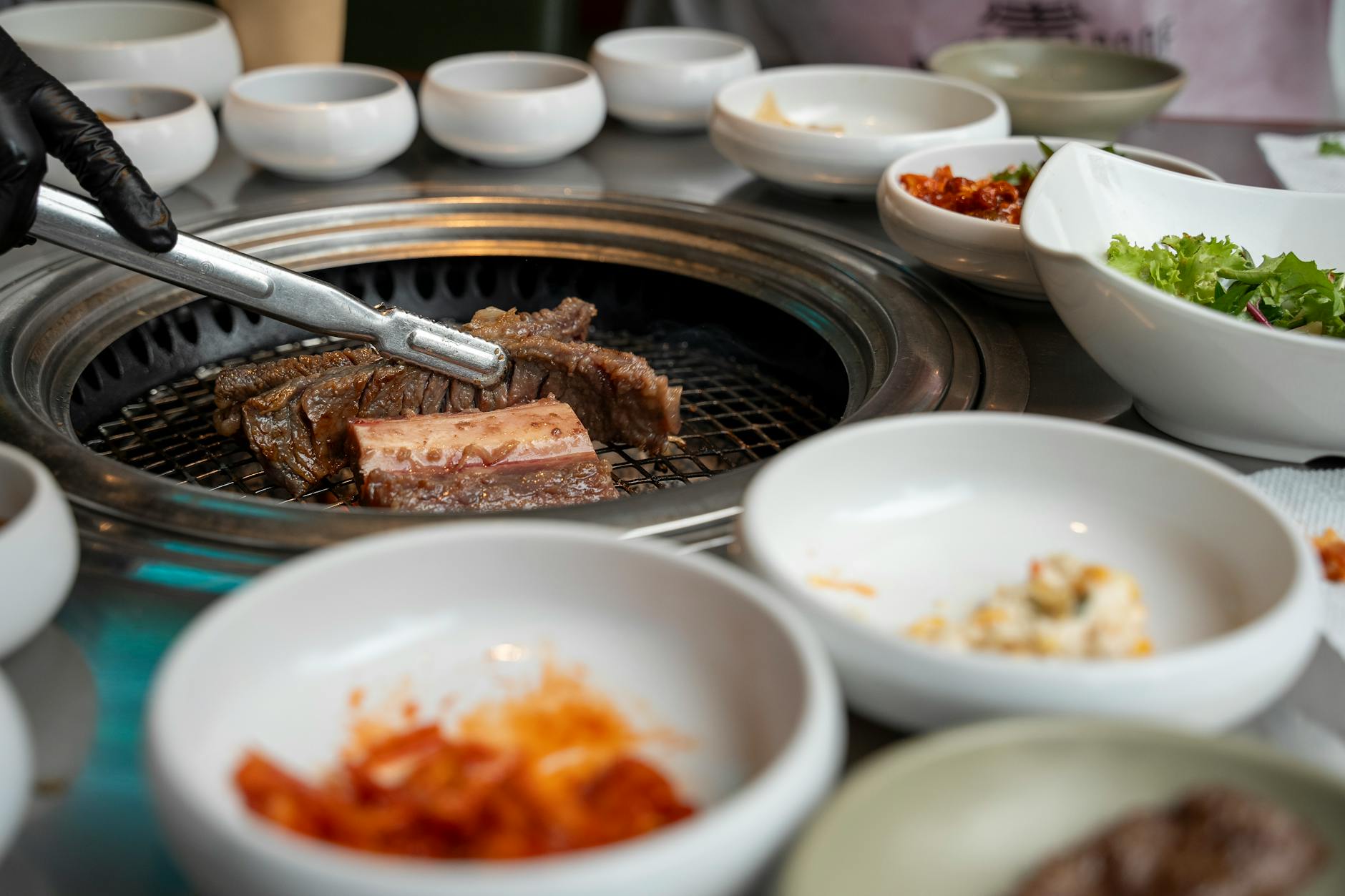
Korean BBQ is the meal most visitors come to Seoul specifically to eat, and it never disappoints. You grill marinated or plain meat at your own table over charcoal or gas, then wrap the slices in lettuce with garlic, ssamjang, and a spread of banchan. The key cuts are samgyeopsal (thick pork belly, the everyday favorite), galbi (marinated beef short ribs), bulgogi (thin marinated beef), and hanwoo (premium Korean beef on par with wagyu). A standard BBQ for two runs ₩25,000–40,000; a hanwoo dinner ₩60,000–150,000+. Mapo-gu and Majang-dong, beside Korea’s largest meat market, are known for excellent value. Because there’s an art to grilling, ordering, and not embarrassing yourself with the scissors, our dedicated Korean BBQ guide walks through cuts, etiquette, and the best joints by district.
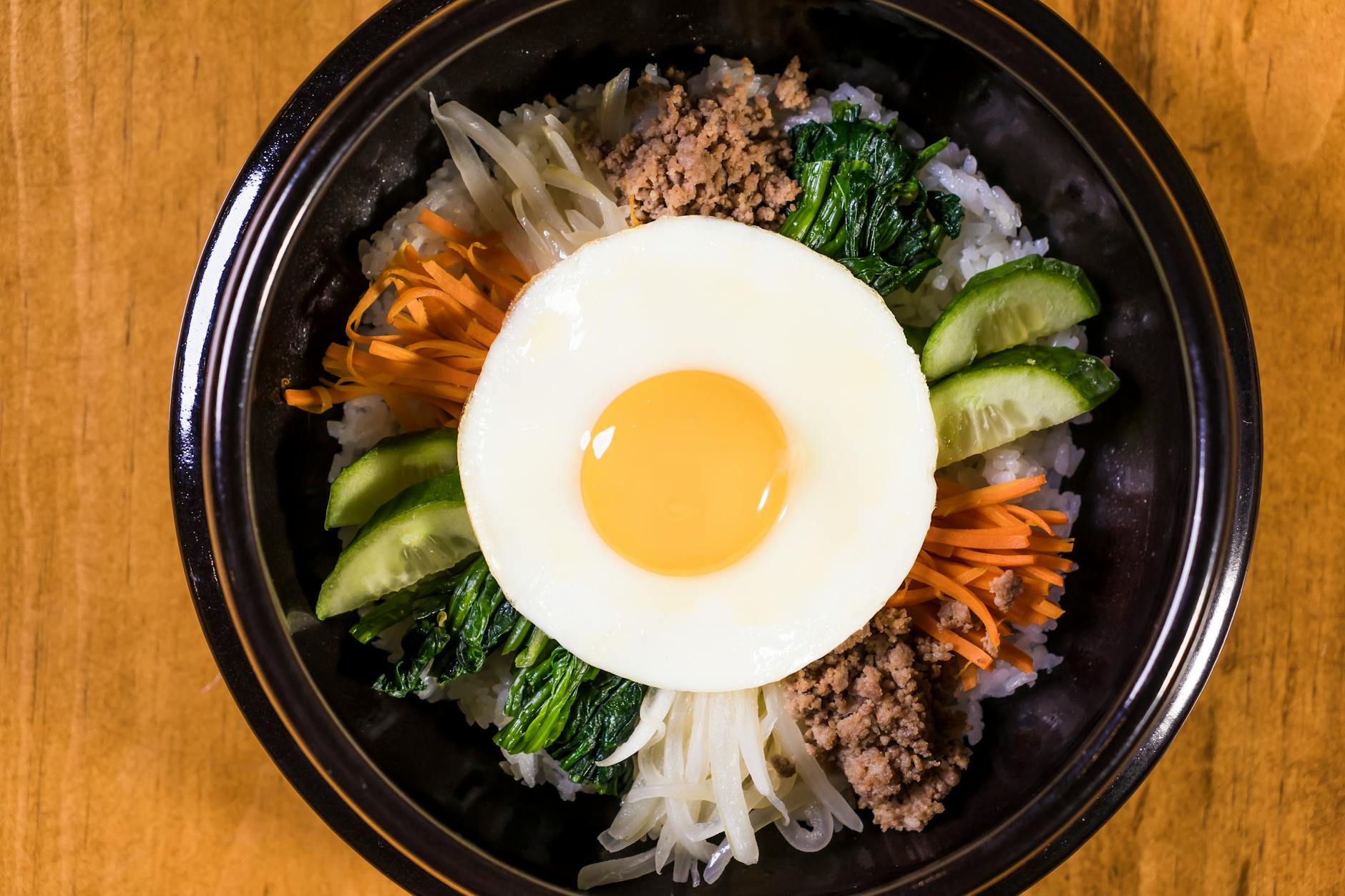
Rice crowned with seasoned vegetables, a fried egg, sliced beef, and a dollop of gochujang, mixed vigorously before eating. The dolsot version arrives in a screaming-hot stone bowl that crisps the rice at the bottom into the best part of the dish. It’s everywhere, ₩8,000–15,000, and Gogung in Insadong does a celebrated Jeonju style.
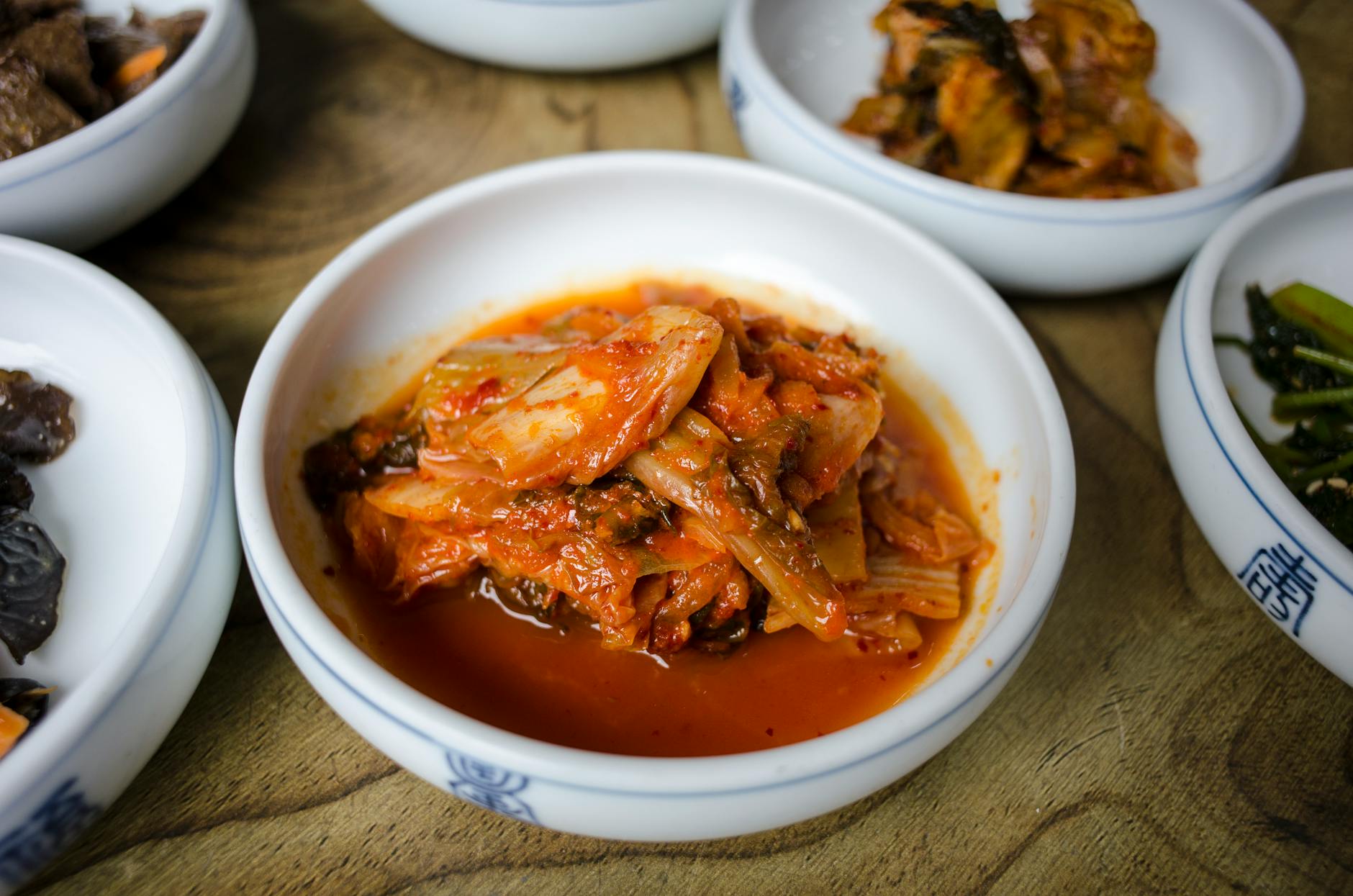
This bubbling, fiery kimchi stew is Korea’s ultimate comfort food. Built from aged kimchi, pork (or tuna), tofu, and scallions, it lands on your table still violently boiling. Eaten with white rice, it’s what Koreans crave when they’re homesick — and it’s at virtually every restaurant for ₩7,000–10,000. Try its cousins too: doenjang jjigae (fermented soybean paste) and sundubu jjigae (silken tofu) round out the holy trinity of Korean stews.
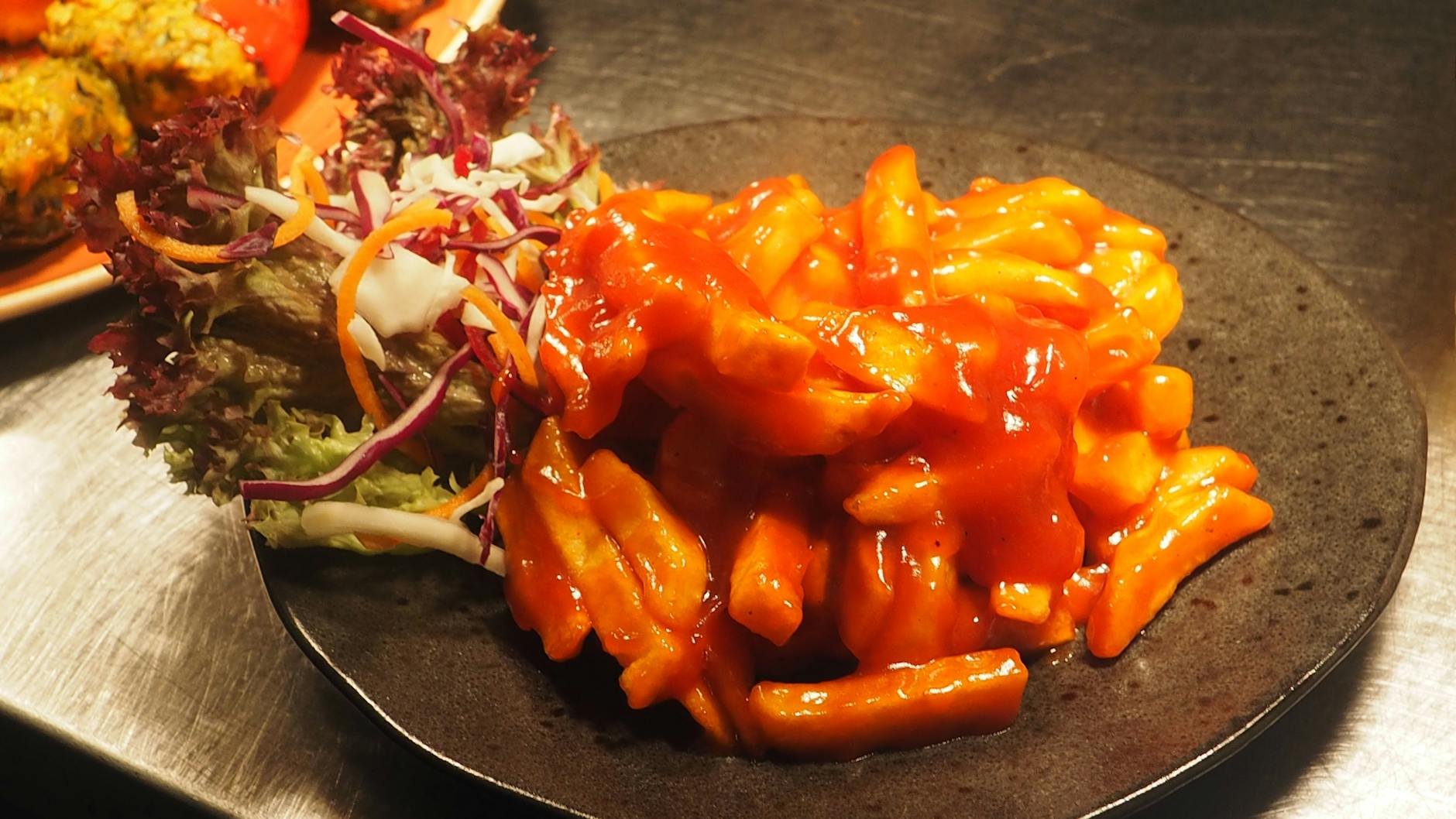
Chewy rice cakes in a sweet-spicy gochujang sauce — Seoul’s most iconic street snack, usually served with fish cake, egg, and scallion. You’ll find it at every market for ₩3,000–5,000. For the obsessive version, Sindang-dong Tteokbokki Town is an entire alley devoted to it, from cheese to seafood to jjajang variations. It’s a cornerstone of the wider Seoul street food guide.
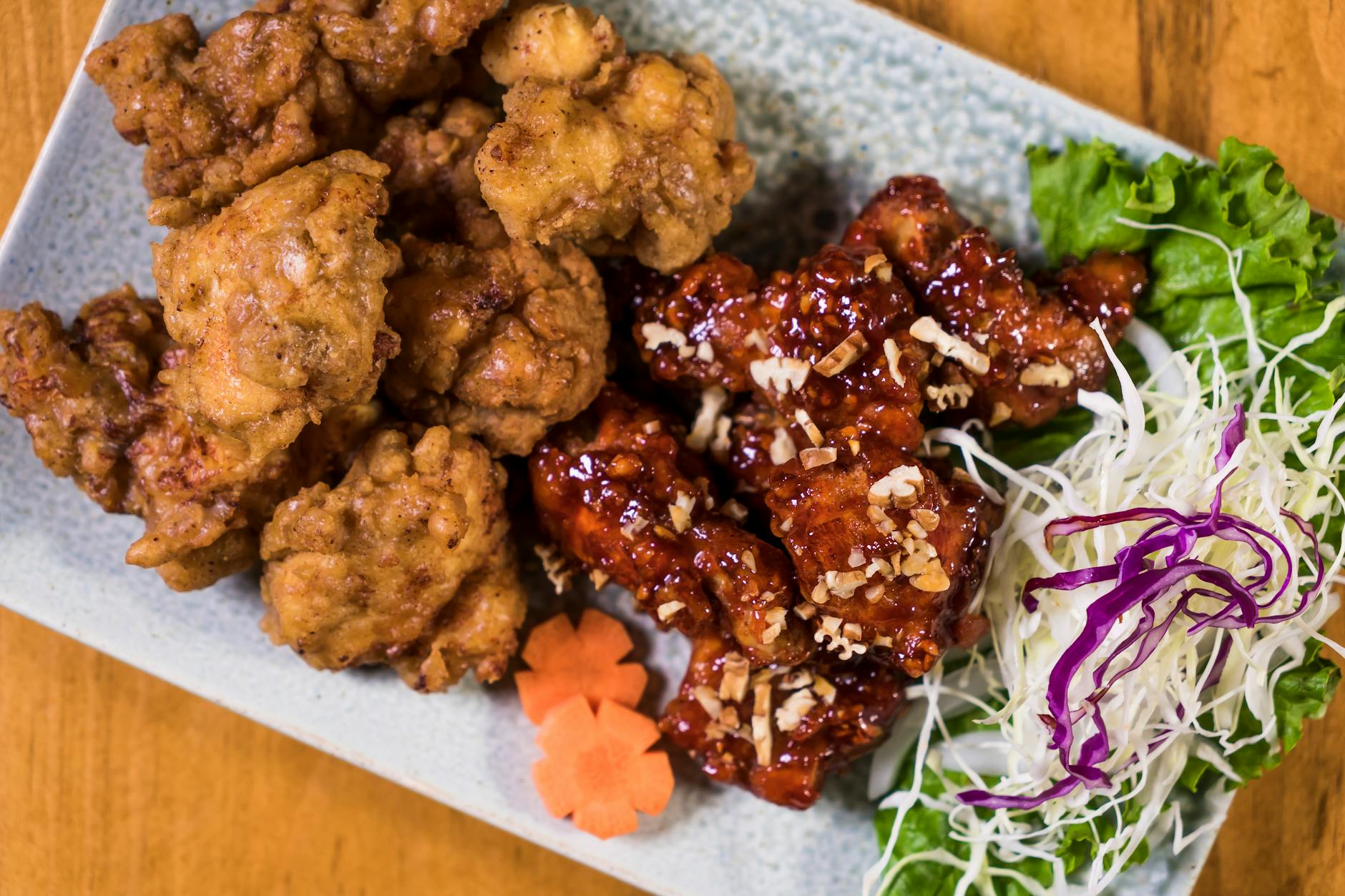
Chimaek — chicken plus maekju (beer) — is a national institution. Korean fried chicken is double-fried to an impossible crunch and comes glazed in original, yangnyeom (sweet-spicy), soy garlic, or honey butter. Kyochon, BHC, and BBQ Chicken are the big chains, but neighborhood spots often beat them. A whole bird runs ₩18,000–22,000. It’s the definitive late-night meal — best with a baseball game or spread on a mat by the Han River — and our late-night food guide has more after-dark options.
Black-bean noodles — thick wheat noodles under a savory-sweet black-bean sauce with diced pork and vegetables. This Korean-Chinese classic is beloved comfort food, traditionally eaten on “Black Day” (April 14) by singles. Cheap (₩6,000–8,000), filling, and at any Chinese-Korean restaurant, usually ordered alongside jjamppong (spicy seafood noodle soup) so you can share both.
Cold buckwheat noodles in an icy broth (mul naengmyeon) or with a spicy sauce (bibim naengmyeon) — Seoul’s essential summer dish, refreshing and tangy, served with thin beef and a boiled egg. Woo Lae Oak in Jung-gu and Pildong Myeonok are legendary. Typically ₩11,000–15,000.
Samgyetang (ginseng chicken soup): a whole young chicken stuffed with ginseng, rice, jujube, and garlic, simmered to a milky broth — eaten on the hottest summer days. Tosokchon near Gyeongbokgung is the famous spot (₩17,000–20,000). Japchae (glass noodles): stir-fried sweet-potato noodles with vegetables and sesame oil, a celebration staple. Kalguksu (knife-cut noodles): hand-cut wheat noodles in rich broth, ₩8,000–10,000. Pajeon (Korean pancake): scallion-and-seafood pancake, best paired with makgeolli on a rainy day — and that pairing leads naturally to our Korean alcohol guide.
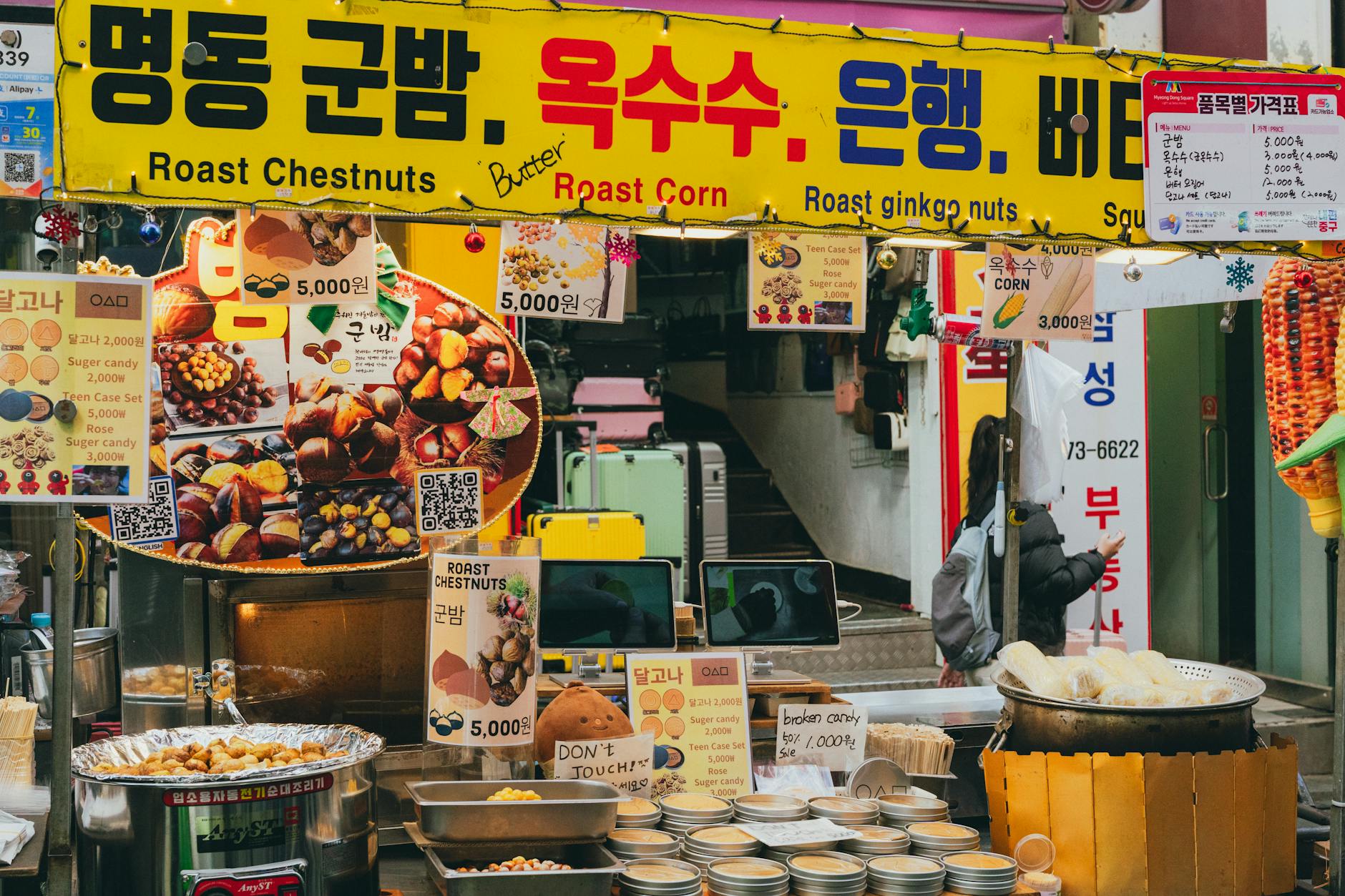
Seoul’s street food is legendary, and grazing through its markets and stall-lined lanes is one of the great pleasures of any visit. Most items run ₩1,000–5,000, so you can taste widely for next to nothing. The full canon lives in our Seoul street food guide; these are the items to hit first.
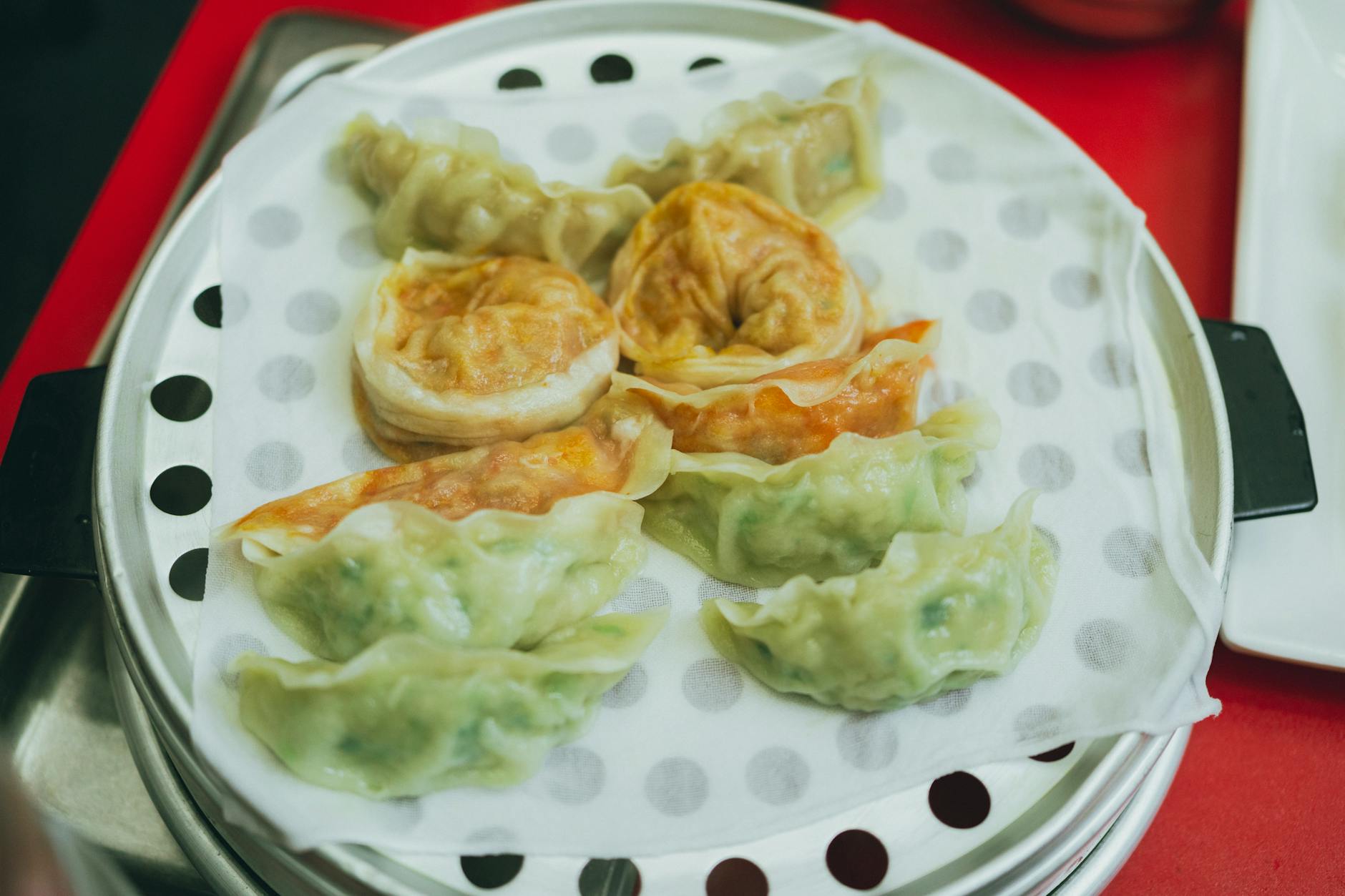
Hotteok (sweet syrup pancakes, best in winter, ₩1,000–2,000); eomuk/odeng (fish-cake skewers served with free hot broth, ₩1,000); gimbap (seaweed rice rolls, cheaper and more portable than sushi, ₩2,500–4,000); mandu (steamed, fried, or boiled dumplings, ₩3,000–5,000); twigim (Korean tempura, ₩1,000–2,000 a piece); gyeran-ppang (a whole egg baked into sweet bread, ₩2,000); and the tornado potato, Myeongdong’s spiral-cut, deep-fried Instagram snack (₩3,000–4,000). Speaking of which, Myeongdong‘s evening street-food market is the most concentrated and tourist-friendly place to try them all in one walk.
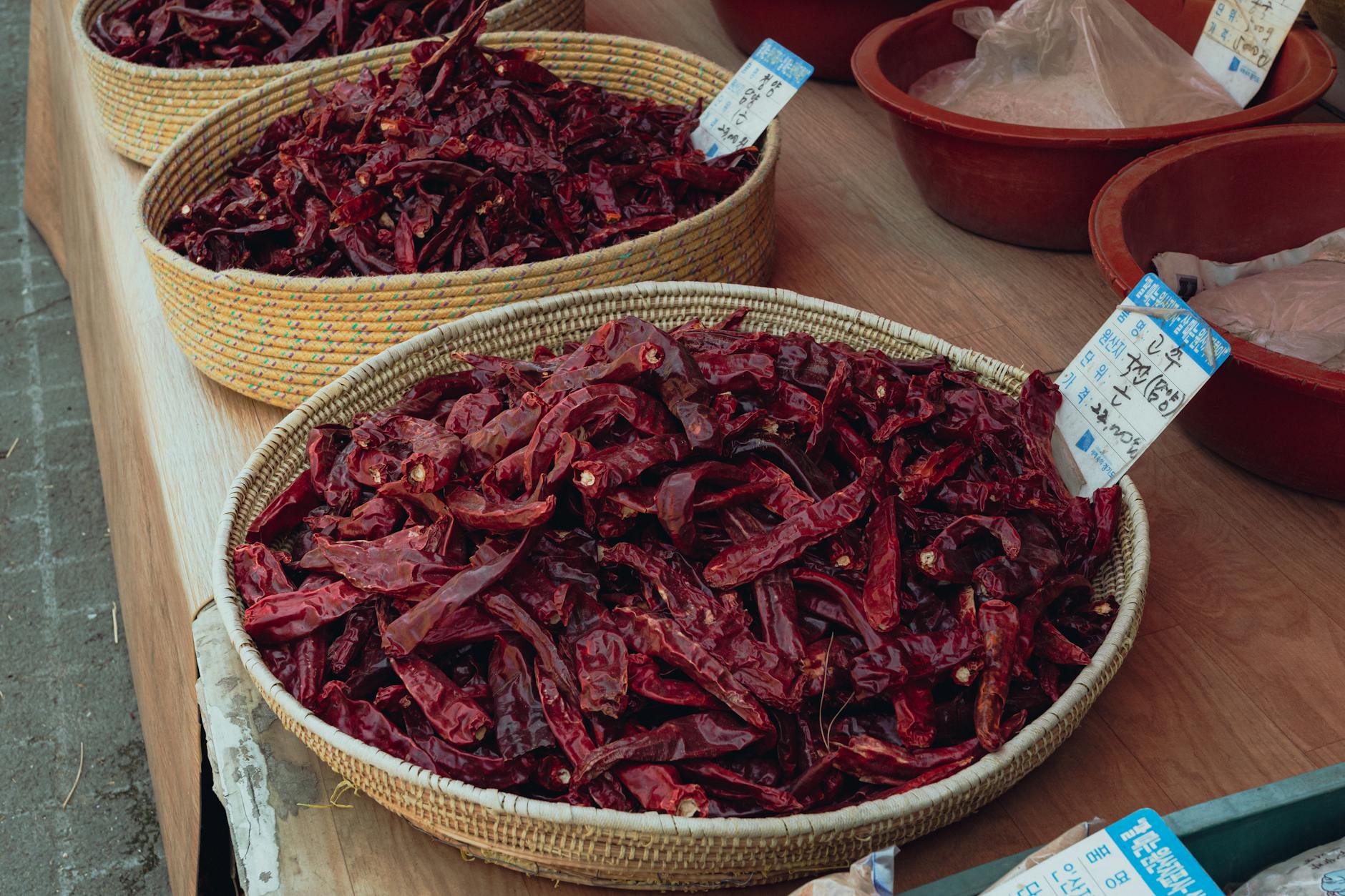
Open since 1905, Gwangjang is Seoul’s most famous food destination, full stop. Its food alley packs vendors slinging bindaetteok (crispy mung-bean pancakes, ₩5,000), mayak gimbap (the “addictive” mini rolls, ₩3,000), yukhoe (beef tartare, ₩15,000), and knife-cut noodles. Go hungry, grab a stool at a communal counter, and point at what looks good. We’ve mapped the stalls worth the elbows in our Gwangjang Market food guide. Nearest subway: Jongno 5-ga (Lines 1/5).
Korea’s oldest and largest traditional market has a food alley known for galchi jorim (braised hairtail), kalguksu, and the famous yachae hotteok near Gate 2. More local-feeling than Gwangjang, with gentler prices. Nearest subway: Hoehyeon (Line 4).
A neighborhood market beloved by Mapo-gu locals — far less touristy, known for oversized mandu, fresh juices, and tteok. Pair it with a stroll through nearby Mangwon Hangang Park. Nearest subway: Mangwon (Line 6).
By Gyeongbokgung, Tongin offers the fun “dosirak café” system: buy brass coins (₩5,000 for ten) and trade them with vendors to build your own lunchbox. An interactive way to sample widely on a budget — more in our cheap eats in Seoul guide. Nearest subway: Gyeongbokgung (Line 3).
Because Korean BBQ is the meal travelers most want to get right, it deserves its own beat. The format varies more than first-timers expect: charcoal joints (sutbul) for smoky flavor, gas-grill chains for convenience, and specialist hanwoo houses where the beef is the whole point. Order two cuts to start — samgyeopsal and either galbi or a marbled hanwoo slice — let the staff handle the trickier grilling, and don’t fill up before the kimchi hits the grill to caramelize. Wash it down with soju or a crisp lager. Majang-dong’s butcher-restaurants and Mapo’s pork-belly alleys are the value picks; the upscale hanwoo rooms cluster in Gangnam and Cheongdam. Our full Korean BBQ guide names specific restaurants for every budget.
Korean dining has customs worth learning — they’ll deepen your experience and earn quiet respect. Our full Korean dining etiquette guide covers the nuances, but here are the essentials.
Banchan are free and refillable. The little side dishes are complimentary and topped up on request — just say “banchan deo juseyo” (반찬 더 주세요). Use chopsticks and a spoon: metal chopsticks for everything, the long spoon for rice and soup, and never plant chopsticks upright in rice (it echoes funeral rites). Pour for others, not yourself, using two hands with elders. The eldest eats first — wait for them to lift their spoon. Sharing is the default; stews, BBQ, and pancakes are ordered for the table, and many places set a two-serving minimum. And there’s no tipping — leaving cash on the table just causes confusion.
Seoul is improving fast but can still trip up specific diets. Traditional cooking leans on anchovy stock, fish sauce, and shrimp paste, so even “vegetable” dishes often aren’t truly vegetarian — temple-food restaurants like the Michelin-starred Balwoo Gongyang near Jogyesa are the safest, most beautiful bet, and the plant-based scene is booming in Yeonnam-dong, Itaewon, and Seongsu-dong. Our vegetarian and vegan Seoul guide lists dependable spots and the key phrase “고기/해산물 빼주세요” (please remove meat/seafood). Gluten-avoiders should lean on rice-based dishes (bibimbap, gimbap, rice cakes) and lettuce-wrapped BBQ, since soy sauce contains wheat. For halal, Itaewon’s “Muslim Street” by the mosque has certified Korean and international options.
Seoul’s high end is world-class and, by global-capital standards, often a relative bargain. The city holds a deep Michelin roster spanning hyper-seasonal Korean tasting menus (Mingles, Onjium), temple cuisine (Balwoo Gongyang), and inventive hansik that reinterprets grandmother’s recipes through a modern lens. Expect ₩90,000–250,000 for a tasting menu — serious money, but frequently half what an equivalent room costs in Tokyo or New York. Book two to four weeks ahead for the marquee names. Our guide to Seoul’s Michelin restaurants breaks down who’s worth the splurge and how to land a table.
If you’d rather have a local decode the menus for you, a guided food tour is the single best first-night investment in Seoul. Evening market crawls through Gwangjang and Euljiro, BBQ-and-soju walks, and night-market grazing tours all hand you context — what to order, how to eat it, which stall the locals queue at — that takes weeks to learn alone. Hands-on cooking classes (kimchi-making, bibimbap, tteokbokki) are a fun rainy-day pivot and send you home able to recreate the trip. We’ve vetted the operators worth booking in our Seoul food tours and cooking classes guide.
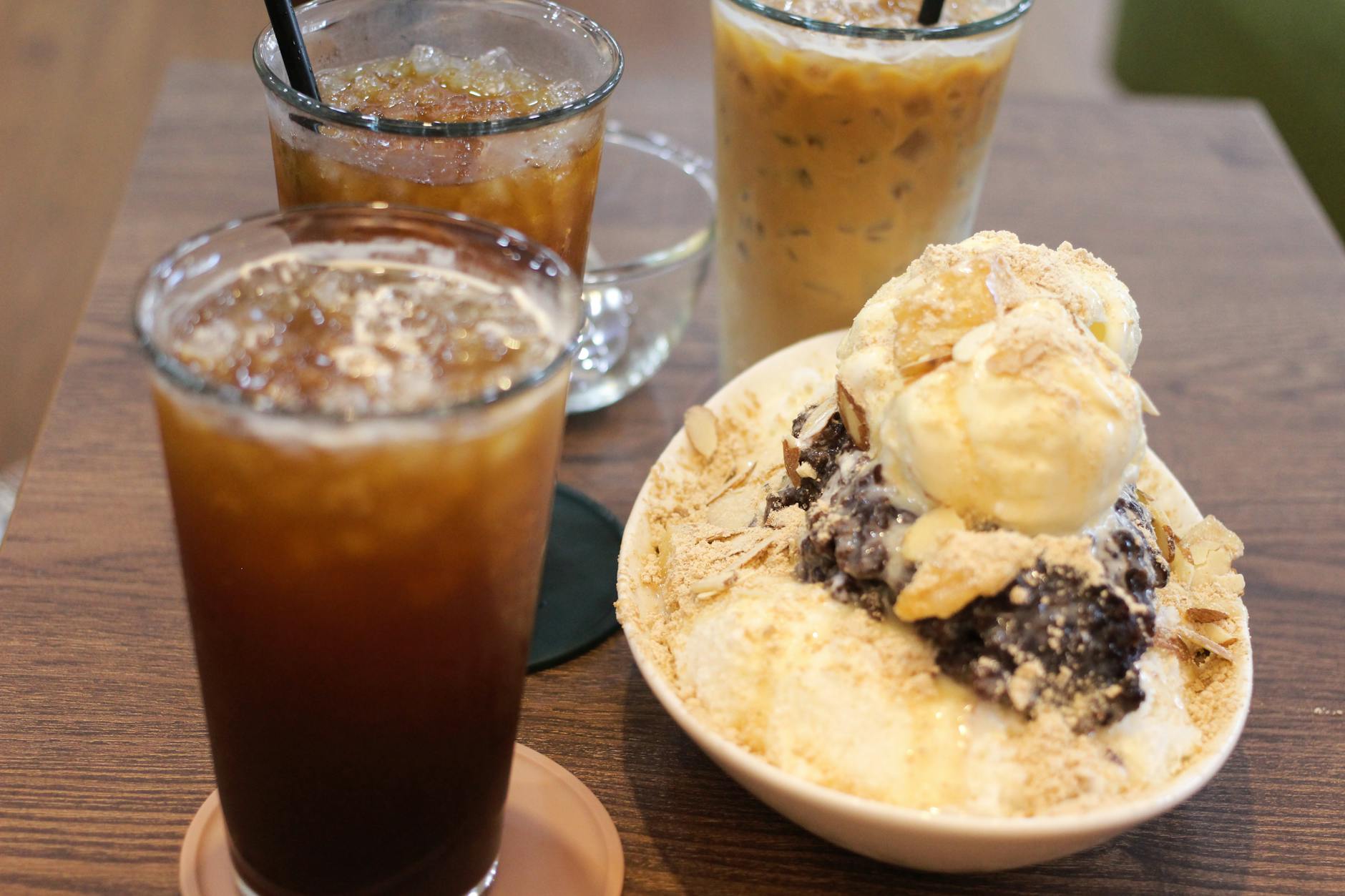
Seoul’s cafe culture is inseparable from its food scene — the city has more cafés per capita than almost anywhere, and café-hopping is a genuine leisure sport. Must-try specialties include bingsu (shaved ice piled with red bean, mango, or Oreo — the definitive summer dessert, ₩12,000–18,000), Korean toast (a griddled egg-ham-veg sandwich, a beloved breakfast), seasonal bungeoppang (fish-shaped red-bean pastries), and traditional teas like yuja-cha and omija-cha, best in a hanok teahouse in Insadong or Bukchon.
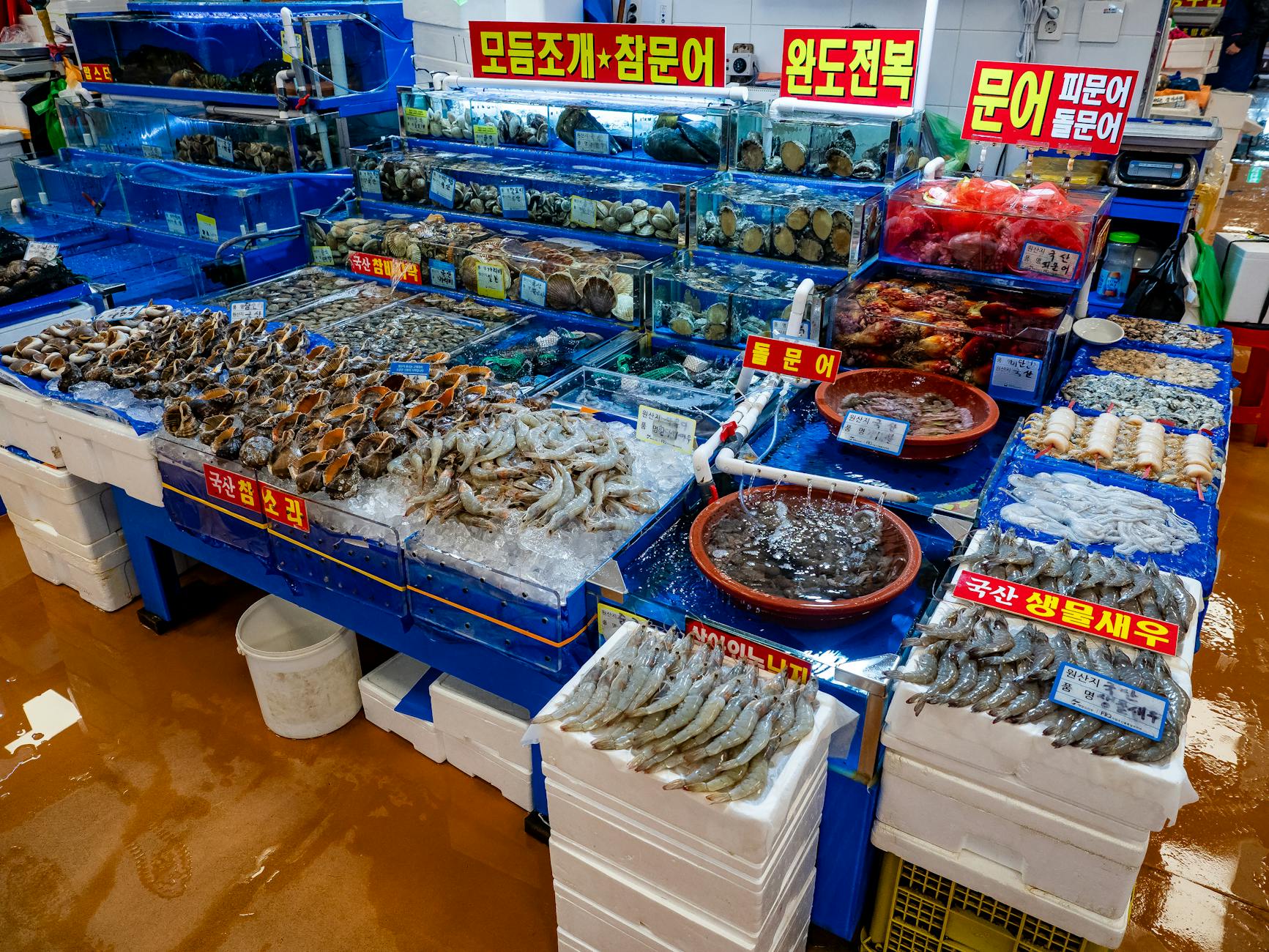
Despite being inland, Seoul eats superb seafood thanks to Korea’s long coastline and fast supply chains. Noryangjin Fish Market is the epicenter — pick live fish, octopus, crab, or shellfish from the ground-floor vendors, then carry it upstairs to a restaurant that prepares it for a cooking fee (₩5,000–10,000). A full hoe (raw fish) meal for two runs ₩30,000–60,000 depending on the catch. Don’t miss haemul pajeon (seafood pancake), agujjim (spicy monkfish stew), and ganjang gejang (soy-marinated raw crab — nicknamed “rice thief” for how much rice it makes you eat).
Eating brilliantly in Seoul takes no money at all. Convenience stores (₩2,000–5,000) sell genuinely good triangle gimbap, instant ramyeon with in-store hot-water stations, and fresh lunchboxes. Kimbap chains like Kimbap Cheonguk (₩4,000–8,000) serve full meals where locals actually eat. Markets (₩3,000–8,000) are the best value street food going. Lunch specials (점심특선) shave 30–50% off dinner prices for the same food. And university districts — Hongdae, Sinchon, Konkuk — are stuffed with cheap student restaurants. For a full playbook, see our cheap eats in Seoul and Seoul on a budget guides.
Each district has a food personality. Myeongdong is street-food central and the easiest first taste of the city. Insadong leans traditional — bibimbap, temple food, and tea houses among the galleries. Hongdae and the university belt is cheap, young, and open late. Gangnam and Cheongdam hold the hanwoo houses and fine dining. Jongno and Euljiro hide the old-school pojangmacha and noodle shops, while Seongsu-dong is the new frontier of plant-based and design-forward cafés. To match a base to your appetite, our Seoul neighborhoods guide compares them all, and the things to do in Seoul hub helps you fill the hours between meals.
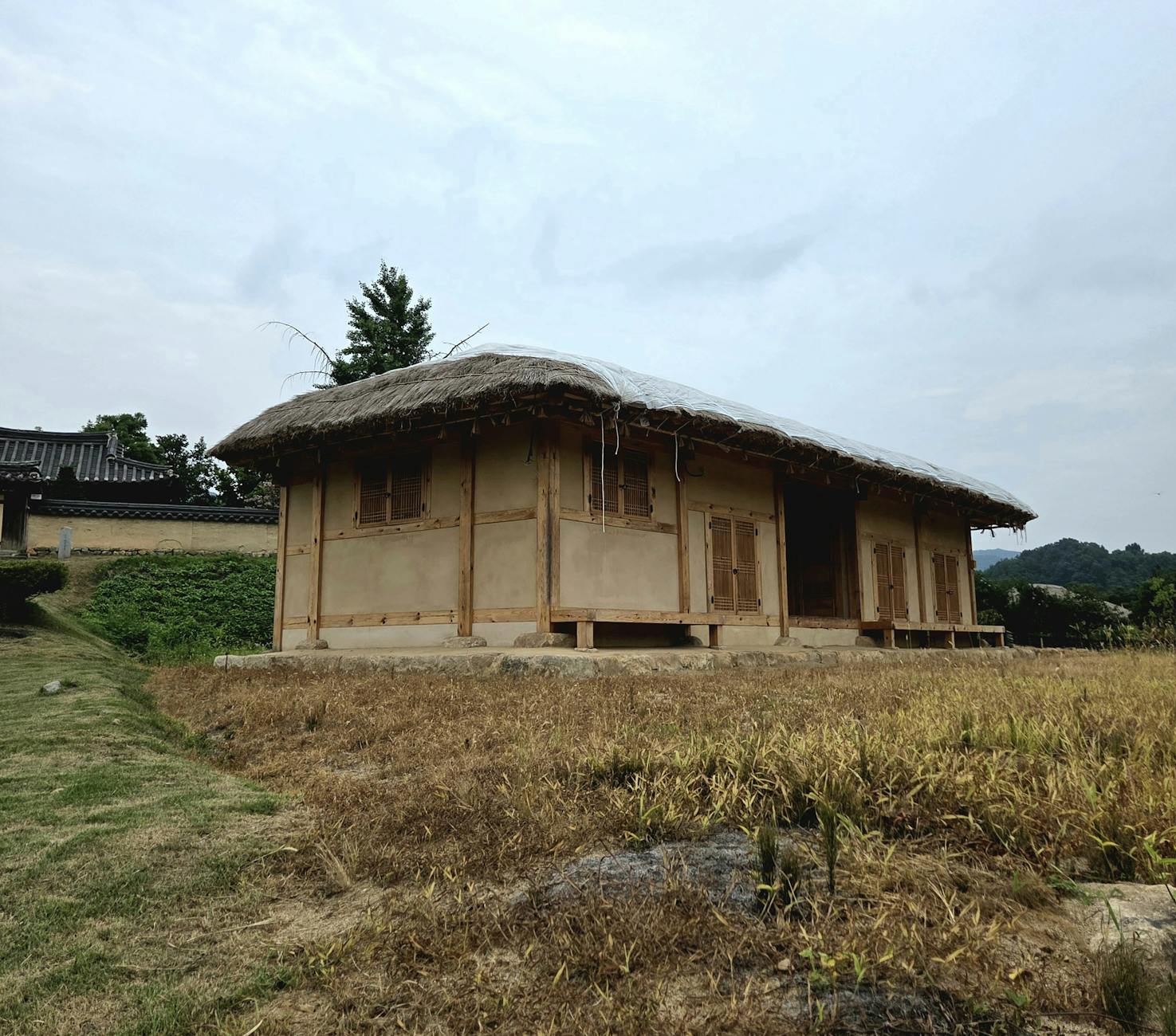
For a quieter side of the food scene, seek out a traditional tea house (찻집). Often set in renovated hanok, these serene rooms serve medicinal and herbal teas with rice cakes and traditional sweets. Suyeon Sanbang in Seongbuk-dong (a beautiful colonial-era house with a garden) and the teahouses tucked along Insadong’s alleys are an antidote to the city’s pace. A pot runs ₩8,000–15,000 and is meant to be lingered over.
Koreans eat with the calendar, and tuning into the seasons unlocks the best of the city’s table. In the depths of summer, the move is counterintuitive: hot dishes to fight heat with heat (iyeolchiyeol). That means samgyetang, the ginseng chicken soup eaten on the three hottest “dog days” (bok-nal), and icy mul naengmyeon to cool back down. Autumn brings crab season — ganjang gejang at its plump best — and the first hairtail and mackerel. Winter is stew-and-street-food weather: steaming hotteok and bungeoppang from the carts, odeng broth sipped standing up, and oysters folded into kimchi. Spring delivers wild mountain greens (namul), fresh strawberries piled onto bingsu, and the cherry-blossom picnic spreads along the river. Eating in season isn’t just tastier — it’s how you eat like a local, and it pairs perfectly with our Seoul festivals and events guide for timing a trip around a food season.
You cannot understand Seoul’s food culture without anju (안주) — the dishes built specifically to accompany drinking. Korean nights out revolve around them: a sizzling haemul pajeon with a bowl of makgeolli on a rainy evening, crispy fried chicken with cold lager, golbaengi muchim (spicy sea snails with noodles) over soju, or a fiery budae jjigae (“army stew” of kimchi, spam, sausage, and ramyeon) bubbling at the center of the table. Pojangmacha — the orange street tents — serve the most atmospheric anju in the city, from grilled gizzards to egg rolls, while modern gastropubs plate elevated versions for a younger crowd. Knowing your anju makes you a better drinking companion; our Korean alcohol guide covers what to drink alongside it, and the best bars in Seoul guide points you to the rooms that do food as seriously as the cocktails.
A few mechanics smooth your first meals. Many restaurants specialize in a single dish — a samgyetang house does samgyetang, full stop — so don’t expect sprawling menus; the narrow focus is a sign of quality. Press the call button on the table (or a cheerful “yogiyo!” / 여기요) to summon staff rather than waiting to be noticed. Water, banchan, and refills are self-evident and free — there’s often a water dispenser and a cutlery drawer built into the table. You usually pay at the front counter on the way out, not at the table. Card is accepted nearly everywhere, though the oldest market stalls prefer cash. And portions are generous and meant for sharing, so order fewer dishes than instinct suggests and add more as you go. None of this is hard once you’ve done it once — and our Korean dining etiquette guide fills in the social fine print so you can relax and just eat.
Beyond the headliners, Seoul rewards the curious eater. Gukbap (rice in a hearty soup — pork-based dwaeji gukbap or the beefy seolleongtang) is the city’s great cheap, warming everyday meal. Sundae, Korean blood sausage stuffed with glass noodles, is a market staple far better than its description suggests. Bossam — boiled pork belly wrapped in cabbage with salted shrimp — is a leaner, gentler cousin to BBQ. Dakgalbi, the spicy stir-fried chicken cooked on a vast communal griddle, is a Hongdae and student-district favorite. Jokbal, glistening braised pig’s trotters, is a beloved late-night anju. And gamjatang, the pork-spine-and-potato stew, is the hangover cure locals swear by. Work even half of these into your trip alongside the must-try list and you’ll have eaten more broadly than most visitors ever do — for the ranked greatest hits, circle back to our best Korean dishes to try guide.
Of everything on this page, fried chicken is the dish where Korea’s mass-market version is genuinely excellent — the chains are good, which means the barrier to eating it well is close to nothing. Our dedicated chimaek guide goes through the sauces, the chains, the independents and the Han River picnic version.
Korean BBQ above all, plus chimaek (fried chicken and beer), bibimbap, tteokbokki, and the city’s bubbling stews like kimchi jjigae. Street food — hotteok, gimbap, tteokbokki — and the markets at Gwangjang and Namdaemun are equally central to the city’s food identity.
You can eat very well on ₩20,000–30,000 a day with market meals, convenience-store breakfasts, and set lunches. A comfortable day with a sit-down BBQ dinner lands around ₩40,000–60,000. Fine dining is separate — budget ₩90,000+ per Michelin tasting menu. Our cheap eats guide stretches it further.
Easier every year, but you need to be deliberate, since stocks and pastes often hide seafood. Temple-food restaurants and the growing plant-based scenes in Yeonnam-dong and Seongsu-dong are your safest bets — full details in our vegetarian and vegan Seoul guide.
No. Korea has no tipping culture; service is included or simply not expected, and leaving cash can confuse staff. Just pay the bill at the counter on your way out.
A market crawl or a guided food tour. Gwangjang Market lets you graze across a dozen vendors in one visit, and a first-night food tour hands you the context to order confidently for the rest of the trip — see our Seoul food tours guide.
Increasingly, yes — solo-friendly BBQ spots and one-person grill counters have spread across the city, though many traditional places still set a two-serving minimum. If dining alone, look for “1인 삼겹살” (one-person samgyeopsal) signs, or aim for a set-menu restaurant instead. Our Korean BBQ guide flags the solo-friendly options.
Seoul’s dining scene will quietly redefine what you think Korean food can be. Eat at the markets, splurge once on hanwoo or a tasting menu, drink makgeolli with a pancake on a rainy afternoon, and let curiosity lead — this is a city where the next great meal is always one alley away.