If you visited Seoul a decade ago and remember being stuck eating fries and side salads, you’re in for a happy surprise. Vegetarian food in Seoul has transformed: the city is home to many fully vegan restaurants, vegan-friendly Korean kitchens, an active HappyCow community, and a strong tradition of Buddhist temple cuisine that long predates global veganism.
This guide covers the best vegan and vegetarian restaurants in Seoul by neighborhood, the Korean dishes that are naturally plant-based (and the ones that secretly aren’t), how to communicate dietary needs in Korean, and a few honest warnings. For broader food planning, pair this with our Seoul food guide and must-try Korean dishes.
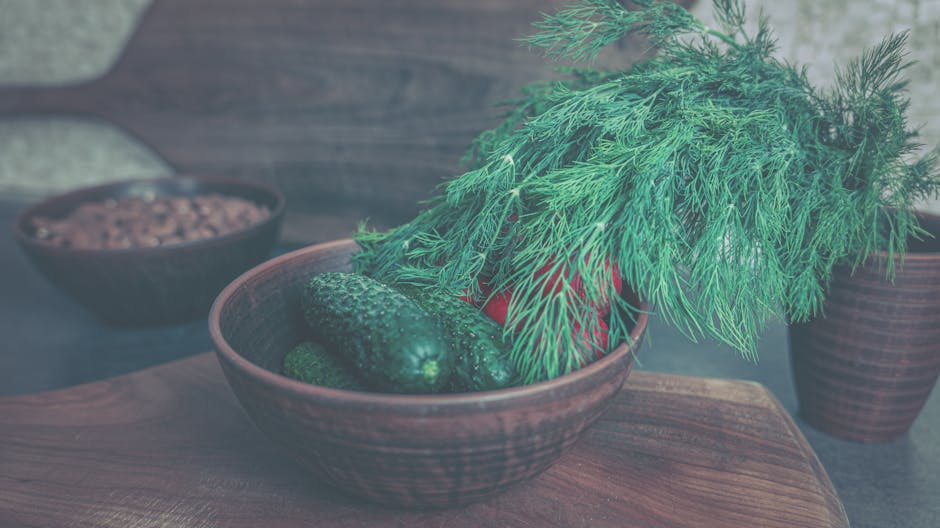
Is Seoul a good city for vegetarians and vegans in 2026?
Short answer: yes — easier than ever, but you have to plan a little. Itaewon, Hannam-dong, Hongdae, and Insadong all have multiple fully vegan restaurants within walking distance, and big mainstream chains (Lotte’s “ZeroKilo,” Korean fried chicken brands, even some BBQ joints) now offer plant-based menu items. Outside trendy neighborhoods, things get harder, but never impossible — every market has tofu, every convenience store has triangle gimbap, and every restaurant can usually adapt at least one dish if you ask politely.
The trend line matters too. Vegan certification, plant-based product lines in supermarkets, and a wave of young chefs treating vegetables as the main event have made eating well without meat much easier. Younger Koreans increasingly eat “flexitarian,” so servers are far less baffled by dietary requests than they once were — a decade ago “I don’t eat meat” drew blank stares; today it usually gets a nod and a menu recommendation.
The catch: hidden ingredients. Anchovy stock, fish sauce, and shrimp paste sneak into a lot of “vegetable” dishes, including kimchi and most banchan. We’ll cover what to ask for and what to skip below.
Korean Buddhist temple cuisine: the ancient vegan tradition
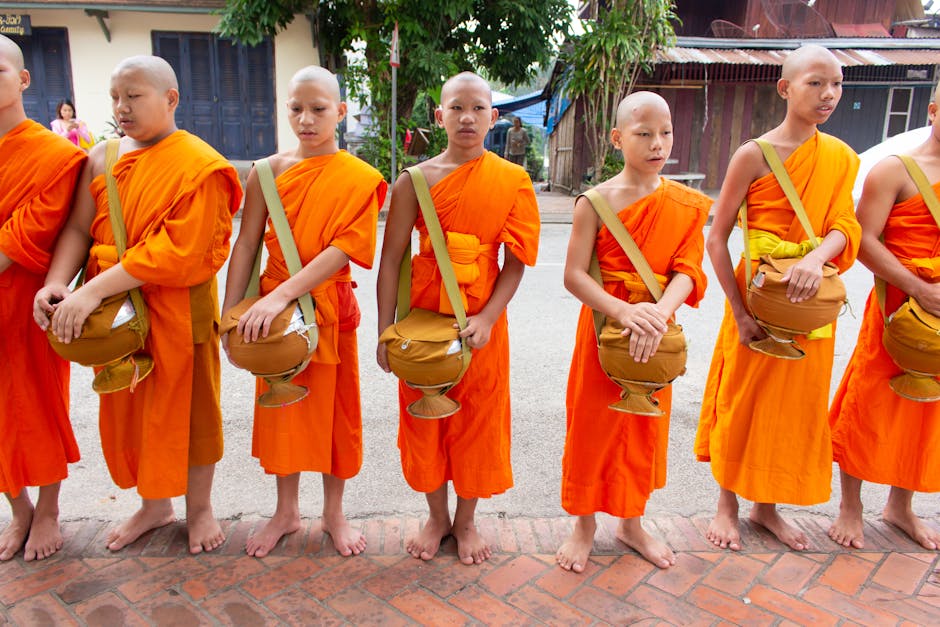
Long before “vegan” was a marketing label, Korean Buddhist temples were running fully plant-based kitchens. Temple food (사찰음식, sachal eumsik) excludes meat, dairy, eggs, and the “five pungent vegetables” — garlic, onion, leek, scallion, and chives — believed to disturb meditation. The result is unbelievably clean, seasonal, vegetable-forward cooking that has influenced everyone from René Redzepi to Jeong Kwan, the most famous monk-chef in the world.
Sitting down to a temple meal is a different rhythm from any other dinner in Korea. Dishes arrive without garlic or onion, so flavor comes from fermentation, sun-drying, wild mountain greens (namul), and house-made soy and doenjang aged for years. Nothing is wasted, nothing is rushed, and the point is as much mindfulness as nourishment — you’re meant to eat only what you’ll finish. It’s the clearest window into Korea’s Buddhist heritage you can get with a fork; to understand the temples behind the food, see our guide to Seoul’s temples and shrines, and for an overnight version, our unique experiences guide covers temple stays.
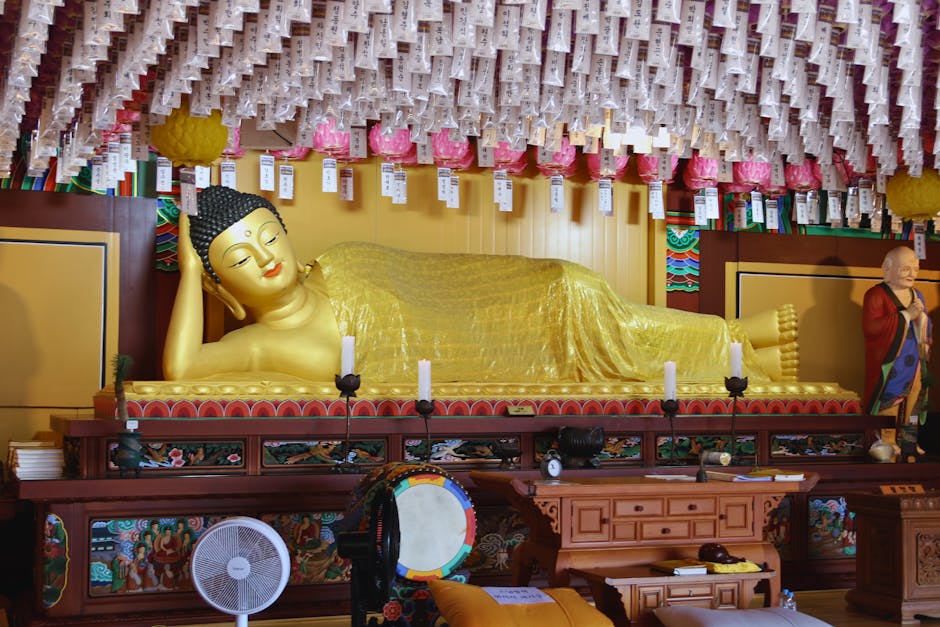
Where to try temple cuisine in Seoul
Sanchon (산촌) in Insadong is the legendary one — a multi-course tasting menu of pickles, namul, soups, and grain bowls served in a hanok setting (₩39,000–₩55,000). Reserve ahead. Balwoo Gongyang (발우공양) opposite Jogyesa Temple serves a refined modern temple menu (₩50,000–₩120,000). For something casual, Maji serves temple-style lunches.
If you have time outside the city, the temple stay programs at Jingwansa and Bongeunsa include temple food experiences for ₩50,000–₩70,000 per session.
A temple-stay meal is worth building a half-day around even if you’re not religious — you help prepare the food, eat in silence, and clean your own bowl. Jingwansa, tucked against Bukhansan on the city’s northern edge, is the most accessible from central Seoul.
Best vegan restaurants in Seoul by neighborhood
Below are the most reliable, dietitian-approved, and tourist-friendly vegan and vegetarian restaurants across Seoul, organized by neighborhood.
Itaewon and Hannam-dong
The vegan capital of Seoul. Within a 15-minute walk you’ll find:
- Plant Cafe & Kitchen — the original Seoul vegan staple. Burgers, bowls, pastries, and a rotating brunch menu. Two locations (Itaewon and Yeonnam-dong). ₩12,000–₩18,000 per dish.
- ByTOFU — a small Haebangchon café devoted to creative tofu dishes. Try the tofu “ricotta” toast and the chocolate tofu mousse.
- Loving Hut — international chain doing affordable vegan Korean and Pan-Asian; great for ₩10,000 lunches.
- Vegetus — fully vegan restaurant in Haebangchon, Itaewon, serving burgers and pasta.
Itaewon and Hannam earn the “vegan capital” title because you can string a whole day together here without backtracking — brunch at Plant, an afternoon coffee, then a tasting menu at Vegetus, all walkable. It’s also the most English-friendly part of the city, so ordering is low-stress. Combine a vegan crawl with the neighborhood’s wider draws in our Itaewon guide.
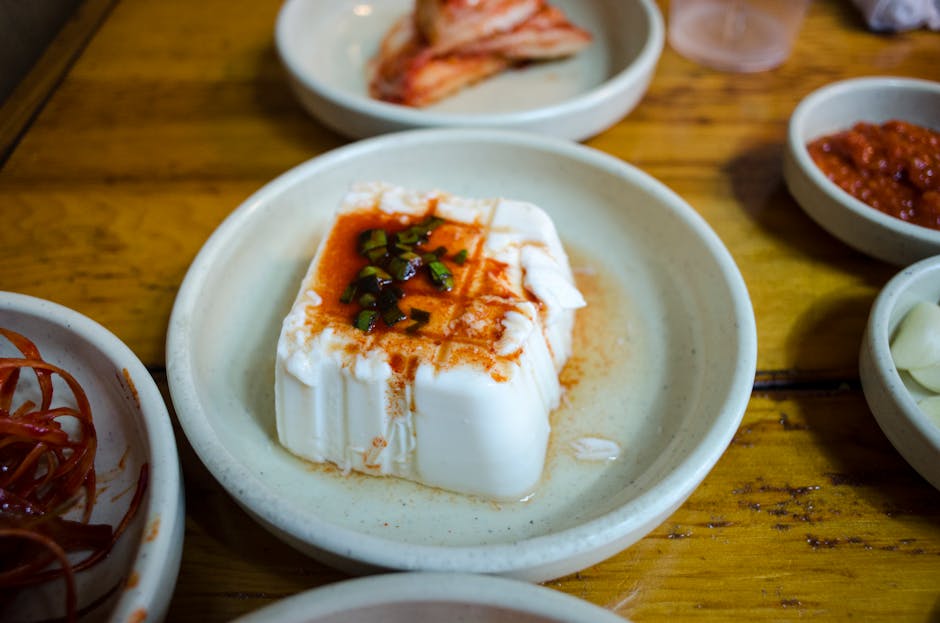
Insadong and Jongno
The traditional Korean half of the vegan map.
- Osegye Hyang (오세계향) — vegan Korean classics done with conviction. Vegan bulgogi, vegan fried “chicken,” vegan mandu, vegan bossam — all with the right textures and bold flavors. ₩12,000–₩22,000 per dish.
- Sanchon — temple cuisine tasting menu (see above).
- Balwoo Gongyang — Michelin-starred temple food (see above).
- Maji — modern Korean vegan with hanjeongsik-style banchan spreads.
Insadong is where tradition and plant-based eating overlap most naturally — the same lanes that sell hanji paper, tea sets, and celadon also hold the city’s best temple restaurants. Pair lunch with a slow wander; our Insadong guide maps the teahouses, galleries, and Ssamziegil craft market a few steps from Sanchon and Balwoo Gongyang.
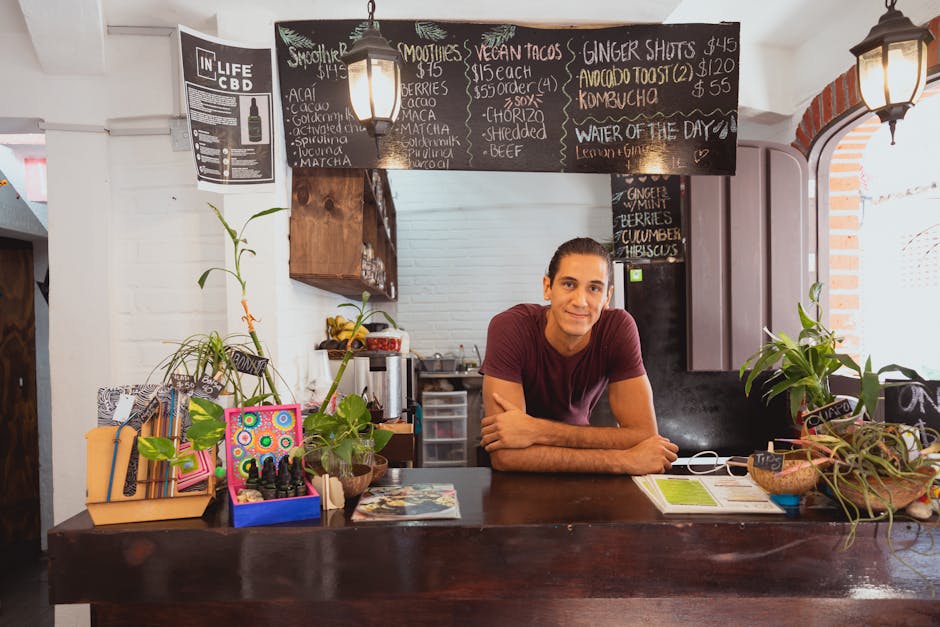
Hongdae and Mapo
The student / nightlife district has gotten very vegan-friendly.
- Vegan Space (베간 스페이스) — Korean street food made vegan: tteokbokki, kimbap, ramyeon, and “fried chicken.” Open late.
- Saladaeng — Thai-Korean fusion with strong veggie menu.
- Plant Hongdae — second Plant location, busy at brunch.
- Lounge V — fully vegan bar food and cocktails.
Hongdae’s vegan scene skews young, cheap, and open late — ideal after a night out. Vegan Space does the greatest hits of Korean street food (tteokbokki, kimbap, “fried chicken”) without a scrap of anchovy, and the area’s indie cafés almost all stock oat milk. See what else is nearby in our Hongdae guide.
Gangnam and Sinsa-dong
Higher-end vegan and brunch spots.
- Légume — Chef Sung Si-woo’s vegetable-forward fine dining is one of Asia’s most awarded. Multi-course tasting menu (₩120,000+).
- Hummus Kitchen — Mediterranean and Middle Eastern with abundant vegan options.
- Café Mamas — chain with a strong veggie sandwich and salad menu.
South of the river the vibe turns upscale: this is where Seoul’s most awarded plant-forward fine dining lives, and reservations are essential. If you’re staying or shopping in the area, our Gangnam guide covers the surrounding district.
Myeongdong (the trickiest area)
Most Myeongdong restaurants cater to fast-paced tourist meals and use seafood stocks. Reliable picks:
- Vegan Kitchen Myeongdong — large fully vegan restaurant with a TVP-heavy menu.
- Loving Hut Myeongdong — same chain as Itaewon.
- Convenience stores (CU, GS25, 7-Eleven) — they sell some vegetarian snacks, but check the labels for fish and meat ingredients.
Myeongdong is the one district where it pays to plan ahead rather than wing it — many restaurants here cater to tourists and use seafood and pork stocks, so know your order before you sit down. Pin one of the vegan spots above before you arrive, or treat the area as a shopping stop and eat in nearby Insadong instead.
Naturally vegetarian Korean dishes (and how to order them safely)
| Dish | Default status | What to ask |
|---|---|---|
| Bibimbap (without egg/meat) | Easily vegan | “Gogi-rang gyeran ppaego juseyo” (no meat or egg, please) |
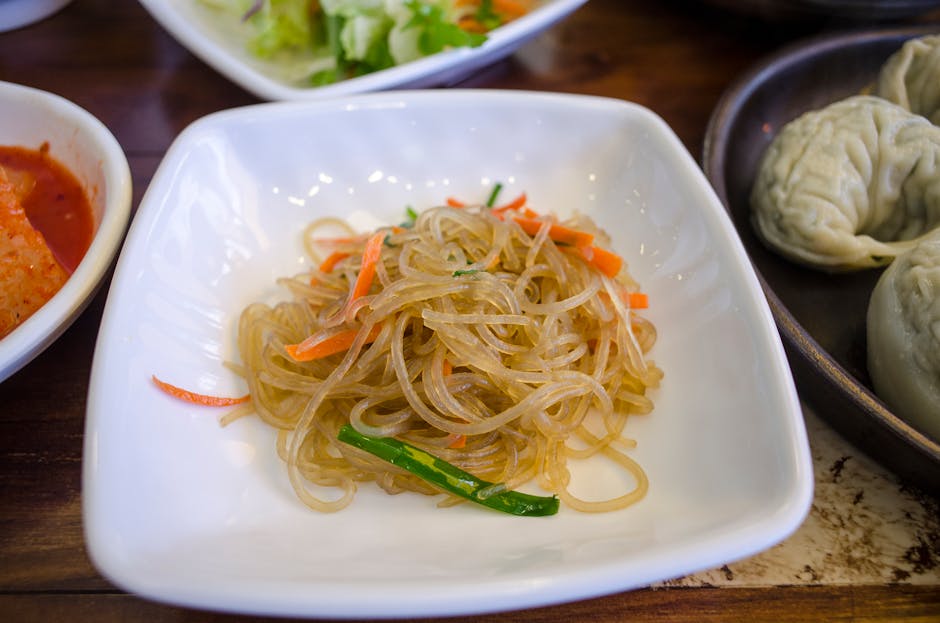
| Japchae | Often has beef | Ask for “yache japchae” (vegetable japchae) |
| Pajeon | Often has seafood | Order “yache jeon” or “buchu jeon” (chive pancake) |
| Tteokbokki | Sauce often uses anchovy stock & fish cakes | Try vegan-only restaurants like Vegan Space |
| Kimchi | Most contains shrimp paste / fish sauce | Ask for vegan kimchi at Buddhist or vegan spots |
| Doenjang jjigae | Often anchovy stock | Ask for “jaerryo eopsi” (without animal stock); rarely doable |
| Sundubu jjigae | Usually seafood | Specify vegan version at vegan restaurants only |
| Bindaetteok (mung bean pancake) | Mostly vegan | Confirm no pork; common at Gwangjang Market |
| Patbingsu (red bean shaved ice) | Vegan-friendly | Skip if condensed milk drizzled — ask “uyu eopsi” |
| Hotteok | Vegan | Pure flour, brown sugar, cinnamon, nuts |
Hidden non-vegetarian ingredients to watch for
These are the four sneaky offenders that catch out vegetarian visitors to Seoul:
- Anchovy stock (멸치 육수) — used in nearly all Korean soups and stews unless specified otherwise. Even vegetable-looking dishes like doenjang jjigae usually have it.
- Fish sauce (액젓) — added to almost all kimchi and many banchan side dishes.
- Shrimp paste (새우젓) — used in kimchi, bossam dipping sauces, and some soups.
- Beef bone broth (사골) — base of seolleongtang, gomtang, and many noodle soups.
If you eat seafood (“pescatarian”) most of these are fine; for strict vegan/vegetarian, stick to certified vegan restaurants or temple cuisine.
One practical habit solves most of this: ask what the broth is made from before you order any soup, stew, or noodle dish. “Yuksu-ga mwoyeyo?” (what’s the stock?) is a genuinely useful question. Rice, plain vegetable banchan, steamed tofu, and grilled or raw vegetables are almost always safe; anything with a savory-deep base flavor probably started with anchovies, kelp-and-anchovy, or beef bone. Kelp-only (dashima) stock is vegan, and a few kind kitchens will make it on request — but never assume.
Useful Korean phrases for vegetarians
| Phrase | Korean | Romanization |
|---|---|---|
| I’m vegetarian | 저는 채식주의자예요 | Jeoneun chae-sik-ju-ui-ja-yeyo |
| I’m vegan | 저는 비건이에요 | Jeoneun bigan-ieyo |
| No meat please | 고기 빼고 주세요 | Gogi ppae-go juseyo |
| No fish or seafood | 생선이나 해산물 빼고 주세요 | Saengseon-ina haesan-mul ppaego juseyo |
| No eggs | 계란 빼고 주세요 | Gyeran ppaego juseyo |
| No dairy | 유제품 빼고 주세요 | Yu-je-pum ppaego juseyo |
| Without anchovy stock | 멸치 육수 빼고 주세요 | Myeolchi yuk-su ppaego juseyo |
| Is this vegan? | 이거 비건이에요? | Igeo bigan-ieyo? |
Vegetarian street food and convenience options
Even when you can’t get to a vegan restaurant, you have options.
- Hotteok — sweet stuffed pancakes (almost always vegan).
- Yache kimbap — vegetable-only seaweed rice rolls; specify “yache man” (vegetable only).
- Twigim — deep-fried vegetables (sweet potato, mushroom). Usually vegan but check oil shared with squid.
- Roasted chestnuts and sweet potatoes — winter staples.
- Bungeoppang — fish-shaped red-bean pastries (vegan unless they add cream).
- Convenience-store gimbap — go for the labeled “야채” (vegetable) versions.
Plant-based Korean comfort food and vegan “BBQ”
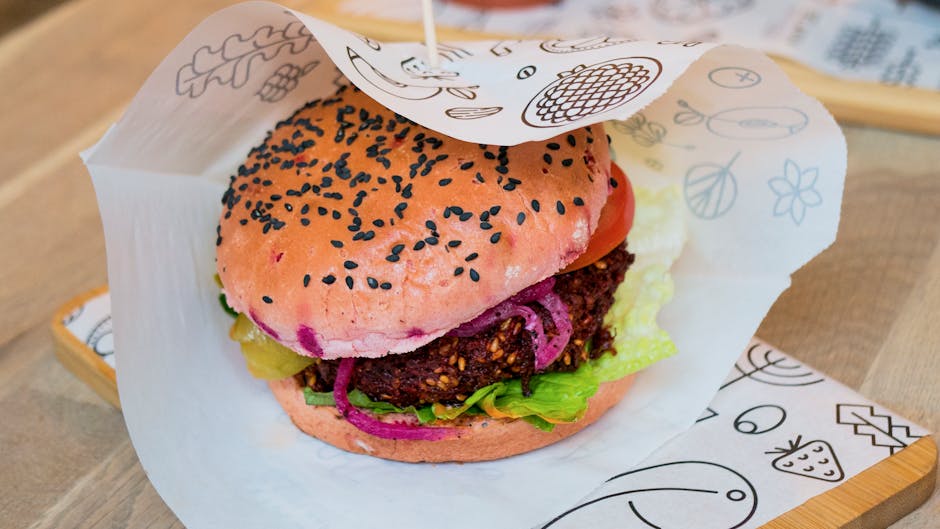
The dish most vegetarians assume they’ll miss in Korea is barbecue — but the plant-based version has quietly gotten very good. At Osegye Hyang, soy-protein dishes stand in for the meat in the Korean barbecue style. Vegan Korean fried “chicken” — crispy, sweet-spicy, and shockingly convincing — turns up at Vegan Space and Loving Hut. If you want to understand the meat-eaters’ version you’re riffing on, our Korean BBQ guide breaks down the cuts and the ritual. The takeaway: you can absolutely have a “Korean BBQ night” as a vegan — you just book a vegan restaurant instead of a smoke-filled meat house.
Ordering with confidence: dietary communication and etiquette
Outside dedicated vegan spots, success comes down to how you ask. Lead with the phrase card above, but also understand the culture: banchan (free side dishes) often contain fish sauce, so it’s normal and polite to simply leave them. Screenshots help enormously — save the Korean for “no meat, no fish, no anchovy stock” and show it. Naver Map (search 비건) is more accurate than Google here. Two honest cautions: many kitchens genuinely don’t consider anchovy stock or a shrimp-paste dab to be “meat,” so be specific rather than general, and at communal BBQ or hotpot tables, cross-contamination is the norm. For the broader table manners that make these requests land well, see our Korean dining etiquette guide.
What vegan dining costs: budget vs. splurge
Vegetarian eating in Seoul spans an enormous price range. At the thrifty end, convenience-store vegetable gimbap runs ₩1,500–2,500, a Loving Hut lunch set is around ₩10,000, and street hotteok or twigim is pocket change — see our cheap eats in Seoul guide for more sub-₩10,000 ideas. Mid-range vegan cafés and Osegye Hyang land at ₩12,000–22,000 a dish. At the top, temple-cuisine tasting menus (Sanchon, Balwoo Gongyang) and vegetable fine dining (Légume) run ₩40,000–120,000-plus. Budgeting a trip? Our breakdown of how much a Seoul trip costs puts these figures in context.
Vegan brunch and cafes
Seoul’s cafe culture overlaps heavily with veganism. Plant Cafe, Le Pure, Cafe Mu, and Atelier Hannam all do strong vegan brunches. Many independent cafes offer oat milk by default — see our Seoul cafe guide for the broader scene.

Vegan bakeries, desserts and sweet treats
Korea’s dessert obsession has a thriving vegan wing. Dedicated egg- and dairy-free bakeries — Deux Créme, Veganerie-style patisseries, and a growing number of Seongsu and Yeonnam spots — turn out croissants, cakes, and cookies that hold up against the real thing. On the street, so much is accidentally vegan: hotteok (cinnamon-sugar pancakes), bungeoppang and gukhwappang (red-bean pastries), roasted chestnuts, and patbingsu when you skip the condensed milk. Traditional tteok (rice cakes) are usually plant-based and sold at every market. For a full sit-down sweet, temple-cuisine restaurants finish with subtle fruit-and-grain desserts, and the trendier cafés plate vegan tiramisu and basque cheesecake made with cashew or tofu. Pair a bakery crawl with the neighborhoods in our Seoul cafe guide.
Markets, supermarkets and self-catering
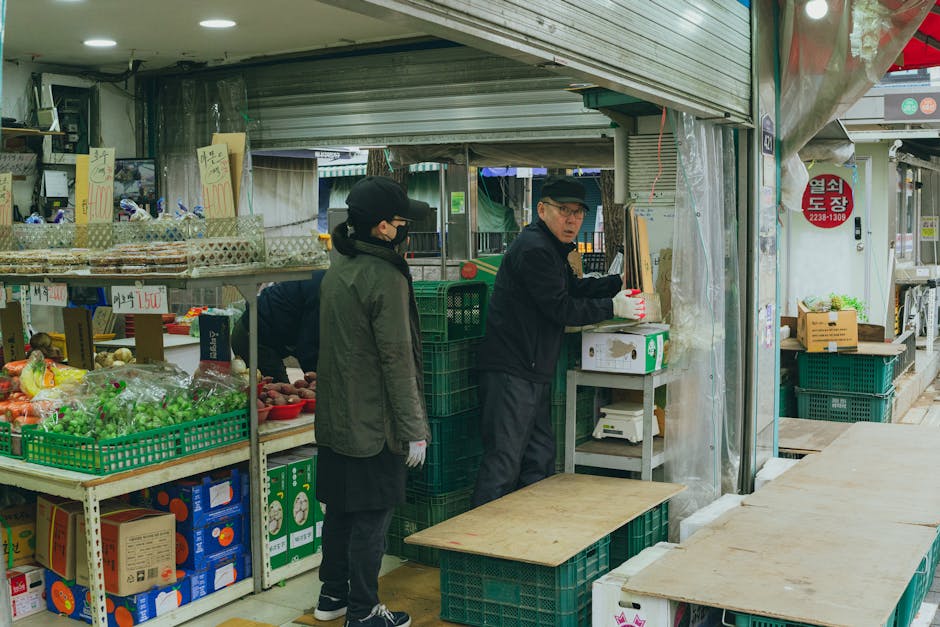
If you have a kitchen at your accommodation, you’ll eat very well. Traditional markets such as Gwangjang, Tongin, and Mangwon are good places to look for fruit, vegetables, tofu, and dried legumes, while Gyeongdong Market in Cheongnyangni is known for its ginseng and herbal medicine zone.
Mainstream supermarkets (Lotte Mart, Emart, Homeplus) carry tofu, soy milk, instant ramyeon (some vegan-labeled), nuts, and frozen mandu. iHerb Korea, Hello Nature, and Coupang Rocket are reliable for international vegan groceries.
A tip for market shopping: traditional markets sell fresh tofu and soy milk daily from specialist stalls (look for the tofu-maker’s steam), and dried goods vendors stock every bean, grain, and mushroom you could want for a self-catered meal. It’s cheap, fresh, and a highlight in its own right — our Gwangjang Market food guide shows how these markets work.
Vegan-friendly Korean drinks
Good news for the after-dinner round: most traditional Korean alcohol is plant-based. Soju and makgeolli (the cloudy rice wine that pairs perfectly with jeon and temple food) are vegan, as are the fruit and rice wines poured at Insadong teahouse-bars. Craft-beer taprooms in Itaewon and Hongdae are safe bets too, though a few unfiltered styles use isinglass — ask if you’re strict. Non-drinkers are spoiled: barley tea (boricha) and corn tea come free at most restaurants, and traditional teahouses serve omija (five-flavor berry), jujube, and ginger teas. Our Korean alcohol guide covers what to order and how to drink it politely.
Apps and resources
- HappyCow — the global vegan/vegetarian map. Most reliable for restaurant location and current opening hours.
- Naver Map — search “비건” (vegan) to find local listings.
- Vegan Korea (Facebook group) — active expat-and-local community for last-minute recommendations.
- Korean Vegan Society — directory of vegan-certified restaurants nationwide.
One-day vegetarian itinerary in Seoul
A sample plant-based day to copy if you want a stress-free first day.
- Breakfast (Hannam-dong, 9:00): Plant Cafe — sourdough toast with avocado, oat-milk latte. ~₩15,000.
- Mid-morning (Insadong, 11:30): Walk through Insadong, browse Ssamziegil. Optional teahouse stop.
- Lunch (Insadong, 12:30): Sanchon temple cuisine tasting menu. ~₩40,000.
- Afternoon (Bukchon Hanok Village, 14:30): Walk between traditional houses.
- Dinner (Itaewon, 19:00): Osegye Hyang vegan bulgogi + japchae + makgeolli rice wine. ~₩30,000.
Prefer to stay plant-based on a tighter budget? Swap the tasting menu for Osegye Hyang at lunch, graze market street food in the afternoon, and cap the night with Vegan Space — a full day of memorable vegan eating for well under ₩40,000.
FAQ: vegetarian food in Seoul
Is it hard to find vegetarian food in Seoul?
Not anymore. In tourist neighborhoods (Itaewon, Insadong, Hongdae, Hannam) you’ll find dedicated vegan restaurants every few blocks. Outside those areas you’ll need to plan or rely on temple-style and bibimbap orders.
Is kimchi vegan?
Most commercial kimchi is not — it’s made with fish sauce or shrimp paste. Buddhist temples and dedicated vegan restaurants make versions without animal products. Look for “비건 김치” (vegan kimchi).
What is the best neighborhood for vegan food in Seoul?
Itaewon, including the Haebangchon area where Vegetus is, is the place to start for fully vegan restaurants and cafes. Insadong is best for traditional Korean vegan (temple cuisine). Hongdae for casual late-night vegan eats.
Can I get vegan Korean BBQ?
Plant-based “BBQ” exists at vegan restaurants (Osegye Hyang) using soy-based proteins. Mainstream BBQ joints don’t have vegan options yet, though sides like vegetables and rice can be ordered.
Are convenience stores good for vegetarians?
Yes for snacks and quick meals — vegetable triangle gimbap, fresh fruit cups, soy lattes, baked goods. Read labels: many ramyeon contain animal stock powder.
Is temple food vegan or just vegetarian?
Fully vegan — Korean Buddhist temple cuisine excludes meat, dairy, and eggs, plus the five pungent vegetables (garlic, onion, leek, scallion, chives). It’s the safest cuisine in Korea for strict vegans.
Can I eat at a Korean BBQ restaurant as a vegetarian?
At a mainstream BBQ house your options are limited to rice, vegetables, and some sides, and grills are shared with meat. For a true plant-based barbecue experience, book a vegan restaurant like Osegye Hyang or Plant 2.0 instead.
Do I need reservations for vegan fine dining?
Yes. Sanchon, Balwoo Gongyang, Légume, and Vegetus all book out days ahead, especially for weekend dinner. Reserve online or have your hotel call.
What should I download before I go?
HappyCow for restaurant mapping and Naver Map (search 비건) for hours and directions. Save a Korean dietary-phrase screenshot to show servers.
Are there vegan convenience-store meals?
Yes — look for vegetable (야채) triangle gimbap and kimbap, fruit cups, roasted sweet potatoes in winter, and soy lattes. Always check ramyeon and instant soups, which usually contain animal-stock powder.
Is Seoul good for gluten-free vegans too?
Trickier, since soy sauce (wheat-based) is everywhere, but rice-based dishes, many temple items, and dedicated vegan cafés can accommodate — flag both needs clearly and lean on HappyCow filters.
Can vegans drink soju and makgeolli?
Yes — both are made from grains and are vegan. Most Korean beer is fine too, though a handful of unfiltered craft styles use fish-derived fining agents, so ask if you’re strict.
There is a lot of overlap between the places that cater properly for vegetarians and those that work for Muslim visitors, since both are navigating the same hidden pork stock and fermented shrimp. If you are travelling with someone who needs halal rather than vegetarian, our halal food in Seoul guide covers the certification tiers and the Itaewon district in detail.
Final thoughts
Seoul’s vegetarian and vegan scene has changed faster than almost any food category in the city. A trip that would have meant constant compromise in 2018 now offers temple haute cuisine, fully vegan Korean BBQ alternatives, brunch culture, and Michelin-starred plant-based fine dining. Plan around the Itaewon/Insadong axis for your most reliable meals, learn three or four ordering phrases, and the rest is easy.
For broader Seoul food planning, browse our Seoul food guide, street food guide, and cafe guide.