This guide covers the city’s Seoul Michelin star restaurants in full: who has stars, what they cook, what a meal will cost in 2026, how to make reservations, and which ones are realistically the best splurge for a once-in-a-trip experience. If you’re piecing together your eating itinerary, pair this with our Seoul food guide and must-try Korean dishes.
A quick word on how to read this guide. Seoul now has more starred restaurants than any traveler can eat through in one visit, so I’ve organized it by tier and, more usefully, by what actually matters when you’re planning: cost, how hard the table is to get, and which experiences give you the most Korea-specific payoff. If you’re only doing one big fine-dining night, skip to the neighborhoods section and the “best value” picks near the end. If you’re a serious food traveler building a whole itinerary around eating, read it top to bottom and cross-reference our Seoul food tours and Korean BBQ guides.
The 2026 Seoul MICHELIN Guide at a glance
| Tier | Number of restaurants in Seoul |
|---|---|
| Three MICHELIN Stars | 1 (Mingles) |
| Two MICHELIN Stars | 10 |
| One MICHELIN Star | 31 |
| Bib Gourmand (Seoul + Busan) | 71 |
| MICHELIN Selected (Seoul + Busan) | 116 |
| MICHELIN Green Stars | 2 in Seoul (Mitou, Gigas) |
Compared to 2025, the 2026 edition added six new Seoul restaurants (most at one star), and Mitou was promoted to two stars. See the official MICHELIN announcement.
Mingles — Seoul’s only three-MICHELIN-star restaurant
Chef Kang Mingoo‘s Cheongdam-dong restaurant is the headline news of the 2026 guide. Mingles became Seoul’s first three-star restaurant in 2024 and has held that status into 2026. The cuisine is modern Korean with deep roots in jang (fermented sauces), grain, and seasonal produce; signature elements include omija sorbet, doenjang-aged short rib, and the dessert course built around makgeolli rice wine.
Practical info: Mingles
- Cuisine: Modern Korean
- Location: Cheongdam-dong, Gangnam
- Price (2026): Tasting menu ₩300,000–₩380,000 per person; pairings ₩120,000+
- Reservations: Catch Table app, opens ~1 month ahead. Books out within hours.
What a meal at Mingles is actually like
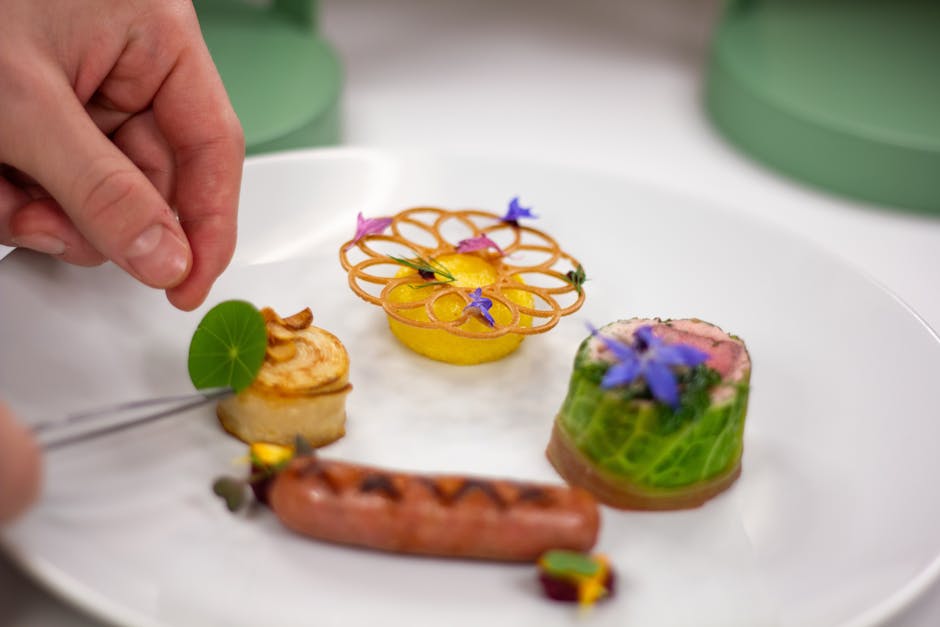
Booking Mingles is a small project in itself, but the meal earns it. The dining room is calm and low-lit, more understated than showy — the theatre is on the plate. Expect a procession of eight to twelve courses that read as recognizably Korean but arrive in forms you’ve never seen: the famous jang trio (soy, soybean paste, and chili paste aged for years) served almost like a wine flight, doenjang-aged short rib with startling depth, and the signature makgeolli-driven dessert that closes the meal on a note of fermented rice wine and honey. Service is precise but warm, and staff switch to fluent English without missing a beat. Budget three hours, arrive hungry, and take the alcohol pairing if it’s offered — the Korean rice-wine matches are the part you’ll still be talking about at home. It is expensive, but as a once-in-a-trip splurge it’s the single most complete expression of modern Korean cooking in the country.
Two-MICHELIN-star restaurants in Seoul (2026)
Ten Seoul restaurants hold two stars in the 2026 guide. They cover an unusually wide range — from haute Korean to omakase to French-Korean fusion.
Ten two-star kitchens is a lot of choice, so here’s how to narrow it. For the most quintessentially Korean experience, book La Yeon — palatial hanjeongsik with a Namsan view — or Gaon, where every course arrives on hand-thrown Kwang Ju Yo porcelain. For the modern-Korean story that put Seoul on the global map, it’s Jungsik. For sustainability plus genuine surprise, Mitou. For classical French technique, Pierre Gagnaire à Séoul or Yannick Alléno’s STAY. If you’re choosing your first two-star in Seoul, I’d steer you to Jungsik: it’s the clearest bridge between Korean tradition and the international fine-dining language most visitors already speak, and its Cheongdam address keeps you in the densest cluster of stars in the city.
La Yeon (라연)
Inside the Shilla Hotel, La Yeon is Seoul’s grandest hanjeongsik experience. Multi-course Korean banquets built on top-quality seasonal ingredients and refined by classical techniques. The view over Namsan is part of the experience. ₩260,000–₩350,000.
Jungsik (정식)
Chef Yim Jung-sik is widely credited with introducing Korean fine dining to a global audience (Jungsik New York holds two stars as well). The Cheongdam outpost still serves the bibimbap that anchored its reputation, alongside ten-course modern Korean tasting menus. ₩220,000–₩300,000.
Gaon (가온)
Hanjeongsik in a more meditative key. Set inside the Kwang Ju Yo ceramic gallery — every dish is plated on hand-thrown porcelain. ₩240,000+.
Mitou (미토우)
Newly promoted to two stars in 2026. Chef Kim Bo-hyun’s restaurant is also a MICHELIN Green Star recipient for its zero-waste kitchen and direct-from-farm sourcing. Modern Japanese-Korean tasting menu. ₩220,000+.
Other two-star restaurants in 2026
- Kwon Sook Soo — refined Korean fusion in Bukchon
- Pierre Gagnaire à Séoul — French haute cuisine inside the Lotte Hotel
- Le Chamber — modern French-Korean tasting
- Jisan-Eo — modern Korean
- Toh Lim — modern Cantonese inside the Lotte Hotel
- STAY — Yannick Alléno’s contemporary French restaurant
One-MICHELIN-star restaurants worth booking
With 31 one-star restaurants, you can’t realistically eat at all of them on a single trip. Here are the most acclaimed and most accessible options for visitors.
A few of these deserve a special flag. Onjium is the one to book if you want a starred meal inside an actual Bukchon hanok — history on a plate, in a historic room, and a natural pairing with a hanok stay. Yu Yuan‘s dim sum lunch is the softest possible landing into Michelin dining: no tasting-menu commitment, no eye-watering bill, just superb Cantonese cooking in the Four Seasons. Mosu Seoul (chef Sung Anh) is the modernist wild card and a favorite among chefs themselves, while Born and Bred‘s all-hanwoo beef omakase is genuinely unlike anything else you’ll eat in the city. Vegetarians should make a beeline for Balwoo Gongyang‘s Buddhist temple cuisine.
Onjium (온지음)
Tucked into a hanok in Bukchon, Onjium is the research-restaurant arm of a Korean culinary academy. The food draws on royal court records and historical recipes. ₩150,000–₩220,000.
Soigné
Chef Jun Lee returned to Seoul after running Bocuse d’Or-style fine dining in San Francisco. Modern global with strong Korean accents. ₩200,000+.
Yu Yuan
The Four Seasons Hotel Seoul’s Cantonese restaurant has retained its one star. Refined dim sum lunches make it Seoul’s most accessible Michelin experience. ₩90,000–₩180,000.
Hansikgonggan (한식공간)
Chef Cho Hee-sook (recipient of the inaugural Asia’s Best Female Chef Award). Pure modern Korean fine dining; consistently one of the city’s most beautifully plated meals. ₩200,000+.
Born and Bred
Korean beef tasting menu — every course built around hanwoo. The unusual format (entirely beef-driven omakase) is part of the appeal. ₩300,000+.
Other notable one stars
- Bistro Kanematsu — French-Japanese
- Kojima — sushi omakase
- Sushi Inoue — sushi omakase
- Mosu Seoul — Sung Anh’s modernist Korean tasting
- Joo Ok — refined Korean
- Gigas — Italian-Korean (also a Green Star recipient)
- Balwoo Gongyang — Korean Buddhist temple cuisine, see our vegetarian Seoul guide
- Eatanic Garden — vegetable-forward modern Korean
- Octave — modern French
Seoul omakase: the sushi side of Michelin
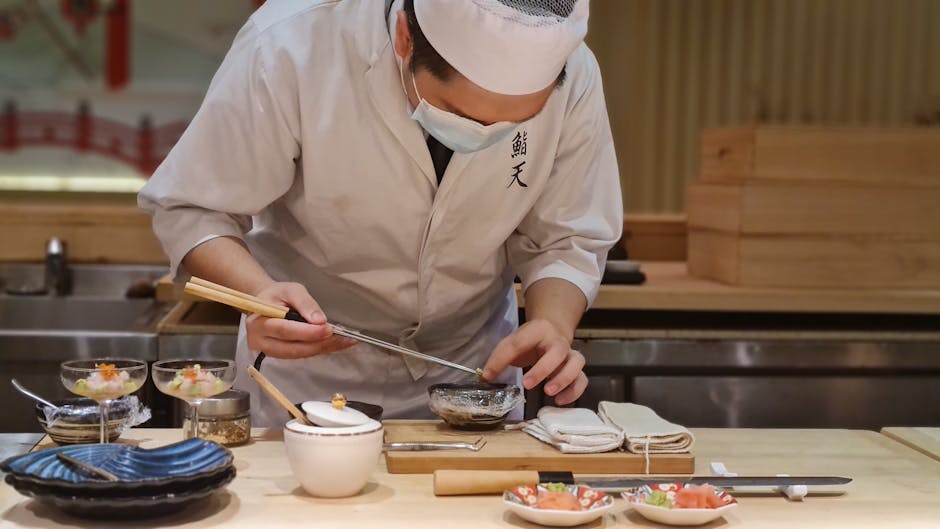
Several of Seoul’s stars belong to small, high-end Japanese omakase counters. Korean diners have embraced the format with enormous enthusiasm, and the city now rivals Tokyo for omakase variety. Standouts in the 2026 guide include Sushi Inoue, Kojima, Sushi Cho, and Mitou (now two stars). Expect 12–18 course counters at ₩180,000–₩320,000 per person.
A note on Seoul omakase for first-timers: the format is intense and fast, seats are limited (often 8–10 per seating), and latecomers throw off the whole counter, so arrive five minutes early. Trust the chef — ordering “off menu” defeats the point — and if you have an allergy, say so at booking. The best-value entry point is a lunch omakase, where the same knife skills and fish quality come at a noticeably gentler price than dinner. If raw fish isn’t your thing, the modern-Korean and Cantonese stars are the better use of your one big night.
MICHELIN Green Star: Seoul’s sustainable fine dining
Two Seoul restaurants hold a MICHELIN Green Star for sustainability in 2026 — Mitou and Gigas — and the Bib Gourmand list adds Gosari Express. This is a category worth caring about if you do: Mitou runs a near-zero-waste kitchen with produce sourced directly from named farms, and its two-star cooking proves that low-waste sourcing and world-class results aren’t at odds. Gigas applies the same ethos to Italian-Korean cooking, leaning on Korean vegetables and seafood in place of imported luxury ingredients. For travelers who want their splurge to align with their values, these are the tables to prioritize, and they slot neatly alongside the plant-forward options in our vegetarian and vegan Seoul guide.
Bib Gourmand: stars on a budget
Bib Gourmand recognizes restaurants that offer “exceptional good food at moderate prices.” For most visitors, these are actually the most useful Michelin recommendations — affordable, accessible, and gloriously Korean. There are 71 Bib Gourmand venues in the 2026 Seoul + Busan list. Star picks in Seoul:
- Gosari Express — Korean modern (Green Star). Under ₩30,000.
- Mukshidonna — tteokbokki done with cult devotion. Under ₩20,000.
- Tongin Sigyeokwan — sundubu and gukbap rice soup. Under ₩15,000.
- Jaha Son Mandoo — Buam-dong’s legendary handmade dumplings.
- Eulji Myeonok — naengmyeon (cold buckwheat noodles).
- Jongno Ojang Ompasal — Korean BBQ. Pair with our Korean BBQ guide.
Here’s how I’d actually eat the Bib list in a single glorious low-budget day. Start mid-morning at Gwangjang Market for a bindaetteok mung-bean pancake and a bowl of kalguksu — our Gwangjang Market food guide maps the best stalls. Walk it off, then hit Eulji Myeonok for a cold, clean bowl of pyeongyang naengmyeon (the broth is deliberately subtle — trust it). Afternoon snack: Mukshidonna for cult tteokbokki. Come evening, a Bib Gourmand Korean BBQ table like Jongno Ojang Ompasal closes the day. That’s four Michelin-recognized meals for less than the price of a single starred appetizer — and for many visitors it’s a more memorable food day than any tasting menu. It also dovetails with a wider street-food crawl.
What does a Seoul Michelin meal cost in 2026?
| Tier | Tasting menu (per person) | With pairings |
|---|---|---|
| Three stars (Mingles) | ₩300,000–₩380,000 | ₩420,000–₩500,000+ |
| Two stars | ₩220,000–₩320,000 | ₩320,000–₩460,000 |
| One star | ₩90,000–₩280,000 | ₩140,000–₩400,000 |
| Bib Gourmand | ₩10,000–₩30,000 | n/a |
For broader budget context, see how much does a Seoul trip cost.
How to book a Seoul Michelin restaurant
Most Seoul Michelin restaurants now take reservations through three channels:
- Catch Table — the dominant Korean reservation app. Many restaurants release seats exactly 30 days ahead at midnight Korea time. You’ll need a Korean phone number for some, but a credit card and email work for most.
- Naver Reservation — secondary platform; some restaurants are exclusive here.
- Direct phone or hotel concierge — for hotel-based restaurants (La Yeon, Pierre Gagnaire, Yu Yuan), the concierge desk is the path of least resistance.
For three-star Mingles and the most popular two-stars, plan to book 4–6 weeks ahead. Lunch slots are easier than dinner. Cancellation fees apply (typically ₩100,000+ within 24 hours).
The Catch Table playbook, step by step
Download Catch Table before your trip and set it to English. Create an account with your email and a credit card — you don’t strictly need a Korean phone number for most listings. Find your restaurant, note its release window (many drop seats exactly 30 days out at midnight KST), and set a reminder ten minutes before. When the slots open, book fast: three-star and top two-star tables can vanish inside a few minutes. Add any allergies or dietary needs in the notes field at booking, not on the night. If a table is fully booked, keep checking — cancellations reappear, especially 24–48 hours out as no-show fees kick in.
What if everything is booked?
Don’t give up. Three moves rescue most trips: check Catch Table repeatedly in the 48 hours before your date, when cancellations surface; ask your hotel concierge, who sometimes holds relationships and allocations the apps don’t show; and pivot to lunch or to a one-star or Bib Gourmand alternative in the same neighborhood. Walk-ins essentially don’t exist at the starred level, so a little persistence beats turning up hopeful at the door.
How Seoul compares to Tokyo and other Asian Michelin cities
Tokyo still leads Asia on sheer star count, and Hong Kong and Singapore are denser per square mile. But Seoul offers something distinct: a fine-dining scene built around a national cuisine that most Western visitors have never eaten at this level, plus an omakase culture that now rivals Japan’s for quality if not quantity. Prices sit below Tokyo’s top tier and well below London or New York for comparable cooking, which makes a Seoul splurge relatively good value. If you’ve done Tokyo’s sushi temples, come to Seoul for the modern-Korean kitchens — they’re the ones you can’t experience anywhere else.
What to expect at a Seoul fine-dining meal
Some quick orientation if Seoul is your first Asian fine-dining city.
Format and pace
Most Seoul Michelin restaurants serve 8–14 course tasting menus over 2.5–3 hours. Some menus include a Korean tea or rice ceremony at the close. Counter restaurants tend to be punctual to the minute; reserved tables in larger dining rooms have more flexibility.
Dress code
Smart casual is universal — a clean shirt and decent shoes are enough at most places. Hotel-based restaurants (La Yeon, Pierre Gagnaire) lean more formal. Sneakers and shorts are out almost everywhere except Bib Gourmand spots.
Pairings
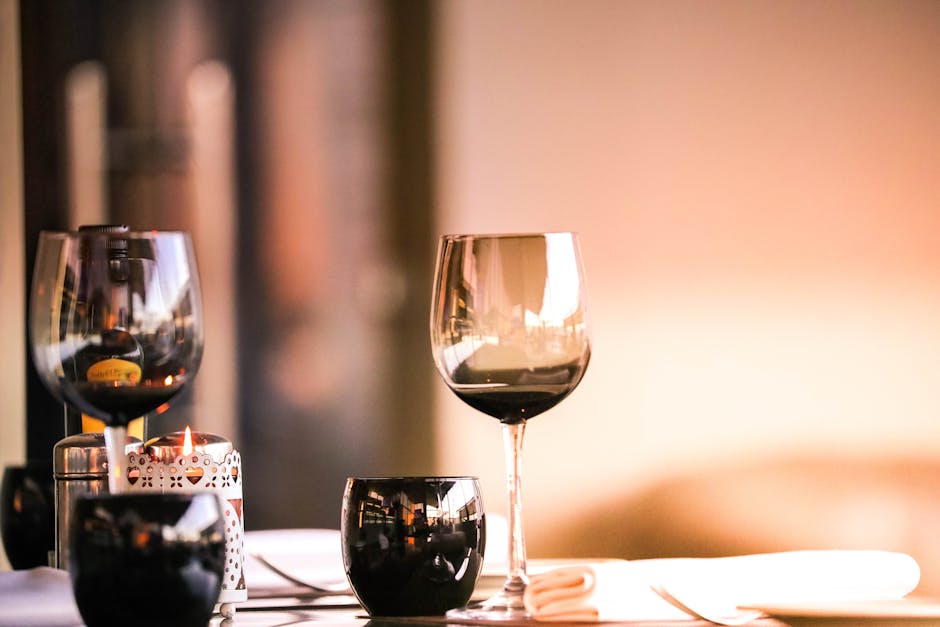
Most restaurants offer wine pairings (₩90,000–₩200,000). Many Korean modern restaurants include a Korean alcohol pairing — makgeolli, soju from regional brewers, omija liqueurs — which is usually the more interesting option.
If you take one piece of advice from this guide, make it this: at any modern Korean restaurant, choose the Korean alcohol pairing over the wine list. Sommeliers here have quietly built extraordinary lineups of small-batch makgeolli, regional soju from craft distillers, aged cheongju, and omija and bokbunja (black raspberry) liqueurs that mirror the fermentation running through the food. It’s cheaper than the wine pairing, more surprising, and impossible to replicate at home. If you want to understand what’s in your glass before you go, our Korean alcohol guide breaks down every drink you’ll encounter.
Photography
Phones at the table are generally fine; flash photography is not. A few of the more serious counters request you put phones away during certain courses.
Tipping
Don’t. Tipping is not customary in Korea, and fine-dining restaurants build service into the price. Leaving cash on the table can genuinely confuse staff. A sincere thank-you (jal meogeosseumnida — “I ate well”) is the right gesture.
Allergies and dietary needs
Flag these when you book, not on arrival — tasting menus are planned in advance and last-minute changes are hard. Most starred kitchens accommodate allergies and pescatarian or vegetarian diets with notice; strict vegan requests are easiest at temple cuisine (Balwoo Gongyang) and the vegetable-forward kitchens.
Dining solo or with kids
Counter restaurants and omakase are excellent for solo diners — you’ll often chat with the chef. Larger tasting-menu rooms seat singles happily too. Children are welcome at hotel restaurants and most dining rooms, but the intimate counters are adults-in-practice; bring kids only to the more spacious venues, and mention their age when booking.
Where the stars cluster: Seoul’s Michelin neighborhoods
| Neighborhood | What’s there |
|---|---|
| Cheongdam-dong | Mingles (3⋆), Jungsik, Mitou, multiple omakase |
| Gangnam | STAY, Le Chamber, sushi counters |
| Hannam-dong / Itaewon | Mosu Seoul, Soigné, Born and Bred |
| Bukchon / Samcheong-dong | Onjium, Kwon Sook Soo, Hansikgonggan |
| Hotel-based (city center) | La Yeon (Shilla), Pierre Gagnaire (Lotte), Yu Yuan (Four Seasons), Toh Lim (Lotte) |
| Apgujeong / Sinsa | Joo Ok, Eatanic Garden, Octave |
If you only have one fine-dining night, base around Cheongdam-dong for the highest density of starred restaurants and easy taxi access. See our Seoul neighborhoods guide for context.
Cheongdam and the surrounding blocks sit in the heart of Gangnam, so it’s easy to combine a starred dinner with an evening in the district’s bars and boutiques. If your table is in Hannam-dong, you’re a short hop from Itaewon; if it’s in Bukchon, pair it with a daytime hanok walk and an Insadong stroll. Taxis are the simplest way to arrive dressed for dinner — fares across central Seoul rarely top ₩15,000 — but the subway reaches everything if you’d rather; see getting around Seoul for the lines.

Best value Seoul Michelin experiences for visitors
If you want to taste a starred kitchen without committing to a ₩300,000 dinner:
- Yu Yuan dim sum lunch at the Four Seasons (₩90,000–₩140,000)
- Onjium tasting lunch in a Bukchon hanok (₩150,000)
- Balwoo Gongyang lunch course for temple cuisine (₩50,000)
- Bib Gourmand picks for the best ₩10,000–₩30,000 meals of your trip

FAQ: Seoul Michelin star restaurants
How many Michelin stars does Seoul have in 2026?
42 stars across 42 restaurants — one three-star (Mingles), 10 two-stars and 31 one-stars. Plus 71 Bib Gourmand and 116 MICHELIN Selected restaurants in the broader Seoul & Busan guide.
What is the only three-star restaurant in Seoul?
Mingles, Chef Kang Mingoo’s modern Korean restaurant in Cheongdam-dong, retained its three-star status in the 2026 guide.
Is Seoul a good city for fine dining?
Yes — Seoul ranks among the top 5 fine-dining cities in Asia, with stars distributed across Korean, French, Japanese, Cantonese, and Italian kitchens.
How much does a Michelin meal cost in Seoul?
One-star tasting menus typically run ₩90,000–₩280,000, two-stars ₩220,000–₩320,000, and the three-star Mingles around ₩300,000–₩380,000 before pairings. Bib Gourmand spots usually stay under ₩30,000.
How far in advance do I need to book?
4–6 weeks for Mingles and the top two-stars; 2–3 weeks for most one-stars. Lunch is generally easier than dinner. Use the Catch Table app.
Is there a vegan or vegetarian Michelin option?
Yes — Balwoo Gongyang holds a star for Korean Buddhist temple cuisine. See our vegetarian Seoul guide.
Do I need to tip at a Seoul Michelin restaurant?
No. Tipping isn’t customary in Korea and service is included in the price. A verbal thank-you is the norm.
Can I get a table if I don’t have a Korean phone number?
Usually yes. The Catch Table app accepts international sign-ups, and hotel restaurants take reservations by email or through the concierge. A handful of small counters still require a local number — for those, ask your hotel to book on your behalf.
What happens if I cancel a reservation?
Most starred restaurants charge a cancellation or no-show fee (commonly ₩100,000 or more per person) if you cancel within 24 hours, since they hold your card at booking. Cancel early and you’re usually fine.
Is lunch or dinner better value?
Lunch, almost always. Many starred restaurants offer a shorter lunch menu at a lower price, and lunch tables are far easier to secure than dinner — the single best tip for visitors on a budget or a tight schedule.
How to work a Michelin meal into your Seoul trip
A tasting menu eats up an evening, so plan the rest of that day to earn it. My preferred structure: a light, active day — a palace, a neighborhood walk, maybe a spa — followed by the big dinner, with nothing scheduled the next morning. Lunch bookings are the underrated move: they’re markedly easier to get at the top tables, often cheaper than the same kitchen’s dinner, and they leave your evening free. Book the restaurant first and build the day around it, not the other way round. Our Seoul itineraries hub and the 5-day Seoul itinerary both show where a fine-dining night slots in without wrecking the following day.
Final word
Seoul’s Michelin scene rewards curiosity. The most interesting meals you’ll have are the modern Korean kitchens — Mingles, Mosu, Hansikgonggan, Onjium — that translate jang fermentation, hanjeongsik banquet structure, and seasonal Korean ingredients into a contemporary tasting format you cannot replicate anywhere else. Pair one Michelin night with a few street-food crawls and a session at Gwangjang Market for the full Seoul food spectrum.