It is organised in the order you will need it: a countdown checklist for the weeks before you go, the entry paperwork, your first hours on the ground, then the everyday practicalities of money, phones, getting around, safety, etiquette, opening hours and the weather. Each section links to the detailed guide on that topic. Fees, fares and rules were checked in November 2026 against the official sources (the immigration and customs services, the Korea Tourism Organization, the Seoul city government and the transport operators), and they change, so check the official page for anything your trip depends on.
Seoul essentials at a glance
| What | The short version |
|---|---|
| Entry | Visa-free short visits for 112 countries and regions; most of them need a K-ETA (₩10,000), apart from 22 countries and regions exempt through 31 December 2026 |
| Arrival card | The free online e-Arrival Card, submitted within 3 days before you land; K-ETA holders skip it |
| Customs | Nothing to declare means no form; duty-free allowance USD 800, plus 2 bottles of alcohol (2 litres, USD 400 in total) |
| Currency | Korean won (₩); cards are widely accepted, and ATMs marked “Global” take foreign cards |
| Transport card | T-money (card from ₩3,000) or a Climate Card short pass (1 day ₩5,000 to 7 days ₩20,000) |
| Subway fare | ₩1,550 by transport card for the first 10 km; ₩1,650 for a single-journey ticket |
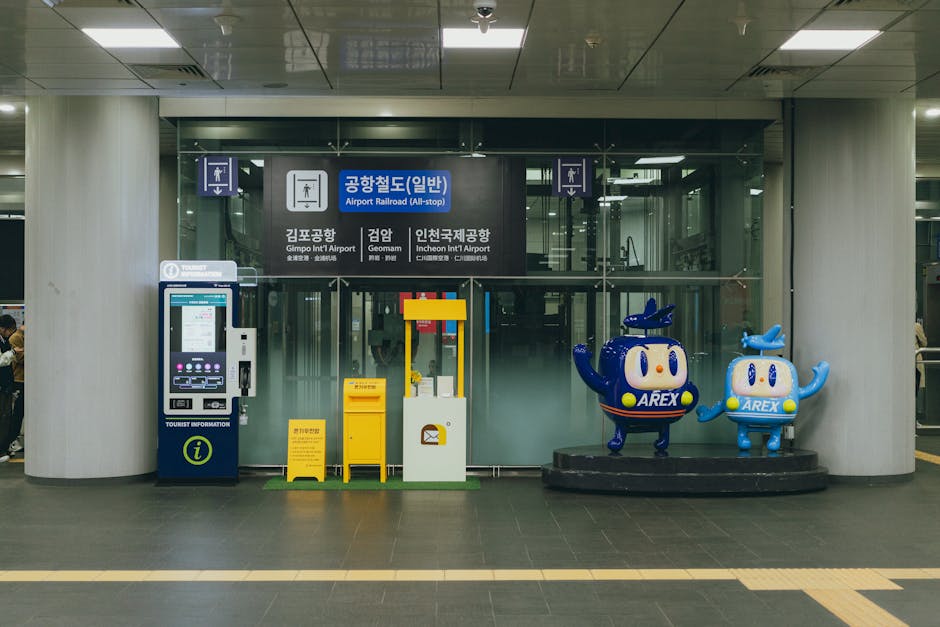
| Airport train | AREX Express to Seoul Station ₩13,000; all-stop trains from ₩4,750 by transport card |
| Phone and data | eSIM, a USIM from the airport roaming centres, or pocket Wi-Fi; free public Wi-Fi in stations and on the street |
| Power | 220 V, 60 Hz, two round pins (plug types C and F) |
| Time zone | Korea Standard Time, GMT+9 |
| Emergencies | 112 police, 119 fire and ambulance, 1330 for the Korea Travel Hotline |
| Tipping | Not a Korean custom; some hotels and upscale restaurants add a service charge |
If you only do three things before you fly: sort your entry permission (K-ETA or e-Arrival Card), decide how you will get mobile data, and install Naver Map or Kakao Map. Everything else can be fixed after you land.
Before you go: a countdown checklist
None of this is difficult. The trouble is that some of it has a deadline, and some of it, like a train booking window or a palace ticket release, only opens on a particular day. Working backwards from your departure date keeps it simple.
Eight weeks or more before you fly
- Check how you will enter Korea. Most visitors enter visa-free, but whether you need a K-ETA, an e-Arrival Card or a full visa depends on your passport. Our Seoul visa guide walks through the categories, and the next section of this page summarises the paperwork.
- Look at your passport. Check its expiry date and that it has blank pages, and confirm your airline’s and Korea’s requirements for your nationality before you book.
- Look at the calendar. Seollal (Lunar New Year) and Chuseok (the harvest festival) are the two big holidays when transport fills up and many family-run restaurants and shops close. In 2027, Seollal falls on 7 February, with the holiday running from 6 to 9 February, and Chuseok on 15 September, with the holiday from 14 to 16 September. Our Korean holidays guide covers the rest of the year.
- Book where you will sleep. Where you stay decides how much time you spend on the subway. Our where to stay in Seoul guide compares the neighbourhoods.
- Note the train booking window. KTX tickets go on sale at 07:00 two months before the travel date, on korail.com or the KORAIL+ app. If you are planning a long-distance day trip on a busy weekend, set a reminder.
- Arrange travel insurance that covers medical treatment. Korean healthcare is excellent, but it is not free for visitors.
Two to four weeks before
- Apply for your K-ETA, if you need one. The official advice is to apply at least 72 hours before departure. Assessment usually takes 72 hours or less but can take longer, so do it early; an approved K-ETA lasts for three years (or until your passport expires, if sooner), so there is no reason to leave it late. Use only the official site, k-eta.go.kr: third-party sites charge far more than the ₩10,000 fee.
- Decide on mobile data and buy an eSIM if that is your route (see “Staying connected” below).
- Book the things that sell out. The Changdeokgung Secret Garden tour opens online booking six days before the visit at 10:00, and the English slots go fast; our Secret Garden guide explains the system. DMZ tours, popular restaurants and concerts also need booking ahead.
- Install the apps you will need (see “The apps worth installing” below) and set them up while you are still on home Wi-Fi.
- Check the weather and pack for it. Seoul’s seasons are extreme at both ends. Our Seoul weather by month guide and Seoul packing list cover what to bring.
The last three days
- Submit your e-Arrival Card on e-arrivalcard.go.kr, unless you hold a K-ETA. It is free and opens three days before arrival (Korean time). Nothing needs printing.
- Prepare a customs declaration only if you need one. If you are bringing in goods over the duty-free allowance, or more than USD 10,000 in cash, you can fill in the declaration on the “Korea Customs Declaration for Travelers” app before you land.
- Save your hotel’s address in Korean, as text and as a screenshot, for taxi drivers and for the immigration officer who asks where you are staying.
- Bring a plug adapter for two round pins, and a little Korean cash if you can get it at home, though an airport ATM will do.
Entry paperwork: visa, K-ETA, e-Arrival Card and customs
Korea’s entry rules have changed several times since 2023, and plenty of older advice online is out of date. Here is the current picture, as the official sources describe it in November 2026.
Visa-free entry and the K-ETA
Citizens of 112 countries and regions can visit Korea without a visa for tourism, family visits, events and business meetings: 67 under visa-waiver agreements and 45 under separate tourism and transit arrangements. How long you can stay depends on your nationality.
Most visa-free travellers need a K-ETA (Korea Electronic Travel Authorization), an online pre-approval you get before boarding. It costs ₩10,000, assessment generally takes up to 72 hours, and it is valid for three years. Travellers aged 17 or under or 65 or over do not need one. Citizens of 22 countries and regions, including the United States, the United Kingdom, Japan and Australia, are temporarily exempt through 31 December 2026; exempt travellers can still apply for a K-ETA if they would rather skip the arrival card. For travel from 1 January 2027, check k-eta.go.kr before you book: the exemption runs for a fixed period and has been extended before.
The e-Arrival Card
If you do not hold a K-ETA, you submit an arrival card online instead, on the official e-Arrival Card site. It is free, it opens three days before your arrival in Korean time, and one submission can cover up to nine people travelling together. There is nothing to print.
Q-CODE
The Q-CODE health declaration is only for travellers arriving from areas Korea designates for quarantine inspection; everyone else does not need it. If you have been somewhere with a disease outbreak, check the current list on the Korea Disease Control and Prevention Agency’s Q-CODE site before you fly.
Customs
- Nothing to declare: no form is needed, a rule in force since May 2023. Walk through the green channel.
- Allowances: goods bought abroad up to USD 800 are duty-free. On top of that, adults can bring alcohol worth up to USD 400 in total, in up to two bottles and two litres, plus 200 cigarettes and 100 ml of perfume. Travellers aged 19 and under get no alcohol or tobacco allowance.
- Cash: declare Korean or foreign currency worth more than USD 10,000.
- Declaring: the “Korea Customs Declaration for Travelers” app produces a QR code that is scanned at the gate, and one form covers a family.
Our visa requirements guide covers the visa categories, stay lengths and the mistakes that get people turned back at the gate.
Your first hours: arrival, step by step
Most international visitors arrive at Incheon International Airport, and the sequence after landing is the same at both terminals. It takes the guesswork out of the first hour if you know the order before you start.
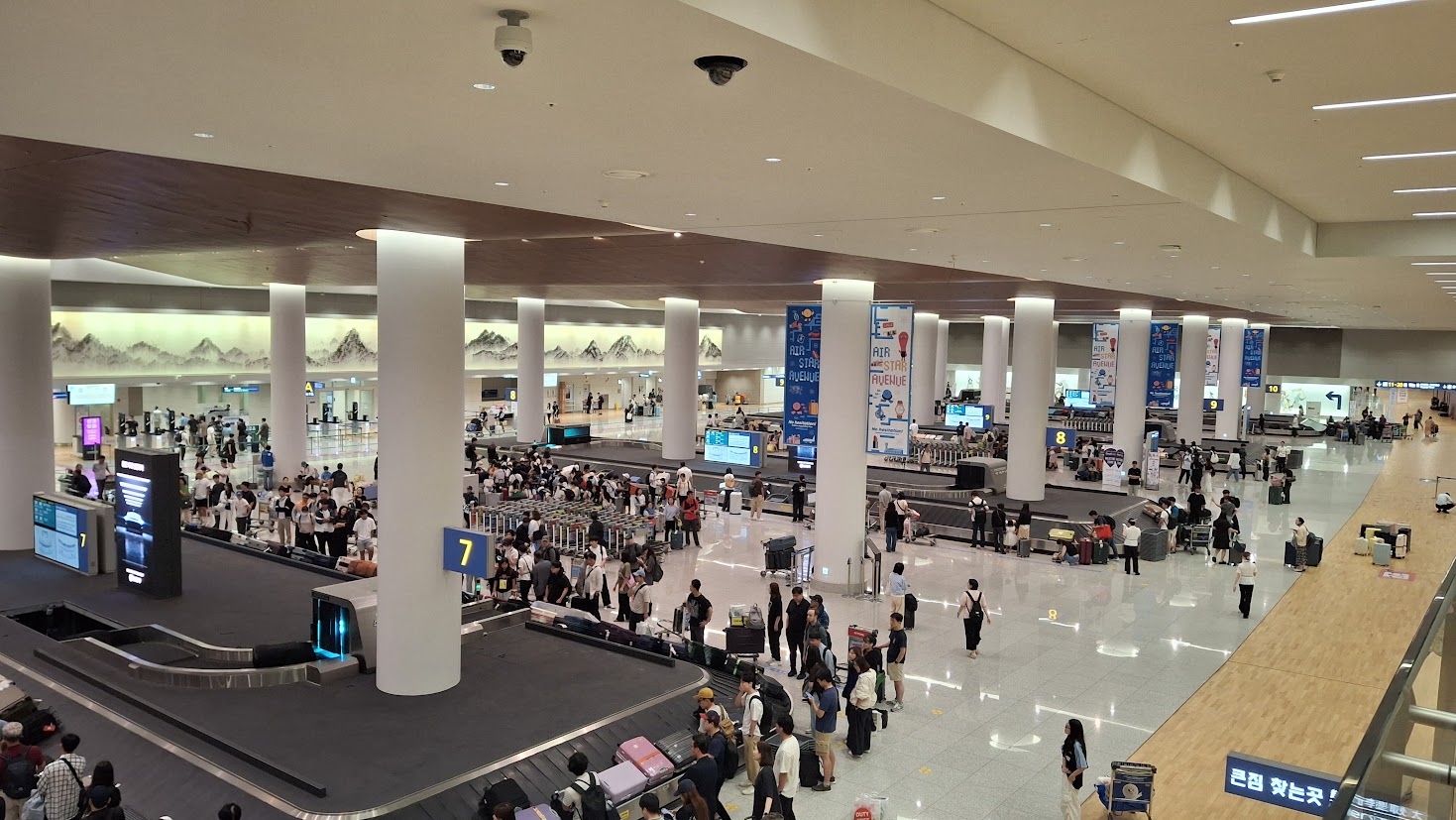
- Immigration. Follow the arrivals signs to the immigration hall and join the queue for foreign passports. Officers take fingerprints and a facial photo from visitors aged 17 and over, and may ask how long you are staying and where. Have your hotel address ready. Citizens of 42 countries and regions can use the automated Smart Entry gates, but only after registering their biometrics on an earlier visit.
- Baggage. The screens list your flight’s carousel.
- Customs. Green channel if you have nothing to declare, red channel or the app’s QR code if you do.
- The arrivals hall: data and money. This is where to sort your phone and your cash. The carriers’ roaming centres sell prepaid USIM cards and can help with eSIMs, and there are ATMs and exchange counters. Do this before you leave the terminal; it is much harder on a train.
- A transport card. Buy or top up a T-money card at an airport convenience store, or pick up a Climate Card, before you head for the trains.
- Into the city. The AREX Express runs non-stop to Seoul Station for ₩13,000 (43 minutes from Terminal 1, 51 from Terminal 2), with reserved seats. The all-stop AREX is far cheaper, ₩4,750 from Terminal 1 by transport card, and stops at Hongik University for Hongdae on the way. Airport limousine buses run to most hotel districts, and taxis queue outside. Our Incheon Airport to Seoul guide compares every option.
One trap with the Climate Card: it covers AREX trains within Seoul and journeys that end at the airport, but you cannot board at Incheon with it. For the ride in, use T-money or buy an AREX ticket.
Money: won, cards, cash and tax refunds
Korea is one of the easiest countries in Asia to travel without much cash. Cards are accepted almost everywhere, from department stores to convenience stores and most restaurants, though market stalls, small street-food vendors and some older family-run places still prefer cash. Carry a modest amount of won for those, and use a card for everything else.
ATMs
ATMs that accept foreign cards are common and easy to spot: look for “Global” on the machine or your card network’s logo. Most have English menus. Convenience-store ATMs are everywhere but often charge more, and while plenty of machines run around the clock, many stop at 23:00, so do not leave it until the end of a long night. Your own bank may charge a foreign-withdrawal fee too, so a few larger withdrawals usually beat many small ones.
WOWPASS and exchange
WOWPASS is a prepaid card for visitors that you top up with cash at its kiosks in 16 currencies, then use to pay in shops and on public transport, with an app to check your balance. It is handy if your home cards charge heavy foreign transaction fees; check the WOWPASS app for its own fees and limits before you rely on it. Exchange counters are easy to find at the airport and in Myeongdong.
Tax refunds
Visitors can reclaim VAT on shopping at participating stores. Many stores refund it on the spot: the immediate refund applies to purchases of at least ₩15,000 and under ₩1,000,000 each, under ₩5,000,000 in total per trip; above that, you claim the refund at the airport before you leave. Bring your passport when you shop. Our duty-free shopping guide explains the process.
Budget
For what things actually cost, from a bowl of noodles to a palace ticket, see how much a Seoul trip costs, and for the savings, Seoul on a budget.
Staying connected: eSIM, SIM, pocket Wi-Fi and public Wi-Fi
You will want data from the moment you land: maps, translation, taxis and train tickets all live on your phone in Seoul. Korea has three mobile networks, SK Telecom, KT and LG U+, and you have three ways to get on them.
- eSIM. The easiest option for a solo traveller with a recent phone: buy it before you fly, install it at home, and switch it on when you land.
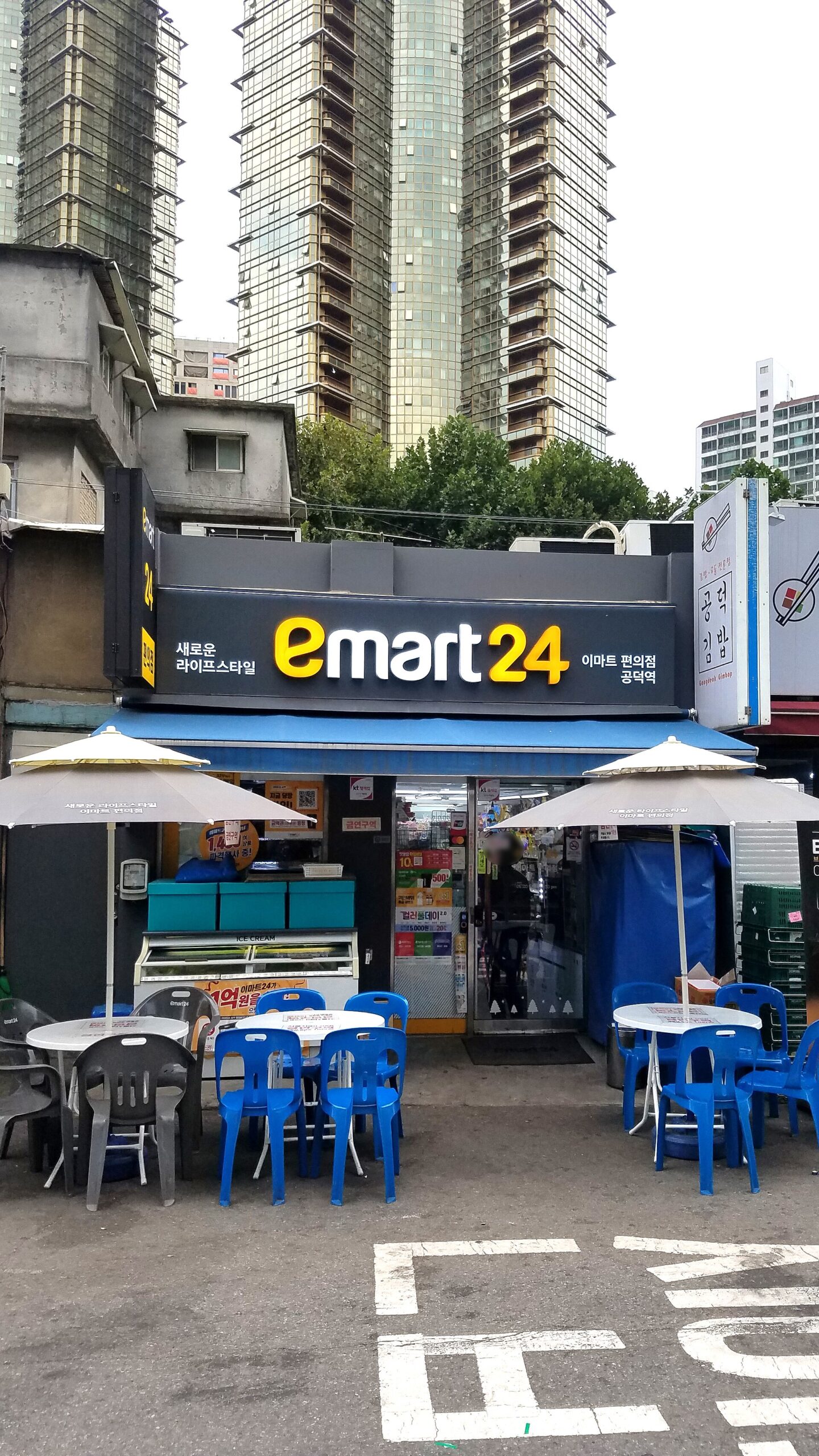
- USIM (a physical SIM card). The carriers’ roaming centres at Incheon, Gimpo and other airports sell prepaid USIM cards, and the big convenience-store chains (CU, GS25, 7-Eleven and Emart24) sell them too, although stock varies. Best for older phones that cannot take an eSIM.
- Pocket Wi-Fi. A rented hotspot shared between several devices, which can work out cheaper for a family or group, at the cost of one more thing to charge and return.
Some Korean apps and services, including some delivery and ticketing apps, ask for a Korean phone number to sign up. A data-only eSIM will not give you one, so check before you buy if there is something specific you want to book.
Free public Wi-Fi is widespread: in airports, subway and train stations and at many bus stops. Seoul’s own network appears as SEOUL_Secure and SEOUL; the city recommends SEOUL_Secure, where you log in once with “seoul” as both the ID and the password. It is fine for maps on the go, but not a substitute for your own data.
Getting around: T-money, Climate Card, the subway and taxis
Seoul’s public transport is cheap, clean and extensive, and you will use it every day. The first decision is which card to tap.
T-money or Climate Card?
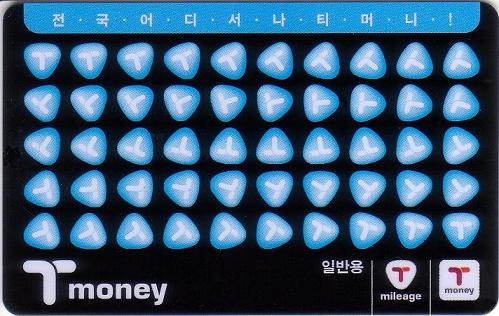
- T-money is the pay-as-you-go card. The card itself costs from ₩3,000, you top it up in cash at convenience stores and station machines, and it works on the subway, buses and most Seoul taxis, as well as in many shops. It also works in other Korean cities. Our T-money guide covers buying, topping up and refunds.
- The Climate Card is Seoul’s unlimited-travel pass. Visitors can buy short passes for 1, 2, 3, 5 or 7 days at ₩5,000, ₩8,000, ₩10,000, ₩15,000 or ₩20,000, plus ₩3,000 for the physical card. It covers the subway within Seoul and Seoul’s city and village buses, but not trips beyond the city, such as to Suwon, and, as above, you cannot board at Incheon with it. The longer passes are the better value: the 7-day pass works out at under ₩3,000 a day, less than two full-fare subway rides, before you add the one-off ₩3,000 for the card.
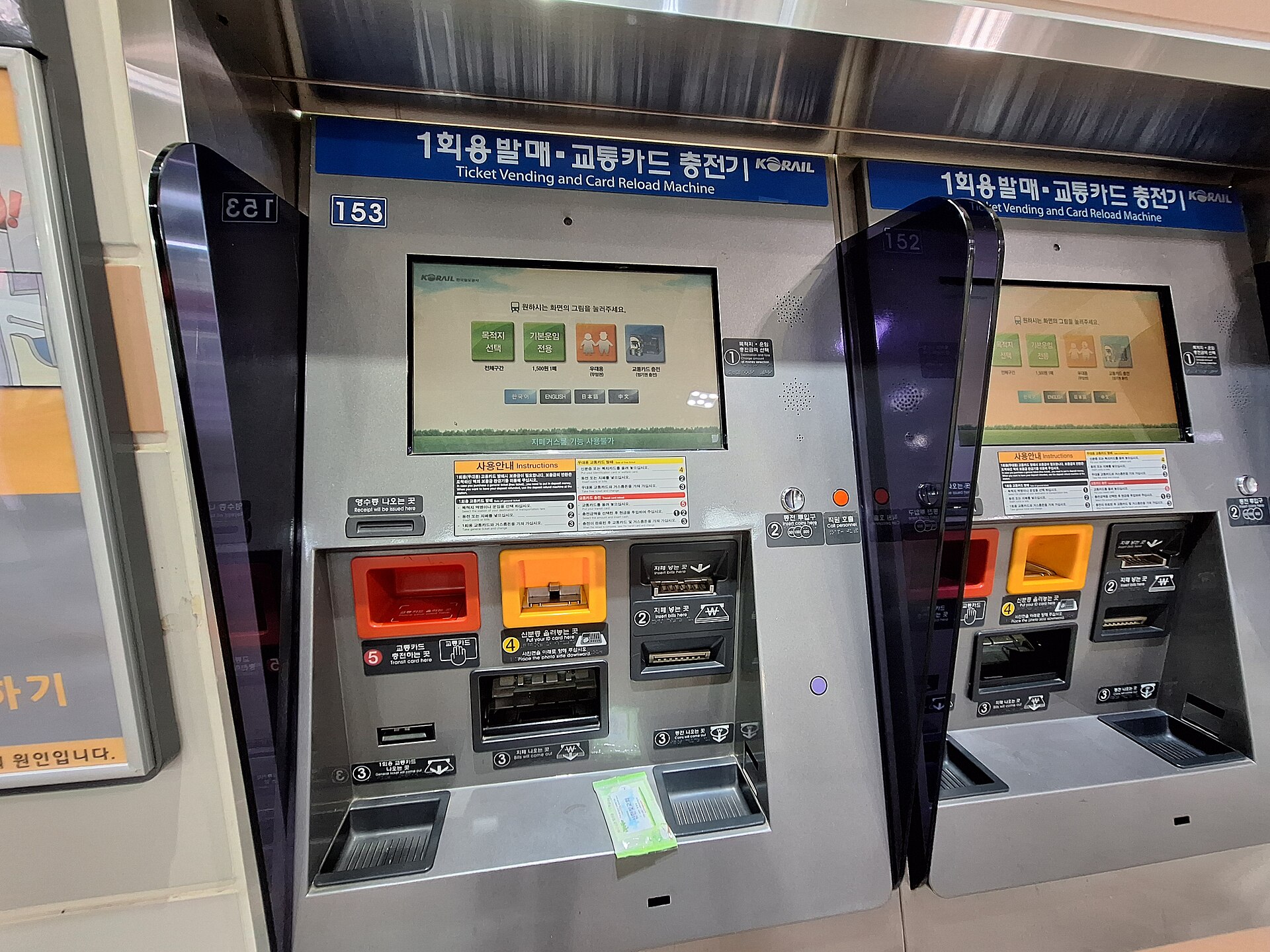
Paying for tickets with a foreign card used to be a headache. Since 17 March 2026, 440 machines at 273 stations on Lines 1 to 8 accept international cards for Climate Card purchases and recharges and for single-journey tickets, with a fee of about 3.7%.
The subway
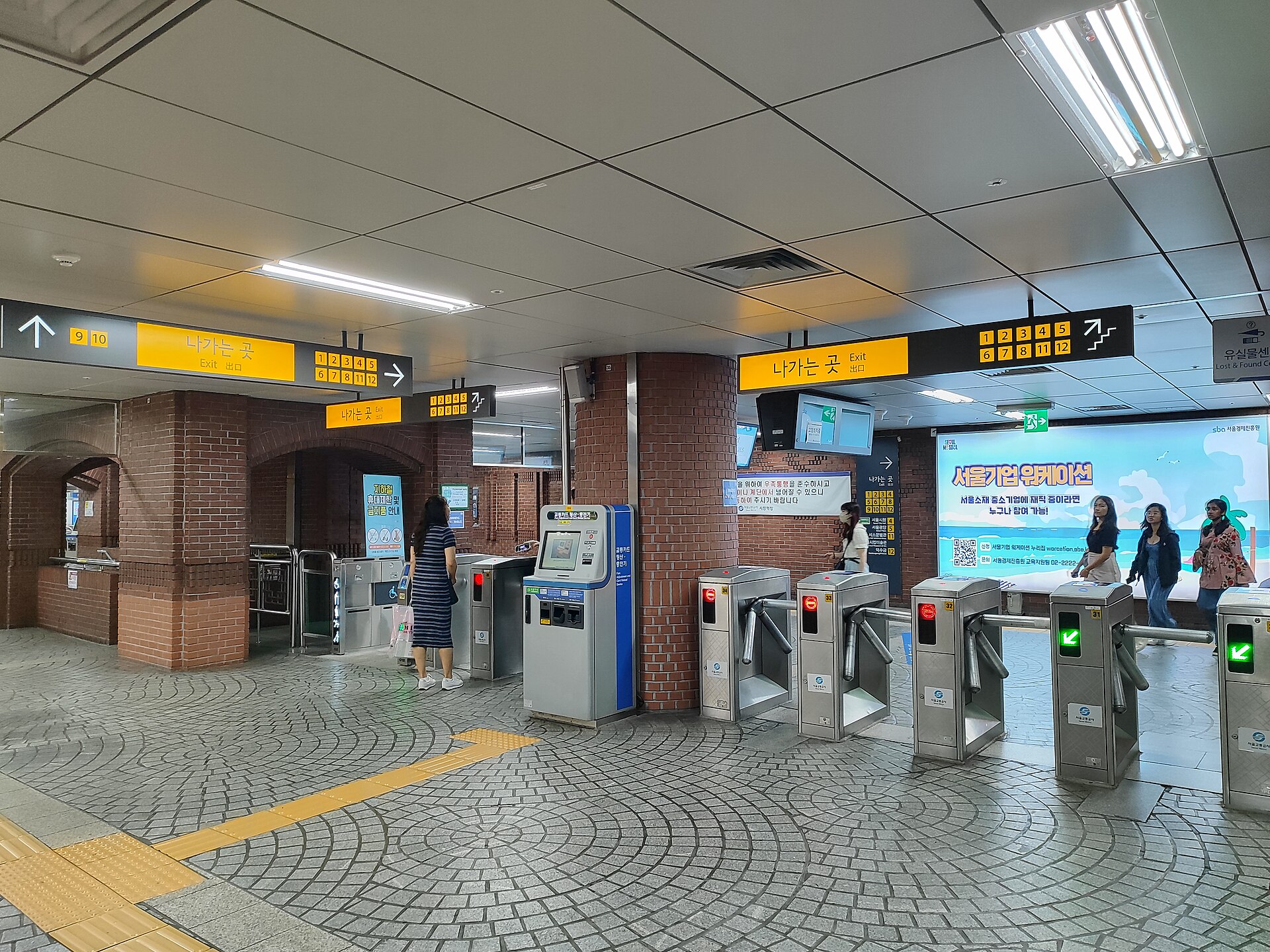
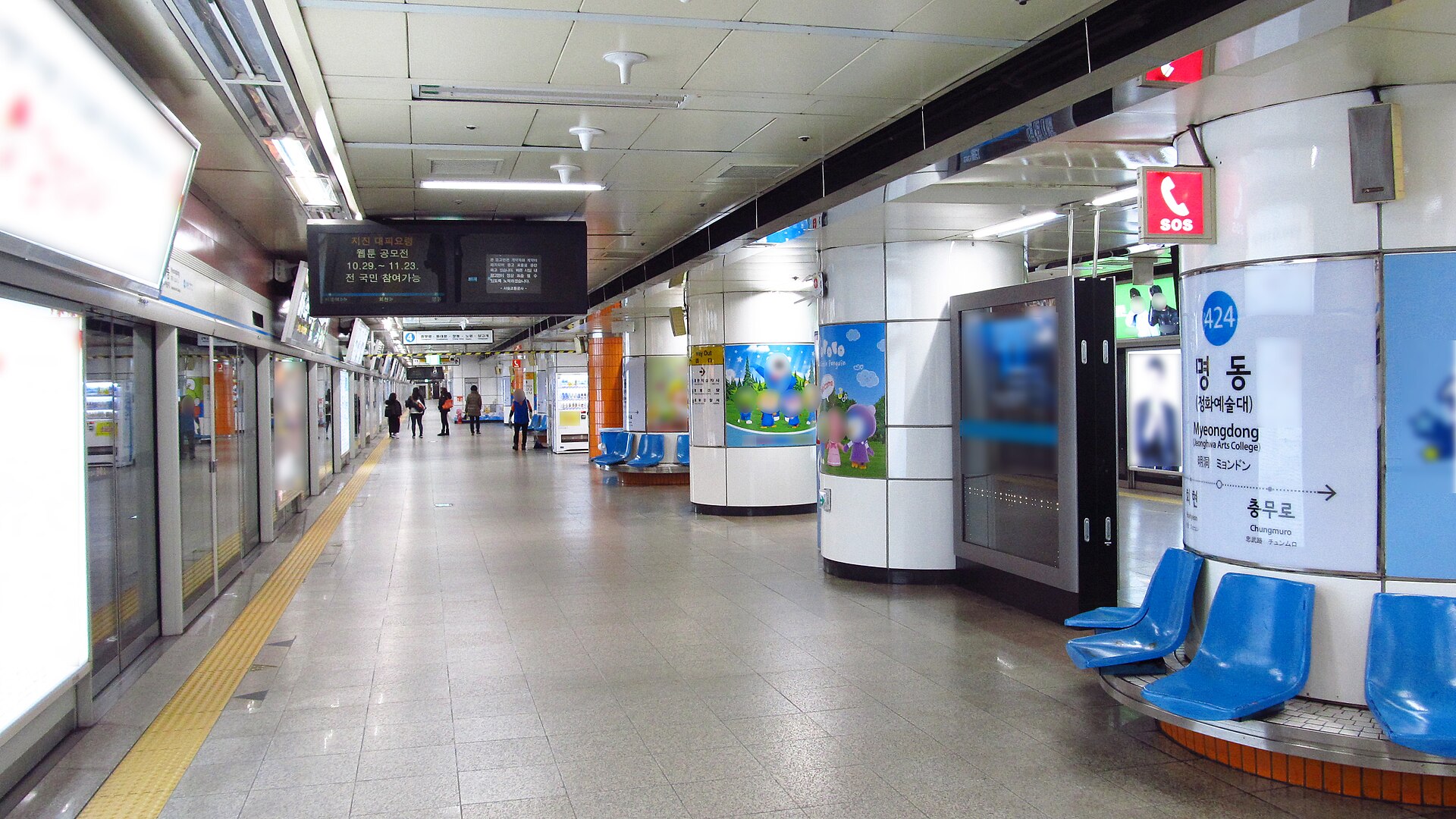
The subway is the backbone of any Seoul trip. The adult fare is ₩1,550 by transport card for the first 10 km, rising in small steps with distance, or ₩1,650 with a single-journey ticket, which needs a ₩500 refundable deposit. Signs and announcements are in English as well as Korean, stations are numbered, and transfers between lines are free within the time limit. Tap in and tap out every time, including on buses, or you lose the transfer discount. Our Seoul subway guide explains the lines, and getting around Seoul compares every mode.
Buses and taxis
Buses fill the gaps the subway leaves; our Seoul bus guide explains the colour codes. Taxis are plentiful and reasonably priced by big-city standards, and most accept T-money as well as cards. Kakao T is the app most people use to call one. If you cannot set it up with your own card, a T-money card or some cash covers the fare in most cabs. Our Seoul taxi guide covers fares, the different taxi types and how to avoid the late-night scrum.
Trains beyond Seoul
For trips out of the city, the KTX high-speed network is fast and easy to book on korail.com or KORAIL+. Our KTX guide covers booking, and whether the KORAIL Pass is worth it does the arithmetic.
The apps worth installing
Seoul runs on apps, and the ones that matter are not always the ones you use at home.
- Naver Map or Kakao Map for directions. Google Maps gives only limited walking and driving directions in Korea; both Korean apps give public transport routes with live bus tracking.
- Kakao T for taxis.
- A translation app, ideally one that translates signs and menus through the camera.
- KORAIL+ for KTX and other intercity trains.
- Your airline’s app, and the Korea Customs Declaration for Travelers app if you will need to declare anything.
Our Seoul travel apps guide goes through each category in detail, including food delivery and payments.
Plugs, power, time and tap water
- Power: 220 volts at 60 Hz, with two round pins (plug types C and F, the same shape used in much of continental Europe). Most phone and laptop chargers handle 220 V; check the label on anything with a heating element, such as a hair straightener.
- Time: Korea Standard Time is GMT+9. Nearly every visitor from Europe or the Americas arrives with serious jet lag, so plan an easy first day.
- Tap water: Seoul’s official tourism site says Korean tap water is safe to drink. Many locals still drink filtered or bottled water, and restaurants serve free water as a matter of course.
Health, safety and emergency numbers
Seoul is a very safe city by international standards, and most visitors’ worst experiences involve jet lag, blisters and the occasional overpriced taxi. Our Seoul safety guide covers the details, from scams to night-time safety.
The numbers to save in your phone:
| Number | What it is for |
|---|---|
| 112 | Police and crime reports |
| 119 | Fire, rescue and medical emergencies, including ambulances |
| 1330 | The Korea Travel Hotline: English, Japanese and Chinese help 24 hours a day, every day, including three-way interpretation with the police and emergency services |
| 1345 | The immigration contact centre, for visa and entry questions |
Pharmacies are easy to find and pharmacists can help with minor ailments. For anything serious, call 119, and use the 1330 hotline if you need someone to interpret. Seoul’s air quality varies, particularly in spring when fine dust is common, so if you are sensitive to it, check the daily forecast and carry a mask.
Etiquette and everyday rules
Korea is forgiving of visitors who make an effort, and a few habits go a long way.
- Tipping: not a Korean custom. Taxi drivers do not expect it, and most restaurants do not add it. Some hotels and upscale restaurants add a 10% service charge on top of the 10% VAT; check the bill.
- Smoking: banned at bus stops, in public squares and in many other outdoor public places, with fines of up to ₩100,000, and banned inside all restaurants, cafés and bars. The legal age for smoking and drinking is 19.
- On the subway: keep your voice down, take calls quietly, keep the priority seats free for older people, pregnant women and passengers with disabilities, and take your backpack off in a crowd.
- Shoes: take them off when you enter a home, a guesthouse room, a temple hall or a restaurant with floor seating. Clean socks without holes are a quietly useful packing item.
- Rubbish: public bins are rare. Carry a small bag for your rubbish, and expect to separate recyclables where bins exist.
- At the table: do not stick chopsticks upright in your rice, pour for others rather than yourself, and let the oldest person start. Our Korean dining etiquette guide explains the rest.
For the cultural side of a first visit, from bowing to escalator etiquette, see our first-time visitor tips.
Getting by without Korean
You do not need to speak Korean to have an easy trip. Subway signs and announcements are in English, menus in the tourist districts often have pictures or English, and staff in hotels, big shops and stations usually manage a few words. Away from the centre it gets harder, and that is where a little preparation pays off.
- Learn to read Hangul. The Korean alphabet is phonetic and logical, and many visitors learn enough on the flight to sound out signs and menus. Even reading slowly, it makes the city far less opaque.
- Use the camera. A translation app that reads text through your phone’s camera turns any menu, sign or label into something you can understand.
- Carry addresses in Korean. Taxi drivers navigate by the Korean address, not the English name of your hotel.
- Call 1330 when it matters. The Korea Travel Hotline answers in English, Japanese and Chinese around the clock, and can interpret in a three-way call.
A handful of words earns a smile everywhere:
| Korean (romanised) | Meaning |
|---|---|
| annyeonghaseyo | Hello |
| gamsahamnida | Thank you |
| jeogiyo | Excuse me (to get a server’s attention) |
| igeo juseyo | This one, please (while pointing) |
| eolmayeyo? | How much is it? |
| hwajangsil eodiyeyo? | Where is the toilet? |
Eating out: the practical bits
Korean restaurants work a little differently from what most visitors are used to, and knowing the routine saves a lot of hovering.
- Calling the server. Many tables have a call button. Where there is none, a clear “jeogiyo” is perfectly polite.
- Water is often self-service, from a dispenser or a jug on the table, and it is free.
- Ordering by kiosk or tablet is increasingly common, especially in chains and cafés. Most have an English option somewhere on the first screen.
- Paying at the counter. In many restaurants you take the bill, or just your table number, to the till by the door on the way out, rather than waiting for the bill to come to you.
- Barbecue for one can be tricky. Many barbecue restaurants want a minimum order of two portions, which makes them easier with company. Solo travellers do better at noodle shops, soup restaurants and the countless places built around a single dish.
- Convenience stores are a genuine option, not a last resort, for breakfast, snacks and late-night meals. Our convenience store food guide explains what to buy.
If you have dietary needs, read up before you go: vegetarian food takes some planning in Korea, because meat and fish stock turn up in dishes that look meat-free. Our guides to vegetarian and vegan Seoul and halal food in Seoul cover the options, and the Seoul food guide covers everything else.
Luggage, lockers and travelling light
Seoul’s subway involves a lot of stairs and long transfer corridors, and a big suitcase turns a simple ride into a workout. A few habits make life easier:
- Use the lockers. Many subway stations have lockers for a few hours’ storage, handy on a check-out day with an evening flight. Our travel apps guide covers the T-Locker app for finding and paying for them.
- Leave the big bag behind for side trips. If you are coming back to the same hotel after a night in Busan or Jeonju, ask the hotel to keep your main bag and travel with a small one.
- Use a luggage delivery service between the airport and your hotel, or between hotels, if you are moving around with heavy bags. Several companies offer it, and it turns a moving day into an ordinary one.
- Choose your airport transfer with luggage in mind. The airport limousine buses load your bags underneath and drop you near most big hotels, which can beat a train and two subway transfers with a suitcase.
Opening hours, closures and holidays
Seoul keeps long hours. Shops and restaurants in the main districts stay open late, many convenience stores stay open around the clock, and many cafés run until 22:00 or later. The surprises are in the other direction: museums and palaces each close one day a week. Gyeongbokgung closes on Tuesdays and Deoksugung on Mondays, so check the closing day of anything on your list before you plan the day. Our guide to Seoul’s palaces lists the hours for each.
During Seollal and Chuseok, the city empties out as people travel to their home towns. Many big attractions stay open, but many smaller restaurants and markets close for several days, and trains and buses out of Seoul sell out well in advance. It can be a lovely, quiet time to be in the city, as long as you plan your meals.
Weather, seasons and when to go
Spring (April and May) and autumn (September and October) are the most comfortable seasons for walking the city, with mild temperatures, cherry blossom in spring and autumn colour in the parks and on the mountains. Summer is hot and humid with a monsoon season of heavy rain, and winter is cold and dry, often well below freezing. Our guides to the best time to visit Seoul and Seoul weather by month go through the year in detail.
More practical guides on this site
This page is the hub for the practical side of a Seoul trip. These are the detailed guides it draws on:
- The complete Seoul travel guide: the overview for planning the whole trip.
- Seoul visa requirements: visa-free entry, K-ETA and tourist visas.
- Incheon Airport to Seoul: AREX, buses and taxis compared.
- T-money card guide: buying, topping up and refunds.
- Getting around Seoul: subway, buses, taxis and bikes.
- Seoul discount passes: which ones pay off.
- Seoul travel apps: what to install and why.
- Seoul packing list: season by season.
- How much a Seoul trip costs: daily budgets at three levels.
- Is Seoul safe?: crime, scams and emergency help.
- Accessible Seoul: getting around with limited mobility.
- First-time visitor tips: the habits that make the city easier.
For the airport itself, our Incheon Airport guide covers which airlines use Terminal 1 and Terminal 2, how to get between them, where the SIM counters, banks and ATMs are in each arrivals hall, and where to store bags, sleep or shower on a long wait.
For the arrival paperwork in detail, our K-ETA and arrival guide explains who needs a K-ETA, which 22 countries and regions are exempt through 31 December 2026 and what to do about trips in 2027, and how the e-Arrival Card, Q-CODE and customs declaration fit together.
How you stay online is usually the first thing to sort, and the cheapest answer depends on how many of you there are. Our guide to Korea SIM cards, eSIMs and pocket Wi-Fi compares the three carriers’ prices, works out when one shared router beats an eSIM each, and explains when a Korean phone number is worth paying for.
You can travel in Seoul without speaking Korean, but a few words go a long way. Our Korean phrases for travellers are sorted by situation, from taxis and restaurants to shops, the subway and emergencies, with hangul, romanisation and an English sound-alike for each, plus a twenty-minute guide to reading the alphabet.
For paying your way, our guide to money in Korea explains when your own card is enough, where cash still matters, how the WOWPASS prepaid card works and what it costs, which ATMs take foreign cards, and how to change money at a fair rate.
Passing through rather than staying? Our Seoul layover guide works out what you can realistically do with six, twelve or twenty-four hours between flights, from the airport’s free Transit Tours and nap zones to the train times and the return-trip maths for a few hours in the city.
The short answer on tipping is that you don’t. Our guide to tipping and etiquette in Korea explains why, and covers the customs that matter more: giving and receiving with two hands, taking your shoes off, respecting age, the subway’s priority seats, temple manners and the visiting hours now enforced in Bukchon.
Frequently Asked Questions
What do I need to enter South Korea as a tourist?
A valid passport and, depending on your nationality, either a K-ETA (₩10,000, valid three years) or an e-Arrival Card submitted online within three days before you land. Citizens of 22 countries and regions are exempt from the K-ETA through 31 December 2026; check k-eta.go.kr for 2027. Some nationalities need a full visa.
Do I still need to fill in an arrival card on the plane?
No. Arrival cards are now submitted online on the official e-Arrival Card site, free, within three days before arrival. K-ETA holders do not need one at all.
Is Seoul a cash or card city?
Mostly card. Cards are accepted almost everywhere, but carry some cash for markets, street food and small family-run places. ATMs marked “Global” accept foreign cards.
Should I get T-money or a Climate Card?
If you will ride the subway or buses more than a couple of times a day for several days within Seoul, a Climate Card pass usually works out cheaper; the 7-day pass is ₩20,000 plus ₩3,000 for the card. For lighter use, trips beyond the city or the ride in from Incheon, use T-money.
What plug type does Korea use?
Two round pins, plug types C and F, at 220 volts and 60 Hz.
Do you tip in Seoul?
No. Tipping is not a Korean custom, and taxi drivers and restaurants do not expect it. Some hotels and upscale restaurants add a service charge to the bill.
What is the emergency number in Korea?
112 for the police and 119 for fire and ambulance. For help in English at any hour, call the Korea Travel Hotline on 1330, which can also interpret for you with the emergency services.
Is the tap water safe to drink in Seoul?
Seoul’s official tourism site says it is, though many locals drink filtered or bottled water. Restaurants serve free water with every meal.
Final Thoughts
Seoul is an easy city to visit once the basics are in place, and almost all of the basics can be sorted before you leave home: your K-ETA or arrival card, your data, your apps and a plan for the airport train. Do those, and the first hour after landing becomes the start of the trip rather than an obstacle course. Then the practical side mostly takes care of itself, and you can get on with the palaces, the markets, the food and the late nights the city is famous for.
Photo Credits
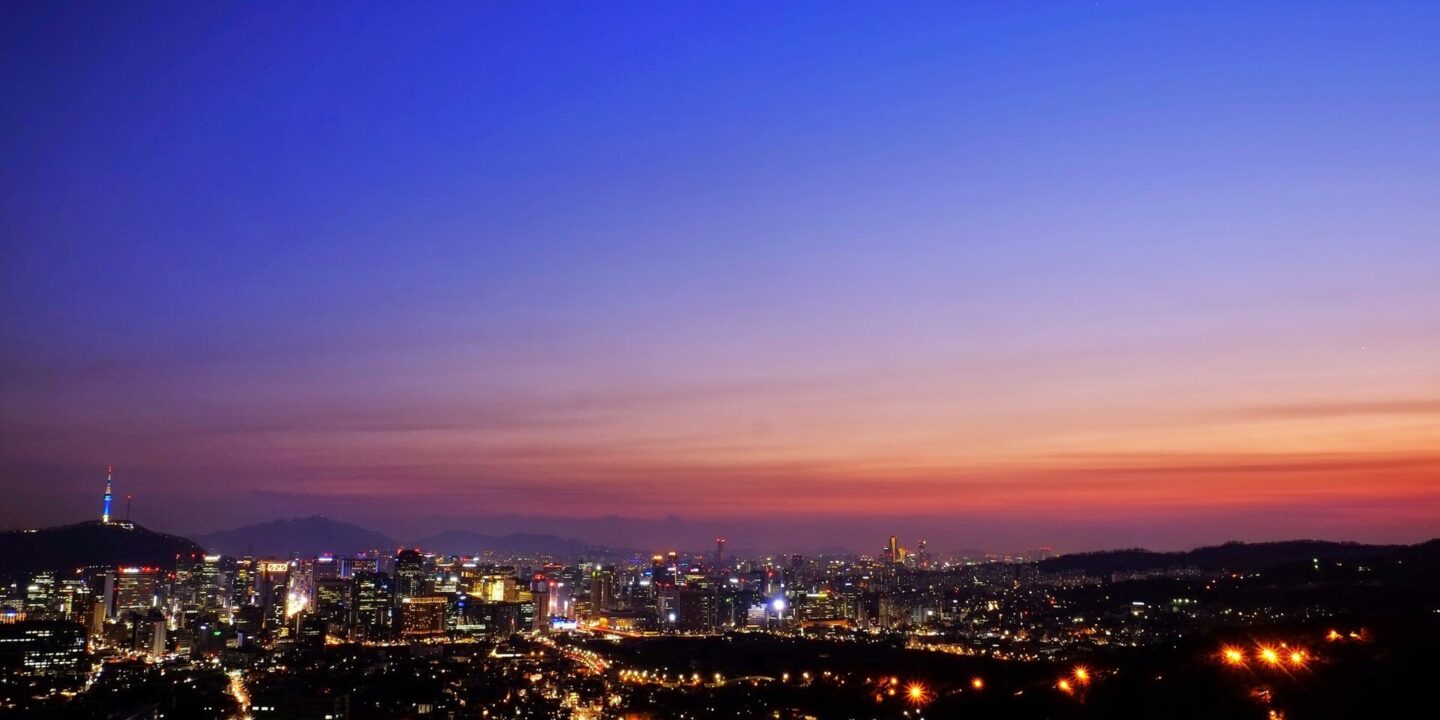
Seoul at dusk with N Seoul Tower (featured image): A Night View Of Seoul (95297801) by Lee Kyu Sang, CC BY 3.0, via Wikimedia Commons.
The baggage hall at Incheon Terminal 2: ICN T2 arrival by AirportTerminalGuy, CC BY 4.0, via Wikimedia Commons.
An Emart24 convenience store by Gongdeok Station: Emart24 Gongdeok-yeok branch 20191024 081911 by LERK, CC BY-SA 4.0, via Wikimedia Commons.
A T-money card: T-money card by zisk, Public domain, via Wikimedia Commons.
Subway ticket and card machines: Ticket Vending and Card Reload Machine – Seoul Metropolitan Subway 20240713 by LandAndTree, CC BY 4.0, via Wikimedia Commons.
The ticket gates at City Hall Station: 201 City Hall Station Concourse 20240702 105230 by ZKang123, CC BY-SA 4.0, via Wikimedia Commons.
Myeongdong Station platform: Seoul-metro-424-Myeongdong-station-platform-20181124-081626 by LERK, CC BY-SA 4.0, via Wikimedia Commons.