2026 Korean Public Holidays — Complete Calendar
| Date | Holiday | Korean | Tourist Impact |
|---|---|---|---|
| Jan 1 | New Year’s Day | 신정 (Sinjeong) | Check opening hours before you go |
| Feb 16-18 (2027: Feb 6-9) | Seollal (Lunar New Year) | 설날 | Major shutdown; book ahead |
| Mar 1-2 (2027: Mar 1) | Independence Movement Day | 삼일절 | Ceremonies; check museum opening days |
| May 5 | Children’s Day | 어린이날 | Family attractions packed |
| May 24-25 (2027: May 13) | Buddha’s Birthday (+ substitute day in 2026) | 부처님 오신 날 | Lantern festivals nationwide |
| Jun 6 | Memorial Day | 현충일 | Quiet day; National Museum of Korea open |
| Jul 17 | Constitution Day | 제헌절 | Public holiday again from 2026; check opening hours |
| Aug 15 | Liberation Day | 광복절 | National Museum of Korea’s permanent galleries free (as every day) |
| Sep 24-26 (2027: Sep 14-16) | Chuseok | 추석 | Major shutdown; book ahead |
| Oct 3 | National Foundation Day | 개천절 | Quiet day |
| Oct 9 | Hangeul Day | 한글날 | Public holiday celebrating the Korean alphabet |
| Dec 25 | Christmas Day | 크리스마스 | Cultural; opening hours vary |
Korea’s public holidays come with bridges (substitute holidays) when certain holidays fall on weekends, so check the official calendar for the full list. In 2026, Seollal (16–18 February) joined the weekend before it for a five-day break, Chuseok (24–26 September) ran into Sunday for a 4-day weekend, and Buddha’s Birthday fell on Sunday 24 May, with Monday 25 May as its substitute, giving a Saturday–Monday block. Looking ahead, Seollal 2027 runs 6–9 February, including a substitute holiday on Tuesday 9 February; Buddha’s Birthday is Thursday 13 May; and Chuseok is 14–16 September.
The Big Three: Korea’s Most Important Holidays
1. Seollal (Lunar New Year) — February 6-9, 2027
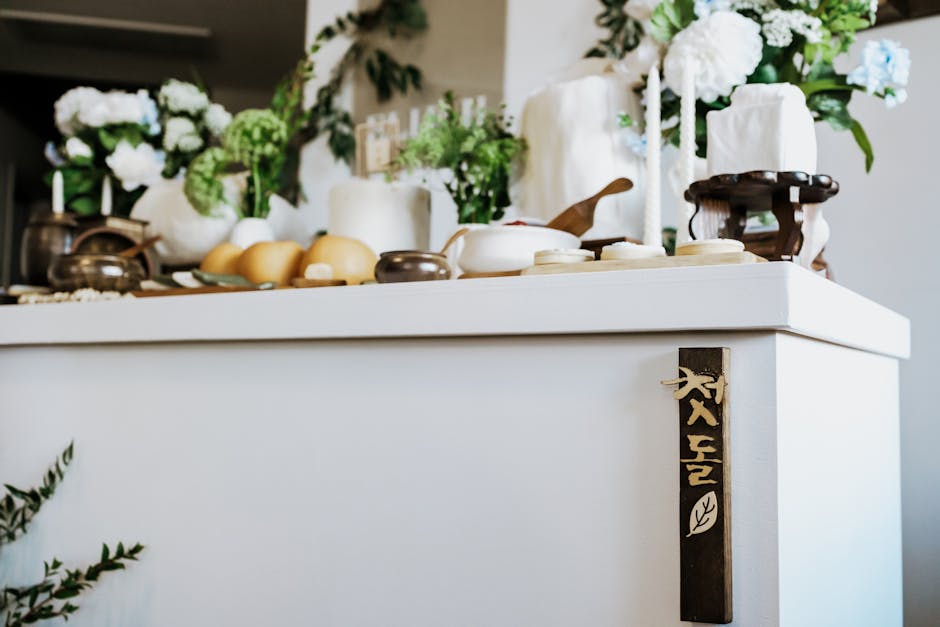
What it is: Korea’s most important family holiday. Three days where the entire country travels home, performs ancestral rites (charye), and shares the symbolic tteokguk (rice cake soup) — eating which “ages” you by one year in Korean tradition.
For tourists:
- Business closures — many restaurants and shops close on Seollal Day itself or for part of the holiday, so check opening hours, and call 120 or 119 to find a clinic or pharmacy that’s open
- Train and highway congestion — book intercity travel as soon as tickets go on sale
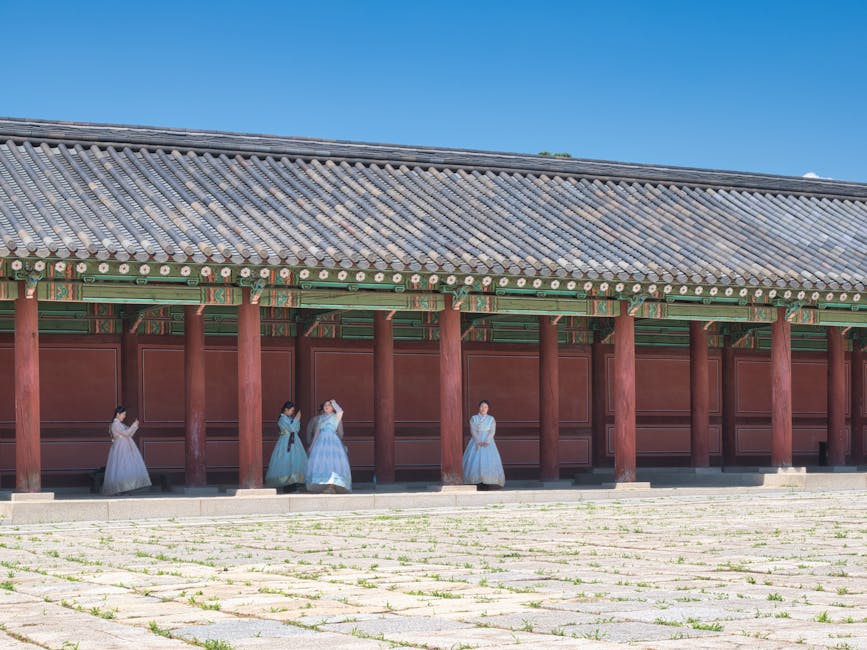
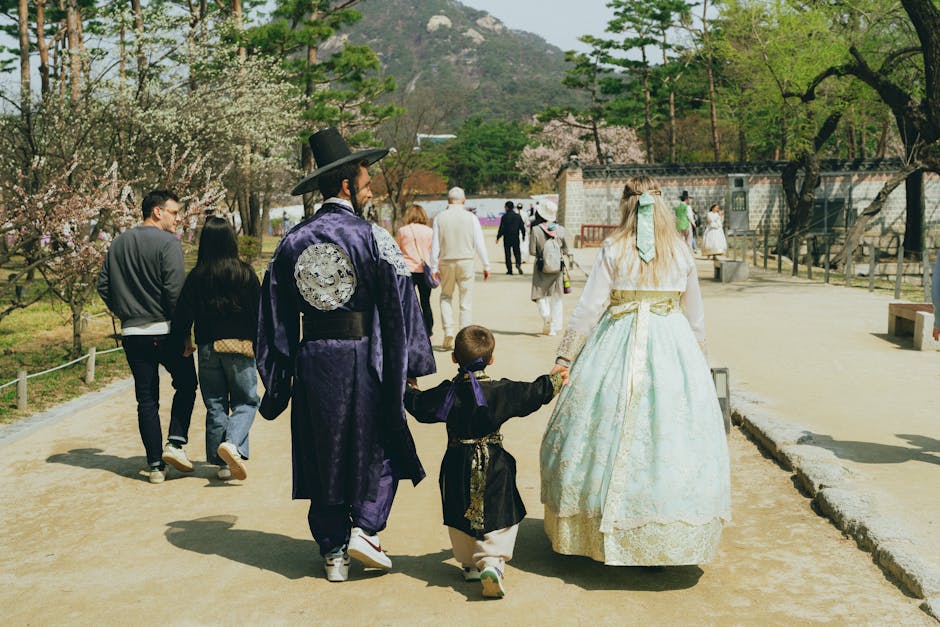
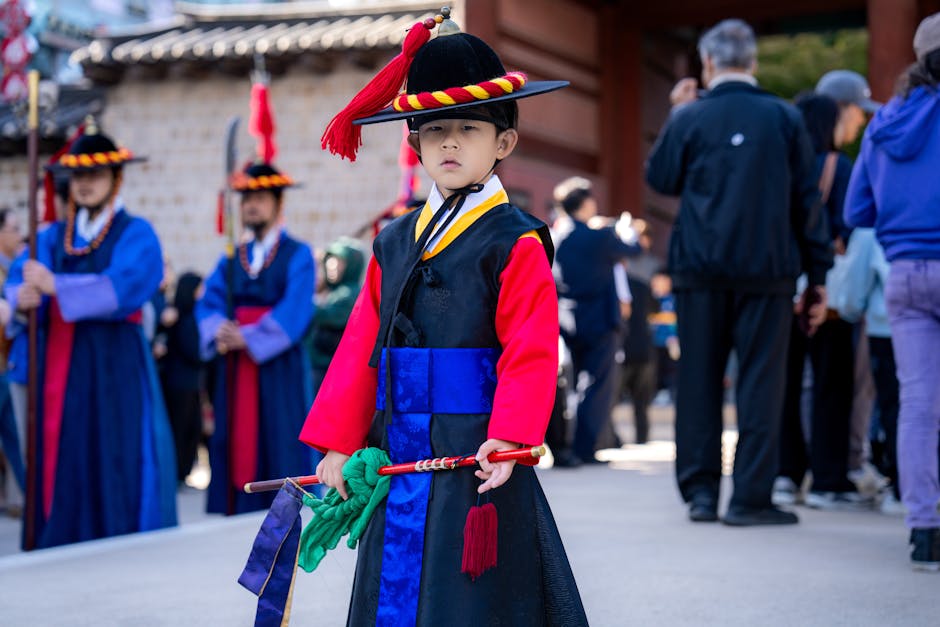
- Major palaces open free for hanbok wearers (Gyeongbokgung, Changdeokgung)
- Hotels offer Seollal packages with traditional cultural experiences
- Some shopping districts (Myeongdong, Hongdae) stay open — fewer than usual but functional
- Grocery stores and convenience stores mostly stay open
What to do:
- Wear hanbok at Gyeongbokgung Palace for free entry
- Try Korean traditional games (Yutnori, Ttakji, Jegichagi) at cultural centers
- Eat tteokguk at any Korean restaurant that’s open
2. Chuseok (Korean Thanksgiving / Harvest Festival) — September 14-16, 2027
What it is: Korea’s harvest festival, often called “Korean Thanksgiving.” Originally celebrating the year’s harvest, now a family reunion centered on the full harvest moon. The most-traveled holiday of the year — Korean expressways become parking lots.
Traditional foods:
- Songpyeon (송편) — half-moon shaped rice cakes filled with sesame, beans, or chestnut
- Jeon (전) — savory pancakes with various fillings
- Galbi-jjim — braised beef short ribs
- Special wine and fruits — fresh apples, persimmons, jujubes from harvest
For tourists:
- Similar shutdown pattern to Seollal — book early or eat at hotel restaurants
- Royal palaces open free for hanbok wearers
- Folk villages (Bukchon, Namsangol Hanok) offer traditional festival activities
- Han River Park has full moon viewing events
- Some hotels host private Chuseok dinners with songpyeon-making lessons
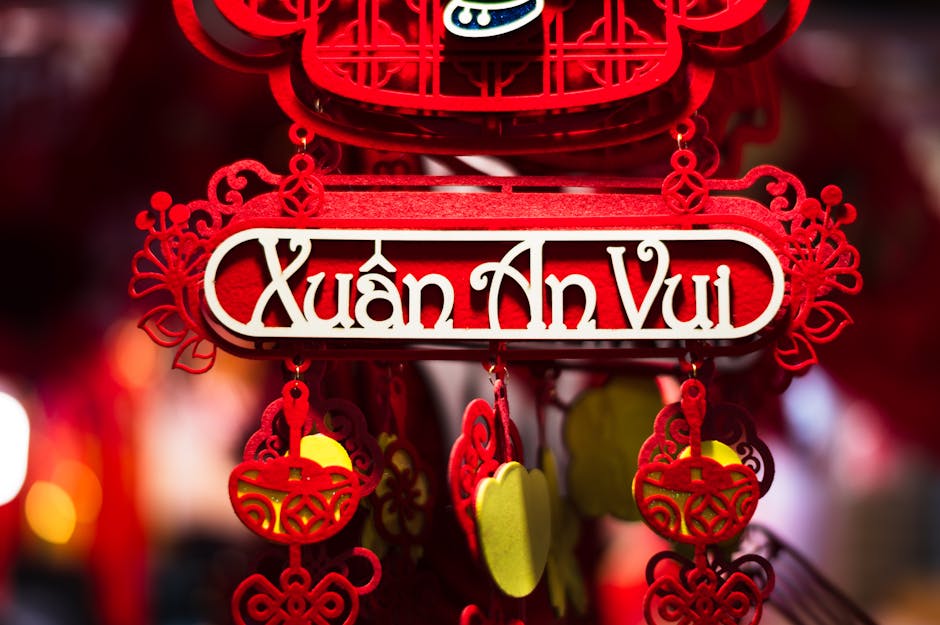
3. Buddha’s Birthday — May 13, 2027 (Thursday)
What it is: Korea celebrates the historical Buddha’s birth on the 8th day of the 4th lunar month. Korea’s most colorful religious festival — temples nationwide hang thousands of lanterns. Foreign tourists strongly recommended to attend.
Highlights:
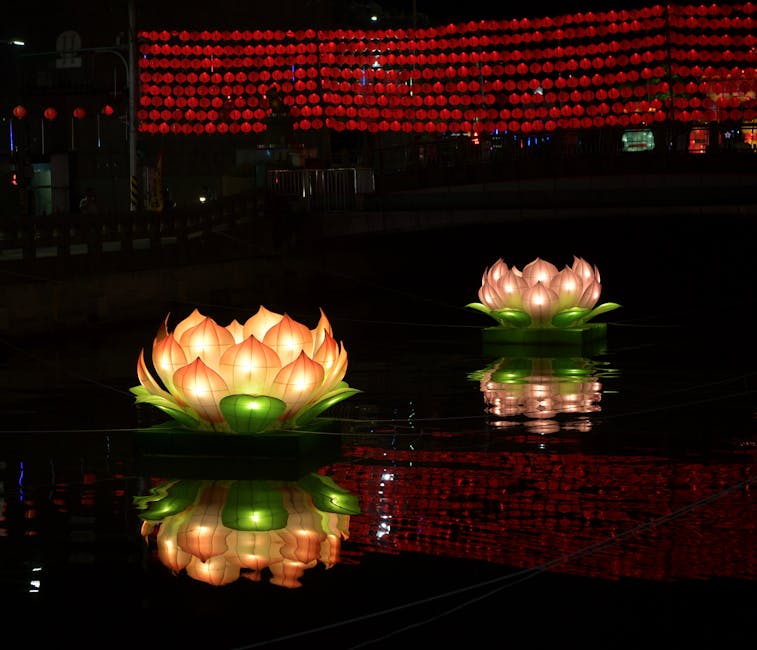
- Yeon Deung Hoe Lotus Lantern Festival (연등회) — on UNESCO’s list of the Intangible Cultural Heritage of Humanity; in 2026 its main days in Seoul were May 16-17, so check the festival programme for the next edition
- Saturday night parade through downtown Seoul, which in 2026 ran from Heunginjimun Gate along Jongno to Jogyesa Temple after a Buddhist cheer rally at Dongguk University
- Sunday cultural fair at Jogyesa Temple — free traditional performances, vegetarian temple food, lantern-making
- All Korean temples hang lanterns and offer free vegetarian meals
For tourists:
- Most shops and restaurants open normally — not a major shutdown holiday
- Plan Saturday early evening at Jogyesa for the parade route
- Templestays book out months ahead for this weekend — book early
- Free temple lunches on the day itself, Thursday 13 May in 2027 (~₩0)
Other Major Korean Public Holidays Explained
Independence Movement Day (March 1)
Commemorates the 1919 Korean Independence Movement against Japanese colonial rule. Shops and restaurants set their own holiday hours, so check before you go. The National Museum of Korea’s permanent galleries and Children’s Museum are free all year (some special exhibitions charge), though the museum closes on the first Monday of March. Public ceremonies at Tapgol Park (Pagoda Park).
Children’s Day (May 5)
Korea’s national day for children. Family attractions are packed — Lotte World, Everland, COEX Aquarium reach max capacity. Restaurants offer kid-themed promotions. Plan accordingly if traveling with kids — see our Seoul with kids guide.
Memorial Day (June 6)
Commemorates Korean War veterans. National Cemetery hosts ceremonies. Otherwise quiet — most businesses open normal hours.
Liberation Day (August 15)
Commemorates 1945 liberation from Japan. Major flag-raising ceremonies at Gwanghwamun.
National Foundation Day (October 3)
Commemorates the legendary founding of Korea by Dangun in 2333 BC. Most businesses open. Quiet but historically significant.
Hangeul Day (October 9)
Celebrates King Sejong’s Korean alphabet, created in 1443 and promulgated in 1446. Cultural events at the Hangeul Museum. National Hangeul Museum runs free workshops. Free hanbok rental in some districts.
Christmas (December 25)
Celebrated as a cultural holiday — lights, trees, gift exchanges, romantic dinners. Many businesses open normal hours. Major streets and shopping districts heavily decorated. Couples-focused; Korean Christmas is more like Western Valentine’s Day.
Korea’s Best Festivals (Beyond Public Holidays)
Spring Festivals (March-May)
Jeju Cherry Blossom Festival
Korea’s earliest cherry blossoms. Combine with Jeju Island travel.
Jinhae Gunhangje Festival (spring)
A major spring festival in the naval port of Jinhae, pairing the cherry blossoms with the town’s naval heritage. 360,000 trees, Romance Bridge, Yeojwa Stream. Check the organiser’s site for the next edition’s dates before you plan the trip.
Yeouido Spring Flower Festival (April)
Seoul’s signature cherry blossom festival. The 2026 edition ran April 3-7, and the organiser’s site posts the next dates. See our cherry blossom Seoul guide.
Damyang Bamboo Festival
Bamboo crafts, food, performances. Damyang district; check train and bus times from Seoul before you commit to the trip.
Summer Festivals (June-August)
Boryeong Mud Festival (summer)
Korea’s most foreigner-famous festival. Mud baths, mud slides, mud wrestling on Daecheon Beach. The 2026 festival ran July 24 to August 9, and the organiser’s site carries the next edition’s dates.
Hangang River Festival – Summer
Seoul’s official summer festival, which ran August 1-16 in 2026; check Seoul’s festival website for the next summer edition. Free movies on inflatable floats, water sports, performances. See our Seoul summer guide.
Pentaport Rock Festival (early August)
One of Korea’s best-known rock festivals, held at Songdo in Incheon; the 2026 edition ran July 31 to August 2.
Busan International Sea Festival (August)
Beach concerts, fireworks, sand sculptures at Haeundae Beach.
Autumn Festivals (September-November)
Andong Mask Dance Festival (late September – early October)
A festival of traditional mask dance; talchum, Korea’s mask dance drama, is recognised by UNESCO. Andong Hahoe Folk Village.
Jeonju Bibimbap Festival (October)
Korea’s culinary capital celebrates its signature dish.
Naejangsan Autumn Foliage
Korea’s most beautiful autumn foliage destination. See our autumn foliage guide.
Winter Festivals (December-February)
Cheonggyecheon Lantern Festival (December-January)
Seoul’s downtown winter light festival, with lantern sculptures along Cheonggyecheon Stream. It usually runs from mid-December to mid-January, and the dates are announced in late autumn. Pair it with the Seoul Plaza ice rink and a jjimjilbang thaw-out afterwards — our guide to things to do in Seoul in winter maps the whole December-to-February season, from snow odds and -8°C mornings to the ski resorts within reach of the city.
Hwacheon Sancheoneo Ice Festival (January)
Ice fishing on a frozen lake, listed for 9-31 January 2027. CNN’s “7 Wonders of Winter.”
Taebaeksan Snow Festival
Massive snow sculptures, themed light displays. Check the organiser’s site for the 2027 dates.
Inje Icefish Festival
Ice fishing + snow sledding, when the lake freezes. It depends entirely on the ice and has not run since 2023, so treat it as a bonus rather than a plan.
Cheorwon Hantangang River Ice Trekking Festival (January)
Trek along a frozen river through dramatic cliff country. The organiser has pencilled in January 2027, so watch its site for the exact dates.
What’s Open and Closed on Korean Holidays
Always Open
- Convenience stores (CU, GS25, 7-Eleven, Emart24) — 24/7
- Subway and bus systems — full service
- Major shopping districts (Myeongdong, Hongdae, Gangnam) — most stores open
- Hotel restaurants and lounges
- Major tourist attractions (most palaces, towers, theme parks)
- Coffee chain stores (Starbucks, Twosome)
- Cinemas, COEX Mall, Lotte World
Often Closed on Major Holidays (Seollal, Chuseok)
- Smaller restaurants and family-run shops
- Banks (use ATMs at convenience stores instead)
- Some clinics and pharmacies (call 120 or 119 to find one that’s open; keep emergency rooms for emergencies)
- Government offices
- Some traditional markets
- Public buses on rural routes (intercity buses run reduced schedules)
Holiday Travel Tips
- Book KTX trains the day sales open (two months before departure) for Seollal/Chuseok travel
- Don’t drive on the day before/after Seollal and Chuseok — multi-hour traffic
- Confirm restaurant openings via Naver Map “영업중” (open) status
- Carry cash on holidays — some smaller venues may have payment system issues
- Use airport ATMs if arriving on holidays — better rates than holiday-discounted shops
How to Experience Korean Holidays as a Tourist
Embracing Seollal
- Wear hanbok at palaces — free entry, ₩15-25K rental
- Try tteokguk at any open Korean restaurant or hotel restaurant
- Visit Korean Folk Village (Yongin) for traditional games and performances
- Book a Korean traditional cooking class — many host special Seollal sessions
Embracing Chuseok
- Make songpyeon at Bukchon hanok cultural centers
- Watch the harvest moon at Han River parks (full moon during Chuseok)
- Visit Namsangol Hanok Village for free traditional games and performances
- Book a hanbok session at a major palace
- Eat at a high-end Korean restaurant — many serve special Chuseok set menus
Embracing Buddha’s Birthday
- Attend Saturday lantern parade (in 2026 it ran from Heunginjimun Gate via Jongno to Jogyesa)
- Visit Sunday cultural fair at Jogyesa Temple
- Book a templestay at Hwagyesa or Jingwansa (check availability as soon as you have dates)
- See lantern displays at all Seoul temples
- Free vegetarian temple lunches on Buddha’s Birthday itself
Korean Holiday Etiquette
- Lower voices in temples — these are sacred spaces during Buddha’s Birthday
- Don’t touch ancestral altars at Korean folk village displays
- Respect the bow — Koreans bow at the Bell Ringing Ceremony
- Hanbok wear is encouraged but not mandatory — wear it respectfully (no photos with hanbok in inappropriate poses)
- Don’t haggle aggressively at festival markets — these are cultural events, not bazaars
- Take photos respectfully — always ask before photographing people in traditional dress
- Don’t drink heavily in public on family holidays — Korean culture frowns on it
- Tip is not customary — but appreciation is welcomed at festival vendors
Holiday Travel Costs in 2026
| Period | Hotel Markup | KTX Premium |
|---|---|---|
| Seollal (Feb 6-9, 2027) | +30-50% | +15-30% |
| Buddha’s Birthday (May 13, 2027) | +20-30% | +10-15% |
| Children’s Day (May 5) | +25% | +15% |
| Chuseok (Sep 14-16, 2027) | +30-50% | +15-30% |
| Christmas-NYE (Dec 22-Jan 1) | +40-80% | +15-25% |
Should You Travel During Korean Holidays?
Travel WITH the Holidays If:
- You want to see traditional Korean culture in action
- You’re attending specific festivals (Buddha’s Birthday, Hangeul Day)
- You’re a temple stay or hanbok experience seeker
- You enjoy cultural immersion over commercial tourism
- You can book hotels and trains as soon as they go on sale
Travel AROUND the Holidays If:
- You want maximum business operation (food, shopping, services)
- You’re sensitive to crowds (Seollal/Chuseok travel is intense)
- You’re price-conscious — pre/post-holiday rates drop fast
- You’re focused on shopping or specific business hours (clinics, markets)
- You’re traveling with kids (Children’s Day = packed attractions)
The “best of both” strategy: arrive 2-3 days before a major holiday, experience the festival, then enjoy the post-holiday quiet (and lower prices) for the rest of your trip.
Holiday weekends are also when the KTX to Busan sells out first, which catches people who assumed they could book on the day. If a second city is part of your plan, our Seoul and Busan guide explains how far ahead to book, which operator leaves from which station, and how the seasons change the case for going south at all.
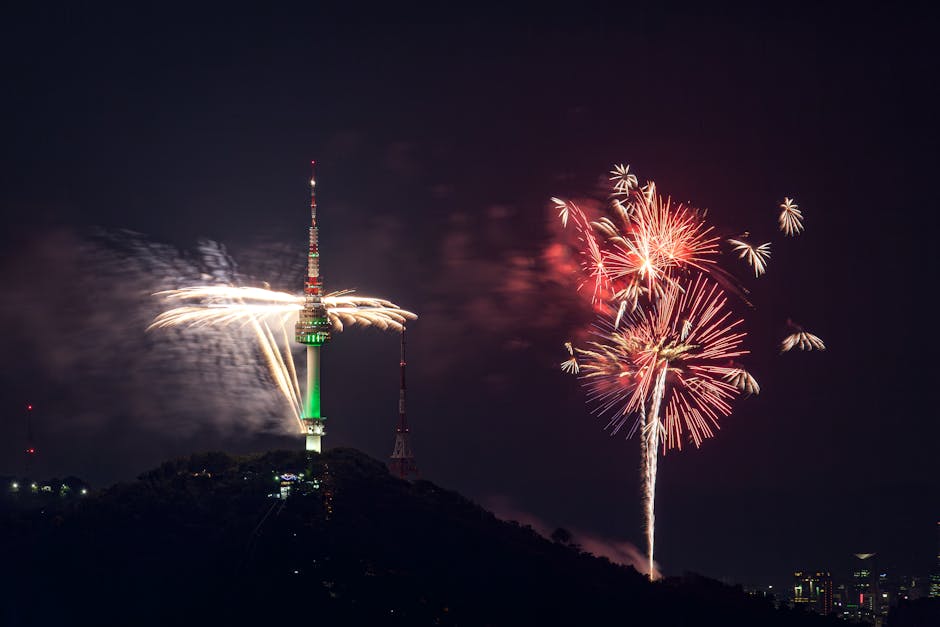
The calendar New Year is a much smaller affair than Seollal, but Seoul still marks it in style, with the Bosingak bell-ringing at midnight and crowds climbing Namsan for the first sunrise. Our Christmas and New Year in Seoul guide explains both, and what is open on 25 December.
Frequently Asked Questions
How many public holidays does Korea have in 2026?
The calendar combines fixed-date holidays, the multi-day Seollal and Chuseok holidays, and substitute holidays (alternative days off) when certain holidays fall on weekends. Constitution Day (July 17) became a public holiday again in 2026. Check the official government calendar for the full list.
What’s the biggest Korean holiday for tourists to plan around?
Seollal (Feb 6-9, 2027) and Chuseok (Sep 14-16, 2027) are the two holidays to plan around: many shops and restaurants close for part of them, while major attractions may stay open, so check each venue’s holiday hours. Both require advance booking for hotels, KTX, and restaurant reservations.
Is Christmas a holiday in Korea?
Yes, December 25 is a public holiday celebrated culturally (lights, trees, romantic dinners). Most businesses stay open. Couples-focused, similar to Western Valentine’s Day.
What’s the best Korean festival for foreign tourists?
Buddha’s Birthday Lotus Lantern Festival in Seoul (May 16-17 in 2026, with lantern exhibitions until May 25; watch the organiser’s announcements for the next edition) — UNESCO-listed and foreign-friendly. Excellent introduction to Korean Buddhist culture.
Should I avoid Seollal travel?
Avoid intercity travel by car. KTX is fine if you book as soon as tickets go on sale. Stay in Seoul during Seollal for the cultural experience — palaces are free for hanbok wearers, and tourist attractions are accessible.
What about Lunar Calendar dates?
Seollal, Buddha’s Birthday, and Chuseok shift each year based on the lunar calendar. Always check the year’s specific dates rather than using fixed dates from previous years.
Are stores open on Christmas?
Hours vary on December 25, so check the shops and restaurants you have in mind. It’s a cultural holiday, not a shutdown.
How do hotels handle Korean holidays?
Major hotels stay fully operational with cultural programs (hanbok experiences, Korean traditional food sessions). Independent guesthouses and Airbnbs may close — book hotels for major holidays.
Should I book Lunar New Year tickets early?
Absolutely. Korail tickets go on sale at 07:00 two months before the departure date, so be ready the morning your travel date opens. Book through Korail.com or use a travel app like Klook.
What about local regional festivals?
Regional festivals run all year. Top picks for tourists: Boryeong Mud Festival (July 24 to August 9 in 2026), Andong Mask Dance (late September to early October in 2026), Hwacheon Ice Festival (January 9-31, 2027) and the Damyang Bamboo Festival. Check each organiser for the next dates.
Are Korean festivals expensive for tourists?
Most are free or low-cost (₩5,000-30,000). Major exceptions: Pentaport Rock Festival (the 2026 three-day pass was ₩240,000; check the organiser for the next edition’s prices), some major sports/concert events.
Tips From Long-Term Seoul Residents
- Use Naver Calendar — most accurate Korean public holiday tracker
- Book KTX immediately when reservation windows open
- Take advantage of holiday palace freedoms — Seollal and Chuseok give free entry with hanbok
- Try Buddha’s Birthday lantern parade at least once — it’s truly spectacular
- Cuisine special menus — major restaurants offer holiday-only dishes
- Department store sales spike during Christmas-New Year and back-to-school (mid-March)
- Government office hours change — confirm before scheduling visa visits
- Culture Day (every Wednesday) means free entry to the Changdeokgung halls, Changgyeonggung, Deoksugung and Jongmyo (not Gyeongbokgung or the Secret Garden)
- Watch Korean TV during Chuseok and Seollal — special drama and variety programming
- Most importantly: respect cultural moments — Korean families take these holidays seriously
Final Word
Korean holidays are deeply meaningful, beautifully ritualized, and surprisingly tourist-friendly when planned for. Seollal and Chuseok give you a window into Korea’s deepest family traditions; Buddha’s Birthday delivers one of Asia’s most stunning visual celebrations; the regional festivals (Boryeong Mud, Hwacheon Ice, Andong Mask Dance) often become the highlight of foreign visitors’ entire trips.
Plan ahead, respect the rhythm, embrace the cultural difference — and Korea’s holiday calendar can shape an unforgettable visit.
For more festival-focused planning, see our complete Seoul festivals & events guide.