
This complete Seoul taxi guide walks you through every taxi color, current 2026 fares, the surcharge schedule, how to use Kakao T like a local, airport transfer options, scam-avoidance tips, and how to settle disputes when something goes wrong. Read it once and you’ll save more on your first Seoul ride than the time spent reading. For broader transit context, see our Getting Around Seoul pillar guide.
When to Take a Taxi in Seoul
The Seoul Metro is one of the world’s best, and our Seoul bus guide covers nearly every other corner of the city for under 1,500 won. So when does a taxi actually make sense? Three situations:
- Late at night. Subway shuts at midnight; if you’re past the last Owl Bus, a taxi is your only door-to-door option.
- Heavy luggage. Hauling suitcases through subway transfers and stairs is brutal. Taxi from the airport (or to it) is worth the modest premium.
- Group of three or four. Split four ways, a 15,000-won fare is cheaper per person than the subway.
For everything else, transit is faster and cheaper.
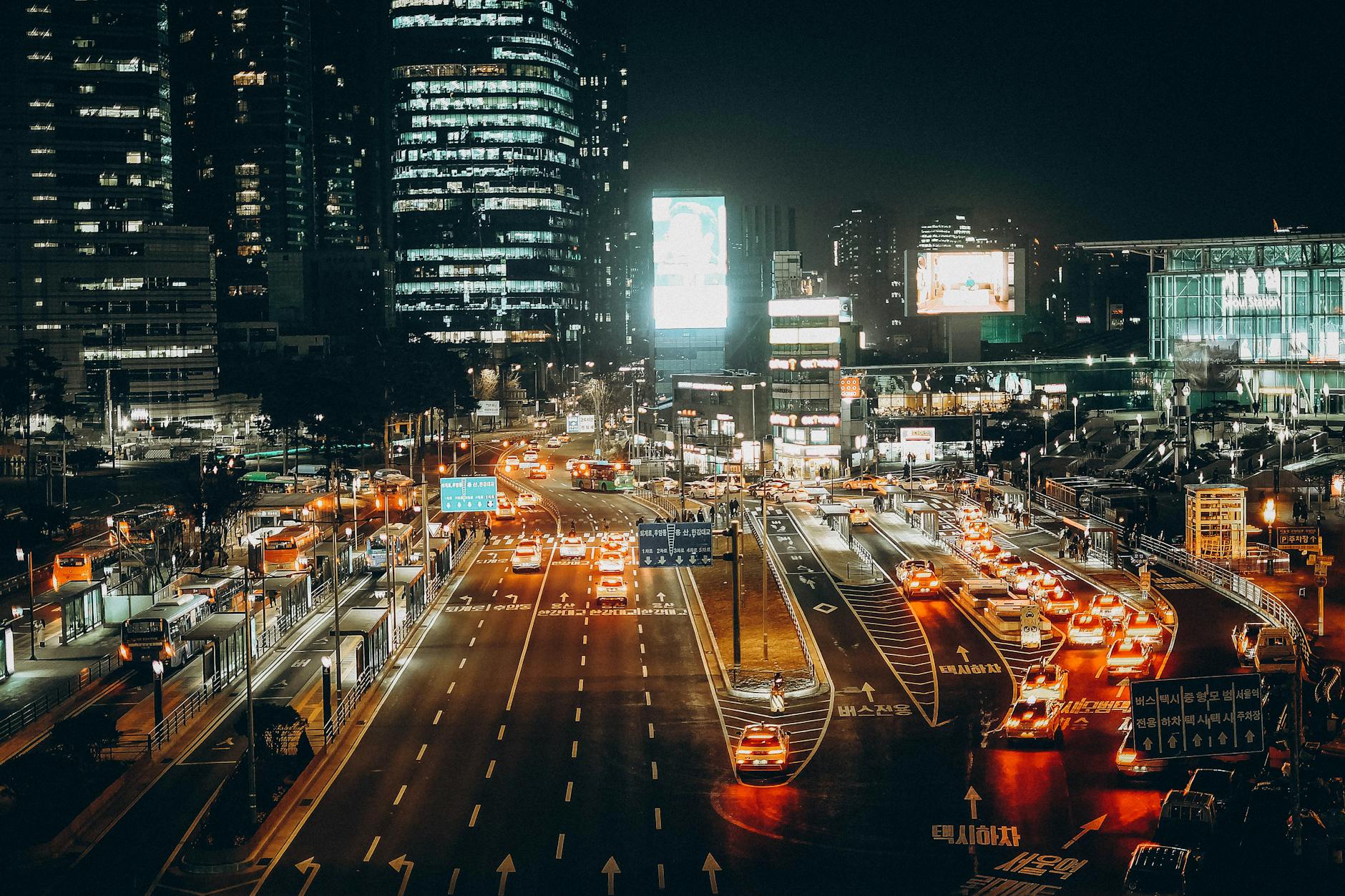
Seoul Taxi Types: Color Tells You the Price
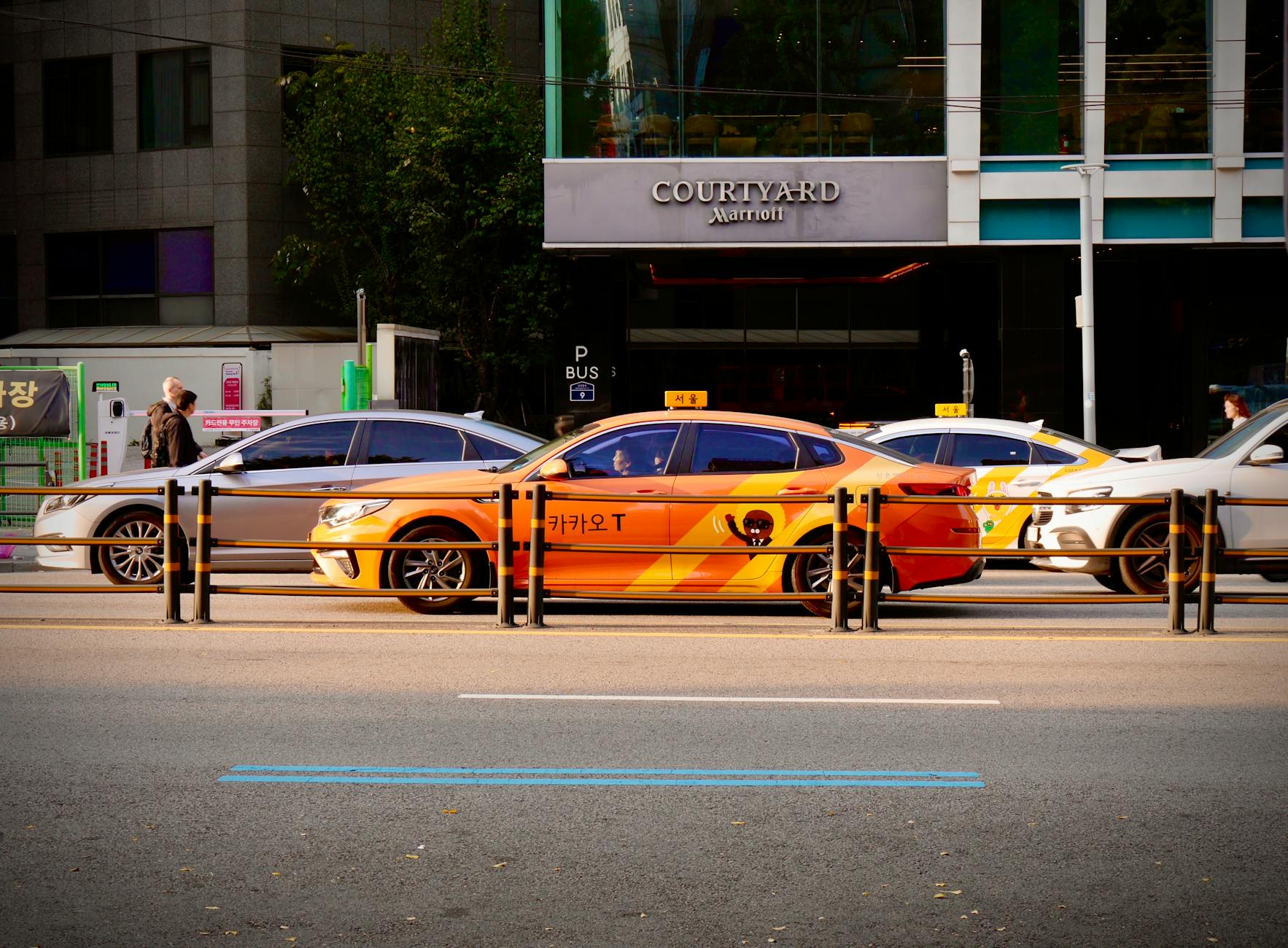
Like the bus system, Seoul standardized its taxis with a color code. Each color signals a different vehicle class and base fare.
Standard Taxis (Orange, Silver, or White)
The vast majority of Seoul cabs. Painted orange, silver, or white, these are independently owned (“private”) or company-operated (“corporate”) cabs. Same fare regardless of color. They take individual hails from the street, app bookings, and queue up at taxi stands.
Deluxe Taxis (Black with Yellow Sign)
Black cars with a “Deluxe” yellow rooftop sign — usually Hyundai Grandeur or Genesis sedans driven by experienced, English-trained drivers. Fares are roughly 60% higher than standard. There’s no late-night surcharge on deluxe taxis. Useful for business travelers or anyone who values a quiet, comfortable ride.
International Taxis (Orange/Black with “International” Sign)
A government-licensed service for foreign visitors. Drivers pass an English (or Japanese, Chinese, etc.) language test. Fares are flat-rate for airport transfers and metered for in-city trips, but rates are noticeably higher than standard taxis. Book through intltaxi.co.kr or the Kakao T app.
Jumbo / Van Taxis (Large Black Vans)
Six- to nine-passenger vans for groups or larger luggage. Premium fare structure — roughly the same as deluxe per kilometer plus a base premium. Hard to flag on the street; book via Kakao T or the local taxi association.
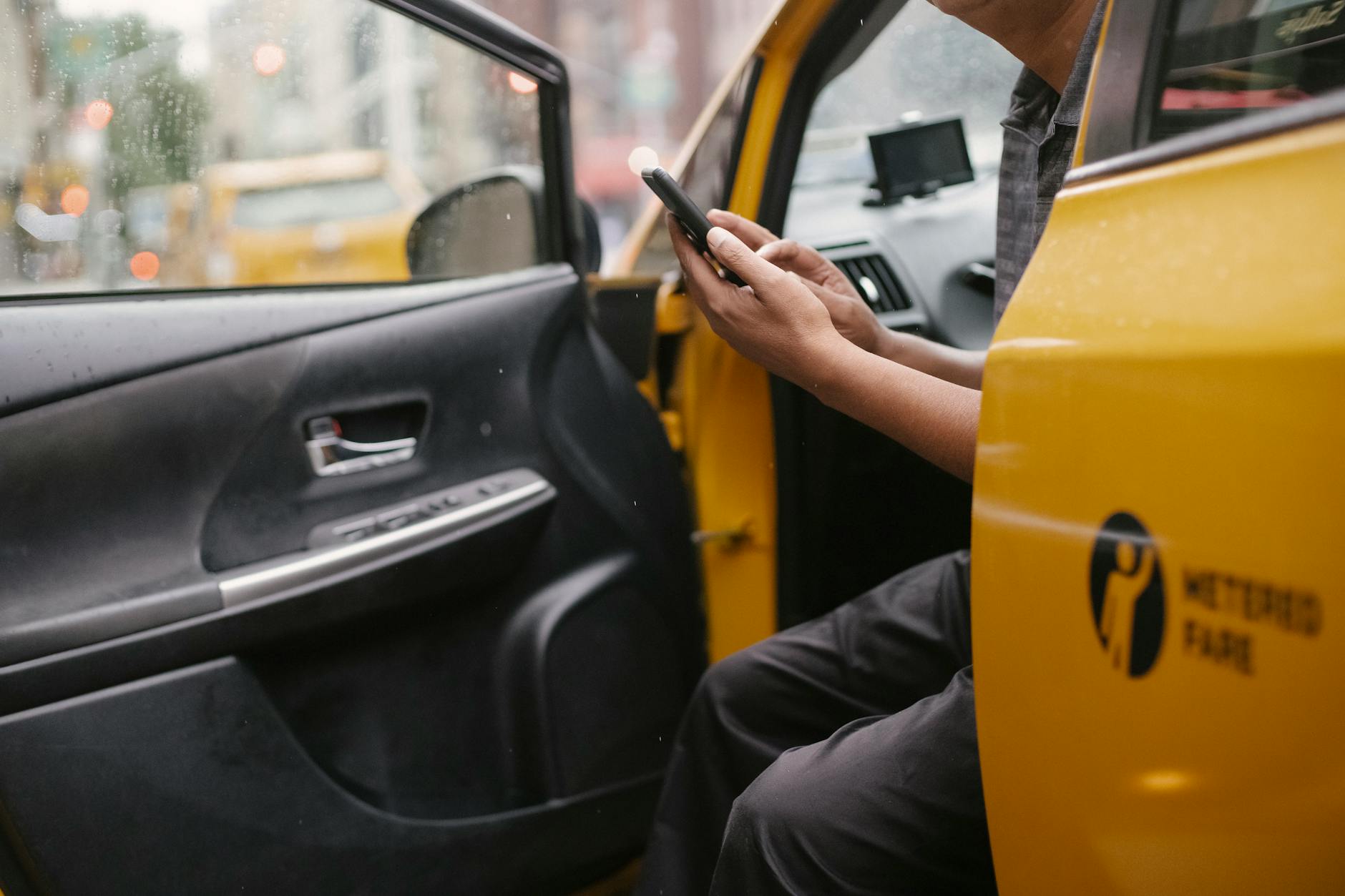
Seoul Taxi Fares in 2026
Fares were last raised in February 2024, with a small adjustment in early 2026. Here’s exactly what you’ll see on the meter today.
| Taxi Type | Base Fare (first 1.6 km) | Distance Rate | Time Rate (under 15 km/h) |
|---|---|---|---|
| Standard | 4,800 won | 100 won / 131 m | 100 won / 30 sec |
| Deluxe | 7,000 won | 200 won / 151 m | 200 won / 36 sec |
| International | 4,800 won (or fixed) | 100 won / 131 m | 100 won / 30 sec |
| Jumbo / Van | 7,000 won | 200 won / 151 m | 200 won / 36 sec |
Sample Trip Costs
- Hongdae to Gangnam Station (10 km): roughly 14,000-18,000 won (no traffic), 22,000-28,000 won (rush hour)
- Myeongdong to Itaewon (4 km): 6,500-8,500 won
- Gyeongbokgung to Dongdaemun (5 km): 7,500-10,000 won
- Incheon Airport to Hongdae (40 km): 60,000-75,000 won standard / 90,000-100,000 won deluxe
Tip: Plug your route into Kakao T before you flag a cab — it estimates the metered fare to within a few hundred won and removes any uncertainty about being driven the long way.
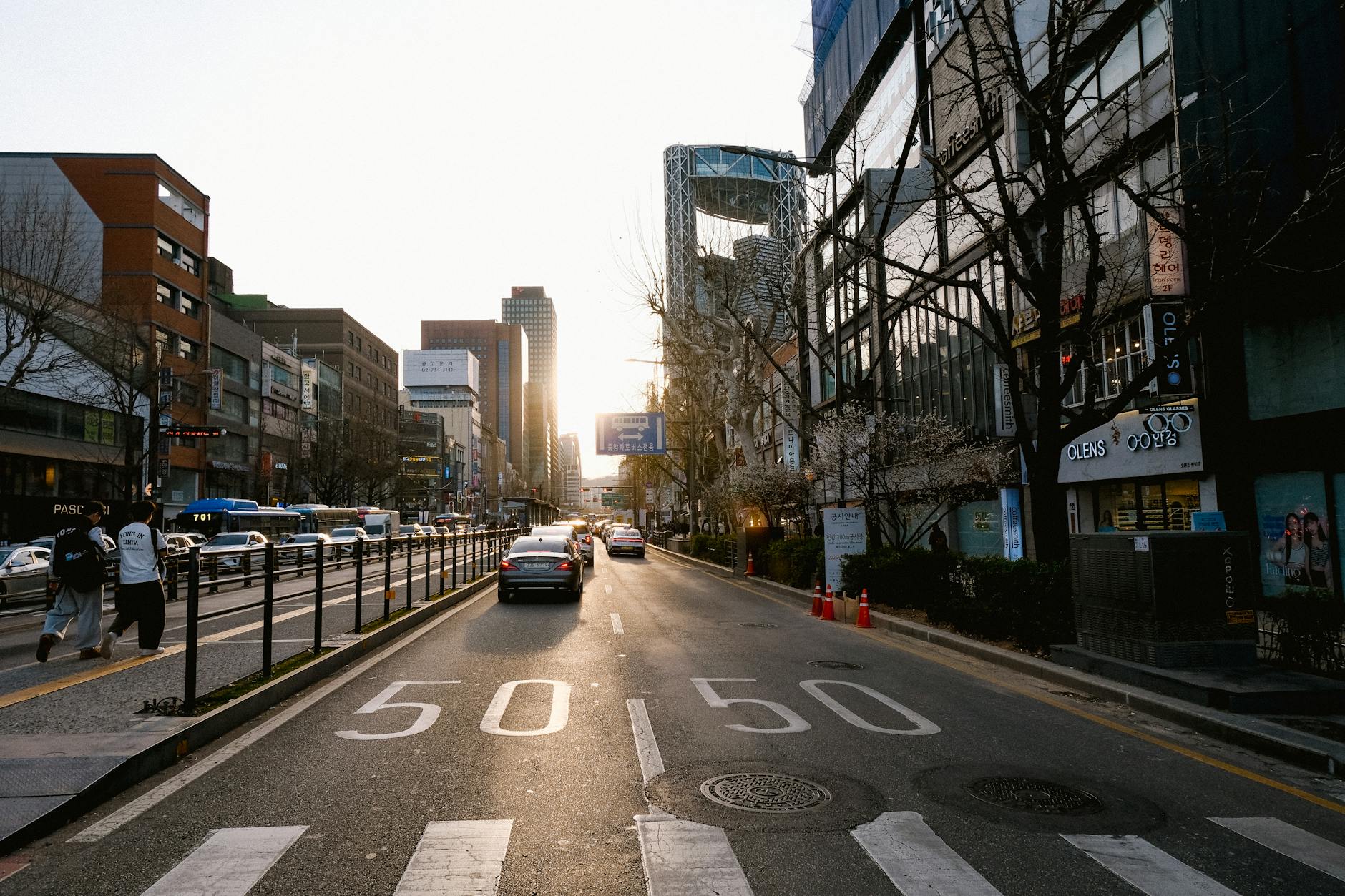
Surcharges You Need to Know
The base fare you see on the meter isn’t always what you’ll pay. Three surcharges can apply, sometimes stacking. None of them are scams — they’re encoded in the meter and shown on a small display.
Late-Night Surcharge
Standard taxis charge a 20% surcharge from 10:00 PM to 11:00 PM, jumping to 40% from 11:00 PM until 4:00 AM. The surcharge applies only to the metered fare, not to fixed-rate airport flat fares.
City Boundary Surcharge
If your trip crosses out of Seoul (for example, to Bundang, Gimpo, or Suwon), a 20% surcharge kicks in for the kilometers driven outside the city.
Toll Charges
If your route uses an expressway or toll bridge, the actual toll cost is added to the meter. Common on airport runs and some Han River crossings.
Bottom line for tourists: a midnight ride from Hongdae to a Gangnam hotel that would normally cost 16,000 won will hit you for around 22,000 won. Plan around the surcharge windows — leaving by 9:30 PM or after 4 AM saves the premium.
Kakao T: The Only App You Need
Uber barely exists in Korea. Kakao T (the rebranded successor to Kakao Taxi) is the dominant ride-hailing app, hailing roughly 9 in every 10 taxis booked digitally. The app is free, available in English on iOS and Android, and works as well for tourists as for locals.
Setting Up Kakao T as a Foreigner
Download Kakao T from your home country’s app store. You’ll need to register with a phone number — but unlike many Korean apps, Kakao T accepts foreign phone numbers via SMS verification. Once verified, you can switch the app language to English from settings.
Booking a Ride
Open the app, tap “Taxi,” confirm pickup (your GPS location), and type your destination in English (the app accepts romanized Korean names — type “Gyeongbokgung” or “Hongdae Station” and it autocompletes). Choose between Standard, Deluxe, Black, or Bluepass. Tap “Call” and a nearby driver accepts within seconds.
Payment
You can pay in cash at the end of the ride or save a foreign credit card to the app for automatic charging. Most travelers find card-on-file frictionless and tip-free. If your card is declined, almost every taxi accepts T-money cards.
Why Use Kakao T Over Hailing?
Three reasons: drivers can’t refuse short rides on the app (unlike street hailing, where it happens), you have a digital record if anything goes wrong, and the GPS-tracked route is hard to fudge. Plus the app shows you the driver’s name, license plate, and ETA before they arrive.
How to Hail a Cab on the Street
Even with Kakao T, you’ll sometimes need to flag a cab the old-fashioned way. Here’s how:
- Look for the red sign. A bright red light on the dashboard or roof means the cab is available. A “yellow” or grey light means occupied or off-duty.
- Stand somewhere legal. Drivers won’t stop at bus stops, in front of crosswalks, or on bus-only lanes. Move 20 meters away from those.
- Raise your arm clearly. No subtlety — a confident raised hand is the signal.
- Tell the driver your destination before you get in. If they refuse to go, that’s actually illegal but common. Try the next one.
- Sit in the back, on either side. Riding shotgun is fine but signals “I want to chat.”
Tipping in Seoul Taxis
There is no tipping culture in Korea. Pay the meter exactly. Drivers will not be offended if you don’t tip, and many will hand you back any rounded-up bills as change. The exception: if a driver helps with extra-heavy luggage from the airport, rounding up to the next thousand won is a friendly gesture.
Getting From Incheon Airport to Seoul by Taxi
Three taxi options run from Incheon Airport into central Seoul. Distances vary by destination, but the airport-to-Hongdae trip is a good benchmark.
| Option | Approx Cost (Hongdae) | Time | Notes |
|---|---|---|---|
| Standard taxi (metered) | 60,000-75,000 won | 50-70 min | Includes 8,000 won expressway toll |
| Deluxe taxi | 90,000-110,000 won | 50-70 min | No late-night surcharge |
| International taxi (flat rate) | 65,000-85,000 won | 50-70 min | Pre-arranged English-speaking driver |
Compare to the AREX express train at 11,000 won (43 minutes to Seoul Station) and you can see why most travelers stick to the rail option unless luggage or group size demands a taxi. See our Incheon airport guide for all options.
Where to Find the Taxi Stand
At Incheon Terminal 1, follow the “Taxi” signs from the arrivals hall to Exit 4-8 on the first floor. At Terminal 2, the taxi stand is on the first floor, Exits 1 and 5. Staff in green vests organize the queue and ensure you get the right vehicle class.
Common Taxi Scams (and How to Avoid Them)
Seoul taxis are remarkably honest, but a small minority of drivers — usually targeting first-time tourists at airport queues or near major hotels — try one of these tricks. None work if you’re prepared.
The “Flat Rate” Switch
A driver at the airport offers a “good price” of, say, 90,000 won to your hotel — a price that sounds reasonable but is 25% more than the meter would have charged. Solution: Always insist on the meter (“meter please”). If the driver refuses, get out and find another cab.
The Long Route
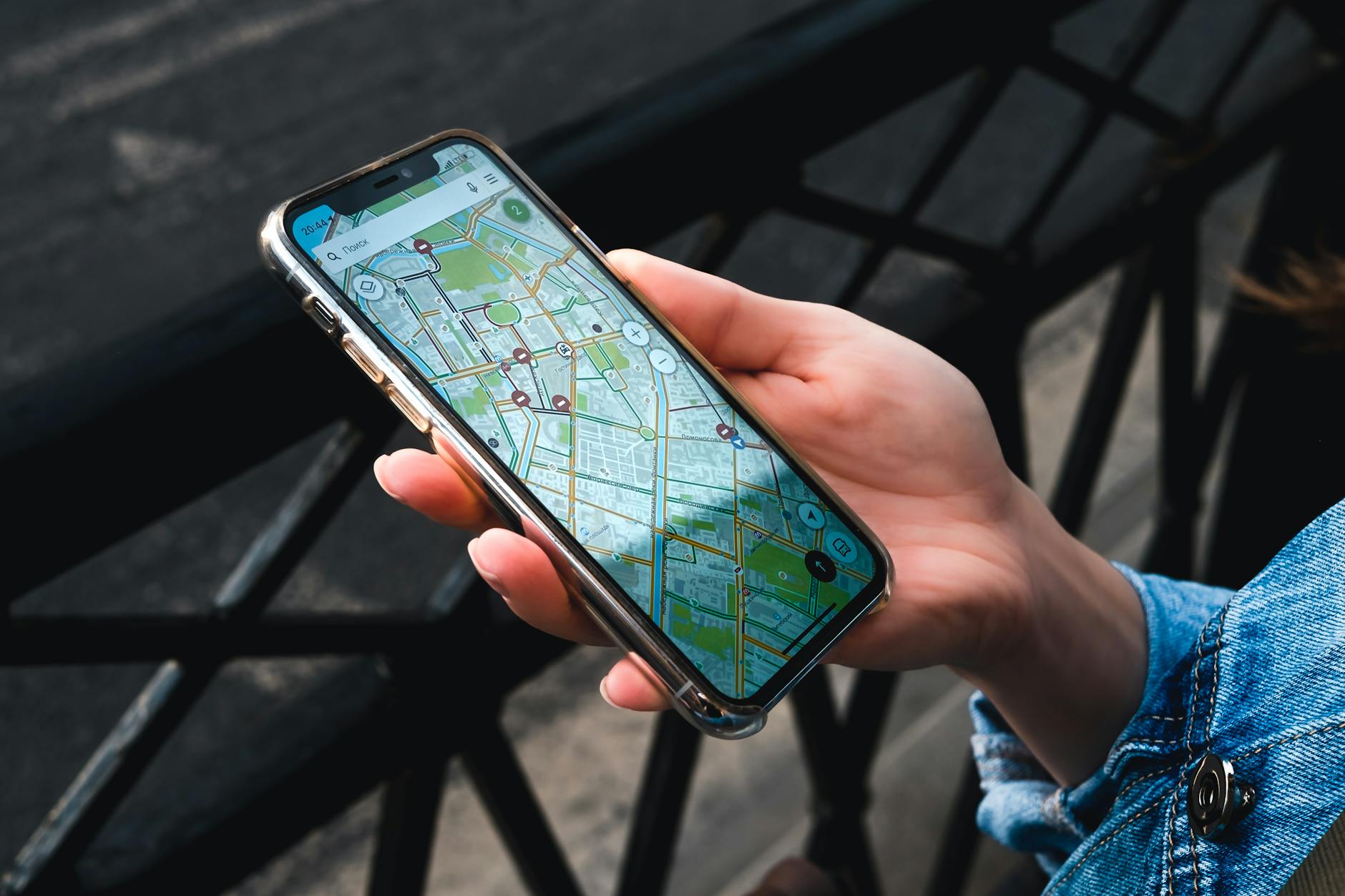
Driver takes a scenic detour. Solution: Open Kakao T or KakaoMap and watch your route on the phone. Even non-Korean speakers can recognize when a cab is heading the wrong direction.
The Wrong Bills
Driver claims you handed them a 1,000-won note when you handed a 10,000-won note. Solution: State the denomination aloud as you hand it over (“ten thousand”), and watch the driver’s hands. This scam is rare and generally targets very tired late-night fares.
The “Broken Card Reader”
Driver says the credit card or T-money reader is broken and demands cash. Sometimes true, sometimes not. Solution: Don’t get in if you don’t have enough cash. Ask for the receipt anyway.
Refusing Short Rides
This is the most common annoyance, not a scam. Drivers can lose money on a short fare and may refuse you. Solution: Use Kakao T — drivers can’t refuse on the app once they’ve accepted.
If Something Goes Wrong
If you’ve been overcharged, scammed, or treated rudely, you have real recourse. Note the four-digit taxi number printed on the dashboard, get a receipt (every Seoul taxi prints them), and file a complaint via:
- Seoul Tourism Complaint Center: Dial 1330 (24/7, English-speaking).
- Online: Visit english.seoul.go.kr and submit a complaint form.
- Kakao T: If booked through the app, file a complaint directly in the trip details — refunds are processed within 48 hours.
Refunds for genuine overcharging are routine and fast. The Seoul government takes taxi enforcement seriously because tourist trust is a measurable economic priority.
Frequently Asked Questions
Are Seoul taxis safe?
Yes. Crime in Seoul taxis is rare and CCTV is now mandatory in most cabs. Solo female travelers can ride at any hour without serious safety concerns. See our Seoul safety guide for full context.
Do Seoul taxi drivers speak English?
Standard taxi drivers usually don’t. Show them your destination in Korean on a phone, or use Kakao T’s pre-typed destination. Deluxe and International taxi drivers must pass an English test and are reliable for English conversation.
Can I pay with a credit card?
Yes — almost all Seoul taxis accept domestic and foreign credit cards (Visa, Mastercard). Apple Pay and Samsung Pay work in newer cabs. T-money cards are also accepted.
How much should I tip?
Don’t. Tipping is not part of Korean taxi culture and many drivers will return any tip as change.
Is Uber available in Seoul?
Uber relaunched a limited “Uber Taxi” service in 2021 that connects to existing Korean cabs (functionally the same as Kakao T). Don’t expect UberX or similar. Kakao T has 90%+ market share and is more reliable.
Can I take a taxi from Gimpo Airport?
Yes. Gimpo is much closer to central Seoul than Incheon — most rides cost 25,000-35,000 won and take 25-45 minutes. The taxi stand is outside the international arrivals terminal.
What if I leave something in a taxi?
Call the Seoul Lost & Found Center at 1330 with the time, route, and any distinguishing details. If you booked via Kakao T, the app retains driver details and recovery rates are very high.
Are there taxi stands at major attractions?
Yes — every subway station, palace, major hotel, department store, and shopping district has a designated taxi stand. Late at night, queues at popular nightlife districts (Hongdae, Gangnam, Itaewon) can be 20-30 minutes long; using Kakao T to call a cab to a side street is much faster.
Can I book a taxi in advance?
Kakao T offers an “advance booking” feature for trips up to 30 days ahead. Useful for early-morning airport rides where catching a cab is uncertain. There’s a small reservation fee (around 3,000 won).
Final Tips From a Seoul Local
Three habits separate seasoned travelers from rookies in Seoul taxis: download Kakao T before your first ride and link a credit card; track your route on KakaoMap during longer trips so you’ll notice detours; and remember that “international taxis” stationed at hotels are often pricier than a regular cab one block away. Master those, and Seoul’s taxi system becomes one of the easiest, most predictable parts of your trip.
For more on getting around the city, return to our pillar guide: Getting Around Seoul. Headed somewhere far? Our Seoul subway guide and Seoul bus guide are likely faster and cheaper.