A quick word on how to use this plan. The days are ordered on purpose — the historic core first, while your energy and curiosity are highest; the day trip in the middle, once you’ve found your feet; and a deliberately slow final day so you fly home relaxed rather than frazzled. But it’s modular. Swap any two days without breaking anything, and if one of the themed versions near the end (K-pop, foodie, family, couples) is more you, follow that instead. Leave yourself coffee stops, transit buffers and one unscheduled window each day: the best Seoul memories tend to be the mandu shop or rooftop bar you stumble into, not the box you tick. Doing a shorter trip? Our 3-day Seoul itinerary is the tighter cut; got more time, the 7-day Seoul itinerary adds room to breathe.
This is the perfect 5 day Seoul itinerary for first-time visitors in 2026: hour-by-hour plan, two day-trip options (DMZ vs. Nami Island), restaurant picks, exact subway directions, and seasonal adjustments — designed to maximize your time without exhausting you.
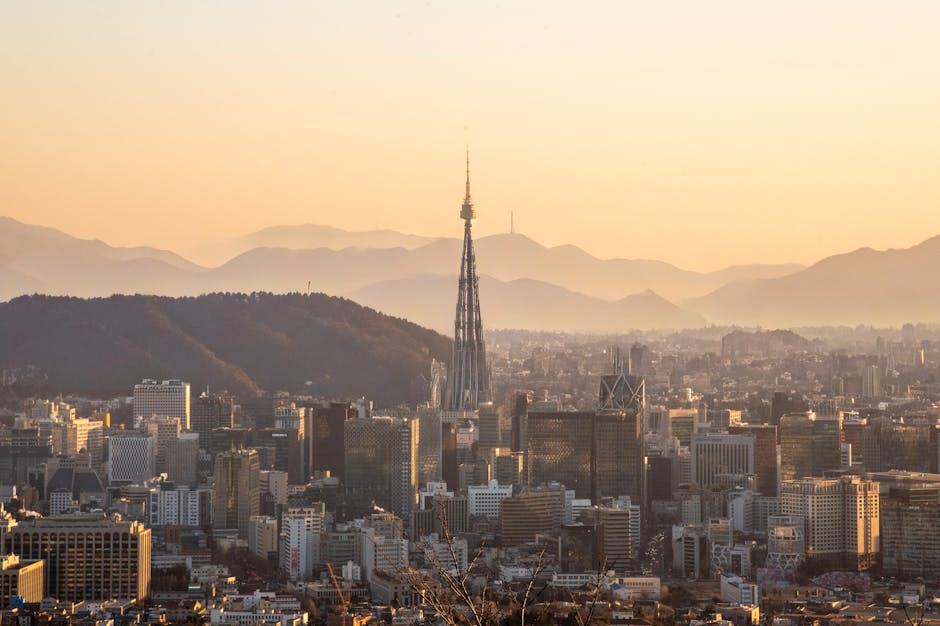
Quick Overview: 5 Days in Seoul
| Day | Theme | Highlights |
|---|---|---|
| Day 1 | Historic Heart | Gyeongbokgung, Bukchon, Insadong, Cheonggyecheon |
| Day 2 | Modern Seoul | Seongsu, Myeongdong, N Seoul Tower |
| Day 3 | Day Trip | DMZ or Nami Island or Suwon |
| Day 4 | Food + River | Hongdae, Han River, Korean BBQ, Banpo Fountain |
| Day 5 | Local Seoul + Departure | Spa morning, Hannam lunch, K-beauty haul, late flight |
Where to Stay for 5 Days in Seoul
Stay in Myeongdong, Jongno, Insadong, or Hongdae for excellent subway access. Solo travelers often pick Hongdae; families and couples prefer Myeongdong. See our where to stay in Seoul guide for hotel picks.
For a five-day first trip I’d base myself in one place the whole time rather than switching hotels — Seoul’s subway is so good that a central base reaches everything, and you save a half-day of packing and checking in. Myeongdong is the safest all-rounder: walkable to palaces, wall-to-wall food and K-beauty, and two subway lines plus the airport bus at the door — see our best hotels in Myeongdong. Hongdae suits younger and solo travelers who want nightlife on the doorstep (Hongdae hotels here), while Gangnam leans upscale and modern (Gangnam hotels here). Jongno and Insadong put you closest to the Day 1 palace cluster. Whichever you choose, look for a room within a five-minute walk of a subway station — it’s the single biggest quality-of-life factor on a packed itinerary.
Arrival: getting from Incheon to your first night
Your trip really starts at Incheon, and a smooth arrival protects Day 1. Clear immigration (before you land, either hold an approved K-ETA or complete the free e-Arrival Card; K-ETA holders don’t need the arrival card), grab cash from an airport ATM, and pick up a T-money card from a convenience store before you leave the terminal — it’s the tap-and-go card for Seoul’s subway and buses and most taxis, and our T-money card guide explains how to load it. From there, the AREX express reaches Seoul Station in about 43 minutes from Terminal 1 (51 from Terminal 2), or an airport limousine bus drops at major hotels. If you land in the evening, resist the urge to schedule anything ambitious — eat something simple near your hotel, sleep, and let the early jet-lag wake-up power a strong Day 1. Full route comparisons are in our Incheon Airport to Seoul guide.
How to pace 5 days without burning out
The most common first-timer mistake in Seoul isn’t missing a sight — it’s cramming so hard that day four becomes a blur. Three habits keep this itinerary sustainable. First, treat each day as one anchor plus flexible edges: lock in the big-ticket item (the palace, the day trip, the fountain show) and let the rest flex. Second, respect the subway’s rhythm — trains are fast, clean, and frequent, but transfers at giant stations like Seoul Station or Gangnam eat ten minutes, so cluster your stops geographically the way these days do. Third, front-load. Jet lag from North America or Europe tends to wake you early for the first few days, which is a gift in a city where palaces open at 9am and photo lanes empty before the crowds. Use those early mornings, then fade in the afternoons. For the mechanics of trains, buses, and taxis, our getting around Seoul and Seoul subway guides cover everything.
Day 1: Historic Heart of Seoul
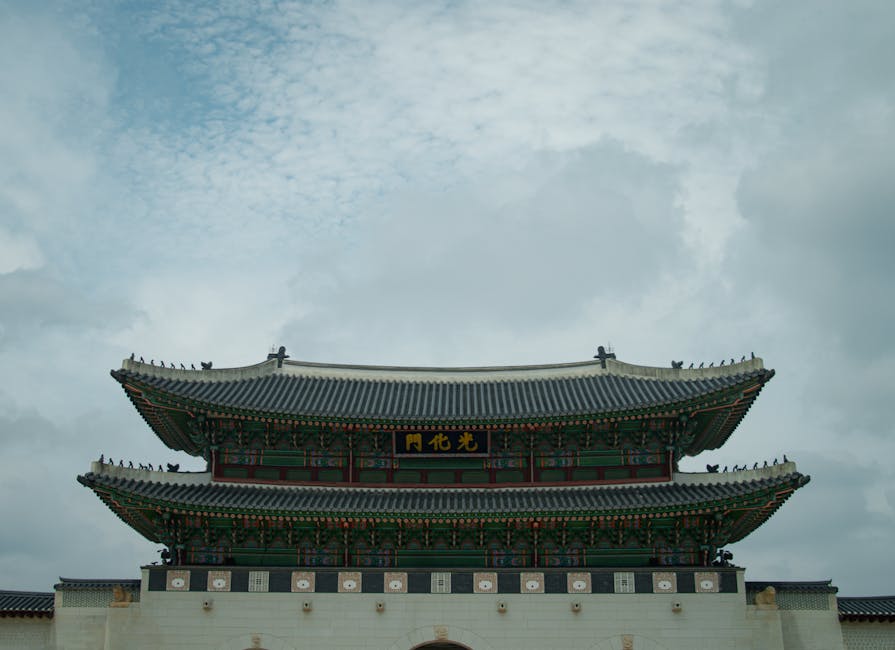
Same as our 3-day Seoul itinerary Day 1:
- 9:30 AM — Gyeongbokgung Palace + Royal Guard ceremony at 10 AM
- 12:00 PM — Lunch at Tosokchon Samgyetang (₩19,000)
- 1:00 PM — Bukchon Hanok Village
- 3:00 PM — Insadong tea + shopping
- 5:00 PM — Jogyesa Temple → Cheonggyecheon Stream walk
- 7:00 PM — Dinner at Imun Seolnongtang (one of Seoul’s oldest seolleongtang restaurants, open since 1907)
- 9:00 PM — Drinks at Bar Cham or Anguk hanok bar
Here’s how Day 1 actually feels. Arrive at Gyeongbokgung by 9:30 so you’re inside before the 10am Royal Guard Changing Ceremony at Gwanghwamun Gate — it’s free, genuinely spectacular, and over by 10:30. Pro move: rent a hanbok from one of the shops near Exit 3 of Gyeongbokgung Station (₩15,000–₩30,000 for a few hours) and your palace admission is waived. That saves only the ₩3,000 adult ticket, so rent it for the photos, not the money. Give the palace ninety minutes, then head to Tosokchon, the samgyetang institution, for ginseng chicken soup that tastes like it was designed to cure jet lag. The afternoon is all on foot: the sloping lanes of Bukchon Hanok Village (keep your voice down — people live here), then tea and browsing in Insadong, where the Ssamziegil spiral mall and the traditional tea houses are worth the detour. As the light drops, walk down to Cheonggyecheon, the restored stream that cuts through downtown, and follow it east. Dinner at Imun Seolnongtang — milky beef-bone soup at a spot serving since 1907 — is a low-key, deeply Korean way to end the day, before a nightcap at an Anguk hanok bar. It’s a big first day; the payoff is that you’ve seen the historic heart of the city in one clean sweep.
Day 2: Modern Seoul
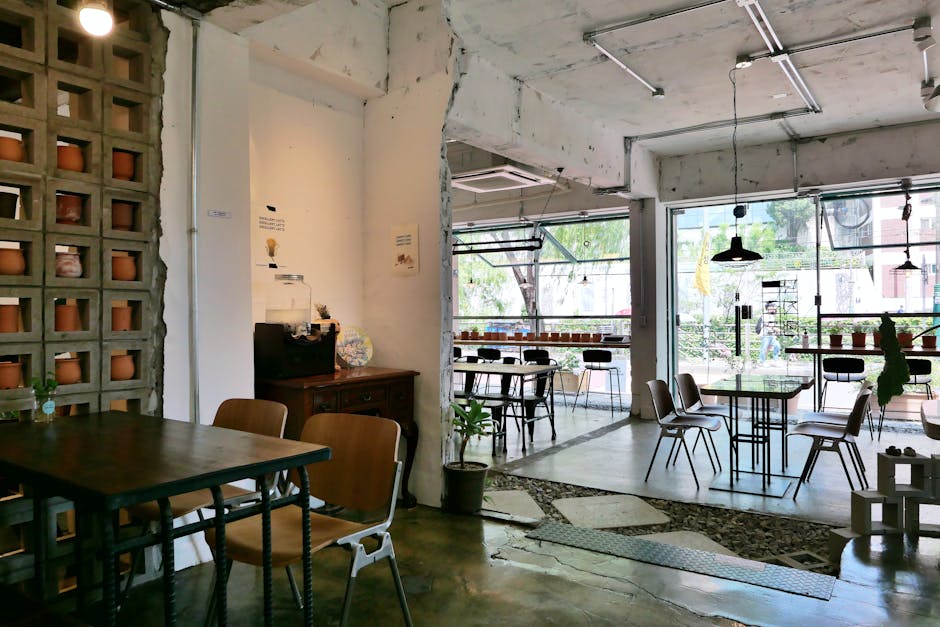
- 10:00 AM — Subway to Seongsu Station, café morning in Seongsu
- 12:00 PM — Pop-up store crawl + Olive Young Seongsu
- 1:00 PM — Lunch in Seongsu
- 2:30 PM — Subway to Myeongdong for K-beauty + street food
- 5:00 PM — Cable car to N Seoul Tower for sunset (₩15,000 round trip, ₩12,000 one way; observatory ₩29,000 extra)
- 7:30 PM — Dinner at Hancook (Korean BBQ in Namsan area)
- 9:30 PM — Cocktails at Charles H. (Four Seasons) or Le Chamber Gangnam
Day 2 swings from centuries-old to relentlessly current. Start slow with a café morning in Seongsu-dong, Seoul’s converted-warehouse coffee district — Daelim Changgo, a former factory turned cavernous gallery-café, is the signature stop, and the surrounding blocks churn out design-forward pop-up stores you can happily lose an hour in. From there the subway carries you to Myeongdong for the K-beauty flagships and, after dark, one of Asia’s great street-food runs: gyeranppang egg bread, tornado potatoes, grilled lobster tails, and hotteok. Time the N Seoul Tower cable car for roughly an hour before sunset so you catch the city going gold then electric from the observation deck; couples can add a love-lock on the terrace. Cap the night with Korean BBQ near Namsan and a cocktail at Charles H. in the Four Seasons, regularly ranked among Asia’s best bars. If your feet are done, skip the tower walk and take the cable car both ways — no shame in it on day two.
Day 3: Day Trip from Seoul
This is where the 5-day itinerary really pays off. Choose one major day trip:
Option A: DMZ Tour (Recommended for First-Timers)
The DMZ tour is the most-booked day trip from Seoul. You’ll see observation points overlooking North Korea, the Third Infiltration Tunnel, and Imjingak Park. Standard tours don’t enter the Joint Security Area, and JSA visits are suspended or only rarely available.
- Tour duration: most of a day, depending on the tour you book
- Cost: ~₩76,000 standard tour
- Booking: Klook, KKday, Trazy, official Korean DMZ tours
- Pickup: Major Seoul hotels and Hongdae/Myeongdong meeting points
- Bring: Passport (mandatory), comfortable shoes, photo ID
What you’ll see: Imjingak Peace Park, Freedom Bridge, Third Infiltration Tunnel (walk into a North Korean tunnel discovered in 1978), Dora Observatory (binoculars overlooking North Korea), Dorasan Station (the unfinished railway to North Korea).
A few honest notes: the standard tour does not enter the JSA (the blue huts you’ve seen in photos) — that needs a separate JSA visit, which is suspended or only rarely available, so confirm what your tour covers when you book. Bring your actual passport, not a photocopy; there’s a dress code (no ripped jeans or military-style clothing), and photography is restricted at several points. It’s a somber, moving half-day rather than a fun one, and it’s all the more powerful for it.
Option B: Nami Island + Petite France + Garden of Morning Calm
A scenic, calmer day trip. Nami Island is the small island famous from the K-drama “Winter Sonata” — tree-lined paths, especially Metasequoia Lane, are stunning in autumn and winter.
Nami rewards an early train — the island fills with tour groups by late morning, so aim to be on the first ferry and walk the Metasequoia and ginkgo lanes before the crowds. Pairing it with Garden of Morning Calm (spectacular lighting festival in winter) or Petite France makes a full, gentle day; just check the last-ferry and last-train times so you’re not stranded, as the ITX back to Seoul thins out in the evening.
- Transportation: ITX-Cheongchun train from Yongsan or Cheongnyangni — 1 hour, ₩6,000–8,500
- Nami Island admission: ₩19,000 adult, round-trip ferry included
- Combine with: Petite France theme park (₩12,000), Garden of Morning Calm
- Total day cost: ~₩73,000–93,000
- Best season: Autumn (October–November) for foliage; winter for snow paths
Option C: Suwon Hwaseong Fortress (UNESCO)
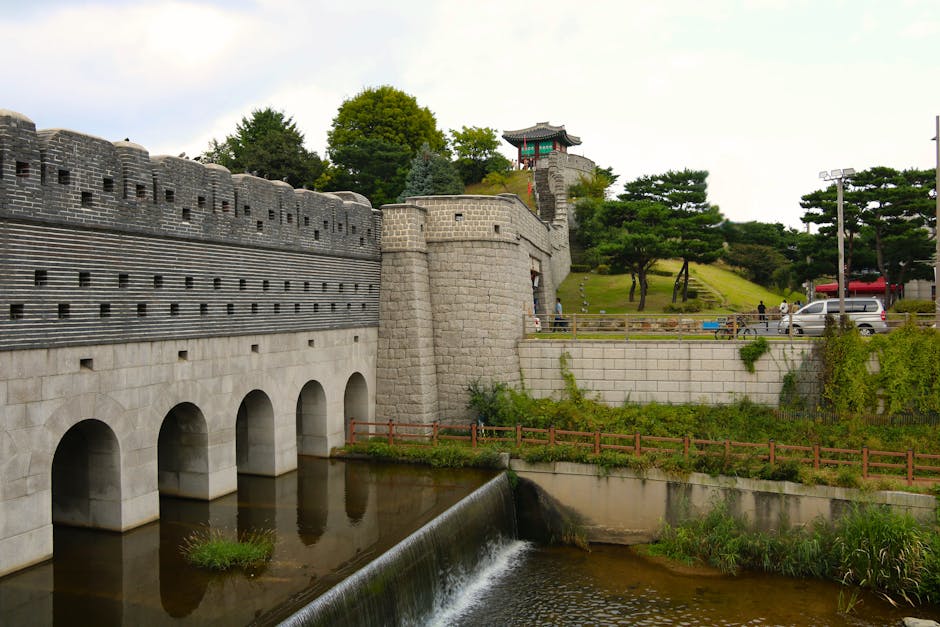
The shortest and most flexible day trip. Suwon Hwaseong is a UNESCO World Heritage 18th-century fortified city wall — 5.7 km of walkable rampart with four main gates and secret passageways. Plus the famous Hwaseong-area galbi restaurants.
The smart way to do Suwon: ride the fortress trolley or short bus tour to get your bearings, then walk a section of the rampart (the stretch up to Seonodae watchtower gives the best skyline views), and time your visit around a long, smoky lunch of Suwon galbi — the marinated short-rib style the city is famous for. Because there’s no tour to catch, you can leave Seoul whenever you like and be back by mid-afternoon if you want an easy evening.
- Subway: Suwon Station (Line 1 from Seoul), then local bus or taxi to the fortress
- Cost: check fortress admission and the tour bus fare on the Suwon Cultural Foundation site
- Lunch: Suwon Galbi (legendary Korean BBQ ribs) ~₩45,000/person
- Best for: History buffs, slow-pace travelers
Option D: Other Day Trips
- Incheon Chinatown + Songdo
- Pocheon Art Valley
- Yongin Daejanggeum K-drama Park
- Gangneung beach + coffee street (by KTX; check journey times on Korail’s site)
- Gyeongju (by KTX, the Silla kingdom’s capital for nearly a thousand years)
How to choose your day trip
If you’re torn, decide by what you want the day to feel like. Choose the DMZ if you want the trip’s most thought-provoking few hours — standing at one of the world’s most heavily militarised borders, walking into a tunnel dug by North Korea, peering north through binoculars — and you don’t mind an early start and a fixed tour structure. Choose Nami Island if you’d rather trade intensity for scenery: tree-lined lanes, a ferry ride, and, in autumn, some of the best foliage near Seoul, ideal for families and anyone craving a slower pace. Choose Suwon if you want maximum flexibility and minimum commitment — it’s Line 1 to Suwon Station and local transport from there, needs no tour, and rewards you with a walkable UNESCO fortress and legendary galbi. My default recommendation for a first Seoul trip is the DMZ; it’s the one day trip you genuinely can’t experience anywhere else on earth. Whatever you pick, book ahead — DMZ tours in particular can sell out, and our day trips from Seoul guide lays out every option with current prices.
Day 4: Food + Han River + Hongdae
Same as our 3-day itinerary Day 3:
- 9:30 AM — Gwangjang Market breakfast (bindaetteok, mayak gimbap)
- 11:30 AM — DDP architecture (Zaha Hadid)
- 1:00 PM — Lunch in Hongdae
- 3:00 PM — Han River bike ride Yeouido → Banpo
- 5:00 PM — Korean fried chicken picnic riverside
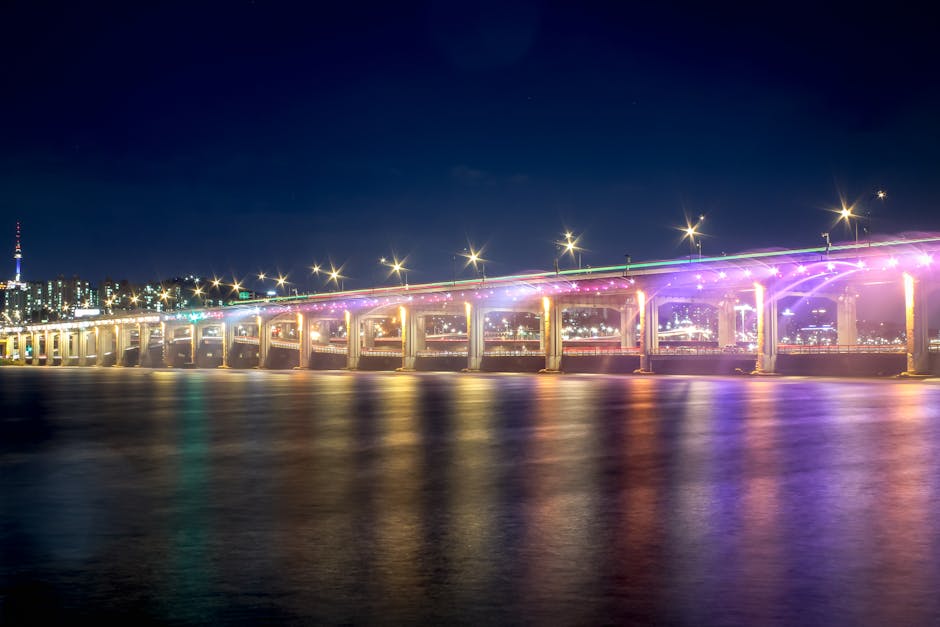
- 8:00 PM — Banpo Bridge Rainbow Fountain show
- 9:30 PM — Korean BBQ in Hannam (Mongtan, ₩60,000)
- 11:30 PM — Best bars in Seoul (see our best bars guide)
Day 4 is the fun, greedy day. Beat the crowds to Gwangjang Market for a proper Korean market breakfast — crispy bindaetteok mung-bean pancakes hot off the griddle and the market’s cult mayak (“addictive”) gimbap. Walk east to the DDP, Zaha Hadid’s spaceship of a building, then hop to Hongdae for a young, loud lunch. The afternoon belongs to the river: rent a bike near Yeouido and roll along the Han River path toward Banpo, or just claim a patch of grass. As evening falls, do the thing every Seoulite does at least once — order Korean fried chicken and beer (chimaek) to a riverside mat and watch the city slow down. Time your evening around the Banpo Bridge Rainbow Fountain, which runs several shows a night in the warmer months (roughly April–October; check the day’s schedule, as it pauses in winter). Cap it with a serious Korean BBQ dinner in Hannam — Mongtan is the cult pick — and, if you’ve got the legs, a round at one of our best bars in Seoul. For the full spread of what to eat, the Seoul food guide is your map.
Day 5: Spa Morning + Local Seoul + Departure
The bonus day for a 5-day itinerary lets you slow down before flying home.
Morning (8:30 AM – 12:30 PM)
- 8:30 AM — Korean spa (jjimjilbang) morning: sauna rooms, hot pools, scrub treatments. See our Seoul wellness & spa guide.
- 11:30 AM — Walk to Itaewon
Lunch + Afternoon (12:30 PM – 6:00 PM)
- 12:30 PM — Lunch at Mongtan or international cuisine in Itaewon
- 2:30 PM — Last K-beauty haul at Olive Young — see K-beauty shopping guide
- 4:30 PM — Return to hotel, organize luggage
- 5:30 PM — Light dinner near hotel
Departure
- 7:30 PM — Subway to Seoul Station + AREX to Incheon (43 min express)
- or Limousine bus from major hotel pickup spots
- See our Incheon Airport to Seoul guide
Day 5 is engineered to send you home relaxed. Start at a jjimjilbang, the Korean bathhouse: hot and cold pools, a range of themed sauna rooms, and, if you’re brave, a proper Korean body scrub (ddaemiri) that leaves you feeling reborn. Two hours here resets a tired body better than any lie-in. From there, drift to Hannam-dong or Itaewon for an unhurried lunch, then do your final K-beauty haul at a flagship Olive Young while you can still fit it in your bag. The one firm rule of a departure day: build in a fat buffer. Aim to be at Incheon three hours before an international flight, and remember the AREX express from Seoul Station takes about 43 minutes to Terminal 1 and 51 to Terminal 2 — our Incheon Airport to Seoul guide covers every route and the check-in-in-the-city option that lets you drop bags downtown.
Total Cost Estimate (Per Person)
| Category | Budget | Mid-Range | Splurge |
|---|---|---|---|
| Hotel (5 nights) | ₩330,000 | ₩900,000 | ₩2,500,000+ |
| Food | ₩150,000 | ₩330,000 | ₩650,000+ |
| Transit (T-money + day trip) | ₩100,000 | ₩150,000 | ₩300,000 |
| Admissions | ₩100,000 | ₩150,000 | ₩300,000+ |
| Day trip (DMZ from ₩76k) | ₩76,000 | ₩100,000 | ₩100,000 |
| Shopping | — | ₩200,000 | ₩1,000,000+ |
| Total (5 days) | ₩760,000 | ₩1,830,000 | ₩4,850,000+ |
~$570 budget, ~$1,370 mid-range, $3,600+ splurge USD per person. See our how much does a Seoul trip cost guide for deeper breakdown.
Where does the money actually go, and where can you flex it? Accommodation and shopping are the big swing factors — the sights themselves are cheap (Gyeongbokgung and Changdeokgung charge ₩3,000, Deoksugung and Changgyeonggung ₩1,000, and many of the best experiences are free), and food can be as little as ₩8,000 for a soul-warming bowl of noodles or as much as you like at a Michelin table. The easy savings: eat at markets and local spots for at least one meal a day, ride the subway instead of taxis, and time your visit outside cherry-blossom and autumn peaks when hotel rates spike. The worthwhile splurges: one memorable dinner, the DMZ tour, and a central hotel near a subway station. Budget travelers can comfortably do Seoul well under the figures above; our Seoul on a budget guide shows how far a won stretches.
5-Day Itinerary Variations
The plan above is the balanced, do-a-bit-of-everything version. But five days is enough to lean hard into one obsession, so if you know what you’re here for, reshape the week around it. Each variation keeps Day 1’s historic core (it’s the best orientation to the city) and swaps the rest.
K-Pop Fan Variation
- Day 1: Historic Seoul
- Day 2: KWANGYA
- Day 3: K-pop filming locations day (see our K-pop filming locations)
- Day 4: Music show taping + concert if possible
- Day 5: K-pop merch shopping + spa + departure
Foodie Variation
- Day 1: Gwangjang Market + Korean BBQ in Mapo
- Day 2: Cooking class + Hannam fine dining
- Day 3: Suwon galbi day trip
- Day 4: Han River chimaek + Hongdae street food
- Day 5: K-beauty + Michelin lunch (see our Michelin guide)
Family Variation
- Day 1: Gyeongbokgung in hanbok
- Day 2: Lotte World theme park
- Day 3: Nami Island day trip
- Day 4: Han River bike + COEX Aquarium
- Day 5: Spa + Children’s Grand Park
Couple’s Variation
- Day 1: Hanbok + Cheonggyecheon walk
- Day 2: Bukchon + Han River sunset cruise
- Day 3: Nami Island romance day
- Day 4: Hannam couples’ fine dining + cocktails
- Day 5: Couples’ spa + N Seoul Tower love locks
If romance is the whole point of the trip rather than a variation on it, our four-day Seoul itinerary for couples is built around it end to end — hanbok palace mornings, the Banpo Rainbow Fountain after dark, Hannam dinner picks sorted by budget, and Namsan’s love-lock terrace timed for sunset.
Practical Tips for 5 Days
- Buy a T-money card on Day 1 — see our T-money guide
- Comfortable shoes — expect 12,000–18,000 steps daily
- Reserve your DMZ tour early — tours cap numbers
- Avoid Tuesdays at Gyeongbokgung (closed); Mondays at Changdeokgung
- Book Korean cooking class if interested — 5 days gives you flexibility
- Layered clothing for unpredictable Korean weather
- Naver Maps for transit; plan day trips with KTX/ITX in advance
Money, connectivity, and etiquette in brief
A few basics smooth the whole five days. Payment: Seoul is nearly cashless — cards work almost everywhere — but keep some won for street food, markets, and older restaurants. Connectivity: grab an eSIM, tourist SIM, or pocket Wi-Fi at the airport; you’ll want data constantly for Naver Map (Google Maps navigation is limited in Korea) and translation. Download the essentials before you go — our Seoul travel apps guide lists the ones that actually matter, from Kakao T for taxis to Papago for translation. Etiquette: Koreans are relaxed with tourists, but a few things go a long way — receive and give with two hands, wait to be seated, don’t tip, and pour for others rather than yourself when drinking. Our Korean dining etiquette guide covers the table rules you’ll actually use, and if you plan to drink your way through the nightlife, the Korean alcohol guide decodes the soju-and-makgeolli culture.
Seasonal Adjustments
Spring (April)
Cherry blossom day along Yeouido (Day 4). Add cherry-blossom hanok photos at Bukchon.
Yeouido’s riverside cherry tunnel and the grounds of Gyeongbokgung are the marquee bloom spots, but they’re mobbed — go at dawn. Blossom timing shifts year to year (usually early-to-mid April), so build in flexibility and check forecasts the week you arrive.
Summer (June–August)
Han River swimming pools (Day 4). Consider Nami Island (cooler microclimate) over DMZ heat.
July and August are hot, humid, and prone to monsoon downpours, so keep an indoor backup for each afternoon (museums, department stores, cafés) and carry a compact umbrella. Early mornings and river evenings are the comfortable windows.
Autumn (October–November)
Best season. Add Bukhansan hike (Day 2 morning) for foliage. Nami Island Metasequoia Lane peaks in November.
Foliage generally peaks late October to mid-November in the city, a little earlier in the mountains. This is peak season for good reason — clear skies, mild temperatures, and the palaces framed in red and gold — so book hotels and the DMZ tour further ahead than usual.
Winter (December–February)
Skip Han River bike. Add Sledding Hill at Yeouido. Consider Nami Island snowy paths.
Winter is cold and dry with occasional snow that makes the palaces and hanok roofs magical, and it’s the quietest, cheapest season. Layer up, chase the ondol-heated cafés between sights, and lean into indoor Seoul — jjimjilbang spas, markets, and department-store food halls come into their own.
See our best time to visit Seoul guide for full seasonal breakdown.
What If You Get an Extra Day (6 Days)?
Top additions:
A sixth day is the difference between seeing Seoul and getting under its skin. The most rewarding use is to get out of the city entirely — a KTX morning to Gangneung for East Sea beaches and Anmok coffee street, or a longer haul to Gyeongju, Korea’s ancient Silla capital, which is essentially an open-air museum. If you’d rather stay local, trade a day trip for a mountain: Bukhansan gives you a genuine granite-peak hike inside the city limits. Here are the top picks:
- Bukhansan or Inwangsan hiking day
- Gangneung KTX day (beach + coffee street)
- Gyeongju day (the old Silla capital, by KTX)
- K-beauty + dermatology treatment day
- Cooking class + market shopping
Frequently Asked Questions
Is 5 days in Seoul enough?
Yes — it’s the most-recommended length for first-time visitors. Hits all major highlights plus a day trip with breathing room.
Should I do DMZ or Nami Island?
DMZ for history; Nami Island for nature/photo ops/relaxed pace. Most first-time visitors choose DMZ.
What’s the best month for 5 days in Seoul?
Late October–early November (autumn foliage) or early–mid April (cherry blossoms).
How much should I budget for 5 days?
$570 budget, $1,370 mid-range, $3,700+ splurge per person.
Where should I stay for 5 days?
Myeongdong or Jongno for central palace access; Hongdae for nightlife; Gangnam for luxury.
Should I get a Discover Seoul Pass?
For 5 days, the 72-hour pass (₩90,000) makes sense if hitting Lotte World + N Seoul Tower + COEX Aquarium; the 120-hour pass (₩130,000) covers the whole trip, and the Pick 3 passes (₩49,000 Basic, ₩70,000 Theme Park, valid 5 days) suit a lighter plan. See our Seoul discount passes guide.
Can I do the DMZ as a solo traveler?
Yes — group tours are designed for solo participation.
What if I can only do 4 days?
Skip the spa morning on Day 5; do K-beauty + departure same day.
Is the DMZ tour open year-round?
Standard DMZ tours run on set days and can change with the security situation, so confirm your date when you book. JSA visits are suspended or only rarely available.
Can I add Busan to a 5-day Seoul trip?
Tight. Busan is a long KTX ride from Seoul. For Busan, plan a 7-day trip or skip Seoul day-trip day.
Do I need to book day trips and tours in advance?
The DMZ, yes — book ahead, and earlier in peak season, since tours cap numbers and sell out. Nami Island and Suwon need no advance booking; you can decide the night before based on weather. Cooking classes and popular restaurants are worth reserving a few days ahead.
Is Seoul walkable, or should I taxi everywhere?
Within a neighborhood, walk — the good stuff is dense. Between neighborhoods, take the subway; it’s faster than a taxi in traffic and dirt cheap with a T-money card. Save taxis for late nights after the trains stop (around midnight) or when you’re hauling shopping bags.
What should I pack for a 5-day Seoul trip?
Above all, broken-in walking shoes — you’ll average 12,000–18,000 steps a day on this plan — plus layers for Korea’s swingy weather. Our Seoul packing list has the full rundown.
Common 5-day mistakes to avoid
After planning a lot of Seoul trips, the same avoidable errors come up again and again. Over-scheduling. Five days feels long on paper and short in practice; if every hour is booked, you’ll spend the trip watching the clock instead of the city. Leave gaps. Visiting palaces on the wrong day. Gyeongbokgung closes Tuesdays and Changdeokgung closes Mondays — build Day 1 around the right one, or you’ll arrive to locked gates. Ignoring the day-trip lead time. Deciding on a DMZ tour the night before rarely works; the good tours sell out. Relying on Google Maps. Walking and transit directions are patchy in Korea — use Naver Map or Kakao Map instead, and you’ll never get lost. Changing money at the airport. Rates are poor; withdraw from ATMs or pay by card, and keep only a little cash for markets. Trying to add Busan. It’s tempting, but a Busan side-trip really needs seven days — cramming it into five means you rush both cities. Sidestep these six and the itinerary above runs like clockwork.
Final Thoughts
Five days in Seoul is the gold standard for first-time visitors — enough time to cover the city’s must-sees, explore deeper neighborhoods, take a day trip, and not feel rushed. Customize this itinerary to your interests (K-pop, food, history, family) and you’ll head home feeling Seoul made sense rather than blurred past you.
Pair this with our 3 day Seoul itinerary, the broader Seoul itineraries hub, and the master Seoul travel guide.