
This guide covers 20 of the most unique, unusual, and unforgettable experiences Seoul has to offer — the kind of activities that will become your best travel stories. Whether you’re a first-timer looking to go beyond the basics or a repeat visitor seeking fresh adventures, these experiences reveal a side of Seoul that most tourists never discover. For the full range of activities, see our things to do in Seoul guide.
A quick note on how to use this list: we’ve grouped the experiences by mood — cultural immersion, entertainment, wellness, off-beat adventure, creativity, food, and day trips — so you can pick a couple that match your energy each day. Some are free and spontaneous; others (temple stays, DMZ tours, cooking classes) need booking ahead. Mix one “big” experience with a couple of small ones daily and you’ll build the kind of trip people ask you about for years.
Cultural Immersion Experiences
1. Hanbok Photoshoot at a Royal Palace
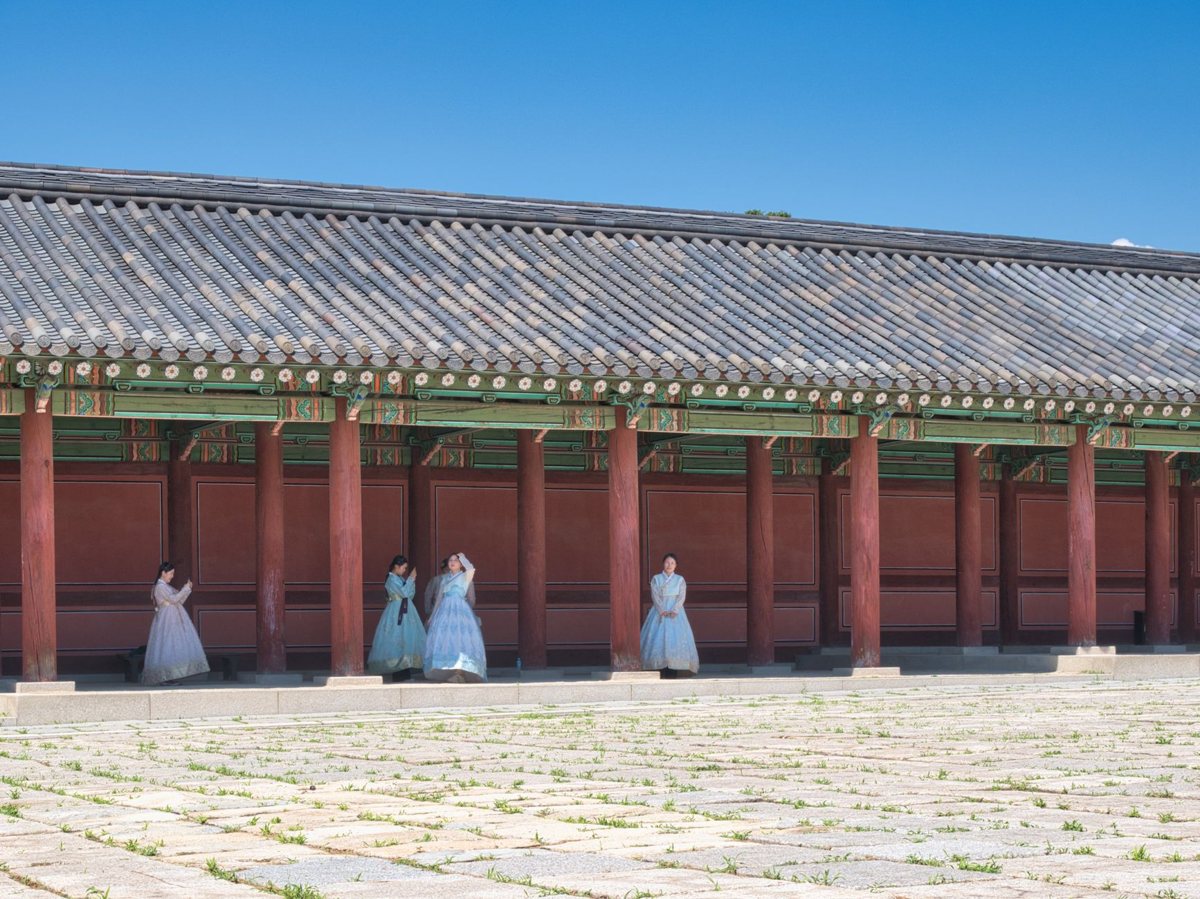
Renting a traditional hanbok (Korean dress) and exploring Seoul’s palaces is more than a tourist photo op — it’s a time-travel experience. When you’re dressed in flowing silk robes and ornate headpieces, palace guards bow to you, fellow visitors ask for photos, and you receive free admission to Gyeongbokgung, Changdeokgung, and other royal palaces.
Where: Hanbok rental shops cluster around Gyeongbokgung and Bukchon Hanok Village. Rentals start from ₩15,000-25,000 for 2-4 hours. Premium studios offer professional photography packages with hair styling and accessories. For where to rent and how the free-palace-entry perk works, our Insadong guide and Bukchon guide cover the two best rental clusters.
Pro tip: Go early morning (before 10am) when palaces are less crowded and the light is golden. Spring cherry blossom and autumn foliage seasons create the most stunning backdrops.
2. Temple Stay Experience
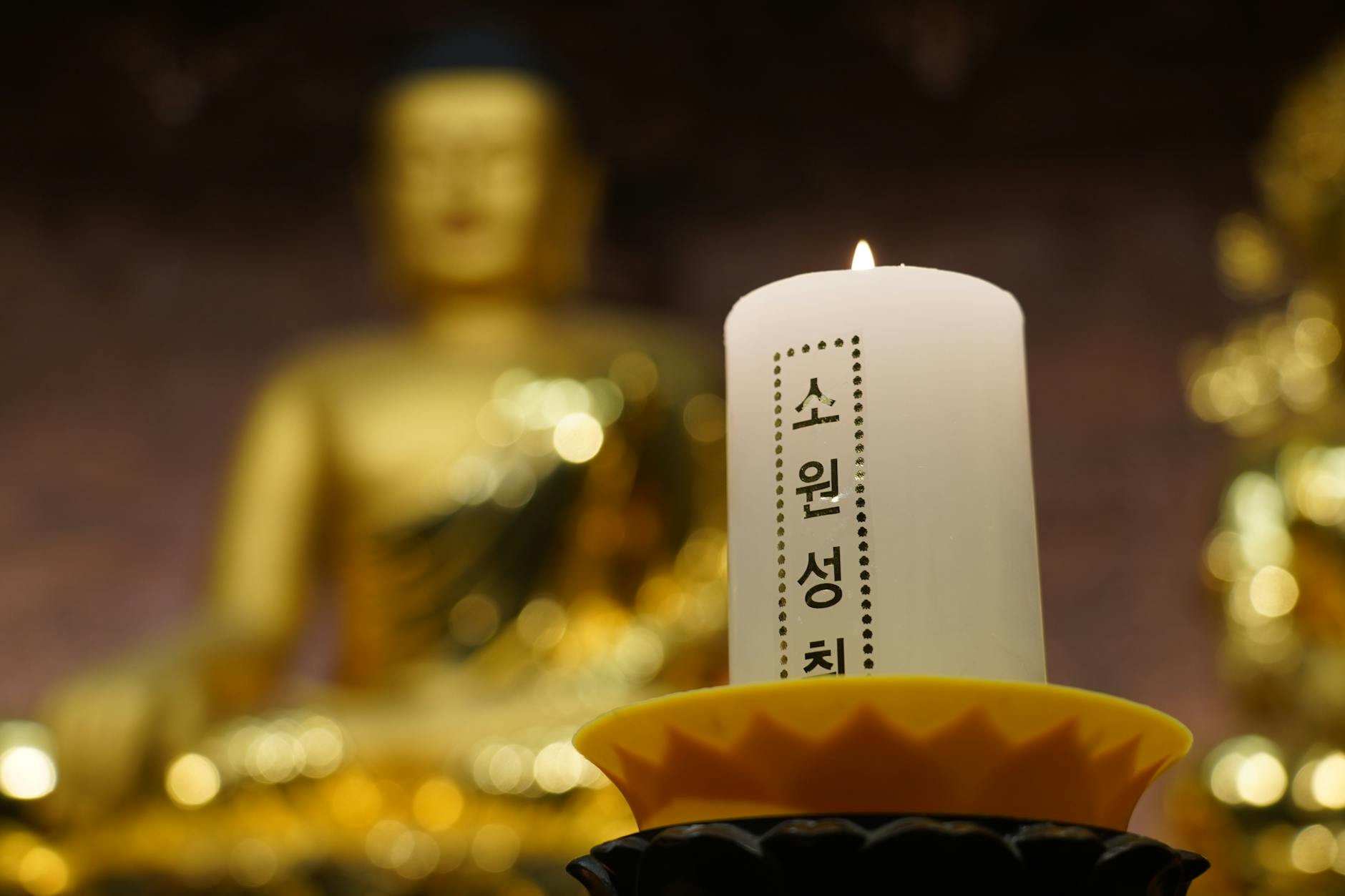
Spending a night at a Buddhist temple is one of Korea’s most profound cultural experiences. You’ll follow the monks’ daily routine — waking at 3am for morning chanting, practicing seated meditation (참선), eating temple food in mindful silence, and participating in a tea ceremony. It’s a complete digital detox and spiritual reset. Don’t expect luxury — you’ll sleep on a thin mat and rise before dawn — but the pre-sunrise chanting in a mountain hall is the kind of quiet that stays with you long after you’re home.
Where: Jogyesa Temple and Bongeunsa in central Seoul offer day programs. For overnight stays, Geumsunsa and temples in nearby mountains offer the full experience. Book through the official Templestay.com website. Costs range from ₩50,000-80,000 including meals and accommodation.
3. Hands-On Kimchi Making Class
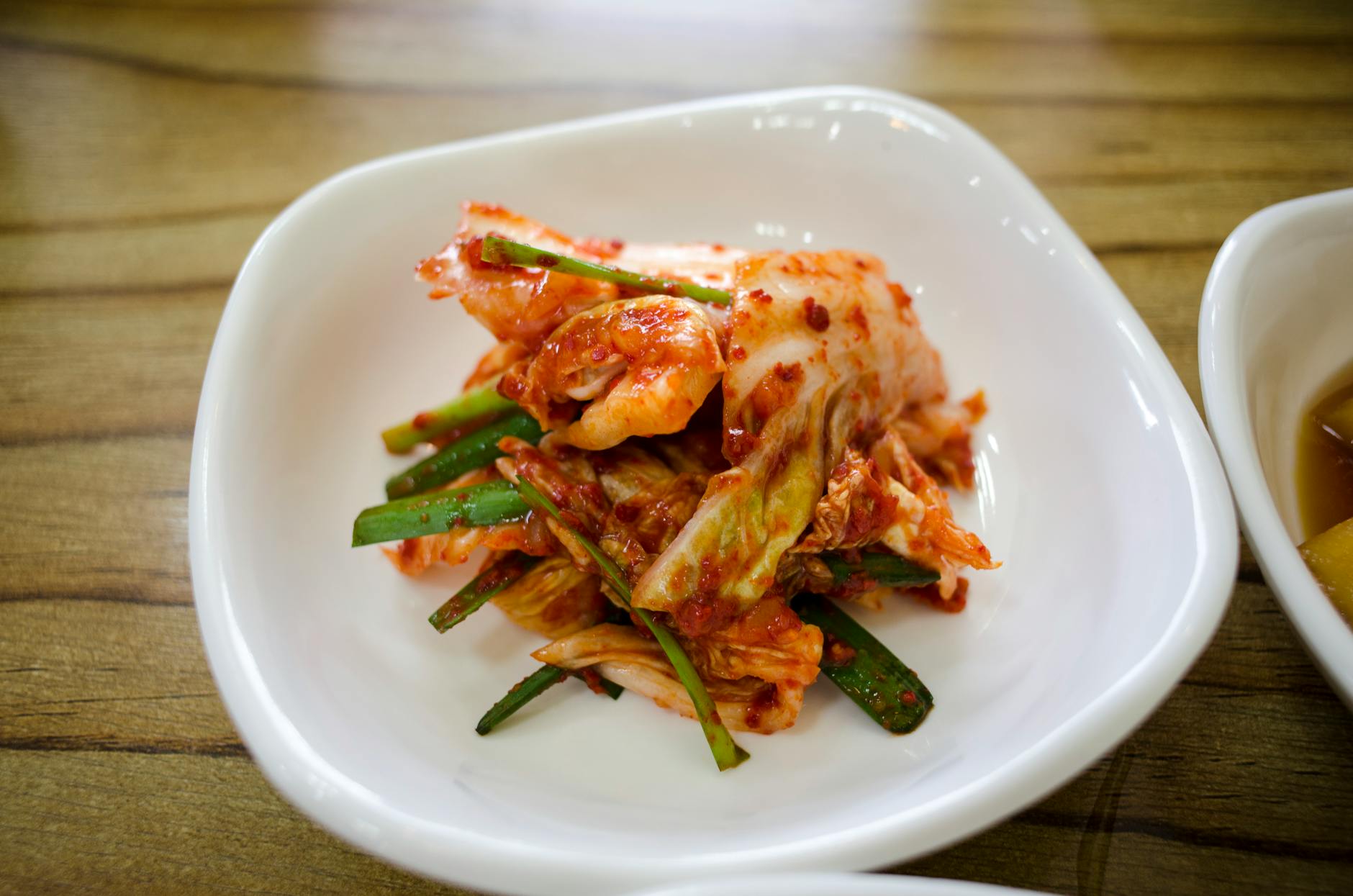
Learning to make Korea’s national dish from scratch is a sensory, social, and deeply satisfying experience. Classes typically include a market tour to select fresh ingredients, hands-on preparation of several kimchi varieties, and a full Korean meal featuring your creations. You’ll leave with jars of your own kimchi and a skill you’ll use forever.
Where: The Seoul Kimchi Academy near Jongno offers classes in English. Cooking studios in Insadong and Hongdae also run classes. Expect to pay ₩40,000-70,000 per person. Many classes also include other Korean dishes like bibimbap, Korean BBQ marinades, or tteokbokki. If you’d rather taste than cook, our Seoul food tours guide covers guided market crawls that end in a similar spread.
4. Soju and Makgeolli Tasting Tour
Korea’s drinking culture is legendary, and a guided tasting tour reveals the sophistication behind what many tourists dismiss as “cheap rice wine.” Craft soju distilleries have exploded in Seoul, producing small-batch varieties that rival fine spirits. Makgeolli (unfiltered rice wine) bars in Jongno serve traditional brews paired with Korean pancakes.
Where: The Ikseon-dong and Jongno neighborhoods have excellent makgeolli bars. For craft soju, try distillery tours in Gangnam or Yongsan. Group tours run ₩50,000-80,000 including multiple tastings and food pairings. See our nightlife guide for more recommendations. To understand what you’re sipping — from craft soju to nutty makgeolli and herbal bokbunja — read our Korean alcohol guide first.
Quintessential Korean Entertainment
5. Noraebang (Korean Karaoke)
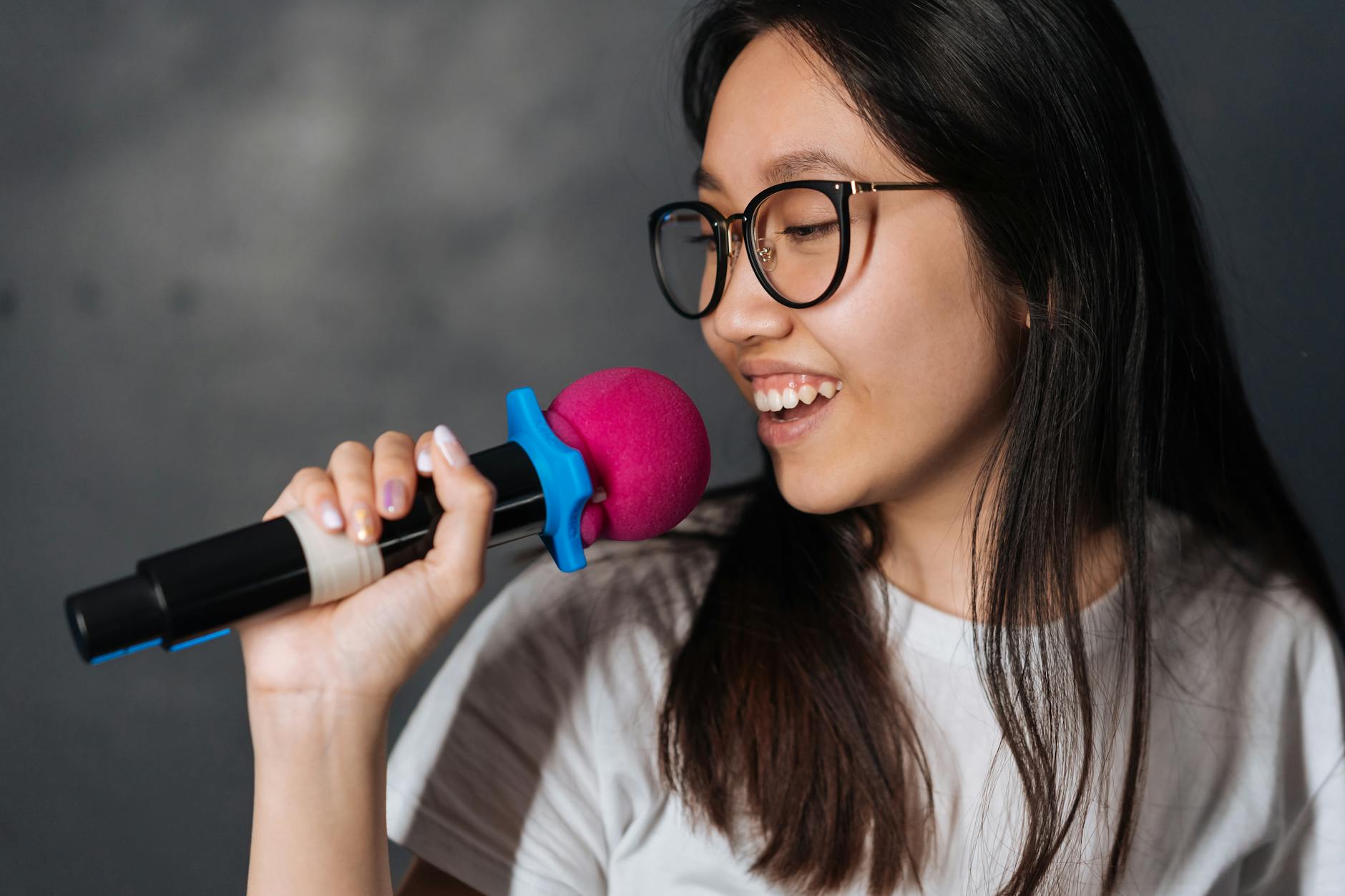
Forget awkward stage karaoke in front of strangers — Korean noraebang gives you a private room with friends, a massive song catalogue (including English hits), disco lights, tambourines, and optional costumes. It’s the quintessential Korean social experience, beloved by everyone from teenagers to business executives.
Where: Noraebang rooms are everywhere — literally every neighborhood has multiple options. Su Noraebang in Hongdae is famous for its coin-operated rooms (₩500 per song). Luxury noraebangs in Gangnam offer premium sound systems and room service. Expect ₩15,000-30,000 per hour for a standard room. For the full lowdown on song selection, coin rooms, and etiquette, see our Seoul karaoke guide.
6. PC Bang (Korean Gaming Café)
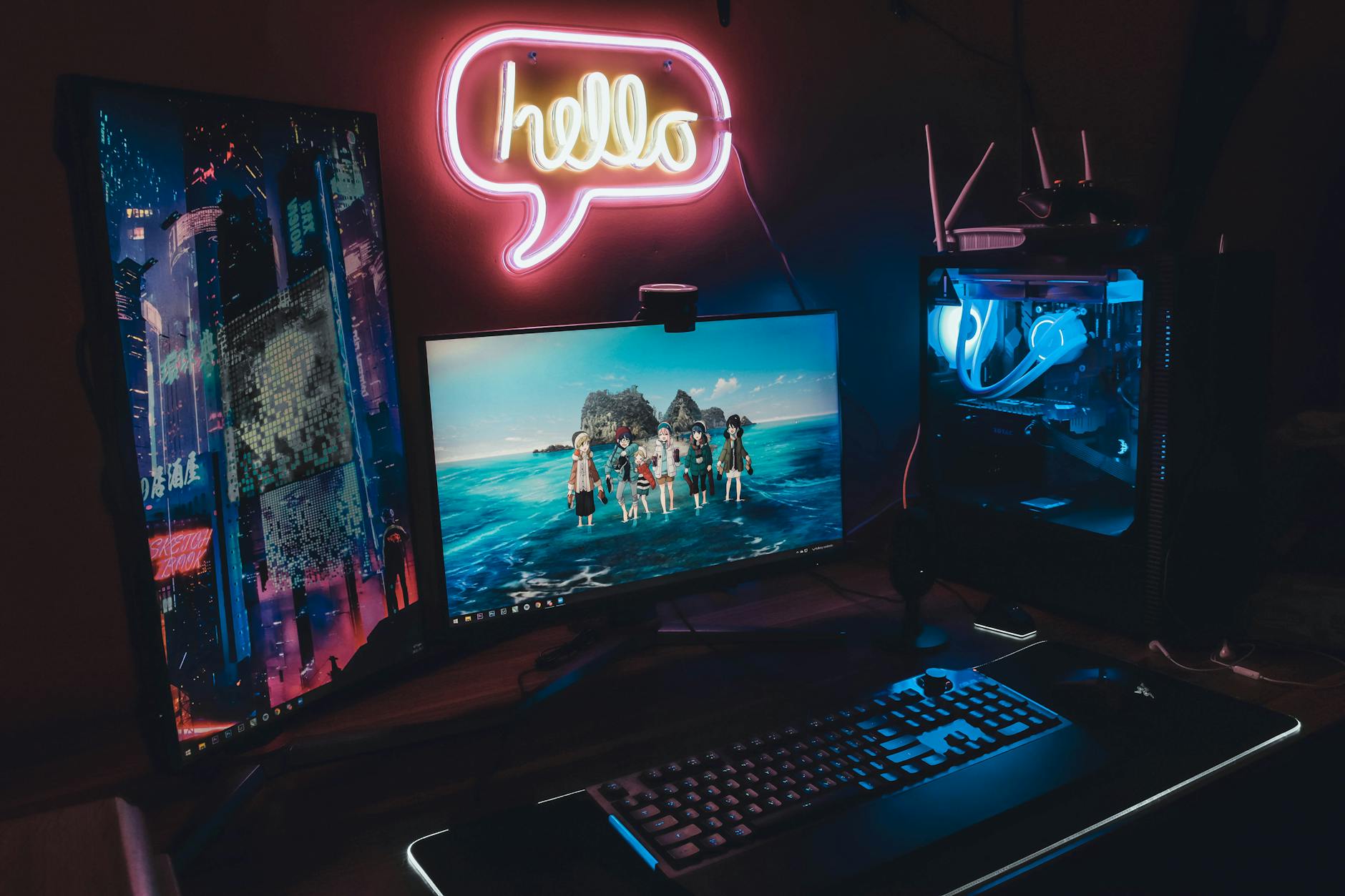
South Korea is the birthplace of esports, and PC bangs (gaming cafés) are a cultural institution. Walk into any of Seoul’s thousands of PC bangs and you’ll find rows of high-end gaming rigs, comfortable chairs, and gamers intensely focused on League of Legends, Overwatch, or StarCraft. It’s a fascinating window into Korean youth culture.
Where: PC bangs are everywhere. Premium chains like Lezhin PC and GG PC offer top-tier equipment. Rates are incredibly affordable — typically ₩1,000-1,500 per hour. Most offer instant ramen, snacks, and drinks. No gaming experience required — it’s worth visiting just for the atmosphere. Order from the seat-side touchscreen while you’re there — the egg-topped fried rice (bokkeumbap) that PC bangs are weirdly famous for is a cheap, delicious rite of passage.
7. K-Pop Dance Class
Learn the choreography to your favorite K-pop hits from professional dancers who’ve worked with actual K-pop groups. Studios in Hongdae and Gangnam offer drop-in classes for all skill levels, and the energy is infectious — you’ll be sweating and laughing within minutes. It’s the ultimate active K-pop experience.
Where: 1MILLION Dance Studio and Def Dance Skool in Gangnam are famous. Classes run ₩20,000-40,000 and last 60-90 minutes. Some studios offer filming so you can take home a video of your performance.
Wellness and Relaxation
8. Jjimjilbang (Korean Spa) Overnight
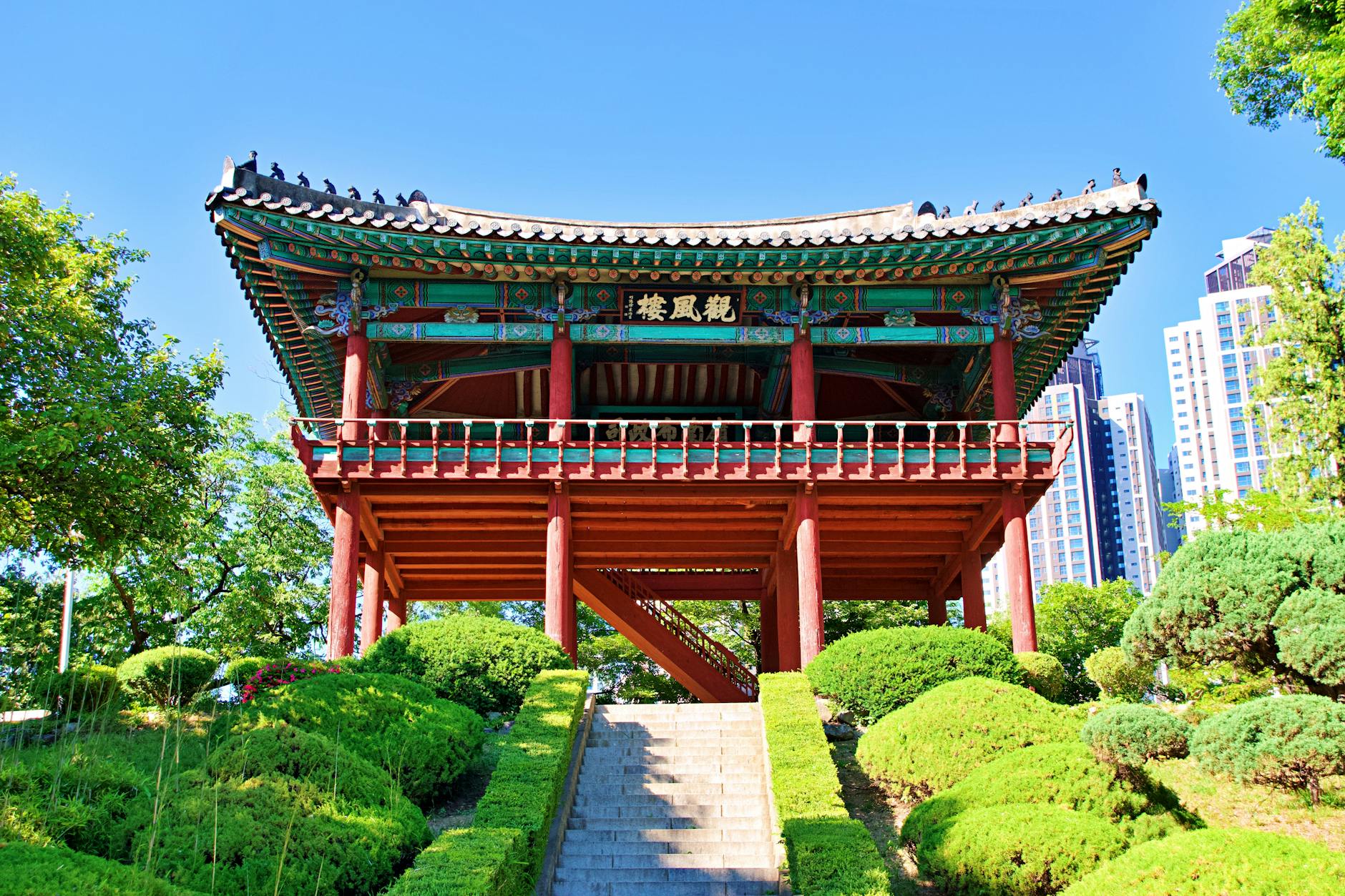
A jjimjilbang is far more than a spa — it’s a Korean cultural institution. These 24-hour facilities combine traditional hot baths, themed sauna rooms (salt, charcoal, jade, ice), common areas for socializing, and sleeping spaces. Koreans come to relax, nap, eat, watch TV, and spend hours with friends. For tourists, it’s both a wellness experience and anthropological adventure. Check our Seoul wellness and spa guide for detailed recommendations.
Where: Dragon Hill Spa in Yongsan is the most famous tourist-friendly jjimjilbang. Siloam Sauna near Seoul Station is a local favorite. Admission is ₩12,000-20,000 for unlimited time including overnight stays. Bring your own or rent towels and the iconic sheep-head towel hat. First-timers should know the bathing areas are gender-separated and fully nude, while the shared sauna floors are mixed and require the issued cotton uniform — it feels strange for about five minutes, then completely normal.
9. Korean Skincare Experience
Korea is the global capital of skincare innovation, and getting a professional Korean facial is like experiencing the future of beauty. Multi-step treatments using cutting-edge products, LED therapy, micro-current toning, and techniques you’ve never encountered elsewhere make this a truly unique Seoul experience — regardless of gender.
Where: Sulwhasoo Flagship Store in Gangnam offers luxury treatments using traditional herbal ingredients. Amore Pacific’s spa combines K-beauty innovation with relaxation. Budget-friendly facials at Myeongdong skin clinics start from ₩30,000, while premium treatments range from ₩100,000-300,000. Stock up on the products afterward with our K-beauty shopping guide, which decodes the ingredients behind the ten-step routine.
Off-the-Beaten-Path Adventures
10. Explore Yongma Land (Abandoned Theme Park)
This retro theme park from the 1980s crumbled into financial ruin and now sits as a hauntingly photogenic urban exploration site. Rusting carousel horses, overgrown bumper cars, and decaying rides create an atmosphere that’s equal parts eerie and beautiful. It’s become a popular filming location for K-dramas and music videos.
Where: Yongma Land is in Jungnang-gu, about 30 minutes from central Seoul by subway. Admission is ₩5,000. Go during golden hour for the best photography. Weekdays are less crowded than weekends. The rides’ lights are sometimes switched on for a small extra fee if you ask the caretaker — worth it for the nostalgic carousel glow after dusk.
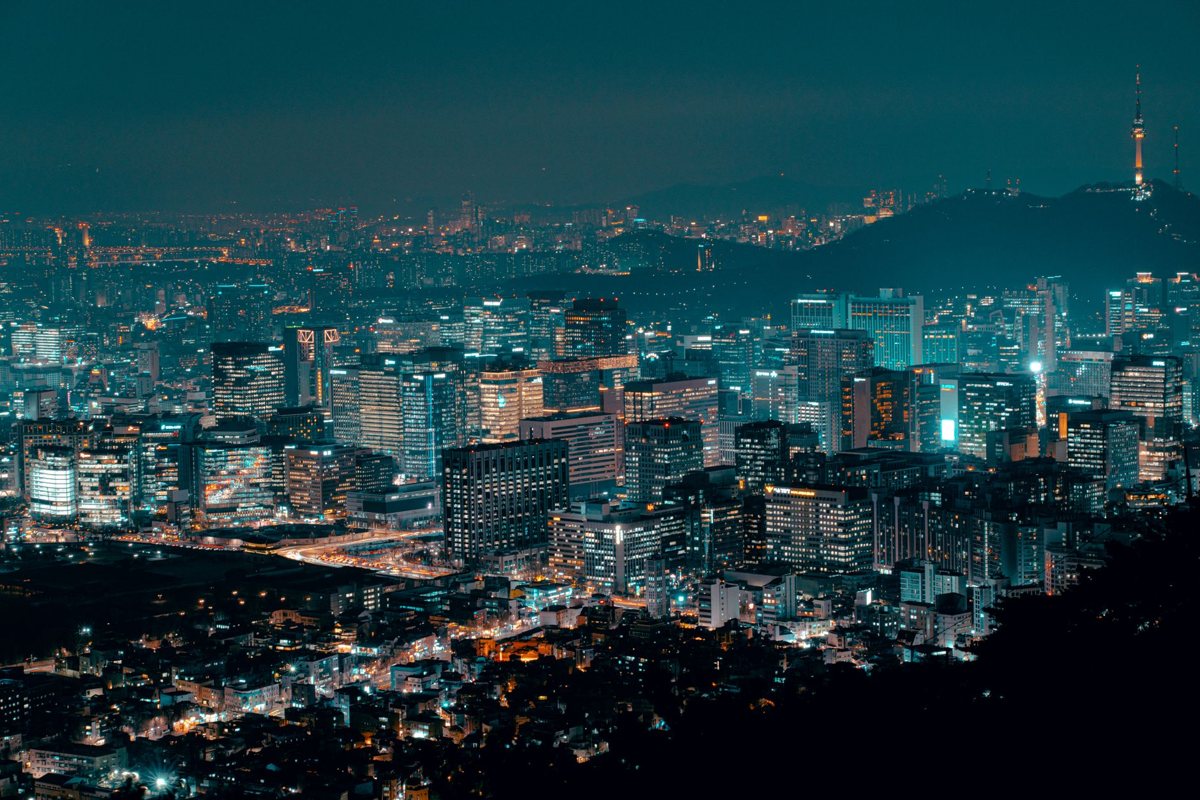
11. Seoul Folk Flea Market
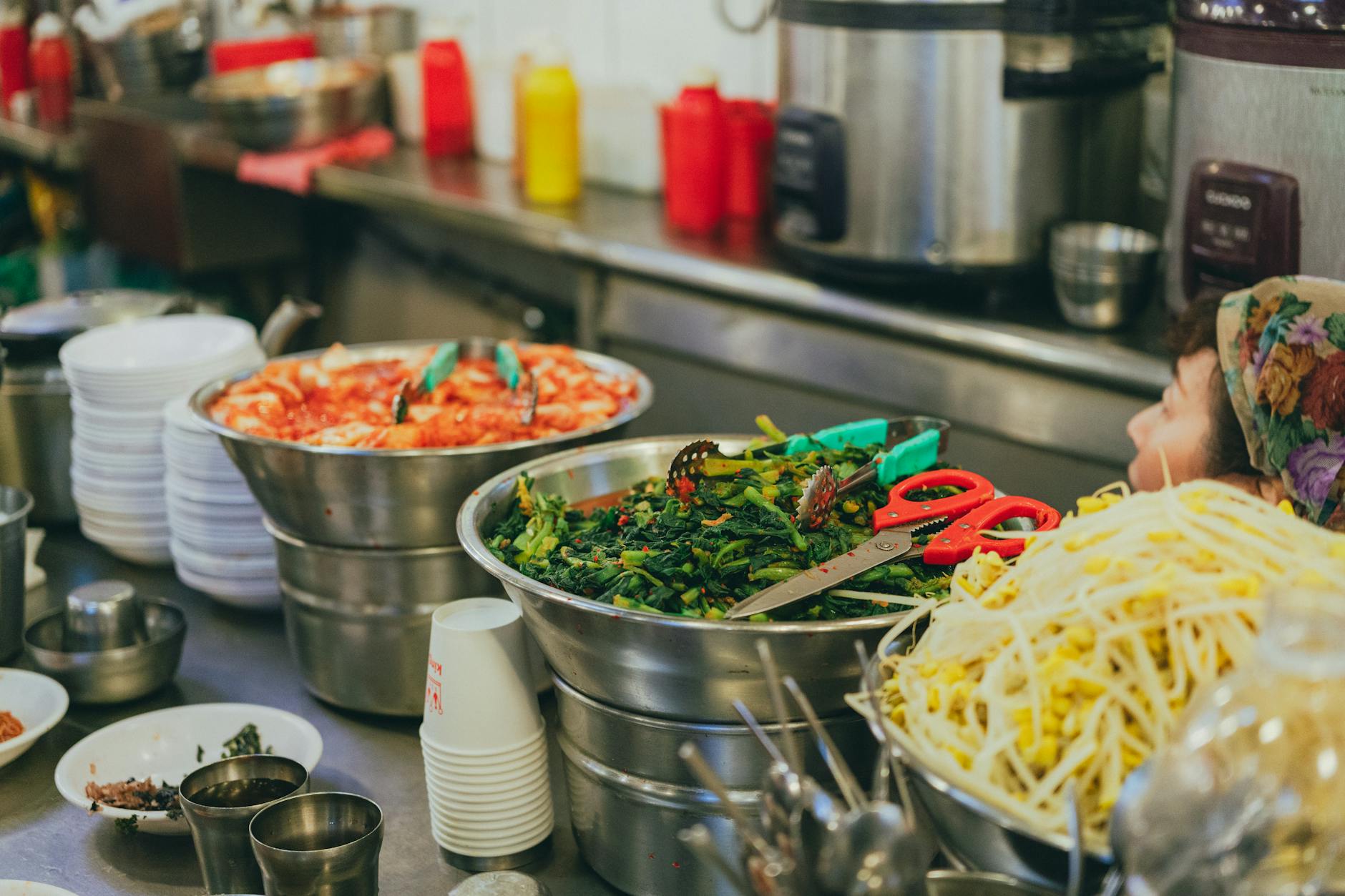
Near Sinseol-dong Station, this sprawling flea market is a treasure hunt through decades of Korean history. Vintage electronics, military surplus, antique furniture, retro toys, old Korean movie posters, and inexplicable curiosities fill stall after stall. It’s chaotic, fascinating, and completely different from Seoul’s polished shopping districts.
Where: Seoul Folk Flea Market, near Sinseol-dong Station (Lines 1 & 2). Open daily but most vibrant on weekends. Bargaining is expected and part of the experience. Hunt for vintage vinyl, old film cameras, retro Korean enamelware, and 1988-Olympics memorabilia — the kind of souvenirs no gift shop sells.
12. Ihwa Mural Village Art Walk
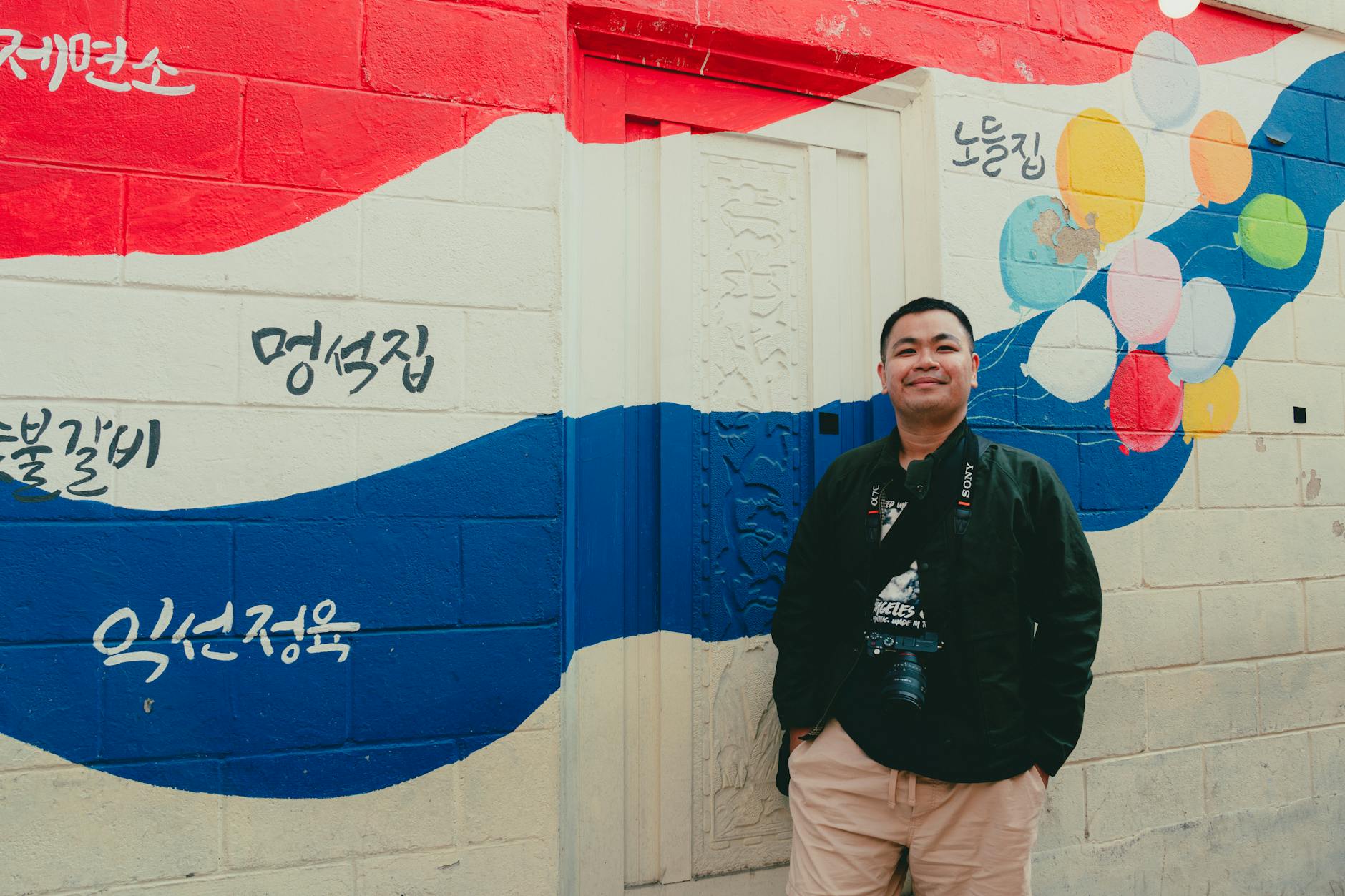
This hillside neighborhood near Naksan Park was transformed by a public art project into a living gallery. Every wall, staircase, and alleyway features murals, sculptures, and installations. Unlike Bukchon’s refined beauty, Ihwa has a raw, creative energy — art students, photographers, and curious wanderers share narrow paths between colorful walls.
Where: Walk from Hyehwa Station (Line 4) uphill into the village. Allow 1-2 hours to explore. Combine with a visit to nearby Naksan Park for panoramic city views. This is a free activity — just be respectful of residents.
13. Underground Shopping at Goto Mall
Seoul’s massive underground shopping corridors are a uniquely Korean phenomenon. Goto Mall (also called the Express Bus Terminal Underground Shopping Center) stretches nearly a kilometer underground with over 600 shops selling fashion, accessories, flowers, and food at local prices. It’s an Alice-in-Wonderland experience where you enter a subway station and emerge in a labyrinthine shopping city.
Where: Express Bus Terminal Station (Lines 3, 7, 9). The connected Flowers Market section is particularly beautiful and aromatic. Visit our shopping guide for more unique retail experiences. Come for cheap women’s fashion and quirky homeware, bring cash for the best prices, and don’t miss the wall of fresh-flower shops near the Line 3 end.
Creative and Trendy Experiences
14. Korean Photo Studio Experience
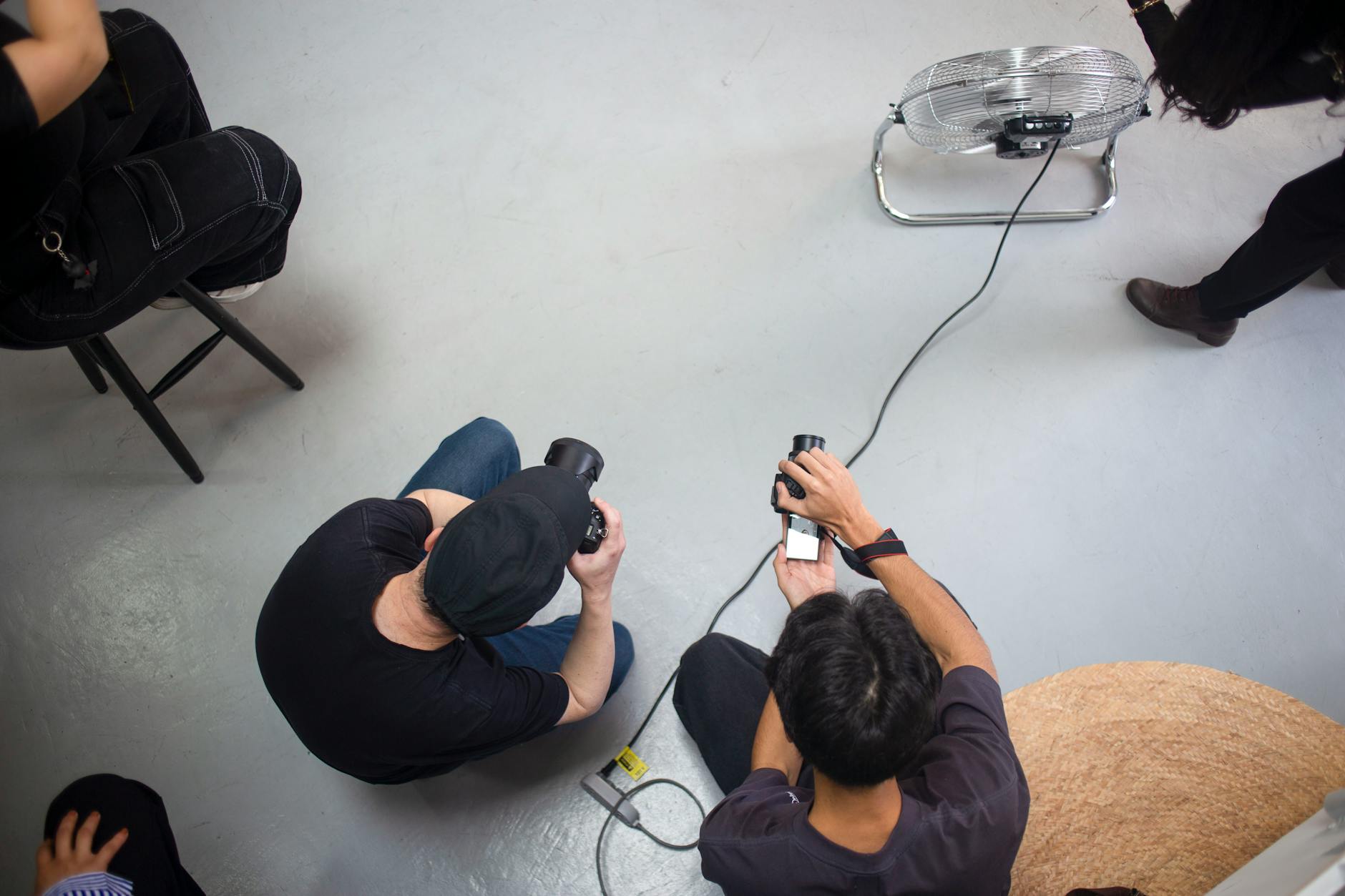
Korea’s photo culture goes far beyond selfies. Self-photo studios (셀프사진관) let you take professional-quality portraits in themed sets with studio lighting. Four-cut photo booths (인생네컷, “life four cuts”) are ubiquitous and addictive — drop in ₩4,000, strike four poses, and walk out with printed photo strips decorated with stickers and filters. It’s the ultimate Korean souvenir.
Where: Life4Cuts and Photoism booths are in every major shopping district. Professional self-studios cluster in Hongdae and Seongsu-dong. Costs range from ₩4,000 for booths to ₩30,000-50,000 for studio sessions. Bring a friend or two — the four-cut booths are built for group poses, and the printed strip is the cheapest, most Korean souvenir going.
15. Seongsu-dong Industrial Café Hopping
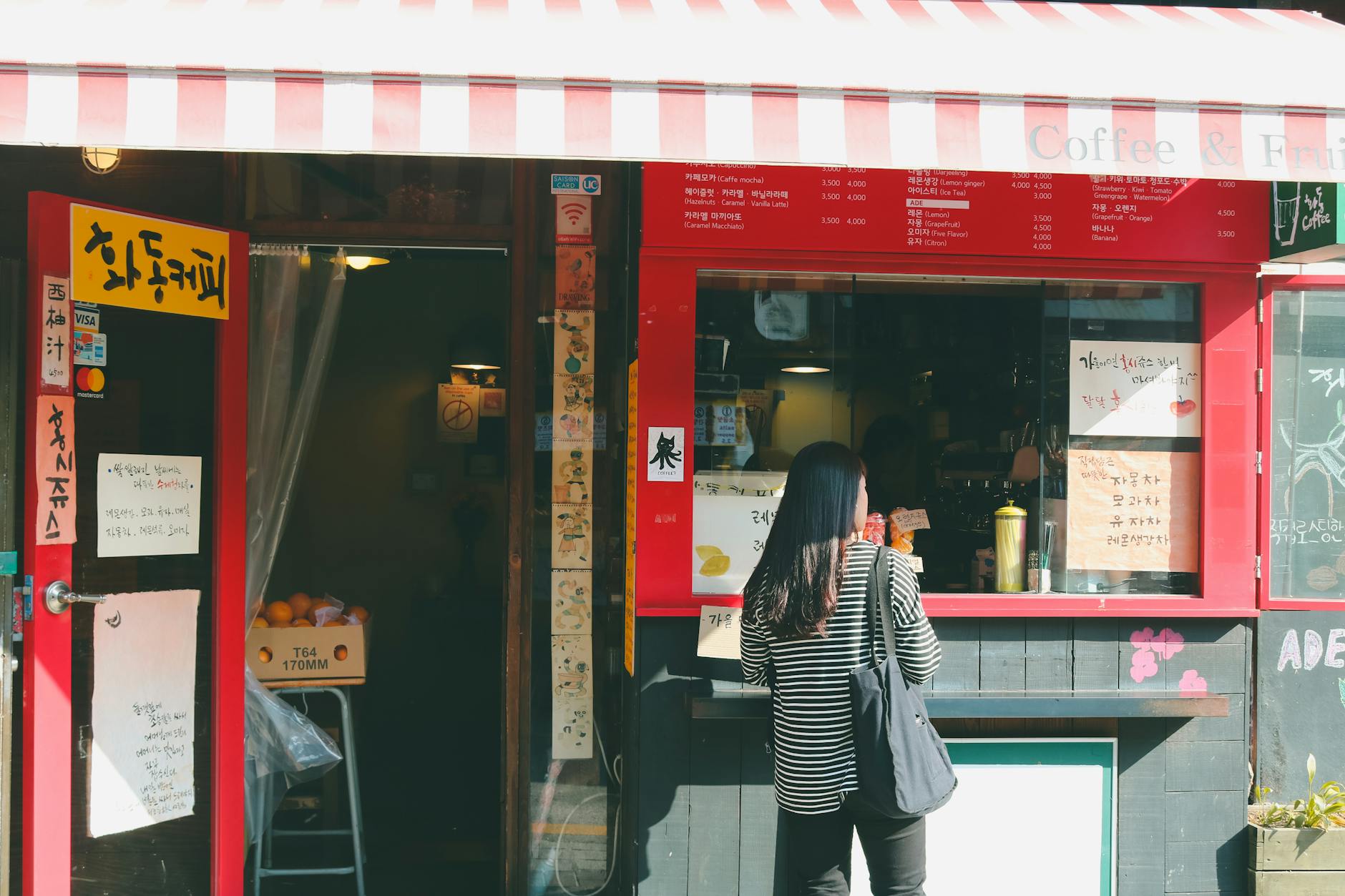
Seoul’s “Brooklyn” has transformed former shoe factories and warehouses into some of the world’s most creative café spaces. Each café is a design statement — concrete floors meet tropical plants, minimalist furniture sits in soaring industrial spaces, and the coffee is world-class. Seongsu-dong is where Seoul’s creative class hangs out, and café hopping here feels like visiting a series of art installations. See our Seoul café guide for the best spots. The whole neighborhood is worth a half-day — our Seongsu-dong guide maps the concept stores and pop-ups between the cafés.
16. Themed Café Experience
Seoul takes themed cafés to an absurd and wonderful extreme. Visit a café where you drink coffee in complete darkness. Pet raccoons at an animal café. Play vintage arcade games while sipping lattes. Read manga in a floor-to-ceiling comic book library. Seoul’s themed café scene is endlessly creative and unlike anything you’ll find elsewhere.
Notable options: Café Onion (industrial heritage café in a renovated factory), Thanks Books (literary café), Line Friends Store Café (character café), and various animal cafés in Hongdae and Myeongdong. Most drinks cost ₩5,000-8,000. A gentle note on the animal cafés: welfare standards vary widely, so favor the well-reviewed cat and dog spots over exotic-animal venues, and skip anywhere the animals look stressed.
Food Adventures Beyond Restaurants
17. Late-Night Pojangmacha (Street Tent Bar)
The orange-tented street bars (pojangmacha) are iconic in Korean dramas and real life. Squeeze into a tiny plastic chair under a tent, order soju and anju (drinking snacks like tteokbokki, odeng, or blood sausage), and join the convivial atmosphere of Koreans eating, drinking, and laughing until late into the night. It’s raw, authentic, and unforgettable.
Where: Euljiro and Jongno have the most atmospheric pojangmacha clusters. Prices are very affordable — a full meal with soju runs ₩15,000-25,000 per person. Learn more about Seoul’s amazing food scene in our Seoul food guide, and for where the tents stay open latest, see our late-night food guide.
18. Dawn Market Visit at Noryangjin Fish Market
Arriving at Korea’s largest fish market as the pre-dawn auction begins is a sensory overload of fresh seafood, shouting vendors, and organized chaos. Buy live seafood from the market floor and take it upstairs to a restaurant that will prepare it for you on the spot — sashimi, grilled, or in a stew. Eating seafood that was swimming 10 minutes ago is a uniquely visceral dining experience.
Where: Noryangjin Fisheries Wholesale Market, near Noryangjin Station (Lines 1 & 9). The old market has more character; the new building is cleaner. Arrive before 6am for the auction atmosphere. Budget ₩30,000-50,000 for a seafood feast. Prices are per-weight and negotiable, so agree the number before it’s bagged, then take your haul to a second-floor restaurant that charges a small fee to cook it however you like.
Unique Day Trips from Seoul
19. DMZ and JSA Tour
Standing at the most heavily militarized border in the world, looking into North Korea from the Joint Security Area (JSA) at Panmunjom, is a surreal and moving experience unlike anything else in travel. Tours include North Korean infiltration tunnels, the Dora Observatory, and the surreal blue conference buildings straddling the border line.
How: JSA tours must be booked in advance through authorized operators. Full-day tours including the DMZ and JSA cost ₩80,000-130,000 and depart from central Seoul. Book at least 2-3 weeks ahead — passport information is required for military clearance. Note that JSA (Panmunjom) access opens and closes with inter-Korean relations, so confirm current availability when you book; standard DMZ tours to the Third Infiltration Tunnel, Dora Observatory, and Imjingak run year-round regardless.
20. Overnight at a Traditional Hanok Guesthouse
Sleeping on a heated ondol floor in a 100-year-old traditional Korean house is a unique accommodation experience that connects you to Korean heritage in a way no hotel can. Hanok guesthouses in Bukchon and Jeonju offer beautifully restored rooms with modern amenities, traditional breakfasts, and the experience of living in a piece of history.
Where: Bukchon and Seochon neighborhoods have numerous hanok stays. Book through platforms like Kozaza or Airbnb. Prices range from ₩60,000-200,000 per night. For the full accommodation picture, visit our where to stay guide, and our dedicated hanok stays guide lists the best-restored courtyards and what a night on the ondol floor is really like.
More Unique Experiences in Seoul Worth Adding
Once you’ve worked through the twenty above, here are seven more only-in-Seoul experiences that reward the curious traveler.
21. Cheer at a Korean Baseball Game
A KBO League game at Jamsil Stadium is less a sport than a nonstop party: every player has a chant, cheerleaders lead the stands, and fans bang thundersticks while eating fried chicken and drinking beer they carried in themselves. Tickets start around ₩12,000, and the atmosphere is friendlier and rowdier than almost any ballpark on earth. Even non-fans leave converts.
22. Have Your Fortune Read at a Saju Café
Koreans take fortune-telling seriously, and saju (four-pillars destiny reading) and tarot cafés dot Hongdae, Apgujeong, and Insadong. Over a coffee, a reader interprets your birth date and hour to forecast love, career, and the year ahead. Many now offer English-speaking or app-assisted readings for around ₩10,000-30,000 — a genuinely local window into Korean culture.
23. Dive Into ‘Bang’ Culture: Escape Rooms & Board-Game Cafés
Korea’s “bang” (room) culture goes far beyond noraebang. Escape-room cafés with elaborate sets, board-game cafés stocked with hundreds of titles, and cozy manhwa (comic) rooms where you read for hours over ramyeon are all part of a proper Seoul night out. They cluster in Hongdae and Gangnam; expect ₩10,000-20,000 per person.
24. Ride a Han River Night Ferry
Seeing Seoul’s skyline and illuminated bridges from the water is one of the city’s most romantic experiences. Evening cruises from Yeouido or Ttukseom pass the Banpo Bridge rainbow fountain and glittering riverside towers, and some run live-music or fireworks sailings. From ₩15,000 — more waterfront ideas are in our Han River activities guide.
25. Walk the Seoul City Wall After Dark
The 600-year-old fortress wall that once ringed the capital is floodlit at night, and the Naksan and Inwangsan sections deliver the city’s best free panoramas without the N Seoul Tower crowds. The gentle Naksan stretch from Hyehwa takes about an hour and pairs perfectly with the Ihwa murals; find route notes in our Seoul outdoor and nature guide.
26. See a Non-Verbal Show like Nanta
Korea’s globally-touring non-verbal performances — the kitchen-percussion comedy Nanta and the paint-and-illusion Painters: Hero — need no Korean and delight all ages. Purpose-built theaters in Myeongdong and Hongdae run daily shows for roughly ₩40,000-60,000, making a fun, rain-proof evening.
27. Go Deep on K-Pop Fandom
Beyond a dance class, superfans can tour agency neighborhoods, hunt idol-endorsed cafés, browse album-packed shops in Myeongdong and Hongdae, and photograph filming spots across the city. Our K-pop and Korean culture guide and K-pop filming locations guide map the ultimate fan day.
Fitting Unique Experiences Into Your Seoul Trip
You can’t do everything on one trip, so match experiences to your time and the season. Rainy afternoons are perfect for a jjimjilbang, PC bang, escape room, or themed café; golden-hour evenings suit Yongma Land, the City Wall, and a Han River ferry. Book the time-sensitive ones — temple stays, DMZ tours, and popular cooking classes — a couple of weeks ahead, since spots fill fast.
Slot two or three of these into a wider plan using our 3-day Seoul itinerary or the more relaxed 5-day itinerary, and if the temple stay or hanok night appeals, our hanok stays guide covers where to sleep in heritage style.
Unique Experiences by Season
Timing changes what’s on offer. In spring, a hanbok photoshoot among Yeouido’s cherry blossoms is unbeatable; summer belongs to Han River ferries, night markets, and ice-cold patbingsu; autumn frames the City Wall and temple stays in red-and-gold foliage; and winter is peak jjimjilbang-and-noraebang weather, with roasted-chestnut carts and the occasional snow-dusted palace. Line your visit up with our best time to visit Seoul guide and see what’s on with our festivals and events guide.
Frequently Asked Questions
What is the most unique thing to do in Seoul?
A temple stay is arguably the most unique experience — nowhere else in the world offers the same combination of ancient Buddhist tradition, Korean cultural immersion, and personal transformation. For something lighter, the jjimjilbang overnight experience is quintessentially Korean and unforgettable.
Are these experiences available in English?
Most tourist-oriented experiences like cooking classes, temple stays, and guided tours offer English options. For more local experiences like pojangmacha or PC bangs, basic gestures and translation apps (see our travel apps guide) will get you through. The language barrier is part of the adventure.
How do I book these unique experiences?
Klook and Viator offer many bookable experiences with English descriptions and reviews. Temple stays should be booked through Templestay.com. For local experiences, the Visit Seoul app and your accommodation’s concierge can help arrange reservations.
What unique experiences in Seoul are good for a rainy day?
Plenty are fully indoors: soak in a jjimjilbang, belt out songs in a noraebang, lose track of time in a PC bang or board-game café, tour a themed café, or catch a non-verbal show like Nanta. See our Seoul rainy day activities guide for a full wet-weather plan.
Which unique experiences are best for couples?
A hanbok photoshoot, a Han River night ferry, a private noraebang room, a saju-café fortune reading, and a hanok-stay night all make memorable date experiences. Our Seoul couples itinerary strings the most romantic ones together.
How much should I budget for unique experiences in Seoul?
They span the spectrum — a four-cut photo booth or PC bang costs a few thousand won, while a DMZ tour, temple stay, or premium spa treatment runs ₩50,000-130,000. Budget one splurge experience and several cheap ones per day, and stretch it further with our Seoul on a budget guide.
Are unique experiences in Seoul family-friendly?
Many are great for kids — four-cut photo booths, a baseball game, themed and animal cafés, a jjimjilbang, and Nanta all work for families. Temple stays and DMZ tours suit older children and teens more than toddlers.
Do I need to speak Korean for these experiences?
No. The tourist-facing ones run in English, and for local spots a translation app and a smile go a long way. Point, gesture, and lean into it — the small language gap is part of what makes these stories worth telling.
What’s a good unique experience for solo travelers?
Solo travelers thrive here: a jjimjilbang, a temple stay, a saju-café reading, a PC bang, and a cooking class are all easy and welcoming on your own, while a baseball game or a Hongdae busking night is fun even without company. Seoul is one of Asia’s safest big cities for going it alone.
Seoul’s most memorable moments rarely happen at the famous landmarks — they happen in a steamy jjimjilbang at midnight, in a pojangmacha tent sharing soju with strangers, in a temple at 4am watching monks chant, or in a noraebang room belting out K-pop hits. These unique experiences are what transform a trip to Seoul from a vacation into a life-changing adventure. Plan your full itinerary with our comprehensive Seoul travel guide.