Many of Seoul’s best museums offer free admission, making them an excellent value for budget-conscious travelers. From the sprawling National Museum of Korea to intimate galleries tucked into the alleys of Bukchon Hanok Village, this guide covers every museum and gallery worth your time in Seoul.
National Museum of Korea — Asia’s Finest Free Museum

The National Museum of Korea in Yongsan is the country’s flagship museum and one of the largest in Asia, housing over 420,000 artifacts across six permanent galleries. Admission to all permanent exhibitions is completely free, making it one of the best-value cultural experiences in all of East Asia.
The museum’s collection spans from prehistoric stone tools and Bronze Age artifacts through the Three Kingdoms period, the Goryeo and Joseon dynasties, and into the modern era. Highlights include exquisite Goryeo celadon pottery, Buddhist sculptures, gold crowns from the Silla dynasty, and Joseon-era paintings and calligraphy.
What to See First
For first-time visitors, follow the chronological route through Prehistory & Ancient History → Buddhist Sculpture → Ceramics → Joseon Paintings. This focused path takes about 2–3 hours and covers the museum’s most impressive pieces. The Buddhist sculpture hall, with its serene stone and bronze statues, is particularly stunning.
Don’t miss the outdoor gardens and reflecting pond — they’re a peaceful spot to rest between galleries. The on-site Children’s Museum requires advance online reservations, so book ahead if you’re traveling with kids.
Visitor Essentials
- Admission: Free (permanent galleries); special exhibitions may charge ₩2,000–₩10,000
- Hours: Tuesday–Sunday, 10:00 AM–6:00 PM (Wednesday & Saturday until 9:00 PM)
- Closed: Mondays and January 1
- Getting there: Subway Line 4 or Gyeongui-Jungang Line to Ichon Station, Exit 2 (directly connected)
- Free English tours: Daily at 10:30 AM and 1:00 PM
- Time needed: 2–4 hours
War Memorial of Korea — A Moving Tribute to History
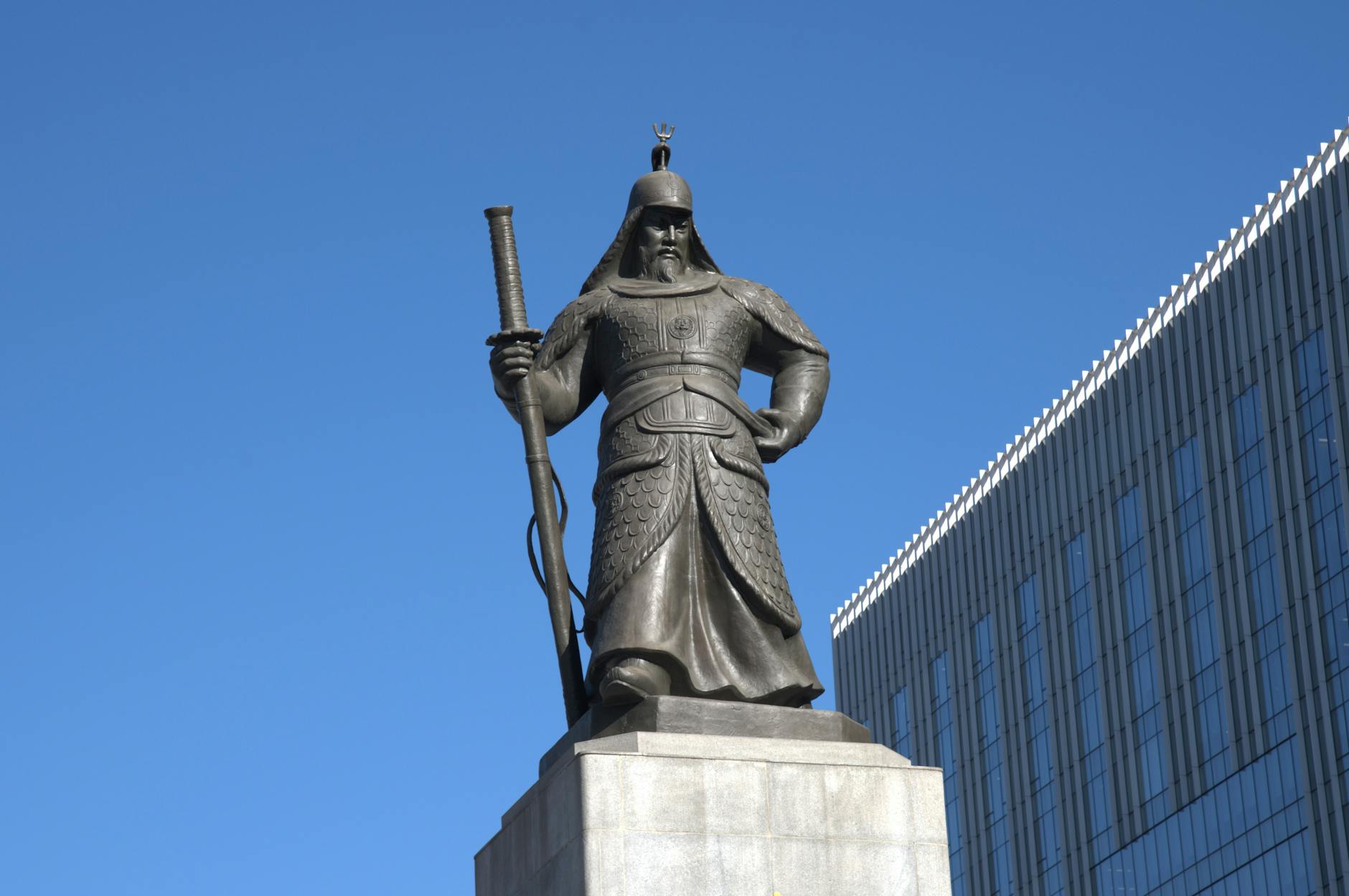
Also in Yongsan, the War Memorial of Korea is one of Seoul’s most powerful and educational museums. Established in 1994, it tells the story of Korea’s military history from ancient times through the Korean War and beyond. With approximately 33,000 artifacts and 10,000 items on permanent display across indoor and outdoor exhibitions, it’s far more than a simple war museum.
The indoor exhibitions span six halls covering different periods and conflicts. The Korean War Room is the emotional centerpiece, with detailed accounts of the 1950–1953 conflict, personal stories from soldiers and civilians, and sobering statistics. The combat experience room on the third floor uses special effects to simulate battlefield conditions — it’s intense but deeply educational.
Outside, you’ll find tanks, aircraft, naval vessels, and the iconic Statue of Brothers, which depicts a South Korean officer embracing his younger brother, a North Korean soldier, on the battlefield. The statue symbolizes the hope for Korean reunification and is one of Seoul’s most photographed monuments.
Visitor Essentials
- Admission: Free
- Hours: Tuesday–Sunday, 9:30 AM–6:00 PM
- Closed: Mondays
- Getting there: Subway Line 4 or Line 6 to Samgakji Station, Exit 12
- Free English tours: Daily at 10:00 AM and 2:00 PM
- Time needed: 2–3 hours
National Museum of Modern and Contemporary Art (MMCA Seoul)
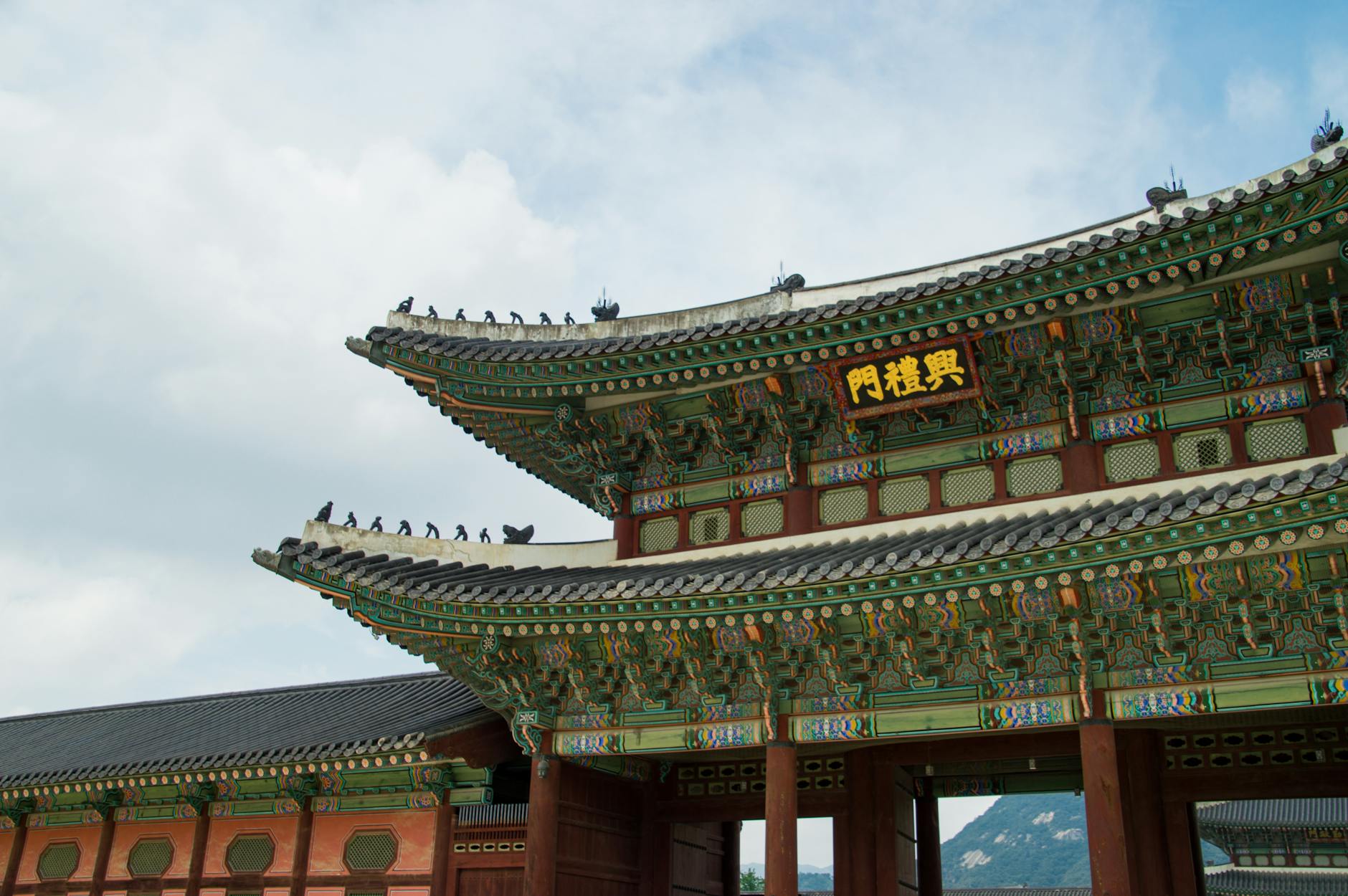
The MMCA Seoul branch opened in 2013 in the heart of Jongno-gu, right next to Gyeongbokgung Palace and the charming Bukchon neighborhood. It occupies a stunning building that blends modern architecture with the historic setting, and its mission is to bring Korea’s modern and contemporary art to a global audience.
The museum rotates exhibitions frequently, so there’s always something new to discover. Past exhibitions have featured major Korean artists alongside international names. The permanent collection offers a strong overview of Korean art movements from the early 20th century onward, while special exhibitions often push boundaries with video art, installations, and multimedia works.
MMCA operates three other branches: MMCA Gwacheon (a large complex south of Seoul, ideal for families), MMCA Deoksugung (specializing in modern Korean art, located in the Deoksu Palace complex), and MMCA Cheongju (a storage and conservation facility open to visitors). A combined ticket lets you visit multiple branches.
Visitor Essentials
- Admission: ₩4,000 adults (combined tickets available for multiple branches)
- Hours: Tuesday–Sunday, 10:00 AM–6:00 PM (Wednesday & Saturday until 9:00 PM)
- Closed: Mondays and January 1
- Getting there: Subway Line 3 to Anguk Station, Exit 1 (10-minute walk)
- Time needed: 1.5–3 hours
Leeum Museum of Art — Where Tradition Meets Contemporary
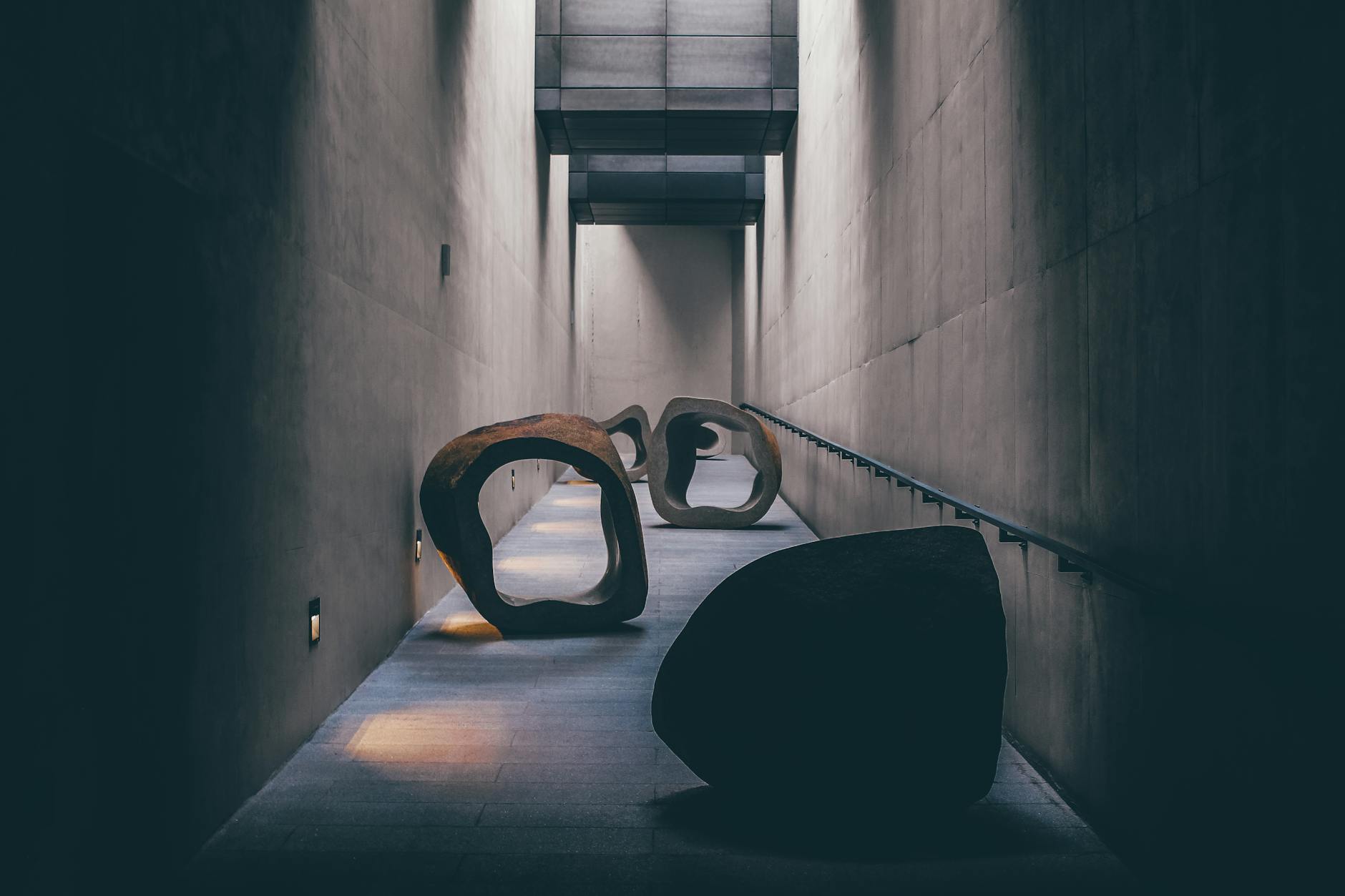
Run by the Samsung Foundation of Culture, the Leeum Museum of Art in Hannam-dong (Yongsan) is widely regarded as one of South Korea’s top private art museums. The building itself is a work of art — designed by three world-renowned architects: Mario Botta, Jean Nouvel, and Rem Koolhaas, each responsible for a different section.
Museum 1 (designed by Botta) houses traditional Korean art, including 36 pieces designated as national treasures. You’ll find exquisite Goryeo celadon, Joseon white porcelain, Buddhist paintings, royal gold crowns, earrings, and ornamental daggers dating back to the 14th century. Museum 2 (by Nouvel) showcases modern and contemporary art by both Korean and international artists, with permanent works by Damien Hirst, Andy Warhol, Mark Rothko, Yves Klein, and Donald Judd.
The juxtaposition of ancient Korean masterpieces and cutting-edge contemporary art in a single museum makes Leeum truly unique. Permanent exhibitions are free but require advance online reservation.
Visitor Essentials
- Admission: Permanent collection free (reservation required); special exhibitions ₩5,000–₩10,000
- Hours: Tuesday–Sunday, 10:30 AM–6:00 PM
- Closed: Mondays
- Getting there: Subway Line 6 to Hangangjin Station, Exit 1 (10-minute walk)
- Time needed: 1.5–2 hours
Seoul Museum of Art (SeMA) — The City’s Public Art Hub
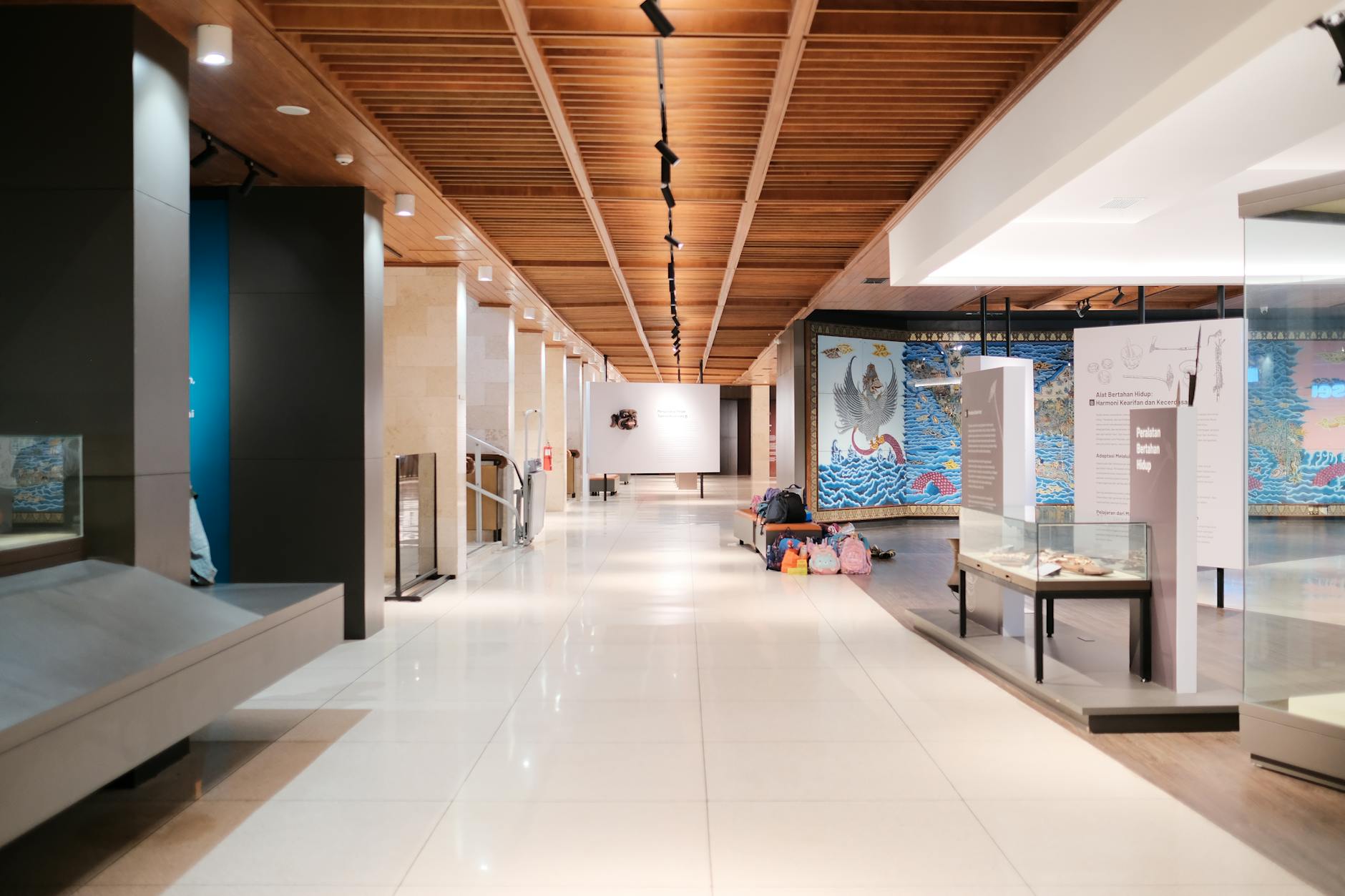
The Seoul Museum of Art (SeMA) is the city government’s flagship art museum, with its main branch located at Seosomun near Deoksugung Palace. SeMA focuses on contemporary and modern art with an emphasis on Korean artists, though international exhibitions rotate frequently.
What makes SeMA special is its accessibility — many exhibitions are free, and it’s located right in the heart of central Seoul. The building sits in a beautiful setting adjacent to Deoksugung Palace, making it easy to combine with a palace visit and a stroll along Deoksugung Stone Wall Road, one of Seoul’s most romantic walking paths.
SeMA also operates the Buk-Seoul Museum of Art in Nowon-gu, which is worth the trip for its experimental and new media exhibitions. Recent shows have featured sonic art, immersive installations, and cross-disciplinary works that push the boundaries of what museum experiences can be.
Visitor Essentials
- Admission: Free for most exhibitions
- Hours: Tuesday–Sunday, 10:00 AM–8:00 PM
- Closed: Mondays and January 1
- Getting there: Subway Line 1 or 2 to City Hall Station, Exit 1 (5-minute walk)
- Time needed: 1–2 hours
National Folk Museum of Korea — Understanding Korean Daily Life
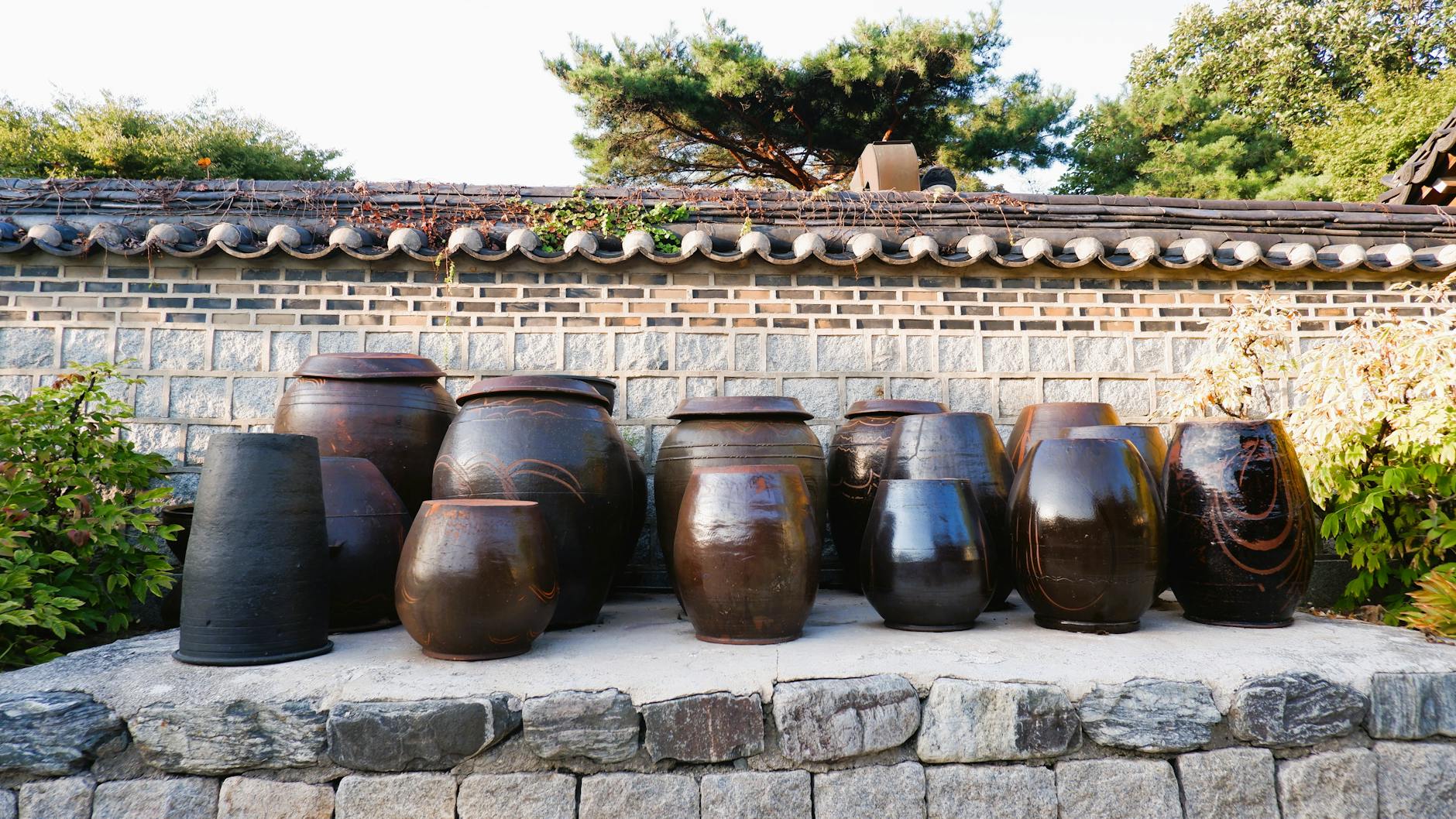
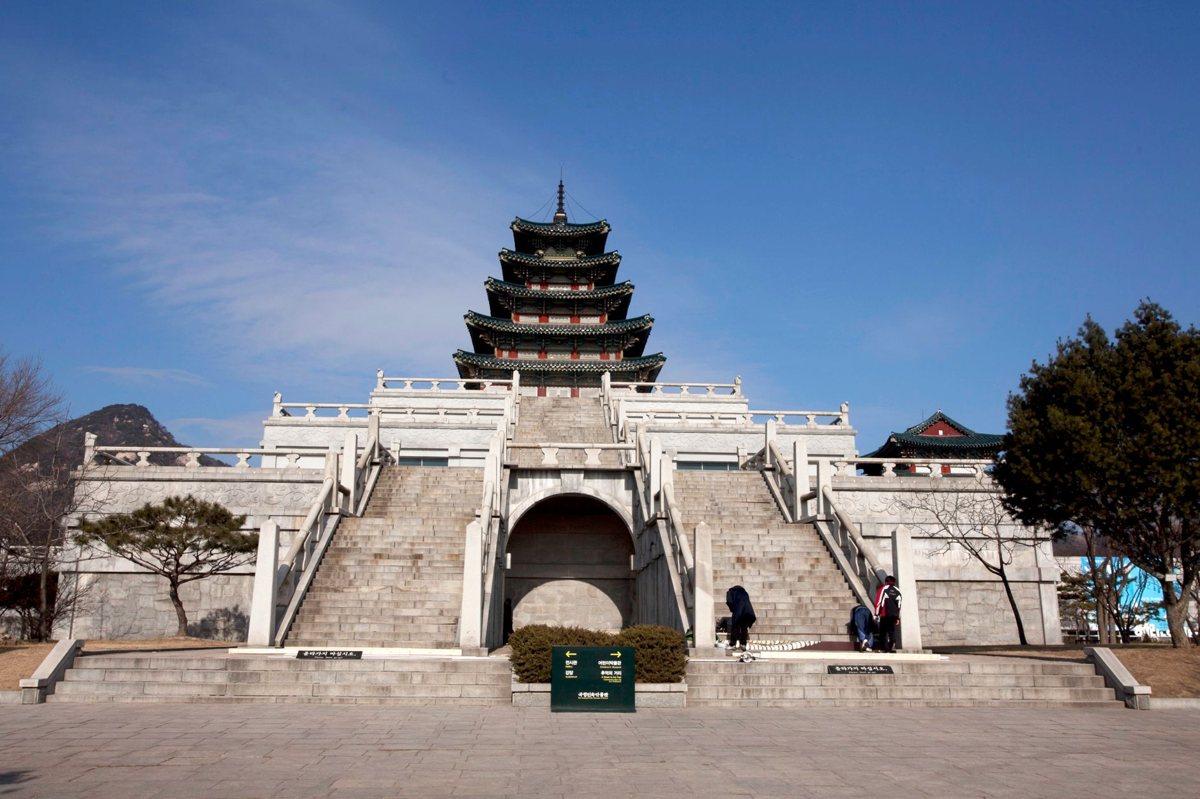
Located on the grounds of Gyeongbokgung Palace, the National Folk Museum of Korea brings Korean culture to life through three permanent exhibition halls showcasing traditional tools, clothing, furniture, food preparation methods, and seasonal customs. It’s the best place in Seoul to understand how ordinary Koreans lived across different historical periods.
The outdoor exhibition area is particularly charming, featuring a recreated traditional Korean village street with shops, houses, and a schoolroom from the 1960s and 70s. It’s a wonderful spot for photos and offers a nostalgic glimpse into Korea’s rapid modernization.
The museum also runs excellent hands-on programs where visitors can try traditional crafts, wear hanbok, and participate in seasonal cultural activities. Check the website for current program schedules, as many require advance registration.
Visitor Essentials
- Admission: Free (included with Gyeongbokgung Palace ticket if entering through the palace)
- Hours: Daily 9:00 AM–6:00 PM (extended hours in summer)
- Closed: Tuesdays and January 1
- Getting there: Subway Line 3 to Gyeongbokgung Station, Exit 5
- Time needed: 1–2 hours
National Palace Museum of Korea — Royal Joseon Splendor
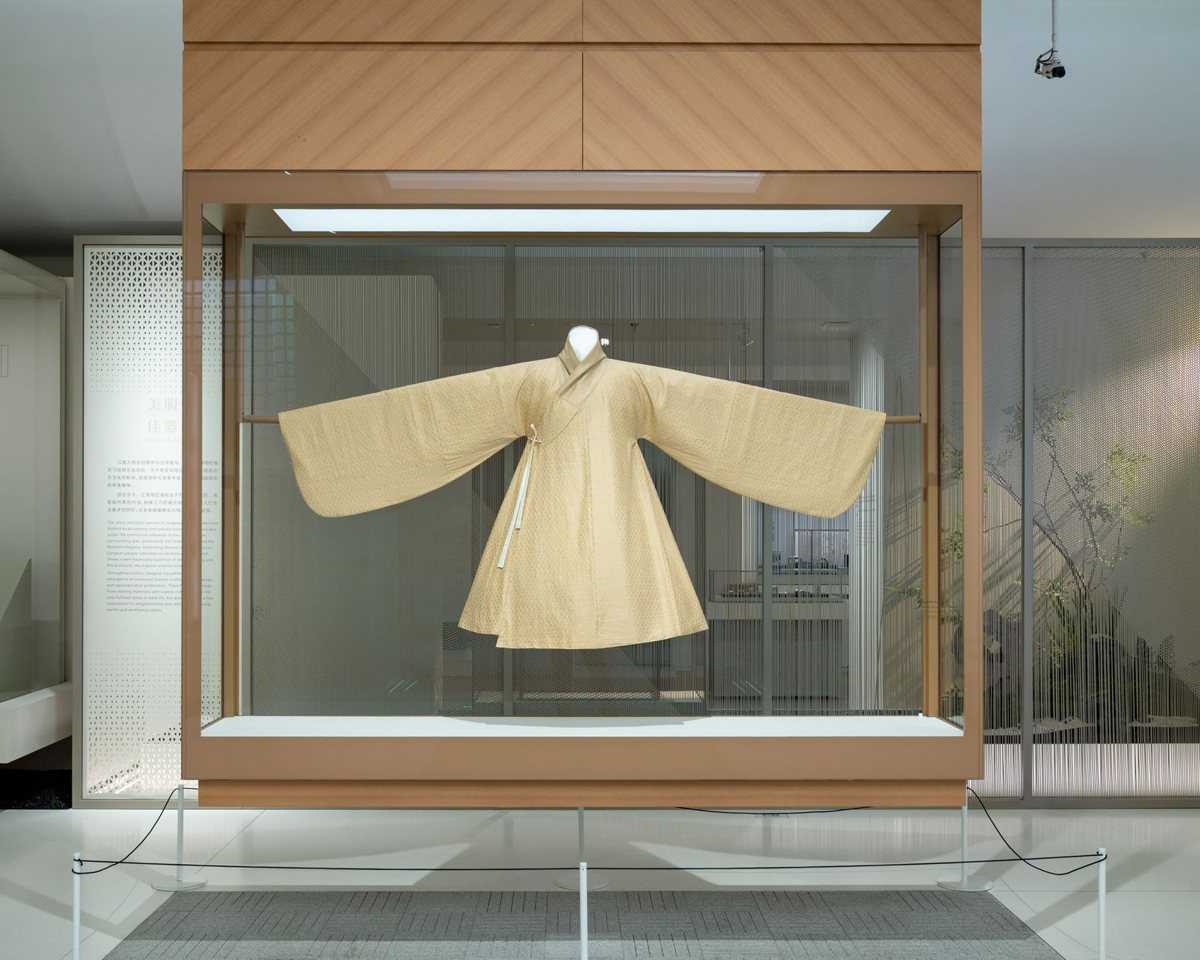
Also located within the Gyeongbokgung Palace grounds, the National Palace Museum of Korea focuses exclusively on royal life during the Joseon Dynasty (1392–1897). The collection includes royal crowns, ceremonial seals, astronomical instruments, court paintings, and ornate furniture used by kings and queens.
Highlights include the royal palanquins (sedan chairs), stunning gold-embroidered royal robes, and the Angbuilgu, a 15th-century sundial invented during the reign of King Sejong. The museum provides excellent English signage throughout, making it easy to follow the story of Joseon royal culture without a guide.
Visitor Essentials
- Admission: Free
- Hours: Daily 9:00 AM–6:00 PM (extended to 9:00 PM on Wednesday & weekends)
- Getting there: Subway Line 3 to Gyeongbokgung Station, Exit 5
- Time needed: 1–1.5 hours
Seodaemun Prison History Hall — A Sobering Chapter
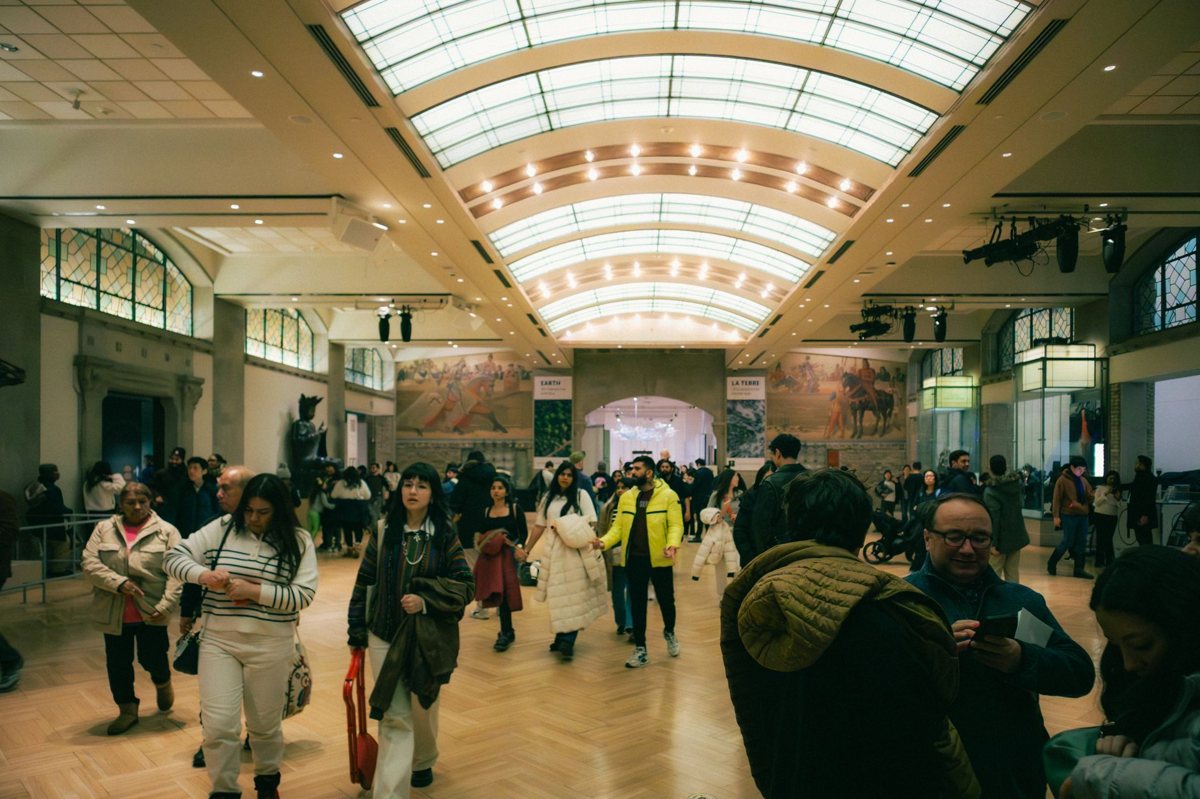
Built in 1908 during the Japanese colonial occupation, Seodaemun Prison held many of Korea’s independence activists and political prisoners. Today, the preserved prison complex serves as a powerful museum documenting Korea’s struggle for independence and the sacrifices made by its people.
Visitors can walk through the original cell blocks, interrogation rooms, torture chambers, and execution grounds. Multimedia exhibits tell the stories of individual prisoners, including the famous independence activist Yu Gwan-sun. It’s an emotionally heavy experience, but one that provides essential context for understanding modern Korean identity and national pride.
Visitor Essentials
- Admission: ₩3,000 adults
- Hours: Tuesday–Sunday, 9:30 AM–6:00 PM (until 5:00 PM November–February)
- Closed: Mondays and January 1
- Getting there: Subway Line 3 to Dongnimmun Station, Exit 5
- Time needed: 1–2 hours
Bukchon Hanok Village Galleries — Art in Traditional Houses
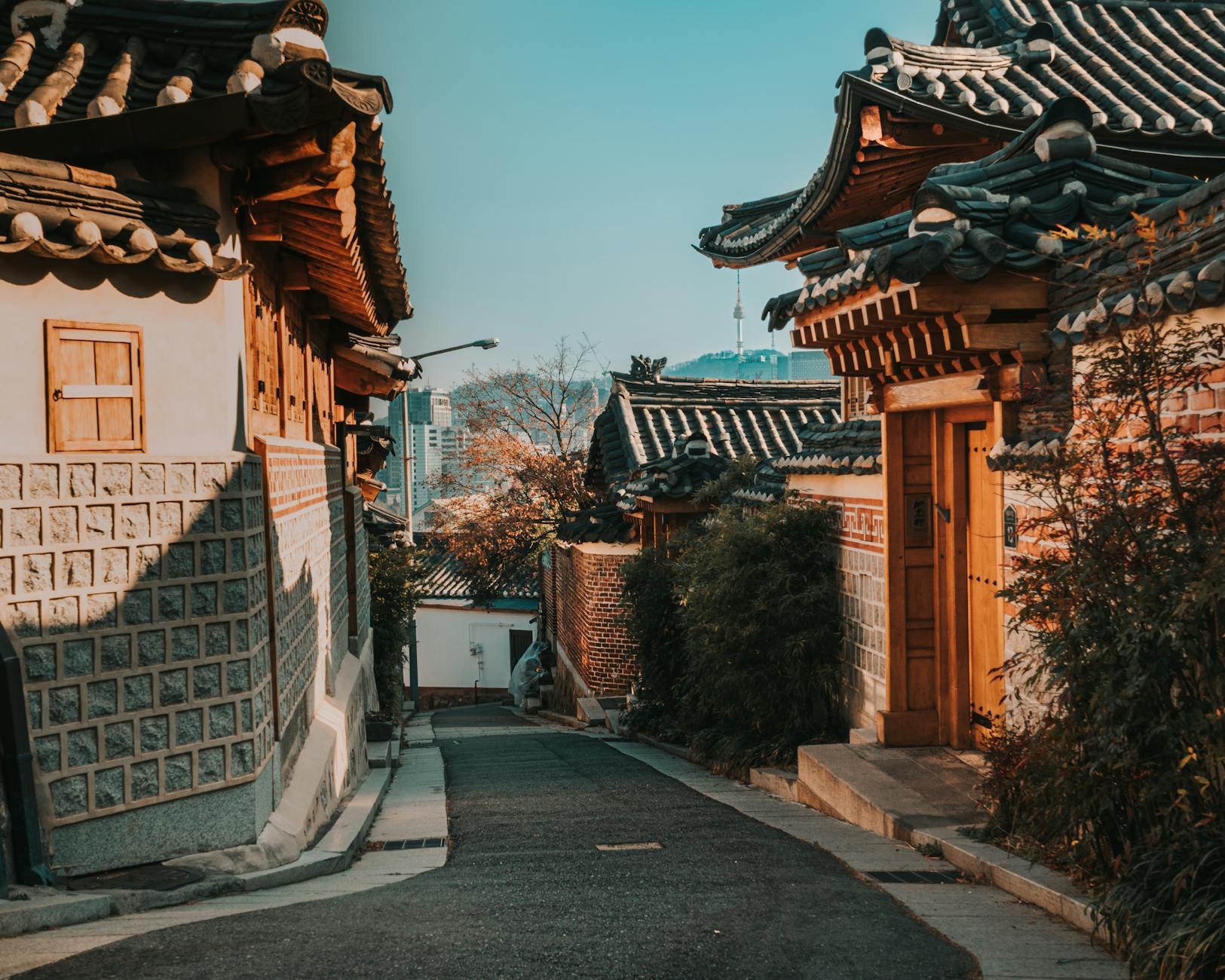
The narrow alleys of Bukchon Hanok Village, nestled between Gyeongbokgung and Changdeokgung palaces, are home to dozens of small galleries, craft workshops, and cultural spaces housed in traditional Korean hanok buildings. Walking through Bukchon is like visiting a living art gallery.
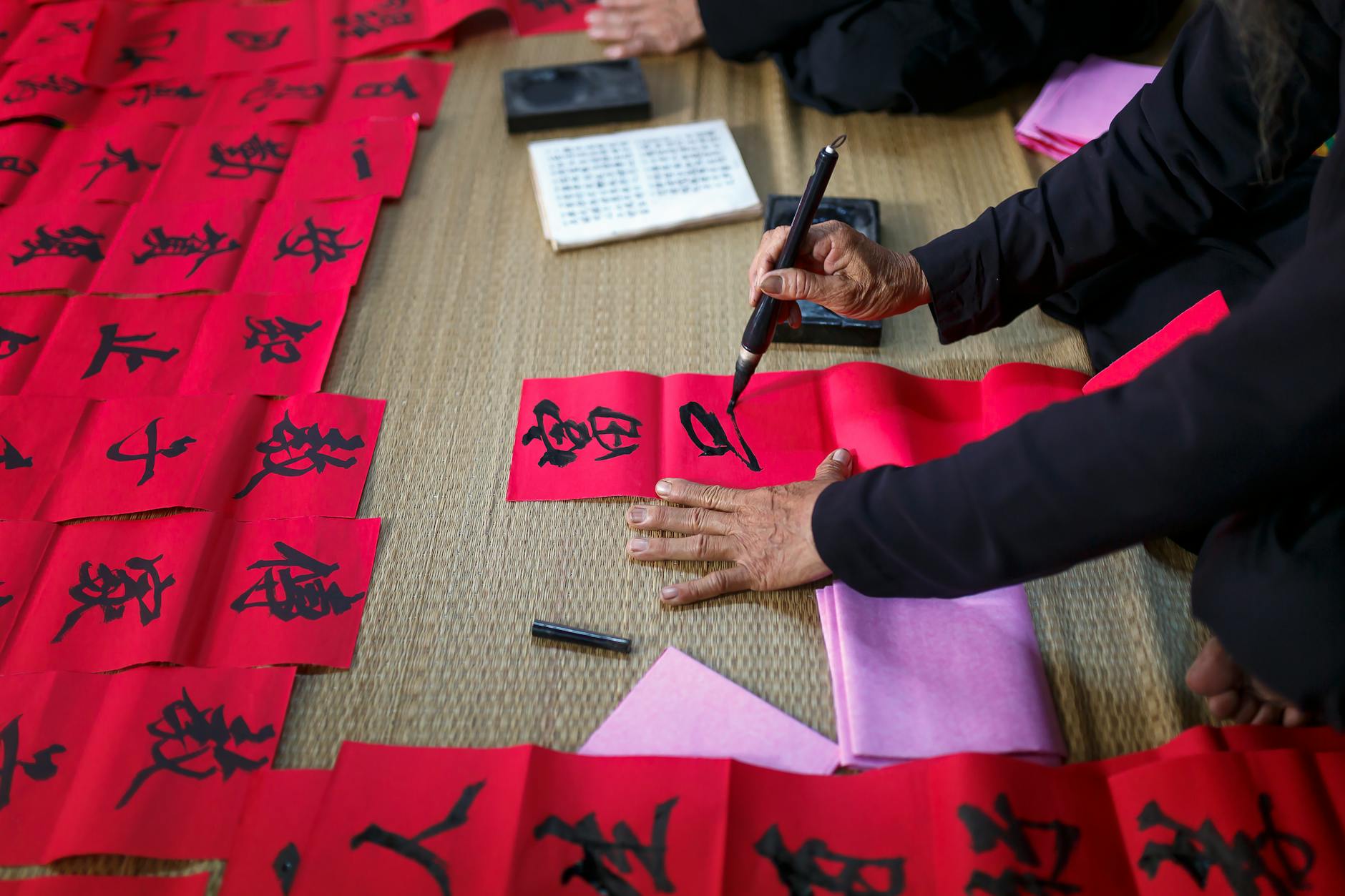
Notable stops include the Gahoe Museum (folk art and traditional charm bags), Dong-Lim Knot Museum (traditional Korean decorative knots), and various ceramics studios where artisans demonstrate their craft. Many galleries focus on traditional Korean art forms — calligraphy, ink paintings, lacquerware, and pottery — displayed in the intimate setting of centuries-old hanok architecture.
Most galleries are free or charge a small fee (₩3,000–₩5,000). The best approach is to wander without a rigid plan, popping into galleries that catch your eye. The area is most atmospheric on weekday mornings when the crowds thin out.
Visitor Essentials
- Admission: Free to explore the village; individual galleries vary (₩0–₩5,000)
- Hours: Most galleries open 10:00 AM–6:00 PM
- Getting there: Subway Line 3 to Anguk Station, Exit 2
- Time needed: 2–3 hours (including village walking)
Digital Art and Immersive Exhibitions
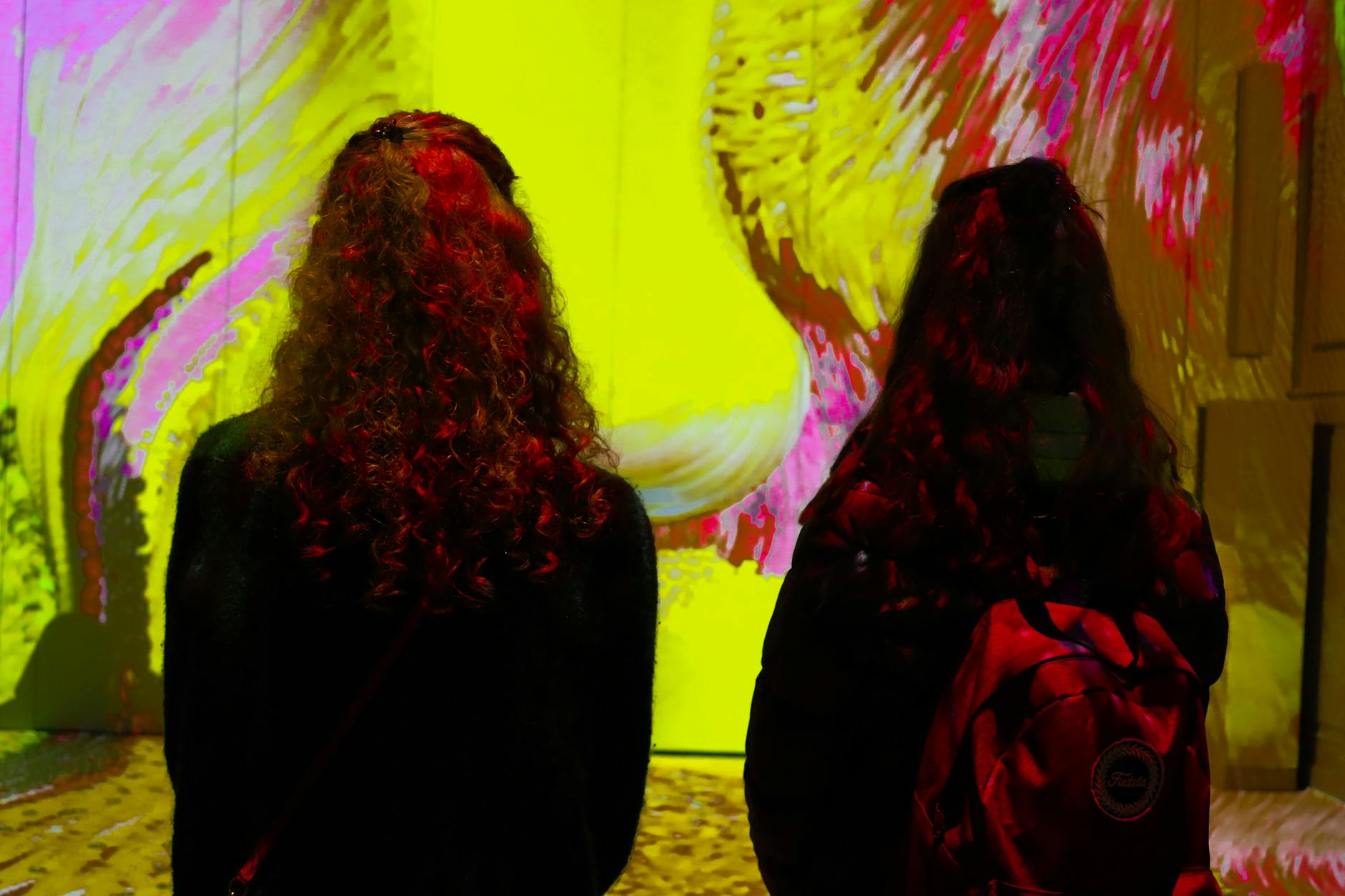
Seoul has embraced the global trend of immersive digital art with characteristic Korean enthusiasm. The city’s digital art scene has exploded in recent years, with projection-mapped installations, interactive light tunnels, and multimedia experiences becoming major draws for both locals and tourists.
Exhibitions rotate frequently, so check current listings before your trip. Recent years have seen major immersive shows featuring the works of Van Gogh, Monet, and Klimt reimagined through floor-to-ceiling projections. Seoul-specific digital art experiences often incorporate Korean cultural elements — traditional patterns rendered in neon, hanbok silhouettes in holographic displays, and seasonal themes tied to cherry blossoms or autumn foliage.
In March 2026, Seoul opened its first public museum devoted entirely to new media art in the city’s southwestern region, further cementing the capital’s position as a leader in digital art experiences. Check english.visitseoul.net for the latest immersive exhibitions during your visit.
More Museums Worth Visiting
Seoul Museum of History
Located near Gyeonghuigung Palace in Jongno-gu, this free museum traces Seoul’s evolution from ancient times to the present through artifacts, models, photographs, and multimedia displays. The highlight is a massive scale model of modern Seoul that gives you a bird’s-eye view of the city’s layout. It’s particularly good for understanding how Seoul transformed from a walled Joseon capital into the sprawling megacity it is today.
Bank of Korea Money Museum
Housed in a beautiful early 20th-century colonial building in Myeongdong, this free museum tells the story of Korean currency from ancient coins to modern banknotes. Interactive exhibits on economic history and currency production make it surprisingly engaging, even if finance isn’t your usual interest. The building’s Renaissance Revival architecture is worth seeing in itself.
Amorepacific Museum of Art
Housed in a striking modernist cube designed by architect David Chipperfield in Yongsan, this free museum run by Korea’s largest cosmetics company features an eclectic collection spanning ancient Korean ceramics, Buddhist art, and contemporary works. The building’s architecture and the rooftop garden are attractions in themselves.
National Museum of Korean Contemporary History
Located on Gwanghwamun Square, this free museum covers Korea’s dramatic transformation from Japanese colonization through the Korean War, rapid industrialization, democratization movements, and the 1988 Olympics. It’s excellent for understanding how South Korea became the economic and cultural powerhouse it is today. The rooftop offers great views of Gwanghwamun Gate and Bugaksan Mountain.
Seoul’s Gallery Districts — Where to Find Contemporary Art
Beyond the major museums, Seoul has vibrant gallery districts where you can browse contemporary art for free. Samcheong-dong, the neighborhood between Gyeongbokgung Palace and Bukchon, has the highest concentration of galleries, with over 50 spaces showing everything from traditional ink paintings to cutting-edge installations.
Itaewon and Hannam-dong have emerged as Seoul’s coolest gallery neighborhood, with international galleries and hip exhibition spaces setting up shop alongside trendy cafés. Gallery Baton, Whistle, and P21 are standouts. Gangnam hosts more established Korean galleries, including ONE AND J Gallery and Seojung Art, which focus on contemporary Korean art.
For something more underground, check out the galleries in Mullae-dong, a former industrial district where artists have converted metalworking workshops into studio-galleries. The raw, industrial atmosphere provides a striking backdrop for experimental art.
Museum Planning Tips for Seoul
Best Days to Visit
Most major museums close on Mondays (the National Folk Museum closes on Tuesdays instead). Weekday mornings are the quietest times to visit — weekends can be extremely crowded, especially at free museums. Wednesday and Saturday evenings offer extended hours at the National Museum of Korea and MMCA.
Suggested Museum Itineraries
History Lover’s Day (Yongsan): Start at the National Museum of Korea (morning), walk to the War Memorial of Korea (afternoon), and finish at the Amorepacific Museum of Art. All three are in Yongsan and easily connected on foot or by one subway stop.
Art Lover’s Day (Jongno): Begin at MMCA Seoul (morning), walk through Bukchon Hanok Village galleries, then visit the National Palace Museum and National Folk Museum at Gyeongbokgung. Finish with gallery-hopping in Samcheong-dong over coffee.
Deep Korean History Day: Start at the National Museum of Korean Contemporary History at Gwanghwamun (morning), visit Seodaemun Prison History Hall (afternoon), and end at the Seoul Museum of History near Gyeonghuigung Palace.
Practical Tips
- Language: All major museums offer English signage and descriptions. Audio guides in English are available at the National Museum of Korea, War Memorial, MMCA, and Leeum (₩1,000–₩3,000 or free with museum apps).
- Photography: Most museums allow non-flash photography in permanent galleries, but special exhibitions may restrict photos. Always check for signs.
- Lockers: Free lockers are available at all major museums — use them to store backpacks and heavy jackets, as large bags may not be permitted in galleries.
- Museum etiquette: Koreans value quiet and politeness in cultural spaces. Keep your voice low, don’t touch exhibits, and silence your phone.
- Rainy day plans: Seoul’s museums are perfect for rainy days. The National Museum of Korea, War Memorial, and MMCA are all large enough to fill several hours indoors.
- Combine with nearby attractions: Most museums are near palaces, parks, or shopping districts, making it easy to build a full day around a museum visit.
Free Museums in Seoul — Quick Reference
Budget-conscious travelers will be thrilled to know that many of Seoul’s best museums charge no admission at all. Here’s a quick list of the top free museums:
- National Museum of Korea (permanent galleries)
- War Memorial of Korea
- National Folk Museum of Korea
- National Palace Museum of Korea
- National Museum of Korean Contemporary History
- Seoul Museum of History
- Seoul Museum of Art (SeMA) — most exhibitions
- Bank of Korea Money Museum
- Amorepacific Museum of Art
- Leeum Museum of Art (permanent collection, reservation required)
Seoul’s museum and gallery scene is one of the most underrated aspects of visiting the city. Whether you’re drawn to ancient artifacts, contemporary masterpieces, digital innovation, or the raw emotion of Korea’s modern history, you’ll find a museum in Seoul that speaks to you — and much of it won’t cost you a single won.
For more ideas on what to do in Seoul, check out our guide to things to do in Seoul, or explore our free things to do in Seoul guide for even more budget-friendly ideas.