Most travelers picture Seoul music as stadium pop, and there’s plenty of that, but the city also hosts one of Asia’s most diverse live scenes. Tucked into Hongdae basements, Itaewon jazz cellars, Hapjeong rooftops and Gangnam concert halls, Seoul serves up indie rock, blues, classical, hip-hop, electronic and a thriving jazz circuit that pulls international names like Herbie Hancock to its annual May festival. Concerts span free open mics to ₩200,000 K-pop stadium shows, and the venues sit close enough together that you can hop between three in a night.
This is the complete Seoul live music venues guide for tourists in 2026: every category from indie clubs to jazz cellars to mega concert halls, ticket-buying tips, the major festivals worth timing a trip around, and how to find out what’s playing tonight even if you don’t read a word of Korean.
Why Seoul’s Live Music Scene Is Underrated
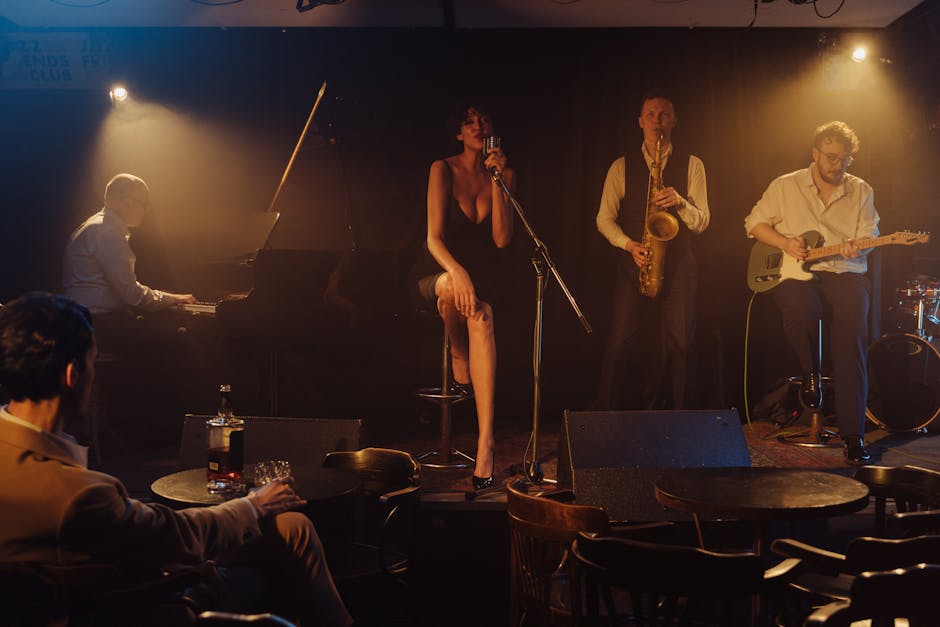
Seoul has been a global K-pop capital for over a decade, but its live music ecosystem stretches far beyond stadium pop. Hongdae’s club street alone hosts dozens of small venues running indie rock, punk, metal and electronic acts five nights a week; spend an evening here and you’ll understand why our Hongdae neighborhood guide calls it the beating heart of young Seoul. Itaewon holds the city’s strongest jazz scene, with several venues running double sets nightly, while Gangnam and Yeouido handle the big arenas — Olympic Park, Gocheok Sky Dome, KSPO Dome — where world-tour acts like Coldplay, Dua Lipa and Taylor Swift draw 50,000-plus fans.
For a music-loving traveler the real advantage is density. A single subway ride links Hongdae, Hapjeong, Itaewon and Gangnam, so you can chain venues across genres in one night, and most club shows wrap by midnight — ideal if you’re jet-lagged or want to roll on to a club afterward. The other pleasant surprise is price: a ₩15,000 cover at a Hongdae basement buys you a full set from a band that would charge triple in Tokyo or London. If you’re plotting a night out, slot this alongside our Seoul nightlife guide and getting around Seoul for the last-train times.
The 12 Best Live Music Venues in Seoul
1. Strange Fruit (Hongdae) — Indie Music Heart
Strange Fruit is the soul of Hongdae’s indie scene — a small basement venue cycling through jazz, heavy metal, glam rock and girl punk depending on the night, with a capacity of around 150 that means you’re never more than a few meters from the stage. Tickets run ₩15,000–25,000. Come early on a weekend; it fills fast and the best spots near the front go to those who queue.
2. Boogie Woogie (Itaewon) — Jazz on Gyeongnidan-gil
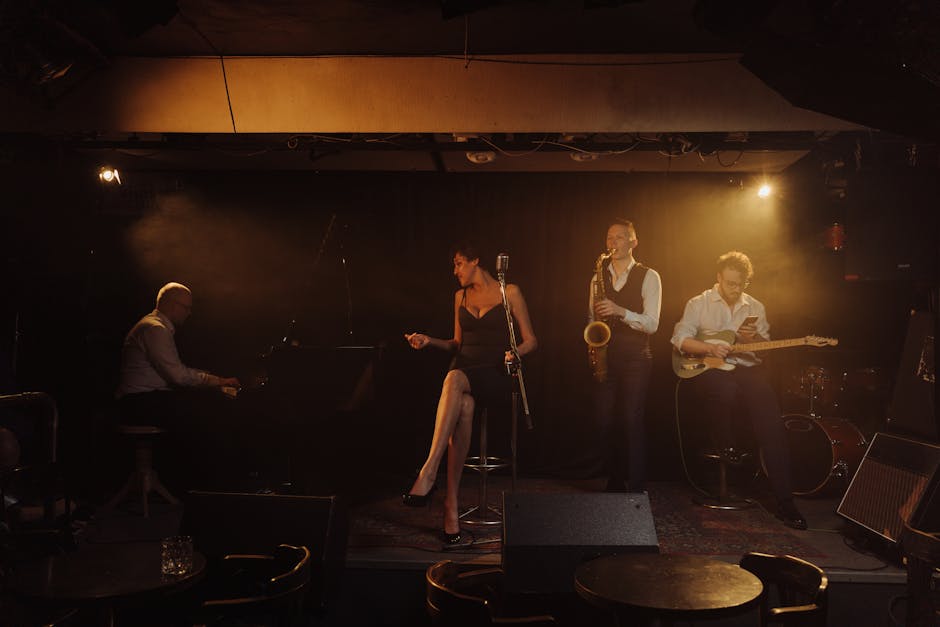
The most loved jazz bar on Itaewon’s atmospheric Gyeongnidan-gil, a candlelit cellar that runs two sets a night. Cocktails are ₩14,000–22,000 and the cover ₩15,000–25,000. Reserve ahead on Fridays and Saturdays — the room is small and the regulars are loyal. It pairs naturally with a wander through our Itaewon guide earlier in the evening.
3. SoundDog Jazz (Huam) — Hidden Market Cellar
Tucked inside Huam Traditional Market, SoundDog hosts live jazz nightly with rotating local musicians. It’s quiet, intimate and refreshingly unpretentious — no cover on two-drink-minimum nights, drinks from ₩12,000. The kind of place you stumble into and stay until closing.
4. Jazz Story (Hongdae) — Live House Band
A Hongdae fixture since the early 2000s, where the house band plays three sets a night across jazz, pop, rock and R&B. The ₩15,000 entry includes a drink, and the worn-in, bric-a-brac interior feels like a friend’s overstuffed living room.
5. Muse Live (Hongdae) — Indie Showcase
A genuine multi-genre showcase — rock, hip-hop, jazz, reggae and electronica share the bill across most nights, often with several acts back to back. Tickets ₩15,000–30,000. Great for a sampler if you can’t decide what you’re in the mood for.
6. Yes24 Live Hall (Gwangjin) — Mid-Sized Concert Hall
A 1,500-capacity room that catches visiting indie and alternative acts — K-indie favorites like Hyukoh and Adoy, plus smaller showcases from bigger names. Tickets from ₩60,000. The sweet spot between a sweaty basement and a faceless arena.
7. Olympic Park Hall (Songpa) — Big Acts
Olympic Park hosts Korea’s biggest arena shows — international stadium tours, K-pop comeback fan meets and the Seoul Jazz Festival each May. Several venues share the grounds, from the 15,000-seat KSPO Dome down to the 4,000-seat Olympic Hall, so check exactly which one your ticket names before you set out.
8. KSPO Dome (Olympic Park)
A 15,000-capacity arena that has hosted Coldplay, Dua Lipa, Twice, Stray Kids and BTS solo shows. Tickets start around ₩100,000 and climb steeply for the big names. Arrive early — security and merch queues here are legendary.
9. Gocheok Sky Dome (Guro)
The largest indoor stadium in Korea at 25,000-plus capacity, built originally as a baseball park and now the default home for the biggest international stadium tours. If your favorite act is playing Seoul on a world tour, odds are it’s here.
10. Lotte Concert Hall (Jamsil)
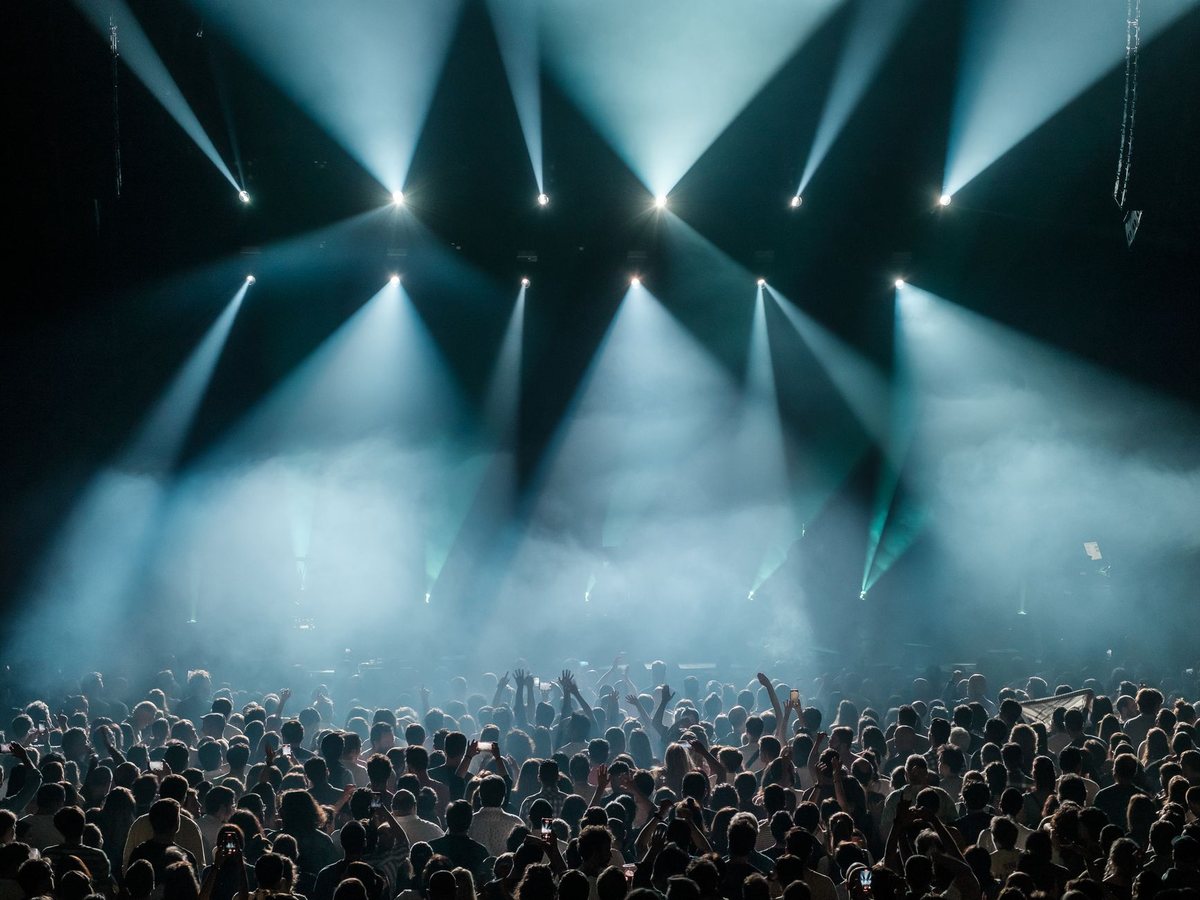
A premium acoustic hall built in a vineyard-style design — seating wraps the stage on all sides — with 2,036 seats devoted to classical, jazz festivals and stripped-back “unplugged” K-pop nights. The acoustics are genuinely world-class; even a cheap seat sounds expensive.
11. Café 운암각 (Cheongdam) — Acoustic House Concerts
A hidden acoustic venue specializing in singer-songwriter sets, run on a mix of subscription and ticketed shows. It’s an insider pick among Korean music lovers, the sort of place where the performer chats with the room between songs. Worth the effort to track down if intimate acoustic music is your thing.
12. Sangsangmadang (Hongdae) — KT&G Cultural Center
A multi-venue cultural complex with a 350-seat live hall, plus a gallery, theater and recording studios. It hosts indie acts, film premieres and — crucially for budget travelers — regular free public concerts. Check the schedule before you pay a cover anywhere else in Hongdae.
Seoul Music Venues by Genre
K-Indie & Alternative
- Strange Fruit, Sangsangmadang, Muse Live, Mudaeruk — Hongdae
- Yes24 Live Hall — Gwangjin
- Rolling Hall — Hongdae (a legendary mid-size room that launched many Korean indie careers)
Jazz
- Boogie Woogie, SoundDog, Jazz Story, Once in a Blue Moon
- All That Jazz — Itaewon (the oldest jazz club in Korea, running since 1976)
- Club Evans — Hongdae
Rock & Punk
- Club FF, Club Spot, V-Hall — Hongdae (Club FF doubles as a club after the bands finish)
Electronic / DJ Sets
- Many venues overlap with clubs — the line between a late live set and a DJ night blurs fast in Hongdae and Itaewon. See our best clubs in Seoul guide.
K-Pop Concerts
- Gocheok Sky Dome, KSPO Dome, Olympic Hall, Jamsil Stadium, Inspire Arena
- For ticketing strategy and music-show recordings, see our dedicated K-pop concerts in Seoul guide.
Classical
- Lotte Concert Hall, Seoul Arts Center, Sejong Center — the trio that anchors Seoul’s classical calendar.
Seoul’s Music Festivals (2026)
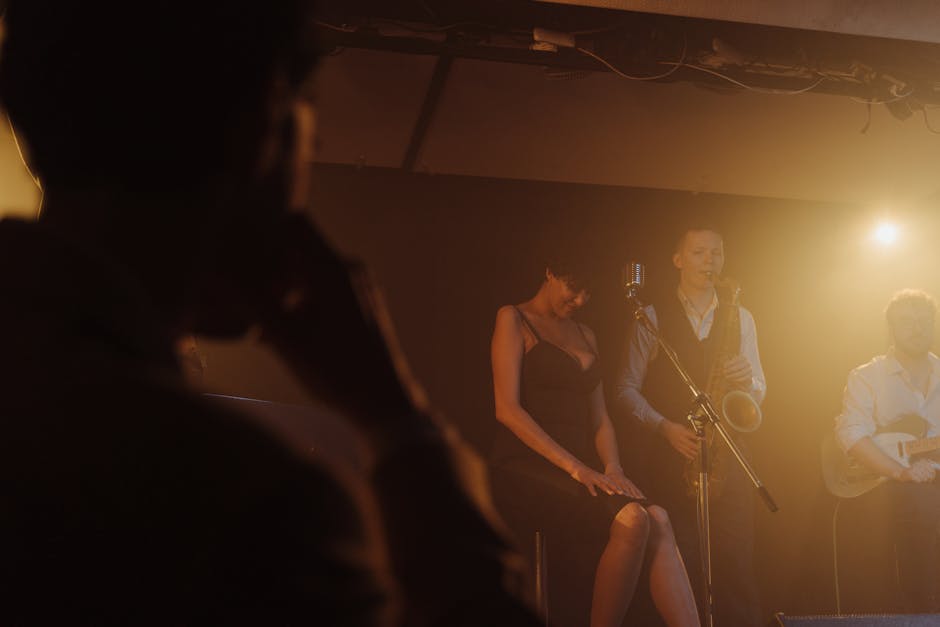
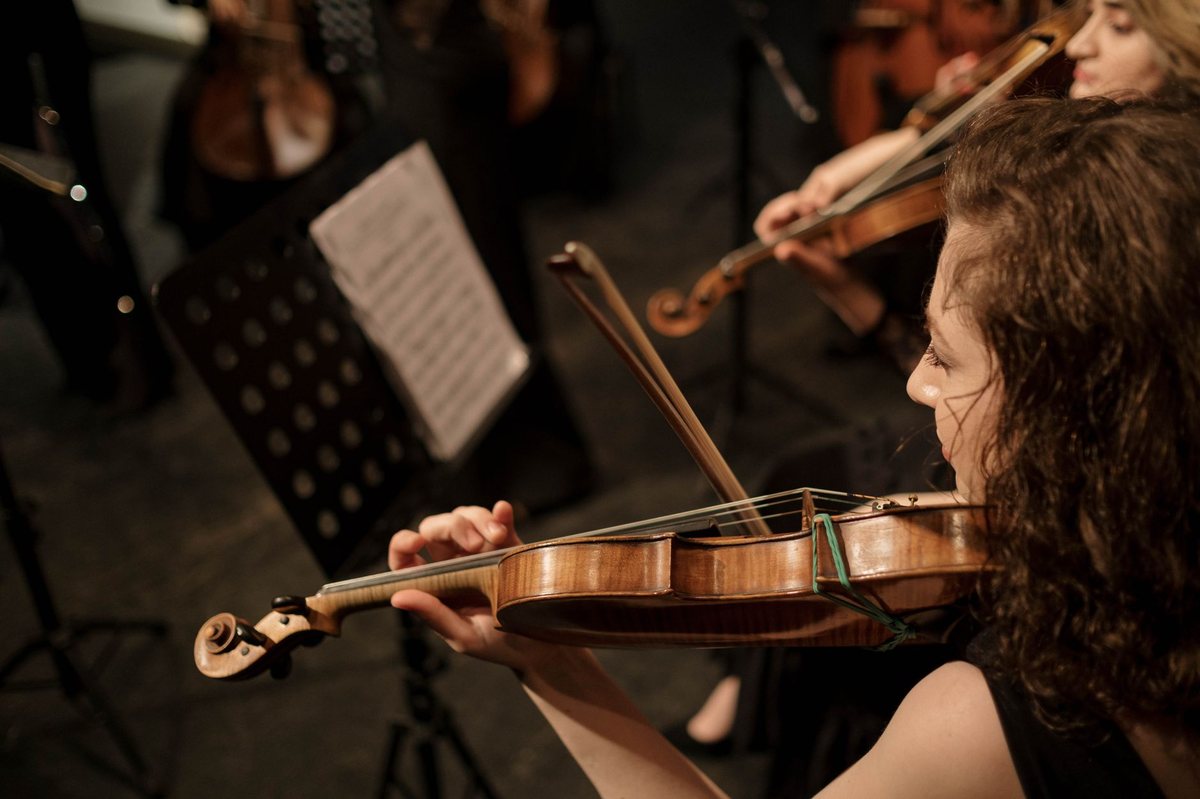
If you can time your trip to a festival, do — they concentrate the city’s best music into a single weekend and turn Olympic Park into one giant open-air stage.
- Seoul Jazz Festival (May 22–24, 2026) — Olympic Park, with headliners spanning FKJ, Herbie Hancock, Alfa Mist and PREP. A three-day pass runs ₩300,000-plus and sells out early.
- Beautiful Mint Life (May) — a beloved, K-indie-focused festival with a gentle, family-friendly vibe.
- Pentaport Rock Festival (August) — Korea’s biggest rock festival, just outside Seoul in Incheon.
- Seoul Music Festival (August) — a multi-genre city event.
- DMZ Peace Festival (June) — staged just north of Seoul near the border, with a striking setting.
- Seoul Drum Festival (October) — a percussion showcase that’s free to watch in parts.
For the full month-by-month calendar, see our Seoul festivals and events guide.
How to Buy Tickets
- Yes24 — the biggest Korean ticket platform, and where most arena shows live.
- Interpark — the other major platform, strong for concerts and musicals.
- Melon Ticket — Kakao-owned and K-pop heavy.
- Klook — the most foreigner-friendly, with English support and no Korean payment card required.
- At the door — smaller indie venues happily take walk-ins, often cash only.
Most platforms now offer English checkout, though a few high-demand K-pop fan-meets still require a Korean foreigner registration number. Buy the big names the minute tickets drop; popular shows can sell out in minutes.
How to Find What’s Playing Tonight
- Naver Maps + venue search — most venues post upcoming gigs on their Naver place page.
- Bandsintown / Songkick — best for tracking international touring acts hitting Seoul.
- Instagram hashtags like #홍대공연 (Hongdae performance) or #서울재즈 (Seoul jazz) surface tonight’s shows.
- Hostel bulletin boards — surprisingly accurate, and the staff often know what’s good.
- Hyperreal — an online Korean music magazine that covers the indie circuit in English.
Best Live Music Districts
Hongdae
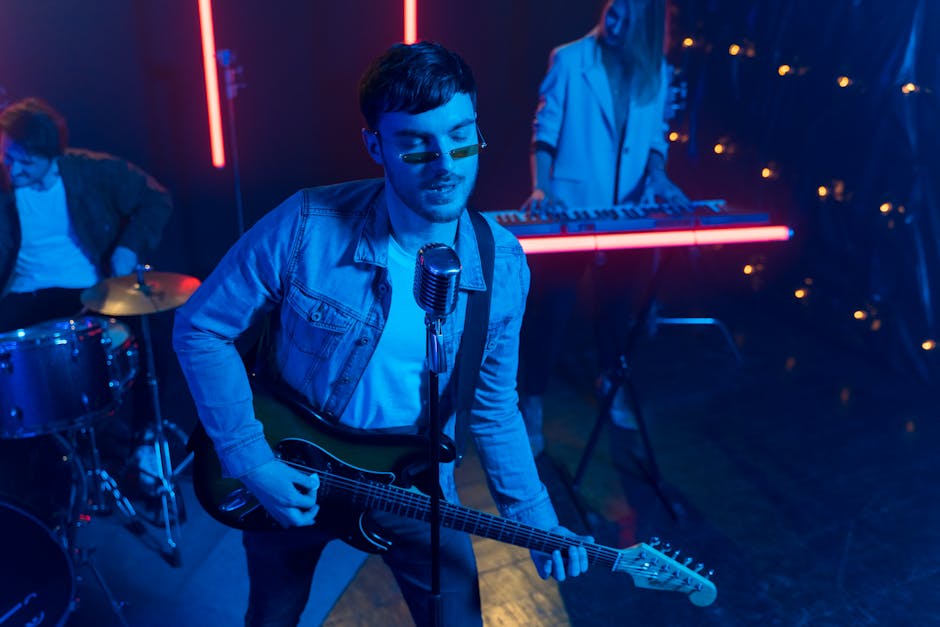
The highest venue density in the city and the obvious base for indie, rock, punk and electronic. The clubs cluster within a few walkable blocks of Hongik University Station, so you can sample three rooms in a night without ever hailing a taxi. Weekend evenings bring free busking on the main street too — read our Hongdae guide for the wider neighborhood.
Itaewon
The home of Seoul jazz, concentrated on the steep, candlelit lane of Gyeongnidan-gil. International musicians pass through regularly, and the international crowd makes it the easiest district for solo travelers to strike up a conversation. Combine it with the bars and global food in our Itaewon guide.
Hapjeong
One subway stop from Hongdae but markedly calmer, Hapjeong has picked up a wave of newer rooftop venues and listening bars. A good choice if Hongdae’s crush feels like too much.
Olympic Park / Jamsil
Arena territory — the big international tours, K-pop fan meets and the Seoul Jazz Festival. Not a wander-in-and-discover district, but where you’ll come for a named, ticketed event.
Gangnam
Premium concert halls and acoustic venues rather than sweaty basements. Pair a Lotte Concert Hall evening with dinner from our Gangnam guide for a more refined night out.
Cover Charges and Drink Pricing
| Venue Type | Cover | Drinks |
|---|---|---|
| Indie basement (Hongdae) | ₩10,000–25,000 | ₩6,000–10,000 beer |
| Jazz cellar (Itaewon) | ₩15,000–25,000 | ₩14,000–22,000 cocktails |
| Mid-sized hall | ₩40,000–80,000 | included or kiosk |
| Arena tour show | ₩100,000–300,000 | kiosk only |
| Festival 1-day | ₩140,000–180,000 | various |
When’s the Best Time for Live Music in Seoul?
Live music runs year-round in Seoul, but a few patterns are worth planning around. Spring (April–June) is the peak — the weather is kind, the festival season opens with the Seoul Jazz Festival and Beautiful Mint Life, and the rooftop venues in Hapjeong reopen their terraces. Autumn (September–November) is the second wave, with Pentaport’s afterglow, the Drum Festival and a dense indie calendar as bands tour ahead of year-end. Summer is hot and monsoon-prone but brings the biggest outdoor events; winter quiets the festival circuit yet the basements stay warm and busy, and ticket prices for visiting acts soften.
Within any week, Thursday through Saturday is when the venues come alive — many indie rooms go dark on Mondays and Tuesdays, so a Wednesday arrival might mean a quieter first night. Jazz cellars are the exception, running most evenings. If your trip is short, aim your music nights at the back half of the week, and check the schedules a few days out: Korean venues often confirm line-ups only a week or two ahead. Cross-reference dates with our festivals and events guide and the broader list of things to do in Seoul so a marquee show doesn’t clash with the rest of your plans.
Live Music Beyond the Obvious Districts
The four headline districts cover most of what you’ll want, but a couple of pockets reward the curious. Daehangno, the “university theater street” near Hyehwa, leans toward musicals and acoustic singer-songwriter nights. Mullae-dong, a former ironworks quarter now colonized by artists, hides experimental and improv-music spaces among the metal workshops. And the listening bars springing up across Seongsu and Yongsan — vinyl-focused rooms with serious sound systems — blur the line between a cafe and a venue; our Seoul cafe guide flags several. None of these are essential on a first trip, but they’re where the scene is quietly heading.
What to Expect at a Seoul Gig
A few things catch first-timers off guard. Korean audiences are attentive and respectful — at jazz cellars and acoustic rooms in particular, people genuinely listen, so save the loud chat for between sets. At indie shows the energy flips: crowds are warm and will happily fold a visitor into the mosh. Most rooms run a one-drink-minimum rather than a hard cover, and you order at a counter rather than from table service. Cash is still king at the smaller venues, so carry some won. And don’t be shy about going alone — solo concert-goers are completely normal here, and the staff will look out for you.
Practical Tips
- Doors usually open at 7–8 PM, with headliners on around 9–11 PM.
- The subway stops around 12:30 AM — plan your route home or budget for a late-night taxi.
- ID is required at any venue serving alcohol; a passport (or a photo of one) does the job.
- No tipping — it isn’t expected anywhere in Korea.
- Photography is fine at some venues and banned at others; check the signage or just ask.
- Reserve ahead for jazz cellars on weekends — the good rooms are tiny.
- Coat checks are often free at indie venues, a small mercy in winter.
- Pack earplugs for the basement rock clubs. They are gloriously, punishingly loud.
Sample Seoul Live Music Night
- 7:00 PM — Korean dinner in Hongdae (grab something fast from our cheap eats guide).
- 8:30 PM — Jazz set at Club Evans (₩20,000 cover, drink included).
- 10:30 PM — Walk to Strange Fruit for an indie rock second set.
- 12:30 AM — Pojangmacha late-night food (see our late-night food guide).
- 2:00 AM — DJ set at NB2 or M2 to close the night (see best clubs in Seoul).
Frequently Asked Questions
What’s the best live music venue in Seoul?
Strange Fruit for indie, Boogie Woogie for jazz, and the Olympic Park venues for arena tours. Each is best in its class, so the answer really depends on the sound you’re chasing.
Is Seoul good for jazz?
Very — particularly Itaewon’s Gyeongnidan-gil, where several cellars run double sets nightly, plus historic Hongdae rooms like Club Evans and the veteran All That Jazz.
Can I see K-pop concerts as a tourist?
Yes. See our K-pop concerts in Seoul guide for ticketing platforms, music-show recordings and fan-event tips.
How do I buy live music tickets in Seoul?
Yes24, Interpark, Melon Ticket or Klook. Most have English options, and Klook is the easiest if you don’t hold a Korean payment card.
What’s a typical cover charge?
Around ₩15,000–25,000 at indie and jazz venues, rising to ₩40,000-plus at mid-sized halls and ₩100,000-plus for arena tours.
Are venues 18+?
Most alcohol-serving rooms are 19+ (Korea’s legal drinking age). Bring photo ID to be safe.
What time do venues close?
Indie basements run until 1–2 AM, jazz cellars wind down around midnight, and arena shows wrap by 11 PM to clear the trains.
Is Seoul good for solo music tourists?
Excellent. Solo concert-goers are common and venues are safe, well-staffed and easy to navigate alone.
Are there any free shows?
Yes — Sangsangmadang stages free public concerts, and Hongdae’s weekend street busking is free and often genuinely good.
Which district should I pick for my first live-music night?
Hongdae, almost always. It has the densest cluster of venues, the widest range of genres, the lowest covers, and free weekend busking on top — so even if a show disappoints, you can wander to the next basement in minutes. Jazz fans are the exception and should head straight for Itaewon’s Gyeongnidan-gil.
Do I need to speak Korean to enjoy a Seoul gig?
Not at all. Ticket platforms like Klook run in English, venue staff in the tourist districts manage the basics, and music needs no translation. A few phrases and a translation app smooth the edges, but plenty of visitors navigate the whole scene without them.
What’s the biggest concert venue in Seoul?
Gocheok Sky Dome, with a capacity of 25,000-plus, is the default home for the biggest international tours.
Final Thoughts
Skip live music in Seoul and you skip half the city’s nightlife. Pick a genre, pick a venue, ride the subway thirty minutes, and you’ll be in a basement listening to a live band for the price of dinner — or in a 25,000-seat dome screaming along with a world tour. Either way, build the night around it. Pair this with our Seoul nightlife guide, best bars in Seoul, best clubs in Seoul, and the master Seoul travel guide.