The energy, the production, the synchronized lightstick choreography, the direct exchange between idols and a home crowd — none of it is matched anywhere else on earth. Seoul hosts everything from solo fan meetings at small theaters to stadium tours at Gocheok Sky Dome and KSPO Dome, and an international visitor can experience any tier of it with the right preparation. This is the comprehensive K-pop concerts Seoul guide for 2026: every major venue, the ticketing platforms that actually work for foreigners, a plain-English explanation of the lottery, what to expect at a fan meet versus a stadium concert, and the year’s tour calendar.
Can Tourists Really Attend? The Honest Version
Yes — but manage your expectations by tier. For mid-size groups, showcases and most arena tours, a prepared tourist has a genuinely good shot at a ticket, especially via the foreigner allocations now built into many tours. For the absolute top tier — a BTS, BLACKPINK or NewJeans dome run — you’re competing with millions in a lottery, and walking in cold without fan-club priority is a long shot. The smart move is to widen your net: pick two or three groups you’d be thrilled to see, watch several platforms, and treat the free music-show tapings (more on those below) as a guaranteed way to see idols perform live even if a headline ticket eludes you. For the wider context of fandom, labels and idol-culture, read this alongside our K-pop and K-culture hub.
K-Pop Concert Types: Fan Meet vs. Concert vs. Tour
Fan Meeting (팬미팅)
Smaller, intimate events, usually 1,000–4,000 capacity, built around member interaction — Q&A segments, games, and sometimes a hi-touch line where you briefly meet each idol. Tickets run ₩77,000–150,000. These are often debut or smaller groups, and they’re the warmest, most personal way to see your favorites; for a newer group you adore, a fan meet can beat a stadium show.
Showcase / Mini-Concert
Concerts tied to an album release, typically 3,000–10,000 capacity. Less elaborate production than a full tour but sky-high energy, since the group is debuting new material to its most dedicated fans. Tickets ₩88,000–180,000. Often announced on short notice, so watch the platforms in the weeks after a comeback.
Tour Concert
Multi-city tours with Seoul as the home stop, in the 10,000–25,000 range. Full production — multiple costume changes, elaborate choreography, the works. Tickets ₩100,000–280,000-plus. The home-city dates usually carry the most emotion, since the crowd is hometown-loyal and the idols often visibly moved.
Stadium / Dome Tour
Reserved for top-tier groups — BTS, BLACKPINK, NewJeans, Stray Kids, Seventeen — at 25,000 to 60,000-plus capacity. Tickets ₩140,000–500,000-plus depending on the seat tier, and these are the hardest to land. If you score one, you’re part of a spectacle that ranks among the biggest live shows on the planet.
Fan Meeting or Concert: Which Should a First-Timer Pick?
If you can only do one and you’re torn, think about what you’re really chasing. A fan meeting trades spectacle for intimacy — smaller room, more talking, games and sometimes a fleeting face-to-face moment — and it’s the better choice if your love is for a specific newer group and you want to feel seen rather than overwhelmed. A full tour concert trades closeness for scale: jaw-dropping production, the whole discography live, and the roar of tens of thousands moving as one. For a first Seoul show I usually steer people toward an arena tour at KSPO Dome, where the production is huge but the room is still human-sized enough to feel the energy, then suggest adding a free music-show taping for variety. Whichever you pick, the home-city crowd is the secret ingredient — Korean fans bring a precision and warmth to their support that you simply won’t find on a foreign tour stop, and it elevates even a mid-tier act into something unforgettable.
Major K-Pop Concert Venues in Seoul
Gocheok Sky Dome
Korea’s largest indoor venue at 25,000-plus capacity, and the default home for the biggest tours. Originally built as a baseball stadium, its enclosed roof means rain never threatens a date. Reach it via Guro Station (Line 1) plus a 15-minute walk or shuttle bus — give yourself extra time, as the surrounding roads clog badly on show nights.
KSPO Dome (Olympic Park)
A 15,000-capacity arena inside Olympic Park, and the workhorse for A-list comeback tours. Acoustics and sightlines are strong, and the park setting makes for a pleasant pre-show wander. Subway: Mongchontoseong (Line 8) or Olympic Park (Line 5).
Olympic Hall (Olympic Park)
A 4,000-capacity hall on the same grounds, used for fan meetings and showcases. Intimate enough that even rear seats feel close. Subway: Olympic Park (Line 5).
Yes24 Live Hall (Gwangjin)
A 1,500-capacity hall favored by newer groups, debut showcases and acoustic sessions — the place to catch a rookie group before they blow up. Subway: Gwangnaru (Line 5).
Inspire Arena (Yeongjong-do)
A 15,000-capacity arena that opened in 2024 beside Incheon Airport, purpose-built for concerts with excellent acoustics. Because it’s out by the airport, many fans pair a show here with their arrival or departure day; see our Incheon Airport to Seoul guide for the AREX-plus-shuttle routing.
Lotte Concert Hall (Jamsil)
A 2,036-seat acoustic hall used for K-pop “unplugged” sessions and classical-crossover nights — a rare chance to hear idols stripped back and live. Subway: Jamsil (Line 2/8).
Jamsil Sports Complex (Olympic Stadium)
A 69,950-capacity outdoor stadium reserved for the very biggest stadium tours (BTS, Seventeen). The scale is staggering; bring layers, as evenings cool fast under open sky. Subway: Sports Complex (Line 2).
Sangam World Cup Stadium
A 66,704-capacity outdoor stadium that hosts massive tours and festival headliners. Subway: World Cup Stadium (Line 6), an easy walk from the exit.
Where to Buy K-Pop Concert Tickets
Korean Ticketing Platforms
- Yes24 Ticket — Korea’s biggest, and where most arena and dome tours live. An English interface is available; set up and verify your account days in advance.
- Interpark Ticket — the other major platform, strong across concerts and musicals.
- Melon Ticket — Kakao-owned and especially K-pop heavy.
- Weverse Shop — HYBE-affiliated, with fan-club priority windows for HYBE groups (BTS, Seventeen, NewJeans and more).
- Ticketlink — a secondary platform worth checking when others sell out.
International Platforms
- NOL World — the most explicitly foreigner-friendly option, with dedicated international allocations and English support.
- Klook — re-sold international tour tickets, often bundled with English-language assistance.
- KKday — similar to Klook, with occasional concert packages.
- Trazy — Korea-focused tour packages that sometimes include concert entry.
Whichever route you take, prepare your account, payment method and ID before tickets drop. The big sales are won in the first 90 seconds, and a half-filled profile will cost you the seat.
Foreign Tourist Tickets: Special Allocations
Here’s the single most useful thing to know as a visiting fan: many K-pop concerts now set aside dedicated foreigner allocations — blocks of seats reserved for international fans traveling to Korea, sold through channels less crushed than the general Korean sale. The main routes are:
- NOL World — the most reliable source of foreigner-specific tickets, often with a smoother, English checkout.
- Klook — for a rotating selection of tours.
- Direct fan-club international portals — if you’re willing to join a group’s global fan club.
Verification requires a foreign passport, and some of these tickets are valid only for non-Koreans; a few even bundle round-trip transport to out-of-town venues. It’s the closest thing to a shortcut that exists, so check it first.
How the Korean Lottery System Works
For the highest-demand tours, tickets aren’t first-come — they’re drawn by lottery. The rhythm goes like this:
- Apply during a 1–2 week window with your name, ID and payment details registered.
- The drawing is announced a week or two later.
- If selected, you pay within a tight window — often 24 hours — or forfeit the seat.
- If unselected, the payment authorization is simply released.
A worked example: for a major dome run you might register on Yes24 during the application window, wake to a “congratulations” notice, and have one day to confirm payment before the seat passes to the next name. Miss that window and there’s no appeal — so set alarms, and don’t apply for a date you can’t actually attend.
Step by Step: Scoring a Ticket on Sale Day
The general sale for a popular tour is essentially a 90-second sprint, and tourists lose seats to small, avoidable mistakes. Here’s the routine that gives you the best odds. Days before: create your account on the relevant platform (Yes24, Interpark or NOL World), complete every verification field, register a payment card that works for Korean transactions, and confirm your passport details are saved. The night before: note the exact on-sale time in Korea Standard Time, decide your seat-tier priority order, and have a backup date in mind. At sale time: log in ten minutes early, keep a single browser tab open, and don’t refresh frantically — the queue system penalizes it. When the queue lets you in, pick the first acceptable seat rather than hunting for the perfect one; hesitation is how seats vanish. If you miss out: watch for a second-round release a few days later (returned and unverified tickets reappear), and check NOL World separately, since its foreigner allocation often opens on a different schedule. None of this guarantees a top-tier dome seat, but it’s the difference between a real chance and none.
2026 Major K-Pop Concerts in Seoul
- LUCY’s 9th Concert “ISLAND” — May 16–17 at KSPO Dome
- XIA’s Asia Tour “GRAVITY” — June 12–14 at KSPO Dome
- MyK FESTA — June 26–27 at KINTEX (TREASURE, RIIZE, HIGHLIGHT)
- Official Hige Dandism Asia Tour — August 8–9 at KSPO Dome
- Baekhyun “Reverie [dot]” at KSPO Dome (date TBA)
- BTS Comeback Stage — rumored for Gwanghwamun Square (unconfirmed)
- Year-End Awards: SBS Gayo Daejeon, MAMA, MMA, KBS Song Festival (December)
Line-ups and dates shift constantly, so treat this as a snapshot and confirm before booking flights around any one show. Our Seoul festivals and events guide tracks the full annual K-pop calendar, and the year-end award shows in December are a uniquely concentrated way to see dozens of groups in a single night.
K-Pop Music Show Tapings (Free Admission)
This is the best-kept secret for budget-minded fans: several weekly Korean music programs film in front of free public audiences, and at a single taping you might see a dozen groups perform live.
- Music Bank (KBS) — Friday tapings at KBS Hall
- Show! Music Core (MBC) — Saturday at MBC Studio in Sangam
- Inkigayo (SBS) — Sunday at SBS
- M Countdown (Mnet) — Thursday at CJ ENM in Sangam
- Show Champion (MBC M) — Wednesday
Seats are free but require an online application through Korean fan communities or fan-club agencies one to four weeks ahead, and admission usually favors fans of the groups appearing that week. Expect a long wait outside the studio, a phone check at the door, and a few hours of standing — but for zero won you’ll watch idols perform meters away. It’s the safety net that makes a concert-free trip still feel like a win.
Concert Etiquette and Korean Fan Culture
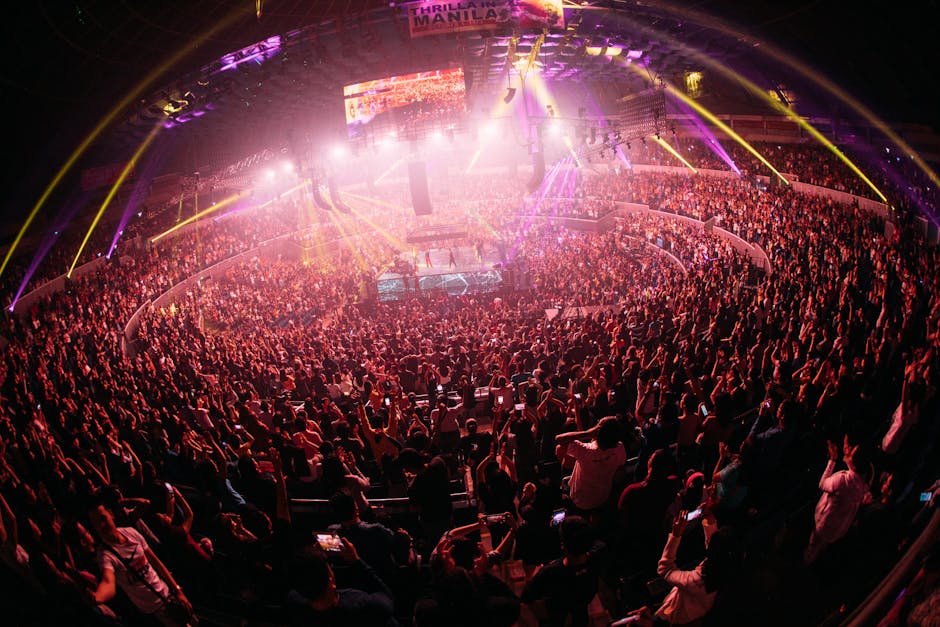
- Fan chants are coordinated vocal responses slotted into specific parts of each song. Memorize them ahead of time — there are guides for every release on YouTube.
- Lightsticks sync to the show via Bluetooth at major venues, turning the whole arena into one rippling color field. Bring your group’s official one.
- Slogan banners are common; check in advance whether messages need pre-approval for your section.
- An encore is expected — idols return after the first “ending,” so don’t bolt for the exit.
- No flash photography, and some venues prohibit recording entirely.
- Respect personal space; mosh-pit behavior is rare and frowned upon.
- Standing zones exist on general-admission tickets — arrive early to claim a good spot.
Fan Chants and Lightsticks: How Not to Look Lost
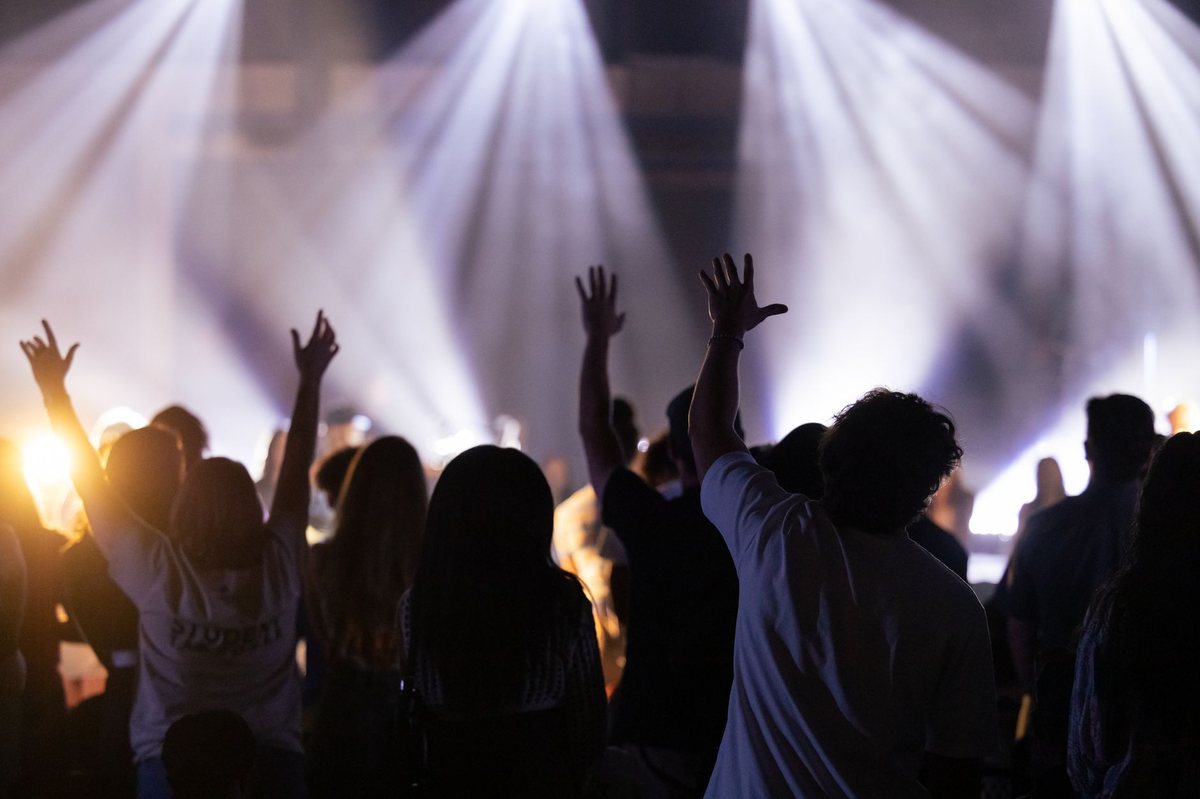
If it’s your first Korean show, two rituals will make or break how connected you feel. The first is the lightstick — each group has its own official model (the “bong”), and at major venues it pairs over Bluetooth so the entire room pulses in unison with the music. Buy yours from the official store or the venue booth rather than a scalper, both to guarantee it’s genuine and so it syncs properly. The second is the fan chant: Korean fandoms call out members’ names and set phrases at precise moments, and learning even the chorus chants for two or three songs transforms you from spectator to participant. Spend an hour with a fan-chant video before the show and you’ll feel like you belong. Neither is mandatory, but together they’re what separates a Seoul concert from watching the same group anywhere else.
Costs Compared
| Concert Type | Ticket Range |
|---|---|
| Fan meeting (small) | ₩77,000–150,000 |
| Showcase | ₩88,000–180,000 |
| Arena tour (KSPO) | ₩100,000–280,000 |
| Stadium (Gocheok, Jamsil) | ₩140,000–500,000+ |
| Music show (free) | ₩0 |
| Fan-club priority | 10–25% premium |
Best Time of Year for K-Pop Concerts
- March–May: spring comebacks and major tour kickoffs.
- June–August: festival season, with multi-group line-ups and KCON.
- September–October: album launches and special anniversary events.
- November–December: the year-end awards gauntlet plus the biggest stadium tours.
If you want the densest concentration of idols for your money, aim for December’s award-show season; if you want a specific group’s full production, follow their tour announcements and build the trip around the home-city date. Either way, cross-check with our broader Seoul itineraries so the concert anchors rather than derails your sightseeing.
What to Pack for a Seoul K-Pop Concert
- Official lightstick from your group (rentals exist at some venues, but bring your own if you can).
- Fan-club membership card if your seat carries priority.
- Passport for ID checks at international ticket sections.
- A sealed water bottle — many venues allow only unopened drinks.
- Earplugs for stadium decibel levels, especially if you’re near the speakers.
- A small clutch rather than a backpack — large bags often must be checked.
- Comfortable shoes; standing zones can mean four-plus hours on your feet.
Getting to Seoul Concert Venues
- Gocheok Sky Dome → Guro Station (Line 1) + 15-min walk or shuttle
- KSPO Dome → Mongchontoseong (Line 8) or Olympic Park (Line 5)
- Olympic Hall → Olympic Park (Line 5)
- Yes24 Live Hall → Gwangnaru (Line 5)
- Inspire Arena → AREX + bus shuttle
- Jamsil Stadium → Sports Complex (Line 2)
- Sangam Stadium → World Cup Stadium (Line 6)
Trains run only until around 12:30 AM, so check the last departure before the encore ends — see our Seoul subway guide and getting around Seoul for routing and late-night options.
Where to Stay for a Concert-Focused Trip
For most arena shows at Olympic Park and Jamsil, a base in Gangnam or near Jamsil keeps the post-show commute short, and the luxury options in our Gangnam hotels guide put you close to the Cheongdam entertainment-label district too. If your trip mixes concerts with nightlife and merch runs, Hongdae offers energy and the direct airport line, while Myeongdong sits central for shopping. Match the neighborhood to your venue and you’ll spend less of concert night underground on the subway.
Seoul-Specific Concert Tips
- Plan transit at least 90 minutes before showtime — venue-area roads and stations jam badly.
- Pre-buy your lightstick from the official store rather than scalpers.
- Arrive 2 hours early for merch-booth lines, which can be epic.
- Check Korean fan communities (X, Bunjang, Naver Café) for last-minute verified seat trades.
- Avoid scalpers at venue entrances — the counterfeit rate is high.
- Most venues prohibit re-entry, so eat and use the restroom before doors open.
- Coat checks are typically free.
Suggested K-Pop Trip Plan
- Day 1: Arrive, confirm tickets, recover from the flight.
- Day 2: A free music-show taping (see above).
- Day 3: A filming-locations pilgrimage — see our K-pop filming locations guide.
- Day 4: Merch shopping around Myeongdong — see K-pop merch shopping.
- Day 5: Concert day — arrive early, dinner near the venue, lightstick charged.
- Day 6: Recovery and casual sightseeing from our things to do in Seoul list.
Frequently Asked Questions
Where can I buy K-pop concert tickets in Seoul?
Yes24, Interpark, Melon Ticket and Weverse Shop for the Korean sales, and NOL World or Klook for foreigner-specific seats. Set up and verify accounts before tickets drop.
Are foreigner-specific tickets available?
Yes — many tours allocate dedicated international seats, most reliably via NOL World. They require a foreign passport for verification.
What’s the biggest K-pop venue in Seoul?
Gocheok Sky Dome (25,000-plus) for indoor shows; Jamsil Stadium (69,950) and Sangam World Cup Stadium (66,704) for outdoor stadium tours.
How early should I arrive?
Two to three hours early for merch-booth lines and to secure a good spot in standing zones.
Are music shows free?
Yes — Music Bank, Inkigayo, M Countdown and others accept free audience applications, though seats favor fans of that week’s line-up.
Can I bring my lightstick?
Yes, and you’ll want to — most major venues sync official lightsticks via Bluetooth into the show.
Are scalpers a problem?
Yes, with a high counterfeit rate. Buy only from official platforms or verified resellers.
Do I need to speak Korean to attend?
Not really. The foreigner platforms run in English, venue signage is bilingual, and a translation app covers the rest. Learning a few fan chants helps far more than fluency.
What’s the dress code?
Group merch is welcomed and common — official tour shirts, hoodies or fan-club gear all fit right in.
Can I record the concert?
Phone photos are usually fine without flash; video and live-streaming are typically prohibited, and each tour announces its own rules.
Safety, Scams and Resale
Demand this high attracts scams, so a few rules keep you safe. Treat any seat offered on social media or a chat app by a stranger as suspect — counterfeit barcodes and “pay me first” vanishing acts are common around big shows. If you must buy resale, use a platform with buyer protection rather than a direct transfer, and never wire money to an individual for a ticket you haven’t verified. At the venue, ignore the scalpers working the entrances; their counterfeit rate is high and Korean venues scan barcodes that a fake won’t pass. Official channels — the group’s fan club, Yes24, Interpark, Weverse, NOL World, Klook — are always the safer route even at a small premium. Seoul itself is exceptionally safe to move around late at night, as our is Seoul safe for tourists guide explains, so your main risk on concert night is a bad ticket, not your surroundings.
Making a Whole Trip of It
A concert is the anchor, but Seoul rewards fans who build a wider K-pop pilgrimage around it. Spend a morning at the entertainment-label district in Cheongdam, photograph the cafes and streets from your favorite music videos using our K-pop filming locations guide, and budget a serious afternoon for albums and photocards via K-pop merch shopping. Cap a night at a noraebang belting the very songs you heard live, and weave in mainstream sights from our things to do in Seoul list so the trip breathes between the fan-heavy days. Do that and the concert becomes the centerpiece of a week rather than a single overwhelming night.
Final Thoughts
Attending a K-pop concert in Seoul is a once-in-a-lifetime experience for fans, and a genuinely achievable one if you prepare. The synchronized lightsticks, the fan chants, the world-class production and the home-city energy of Korean fans combine into something you simply can’t replicate on any other stop of a world tour. Cast a wide net across groups and platforms, keep the free music-show tapings in your back pocket, and you’ll come home with the memory of a lifetime. Pair this with our K-pop filming locations, K-pop merch shopping, the K-pop and K-culture hub, and the master Seoul travel guide.