This itinerary does exactly that, timed from breakfast to the last drink, with subway lines, walking times and costs. It includes an alternative Day 2 for people who would rather shop in Gangnam than drink coffee in Seongsu, swaps for rain and for winter, where to stay, and an honest section on what two days leaves out. Prices were checked in September 2026 and should be treated as the right order of magnitude rather than exact to the won.
48 hours in Seoul at a glance
| Day 1: North of the river | Day 2: South and modern | |
|---|---|---|
| Morning | Gyeongbokgung Palace, guard ceremony | Seongsu-dong cafés and Seoul Forest |
| Midday | Bukchon Hanok Village, lunch in Insadong | COEX and Starfield Library, or Gangnam |
| Afternoon | Changdeokgung or Ikseon-dong, Gwangjang Market | Han River park, chimaek or a bike ride |
| Evening | Namsan and N Seoul Tower at sunset, Myeongdong | Hongdae: street performers, bars, clubs |
| Walking | ~12–15 km | ~8–10 km plus more subway time |
What it costs
| Item | Cost (₩) |
|---|---|
| T-money card and two days of subway rides | ~15,000–20,000 |
| Gyeongbokgung | 3,000 (free in hanbok) |
| Changdeokgung (palace grounds) | 3,000; the Secret Garden is a separate ticket |
| Namsan cable car, return | 14,000 |
| N Seoul Tower observatory (optional) | 21,000 |
| Food and drink, two days | ~80,000–140,000 |
| Coffee stops | ~6,000–8,000 each |
| Total, excluding accommodation | ~150,000–230,000 per person |
Before you start
- Buy a T-money card at any convenience store and top it up with ₩20,000–30,000. The base fare is ₩1,550 and transfers are free. Our T-money guide explains the details.
- Use Naver Map or KakaoMap. Google Maps works for public transport routes but will not give walking directions in Korea.
- Check the day. Gyeongbokgung closes on Tuesdays and Changdeokgung on Mondays. If one of your days is a Tuesday, make it Day 2, or swap the palaces round.
- Book the Secret Garden at Changdeokgung in advance if you want it. Entry is by guided tour only, with limited English slots that sell out.
- Pick a central base. More on this below, but a hotel in Myeongdong, Jongno or Hongdae saves real time.
Day 1: Palaces, hanok and the view from Namsan
The historical core of the city is compact enough to walk, and the day is built to keep you above ground. Start early; the palaces are at their best before the tour groups arrive.

08:30 — Breakfast near the palace
Come out at Gyeongbokgung Station (Line 3) and eat something near Seochon, the old neighbourhood just west of the palace, which has bakeries and small restaurants opening early for office workers. If you plan to wear hanbok, the rental shops around the palace open around now; a basic rental costs ₩15,000–20,000 for two to four hours and gets you into both palaces today free.
09:00 — Gyeongbokgung Palace
Gyeongbokgung is the largest of Seoul’s five grand palaces and the essential one. It opens at 09:00, costs ₩3,000, and needs about two hours. Walk the central axis through Gwanghwamun and Heungnyemun gates to the throne hall of Geunjeongjeon, detour west to Gyeonghoeru, the banquet pavilion standing in its lotus pond, and continue north to the quieter residential quarters and Hyangwonjeong Pavilion.
Be back at Gwanghwamun Gate for 10:00 if you want to see the Royal Guard changing ceremony: twenty minutes of drums, banners and costumes, free to watch. It runs again at 14:00. Free English guided tours of the palace last around 90 minutes if you want the history filled in.
11:15 — Bukchon Hanok Village
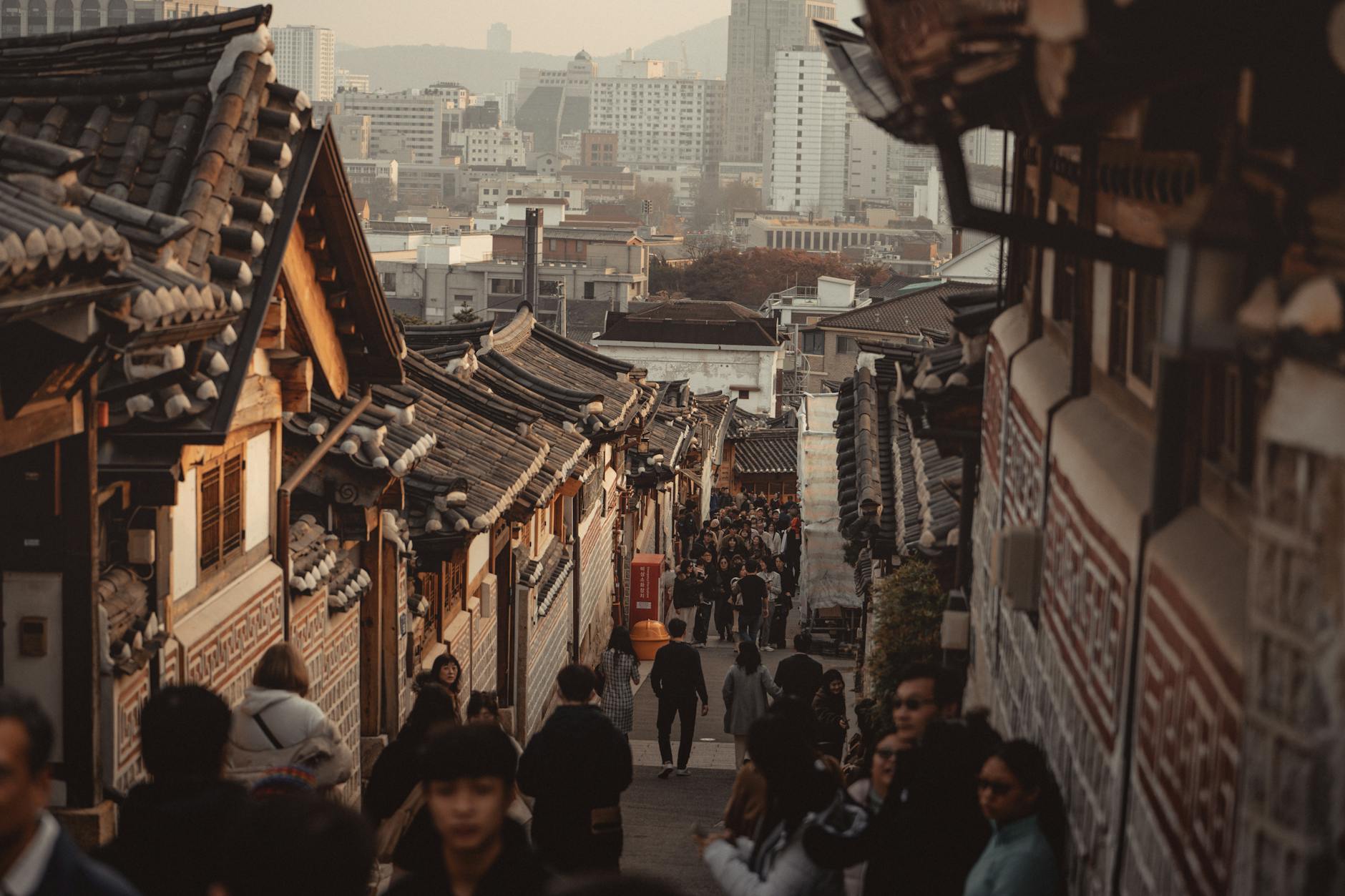
Leave by the palace’s east gate and walk 15 minutes uphill to Bukchon. This is the photogenic hillside of tiled-roof houses you will have seen in every Seoul photograph, and the classic view is from the top of Bukchon-ro 11-gil, looking down over the roofs to the towers of central Seoul.
People live in these houses, and the district now restricts tourist access to parts of the core in the late afternoon and evening, which is one reason to come mid-morning. Keep your voice down and do not photograph into doorways. Allow 45 minutes to an hour. Our Bukchon Hanok Village guide has the best viewpoints and the current rules.
12:30 — Lunch in Insadong
Walk down to Anguk Station and across the road into Insadong (10 minutes). The main street is lined with craft and souvenir shops; the lanes on either side hide restaurants and tea houses. Good choices for a first lunch are a bowl of sujebi (hand-torn noodle soup), doenjang jjigae (soybean-paste stew) with rice and side dishes, or a set of savoury pancakes, all around ₩10,000–15,000. Finish with a pot of traditional tea in one of the old tea houses if you have time. Our Insadong guide lists the ones worth finding.
14:00 — Changdeokgung, or Ikseon-dong
You have a choice here, and it depends on how much palace you can take in one day.
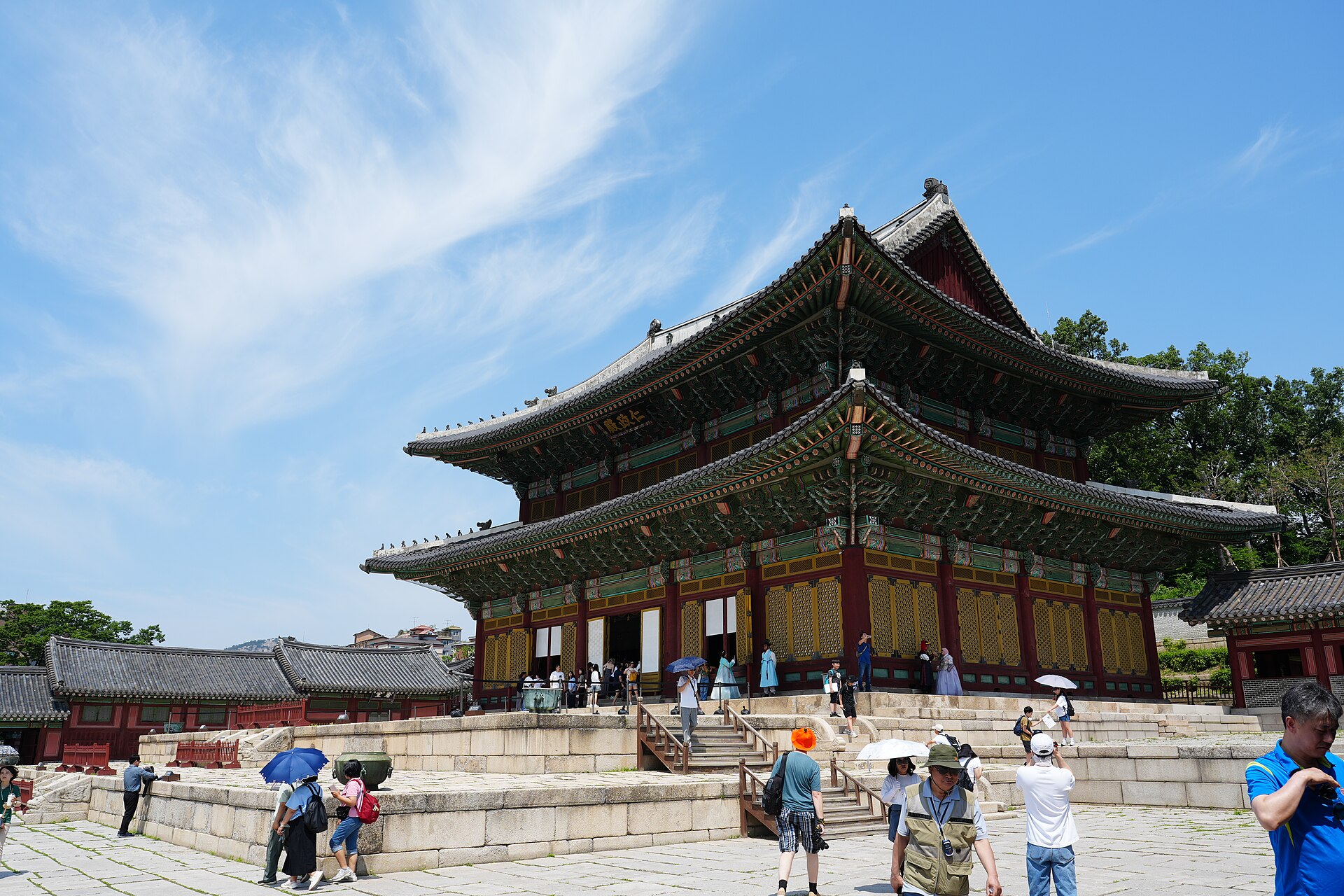
- Changdeokgung (₩3,000, closed Mondays) is ten minutes’ walk east of Insadong. It is smaller, older in feel and more harmonious with its hillside than Gyeongbokgung, and it is the palace many visitors end up preferring. If you have booked the Secret Garden tour, this is when to use it: the guided walk through the royal garden’s pavilions and ponds takes about 90 minutes.
- Ikseon-dong is a ten-minute walk south of Changdeokgung: a tiny grid of 1920s hanok converted into cafés, dessert shops and restaurants. If you have had enough of palaces, spend the time here over a long coffee instead. Our Ikseon-dong guide covers which cafés to try.
16:00 — Gwangjang Market
Take Line 1 from Jongno 3-ga to Jongno 5-ga (two stops) or walk 20 minutes east. Gwangjang Market is Seoul’s most famous food market and the ideal late-afternoon stop, because it fills a gap between lunch and a late dinner without ruining either. Sit at a counter and share a bindaetteok (mung-bean pancake), a plate of mayak gimbap and a bottle of makgeolli. Allow 45 minutes. Our Gwangjang Market food guide tells you exactly what to order.
17:30 — Namsan and N Seoul Tower
Take Line 2 from Euljiro 4-ga, change to Line 4 at Dongdaemun History & Culture Park, and get off at Myeongdong. From Exit 3, walk uphill for about ten minutes to the Namsan cable car, which costs ₩14,000 return and takes three minutes. The walking trail is free and takes 30–40 minutes if your legs still work.
Aim to reach the top about 40 minutes before sunset. The plaza, terraces and famous love-lock fences are free. The observatory inside N Seoul Tower costs ₩21,000 and is worth it on a clear evening; in haze, the free terraces are almost as good.

19:30 — Dinner in Myeongdong
Come down on the cable car and walk into Myeongdong. The main shopping streets fill with food carts in the evening — grilled lobster tails, egg bread, tornado potatoes — and the backstreets have plenty of Korean BBQ restaurants. A proper BBQ dinner with a drink runs ₩25,000–35,000 per person. If you are still standing afterwards, the skincare shops are open late. Our Myeongdong guide covers where to eat and what to buy.
Day 2: South of the river, and a night in Hongdae
Day 2 shows you the Seoul that has been built in the last forty years: design-led, commercial and relentlessly new. It involves more subway time than Day 1, so it starts a little later.
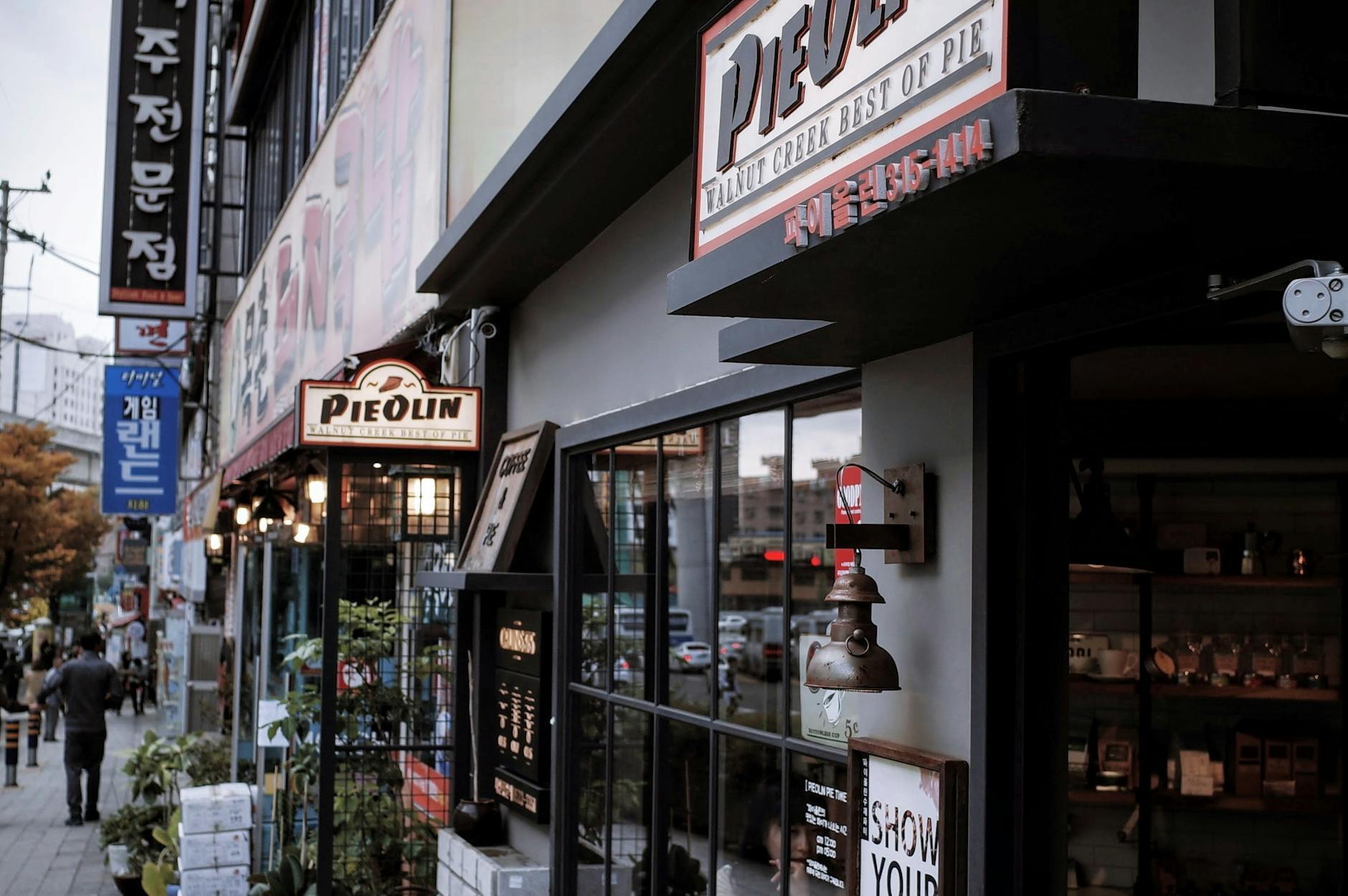
10:00 — Seongsu-dong
Take Line 2 to Seongsu Station. Seongsu was a district of shoe factories, printing shops and car repair garages; many of those buildings are now cafés, brand flagships and pop-up stores, and it has become the most talked-about neighbourhood in the city. Most cafés open around 10:00–11:00, so this is a good time to wander the backstreets between Seongsu and Seoul Forest stations before the crowds arrive.
Pick one or two cafés rather than trying to tick off a list — several are in huge converted warehouses and worth seeing for the space alone — and allow time for the pop-up stores, which change every few weeks. Our Seongsu-dong guide explains where to start.
11:30 — Seoul Forest
Walk ten minutes south to Seoul Forest, a large park on the old site of a racecourse and water-treatment works, with woodland paths, ponds and a deer enclosure. It is a pleasant half-hour stroll, and in spring and autumn it is one of the prettiest green spaces in the city.
12:30 — Lunch
Eat in Seongsu before you leave. The area has everything from traditional gukbap (rice soup) restaurants that have served factory workers for decades to brunch places; budget ₩12,000–20,000.
14:00 — COEX and Starfield Library
Take Line 2 to Samseong Station (about 20 minutes). COEX is a vast underground mall, and at its centre is Starfield Library, a double-height atrium lined with thirteen-metre bookshelves. It is free, open to anyone, and one of the most photographed interiors in Seoul. Across the road is Bongeunsa, a Buddhist temple founded well over a thousand years ago that now sits among the office towers of Gangnam, which is exactly the kind of contrast Seoul does best. Allow 1.5 hours for both.
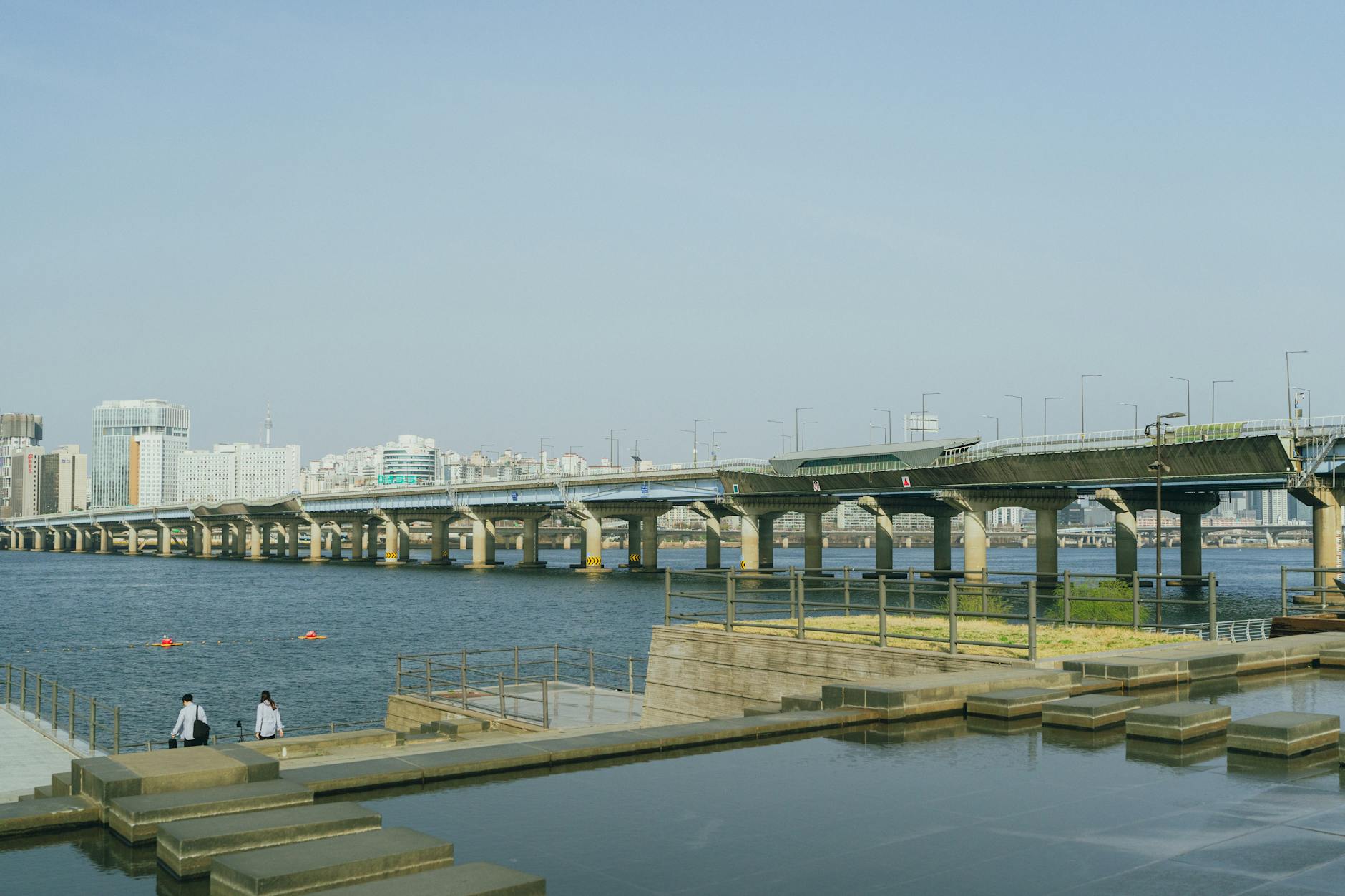
16:00 — The Han River
Head to the river for the late afternoon. The easiest options:
- Banpo Hangang Park (Express Bus Terminal Station, Lines 3, 7 and 9, then a 15-minute walk): lawns, the river and the Moonlight Rainbow Fountain on Banpo Bridge, which runs light-and-water shows on evenings in the warmer months. Check the current show times before you plan around it.
- Yeouido Hangang Park (Yeouinaru Station, Line 5): the classic spot for chimaek — fried chicken and beer on the grass. Order delivery to the park or buy from the convenience stores along the bank.
- Rent a bike with Seoul’s Ttareungyi public bike scheme and ride a stretch of the riverside paths.
Our Han River guide covers cruises, parks and cycling routes.
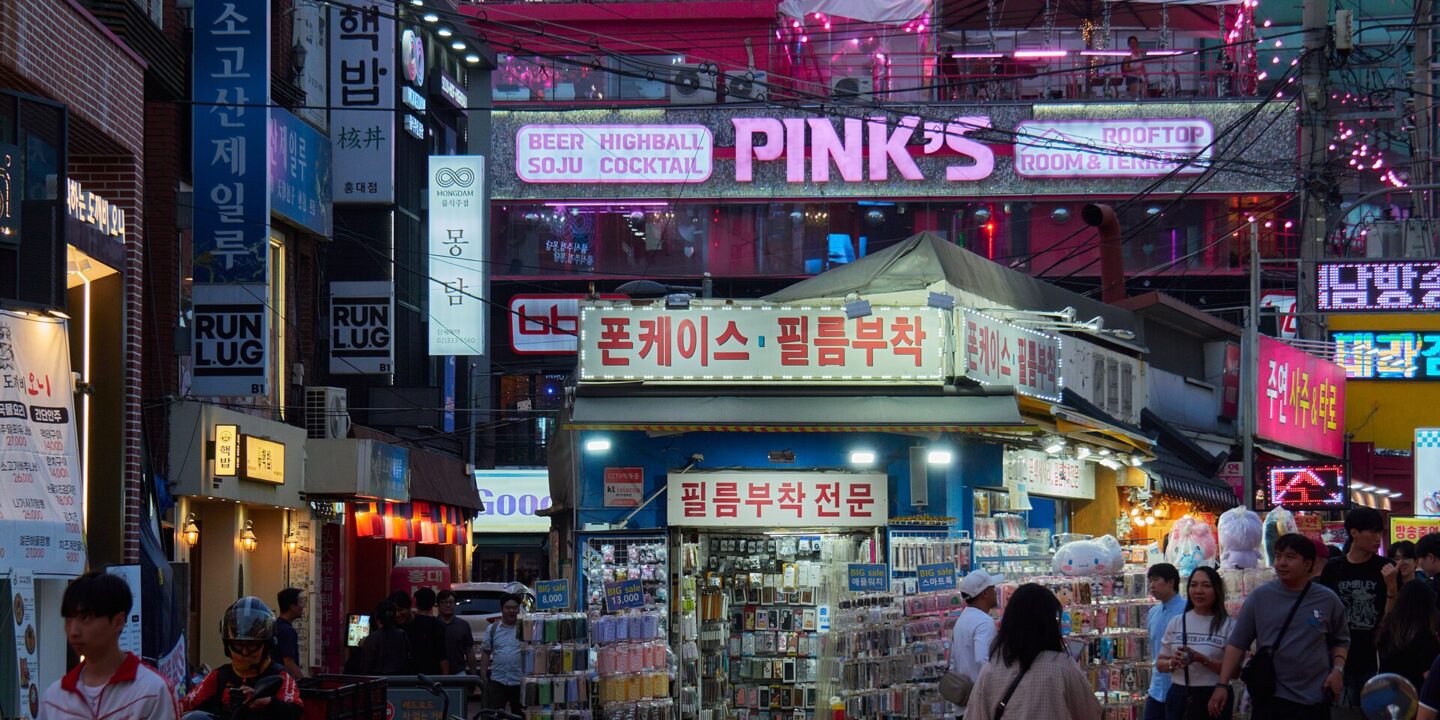
19:00 — Hongdae
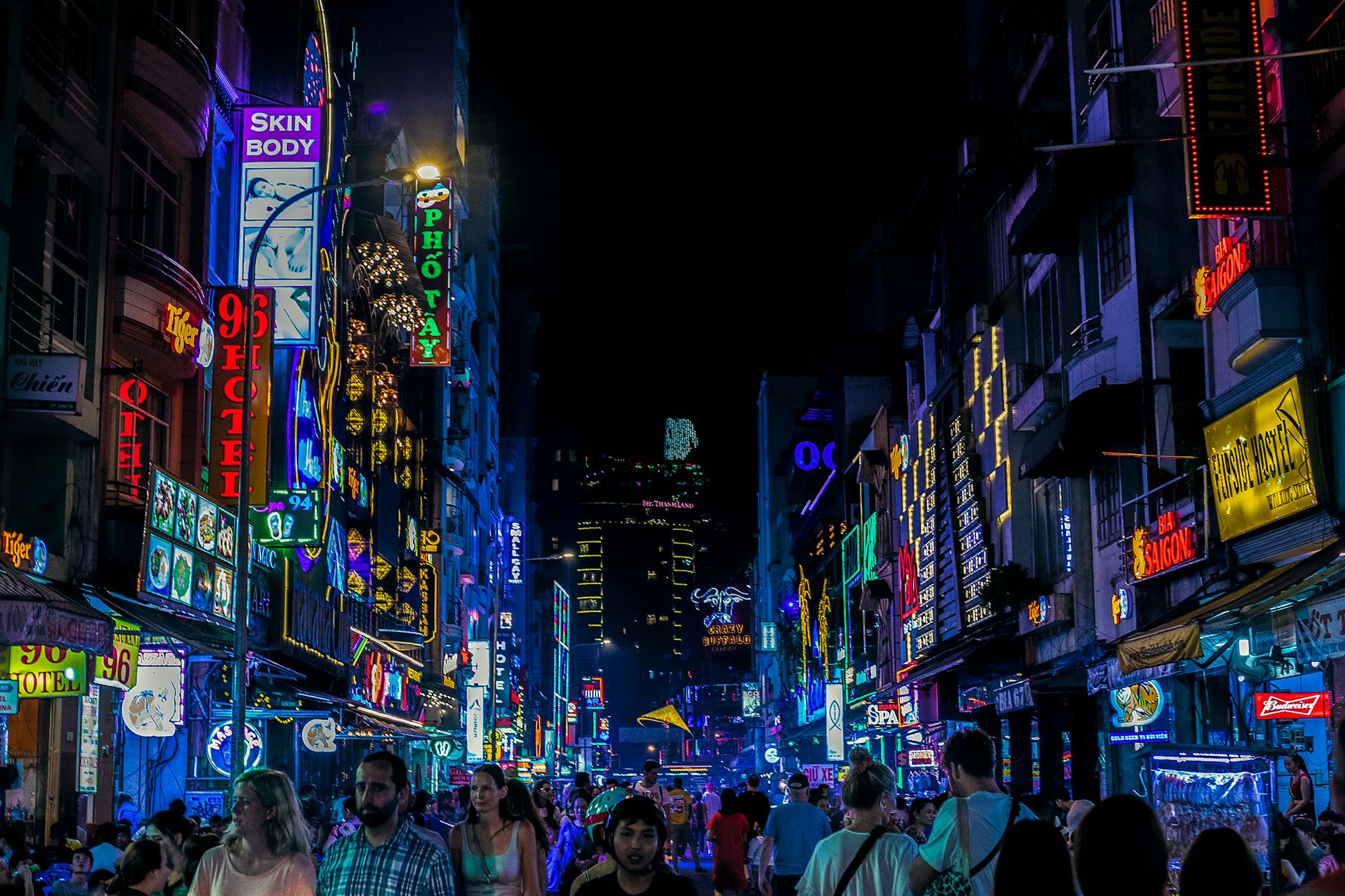
Take the subway to Hongik University Station (Line 2, the Gyeongui-Jungang Line, or AREX). Hongdae is the neighbourhood around Hongik University, Seoul’s art school, and it has been the centre of the city’s indie music, street performance and cheap nightlife for decades.
- Dinner: Korean fried chicken and beer, dakgalbi (spicy stir-fried chicken), or one of the barbecue places on the side streets. ₩15,000–25,000 per person.
- Busking: from early evening, dance crews and singers perform along the main pedestrian street. It is free, loud and very good.
- Bars and clubs: the neighbourhood runs late, particularly on Friday and Saturday. Clubs get going after 23:00.
- Photo booths: Hongdae has the densest concentration of self-photo studios in the city. A strip costs ₩4,000–8,000.
Our Hongdae guide covers the live-music venues and where the nights actually happen.
Alternative Day 2: Gangnam instead of Seongsu
If shopping and polished modern Seoul appeal more than warehouse cafés, swap the morning:
- 10:30 Garosu-gil (Sinsa Station, Line 3): a tree-lined street of boutiques and cafés.
- 12:30 Apgujeong Rodeo and Cheongdam: designer flagships and K-beauty clinics; lunch nearby.
- 14:30 COEX, Starfield Library and Bongeunsa, as above.
- 16:30 Lotte World Tower (Jamsil Station, Lines 2 and 8): Seoul Sky, the observation deck on the tower’s upper floors, 555 m up with a glass floor. It is spectacular, but it replaces Namsan rather than adding to it; with only two days, choose one.
- 19:30 Hongdae, as above, or stay in Gangnam for dinner.
Our Gangnam guide explains which parts of the district are worth your time.
Swaps for rain, heat and winter
Rainy day
- Swap Bukchon for the National Museum of Korea (free; Ichon Station, Lines 4 and the Gyeongui-Jungang Line). It is enormous and could fill a whole day.
- Swap the Han River for a jjimjilbang, the Korean bathhouse, or for the underground shopping arcades.
- Gwangjang Market is covered and works in any weather.

For more options, see our Seoul rainy day activities guide.
Summer heat
July and August are hot, humid and prone to heavy monsoon downpours. Start at 08:00, get the palace done before 11:00, and spend the hottest part of the afternoon indoors — COEX, a museum or a café — before going back out for sunset. Carry water and an umbrella that works as a parasol.
Winter
From November to February, Gyeongbokgung closes at 17:00 (last entry 16:00) and it is dark by 17:30. Move Namsan earlier, to catch the last light, and swap the Han River picnic for a warm restaurant, a hot-pot dinner or a jjimjilbang. Winter is also cold enough that walking all day needs proper layers; temperatures below freezing are normal in January. Our Seoul in winter guide covers what is still worth doing.
Making it work as a real weekend
Most two-day visits are not two clean days. They are a Friday-evening arrival and a Sunday-afternoon flight, or a stopover wedged between other cities. A few adjustments make the difference.
Arriving the night before
If you land at Incheon on a Friday evening, take the AREX to Seoul Station (about 43 minutes on the Express) or Hongik University, check in, and go straight out for a late dinner. Seoul eats late and plenty of restaurants, pojangmacha tents and convenience stores are open towards midnight, so a bowl of noodles or a round of fried chicken on your first night costs you nothing from the itinerary.
Leaving on the second afternoon
If your flight is on the evening of Day 2, reverse the order: do the Han River and COEX in the morning, leave your bags at the hotel or in a station locker, and finish in Hongdae for an early dinner, which has the advantage of a direct AREX line to the airport. Allow three hours at Incheon before an international departure.
Weekends versus weekdays
Saturday and Sunday are the busiest days at Gyeongbokgung, Bukchon, Seongsu and the Han River parks, because Seoul’s residents are out too. On the other hand, Hongdae is at its best on a Friday or Saturday night, and the markets have the most atmosphere at weekends. If you have a choice, put the palace day on a weekday and save the Hongdae night for the weekend.
Where to stay for two nights
| Area | Why it works for this itinerary | Downside |
|---|---|---|
| Myeongdong | Walk to Namsan; one stop from Seoul Station; food and shopping on the doorstep | Crowded and touristy |
| Jongno / Insadong | Walk to both palaces and Bukchon; quieter at night | Further from Hongdae |
| Hongdae | Day 2 ends on your doorstep; direct AREX to Incheon | 30 minutes from the palaces; noisy at weekends |
| Gangnam | Good for the alternative Day 2 | Far from everything on Day 1 |
For most people on a two-day visit, Myeongdong or Jongno is the right answer. Our where to stay in Seoul guide compares every neighbourhood.
Where two days falls short
Two days is a good introduction and a frustrating farewell at the same time. Here is what this itinerary deliberately leaves out:
- The DMZ. A tour takes most of a day. Not possible without dropping Day 2 entirely.
- Day trips. Suwon Hwaseong Fortress, Nami Island and the temples outside the city all need a separate day.
- Deoksugung, Gyeonghuigung and Jongmyo. Three more palaces and shrines, all excellent, none essential on a first short visit.
- Hiking. Bukhansan National Park is inside the city limits and one of the best things to do in Seoul. It needs a morning at least.
- Slow time. A jjimjilbang afternoon, a temple stay, a long evening in a single neighbourhood. Two days is all highlights and no lingering.
If you can find one more day, our 3-day Seoul itinerary adds a slower pace and a choice of day trip. If you are down to a single day, our one-day Seoul itinerary shows what to cut. And if Seoul is the start of a longer trip around Korea, our 10-day Korea itinerary adds Gyeongju and Busan by KTX.
Frequently asked questions
Is 2 days in Seoul enough?
It is enough to see the essentials: a palace or two, Bukchon, a market, Namsan, a modern neighbourhood and Hongdae. It is not enough for day trips, the DMZ or much slow exploring. Most visitors who do two days wish they had three or four.
What should I prioritise with 48 hours in Seoul?
Gyeongbokgung Palace, Bukchon, a meal at Gwangjang Market and the view from Namsan on Day 1. On Day 2, one modern neighbourhood — Seongsu or Gangnam — and an evening in Hongdae.
Can I visit both Gyeongbokgung and Changdeokgung in one day?
Yes. They are a 15-minute walk apart, with Bukchon in between. Two palaces in a day is a lot for some people, which is why this itinerary gives Ikseon-dong as an alternative for the afternoon.
Is Seongsu or Gangnam better for a short trip?
Seongsu for cafés, independent shops and atmosphere; Gangnam for department stores, luxury flagships, K-beauty and Lotte World Tower. Seongsu is more distinctive for a first visit.
Where is the best place to stay for a weekend in Seoul?
Myeongdong or Jongno for sightseeing, Hongdae if nightlife matters most. All three are well connected by subway, and Hongdae has a direct train to Incheon Airport.
How much should I budget for 2 days in Seoul?
Around ₩150,000–230,000 per person for transport, entry fees, food and drink, excluding accommodation. You can do it for less by eating at markets and skipping the tower observatory.
Final thoughts
Two days in Seoul works best when you stop trying to see the whole city and instead see each half of it properly. Walk the palaces and hanok lanes on the first day, eat at a market counter, watch the sun set from Namsan; spend the second in the Seoul that is being invented right now, and end it with a drink in Hongdae. You will leave with a list of things you missed. Keep it — it is the plan for the next trip. For longer routes, our Seoul itineraries hub has plans for every length of stay.
Photo Credits
Injeongjeon throne hall at Changdeokgung Palace: Changdeokgung Injeongjeon in 2026 (1) by Sadopaul, CC BY-SA 4.0, via Wikimedia Commons.
Hongdae street at dusk: Hongdae, Seoul- Part II – Hongdae2237 by lumoplank, CC0, via Wikimedia Commons.