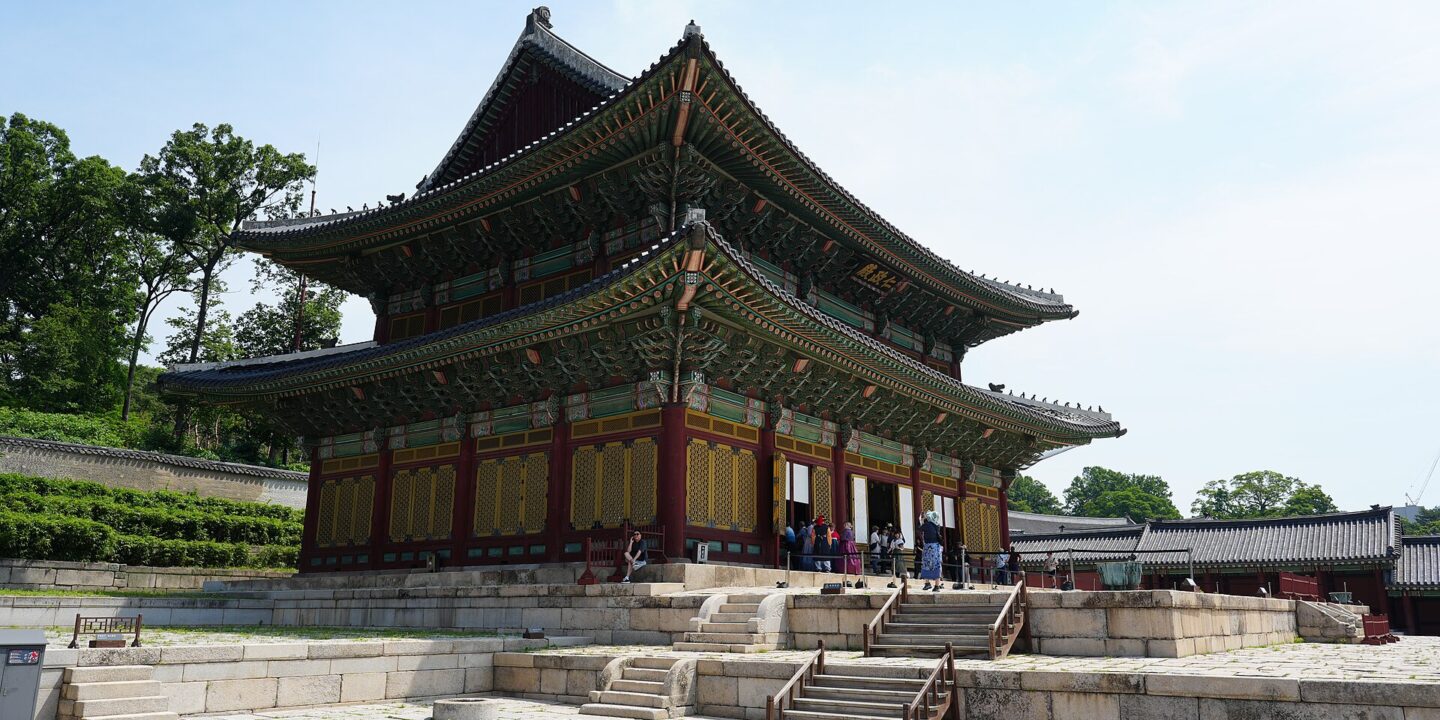
This guide is the hub for everything palace-related on this site. It explains what each of the five grand palaces is like and who it suits, compares them side by side, does the maths on the combined palace ticket, sets out every free-entry rule, recommends which palace to choose if you have one, two or three free half-days, and lays out a walking route that links Gyeongbokgung, Bukchon, Changdeokgung and Insadong. It also covers Jongmyo, the royal ancestral shrine, which shares the palace ticket. Prices, hours and rules were checked in October 2026. Palace administration changes ticketing more often than most guidebooks admit, so check the official Royal Palaces and Tombs Center site before you rely on a detail.
The five palaces at a glance
| Palace | Adult ticket (₩) | Closed | Time needed | Crowds | Best for |
|---|---|---|---|---|---|
| Gyeongbokgung | 3,000 | Tuesday | 2–3 hours | Very busy | First-timers, grandeur, the guard ceremony, hanbok photos |
| Changdeokgung | 3,000 (+5,000 Secret Garden) | Monday | 1 hour, or 2.5 with the garden | Busy | Architecture in its landscape, the Secret Garden, UNESCO status |
| Changgyeonggung | 1,000 | Monday | 1–1.5 hours | Quiet | Calm walks, the glass greenhouse, evening visits |
| Deoksugung | 1,000 | Monday | 1 hour | Moderate | Evenings, Western-style buildings, the stone-wall road |
| Gyeonghuigung | Free | Monday | 30–45 minutes | Almost empty | Solitude, a quick stop beside the Seoul Museum of History |
| Jongmyo Shrine | 1,000 | Tuesday | 1 hour | Quiet | Architecture, ritual, UNESCO heritage |
Tickets, passes and free entry at a glance
| Option | Cost (₩) | What it covers |
|---|---|---|
| Integrated palace ticket | 6,000 | Gyeongbokgung, Changdeokgung, Changgyeonggung, Deoksugung and Jongmyo — not the Secret Garden |
| All five sites on individual tickets | 9,000 | The same five sites |
| Changdeokgung Secret Garden | 5,000 extra | Guided tour; book ahead |
| Wearing hanbok | Free entry | All the palaces and Jongmyo |
| Culture Day (every Wednesday) | Free entry | Changdeokgung’s palace halls, Changgyeonggung, Deoksugung and Jongmyo; not Gyeongbokgung or the Secret Garden |
| Hanbok rental | 15,000–20,000 | A basic outfit for 2–4 hours; premium styles 25,000–35,000 |
A two-minute history
The Joseon dynasty was founded in 1392, and in 1394 it made Hanyang, today’s Seoul, its capital. The kingdom was proclaimed the Korean Empire in 1897, and the dynasty’s rule ended in 1910. The founding king, Taejo, built Gyeongbokgung as the main palace in 1395. Over the following centuries the court added secondary palaces, moved between them, lost almost all of them to fire and invasion, and rebuilt.
Two catastrophes shaped what you see today. In 1592, during the Japanese invasions, all of the city’s palaces burned. Changdeokgung was rebuilt first and served as the main royal residence for most of the following 270 years, while Gyeongbokgung lay in ruins until it was reconstructed in the 1860s. Then, during Japan’s colonial rule from 1910 to 1945, the palaces were systematically diminished: buildings were dismantled or sold, a zoo was installed in Changgyeonggung, a school was built in Gyeonghuigung, and the colonial Government-General Building was placed directly in front of Gyeongbokgung’s throne hall.
Since the 1980s Korea has been restoring them, often building by building from historical plans. That restoration is still under way. It is worth knowing, because much of what you walk through is a careful reconstruction rather than an original, which makes the few surviving older buildings all the more remarkable.
Gyeongbokgung Palace
The first, largest and grandest of the palaces, and the one to choose if you only visit one.
What it is like
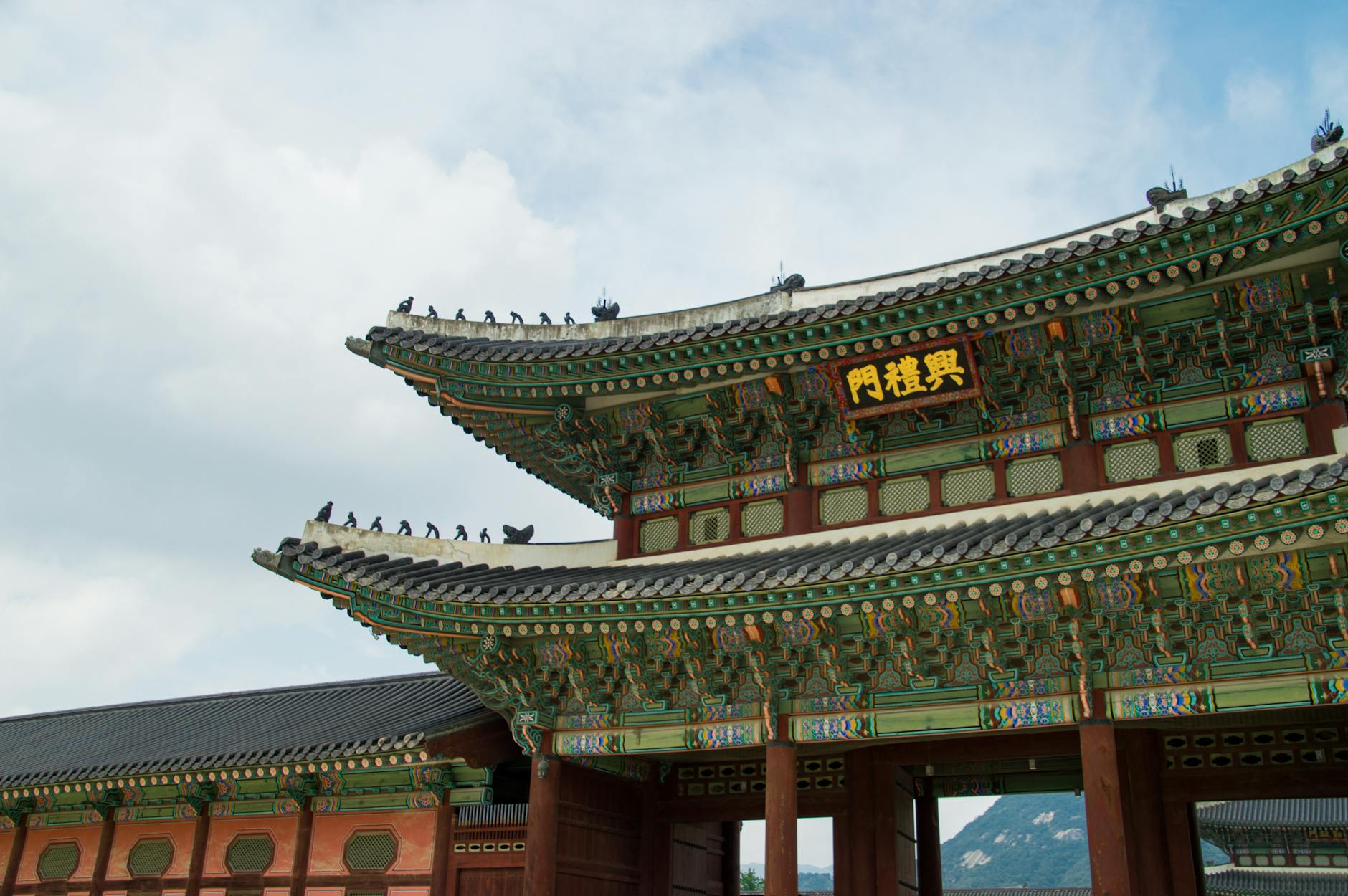
Gyeongbokgung is built on a grand, symmetrical axis running north from Gwanghwamun Gate towards the mountain behind, a layout designed according to geomancy to place the king between the mountain and the river. You pass through a succession of gates and courtyards to Geunjeongjeon, the two-storey throne hall, standing on a stone-paved court lined with rank markers for the officials. To the west is Gyeonghoeru, a huge royal banquet pavilion set over a pond, and to the north, the more intimate royal living quarters, Hyangwonjeong Pavilion on its island, and the site where Empress Myeongseong was assassinated in 1895.
The grounds also contain two free museums: the National Palace Museum of Korea, with royal artefacts, and the National Folk Museum of Korea, which is excellent on everyday life in the Joseon period.
Practical details
- Ticket: ₩3,000.
- Closed: Tuesdays.
- Hours: 09:00–17:00 from November to February (last entry 16:00); 09:00–18:00 in March to May and September to October (last entry 17:00); 09:00–18:30 from June to August (last entry 17:30).
- Guided tours: free English tours run at set times on the days the palace is open. Audio guides cost ₩3,500.
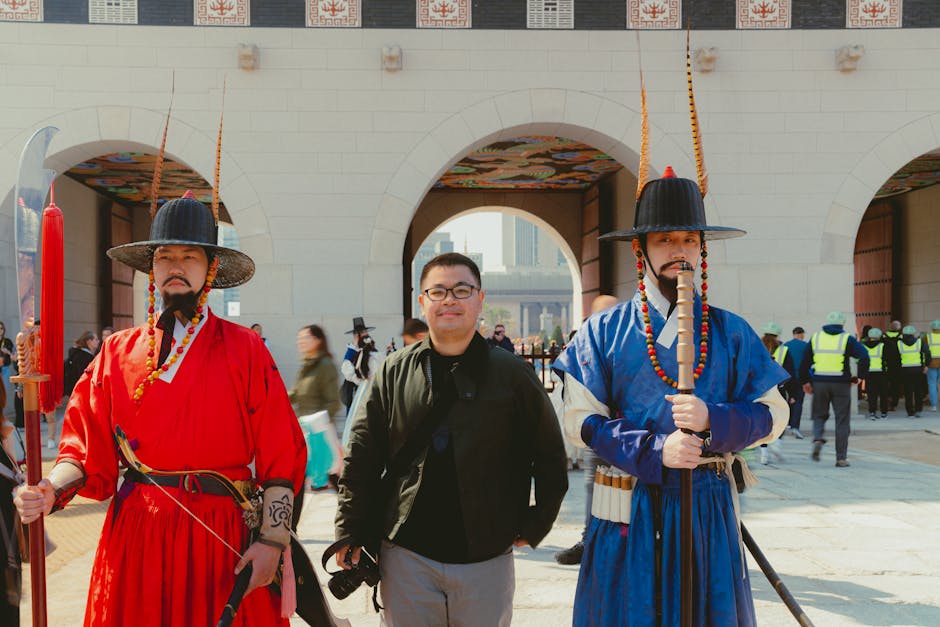
- Royal Guard changing ceremony: at Gwanghwamun Gate at 10:00 and 14:00, about 20 minutes, free to watch.
- Getting there: Gyeongbokgung Station (Line 3), Exit 5, or Gwanghwamun Station (Line 5).
The honest verdict
It is essential, and it is also Seoul’s most visited palace. The central courtyards can feel like a photo studio full of hanbok. Arrive at 09:00, walk straight through to the quieter northern half first, and come back to the throne hall when the tour groups have moved on.
Changdeokgung Palace and the Secret Garden
The palace many visitors end up loving most, and the only one of the five on the UNESCO World Heritage List.
What it is like
Where Gyeongbokgung imposes a strict geometry on flat ground, Changdeokgung follows the contours of its hillside, with buildings placed to fit the landscape rather than dominate it. That approach is the reason for its UNESCO listing in 1997. Built in 1405 as a secondary palace, it was the first to be rebuilt after 1592 and became the kings’ main residence for roughly 270 years.
You enter through Donhwamun, the oldest surviving main palace gate in Seoul, first built in 1412 and rebuilt in the early 1600s. Inside are Injeongjeon, the throne hall; Seonjeongjeon, the only council hall in the palaces to keep its blue-glazed roof tiles; and Nakseonjae, an unpainted complex of wooden residences that was home to members of the royal family into the late twentieth century.
The Secret Garden (Huwon)
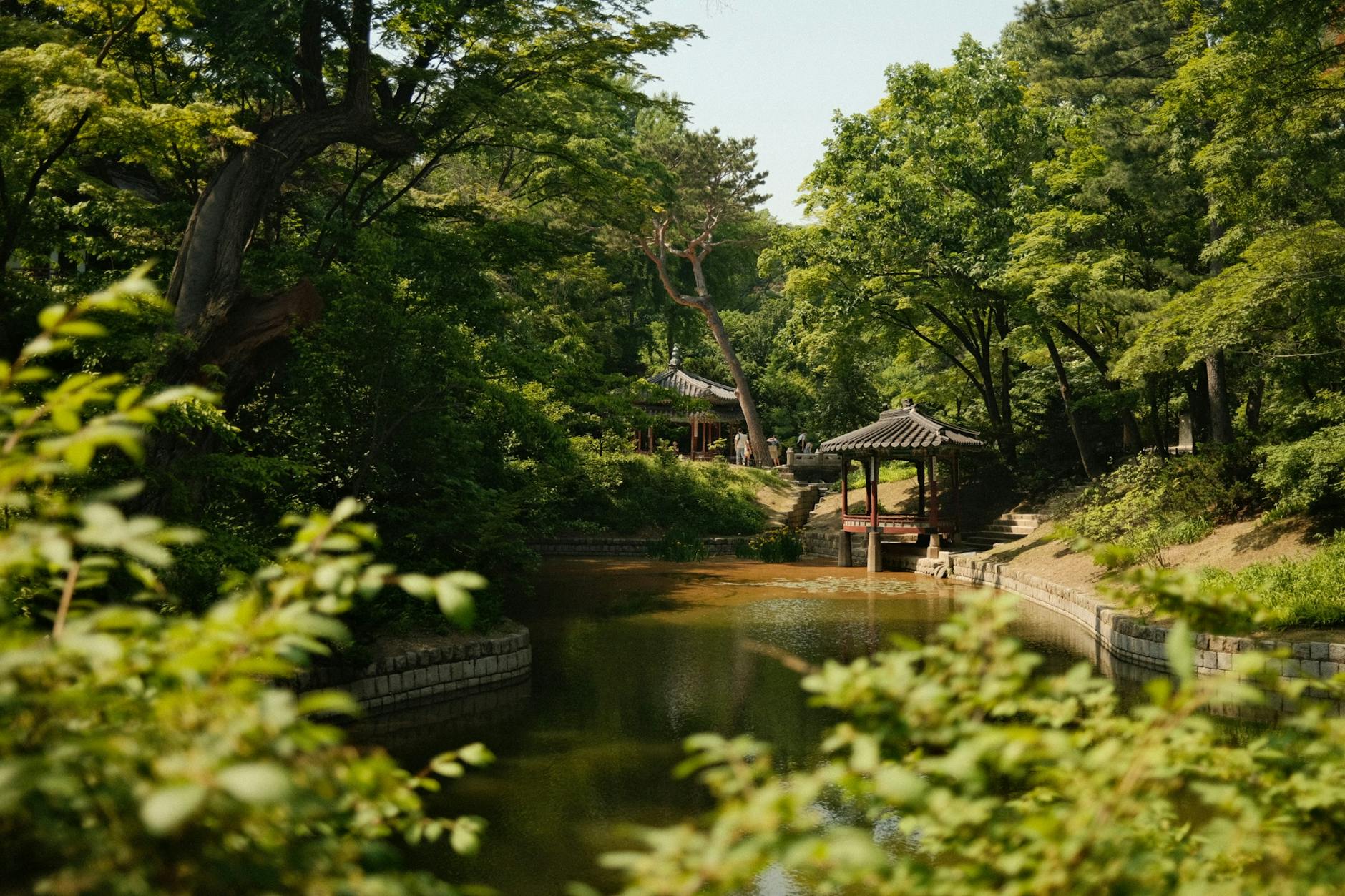
Behind the palace, occupying most of the hill, is Huwon, the royal garden. It is not a garden in the European sense but a managed woodland with ponds, pavilions and streams, designed as a retreat for the kings. The highlights are Buyongji, a square lotus pond overlooked by the two-storey Juhamnu library pavilion; Aeryeonji, the “lotus-loving” pond; and Ongnyucheon, a secluded stream where kings once floated wine cups and composed poems.
- Entry: in timed sessions capped at 100 visitors each. You go in with a guide, then either follow the commentary or explore the open areas on your own. You also need a Changdeokgung ticket.
- Ticket: ₩5,000 for adults, ₩2,500 for youth, free for young children.
- Booking: English-language slots are limited and sell out, especially in spring and autumn. Book online in advance; a small number of tickets are sometimes held back for sale on the day, but do not rely on it.
- Not on the combined ticket: the Secret Garden is excluded from the integrated palace ticket, so you pay for it separately either way.
Practical details
- Ticket: ₩3,000; Secret Garden ₩5,000 extra.
- Closed: Mondays.
- Getting there: Anguk Station (Line 3), Exit 3, then about five minutes’ walk.
The honest verdict
The Secret Garden is worth the effort of booking, particularly from mid-October to early November and in spring. Without it, Changdeokgung is still lovely but takes only an hour, and some people find it a little similar to Gyeongbokgung after a long morning. If you can visit only one palace and cannot get a garden slot, choose Gyeongbokgung; if you can get a slot, Changdeokgung is the more memorable visit.
Changgyeonggung Palace
The quiet one, with the most poignant history and a Victorian-style glasshouse.
What it is like
Changgyeonggung was expanded under King Seongjong as a residence for three dowager queens, and it adjoins Changdeokgung to the east. Its main throne hall, Myeongjeongjeon, rebuilt in 1616, is the oldest surviving main hall of any of Seoul’s palaces. The palace is also the setting of one of the darkest stories in the dynasty’s history: in 1762, Crown Prince Sado was locked in a wooden rice chest in its grounds on the orders of his father, King Yeongjo, and died there eight days later.
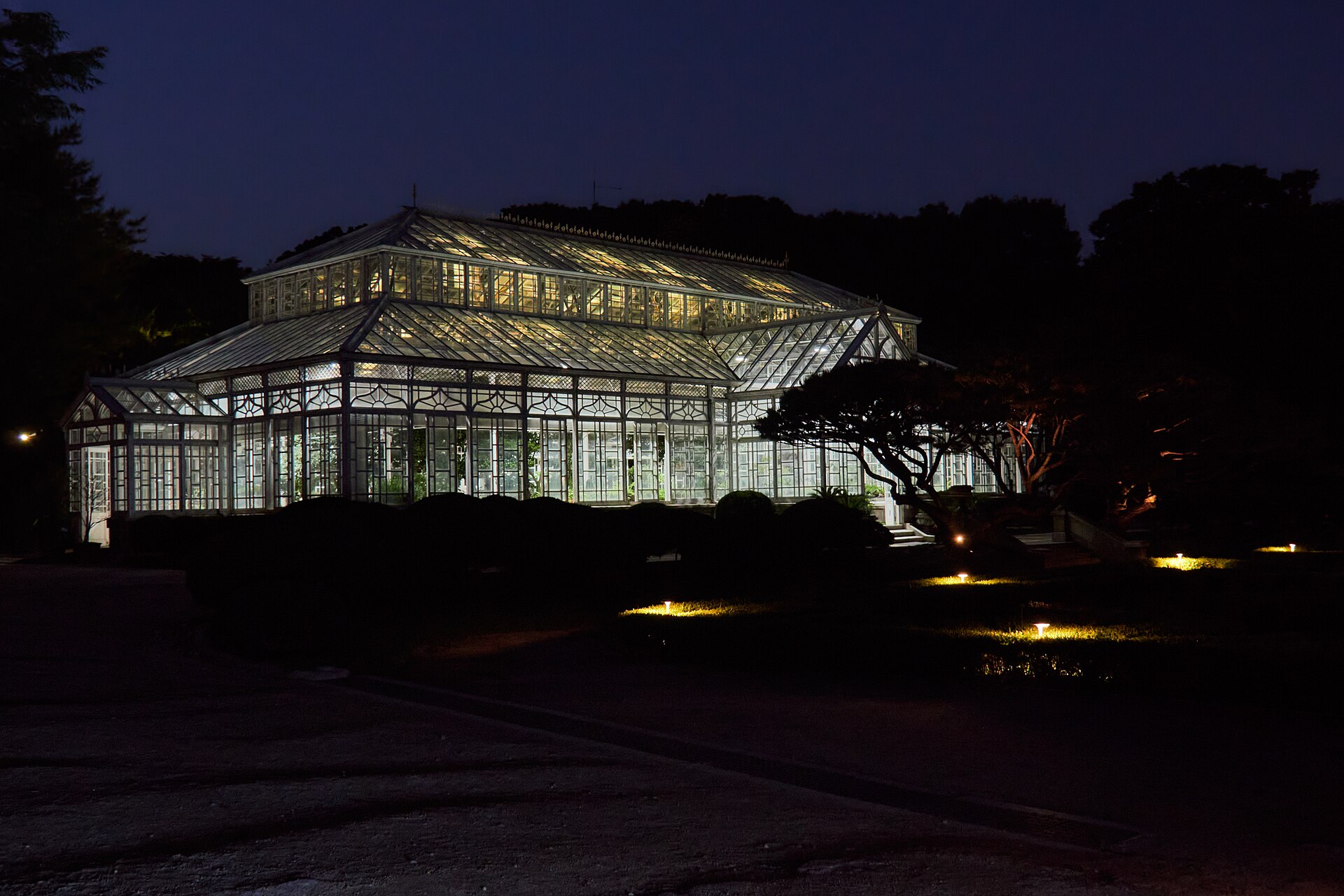
During the colonial period, the Japanese authorities turned the palace into a public zoo and botanical garden and renamed it Changgyeongwon, a pleasure park. The zoo remained until 1983, when it was moved to Seoul Grand Park and the palace restoration began. One legacy survives: Daeonsil, a white-framed glass greenhouse completed in 1909, which was among the first Western-style greenhouses in Korea. It is surprisingly lovely, especially lit up after dark.
Practical details
- Ticket: ₩1,000.
- Hours: 09:00–21:00.
- Closed: Mondays.
- Getting there: Hyehwa Station (Line 4), Exit 4.
- Links: a restored path along the old palace wall connects the Changgyeonggung area to Jongmyo, reuniting the palace and the shrine for walkers after decades of separation by a road.
The honest verdict
Changgyeonggung is not spectacular in the way Gyeongbokgung is, but it is peaceful, green and quietly affecting, and its late opening hours make it an easy addition to a day. It is the best palace for anyone who dislikes crowds.
Deoksugung Palace
The palace of Korea’s last years of independence, and the best for an evening stroll.
What it is like
Deoksugung began life as a royal family residence and became a palace by accident, when King Seonjo lived there after the 1592 invasions destroyed everything else. It returned to prominence at the end of the nineteenth century, when King Gojong moved there and, in 1897, proclaimed the Korean Empire in an attempt to assert the country’s independence. That is why Deoksugung mixes traditional Korean halls with Western buildings.
- Seokjojeon, a neoclassical stone palace completed in 1910, now houses a museum of the Korean Empire period.
- Jeonggwanheon, a pavilion blending Korean and Western styles, where Gojong is said to have drunk coffee.
- Junghwajeon, the traditional throne hall.
- The MMCA Deoksugung, a branch of the National Museum of Modern and Contemporary Art, in a Western-style building beside Seokjojeon (separate ticket).
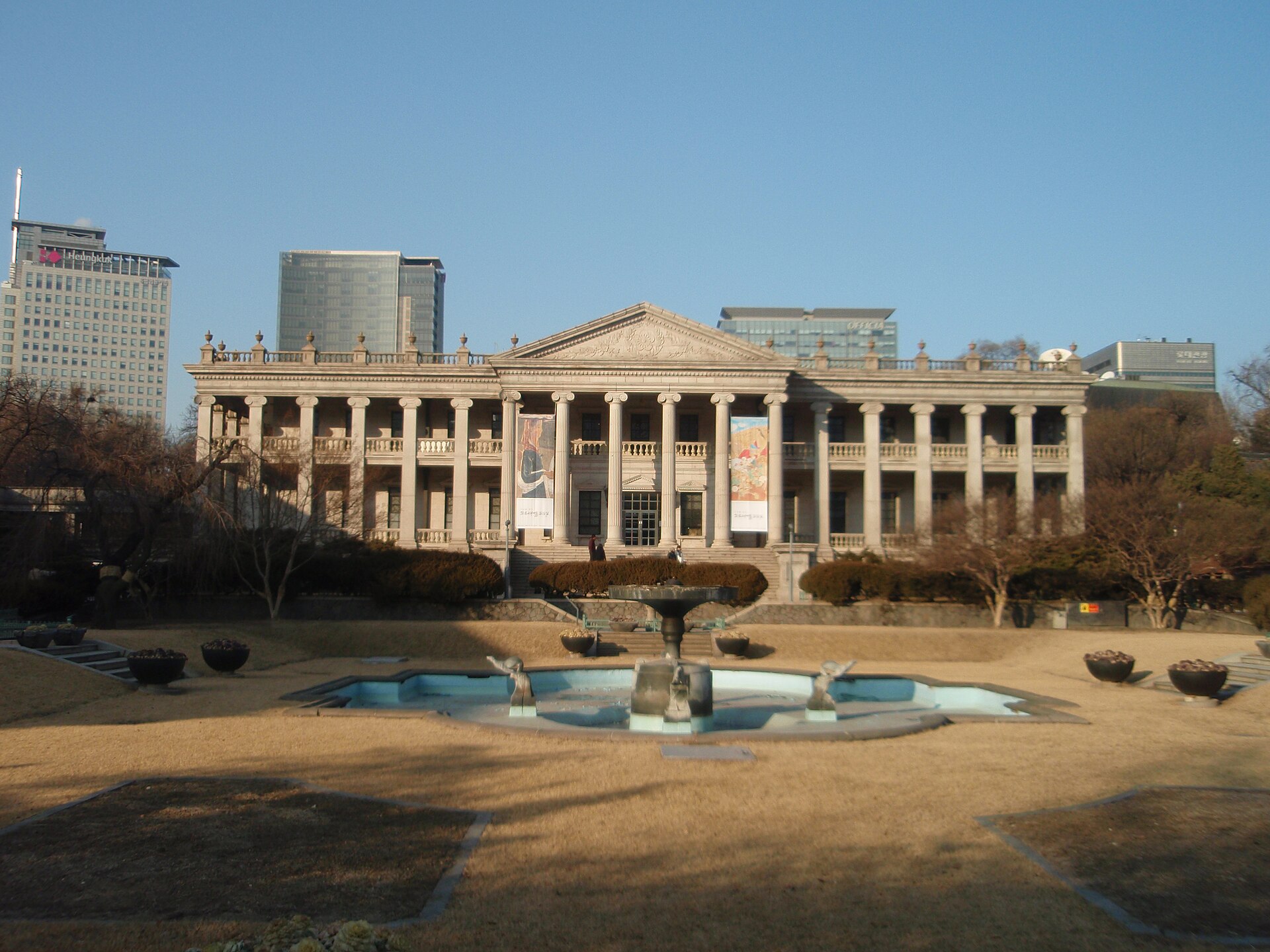
Outside the palace wall runs Deoksugung Doldam-gil, the stone-wall road, one of the most romantic walks in the city and especially beautiful in autumn, when its ginkgo trees turn gold. A Royal Guard changing ceremony is also held at Daehanmun, the palace’s main gate, several times a day.
Practical details
- Ticket: ₩1,000.
- Hours: 09:00–21:00.
- Closed: Mondays.
- Getting there: City Hall Station (Lines 1 and 2), Exit 2, directly outside Daehanmun.
The honest verdict
Small, central and open late, Deoksugung is the easiest palace to fit into a busy itinerary. Visit around dusk, when the lights come on and the office workers wander in after work, then walk the stone-wall road. It will not give you the scale of Gyeongbokgung, but it tells a part of Korean history the other palaces do not.
Gyeonghuigung Palace
The forgotten palace, and a lesson in how much was lost.
What it is like
Gyeonghuigung, the “West Palace”, was at its height a major royal residence with around a hundred buildings. During the colonial period almost all of it was dismantled: its buildings, even the throne hall, Sungjeongjeon, were removed or relocated, and a Japanese school was built on the site.
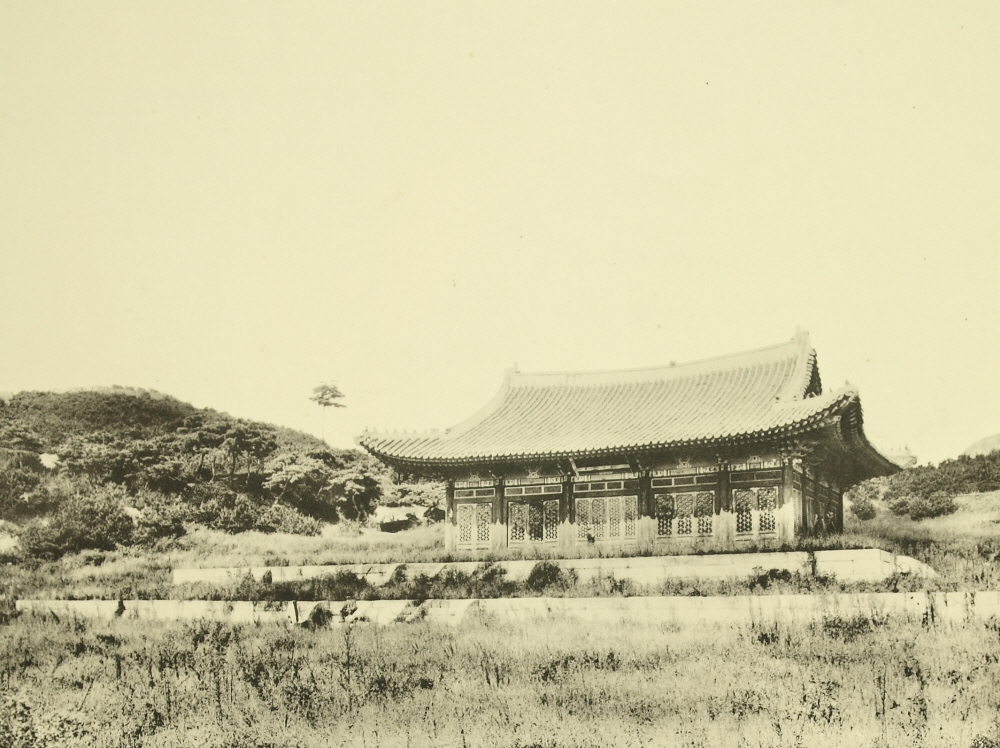
What you see now is a partial reconstruction of the throne hall and a few surrounding buildings on a hillside, with a great deal of open space where the rest used to be. It is quiet, often almost empty, and more melancholy than beautiful.
Practical details
- Ticket: free.
- Closed: Mondays.
- Getting there: Seodaemun Station (Line 5), Exit 4.
- Next door: the Seoul Museum of History, also free, which is excellent on the city’s development and a natural pairing.
The honest verdict
Skip it on a short trip. On a longer stay, or if you are visiting the Seoul Museum of History anyway, it is worth 30 minutes, and it gives you a genuine sense of what the colonial period did to Korea’s royal heritage.
Jongmyo Shrine
Not a palace, but part of the same story and the same ticket, and for many architecture lovers the most extraordinary building in Seoul.
What it is like
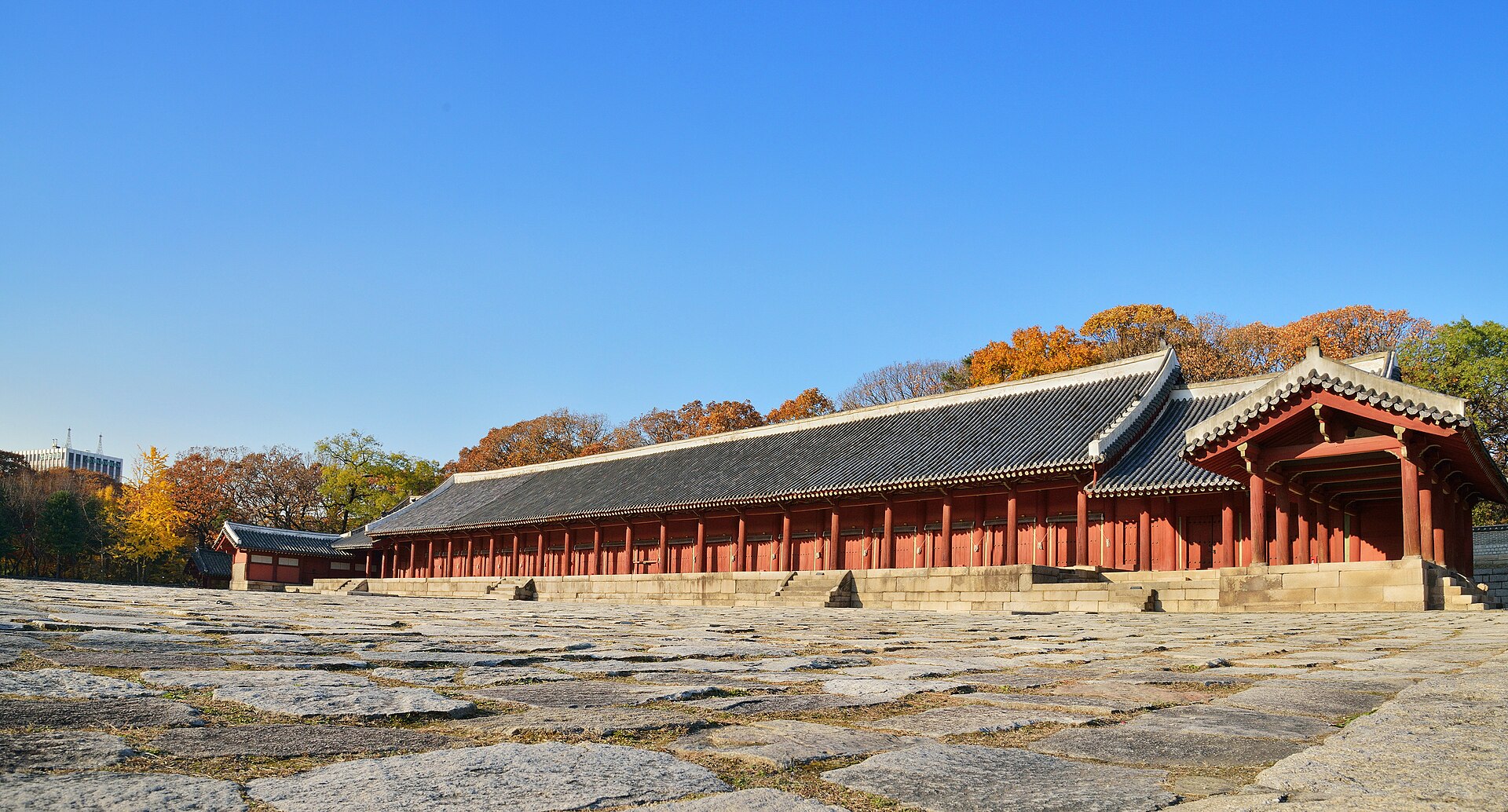
Jongmyo is the royal ancestral shrine, where the spirit tablets of the Joseon kings and queens are enshrined. It was listed as a UNESCO World Heritage Site in 1995. Its main hall, Jeongjeon, is a single, astonishingly long wooden building (no building of traditional design in Korea is longer) with a plain red colonnade and a vast grey tiled roof, facing an enormous stone-paved court. There is almost no decoration. The effect is solemn, minimal and unforgettable.
The Jongmyo Jerye, a royal ancestral rite accompanied by court music and dance, is still performed, most famously on the first Sunday in May. The rite and its music are recognised by UNESCO as intangible cultural heritage. If your dates line up, it is one of the most remarkable ceremonies in Korea.
Practical details
- Ticket: ₩1,000.
- Closed: Tuesdays.
- Guided tours: on Mondays, Thursdays and Fridays, entry is by timed guided tour only, with English tours at 10:00, 12:00, 14:00 and 16:00. On Wednesdays, Saturdays, Sundays and public holidays you can wander freely.
- Getting there: Jongno 3-ga Station (Lines 1, 3 and 5), Exit 8 or 11.
The honest verdict
Go on a Saturday if you prefer to explore alone, or join a tour, which is genuinely informative. Jongmyo is five minutes from the hanok cafés of Ikseon-dong, which makes the pair an excellent afternoon. Our guide to Seoul’s temples and shrines covers Jongmyo alongside the city’s Buddhist temples.
The integrated palace ticket: does it pay?
The current integrated palace ticket costs ₩6,000 and covers one visit each to Gyeongbokgung, Changdeokgung, Changgyeonggung, Deoksugung and Jongmyo. It is valid for six months from purchase. It does not include the Changdeokgung Secret Garden, which needs its own ₩5,000 ticket.
The maths
| What you plan to visit | Individual tickets (₩) | With the pass (₩) | Verdict |
|---|---|---|---|
| Gyeongbokgung only | 3,000 | 6,000 | Buy a single ticket |
| Gyeongbokgung + Changdeokgung | 6,000 | 6,000 | No difference |
| Gyeongbokgung + Changdeokgung + one more | 7,000 | 6,000 | The pass saves ₩1,000 |
| All four palaces + Jongmyo | 9,000 | 6,000 | The pass saves ₩3,000 |
| Deoksugung + Changgyeonggung + Jongmyo | 3,000 | 6,000 | Buy single tickets |
| Any of the above wearing hanbok | 0 | 6,000 | Do not buy the pass |
| Any of the above on a Wednesday (Culture Day) | 0, or 3,000 with Gyeongbokgung | 6,000 | Do not buy the pass |
In short: the pass only saves money if you are visiting both Gyeongbokgung and Changdeokgung plus at least one more site, and the savings are small either way. Its real advantage is convenience — one ticket, no queues at each ticket office. If you plan to wear hanbok, it is pointless.
Several city attraction passes also include palace entry. Our guide to Seoul discount passes explains whether any of them pays for itself.
Free entry: every way in without paying
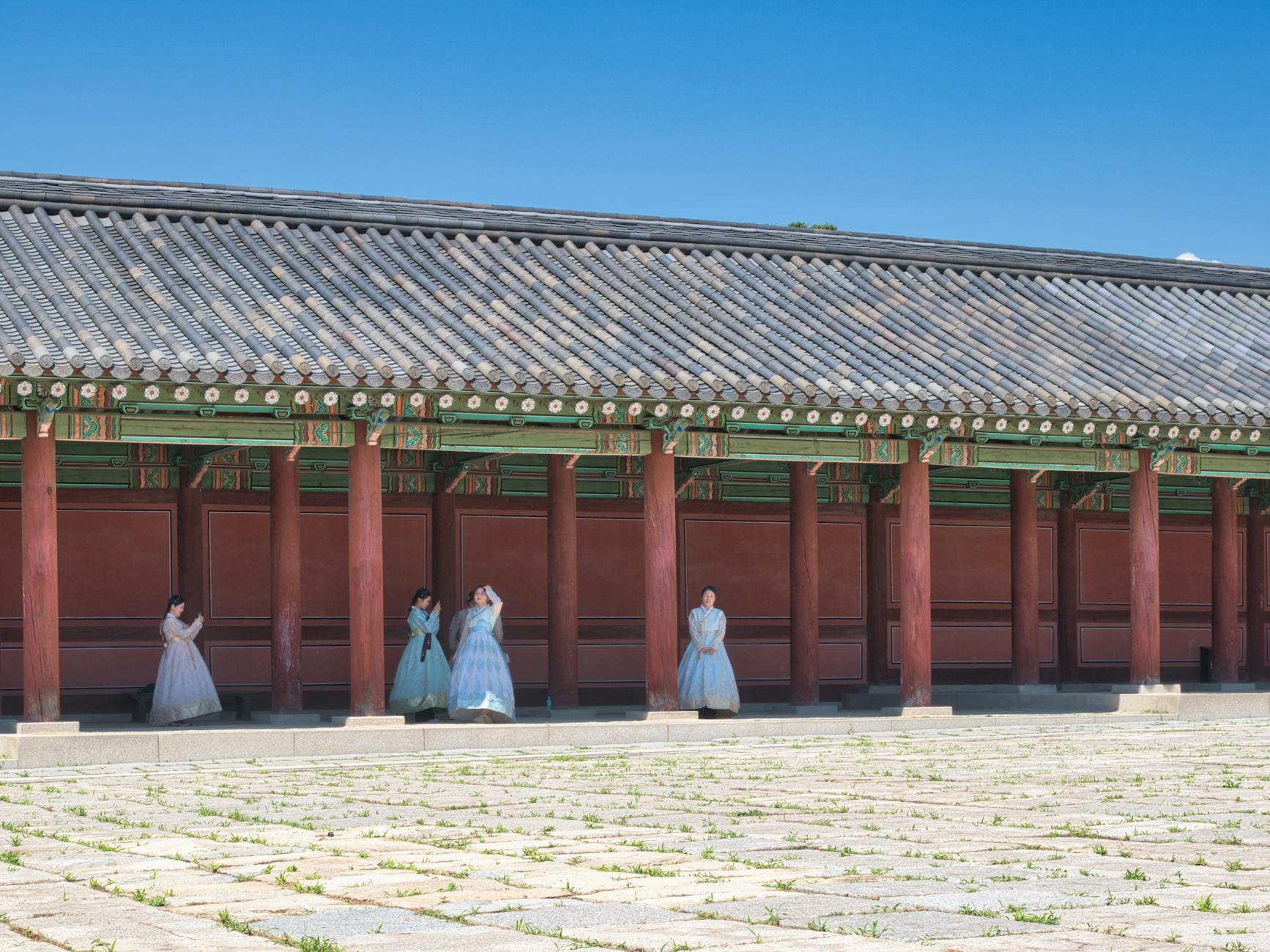
- Wear hanbok. Visitors wearing traditional Korean dress enter the palaces and Jongmyo free, though the Secret Garden still charges. Rental shops near every palace charge roughly ₩15,000–20,000 for a basic outfit for two to four hours, and around ₩25,000–35,000 for premium or themed styles. Staff apply the rule to recognisable hanbok, so a modern “fusion” outfit may be questioned; rental shops know what qualifies.
- Culture Day. Every Wednesday, entry to Changdeokgung’s palace halls, Changgyeonggung, Deoksugung and Jongmyo is free. Gyeongbokgung and the Secret Garden still charge.
- Young children and seniors. Young children enter free, and so do seniors aged 65 and over, although concessions for older visitors have historically been aimed at Korean nationals, so check whether it applies to you.
- Visitors with disabilities and an accompanying carer are also admitted free.
- Gyeonghuigung is always free.
- Special days: some heritage sites have offered free entry during the Seollal and Chuseok holidays in recent years. It varies, so check the announcements.
Is hanbok worth it just for free entry?
Financially, no: a rental costs several times more than even the pass. Visitors rent hanbok for the photographs and the experience, and the free entry is a bonus. If you do rent one, choose a shop near the first palace you plan to visit, check whether hair styling and accessories are included, and take the four-hour option so you can visit two palaces without rushing. Our free things to do in Seoul guide has more ways to see the city cheaply.
Which palace should you choose?
With one free half-day
Gyeongbokgung, arriving at 09:00 and timing your visit for the 10:00 guard ceremony, then a walk through Bukchon. If it is a Tuesday, when Gyeongbokgung is closed, choose Changdeokgung instead. If you have booked the Secret Garden, Changdeokgung is an equally good first choice. If your half-day is in the evening, go to Deoksugung.
With two free half-days
- Half-day 1: Gyeongbokgung and Bukchon.
- Half-day 2: Changdeokgung with the Secret Garden, then Changgyeonggung or Jongmyo and Ikseon-dong.
Buy the integrated ticket if you are visiting three or more sites across the two days.
With three free half-days
- Half-day 1: Gyeongbokgung, the National Folk Museum and Bukchon.
- Half-day 2: Changdeokgung and the Secret Garden, through to Changgyeonggung.
- Half-day 3 (afternoon into evening): Jongmyo (ideally on a Saturday), then Deoksugung at dusk and the stone-wall road.
Save Gyeonghuigung and the Seoul Museum of History for a rainy afternoon on a longer stay.
What to skip on a two-day trip
Be ruthless. On a two-day visit to Seoul, see Gyeongbokgung properly and, at most, one other palace. Gyeonghuigung and Changgyeonggung can wait for another trip. Visiting three palaces in one day is possible but blurs them together for most people. Our 2-day Seoul itinerary shows how to fit the palaces around the rest of the city, and our one-day itinerary shows what to cut when time is very short.
A walking route through the palace quarter
The historic core of Seoul is compact enough to link the two main palaces with the city’s best hanok neighbourhood and the tea houses of Insadong on foot. This route takes a full day at a comfortable pace, and about 6–8 km of walking.
- 09:00 — Gyeongbokgung. Enter at opening from Gyeongbokgung Station, Exit 5. See the throne hall and Gyeonghoeru, and return to Gwanghwamun for the 10:00 guard ceremony.
- 11:30 — Bukchon Hanok Village. Leave by the palace’s east side and walk about 15 minutes uphill into Bukchon. Follow the lanes around Bukchon-ro 11-gil for the classic rooftop views. Parts of the residential core restrict tourist access in the late afternoon and evening, so this is the right time. Our Bukchon guide has the route.
- 12:30 — Lunch in Samcheong-dong or on the way down towards Anguk.
- 13:30 — Changdeokgung. Walk about 10 minutes east to Donhwamun. Join your pre-booked Secret Garden tour, or explore the palace for an hour.
- 15:30 — Changgyeonggung (optional). Continue east into the adjoining palace and its glasshouse.
- 16:30 — Ikseon-dong. Walk south down Donhwamun-ro for a coffee in a converted hanok. Our Ikseon-dong guide covers the best cafés.
- 17:30 — Insadong. Ten minutes west for tea, craft shops and dinner. Our Insadong guide has the details.
Swap Changgyeonggung for Jongmyo if it is a Saturday. For the neighbourhood as a whole, our Jongno guide covers everything between the palaces and Cheonggyecheon.
Night openings
- Deoksugung and Changgyeonggung are open until 21:00 all year, making them the easiest palaces to see after dark without a special ticket.
- Gyeongbokgung night viewing runs in seasonal windows, usually in spring and autumn, with tickets released online and often allocated by lottery or snapped up within minutes.
- Changdeokgung Moonlight Tour: a small-group evening tour through the palace and the Secret Garden by lantern light, held seasonally. It is one of the most atmospheric cultural experiences in Seoul and extremely hard to book. Watch for release dates if it matters to you.
When to visit the palaces
| Season | What the palaces are like |
|---|---|
| Spring (April–May) | Blossom in the courtyards and gardens; very crowded; Jongmyo Jerye on the first Sunday of May |
| Summer (June–August) | Lush but hot, humid and exposed; go at opening time; lotus flowers in the ponds |
| Autumn (October–November) | The finest season, especially in the Secret Garden and on the Deoksugung stone-wall road; book everything ahead |
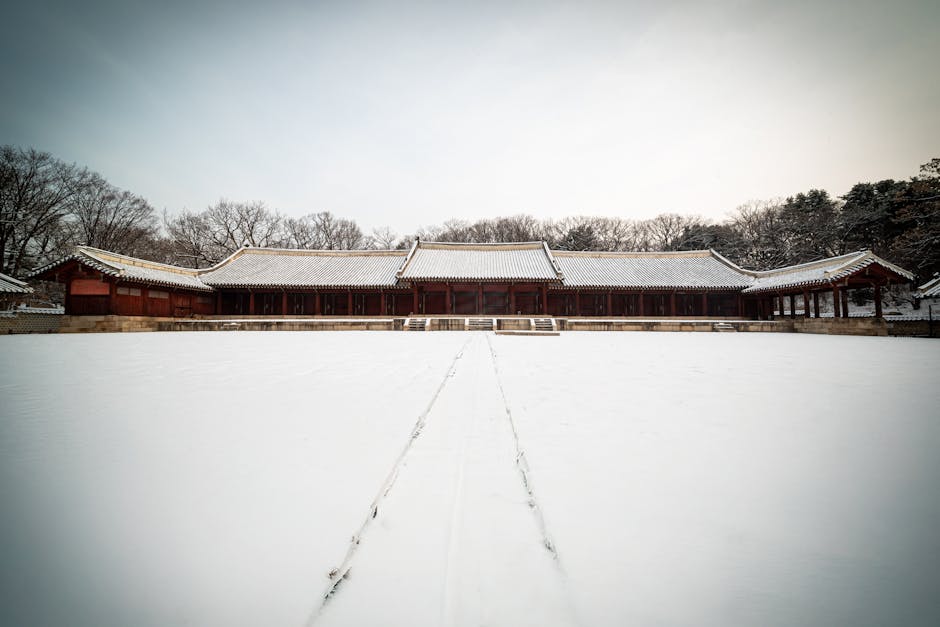
| Winter (December–February) | Cold, quiet and often clear; snow on the roofs is spectacular; Gyeongbokgung and Changdeokgung close earlier, while Deoksugung and Changgyeonggung stay open to 21:00 |
For the exact foliage and blossom timing, see our autumn foliage guide and our cherry blossom guide, and for temperatures and rainfall, our Seoul weather by month guide.
The museums in and around the palaces
The palace buildings are largely empty — furniture, thrones and royal belongings were lost, looted or moved long ago — so the museums beside them do much of the storytelling. Most are free.
| Museum | Where | Cost | Why go |
|---|---|---|---|
| National Palace Museum of Korea | Inside the Gyeongbokgung grounds, near the main gate | Free | Royal seals, robes, astronomical instruments, a royal carriage; the best context for every palace |
| National Folk Museum of Korea | Inside the Gyeongbokgung grounds, on the east side | Free | Everyday life in Joseon Korea; a children’s museum and an outdoor street of reconstructed shops |
| Daehan Empire History Museum | Seokjojeon, Deoksugung | Included with the palace; tours may need booking | The restored interiors of Gojong’s Western-style palace |
| MMCA Deoksugung | Deoksugung | Varies by exhibition | Modern Korean art in a colonial-era building |
| Seoul Museum of History | Beside Gyeonghuigung | Free | How Seoul grew from royal capital to megacity, with a huge model of the modern city |
If you only have time for one, make it the National Palace Museum, ideally before you walk into Gyeongbokgung itself. It turns a sequence of beautiful empty halls into rooms where things actually happened. Our Seoul museums and galleries guide covers the city’s other major collections.
Visiting the palaces with children
- Keep it short. One palace per day is plenty for most children; Gyeongbokgung plus the National Folk Museum’s children’s museum works well.
- Time it for the guard ceremony. The drums, flags and costumes at 10:00 and 14:00 hold most children’s attention better than any building.
- Rent a children’s hanbok. Rental shops have them in all sizes, and small children in hanbok are welcomed everywhere.
- Use the open spaces. The big courtyards and lawns of Changgyeonggung and Deoksugung are relaxed places to let children run.
- Bring snacks and water. Food is not sold inside most palace grounds, and eating is restricted in many areas; there are cafés just outside the gates.
- Strollers: the gravel paths are bumpy but manageable at Gyeongbokgung and Deoksugung. Leave the stroller behind for the Secret Garden.
Dress, etiquette and photography
There is no dress code for the palaces, but they are national heritage sites and, in Jongmyo’s case, a place of ancestral worship. Keep voices down in Jongmyo, do not sit on the stone terraces or walk on the raised central paths reserved historically for the king or the spirits, and follow any staff instructions about where you can stand. Photography is welcome almost everywhere outdoors. Inside some museum spaces and at the Jongmyo rites it may be restricted.
Tips for visiting
- Check the closing day. Gyeongbokgung and Jongmyo close on Tuesdays; the other palaces close on Mondays. On any given day of the week, at least some sites are open.
- Arrive at opening for Gyeongbokgung, especially at weekends.
- Wear comfortable shoes. The courtyards are paved with uneven stone and the paths are often gravel.
- Bring water and sun protection in summer; there is little shade in the main courtyards.
- Accessibility: the main routes through Gyeongbokgung and Deoksugung are largely manageable with a wheelchair or stroller, with ramps at key points; the Secret Garden and parts of Changdeokgung are hilly. Our accessible Seoul guide has more.
- Drones and tripods are restricted. Commercial photoshoots need permission.
- Do not climb on the buildings or terraces, and stay out of roped-off areas.
- Use the free tours. The palaces look superficially similar; a guide makes the differences, and the stories, come alive.
- Look for the drama sets. The palaces appear constantly in Korean historical dramas; our K-drama filming locations guide lists some of the best-known scenes.
If Gyeongbokgung is the palace you have chosen, our dedicated Gyeongbokgung Palace guide goes much deeper than the summary above: the seasonal hours table, the three daily English tour times, where to stand for the changing of the guard, how foreign visitors get night-opening tickets from the on-site allocation, and a building-by-building route from Gwanghwamun to Hyangwonjeong.
The Secret Garden is the one palace experience on this page that genuinely needs booking ahead. Half of each session’s places go online at 10:00 Korea time six days before, and the other half are sold on the day from 09:00. Our Changdeokgung and Secret Garden guide walks through the booking step by step, explains what to do if the English slots are full, and suggests a route through Nakseonjae to the garden gate.
Deoksugung is the palace that fits around the rest of your trip: ₩1,000, open 09:00–21:00 (last entry 20:00) every day except Monday, with a guard-changing ceremony at Daehanmun at 11:00 and 14:00. Our Deoksugung Palace guide covers the route from Junghwajeon to the neoclassical Seokjojeon, how to reserve a visit inside Seokjojeon, the stone wall road into Jeongdong and the free Jeongdong Observatory view over the grounds.
If you are going to rent hanbok for the palaces, a little homework saves money and disappointment. Standard outfits cost ₩15,000 to ₩25,000 for four hours near Gyeongbokgung and Anguk, and hair styling is free at some shops and extra at others. Our hanbok rental guide compares the three shop clusters and covers men’s and children’s hanbok, winter layering and photoshoots.
Frequently asked questions
How many palaces are there in Seoul?
There are five grand palaces from the Joseon dynasty: Gyeongbokgung, Changdeokgung, Changgyeonggung, Deoksugung and Gyeonghuigung. Jongmyo, the royal ancestral shrine, is often visited alongside them and is included on the same combined ticket.
Which Seoul palace is best?
Gyeongbokgung is the best choice for a first visit because of its scale, the guard ceremony and its museums. Changdeokgung, with the Secret Garden, is the most beautiful and the favourite of many repeat visitors. Changgyeonggung is best if you want to avoid crowds.
Is the integrated palace ticket worth it?
Only if you visit Gyeongbokgung, Changdeokgung and at least one more site. It costs ₩6,000, against ₩9,000 for all five sites on individual tickets, and it does not include the Secret Garden. In hanbok you enter all five free, so the pass is pointless. On a Wednesday (Culture Day) every site except Gyeongbokgung is free, so Gyeongbokgung’s ₩3,000 ticket beats the pass.
Can you get into Seoul’s palaces free?
Yes. Visitors wearing hanbok enter free (the Secret Garden excepted), and every Wednesday is Culture Day, when Changdeokgung’s halls, Changgyeonggung, Deoksugung and Jongmyo cost nothing, though Gyeongbokgung does. Gyeonghuigung is always free, and young children also enter without charge.
Which days are the palaces closed?
Gyeongbokgung and Jongmyo are closed on Tuesdays. Changdeokgung, Changgyeonggung, Deoksugung and Gyeonghuigung are closed on Mondays.
Do I need to book the Secret Garden?
Yes, for peace of mind. Entry is in timed sessions, and English-language slots are limited and sell out, especially in spring and autumn. Book online in advance.
How long does it take to see the palaces?
As a rough plan, allow 2–3 hours for Gyeongbokgung, an hour for Changdeokgung plus about 90 minutes for the Secret Garden tour, about an hour each for Changgyeonggung, Deoksugung and Jongmyo, and 30–45 minutes for Gyeonghuigung. Take longer if you like to linger.
Final thoughts
Seoul’s palaces are among the best-value experiences in any capital city: a few thousand won, or nothing at all in hanbok, for six centuries of royal history, some of it painfully rebuilt, all of it set against the mountains and towers of a modern metropolis. See Gyeongbokgung at opening, book the Secret Garden, save Deoksugung for dusk and leave Gyeonghuigung for a quiet afternoon on a longer trip. For everything else to do in the city, see our guide to things to do in Seoul, and for planning the whole trip, our complete Seoul travel guide.
Photo Credits
Injeongjeon throne hall at Changdeokgung Palace: Changdeokgung Injeongjeon in 2026 (2) by Sadopaul, CC BY-SA 4.0, via Wikimedia Commons.
Daeonsil greenhouse at Changgyeonggung at night: Changgyeonggung, Seoul – Changgyeonggung2274 by lumoplank, CC0, via Wikimedia Commons.
Seokjojeon at Deoksugung Palace: Seokjojeon Deoksugung ROK by 元諜報員, CC BY-SA 3.0, via Wikimedia Commons.
Sungjeongjeon at Gyeonghuigung in the colonial era: B004808 경희궁숭정전전경 by Government-General of Chōsen, Public domain, via Wikimedia Commons.
Jeongjeon hall at Jongmyo Shrine in autumn: Jeongjeon, Jongmyo (Autumn, 2012) by 문화재청, KOGL Type 1, via Wikimedia Commons.