Why Seoul’s Coffee Scene Is World-Class
- Highest cafe density globally — over 18,000 cafes in Seoul alone
- Strong specialty third-wave culture — single-origin obsession, precise brewing, ethics-focused
- Affordable — average ₩4,500-7,500 per drink for genuinely excellent coffee
- Aesthetic-driven design — Korean cafes invest heavily in space
- Roaster competition — multiple world-class roasters distributing throughout the city
- Korean coffee competition victories — Korean baristas have won World Championship events
- K-pop and K-drama integration — many cafes feature in major shows
- Food pairing excellence — Korean cafe pastries are world-class
The 25 Best Coffee Shops in Seoul (2026)
Seongsu-dong (Korea’s Coffee Capital)
1. Mesh Coffee
Location: Seongsu Station Line 2, exit 4
Style: Specialty third-wave roaster
One of the foundational cafes that pushed Korea’s specialty coffee wave forward. Mesh roasts on-site with minimalist design and precise brewing. Located on the walk from Seongsu Station toward Seoul Forest. Try the seasonal pour-over single origin (₩6,500-8,500).
2. Brewing Ceremony
Location: Seongsu, near Ttukseom Station Line 2
Style: Hidden specialty pour-over
Hidden just steps from the station, Brewing Ceremony emphasizes hospitality and brewing precision. The space is small, contemplative, and invitation-feeling. Featured single origins rotate weekly.
3. Recovery Coffee
Location: Seongsu
Owner: Luke Yeo (international coffee experience)
Style: Cross-cultural specialty
Owner Luke Yeo brings global coffee culture to Korea. Each visit reveals brewing techniques and bean origins from his international travels. Excellent food pairing options.
4. Anthracite Coffee Roasters (Seongsu Branch)
Style: Industrial-chic specialty roaster
Multiple Locations
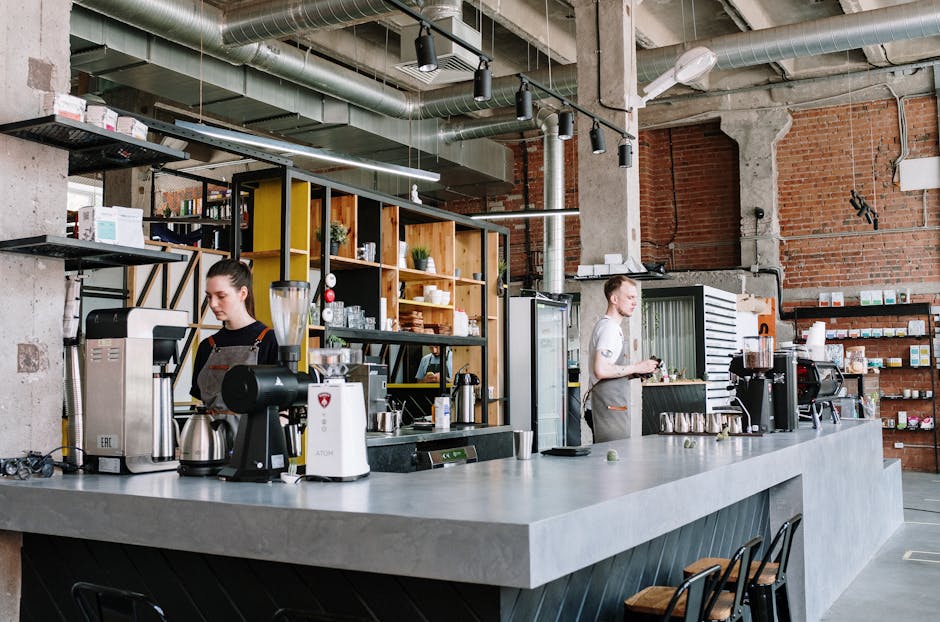
Anthracite is one of Korea’s celebrated specialty roasters with multiple Seoul branches. The Seongsu location is the largest — converted warehouse with massive windows, exposed concrete, in-house roastery. Try the Anthracite Espresso (single origin) or the seasonal pour-over.
5. Coffee Libre (Seongsu)
Style: Pioneering Korean specialty roaster
Multiple Locations
Coffee Libre pioneered direct trade and sustainable sourcing in Korea. Their flagship and Seongsu branches are pilgrimage sites for serious coffee fans. Highly recommended.
6. Fritz Coffee Company
Style: Specialty + pastry bakery
Mascot: Adorable seal
Fritz pairs world-class coffee with Korea’s best European-style pastries. Their seal mascot is on every package. Multi-location chain — try the flagship in Mapo or Seongsu branch.
Hongdae / Mapo (Trendy + Specialty)
7. Perception Coffee
Location: Hongdae
Style: Aesthetic minimalism with Japanese influences
Striking interior with wavy wooden ceiling panels giving a serene Japanese vibe. Excellent espresso and pour-over. Photogenic but not gimmicky — coffee genuinely excellent.
8. Tailor Coffee
Location: Hongdae
Style: Flat white + minimalist
Australian-influenced cafe specializing in flat whites and milk-based drinks. Less crowded than other Hongdae spots; coffee enthusiasts know it as a quiet quality choice.
9. Cafe Knotted
Locations: Multiple branches
Style: Specialty donut + coffee
Korea’s most famous specialty donut chain pairs excellent coffee with its donuts. Try the matcha or Earl Grey-rose donuts.
10. Bear Bites
Location: Hongdae
Style: Hidden specialty + bear-themed pastries
Tucked-away specialty coffee with charming bear-shaped pastries. Locals’ favorite for studying or meetings.
Yeonnam-dong (Indie Cafe Heaven)
11. Coffee Tomatomato
Location: Yeonnam-dong
Style: Single-origin focus
Small cafe with rotating single-origin selection. Low-key, serious about coffee, no Instagram-grandstanding. Best for purist coffee enthusiasts.
12. Felt Coffee Roasters
Location: Yeonnam-dong
Style: Roastery + cafe combo
Roastery operations visible from the cafe seating. Seasonal beans from Ethiopia, Guatemala, Colombia. Tasting flights available for ₩15,000.
13. HOMILBAT
Location: Yeonnam-dong
Style: Vegan + organic + Korean ingredient cafe
Specialty cafe with vegan/organic Korean ingredients. Rotating seasonal Korean teas alongside specialty coffee. Unique in offering both.
Apgujeong / Sinsa / Cheongdam (Premium)
14. Cafe Onion (Apgujeong)
Style: Industrial + bakery
Locations: Anguk (hanok), Apgujeong, Mia, Seongsu
Multi-location chain with the Apgujeong branch as the most polished. Industrial interior with massive shared tables. Coffee + pastries are the focus.
15. Magpie Brewing Company / Beer + Coffee Hybrid
Location: Apgujeong
Style: Beer brewery with serious coffee program
Korean craft beer brewery that takes coffee equally seriously. Unusual but excellent.
16. The Crooked Spruce
Location: Apgujeong
Style: Premium independent specialty
Higher-end specialty cafe with a small private rooftop. Premium pour-over and Aeropress. ₩8,000-12,000 per cup.
Gangnam
17. Coffee Bombab
Location: Gangnam
Style: Cozy single-origin cafe
Laid-back, small Gangnam cafe with single-origin focus. Roasts beans from Ethiopia, Guatemala, Colombia. Excellent V60 brewing.
18. Cafe Slow
Location: Gangnam
Style: Slow coffee + minimalism
Emphasizes slow brewing process. Ideal for solo work or contemplative drinking. Light food menu.
19. Eleven Drips
Location: Gangnam
Style: Multi-method brewing showcase
Trains baristas in 11 different brewing methods (V60, Kalita, Chemex, Aeropress, French press, etc.). Excellent for learning about coffee preparation.
Jongno / Insadong / Bukchon (Traditional + Modern Hybrid)
20. Cafe Onion (Anguk Branch)
Style: Hanok-cafe hybrid
Cafe Onion’s Anguk branch is in a 100-year-old hanok with cherry trees in the courtyard. Industrial-modern interior contrasts with traditional structure. Korea’s most photogenic chain bakery + cafe.
21. Tongdong Cafe
Location: Bukchon Hanok Village
Style: Hanok specialty
Restored hanok with serious coffee program. Quiet alternative to busy Cafe Onion.
22. Hidden Cafe Bukchon
Location: Bukchon Hanok Village
Style: Hidden specialty in hanok
Multiple Bukchon hanok cafes specialize in coffee + traditional setting. Walk Bukchon’s main streets to find the latest.
Etc / Specialty Districts
23. Center Coffee (Doota Mall, Dongdaemun)
Style: Premium hotel-style cafe
Higher-end traditional cafe in Doota Mall. Excellent for late-night coffee.
24. Cafe Bonbon
Location: Itaewon
Style: Bilingual barista cafe
Korean + English-speaking baristas, foreigner-friendly, excellent coffee. Best for English-language coffee conversations.
25. Coffee Tomatomato
Location: Yeonnam-dong (also branches elsewhere)
Style: Roastery + cafe
Excellent single-origin and signature blend selection. Daily rotating menu.
Korean Coffee Brewing Methods to Try
| Method | Description | Best For |
|---|---|---|
| V60 (Hario) | Manual pour-over, paper filter | Bright, clean single origins |
| Kalita Wave | Flat-bottom paper filter | Smooth, balanced cups |
| Aeropress | Plunger-style brewing | Rich, low-acid coffee |
| Chemex | Glass pour-over with thick filter | Crystal-clear coffee |
| French Press | Steeped immersion | Bold, full-body coffee |
| Espresso | High-pressure steam extraction | Strong concentrated drink |
| Cold Brew | Steeped 12+ hours, cold | Smooth, low-acid summer drink |
| Dutch Coffee | Drip cold brew | Concentrated cold coffee |
Korean Coffee Drinks to Order
Hot
- Espresso (에스프레소) — single shot, ₩3,500-5,000
- Americano (아메리카노) — espresso + hot water, ₩4,500-6,000
- Latte (라떼) — espresso + steamed milk, ₩4,500-7,000
- Cappuccino (카푸치노) — equal parts espresso + foam + milk, ₩5,000-7,500
- Drip Coffee (드립커피) — pour-over, ₩6,000-9,000
- Single Origin Pour Over — ₩6,500-12,000
- Macchiato (마키아토) — espresso with foam dollop
Cold
- Iced Americano (아이스 아메리카노) — Korea’s most ordered drink, ₩4,500-6,000
- Iced Latte (아이스 라떼) — espresso over milk + ice
- Cold Brew (콜드브루) — slow-steeped, smooth, ₩6,000-9,000
- Dutch Coffee (더치커피) — concentrated drip cold brew, ₩5,500-8,000
- Iced Macchiato — milk + espresso + foam over ice
Korean-Specific
- Dalgona Coffee (달고나 커피) — whipped instant coffee on milk; Korean home staple, viral worldwide 2020
- Banana Milk + Coffee — Korean cold drink
- Sweet Potato Latte — autumn seasonal
- Black Sesame Latte — distinctive Korean flavor
Sample Coffee-Hopping Day Itineraries
Seongsu Coffee Tour (3 Cafes)
10:30am: Mesh Coffee — order seasonal pour-over single origin
12:30pm: Brewing Ceremony — try a different brewing method
2:30pm: Anthracite Seongsu — large warehouse setting + lunch
4:30pm: Walk to Seoul Forest for digestion
6:30pm: Optional: Coffee Libre Seongsu late espresso
Hongdae + Yeonnam Coffee Tour
11am: Perception Coffee Hongdae — start with espresso
1pm: Walk to Yeonnam-dong
2pm: Felt Coffee Roasters — flight tasting
4pm: HOMILBAT for vegan lunch + Korean tea
6pm: Coffee Tomatomato for evening single-origin
Premium Apgujeong Tour
12pm: Cafe Onion Apgujeong — pastry + coffee lunch
2pm: The Crooked Spruce premium pour-over
4pm: Magpie Brewing — coffee + craft beer comparison
6pm: Walk Apgujeong streets for additional spots
What Makes Korean Coffee Different
- Iced Americano (아아) is the national drink — Koreans drink it year-round, even in -10°C winter
- “Cafe culture” is real — Koreans treat cafes as second living rooms; lingering for hours is normal
- Aesthetic > volume — many cafes prioritize the experience and design over high-volume sales
- Strong specialty community — baristas and roasters know each other, collaborate, compete
- Multi-floor concept cafes — Korean cafes often spread across 3-5 floors
- Pastry game is elite — Korean cafe pastries rival Parisian standards
- K-drama integration — many cafes feature in major shows, drawing tourists
- Local roasters dominate — Coffee Libre, Fritz, Anthracite outsell most international chains
Coffee Etiquette in Korea
- Order at counter first, then sit — typical Korean cafe flow
- Take a number — staff bring drinks to your table
- Don’t camp for hours on a single drink during busy times — order something else after 2-3 hours
- Quiet voice in study cafes
- Take your tray to return station when done
- Leave laptop/bag during washroom break — Korean cafes are extremely safe
- Tipping not customary
- WiFi is universally provided — passwords on receipts or signs
- Power outlets are abundant — Korean cafes are remote-work friendly
Coffee Pricing Reference
| Drink Type | Standard | Premium |
|---|---|---|
| Espresso | ₩3,500-5,000 | ₩5,500-7,500 |
| Americano | ₩4,500-5,500 | ₩5,800-8,000 |
| Latte | ₩4,500-6,000 | ₩6,500-9,000 |
| Pour-over | ₩6,000-8,000 | ₩8,500-15,000 |
| Cold brew | ₩6,000-7,500 | ₩7,500-10,000 |
| Specialty single origin | ₩7,000-9,500 | ₩10,000-18,000 |
For coffee where the room matters as much as the cup, Ikseon-dong is the densest cluster of hanok cafes in the city — courtyards, timber beams and a queue outside the best-known names by lunchtime. Our Ikseon-dong guide explains which ones to try and how to avoid the weekend crush.
Frequently Asked Questions
What is Seoul’s most famous coffee shop?
For specialty: Coffee Libre (pioneer of Korean direct trade) and Fritz Coffee Company (with their seal mascot). For aesthetics: Cafe Onion Anguk (hanok branch). For traveler convenience: Anthracite Seongsu.
Where is Seoul’s coffee district?
Seongsu-dong has emerged as Korea’s coffee capital — over 100 specialty coffee shops in a 2km radius. The walk from Seongsu Station Line 2 (exit 4) toward Seoul Forest passes the most famous cafes.
Are Seoul cafes expensive?
Affordable for specialty quality: ₩4,500-9,000 per drink. Premium single origins reach ₩15,000. Compared to NYC or London, Seoul specialty coffee is 30-40% cheaper.
Do cafes accept foreign cards?
Most accept international cards (Visa, Mastercard, Amex). Smaller indie cafes may be cash-only — bring some Korean Won.
What time do cafes open?
Most open 8-10am. Specialty roasters often open 11am. Most close 9-10pm. Some 24-hour cafes (TWB, Hollys) operate around the clock.
Can I work from cafes?
Yes — Korean cafe culture welcomes laptop work. Look for ones with charging outlets and reasonable pricing for extended visits. See our digital nomad Seoul guide.
Is Korean coffee strong?
Specialty Korean cafes brew similar strength to international standards. Korean instant coffee culture (Maxim, Kanu) emphasizes milder, sweeter taste — different from specialty.
What about Korean cafe pastries?
World-class. Korean bakeries combine European technique with Korean ingredients (sweet potato, black sesame, mugwort, citron). Try Bear Bites, Tartine Bakery, or Joseon Tartine.
Are there decaf options?
Major chains offer decaf. Specialty cafes may offer it on request but it’s not the focus of Korean third-wave coffee.
What’s the best time of day to visit a coffee shop?
Weekday mornings (9-11am) for quietest experience. Weekend afternoons are busiest. Late evening (after 8pm) is also relatively quiet.
What about Korean specialty coffee chains?
Several Korean chains rival Western specialty chains: Coffee Libre, Fritz, Anthracite, Twosome Place (mid-range), Hollys (mid-range with pastries). All worth trying.
What’s the best dessert to pair with Korean specialty coffee?
Korean cafes offer croissants, gluten-free options, vegan pastries, and Korean-influenced desserts (sweet potato, black sesame, mugwort). Try a matcha tart or sweet potato latte cake at Cafe Onion.
Coffee Tour Logistics
How to Plan a 3-Day Coffee Trip
- Day 1: Seongsu-dong (3-4 cafes)
- Day 2: Hongdae + Yeonnam (3-4 cafes)
- Day 3: Apgujeong + Cheongdam (3 premium cafes) OR Bukchon hanok cafes
Best Coffee Apps for Seoul
- Naver Map — most accurate Korean cafe search and reviews
- WHERE-TO-DRINK.COFFEE — international specialty coffee mapping
- Sprudge — Korean coffee scene news
- Local Specialty Coffee — Seoul-focused recommendations
Tips From Korean Coffee Enthusiasts
- Order pour-over for special occasions — see the brewing technique unfold
- Try a single-origin from each region — Ethiopia, Colombia, Guatemala, Brazil, Kenya
- Don’t only drink lattes — try pour-over to taste the bean’s character
- Visit roasters during roasting hours — typically 8-11am
- Take coffee classes — Eleven Drips and Coffee Libre offer barista intro classes
- Read the menu — many specialty cafes describe bean origin, processing, flavor notes
- Ask for recommendations — Korean baristas are eager to share knowledge
- Buy beans to take home — most specialty roasters sell whole-bean packages
- Visit Seoul Coffee Festival if traveling in November
- Don’t overlook chains — Twosome Place, Hollys, Pascucci serve genuinely good coffee
Final Word
Seoul’s coffee culture has grown from cheap instant beverages to one of the world’s most exciting third-wave specialty coffee scenes in less than 20 years. With 18,000+ cafes citywide, world-class roasters (Coffee Libre, Fritz, Anthracite), and dense neighborhood coffee districts (Seongsu, Hongdae, Yeonnam), Seoul rewards anyone willing to explore beyond the obvious chains. Plan a few coffee-hopping days; visit different neighborhoods; and discover why Seoul has become a pilgrimage destination for serious coffee enthusiasts globally.
For broader cafe context, see our complete Seoul cafe guide, themed cafes Seoul, and traditional tea houses Seoul.