Korean Tea Culture — A Brief Background
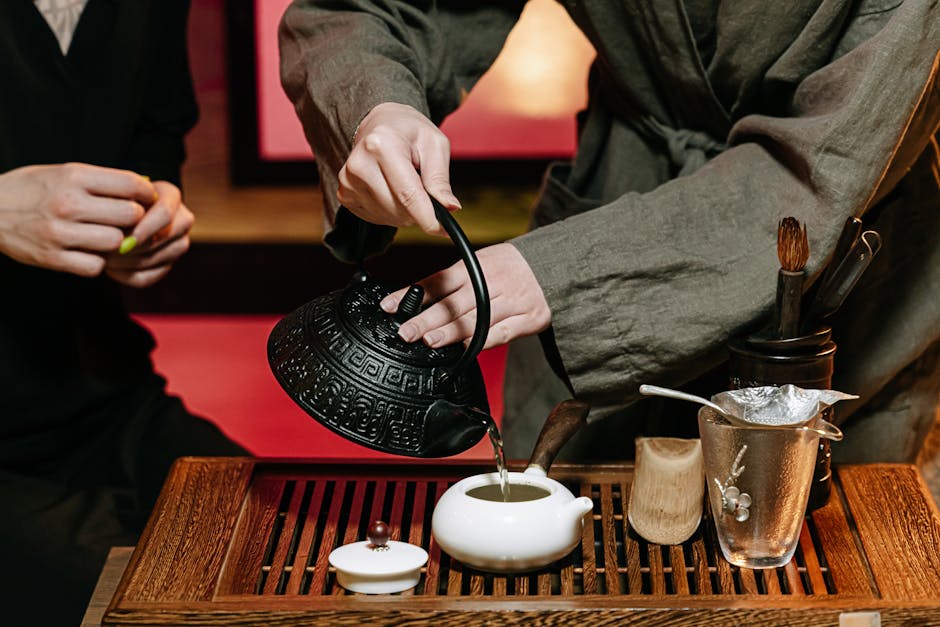
Korean tea culture predates Western coffee culture by over 1,500 years. Tea arrived from China around the 4th century, integrated with Buddhism, and became a foundational practice during the Goryeo (918-1392) and Joseon (1392-1910) dynasties. Traditional Korean tea houses serve medicinal teas (rooted in traditional Korean medicine principles) alongside ceremonial green teas. Unlike Japanese tea ceremony’s formal precision, Korean tea ceremony emphasizes natural harmony, simplicity, and seasonal rhythm.
The 10 Best Traditional Tea Houses in Seoul (2026)
1. Shin Old Tea House (신옛찻집) — Oldest in Seoul
Location: Insadong (Anguk Station Line 3, exit 6)
Setting: 100+ year old wooden building in Kyung-in Museum of Fine Art courtyard
Average tea: ₩8,000-12,000
Highlights: Traditional ondol-floor seating, persimmon-leaf tea, vintage pottery
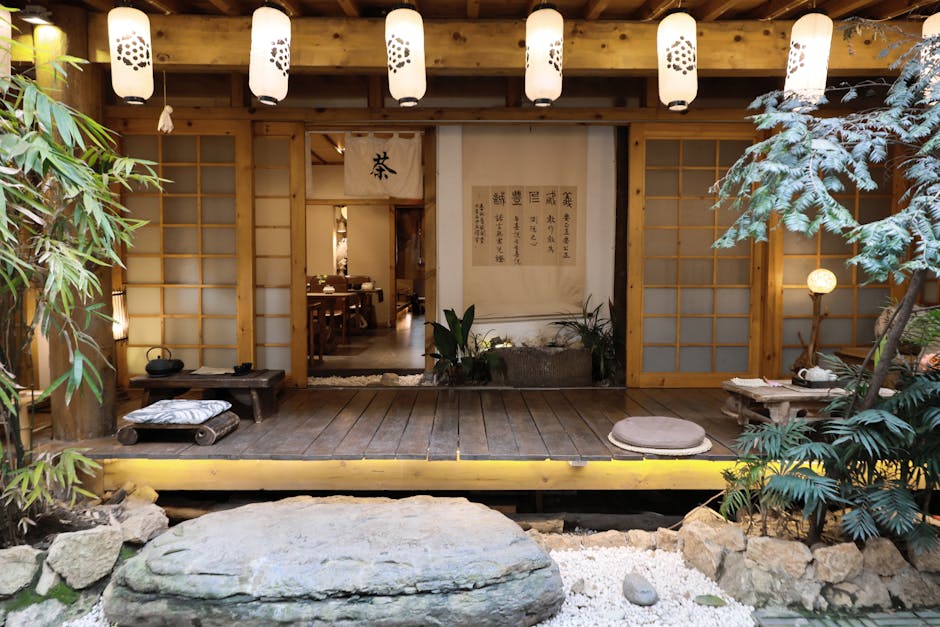
Seoul’s oldest active teahouse, hidden down a backstreet alley. Tiny wooden sign reads “신옛찻집.” Customers remove shoes and sit on traditional ondol-heated floor cushions. The tea master prepares each cup individually. Serving sets are often 50+ years old. Most authentic atmosphere in Seoul.
2. Tteuran Tea House (뜨란찻집) — Persimmon Tree
Location: Insadong
Setting: Hidden courtyard with massive persimmon tree
Average tea: ₩7,000-10,000
Highlights: Persimmon-leaf tea (specialty), bamboo-leaf bingsu, garden seating
Tucked behind a centuries-old persimmon tree, Tteuran specializes in persimmon-leaf tea (감잎차) — a signature Korean infusion. Their bamboo-leaf bingsu is unique to this venue. The garden setting is exceptional in spring and autumn.
3. Cha Mashineun Tteul (차 마시는 뜰) — Hanok Charm
Location: Bukchon Hanok Village (Anguk Station Line 3)
Setting: Traditional hanok with courtyard garden
Average tea: ₩9,000-13,000
Highlights: Glass windows overlooking Samcheong-dong, light wooden interiors, multiple seasonal teas
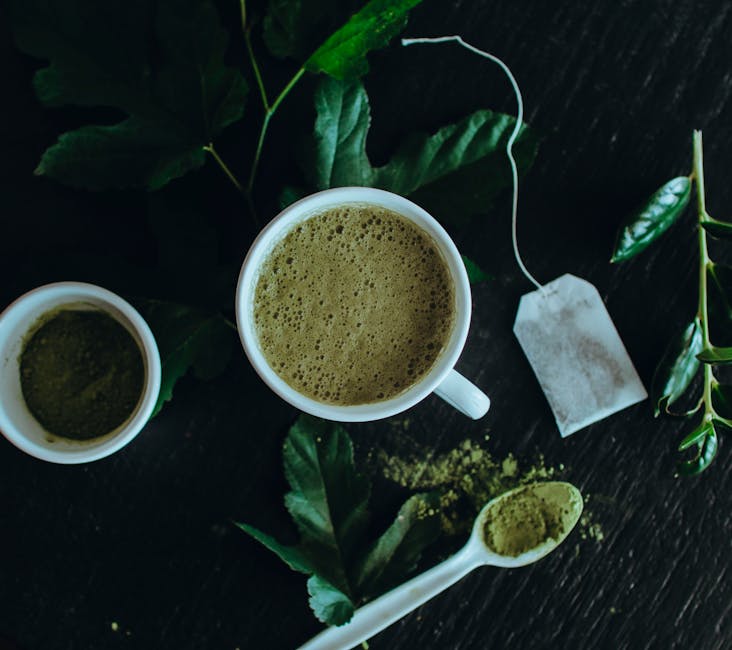
One of Bukchon’s most celebrated tea houses, Cha Mashineun Tteul (“Tea-Drinking Garden”) features a small interior courtyard surrounded by a fully traditional hanok. Huge glass windows look out at Bukchon and the city skyline. Light, airy wooden interiors give a contemporary-traditional balance. Excellent matcha service.
4. Hanok Tea House (한옥찻집) — Largest Teahouse
Location: Insadong
Setting: Multi-room traditional building
Average tea: ₩7,000-11,000
Highlights: Diverse seasonal menu, foreigner-friendly, multiple seating zones
Insadong’s biggest traditional tea house — multi-room with both private and communal seating. Mix of tourists and locals. English menu available. Best entry-point teahouse for first-time visitors.
5. Sanchae (산채) — Mountain Vegetables
Location: Insadong
Setting: Multi-floor; reaches into the courtyard
Average tea: ₩8,000-12,000
Highlights: Foraged mountain vegetable teas, vegetarian set lunches
Specializes in teas from foraged mountain ingredients (sansam, dodok, ho-jak). Combines tea ceremony with light vegetarian Korean meals (bibimbap, jeon, sansae namul). Excellent for a multi-hour visit.
6. Tea Therapy (티세라피)
Location: Bukchon, Cheongdam
Setting: Modern minimalist + traditional fusion
Average tea: ₩10,000-15,000
Highlights: Wellness teas, customized blending consultations
A modern interpretation of Korean tea culture — Tea Therapy combines traditional medicinal teas with personalized “tea consultations” by certified tea sommeliers who recommend blends based on your reported needs (sleep, energy, digestion, stress).
7. Choon Sapphire Tea House (춘 사파이어 찻집)
Location: Insadong
Setting: Stylized traditional
Average tea: ₩9,000-13,000
Highlights: Korean royal court teas, expensive premium leaf selection
Higher-end traditional tea house specializing in royal court teas (recreations of teas served at Joseon dynasty palaces). Premium leaf prices ₩15,000-30,000 per pot.
8. Suyeon San-bang (수연산방)
Location: Seongbuk-dong
Setting: Author Yi Tae-jun’s preserved hanok house
Average tea: ₩8,000-12,000
Highlights: Literary heritage, garden setting, authentic preserved hanok
Located in the former home of celebrated 20th-century Korean author Yi Tae-jun, this teahouse preserves the literary atmosphere alongside excellent traditional teas. Less touristy than Insadong; preferred by Korean intellectuals.
9. Ddong Tea (또옹차) — Modern Korean Tea
Location: Yeonnam-dong, Mapo-gu
Setting: Modern minimalist tea bar
Average tea: ₩6,000-9,000
Highlights: Contemporary takes on traditional teas, accessible for young Koreans
A modern reinterpretation of Korean tea culture in trendy Yeonnam. The setting is contemporary Korean — light wood, minimal decor, bar seating — but the tea selection is fully traditional. Best place to introduce younger travelers to Korean tea.
10. O’Sulloc Cafe (오설록)
Location: Multiple branches (Insadong, Myeongdong, Apgujeong)
Setting: Contemporary Korean tea brand cafe
Average tea: ₩6,000-10,000
Highlights: Korean green tea (Jeju origin), tea-themed pastries, modern atmosphere
Korea’s most famous green tea brand operates several flagship cafes in Seoul. While not “traditional” in the chajip sense, O’Sulloc serves authentic Jeju-grown green tea with modern Korean styling. Best entry-point for tea novices.
Most Important Korean Teas to Try
Hot Teas
| Tea | Korean | Flavor Profile | Best For |
|---|---|---|---|
| Green tea | 녹차 (nokcha) | Grassy, fresh, slightly bitter | Daily drinking |
| Yujacha (citron) | 유자차 | Sweet citrus, tangy | Cold-fighting |
| Saenggangcha (ginger) | 생강차 | Spicy ginger, warming | Cold weather |
| Daechu-cha (jujube) | 대추차 | Sweet date-like | Sleep/calming |
| Insam-cha (ginseng) | 인삼차 | Bitter, earthy, energizing | Energy boost |
| Omija-cha (5-flavor berry) | 오미자차 | Sweet, sour, salty, bitter, pungent | Wellness |
| Gam-ip-cha (persimmon leaf) | 감잎차 | Light, slightly sweet | Digestion |
| Ssanghwa-cha (medicinal blend) | 쌍화차 | Complex, herbal, slightly sweet | Recovery |
| Tteok-cha (rice cake tea) | 떡차 | Comforting, slightly nutty | Filling |
Cold Teas (Summer)
| Tea | Korean | Flavor |
|---|---|---|
| Cold omija | 찬오미자 | Sweet-tart, refreshing |
| Hwa-cha (flower) | 화차 | Floral, light |
| Maesil-cha (plum) | 매실차 | Sweet plum, syrup-like |
| Bori-cha (barley) | 보리차 | Roasted, refreshing |
| Hwachae (fruit punch) | 화채 | Sweet seasonal fruit |
The Korean Tea Ceremony (다례 / Darye)
What to Expect
A formal Korean tea ceremony lasts 30-60 minutes and involves:
- Welcome and warming the cups — host pours hot water into bowls, then empties
- Measuring tea leaves with a bamboo scoop
- Pouring water at proper temperature — temperature varies by tea type
- Steeping in proper time — typically 30-60 seconds
- Pouring — using a “spotted” technique to ensure equal strength across cups
- Tasting — small sips, savoring aroma before swallowing
- Multiple infusions — same leaves used 3-5 times, each cup yielding a different character
- Conversation — light topics; never business or argument during ceremony
Ceremony Etiquette
- Remove shoes upon entering — most chajip have ondol-floor seating
- Bow slightly when greeting the tea master
- Hold cup with both hands — sign of respect
- Don’t gulp — sip slowly, savor
- Notice the smell first, then taste
- Comment positively on aroma and flavor
- Don’t leave food crumbs in the dining area
- Stay quiet during preparation — let the host work without interruption
- Tip not customary; small purchases (rice cakes) are appreciated
- Stay 60-90 minutes minimum — rushing through tea is considered rude
Where to Experience a Formal Tea Ceremony
- Traditional Korean Tea Institute (Bukchon) — formal classes and tastings in restored hanok
- National Folk Museum — free monthly tea ceremony demonstrations
- Bukchon Cultural Center — booked classes
- Insadong tea houses — informal versions; ask the master
- Templestay programs — typically include tea ceremony with monks
Sample Tea House Itinerary in Insadong
1pm: Walk down Insadong-gil (main pedestrian street). Browse traditional craft shops.
2pm: Tea at Shin Old Tea House — order persimmon-leaf or daechu-cha. Stay 60-90 minutes.
4pm: Visit Jogyesa Temple (free admission, 10 minutes from Insadong).
5pm: Late afternoon tea at Tteuran Tea House — order bamboo-leaf bingsu and ginseng tea.
7pm: Korean traditional dinner at one of Insadong’s restaurants (bibimbap, samgyetang, sundubu jjigae).
9pm: Light dessert tea at Hanok Tea House — slow ending to the day.
Tea House Foods to Pair
| Food | What It Is | Pairs With |
|---|---|---|
| Tteok (떡) | Rice cakes (sweet or savory) | Daechu-cha, omija |
| Yakgwa (약과) | Honey-sweet pastry | Green tea, ssanghwa |
| Hwajeon (화전) | Flower-petal pancakes | Spring teas |
| Songpyeon (송편) | Half-moon rice cakes | Autumn teas (Chuseok) |
| Bingsu (빙수) | Shaved ice with sweet toppings | Cold teas (summer) |
| Honggam-mara | Persimmon-pear-walnut | Light teas |
| Da-gwa (다과) | Tea-time confectionery sets | Premium teas |
What to Wear to a Korean Tea House
- Comfortable bottoms — you’ll sit on the floor (cross-legged or kneeling)
- Avoid revealing or beachy clothing — chajips are quietly formal
- Easy-to-remove shoes — slip-ons preferred
- Modest tops
- Hanbok rental for the full traditional experience (₩15,000-25,000 from nearby Bukchon)
Bukchon vs Insadong Tea Houses — Which Should You Visit?
| Feature | Insadong | Bukchon Hanok |
|---|---|---|
| Atmosphere | Bustling, tourist-friendly | Quiet, residential |
| Setting | Mix of old and modern | Preserved hanok |
| Crowd | 50% locals, 50% tourists | 30% locals, 70% tourists |
| Top spots | Shin Old, Tteuran, Sanchae | Cha Mashineun Tteul, Tea Therapy |
| Combine with | Jogyesa Temple, shopping | Hanok village walk |
| Hanbok rental | Easier in Insadong | Available; Bukchon is wear-out destination |
Verdict: Insadong for first-time visitors — diversity, accessibility, walking-distance options. Bukchon for second visits — preserved atmosphere, cleaner aesthetics, fewer tourists.
Frequently Asked Questions
Are Korean tea houses expensive?
Generally affordable: ₩7,000-15,000 per person for a full tea-and-sweet experience. Higher-end venues with royal court teas: ₩15,000-30,000.
Do tea houses serve food?
Most serve light tea-time pastries (tteok, yakgwa, bingsu) but not full meals. Some specialty venues like Sanchae offer light vegetarian sets.
How long should I stay?
60-90 minutes minimum. Traditional Korean tea culture is meant to be unhurried. Rushing through tea is considered rude.
Are tea houses kid-friendly?
Mostly yes, but tea houses prefer quiet atmospheres. Older children (8+) typically do well; toddlers may struggle. Bring quiet activities (drawing supplies).
Can I take photos?
Generally yes, but be discreet. Don’t photograph other customers without permission. Most tea masters appreciate respectful photo interest.
Do tea houses serve cold drinks in winter?
Most have warm-only menus November through February. Cold drinks return April through October.
Are tea houses suitable for solo travelers?
Excellent for solo visits. Tea houses are designed for contemplative time. Many travelers report tea houses as their favorite Seoul solo activity. See our solo travel Seoul guide.
Is there a dress code?
Smart casual minimum. Avoid beachy or athletic wear. Hanbok rental is recommended for the full traditional experience.
How do tea houses compare to Japanese tea houses?
Korean tea ceremony emphasizes natural harmony and conversation; Japanese tea ceremony emphasizes formal precision and silence. Korean tea houses are more relaxed and approachable for tourists.
Do Korean tea houses serve coffee?
Most do not — pure tea focus. Some hybrid venues (Tea Therapy) include limited coffee options. For espresso, Seoul runs an entirely separate circuit centered on Seongsu-dong, where roasters like Coffee Libre and Fritz Coffee Company anchor the best coffee shops in Seoul.
Where can I learn Korean tea ceremony?
Traditional Korean Tea Institute in Bukchon offers formal classes (₩50,000-100,000 for 90-minute sessions). Some templestays include tea ceremony as part of the program.
Tea Houses by Mood / Purpose
| Mood | Recommended Tea House |
|---|---|
| First-time foreigner | Hanok Tea House (Insadong) |
| Solo contemplative visit | Shin Old Tea House |
| Photogenic Instagram | Cha Mashineun Tteul |
| Wellness focus | Tea Therapy |
| Date / romantic | Suyeon San-bang |
| Modern Korean style | Ddong Tea, O’Sulloc |
| Premium experience | Choon Sapphire Tea House |
| With food / lunch | Sanchae |
Tea House Etiquette Quick Reference
Do
- Remove shoes at entrance
- Bow when greeting the master
- Hold cup with both hands
- Sip slowly, smell first
- Stay 60+ minutes
- Speak quietly
- Pay before leaving
Don’t
- Bring outside food
- Use phone loudly during ceremony
- Photograph other customers without permission
- Argue or discuss business during tea
- Rush through your tea
- Wear strong perfume (interferes with tea aroma)
- Tip cash (not customary; instead buy rice cakes/sweets)
Tips From Korean Tea Enthusiasts
- Order seasonal teas — many tea houses rotate menus quarterly
- Ask for the master’s recommendation — they know what’s freshest
- Bring a journal — Korean tea houses are perfect for reflective writing
- Visit during the off-hours — 2-4pm weekdays for quietest experience
- Combine with hanbok rental for cinematic photos
- Try multiple tea houses on different days — each has a unique character
- Try a templestay for the deepest tea ceremony experience — see our temple stay Seoul guide
- Learn basic Korean greetings — “annyeonghaseyo” (hello), “kamsahamnida” (thank you)
- Bring an open mind — Korean medicinal teas can be surprising flavors
- Don’t rush — the slower you go, the more you’ll experience
Final Word
Traditional tea houses in Seoul offer one of the city’s most overlooked cultural experiences. While most travelers focus on K-pop, K-drama, and Korean BBQ, the quiet world of Korean tea houses preserves a 1,500-year-old living tradition that’s deeply restorative. Spend an afternoon at Shin Old Tea House or Cha Mashineun Tteul, sip a hand-prepared seasonal tea in a hanok courtyard, and you’ll experience a version of Seoul most tourists never see.
For broader cafe context, see our Seoul cafe guide and Insadong guide. At the opposite end of the same spectrum sit the themed cafes in Seoul — a seven-story Harry Potter cafe in Hongdae, sheep and meerkat cafes, BT21 and SM Town character spaces — which make a deliberate contrast to an unhurried afternoon of darye.