Seoul Winter Weather — What to Expect
| Month | Avg High | Avg Low | Snow Days | What to Expect |
|---|---|---|---|---|
| December | 4°C / 39°F | -3°C / 27°F | ~6 | First snow, holiday atmosphere |
| January | 2°C / 36°F | -5.5°C / 22°F | ~7 | Coldest month, deep cold snaps |
| February | 5°C / 41°F | -3.2°C / 26°F | ~5 | Lunar New Year, gradual warming |
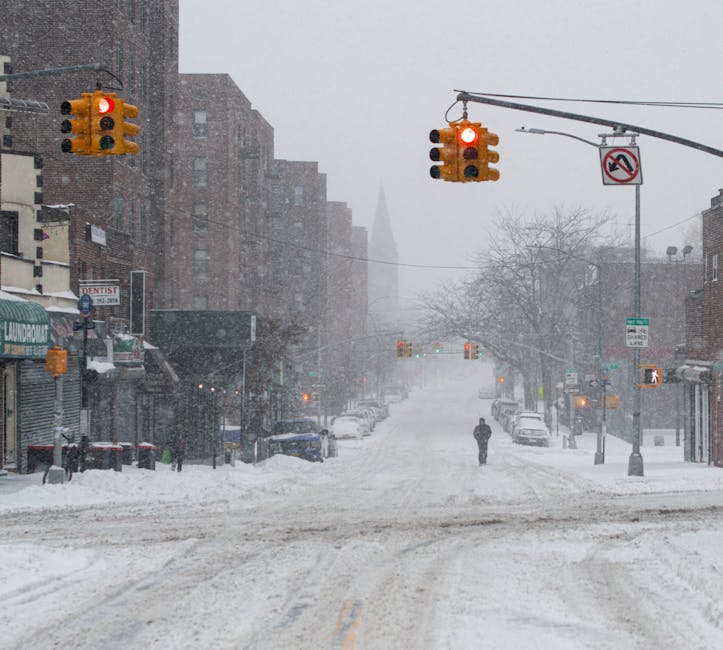
Cold snaps can push temperatures below -10°C, and the wind makes them feel colder still. Snowfall is common but rarely heavy — the Korea Meteorological Administration’s winter normal for Seoul is 22.5 cm, the sum of its three-hourly fresh-snow readings. Roads stay clear, public transit runs uninterrupted. Winter is also the driest stretch of the year — the wet heat that defines Seoul in summer is entirely gone, so a clear -5°C morning here often feels less punishing than a damp 5°C one at home.
Why Visit Seoul in Winter? (Pros)
- Fewer tourists than spring or autumn — major attractions are walkable
- Cheaper hotels than peak seasons
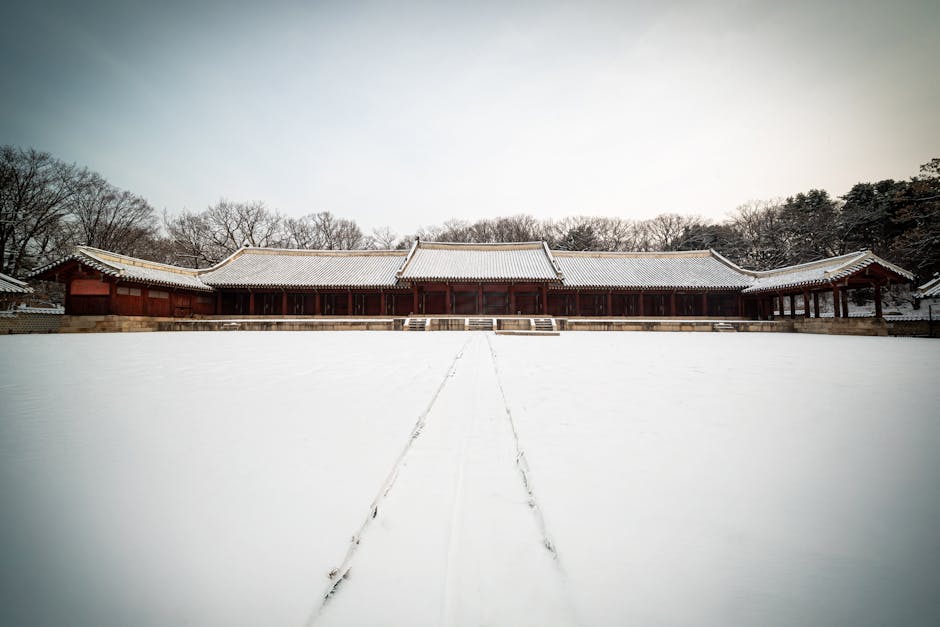
- Snow-dusted palaces — Gyeongbokgung in fresh snow is otherworldly
- Light festivals — Cheonggyecheon and Lotte World Tower light shows
- Korean comfort food season — hot pots, jjigae, hotteok, gukbap come into their own
- Skiing close to Seoul — Jisan and Konjiam resorts are the nearby options
- Jjimjilbang sauna culture peaks — the perfect cold-weather indulgence
- Christmas + New Year + Lunar New Year — three major festive seasons
- Crystal-clear winter air — best skyline photography of the year
Why Some Skip Winter (Cons)
- It’s genuinely cold — bring proper winter gear
- Daylight is short — the sun is down soon after 5pm in late December
- Some outdoor attractions close (Lotus pond, some parks)
- Han River cycling is impractical (cold + ice)
- Cherry blossoms and autumn foliage are gone — Seoul’s colour peaks in late October and early November, weeks before the first snow
- Can be windy and uncomfortable for casual sightseeing
Top 15 Things to Do in Seoul in Winter
1. Seoul Lantern Festival (Cheonggyecheon Stream)
Dates: Usually mid-December to mid-January, announced in late autumn (the 2025-26 edition ran December 12 – January 18)
Location: Cheonggyecheon Stream (the 2025-26 edition added Uicheon Stream)
Cost: Free in past editions
Hundreds of illuminated lantern sculptures line the central Cheonggyecheon Stream, with a different theme each year. Best viewed in the evening, once it is dark. Pair with Insadong tea house dinner.
2. Snow at Gyeongbokgung Palace
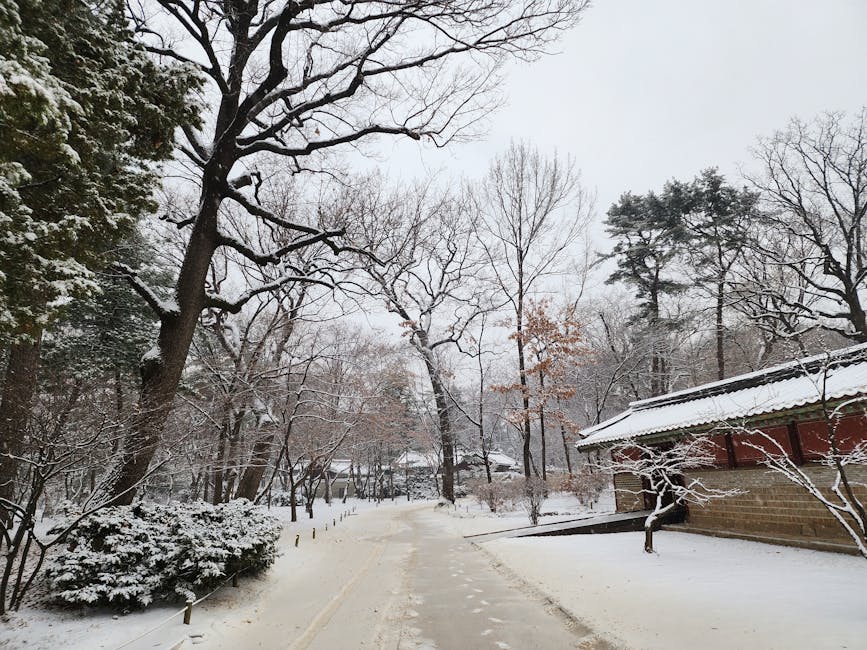
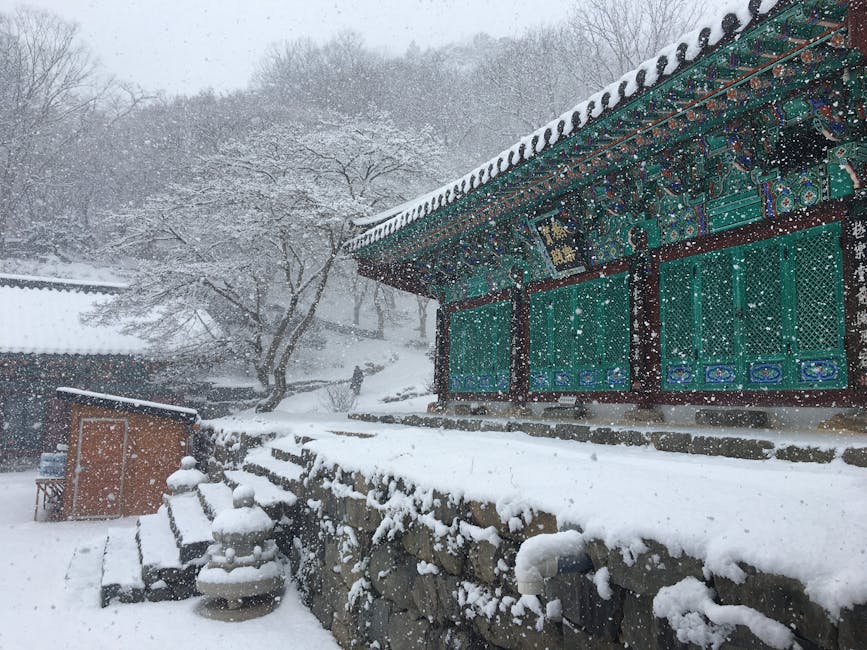
The single most photographed Korean winter scene. Snow on the palace’s curved tile roofs against the painted dancheong = unforgettable. Hanbok rentals stay open through winter at ₩15,000-25,000. Tip: arrive within 24 hours of fresh snowfall before it melts.
3. Ice Skating at Seoul Plaza
Dates: Announced each winter; check Seoul’s city tourism pages for this season’s opening
Cost: ₩1,000 per one-hour session, skates and helmet included
Location: Seoul Plaza in front of City Hall
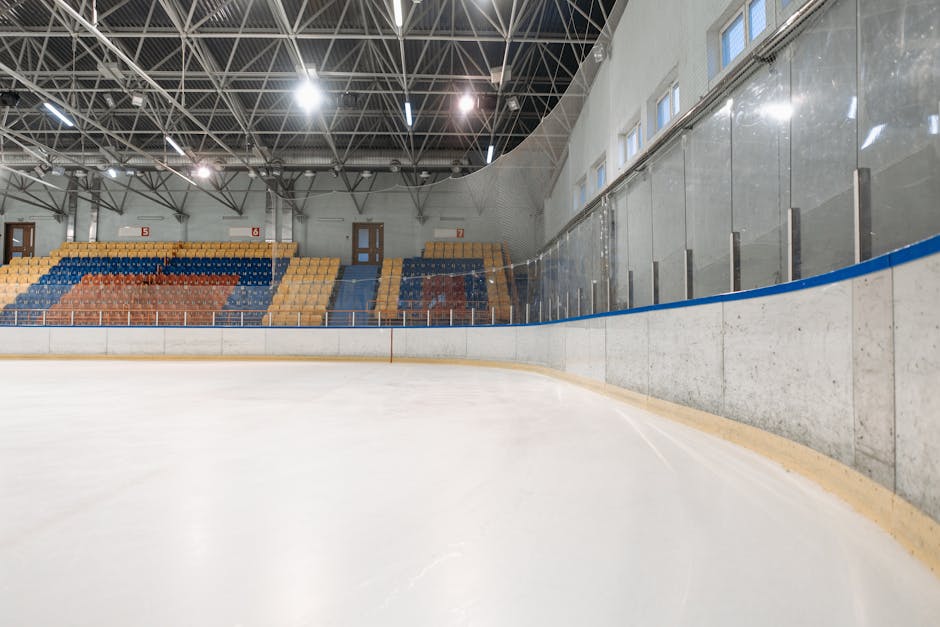
Seoul Plaza’s seasonal outdoor rink sits right in front of City Hall, surrounded by lit-up office towers and historic buildings. Perfect 30-minute activity between dinner and a late-night cafe.
4. Skiing Day Trip — Yongpyong, Vivaldi, Jisan
Yongpyong: About 2.5 hrs from Seoul by road; resort guests can take the 20-minute shuttle from Jinbu KTX station. Korea’s largest ski and snowboarding resort.
Vivaldi Park: Beginner-friendly with K-pop atmosphere.
Jisan Forest: Easy to reach from the Gangnam side of Seoul.
Day-trip ski tours from Seoul (~₩100,000-150,000) include round-trip transport, lift ticket, equipment rental, and English-speaking guides.
5. Seoul Light DDP Winter Light Festival
Dates: Announced by DDP each season (the 2025 winter edition ran December 18-31)
Location: Dongdaemun Design Plaza (DDP)
Cost: Check the event page when dates go up
The futuristic DDP plaza is lit up after dark with light installations. Pair with shopping at Doota or Migliore.
6. Jjimjilbang (24-Hour Korean Sauna)
The perfect cold-weather Seoul activity. Hot pools, themed saunas, communal sleeping areas. ₩10,000-20,000 for 12 hours. See our complete jjimjilbang guide.
7. Korean Winter Stews (Jjigae & Tang)
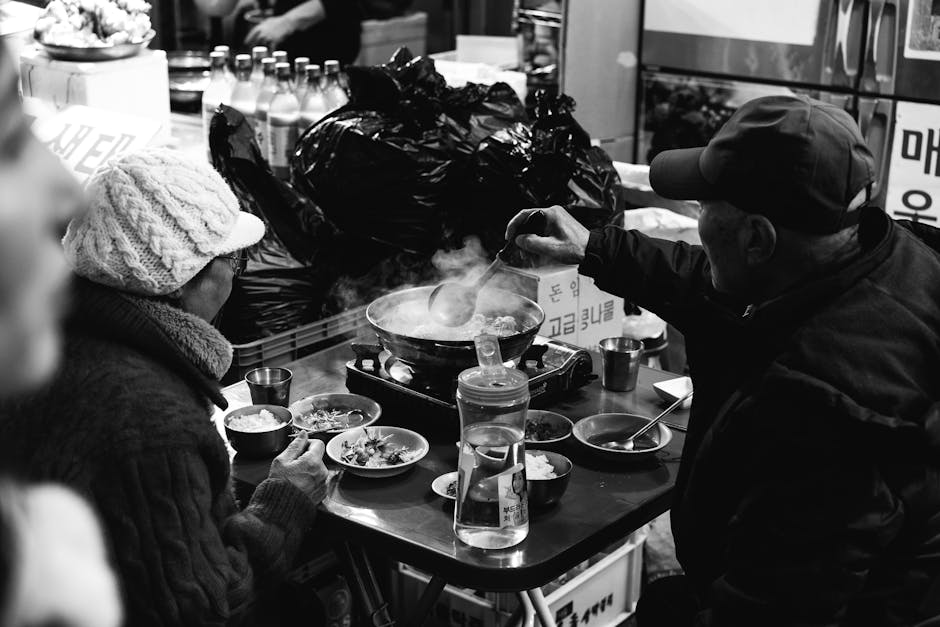
Winter is jjigae season. Try kimchi jjigae, budae jjigae (army stew), sundubu jjigae (soft tofu stew), and seolleongtang (ox bone soup). Specialty restaurants are easy to find in Jongno and Mapo. ₩8,000-15,000 per bowl.
8. Bukchon Hanok Village in Snow
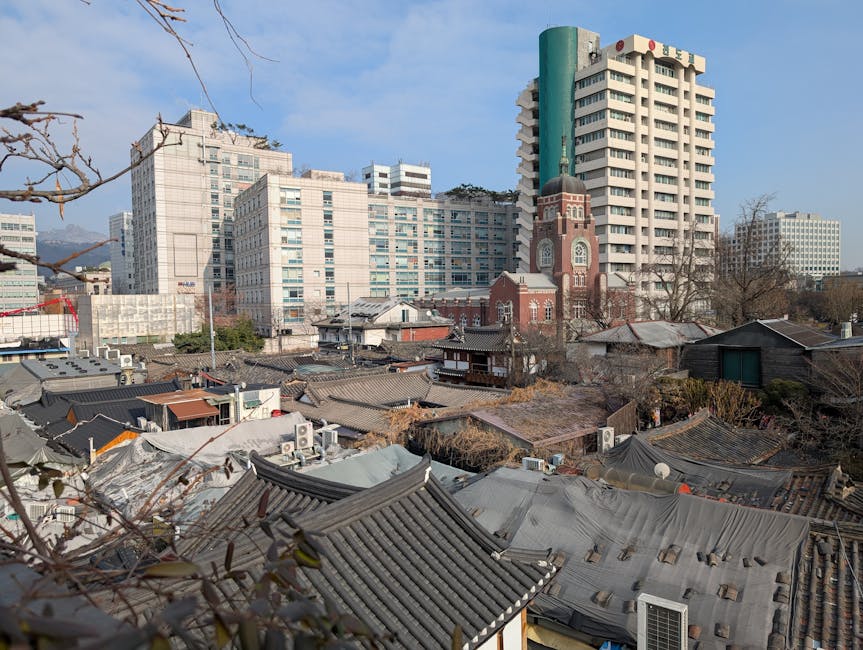
Winter weekdays you’ll have the lanes nearly to yourself. The hanok rooflines covered in fresh snow are surreal. See our Bukchon hanok guide.
9. Namsan Tower Observation Deck (Snow View)
The N Seoul Tower observation deck offers spectacular winter sky panoramas. Cable car operates year-round. Best at sunset for both daytime panorama and city lights.
10. Lotte World Indoor Theme Park
One of the world’s largest indoor theme parks, with the indoor Adventure park joined to Magic Island outdoors on Seokchon Lake. Perfect rainy/snowy day backup. Combined with Seokchon Lake (frozen in deep winter) and Lotte World Tower observation deck.
11. K-Drama / K-Pop Filming Location Tours
Bus tours run out to K-drama and K-pop filming locations, including the BTS In the SOOP sites; Korea Tourism Organization’s VisitKorea site lists the current ones. Most stops are outdoors, so dress for the cold.
12. Seoraksan Snow Mountain Day Trip
Cable car to Gwongeumseong Fortress for snow-covered alpine views. A long day trip by car; before any winter hike beyond the cable car, check trail conditions with Seoraksan National Park.
13. Petite France & Nami Island Winter
A day trip from Seoul via Gapyeong. Both featured in K-dramas (most famously “Winter Sonata” at Nami). Snow-covered metasequoia trees create iconic winter photos. See our Nami Island guide.
14. Hot Cafe Hopping (Heated Cafes)
Korea’s cafe culture peaks in winter — themed warming spots in Seongsu-dong, Hongdae, Insadong. Order the seasonal hot Yujacha (citron tea), Saenggangcha (ginger), or hot chocolate. See our Seoul cafe guide.
15. Korean Hot Springs Day Trip (Suanbo, Asan)
A full day out from Seoul. Korean onsen-style natural hot springs. Suanbo (Chungju area) and Asan (south of Seoul) have multiple resort hot spring options. Day trip ₩40,000-80,000 entry.
Major Korean Winter Festivals (2026-2027)
Cheorwon Hantangang River Ice Trekking Festival
Provisionally January 2027. Trek along a frozen river through dramatic cliff country. Equipment rental and guides provided. Korean ecotourism at its best.
Taebaeksan Mountain Snow Festival
2027 dates go up on the organiser’s site (the 2026 edition ran January 31 – February 8). Massive snow sculptures, themed light displays, snow tubing. Korea’s most spectacular winter festival.
Hwacheon Sancheoneo Ice Festival
January 9-31, 2027. Ice fishing for trout (sancheoneo). More than a million visitors a year, and CNN named it one of its “7 Wonders of Winter” in 2011.
Pyeongchang Trout Festival
Each season’s dates appear on the festival’s own site. Same family of festival as Hwacheon but at the 2018 Olympic location. Skiing accessible.
Lunar New Year (Seollal) — February 6-9, 2027
One of Korea’s two most important traditional holidays, alongside Chuseok. Many restaurants, malls and department stores close on Seollal Day or for part of the holiday, so check hours before you go; palaces open free for visitors in hanbok. Family-focused — book restaurants in advance. Seollal is one of several dates that reshape opening hours and intercity transport nationwide — our Korean holidays and festivals calendar lists every 2026 date, so you can see which weeks bring mass closures and which bring festivals worth building a trip around.
What to Pack for Seoul Winter
Essential Layers
- Heavy puffer jacket / down parka — at least -10°C rated
- Thermal base layers (top + bottoms) — Heattech or wool
- Mid-layer fleece or sweater for layering flexibility
- Wool socks — multiple pairs (changing dry socks is huge)
- Warm pants — wool, fleece-lined, or thick denim with thermals underneath
Accessories
- Beanie / wool hat — covers ears completely
- Scarf — wool or cashmere
- Insulated gloves — touchscreen-compatible if possible
- Lip balm — aggressive Korean wind dries lips fast
- Hand warmers (₩1,000 at convenience stores)
Footwear
- Warm waterproof boots with good tread — Sorel, Timberland, or similar
- Indoor shoes — Korean homes / temple stays / jjimjilbangs require shoe removal
Optional
- Heated insoles if you have circulation issues
- Camera + extra batteries — cold reduces battery performance, so keep a spare warm in an inside pocket
- Sunglasses — snow glare is real
- Moisturizer — Korean winter air is desert-dry
Sample 5-Day Seoul Winter Itinerary
Day 1 (Arrival + Lights): Land Incheon, transfer to Jongno hotel. Evening: Cheonggyecheon Lantern Festival → late dinner at a Jongno galbi-jib (Korean BBQ).
Day 2 (Palaces + Skating): Hanbok rental at Bukchon. Morning: Gyeongbokgung Palace (best after fresh snowfall). Lunch: Insadong sundubu jjigae. Afternoon: Bukchon Hanok Village walk. Evening: Seoul Plaza ice skating → late jjimjilbang sauna for warming up.
Day 3 (Skiing Day): Day-trip ski tour to Yongpyong or Jisan (₩120,000-180,000 packages from Myeongdong/Hongdae). Return for dinner at a hot pot restaurant.
Day 4 (Indoor Culture): Morning: National Museum of Korea (free). Lunch: traditional tea ceremony in Insadong. Afternoon: Lotte World indoor park OR cafe-hopping in Seongsu-dong. Evening: N Seoul Tower observation deck at sunset.
Day 5 (Day Trip): Nami Island + Petite France snow tour. Evening: Han River park stroll with city lights and seasonal warm drinks.
Best Korean Winter Foods
| Food | What It Is | Where | Price |
|---|---|---|---|
| Hotteok (호떡) | Pan-fried sweet pancakes | Street vendors | ₩2,000 |
| Bungeoppang (붕어빵) | Fish-shaped red bean pastries | Street vendors | ₩3,000 / 4 pcs |
| Hodu-gwaja (호두과자) | Walnut-shaped pastries | Train stations, street | ₩5,000 / 12 pcs |
| Sundubu jjigae | Spicy soft tofu stew | Restaurants citywide | ₩8,000-12,000 |
| Seolleongtang | Milky ox-bone soup | Specialty restaurants | ₩10,000-15,000 |
| Budae jjigae | Army stew with spam | Uijeongbu, Seoul | ₩10,000-15,000 |
| Hotpot (전골) | Tabletop bubbling pot | Hot pot restaurants | ₩15,000-25,000 pp |
| Roasted chestnut | Street-vendor classic | Subway exits | ₩3,000 / cup |
| Yujacha (유자차) | Hot citron tea | Cafes, tea houses | ₩4,500-6,000 |
| Hot makgeolli | Warmed rice wine | Pojangmacha (street tents) | ₩5,000-8,000 |
Where to Stay in Seoul in Winter
Best Areas
- Jongno / Insadong — central, palace access, traditional dining
- Myeongdong — central with easy ski-tour bus pickups
- Mapo / Hongdae — youthful, lots of cafes for warming up
- Gangnam — modern, COEX Mall as indoor backup
Booking Tips
- Hotel prices drop from peak; major chains run winter promotions
- Christmas + New Year + Lunar New Year see price spikes (book well ahead)
- Heated floor (ondol) properties give the most authentic warm-night experience
See our Seoul accommodation guide for more.
Seoul Winter Dos and Don’ts
Do
- Layer aggressively — Korean indoors are very warm, outdoors very cold
- Use convenience-store hand warmers (₩1,000)
- Try jjimjilbang at least once — pure heat-recovery bliss
- Take subway over taxi during snowfall
- Embrace Korean comfort food — winter is jjigae season
- Visit palaces immediately after fresh snow — magical
- Drink hot drinks frequently — Korean cafes serve warming herbal teas
Don’t
- Underestimate windchill — Seoul gets brutally windy
- Wear cotton next to skin — wool/synthetic is much warmer when wet
- Try to cycle the Han River paths in winter — closed sections + ice
- Skip lip balm — Korean dry winter air is harsh
- Plan outdoor full-day activities without warming breaks
- Travel without proper boots — high heels + ice = disaster
Late December is when Seoul turns most theatrical. Recent seasons have brought a building-sized Christmas light show on Shinsegae’s facade, lanterns along Cheonggyecheon and the Bosingak bell ringing in the New Year at midnight, with each one announced closer to the date. Our Christmas and New Year in Seoul guide covers what is open, where to go and what to book early.
Frequently Asked Questions
Is Seoul cold in winter?
Yes — December nights average -3.4°C and January nights -5.5°C. Cold spells can drop below -10°C, and the wind makes them feel colder. Real winter weather, but not extreme by global standards.
Does it snow in Seoul?
Yes — Seoul averages 6.4 snowy days in December, 7.1 in January and 5.1 in February. How long snow and ice linger depends on the weather, the shade and how fast a street is cleared, so pack shoes with grip.
Is winter a bad time to visit Seoul?
Not at all — many Seoul veterans consider it the best time. Fewer tourists, lower hotel prices, more authentic Korean food, world-class skiing nearby, and dramatic light festivals.
What’s the coldest month in Seoul?
January — averaging 2.1°C by day and -5.5°C at night. Cold snaps regularly push to -10°C or below. Mid-January Seoul is similar to Stockholm or Boston in January.
Are there Christmas decorations in Seoul?
Yes — Korea celebrates Christmas as a cultural holiday with lights, trees, and gift exchanges. Major streets and shopping districts are heavily decorated. Christmas Day itself is a public holiday.
What about Lunar New Year?
Seollal (Korean Lunar New Year) falls on February 6-9, 2027, counting the substitute holiday on the 9th. Major holiday — many restaurants, malls and department stores shut on Seollal Day itself or for part of the break. Travel within Korea is heavy. Plan around or embrace the family festival atmosphere.
Can I see snow on Korean palaces?
Yes — Gyeongbokgung, Changdeokgung, Deoksugung all stay open in snowfall. Best within 12-24 hours of fresh snow before paths get cleared. The Snow + Hanbok + Palace combination is iconic.
Is skiing in Korea good?
Excellent — Korea hosted the 2018 Winter Olympics and has world-class infrastructure. Yongpyong is the largest resort. Day trips from Seoul (₩100,000-180,000) are easy and beginner-friendly with English support.
What about the air quality?
Winter air quality varies. Some “fine dust” days from China-blown pollution; most days are clear. Check daily AQI before extensive outdoor time. Cold-weather KF94 masks help and are sold everywhere.
How much does a Seoul winter trip cost?
~$80-150/night hotel (mid-range), ₩30,000-50,000/day food, ₩100,000-180,000 ski day trip, ₩10,000-20,000 jjimjilbang. A 5-day winter trip = ~$1,200-1,800/person excluding flights, similar to spring/autumn pricing.
Tips From Long-Term Seoul Residents
- Layer with thermals + wool + synthetic puffer — three layers handle most Seoul winters
- Carry hot drinks in a thermos — convenience stores fill with hot Americano for ₩2,500
- Schedule jjimjilbang for arrival day — perfect jet-lag killer
- Don’t try to walk Bukhansan in deep winter without proper crampons
- Book ski day trips through Klook for English-speaking guides and reliable transport
- Subway is your friend — 100% heated, no traffic, runs through any weather
- Start days late — around the winter solstice the sun rises at 7:43am and sets at 5:17pm, and by mid-February sunset is nearer 6:10pm; afternoons are warmest
- Save palace visits for fresh-snow days — check Naver weather morning of
- Eat seasonal — winter menus are limited-time and culturally significant
- Charge your phone constantly — cold drains batteries fast
Final Word
Seoul in winter is one of Asia’s most underrated travel experiences. The city embraces winter — heated subway stations, snow-dusted palaces, light festivals, jjimjilbangs at every corner, ski resorts within reach, and an entire food culture built around warming up. Pack proper gear, embrace the layering, and you’ll likely find Seoul winter as memorable as cherry blossom season — at half the price.
For more seasonal Seoul travel content, see our complete Seoul festivals & events guide.