
This is the comprehensive Seoul discount passes guide for 2026: every major pass compared with current prices, exactly who each one suits, what’s genuinely included, and a calculator-style approach that tells you the moment a pass pays for itself. Read it alongside our getting around Seoul guide for the transit side of the picture.
Quick Comparison: Best Seoul Discount Passes 2026
| Pass | Price (2026) | Duration | Best For |
|---|---|---|---|
| Discover Seoul Pass Pick 3 Basic | ₩49,000 | 5 days (3 attractions) | Visitors with three paid sights in mind |
| Discover Seoul Pass Pick 3 Theme Park | ₩70,000 | 5 days | Theme-park-focused trips |
| Discover Seoul Pass 72h | ~₩90,000 | 72 hours | 3-day Seoul-focus visits |
| Discover Seoul Pass 120h | ₩130,000 | 120 hours | 5-day Seoul-focus visits |
| Climate Card | ₩5,000–20,000 (+₩3,000 card) | 1–7 days | Heavy transit users |
| K-Tour Card T-money | ₩4,000 card + your own top-up | Unlimited | Transit + small attraction discounts |
| Korea Rail Pass (KR Pass) | ₩131,000+ | 2/3/4/5 days | Multi-city Korea travelers |
Do You Even Need a Pass? Start Here
Before you spend a won, be honest about your trip, because a large share of travelers are better off with no pass at all. Seoul’s single best sights — the changing-of-the-guard at Gyeongbokgung, the buzz of Myeongdong and Hongdae, hiking Bukhansan, wandering Bukchon Hanok Village, the Han River parks — are free or nearly free. If your days lean toward neighborhoods, markets and street food rather than ticketed towers and theme parks, a discount pass is money spent to unlock things you weren’t going to do anyway. Our free things to do in Seoul guide lists enough to fill several days without a single admission fee. Pair it with our cheap eats in Seoul picks — gimbap, kalguksu and market bindaetteok all land under ₩10,000 a head — and a no-pass day in Seoul can cost less than one observation-deck ticket.
A pass earns its keep when you’re a certain kind of traveler: someone doing the observation decks, Lotte World, the aquarium and a hanbok rental in a tight window. If that’s you, read on — the Discover Seoul Pass will likely save you real money. If it’s not, load a plain T-money card and pocket the difference. Either way, factor it into the wider numbers in our how much a Seoul trip costs breakdown.
Discover Seoul Pass — The Flagship

The Discover Seoul Pass is the city’s official tourist pass, sold as a 72-hour (₩90,000) or 120-hour (₩130,000) pass, or as one of two five-day Pick 3 passes: Pick 3 Basic (₩49,000, three attractions) and Pick 3 Theme Park (₩70,000). It comes as a contactless card or a mobile QR pass, and only the physical card has a transit function, which you top up separately. Unused passes are fully refundable within 30 days of purchase. The clock starts when you tap into your first attraction, not when you buy — a crucial detail that trips up thousands of tourists a year.
What’s Included Free
This is where the pass earns its reputation. The headline savings come from a handful of expensive tickets — N Seoul Tower, the Seoul Sky observatory at Lotte World Tower, Lotte World theme park and the COEX Aquarium — any two of which already dent the pass price. The palaces are cheap individually but add up, and the pass also quietly covers experiences travelers forget to price in, like the hanbok rental that makes your palace photos. Free single admission covers a long list of attractions during your pass window:
- Palaces: adult admission is ₩3,000 at Gyeongbokgung and Changdeokgung and ₩1,000 at Deoksugung and Changgyeonggung, so check the pass’s current partner list for which palaces it covers.
- N Seoul Tower observation deck — ₩29,000 saved.
- Lotte World theme park — an adult one-day ticket is ₩64,000 for the park only, or ₩67,000 with the Folk Museum.
- COEX Aquarium — ₩35,000 saved at the standard adult price (online tickets start at ₩28,000).
- Seoul Sky observatory at Lotte World Tower — ₩33,000.
- Hanbok rental at participating shops — check the pass app for the current hanbok benefit.
- Seoul Forest, Seoul Botanic Park and the Garden of Morning Calm.
- …and dozens more.
What’s Included at a Discount
On top of the free entries, the pass carries discount coupons for shopping and experiences at partner businesses. Terms differ from coupon to coupon, so read each one in the app before you rely on it.
Bonus Features (2026)
- Free 5-day Korean eSIM (SKT, unlimited data) on every pass — a ₩27,500 value on its own, and one less thing to arrange (see our Seoul travel apps guide for what to install on it).
- One free AREX Express airport-train ride — a ₩13,000 value.
- Seoul Bike (Ttareungi) day pass for riding the Han River path.
- Live map in the app showing your nearest pass-eligible attractions.
Where to Buy
- Online via Klook, KKday, Trazy or the official site for the best pricing and airport pickup.
- Tourist information centers at Incheon Airport, Myeongdong, Gangnam, Hongdae and Seoul Station.
- Convenience-store kiosks in major hotels.
Is It Worth It? Run the Math
Add up entry fees for the attractions you’ll definitely visit:
- Lotte World ₩64,000 + N Seoul Tower ₩29,000 + Gyeongbokgung ₩3,000 + COEX Aquarium ₩35,000 = ₩131,000.
- Add the eSIM (₩27,500) and AREX ride (₩13,000) and you’re at ₩171,500 of value from a 72-hour pass costing ₩90,000.
If your plan includes three or more paid attractions plus N Seoul Tower or Lotte World, the pass wins. If you’re mostly doing free palaces, parks and neighborhoods, skip it.
Climate Card — The Transit Pass
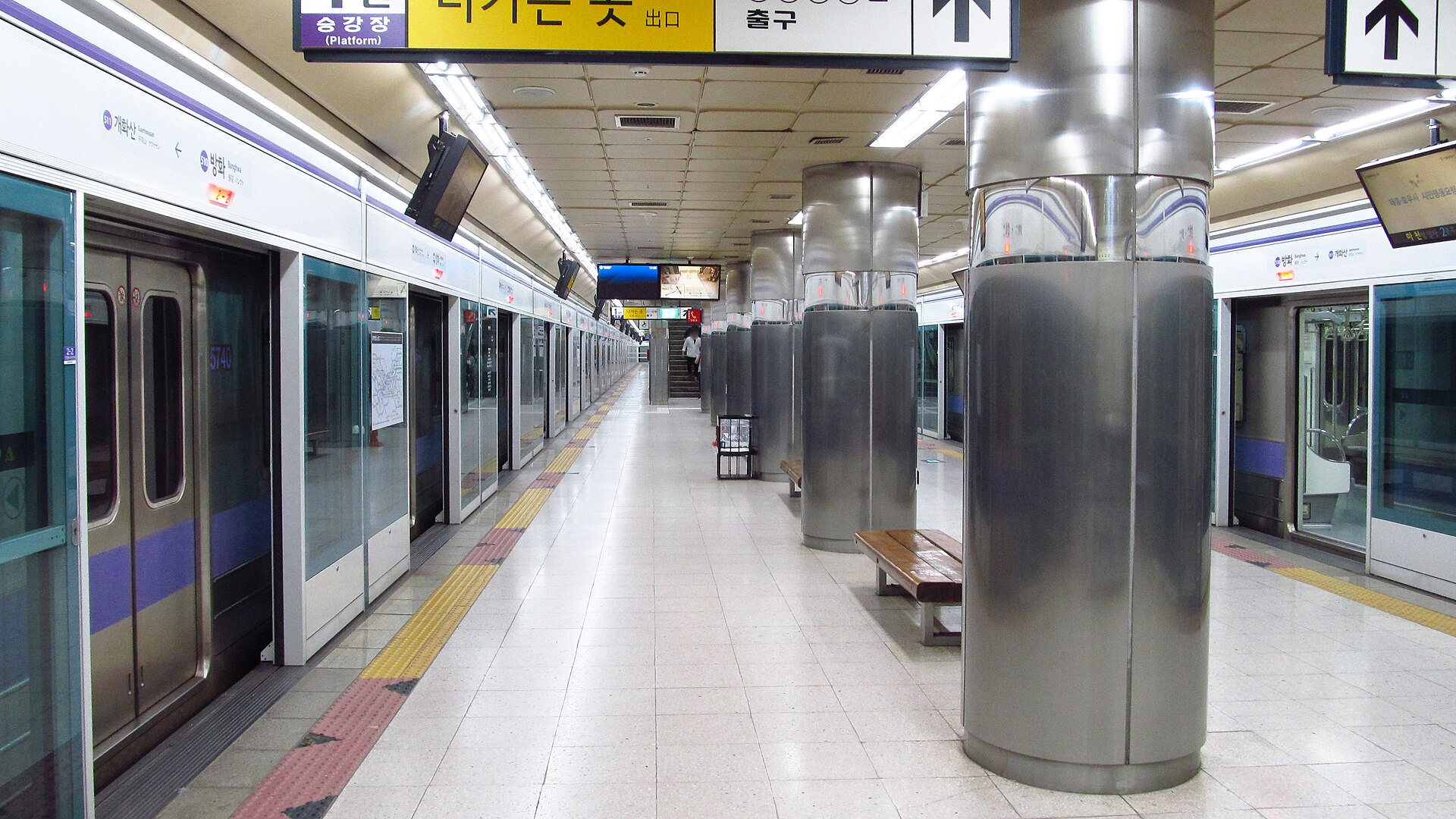
The Climate Card is Seoul’s unlimited public-transport pass, introduced in 2024 and now offered in tourist-friendly short durations (the physical card costs ₩3,000 on top):
- 1-day: ₩5,000
- 2-day: ₩8,000
- 3-day: ₩10,000
- 5-day: ₩15,000
- 7-day: ₩20,000
It buys unlimited rides on the Seoul subway and city buses within Seoul. The catch is in that boundary: it does not cover the AREX express to the airport, or trips out to Suwon, Nami Island or the wider Gyeonggi Province. So it’s ideal for a traveler bouncing around central Seoul all day, and useless for one doing day trips. Compare it against pay-as-you-go in our T-money card guide, and see how the lines connect in the Seoul subway guide.
Rule of thumb: the Climate Card wins if you’ll take four or more rides a day for several days straight in the city center. Below that, plain T-money is cheaper.
K-Tour Pass T-money — The Cheap Hybrid
The K-Tour Pass (sold as the Korea Tour Card) is a transit card with tourist perks bolted on. The card itself costs ₩4,000 and you load your own transit credit separately; on top of that you get:
- Discounts at partner attractions and other businesses.
- Foreign-tourist tax-refund integration.
- Collectible K-pop designs.
It’s the middle path for casual sightseers who don’t want a full Discover Seoul Pass but would like some discounts alongside their transit card — and it works on buses and the subway exactly like standard T-money, including on airport buses and lines the Climate Card doesn’t reach.
That tax-refund line is worth pulling on. Foreign visitors can claim the VAT back at the till on purchases from ₩15,000 upward at participating stores, while Seoul’s downtown duty-free halls — Lotte in Myeongdong, Shinsegae, Shilla — knock 15-40% off at the point of sale instead. The two systems don’t stack, and our duty free shopping in Seoul guide sorts out which one wins for cosmetics, luxury goods and electronics, plus how airport collection works on the way home.
Korea Rail Pass (KR Pass)

The KR Pass is strictly for travelers heading beyond the capital. It buys unlimited KORAIL rides, including KTX high-speed trains:
- 2-day flexible: ₩131,000
- 3-day flexible: ₩186,000
- 5-day flexible: ₩275,000
It only makes sense for multi-city trips — a Seoul-to-Busan round trip alone is roughly ₩108,800 in standard-class KTX fares since the September 2026 fare cut, so the pass only pulls ahead when you take two long trains on the same day. For a Seoul-only visit it’s pure waste. If you’re weighing excursions, our day trips from Seoul guide helps you decide whether you’ll leave the city enough to justify it.
Attraction-Specific Bundles

If you only want two or three specific sights, a targeted combo often beats a full pass:
Lotte World + Lotte World Tower Combo
Bought separately, Lotte World (₩64,000 park only, ₩67,000 with the Folk Museum) and Seoul Sky (₩33,000) come to ₩97,000 at adult prices, so compare any combo on Klook or KKday against that figure.
N Seoul Tower + Cable Car
An adult observatory ticket (₩29,000) plus a round-trip cable car ride (₩15,000) costs ₩44,000 when you buy them one at a time. A combo only helps if it undercuts that.
Royal Palaces Pass
Just ₩6,000 for entry to Gyeongbokgung, Changdeokgung, Changgyeonggung, Deoksugung and Jongmyo Shrine (the five sites cost ₩9,000 bought singly), sold at any palace ticket office — the single best deal for history lovers. It no longer includes the Secret Garden at Changdeokgung, which is a separate ₩5,000 guided tour, and older guides quoting a ₩10,000 version that did are out of date.
K-Pop Experience Bundle
Check what any fan bundle actually includes before you pay: HYBE Insight’s Yongsan museum closed in January 2023, and SMTOWN’s COEX venue closed in 2020, with its SMTOWN &STORE shop now at KWANGYA@SEOUL near Seoul Forest. Plan a fan day around what is open with our K-pop & K-culture guide.
Specialty Tourist Cards
WOWPASS
WOWPASS combines a T-money transit card with a Korean prepaid debit card and competitive currency exchange, for a ₩4,000–5,000 card cost. It’s the pick for travelers who want a single card for both transit and spending, and it dispenses cash in won at its kiosks. Details and comparison in our T-money guide.
NAMANE Card
A customizable T-money card you print with your own photo — functionally identical to standard T-money, around ₩6,000, and mostly worth it as a souvenir.
Passes vs. Pay-As-You-Go T-money
Here’s the honest baseline every pass is competing against. A plain T-money card costs ₩2,500–4,000 for the card, then charges just ₩1,550 for a basic subway ride (₩1,650 on a single-journey ticket), with discounted transfers to buses within 30 minutes, or 60 minutes from 21:00 to 07:00. A typical tourist day of five or six rides costs well under ₩10,000. That’s the number to beat. The Climate Card only wins once you’re riding heavily; the Discover Seoul Pass wins on attractions, not transit; and for a lot of relaxed travelers, plain T-money plus a few individually bought tickets is both cheapest and simplest. You can buy and reload T-money at any convenience store and every station — the full walkthrough is in our T-money card guide.
From Incheon Airport: Which Pass, When
Your first pass decision happens before you’ve even left the airport. If you’re buying a Discover Seoul Pass, have it ready when you land and use its free AREX Express ride to get into the city — that single ride is a ₩13,000 value banked immediately. If you’re not getting the Discover Pass, pick up a T-money card at a convenience store or subway station and decide between the AREX and the cheaper airport limousine bus. The full route-by-route comparison, with times and prices, is in our Incheon Airport to Seoul guide.
Passes for Families with Kids
Families are the clearest-cut winners with the Discover Seoul Pass, because the attractions kids actually want are the pricey ones the pass covers. Lotte World alone (₩64,000 a head at the gate for the park only) plus the COEX Aquarium (₩35,000) plus a ride up N Seoul Tower gets a family of four to break-even before you’ve counted the eSIM or the transit. Two caveats. Children’s tickets at these attractions are cheaper than the adult prices quoted here, so compare your kids’ individual tickets with the published pass price before you buy. And a full Lotte World day realistically consumes a whole day of your pass window, so put the theme park on its own pass day and cluster the smaller attractions on another. For pacing a family trip around these anchors, our things to do in Seoul guide flags which sights suit which ages.
Which Pass Is Best for You?
The 3-Day Sightseer Going Hard
Discover Seoul Pass 72h, with transit on the physical card topped up as you go — around ₩90,000 unlocks close to ₩200,000 of attractions if you pace it right.
The Transit-Only Traveler
Climate Card 5-day at ₩15,000, or a plain T-money card with ₩30,000 loaded if your ride count is modest.
The Multi-City Explorer
Korea Rail Pass for the KTX network — but only if you’re genuinely leaving Seoul more than once.
The Casual Tourist (1–2 Paid Sights)
Skip the passes. Buy individual tickets and keep the flexibility; prices and promotions on Klook vary, so compare the same ticket and conditions before you book.
The One-Card Minimalist
WOWPASS handles transit and spending money in a single tap.
Combining Passes for Maximum Savings
The savviest move isn’t picking one pass — it’s layering them by day. A common high-value combo: buy a Pick 3 or 72-hour Discover Seoul Pass and burn it on your most attraction-heavy days (the tower, the aquarium, a theme park), then rely on a plain T-money card or a short Climate Card for the slower, wander-the-neighborhoods days when you’re not paying admissions. That way you’re never paying the premium Discover Seoul Pass rate on a day you spend eating your way through markets. The mistake to avoid is running two attraction passes over the same window, or holding a Climate Card on a day you barely ride. Match the tool to the day, and you capture the attraction savings without overpaying for transit you don’t use — the same disciplined logic that runs through our Seoul on a budget guide.
Calculator: Is the Discover Seoul Pass Worth It?
Be ruthless about your real itinerary. Tally the entry fees for things you’ll actually visit:
- N Seoul Tower observation deck: ₩29,000
- Lotte World 1-day: ₩64,000 (₩67,000 with the Folk Museum)
- Seoul Sky (Lotte World Tower): ₩33,000
- COEX Aquarium: ₩35,000
- Garden of Morning Calm: ₩11,000
- Hanbok rental: ₩20,000
- City tour bus: ₩18,000
- AREX Express: ₩13,000
- eSIM (5-day): ₩20,000
- Han River cruise: ₩15,000
If your total clears the pass price (₩90,000 for 72 hours, ₩130,000 for 120 hours), the pass pays off. If it doesn’t, you’ll spend less buying à la carte.
Common Mistakes Tourists Make with Passes
- Buying a pass and letting it sit. The clock starts at your first attraction tap, not at purchase — activate it on a heavy day.
- Overlooking the single-entry rule. Each free attraction can be tapped once per pass.
- Not pre-booking Changdeokgung’s Secret Garden. The garden tour is timed and needs its own reservation, and the pass app list shows whether it is covered.
- Forgetting AREX is one ride only. Use it airport-to-city; pay separately for the return.
- Cramming Lotte World and much else into one pass day. A theme park easily eats a whole day — don’t waste the rest of the pass window on it.
When to Buy: Timing & 2026 Price Notes
Prices drift upward year to year and vary a little by reseller, so treat the figures here as a 2026 baseline rather than a guarantee, and always confirm the live price at checkout. A few timing tips: buy online before you fly for the lowest rates and to skip the airport queue, but don’t activate until you’re ready to use it. Reseller flash sales (especially on Klook and KKday around major shopping holidays) can bring the price down, so it’s worth a quick price-check across two platforms. And if your dates are flexible, note that some attractions run seasonal hours — outdoor spots like the Garden of Morning Calm and Han River cruises are best in spring and autumn, which our best time to visit Seoul guide breaks down by month.
Where to Buy Discount Passes
- Klook — best discounts, eVoucher delivery, Incheon Airport pickup.
- KKday — similar to Klook, sometimes better last-minute deals.
- Trazy — Korea-focused deals and experiences.
- Discover Seoul Pass official — sold direct through the official website and app.
- Korea Tourism Organization centers — counter pickup at airports and in Myeongdong.
Sample 3-Day Power Itinerary with the Discover Seoul Pass
- Day 1: AREX from Incheon → hotel check-in → Gyeongbokgung Palace → N Seoul Tower at sunset.
- Day 2: Lotte World theme park → Seoul Sky observatory → Han River cruise.
- Day 3: COEX Aquarium → city tour bus.
That’s about ₩197,000 of attractions unlocked by a ₩90,000 pass, plus the eSIM and a free transit ride. For more ready-made routes, see our Seoul itineraries hub.
Practical Tips for Using Discount Passes
- Activate on your first attraction, not at purchase.
- Tap on entry only — not at gift shops or cafés inside.
- Carry a backup card for anything the pass doesn’t cover.
- Don’t lose the card — replacements go through the issuer’s support team.
- Check opening days — many attractions and palaces close on Mondays or Tuesdays (Gyeongbokgung closes Tuesdays).
- Reserve timed entries ahead where required, such as the Secret Garden.
Frequently Asked Questions
Is the Discover Seoul Pass worth it?
Yes if your itinerary includes three or more major paid attractions plus N Seoul Tower or Lotte World. No if you focus on free palaces, parks and neighborhoods.
How much does the Discover Seoul Pass cost in 2026?
₩90,000 for 72 hours and ₩130,000 for 120 hours. The five-day Pick 3 passes cost ₩49,000 (Pick 3 Basic, three attractions) and ₩70,000 (Pick 3 Theme Park). There is no 24- or 48-hour pass, and unused passes are fully refundable within 30 days of purchase.
Where do I buy the Discover Seoul Pass?
Online via Klook, KKday or Trazy, or in person at tourist info centers in Incheon Airport, Myeongdong and Hongdae.
Does the Discover Seoul Pass include transit?
Partly. The physical card has a transit function for the subway and buses that you top up separately (the mobile QR pass doesn’t), and every pass includes one free AREX Express ride from the airport; check the ride’s current conditions in the app.
Can I share a Discover Seoul Pass?
No — it’s one card per traveler, and each free attraction taps once.
What’s the difference between the Discover Seoul Pass and the Climate Card?
The Discover Seoul Pass covers attractions plus transit plus extras; the Climate Card is unlimited transit only, within Seoul.
Is the Korea Rail Pass worth it?
Yes for multi-city routes like Seoul → Busan → Gyeongju; no for a Seoul-only trip.
Can foreign tourists buy these passes?
Yes — all of them are aimed at tourists. Bring your passport to sales counters.
Do the passes work at every attraction?
No — the Discover Seoul Pass covers a long list of named attractions; smaller museums and private experiences may not be included, so check the app list.
Can I use the Discover Seoul Pass on Apple Pay?
There’s a mobile QR version in the Discover Seoul Pass app, though many travelers still find the physical card simpler at gates.
The Bottom Line: A Simple Decision Tree
If you want the whole guide compressed into thirty seconds, work through it like this. Are you leaving Seoul for other cities by train more than once? If yes, price a Korea Rail Pass against your specific routes. If no, ask the next question: will you hit three or more ticketed attractions — towers, theme parks, the aquarium — inside a two-to-three-day burst? If yes, the Discover Seoul Pass is almost certainly your best value, and you should cluster those attractions into the pass window. If no, you’re a neighborhoods-and-food traveler, and the answer is refreshingly cheap: a plain T-money card covers your transit, a Climate Card only if you’re riding heavily, and the occasional Klook ticket handles the one or two paid sights you do want. Most first-timers assume they need a pass and don’t; most families and hard-charging sightseers assume they don’t and should. Match the tool to the trip, and you’ll never overpay. For the day-by-day framework to slot it all into, jump to our Seoul itineraries and getting around Seoul guides.
Final Thoughts
The right Seoul discount pass can save real money — and the wrong one quietly wastes it. The Discover Seoul Pass is the strongest value for active sightseers hitting the ticketed heavy-hitters; the Climate Card and plain T-money serve transit-focused travelers; the Korea Rail Pass is for anyone leaving the city. Run your own numbers first, then pair your choice with our Seoul on a budget guide, our Seoul itineraries, and the getting around Seoul resource for a complete, cost-smart plan.
Photo Credits
Line 5 trains at Banghwa Station: Seoul-metro-510-Banghwa-station-platform-20180914-173620 by LERK, CC BY-SA 4.0, via Wikimedia Commons.
KTX at Daejeon Station: Korail KTX-I, Daejeon Station (20240405b) (54220932510) by Takeshi Aida, CC BY-SA 2.0, via Wikimedia Commons.