This guide is about the logistics, for babies and toddlers from newborn to about three years old. It covers strollers versus carriers, the subway, taxis and the car-seat question, nursing rooms, where to buy nappies and formula, eating out, where to stay, the best places to take a small child and what to do if they get ill. It is a separate page from our guide for school-age children. Prices and rules were checked in September 2026; treat them as a guide and check anything critical before you rely on it.
Seoul with a baby or toddler: at a glance
| Verdict | Notes | |
|---|---|---|
| Safety | Excellent | Very low crime, clean streets, 24-hour convenience stores |
| Nursing and changing facilities | Excellent indoors | Department stores, malls, museums, many large stations and the airport |
| Stroller-friendliness | Mixed | Lifts in every subway station, but hills, steps and pavement-less lanes above ground |
| Taxis and car seats | Weak | Taxis almost never have car seats; bring your own or book specially |
| Nappies and baby food | Easy | Convenience stores for emergencies; big supermarkets for everything |
| Eating out | Good | Plenty of non-spicy dishes; high chairs common; a few cafés are “no kids zones” |
| Healthcare | Excellent | Walk-in paediatric clinics, pharmacies everywhere, international clinics at big hospitals |
| Best months | April–May, September–October | Summer is hot and humid; winter is well below freezing |
What things cost
| Item | Typical cost (₩) |
|---|---|
| Small pack of nappies at a convenience store | ~8,000–15,000 |
| Large pack of nappies at a supermarket | ~25,000–40,000 |
| Baby food pouch | ~2,000–4,000 |
| Bottle of water / banana milk | ~1,000–2,000 |
| Kids’ café entry (per child, ~2 hours) | ~10,000–20,000 |
| Seoul Children’s Museum | 4,000 for over-3s and adults; under-3s free |
| Children’s Grand Park | Free |
| Subway fare | Children under 6 ride free with a fare-paying adult |
The stroller question
This is the decision that shapes the whole trip, so it is worth being honest about it.
What works in your favour
- Every subway station has lifts, and the stations themselves are clean, smooth and step-free once you are inside.
- Department stores, malls, museums and palaces are mostly flat and fully accessible.
- The Han River parks, Seoul Forest and Children’s Grand Park have wide, smooth paths made for pushing a stroller.
What works against you
- Hills. Bukchon, Namsan, Itaewon, Haebangchon and parts of Seochon are steep enough to be hard work with a loaded stroller.
- Lanes without pavements. Many side streets have no separate footpath, so you share a narrow road with delivery scooters and cars.
- Lifts in awkward places. Many stations have lifts at only one or two exits, and they can be a long walk from the exit you actually want. Transfers between lines can involve several lifts and long corridors.
- Crowds. Rush-hour trains (roughly 07:30–09:30 and 18:00–19:30) are packed, and a stroller in a full carriage is miserable for everyone.
- Steps into restaurants and cafés. Many small places are up or down a few steps with no ramp.
Getting around
The subway
- Find the lift before you need it. Station maps on the platforms and at the gates mark lifts (look for the wheelchair symbol), and map apps such as Naver Map and KakaoMap show station exits. Plan your exit around the lift, not the other way round.
- Avoid rush hour. Travelling between 10:00 and 17:00 makes a huge difference.
- Use the wide gates. Most stations have a wider ticket gate for wheelchairs and strollers; tap your T-money card there.
- Priority seating. Each carriage has seats for elderly, disabled and pregnant passengers, and many lines have pink seats reserved for pregnant women. People will often give up a seat for a parent holding a baby.
- Children under 6 ride free. Only adults pay the ₩1,550 base fare.
Our Seoul subway guide covers the system in detail, and our accessible Seoul guide has more on lifts and step-free routes, which apply just as well to strollers.
Buses
Seoul’s buses are frequent and cheap, but drivers pull away before passengers are seated and many buses have steps at the door. With a baby in a carrier they are fine; with a toddler in a stroller they are stressful. Low-floor buses exist on many routes, but you cannot count on one arriving.
Taxis and the car-seat reality
This is the part of the trip that worries parents most, and it deserves a straight answer.
- The law: Korean law requires children under six to be in a child restraint in a car, with a fine of ₩60,000 for drivers who do not comply.
- The practice: taxis are effectively exempt in practice, and almost no ordinary taxi carries a car seat. Most Korean families take taxis with children on their laps. That is common, but it is not safe.
- Booking a seat: the ride-hailing apps Kakao T and TADA have a limited number of vehicles with car seats, and the city has run a small programme of taxis equipped with infant seats. Availability is limited, so book well ahead rather than relying on it on the day.
- Bringing your own: a lightweight travel car seat or a compact child-restraint device is the most reliable option if you plan to use taxis a lot. Taxi boots are small, so check it will fit alongside a folded stroller.
- Hire cars: rental cars must comply with the law, so book a car seat with the rental.
For short distances, many families decide the subway is simply the safer option. Our Seoul taxi guide explains how to use Kakao T.
Nursing rooms and changing facilities
This is where Seoul shines. Nursing rooms, called suyusil (수유실), are common and often very good.
| Where | What to expect |
|---|---|
| Department stores (Lotte, Shinsegae, Hyundai, Galleria) | The best. Usually on the children’s floor: private feeding booths, changing tables, sinks, hot water, sometimes microwaves and lounge areas |
| Large malls (COEX, Times Square, IFC, Starfield) | Very good, similar to department stores |
| Museums and major attractions | Good; the National Museum of Korea and the palaces’ visitor areas have facilities |
| Subway stations | Some larger stations have nursing rooms; many toilets have fold-down changing tables |
| Incheon Airport | Excellent nursing rooms and children’s play areas in both terminals |
| Small cafés and restaurants | Rarely. Plan feeds around the bigger buildings |

Breastfeeding in public
Breastfeeding openly in public is not common in Korea, and most Korean mothers use nursing rooms or a cover. Nobody is likely to say anything to you, but you may feel more comfortable with a cover or by planning feeds around nursing rooms, which are easy to find in the city centre.
Nappies, formula and supplies
Where to buy
- Convenience stores (GS25, CU, 7-Eleven, Emart24): small, relatively expensive packs of nappies and wipes, plus water, milk and snacks. Good in an emergency, open 24 hours.
- Supermarkets: Lotte Mart, Homeplus and E-mart sell full ranges of nappies, wipes, formula, baby food, bottles and bath products. The branch at Seoul Station (Lotte Mart) is handy for arrivals.
- Department store food halls: pricier baby food and snacks, sometimes organic and imported brands.
- Pharmacies: nappy cream, baby paracetamol and other basics. Pharmacists can often help with a translation app.
Formula and baby food
Korean formula brands dominate the shelves, and familiar international brands can be harder to find. If your baby is on a particular formula, bring enough for the whole trip rather than hoping to find it; switching brands on holiday is nobody’s idea of fun. Baby food pouches and rice snacks are easy to buy. Korean baby snacks — puffed rice sticks, teething biscuits, soft rice crackers — are excellent and sold everywhere.
Water
Seoul’s tap water is treated to a high standard and is safe, but most residents drink bottled or filtered water. For formula, use bottled water or boil tap water. Most hotels provide a kettle; if yours does not, ask.
For what else to pack, see our Seoul packing list.
Eating out with a baby or toddler
Korean dining culture is family-centred and small children are generally welcome, with one or two caveats.
What helps
- High chairs are common in family restaurants, chain restaurants, food courts and department store restaurant floors. Ask for a baby chair.
- Floor seating at traditional restaurants is a blessing for a crawling baby, who can sit on the heated floor instead of being strapped in.
- Food courts in malls and department stores are the easiest option: plenty of choice, high chairs, and nursing rooms upstairs.
- Staff are often kind to small children, and a server bringing a little bowl of plain rice or seaweed for a toddler is not unusual.
What to watch
- Hot grills: Korean BBQ puts a very hot grill in the middle of the table. It is manageable with a baby on a lap, harder with a curious two-year-old.
- Hot stone bowls: dolsot bibimbap and stews arrive boiling.
- “No Kids Zone” cafés: some cafés and upscale restaurants ban young children. It is a real and debated trend in Korea. Look for signs at the door.
- Spice: much Korean food is spicy, but there are plenty of mild options.
Toddler-friendly Korean dishes
- Gyeran-jjim — soft steamed egg, often served as a side dish.
- Juk — rice porridge, including plain, vegetable and abalone versions. The chain Bonjuk is everywhere.
- Gimbap — seaweed rice rolls; ask for one without pickled radish if needed.
- Galbitang or seolleongtang — mild beef soup with rice.
- Gim — roasted seaweed sheets, a favourite toddler snack.
- Udon, kalguksu and mandu — noodles and dumplings.
- Tofu and bulgogi — sweet, soft and usually not spicy.
Convenience-store food is also a surprisingly good backup for toddlers. Our convenience store food guide covers the bananas, yoghurts and soft snacks worth knowing.
Where to stay
What to look for
- Room size: Seoul hotel rooms can be small. Look at floor area, not just photographs.
- Cots: many Korean hotels have a limited number of baby cots. Request one when you book, and confirm it again before arrival.
- Bathtubs: many mid-range rooms have showers only. If bath time matters, filter for a tub.
- Serviced apartments: a kitchen, a washing machine and more space make them ideal for longer stays.
- Ondol floor heating: in winter, a warm floor is wonderful for a baby who likes to crawl or roll.
- Location near a lift exit: a hotel close to the station exit with a lift saves more energy than you would believe.
Best areas
| Area | Why it works with small children |
|---|---|
| Jamsil | Flat, green around Seokchon Lake, Lotte World and its aquarium next door, big shopping centre with good facilities |
| Yeouido | Han River park on the doorstep, big malls, calm at weekends |
| Myeongdong / City Hall | Central, department stores with nursing rooms, easy airport access; busy streets |
| Gangnam / COEX | Modern and flat, mall with aquarium; far from the palaces |
Avoid the steep lanes of Itaewon and Haebangchon, and Hongdae’s nightlife streets if your child is a light sleeper. Our where to stay in Seoul guide compares all the main areas.
The best places to go with a baby or toddler
Children’s Grand Park
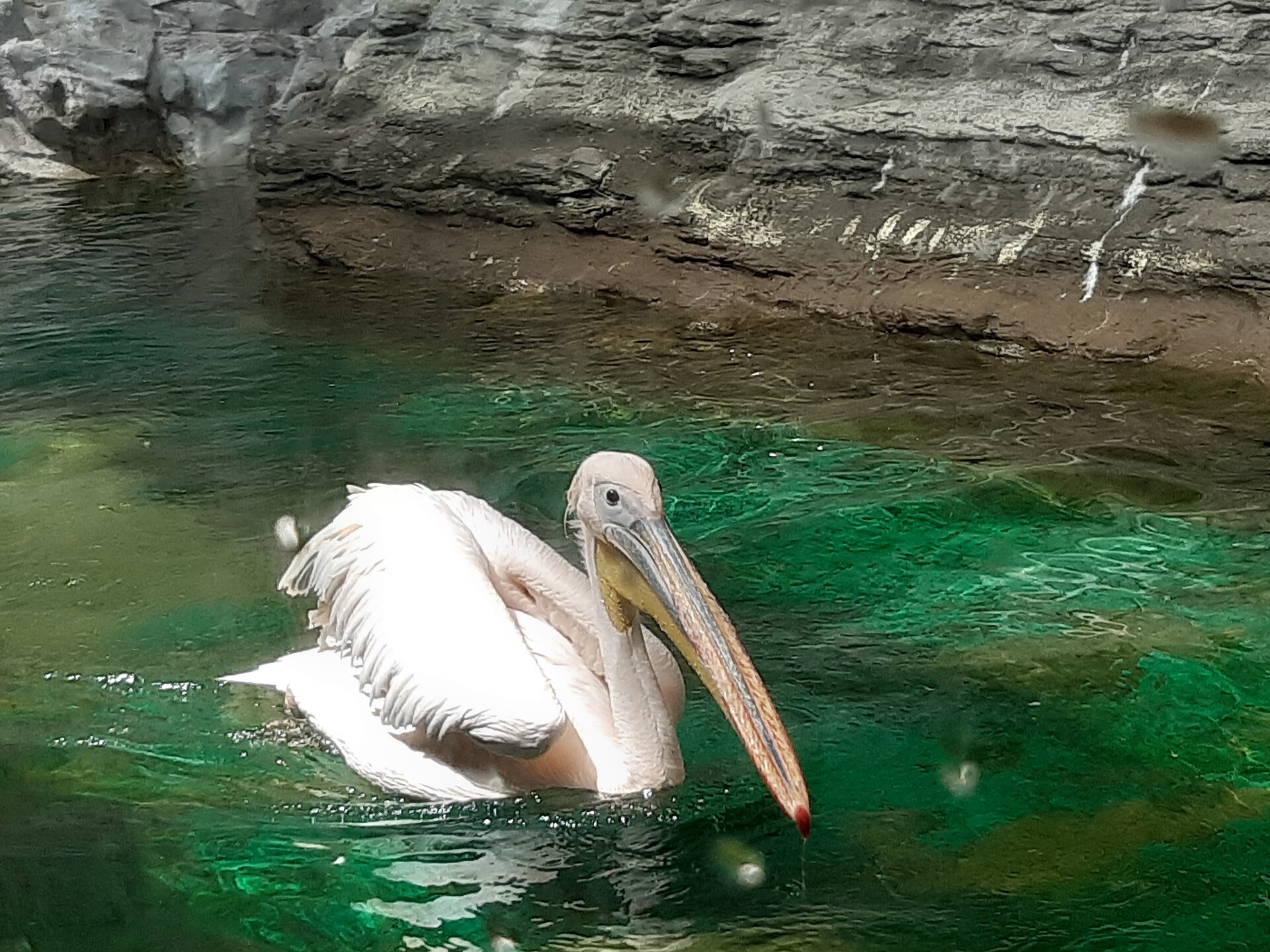
The single best day out for families with very young children. Seoul Children’s Grand Park is free, huge and flat, with a small zoo (10:00–17:00), a botanical garden, lawns, playgrounds, a small amusement park and plenty of room to run. It is next to Children’s Grand Park Station on Line 7, and Achasan Station on Line 5 is also close.
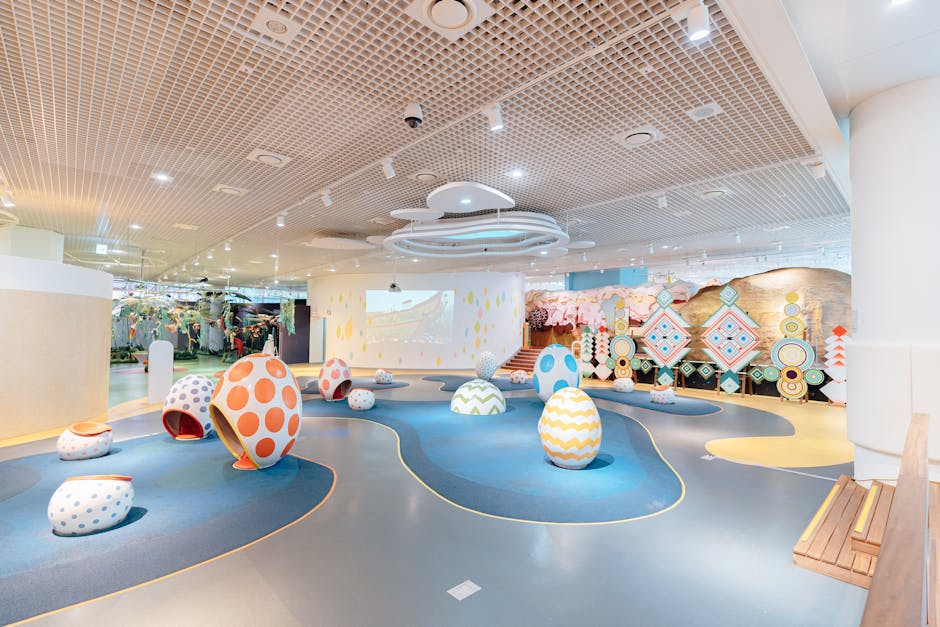
Inside the park is the Seoul Children’s Museum, a hands-on museum with play zones for different ages. Entry is ₩4,000 for anyone over 36 months, including adults, and free for children under three. Visitor numbers are capped by time slot, so reserve ahead, particularly at weekends and in school holidays.
Indoor options
- Kids’ cafés (키즈카페): indoor play centres with soft play, ball pits and ride-on toys, and coffee for parents. Entry is roughly ₩10,000–20,000 per child for a couple of hours. They are all over the city and perfect for a rainy afternoon.
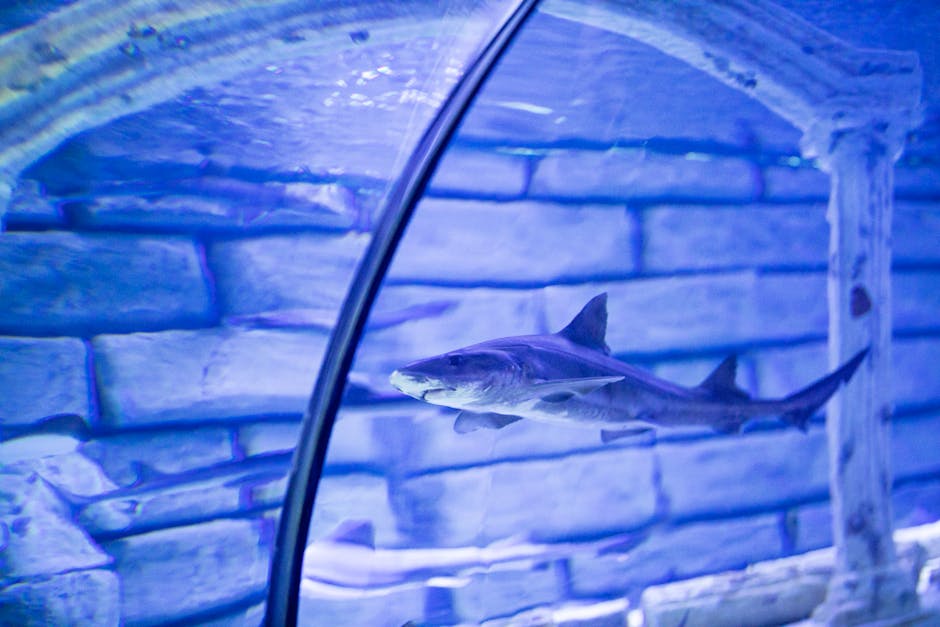
- Aquariums: COEX Aquarium in Gangnam and Lotte World Aquarium in Jamsil are both stroller-accessible and easy half-days.
- Children’s museums: the National Museum of Korea has a separate Children’s Museum, and the National Folk Museum beside Gyeongbokgung has one too. Both usually need timed reservations.
- Department store rooftops: several have small gardens and play spaces, and some have seasonal events for children.
Outdoor options
- The Han River parks: open lawns, playgrounds and, in summer, outdoor pools and water-play areas at several parks. Pleasant in the late afternoon.
- Seoul Forest: woodland paths, ponds, a deer enclosure and playgrounds near Seongsu.
- Seokchon Lake: a flat walking loop around a lake in Jamsil, spectacular in cherry blossom season.
- Palaces: Gyeongbokgung and Deoksugung are mostly flat, with some gravel. Changdeokgung is hillier.
Our Seoul parks and gardens guide covers the best green spaces, and our Han River guide covers the riverside parks.
What is harder with a toddler
- Bukchon Hanok Village: steep and residential. Carrier only, and keep it short.
- Namsan and N Seoul Tower: doable, but cable car queues can be long. A free inclined lift runs part of the way up from the Myeongdong side.
- Gwangjang and Namdaemun markets: crowded, narrow and full of hot oil. Carrier, not stroller.
- Lotte World: the indoor theme park is weather-proof and has rides for small children, but it is loud and crowded at weekends. Go on a weekday morning.
For ideas as your children get older, our Seoul with kids guide covers activities for school-age children.
Health and emergencies
- Pharmacies (약국) are everywhere and pharmacists are knowledgeable. Bring the generic names of any medicines you use.
- Paediatric clinics (소아청소년과) accept walk-in patients, often with short waits. Consultations are inexpensive by international standards; keep receipts for travel insurance.
- International clinics: major hospitals such as Severance Hospital, Samsung Medical Center and Seoul National University Hospital have international healthcare centres with English-speaking staff.
- Emergencies: call 119 for an ambulance. The Korea Travel Hotline, 1330, has English-speaking operators 24 hours a day and can help with interpretation.
- Travel insurance: essential. Check it covers your child for medical care abroad.
When to go
| Season | With a baby or toddler |
|---|---|
| Spring (April–May) | The best: mild, dry and green. Busy around cherry blossom season and Children’s Day on 5 May |
| Summer (June–August) | Hot, humid and rainy in July. Plan indoor afternoons; the river parks’ water-play areas are a bonus |
| Autumn (September–October) | Excellent: clear skies, comfortable temperatures and autumn colour |
| Winter (December–February) | Well below freezing. Fine for malls, museums and kids’ cafés, hard for outdoor sightseeing with a baby |
More detail on the seasons is in our best time to visit Seoul guide.
A realistic day with a toddler
- 09:00 — Breakfast at the hotel or a bakery. Leave after rush hour.
- 10:00 — One main activity: Children’s Grand Park, an aquarium or a palace.
- 12:00 — Lunch in a mall food court or department store restaurant floor, with a nursing room nearby.
- 13:00 — Nap. In the stroller in a quiet mall or park, or back at the hotel.
- 15:00 — Something low-effort: a kids’ café, a river park playground or a slow walk.
- 17:30 — Early dinner before the restaurants fill up.
- 19:00 — Back at the hotel.
It will feel like doing a third of what you would do without children. That is the correct amount.
For a toddler-friendly theme park, Lotte World in Jamsil is the easier of Seoul’s two big parks: it is on the subway, mostly indoors, full of baby facilities, and has plenty of gentle rides and parades, with toddlers paying little or nothing. Our Lotte World guide lists the height limits for the bigger rides and explains when the cheaper After-4 ticket makes sense for families.
Frequently asked questions
Is Seoul good for toddlers?
Yes. It is safe, clean and well equipped, with excellent nursing rooms, easy access to supplies, walk-in paediatric clinics and plenty of toddler-friendly places. The main challenges are hills, crowds and the lack of car seats in taxis.
Should I bring a stroller to Seoul?
Bring a lightweight, compact stroller and a baby carrier. The stroller is great in parks, malls and museums; the carrier is essential for hilly neighbourhoods, markets and places with steps.
Do taxis in Seoul have car seats?
Almost never. Taxis are effectively exempt from the car-seat law in practice. You can request a car seat vehicle through Kakao T or TADA, though availability is limited, or bring a travel car seat.
Where can I buy nappies in Seoul?
Convenience stores sell small packs 24 hours a day. For better prices and a full range, go to Lotte Mart, Homeplus or E-mart. Department store food halls and pharmacies also sell baby supplies.
Are there nursing rooms in Seoul?
Yes, and they are among the best in the world. Department stores and large malls have excellent nursing rooms, usually on the children’s floor, and many museums, large subway stations and Incheon Airport have them too.
Can babies use the Seoul subway?
Yes. Every station has lifts, children under six travel free, and priority seating is available. Avoid rush hour and check which exits have lifts before you set off.
Final thoughts
Seoul is a better city for babies and toddlers than its steep streets and crowded trains suggest. Indoors, it is one of the best-equipped cities in the world for parents; outdoors, a carrier and a little route planning solve most problems. Slow down, plan around the nursing rooms and the naps, take the car-seat question seriously, and you will find a city that goes out of its way to be kind to small children. For more guides tailored to different kinds of trips, see our Seoul for every traveller hub.
Photo Credits
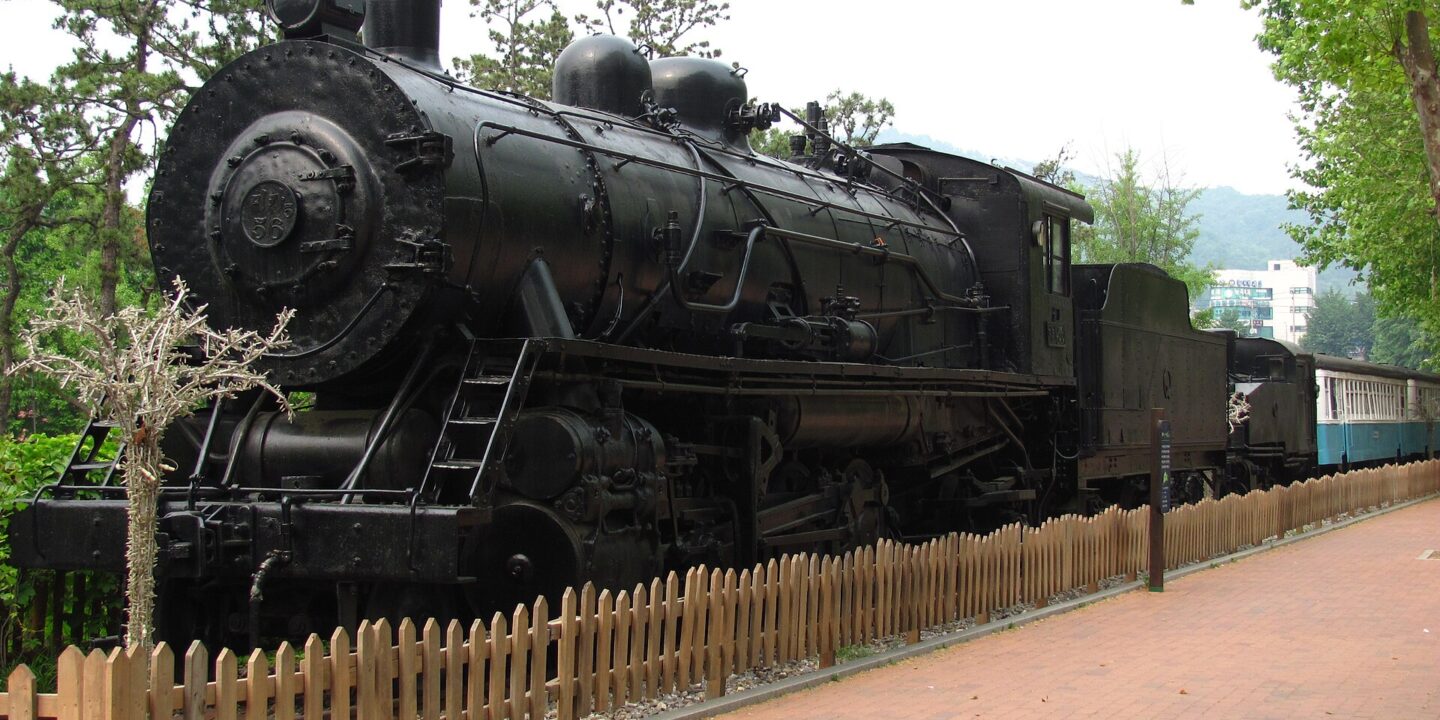
Steam locomotive display in Seoul Children’s Grand Park: Children’s Grand Park by Jeremy Thompson, CC BY 2.0, via Wikimedia Commons.
Pelican at the zoo in Seoul Children’s Grand Park: A pelican in Children’s Grand Park by Drcbrothephotographer, CC0, via Wikimedia Commons.