This guide covers the two main scenes and what each is like, where queer women and trans travellers fit in, the Seoul Queer Culture Festival, the honest legal and social context, safety, apps, and where to stay. Venue details and dates were checked in September 2026. Queer nightlife anywhere changes quickly, and Seoul’s more than most, so treat named venues as a starting point and check their social media before you go.
LGBTQ+ Seoul at a glance
| Detail | |
|---|---|
| Is it legal? | Yes. Same-sex relationships are legal for civilians. There is no legal recognition of same-sex partnerships. |
| Is it safe? | Yes, in practical terms. Seoul is one of the safest big cities in the world; violence against LGBTQ+ visitors is rare. Discretion outside queer spaces is the social norm. |
| Main scenes | Itaewon’s “Homo Hill” (international, clubby) · Jongno 3-ga (local, many tiny bars) · Hongdae (mixed, more space for queer women) |
| Nearest stations | Itaewon Station, Line 6 · Jongno 3-ga Station, Lines 1, 3 and 5 · Hongik University Station, Line 2 |
| Best nights | Friday and Saturday; Homo Hill runs Thursday to Sunday and peaks after 01:00 |
| Typical cover charge | Around ₩10,000 at Homo Hill bars at weekends, often including a drink |
| Drinks | Soju ₩4,500–5,000 in Jongno; beer and cocktails ₩7,000–15,000 in Itaewon |
| Pride | Seoul Queer Culture Festival, held each June; the 2026 parade was scheduled for Saturday 13 June |
The honest context
It is worth understanding the social background before you arrive, not because Seoul is dangerous but because it explains the shape of the scene and why it can feel both very open and oddly invisible at the same time.
The law
- Same-sex relationships are legal for civilians and always have been under the modern Korean state.
- There is no marriage equality or civil partnership. Same-sex marriages performed abroad are not recognised. In 2024 the Supreme Court ruled that a man’s same-sex partner was entitled to dependant coverage under the National Health Insurance scheme, which was widely seen as a landmark, but it did not create partnership rights more broadly.
- There is no comprehensive anti-discrimination law. Bills have been introduced repeatedly and have stalled, largely because of organised religious opposition.
- The military is different. The Military Criminal Act still penalises sexual acts between soldiers. This matters for Korean men doing national service rather than for visitors, but it shapes how many Korean gay men think about being out.
Social attitudes
Korea is conservative about sexuality in general, and LGBTQ+ people in particular are not very visible in mainstream life. Very few public figures are out. Many Korean gay and lesbian people are out to friends but not to family or employers, which is why a large part of the local scene is discreet by design, and why photographs in queer venues are unwelcome.
At the same time, attitudes among younger Koreans have shifted noticeably, and hostility tends to be expressed as silence or awkwardness rather than aggression. The loudest opposition comes from conservative Protestant groups, who stage counter-protests at the Queer Culture Festival every year.
There was also a painful episode in 2020, when a COVID-19 cluster was traced to clubs in Itaewon and parts of the media published details that effectively outed patrons. It is one reason many local people care so much about privacy in queer spaces.
What that means for you as a visitor
- You are very unlikely to experience hostility, and physical danger is not a realistic concern in normal circumstances.
- Same-sex couples holding hands will attract some looks. Holding hands between friends of the same sex is common in Korea and not always read as romantic; kissing in public is unusual for any couple.
- Hotels almost never question two men or two women sharing a double bed.
- The queer venues are welcoming, and many of them are delighted to see foreign visitors.
- Be respectful of local people’s privacy. Do not take photographs inside bars or of people on the street near venues.
Itaewon and Homo Hill
This is where most visitors start, and for many the only place they go. Itaewon is Seoul’s most international neighbourhood, next to the former US army base in Yongsan, and it has had foreign-friendly nightlife for decades. Our Itaewon guide covers the district as a whole.
Finding it
Take Line 6 to Itaewon Station and use Exit 3. Walk along the main road and turn uphill into the lanes behind the Hamilton Hotel. “Homo Hill” is the nickname for a short, steep stretch of lane lined with small bars and clubs, a little way up from the neighbouring strip locals call Hooker Hill, and below the Seoul Central Mosque. It is a few minutes’ walk from the station, and at weekends you will hear it before you see it.
What it is like
Homo Hill is small — you can walk its length in two minutes — but on a Friday or Saturday night after midnight it is one of the busiest nightlife streets in the city. The crowd is a mix of Koreans, expats, soldiers from the base, English teachers, tourists and Korean-Americans. English is widely spoken, the music is pop, K-pop and house, and the atmosphere is much more like a gay district in a Western city than anything else in Seoul.
The key rhythm to understand is that it starts very late. Bars are quiet at 22:00, warming up at midnight, and properly busy from about 01:00. On a Saturday it will still be going at 05:00, when the subway starts running again.
Venues to know
- Why Not — a well-designed cocktail bar with English-speaking staff and a slightly older crowd (roughly 30–40). A good first stop and a place you can actually talk. Around ₩10,000 cover including a drink at weekends; open from 19:00, late into the morning at weekends.
- Trance — a Homo Hill institution known for its drag shows. Loud, camp and packed.
- Queen — one of the longest-running gay bars in Itaewon, with a young crowd and a busy dance floor. It has moved from Homo Hill itself to nearby Bogwang-ro, so check the current location before you go.
- Pulse and Gray — clubs close to Homo Hill, busiest at weekends from late at night.
Is it worth it?
Yes, if you want a big, easy, sociable night out where you do not need a word of Korean. Be aware it is not the whole story: most Korean gay men do not go to Itaewon regularly, and a night there gives you an international scene that happens to be in Seoul rather than a sense of queer Korea. That is what Jongno is for.
Jongno 3-ga: the local scene
Jongno 3-ga is the heart of queer Seoul for Korean men, and one of the more remarkable gay neighbourhoods in Asia precisely because most people walking through it have no idea it exists.
What it is
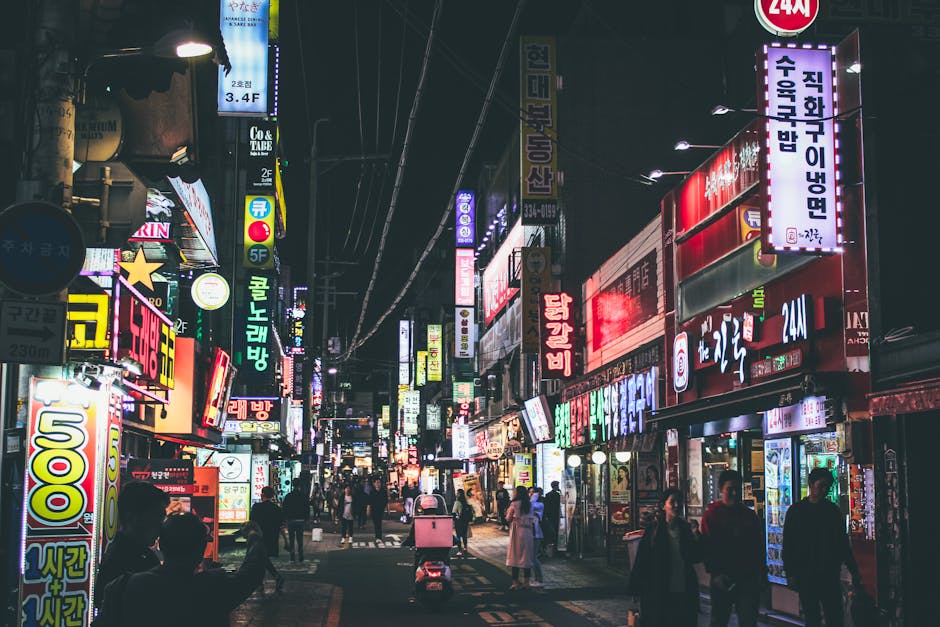
In the lanes around Jongno 3-ga Station, in the old centre near Insadong and the Ikseon-dong hanok alleys, there are around 70 small gay bars and businesses, many of them on upper floors behind unremarkable signs. They come and go constantly. Most are tiny — a counter, a few tables, a karaoke machine — and many are aimed at a particular crowd: older men, younger men, bears, particular music. There are no big clubs. On warm evenings, the pojangmacha street tents near the station fill with groups of gay men, and it is the most visible the scene ever gets.
Is it foreigner-friendly?
Partly. Most Jongno bars are aimed squarely at Korean regulars, with little or no English, and a few do not welcome foreigners at all, which is a matter of language and culture rather than hostility. Some are genuinely open, and Shortbus is the one most often recommended for visitors: a stylish bar with English-speaking staff, a triangular counter, window tables and lounge and house music. Friends is another name you will hear.
How to do it well
- Go early in the evening — Jongno keeps more normal hours than Itaewon, and the pojangmacha atmosphere is best from around 20:00.
- Go with a local if you can, whether a friend or someone met on an app. It opens doors.
- Expect table charges in some bars, where you order a bottle and a snack plate for the table rather than individual drinks. Ask before you sit down.
- Drinks are cheap: soju at around ₩4,500–5,000 a bottle.
- Be discreet. This is the scene where privacy matters most.
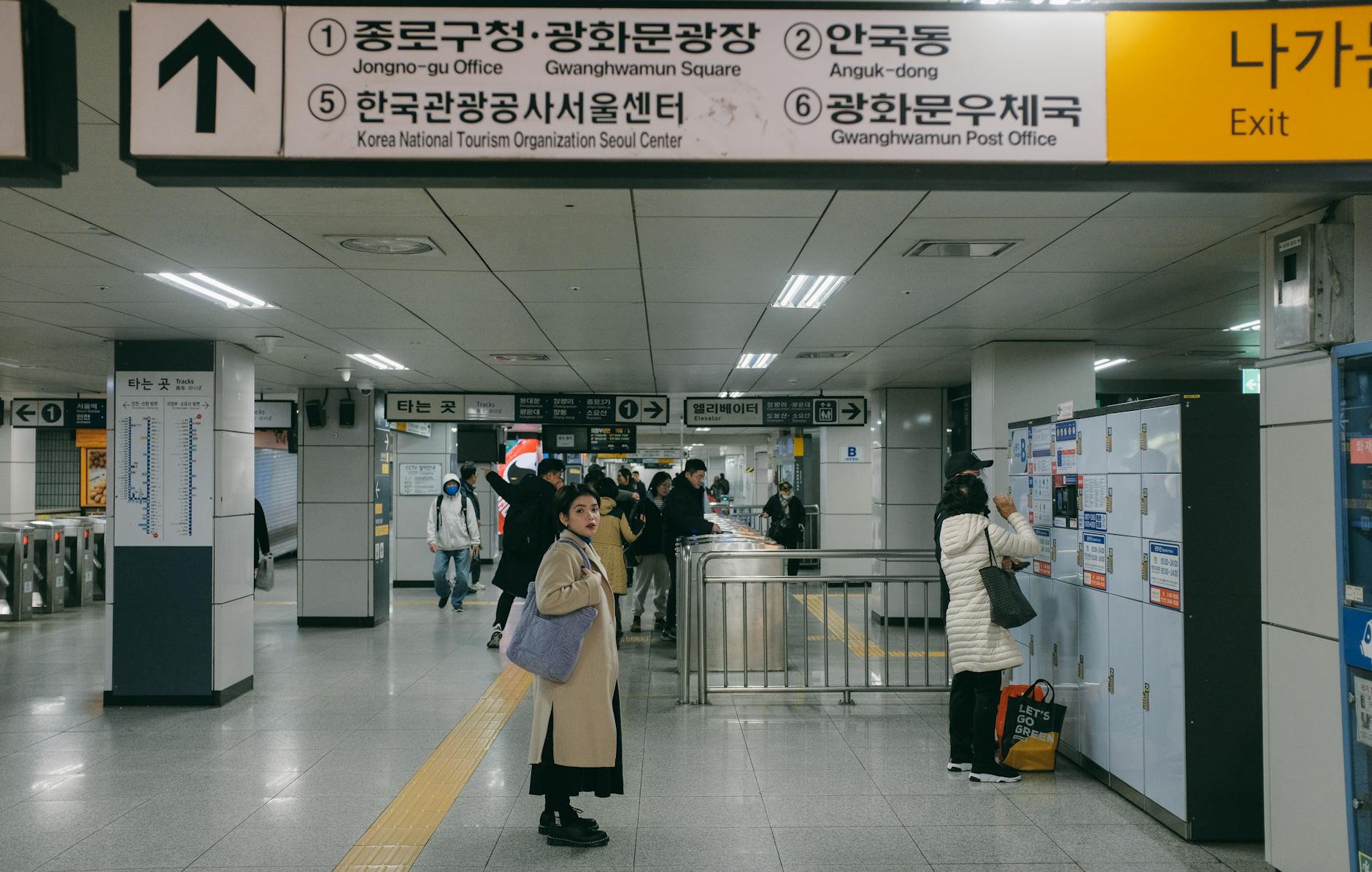
For the wider neighbourhood — palaces, tea houses and the pojangmacha culture — see our Jongno guide. The hanok cafés of Ikseon-dong are right next door and make a relaxed place to start the evening.
Hongdae, and queer women in Seoul
Both Homo Hill and Jongno skew heavily towards gay men. Queer women’s nightlife in Seoul is smaller, less fixed to a single street and more likely to happen through events, parties and friend groups than through permanent bars.
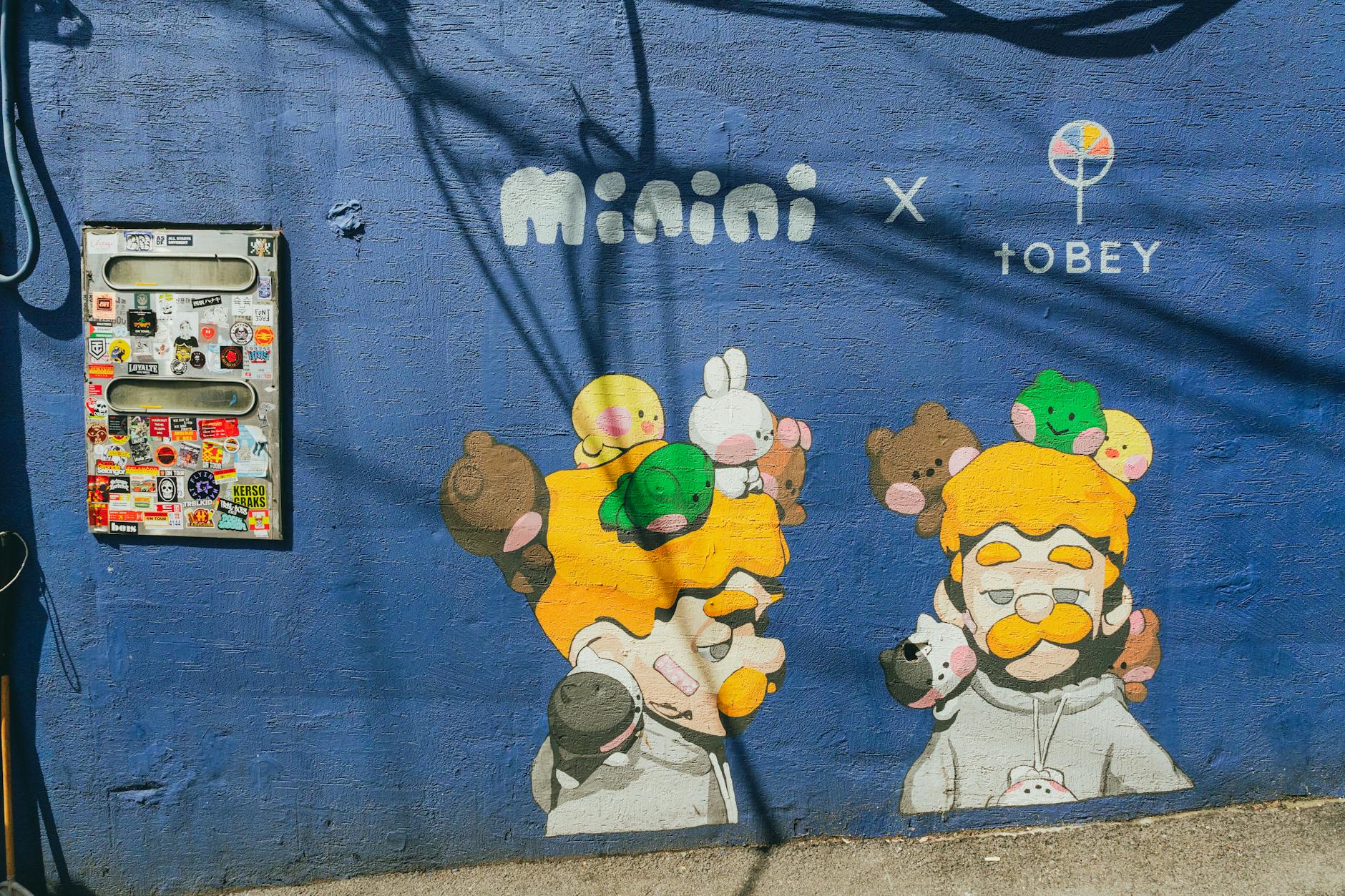
- Hongdae, the university and indie-music district, is the most comfortable part of the city for queer women and non-binary people. The general culture is younger, more alternative and more relaxed, and it is where lesbian bars and women-only nights tend to appear.
- Kockiri, an electronic-music queer bar open Wednesday to Sunday, hosts DJ nights and themed events including lesbian nights.
- Pop-up parties: many of the best queer nights in Seoul are roaming events announced on Instagram. Search for current queer party collectives before you travel, and follow them.
Hongdae is also the best area for a mixed group, since its general nightlife is open-minded and you are never far from somewhere to dance. Our Hongdae guide covers the neighbourhood’s bars and live-music venues.
Trans travellers
Trans visitors can travel in Seoul without problems in most practical situations, but a few points are worth knowing.
- Documents: immigration is routine, but if your appearance differs significantly from your passport photo or gender marker, carry supporting documents and allow a little extra time.
- Bathhouses: jjimjilbang bathing areas are strictly single-sex and fully nude. If that is uncomfortable, look for hotels with private baths or book a private family room at some spas. Our jjimjilbang guide explains how the facilities are laid out.
- Nightlife: Itaewon has long had transgender bars, and the neighbourhood’s international character makes it the most comfortable nightlife district for trans visitors.
- Toilets: gender-neutral toilets are uncommon. Department stores and large malls are the easiest places to find clean, private facilities.
Seoul Queer Culture Festival
Seoul’s Pride, the Seoul Queer Culture Festival (SQCF), is the largest LGBTQ+ event in Korea, first held in 2000 and now run as a month of events each June culminating in a daytime festival and parade.
- 2026: the festival was programmed through June, with the parade set for Saturday 13 June. The organisers were still confirming the venue in May, which has become normal.
- The venue question: for years the festival was held in Seoul Plaza in front of City Hall. In recent years the city has declined to grant the plaza, and the event has moved to the surrounding streets. Check the official announcements a few weeks ahead.
- What it is like: booths from embassies, NGOs, student groups, companies and religious groups that support LGBTQ+ people, a stage, and a parade through the city centre. The atmosphere inside is joyful.
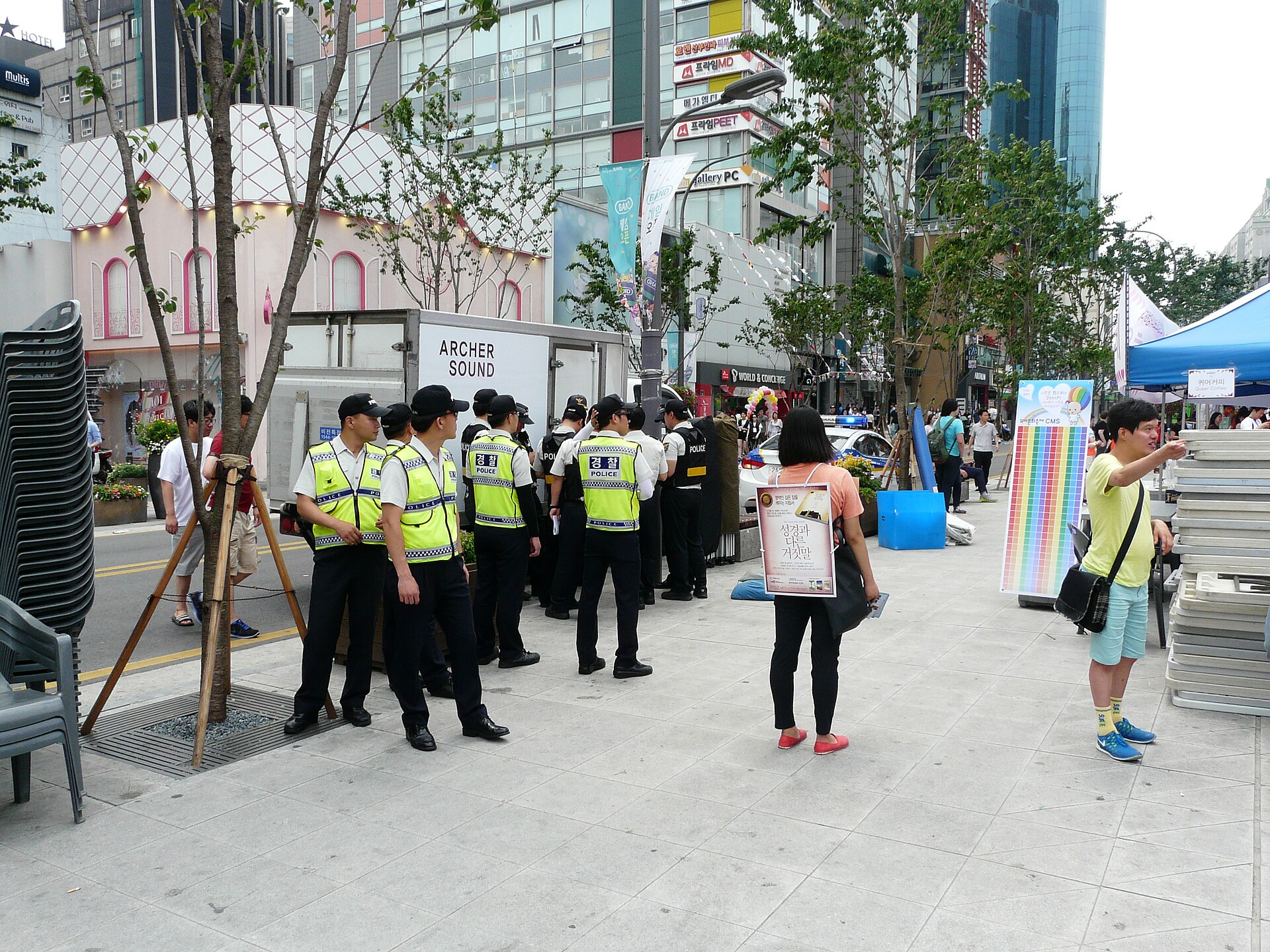
- The counter-protest: large religious counter-rallies happen nearby every year, with heavy police presence separating the two. It is noisy but it is policed, and serious incidents have been rare.
- The film festival: the Korea Queer Film Festival runs alongside it; in 2026 it was scheduled for 26–28 June.
If you are planning a trip around Pride, book accommodation early and dress for Seoul’s early-summer heat and humidity. Our Seoul festivals and events guide lists the city’s other major events by month.
Apps and meeting people
- Grindr and Jack’d are widely used, and Grindr is especially busy around Itaewon and in areas with lots of expats.
- Blued and Hornet are also used, and some Korean men prefer local or Asian-focused apps.
- HER is the most widely used app among queer women internationally, with a smaller Seoul user base.
- Profiles are discreet: many Korean users do not show a face photo, for the privacy reasons above. It is normal, not suspicious.
- Standard precautions apply. Meet in public first, tell a friend where you are going, and be wary of anyone who quickly steers the conversation towards money, “investment opportunities” or moving to another messaging app — romance scams are common on every platform.
Safety
Seoul is extremely safe, and the general advice in our Seoul safety guide applies to everyone. A few points particular to LGBTQ+ travellers:
- Violence is rare. Homophobic assault is not a realistic day-to-day concern in Seoul in the way it can be in some cities.
- Drink spiking has been reported in clubs across the city, not specifically in queer venues. Watch your drink and do not accept drinks from strangers.
- Privacy is the main risk — for local people more than for you. Respect the no-photography norm.
- Late nights: the subway stops around midnight. Use Kakao T for taxis; they are cheap and reliable.
- Emergencies: 112 for police, 119 for ambulance and fire, and 1330 for the Korea Travel Hotline, which has English-speaking operators around the clock.
Where to stay
| Area | Good for | Consider |
|---|---|---|
| Itaewon / Yongsan | Walking home from Homo Hill; international restaurants; relaxed atmosphere | Hilly; fewer big-name hotels; weekend noise |
| Jongno / Insadong | Sightseeing and the local bar scene; palaces on foot | A taxi to Itaewon late at night |
| Hongdae | Young, open-minded culture; nightlife; direct airport train | Far from Itaewon and Jongno |
| Myeongdong | Central for everything; plenty of international hotels | Touristy; no queer nightlife of its own |
International chain hotels and most mid-range Korean hotels will not blink at a same-sex couple. Smaller guesthouses and hanok stays are nearly always fine too, although you may occasionally be asked whether you want twin beds. Our where to stay in Seoul guide compares the neighbourhoods in detail.
A queer weekend in Seoul
- Friday evening: dinner in Ikseon-dong’s hanok restaurants, then Jongno 3-ga — a drink at a foreigner-friendly bar, then the pojangmacha tents.
- Saturday: sightseeing by day, then dinner in Itaewon’s international restaurants. Start at a cocktail bar around 23:00 and head up Homo Hill after 01:00.
- Sunday: a late brunch, a jjimjilbang or a walk along the Han River, and a quieter evening in Hongdae.
For the city’s broader nightlife, including the big clubs of Gangnam and Hongdae, see our guide to the best clubs in Seoul.
Frequently asked questions
Is Seoul gay-friendly?
Seoul is safe and generally tolerant for LGBTQ+ travellers, with an established nightlife scene, but it is not openly gay-friendly in the way some Western or Taiwanese cities are. Queer life is legal and active but discreet, there is no partnership recognition, and public displays of affection are unusual.
Where is the gay area in Seoul?
There are two: Homo Hill in Itaewon (Line 6, Itaewon Station), which is international and clubby, and Jongno 3-ga (Lines 1, 3 and 5), which has around 70 small bars used mainly by Korean men. Hongdae is the most comfortable area for many queer women.
Is it safe for same-sex couples to travel in Korea?
Yes. You may get curious looks if you are affectionate in public, but hostility is rare and violence very rare. Hotels do not usually question couples sharing a room.
When is Seoul Pride?
The Seoul Queer Culture Festival is held each June. In 2026 the parade was scheduled for Saturday 13 June. Dates and venues for future years are announced by the organisers in the spring.
Are there lesbian bars in Seoul?
There are a few, mainly in and around Hongdae, and several queer bars and collectives run women’s or lesbian nights. The scene is smaller and more event-based than the men’s scene, so follow Seoul queer party accounts on social media before you go.
What time does Homo Hill get busy?
Late. It is quiet before midnight and busiest from about 01:00 on Friday and Saturday nights, often running until the subway reopens at around 05:00.
Final thoughts
Seoul will not throw you a parade every weekend, but it has a real, lively and surprisingly varied queer scene for anyone willing to look beyond a single street. Dance on Homo Hill, spend an evening among the tiny bars of Jongno, find a party in Hongdae, and give yourself a little time to understand the discretion that shapes it all. For more planning help for different kinds of trips, our Seoul for every traveller hub has guides for solo travellers, families, couples and more.
Photo Credits
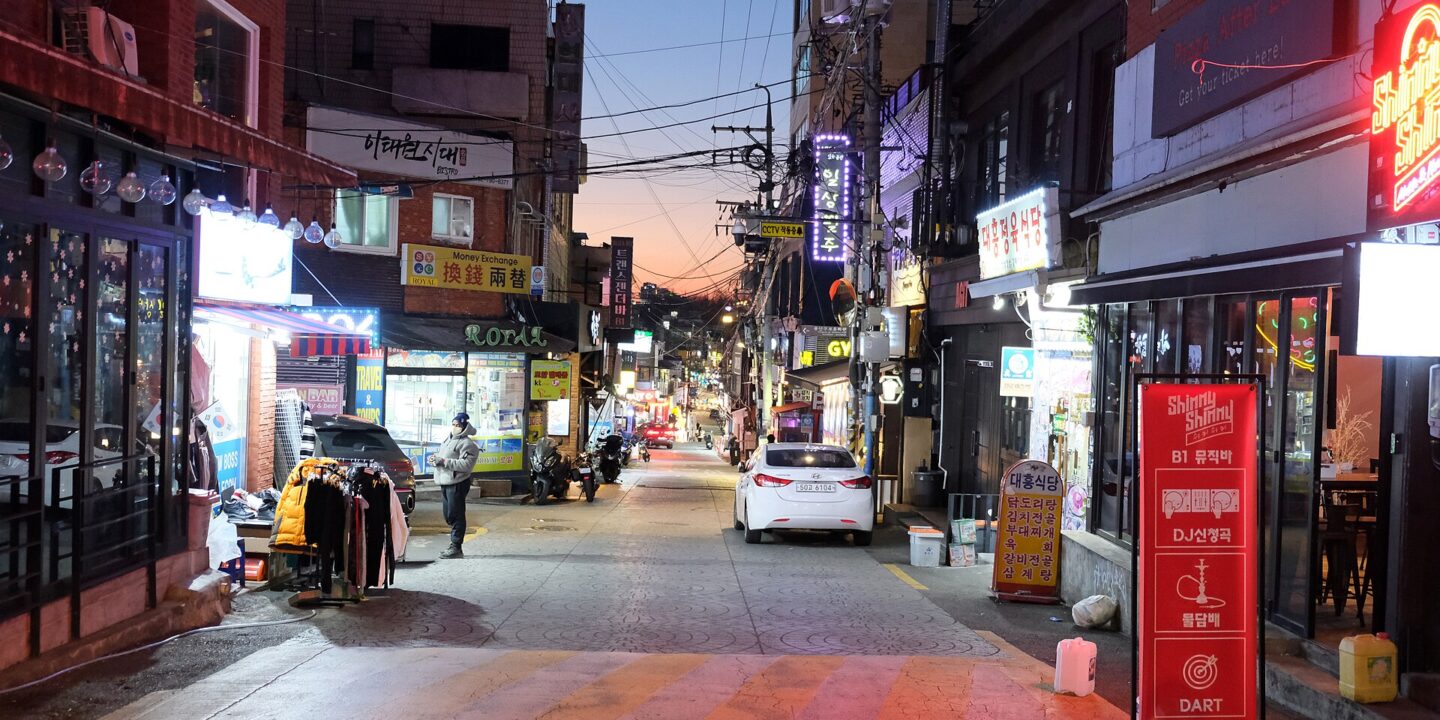
Itaewon side street at dusk: Itaewon 1 by kallerna, CC BY-SA 4.0, via Wikimedia Commons.
Police and a counter-protester at the 2014 Queer Culture Festival in Seoul: Korea Queer Culture Festival 2014 02 by User:Piotrus, CC BY-SA 3.0, via Wikimedia Commons.