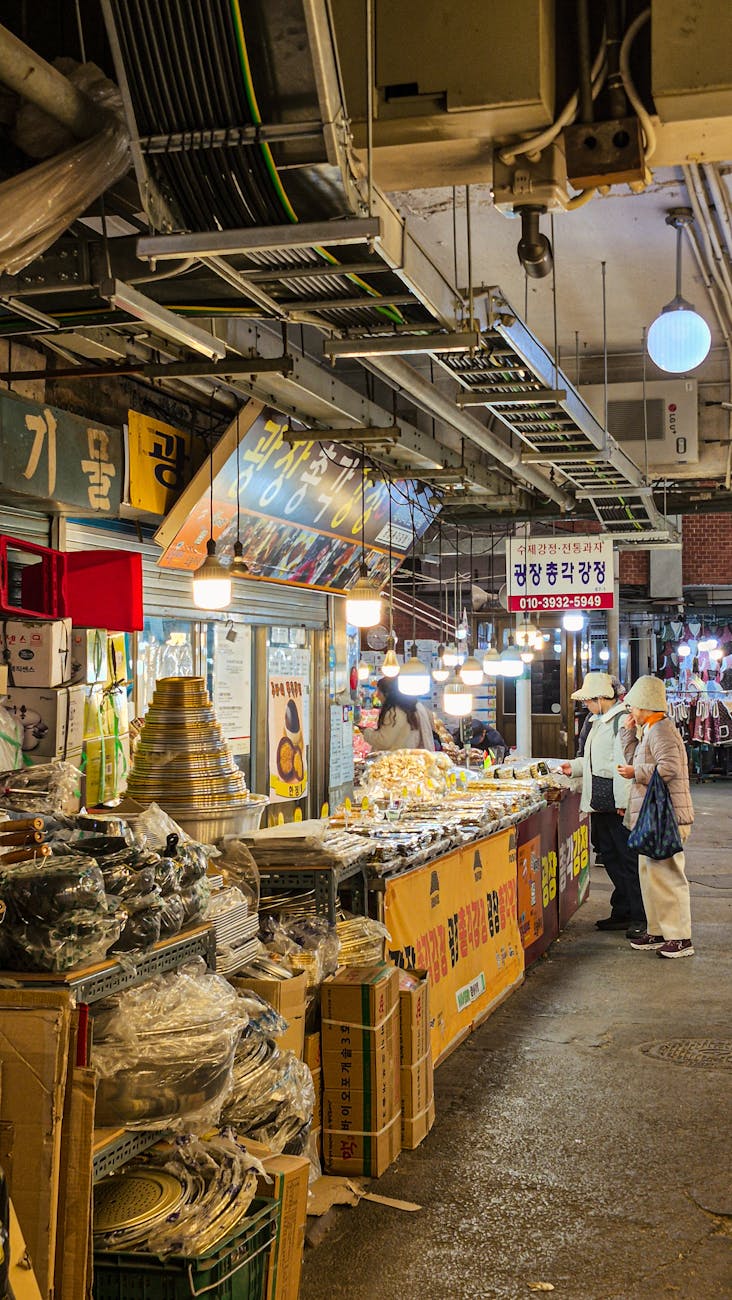
Seoul for Solo Travelers
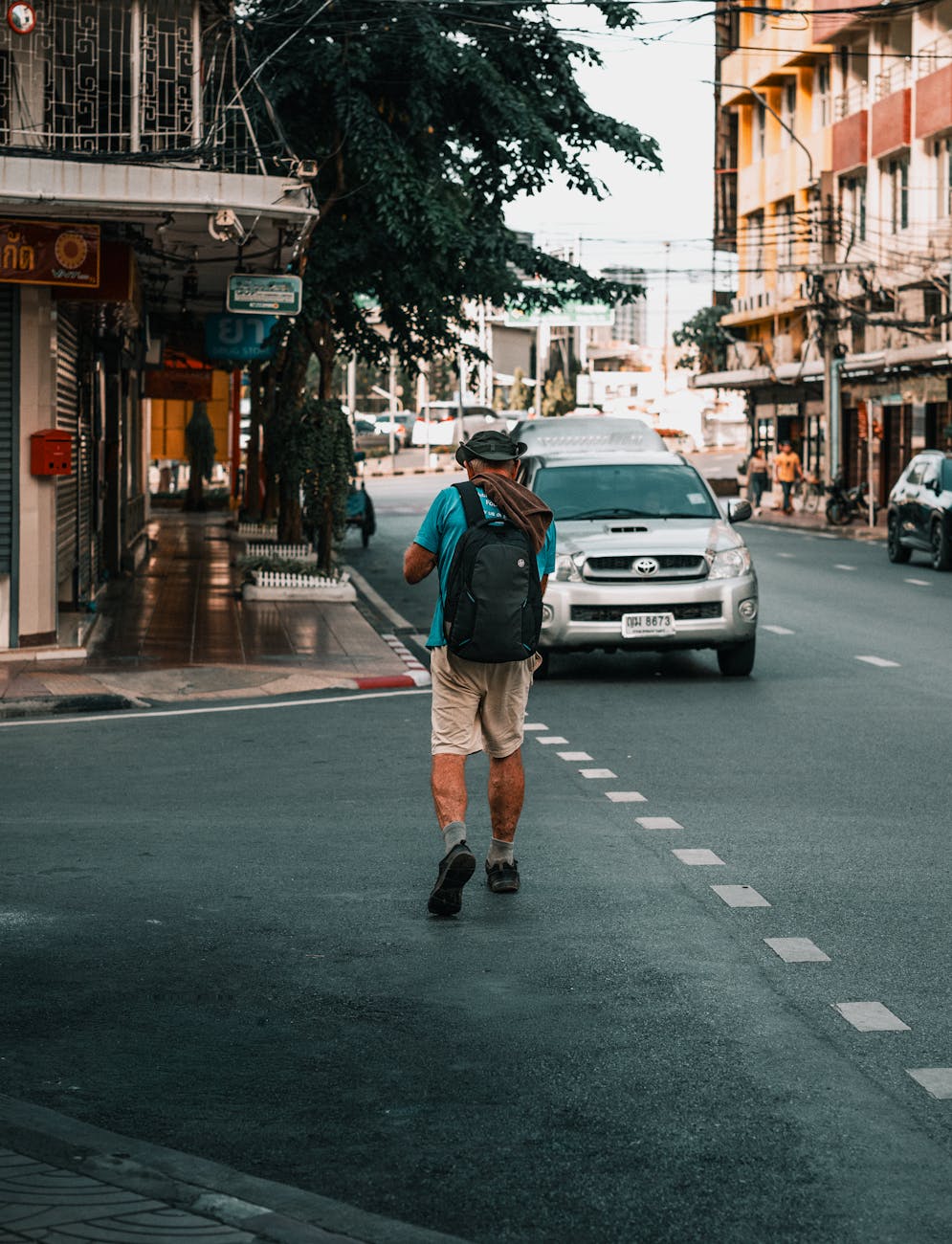
Seoul consistently ranks among the world’s safest major cities, making it an outstanding destination for solo travel. Crime rates are extremely low, the public transit system runs like clockwork with clear English signage, and the culture of solo dining and activities means you’ll never feel out of place doing things alone. If this is your first trip on your own, our solo travel Seoul guide goes deeper on the honbap restaurants that seat one without a wait, which hostels actually have working common rooms, and how to pace a week so you are not eating every dinner at a counter.
Why Solo Travel in Seoul Works So Well
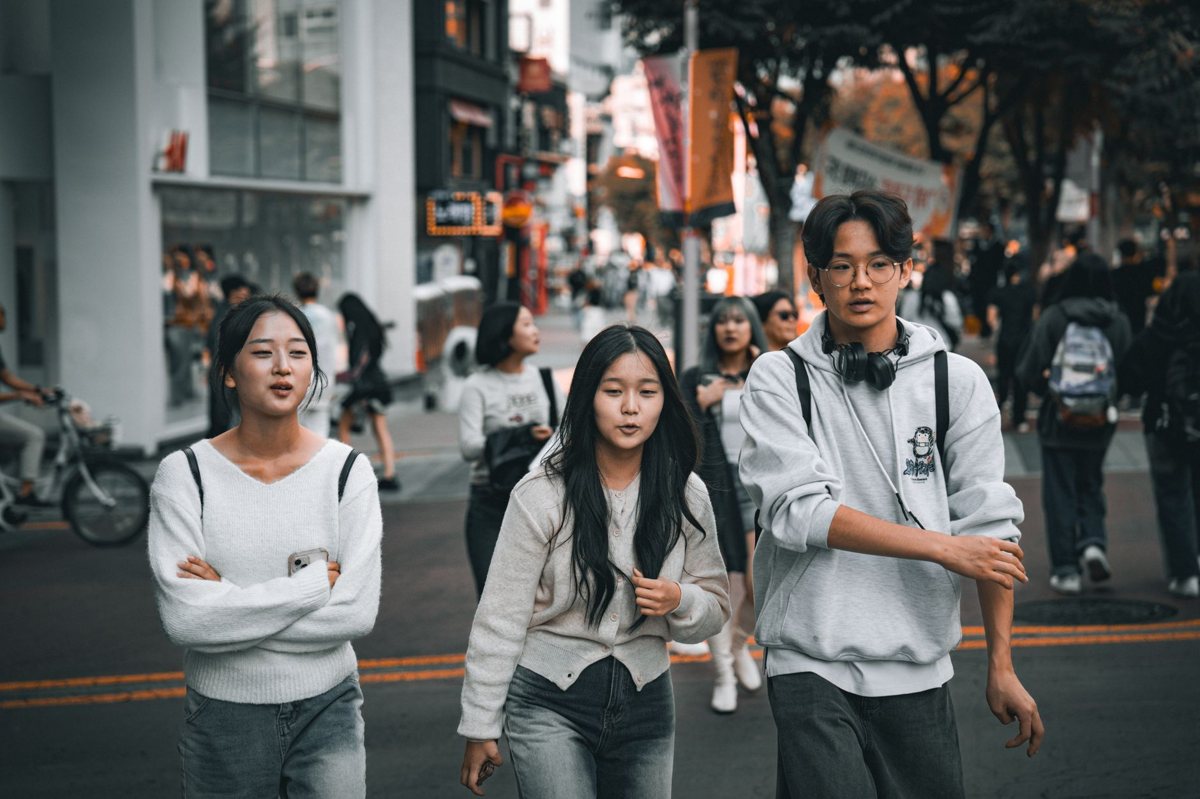
South Korea has a thriving “honjok” culture — a social movement celebrating doing things alone. Solo dining, solo cinema, solo karaoke (known as “noraebang”), and solo cafe visits are completely normalized and even celebrated. Many restaurants feature single-seat counters, and the concept of “honbap” (eating alone) is so mainstream that countless restaurants cater specifically to solo diners. This cultural acceptance means solo travelers feel genuinely comfortable rather than conspicuous.
Best Neighborhoods for Solo Travelers
- Hongdae — The creative heartbeat of Seoul with live music, street performances, indie shops, and a vibrant nightlife scene. Hostels here are plentiful and social, making it easy to meet fellow travelers. Affordable restaurants and bars line every alley.
- Jongno / Insadong — For the culturally curious solo traveler. Walk between palaces, traditional tea houses, and art galleries. The Bukchon Hanok Village and Ikseon-dong alley neighborhood are perfect for unhurried solo exploration.
- Itaewon — Seoul’s most international neighborhood with diverse food, an English-friendly atmosphere, and welcoming bars and cafes where meeting people is easy.
- Sinchon / Ewha — University neighborhoods with budget-friendly restaurants, bookshops, and a youthful energy perfect for younger solo travelers.
Solo Travel Tips
- Get a T-money card immediately — it works on all subways, buses, and even in convenience stores. See our getting around Seoul guide for transport details.
- Download Naver Map (more accurate in Korea than Google Maps) and Papago (real-time translation app).
- Seoul’s 24-hour convenience stores (GS25, CU, 7-Eleven) are lifelines for solo travelers — hot meals, ATMs, phone chargers, and basic supplies available any time of night.
- Consider a guesthouse or hostel over a hotel for social opportunities — Seoul has excellent options in every major neighborhood.
- Night safety is exceptional — it’s common and safe to walk Seoul’s streets alone well past midnight.
Seoul for Families with Children
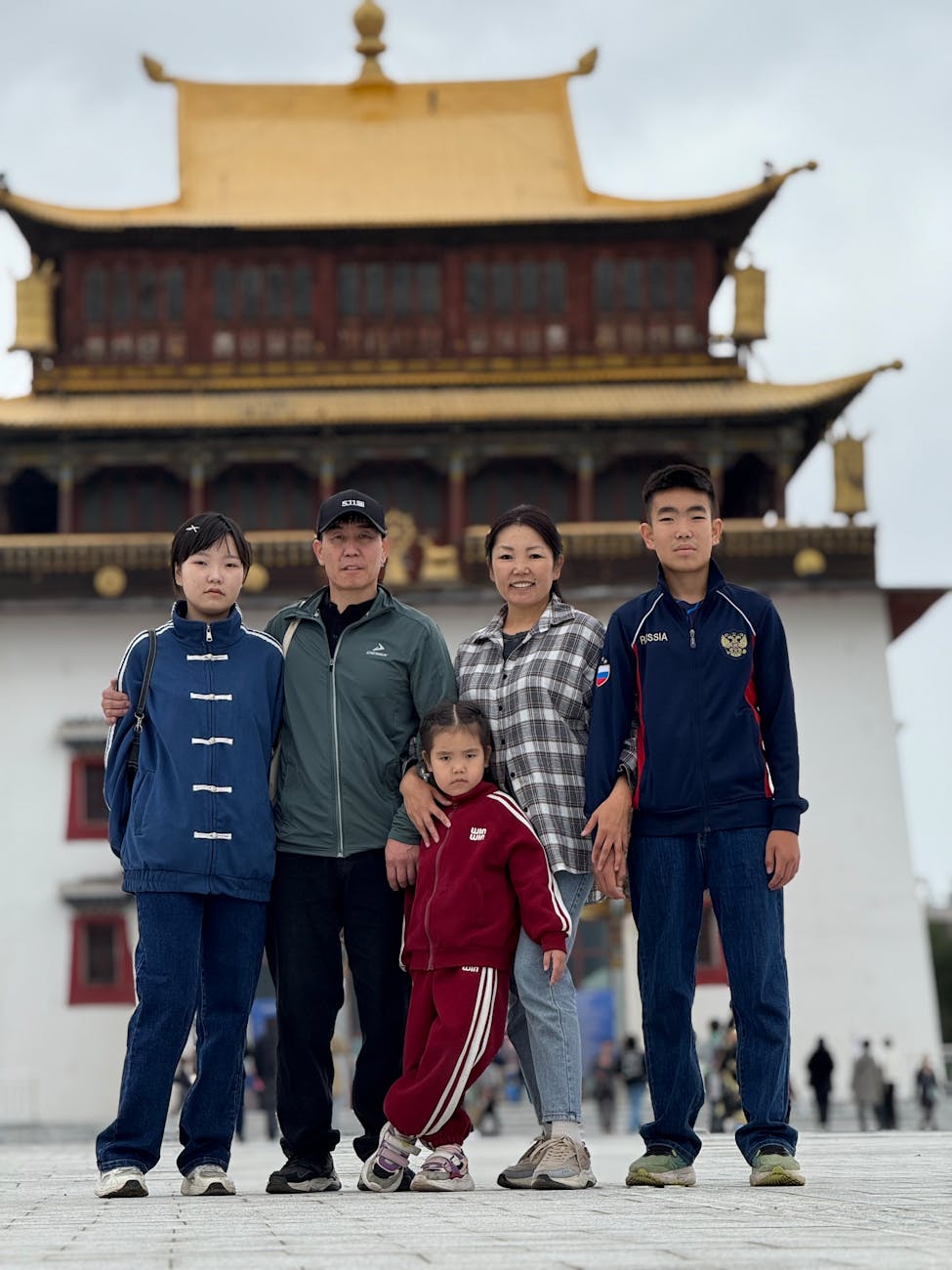
Seoul is one of Asia’s most family-friendly capital cities, with excellent public infrastructure, clean facilities, family-focused attractions, and a culture that genuinely adores children. The city’s efficient subway system (with elevators at every station) means getting around with strollers is straightforward, and you’ll find family restrooms, nursing rooms, and children’s amenities in major shopping centers and attractions throughout the city. Our Seoul with kids guide sorts the city by age range, with stroller-friendly routes between the palaces, indoor fallbacks for rain or deep winter, and honest notes on which attractions hold a toddler’s attention past twenty minutes.
Top Family Attractions
- Lotte World — One of the world’s largest indoor theme parks with an additional outdoor “Magic Island” section. Rides range from gentle carousels for toddlers to roller coasters for older kids, plus character parades, an ice skating rink, and the adjacent Seoul Sky observation deck atop the 555-meter Lotte World Tower.
- COEX Aquarium — Seoul’s largest aquarium houses 40,000 sea creatures across themed zones, with touch pools and mermaid performances that delight younger visitors.
- Seoul Children’s Museum — Three floors of interactive exhibits covering science, culture, and nature. Daily events include family cooking classes and craft workshops. Open Tuesday through Sunday.
- Children’s Grand Park — A massive free park in Gwangjin-gu with a zoo, botanical garden, amusement rides, playgrounds, and walking trails. An easy half-day family outing from Children’s Grand Park Station (Line 7).
- National Museum of Korea — Free admission with excellent children’s programs, an outdoor playground, and wide-open grounds for running around. One of the best free family activities in Seoul.
- Seoul Forest — Features a deer enclosure, butterfly garden, and insect botanical garden alongside playground areas and wide cycling paths. Check our outdoor and nature guide for more park options.
Family Travel Tips
- Children’s T-money cards offer discounted transit rates for ages 6 to 18.
- Kid-friendly cafes are everywhere in Seoul — from character-themed cafes to indoor play cafes where children play while parents enjoy coffee.
- Korean restaurants are generally very welcoming to children, with many providing kids’ tableware and booster seats.
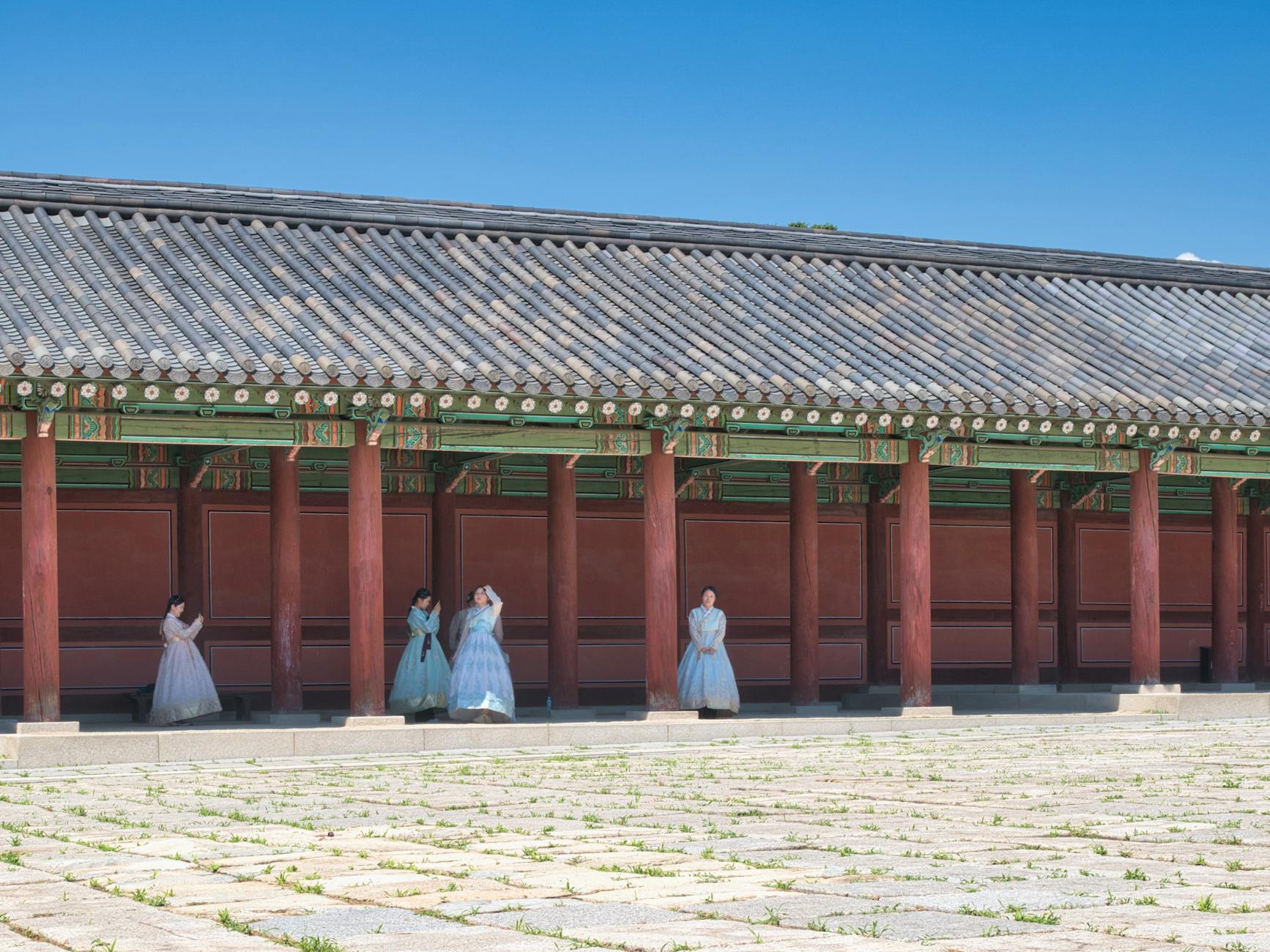
- Seoul’s palaces offer free admission for hanbok wearers of all ages — renting hanbok (traditional Korean clothing) near Gyeongbokgung is a fun family activity and photo opportunity.
- In 2026, Seoul is enhancing 30 parks with new family-focused playgrounds featuring creativity and adventure zones through a dedicated initiative running until November.
Seoul for Couples
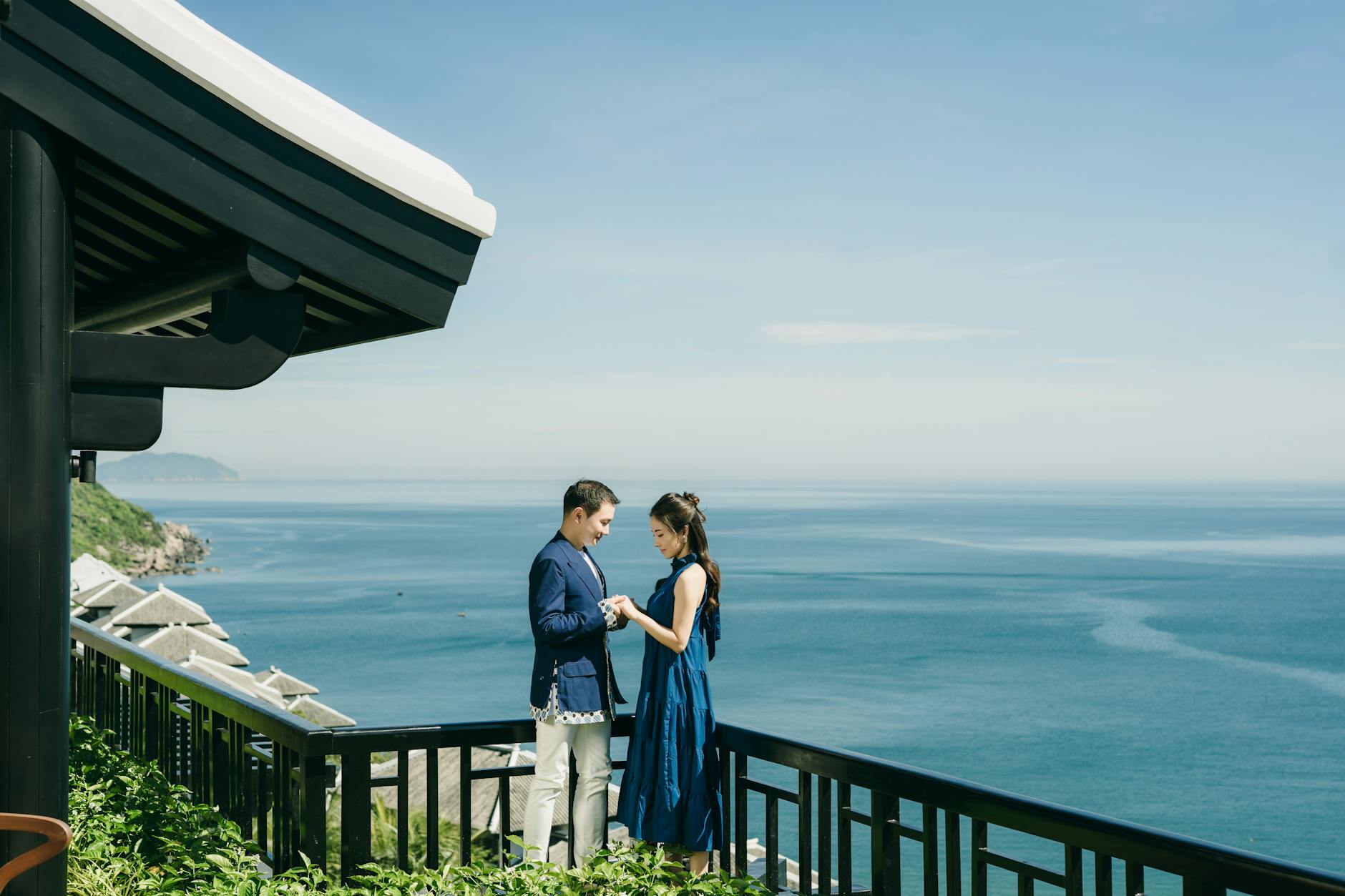
Seoul is deeply romantic in ways that go far beyond the K-drama settings you might expect. The city offers an extraordinary range of couple-friendly experiences, from candlelit rooftop restaurants overlooking the Han River to moonlit fortress wall walks, themed cafes, and couple-focused cultural activities. Korean culture celebrates couples openly — matching outfits, couple rings, and designated “couple seats” at restaurants are common and charming parts of the dating landscape.
Romantic Experiences
- N Seoul Tower Love Locks — The observation deck on Namsan is Seoul’s most iconic romantic spot, with thousands of love locks adorning the terrace fences and panoramic views of the city, especially stunning at sunset.
- Han River Moonlight Cruise — Evening cruises along the Han River with city lights reflecting on the water. Themed options include music cruises and dinner buffet cruises.
- Banpo Rainbow Fountain — The world’s longest bridge fountain shoots colored water jets synchronized to music on spring and summer evenings, best viewed from Banpo Hangang Park.
- Bukchon Hanok Village — Strolling through traditional Korean houses in matching hanbok creates unforgettable couple photos against the contrast of old and modern Seoul.
- Jjimjilbang (Korean Spa) — Dragon Hill Spa and other large jjimjilbangs offer co-ed lounging areas, themed saunas, rooftop pools, and relaxation spaces for couples looking to experience Korean wellness culture together. See our wellness and spa guide for detailed recommendations.
- Starfield Library (COEX) — The stunning open-concept library in the COEX Mall with towering bookshelves reaching to the ceiling creates a unique and photogenic date spot.
Couple Tips
Book a hanok stay (traditional Korean house) for at least one night — the intimate atmosphere and ondol heated floors create a memorable romantic experience. Many hanok guesthouses in Bukchon and Samcheong-dong include traditional breakfast. For dining, Seoul’s rooftop restaurants in Itaewon, Gangnam, and along the Han River offer stunning views paired with excellent Korean and international cuisine. Check our nightlife guide for atmospheric bar recommendations.
Accessible Seoul: Travel with Disabilities
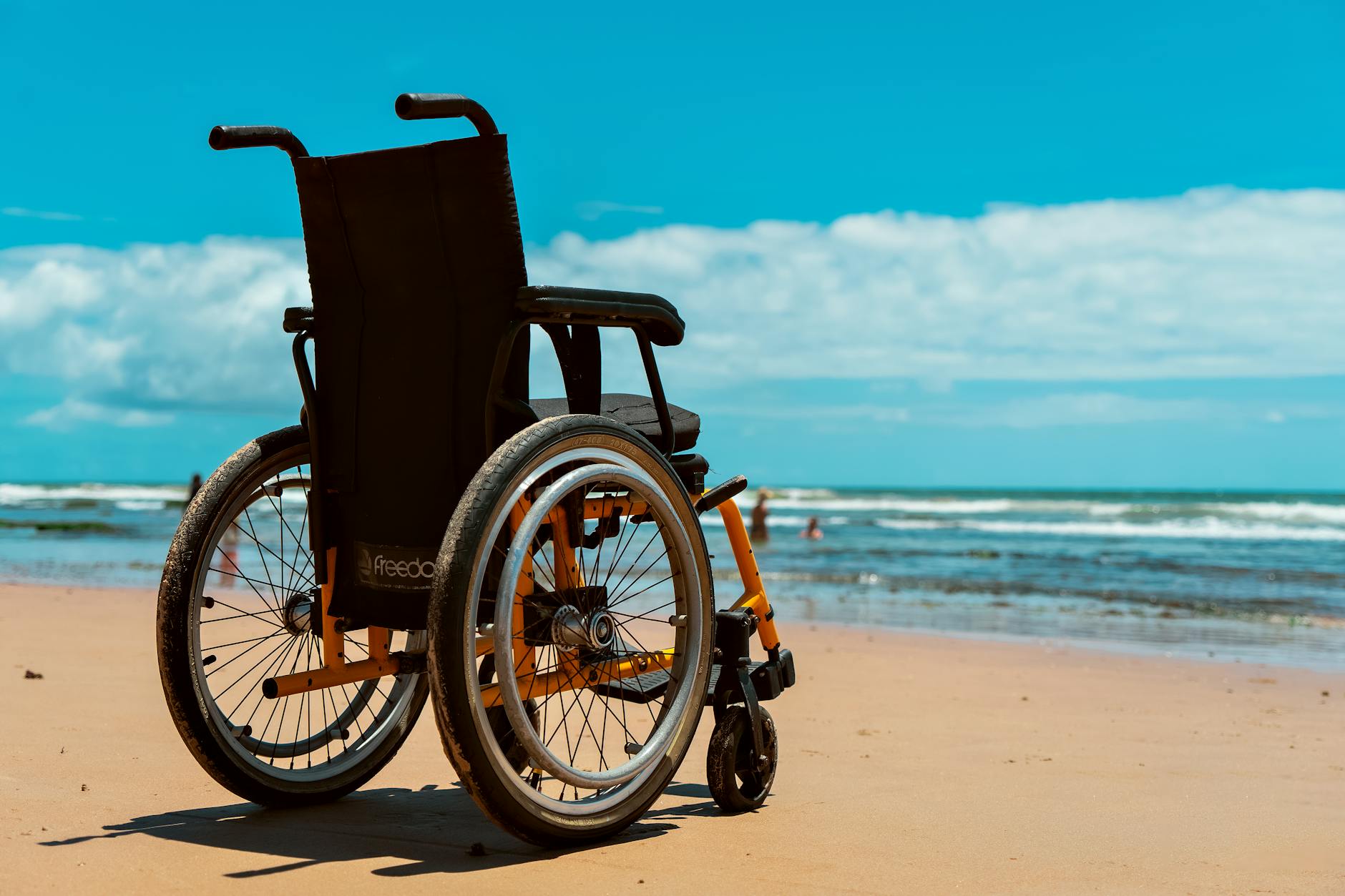
Seoul has made remarkable strides in accessibility, investing billions of won in infrastructure improvements that make the city increasingly navigable for travelers with mobility, visual, and hearing impairments. While challenges remain, Seoul is one of Asia’s most accessible major cities and continues to improve year over year. For station-by-station detail — which exits have step-free access, where the accessible toilets and rest areas sit, and how far ahead to book a lift-equipped taxi — see our wheelchair-accessible Seoul guide.
Accessible Transportation
- Subway — All Seoul Metro stations have elevators and tactile floor guidance systems. Green floor signs indicate which subway cars are accessible, with minimal gaps between platform and car. Wheelchair spaces and priority seating are available in every train. Station staff are trained to assist travelers with disabilities.
- Buses — Seoul aims to have 100% low-floor buses on all city routes by 2025. Low-floor buses have no entrance steps, and drivers deploy ramps for wheelchair users. Look for the wheelchair symbol on bus route displays.
- Accessible Taxis — Yellow wheelchair-accessible vans accommodate one wheelchair plus five passengers, equipped with ramps or lifts. Book through the Seoul Accessible Taxi app or call 1588-4388. Typical wait time is 30 to 60 minutes.
Accessible Attractions
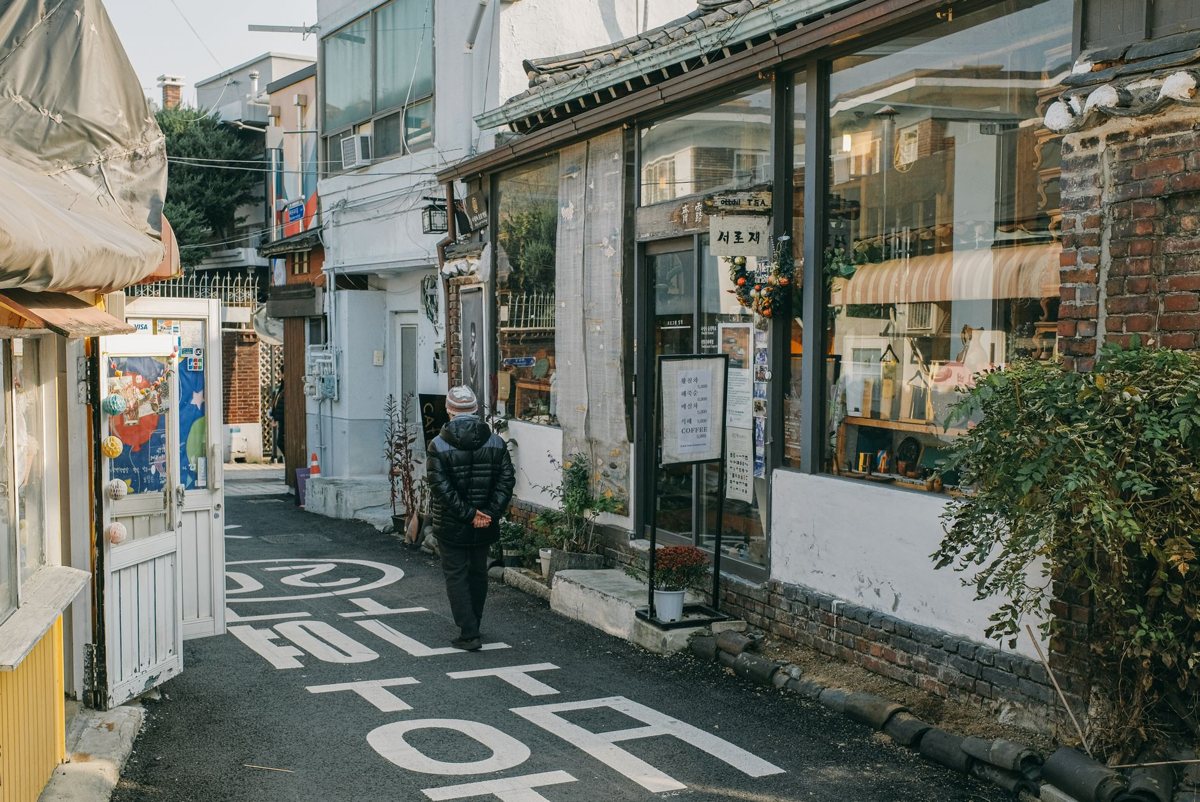
Many of Seoul’s top attractions have invested in accessibility. The National Museum of Korea is fully wheelchair accessible throughout all exhibition halls and grounds. N Seoul Tower provides elevator access to the observation deck. Major palaces including Gyeongbokgung have accessible paths (though some historic areas with uneven stone surfaces may be challenging). Lotte World Tower’s Seoul Sky observation deck is fully accessible. The Seoul Danurim Accessible Tourism Center, Korea’s first barrier-free tourist information center, offers free wheelchair rentals for up to 15 days with free delivery within Seoul.
Accessibility Resources
- Seoul Danurim Center — Free wheelchair and mobility aid rentals, accessible tour planning assistance, and barrier-free tourism information.
- Kakao Map — Features a “Facilities for Disabled” category showing accessibility information for every subway station.
- Korea Wheelchair Tour — A specialized tour operator offering adapted vehicles and accessible itineraries throughout Seoul and Korea.
- Visit Seoul Accessibility Page — The official Seoul tourism website maintains updated accessibility information for major attractions and transportation.
Seoul for Senior Travelers
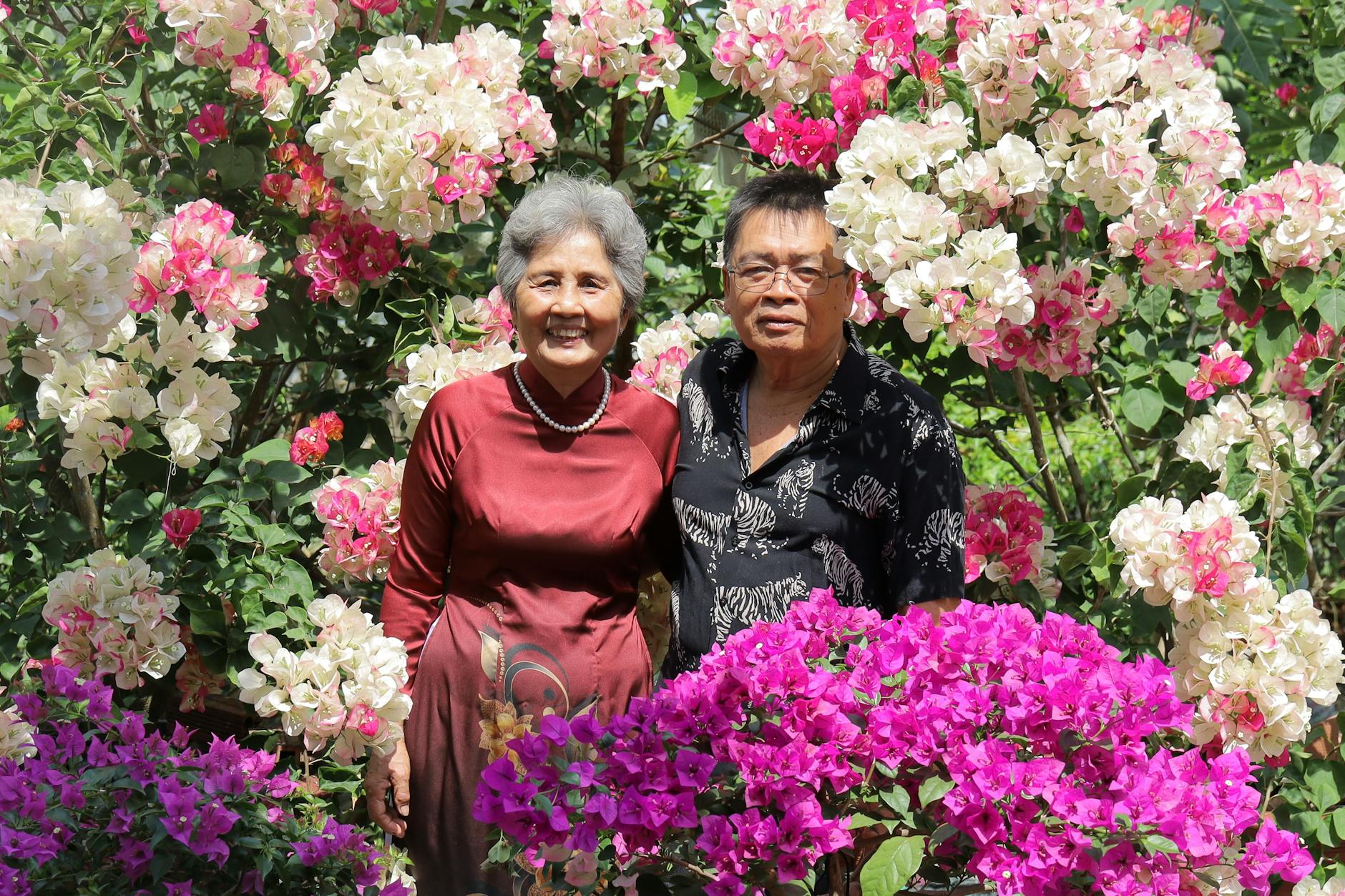
Seoul is an excellent destination for senior travelers, combining rich cultural experiences with modern comforts and a deep cultural respect for elders. Korean society holds older adults in high regard — seniors receive priority seating on all public transit, discounted or free admission at many attractions, and genuinely warm treatment from service staff and locals alike.
Best Experiences for Senior Travelers
- Palace Tours — Gyeongbokgung, Changdeokgung (with its Secret Garden), Deoksugung, and Changgyeonggung offer flat, well-maintained paths through stunning royal architecture and gardens. Free English-language guided tours operate on regular schedules. Most palaces offer free admission for seniors over 65.
- Traditional Tea Houses — The Insadong and Samcheong-dong neighborhoods are filled with traditional Korean tea houses serving medicinal herbal teas in serene settings — perfect for restful afternoon breaks.
- Temple Stay Programs — Several Buddhist temples in and near Seoul offer one-to-two-day temple stay programs that include meditation, tea ceremonies, and traditional vegetarian meals in peaceful mountain settings.
- Jjimjilbang (Korean Spas) — Korean bathhouses offer therapeutic hot pools, saunas, and relaxation areas that are particularly enjoyable for those with joint or muscle concerns.
- Cheonggyecheon Stream — A flat, beautifully landscaped urban stream walk that runs through the heart of Seoul — ideal for a gentle stroll without any inclines or stairs.
Senior Travel Tips
Pace your sightseeing — Seoul’s palaces, museums, and neighborhoods reward slow exploration far more than rushing between attractions. Consider staying in the Jongno or Insadong area for flat walking distances between major cultural sites. The silver-seat priority seating on subways and buses is strictly respected. For medical needs, Seoul has world-class hospitals and pharmacies in every neighborhood, many with English-speaking staff. Plan your Seoul itinerary with rest breaks between activities, and take advantage of the numerous cafes in every neighborhood for comfortable mid-day pauses.
LGBTQ+ Travel in Seoul
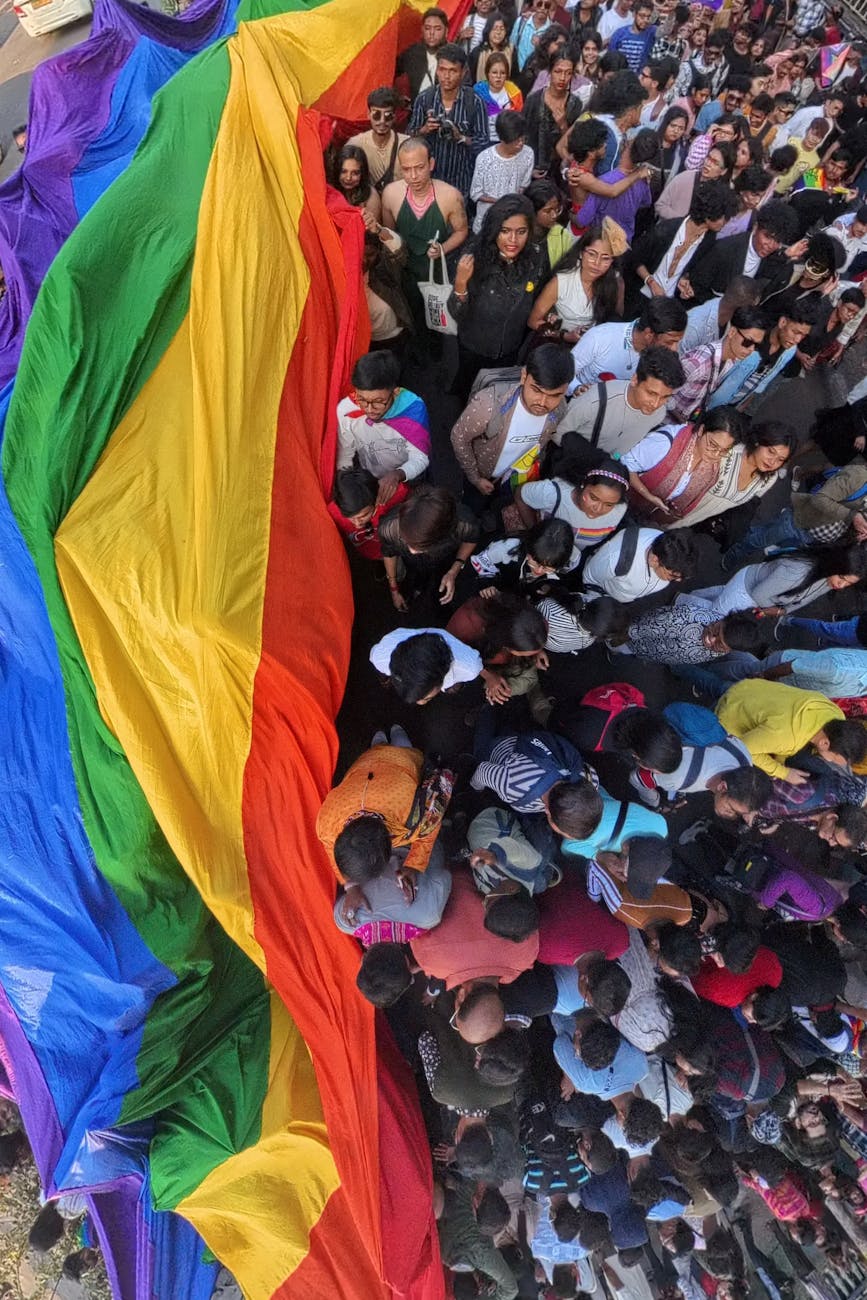
Seoul presents a nuanced picture for LGBTQ+ travelers. While South Korea has not yet legalized same-sex marriage and public attitudes remain mixed (though younger generations are significantly more accepting, with 73% of Koreans in their twenties supporting same-sex marriage), Seoul itself has a visible and welcoming queer community, concentrated primarily in the Itaewon neighborhood.
LGBTQ+ Nightlife and Community
The area known as “Homo Hill” in Itaewon has been Seoul’s established LGBTQ+ nightlife hub for decades, featuring a range of bars and clubs including Queen, Owoo, MOU, Trance, and others. The scene is international and welcoming to foreign visitors. Beyond Itaewon, Jongno 3-ga has a local Korean gay bar scene that’s less tourist-oriented but authentic. The Seoul Queer Culture Festival, held annually in summer, is one of the largest Pride events in East Asia and draws tens of thousands of participants.
LGBTQ+ Travel Tips
- Public displays of affection between same-sex couples may draw stares outside of LGBTQ+-specific spaces, but incidents of harassment or violence are extremely rare.
- The Tipxy app provides a map of LGBTQ+-friendly venues across Korea.
- Accommodation is generally straightforward — international hotels and most guesthouses are welcoming regardless of gender presentation or relationship status.
- Seoul’s general safety extends fully to LGBTQ+ travelers — the city is one of the safest in Asia for queer visitors, even if social acceptance is still evolving.
- Trans travelers should be aware that Korean ID and documentation systems are binary; larger international hotels are generally the most understanding regarding documentation that may not match gender presentation.
Seoul for Digital Nomads
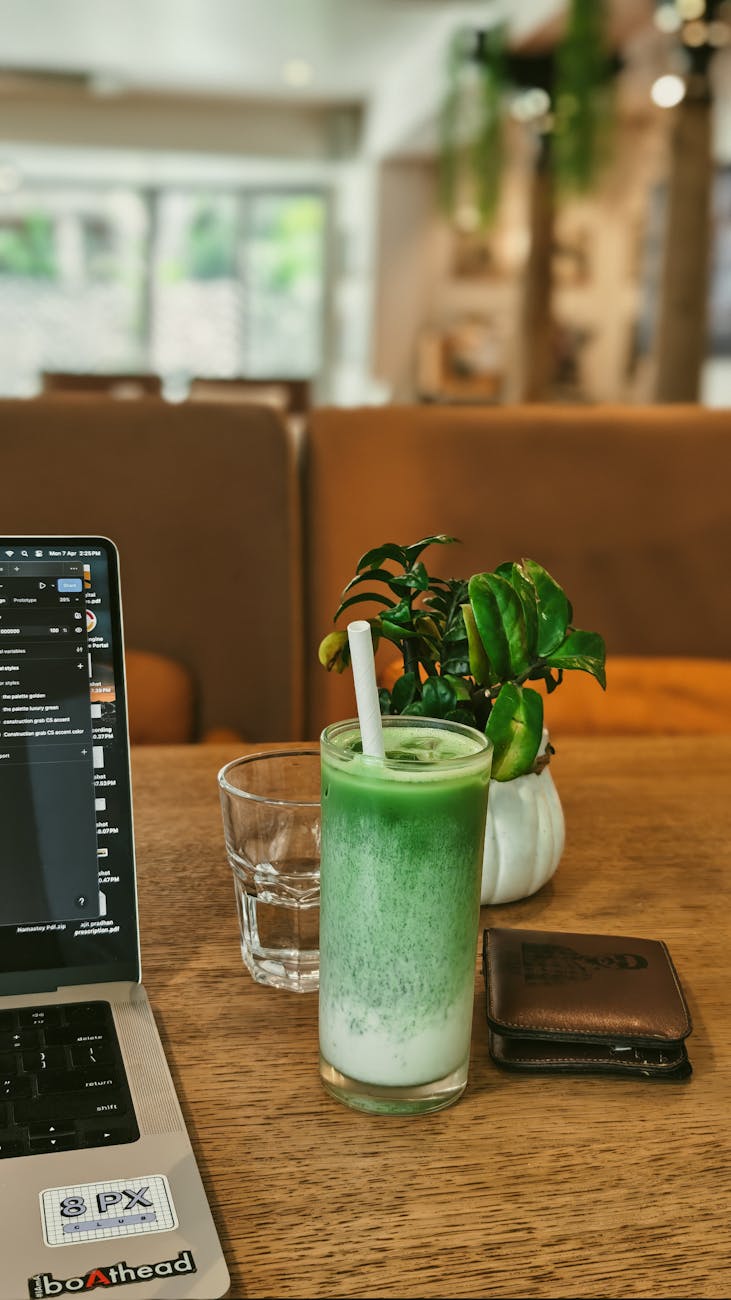
Seoul is quickly becoming one of Asia’s premier digital nomad destinations, combining world-class internet infrastructure (South Korea consistently ranks among the fastest internet speeds globally), an extraordinary cafe culture, affordable cost of living by developed-world standards, and a city that never really shuts down.
Why Seoul Works for Remote Workers
- Internet speed — South Korea’s average internet speeds regularly top global rankings. Free, high-speed Wi-Fi is available on all public transit, in cafes, parks, and most public spaces.
- Cafe culture — Seoul has more cafes per capita than almost any city in the world. Many are explicitly designed for working, with power outlets at every seat, quiet zones, and reasonable expectations about lingering for hours over a single americano.
- Co-working spaces — Dedicated co-working spaces have proliferated across Seoul, with clusters in Gangnam, Hongdae, and the Seoul Station area. Options range from daily drop-in desks to monthly memberships.
- Cost of living — While not Southeast Asia cheap, Seoul offers remarkable value for a world-class city. Budget accommodation runs from around $7/night in hostel dorms to $18/night for private rooms in guesthouses. Korean meals can be had for $5-10, and public transit averages about $1.50 per ride.
- 24/7 lifestyle — Convenience stores, restaurants, and many cafes operate around the clock. Late-night work sessions are easily fueled by delivery food (order via apps like Baemin or Coupang Eats) arriving within 30 minutes at any hour.
Digital Nomad Tips
For stays beyond 90 days (the visa-free period for many nationalities), research Korea’s Workation Visa or Digital Nomad Visa options which have been expanding. Our digital nomad Seoul guide walks through the F-1-D workation visa’s income and employment requirements, monthly coworking rates by district, and what a realistic three-month budget in Seoul actually looks like. The best neighborhoods for digital nomad living are Hongdae (creative energy, affordable), Gangnam/Yeoksam (co-working density), and Yeonnam-dong (quieter, cafe-heavy). Purchase a local SIM card or eSIM for the most reliable mobile data — Korean carriers offer excellent coverage. Browse our Seoul on a budget guide for cost-saving strategies.
Practical Tips for Every Traveler Type
Regardless of your travel style, a few universal tips will enhance your Seoul experience:
- Language — English proficiency varies widely. Tourist areas, hotels, and younger Seoulites generally speak some English, but having a translation app (Papago is the best for Korean) makes a huge difference in taxis, local restaurants, and off-the-beaten-path neighborhoods.
- Cash vs. cards — Seoul is increasingly cashless, with credit cards accepted almost everywhere including small street food stalls. However, carrying some Korean won for traditional markets and older businesses is wise.
- Cultural etiquette — Remove shoes when entering homes, guesthouses, and some traditional restaurants. Use both hands when giving or receiving items (especially from elders). Tipping is not customary in Korea and can actually cause confusion.
- Medical care — Seoul has world-class hospitals and medical facilities. Many hospitals in the Gangnam area specifically cater to international visitors with multilingual staff. Pharmacies are found in every neighborhood.
- Seasons matter — Spring (April-May) and autumn (September-November) offer the best weather for all traveler types. Summer is hot and humid with monsoon rains; winter is cold but festive. Check our Seoul travel guide for seasonal planning details.
Seoul Truly Welcomes Everyone
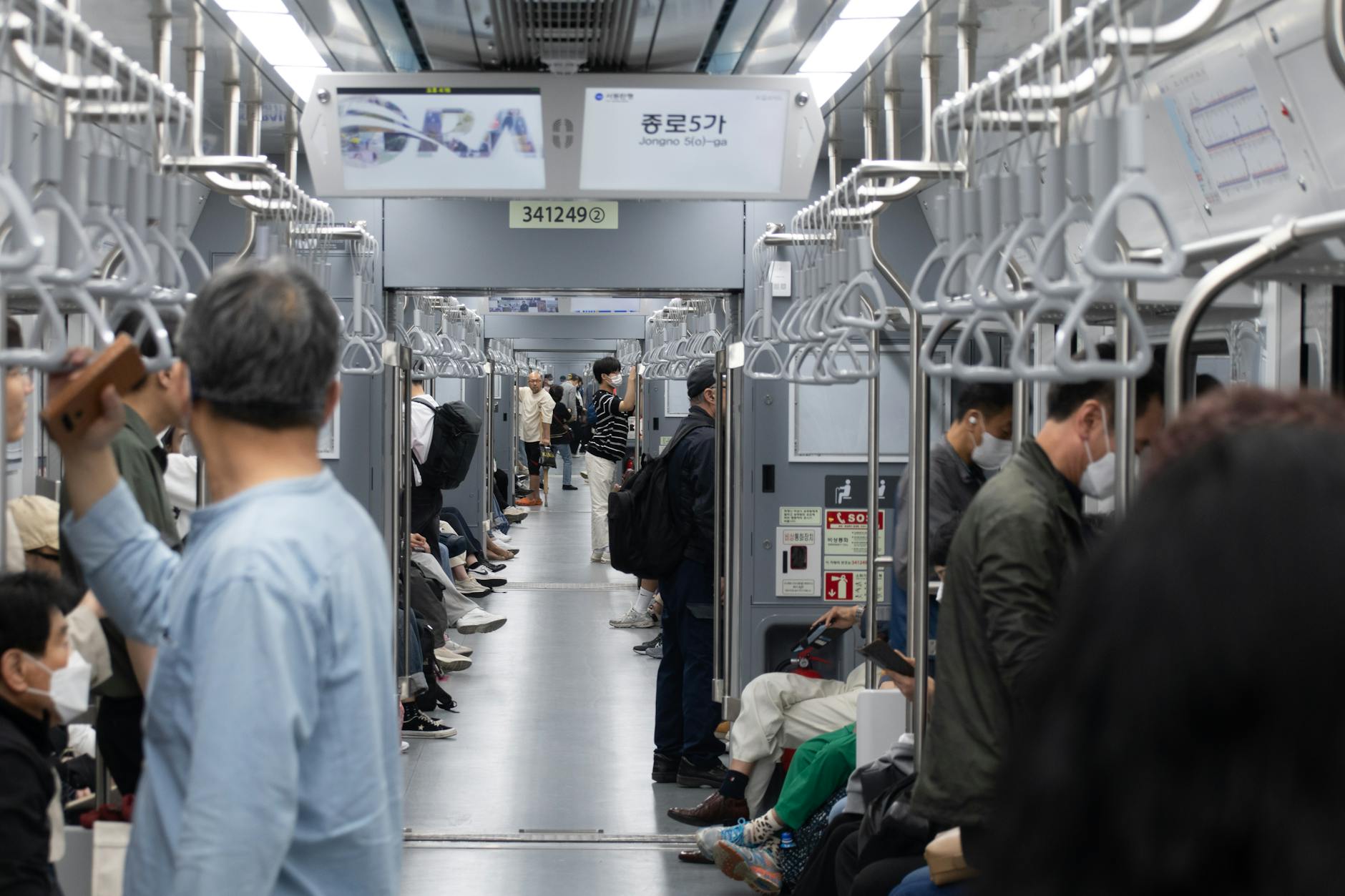
What makes Seoul exceptional as a travel destination is not just its world-class attractions, food, and culture — it’s the city’s remarkable ability to cater to vastly different travel styles simultaneously. The same subway system that whisks a solo backpacker to a street food market carries a family to a theme park, brings a senior to a palace, and connects a digital nomad to their co-working space. Seoul’s infrastructure, safety, efficiency, and cultural richness combine to create a city that doesn’t just tolerate diversity in its visitors — it actively accommodates it. Whatever brings you to Seoul and however you travel, this is a city ready to welcome you.