01
Seoul Subway Guide: How to Use Seoul Metro Like a Local (2026)
Complete tourist guide to the Seoul subway: how to read the map, T-money card vs…
Getting around Seoul is remarkably easy: buy a T-money card, download Naver Map, and you can reach almost anywhere in the city for around ₩1,550 a ride. Seoul’s subway, color-coded buses, cheap taxis, and bike-share form one of the world’s most efficient and tourist-friendly transit networks — this guide shows you exactly how to use all of it.
5 guides, ordered the way you will need them. Each one stands alone if you arrived from search.
01
Complete tourist guide to the Seoul subway: how to read the map, T-money card vs…
02
Complete T-money card guide for Seoul tourists in 2026: where to buy, how to…
03
Complete 2026 guide to getting from Incheon Airport to Seoul: AREX Express train…
04
Master Seoul's color-coded bus network with this complete 2026 guide — fares…
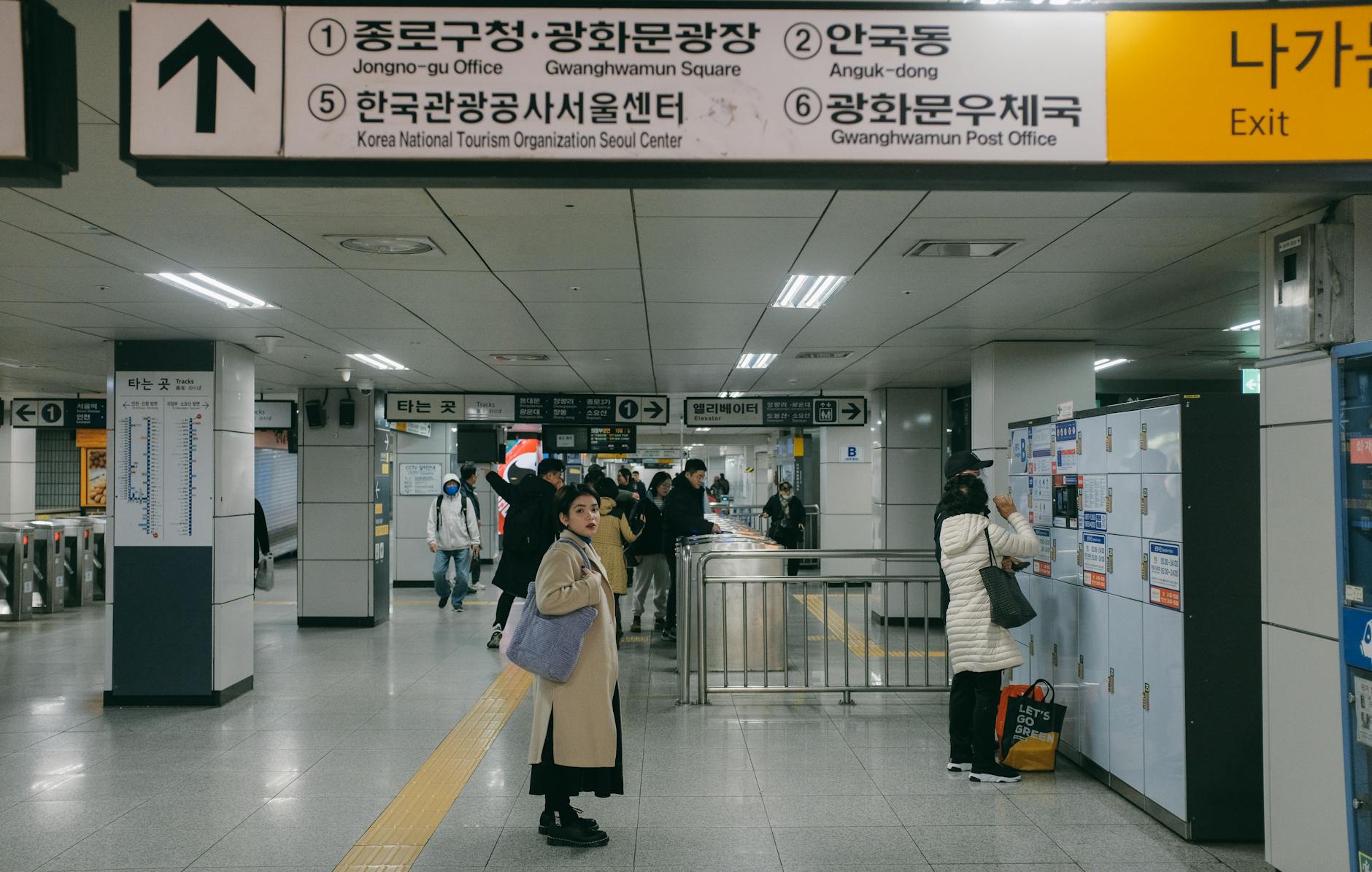
The South Korean capital operates a subway spanning over 20 lines, a logical bus system, abundant affordable taxis, and seamless contactless payment, so you can cross this sprawling metropolis without renting a car or breaking the bank. This comprehensive guide covers everything about getting around Seoul in 2026 — from decoding bus colors and navigating the subway to airport transfers, transport apps, and day trips beyond the city. Whether it’s your first visit or your fifth, mastering Seoul’s transport system will transform your trip, and it pairs perfectly with our ready-made Seoul itineraries.
Before the deep dive, here’s the quick mental model for getting around Seoul. The subway is your default for almost every trip — fast, cheap, frequent, and signed in English. Buses fill the gaps the subway misses and can be quicker for some cross-town hops once you’re comfortable. Taxis are inexpensive by global standards and ideal for luggage, late nights, or short hops with a group. Walking is the best way to experience individual neighborhoods, and bike-share shines along the Han River.
For 90% of visitors, the winning combination is simple: a transportation card for subway and bus, the Kakao T app for the occasional taxi, and Naver Map to tie it all together. Get those three sorted on day one and the rest of this guide just makes you faster and more confident. If you want single-topic deep dives, we have dedicated guides to the Seoul subway, the Seoul bus system, and Seoul taxis.
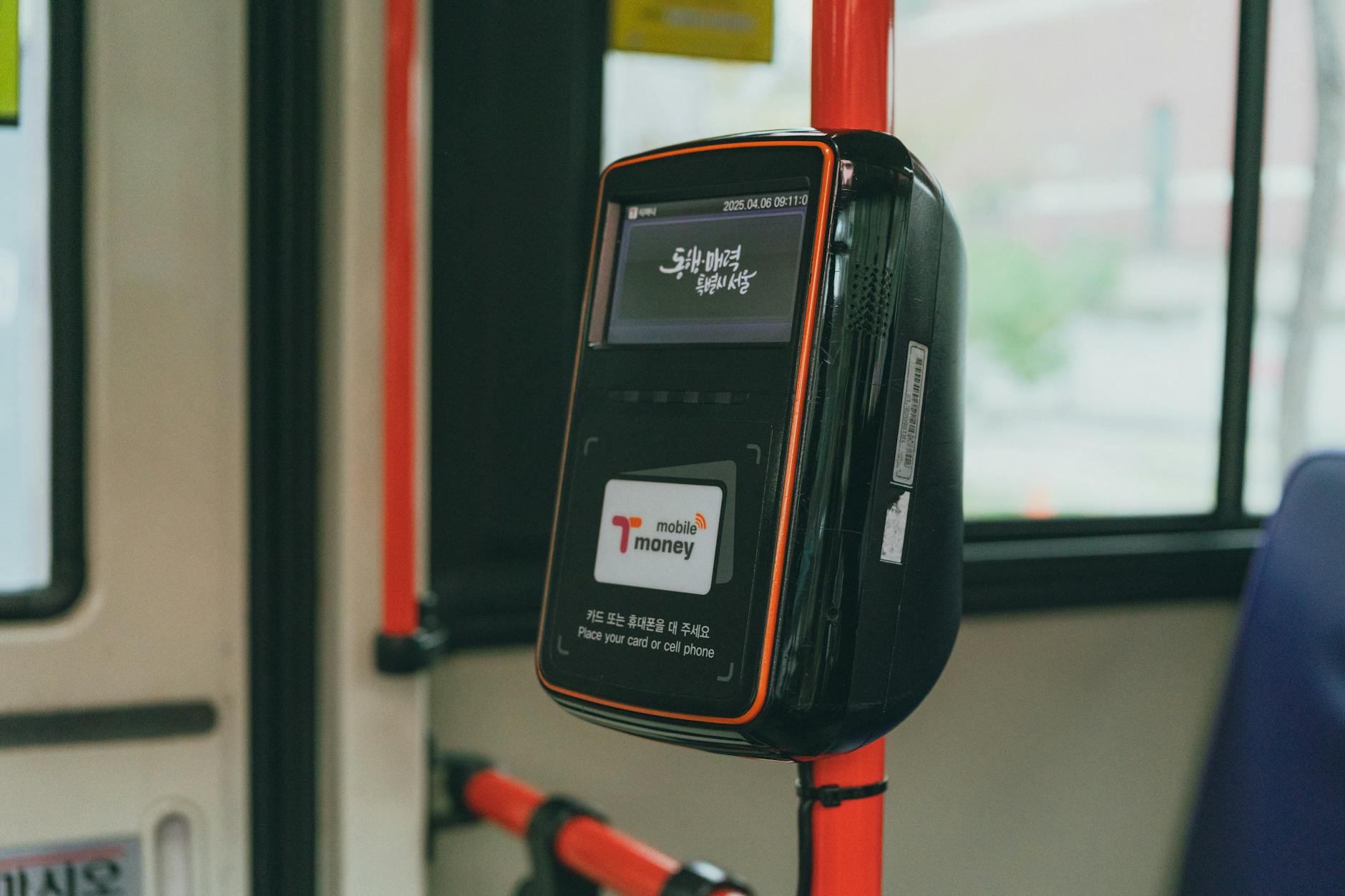
Before you ride anything in Seoul, you need a transportation card. Cash is no longer accepted on many bus routes (the city has been going cashless on public transit since 2023), and card users save money on every trip. Here are your options:
The T-Money card is the gold standard for getting around Seoul. Available at every convenience store (CU, GS25, 7-Eleven) and subway station kiosk, a T-Money card costs ₩2,500–4,000 for the physical card, which you then load with credit. It works on subways, buses, taxis, and even at convenience stores and vending machines. Every trip with T-Money saves you ₩100 compared to buying single-use tickets, and — crucially — transfer discounts between subway and bus only work with a transportation card.
If you plan to use public transport heavily, Seoul’s Climate Card offers unlimited rides on Seoul subway lines and city buses. Short-term passes are available for tourists: ₩5,000 for one day, ₩12,000 for three days, and ₩20,000 for seven days. The break-even point is roughly four trips per day, so if you’re actively sightseeing, this card pays for itself quickly. Purchase it at subway station kiosks or convenience stores.
Popular with international visitors, WOWPASS combines a prepaid debit card with T-Money functionality in one card. You can load it with foreign currency at WOWPASS ATM machines found in major tourist areas. It works for both transportation and general purchases, making it a convenient all-in-one option.
Apple Pay and Samsung Pay now support T-Money on compatible devices, and the Korea Tour Card app offers a digital alternative. However, having a physical card as backup is recommended since mobile payments can be unreliable for some international phone models.
With three good options, the right card depends on how much you’ll ride. Here’s the honest breakdown so you don’t overthink it — and our dedicated T-money card guide covers every detail if you want the full picture.
Choose T-money if you want maximum flexibility and simplicity. It’s the universal card — works on every subway, bus, and taxi, plus convenience stores and lockers — and you only pay for what you ride. For travelers mixing transit with a lot of walking, T-money almost always works out cheapest because you’re not paying for unlimited rides you won’t take. Choose the Climate Card if you’re sightseeing intensively and taking four or more rides a day; the ₩5,000 daily unlimited rate quickly beats per-trip fares. Choose WOWPASS if you want an all-in-one prepaid debit card you can load with foreign currency, since it bundles T-money functionality with everyday card payments — handy if you don’t have a Korean bank card.
Many visitors carry both a T-money (or WOWPASS) for taxis and convenience stores and a Climate Card for unlimited subway/bus on their busiest days. Whatever you pick, top up before you’re empty — see the reloading tips later in this guide.
Seoul’s subway system is the single best way to get around the city. With over 20 lines covering Seoul, Incheon, and the surrounding Gyeonggi Province, it connects virtually every tourist attraction, shopping district, and neighborhood you might want to visit.
Trains run from approximately 5:30 AM until midnight, with the first and last trains varying by station and line. During rush hours (7–9 AM and 6–8 PM), trains arrive every 2–3 minutes. Off-peak frequency is every 4–6 minutes, and weekend/holiday service runs every 5–8 minutes. All announcements are made in Korean, English, Chinese, and Japanese.
The subway fare system is distance-based. With a T-Money card, the base fare for the first 10 km is ₩1,550 (single-use ticket: ₩1,650). Beyond 10 km, an additional ₩100 is charged for every 5 km. Children aged 6–12 ride at a reduced rate, and children under 6 ride free (limit of three free children per paying adult). Most trips within central Seoul stay within the base fare.
Line 1 (Dark Blue): Connects Seoul Station, Jongno, and the historic northern districts. Useful for reaching Gyeongbokgung and Dongdaemun.
Line 2 (Green, Circle Line): The busiest and most useful line for tourists. It loops through Hongdae, Sinchon, City Hall, Euljiro, Dongdaemun, Gangnam, and Jamsil. If you only learn one line, make it this one.
Line 3 (Orange): Connects Gyeongbokgung, Anguk (Bukchon/Insadong), Chungmuro, Express Bus Terminal, and Apgujeong.
Line 4 (Light Blue): Useful for Myeongdong, Seoul Station, and Hyehwa (Daehangno theater district).
Line 6 (Brown): Serves Itaewon, Hangang River parks, and World Cup Stadium.
Gyeongui-Jungang Line: Connects Yongsan, Hongdae, and extends to scenic areas outside central Seoul.
Avoid rush hours if possible — Koreans have a vivid name for packed morning trains: jiok-cheol (지옥철), meaning “hell train.” Station coin lockers cost ₩2,000–5,000 per day and are perfect for storing luggage while sightseeing. Free WiFi is available on all trains and in stations. Tap your T-Money card when entering AND exiting — this is essential for calculating your fare and enabling transfer discounts.
Seoul’s subway looks daunting on the map but is genuinely easy in practice, thanks to relentless English signage and color-coding. Here’s the rhythm. Follow signs to your line by color and number, then check the final destination of the train (each platform lists the terminal station for each direction). Tap in at the gate, ride, and — this is the part visitors forget — tap out at your destination so the fare and any transfer discount calculate correctly.
Two features will save you real time. First, Naver Map (and station signage) tells you which subway car aligns with the exit or transfer you need — boarding the right car can save a five-minute underground walk at big interchange stations like Gangnam or Jamsil. Second, every station has numbered exits; businesses and our neighborhood guides reference these constantly (for example, “Exit 8”), so note your exit number before you surface. Stations also have clean public restrooms inside the paid area, free WiFi, and coin lockers (₩2,000–5,000/day) for stashing luggage while you explore.
Beyond the headline lines, a few more are worth knowing. Line 5 (Purple) reaches Gimpo Airport, Yeouido, and Gwanghwamun. Line 7 (Olive) connects Gangnam’s Express Bus Terminal with northern districts and Bupyeong. Line 9 (Gold) runs a fast express service along the south of the river — convenient but notoriously packed at rush hour. The Suin-Bundang Line (Yellow) links Gangnam-area stations toward Suwon, and the Shinbundang Line (Red) offers a speedy ride from Gangnam toward the southern suburbs. For getting deeper into any district these lines serve, cross-reference our Seoul neighborhoods guide.
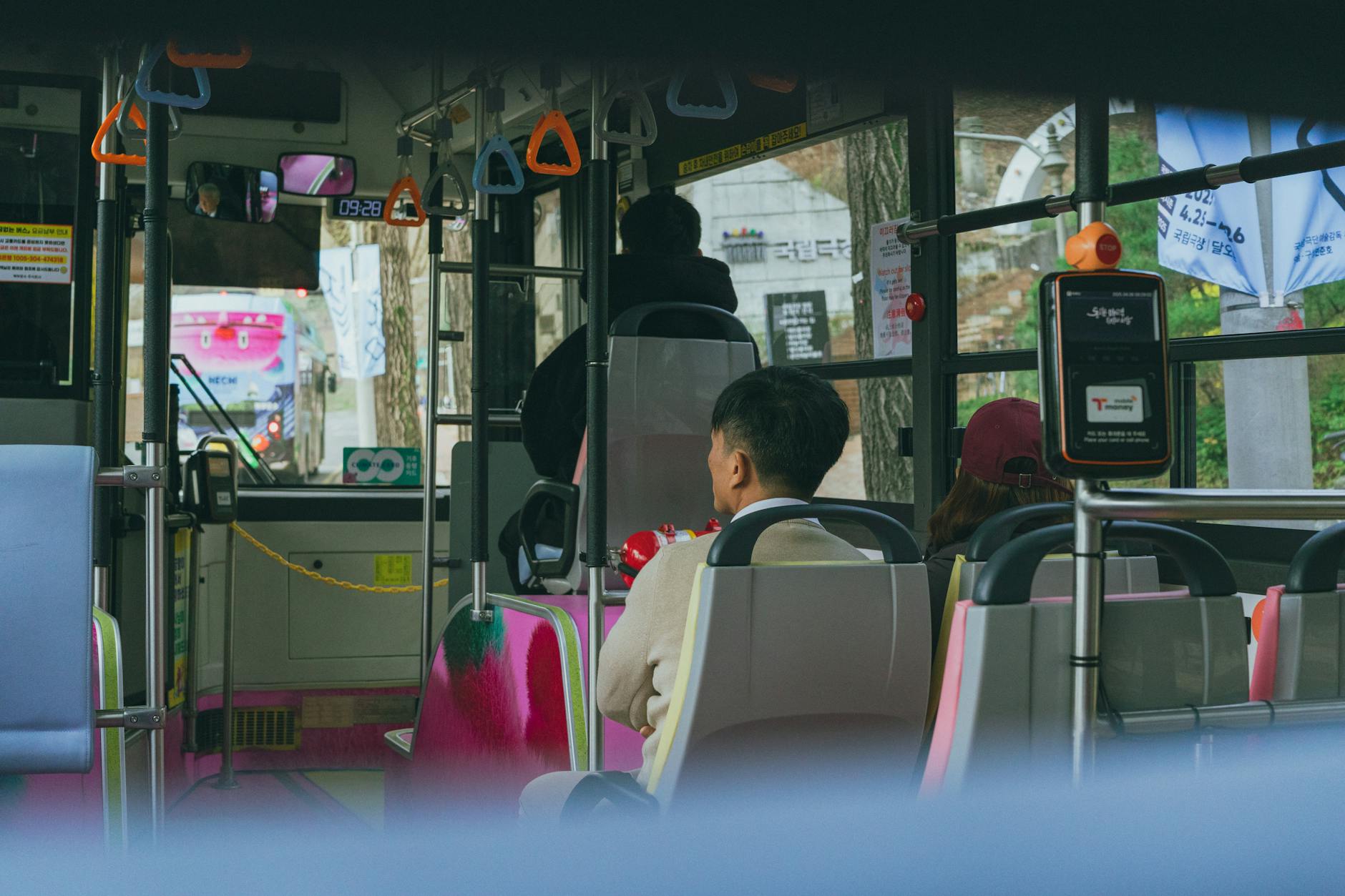
Seoul’s bus system fills the gaps the subway doesn’t reach and is actually faster than the subway for certain routes. The system is color-coded, which makes it surprisingly intuitive once you learn the system.
Blue Buses (간선): Trunk routes that travel long distances between major districts. These are the most commonly used buses for traveling between areas like Gangnam and Jongno. They use dedicated bus lanes on main roads.
Green Buses (지선): Feeder buses that connect neighborhoods to subway stations and blue bus routes. Smaller “maeul” (village) buses in green serve single neighborhoods with narrow routes. These are invaluable for reaching places a few blocks from the nearest subway station.
Yellow Buses (순환): Circular routes that loop around central Seoul’s tourist districts. They pass through areas like Myeongdong, Namdaemun, and Seoul Station.
Red Buses (광역): Express routes connecting Seoul to satellite cities in Gyeonggi Province. These cost more than city buses (fares vary by distance) and are primarily used by commuters.
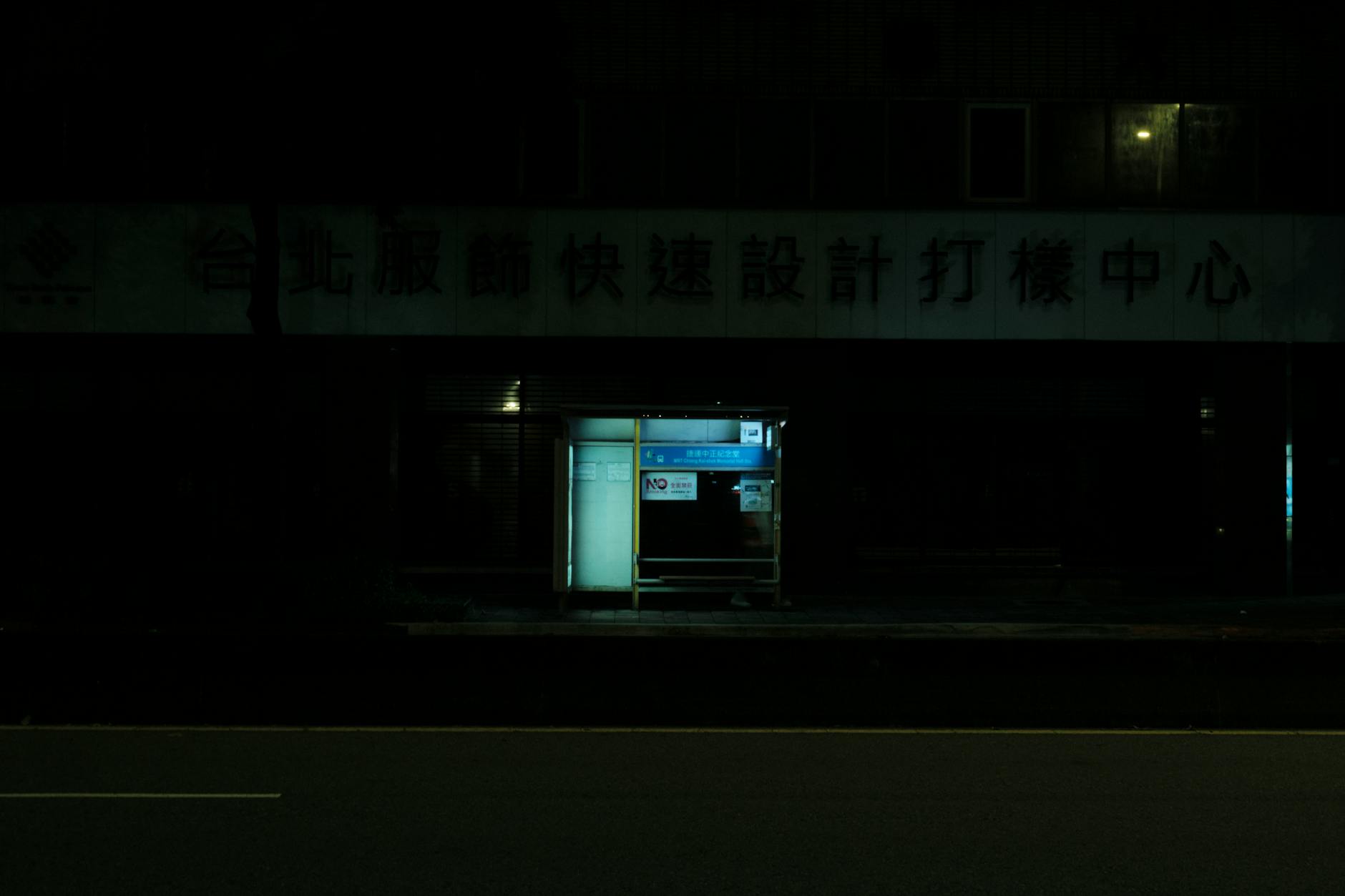
When the subway shuts down at midnight, Seoul’s night owl buses (N-buses) fill the gap from midnight to approximately 4 AM. These routes are identified by an “N” prefix followed by a number. The flat fare is ₩2,500 regardless of distance. Major routes include N13 (Gangnam–Jongno), N16 (Sinchon–Gangnam), N26 (Seoul Station–Songpa), and N37 (Hongdae–Jamsil). Night buses are a lifesaver after late-night dining or clubbing in areas like Hongdae or Itaewon.
Blue, green, and yellow buses cost ₩1,500 with T-Money (₩1,600 cash where accepted). The critical rule for bus rides: tap your card when boarding AND when exiting. Forgetting to tap out means you lose transfer discount eligibility and may be charged the maximum fare.
Seoul’s integrated transfer system is one of its greatest strengths for getting around affordably. When you transfer between subway and bus (or bus to bus) within 30 minutes (60 minutes between 9 PM and 7 AM), you only pay the distance-based difference rather than a full new fare. This effectively saves ₩1,500+ per transfer. You can make up to four transfers per trip (five total rides). This system works exclusively with transportation cards — another reason to never ride with cash.
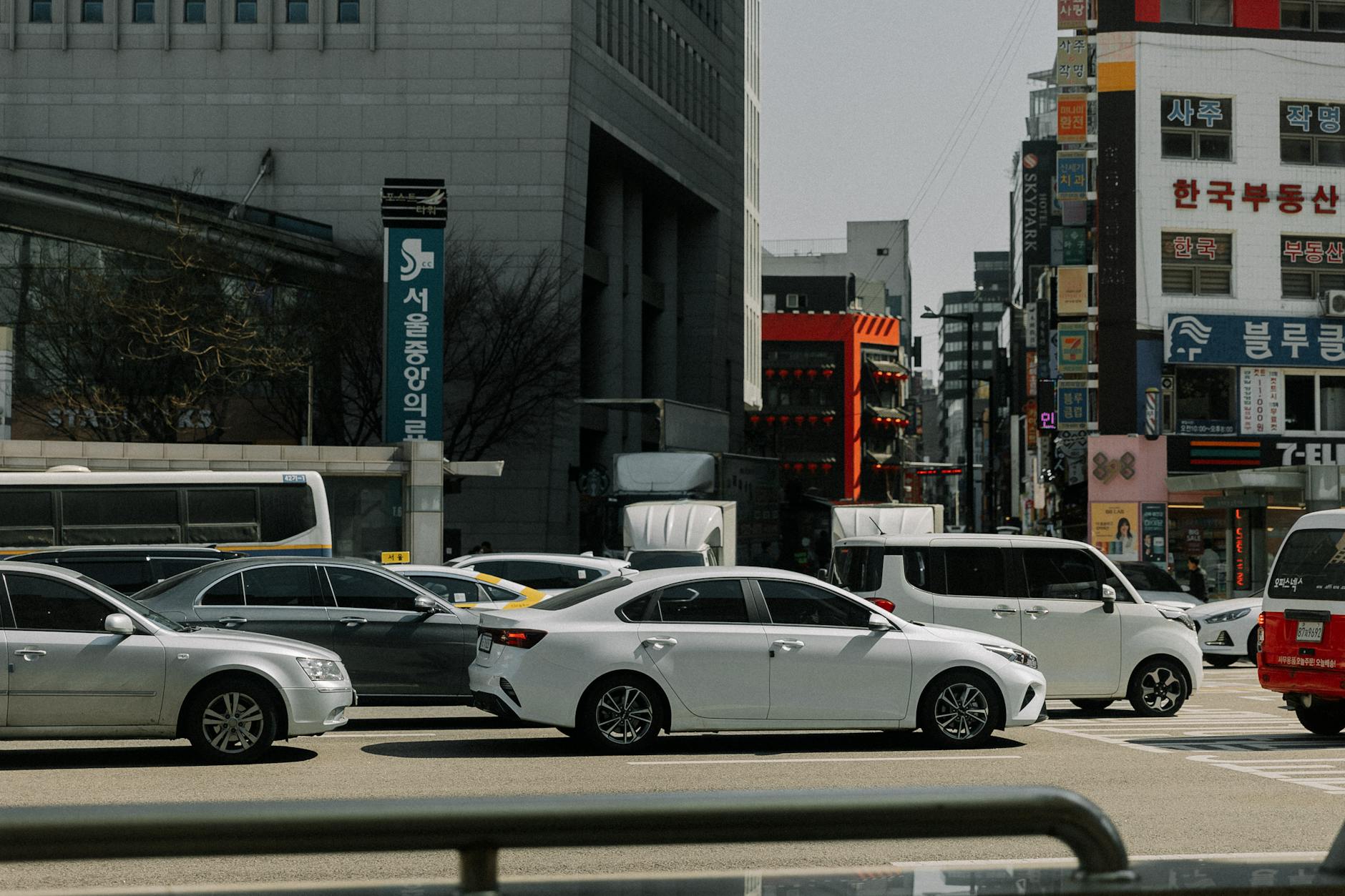
Compared to most major cities, Seoul taxis are affordable and abundant. They’re especially useful for short trips, traveling with luggage, or getting around late at night when you don’t want to wait for a night bus.
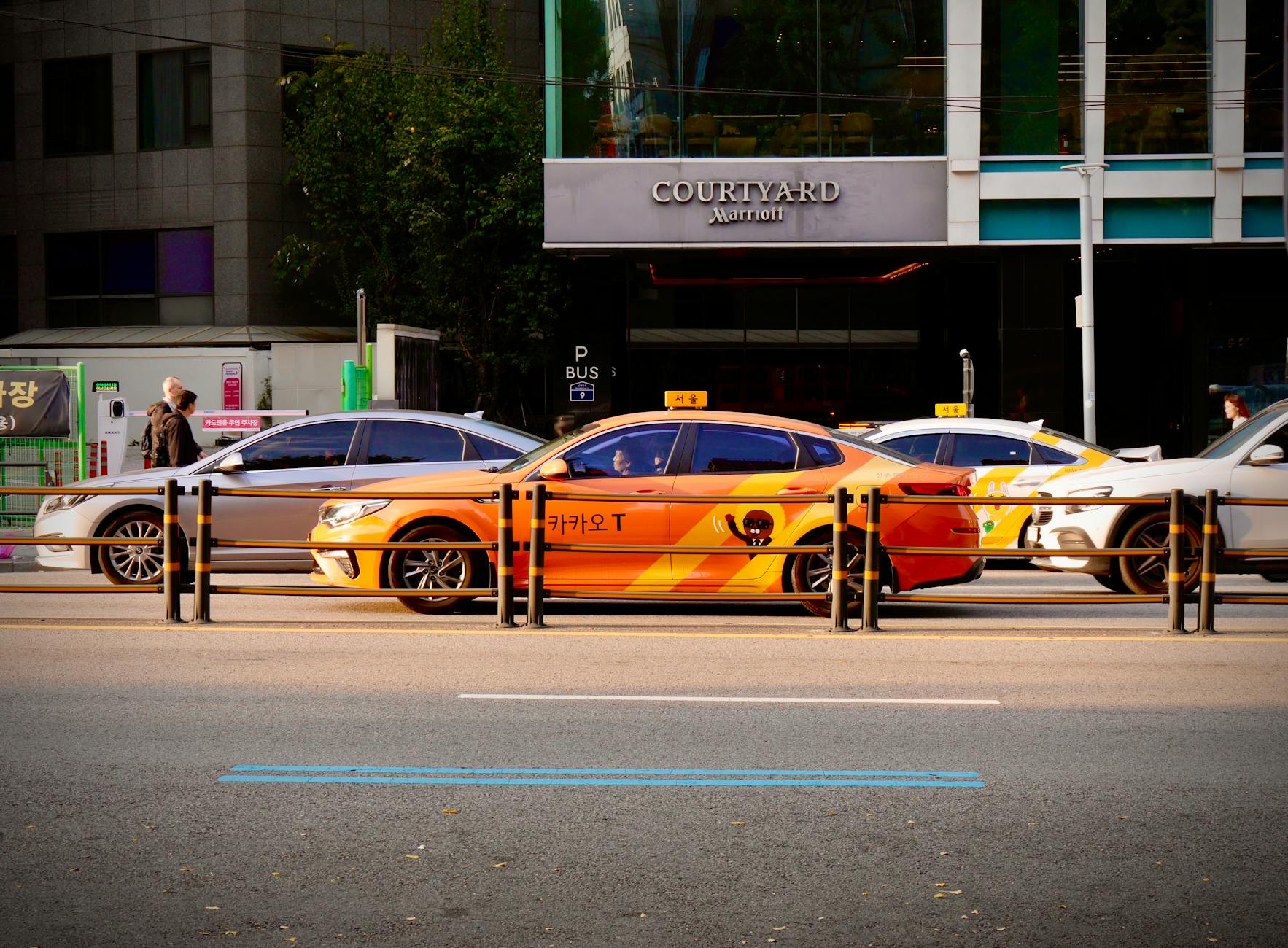
Regular Taxis (Silver/White/Orange): The most common type. Base fare is ₩4,800 for the first 1.6 km, then ₩100 for every 131 meters. Most drivers speak limited English, but the language barrier is easily managed with a navigation app showing your destination in Korean.
Deluxe Taxis (Black with Gold Stripe): Larger vehicles with a base fare of ₩7,000. Drivers are more experienced and some speak basic English. Worth considering for airport transfers or when you want extra comfort.
International Taxis: Pre-booked taxis with multilingual drivers. Available through the International Taxi website or the 1330 Korea Travel Hotline. Fares are fixed for common routes like airport transfers.
Late-night rides (10 PM–4 AM) incur a 20–40% surcharge. Trips that leave Seoul city limits add a 20% surcharge. These can stack — a late-night ride from central Seoul to Incheon could see up to 60% added to the base meter fare. Always check the estimated fare on your app before getting in.
Kakao T is the essential taxi app for Seoul. It works like Uber or Grab, showing you estimated fares and allowing you to book a ride in English. You don’t need a Korean phone number to create an account. The app shows your driver’s location in real time, and you can pay by card through the app. You can also hail taxis on the street — look for cars with an illuminated sign showing “빈차” (available).
Getting from Incheon International Airport (ICN) to central Seoul is straightforward, with several options at different price points.
The AREX is the most popular choice and comes in two versions:
Express Train (Nonstop): Runs directly from Incheon Airport to Seoul Station with no intermediate stops. Travel time is 43 minutes from Terminal 1 and 51 minutes from Terminal 2. The fare is ₩11,000 (2026). Reserved seating, free WiFi, and luggage storage areas make this the most comfortable option. Trains depart every 30–40 minutes from roughly 5 AM to 10:50 PM.
All-Stop (Commuter) Train: Makes 13 stops including Gimpo Airport and Hongdae. Travel time is 58–66 minutes. The fare is just ₩4,150–4,750 with T-Money. If your hotel is in Hongdae, this is actually more convenient than the Express since you don’t need to backtrack from Seoul Station.
Airport limousine buses run to major hotels and neighborhoods across Seoul. Routes are numbered (6001, 6002, 6005, 6015, etc.) with fares typically ₩10,000–17,000. They offer more luggage space than trains and drop you closer to hotels, but travel time is 60–90+ minutes depending on traffic. Purchase tickets at the airport bus stop kiosks (T-Money accepted).
A regular taxi from Incheon Airport to central Seoul costs approximately ₩65,000–80,000 (more at night). The KAL Limousine taxi (black deluxe) costs around ₩85,000–100,000. Taxis make sense for groups of 3–4 people splitting the fare, or when arriving very late at night when trains have stopped running.
If you arrive after the last AREX train (around 10:50 PM), your options are airport limousine buses (which run later, until approximately 11:30 PM on some routes), night buses N6000 and N6001, or taxis. The night buses to Seoul Station cost ₩2,500 but take 90+ minutes. For late arrivals, a taxi is usually the most practical choice.
If you arrive at Gimpo International Airport (GMP) — Seoul’s smaller, closer airport handling domestic and some short-haul international flights — getting downtown is even easier than from Incheon. Gimpo sits directly on Subway Lines 5 and 9 and the AREX line, so a train into central Seoul takes roughly 30 minutes for around ₩1,500. Line 9 express whisks you toward Gangnam and the south of the river; Line 5 heads to Yeouido and Gwanghwamun. Airport limousine buses and taxis are also available, with a taxi to central Seoul running roughly ₩25,000–35,000. For the full rundown on the main airport, see our dedicated guide to getting from Incheon Airport to Seoul.
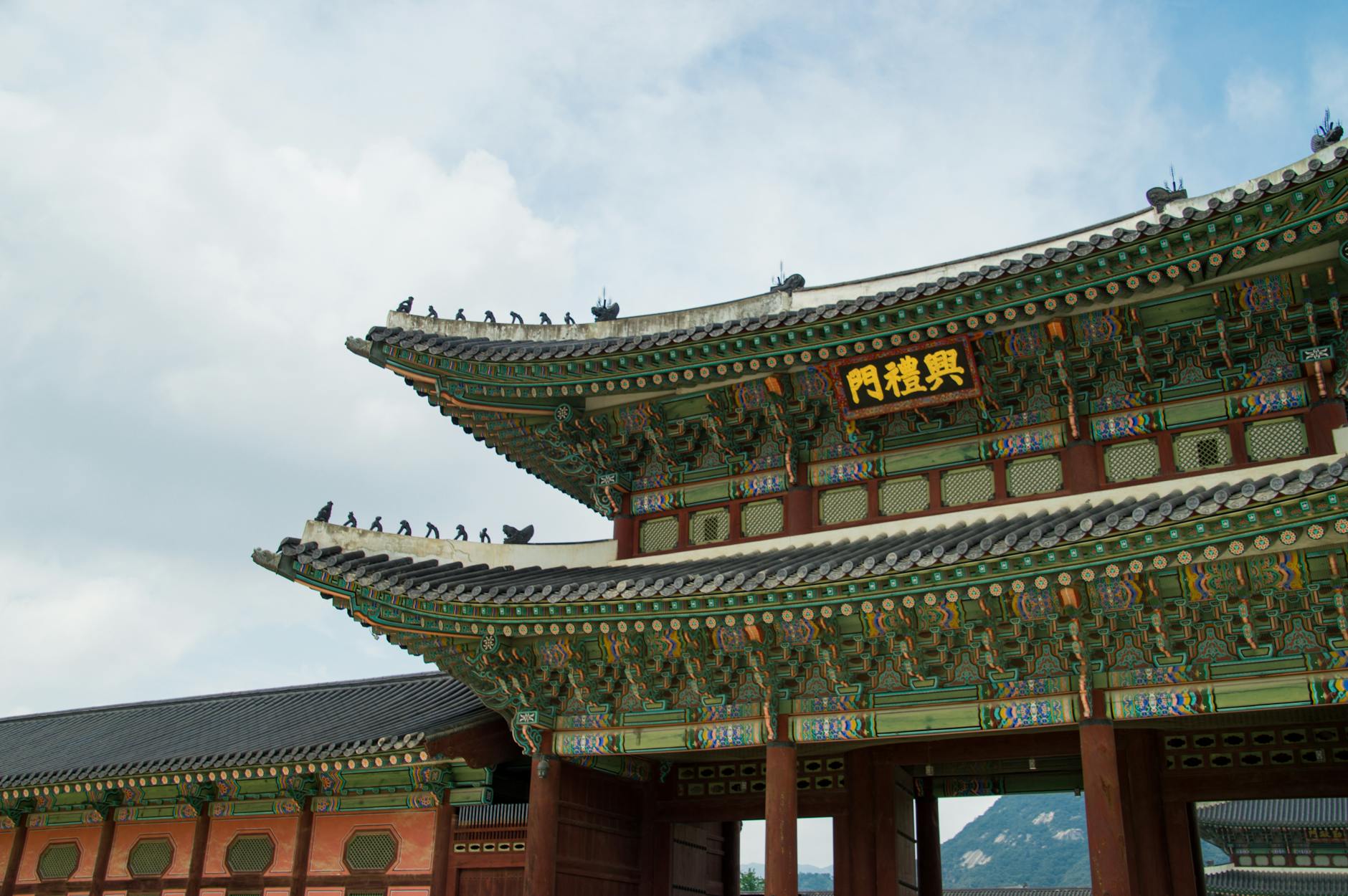
Seoul is a surprisingly walkable city, especially within individual neighborhoods. Many of the best experiences — wandering through Bukchon Hanok Village, exploring the alleys of Ikseon-dong, or strolling along Cheonggyecheon Stream — are best enjoyed on foot.
Key walkable districts include Insadong–Bukchon–Samcheong-dong (easily combined in a half-day walk), Myeongdong–Namdaemun–Seoul Station, Hongdae–Yeonnam-dong–Sinchon, and the Han River parks which feature dedicated pedestrian and cycling paths stretching over 40 km along both banks.
Seoul’s hilly terrain means comfortable shoes are essential. Summers (June–August) are hot and humid, making walking less pleasant during midday. In winter, sidewalks can be icy — take care near steep slopes in neighborhoods like Ihwa Mural Village.
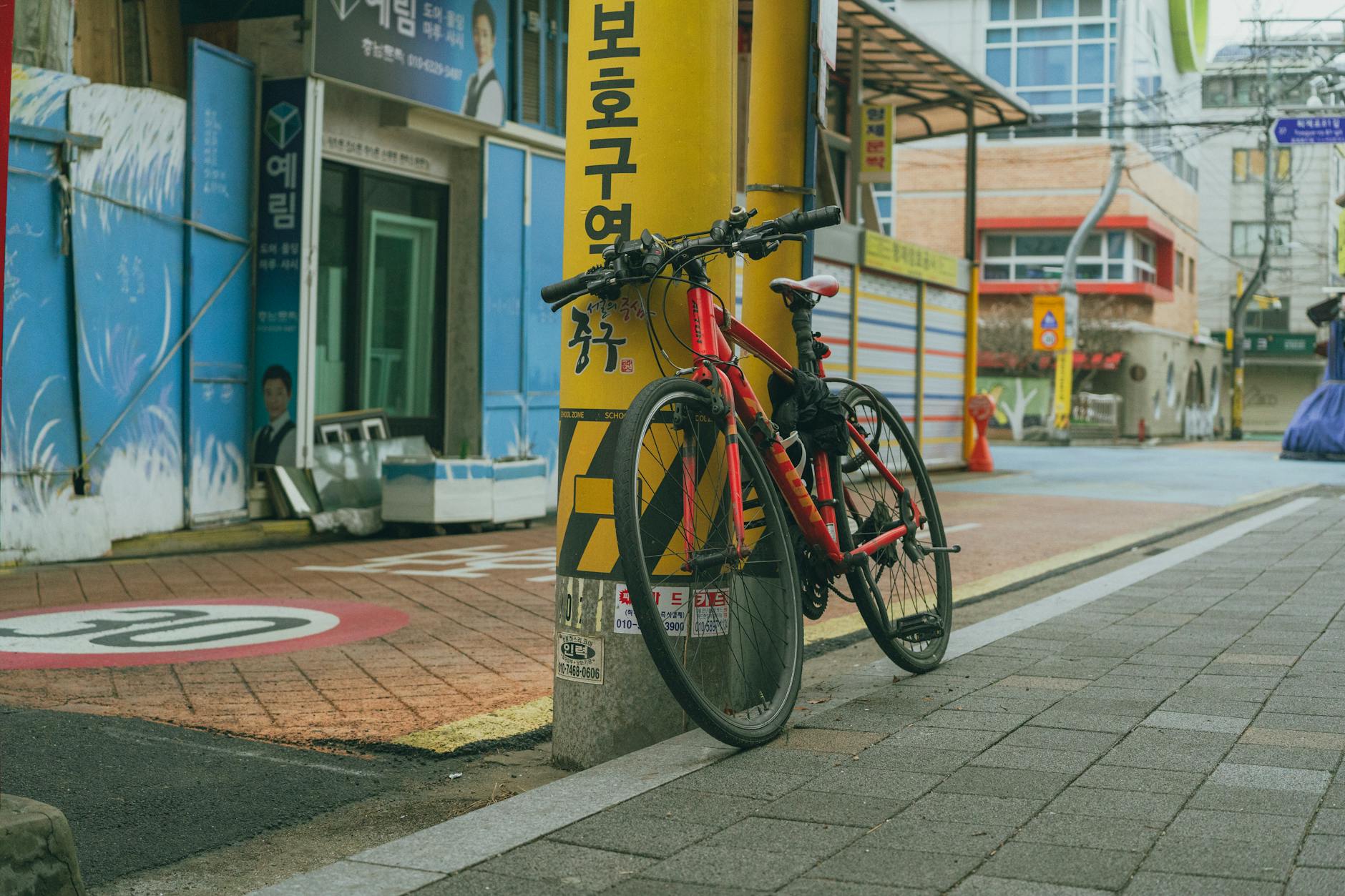
Seoul has invested heavily in cycling infrastructure, and riding a bike is a fantastic way to experience the city — particularly along the Han River. The Seoul Bike (Ddareungi/따릉이) public bike-share system offers over 40,000 bicycles at 2,800+ stations across the city.
A one-day pass costs ₩2,000 (for unlimited 1-hour rides) or you can buy a 2-hour ticket for ₩3,000. Download the Seoul Bike app (available in English) to find stations and unlock bikes with a QR code. The system runs 24 hours, though riding at night in less-lit areas requires caution.
The most popular cycling route is the Han River path, which offers flat, car-free riding with stunning views of the city skyline. You can ride from Yeouido to Jamsil and beyond without encountering a single traffic light. Other scenic routes include the Cheonggyecheon Stream path and the Seoul City Wall trail (for experienced cyclists — it’s hilly).
Download these essential Seoul travel apps before arriving for the smoothest experience getting around:
Naver Map is the most essential app for navigation in Korea. Unlike Google Maps, which lacks accurate real-time transit data for Seoul, Naver Map provides precise subway and bus directions, estimated travel times, walking routes, and even tells you which subway car to board for the fastest transfer. Available in English.
KakaoMap is an alternative to Naver Map with similar functionality. Some travelers prefer its interface, and it integrates with Kakao T for seamless taxi booking.
Kakao T is essential for booking taxis. It shows estimated fares, driver locations, and lets you pay by card. It also offers car-sharing and designated driver services.
Seoul Metro / Subway Korea apps provide offline subway maps, fare calculators, and real-time arrival information. Useful when you don’t have data coverage.
TMAP is Korea’s most popular driving navigation app, useful if you’re considering renting a car (though this isn’t recommended for central Seoul due to traffic and parking difficulties).
To help you budget for transportation, here’s how the costs compare for common routes:
Incheon Airport to Myeongdong: AREX Express + Subway = ~₩12,500 (70 min) | Airport Bus = ~₩15,000 (80 min) | Taxi = ~₩70,000 (60 min)
Hongdae to Gangnam: Subway = ₩1,550 (35 min) | Bus = ₩1,500 (45 min) | Taxi = ~₩15,000 (25 min)
Myeongdong to Gyeongbokgung: Subway = ₩1,550 (15 min) | Walking = Free (30 min) | Taxi = ~₩6,000 (10 min)
Daily budget estimate: Using public transport exclusively, expect to spend ₩5,000–10,000 per day on transportation. With a Climate Card (₩5,000/day unlimited), you can ride as much as you want for a flat daily rate.
Seoul is also the launchpad for some of Korea’s best day trips, and the same transit fluency serves you well beyond the city. Here’s how to get out and back without a car.
By KTX high-speed rail: From Seoul Station and Suseo Station, bullet trains reach Busan in about 2.5 hours, Gyeongju, Jeonju, and more. Book through the Korail app or at the station; reserved seats are wise on weekends. By intercity and express bus: The Express Bus Terminal (Lines 3, 7, 9) and Dong Seoul Bus Terminal serve destinations nationwide, often cheaper than rail. For popular nearby escapes — Nami Island and Petite France (via Gapyeong), the DMZ, Everland, Korean Folk Village, and Incheon’s Chinatown — you can mix subway, the ITX-Cheongchun train, and shuttle buses. Many travelers find a guided day tour simplest for the DMZ specifically, since access is restricted.
A note on driving: Renting a car for use inside Seoul is not recommended — traffic is heavy, parking is scarce and expensive, and the transit system is faster. A rental only makes sense for rural touring well outside the metro area, and even then the train is often easier. For ideas on structuring these excursions around your stay, see our Seoul itineraries.
Seoul’s transit is more accessible than most first-time visitors expect, with a few caveats worth planning around. Nearly all subway stations have elevators and lifts, but they’re sometimes tucked at one end of a long platform, so allow extra time if you’re rolling luggage or pushing a stroller. The AREX and main lines have wide gates and step-free routes; older stations and some exits still rely on stairs or escalators only, so check Naver Map’s accessibility info or aim for elevator-marked exits.
With luggage: Avoid rush hour entirely, use station coin lockers (₩2,000–5,000/day) to lighten your load while sightseeing, and consider a luggage-delivery service between the airport and your hotel for arrival day. With kids: Children under 6 ride free (up to three per paying adult), strollers are common and welcome, and family-friendly restrooms with changing tables are widespread. For limited mobility: Buses are lower-floor and wheelchair-accessible on most city routes, and taxis (including larger deluxe and call-van options via Kakao T) fill the gaps. Choosing a hotel near a major interchange makes everything easier — our where to stay in Seoul guide flags the best-connected neighborhoods.
Weather shapes how you’ll want to move around the city. In spring and autumn — Seoul’s most pleasant seasons — lean into walking and Han River cycling between subway hops; this is when the city is at its most strollable, as our guide to the best time to visit Seoul explains. In summer, the heat and humidity (plus the July rainy season) make the air-conditioned subway your best friend; carry an umbrella and save outdoor walking for the cooler evening. In winter, the subway and buses are heated and reliable, but sidewalks can ice over — wear proper footwear and take extra care on the steep lanes of hillside neighborhoods. Year-round, the underground subway shopping arcades double as climate-controlled walkways that let you cross big stations and districts without stepping outside.
Seoul is overwhelmingly cashless, and transit is no exception. Most city buses no longer accept cash at all, and even where coins are technically allowed, you’ll pay more and miss out on transfer discounts. The practical rule: load a transportation card and tap for everything. You can reload T-money with cash or card at any subway station machine and at convenience-store counters (just say “T-money charge” and hand over the amount).
Foreign credit and debit cards work at ticket machines, taxis (via Kakao T), and shops, but they generally do not tap directly on subway and bus readers the way a local card does — so a physical T-money or WOWPASS remains essential. Keep a small amount of cash anyway for traditional-market street food, a few older taxis, and the rare vendor that’s card-shy. For squeezing the most value from every won you spend on transit and beyond, our Seoul on a budget guide is packed with tactics.
Riding like a local is mostly about a few unspoken courtesies. Priority seats (marked, usually at car ends) are reserved for elderly, pregnant, and disabled passengers — locals leave them empty even when the car is crowded, so do the same. Keep phone calls brief and quiet; Seoul’s trains are notably hushed, with most riders on silent screens or napping. Stand right, walk left on escalators, and let passengers exit before you board. Eating and drinking on the subway is frowned upon (a covered coffee is tolerated; a full meal is not), and you should carry your trash out since bins are scarce. Backpacks come off and go to your front or the rack in a crowd. None of this is enforced with fines, but following along keeps you from being the obvious tourist — and makes the whole system pleasant for everyone. These same courtesies extend across the city’s neighborhoods.
A handful of avoidable slip-ups trip up first-timers. Sidestep these and you’ll move through the city like a regular. Forgetting to tap out: on both buses and the subway, failing to tap your card when you exit can void your transfer discount and trigger a maximum-fare charge — always tap in and out. Relying on Google Maps: it simply doesn’t work well in Korea; install Naver Map or KakaoMap before you arrive. Riding at rush hour with luggage: 7–9 AM and 6–8 PM trains can be brutally packed (locals call them “hell trains”), so time airport runs and big moves outside those windows.
Other classics: letting your card balance run dry at a bus stop with no top-up machine (reload whenever you dip below ₩5,000), assuming taxis take foreign tap cards (use Kakao T or carry T-money/cash), and missing the last train and overpaying for a long late-night taxi. Finally, don’t overbuy passes — if you’re a relaxed wanderer rather than a sight-cramming sprinter, plain T-money usually beats an unlimited card. When in doubt, our single-topic guides to the subway and buses spell out the specifics.
A few final tips to make getting around Seoul seamless:
Get an eSIM before landing. Having mobile data from the moment you arrive means you can navigate immediately. eSIMs are available from providers like Airalo, KT, and SKT, and can be activated before your flight lands.
Save your hotel address in Korean. Screenshot your hotel’s Korean address or save it in your maps app. This makes communicating with taxi drivers effortless.
Google Maps won’t help you here. Due to South Korean mapping restrictions, Google Maps has limited and often inaccurate transit directions. Use Naver Map or KakaoMap instead.
Rush hour is real. Avoid the subway between 7–9 AM and 6–8 PM on weekdays if possible. If you must travel during these times, Lines 2 and 9 are the most crowded.
Last train is not negotiable. Seoul’s subway stops running around midnight, and the last trains on most lines depart their starting stations between 11:00 PM and 11:40 PM. Plan your evening return accordingly or be prepared to take a night bus or taxi.
Keep your card loaded. Running out of credit on your T-Money card at a bus stop (where there’s no top-up machine) is inconvenient. Reload at subway stations or convenience stores whenever your balance drops below ₩5,000.
For information on the neighborhoods these transport links connect, see our Seoul Neighborhoods Guide. Planning your daily routes? Check our Seoul Itineraries page, which includes transport directions for each day’s activities. And if you’re watching your spending, our Seoul on a Budget guide has more money-saving transportation hacks.
For trains out of the city rather than within it, our KTX guide explains which of Seoul’s stations (Seoul Station, Yongsan, Cheongnyangni or Suseo) serves which part of the country, and how to book high-speed tickets as a visitor.
The subway is the best way to get around Seoul for almost every trip — it’s fast, frequent, cheap (around ₩1,550 a ride), and signed in English. Pair it with buses for areas the subway misses and the occasional taxi for luggage or late nights. Buy a T-money card on arrival and use Naver Map to navigate.
A single subway or bus ride costs about ₩1,500–1,550 with a transportation card. Most visitors spend ₩5,000–10,000 per day on transit. A Climate Card offers unlimited subway and bus rides for ₩5,000/day, which pays off if you take four or more trips daily.
Yes — a transportation card is effectively essential. Many buses don’t take cash, card users get cheaper fares, and free transfers between subway and bus only work with a card. Buy a T-money at any convenience store or subway kiosk for ₩2,500–4,000, then load it with credit.
Not well. Due to South Korean mapping restrictions, Google Maps has limited and often inaccurate transit and walking directions. Download Naver Map or KakaoMap instead — both are available in English and provide precise subway, bus, and walking routes, plus which subway car to board.
The AREX train is the most popular option: the Express runs nonstop to Seoul Station in about 43–51 minutes for ₩11,000, while the cheaper all-stop train (₩4,150–4,750) is better if you’re staying near Hongdae. Airport limousine buses (₩10,000–17,000) and taxis (₩65,000–80,000) are alternatives. See our full Incheon Airport to Seoul guide for details.
Very. Download Kakao T, which works like Uber, shows fares in English, and doesn’t require a Korean phone number. Base fare is ₩4,800, taxis are abundant, and the app handles the language barrier by sending your destination to the driver in Korean. Note the 20–40% late-night surcharge between 10 PM and 4 AM.
The subway runs from roughly 5:30 AM until around midnight, with last trains departing their starting stations between about 11:00 and 11:40 PM. After that, switch to night buses (the “N” routes, flat ₩2,500) or a taxi. Always check the last-train time on Naver Map if you’re out late.
No — driving in central Seoul is not recommended. Traffic is heavy, parking is scarce and pricey, and the public transit system is faster and far cheaper. A rental only makes sense for rural touring well outside the metropolitan area, and even then trains often beat driving.
Samsung Pay supports T-money on compatible devices, and Apple Pay has expanded in Korea, but support for tapping directly on transit gates can be inconsistent for international phones. The reliable approach is to carry a physical T-money or WOWPASS card as your primary fare method and treat mobile as a backup.
Very walkable within neighborhoods, less so between distant districts. Areas like Insadong–Bukchon–Samcheong-dong, Myeongdong, and Hongdae–Yeonnam reward exploring on foot, and the Han River parks have 40+ km of car-free paths. The terrain is hilly, though, so wear comfortable shoes and use the subway to bridge longer distances between walkable zones.