Here’s the short version if you’re in a hurry: for a quick solo or two-person session, walk into a coin noraebang and pay around ₩500 a song; for a proper group night, book an hourly room at a traditional noraebang and ask the venue about drinks and extra singing time. Neither requires Korean, both are easy to find, and it’s one of the most fun, affordable, uniquely Korean things you can do after dinner.
This is the complete karaoke Seoul guide for tourists in 2026: the difference between coin and traditional noraebang, how to choose a song, what it costs, where to find the best ones in Hongdae, Gangnam, and Sinchon, the AI scoring system that’s gone viral on Korean TikTok, and the etiquette that makes a noraebang night smooth.
What is Noraebang? (Korean Karaoke 101)
The word noraebang combines norae (song) + bang (room). The format is generally traced to 1991, when the first noraebang opened at an arcade near Dong-A University in Busan — and within a few years, noraebang had spread across Korea.
The format is simple:
- Walk into a building marked with a microphone or musical-note sign (often illuminated all night)
- Ask for a room (or pay-per-song booth)
- Select songs on a tablet or remote
- Sing in private with your group
- Tap your card to settle the bill
That privacy distinction matters. Korean culture frowns on public performance among strangers, so noraebang exists precisely so friends, coworkers, dates, and solo singers can belt out hits without fear of judgment.
Noraebang is woven into daily life in a way that surprises first-time visitors. It’s the default final stage of a Korean night out — after dinner and drinks, a group will almost reflexively pile into a singing room. It’s a fixture of company outings (hoesik), a low-stakes date idea, a birthday tradition, and a solo stress-reliever after a long day. Understanding that context helps: nobody is judging your voice, the point is catharsis and connection, not performance. Once you lean into that, a noraebang stops being intimidating and becomes the most fun ₩5,000 you’ll spend in Seoul.
Coin Noraebang vs. Traditional Noraebang
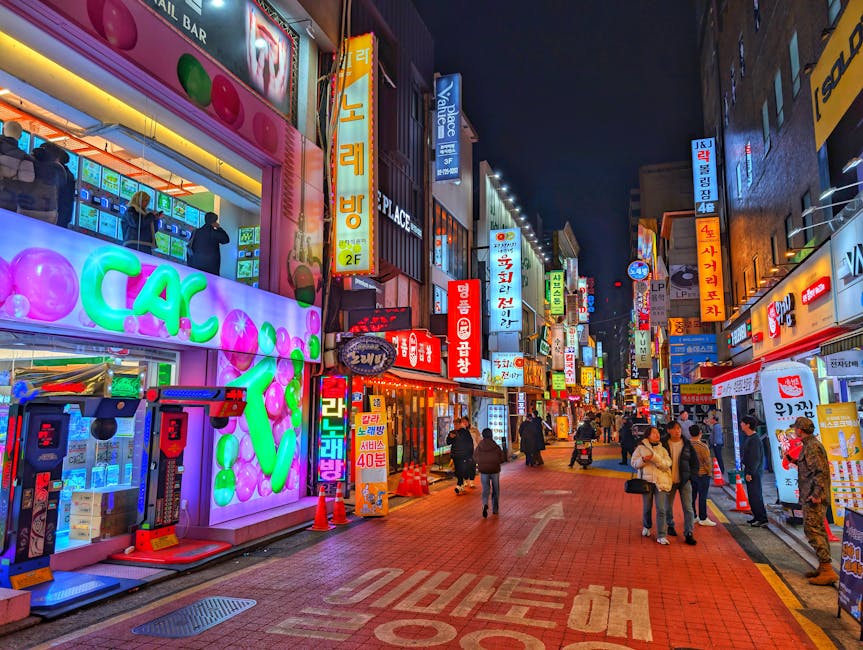
Coin Noraebang (코인 노래방) — The Cheapest, Fastest Option
In a coin noraebang, you don’t book by the hour. Instead, you walk into a private booth and pay per song. Standard pricing in 2026:
- ₩500 per song (most common)
- 3 songs for ₩1,000 (often the default coin)
- 10 songs for ₩3,000 (best value)
Booth sizes vary, so check the room’s capacity before you pay. Many have dedicated solo booths the size of a phone booth. Pay with cash, T-money, Kakao Pay QR, Toss, or credit card.
Opening hours vary by venue, so check the branch you plan to visit. Coin noraebang are the perfect post-dinner, or even mid-afternoon, stress-buster.
In practice, coin noraebang are gloriously low-commitment. There’s usually no staff interaction at all — you find an empty booth, feed in coins or tap a card, and start singing; when your songs run out, you either top up or leave. Booths are tiny but well-kept, with a couple of mics, a touchscreen, and often a mirror and a wall of echo/tone dials to play with. They’re the perfect toe-in-the-water for nervous first-timers: at about ₩3,000 for ten songs, a solo traveler can have a blast for pocket change. You’ll find them clustered near any university or nightlife area.
Traditional Noraebang (노래방) — Hourly Rooms with Snacks
Traditional noraebang charge by the hour and room size. Pricing 2026:
- Small room (2–4 people): ₩15,000–25,000/hour
- Medium room (5–8 people): ₩25,000–40,000/hour
- Large room/VIP suite (10+ people): ₩50,000–120,000/hour
Extras such as snacks, tambourines/maracas, and bonus singing time (service time) are up to the venue, so ask when you book. Drinks (beer, soft drinks, soju) are sold separately or BYOB at some venues.
Traditional noraebang are the move for groups and for a fuller experience. The rooms are comfortable — sofas, a big screen, mood lighting, tambourines and maracas to bang along with — and the vibe is social rather than solo. Staff bring snacks and take drink orders (many venues also let you BYOB; ask first), and the near-universal ritual of free service time means your paid hour usually stretches well past sixty minutes. For a group of four to eight, splitting a medium room works out cheap per person, and it’s the ideal cap to a Korean BBQ dinner — see our Korean BBQ guide for where to eat first.
The Best Karaoke Districts in Seoul
Hongdae
A good all-round district for tourists, with plenty of coin noraebang and solo booths; opening hours vary, so check the venue. It pairs naturally with a night of bars and clubs, so it’s an easy place for a spontaneous late-night song. Prices are student-friendly and English song menus are common. Read the full Hongdae guide and our Seoul nightlife guide.
Gangnam
The upscale end. Look for Luxury Su Noraebang, Su Noraebang, and Maru Noraebang for high-end suites with leather banquettes, professional-grade sound systems, and bottle service. You pay more (₩60,000–120,000/hour for a big suite) but the sound quality and rooms are a step above — ideal for a special occasion or a bigger group. See our Gangnam guide.
Sinchon
Student central, between Yonsei and Ewha universities, which means a heavy concentration of cheap coin noraebang and late-night eats. Prices are among the lowest in the city and the crowd is young and lively — a great budget pick if you’re near the west side.
Itaewon
The most international option, with song systems in English, Spanish, Vietnamese, Japanese, and more. Several venues actively cater to travelers, so if you’re worried about navigating a Korean-only interface, start here. It also slots neatly into an Itaewon bar night — see our Itaewon guide.
Konkuk University Area
A lively nightlife area east of the river with many noraebang and restaurants — an easy eat-then-sing combo. Less touristy than Hongdae.
How to Use a Noraebang Step-by-Step
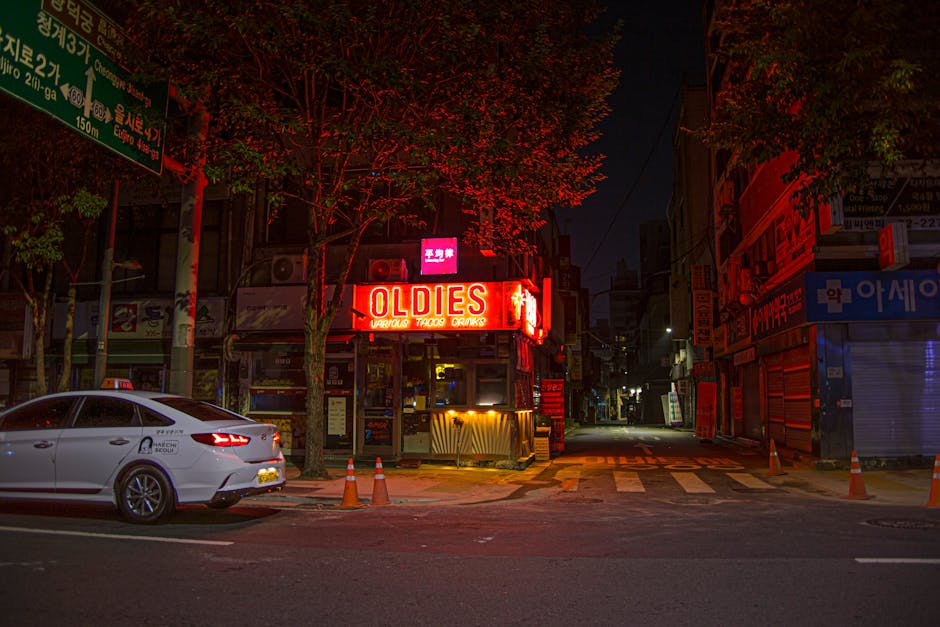
1. Pick a Venue
Look for the microphone or musical-note signs. Su Noraebang (수노래방), Luxury Su Noraebang, and Coin Noraebang (코인 노래방) are major chains. Most cluster on second floors of buildings — climb the staircase.
2. Check In
For coin booths, walk to the front desk, pay, get a small token or QR code, and choose a free booth. For traditional noraebang, the staff will walk you to a numbered room.
3. Choose Your Songs
Each booth has either a tablet or large remote. Search by:
- Song number: Look up in the binder or wall poster
- Artist name: Search by Korean or English
- Song title: Most modern systems support English search
- Genre / Mood / Decade: For inspiration
Common foreign-friendly chains have songs in English, Japanese, Chinese, Spanish, and Vietnamese. Major Korean and English songs work in any noraebang.
A quick tip for finding your songs fast: most modern tablets let you search by English title or artist, but for older or obscure Western tracks it helps to have the song number ready — a quick phone search for “[song name] noraebang number” or the TJ/Kumyoung songbook number saves fumbling. Korean songs are indexed by both systems (TJ and Kumyoung), so if a song isn’t coming up, try switching the machine’s brand tab.
4. Sing
Mics are usually high-quality, with reverb and echo controls on the wall. Adjust the echo (에코), volume (음량), and tone (톤) for your voice.
5. Score and Reward
The machine scores your singing, and some venues run a perfect-score event that rewards a top result with a small prize such as a gifticon. Ask at the counter whether your venue has one.
6. Get Your “Service” Time
Traditional noraebang routinely add service time (서비스) — bonus minutes after your paid hour. Don’t ask; just enjoy when the timer keeps running.
Top Korean Songs to Try as a Tourist

Easy K-Pop Hits (Sing-Along Friendly)
- “Cheer Up” — TWICE
- “Dynamite” — BTS (English chorus)
- “Pink Venom” — BLACKPINK
- “Whistle” — BLACKPINK
- “Strawberry Moon” — IU
- “Hype Boy” — NewJeans
- “Spicy” — aespa
Korean Ballad Classics
- “이 노래” — 알리
- “좋니” — 윤종신
- “벚꽃 엔딩” — 버스커 버스커 (THE Korean spring anthem)
Western Crowd-Pleasers
- Bohemian Rhapsody — Queen
- Sweet Caroline — Neil Diamond
- Don’t Stop Believin’ — Journey
- Wonderwall — Oasis
- Mr. Brightside — The Killers
Noraebang Etiquette
Noraebang is relaxed, but a little group etiquette keeps the night flowing — especially if you’re singing with Korean friends or colleagues.
- Take turns. Korean noraebang is collaborative; rotate the mic.
- Don’t hog the songs. 2–3 in a row is fine; 10 is rude.
- Use the tambourine. Cheering each other on is half the fun.
- Order something. Drinks support the venue. Some don’t allow outside food.
- Tip is not customary. Don’t tip.
- Smoking is banned indoors.
- Pay before leaving. Some venues lock the door until paid.
Going Solo: Yes, It’s Totally Normal
Solo singers are the majority at coin noraebangs in Korea. Don’t be shy. Many coin noraebang suit a single singer, so look at the room options when you arrive. ₩3,000 buys 10 songs. Locals do it after work to decompress; tourists love it for the privacy.
Costs Compared
| Type | Cost | Best For |
|---|---|---|
| Coin booth (solo) | ₩3,000–5,000 | Solo, quick sessions |
| Coin booth (group) | ₩5,000–10,000 | Spontaneous after-bars |
| Traditional small room | ₩20,000/hour | 2–4 friends |
| Traditional medium | ₩30,000/hour | Date or small group |
| Luxury Gangnam suite | ₩60,000–120,000/hour | Special occasions |
Notable Noraebang Chains
- Su Noraebang (수노래방) — check each branch’s hours and rates
- Luxury Su Noraebang — premium upgrade
- Sing Sing (싱싱) — coin specialist with English UI
- Coin Noraebang Plus (코인 노래방 플러스) — sleek modern booths
- Madori (마도리) — solo-friendly chain
What to Bring to Noraebang
- Cash or T-money card (cards work too, but cash speeds the process)
- Phone with battery for searching obscure songs
- Snacks/drinks if BYO is allowed (many traditional rooms permit it)
- Friends — though as noted, solo is fine
- Vocal warm-up — a glass of water saves you on note 5
Sample Hongdae Karaoke Night
- 9:00 PM — Korean BBQ + soju in Hongdae
- 11:00 PM — Cocktails at Vinyl or Side Note Club (see best bars in Seoul)
- 1:00 AM — Coin noraebang for 30 minutes (₩5,000)
- 2:00 AM — Move to NB2 club for hip-hop dancing (see best clubs in Seoul)
- 4:00 AM — Late-night ramen
- 5:00 AM — Second noraebang round (because karaoke at 5 AM is unmatched)
Tips and Hacks
- Korean songs are reserved. Sing them — they get bigger reactions.
- Book big rooms in advance on Friday/Saturday. Walk-ins fill fast.
- Use the AI score for fun. Even non-singers cheer for high scores.
- Coin booths after midnight can fill the gap when the subway closes, but opening hours vary, so check the branch before you count on it lasting until the first train.
- Avoid heavily themed luxury suites with private hosts unless you understand pricing structure (some bill ₩200,000+/hour).
- Free water is unlimited — ask for “물 (mul).”
Noraebang, K-pop and Korean music culture
Part of what makes karaoke so central to Seoul is the country’s deep, everyday relationship with music. Noraebang song lists are effectively a living archive of Korean pop, from 1990s ballads your taxi driver will know by heart to this month’s chart-toppers, and singing along is a fast, joyful way to plug into the culture that gave the world K-pop. If you catch the bug, extend it: dig into the wider scene with our K-pop and Korean culture guide, chase a live show through our K-pop concerts and events and live music venues guides, and shop for albums and photocards with the K-pop merch shopping guide. Try a Korean song or two at your next session — even a clumsy attempt at “벚꽃 엔딩” gets a warm reaction — and you’ll understand why noraebang is less about talent than about belonging.
Frequently Asked Questions
Is karaoke in Seoul different from karaoke in the US/UK?
Yes, fundamentally. Korean noraebang is mostly private — you rent a room (or a coin booth for one or two people) for your own group, rather than singing in front of a bar full of strangers. That single difference changes everything: it’s lower-pressure, more social, and far more common. It’s also cheaper and open far later than most Western karaoke bars.
How much does noraebang cost in Seoul?
Very little. Coin booths run about ₩500 per song (₩3,000 for ten), while traditional hourly rooms are ₩15,000–40,000 per hour depending on room size, split among your group. A luxury Gangnam suite can hit ₩60,000–120,000/hour. For a solo traveler, a full session is often under ₩5,000 — one of the best-value activities in the city.
Is it safe for solo travelers?
Completely. Singing alone is entirely normal — you’ll often see locals doing it, and many coin noraebang have rooms sized for one, so look at the room options when you arrive. Seoul is extremely safe late at night in general (see our is Seoul safe for tourists guide), and coin noraebang in busy districts are well-lit and staffed or camera-monitored.
Are there English songs?
Yes — most major chains stock thousands of English songs, plus Japanese, Chinese, Spanish, and Vietnamese. Search by English title or artist on the tablet. Itaewon and Hongdae venues have the most reliably multilingual systems if you’re worried about the interface.
What time do noraebang close?
Opening hours vary by venue, so check the branch you plan to visit. Traditional noraebang usually run from late morning until around 5 AM, and some coin noraebang stay open late too, which helps if you want to fill the gap after the subway closes (~midnight) until the first train (~5:30 AM).
Do I need to tip?
No. Tipping isn’t customary anywhere in Korea, noraebang included. Just pay the metered or hourly rate at the desk.
Can I bring my own drinks?
It varies. Coin noraebang generally don’t allow outside drinks (and rarely sell them), while many traditional rooms permit BYOB or sell beer and soju — ask at check-in. Either way, free water is usually unlimited; just ask for “mul” (물).
What’s a “service” time?
It’s bonus singing time the venue adds for free after your paid hour — a near-universal courtesy at traditional noraebang. You don’t need to ask; if the timer keeps running past your hour, enjoy it. It’s part of the culture of generosity around drinking and singing.
Are noraebang foreigner-friendly?
Most are, and no Korean is required to enjoy one. Coin booths need almost no interaction at all, and multilingual song systems are common — especially in Itaewon and Hongdae. Staff at traditional venues are used to international guests.
What’s the AI scoring system?
Many machines score your singing at the end of each song. It’s pure fun rather than a real judgment of talent, and some venues run a perfect-score event with a small reward such as a gifticon, which turns a casual session into a friendly competition.
Is Karaoke in Seoul Worth It for Tourists?
If you only try one “local” night-time activity in the city, make karaoke in Seoul it. Noraebang is cheap, requires no special skill or language, works for any group size (including one), and gives you a window into how Koreans actually unwind that no palace or museum can. It’s also endlessly flexible: a ₩3,000 solo coin session between sightseeing stops, a rowdy group room after Korean BBQ, or a late-night session while you wait for the first subway, if your venue is still open. First-timers are almost always surprised by how quickly the self-consciousness melts away once the door closes and the first song starts. Build it into your evening with our Seoul itineraries and pair it with a bite from the late-night food guide afterward.
Final Thoughts
Noraebang is one of those Seoul experiences that’s nearly impossible to skip and almost everyone loves once they try it. Whether you’re warming up in a ₩500 coin booth solo or commanding a Gangnam suite with friends, karaoke is woven into Seoul’s after-dinner rhythm. Pair this with our Seoul nightlife guide, best bars in Seoul, best clubs in Seoul, and the master Seoul travel guide.
Photo Credits
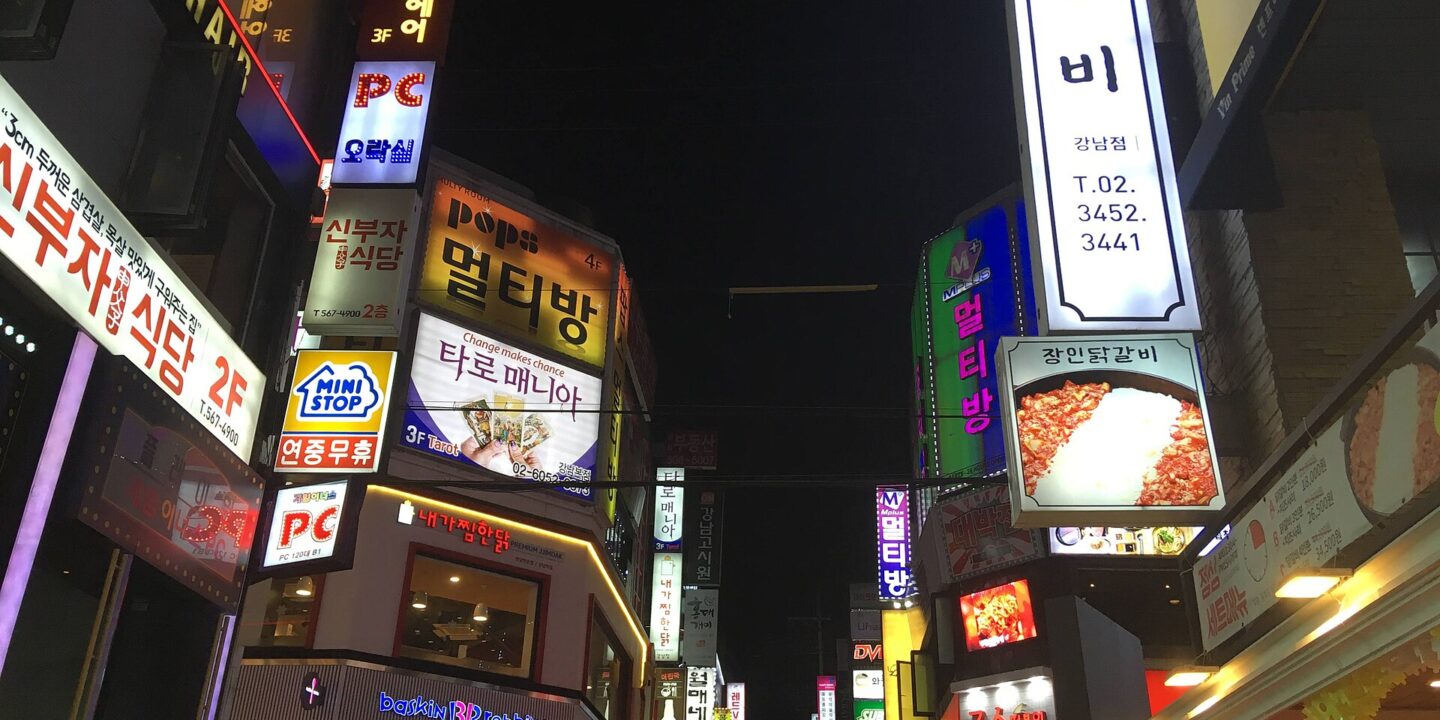
A Gangnam side street at night: Street in Yeoksam-dong, Gangnam-gu by Christophe95, CC BY-SA 4.0, via Wikimedia Commons.