This detailed cost breakdown covers accommodation, food, transportation, activities, and real-world sample budgets for 3, 5, and 7-day trips. Whether you’re backpacking through Seoul or treating yourself to a high-end getaway, this guide will help you plan your spending alongside our comprehensive Seoul travel guide.

Daily Budget Tiers: Budget, Mid-Range & Luxury
Seoul trip costs vary dramatically based on your travel style. Here’s a realistic daily per-person breakdown for 2026 (excluding international flights):
Budget Traveler: ₩80,000–₩120,000 ($60–$90 USD/day)
Budget travelers can absolutely enjoy Seoul without feeling deprived. At this level, you’re staying in hostel dorms or budget guesthouses, eating primarily at street food stalls and local restaurants, using public transportation exclusively, and focusing on free or low-cost attractions. Seoul is remarkably budget-friendly compared to other major Asian capitals like Tokyo or Singapore — many of the best experiences (palace visits, neighborhood walking, park hiking) are free or nearly free.
Mid-Range Traveler: ₩180,000–₩300,000 ($135–$225 USD/day)
The mid-range sweet spot lets you enjoy comfortable 3-star hotels or well-reviewed Airbnbs, eat at a variety of sit-down restaurants including Korean BBQ, mix public transport with occasional taxis, and visit paid attractions and experiences like cooking classes or guided tours. This is the most common budget range for international tourists and offers an excellent balance of comfort and value.
Luxury Traveler: ₩400,000+ ($300+ USD/day)
Seoul’s luxury scene rivals any world capital. At this tier, you’re staying at 5-star hotels like the Signiel Seoul, Four Seasons, or The Shilla, dining at Michelin-starred restaurants, using private transfers and occasional KTX first-class trains, and enjoying premium experiences like private palace tours, hanbok photoshoots, and exclusive spa treatments. The ceiling is limitless, but expect daily costs of ₩400,000–₩850,000+ per person.
Accommodation Costs in Seoul
Where you stay is typically the biggest variable in your Seoul trip budget. Seoul offers an enormous range of accommodation options across every price point, and location significantly affects cost.
Budget Accommodation (₩20,000–₩80,000 / $15–$60 per night)
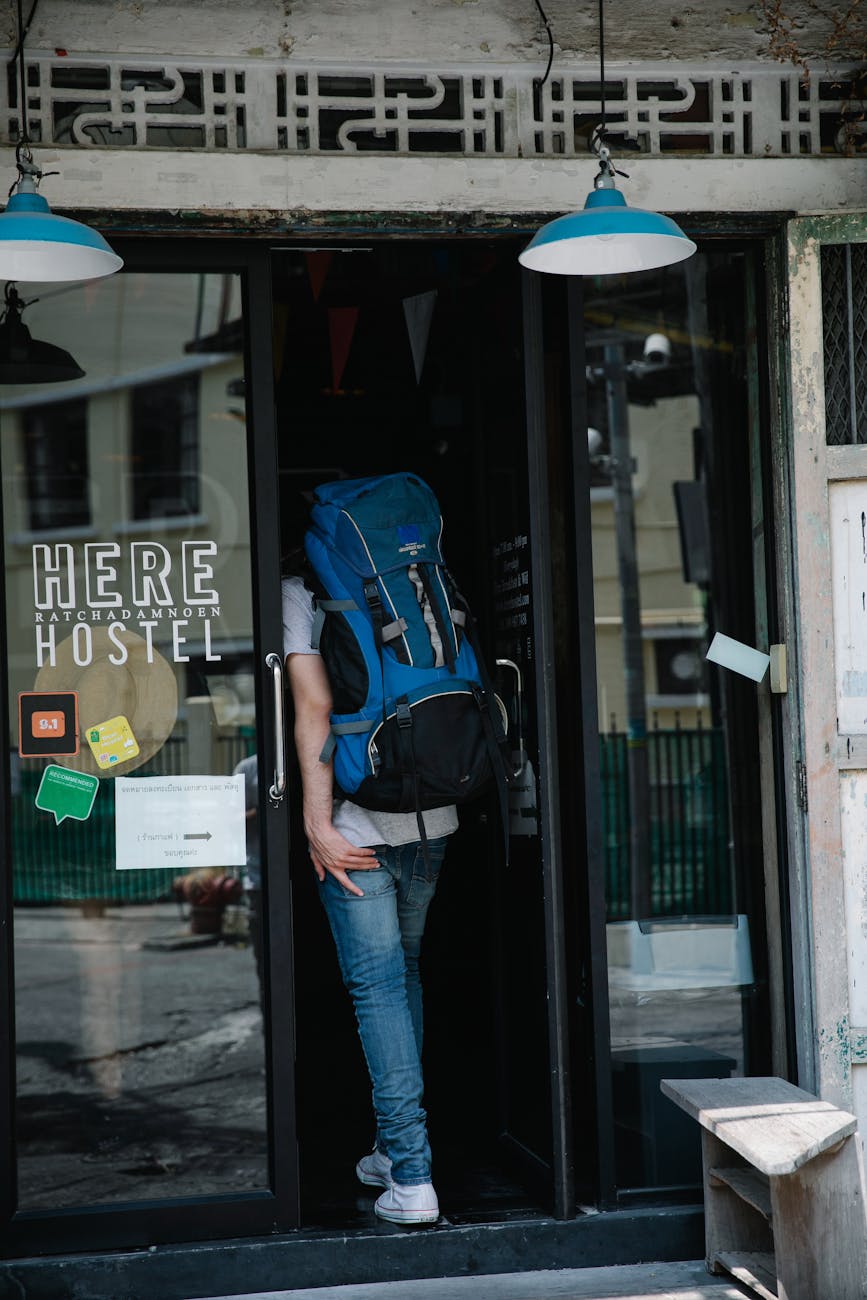
Hostel dorm beds in popular areas like Hongdae, Myeongdong, and Jongno average ₩20,000–₩40,000 ($15–$30) per night. Most include basic amenities like Wi-Fi, lockers, and common areas. Some standout budget hostels also offer free breakfast.
Guesthouses and private rooms — including traditional hanok guesthouses — range from ₩50,000–₩80,000 ($37–$60) per night. Hanok stays in Bukchon or Samcheong-dong offer cultural immersion at budget-friendly prices and are a quintessential Seoul experience. For more accommodation ideas, check our where to stay in Seoul guide.
Mid-Range Accommodation (₩100,000–₩200,000 / $75–$150 per night)
3-star hotels and boutique properties offer a significant upgrade in comfort and privacy. Expect clean, modern rooms with en-suite bathrooms, often in central locations. Popular mid-range options cluster in Myeongdong, Insadong, and Gangnam. Airbnb apartments are also excellent in this range, offering kitchen facilities that can save on food costs.
Aparthotels and serviced apartments start around ₩120,000 ($90) per night and are ideal for longer stays, providing washing machines, kitchenettes, and more space than typical hotel rooms.
Luxury Accommodation (₩300,000+ / $225+ per night)
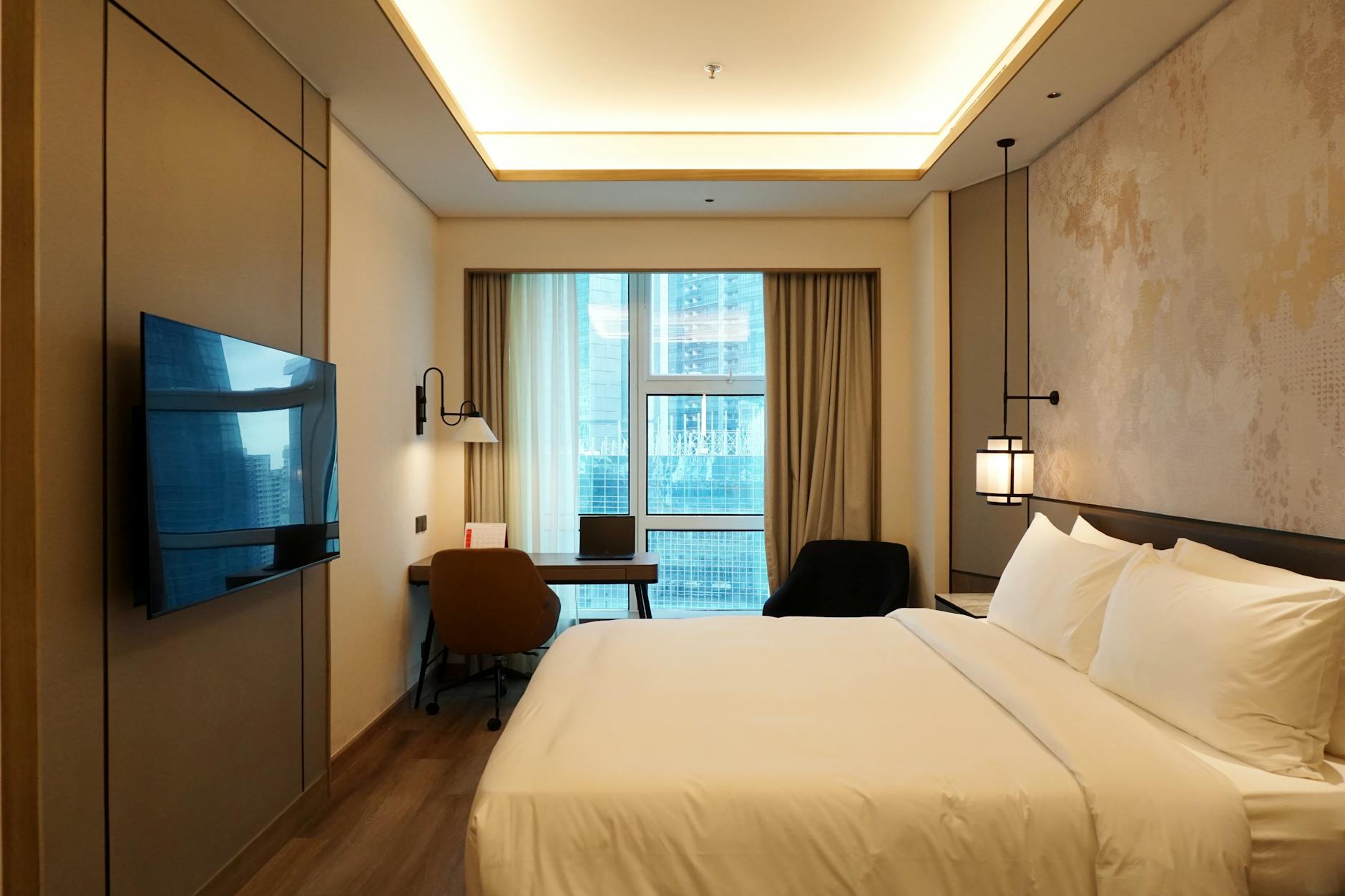
Seoul’s 5-star hotels are world-class. Properties like the Four Seasons Seoul, Signiel Seoul (in Lotte World Tower), The Shilla Seoul, and JW Marriott Dongdaemun Square offer impeccable service, stunning views, and premium amenities. Rates range from ₩300,000–₩900,000+ ($225–$675+) per night depending on the property and season, so book early if your dates fall in a busy season.
Food Costs in Seoul
Seoul is a food lover’s paradise at every budget level. Korean cuisine is deeply satisfying and remarkably affordable compared to Western cities. For a deep dive into where and what to eat, see our Seoul food guide.
Budget Eating (₩15,000–₩25,000 / $11–$19 per day)
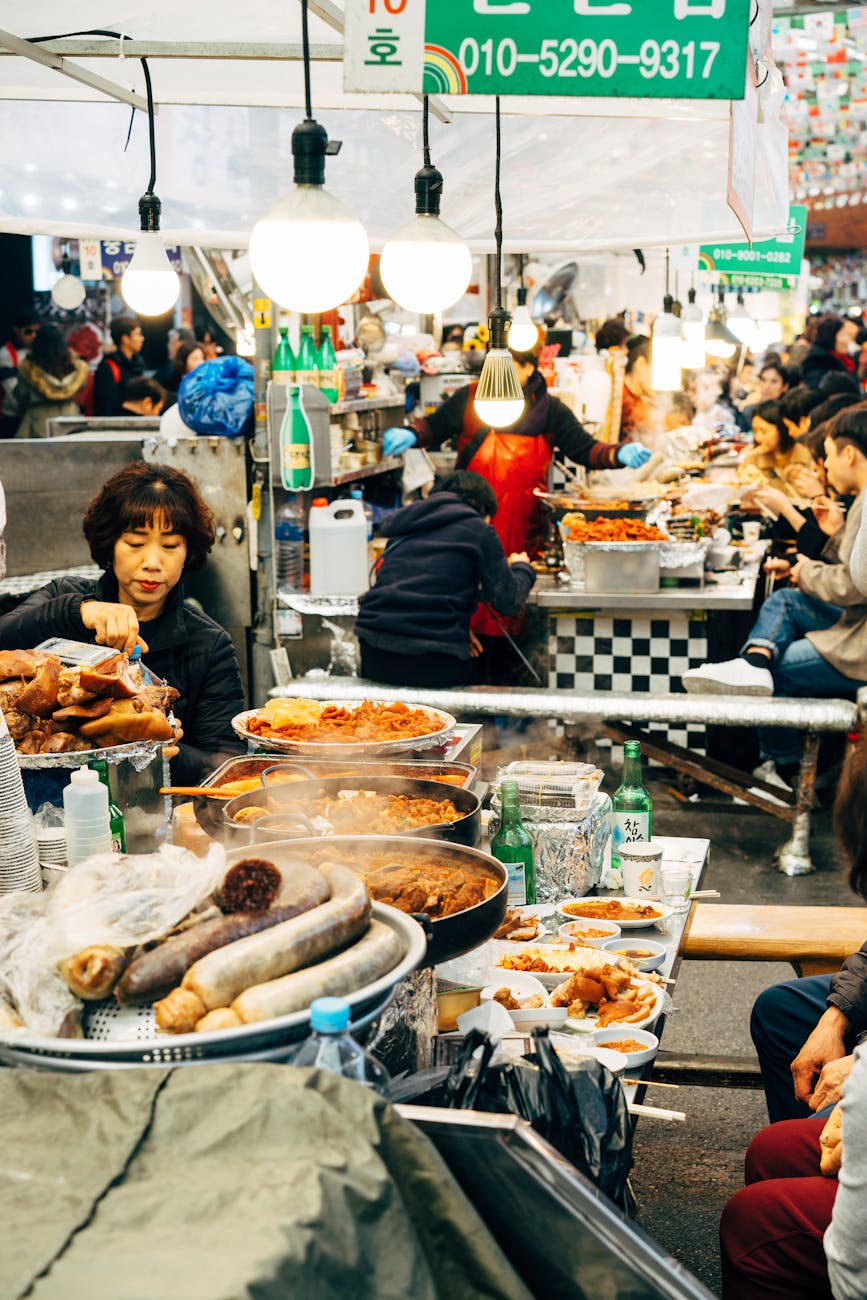
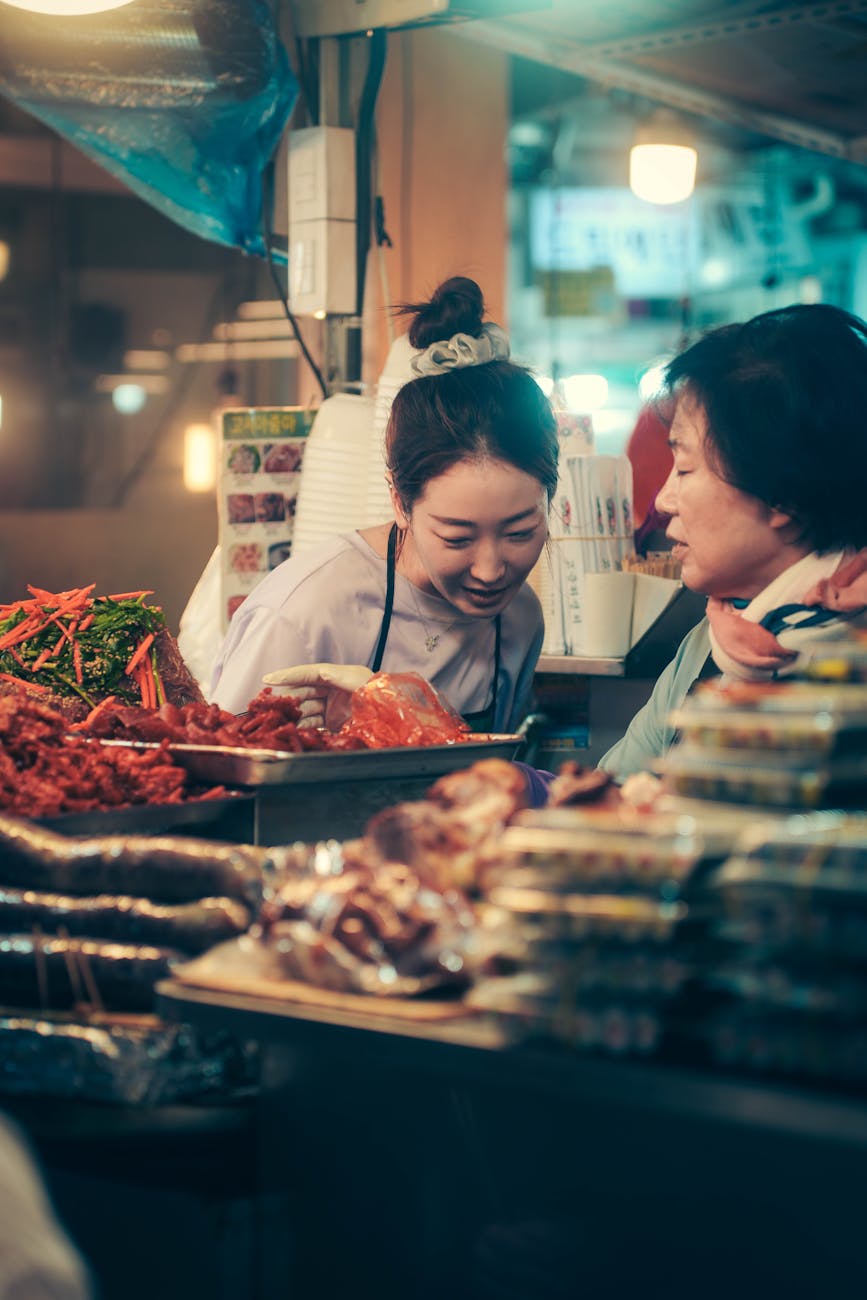
Eating well on a budget in Seoul is genuinely easy. Convenience stores (GS25, CU, 7-Eleven) sell filling meals like triangle kimbap (₩1,500), cup ramyeon (₩1,200), and rice bowls for under ₩5,000. Street food at markets like Gwangjang or Myeongdong ranges from ₩2,000–₩5,000 per item — tteokbokki, hotteok, mandu, and fishcake are all filling and delicious.
Local restaurants serving gimbap, bibimbap, sundubu-jjigae (tofu stew), or kimchi-jjigae typically charge ₩7,000–₩10,000 per meal. Many include unlimited banchan (side dishes) and rice at no extra charge — a uniquely Korean bonus that makes dining out incredibly good value.
Mid-Range Eating (₩40,000–₩70,000 / $30–$52 per day)
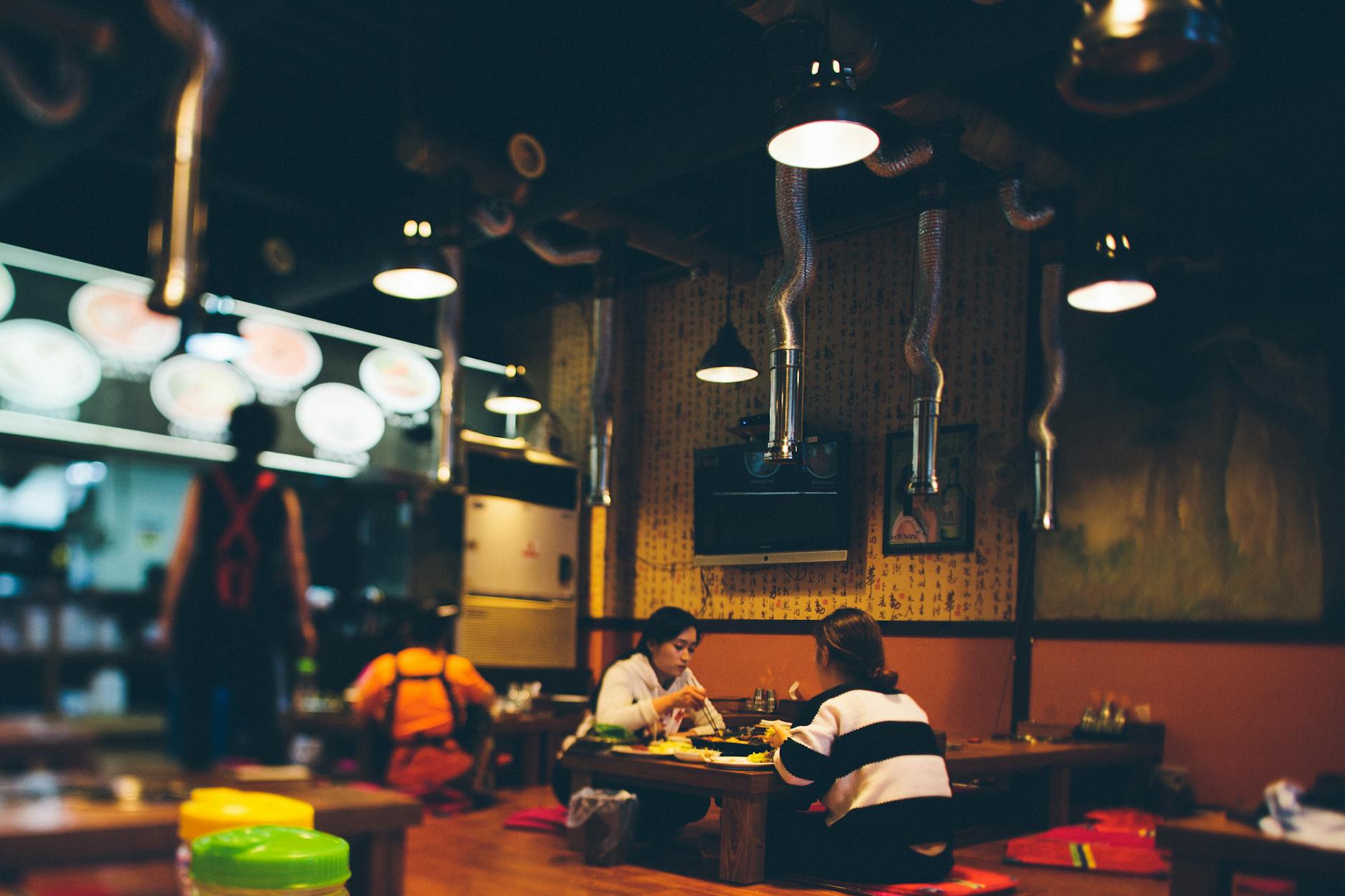
At the mid-range level, you can enjoy a Korean BBQ dinner (₩15,000–₩25,000 per person for quality cuts), trendy café visits for coffee and dessert (₩6,000–₩10,000), and varied restaurant meals including Japanese, Chinese, and international options. A typical mid-range food day might include a convenience store or bakery breakfast (₩5,000), a restaurant lunch set (₩10,000–₩15,000), an afternoon café stop (₩7,000), and a Korean BBQ or hotpot dinner (₩20,000–₩30,000).
Luxury Eating (₩100,000+ / $75+ per day)
Seoul has a thriving fine dining scene with over 30 Michelin-starred restaurants. A meal at a Michelin-starred Korean restaurant like Jungsik or Mingles runs ₩100,000–₩300,000+ per person. High-end Korean BBQ at restaurants like Maple Tree House or Born & Bred costs ₩50,000–₩80,000 per person for premium hanwoo beef. Even at this level, Seoul’s luxury dining is often more affordable than comparable experiences in New York, London, or Tokyo.
Transportation Costs in Seoul
Seoul has one of the world’s best public transportation systems, making it both easy and affordable to get around. For a complete guide to navigating the city, check our getting around Seoul guide.
T-Money Card (Essential)
The T-Money card is your key to affordable transport. The card itself costs ₩2,500–₩4,000 and can be loaded with credit at most convenience stores. Using T-Money saves ₩100 per subway ride compared to single-journey tickets, and it gets you a transfer discount between subway and bus when you tap out and board again within 30 minutes (60 minutes between 9pm and 7am). Longer journeys can still add a distance charge.
Subway and Bus
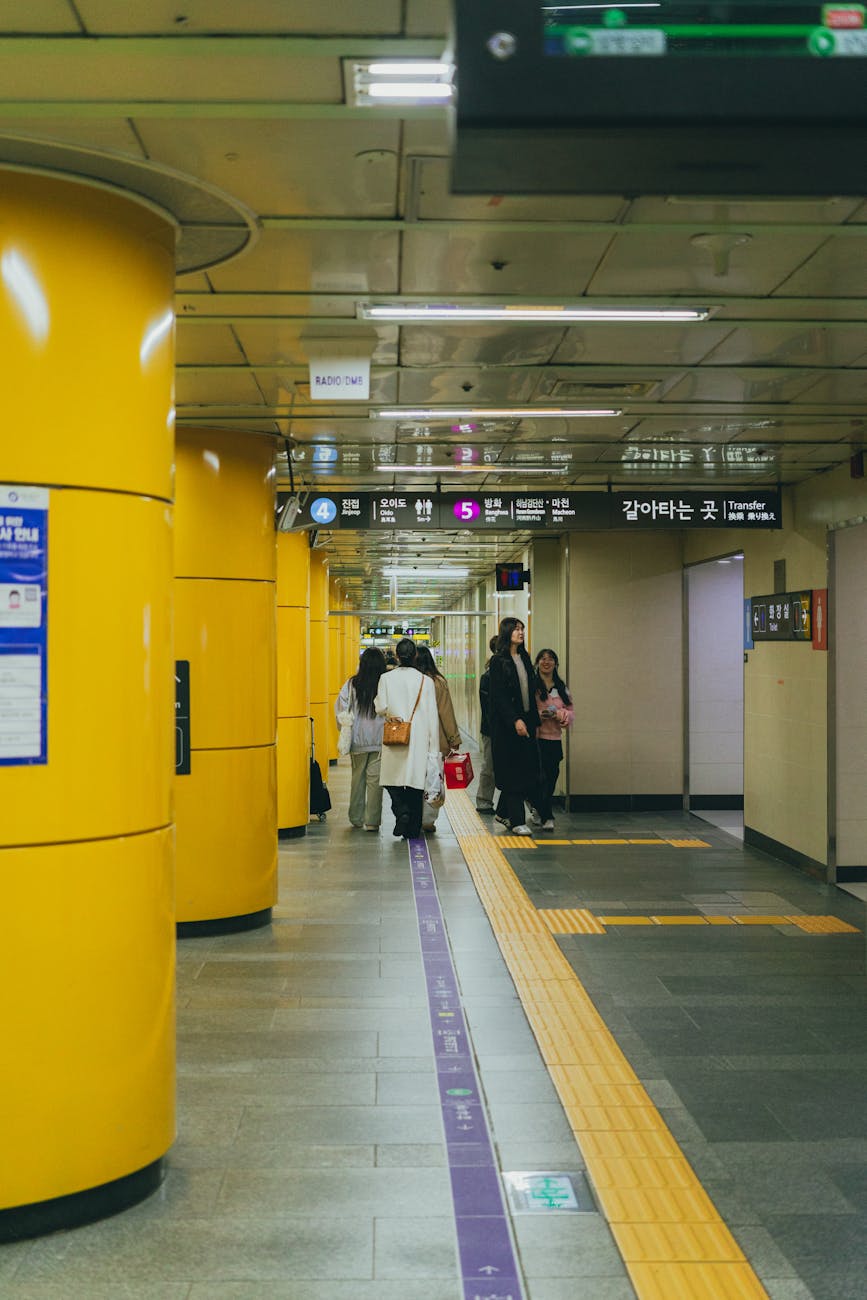
Seoul’s subway is clean, efficient, and incredibly affordable. A basic subway fare is ₩1,550 ($1.16) with T-Money (₩1,650 with a single-journey ticket), increasing slightly for longer distances. Trunk and branch buses cost ₩1,500, local village buses ₩1,200 and circulation buses ₩1,400. Most tourists spend ₩5,000–₩10,000 ($3.75–$7.50) per day on public transport, even with extensive sightseeing.
Taxis
Seoul taxis are metered and reasonably priced. The base fare is ₩4,800, with most trips within central Seoul costing ₩7,000–₩15,000 ($5–$11). Late-night surcharges apply: 20% from 10pm–11pm and 2am–4am, and 40% from 11pm–2am. Taxis are a practical option for groups of 3–4 people where the per-person cost can be less than subway fares.
Airport Transfer
Getting from Incheon Airport to central Seoul: the AREX express train costs ₩13,000 (43 minutes to Seoul Station from Terminal 1, 51 minutes from Terminal 2), airport limousine buses cost ₩10,000–₩18,000 depending on your destination, and taxis run ₩65,000–₩100,000+. The AREX all-stop train is the cheapest at ₩4,750 to Seoul Station from Terminal 1 (₩5,350 from Terminal 2) by transport card, but takes about an hour.
Activity and Attraction Costs
One of Seoul’s best-kept secrets is how many amazing things to do are completely free. Here’s what to budget for activities and attractions:
Free Attractions
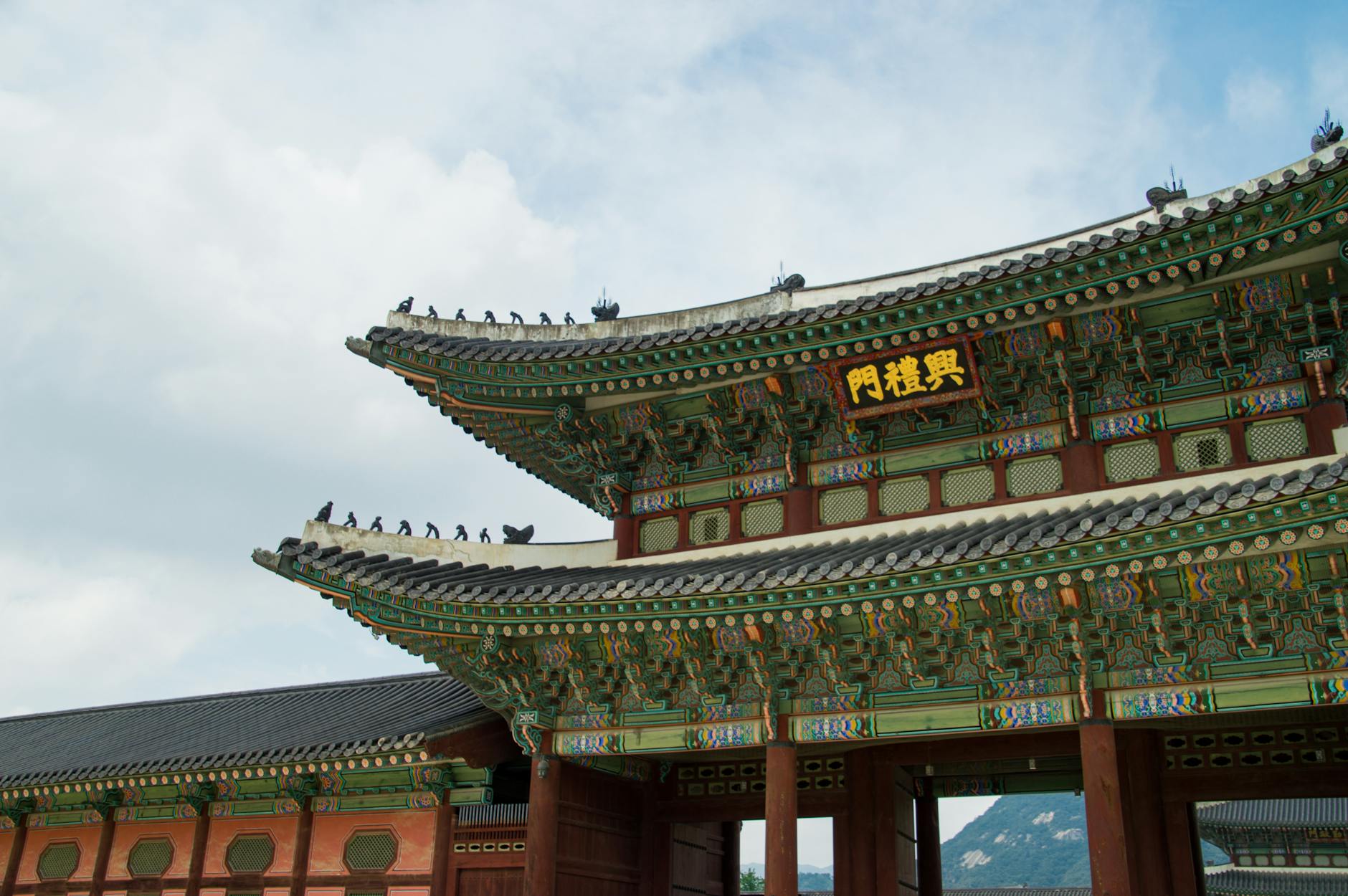
Many of Seoul’s top attractions cost nothing. Gyeongbokgung Palace (₩3,000 adult admission, but free if wearing hanbok), Bukchon Hanok Village, Insadong culture street, Cheonggyecheon Stream, Namsan Park (the park itself, not the tower), Seoul Forest, War Memorial of Korea, National Museum of Korea, and walking through vibrant neighborhoods like Hongdae, Itaewon, and Gangnam are all free to explore.
Paid Attractions
Popular paid attractions and their approximate costs: N Seoul Tower Observatory (₩29,000), Lotte World theme park (₩64,000 park only, ₩67,000 with the Folk Museum), COEX Aquarium (₩35,000 at the gate, from ₩28,000 online), Changdeokgung Palace Secret Garden tour (₩5,000, plus the ₩3,000 palace ticket you also need), DMZ Tour from Seoul (₩55,000–₩80,000), Hanbok rental for the day (₩15,000–₩30,000), Korean cooking class (₩50,000–₩80,000), and K-pop related experiences (₩20,000–₩50,000).
Money-saving tip: The Discover Seoul Pass comes as a 72-hour pass (₩90,000) or a 120-hour pass (₩130,000), both with free entry to dozens of attractions and discounts on many more. If you only want a few, the Pick 3 Basic (₩49,000) and Pick 3 Theme Park (₩70,000) passes are valid for five days. If you plan to visit multiple paid sites, a pass can save significant money.
Other Costs to Budget For
SIM Card / Mobile Data
A tourist SIM card or portable Wi-Fi device costs ₩20,000–₩40,000 ($15–$30) for 5–10 days of unlimited data. These can be purchased at Incheon Airport upon arrival or ordered online in advance for airport pickup. Having mobile data is essential for navigation, translation apps, and restaurant finding.
Shopping
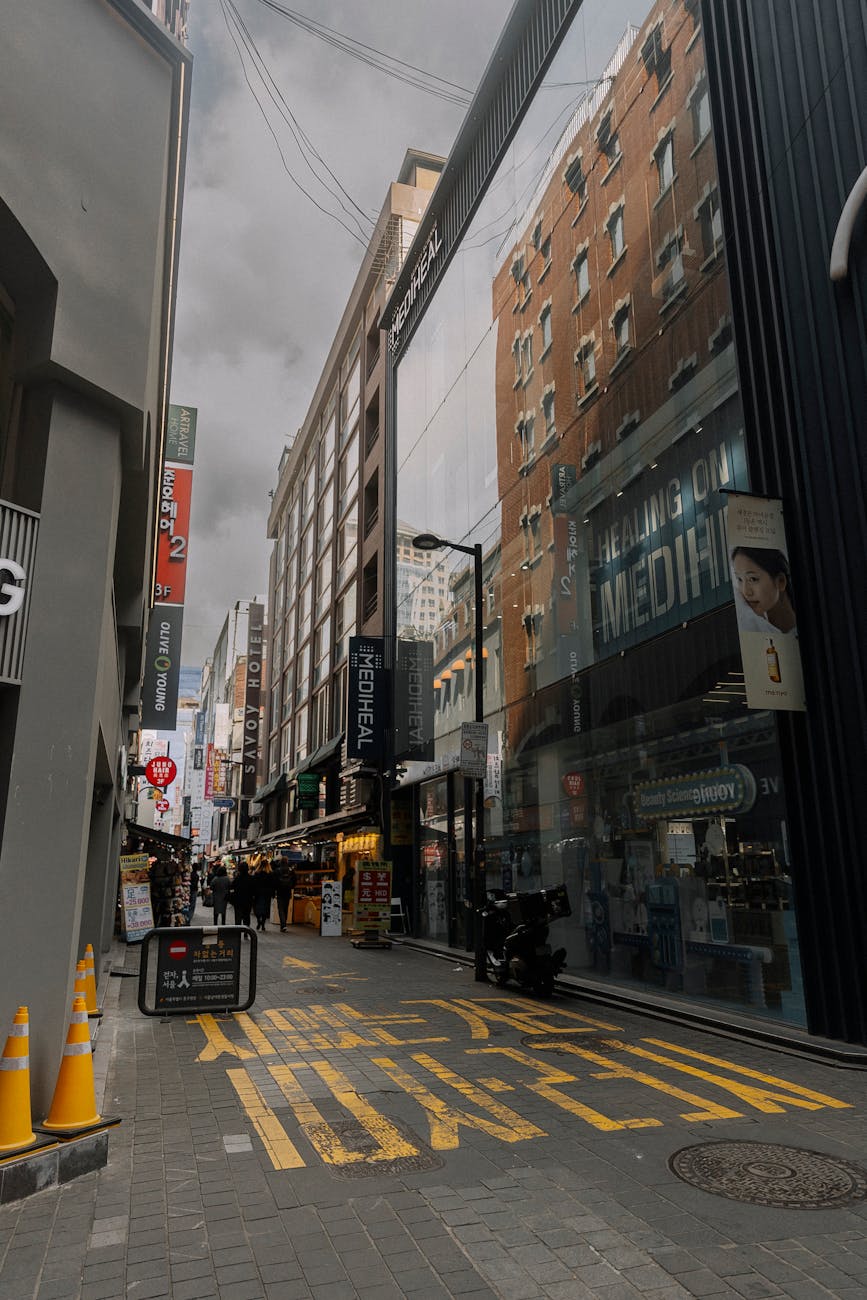
Seoul is a shopping paradise, especially for Korean beauty products, fashion, and K-pop merchandise. Korean skincare and cosmetics are significantly cheaper in Seoul than abroad — popular brands like Innisfree, Etude House, and COSRX offer products from ₩5,000–₩30,000. Budget ₩30,000–₩100,000+ per day if shopping is a priority.
Nightlife
Seoul’s nightlife scene can add significantly to your budget. Local beer at a convenience store costs ₩2,000–₩4,000, a pint at a bar runs ₩6,000–₩10,000, soju at a restaurant is ₩4,000–₩5,000, cocktails at upscale bars cost ₩15,000–₩25,000, and club entry fees range from ₩10,000–₩30,000 (often including one drink).
Tipping
Great news for your budget: tipping is not expected in South Korea. Not at restaurants, not in taxis, not at hotels. This is a genuine cultural norm, not a cost-cutting suggestion. Some high-end international hotel restaurants may add a service charge, but this is included in listed prices.
Money-Saving Tips for Seoul
Seoul offers plenty of ways to stretch your budget without sacrificing experience quality. Here are our top tips for visiting Seoul on a budget:
- Visit during off-peak season: Winter (January–February) and monsoon season (July–August) offer the lowest prices for flights and hotels. Check our best time to visit Seoul guide for detailed seasonal pricing.
- Eat where locals eat: Follow the lunch crowds to restaurants displaying daily set menus (정식, jeongsik) for ₩7,000–₩10,000 — generous portions with multiple side dishes.
- Take advantage of free attractions: Seoul has more free world-class attractions than almost any city. Plan your itinerary around the National Museum, palaces (free in hanbok), parks, and neighborhood walks.
- Use T-Money and public transit: Avoid taxis when possible. The subway goes everywhere, and a basic ride costs ₩1,550 with T-Money.
- Get a Discover Seoul Pass: If you plan to visit 3+ paid attractions, the pass can pay for itself, but add up the entry fees of the sights you actually plan to visit first.
- Shop at underground malls: Goto Mall near Express Bus Terminal and COEX Mall offer better prices than street-level shops in tourist areas.
- Cook some meals: If your accommodation has a kitchen, shop at E-Mart or Homeplus for groceries. Korean supermarkets are affordable and offer ready-to-eat options.
- Use Naver Maps and Kakao Maps: These apps show real-time transit routes and help you avoid expensive wrong turns. Google Maps is less reliable in Korea.
Sample Trip Budgets: 3, 5 & 7-Day Trips
Here are realistic total cost estimates per person (excluding international flights) for different trip lengths and travel styles. Build your perfect itinerary with our Seoul itinerary guide.
3-Day Seoul Trip Budget
Budget: ₩240,000–₩360,000 ($180–$270) — Hostel dorms, street food and local restaurants, subway only, free attractions and 1–2 paid sites.
Mid-range: ₩540,000–₩900,000 ($405–$675) — 3-star hotel, restaurant meals with Korean BBQ, mix of subway and taxi, Discover Seoul Pass for attractions.
Luxury: ₩1,200,000–₩2,550,000 ($900–$1,900) — 5-star hotel, fine dining, private transfers, premium experiences and guided tours.
5-Day Seoul Trip Budget
Budget: ₩400,000–₩600,000 ($300–$450) — Similar to 3-day budget style with more time to explore free neighborhoods and markets.
Mid-range: ₩900,000–₩1,500,000 ($675–$1,125) — Comfortable stay with wider restaurant variety, day trip to DMZ or Suwon included.
Luxury: ₩2,000,000–₩4,250,000 ($1,500–$3,190) — Full luxury experience with spa days, private tours, and fine dining throughout.
7-Day Seoul Trip Budget
Budget: ₩560,000–₩840,000 ($420–$630) — Extended budget exploration including day trips, cooking class, and varied dining.
Mid-range: ₩1,260,000–₩2,100,000 ($945–$1,575) — Full Seoul experience with multiple neighborhoods, attractions, and dining experiences.
Luxury: ₩2,800,000–₩5,950,000 ($2,100–$4,460) — The ultimate Seoul luxury week with everything from Michelin dining to private heritage tours.
Currency and Payment Tips
Understanding how money works in Seoul will help you avoid unnecessary fees and make transactions smoother:
- Currency: South Korean Won (₩ / KRW). As of 2026, the approximate exchange rate is $1 USD = ₩1,330–₩1,400 (rates fluctuate).
- Card payments: Seoul is extremely card-friendly. Visa and Mastercard are accepted almost everywhere, including small restaurants and convenience stores. Samsung Pay and Apple Pay also work widely.
- Cash: Still useful for small street food vendors, traditional markets, and some smaller shops. Exchange money at banks or licensed money changers in Myeongdong or Itaewon for the best rates — avoid airport exchange booths which offer worse rates.
- ATMs: International-card-friendly ATMs are available at convenience stores (GS25, CU), subway stations, and banks. Look for “Global ATM” signage. Withdrawal fees typically run ₩3,000–₩5,000 plus your bank’s foreign transaction fee.
- Tax refund: Foreign tourists can get a VAT refund (typically 10%) on purchases of ₩15,000+ at participating stores. Look for “Tax Free” signs and keep your receipts. Claim your refund at Incheon Airport before departure.
Pricing Seoul against the obvious alternative? Our Seoul vs Tokyo breakdown goes through where the two cities’ costs differ, and where they cost almost exactly the same.
Admission tickets are the most variable line in a Seoul budget. A history-focused four days can cost around ₩30,000 in tickets, while a trip built around towers and theme parks can pass ₩130,000 a head. Our guide to Seoul attractions tickets sets out sample ticket budgets and explains when the Discover Seoul Pass actually saves money.
Frequently Asked Questions
How much should I budget for a week in Seoul?
A realistic budget for 7 days in Seoul (excluding flights) ranges from ₩560,000–₩840,000 ($420–$630) for budget travelers, ₩1,260,000–₩2,100,000 ($945–$1,575) for mid-range, and ₩2,800,000+ ($2,100+) for luxury. The mid-range average of around $170–225 per day covers comfortable accommodation, varied dining, and plenty of activities.
Is Seoul expensive compared to other Asian cities?
Seoul falls in the middle range for Asian capitals. It’s generally cheaper than Tokyo, Singapore, and Hong Kong, but more expensive than Bangkok, Hanoi, or Kuala Lumpur. The biggest value lies in Seoul’s food — restaurant meals with unlimited banchan (side dishes) offer exceptional quality for the price.
How much cash should I bring to Seoul?
With Seoul’s widespread card acceptance, you don’t need much cash. ₩100,000–₩200,000 ($75–$150) in cash is sufficient for a week’s worth of small purchases, street food, and traditional markets. You can always withdraw more from ATMs if needed.
Are there hidden costs tourists should know about?
Seoul is refreshingly transparent with pricing — no tipping, no hidden resort fees at hotels, and most restaurant prices include tax. The main unexpected costs are: data/SIM card (₩20,000–₩40,000), luggage storage if needed (₩5,000–₩10,000 per day), and the convenience store snack habit that many travelers develop (small charges that add up). Entry paperwork can be another: the K-ETA costs ₩10,000 (roughly $7–8) if your nationality needs one, though citizens of 22 countries and regions, including the US, are exempt through 31 December 2026. Travel from 1 January 2027 needs a K-ETA unless the exemption is extended, so confirm where you stand in our Seoul visa requirements guide before you budget for it.
What’s the cheapest way to eat in Seoul?
Convenience stores offer some of the cheapest meals (kimbap triangles for ₩1,500, cup noodles for ₩1,200). For proper restaurant meals, look for gimbap shops (₩4,000–₩6,000 per dish), university area restaurants near Hongdae or Sinchon (competition keeps prices low), and market food courts at Gwangjang Market or Tongin Market.