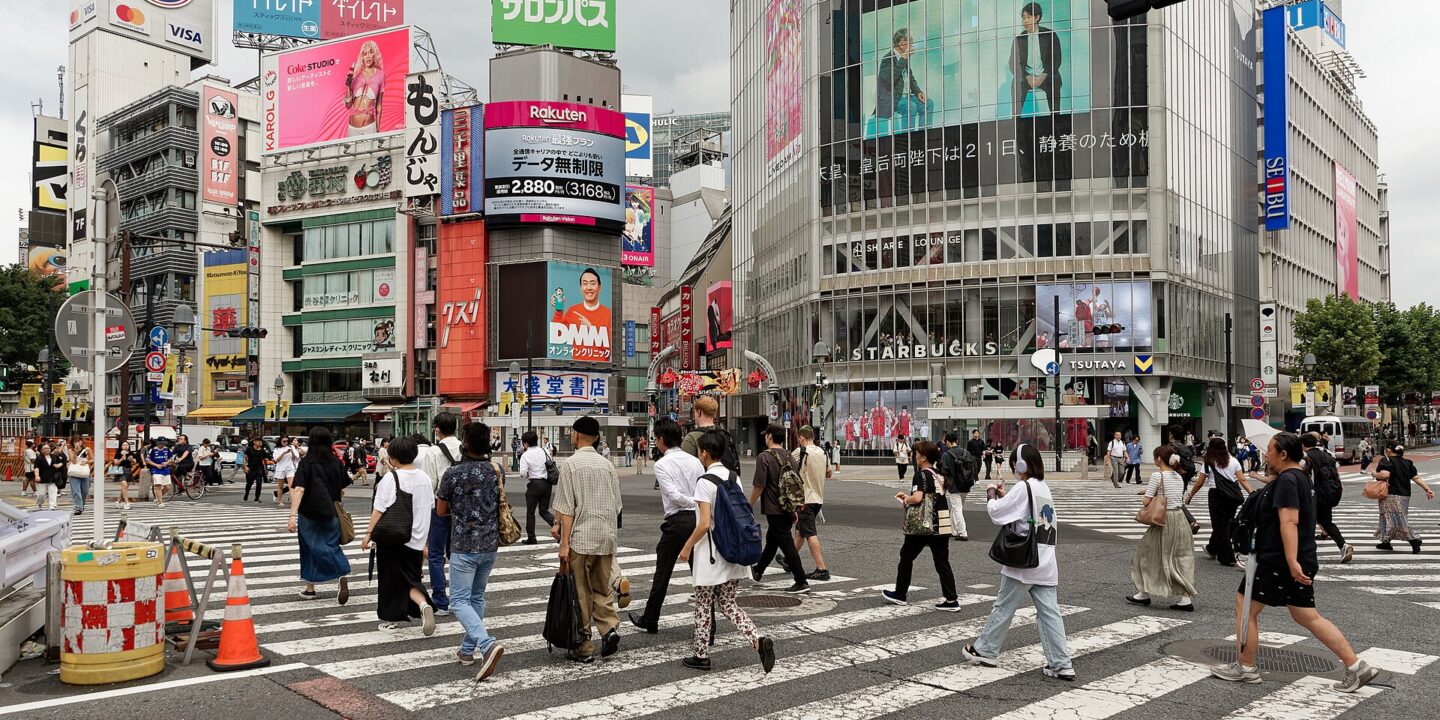
This page scores them across eight categories, says where Tokyo wins outright — it wins several — and finishes with a routing recommendation for people who intend to do both, which is most people eventually. Costs were checked in September 2026; exchange rates move and the yen has been volatile, so treat the gaps as directional rather than exact.
The scorecard
| Category | Winner | Margin |
|---|---|---|
| Cost of a week | Seoul | Clear — roughly 25–35% cheaper |
| Food | Tokyo | Narrow, and depends entirely on what you eat |
| Nightlife | Seoul | Clear |
| Public transport | Seoul | Clear on simplicity; Tokyo wins on coverage |
| Ease for first-timers | Seoul | Moderate |
| Days needed | Seoul (fewer) | 3–4 vs 5–6 |
| Shopping | Tie | Different, not better |
| Sightseeing depth | Tokyo | Moderate |
Read that table and the shape of the answer appears: Seoul is the easier, cheaper, more energetic city and Tokyo is the deeper, more refined and more demanding one. If this is your first trip to Asia and you have a week, Seoul is the softer landing. If you have ten days and want the trip to be the one you talk about for a decade, Tokyo.
Round one: cost
Seoul wins this comfortably, and by more than most people expect. Across accommodation, restaurants, taxis and transport passes, Seoul runs roughly 25 to 35% below Tokyo. The gap is widest at the two ends: a boutique room that costs around US$120–150 a night in Seoul will be US$250 or more for the equivalent in Tokyo, and a Tokyo taxi’s base fare is roughly double Seoul’s.
The middle is closer than the headline suggests. A bowl of ramen in Tokyo and a bowl of kalguksu in Seoul cost about the same, and both cities have a convenience-store food culture that will feed you properly for the price of a coffee. If your trip is hostels and street food, the gap narrows to something like 15%. If it is hotels and sit-down dinners, it widens past 35%.
One nuance worth knowing: the yen has been weak for several years, which has quietly closed part of the gap that existed a decade ago. Tokyo is no longer the eye-watering city it was in the 2000s. It is still the more expensive of the two, but “Japan is unaffordable” is out of date. Our Seoul trip cost breakdown gives the Korean numbers in detail if you want to build a real budget rather than a rule of thumb.
Where Seoul’s cheapness actually shows up
- Transport. Seoul’s subway base fare is ₩1,550 with a T-money card, covering the first ten kilometres. Tokyo’s fares are distance-based across several separate operators, and inter-operator transfers cost extra.
- Coffee and cafes. Seoul’s cafe culture is enormous and competitive; you can sit for two hours over a ₩5,000 americano in a beautiful room.
- Nights out. Soju is cheap enough to be almost free, and Korean bar food is priced to be shared.
- Beauty and skincare. Not a small category for a lot of visitors, and the price difference is enormous.
Round two: food
Tokyo wins on ceiling, Seoul wins on floor, and which matters depends on how you eat.
Tokyo has more Michelin stars than any city on earth and a depth of specialisation that is genuinely unmatched — restaurants that have made one dish for three generations, sushi counters where the itamae has spent forty years on rice temperature. If you want to eat the single best version of something, Tokyo. It also has better bakeries, better coffee at the top end, and a convenience-store food standard that is quietly extraordinary.
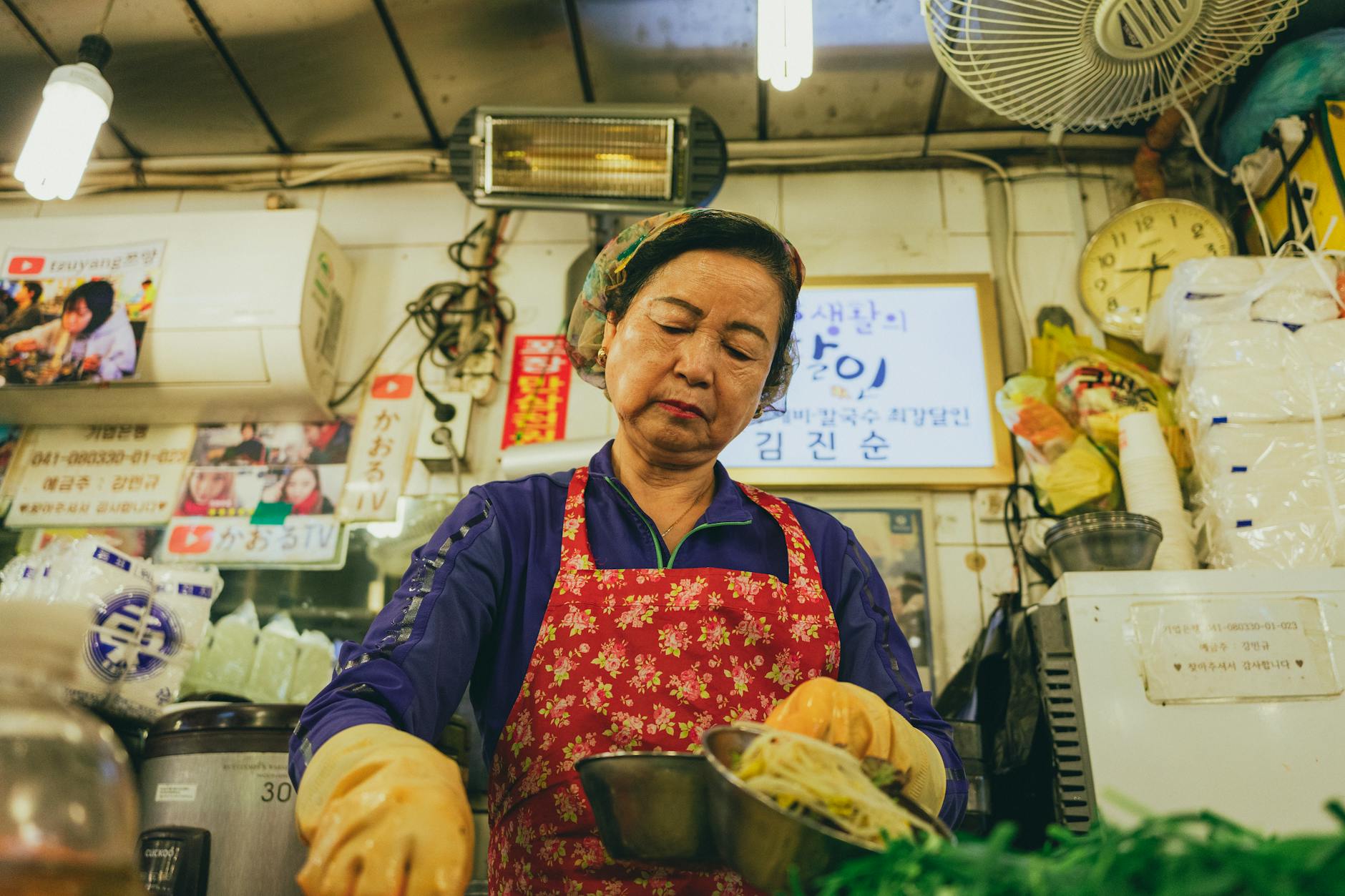
Seoul wins on the everyday. The floor is higher: a random restaurant chosen at random in Seoul is more likely to be good than the equivalent in Tokyo, largely because Korean dining culture is built around shared tables and generous banchan rather than single-dish precision. Korean food is also more social — Korean barbecue is an activity as much as a meal, and there is no Tokyo equivalent to sitting on a plastic stool at Gwangjang Market at ten at night with strangers passing you soju.
The honest verdict: if you are a serious food traveller who books restaurants months ahead, Tokyo. If you want to eat well without planning, Seoul. Our Seoul food guide covers what the Korean side actually looks like day to day.
Round three: nightlife
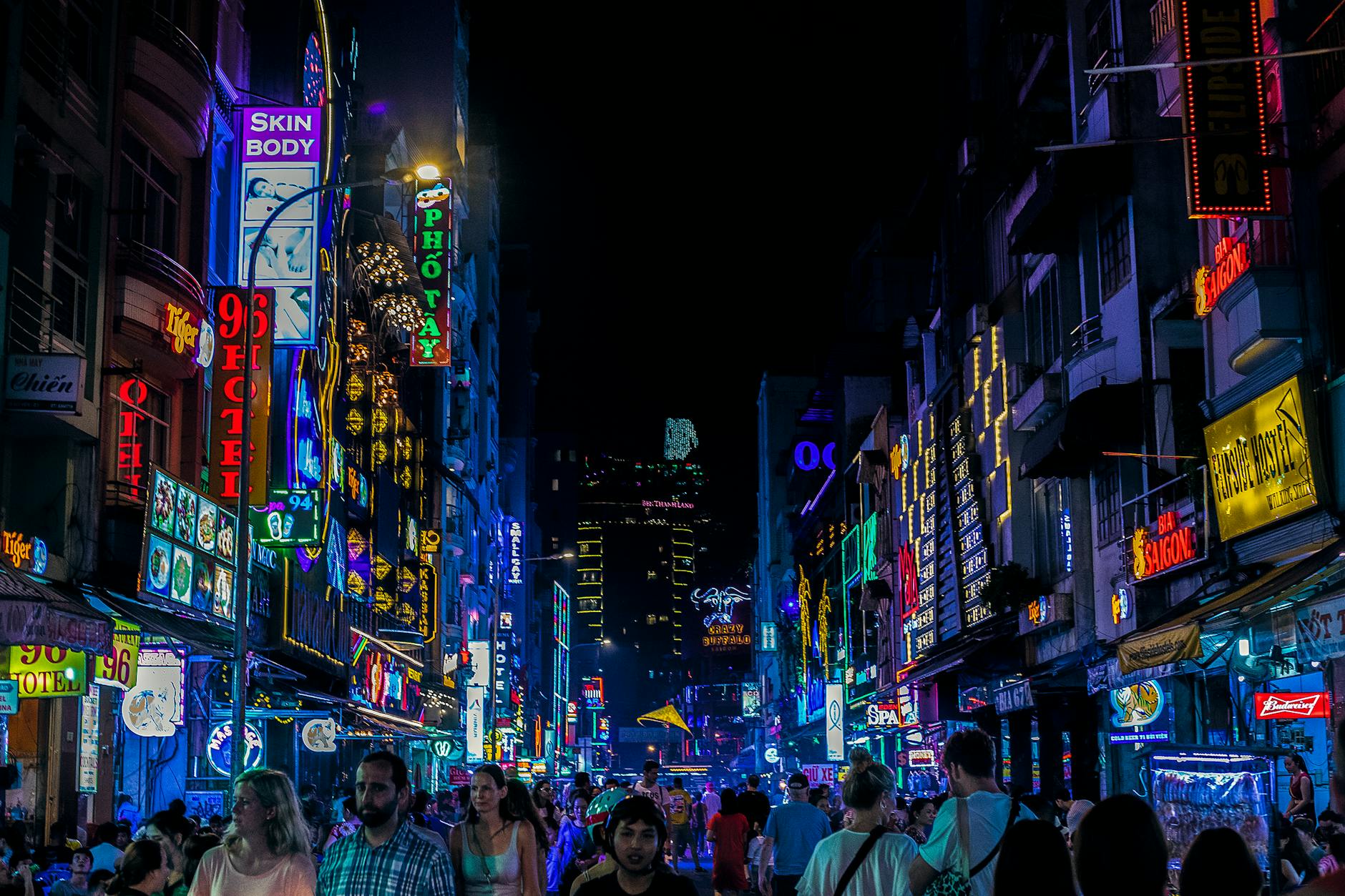
Seoul, and it is not particularly close. Korean nightlife runs late as standard — subways stop around midnight but the bars, the noraebang rooms, the 24-hour restaurants and the clubs simply continue until the trains restart. Hongdae on a Saturday is a genuine phenomenon. Itaewon, Euljiro, Gangnam and Seongsu each offer a different register.
Tokyo’s nightlife is superb but more compartmentalised and more expensive, and the last train problem is real and unforgiving — miss it in Tokyo and a taxi home can cost more than your dinner. Golden Gai and Shinjuku are wonderful; the barrier to entry is higher, several bars have cover charges, and a lot of the best places seat six people and are difficult to find.
If your idea of a good night is wandering into something unplanned with a group, Seoul. If it is a carefully chosen tiny bar, Tokyo. Our Seoul bars guide covers where to start on the Korean side.
Round four: transport
This one is more interesting than it looks. Tokyo’s rail network has better coverage — more lines, more stations, greater reach into the suburbs. Seoul’s is easier to use, and the difference comes down to structure rather than quality.
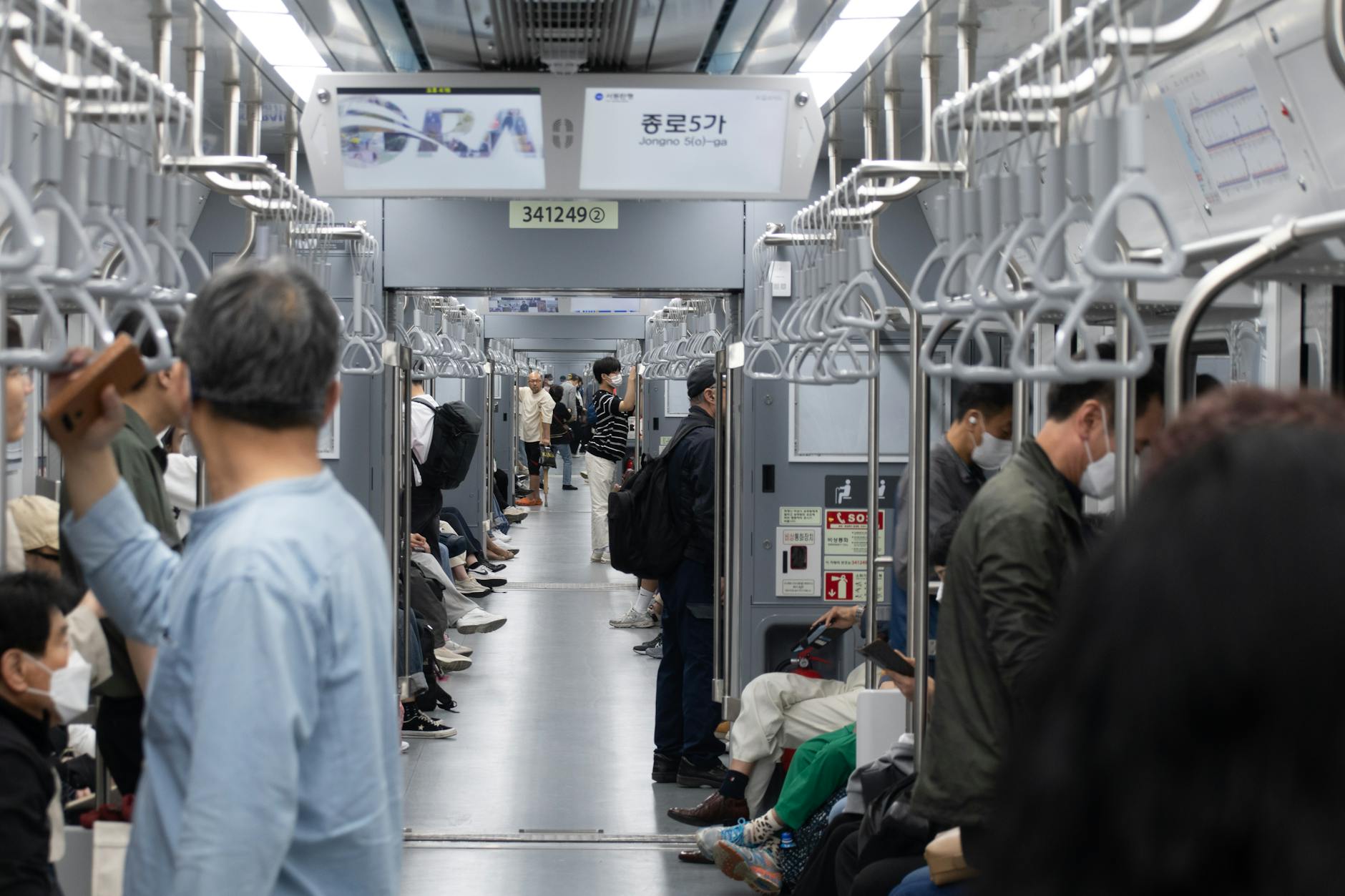
Seoul runs a single integrated fare system. One card, free transfers between subway and bus, distance-based pricing that just works, and English signage and announcements throughout. You will never accidentally pay twice.
Tokyo has several separate operators — JR East, Tokyo Metro, Toei, and a set of private railways — and transferring between them costs extra. Nothing is broken about this, but it means route planning has a cost dimension Seoul’s does not, and first-timers regularly pay more than they need to. Both cities are safe, punctual and clean; Seoul is simply the one you can use correctly on day one without thinking. The Seoul subway guide covers the Korean system, which takes about ten minutes to learn.
Round five: ease for first-timers
Seoul, moderately. Three reasons.
First, English coverage is broader at street level. Not universal — plenty of restaurants have Korean-only menus — but signage, transport and tourist infrastructure are consistently bilingual, and younger Koreans generally have more conversational English than the Tokyo equivalent.
Second, Hangul is genuinely learnable in an afternoon. It is a phonetic alphabet of 24 letters designed in the fifteenth century to be easy, and once you can sound out a sign you can read menus, station names and shop fronts. Japanese requires two syllabaries plus kanji before you can read anything reliably. That single fact changes how confident you feel walking around.
Third, the payment infrastructure. Korea is close to cashless — cards work almost everywhere, and WOWPASS and T-money handle the rest. Japan has modernised fast but still has more cash-only counters than visitors expect.
Tokyo’s counter-argument is real, though: it is the more orderly city, the queues make sense, and nothing is ambiguous once you know the rules. Some travellers find that easier than Seoul’s rather more improvisational energy. For the Korean side, our first-timer tips covers the things that catch people out.
Round six: how many days each needs
Seoul: three to four days. One palace and old-city day, one neighbourhood day, one food and market day, and a fourth for whatever grabbed you. You will have seen the city properly. Five days is comfortable; six starts to want a day trip attached. Our three-day Seoul itinerary is built around exactly this.
Tokyo: five to six days, minimum. Tokyo is physically larger, its districts are further apart, and each one — Shibuya, Shinjuku, Asakusa, Ueno, Ginza, Akihabara, Shimokitazawa, Yanaka — is a half day in itself. Three days in Tokyo is a highlights reel, not a visit, and the travel time between neighbourhoods is a real tax.
This asymmetry matters more than any other line on this page, because it decides what fits in your holiday. A ten-day Japan trip is Tokyo plus Kyoto and it will feel full. A ten-day Korea trip is Seoul plus Busan plus Gyeongju and you will still have breathing room — see Seoul vs Busan for how those nights divide.
Round seven: shopping
A genuine tie, because the two cities are shopping for different things.
Seoul is where you go for cosmetics and skincare at prices that make the same products abroad look absurd, for fast, trend-driven fashion in Dongdaemun and Hongdae, for K-pop merchandise at source, and for a design-object scene in Seongsu that is currently among the world’s best. Prices are low and the turnover is fast.
Tokyo is where you go for stationery, kitchen knives, denim, vintage clothing, camera gear, records and craft. It is the better city for buying something you will keep for twenty years. Seoul is the better city for buying eleven things you will enjoy for one season.
Round eight: sightseeing and culture
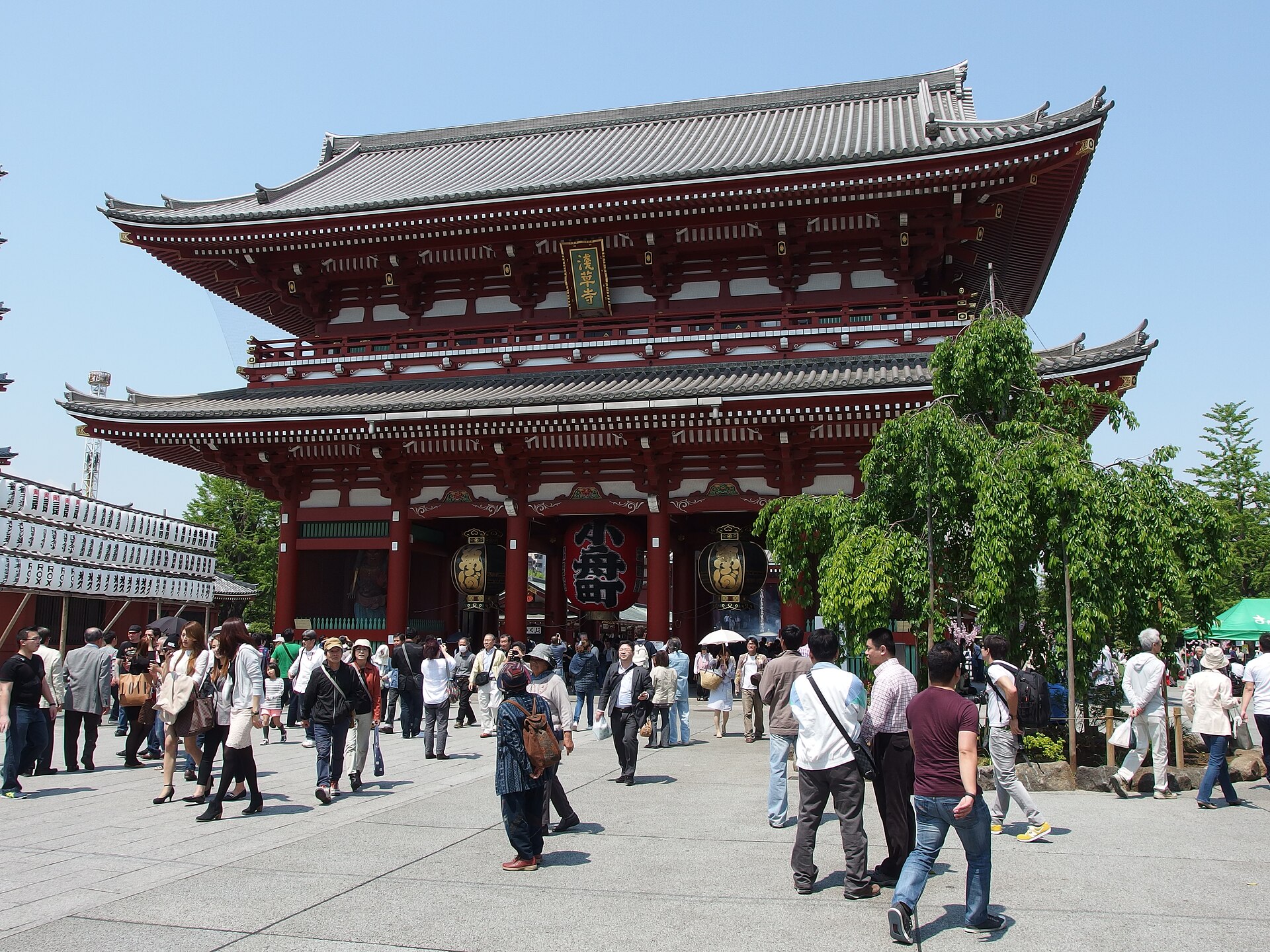
Tokyo, and this is the point Seoul-partisan articles tend to skate over. Senso-ji, Meiji Jingu, the Imperial Palace grounds, teamLab, the Ghibli Museum, sumo at Ryogoku, day trips to Nikko and Kamakura — Tokyo’s roster of individually spectacular things is longer and more varied than Seoul’s.
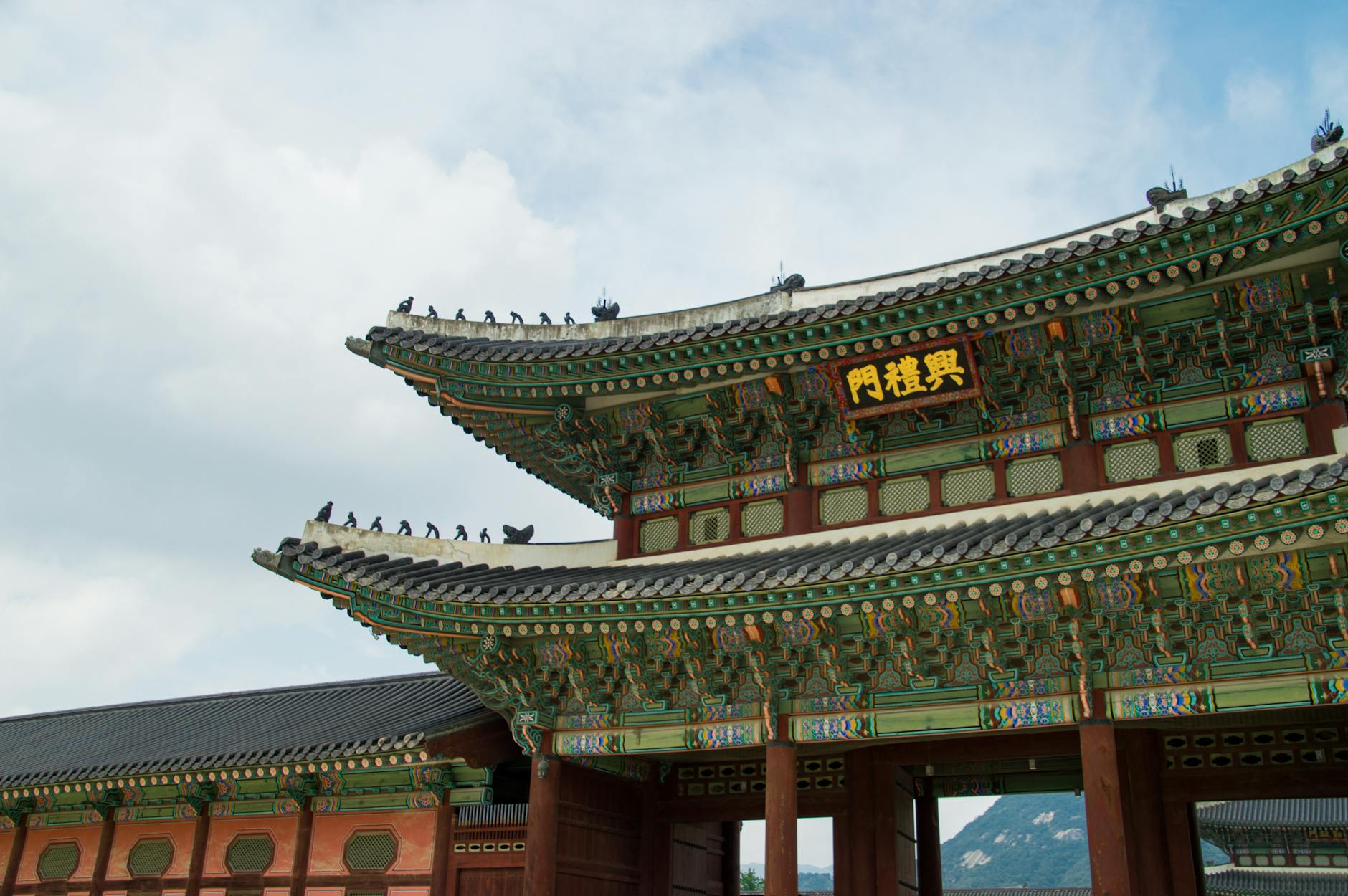
Seoul’s palaces are beautiful and the hanbok tradition around them is a genuine delight, but Gyeongbokgung is modest next to Kyoto’s temples or Beijing’s Forbidden City, and Seoul’s appeal is cumulative rather than headline. It is a city that rewards wandering, eating and hanging around; it is not a city that rewards a checklist. Visitors who arrive with a must-see list sometimes leave slightly underwhelmed, and that is worth knowing before you book.
Five things Seoul has that Tokyo simply does not
Category scores flatten out the things that make a city memorable, so here are the specifics that keep pulling people back to Seoul rather than Japan.
- Jjimjilbang. Twenty-four-hour bathhouse complexes with saunas, sleeping halls, food courts and cold plunge pools, for somewhere in the region of ₩10,000–15,000. Japan’s onsen and sento are wonderful and entirely different — you do not spend the night in them, and you do not eat baked eggs in a hot salt room at two in the morning while other people watch television in matching shorts.
- Hanbok at the palaces. Rent traditional dress for ₩15,000–20,000 and every one of the five grand palaces lets you in free. It turns a sightseeing morning into a participatory thing, and it is one of the best-value activities in either country.
- Noraebang. Karaoke rooms exist in both, but in Korea they are everywhere, cheap by the hour, and a completely normal way to end an evening rather than an event you organise.
- Delivery culture. Korea delivers almost anything almost anywhere, including fried chicken to a specific patch of grass beside the Han River. It is a genuinely different way to spend a summer evening.
- Convenience-store seating. Korean CU and GS25 branches routinely have tables, hot water, ramyeon machines and microwaves, so a ₩4,000 dinner comes with somewhere to sit. Japan’s stores are better stocked; Korea’s are better to linger in.
Several of these are covered in more depth in our unique experiences in Seoul guide, which is worth a skim before you decide the two cities offer roughly the same thing.
Practicalities: visas, connectivity and money
Both countries run visa-waiver arrangements for most Western passports, but the admin differs. Korea uses K-ETA, an online travel authorisation you apply for before departure — check whether your nationality is currently exempt, because the exemption list has been revised more than once and it changes without much publicity. Japan has its own pre-arrival digital process. Neither takes long, but both need doing before you fly, not at the airport.
On connectivity, Korea is the easier country: eSIMs are widely available, pocket WiFi rents for roughly ₩5,000–7,000 a day, and coverage is excellent even deep underground on the subway. Japan is comparable. On money, Korea is closer to fully cashless than Japan and you can genuinely travel without ever holding a banknote — WOWPASS and T-money between them cover transport, convenience stores and most small purchases. Carry a little cash in both for markets and older restaurants.
So which should you visit first?
Go to Seoul first if…
- It is your first trip to Asia and you want a gentle introduction.
- Your budget is the binding constraint.
- You have five to seven days total.
- You are travelling with people who want to eat and drink rather than queue for museums.
- You are here for K-pop, skincare, fashion or nightlife.
- You want to feel confident reading signs within 48 hours.
Go to Tokyo first if…
- You have ten days or more.
- You are a serious food traveller who books ahead.
- You want temples, gardens, museums and set-piece sights.
- Someone in your group has wanted to go to Japan their whole life, in which case do not fight it.
- You are visiting between late March and early April and want the cherry blossom at its most famous.
Doing both, which is what most people end up doing
The two cities are about two to two and a half hours apart by air, which makes a combined trip entirely reasonable. The pairing worth knowing is Gimpo to Haneda: both are the close-in city airports rather than the distant international ones, and using them saves you roughly ninety minutes of transfers at each end compared with Incheon to Narita. It is one of the great underused travel hacks in the region. Fares vary enormously by season and carrier, so compare both airport pairings before you book — sometimes the Incheon–Narita fare is low enough to be worth the extra transit.
On sequencing: Seoul first, Tokyo second is the better order for most people. Seoul is the easier city and acclimatises you to Asian urban travel, chopsticks-first dining and rail-based cities, and Tokyo then lands as an escalation rather than an anticlimax. Doing it the other way round means arriving in Seoul after Tokyo’s polish and finding it scruffier, which is unfair to Seoul and a common reaction.
Ten days split five and five works. Fourteen days is better as six Tokyo, three Kyoto, five Seoul — or, if you want two capitals rather than three cities, seven and seven with a day trip from each.
Frequently Asked Questions
Is Seoul or Tokyo cheaper?
Seoul, by roughly 25 to 35% across accommodation, taxis, transport passes and restaurants. The gap is narrowest if you travel on hostels and street food and widest if you stay in hotels and eat sit-down dinners.
Which is better for a first trip to Asia?
Seoul. Broader English coverage, an alphabet you can learn in an afternoon, a single integrated transport system, near-total card acceptance, and a lower price floor if something goes wrong. Tokyo is better once you have the confidence.
How many days do I need in each?
Three to four for Seoul, five to six for Tokyo. This is the most practical difference between them: Tokyo is bigger, its districts are further apart, and each district is a half day.
Is the food better in Seoul or Tokyo?
Tokyo has the higher ceiling and Seoul the higher floor. Tokyo for planned, specialised, world-class meals; Seoul for eating extremely well without booking anything.
Can I visit both in one trip?
Easily. Flights run two to two and a half hours, and Gimpo to Haneda connects the two city-centre airports, which saves roughly an hour and a half of transfers at each end. Ten days split evenly is the standard version.
Which has better nightlife?
Seoul, clearly. It runs later, costs less, and the districts offer more variety. Tokyo’s small-bar culture is wonderful but pricier and constrained by the last train.
Is Seoul safe compared to Tokyo?
Both are among the safest large cities in the world, and the practical difference is negligible. Walking alone at two in the morning is unremarkable in either.
Which is better for cherry blossom?
Tokyo has the more famous displays and the longer-established viewing culture, and blooms slightly earlier. Seoul’s are excellent, less crowded and cheaper to visit — Yeouido and the palace grounds are the places to be. Timing in both is a gamble of about a week either way; our best time to visit Seoul page has the Korean dates.
Do I need to speak any Korean in Seoul?
No. Transport, signage and major attractions are bilingual, translation apps handle menus, and learning Hangul over one evening will cover most of the rest. It is one of the least demanding major Asian cities for a monolingual English speaker.
Final Thoughts
Seoul is the better value, the easier arrival and the better night out. Tokyo is the deeper city, the better food destination at the top end, and the one with more genuinely spectacular things in it. Neither of those statements cancels the other, and the people who insist one city is simply better than the other are usually describing their own trip rather than the cities.
If you have to choose once, choose on days available and budget: under a week and watching the money, Seoul; ten days and happy to spend, Tokyo. If you can do both, do Seoul first and fly Gimpo to Haneda. Start with our Seoul travel guide for what the Korean half of that trip should look like, and the neighbourhood comparison for where to base yourself once you land.
Photo Credits
Shibuya Crossing: Shibuya Crossing, Tokyo, 20240822 0931 5358 by Jakub Hałun, CC BY 4.0, via Wikimedia Commons.
Senso-ji temple gate: Hozomon gate @ Senso-ji Temple @ Asakusa by Guilhem Vellut, CC BY 2.0, via Wikimedia Commons.