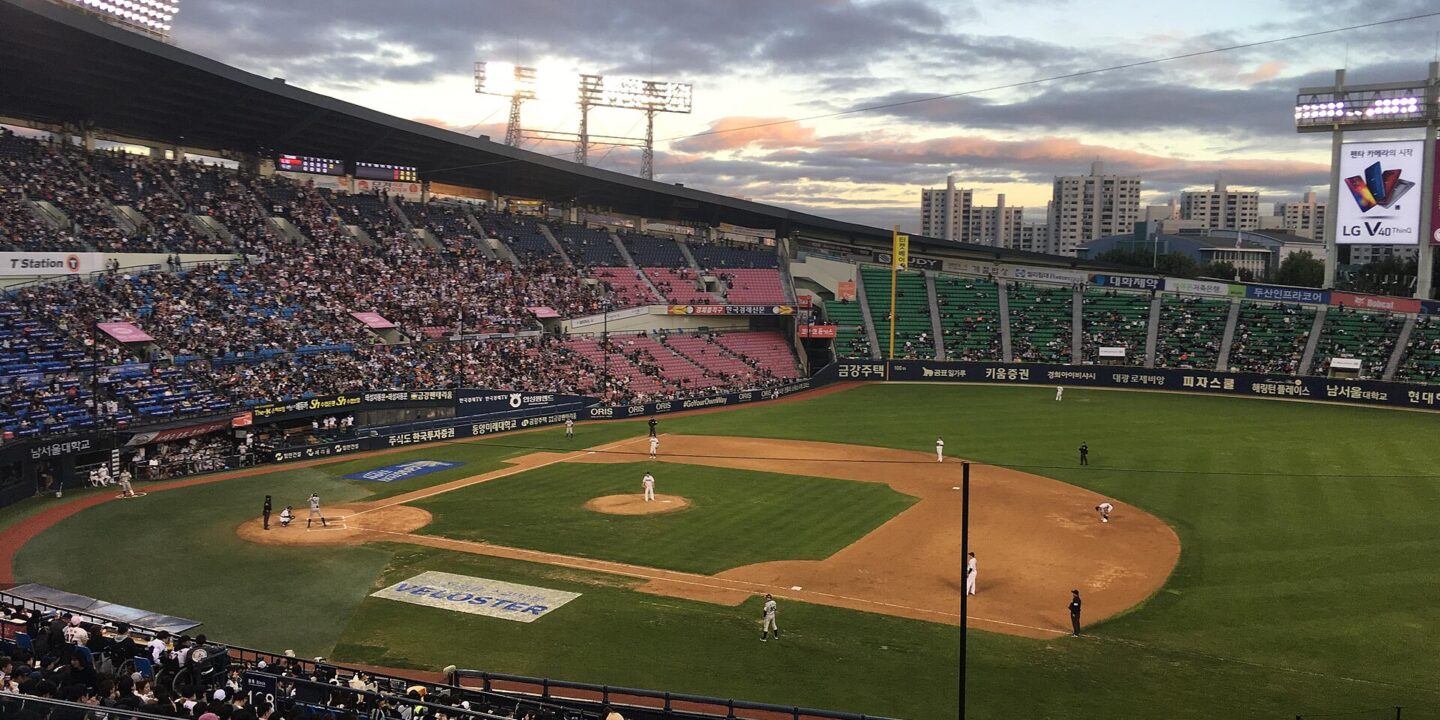
This guide covers the booking problem first, because that is where most people give up: which platforms actually sell to foreign visitors in 2026, what the box office will and will not do with a passport, and the fallbacks when a game sells out. Then the two Seoul stadiums compared, what the cheering actually involves, what to eat and bring, and when the season runs. Prices and season dates were checked in September 2026; ticket bands shift a little each year, so treat them as the right order of magnitude.
At a glance
| Detail | |
|---|---|
| Season | Opened 28 March 2026; regular season to late September / early October, then the postseason |
| Seoul stadiums | Jamsil (Doosan Bears, LG Twins) and Gocheok Sky Dome (Kiwoom Heroes) |
| Outfield / bleacher seat | ₩10,000 weekday, ₩12,000 weekend |
| Reserved infield | ₩15,000–20,000 |
| Cheering sections | around ₩12,000 |
| Premium / table seats | ₩25,000–35,000, corporate boxes to about ₩70,000 |
| Getting there | Jamsil: Sports Complex Station (Lines 2 and 9). Gocheok: Guil Station (Line 1) |
| Typical first pitch | 18:30 weekdays, 17:00 or 14:00 at weekends — always check the fixture |
| Game length | Three to three and a half hours |
| Outside food | Normal and expected — chicken, snacks, canned drinks |
The ticket problem, solved
Korean domestic ticketing has historically been a wall for visitors: the main Korean-language apps want a Korean mobile number and, in some flows, a resident registration number, neither of which a tourist has. That reputation is still repeated everywhere, and it is now only half true. Here is the 2026 position, in the order you should try things.
1. The global ticketing portals
Ticketlink Global and Interpark Global both run English interfaces that accept international credit cards. These are the same inventories the domestic sites sell from, presented in a form a foreign card and a foreign phone number can actually complete. This is the first thing to try, and for most visitors it now simply works.
Two caveats. Popular fixtures — LG Twins versus Doosan Bears at Jamsil, anything in September, anything on a Saturday — sell out fast, sometimes within minutes of general sale. And the global portals occasionally list a narrower selection than the Korean site. If you cannot find your date, that does not mean the game is sold out.
2. Naver Sports
Naver’s sports section also sells tickets, with a seat map you can navigate visually even without Korean, and payment by credit card. Translation in your browser handles the rest. Worth trying if the global portals come up empty.
3. The stadium box office
Box offices generally open around two hours before first pitch and take cash and cards. Bring your passport. This is the classic fallback and it works far more often than the internet suggests, because a meaningful share of tickets go unsold on weekday fixtures against unglamorous opponents — which are, incidentally, the games where you will get the best seats and the most room.
Do not rely on it for a Saturday derby. Do rely on it for a Tuesday in May.
4. Klook, KKday and proxy services
Packaged experiences bundle a ticket, sometimes a guide, sometimes food, and charge a premium of anything from 30% to double the face value. They exist because the booking problem was real, and they are still the least stressful option if your dates are fixed and the game matters to you. Read carefully what seat category you are actually buying — “outfield reserved” for ₩45,000 is a poor deal.
5. Suwon, if Seoul is impossible
The KT Wiz play at Suwon KT Wiz Park, about an hour from central Seoul on Line 1, and their club has historically run the most foreigner-friendly booking of any Korean team, with English and Japanese interfaces. If a Seoul fixture is sold out and you badly want a game, going to Suwon is a completely reasonable answer — and Suwon Hwaseong fortress makes an excellent afternoon before the evening game.
Jamsil vs Gocheok: which game to pick
Jamsil Baseball Stadium
Jamsil is the one to go to. It is an open-air stadium in the Jamsil sports complex south of the river, shared by two clubs — the Doosan Bears and the LG Twins — which means there is a game there most nights of the season and, several times a year, a derby between two teams who share a home ground and dislike each other accordingly. Capacity is around 23,000 and the atmosphere on a full night is the thing people fly home talking about.
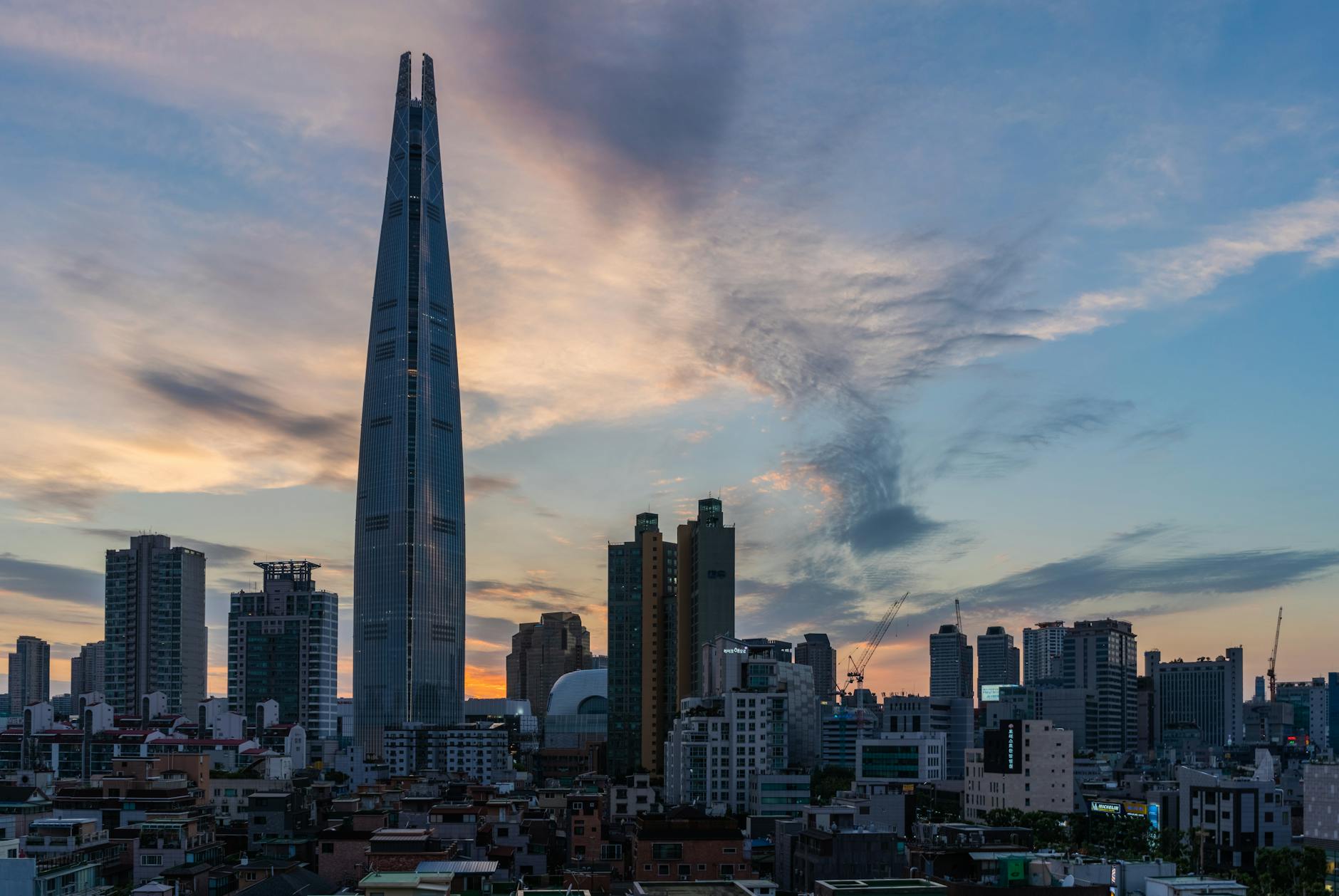
Get there via Sports Complex Station on Lines 2 and 9. The walk from the exit takes a few minutes and is impossible to get wrong on a match day — follow everyone in a jersey. Being in Jamsil also puts you next to Lotte World and Seoul Sky if you want to make a full day of it, and the wider district is covered in our Gangnam guide.
The trade-off: it is open air. A rainy evening means a delay or a postponement, and Seoul’s summer humidity is real. Games get called off, and refunds are handled through whatever platform you booked on.
Gocheok Sky Dome
Gocheok is Korea’s only domed baseball stadium, in the south-west of the city, home to the Kiwoom Heroes. It is indoors, which is a genuine advantage in July, August and the monsoon, and it is air-conditioned. It is also smaller in feel, quieter as a crowd, and the Heroes draw less passionately than the two Jamsil clubs.
Take Line 1 to Guil Station. The journey from central Seoul is longer than to Jamsil and the surrounding area has less to do before and after.
The verdict: Jamsil for the atmosphere, Gocheok when the weather makes an outdoor game a gamble or when Jamsil is sold out. If you are only going once and the forecast is fine, go to Jamsil.
What actually happens at a Korean baseball game
This is not American baseball with Korean signage. The sport is the same; the event around it is completely different, and it is the reason to go.
The cheer squad
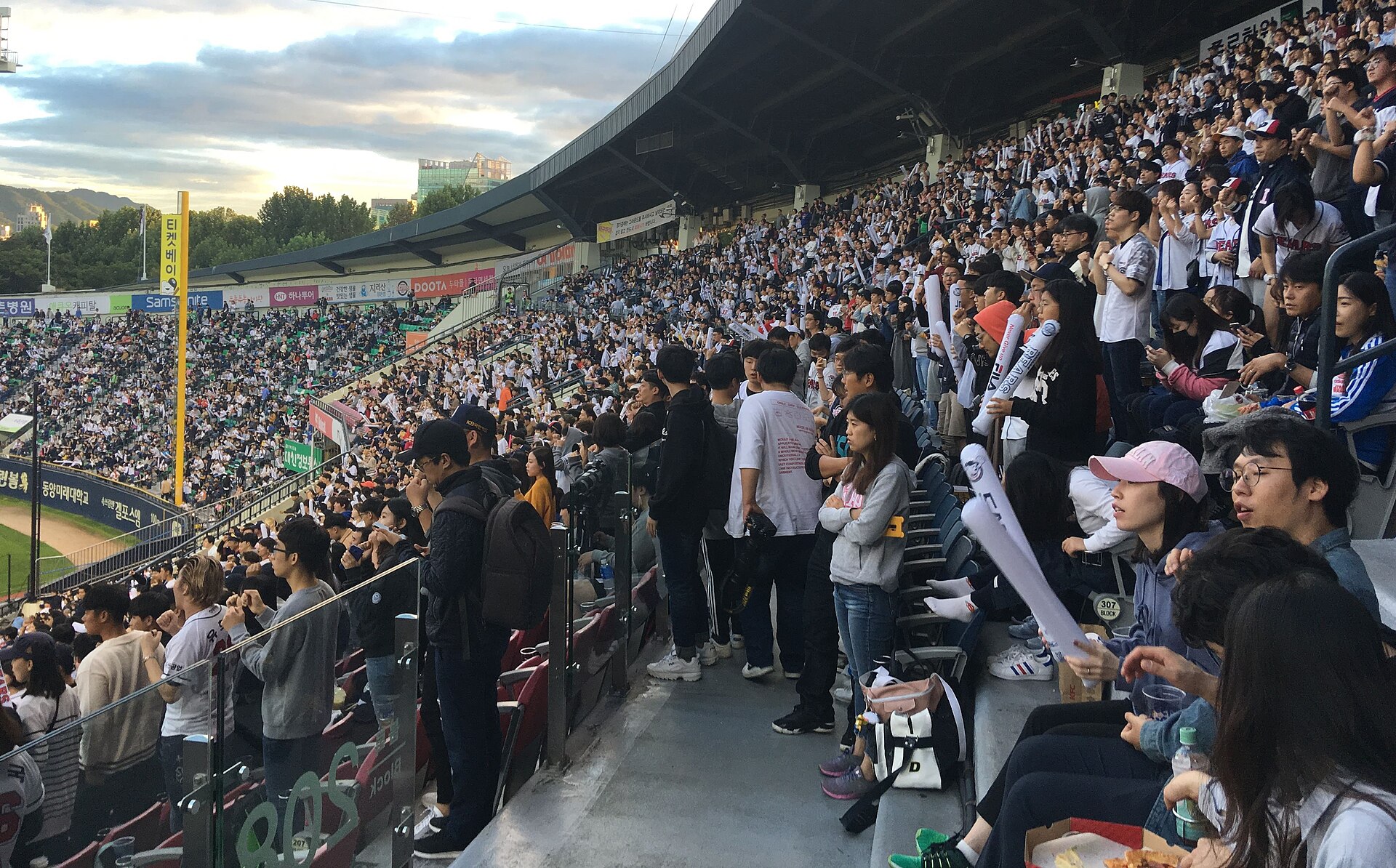
Every club employs a professional cheerleading team and a eungwondan leader who works from a raised platform in front of the home stands, facing the crowd rather than the field, with a microphone and a whistle. When your team is batting, that section stands and performs — chants, choreographed arm movements, songs with lyrics specific to each individual player. When your team is fielding, you sit down and the away end takes over. The two halves of the stadium trade off all night.
You will not know the words. Nobody minds. The movements are simple and telegraphed, the person next to you will show you, and by the sixth inning you will be doing the Doosan Bears chant with some conviction. It is one of the most welcoming sporting crowds anywhere.
The thundersticks
Inflatable plastic bats, clapped together. They are sold outside and inside for a few thousand won, and they are not optional in any meaningful social sense. Buy a set.
The food, which is half the point
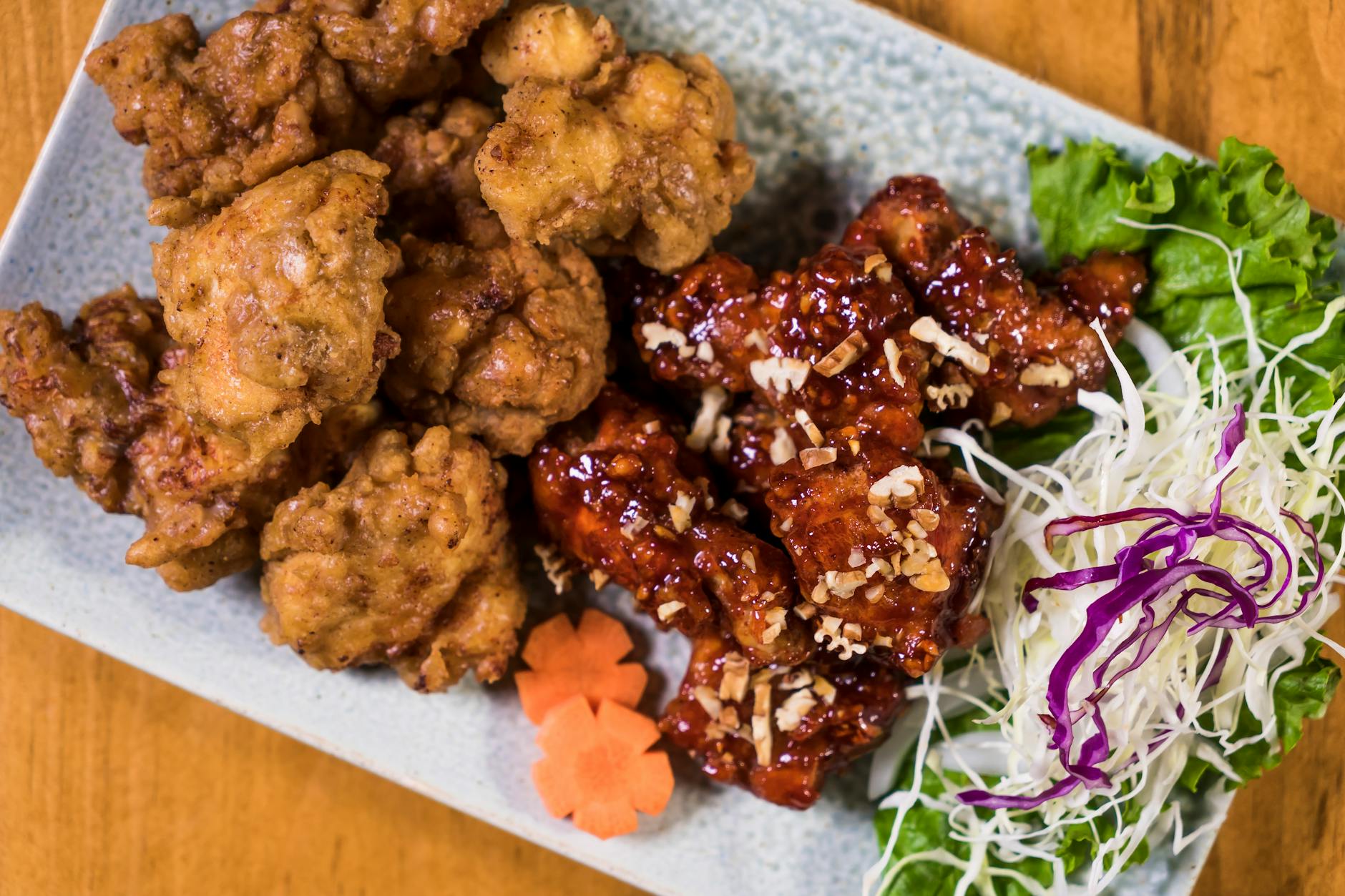
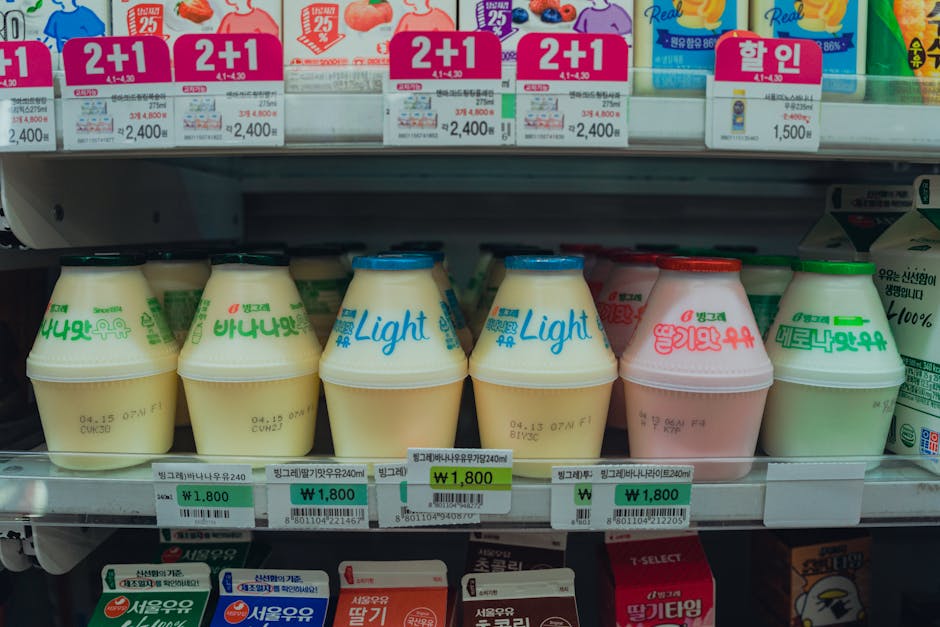
Bringing your own food into a Korean baseball stadium is completely normal — not tolerated, expected. The classic move is fried chicken and beer, and there are chicken shops around both stadiums doing brisk trade in boxes designed to be carried into the stands. Convenience stores near the gates sell canned beer, soju, dried squid and everything else. Beer is also sold inside, often by vendors carrying kegs on their backs.
Glass is the usual restriction and bag checks are mostly looking for it. Policies vary a little by club and by season, so if you are planning to bring a full picnic, check the club’s own page rather than a travel blog. On drinking generally, our Korean alcohol guide explains what you are buying at the convenience store, and the chicken-and-beer combination itself is covered properly in our Seoul food guide.
The seventh-inning bit
Depending on the club, expect a mid-game routine involving the cheer squad, a mascot, some cheerfully aggressive crowd participation and, at Jamsil, a moment where everyone puts on a plastic bag as a hat. Do not fight it.
Practical game-day planning
When to go
The season runs from late March to early October, with the postseason after. April and May are the most comfortable months — mild evenings, no monsoon, and easier tickets. June to August is hot and humid, which is when Gocheok’s roof earns its keep. September is the best baseball and the hardest tickets, because the standings matter.
Weekday games are cheaper, easier to get into and less crowded. Weekend games are the full experience and sell out. If you want the atmosphere, go on a Friday or Saturday; if you want a good seat without stress, go on a Tuesday.
Timing your evening
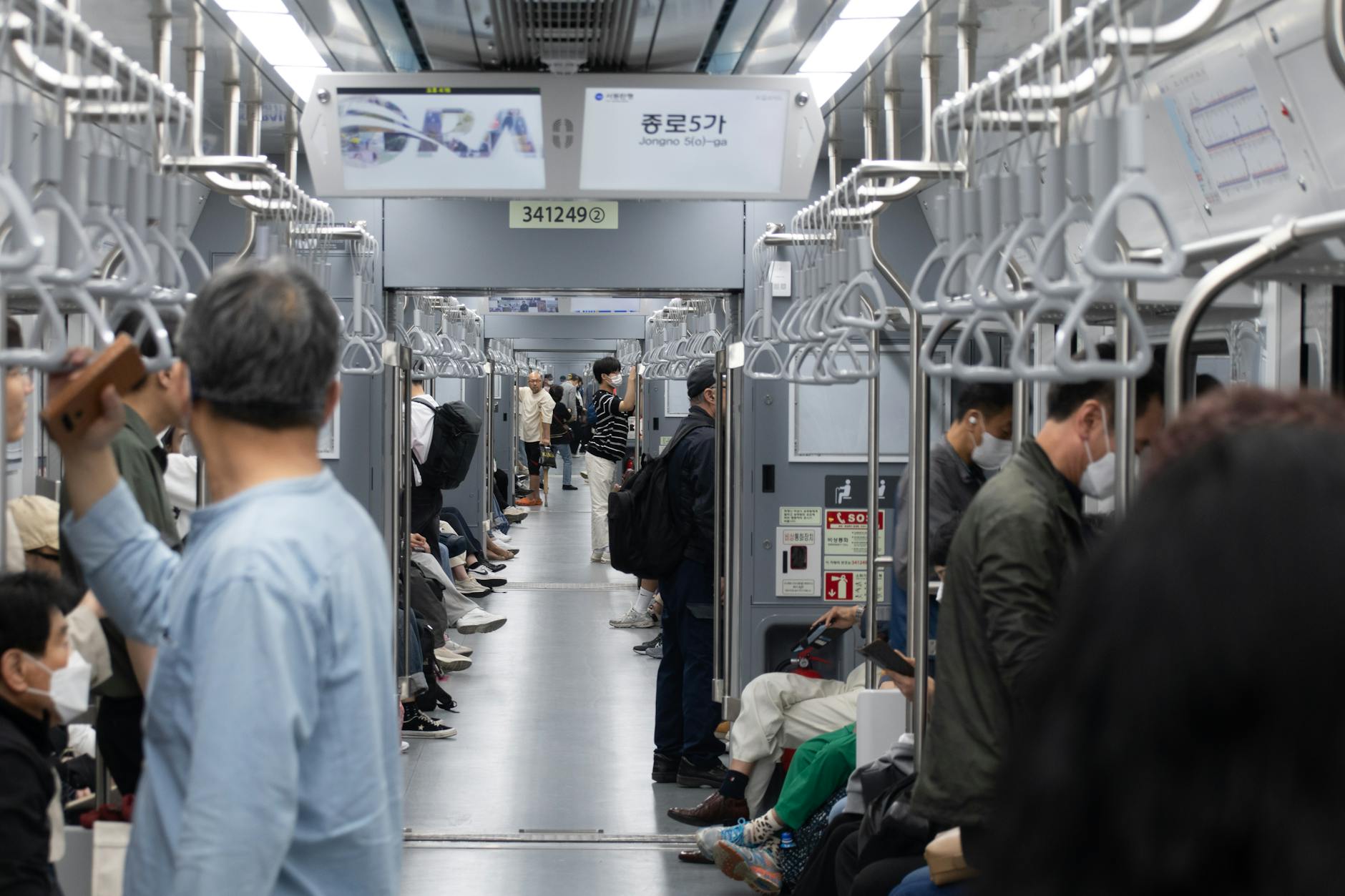
First pitch is usually 18:30 on weekdays and 17:00 or 14:00 at weekends, but this varies and you should check your specific fixture. Games run three to three and a half hours, so a weekday evening game finishes around ten — comfortably before the subway stops, but not by a huge margin if you are staying somewhere that needs two transfers. Check your route home before you go; the Seoul subway guide covers last-train timings.
What it costs for an evening
An outfield ticket at ₩10,000–12,000, a box of chicken at around ₩20,000 shared between two, a few cans of beer at convenience-store prices, and a set of thundersticks. Two people can do the whole night for well under ₩50,000 including transport. It is the best value entertainment in Seoul by a wide margin, and it belongs on any Seoul on a budget itinerary.
Where to sit
- Home cheering section — loudest, most fun, least view of the actual baseball. If you came for the experience rather than the sport, sit here.
- Outfield — cheapest, sociable, a long way from the plate. Fine.
- Reserved infield — the compromise. You can see the game properly and still hear the noise.
- Premium and table seats — comfortable, with food service at some, and largely wasted on a first visit. The atmosphere is the product; do not buy your way out of it.
Pick the home team’s side. The away end at Jamsil is perfectly friendly, but you will spend the night watching a party you are not part of.

Which team should you support?
For an evening’s purposes, support whoever is at home. If you want a longer answer: the LG Twins have the largest and loudest fanbase in the country and the best songs; the Doosan Bears are the other Jamsil club, historically successful and with an intensely committed following; the Kiwoom Heroes at Gocheok are the smaller Seoul club with a younger, scrappier identity.
Buy the jersey or the cap outside the ground for a fraction of the official-store price if you want to look like you meant it. Nobody will interrogate your commitment.
A first-timer’s game-day script
If you want the whole evening laid out rather than described, this is how a good one runs at Jamsil.
- Two hours before first pitch: get off at Sports Complex Station and follow the jerseys. If you do not have a ticket, join the box office queue now.
- Ninety minutes before: buy food. There are chicken shops and convenience stores in the streets around the complex, and the queues get long as it gets closer to the start. A whole fried chicken and a few cans is the standard order.
- An hour before: go in. Gates open early and the stands fill gradually, which is the nicest part of the evening — the cheer squad warms up, the players take batting practice, and you can find your seat without fighting anyone.
- Buy thundersticks from a vendor inside or outside. A few thousand won.
- First pitch: watch what the section around you does rather than the game. Stand when they stand.
- Middle innings: this is when the crowd is at its best and the beer vendors are most active. Buy from the person with the keg on their back at least once; it is a Korean baseball institution.
- End of the game: leave promptly if you have transfers to make. Twenty thousand people head for the same two subway lines at once, and the platform fills fast.
The whole thing works just as well solo as in a group. Nobody at a KBO game is bothered by a foreigner sitting alone with a chicken box, and by the fifth inning the people next to you will have offered you something.
Is it worth it if you do not like baseball?
Yes, and this is worth saying plainly, because it is the question most people are really asking. The baseball itself is decent — a good standard, roughly comparable to a strong minor league or a weak major league, with several players who have gone on to the MLB. But you are not going for the sport. You are going for three hours inside a coordinated, joyful, extremely loud crowd of twenty thousand people, eating fried chicken, in a stadium where a professional cheerleading team is working harder than the outfielders.
The one group I would steer away: anyone who wants a quiet evening, and anyone travelling with small children who will not last three and a half hours of continuous noise. It is a long, loud night. If you want the same chicken-and-beer culture in a calmer setting, the riverside version described in our Han River guide is the gentler alternative. For alternatives, our unique experiences in Seoul guide has shorter options.
Frequently Asked Questions
Can foreigners buy KBO tickets online?
Yes, in 2026. Ticketlink Global and Interpark Global run English interfaces that accept international credit cards, and Naver Sports also sells tickets. The old advice that foreigners cannot buy online refers to the Korean-language domestic apps, which do require a Korean mobile number and registration.
How much are Korean baseball tickets?
Outfield and bleacher seats run ₩10,000 on weekdays and ₩12,000 at weekends. Reserved infield is ₩15,000–20,000, cheering sections about ₩12,000, and premium seats ₩25,000–35,000, with corporate boxes up to around ₩70,000.
Can I just turn up at the stadium?
Often, yes. Box offices open around two hours before first pitch and take cash and cards; bring your passport. This works reliably for midweek fixtures and unreliably for weekend games and derbies.
Can I bring my own food and beer into the stadium?
Yes — it is normal and expected. Fried chicken, snacks and canned drinks all come in with the crowd. Glass is the usual restriction. Check your club’s current policy if you are planning something elaborate.
Jamsil or Gocheok Sky Dome?
Jamsil for atmosphere — it is open-air, holds around 23,000, and hosts two clubs with the country’s most committed fanbases. Gocheok is domed and air-conditioned, which makes it the better choice in high summer or heavy rain, but the crowd is quieter.
How long is a Korean baseball game?
Three to three and a half hours. Weekday games starting at 18:30 finish around ten, which leaves comfortable time for the subway home.
When does the KBO season run?
Late March to early October for the regular season — the 2026 season opened on 28 March — followed by the postseason. April, May, September and early October are the most pleasant months to attend.
Do I need to understand baseball to enjoy it?
No. The rules are the same as American baseball and the crowd tells you what is happening far more reliably than the scoreboard does. Most visitors spend the first two innings watching the stands rather than the field.
What if it rains?
Outdoor games at Jamsil get delayed or postponed, with refunds handled through whichever platform sold you the ticket. Gocheok is domed and unaffected. If your trip is short and the forecast is bad, Gocheok is the safer booking.
Final Thoughts
Korean baseball is the rare travel experience that is both genuinely local and completely open to outsiders. Nobody is performing for tourists — the singing, the plastic bags, the chicken boxes and the cheerleaders on the platform all happen whether you are there or not — and yet the crowd could not be easier to join. For the price of a mediocre lunch you get three hours of something Seoul does better than anywhere else.
Book through Ticketlink Global or Interpark Global first, keep the box office as your fallback, pick a Jamsil fixture if the weather allows, and get there early enough to buy the thundersticks. More ideas for the rest of the trip are in our things to do in Seoul guide and the wider Seoul travel guide.
Photo Credits
Jamsil Baseball Stadium at dusk: Doosan Bears vs LG Twins (1) by Christophe95, CC BY-SA 4.0, via Wikimedia Commons.
Supporters in the home stands: Baseball supporters at Jamsil Baseball Stadium by Christophe95, CC BY-SA 4.0, via Wikimedia Commons.