This is the comprehensive temple stay Seoul guide for 2026: best temples, programs, prices, what to expect hour-by-hour, what to bring, etiquette, and how to book in English.
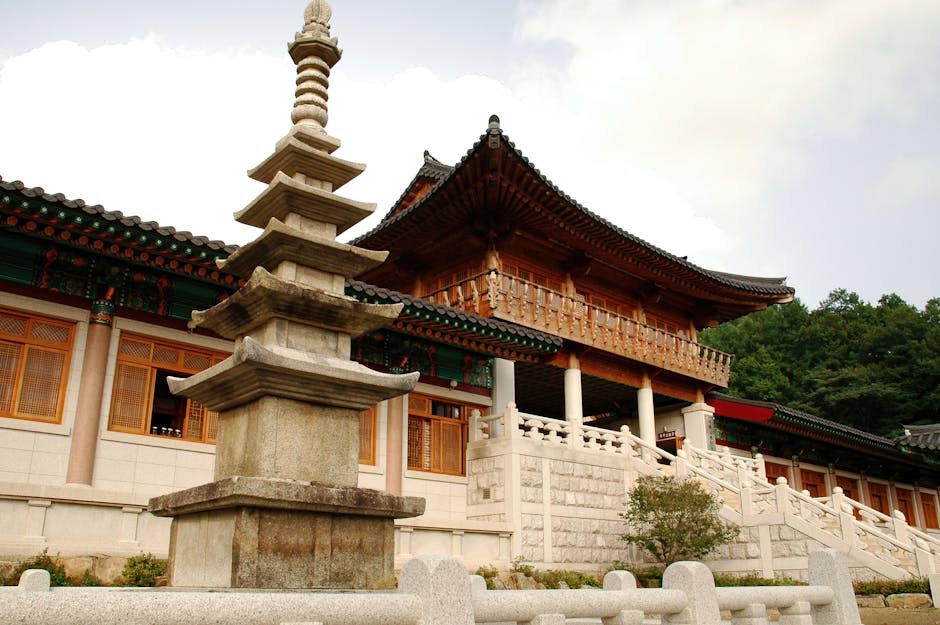
What Is a Templestay?
The Korean Buddhism Templestay program was officially launched in 2002 around the FIFA World Cup, when foreign visitors needed accommodation. The Cultural Corps of Korean Buddhism (대한불교조계종 한국불교문화사업단) standardized programs across temples nationwide, with full English support. Today there are 140+ participating temples across Korea, with 9 inside Seoul city limits.
Templestay is not religious recruitment — it’s a cultural and wellness experience open to all faiths and none. Participants are not asked to convert, take vows, or even bow to the Buddha (though most learn the basic etiquette as part of the cultural immersion). The Cultural Corps requires participating temples to maintain English-speaking facilitators or volunteers for foreign guests.
Two Main Templestay Program Types
1. Experience-Oriented (체험형 / Cheheomhyeong)
The “full monk life” version. You follow the actual temple schedule:
- 3:30-4:30 AM wake-up for dawn chanting (yebul)
- 108 prostrations (108배 / baekpalbae)
- Multiple meditation sessions
- Tea ceremony with a monk (dada)
- Temple work (ulyeok) — sweeping, gardening
- Strict monastic etiquette throughout
Best for: First-timers wanting the “real” experience, spiritual seekers, anyone curious about monastic life. Most demanding but most rewarding.
2. Rest-Oriented (휴식형 / Hyusikhyeong)
A more flexible “wellness retreat” version. You’re given the schedule but participation is optional. You can:
- Sleep in past dawn chanting
- Walk the temple grounds at your own pace
- Read, journal, or simply rest
- Join meditation or skip it
- Optional tea with monks
Best for: Burned-out professionals, those needing genuine rest, return visitors, those with physical limitations.
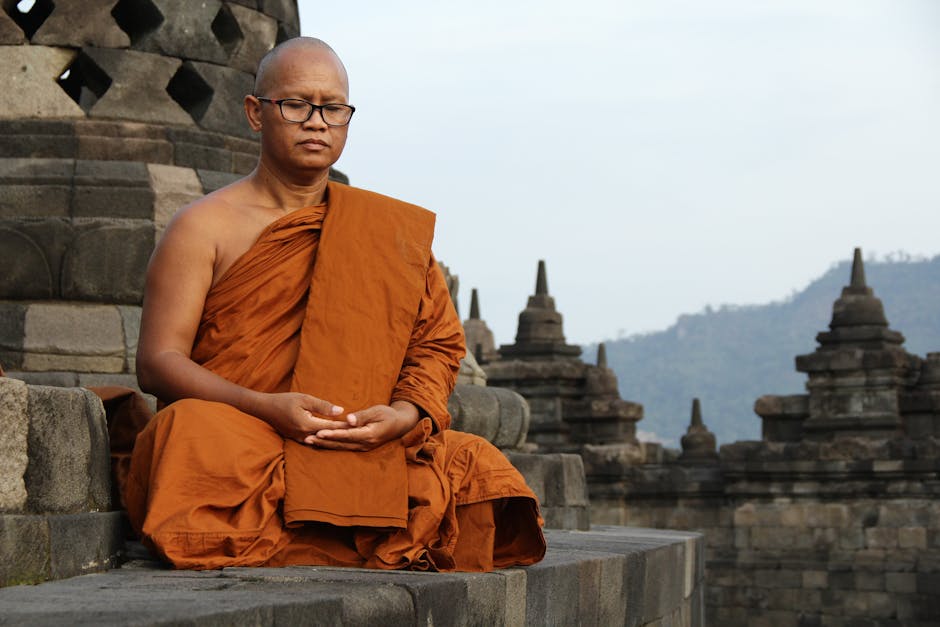
Best Temples for Templestay in Seoul (2026)
1. Hwagyesa (화계사) — Best Overall for Foreigners
Location: 117 Hwagyesa-gil, Gangbuk-gu (Suyu Station Line 4)
Founded: 1522
Program length: 2D1N weekend
Price: ₩220,000 per person
English support: Excellent — Hwagyesa has a long history of foreign monastics. The temple was the seat of the late Zen Master Seung Sahn (founder of the Kwan Um School of Zen), and English-speaking monks remain in residence.
Why choose it: The strongest meditation instruction in Seoul. Located at the foot of Samgaksan Mountain (Bukhansan area) but easily reachable by subway. Full Sino-Korean Zen lineage with Western practitioner experience. The Saturday-Sunday program includes 108 prostrations, sutra copying (sagyeong), seated meditation (chamseon), tea ceremony, and a Q&A with a senior monk.
2. Jingwansa (진관사) — Best for Temple Cuisine
Location: Jingwan 1-gil 73, Eunpyeong-gu (Gupabal Station Line 3 + bus 7211)
Founded: 1011 (Goryeo Dynasty)
Program length: 1N2D, 2N3D
Price: ₩70,000-₩150,000
English support: Strong — preferred by foreign ambassadors and dignitaries.
Why choose it: One of Korea’s four leading temples and arguably the most beautiful templestay setting in Seoul, in a forested valley near Bukhansan. Famous nationwide for temple cuisine (사찰음식 / sachal eumsik) — Abbess Kyeyoung Sunim is a celebrated culinary master, and her temple food has been served to Pope Francis and US ambassadors. The cooking-focused programs include cooking classes for foreigners. Books out 1-2 months in advance.
3. Geumsunsa (금선사) — Best Mountain Setting
Location: 196-2 Gugi-dong, Jongno-gu (taxi from Gugi-dong or shuttle)
Program length: Weekday daily, 2D1N weekend
Price: ₩50,000-₩100,000
English support: Strong — foreigner-focused programs.
Why choose it: Tucked into the forested slopes of Bukhansan with a “meditation with a view” — the temple courtyard overlooks the entire city of Seoul. Smaller and quieter than the bigger temples. Walking-meditation hike up the mountain is included.
4. Myogaksa (묘각사) — Best for Short Stays
Location: Sungin-dong, Jongno-gu (Dongmyo Station Line 1/6)
Program length: Half-day, 1N2D
Price: ₩50,000-₩70,000
English support: Some of the most foreigner-friendly programs in Seoul.
Why choose it: Centrally located within Seoul — minutes from Dongdaemun. Offers shorter half-day “experience” sessions for travelers without a full overnight to commit. Easy to combine with the rest of your Seoul itinerary.
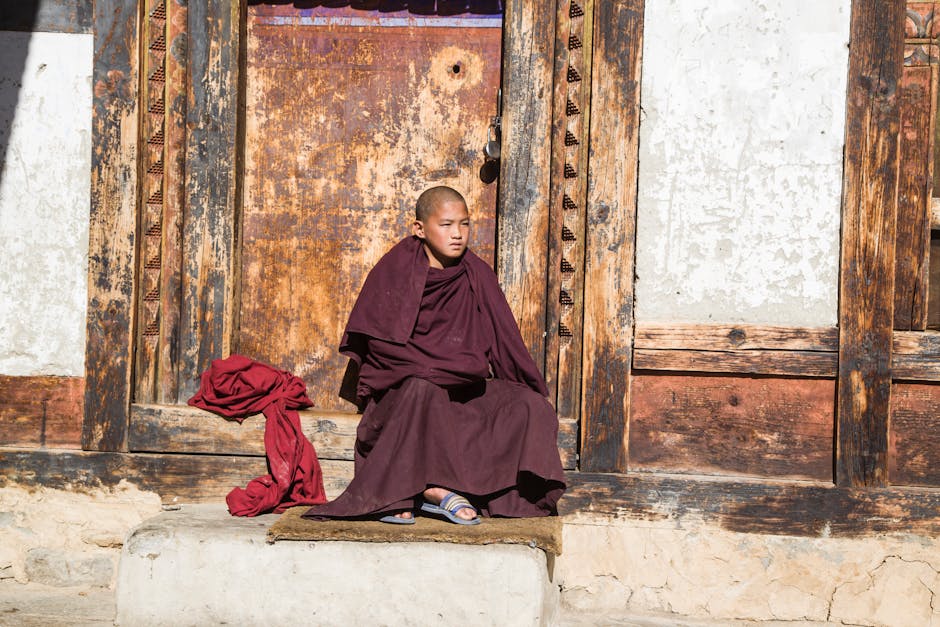
5. International Seon Center (국제선원) — Modern Design
Location: 167 Mokdongdong-ro, Yangcheon-gu (Omokgyo Station Line 5)
Program length: 1-day templestay, overnight by request
Price: ₩30,000-₩70,000
English support: Built specifically as Seoul’s foreigner-friendly Seon (Zen) meditation center.
Why choose it: A modern-style temple built specifically as a propagation training center for foreign visitors. Less traditional aesthetic than the mountain temples, but a serious meditation curriculum and easy subway access. Good entry point if traditional Korean wooden architecture isn’t your priority.
6. Bongeunsa (봉은사) — Best Location
Location: 531 Bongeunsa-ro, Gangnam-gu (Bongeunsa Station Line 9, exit 1)
Program length: Half-day, 1N2D
Price: ₩60,000-₩100,000
English support: Very strong — runs an English-language program every Thursday afternoon.
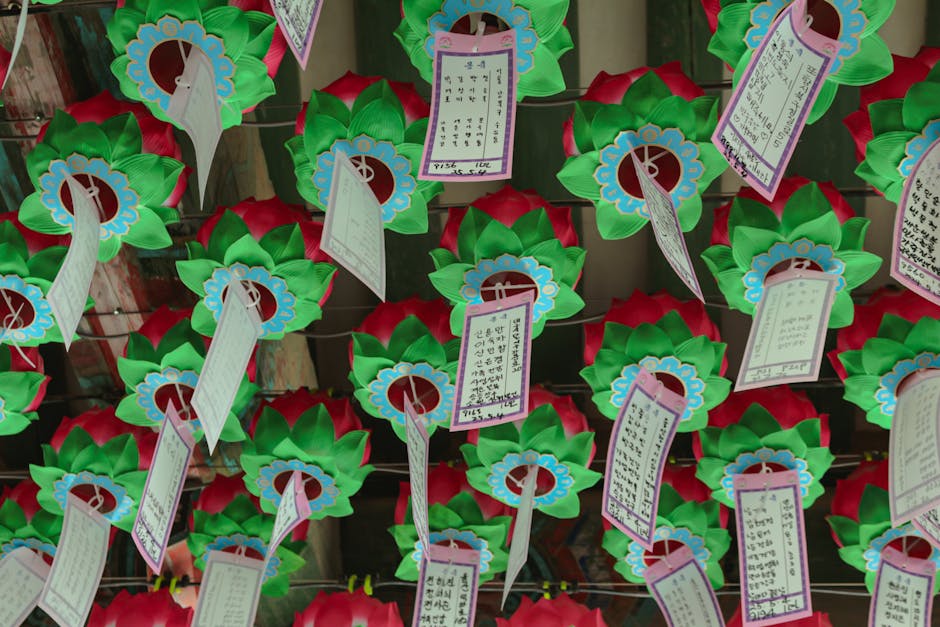
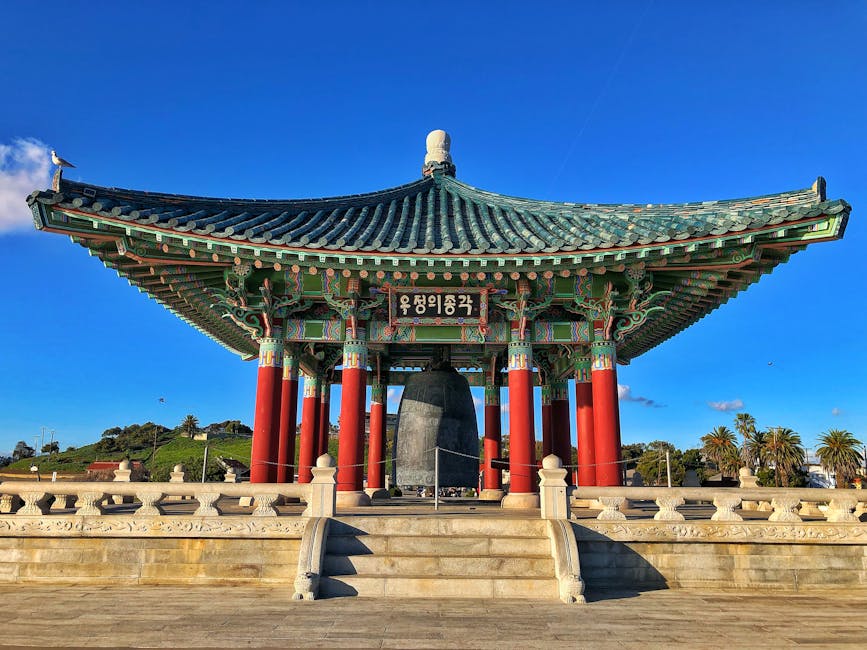
Why choose it: Right across the street from COEX Mall in Gangnam — the most surreal urban-spiritual contrast in Seoul. Beautiful 1,200-year-old temple grounds. The free Thursday “Temple Life” English program (lotus lantern making + tea + temple tour) is the easiest single-afternoon introduction to a Korean temple.
7. Lotus Lantern International Meditation Center
Location: Ganghwa Island, near Seoul
Why choose it: If you want a longer (3+ night) immersive retreat with mostly Western practitioners. Outside Seoul proper but accessible.
8. Bongwonsa (봉원사)
Headquarters of the Korean Taego order, located near Yonsei University in Seodaemun. Lower-traffic templestays, traditional architecture.
9. Gilsangsa (길상사)
Unique modern history — converted from a famous high-end restaurant donated to Buddhism. Located in Seongbuk-dong. Quiet 1-day “rest” focus.
Sample Templestay Schedule (2D1N Hwagyesa)
Day 1 (Saturday):
- 14:00 — Check-in, change into temple uniform (gray/brown two-piece)
- 14:30 — Temple tour, basic etiquette training (bowing, hapjang, walking)
- 15:30 — Tea ceremony with a monk (dada)
- 17:00 — Dinner (silent monastic meal — balwoo gongyang)
- 18:30 — Evening service (yebul) — chanting in the main hall
- 19:30 — Meditation session (chamseon) — typically 30-50 min seated
- 21:00 — Lights out (no phones, dark room)
Day 2 (Sunday):
- 3:30 AM — Wake-up bell (mokdak)
- 4:00 — Dawn chanting (yebul)
- 4:30 — 108 prostrations (108배) — full-body bows, the most physically demanding part
- 5:30 — Walking meditation (haengseon)
- 6:30 — Breakfast (silent monastic meal)
- 7:30 — Temple work (ulyeok) — sweeping, gardening, light tasks
- 9:00 — Sutra copying (sagyeong) — slow, meditative calligraphy
- 10:30 — Q&A / dharma talk with a monk
- 11:30 — Lunch (final monastic meal)
- 12:30 — Departure ceremony, return uniforms, check out
Templestay Prices in Seoul (2026)
| Program Type | Duration | Price (KRW) | Price (USD) |
|---|---|---|---|
| Half-day experience | 3-4 hours | ₩30,000-₩50,000 | ~$22-37 |
| One-day templestay | 1 day, no overnight | ₩50,000-₩70,000 | ~$37-52 |
| 1N2D weekend (rest) | 1 night | ₩70,000-₩100,000 | ~$52-75 |
| 1N2D weekend (experience) | 1 night | ₩80,000-₩150,000 | ~$60-112 |
| 2N3D extended | 2 nights | ₩150,000-₩220,000 | ~$112-165 |
| Cooking-focused (Jingwansa) | 1-2 nights | ₩120,000-₩200,000 | ~$90-150 |
Prices include lodging, all meals (3 vegetarian meals/day), all activities, temple uniform rental, and English facilitator. You will not need to spend any additional money during the stay.
What to Bring to a Templestay
- ID/passport — required at check-in
- Booking confirmation — printed or digital
- Comfortable underwear / base layer — you’ll wear the temple uniform over it
- Socks — you remove shoes constantly; bring multiple pairs
- Toothbrush, toothpaste, towel — basic toiletries (some temples provide)
- Notebook + pen — for journaling, sutra-copying notes
- Water bottle — refillable
- Layers — temples are unheated/cold in winter, hot in summer
- Glasses (not contacts) if possible — you’ll be up at 3:30 AM
What NOT to bring: Phones (must be turned off and stored), laptops, jewelry, makeup, alcohol, meat or non-vegetarian snacks, perfume/cologne, revealing clothing, books unrelated to Buddhism (these may be confiscated until departure).
Templestay Etiquette
Bowing (Hapjang and Bowing)
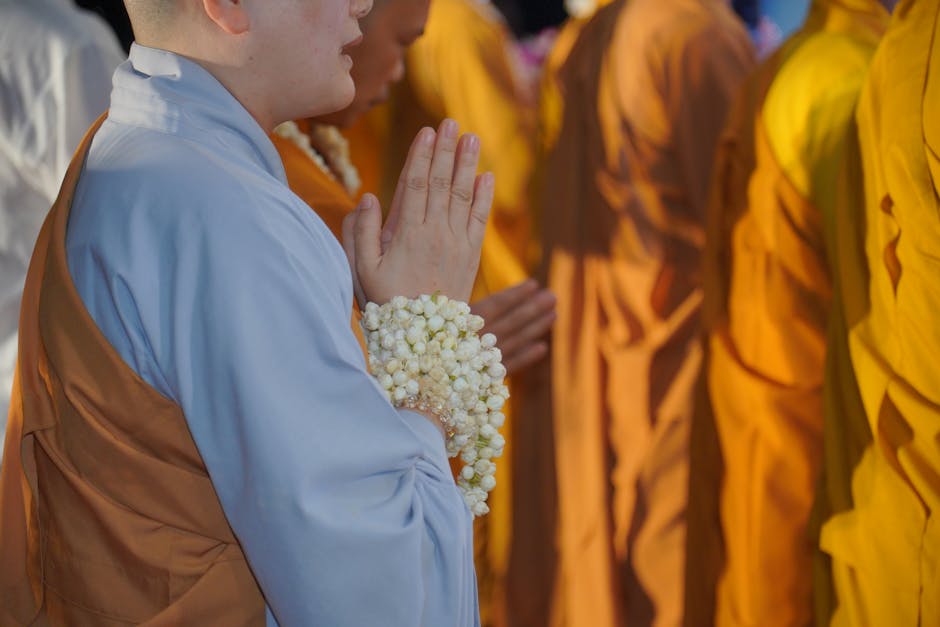
The standard temple greeting is hapjang — palms together at chest height, slight bow. Use this when greeting any monk or entering the main hall. Don’t shake hands with monks (especially female travelers with male monks).
Footwear
Remove shoes before entering any indoor area. Most temples have shoe shelves at entrances. Walk barefoot or in temple-provided slippers indoors.
Eating (Balwoo Gongyang)
Monastic meals are silent and follow specific etiquette: take only what you’ll eat, eat everything (including the rinse water from your final bowl), and clean your own bowls. No food may be wasted. Vegan vegetarian only — no meat, fish, dairy, eggs, garlic, onion, scallion, leek, or chive.
Photography
Generally allowed in outdoor areas during free time. Strictly forbidden during meditation, chanting, meals, and inside the main hall. Always ask before photographing a monk.
Silence
“Noble silence” is observed in many programs from evening lights-out until after breakfast. Speak only when necessary, and softly.
Clothing
You’ll wear the temple uniform — gray/brown loose two-piece. Wear modest underwear/base layer. Outside the temple, dress modestly when arriving.
Best Time of Year for Templestay
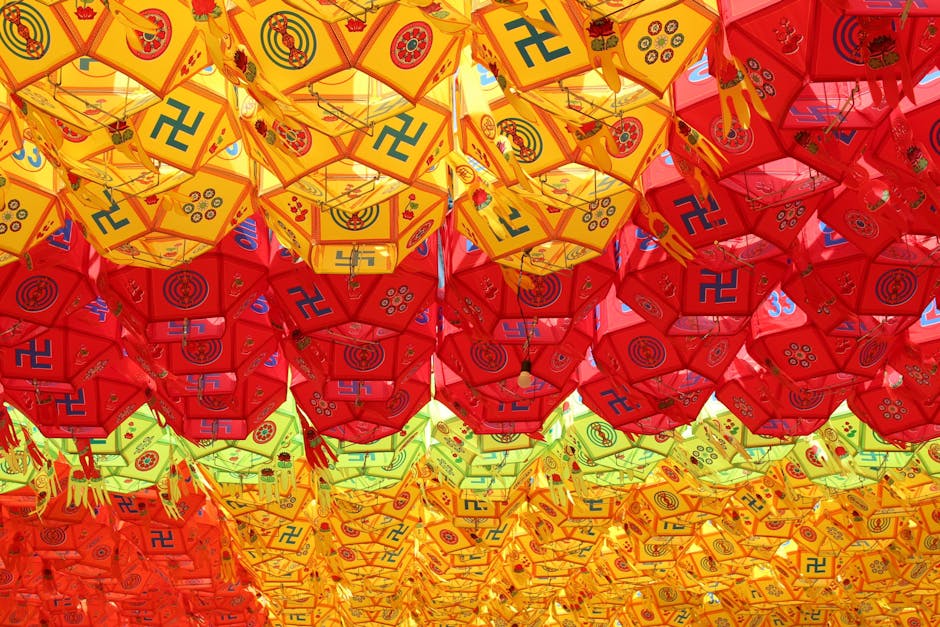
Spring (April-May): Cherry blossoms at Jingwansa and Hwagyesa. Buddha’s Birthday in May with lotus lanterns — most beautiful but most booked-out. Reserve 6+ weeks ahead.
Summer (June-August): Lush green mountains, monsoon possible. Expect humidity. Mountain temples (Geumsunsa) most pleasant.
Autumn (October-November): Peak foliage. Bukhansan-area temples are spectacular. Cool nights ideal for meditation. Author’s pick for first-time visitors.
Winter (December-February): Coldest, snow-covered, very atmospheric. Temples are unheated — bring serious thermals. Lower demand = easier to book on short notice.
How to Book a Templestay (English)
Method 1: Official Website (Recommended)
Go to eng.templestay.com — the official Cultural Corps of Korean Buddhism site. Filter by region (Seoul), program type, and date. Book directly with your card. Confirmation comes via email. Reserve at least 1 month in advance for popular temples (Jingwansa, Hwagyesa); 1-2 weeks ahead for less-booked ones.
Method 2: Through a Booking Platform
Klook, Trazy, Traveloka, and KoreaTravelEasy resell selected templestay programs (especially Geumsunsa, International Seon Center) with English customer service. Slightly higher prices but easier cancellation policies.
Method 3: Direct Email
Most temples accept direct email booking — particularly useful for groups, dietary requirements, or special requests. Email contacts are listed on each temple’s page on eng.templestay.com.
Cancellation Policy
Most templestays allow free cancellation up to 3-7 days before the start date, with full refund. Same-day cancellations forfeit the deposit. Always read each temple’s specific terms before booking.
Who Should Try a Templestay?
- First-time Asia travelers wanting authentic cultural immersion (not just sightseeing)
- Burned-out professionals needing real digital disconnect (no phones, no social media for 24+ hrs)
- Solo travelers — templestay is one of the safest, most welcoming solo Korea experiences
- Wellness tourists seeking meditation training from real monks (cheaper than dedicated retreat centers)
- Couples — most temples accommodate couples with separate-gender dorms (some have private rooms)
- Spiritual seekers regardless of religious background
- Long-term travelers seeking a “soft reset” mid-trip
Who Should Skip a Templestay?
- Strict carnivores who can’t go 24-48 hours without meat
- Light sleepers needing private rooms — most temples have shared dorms (private rooms cost more, limited availability)
- Anyone with serious knee/back issues — 108 prostrations and floor-sitting are physical (rest-oriented programs accommodate, but ask first)
- Phone-dependent travelers — phones are stored, period
- Children under 7 — most programs require age 7+; family-friendly programs at Jingwansa accept younger
- Those expecting hotel comforts — beds are floor pads (yo), unheated rooms, shared bathrooms
Templestay vs Other Korean Wellness Options
| Experience | Cost (1 night) | Vibe | Best for |
|---|---|---|---|
| Templestay | ₩70,000-₩220,000 | Spiritual, monastic | Deep cultural immersion |
| Jjimjilbang (sauna) | ₩10,000-₩20,000 | Casual, social | Budget overnight, sweat & rest |
| Korean spa hotel | ₩200,000-₩500,000 | Luxury, indulgent | Couples, pampering |
| Hanok stay | ₩100,000-₩300,000 | Traditional, romantic | Cultural aesthetic without religion |
| Wellness retreat (Korea) | ₩300,000+ | Curated, foreign-led | Yoga + nutrition focus |
Frequently Asked Questions
Do I have to be Buddhist to do a templestay?
Absolutely not. Templestays welcome people of all faiths and none. The program is cultural, not evangelical. You’ll learn the basic etiquette (bowing, etc.) as part of the experience but no commitment to Buddhism is requested or expected.
Are templestays in English?
Yes — all 9 Seoul temples have English-speaking facilitators or volunteers. Hwagyesa, Jingwansa, Bongeunsa, and the International Seon Center have the strongest English support. Booking confirms English availability for your specific dates.
What if I can’t sit cross-legged?
You can use cushions, sit on a chair (most temples provide for foreigners), or kneel. The 108 prostrations can be modified or skipped if you have knee or back issues. Tell the facilitator at check-in.
Will I really have to wake up at 3:30 AM?
In experience-oriented programs, yes. In rest-oriented programs, no — you can sleep through and join later activities. Many temples now offer hybrid programs where dawn chanting is “encouraged but optional.”
Is templestay food enough? Will I be hungry?
Korean temple food is surprisingly filling — rice, multiple banchan (side dishes), soup, kimchi, seasonal vegetables. Portions are generous. You will not go hungry. Snack supplies aren’t allowed, but most travelers are pleasantly surprised.
Can I drink coffee or alcohol?
No alcohol on temple grounds. No coffee in monastic meals (you can have tea, often medicinal Korean teas). If you’re caffeine-dependent, expect a withdrawal headache — bring a small green tea bag for your first morning if needed.
Is there Wi-Fi?
Some temples have Wi-Fi in office areas. None in dorms or meditation halls. Your phone will be turned off / stored anyway. Treat it as a digital detox.
How much sleep will I get?
In experience programs: ~6 hours (lights out 21:00, wake 3:30). In rest programs: as much as you want. Most participants nap during free time on day 2.
Are couples allowed?
Yes — most Seoul temples accept couples but house them in separate-gender dormitories. A few (Jingwansa, Bongeunsa) offer limited private rooms for an additional fee.
What happens if I get sick or want to leave early?
You can leave at any time. Refunds for early departure are at the temple’s discretion. All temples have first-aid supplies and will help you reach a hospital if needed.
Is templestay good for kids?
Most programs require age 7+. Jingwansa offers occasional family-specific programs accepting younger children. Children participate at a modified level.
What’s the difference from a Japanese temple stay (shukubo)?
Korean templestay is more program-structured (with set activities and English facilitators), more affordable on average, and more accessible to non-Buddhist foreigners. Japanese shukubo tends toward private rooms and meals with less structured activity. Both are wonderful — Korean templestay is a better introduction for first-time meditators.
Sample 1-Night Itinerary: Hwagyesa Templestay (Saturday-Sunday)
Saturday 13:00 — Take Line 4 to Suyu Station, exit 1, then a 10-minute taxi (₩5,000) or 20-minute walk uphill to Hwagyesa.
14:00 — Check-in. Change into temple uniform.
14:30-17:00 — Orientation, temple tour, tea ceremony, basic meditation instruction.
17:00-18:00 — Silent dinner.
18:30-19:30 — Evening chanting in the main hall.
19:30-21:00 — Seated meditation; Q&A with monk.
21:00 — Lights out.
Sunday 03:30 — Wake-up bell.
04:00-07:00 — Dawn chanting, 108 prostrations, walking meditation, breakfast.
07:00-11:00 — Temple work, sutra copying, dharma talk.
11:30 — Final lunch.
12:30 — Departure. Return to Seoul refreshed and probably moved.
Tips for First-Time Templestay Participants
- Eat a real breakfast before you arrive — first temple meal isn’t until dinner
- Don’t book the most demanding program first — try a 1N2D rest-type before a 2N3D experience-type
- Arrive on time — Korean temples are punctual, late check-in disrupts orientation
- Stretch before the 108 prostrations — it’s surprisingly aerobic; expect sore quads next day
- Bring socks — many shoes-off transitions; warm socks essential in winter
- Don’t worry about doing things “right” — facilitators expect mistakes and gently correct
- Keep a journal — most participants find it a deeply reflective experience worth recording
- Eat slowly at meals — silent eating is part of the practice
- Try to skip the Saturday-night Itaewon plan — adjustment is much easier without a hangover
- Book a relaxed Sunday afternoon after departure — you’ll be tired but emotionally elevated
How Templestay Connects to Seoul’s Wider Wellness Scene
A templestay pairs beautifully with other slow-living Seoul experiences. After your stay, soak away the early wake-up at a luxury jjimjilbang. Pair it with a daytime temple sightseeing tour at major sites you didn’t sleep in (Bongeunsa, Jogyesa). Combine with a K-beauty facial for full mind-body restoration. Or follow it with a traditional tea house visit in Insadong to extend the contemplative mood. See our complete Seoul wellness and spa guide for more.
Templestay and Korean Buddhism — A Brief Cultural Note
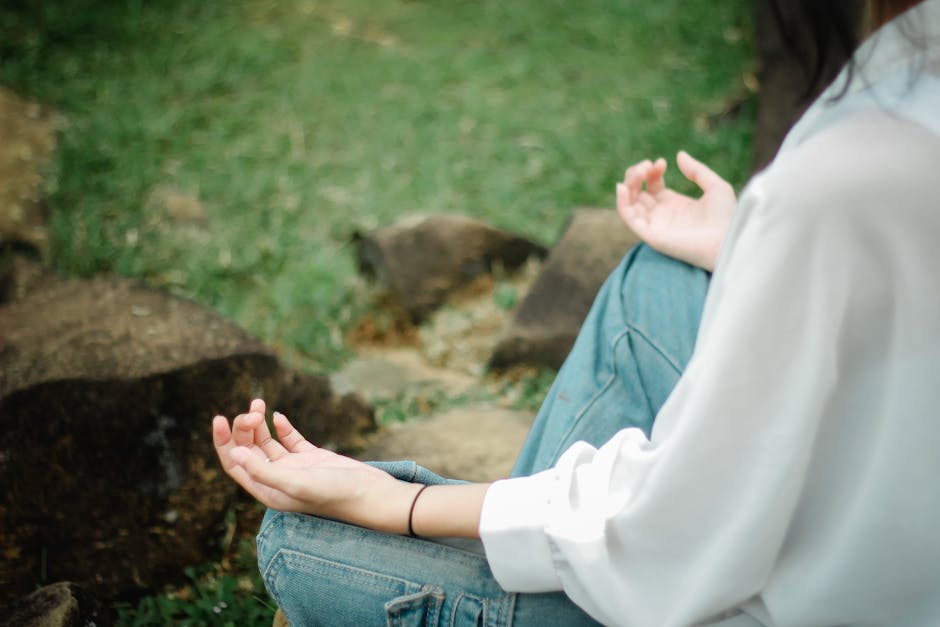
Korean Buddhism (불교 / Bulgyo) is the country’s largest religion alongside Christianity, with about 22% of Koreans identifying as Buddhist. The dominant order is the Jogye Order (조계종), which combines Seon (Korean Zen) meditation with Hwaeom philosophical study. Korean Buddhism arrived from China in the 4th century CE and shaped Korean architecture, art, cuisine, and philosophy for over 1,500 years.
What makes Korean Buddhism distinctive is its integration of meditation, scholastic study, and devotional practice — unlike the more meditation-only Japanese Zen or more devotional Tibetan traditions. A templestay gives you a tiny but authentic window into all three.
Final Word
A Seoul templestay is a quiet revolution in how you experience Korea. After 24 hours without your phone, after the 3:30 AM bell and the 108 bows and the silent meals and the strange relief of having nothing to do but breathe — you return to the city seeing it differently. The neon, the K-pop, the 24-hour cafés — it’s all still there, but a softer, slower self comes back with you.
It’s the rare tourist activity that gets better after you leave. Many travelers describe their templestay as the single most memorable part of their Korea trip — and 1 in 4 returns for a second one.
Ready to book? Visit eng.templestay.com, pick Hwagyesa or Jingwansa for your first time, and book at least 4 weeks ahead. For more on Seoul’s broader wellness scene, see our complete Seoul wellness & spa guide.