This is the comprehensive DMZ tour from Seoul guide for 2026: every major site, what tour to choose (standard vs JSA), current 2026 prices, what to expect, what to wear, photo restrictions, and how to book reliably.
What is the DMZ?
The DMZ (Demilitarized Zone) is the buffer area created by the 1953 Korean War Armistice Agreement. Its purpose was demilitarization — but in practice, it remains the most heavily armed border on Earth, with mines, fortifications, and 1.5 million troops watching each other across it. Despite the name, both Koreas are still technically at war (no peace treaty was ever signed).
For tourists, the DMZ offers a rare window into the geopolitical reality of divided Korea — and a powerful experience that’s part history, part theater, part sobering reality.
Seven decades as a no-man’s-land had one accidental side effect: the DMZ is now one of the best-preserved temperate ecosystems in Asia, with red-crowned cranes wintering in the Cheorwon basin and species that have thinned out elsewhere on the peninsula surviving inside a strip nobody can farm or build on. It sits at the far, strange end of a spectrum that runs through Seoul’s hiking trails, river parks and outdoor activities — the capital is greener than its skyline suggests.
Standard DMZ Tour (Third Tunnel + Dora Observatory)
The most popular, accessible DMZ tour. Operates 6 days a week (closed Mondays and major holidays).
- Cost (2026): ₩55,000–95,000 (varies by operator, lunch inclusion)
- Duration: 5–8 hours total
- Pickup: Major Seoul hotels, Hongdae, Myeongdong meeting points
- Booking: 1+ week ahead recommended
- Languages: English, Chinese, Japanese
What’s Included on Standard Tours
- Imjingak Park — Korean War memorial, Freedom Bridge, abandoned trains
- Third Infiltration Tunnel — Walk into a tunnel North Korea dug toward Seoul (1978)
- Dora Observatory — Binoculars overlooking Kaesong (North Korea)
- Dorasan Station — Empty ghost station built for unification trains
- Unification Village — A South Korean village within the DMZ buffer
- Bridge of No Return (some tours)
JSA / Panmunjom Tour
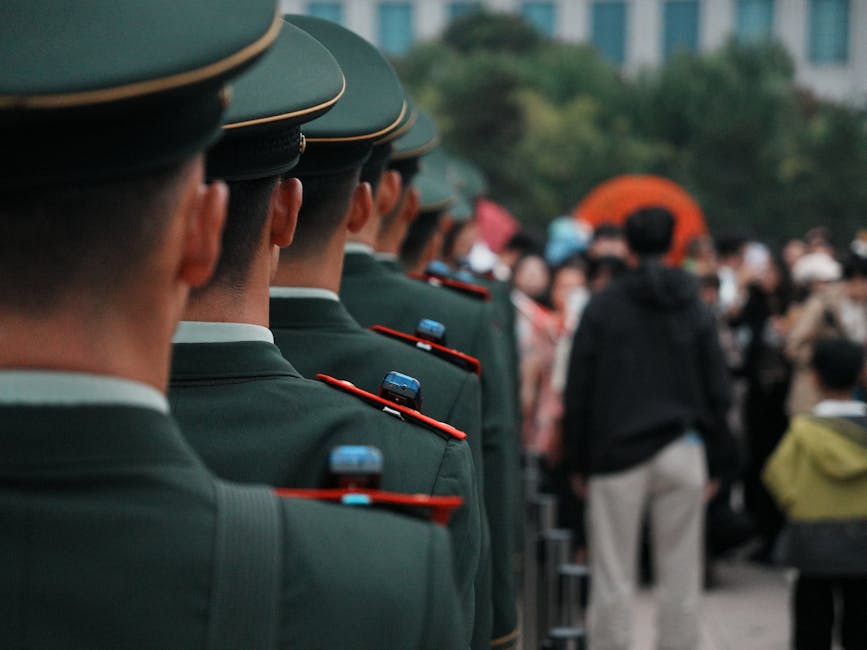
The Joint Security Area (JSA) at Panmunjom is the only place along the entire DMZ where soldiers from both Koreas come face-to-face. The blue conference buildings straddle the actual border. JSA tours allow visitors into these meeting rooms — the only place tourists can technically “stand in North Korea” briefly.
- Cost (2026): ₩150,000–195,000
- Duration: Full day, 8+ hours
- Status: Open intermittently — subject to suspension based on diplomatic tensions
- Booking: 2+ weeks ahead, with passport ID submitted
- Restrictions: Strict dress code, no children under 7, photo limitations
Important: JSA access has been periodically suspended since 2023. Always confirm operations with the tour operator before booking. Tour operators offer refunds for cancellations beyond their control.
The DMZ Sites in Detail
1. Imjingak Park
The first stop on most tours. Includes the Korean War Memorial, the Freedom Bridge (where 12,773 POWs returned in 1953), abandoned steam trains shot up during the war, and the Mangbaedan altar where North Korean refugees in the South perform ancestral rites.
2. Third Infiltration Tunnel
The most physical experience. North Korea dug four discovered tunnels under the DMZ between 1974 and 1990, intending to surprise-attack Seoul. The Third Tunnel is the most accessible: 1.7 km long, 73m underground, walking-distance from the South Korean entrance.
- Walk down: Steep slope (~358m one-way), ~30 minutes round-trip
- Monorail option: ₩3,000 extra (recommended for older travelers)
- Inside: No photography. Hard hat required. Cool, damp, dim lighting.
3. Dora Observatory
A modern observation platform where coin-operated telescopes (₩500) let you see into North Korea: Kaesong city skyline, the propaganda village of Kijong-dong, the giant North Korean flagpole (160m), and surrounding farmland.
4. Dorasan Station
An eerie modern train station built for the inter-Korean railway that was supposed to connect Seoul to Pyongyang. Gleaming platforms, departure boards listing Pyongyang, but no actual trains run. The most haunting site on most tours.
5. Unification Bridge / Daeseongdong Village
One of two civilian villages within the DMZ buffer. Daeseongdong has special tax exemptions but mandatory residency requirements. Tours don’t enter but pass nearby.
6. JSA / Panmunjom (JSA tours only)
The only physical meeting point between North and South. Enter the blue UN Conference Buildings; cross briefly into “North Korea” inside the building. South Korean ROK soldiers in their iconic stance face North Korean soldiers across the border. Surreal and tense.
What to Wear and Bring
Standard DMZ Tour
- Comfortable shoes for tunnel walking
- Layered clothing (cool underground)
- Passport (mandatory for all tours)
- Camera (with restrictions; no flash in observatory)
- Cash backup for monorail and souvenirs
- Light snacks (some tours include lunch)
JSA Tour (Stricter Dress Code)
- No ripped jeans or athletic shorts
- No camouflage or military-style clothing
- No flip-flops or sandals
- No tank tops or revealing clothing
- No Korean flag or political-statement clothing
- Smart casual minimum — collared shirts ideal
- Closed shoes mandatory
If you arrive in inappropriate dress for JSA, you’ll be turned away.
Photography Rules
- Outside the tunnel and observatory: Photos generally allowed
- Inside the Third Tunnel: No photos
- Dora Observatory: Photos allowed but flash forbidden
- JSA Conference Rooms: Photos in specified positions only
- Bus windows in restricted zones: No photos
- Soldiers: No close-up photos without permission
Listen carefully to your guide’s instructions. Violations can result in expulsion from the tour with no refund.
Best Tour Operators
- Klook — Most reliable bookings, multilingual support, good cancellation policies
- KKday — Similar to Klook
- Trazy — Korea-specialist, English support
- VIP Travel Korea — Direct operator, often best price
- Get Your Guide — International platform
- Viator — DMZ specialists
Tours typically include hotel pickup, English guide, lunch (some), entry fees, and bus transport.
Sample DMZ Tour Day
- 6:30 AM — Hotel pickup or Hongdae meeting point
- 8:00 AM — Arrive Imjingak Park (rest stop)
- 9:30 AM — Third Infiltration Tunnel
- 11:00 AM — Dora Observatory
- 12:00 PM — Dorasan Station
- 1:00 PM — Lunch (Korean restaurant near DMZ)
- 2:30 PM — Optional: ginseng center, amethyst factory (some tours)
- 4:00 PM — Return to Seoul
- 5:30 PM — Hotel drop-off
That schedule hands you the evening back, which is why the DMZ pairs well with something physical the next morning. Bukhansan’s Baegundae peak — 836.5 m, the highest point inside Seoul city limits — needs no permit, no guide and no advance booking: Line 3 to Gupabal, bus 704 to the Bukhansanseong trailhead, and you are on granite by mid-morning.
JSA Tour Day (Longer)
- 6:00 AM — Pickup
- 7:30 AM — Imjingak briefing
- 9:00 AM — JSA security clearance
- 10:00 AM — Conference Buildings tour
- 11:30 AM — Free Lunch at JSA cafeteria or nearby
- 1:00 PM — Standard DMZ sites (Tunnel, Observatory, Station)
- 4:30 PM — Return to Seoul
- 6:30 PM — Hotel
Best Time of Year for DMZ Tours
- Spring (April-May): Pleasant temperatures, occasional cherry blossoms in nearby parks
- Autumn (October-November): Crisp clear air, best for Dora Observatory views
- Winter (December-February): Cold but uncrowded, snow-dusted DMZ atmospheric
- Summer (June-August): Hot, humid, occasional rain disruptions
Avoid major Korean holidays (Chuseok, Lunar New Year) when DMZ may be closed.
October is also when the softer half of the northern day-trip circuit peaks, which is worth knowing if you want a counterweight to the barbed wire. Nami Island’s Metasequoia Lane turns gold through October and November, and the ITX-Cheongchun runs Yongsan to Gapyeong in about an hour for ₩6,000–8,500.
What to Expect Emotionally
The DMZ is a heavy place. Many travelers describe it as more impactful than expected:
- Standing 50 meters from a country where citizens cannot freely leave
- Seeing actual North Korean propaganda villages through binoculars
- Walking inside an attack tunnel meant to surprise Seoul
- Visiting an empty train station built on hope
- Witnessing soldiers in tense formal stance
- Hearing personal stories from elderly Korean tour guides
Plan a quiet evening afterward; many travelers find the experience moving. A slow ride along the river is the standard decompression — the Han River cycling routes are flat and traffic-free for 41 km, and a Ttareungi public bike costs ₩1,000 for the first hour.
Common Misconceptions
- “You can see North Koreans” — Through binoculars yes, but Kijong-dong is mostly empty propaganda buildings. Real towns are further north.
- “It’s dangerous” — Tour areas are extensively secured. Following guide instructions = no risk.
- “You can take selfies anywhere” — No. Photo restrictions are strictly enforced.
- “JSA is always available” — JSA tours are subject to suspension.
- “Tour buses go into North Korea” — They go into the DMZ buffer zone, not actual North Korea.
- “You need a special permit” — Standard DMZ tours don’t. JSA requires advance ID submission.
Tips for Booking and Going
- Book 1-2 weeks ahead for standard, 2+ weeks for JSA
- Bring passport — non-negotiable
- Confirm departure point the night before
- Eat breakfast at hotel — pickup is early
- Wear layered clothing — tunnel is cold, observatory is exposed
- Charge phone fully — limited charging on tour
- Cash backup ₩50,000 for souvenirs and monorail
- Confirm cancellation policy if booking JSA (more volatile)
- Small daypack — most tours don’t allow large bags
- Bring water bottle (refillable)
DMZ Souvenirs
Tour stops include shopping points (some tours skip these on request):
- DMZ-themed beer and chocolate
- Korean ginseng (legitimate but pricey)
- Amethyst from “DMZ amethyst mine” (overpriced)
- Postcards of the DMZ and Korean War
- Joint Security Area patches
- Korean War memoirs and books
Avoid expensive purchases at tourist trap shopping stops.
Frequently Asked Questions
Is a DMZ tour safe?
Yes — for tour participants, the DMZ is among the most controlled environments in Korea. Safety incidents are extremely rare.
Can foreigners visit the DMZ?
Yes — except South Korean citizens require advance permits, foreigners can join standard tours easily.
Can I do a DMZ tour without a guide?
No — independent travel into the DMZ is prohibited. All visits must be with authorized tour operators.
What’s the difference between standard DMZ and JSA tours?
Standard tours visit the southern DMZ (Third Tunnel, Dora Observatory). JSA tours add the Panmunjom border conference buildings — much more restrictive.
Is the JSA tour worth the extra cost?
If JSA is operational and your dates align, yes — it’s a genuinely unique experience. Otherwise the standard tour covers most of the DMZ experience.
How much does a DMZ tour cost in 2026?
Standard: ₩55,000-95,000. JSA: ₩150,000-195,000.
Can children go on DMZ tours?
Standard tours: yes (age 7+). JSA: no children under 7.
What time do DMZ tours start?
Pickup typically 6:30-7:30 AM. Plan early breakfast.
Is the Third Tunnel scary?
Some find it claustrophobic — it’s narrow and dim. Optional monorail (₩3,000 extra) skips the steep walk.
Should I book in advance?
Yes — Klook, KKday, Trazy 1+ week ahead. JSA 2+ weeks ahead.
Final Thoughts
The DMZ is one of the most powerful experiences a tourist can have in Korea — sobering, educational, and unforgettable. Standard DMZ tours are accessible and reliable; JSA tours when operational are unique. Book through reputable operators, bring your passport, dress appropriately, and prepare for an emotionally heavy day. Pair this with our day trips from Seoul guide, the broader Seoul itineraries, and the master Seoul travel guide.