01
30 Best Free Things to Do in Seoul (2026 Guide)
Discover 30 of the best free things to do in Seoul in 2026, including free palace…
Seoul is one of those rare cities where you could spend a month and still only scratch the surface. From 600-year-old royal palaces and serene Buddhist temples to neon-drenched nightlife districts and cutting-edge contemporary art spaces, the South Korean capital offers an extraordinary range of things to do for every type of traveler.
7 guides, ordered the way you will need them. Each one stands alone if you arrived from search.
01
Discover 30 of the best free things to do in Seoul in 2026, including free palace…
02
Discover 20 unique experiences in Seoul you won't find anywhere else. From temple…
03
Discover Seoul's best museums and galleries — from the free National Museum of…
04
Complete tourist guide to Seoul's temples and shrines. Discover Jogyesa, Bongeunsa…
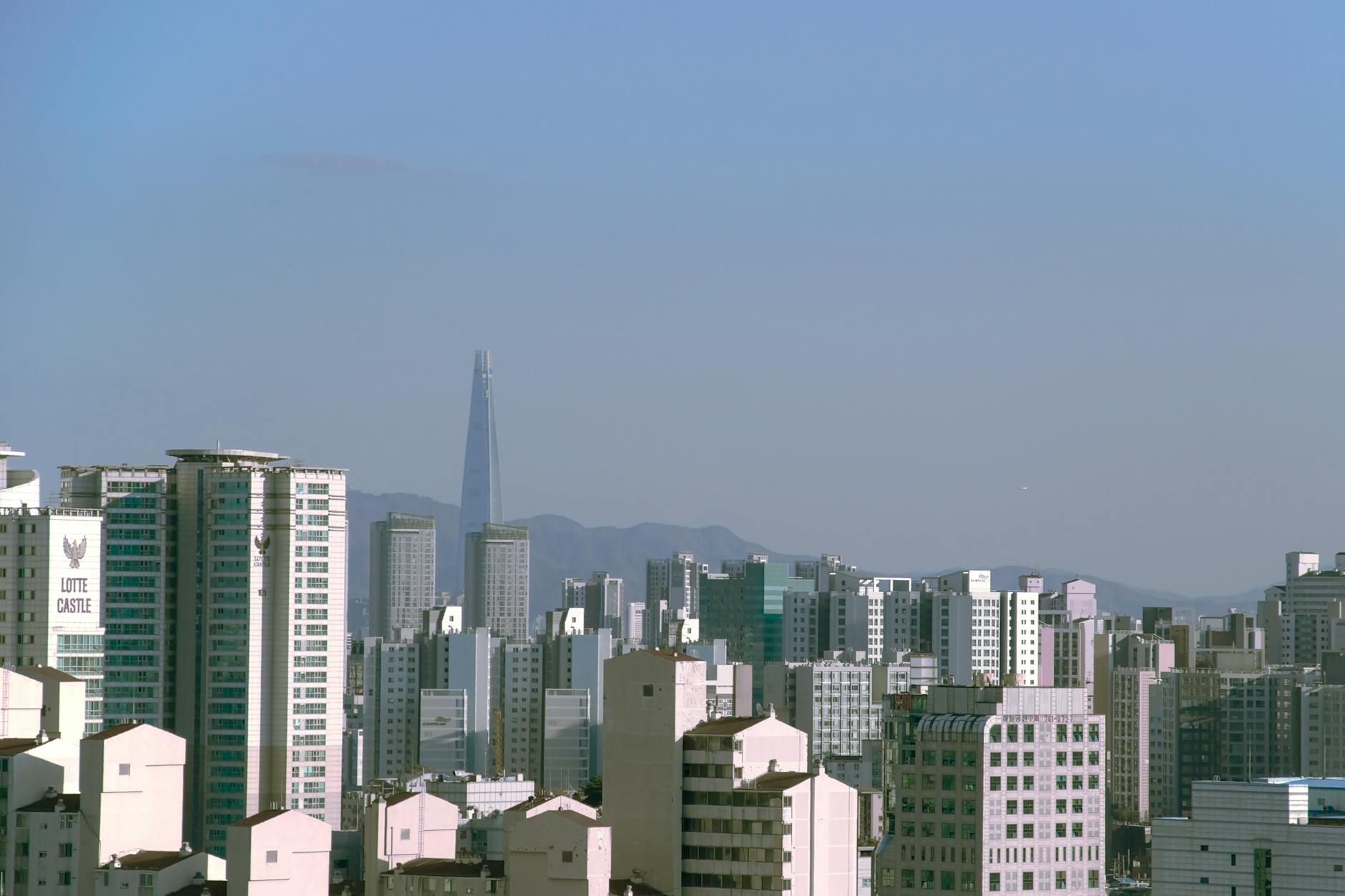
This guide rounds up the 50 best things to do in Seoul — from iconic landmarks that belong on every first-timer’s list to hidden local favorites that most tourists never discover. Whether you’re here for the history, the food, the K-culture, or simply the energy of one of Asia’s most dynamic cities, you’ll find your perfect Seoul experience below.
Seoul’s five grand palaces are the city’s cultural backbone, each offering a unique window into Korea’s Joseon era. Beyond the palaces, the city is studded with historical sites that tell the story of a civilization that has endured invasions, war, and dramatic modernization.
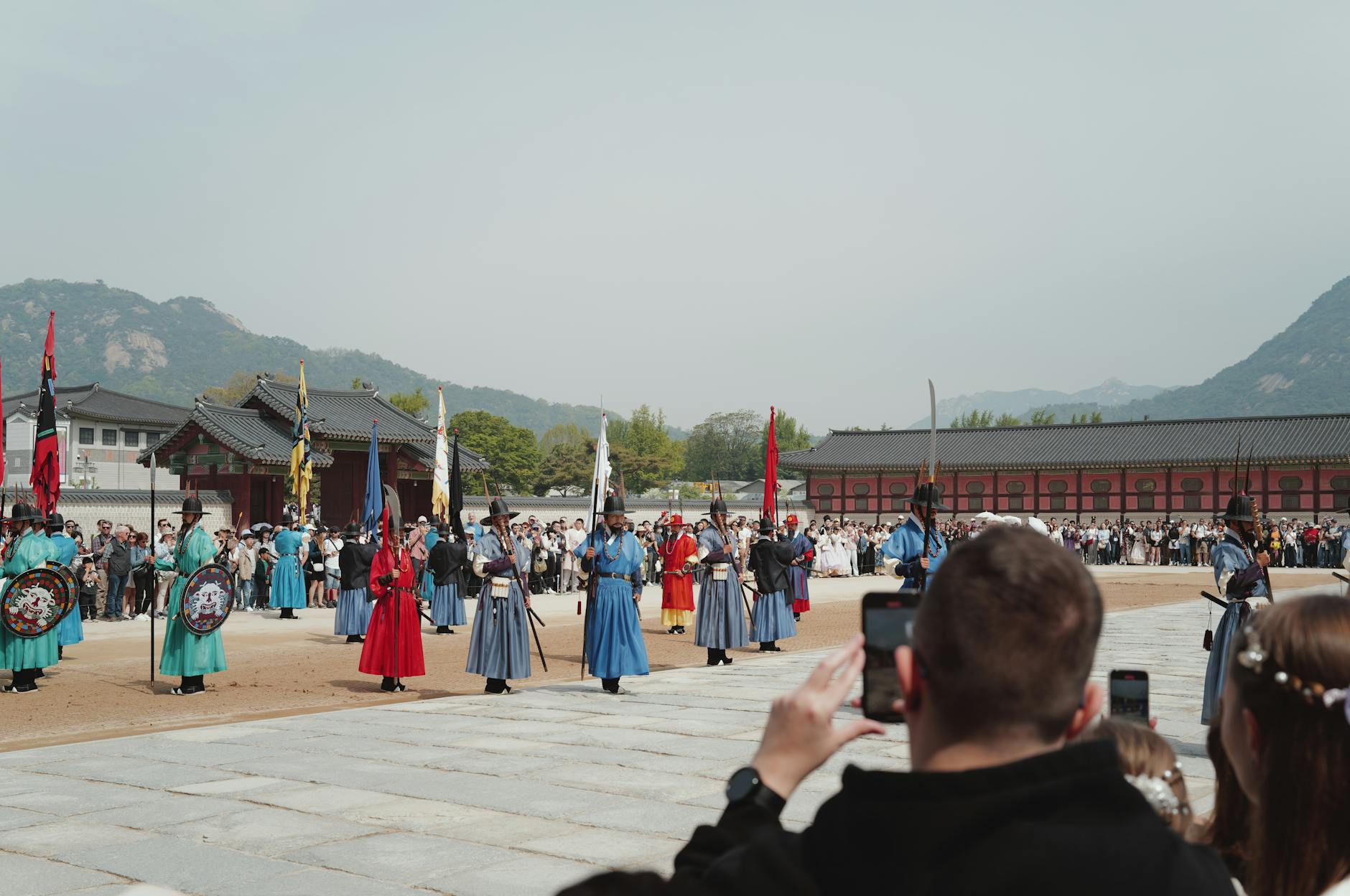
The largest and most iconic of Seoul’s palaces, built in 1395 as the main royal residence. The star attraction is the Royal Guard Changing Ceremony at Gwanghwamun Gate — a colorful, meticulously choreographed spectacle held multiple times daily (free). Inside, explore the ornate throne hall (Geunjeongjeon), the serene Gyeonghoeru Pavilion floating on a lotus pond, and the on-site National Folk Museum. Entry costs just ₩3,000 ($2) — or is completely free if you wear a hanbok (traditional Korean dress). Arrive before 10 a.m. to experience it without the crowds.
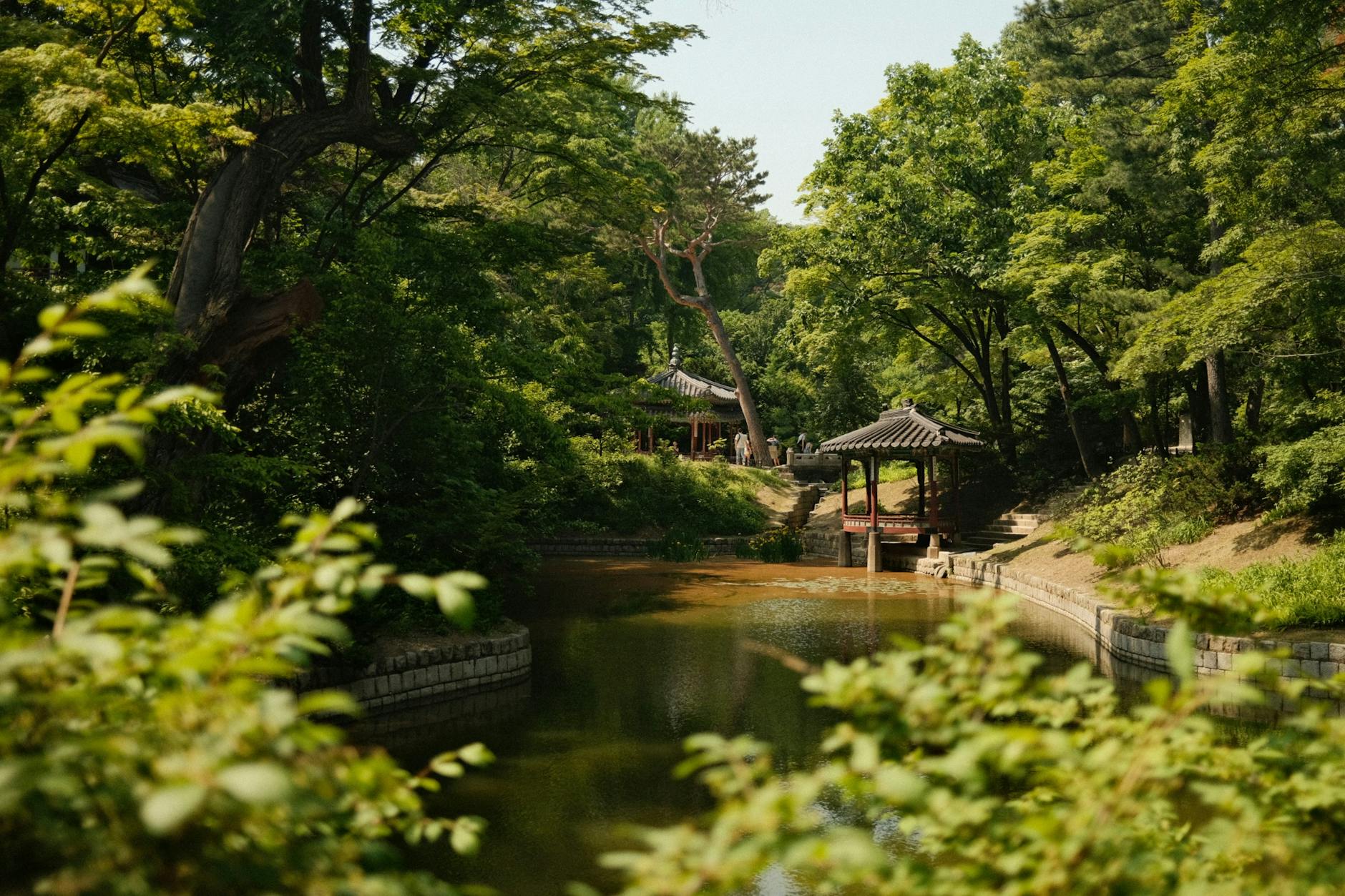
A UNESCO World Heritage Site and many locals’ favorite palace for its harmonious integration with the natural landscape. The real highlight is the Huwon (Secret Garden) — a sprawling 78-acre woodland garden with ancient trees, lotus ponds, and hidden pavilions that was once the private retreat of the royal family. The Secret Garden has its own timed admission (₩5,000 extra for adults, capped at 100 people per session): you go in with a guide, then either follow the commentary or explore the open areas on your own. It’s one of the most magical experiences in Seoul, particularly during autumn foliage season.
Set right in the middle of Seoul’s modern downtown, surrounded by glass towers. The changing of the guard ceremony at Daehanmun Gate is free and happens three times daily — equally impressive as Gyeongbokgung’s but far less crowded. The palace grounds also feature a rare blend of traditional Korean and Western-style neoclassical buildings from the early 1900s.
The most underrated of the five palaces, and a local favorite for that reason. Originally built as a residence for three dowager queens, Changgyeonggung feels more intimate and peaceful than its grander siblings. Its botanical greenhouse, built in 1909, was Korea’s first Western-style greenhouse. Night openings during spring and autumn are particularly atmospheric.
Another UNESCO World Heritage Site, this Confucian shrine houses the spirit tablets of Joseon Dynasty kings and queens. The annual Jongmyo Jerye ceremony (usually in May) is one of the most significant cultural rituals in Korea, featuring traditional court music and dance performed exactly as it was 600 years ago. Outside of ceremony days, the shrine is a contemplative, crowd-free alternative to the palaces. Jongmyo is one stop on a much longer circuit of Seoul’s temples and shrines, which runs from Jogyesa’s lantern-hung courtyard in Jongno to Bongeunsa sitting in the shadow of Gangnam’s towers.
Seoul doesn’t just preserve its traditions — it invites you to participate in them. These hands-on cultural experiences go beyond passive sightseeing and create lasting memories.
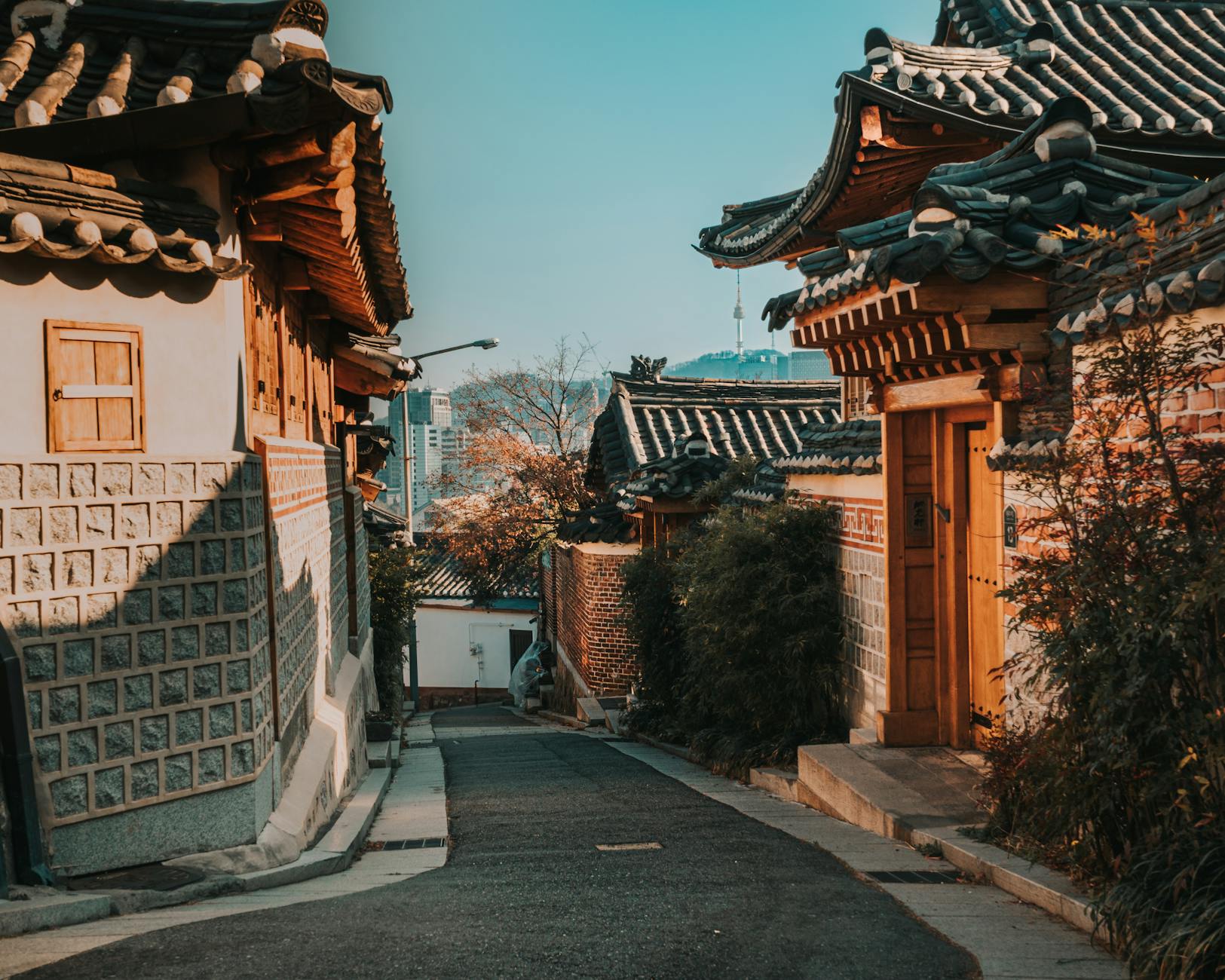
A living neighborhood of hundreds of traditional hanok (Korean houses) perched on the hillside between Gyeongbokgung and Changdeokgung palaces. The narrow alleyways — especially Bukchon 8-gil — offer Seoul’s most iconic photo opportunities: traditional tiled rooftops framing the modern city skyline. In the red zone around Bukchon-ro 11-gil, tourists may only visit from 10 a.m. to 5 p.m., out of respect for residents; the rule covers that zone, not the whole village. Come on a weekday for the best experience, and save the red-zone lanes for after 10 a.m.
Seoul’s trendiest tiny neighborhood — a grid of century-old hanok converted into stylish cafés, boutiques, vintage shops, and galleries. Less touristy than Bukchon, Ikseon-dong represents Seoul at its creative best: old architecture breathing new life. The vintage clothing shops and traditional Korean dessert cafés here are exceptional.
Renting a hanbok from one of the many shops near the palaces (Oneday Hanbok near Gyeongbokgung Station charges ₩24,000 for four hours) isn’t just for photos — it grants free entry to the grand palaces (the Secret Garden still needs its own ticket) and transforms your entire sightseeing experience. Walking the palace grounds in traditional dress, with the ancient architecture as your backdrop, is one of Seoul’s most memorable activities.
Learning to make kimchi, Korean BBQ, bibimbap, or tteokbokki from a local chef is one of the most rewarding things to do in Seoul. Classes are hands-on and end with you eating what you cooked; some add a market visit, so check each listing for its length and what’s included. Expect to pay ₩50,000–₩80,000 per person. Book through providers on Klook or Airbnb Experiences.
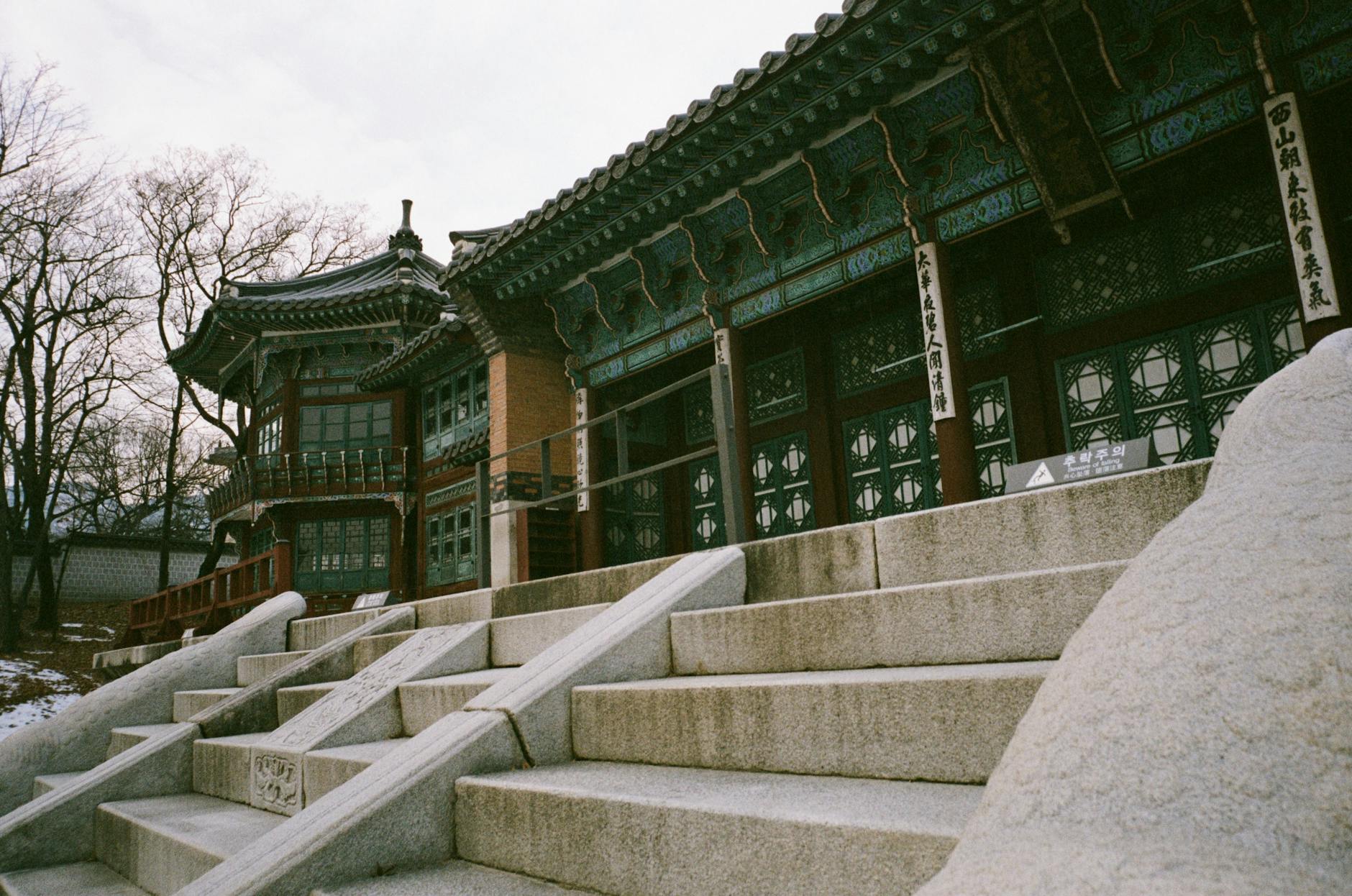
Spending a night at a Buddhist temple is a profoundly calming experience. Jogyesa Temple in central Seoul offers short temple-life programs, while temples like Geumsunsa on the outskirts provide overnight stays including meditation, chanting ceremonies, temple food cooking, and early-morning bell-ringing. Programs range from ₩50,000 for a half-day to ₩100,000+ for an overnight. Check the official Templestay website for availability.
The Demilitarized Zone separating North and South Korea lies north of Seoul and ranks among the most unique excursions anywhere in the world. Standard tours visit the Third Infiltration Tunnel, Dora Observatory, and Dorasan Station. They don’t enter the Joint Security Area (JSA) at Panmunjom: JSA visits have been suspended since 2023 and are only rarely available. Full-day tours from Seoul run ₩60,000–₩130,000. Book at least a few days in advance — passport details are required for security clearance.
Seoul’s traditional markets are sensory feasts and some of the best things to do in Seoul for food lovers. Each market has its own personality and specialties.
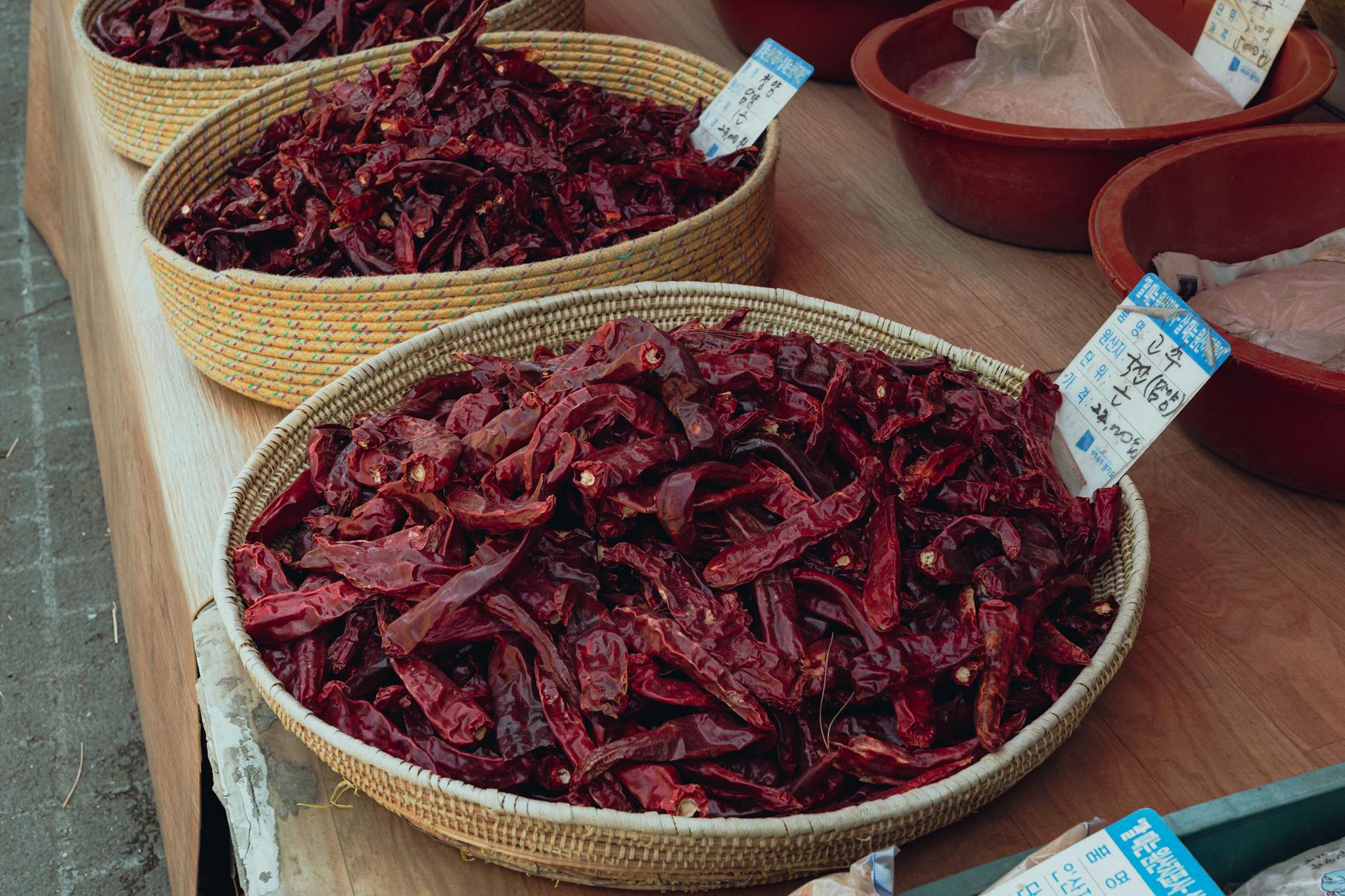
Trading since 1905, Gwangjang is one of Seoul’s historic traditional markets, and the one every food-focused visitor should prioritize. The bustling food alley serves legendary bindaetteok (crispy mung bean pancakes), mayak gimbap (“addictive” mini rice rolls), and yukhoe (Korean beef tartare). Grab a seat at a stall, point at what looks good, and let the ajumma (market ladies) guide you. Budget ₩10,000–₩20,000 for a filling food crawl.
A sprawling traditional market spread across labyrinthine alleyways. While Gwangjang wins for food, Namdaemun is the place for bargain shopping — clothing, accessories, kitchen goods, dried seafood, and ginseng. The Galchi Jorim Alley (braised cutlassfish street) is a hidden culinary gem.
The locals’ market of choice, tucked away in the residential Mangwon-dong neighborhood near Hongdae. Less touristy and more authentic than Gwangjang, Mangwon is where young Seoul residents shop for fresh produce and snack on hotteok (sweet pancakes), fresh mandu (dumplings), and seasonal specialties. Pair it with a walk along the nearby Han River path.
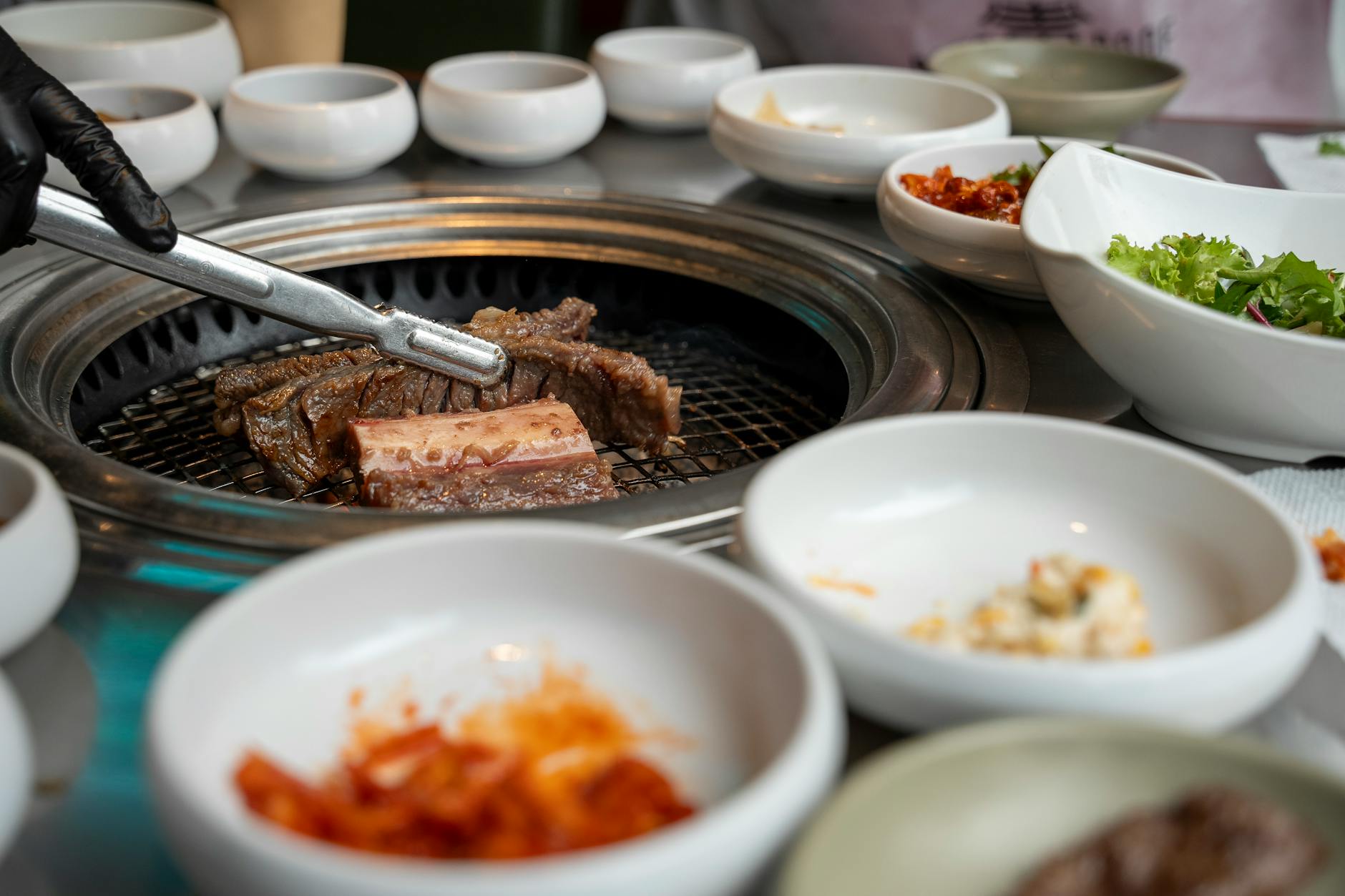
No trip to Seoul is complete without a proper Korean BBQ session — grilling marinated beef (bulgogi), pork belly (samgyeopsal), or premium hanwoo beef at your table, wrapped in lettuce with garlic, ssamjang, and pickled radish. The ritual of cooking, wrapping, and sharing is as much the experience as the food itself. Expect to pay ₩15,000–₩30,000 per person at a solid neighborhood joint, or ₩50,000+ at premium spots. For our full guide, see the Seoul Food Guide.
Beyond the markets, Seoul’s street food scene thrives in neighborhoods like Myeongdong (best for variety and tourist-friendly options), Hongdae (trendy fusion snacks), and Euljiro (old-school Korean favorites). Must-try street foods: tteokbokki (spicy rice cakes), hotteok (sweet syrup pancakes), gimbap (Korean rice rolls), egg bread, and tornado potatoes on a stick.
Seoul’s modern landmarks are as impressive as its ancient ones, showcasing the city’s relentless drive toward the future.
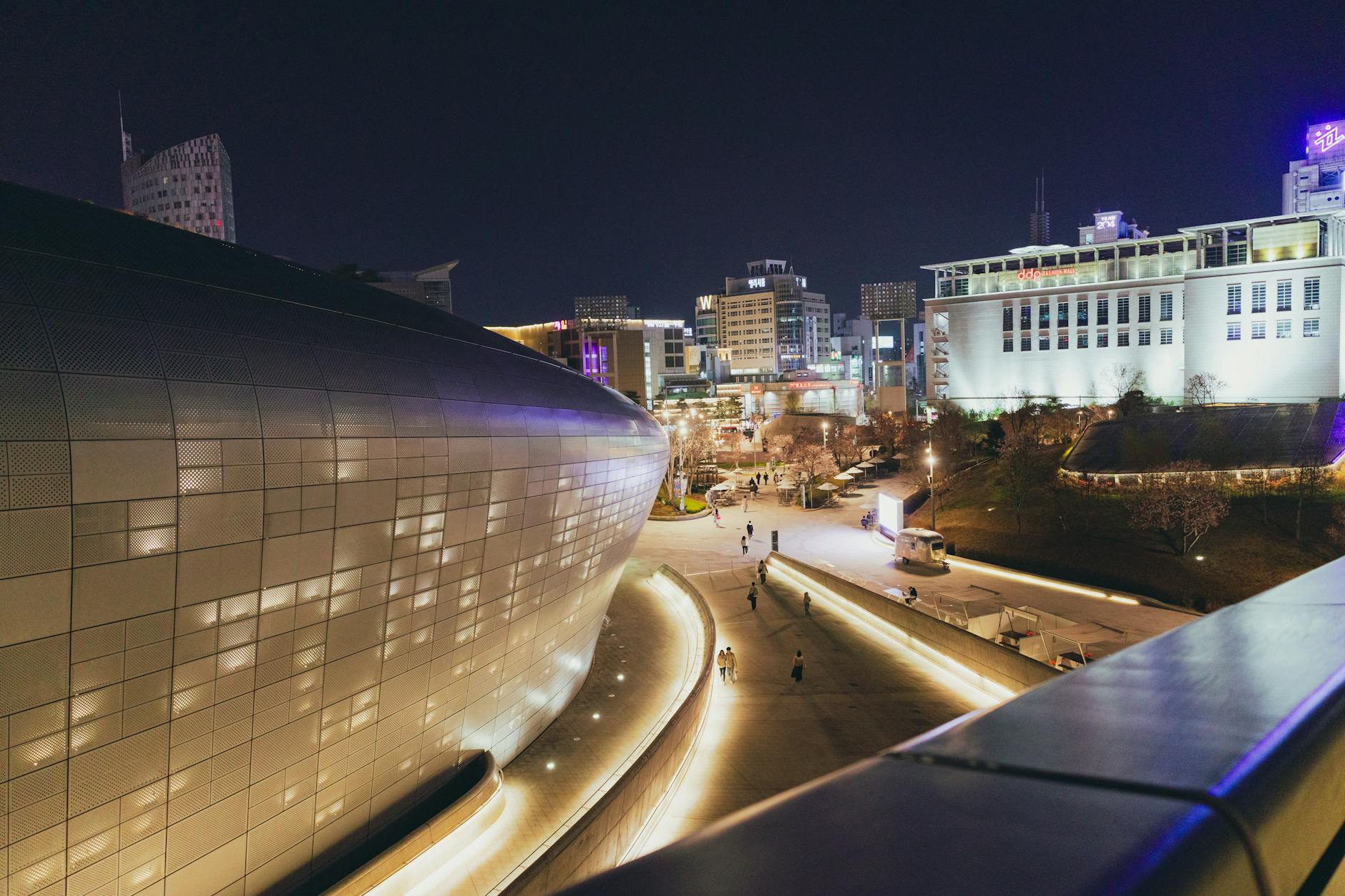
Zaha Hadid’s futuristic masterpiece is a sweeping, silver-skinned structure with no straight lines that looks like it landed from another planet. Inside, explore rotating art exhibitions, design markets, and cultural events. Free to walk around; exhibition fees vary.
Soaring 13-meter bookshelves holding about 70,000 books form the centerpiece of this stunning open library inside Gangnam’s COEX Mall. Free to visit, it’s one of Seoul’s most Instagram-worthy spots and a genuinely pleasant place to sit and read. While there, explore the connected COEX Aquarium and the vast underground shopping complex.
South Korea’s tallest building (555 meters, 123 floors) dominates the eastern Seoul skyline. The Seoul Sky observation deck on floors 117–123 offers vertigo-inducing panoramic views through glass-floor panels. Entry is ₩33,000 for adults (13 and over). The surrounding Lotte World complex includes an indoor theme park with an outdoor section, Magic Island, and an aquarium in Lotte World Mall. Best visited at sunset for views transitioning from daylight to glittering cityscape.
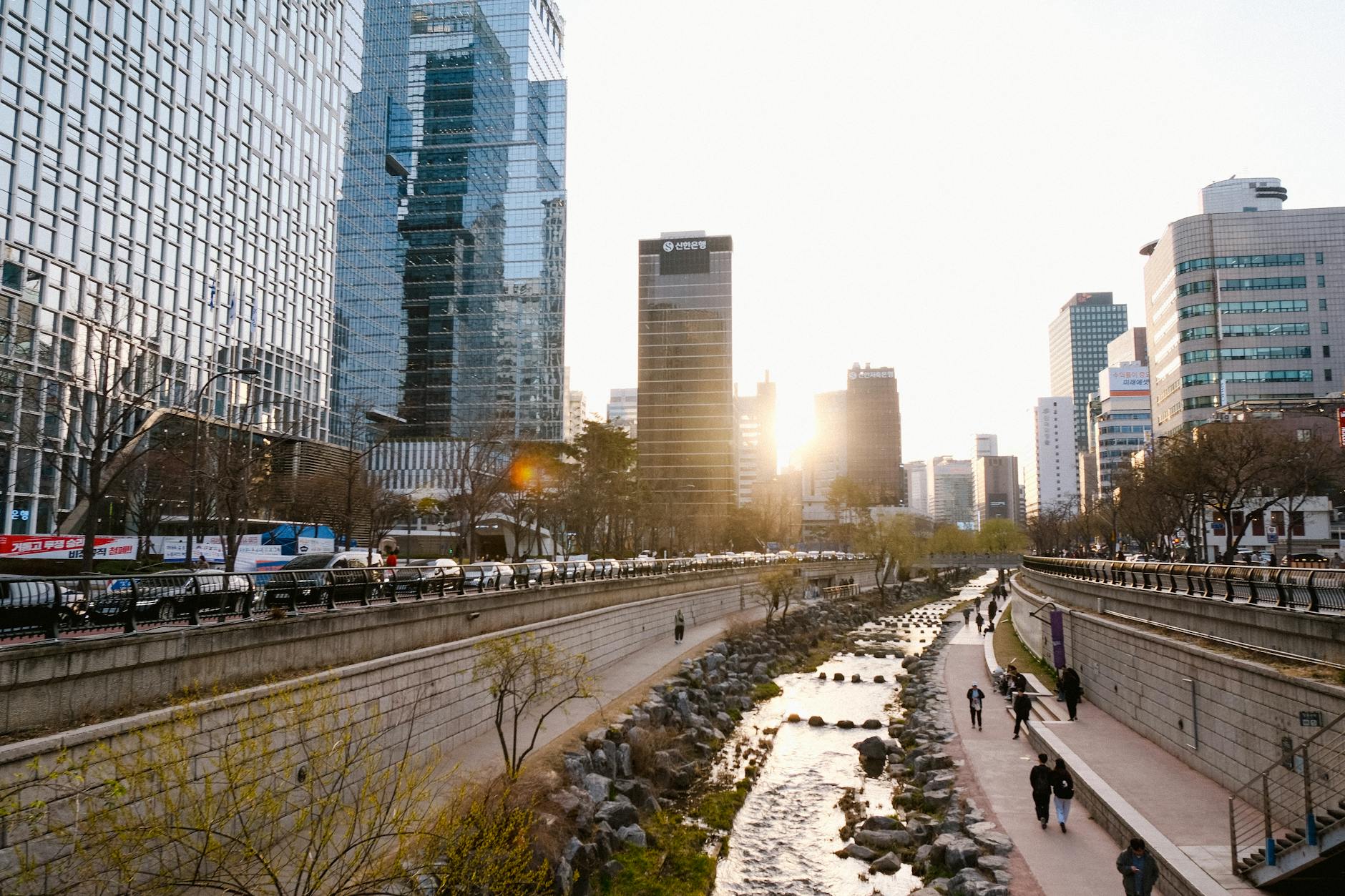
This 11-kilometer urban stream was once buried under a road and an elevated highway. Both came down in a restoration finished in 2005, which reopened a 5.84 km stretch through the heart of downtown Seoul as a peaceful walking path — one of the city’s greatest urban renewal stories. Walk its full length from Cheonggye Plaza to the Han River, or just enjoy a section near Gwanghwamun. Especially beautiful during the Seoul Lantern Festival, usually held from mid-December to mid-January, when thousands of illuminated lanterns float along the waterway; dates are announced in late autumn.
Despite being a megacity of 10 million, Seoul is surrounded by mountains and bisected by the Han River, offering remarkable outdoor things to do in Seoul without ever leaving city limits. There is far more here than five entries can hold — our Seoul hiking, parks and outdoor adventure guide sorts the trails by difficulty and covers the riverside parks, the old city-wall walks, and the mountain routes you can reach on the subway.
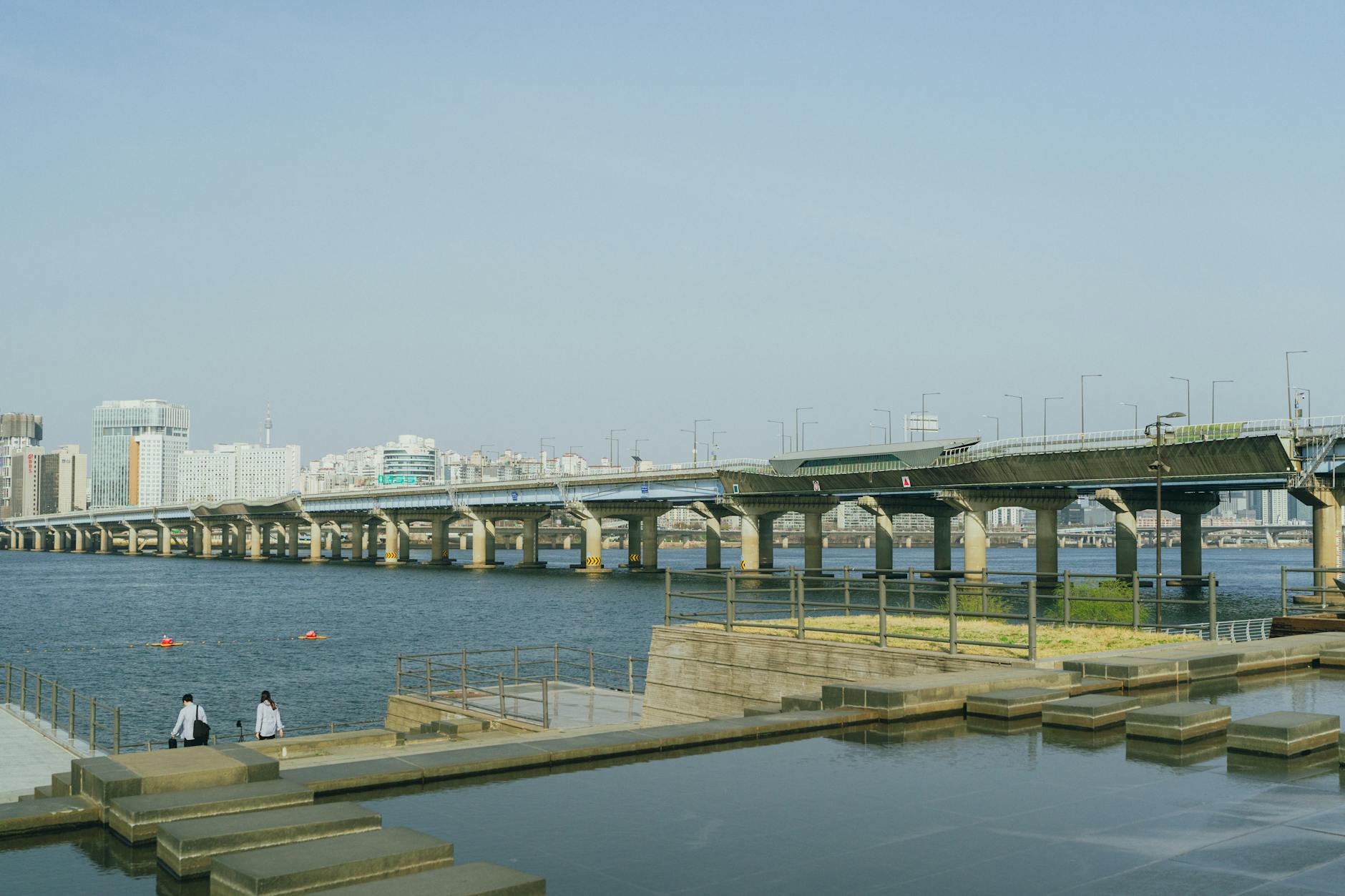
The riverside parks lining the Han River are where Seoul comes to breathe. Rent a bicycle and ride the dedicated cycling paths, order chimaek (fried chicken and beer) for delivery right to your picnic blanket via the Baedal Minjok app, watch the Banpo Rainbow Bridge Fountain show (April–October evenings), or simply sit on the grass and watch the sunset paint the skyline. Yeouido Hangang Park and Ttukseom are the most popular spots.
A popular national park on Seoul’s northern border, Bukhansan offers dramatic granite peaks, Buddhist temples, and panoramic city views. The Baegundae Peak trail (836m) is the most popular summit hike — challenging but rewarding, with views stretching to North Korea on clear days. Less strenuous options include the Bukhansanseong Fortress trail. Free entry; take Line 3 to Gupabal and a bus to the trailhead, or the Ui-Sinseol Line to Bukhansan Ui.
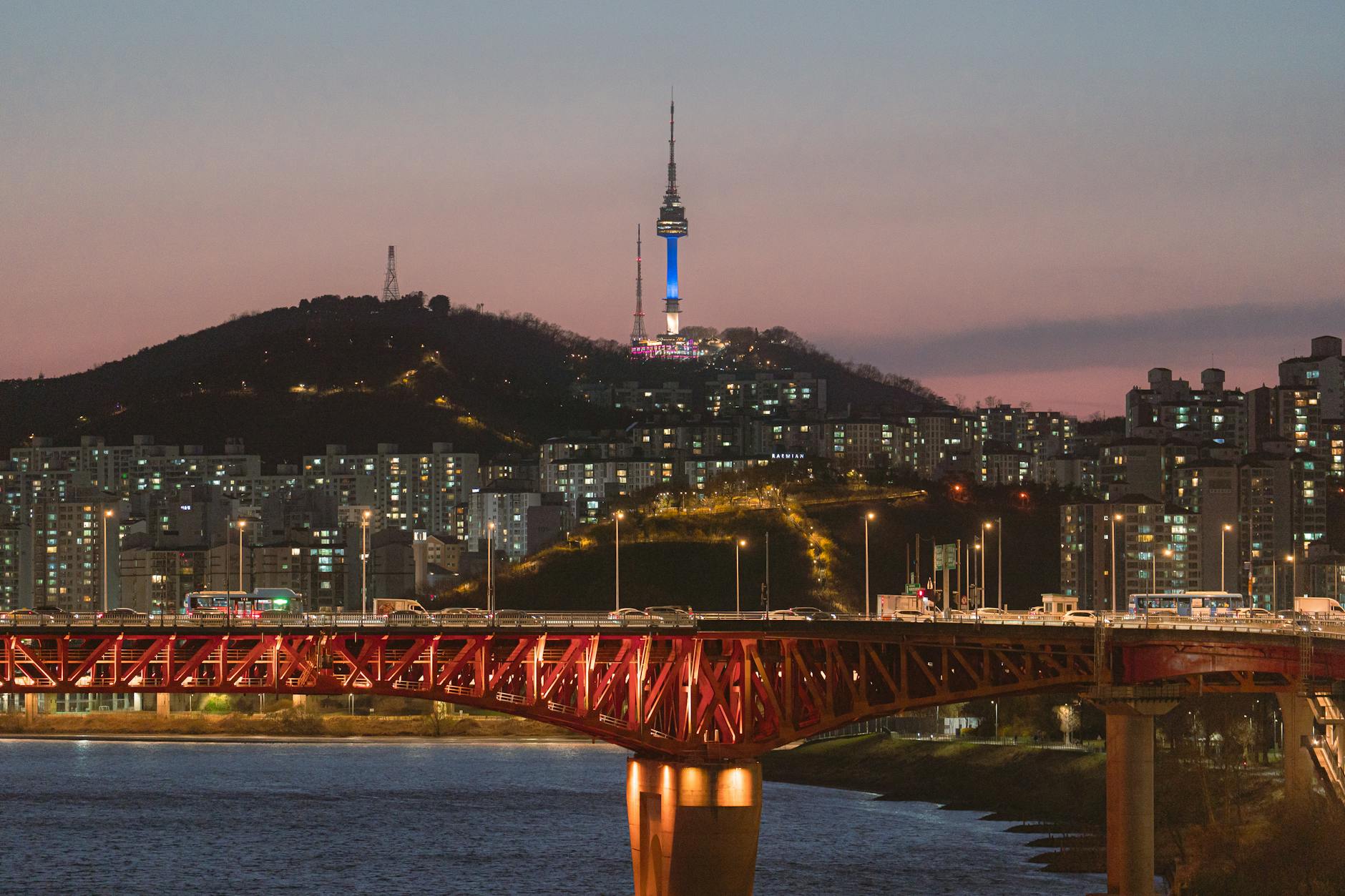
The quintessential Seoul viewpoint. You can walk up one of the trails from the base, take the Namsan cable car (₩15,000 round trip, ₩12,000 one way), or ride the Namsan circular bus. N Seoul Tower’s observation deck (₩29,000 for adults) provides 360-degree panoramas that are particularly spectacular at sunset and after dark. The surrounding Namsan Park is laced with walking trails, and the “love lock” fence is a Seoul institution.
Seongsu-dong’s 119-acre green oasis features forest trails, a deer enclosure where you can watch the deer up close, a butterfly garden, and expansive lawns perfect for picnicking. Free entry. Combine with a visit to the trendy Seongsu-dong café district next door for a perfect half-day itinerary.
This lesser-known mountain hike on Seoul’s western edge passes through Guksadang, a shamanic shrine long associated with mudang (Korean shamans) and their rituals. The trail continues along the old Seoul City Wall with dramatic views of the city and Gyeongbokgung Palace below. A fascinating blend of nature, spirituality, and urban panorama.
Each Seoul neighborhood has a distinct character. Exploring different districts is one of the best things to do in Seoul for understanding the city’s many layers. For a complete guide, see our Seoul Neighborhoods Guide.
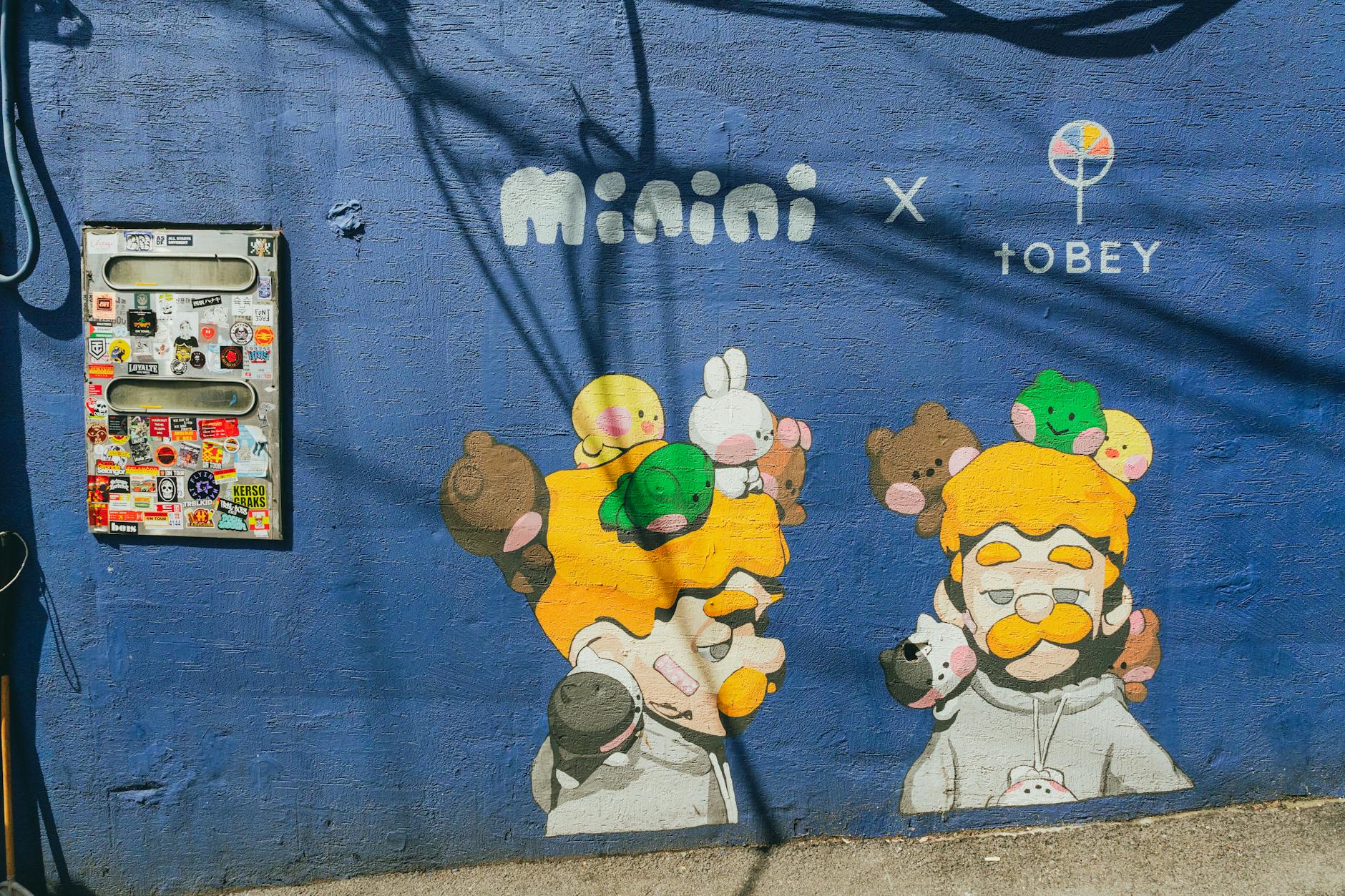
The beating heart of Seoul’s youth culture and indie arts scene. By day, explore street performers, quirky independent shops, and themed cafés (animal cafés, VR arcades, board game cafés). By night, Hongdae transforms into one of Asia’s best nightlife districts with live music venues, craft cocktail bars, and clubs. The weekend free market near Hongik University showcases handmade goods from local artists.
The upscale district south of the Han River, made globally famous by PSY’s hit. COEX Mall’s Starfield Library and the Bongeunsa Temple sitting serenely amid skyscrapers draw visitors from around the world, and our K-pop guide covers the fan sights. Apgujeong Rodeo Street is Seoul’s fashion and beauty epicenter.
Seoul’s traditional arts and crafts district, lined with galleries, antique shops, tea houses, and calligraphy studios. Ssamziegil, a spiraling open-air mall of artisan shops, is the neighborhood’s creative hub. Insadong is also the best area to buy traditional Korean souvenirs — handmade paper, celadon ceramics, and hand-painted fans.
Seoul’s “Brooklyn” — a former shoe-manufacturing district now packed with specialty coffee roasters, concept stores in converted warehouses, art galleries, and pop-up exhibitions. The neighborhood evolves almost monthly, making each visit a fresh discovery. Don’t miss the cluster of artisan bakeries and third-wave coffee shops along Seongsu-dong’s main strip.
Seoul’s latest “it” neighborhood, hidden in the back alleys behind the old printing and metalworking district. Vintage bars, craft breweries, and atmospheric cafés have sprouted among the workshops, creating a gritty-cool contrast that young Seoulites love. The neon-lit alleyways make for striking photography.
Historically Seoul’s international district, now increasingly trendy with world-class galleries (including the Leeum Museum of Art by Samsung), concept stores, and diverse dining spanning every cuisine imaginable. Hannam-dong’s gallery district and Gyeongridan-gil’s restaurant row are highlights. The Leeum anchors a much wider circuit — our guide to Seoul’s museums and galleries runs from the free national collections in Yongsan to the private art foundations, and flags which ones close on Mondays.
These are the things to do in Seoul that you simply can’t replicate anywhere else — experiences that define the city’s one-of-a-kind character. If this is the category you travel for, our guide to unique experiences in Seoul collects 20 more of them, from the genuinely strange to the quietly local.
Spending an evening at a jjimjilbang is quintessentially Korean. These sprawling bathhouse complexes feature multiple hot and cold pools, themed saunas (salt rooms, jade rooms, charcoal kilns), sleeping areas, restaurants, and entertainment. To find one near your hotel, search 찜질방 (jjimjilbang) on Naver Map or Kakao Map. Expect to pay ₩15,000–₩20,000 for entry (often open 24 hours).
Seoul is the global capital of K-pop. Visit entertainment company stores (JYP at Gangdong), catch a live music show recording, browse K-pop merchandise at Myeongdong or Hongdae, or book a K-pop dance class to learn choreography from professional instructors. For our complete guide, see K-pop & K-Culture in Seoul.
Forget karaoke bars — Korean noraebang gives you a private room with friends, a massive song catalog (including English hits), tambourines, and mood lighting. Coin noraebang charges per song (₩500–₩1,000 each), while standard rooms cost ₩15,000–₩25,000 per hour. It’s a quintessential Seoul night-out activity, especially after a few rounds of soju.
One of 2026’s hottest trends in Seoul. Professional stylists use fabric swatches and lighting to determine your ideal color palette for clothing and makeup. Sessions typically cost ₩50,000–₩100,000 and last about an hour. Hugely popular with K-beauty enthusiasts and fashion-conscious travelers.
Seoul’s café culture goes far beyond coffee. Experience animal cafés (sheep, raccoons, meerkats), VR gaming cafés, board game cafés, comic book cafés (manhwa-bang), and wildly themed establishments. The Seoul Café Guide has our complete recommendations.
Beyond soju and beer, Seoul’s craft alcohol scene is booming. Try makgeolli (milky rice wine) at traditional bars in Ikseon-dong, sample Korean craft beer at Euljiro taprooms, or take a soju tasting class to learn about the regional varieties. Makgeolli paired with pajeon (scallion pancakes) on a rainy day is one of life’s simple pleasures.
Seoul is remarkably generous with free experiences — you could fill several days without spending a won on activities. The six below are the highlights, but our roundup of free things to do in Seoul stretches to 30, covering the free-admission days at the major museums, the viewpoints that cost nothing, and the neighborhoods best explored on foot.
Every Wednesday is Culture Day, with free entry to Changdeokgung’s palace buildings, Changgyeonggung, Deoksugung and Jongmyo; Gyeongbokgung and the Secret Garden are not included. Wearing hanbok grants free palace entry any day of the week.
The Seoul Tourism Organization runs excellent free walking tours led by volunteer guides, covering themes from royal history to local food culture. Available in multiple languages — book through the Visit Seoul website.
This hilltop village near Naksan Park has colorful murals and street art installations along its lanes. Free to visit, with panoramic city views as a bonus. Combine with a walk along the old Seoul City Wall.
The grand public plaza in front of Gyeongbokgung features statues of King Sejong (creator of the Korean alphabet) and Admiral Yi Sun-sin. The underground Sejong Story exhibition (free) tells the fascinating history of Hangul. The area frequently hosts free cultural events and exhibitions.
Even if you don’t buy anything, walking through this cavernous wholesale fish market is a sensory spectacle — live octopus, massive king crabs, and tanks of sea creatures you’ve never seen. Stay for a meal: pick your seafood at a stall and a restaurant inside the market will cook it for an extra charge.
Seoul’s extensive riverside cycling paths are free to use. Public bike rental through the Seoul Bike (Ttareungyi) system costs just ₩1,000 for an hour — one of the best deals in the city. For more, see our Seoul on a Budget guide.
This crescent-shaped island in Chuncheon is famous for its tree-lined paths that became iconic after the K-drama Winter Sonata. Spectacular in every season — cherry blossoms in spring, green canopies in summer, golden ginkgo avenues in autumn, and snow-dusted pines in winter. Adult entry, round-trip ferry included: ₩19,000.
A UNESCO World Heritage Site you can reach on subway Line 1: ride to Suwon Station, then continue to the fortress by local transport, allowing extra time beyond the train ride. Walk the 5.7 km fortress walls for panoramic views of Suwon city, then explore the vibrant Suwon Chicken Street for some of Korea’s best fried chicken. A perfect half-day trip.
Incheon’s Chinatown features ornate Chinese gates, jjajangmyeon (black bean noodle) restaurants, and the scenic Wolmido boardwalk with ocean views and amusement rides.
Seoul’s premier nightlife district offers everything from underground indie rock venues to massive K-pop-blasting clubs. The energy peaks Friday and Saturday nights. For our full guide, see the Seoul Nightlife Guide.
Lotte World combines an indoor theme park with the outdoor rides of Magic Island, an ice skating rink, and seasonal parades. An adult day ticket costs ₩64,000 for the park only or ₩67,000 with the Folk Museum. Perfect for families or anyone wanting a fun-filled day.
Catching a live K-pop performance in Seoul is a bucket-list experience. Check TicketLink or Interpark for upcoming concerts. Free music show tapings (MBC Show Champion, SBS Inkigayo) are also available — apply through the broadcaster websites several weeks in advance.
The perfect Seoul evening: order Korean fried chicken and cold beer (chimaek) for delivery to a Han River park via the Baedal Minjok app, spread out a blanket, and watch the city lights reflect off the water. It’s what locals do, and after a full day of exploring, there’s no better way to end it.
If you are deciding which palace to see — or whether to see more than one — our Seoul palaces guide compares Gyeongbokgung, Changdeokgung, Changgyeonggung, Deoksugung and Gyeonghuigung side by side, with closing days, time needed and a walking route through the palace quarter.
Many of the things on this list cost nothing, but the ones that do cost money vary hugely, from ₩1,000 palaces to ₩64,000 for an adult day at Lotte World. Our guide to Seoul’s ticketed attractions gives every major paid sight a price, a time estimate and an honest verdict, compares N Seoul Tower with Seoul Sky and Lotte World with Everland, and ends with a skip-list of the tickets most visitors regret buying.
With 50 experiences to choose from, planning can feel overwhelming. Here’s how to approach it based on your trip length:
For detailed day-by-day planning, see our Seoul Itineraries page. To make the most of your budget, check the Seoul on a Budget guide. And for detailed transport advice to reach all these attractions, our Getting Around Seoul guide has everything you need.
Seoul rewards curiosity. The best moments often come from wandering a neighborhood you hadn’t planned to visit, ducking into a restaurant with no English menu, or striking up a conversation with a local at a pojangmacha (street tent bar). Use this list as your starting point, but leave room for the unscripted discoveries that make Seoul unforgettable.