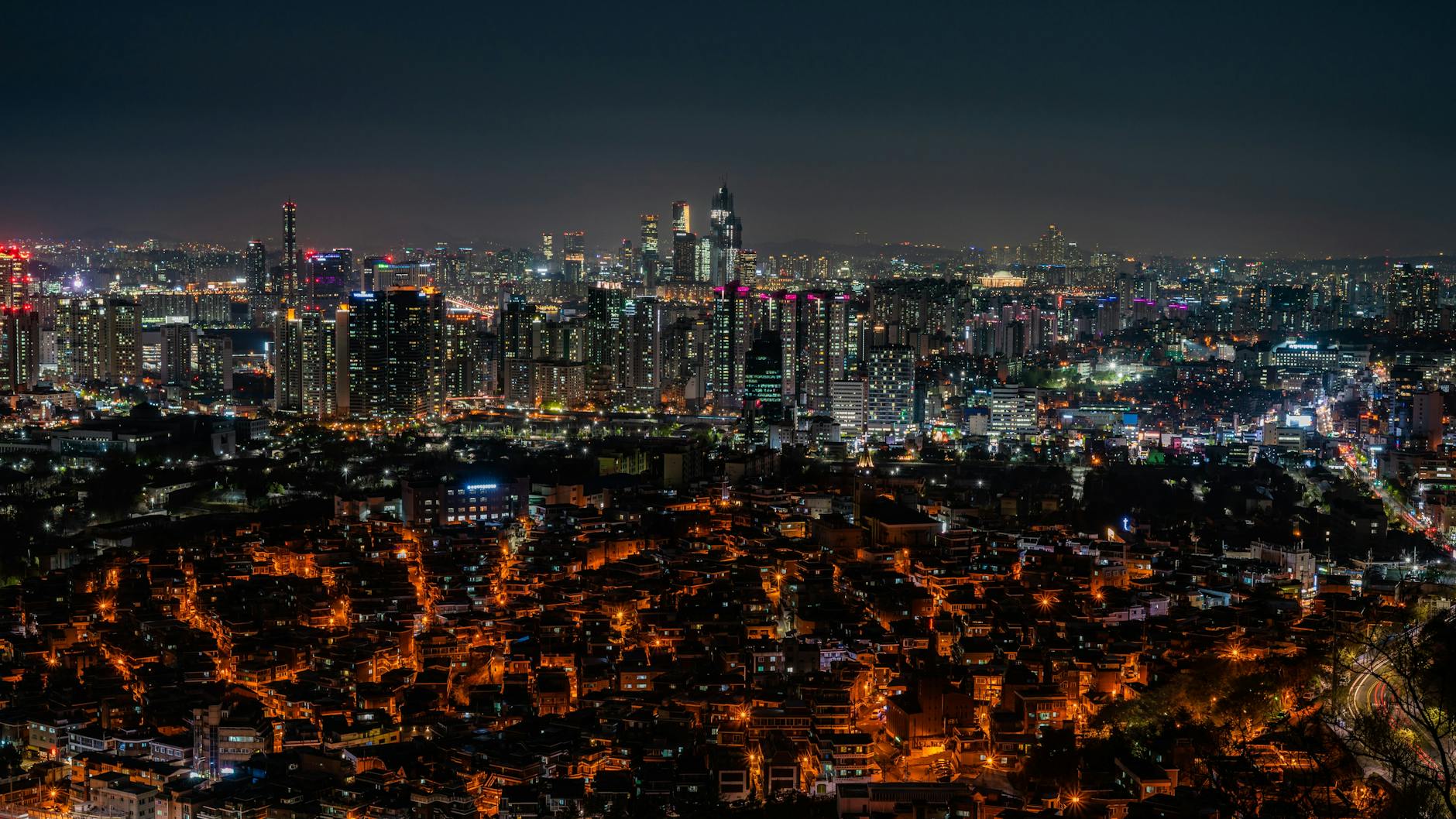
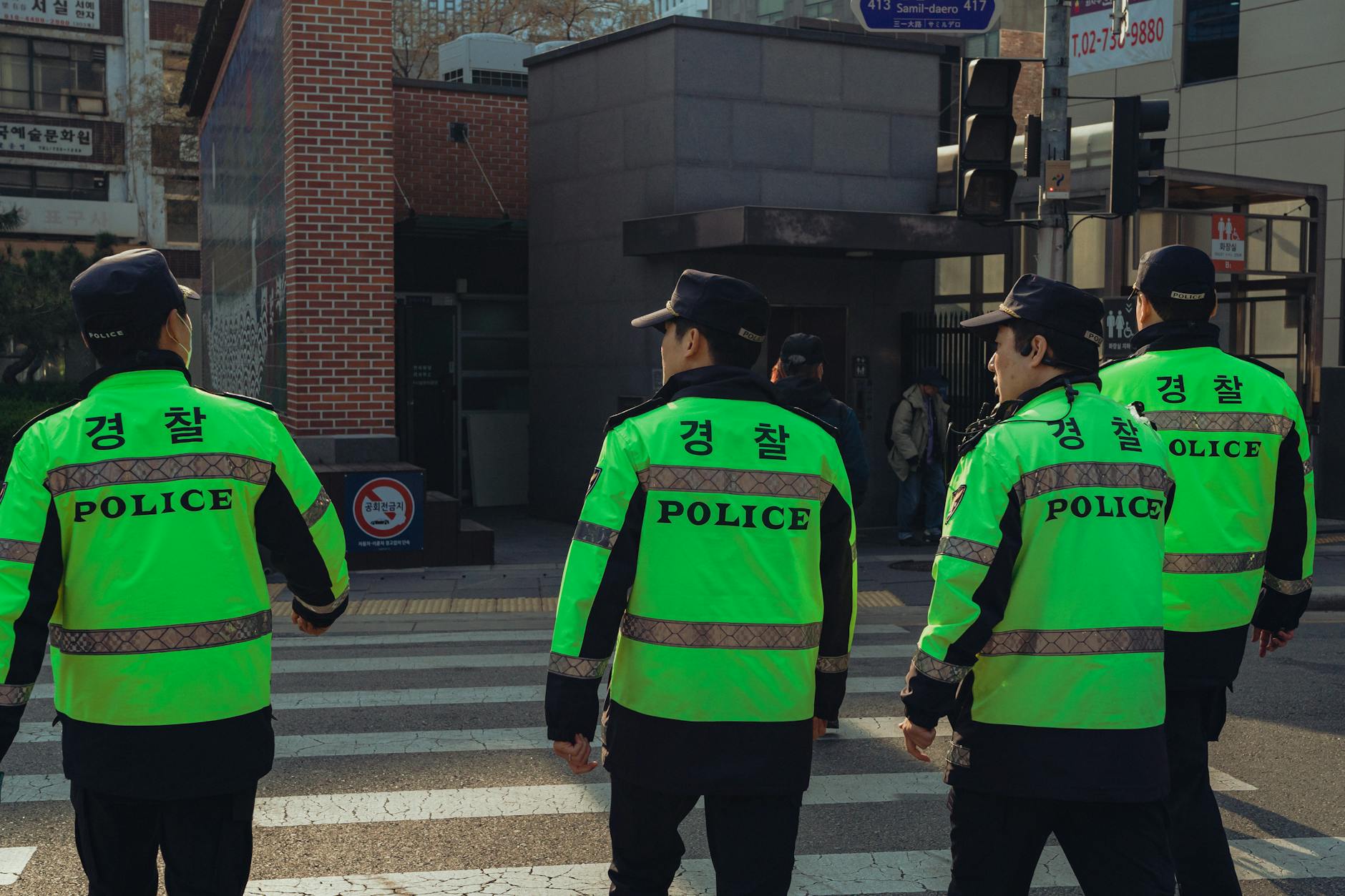
South Korea’s capital city of nearly 10 million people manages to maintain remarkably low crime rates thanks to extensive CCTV coverage, a visible police presence, an efficient public transportation system, and a cultural emphasis on community safety. That said, every city has its nuances, and being informed helps you travel smarter. This comprehensive Seoul travel guide companion covers everything you need to know about staying safe in the Korean capital.
Seoul Safety Overview: Crime Statistics and Rankings
Before diving into specifics, let’s look at the hard data that makes Seoul one of the world’s safest destinations for international visitors.
Crime Index and Safety Ratings
According to Numbeo’s 2026 data, Seoul scores a Crime Index of just 24.87 out of 100 (lower is better), placing it among the safest major cities globally. For context, New York City scores around 47, London around 52, and Paris around 55. Seoul’s Safety Index of 75.13 reflects the reality that residents and visitors alike feel remarkably secure.
The Global Peace Index consistently ranks South Korea in the top 50 most peaceful countries worldwide. Violent crime against tourists is exceptionally rare — you’re far more likely to lose your phone and have someone chase you down to return it than experience any criminal threat.
Types of Crime Tourists May Encounter
While violent crime is virtually nonexistent for tourists, minor issues can occur:
- Petty theft: Pickpocketing exists but at far lower rates than European capitals. Most common in crowded areas like Myeongdong and Hongdae on weekends
- Taxi overcharging: Some taxi drivers may take longer routes with foreign passengers. Use the Kakao T app to pre-set destinations and track routes
- Bar scams: In Itaewon and Gangnam, some bars may present inflated bills. Always confirm prices before ordering
- Street vendor overpricing: Tourist areas may have inflated prices. Ask the cost before purchasing street food or souvenirs
Safest Neighborhoods in Seoul for Tourists
While Seoul is safe overall, certain neighborhoods are particularly welcoming and secure for international visitors. Here’s your guide to the safest areas, which also happen to be some of the best places to explore.
Jongno-gu (Historic Heart)
Home to Gyeongbokgung Palace, Bukchon Hanok Village, and Insadong, Jongno-gu is one of Seoul’s safest and most tourist-friendly districts. The area has heavy foot traffic, excellent lighting, and a strong police presence. It’s perfect for first-time visitors exploring Seoul’s historical and cultural landmarks.
Myeongdong (Shopping District)
Seoul’s premier shopping district is extremely safe, with well-lit streets, constant activity until late evening, and numerous tourist information booths. The main concerns here are pushy cosmetics vendors and crowded sidewalks rather than any safety threats.
Gangnam (Modern Seoul)
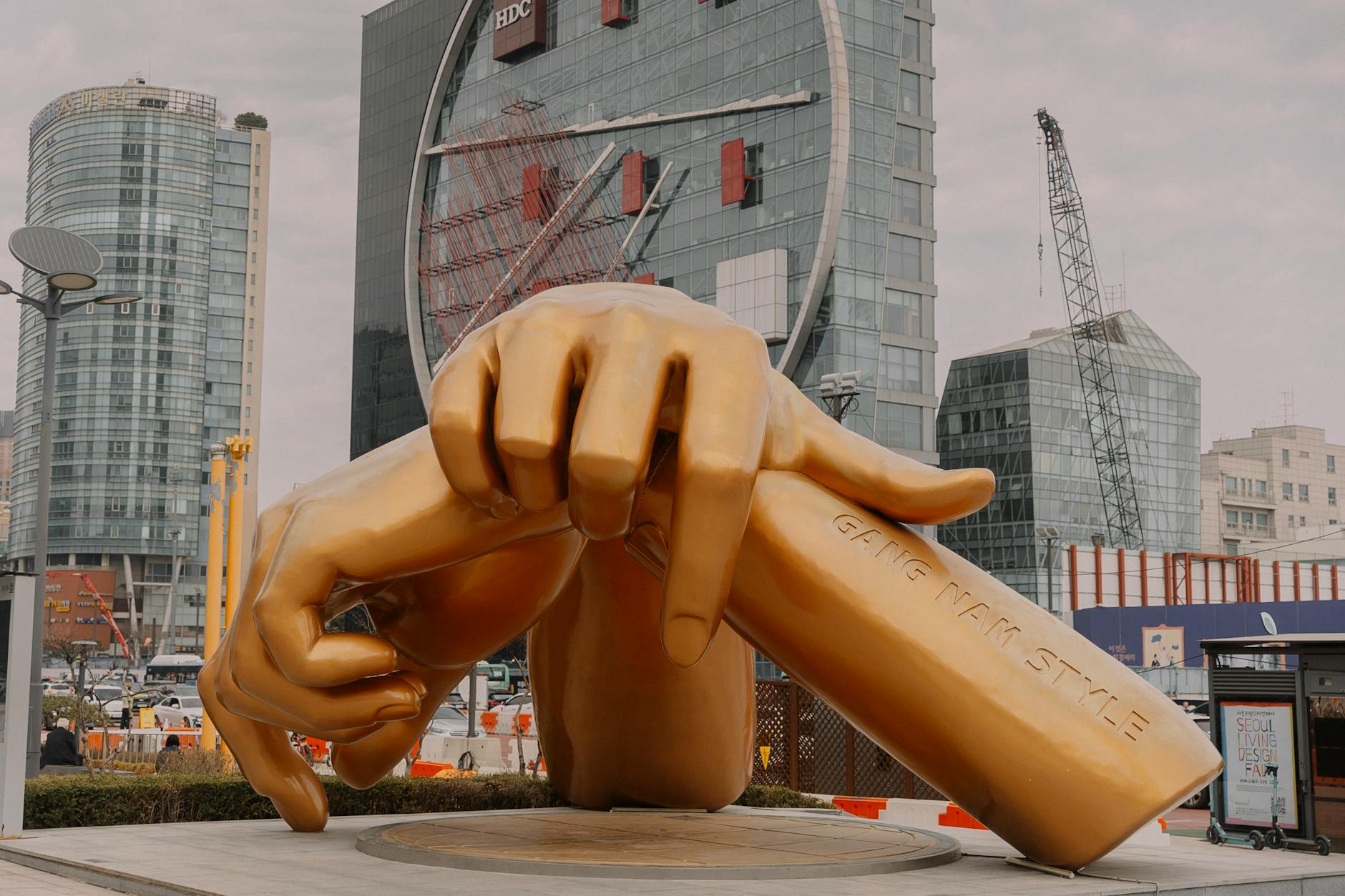
The affluent Gangnam district south of the Han River is exceptionally safe. Known for upscale shopping, trendy restaurants, and the famous COEX Mall, this area has excellent infrastructure and feels very secure even late at night.
Hongdae (Youth Culture)
The university district of Hongdae is vibrant and safe, though it gets extremely crowded on weekend nights. The area is popular with young people for its live music, street performances, and nightlife. While the energy is high, the neighborhood maintains a friendly and secure atmosphere.
Yongsan-gu (Central Hub)
Home to the National Museum of Korea and the revitalized Yongsan area near Seoul Station, this central district is well-connected, safe, and increasingly popular with tourists. The Itaewon neighborhood within Yongsan deserves special mention — while it’s the most international-friendly area in Seoul, it can be rowdy late at night due to its bar scene.
Areas Requiring Extra Awareness
No neighborhoods in Seoul are truly dangerous, but some areas warrant slightly more caution:
- Itaewon late at night: The bar district can get rowdy after midnight, particularly on weekends. Stick to main streets and use ride-hailing apps
- Guro/Yeongdeungpo: These industrial districts have slightly higher crime statistics, though incidents rarely involve tourists
- Red-light districts: Small areas near Cheongnyangni Station and parts of Yeongdeungpo are best avoided late at night
- Isolated parks after dark: As in any city, avoid dimly lit parks and trails after sunset
Seoul Safety for Solo Female Travelers
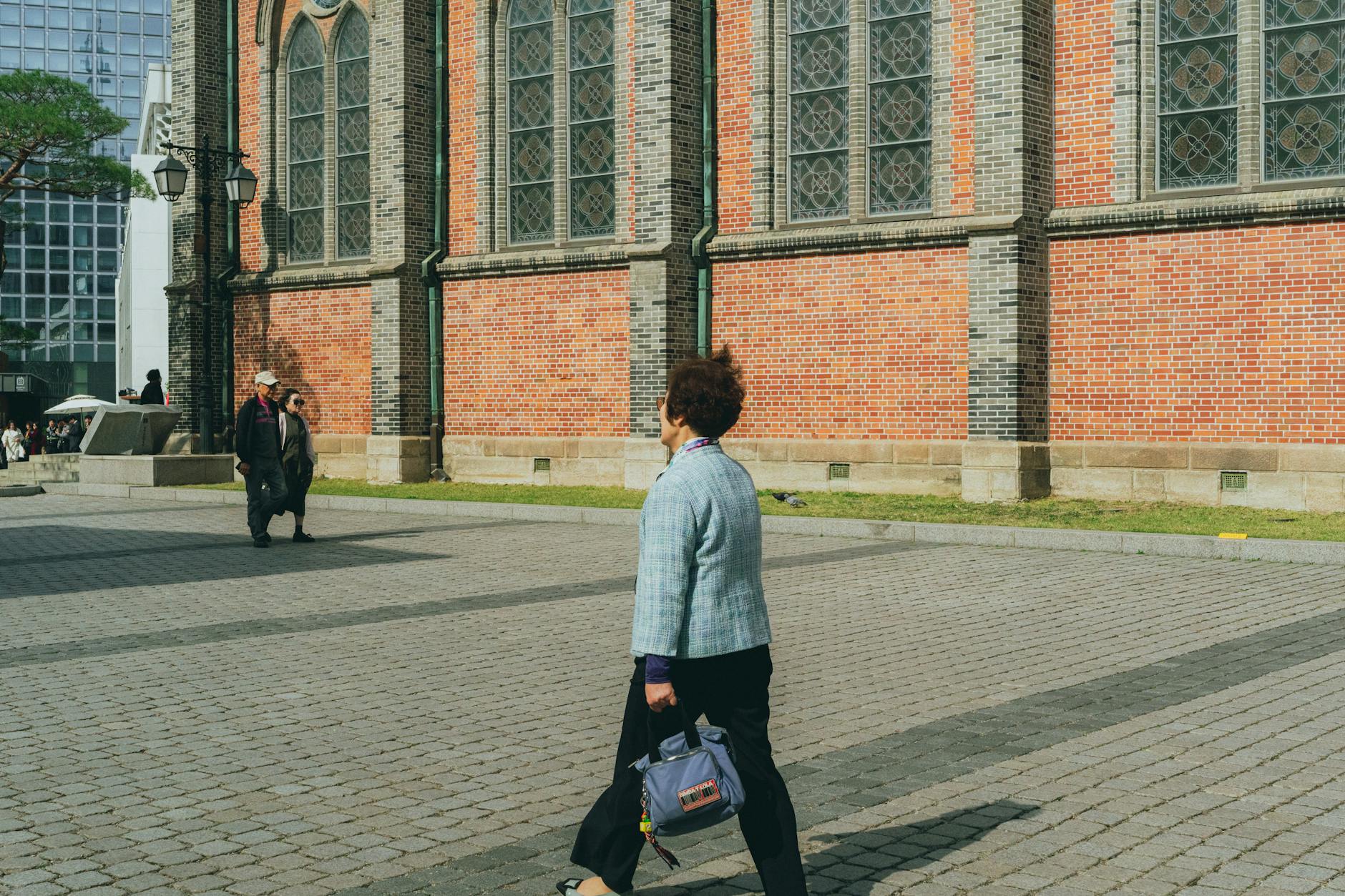
Seoul is widely regarded as one of the safest cities in the world for women traveling alone. The city has taken significant steps to ensure female safety, making it an excellent destination for solo female travelers.

Why Seoul Is Safe for Women
- Women-only facilities: Seoul offers women-only subway cars during rush hours, women-only parking spaces (wider and closer to exits), and women-only rest areas in some subway stations
- Well-lit streets: Major districts are exceptionally well-lit with extensive CCTV coverage
- Safe late-night transit: The subway runs until midnight, and night buses (N-buses) provide safe transport until early morning
- Low harassment rate: Street harassment is significantly less common than in many Western cities
- Emergency SOS: Seoul’s subway stations have emergency call buttons on platforms and in restrooms
Hidden Camera Awareness
The most significant safety concern for women in South Korea is hidden cameras (molka) in public restrooms and changing facilities. While the government has cracked down aggressively on this issue, it’s worth taking precautions:
- Use restrooms in major shopping malls, department stores, subway stations, and tourist attractions — these are regularly inspected
- Look for the “safety inspection” stickers indicating the facility has been checked
- Avoid isolated or poorly maintained restrooms
- Report anything suspicious to police (112) or the tourist helpline (1330)
Solo Female Safety Tips
- Download the Kakao T app for safe, trackable taxi rides — you’ll see the driver’s name, photo, and license plate before pickup
- Stay in well-reviewed accommodations in safe districts like Jongno, Myeongdong, or Gangnam
- Korean guesthouses (goshiwon) marketed to single women are available and popular
- Save 1330 (tourist helpline) in your phone — multilingual operators available 24/7
- Korea’s “Safe Return Home” service provides free safety escorts for women walking home at night in some districts
Is Seoul Safe at Night?
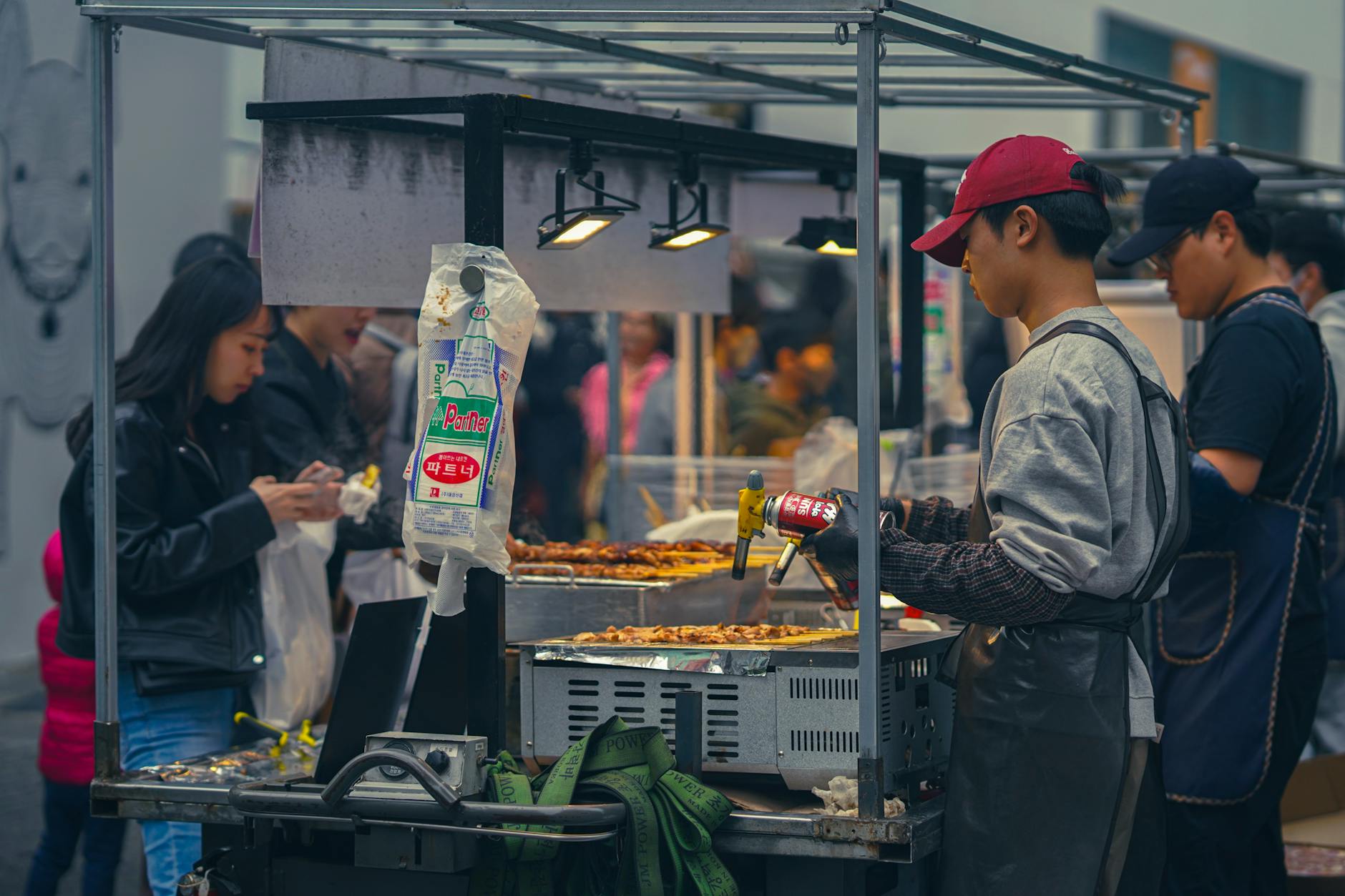
Yes, Seoul is remarkably safe at night compared to most major cities. Many neighborhoods are active well past midnight, with restaurants, convenience stores (which are open 24/7), and street food vendors creating a lively, well-populated atmosphere that naturally deters crime.
Night Safety by Area
- Myeongdong/Jongno: Safe until shops close (around 10pm), then quieter but still safe on main roads
- Hongdae: Extremely active and safe until 2-3am on weekends, with street performers and crowds
- Gangnam: Busy entertainment district safe throughout the night
- Itaewon: Lively bar scene, generally safe but be more cautious after midnight — stick to main streets
- Dongdaemun: The shopping district is open 24 hours, making it one of the safest late-night areas
Late-Night Transportation Safety
Getting around Seoul safely at night is straightforward:
- Night buses (N-Bus): Nine routes run from midnight to 5am, covering major entertainment districts
- Kakao T / app-based taxis: Safer than street hails — routes are logged and drivers are rated
- Regular taxis: Generally safe. Orange “international” taxis have English-speaking drivers trained in tourist service
- Avoid: Unofficial taxis or unlicensed vehicles offering rides outside clubs
Common Scams and How to Avoid Them
While Seoul has far fewer tourist scams than many Asian destinations, awareness of these common schemes will help you avoid any unpleasant surprises.
The “Spiritual Ceremony” Scam
In tourist areas like Insadong and near palaces, individuals may approach you offering a “free” cultural or spiritual ceremony. They’ll perform a brief ritual, then demand payment — often ₩50,000 or more. Politely decline and walk away from anyone who approaches you unsolicited.
Taxi Meter Tricks
Most Seoul taxi drivers are honest, but some may “forget” to start the meter or take circuitous routes. Always ensure the meter is running (base fare is ₩4,800), and use the Kakao T app for transparent pricing and routing. From Incheon Airport, only use official airport taxis or the AREX train.
Club and Bar Overcharging
In nightlife districts, some establishments may present inflated bills to foreign customers. Avoid bars where staff aggressively recruit customers from the street. Stick to well-reviewed venues, confirm drink prices before ordering, and keep track of your tab.
Counterfeit Goods Scams
Street vendors near Namdaemun and Dongdaemun may sell counterfeit branded goods. While buying knockoffs isn’t dangerous, bringing them through customs when returning home can result in confiscation and fines.
Health and Medical Safety
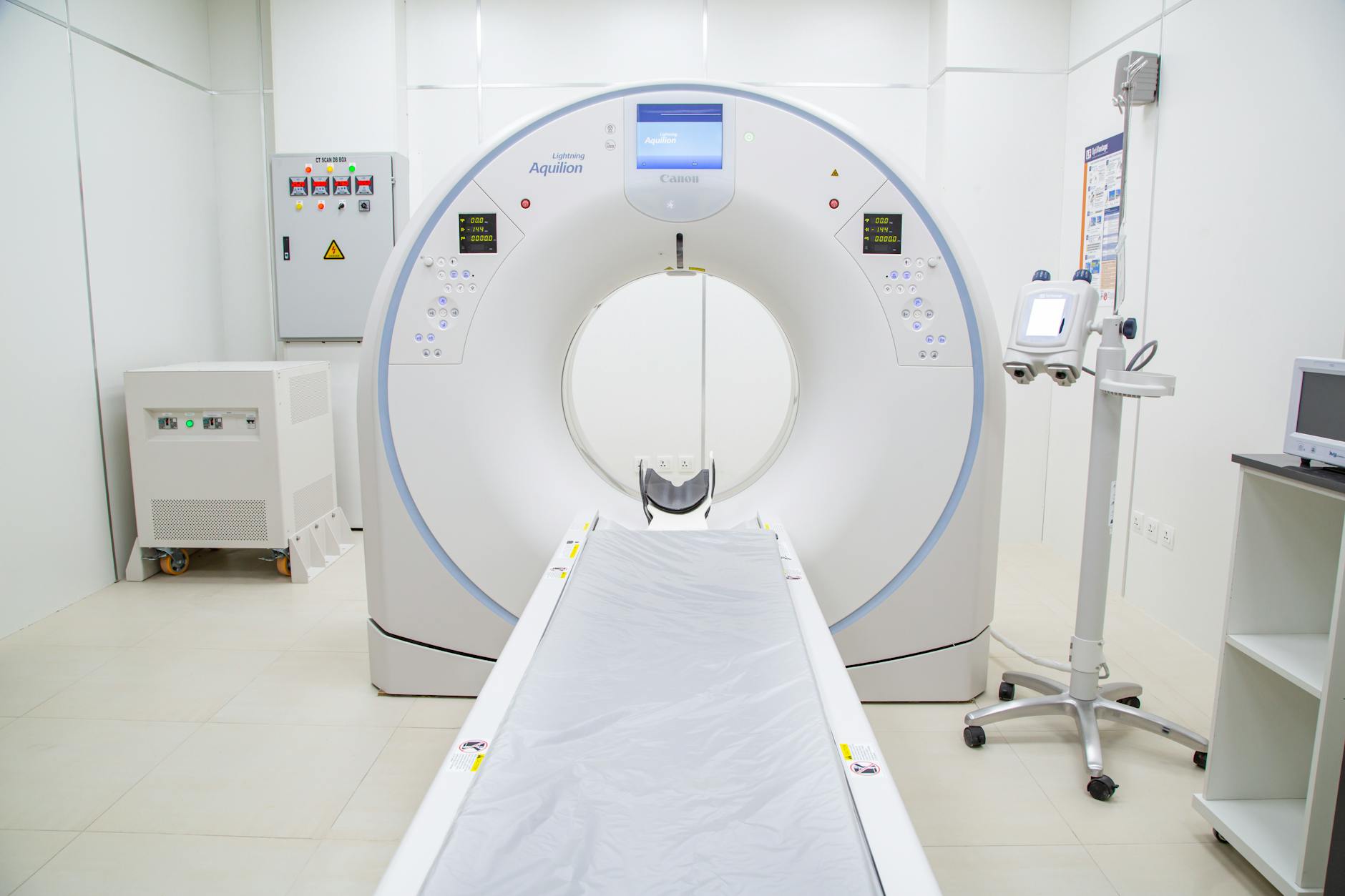
Seoul has world-class medical facilities, and healthcare is both excellent and affordable compared to Western countries. Many hospitals cater specifically to international patients with English-speaking staff.

Hospitals with International Clinics
- Severance Hospital (Yonsei University): One of Seoul’s top hospitals with a dedicated International Health Care Center
- Samsung Medical Center: State-of-the-art facility in Gangnam with multilingual staff
- Seoul National University Hospital: Korea’s top-ranked hospital with international patient services
- Asan Medical Center: One of the world’s largest hospitals with comprehensive international services
Pharmacies and Over-the-Counter Medicine
Pharmacies (약국, yakguk) are abundant throughout Seoul. Pharmacists can recommend basic medications, and many in tourist areas speak some English. For common ailments, convenience stores stock basic pain relievers and cold medicine. Note that some medications available over-the-counter in other countries require a prescription in Korea.
Air Quality Concerns
Fine dust (미세먼지, misemeonji) is a legitimate health concern, particularly from March to May. On high-pollution days, the AirKorea app or the Misemeonji app will alert you. Carry a KF94 mask (Korea’s equivalent of N95) for bad air days — they’re available at every convenience store and pharmacy.
Water and Food Safety
Seoul’s tap water is technically safe to drink, though most Koreans prefer filtered water. Hotels and restaurants always provide purified water. Street food is generally very safe — South Korea has strict food safety regulations, and vendors are regularly inspected. Food poisoning is rare but more likely during the hot and humid summer months.
Natural Disaster and Weather Safety
Seoul experiences distinct seasons that bring different safety considerations. Understanding the weather-related risks helps you prepare appropriately — check our best time to visit Seoul guide for detailed seasonal information.
Monsoon Season (Late June – August)
Heavy rainfall can cause flash flooding in low-lying areas and along riverbanks. During particularly heavy rains, some underground shopping areas and subway stations may flood temporarily. Monitor weather warnings through the Emergency Ready app or the Korea Meteorological Administration website.
Typhoon Season (August – September)
While Seoul is inland and rarely receives the full force of a typhoon, heavy winds and rain can affect travel plans. Follow local news and the Korean government’s emergency alert system, which sends multilingual text messages to all phones in the area.
Earthquakes
South Korea experiences occasional minor earthquakes, but Seoul is not in a high-risk seismic zone. The country has strengthened building codes significantly in recent years, and the emergency broadcast system provides immediate alerts.
North Korea: Should You Be Worried?
This is perhaps the most common safety concern tourists have about visiting Seoul, and the answer is straightforward: no, North Korea should not deter you from visiting.
Seoul has existed 35 miles from the North Korean border for over 70 years, and daily life continues completely normally. The 10 million residents of Seoul go about their lives without concern, and the millions of annual tourists enjoy the city without incident. The armistice has held since 1953, and both the South Korean and U.S. militaries maintain a significant deterrent presence.
If tensions do escalate periodically in the news, check your government’s travel advisory for official guidance. In practice, media coverage often overstates the day-to-day reality in Seoul.
Emergency Numbers and Essential Contacts
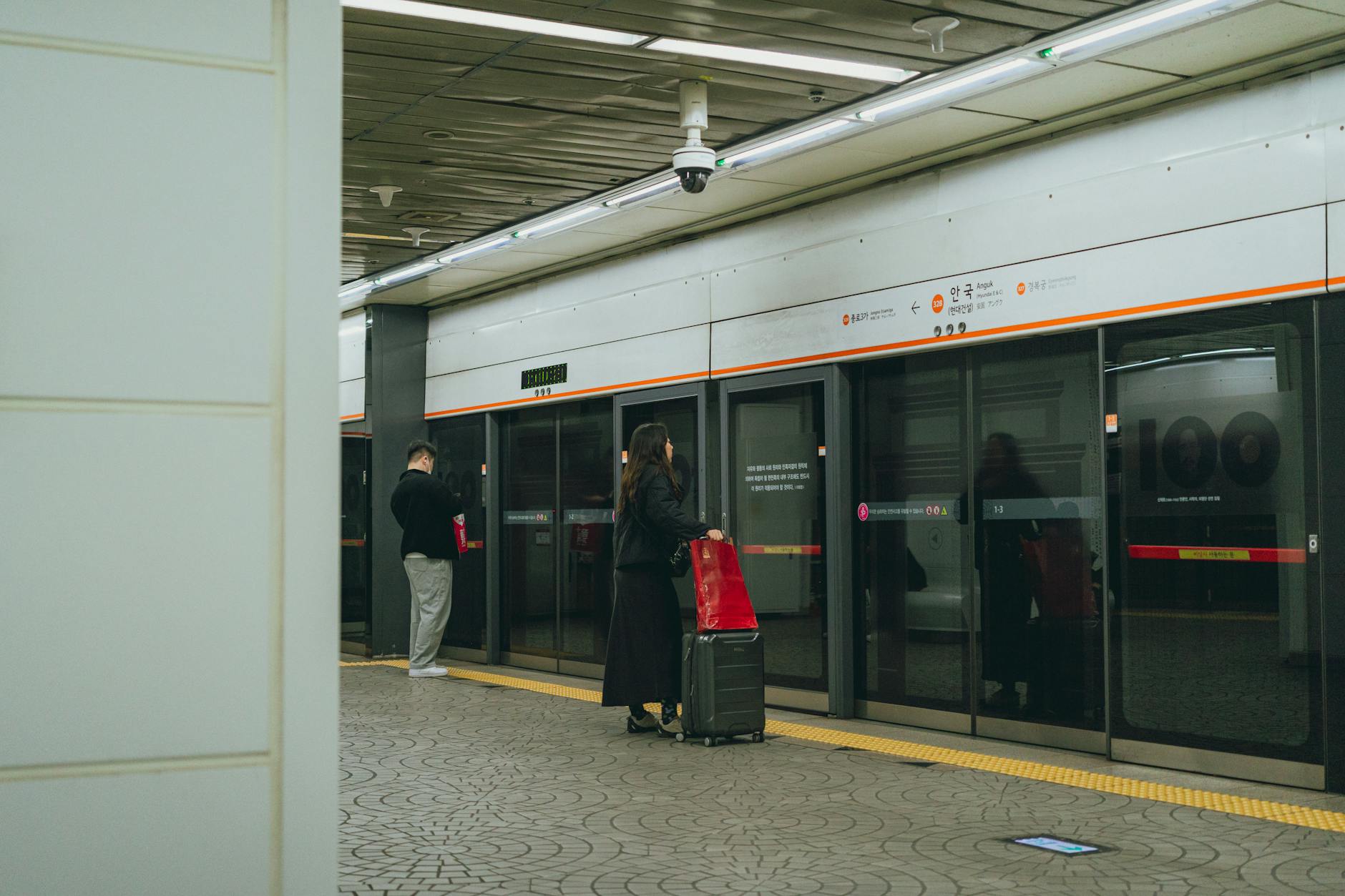
Save these numbers before you arrive in Seoul. Having them readily accessible can be invaluable in any emergency situation.
Critical Emergency Numbers
- 112 — Police: For crime, accidents, or any security emergency. Some operators speak English
- 119 — Fire and Ambulance: For medical emergencies, fires, and rescue. Translation support available
- 1330 — Korea Travel Hotline: 24/7 multilingual tourism helpline (English, Chinese, Japanese, and more). Can connect you to 112 or 119 with live interpretation
- 1345 — Immigration Helpline: For visa and immigration-related questions
- 120 — Dasan Seoul Call Center: General information about Seoul city services
How to Use the 1330 Tourist Helpline
The 1330 Korea Travel Hotline is your best friend in any non-life-threatening situation. Operated by the Korea Tourism Organization, it provides:
- 24/7 multilingual assistance in English, Chinese, Japanese, and more
- Help with directions, restaurant recommendations, and tourist information
- Translation assistance when communicating with locals
- Three-way calling with emergency services (112 or 119) with live interpretation
- Complaint resolution for tourist-related issues

Important Apps for Safety
Download these essential Seoul travel apps for safety:
- Emergency Ready (안전디딤돌): Official Korean government app with real-time disaster alerts and shelter locations
- Kakao T: Safe, trackable taxi service — driver info and route are logged
- Papago: Naver’s translation app — more accurate for Korean than Google Translate
- Naver Map: Essential for navigation since Google Maps has limited functionality in Korea
LGBTQ+ Safety in Seoul
South Korea does not have anti-discrimination protections for LGBTQ+ individuals, and same-sex marriage is not legally recognized. However, Seoul is generally safe for LGBTQ+ travelers, with certain neighborhoods being more welcoming than others.
Itaewon’s “Homo Hill” area has been the center of Seoul’s LGBTQ+ scene for decades, with bars, clubs, and restaurants catering to the community. Hongdae also has a growing LGBTQ+-friendly scene. While overt discrimination or violence is very rare, public displays of affection between same-sex couples may attract stares in more conservative areas.
Safety Tips for Families with Children
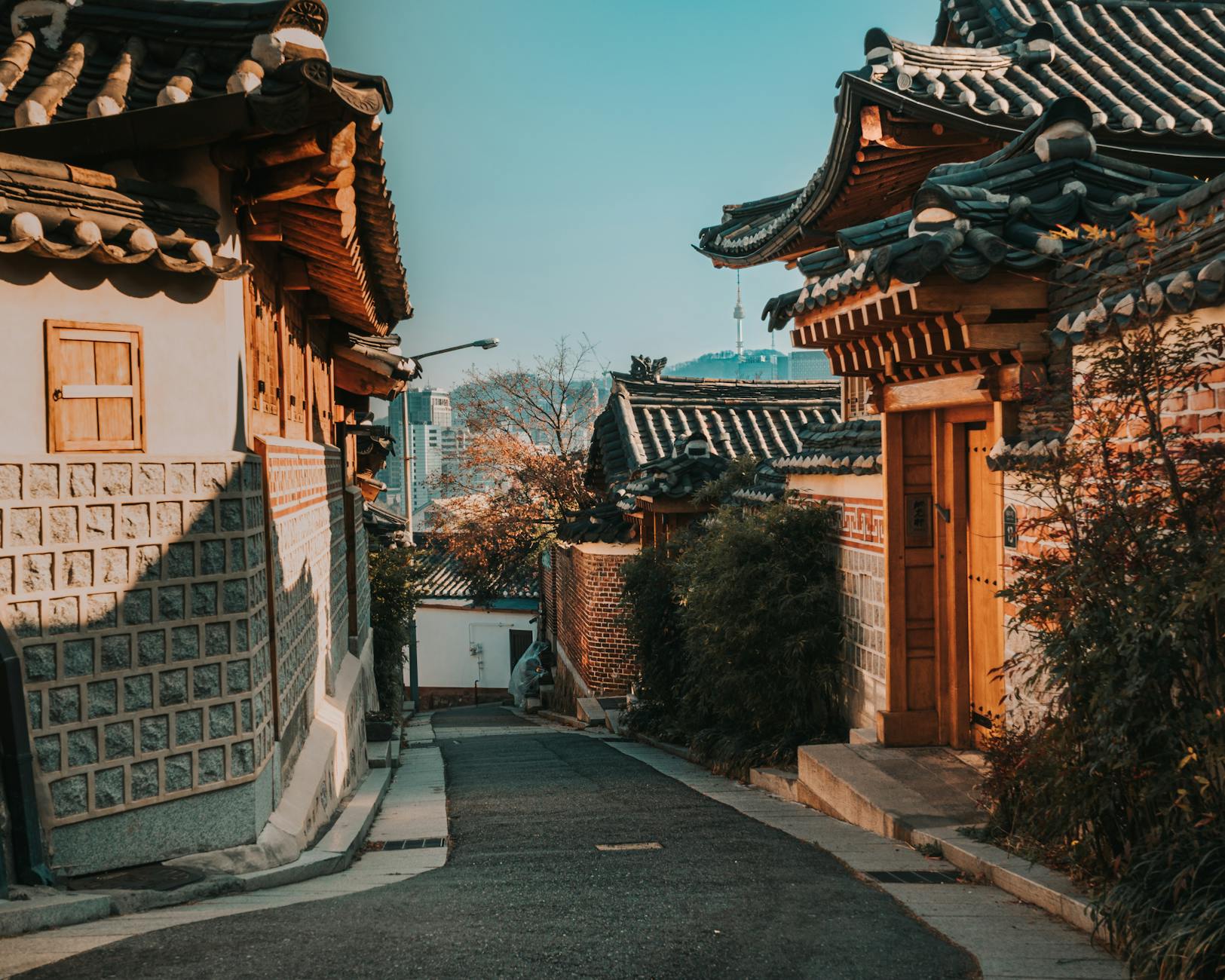
Seoul is an excellent destination for families. Korean culture places enormous value on children, and you’ll find that traveling with kids in Seoul is often easier than at home.
- Child-friendly infrastructure: Most subway stations have elevators, and many restaurants offer high chairs and children’s menus
- Kid-friendly attractions: The Children’s Grand Park, Lotte World, Seoul Land, and numerous interactive museums cater specifically to young visitors
- Safe food: Korean food is generally very safe, and convenience stores stock familiar snacks and drinks
- Nursing rooms: Many malls, subway stations, and public buildings have dedicated nursing rooms (수유실)
- Lost children: If a child becomes separated in a public area, approach any shop owner or police officer — Koreans will go out of their way to help reunite families
Practical Safety Checklist Before Your Trip
Use this checklist to ensure you’re prepared for a safe trip to Seoul:
- ☑️ Purchase travel insurance that covers medical expenses in South Korea
- ☑️ Register with your embassy’s traveler enrollment program (e.g., STEP for Americans)
- ☑️ Save emergency numbers (112, 119, 1330) in your phone
- ☑️ Download safety apps: Emergency Ready, Kakao T, Papago, Naver Map
- ☑️ Make copies of your passport and store digitally (email to yourself or use cloud storage)
- ☑️ Check your government’s travel advisory for South Korea
- ☑️ Inform your bank you’ll be using cards abroad to prevent transaction blocks
- ☑️ Note the address and phone number of your country’s embassy in Seoul
- ☑️ Pack a KF94 mask for potential bad air quality days
- ☑️ Review your Seoul packing list and travel tips for first-time visitors
Embassy and Consulate Information
Key embassy contacts for English-speaking visitors:
- U.S. Embassy Seoul: 188 Sejong-daero, Jongno-gu — Tel: 02-397-4114
- British Embassy Seoul: 24 Sejong-daero 19-gil, Jung-gu — Tel: 02-3210-5500
- Canadian Embassy Seoul: 21 Jeongdong-gil, Jung-gu — Tel: 02-3783-6000
- Australian Embassy Seoul: 19th Floor, Kyobo Building, Jongno-gu — Tel: 02-2003-0100
Frequently Asked Questions About Seoul Safety
Is Seoul safe to walk around at night?
Yes, Seoul is one of the safest cities in the world to walk at night. Major districts like Myeongdong, Gangnam, Hongdae, and Dongdaemun remain active and well-lit well past midnight. Basic precautions apply — stick to populated areas and avoid poorly lit alleys.
Is it safe to drink tap water in Seoul?
Seoul’s tap water (called “Arisu”) meets WHO standards and is technically safe to drink. However, most locals drink filtered or bottled water due to concerns about old building pipes. Hotels and restaurants always provide purified water.
Should I worry about North Korea when visiting Seoul?
No. Despite media attention, Seoul operates completely normally. The city has been near the border for 70+ years, and daily life is unaffected. Check your government’s travel advisory for official guidance, but millions of tourists visit Seoul safely every year.
Is Seoul safe for solo travelers?
Absolutely. Seoul’s excellent public transportation, low crime rate, extensive CCTV coverage, and friendly locals make it one of the best cities in the world for solo travel. The Seoul for every traveler guide has more tips for solo visitors.
What is the biggest safety risk in Seoul?
For most tourists, the biggest risks are non-criminal: getting lost due to language barriers, minor food allergies, or poor air quality on high-pollution days. Violent crime is extremely rare, and even petty crime like pickpocketing is far less common than in most world capitals.
Is it safe to use public transportation in Seoul?
Seoul’s public transportation is among the safest in the world. The subway system has CCTV cameras, emergency call buttons on every platform, and staffed stations. Buses are clean, well-maintained, and monitored. For more information, see our getting around Seoul guide.
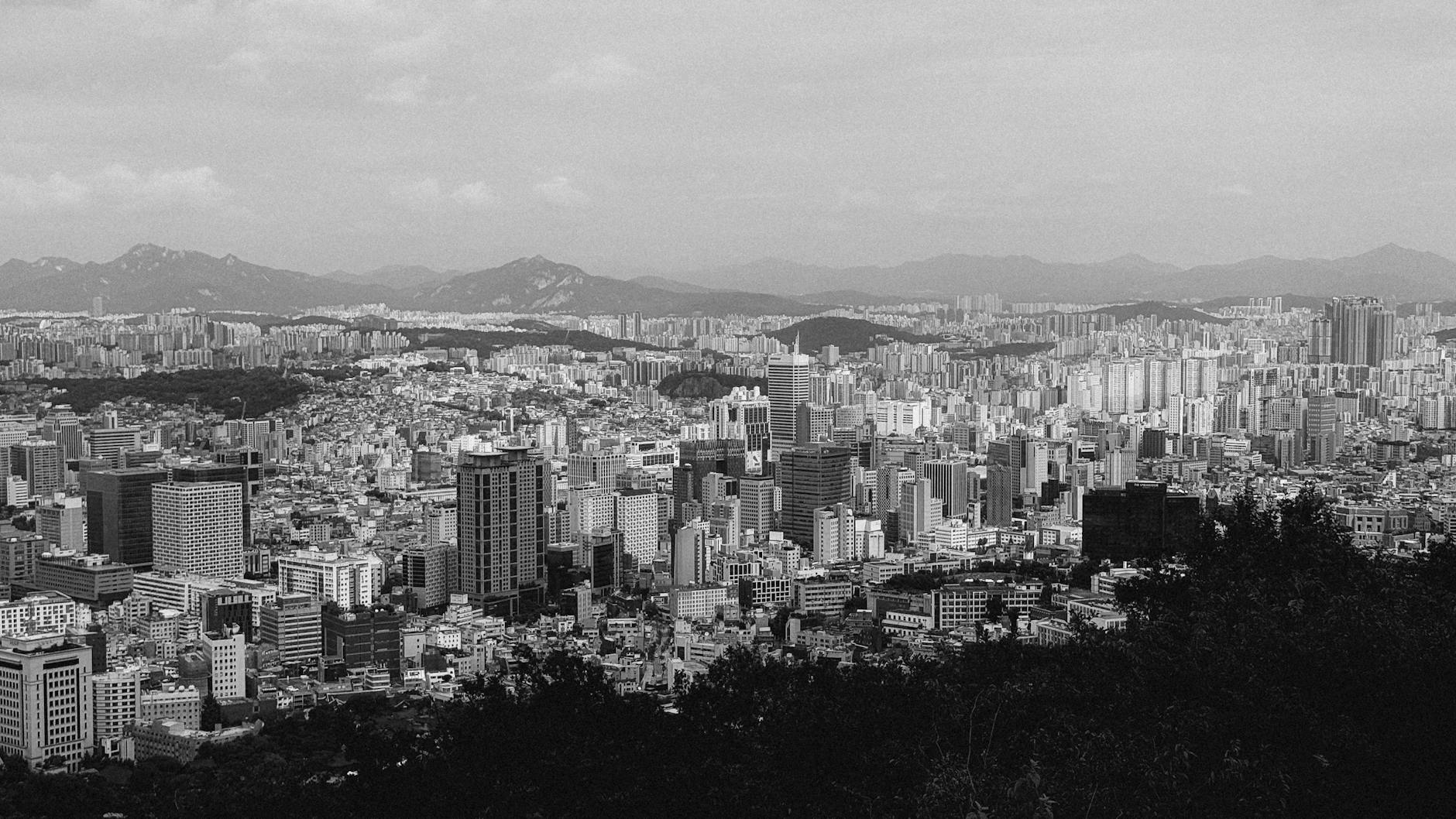
Seoul is overwhelmingly safe for tourists of all types. With its low crime rates, world-class infrastructure, accessible emergency services, and cultural emphasis on community safety, the Korean capital ranks among the safest major cities you can visit. By following the basic precautions outlined in this guide and keeping emergency numbers handy, you can focus on what really matters — enjoying everything this incredible city has to offer.
Ready to plan your trip? Start with our comprehensive Seoul travel guide, check visa requirements, and review trip costs to make your journey to Seoul as smooth and safe as possible.