Pair this with our Seoul nightlife guide, Korean dining etiquette, and Seoul food guide.
New to all this? Here’s the cheat sheet. If you try only three things, make them soju (the national spirit, sipped not shot), makgeolli (cloudy rice wine, best with a scallion pancake), and somaek (the soju-and-beer mix that fuels every Korean night out). Drinking here is social — you’ll rarely drink without food (anju) or without someone pouring for you — so the etiquette further down matters as much as what’s in the glass. And it’s cheap: a convenience-store soju costs about the same as a coffee. Use this guide to know what to order, how to drink it politely, and where in Seoul to find the good stuff.
How Korean alcohol is categorized
Korean traditional alcohol breaks down into three main families:
- Takju (탁주) — unrefined, cloudy rice wines. Makgeolli is the famous example.
- Yakju (약주) — refined, clear rice wines often infused with herbs or fruit. Cheongju and chamisul fall here.
- Soju (소주) — distilled spirits. Originally rice-based, today’s commercial soju mostly uses sweet potato or tapioca starch.
Modern imports — beer, wine, whisky — sit alongside these traditional categories. Korea is also home to a fast-growing craft beer and natural wine scene.
1. Soju — Korea’s national spirit
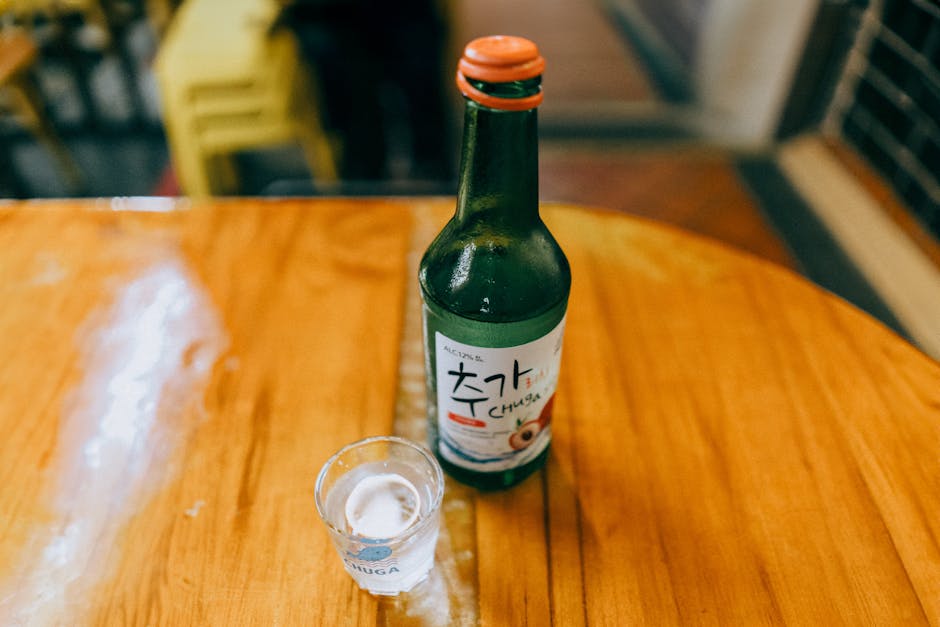
If Korea has one drink, it’s soju. It’s clear, slightly sweet, distilled to 16–25% ABV (most commercial soju is 16–17% in 2026, down from the 20%+ of past decades), and it costs about ₩2,000 a bottle at the convenience store, ₩4,000–₩6,000 at a restaurant. Brands like Jinro (Chamisul), Chum-Churum, Good Day, and Saero dominate the market.
How to drink soju
Soju is served in small shot-style glasses, but you don’t shoot it like vodka — Koreans sip it. Pour for others, never for yourself, and accept your glass with two hands when an elder pours. See our Korean dining etiquette guide for the full pouring ritual.
Flavored soju (the K-pop generation’s drink)
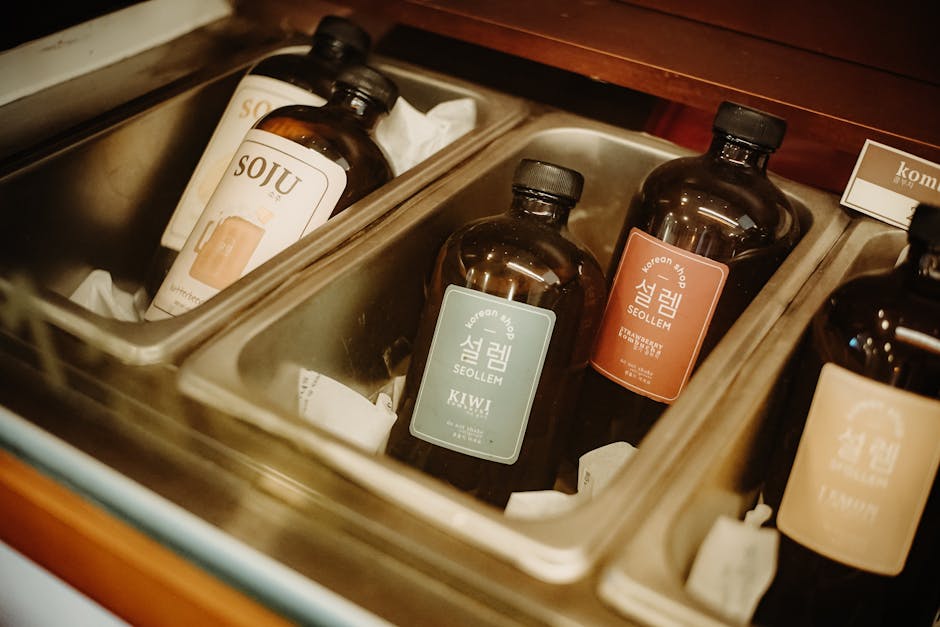
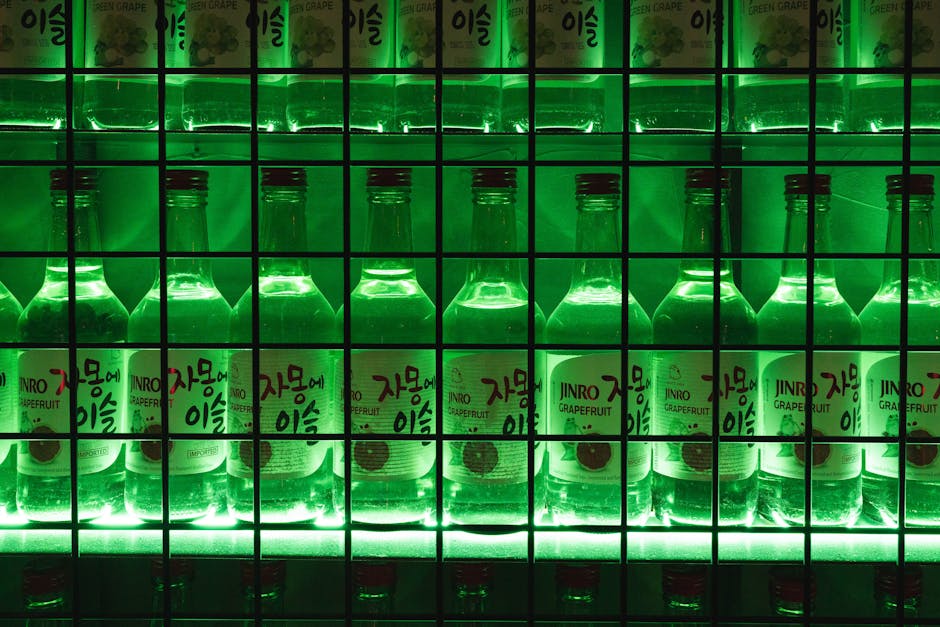
Lower ABV (12–14%) and flavored — peach, grapefruit, green grape, yogurt, strawberry, citrus. Brands include Soonhari, Sunhari, Joeunday Color. These are popular with younger drinkers, and the bottles are colorful enough to be Instagram bait.
Premium and craft soju
If you want the actual traditional soju — distilled from rice, aged, and 25–40% ABV — look for Andong Soju, Hwayo, Tokki (a Brooklyn-distilled premium Korean rice spirit), and Mool. These are sip-and-savor liquors that compare favorably to good Japanese shochu.
So what does soju actually taste like? Clean and faintly sweet, with a soft burn — closer to a mild vodka than to whisky, which is exactly why it slips down so easily over a long dinner. That easiness is the trap: at 16–17% it sneaks up on you, and the flavored versions drink like soda. Pace yourself, eat as you go (Koreans always do), and you’ll be fine. Overdo it and Korea has an entire cuisine built around the cure — more on haejangguk hangover soup below.
Somaek, poktanju, and Korean drinking games
The single most important thing to know about Korean drinking isn’t a drink at all — it’s a mix. Somaek (so[ju] + maek[ju]) is soju cut with beer, and it’s the default fuel of Korean nights out. The “golden ratio” is roughly three parts soju to seven parts beer, though everyone has an opinion; the mix smooths soju’s burn and beer’s bitterness into something dangerously drinkable. Watch a table long enough and you’ll see the theatrics: spinning a chopstick in the poured shot, flicking the bottle cap’s twisted tail, or building poktanju (“bomb shot”) by dropping a shot glass of soju into a glass of beer, Korean boilermaker style.
Then come the games, which erupt the moment a group loosens up. Baskin Robbins 31 (count up to 31, whoever says it drinks), 3-6-9 (clap instead of saying multiples of three), the image game (point at who’s most likely to…), and sagwa game (rhythm and reflexes) are the classics. As a visitor you’re not expected to know them, but joining in is the fastest way to make Korean friends on a night out — expect to be taught, badly, at high volume. If your night ends the traditional way, it ends at a noraebang (karaoke room).
2. Makgeolli — milky rice wine
Makgeolli is unfiltered rice wine: cloudy, slightly fizzy, lightly sweet, and 6–8% ABV. It’s traditionally served from a kettle into a small bowl (not glass), and pajeon (scallion seafood pancake) is its iconic food pairing. The two are eaten together especially on rainy days — the sound of frying pajeon is said to resemble rain.
Where to try makgeolli in Seoul
- Sansul (Insadong) — premium makgeolli pub with 20+ regional varieties.
- Wolhyangduck (Bukchon) — atmospheric old-school makgeolli house.
- Jaedong Makgeolli (Jongno) — local favorite for traditional pours and pajeon.
- The Sool Gallery (Bukchon) — government-run educational tasting space.
Premium “single-origin” craft makgeolli (₩15,000–₩30,000 per bottle) is the new wave, with regional brewers experimenting with rice varieties and fermentation times.
A few tips for enjoying it. Makgeolli separates in the bottle, so give it a gentle swirl (or the traditional shake) to fold the sediment back in before pouring. Flavored and seasonal versions abound — chestnut, corn, banana, and even sparkling styles — and because it’s low-ABV (6–8%) and only lightly boozy, it’s the most approachable Korean drink for wine and cider drinkers. It’s also the drink most tied to place: order it in a traditional Insadong tea-house-turned-pub or a hip Seongsu-dong bar and you’re tasting two very different sides of the same tradition.
3. Cheongju and Yakju — refined rice wines
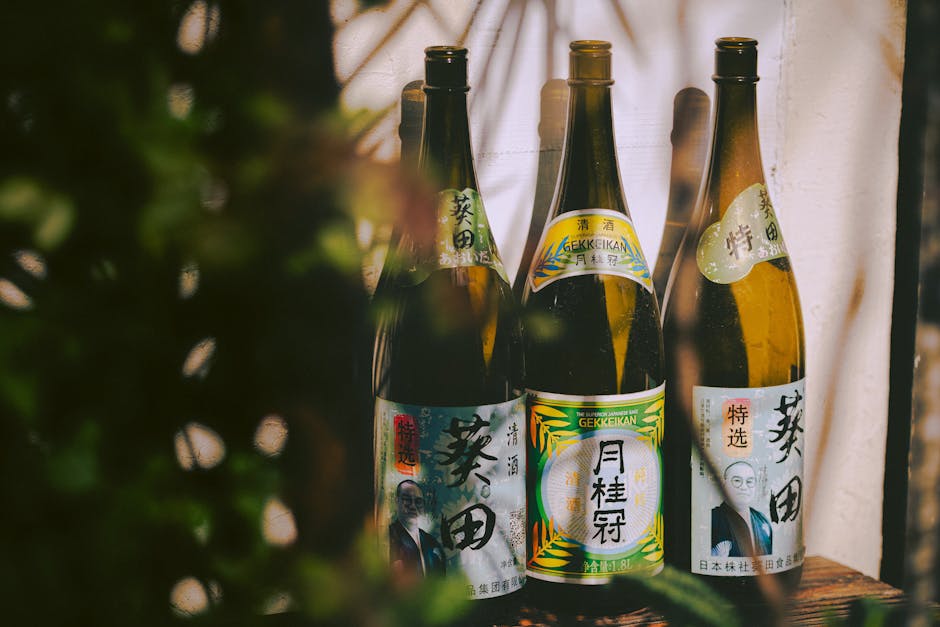
Cheongju is the clear, top-pour version of takju — basically the makgeolli that’s been allowed to settle, with the clear top fluid drawn off. It’s used in Korean ancestral rites (jesa) and tastes more refined and dry than makgeolli. Baekhwa Soobok and Hwanggam-ju are the classics.
4. Korean beer (maekju)
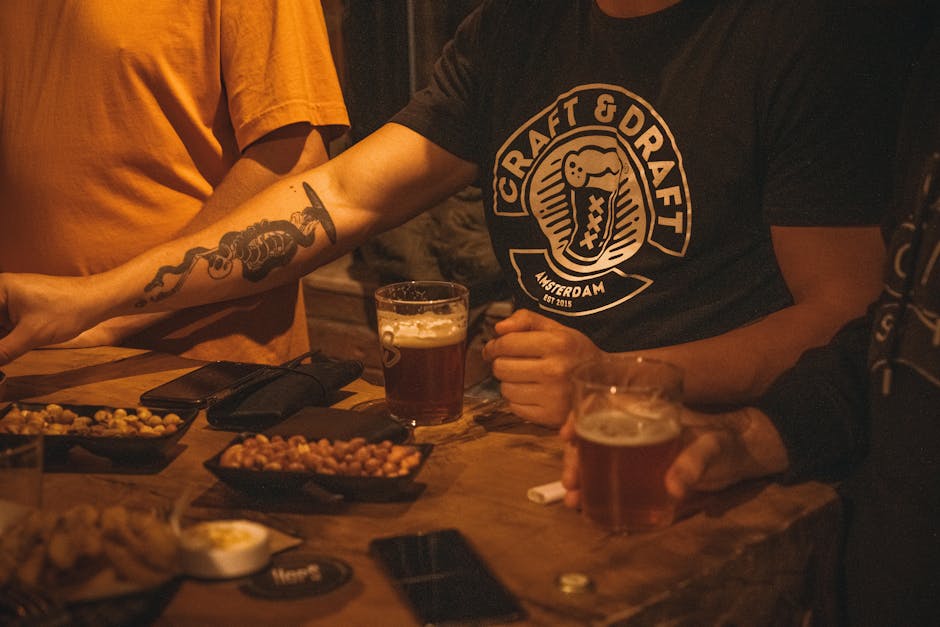
The big three Korean beer brands are Hite, Cass, and Terra. Mass-market lagers — clean, light, and engineered to be drunk by the pitcher with fried chicken. Korea was famously one of the few countries where the beer was widely considered worse than the soju, but craft brewing has changed that completely since 2014.
Korean craft beer
Seoul’s craft beer scene is excellent in 2026. Top brewpubs:
- The Booth — multiple Seoul locations; flagship in Gyeongridan-gil. IPAs, stouts, and the cult-favorite Daedongyang Ale.
- Magpie Brewing Co. — Itaewon-rooted, now nationwide. Flagship pale ale.
- Mikkeller Bar Seoul — Itaewon, Danish craft beer pioneer’s outpost.
- Amazing Brewing Company — Seongsu and other locations, big and constantly rotating taps.
- Hand & Malt — broadly distributed Korean craft brand.
Euljiro Nogari Alley and old-school hof culture
Before craft beer, there was the hof — Korea’s no-frills draft-beer joint — and its spiritual home is Euljiro’s Nogari Alley. Here, decades-old shops pour cheap pitchers of pale lager alongside nogari (small dried pollack you grill at the table) for a few thousand won. In summer the plastic stools spill across the lane and the whole street becomes one heaving open-air beer hall — deeply unpretentious, gloriously cheap, and one of the most fun budget nights in the city. It pairs naturally with a late-night food crawl through the same retro-industrial backstreets.
Chimaek — beer’s natural pairing
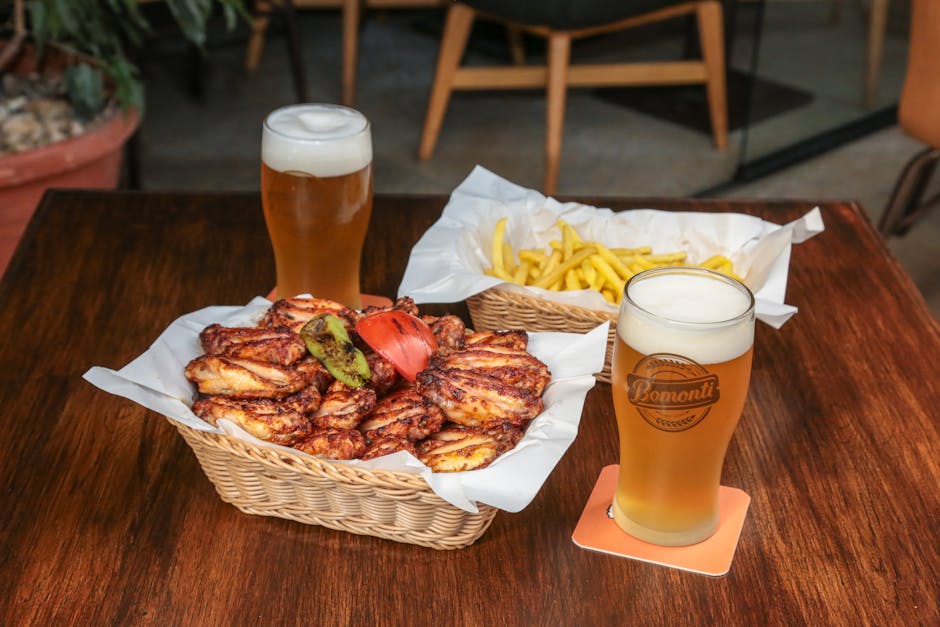
Korean fried chicken and beer (chimaek = chi[cken] + maek[ju]) is one of Korea’s great pairings. See our must-try Korean dishes guide for the canonical chicken brands.
5. Bokbunja-ju — Korean black raspberry wine
A deep red wine made from Korean black raspberries (bokbunja). Sweet, fruity, with a long history as a tonic believed to enhance vitality (Korean men still drink it for that reason). 12–15% ABV. Pairs well with grilled meats and rich stews. Best brand: Sunwoon Bokbunja.
It’s usually served chilled in a small glass after grilled pork or beef, and a bottle makes an easy, distinctive souvenir — you’ll find it in any large supermarket and at Incheon duty free.
6. Maesil-ju — Korean plum liqueur
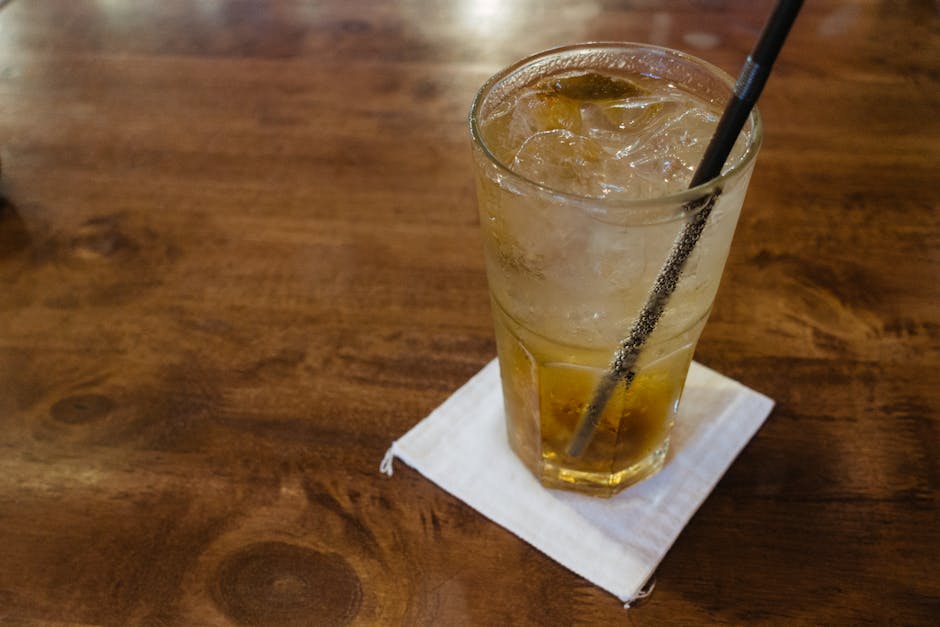
Made by infusing yellow or green Asian plums in soju with sugar. Sweet, slightly tart, and surprisingly complex. Often served on the rocks or in cocktails. Korean families make it at home for years and serve it at gatherings. Commercial brands: Sulleongtang Maesilju, Maehwa-su.
7. Other Korean alcoholic drinks worth trying
| Drink | Description | ABV | Where to find |
|---|---|---|---|
| Yakju | Refined Korean rice wine, herb-infused | 12–18% | Specialty makgeolli pubs |
| Insam-ju | Ginseng-infused rice wine | 13–18% | Traditional liquor stores |
| Mogwa-ju | Korean quince fruit liqueur | 14% | Higher-end Korean restaurants |
| Sansachun | Hawthorn berry tonic wine | 14% | Most restaurants |
| Baekseju | Yakju with 10 herbs and ginseng | 13% | Restaurants, convenience stores |
| Munbae-ju | Pyeongannam-do regional spirit | 40% | Premium Korean liquor stores |
| Korean wine (grape) | Domestic wine industry growing | 12–14% | Wine bars, fine dining restaurants |
Korean drinking culture: hoesik, anju and the second round
Drinking in Korea is rarely a solo activity. The dominant social structure is hoesik — the after-work team dinner that’s almost obligatory in Korean corporate culture. A typical hoesik moves through 2–3 venues:
- 1차 (il-cha): dinner at a Korean BBQ or stew restaurant with soju.
- 2차 (i-cha): chimaek bar or hof for beer and chicken.
- 3차 (sam-cha): noraebang (karaoke) for the inevitable late-night singalong.
Visitors won’t usually find themselves in formal hoesik unless invited by Korean colleagues, but the same multi-stop drinking culture defines Friday and Saturday nights everywhere from Hongdae to Gangnam.
How to structure a night out in Seoul
If you want to drink your way across the city like a local, follow the multi-stop logic. Start early-evening in Jongno or Euljiro for old-school soju and grilled meat, then choose your lane: Hongdae for cheap, young, and loud; Itaewon and Gyeongridan-gil for craft beer, natural wine, and cocktails; or Gangnam and Apgujeong for polished lounges and club tables. Somewhere in the middle, hit one of our best bars in Seoul for a proper cocktail, and if the night has real momentum, end it on a dance floor from our best clubs roundup or, more traditionally, singing your heart out in a noraebang until 4am.
Anju — the food alongside the drink
Koreans never drink without food. Anju (안주) is the catch-all term for drinking food: fried chicken, golbaengi-muchim (cold sea-snail salad), pajeon, dried squid, ojingeo-bokkeum (spicy stir-fried squid), banchan-style sides — anything you’d want with beer or soju.
When Koreans drink what: seasons and occasions
Korean drinking follows the calendar and the weather more than you’d expect. On rainy days, the craving is almost Pavlovian: makgeolli and a sizzling scallion pancake, because the frying pajeon is said to sound like the rain outside. Summer means ice-cold beer and soju on a Han River picnic mat, or pitchers at an open-air Nogari Alley table. Winter pulls people toward warming drinks and steaming anju in cramped, cozy pojangmacha tents. Tonic wines like bokbunja and insam-ju get pulled out for health and hospitality, especially with older relatives, while clear cheongju has a ceremonial role in ancestral rites (jesa) and holidays. Soju, of course, is the great constant — appropriate in any season, at any hour, with almost any food. Knowing these rhythms helps you order like you belong rather than like you’re reading a menu for the first time.
Drinking etiquette in Seoul
Quick recap of the etiquette that matters most when drinking in Korea (full version in our Korean dining etiquette guide):
- Two hands when pouring or receiving from elders.
- Never pour your own drink.
- Empty glass = signal for refill. Leave a sip if you’re slowing down.
- Turn your head away from senior people when taking the first sip.
- “Geon-bae” (건배) for a toast.
- Drink moderately. Korea respects social drinkers, not staggering ones.
Two more subtleties that put you ahead of most visitors: to politely decline a refill, rest your hand lightly over your glass or leave it full — an empty glass reads as “please pour me more.” And when a senior figure calls “one shot!” (won-syat), it’s an invitation to empty the glass together, not an order; join if you’re able, wave it off with a smile if you’re not. Among close friends of equal age, the two-hands formality relaxes and you can pour for yourself — but when in doubt, default to polite.
Where to drink in Seoul: by neighborhood
| Neighborhood | Vibe | What to drink |
|---|---|---|
| Hongdae | Student / indie | Cheap soju, craft beer, makgeolli pubs |
| Itaewon / Gyeongridan-gil | International craft scene | Craft beer, cocktails, natural wine |
| Gangnam | Upscale | Cocktail bars, whisky lounges, club soju tables |
| Jongno / Insadong | Traditional | Premium makgeolli, cheongju, soju |
| Euljiro / Nogari Alley | Old-school | Pitcher beer with dried fish snacks |
| Seongsu-dong | Hipster | Craft cocktails, natural wine, coffee-shop hybrid bars |
| Apgujeong | Polished | Wine bars, premium soju lounges |
For deeper picks per neighborhood, see our Seoul nightlife guide.
Buying alcohol in Korea: convenience stores, marts, duty free
Korea has incredibly relaxed alcohol retail rules.
- Convenience stores (CU, GS25, 7-Eleven) sell soju, beer, makgeolli, and basic wine 24 hours a day. Soju ~₩2,000, beer can ~₩2,500.
- Lotte Mart, Emart, Homeplus have full liquor sections with imports and Korean craft selections.
- Specialty shops like The Sool Bottle Shop (Yongsan) and Mtns&Sea (Itaewon) carry premium traditional Korean alcohols.
- Duty Free at Incheon has excellent premium soju and Korean whisky deals.
- Drinking age: 19 (Korean age — the year you turn 19, regardless of birthday).
Public drinking is legal — you’ll see Koreans sharing cans on Han River picnics, in parks, and in pojangmacha street tents. It’s normalized but moderate; loud public intoxication is not common.
Hangover culture: haejangguk and the morning after
Koreans take the morning after as seriously as the night before, and the cure is haejangguk — literally “soup to chase away the hangover.” It comes in regional styles: seonjiguk (with congealed ox blood and vegetables), kongnamul-guk (light, peppery soybean-sprout broth), and ppyeo-haejangguk (pork-spine and potato stew). Old-school haejangguk houses around Jongno and Cheongnyangni open at dawn precisely to serve last night’s drinkers. Convenience stores back this up with an entire shelf of hangover-prevention drinks — Condition and Dawn 808 are the famous brands — taken before or during drinking rather than after. Round it out with honey water, sweet sikhye rice punch, and a lot of water. A bowl of haejangguk and a nap is a genuinely effective reset, and hunting one down is itself a small cultural adventure — our late-night food guide points to the spots that serve into the small hours.
Drinking without drinking: options for non-drinkers
You do not have to drink to enjoy a Korean night out, and it’s increasingly normal not to — younger Koreans drink noticeably less than previous generations. If you’d rather abstain, the smoothest move is to give a reason (“I’m driving,” “I’m on medication”) since a flat refusal can feel abrupt; you can also simply nurse one glass and keep it topped up yourself. Alcohol-free options are everywhere: sweet sikhye, cinnamon-ginger sujeonggwa, roasted barley tea (boricha), and endless sparkling and soft drinks. Most cocktail bars now make thoughtful mocktails, and no one blinks if you order a soda at a soju table — the point of the ritual is the togetherness, not the intoxication.
How much alcohol costs in Seoul (2026)
| Item | Convenience store | Restaurant | Bar |
|---|---|---|---|
| Soju (360ml) | ₩2,000 | ₩4,000–₩6,000 | ₩7,000–₩9,000 |
| Korean beer (500ml) | ₩2,500 | ₩5,000–₩7,000 | ₩7,000–₩10,000 |
| Imported beer | ₩4,000 | ₩8,000–₩12,000 | ₩10,000–₩14,000 |
| Makgeolli (750ml) | ₩2,500 | ₩5,000–₩7,000 | ₩8,000–₩15,000 (premium) |
| Glass of wine | — | ₩12,000–₩18,000 | ₩15,000–₩30,000 |
| Cocktail | — | — | ₩15,000–₩25,000 |
Traditional Korean alcohol experiences worth booking
If the drinks themselves hook you, Seoul lets you go deeper. The government-run Sool Gallery in Bukchon offers free, English-friendly tastings and a compact museum that’s the best crash course in traditional Korean alcohol. A growing number of operators run makgeolli-brewing classes, where you mix rice and nuruk and take home your own bottle to ferment, and tasting flights at premium pubs like Sansul let you compare regional makgeolli side by side. Serious enthusiasts can venture out to a countryside brewery or the famous soju distilleries around Andong. Many of these slot neatly into the culture-and-food experiences in our Seoul food tours and cooking classes guide, and a premium alcohol pairing at one of the city’s Michelin restaurants is the most refined way to taste how far Korean brewing has come.
Quick Korean drinking glossary
- Geonbae (건배) — “cheers”; the standard toast.
- Anju (안주) — the food you eat while drinking.
- Somaek (소맥) — soju mixed with beer.
- Hoesik (회식) — the group work dinner, usually with drinks.
- Il-cha / i-cha / sam-cha (1차/2차/3차) — first, second, and third stops of a night out.
- Won-syat (원샷) — “one shot”; empty the glass in one go.
- Haejangguk (해장국) — hangover-chasing soup for the morning after.
FAQ: Korean alcohol
What is the most popular alcohol in Korea?
Soju, by an enormous margin. Jinro Chamisul soju is the world’s best-selling distilled spirit and has been for over a decade.
How strong is soju?
Modern commercial soju is typically 16–17% ABV. Traditional rice-based premium soju runs 25–40%.
Is makgeolli vegan?
Most makgeolli is vegan (rice, water, nuruk). Some flavored versions add dairy or honey — check the label or ask.
Can I drink alcohol in public in Korea?
Yes. Public drinking is legal in parks, on the Han River, in pojangmacha. Stay moderate; loud public drunkenness is uncommon and frowned upon.
What’s the legal drinking age in Korea?
19 in Korean age, which is roughly equivalent to 18-19 in international age. ID checks are common at clubs and some bars.
Where can I learn about traditional Korean alcohol?
The Sool Gallery in Bukchon offers free educational tastings and a small museum. The Korean Sool Promotion Council runs occasional master classes.
Is there Korean whisky?
Yes — the Korean whisky scene is in its infancy but growing. Look for Three Society (Korea’s first single malt distillery, in Gyeonggi) for craft Korean whisky.
What is somaek?
Somaek is soju mixed with beer, roughly three parts soju to seven parts beer. It’s the most common way Koreans drink on a night out — smoother than straight soju and more interesting than plain beer.
What should I eat while drinking in Korea?
Always order anju (drinking food). Fried chicken with beer (chimaek), pajeon with makgeolli, and grilled meat with soju are the classic pairings. Koreans consider drinking without food both unhealthy and impolite.
What Korean alcohol makes the best souvenir?
Premium traditional soju (Hwayo or Andong Soju), a bottle of craft makgeolli, or bokbunja raspberry wine travel well and are hard to find abroad. Buy at a specialty bottle shop or Incheon duty free.
Is tipping expected at Korean bars?
No. Tipping isn’t part of Korean culture; the price on the menu is what you pay at bars and restaurants alike.
Final word
Korean alcohol culture is generous, social, and surprisingly approachable. Whether you stick to ₩2,000 convenience-store soju or splurge on premium aged rice spirits, you’ll find Koreans warm and welcoming around the table. Pour for someone, accept what’s poured, eat the anju, and you’ve already done the work. Geon-bae!
Continue planning with our Seoul nightlife guide, Seoul food guide, and dining etiquette guide.