Consider this your essential briefing before touchdown at Incheon Airport — the insider knowledge that transforms a good trip into a great one. For more planning details, check our complete Seoul travel guide.
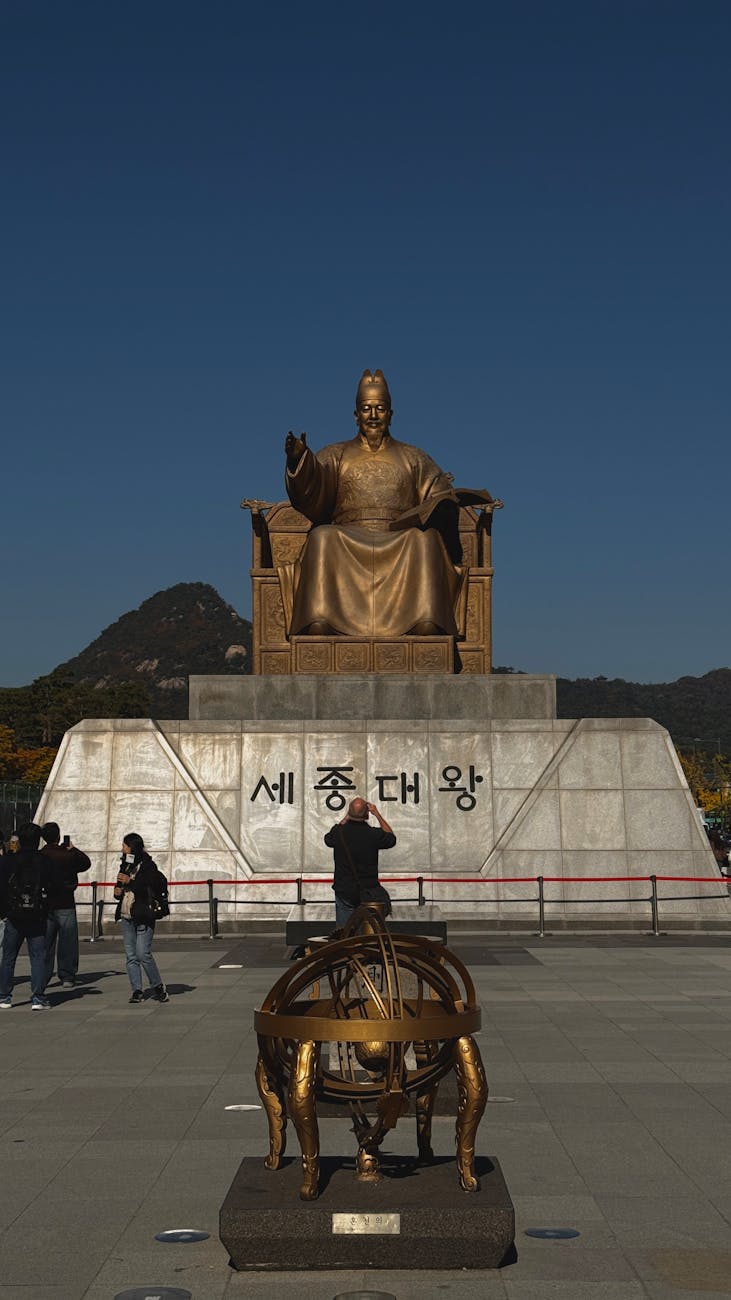
Cultural Etiquette: Respecting Korean Customs
Korean culture is deeply rooted in Confucian values emphasizing respect, hierarchy, and social harmony. You don’t need to be an expert, but understanding a few key customs will earn you genuine appreciation from locals and make your interactions smoother.
Bowing and Greetings
A slight bow (about 15 degrees) is the standard greeting in South Korea — think of it as a nod of acknowledgment. You’ll use it when meeting someone, thanking someone, saying goodbye, and entering or leaving shops. A deeper bow shows more respect, particularly toward elders. Handshakes are common in business settings, ideally using both hands or supporting your right forearm with your left hand.
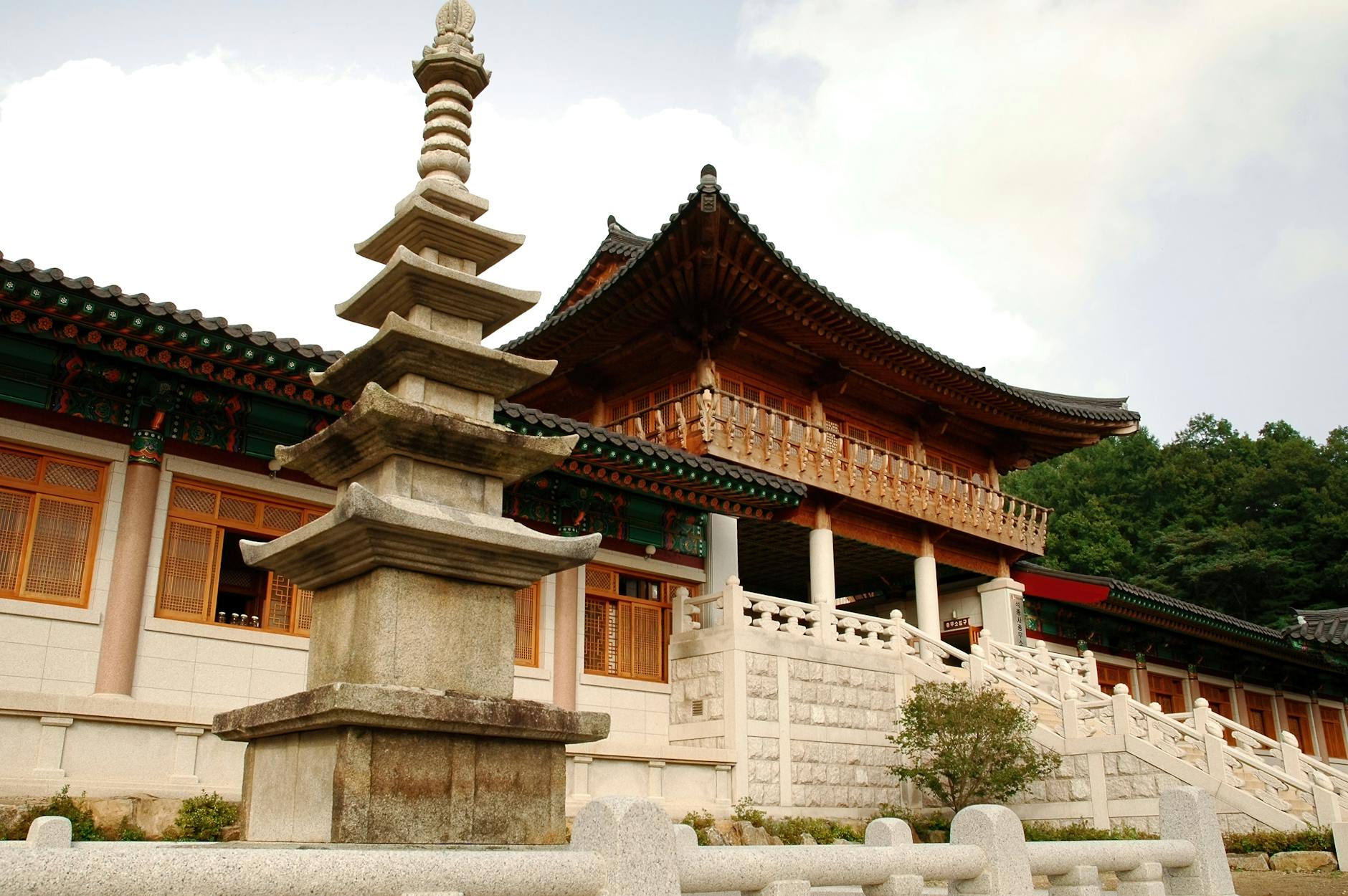
Shoes Off Indoors
This is one of the most important customs for visitors to remember: always remove your shoes when entering Korean homes, traditional guesthouses (hanok), temples, some restaurants with floor seating, and fitting rooms in many clothing stores. Look for shoe racks or a raised threshold at the entrance — these are your cues. Wear socks without holes and shoes that are easy to slip on and off.
Dining Etiquette
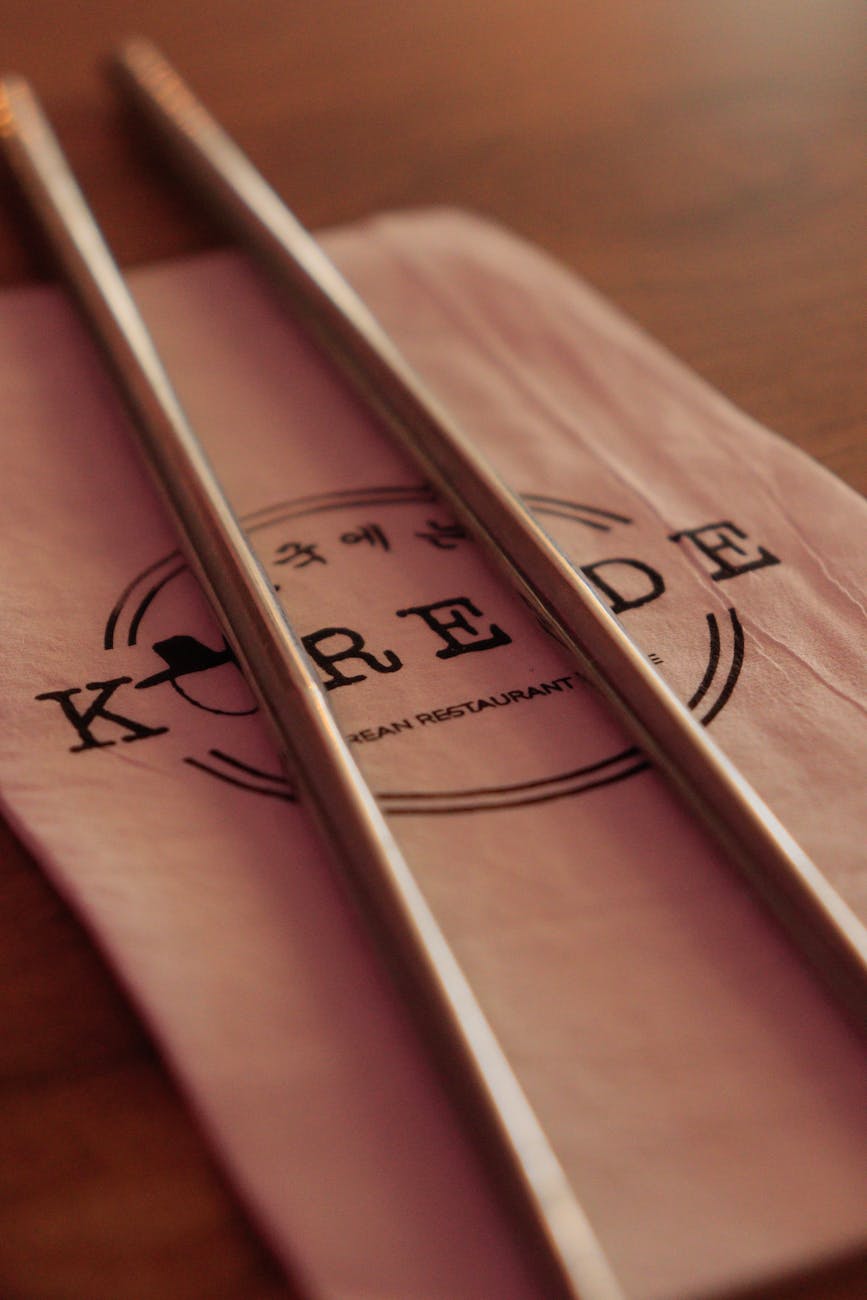
Korean dining has several customs that differ from Western habits. Wait for the eldest person at the table to start eating before you begin. Use chopsticks for side dishes and a spoon for rice and soup — never stick chopsticks upright in your rice bowl, as this resembles funeral rites. Pour drinks for others (especially elders) with two hands, and when an elder pours for you, hold your glass with both hands. When drinking in front of elders, turn your head slightly to the side as a sign of respect.
Many Korean restaurants have a call button on the table — press it to get your server’s attention rather than raising your hand or calling out. Banchan (side dishes) are complimentary and unlimited — it’s perfectly normal to ask for refills. For more on navigating Seoul’s incredible food scene, check our dedicated guide.
Using Both Hands
When giving or receiving anything — money, business cards, gifts, or even your credit card — use both hands or your right hand supported by the left. This applies at shops, restaurants, and any social interaction. It’s a small gesture that signals respect and is deeply ingrained in Korean culture.
Age and Hierarchy
Age is extremely important in Korean social dynamics. Koreans will often ask your age early in a conversation — this isn’t rude; it helps them determine the appropriate level of formality to use. Defer to elders in seating (they sit first), eating (they eat first), and speaking (avoid interrupting). If someone older offers you something, accept graciously with a slight bow.
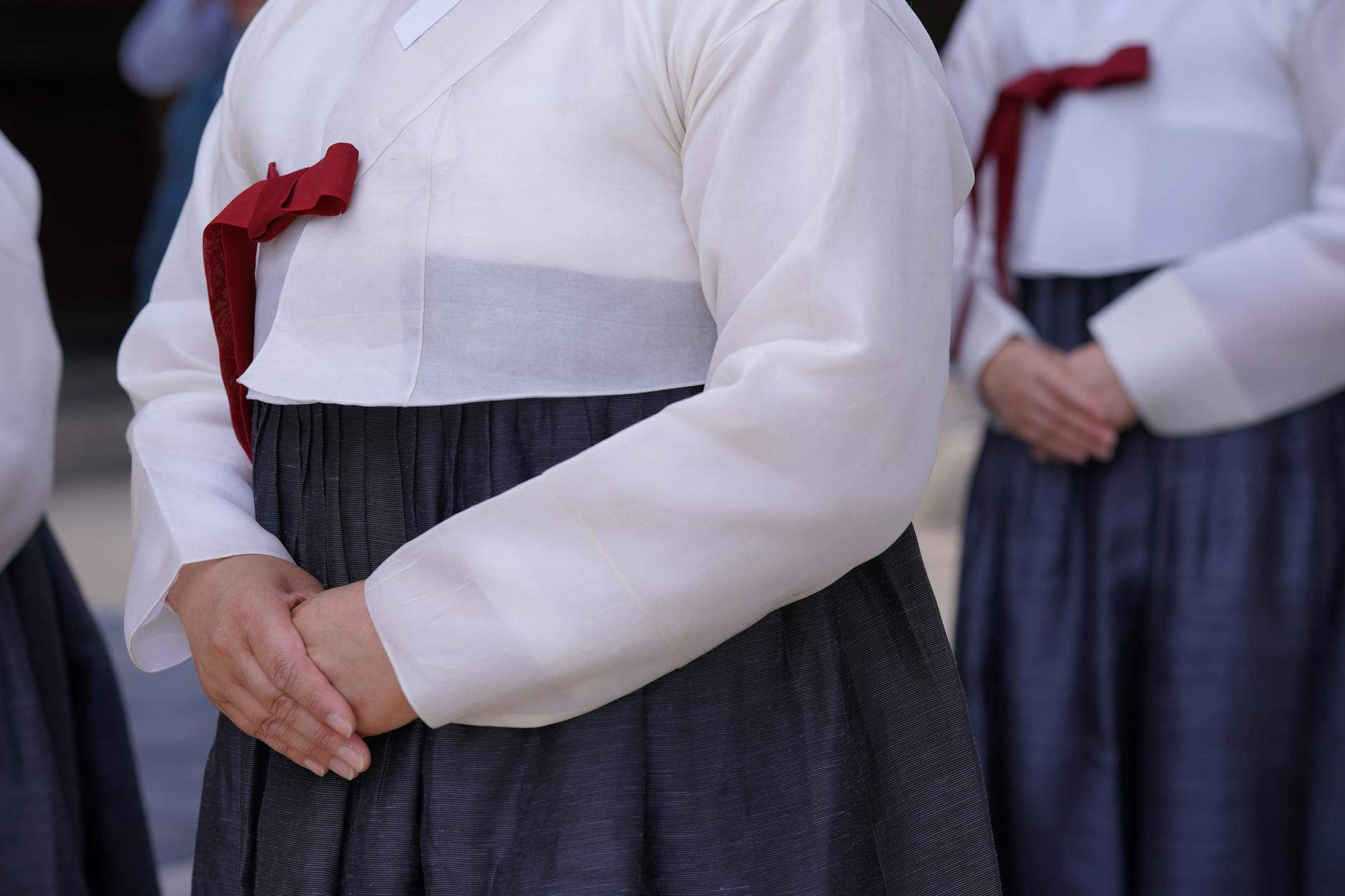
Essential Apps for Seoul
Download these apps before your trip — they’re essential for navigating Seoul effectively. Note that Google Maps has limited functionality in South Korea due to national security restrictions on mapping data, so local alternatives are essential.
Navigation
Naver Map or KakaoMap: These are the go-to navigation apps in Korea. Both offer accurate walking, driving, and public transit directions with real-time bus and subway information. KakaoMap has a slightly better English interface, while Naver Map often has more detailed place information. Download at least one before your trip.
Subway Korea: A dedicated subway navigation app that shows optimal routes, transfer stations, travel times, and which exit to use at your destination — that last feature is invaluable since major Seoul stations can have 15+ exits.
Communication
KakaoTalk: Korea’s dominant messaging app — virtually everyone in Korea uses it. It’s also increasingly used for reservations, payments (KakaoPay), taxi bookings (Kakao T), and customer service. Download it and create an account before arriving.
Papago: Naver’s translation app is excellent for Korean-English translation, including camera translation for menus and signs. It handles Korean nuances better than Google Translate and works offline if you download the language pack.
Transportation
Kakao T: The Korean equivalent of Uber for booking taxis. It’s integrated into the Kakao ecosystem and is the most reliable way to hail a cab, especially when you can’t speak Korean to explain your destination. The app shows fare estimates and your driver can see your destination in Korean.
Food and Restaurants
MangoPlate: Korea’s top restaurant review app with English support. Think of it as Korea’s Yelp — it has detailed reviews, photos, and ratings for restaurants across Seoul, and many reviews include translated content.
Money and Tipping in Seoul
Tipping is not customary in South Korea — and this is one of the most liberating aspects of traveling here. You don’t tip at restaurants, cafés, hotels, taxis, or hair salons. Excellent service is considered standard and professional, not something that requires extra payment. Attempting to tip can actually cause confusion or awkwardness. For more on managing your Seoul trip budget, see our cost guide.
Seoul is highly card-friendly — Visa and Mastercard work almost everywhere, including small food stalls and convenience stores. Apple Pay and Samsung Pay are widely accepted. That said, carry some cash (₩50,000–₩100,000) for traditional markets, very small vendors, and as backup. ATMs at convenience stores accept international cards. For the best exchange rates, use money changers in Myeongdong or Itaewon rather than airport exchange counters.
Safety in Seoul
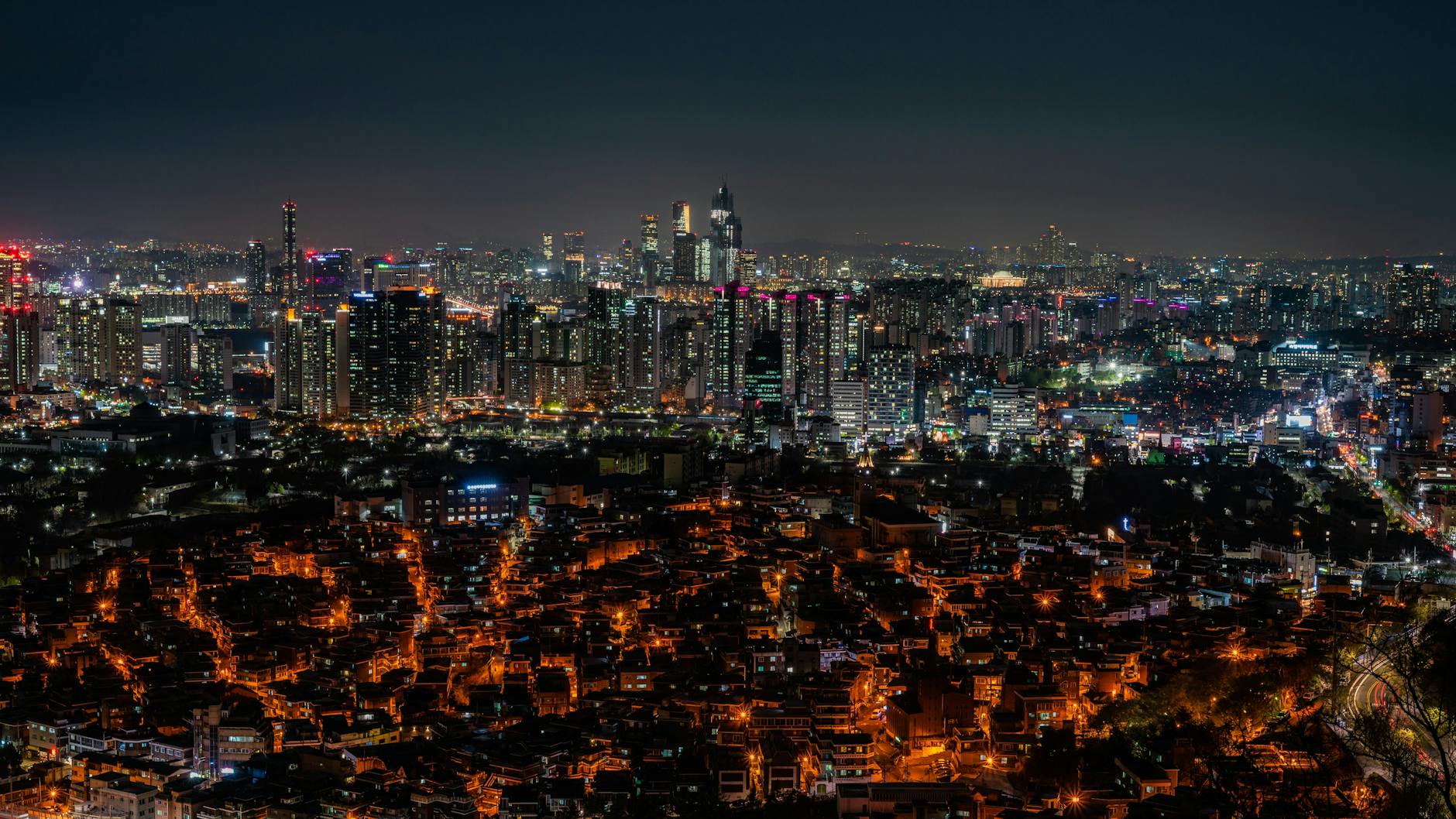
Seoul is consistently ranked as one of the safest major cities in the world. Violent crime against tourists is extremely rare, and you can walk through most neighborhoods day or night without concern. Here are a few safety pointers:
- General safety: Seoul’s streets are well-lit and patrolled. Women traveling solo generally report feeling very safe, even late at night in entertainment districts.
- Petty crime: While rare, pickpocketing can occur in crowded tourist areas and on packed subways. Keep valuables secure, especially in Myeongdong and Hongdae on weekend nights.
- Natural disasters: Typhoon season runs from July to October (rare but possible), and monsoon rains in July-August can cause localized flooding. Check weather forecasts during summer visits.
- Emergency numbers: Dial 112 for police, 119 for fire/ambulance. The 1330 Korea Travel Helpline offers 24/7 multilingual assistance for tourists — save this number.
- Protests: Political demonstrations occasionally occur in the Gwanghwamun area. They’re typically peaceful but can disrupt traffic. Check local news if you’re staying nearby.
Navigating the Language Barrier
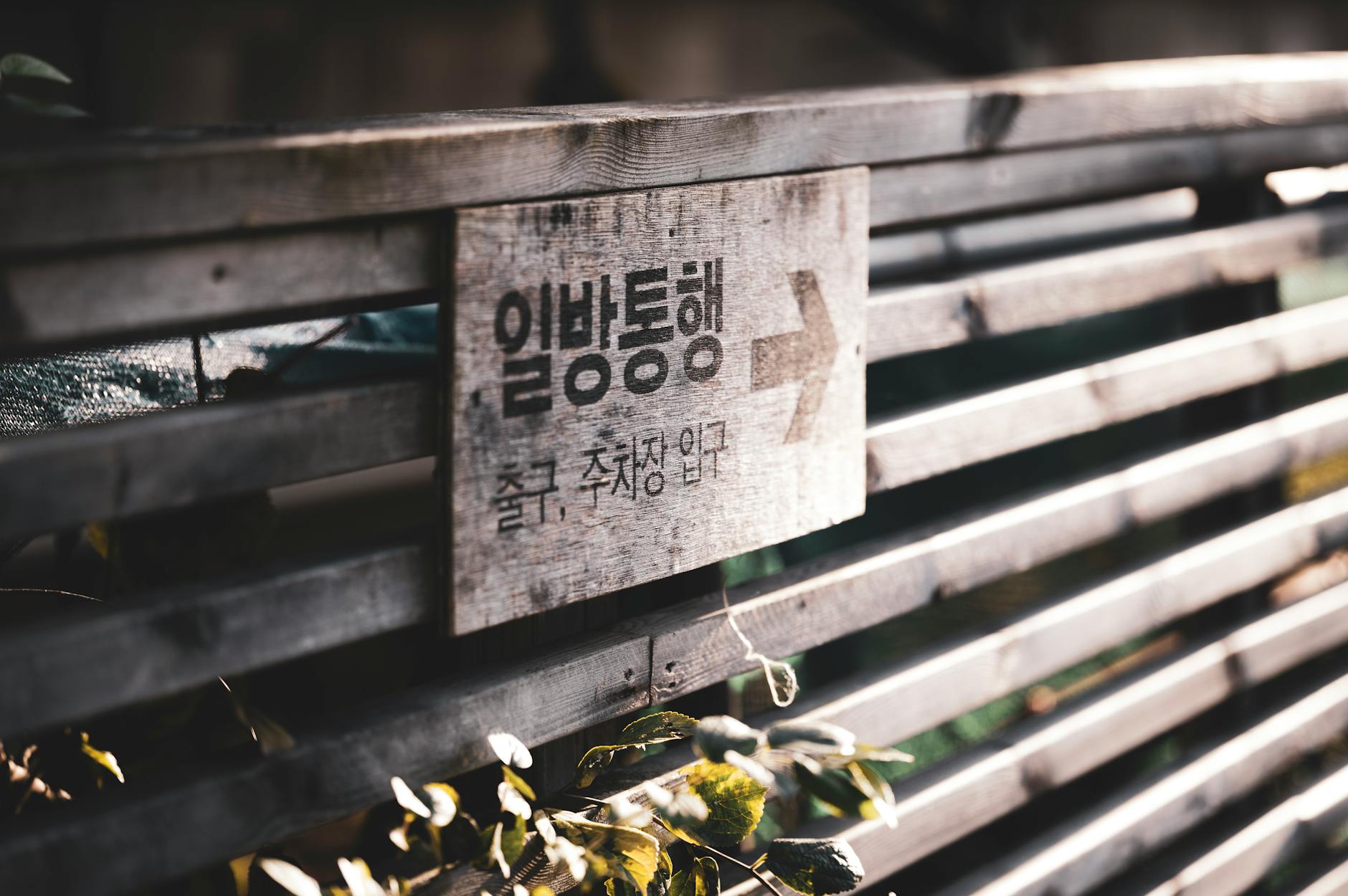
Korean (한국어, hangugeo) is the official language, and while Seoul is more English-friendly than many Asian capitals, you shouldn’t expect widespread English fluency outside of tourist hotspots and international hotels. Here’s how to manage:
Learn Basic Korean Phrases
A few key phrases will serve you well: 안녕하세요 (annyeonghaseyo) — hello; 감사합니다 (gamsahamnida) — thank you; 주세요 (juseyo) — please (give me); 얼마예요? (eolmayeyo?) — how much is it?; 화장실 어디예요? (hwajangsil eodiyeyo?) — where is the bathroom? Koreans genuinely appreciate any attempt to speak their language, even imperfectly.
Learn to Read Hangeul
Here’s a game-changing tip: you can learn to read the Korean alphabet (Hangeul) in just a few hours. King Sejong designed it in 1443 to be easy to learn, and the 24 basic characters follow logical phonetic patterns. Even if you can’t understand the meaning, being able to sound out Korean words helps you read subway stations, restaurant signs, and menus — and many Korean words are borrowed from English (like 커피 = “keo-pi” = coffee).
SIM Cards and Staying Connected
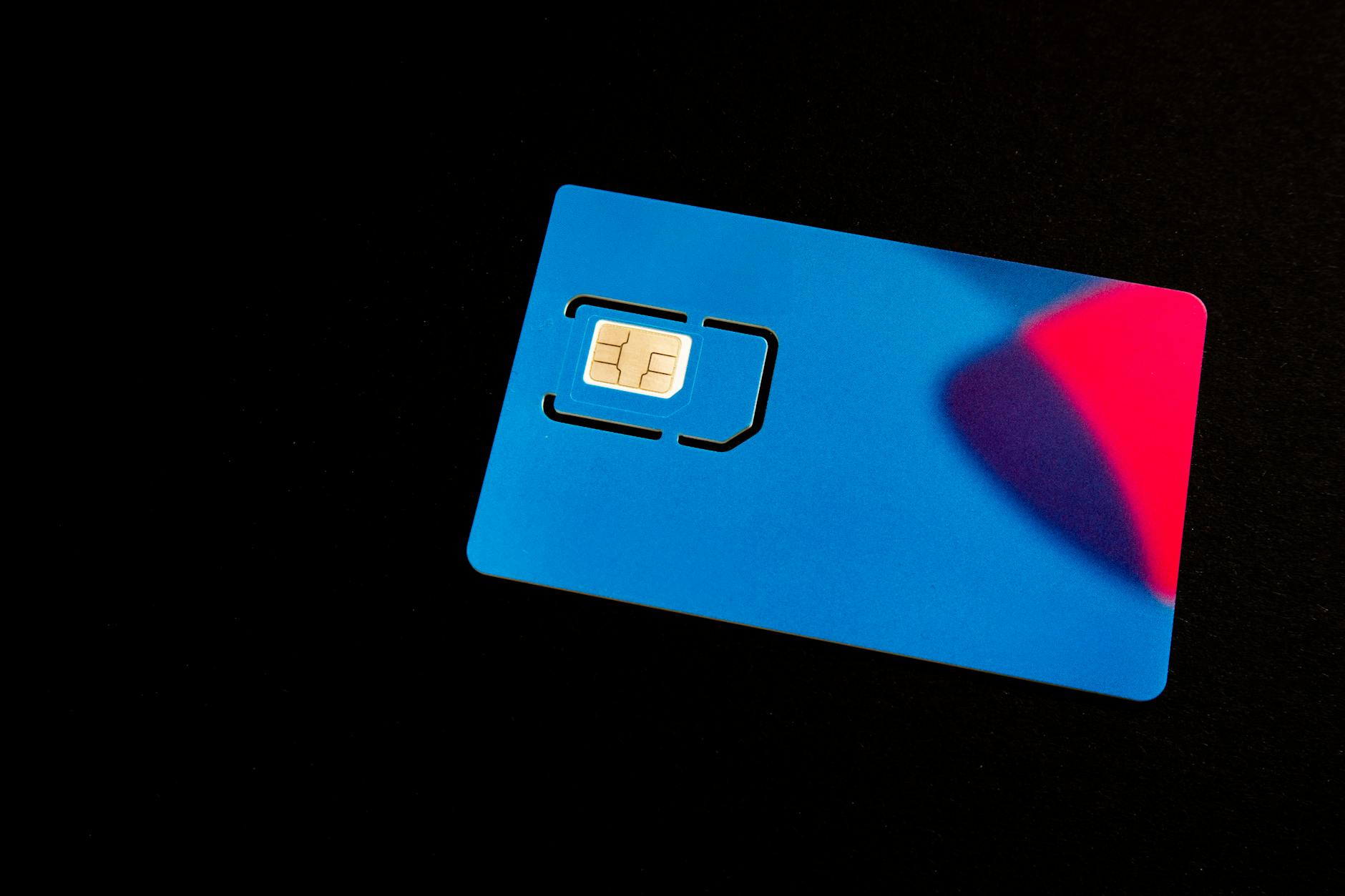
Reliable mobile data is essential in Seoul — you need it for navigation apps, translation, restaurant finding, and communication. Here are your connectivity options:
- eSIM (recommended): If your phone supports eSIM, purchase one online before your trip through providers like Airalo, Holafly, or KT’s own eSIM service. Activation is instant, and plans for 5–10 days of unlimited data cost $10–$25 USD.
- Physical SIM card: Available at Incheon Airport from KT, SK Telecom, or LG U+ counters. Staff are experienced with foreign visitors and will activate everything on the spot. Expect to pay ₩25,000–₩45,000 for 5–10 days of unlimited data.
- Portable Wi-Fi router: Rent a pocket Wi-Fi device at Incheon Airport (₩3,000–₩5,000/day). Good for groups since multiple devices can connect, but you need to keep it charged and return it at the airport.
- Free Wi-Fi: Seoul has extensive free public Wi-Fi (look for “Seoul Free WiFi” networks) at subway stations, tourist sites, and many cafés. It’s usable but not reliable enough to depend on exclusively.
Plug Adapters and Electronics
South Korea uses Type C and Type F (European-style round two-pin) electrical outlets at 220V/60Hz. If you’re coming from the US, UK, or Australia, you’ll need a plug adapter. Most hotels provide universal adapters, but don’t count on it — pack your own. USB charging is widely available in cafés, subway stations, and public spaces, so a multi-port USB charger is a smart travel companion.
Public Transportation Etiquette
Seoul’s subway and bus system is exceptional, but there are unwritten rules that locals follow closely:
- Stay quiet: Talking on the phone or having loud conversations on the subway is considered very rude. Keep your voice low and put your phone on silent.
- Priority seats: The seats at the ends of each subway car (marked in a different color) are reserved for elderly passengers, pregnant women, and people with disabilities. Even if the train is crowded and these seats are empty, locals typically don’t sit in them. Follow their lead.
- Stand on the right: On escalators, stand on the right side and leave the left side clear for people walking up.
- Let people exit first: Wait for passengers to exit the subway before boarding. Seoul commuters are disciplined about this.
- Backpack etiquette: During rush hours, hold your backpack in front of you or put it on the floor to save space.
For detailed transportation guides, check our getting around Seoul article.
Practical Tips That Make a Big Difference
Convenience Stores Are Your Best Friend
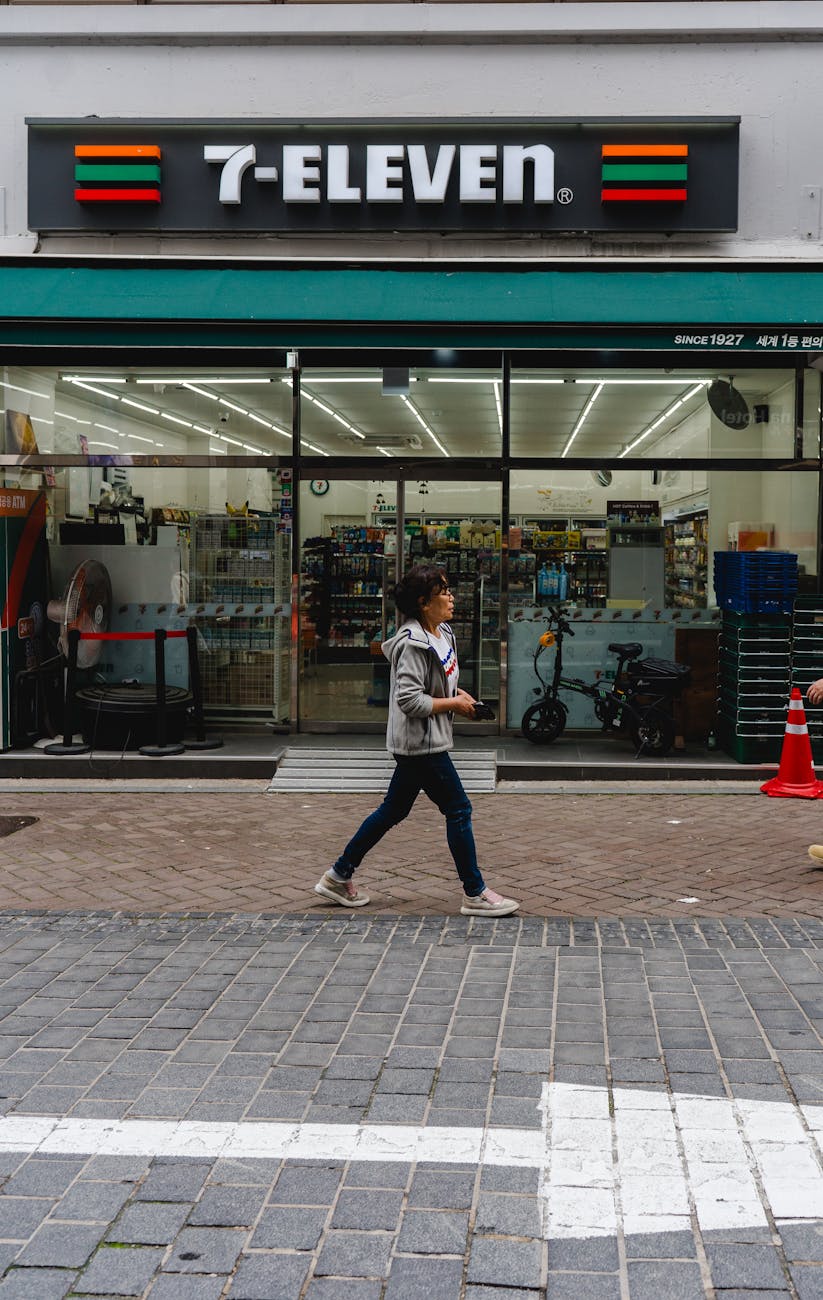
Korean convenience stores (GS25, CU, 7-Eleven, Emart24) are far more useful than their Western counterparts. They offer hot meals, decent coffee, ATMs, phone chargers, T-Money card top-ups, ticket printing, umbrella purchases, and even basic pharmacy items. Many have seating areas where you can eat purchased food. They’re open 24/7 and you’ll find one on virtually every block.
Trash Cans Are Scarce
One of the first things visitors notice is the lack of public trash cans in Seoul. Korea has strict waste sorting regulations, and public bins were largely removed. You’ll find trash cans at convenience stores, subway stations, and outside some cafés. Many locals carry small bags for their trash until they find a bin. Convenience store purchases can be disposed of at the store’s bins.
Restrooms Are Excellent
Seoul’s public restrooms are among the cleanest in the world. Every subway station has restrooms, and they’re free to use. Most are equipped with heated seats, bidets, and toilet paper (though some traditional market restrooms may lack paper — carry tissues just in case). Gender-separated restrooms are standard.
Receipts and Bags
Korea charges for plastic bags (₩100–₩300) at most stores as an environmental measure. Bring a reusable shopping bag. Also, receipts are often digital in Korea — many shops will ask if you want a paper receipt or will send it to your phone via KakaoTalk.
Drinking Water
Seoul’s tap water is safe to drink, though many locals prefer filtered or bottled water. Restaurants provide free water (often cold barley tea or plain water from a self-service dispenser). Bottled water from convenience stores costs ₩800–₩1,500.
Frequently Asked Questions
Is Seoul safe for solo female travelers?
Yes, Seoul is consistently rated as one of the safest cities for solo female travelers. Well-lit streets, efficient public transport, women-only subway cars during rush hours (at some stations), and extremely low rates of violent crime make it very comfortable. Standard precautions apply — be aware of your surroundings, especially in nightlife districts late at night.
Can I get by in Seoul without speaking Korean?
Yes, with the help of translation apps and some preparation. Major tourist sites, hotels, and chain restaurants have English signage and some English-speaking staff. Subway stations are announced in English, and ticket machines have English options. However, local restaurants, taxis, and shops in non-tourist areas rarely have English speakers — this is where Papago and KakaoMap become essential.
What should I absolutely avoid doing in Seoul?
The biggest faux pas to avoid: blowing your nose loudly at the table (step away to do it), writing someone’s name in red ink (associated with death), refusing a drink from an elder without a polite explanation, sitting in priority subway seats when you don’t qualify, being loud on public transportation, and leaving your shoes on when entering a traditional space.
Do I need to learn Korean before visiting Seoul?
You don’t need to, but learning basic Hangeul (the alphabet) and a handful of phrases makes a tremendous difference. Even simple greetings in Korean will make locals more warm and helpful. Spend a couple of hours with a Hangeul learning app before your trip — it’s one of the highest-value preparations you can make.
Armed with these travel tips, you’re ready to make the most of your first Seoul visit. Continue your planning with our guides to visa requirements, the best time to visit, and what to pack for the ultimate Seoul experience.