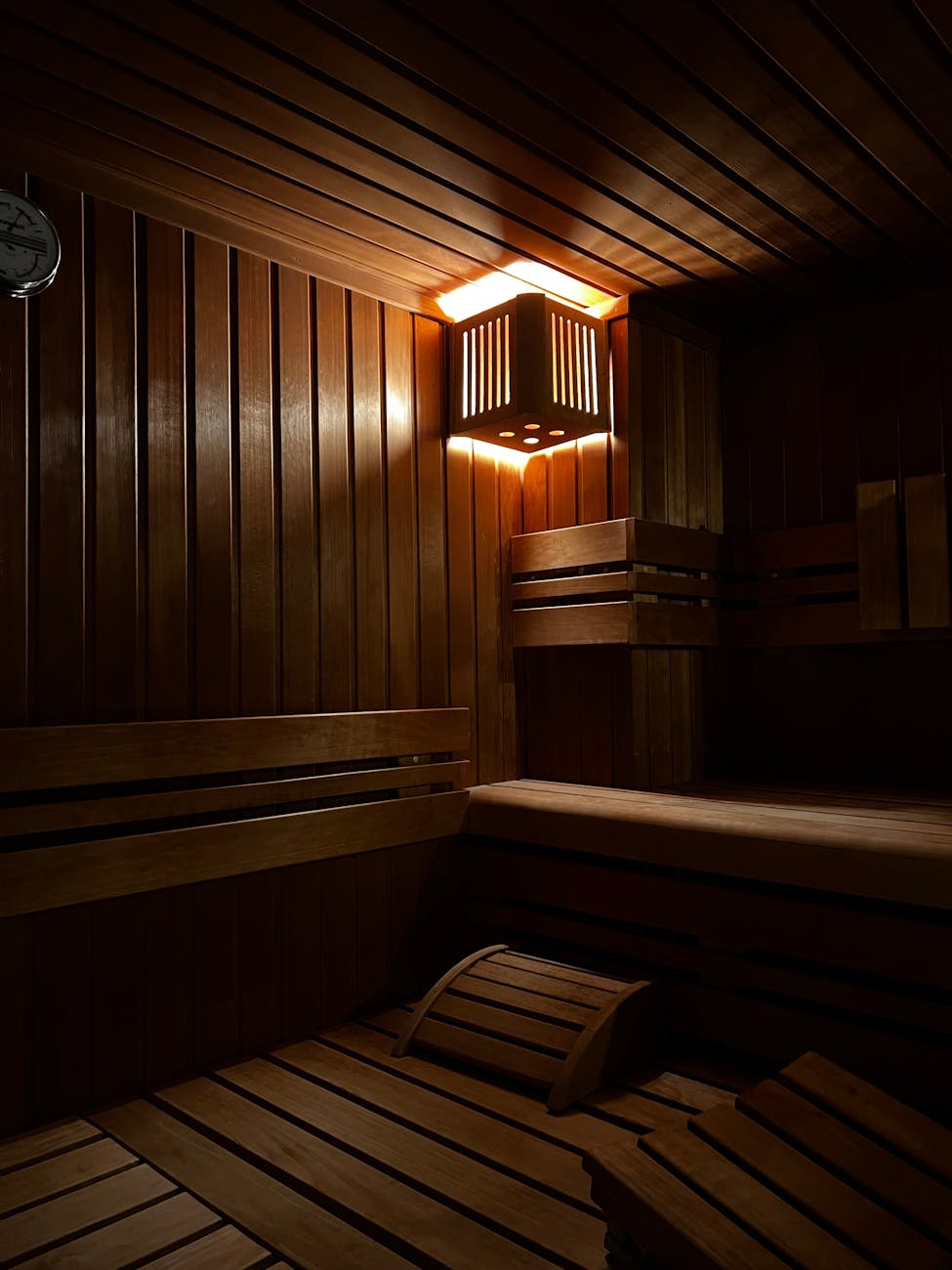
Korean Wellness Culture: A Tradition of Healing
Korean wellness culture, known as yangssaeng (양생), is rooted in the belief that health comes from harmony between body, mind, and environment. For Koreans, self-care isn’t a luxury — it’s a way of life woven into daily routines. From elaborate multi-step skincare regimens to weekly bathhouse visits with family, wellness practices are deeply communal and intergenerational.
The Korean approach to wellness emphasizes prevention over cure. Traditional Korean medicine (hanbang, 한방) uses herbal remedies, acupuncture, and cupping alongside modern treatments. You’ll see this philosophy reflected everywhere in Seoul — from pharmacies selling ginseng tonics to restaurants serving medicinal soups like samgyetang (ginseng chicken soup) believed to restore vitality.
Understanding this cultural context enhances your spa experience. When you step into a jjimjilbang, you’re not just visiting a spa — you’re participating in a centuries-old tradition of communal health and social bonding that remains central to Korean life.
Jjimjilbang: The Korean Bathhouse Experience
A jjimjilbang (찜질방) is Korea’s answer to the wellness center — a multi-story complex combining traditional bathhouse, sauna, social club, and overnight accommodation all under one roof. Some let you stay around the clock and have communal rest and sleeping rooms, which makes them a budget-friendly place to spend the night as well as a wellness destination; check each venue’s hours before you go. Admission typically costs ₩12,000–₩20,000 ($9–$15 USD) and includes access to all facilities, a locker, and a set of pajama-style clothing for the communal areas.
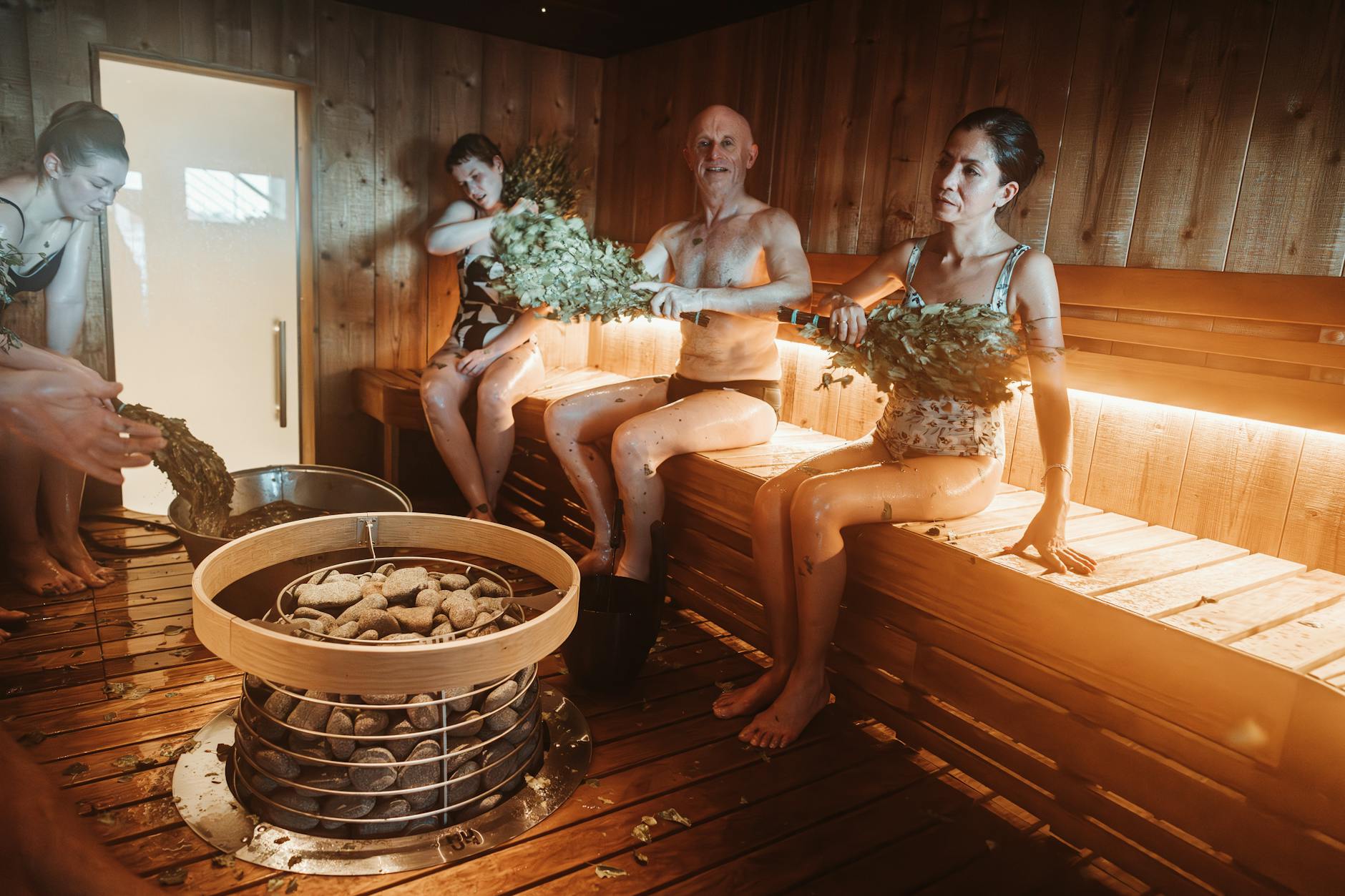
How a Jjimjilbang Works
When you arrive, you’ll pay at the front desk and receive a locker key (usually worn on your wrist or ankle), a towel, and the standard-issue shorts and T-shirt. The experience unfolds in two main areas:
The Mogyoktang (Bathing Area): This gender-separated wet zone is where the true bathing experience happens. You’ll find rows of shower stations, multiple hot and cold plunge pools, steam rooms, and often specialized mineral baths. Everyone bathes nude here — it’s same-gender only and entirely normal. Strip down, shower thoroughly before entering any pools, and relax. Most first-timers feel comfortable within minutes once they realize nobody is paying attention to anyone else.
The Communal Area: After bathing, change into your provided clothing and head to the co-ed common areas. Here you’ll find themed saunas (salt rooms, charcoal rooms, ice rooms, jade-heated rooms), sleeping quarters with heated floors, a cafeteria, and entertainment options like gaming rooms or movie screening areas. Families, couples, and friend groups gather here to relax, snack on sikhye (sweet rice drink) and baked eggs, and sometimes sleep overnight.
Best Jjimjilbangs in Seoul
Spa Lei (강남): A women-only jjimjilbang in Gangnam, and an obvious pick for solo female travelers who would rather bathe and rest in a women-only space. Check its current hours before you go.
Supsok Hanbang Land (서대문): This bathhouse at 75-7 Bongwonsa-gil in Seodaemun-gu has an outdoor charcoal kiln. It offers the most authentic traditional hanjeungmak sauna experience in the city — a must for anyone wanting the most culturally genuine bathhouse experience.
Jjimjilbang Etiquette Tips
Shower thoroughly before entering any pool or bath. Use the provided soap and shampoo at the wash stations and make sure to rinse off completely. Tie long hair up — it should never touch the water. Don’t bring your phone into the bathing area (cameras are strictly prohibited in the nude zone). Use a small towel to maintain modesty if needed, but don’t submerge towels in the baths. Speak quietly in the communal sleeping areas, especially late at night. Tattoos may draw some curious glances at traditional establishments, but most Seoul jjimjilbangs are welcoming to international visitors.
If this is your first bathhouse, our jjimjilbang guide for tourists walks the whole sequence step by step — what happens at the front desk, which sauna temperatures to build up to and in what order, how the overnight sleeping halls and the snack bar actually work, and the handful of Korean phrases you need to book a seshin scrub without a translation app.
The Korean Body Scrub: Seshin Experience
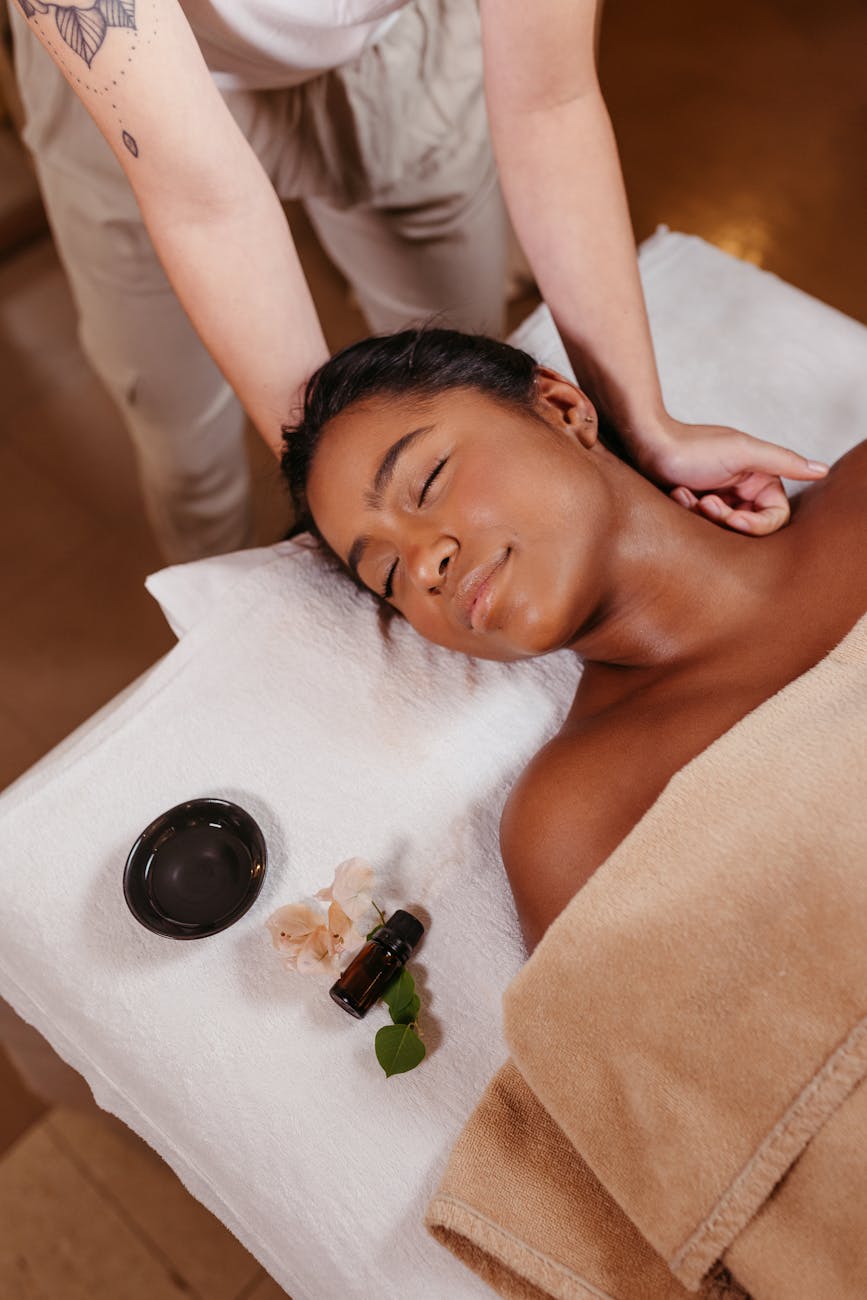
No Seoul spa guide is complete without mentioning the seshin (세신) — the legendary Korean body scrub. This isn’t a gentle exfoliation. A trained scrub attendant (seshin ajumma for women, seshin ajeossi for men) will vigorously scrub your entire body with a rough Italy towel mitt, removing layers of dead skin you didn’t know you had. The result is skin so incredibly smooth and soft that nothing else compares.
A traditional seshin costs ₩20,000–₩40,000 ($15–$30 USD) at most jjimjilbangs and takes about 30–40 minutes. The experience can feel intense for first-timers — the scrubbing is vigorous and you’ll be amazed (or slightly horrified) by the visible rolls of dead skin. But afterward, your skin will feel like it’s been completely renewed.
Since around 2022, private seshin spas have been opening across Seoul, offering the same thorough scrubbing technique in luxurious private rooms with hotel-level amenities, and foreign visitors have been booking them in growing numbers since 2023. These cater to visitors who want the authentic experience without the communal nudity of a traditional bathhouse. Expect to pay ₩80,000–₩150,000 for a private seshin session with additional treatments like an oil massage or scalp treatment.
K-Beauty Treatments and Dermatology Clinics
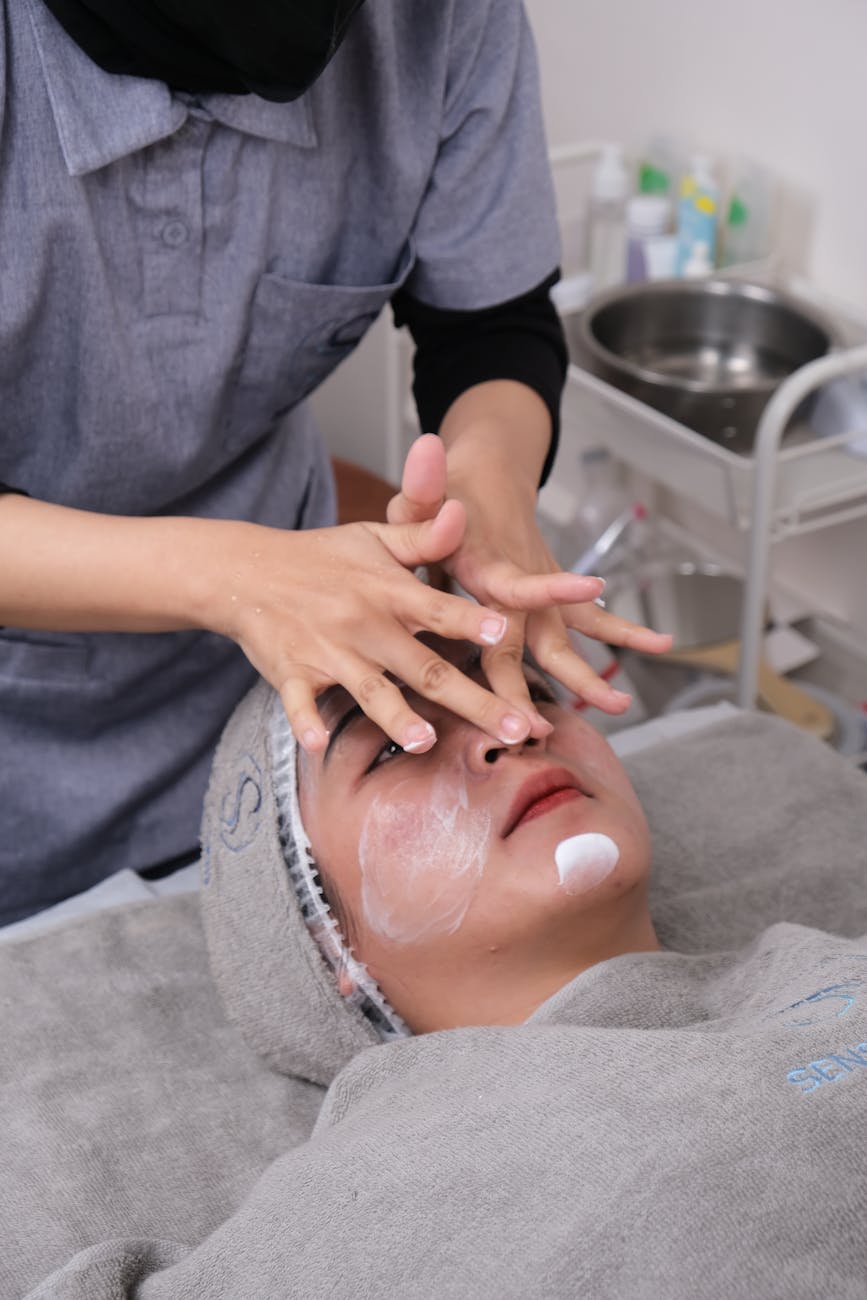
Seoul is the undisputed global capital of beauty tourism. Korea’s inbound medical tourism surpassed 1.17 million patients in 2024, with dermatology leading all specialties at over 56% of foreign patient visits.
Popular K-Beauty Treatments for Visitors
Hydrafacial and Aqua Peeling: Deep-cleansing facials using water-based exfoliation technology that brightens and hydrates the skin. Ask your chosen clinic whether it offers them, how long a session takes and what recovery to expect. Prices start around ₩80,000 ($60 USD).
Rejuran Healer (Baby Skin Injection): A distinctly Korean treatment that injects salmon-derived polynucleotides (PN) to boost collagen production and improve skin texture. It’s hugely popular among Korean celebrities and increasingly sought out by international visitors. Sessions cost ₩200,000–₩400,000.
Laser Toning: Low-power laser treatments for evening skin tone, reducing pigmentation, and achieving the coveted “glass skin” look. A single session runs ₩100,000–₩200,000.
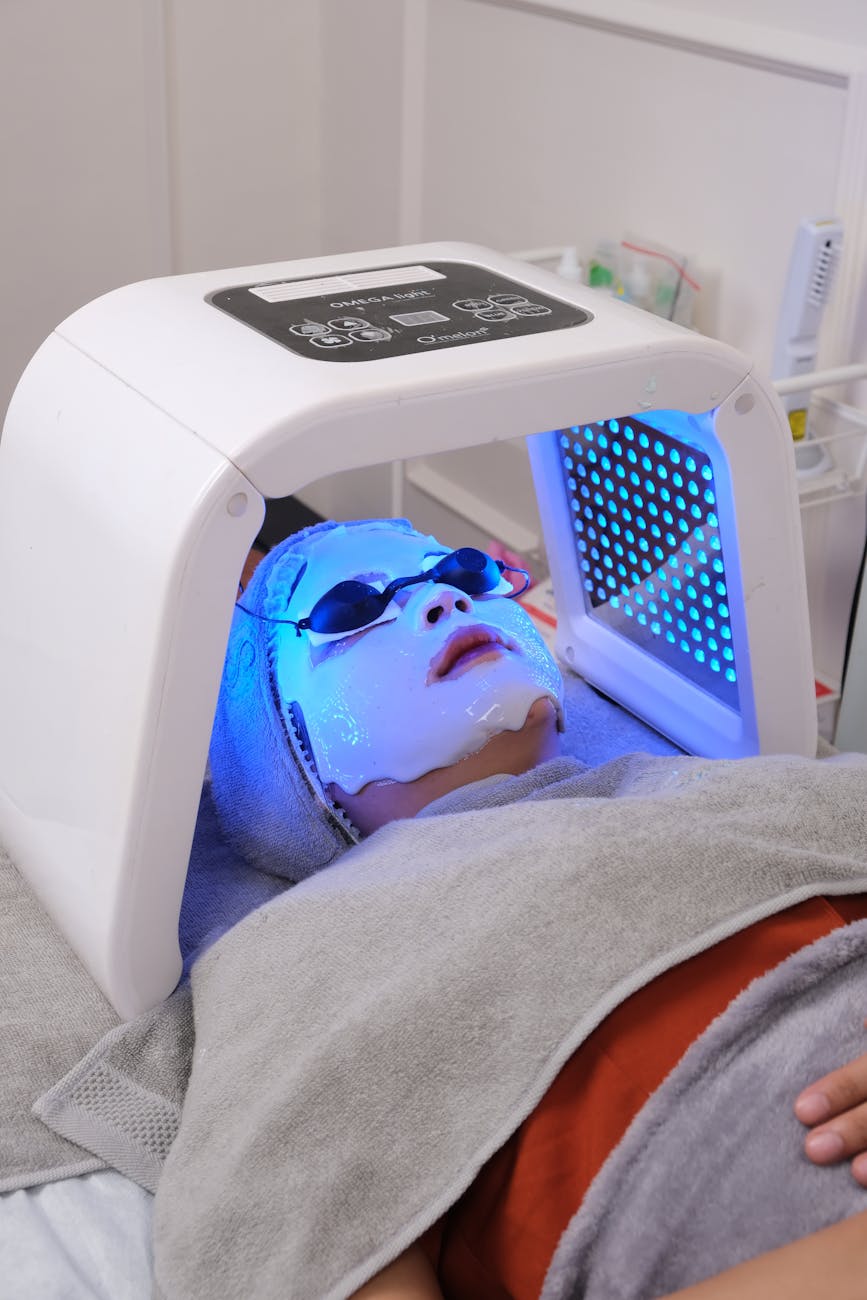
LED Light Therapy: Non-invasive treatments using different wavelengths of light to target acne, inflammation, and anti-aging concerns. Many Seoul spas offer this as a relaxing add-on to facials.
Top Dermatology Clinics for Tourists
When choosing a clinic, look for board-certified dermatologists (피부과 전문의) and facilities that offer English-speaking consultations. Korean dermatologists complete four years of specialist residency training, ensuring a high level of expertise.
Clinics in Gangnam (especially around Gangnam Station and Apgujeong) form Seoul’s “beauty belt” and cater heavily to international clients. Myeongdong has also emerged as a hub for tourist-friendly beauty clinics, with some offering treatments between shopping stops. Clinics near Hongdae tend to be more affordable while maintaining high quality. Always book a consultation in advance and confirm English availability — many clinics take bookings online or by KakaoTalk, which makes it easy to ask questions in advance.
Pro tip: Some dermatology clinics sell packages that combine several treatments (e.g., laser toning + Rejuran + hydrafacial). If you’re planning multiple treatments, ask about package pricing during your consultation and compare it with the individual session prices.
Treatment-by-treatment pricing, how to vet a clinic, and what a first English-language consultation actually involves are covered in our guide to K-beauty treatments in Seoul — including which procedures need recovery time before a flight, which ones are worth flying for, and how the medical-tourism paperwork works at Gangnam clinics.
Temple Stays and Meditation Retreats
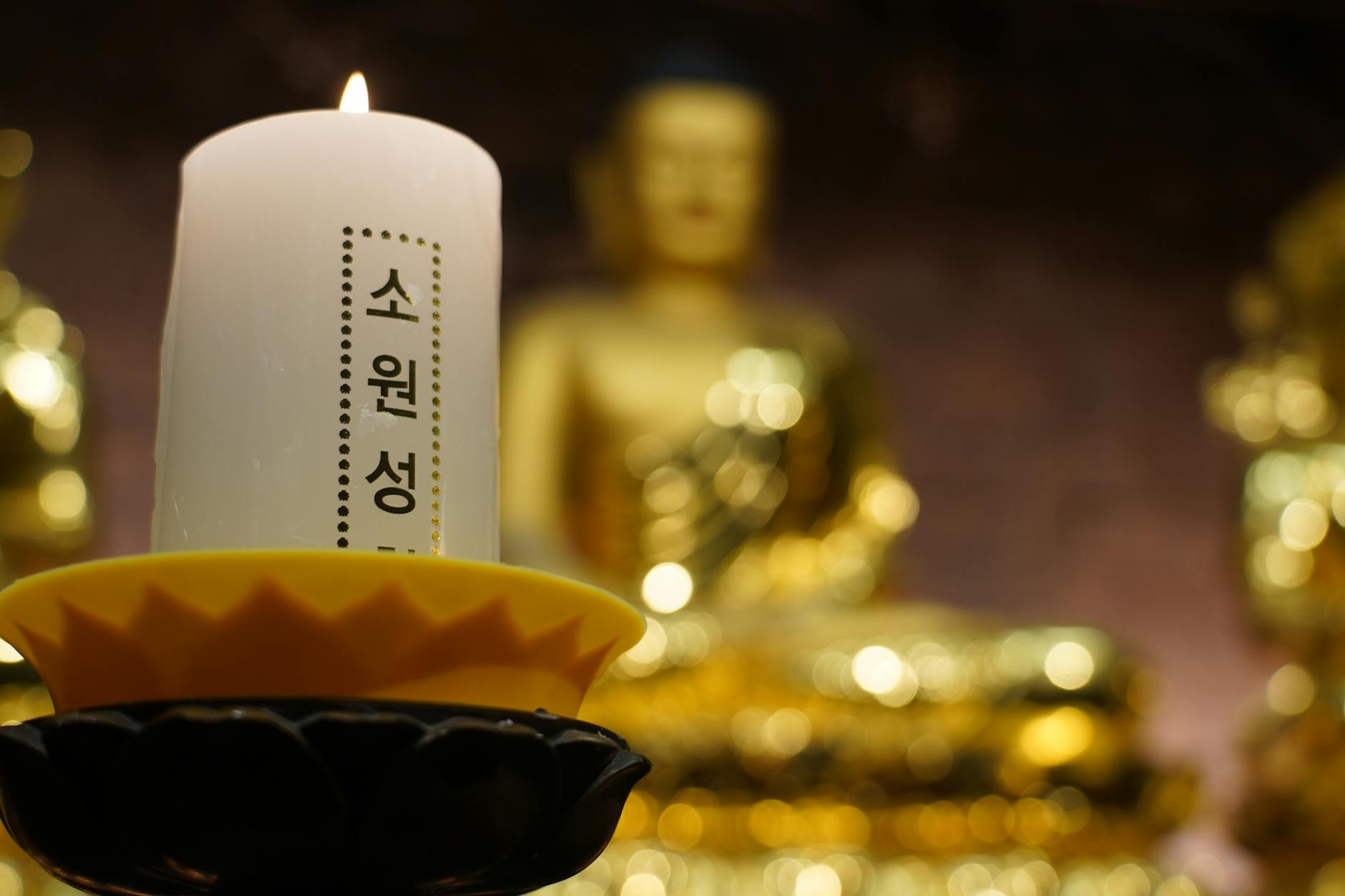
For wellness that goes beyond the physical, Seoul’s Buddhist temples offer temple stay programs (템플스테이) that immerse visitors in centuries-old contemplative practices. The temple stay program was launched officially in 2002, during the FIFA World Cup.
Schedules and activities vary by temple, but a program can include a temple tour, an early morning ceremony, seated meditation (참선) and the 108 prostrations (a physical meditation practice that’s surprisingly demanding); check your chosen temple’s listing for the length of stay, meals and any tea with the monks. Costs range from ₩50,000 to ₩80,000 ($40–$60 USD) including accommodation and all meals — remarkably affordable for such a transformative experience.
Seoul Temples Offering Wellness Programs
Bongeunsa Temple (봉은사): Located directly across from the COEX Mall in Gangnam, Bongeunsa offers one of the most popular temple stay programs in Korea. Founded in 794 AD, this temple provides an extraordinary juxtaposition — finding ancient peace surrounded by one of Seoul’s most modern neighborhoods. Their programs are well-organized for international participants and include English-language guidance.
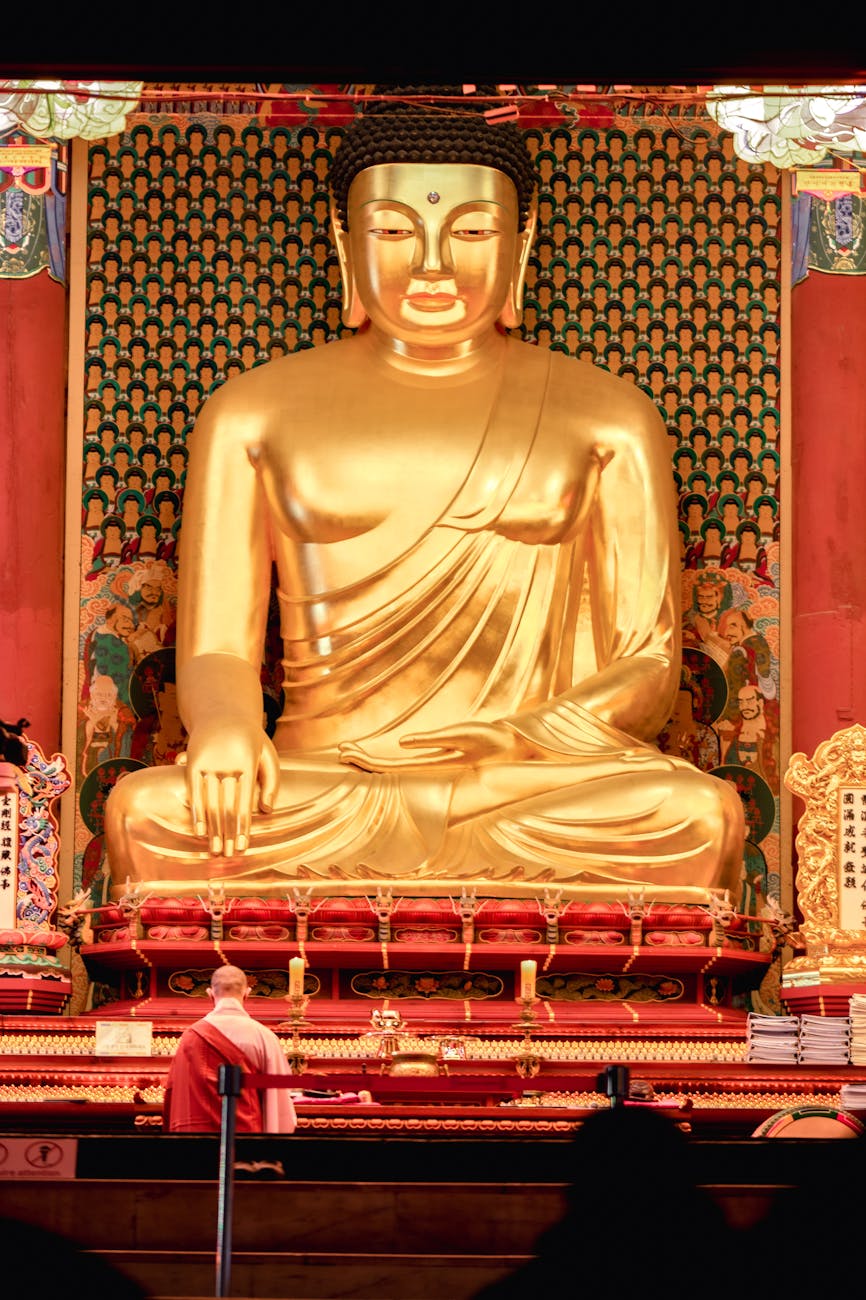
Jogyesa Temple (조계사): The head temple of the Jogye Order, Jogyesa in Jongno offers temple stay experiences right in the heart of Seoul. It’s the most accessible temple for visitors staying in the city center.
International Seon Center (국제선센터): This modern meditation center in Seoul runs English-language programs for visitors; check its current schedule and any fee before you go. It’s a perfect introduction if you’re curious about Korean Buddhist meditation but not ready for a full overnight temple stay.
Geumseonsa Temple (금선사): Nestled on the slopes of Bukhansan National Park in northern Seoul, Geumseonsa offers temple stays that combine meditation with stunning mountain scenery. The early morning views from the temple grounds are unforgettable.
Book temple stays through the official Templestay website (eng.templestay.com), which lists all participating temples nationwide with English descriptions, schedules, and online reservation. Popular temples book up weeks in advance, especially during cherry blossom and autumn foliage seasons.
Our full Seoul temple stay guide compares the individual programs side by side — which temples run English-language schedules, what the 4 AM wake-up and the 108 prostrations really demand of you, what to pack for a mountain temple like Geumseonsa in winter, and how to secure a weekend slot at Jogyesa or Bongeunsa once the popular dates go.
Traditional Korean Tea Culture and Wellness
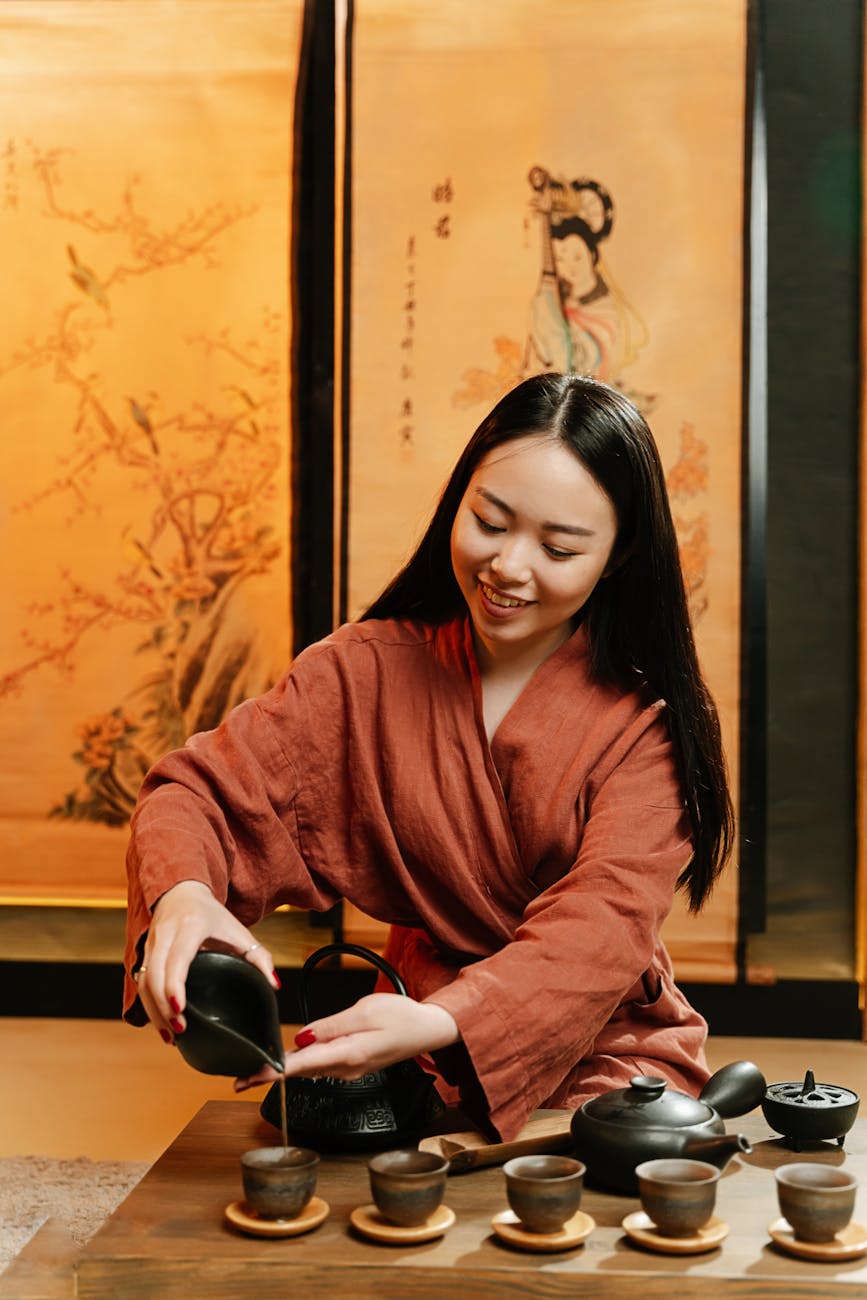
Korean tea culture (darye, 다례) is a meditative wellness practice in itself. Unlike the elaborate Japanese tea ceremony, Korean tea culture emphasizes natural simplicity and inner calm. Seoul’s traditional tea houses (찻집) offer a quiet refuge from the city’s energy, serving teas with specific health benefits rooted in hanbang (traditional Korean medicine).
Wellness Teas to Try
Nokcha (녹차, Green Tea): Rich in antioxidants, Korean green tea from regions like Boseong is prized for its clean, vegetal flavor. It’s believed to aid digestion, boost metabolism, and promote clear skin.
Yuja-cha (유자차, Citron Tea): A sweet, fragrant tea made from preserved citrus fruit, traditionally used to ward off colds and flu. The warm citrus aroma alone is therapeutic.
Ssanghwa-cha (쌍화차, Herbal Restorative Tea): A dark, complex herbal tea believed to restore energy and strengthen the body. It’s the Korean equivalent of a healing tonic — slightly bitter but deeply restorative.
Daechu-cha (대추차, Jujube Tea): Sweet red date tea that’s warming and calming, often recommended for stress relief and better sleep. A perfect evening drink.
Insam-cha (인삼차, Ginseng Tea): Korea’s most iconic wellness ingredient, ginseng is believed to boost immunity, increase energy, and improve cognitive function. Korean red ginseng (홍삼) is particularly potent and widely available at tea houses and specialty shops throughout Seoul.
For an authentic experience, visit the tea houses in Insadong and Bukchon Hanok Village, where you can enjoy traditional teas in beautifully restored hanok (traditional Korean houses). Some tea houses also offer informal tea ceremony experiences where you learn the gentle art of Korean tea preparation.
Hot Springs Near Seoul
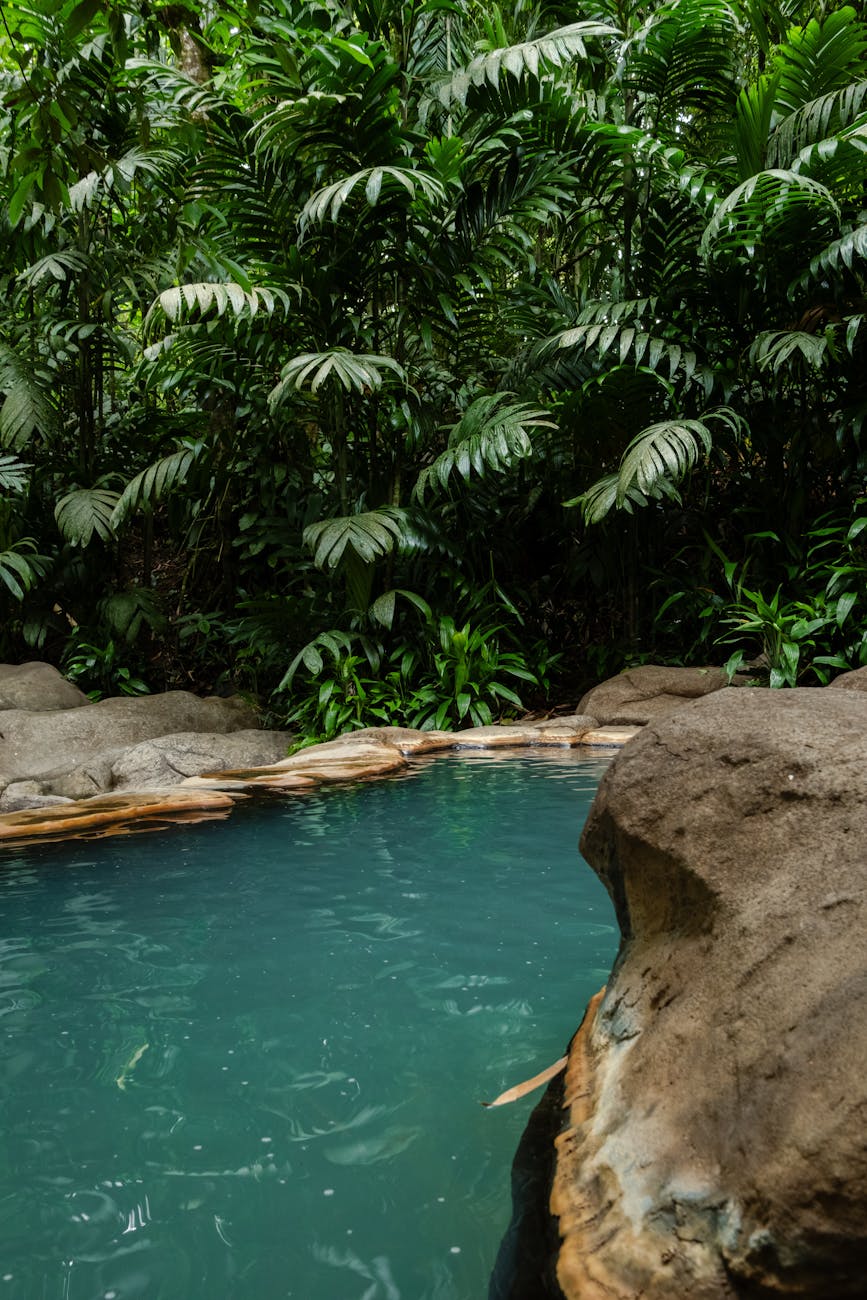
While Seoul itself doesn’t have natural hot springs within city limits, several excellent oncheon (온천, hot spring) destinations are easily accessible as day trips. Korean hot springs have been treasured for centuries — Joseon Dynasty kings regularly traveled to bathe in mineral-rich thermal waters for their healing properties.
Best Hot Springs Day Trips from Seoul
Onyang Hot Springs (온양온천): Korea’s oldest hot spring complex, south of Seoul and reachable by train. Joseon Dynasty royals frequented these springs for their therapeutic properties. The stop is Onyang Oncheon Station; check Korail for current services from Seoul and any change of train. The surrounding area has multiple bathhouses and spa resorts drawing from the natural thermal water.
Asan Spavis (아산 스파비스): A modern water therapy park that combines natural hot spring waters with contemporary wellness facilities. It’s family-friendly and makes a great full-day excursion; check its opening days before you travel.
Icheon Hot Springs (이천온천): These hot springs are in the ceramic arts city of Icheon, east of Seoul. Combine a hot spring visit with exploring Icheon’s famous pottery villages for a culturally rich day trip.
Yuseong Hot Springs (유성온천, Daejeon): One of Korea’s most historic hot spring areas with over 1,000 years of history. Yuseong is in Daejeon: take the KTX from Seoul, then make a local trip from the station to the hot spring district. The surrounding district has numerous bathhouses ranging from budget to luxury.
Modern Luxury Spas in Seoul
Beyond traditional jjimjilbangs, Seoul has a thriving luxury spa scene with world-class facilities in five-star hotels and standalone wellness centers.
The Spa at Four Seasons Seoul: Located in Gwanghwamun, this spa offers bespoke treatments using Korean herbal ingredients alongside international brands. Their signature experiences blend Korean wellness traditions with global luxury standards.
Whoo Spa (후 스파): Another luxury Korean brand spa experience, this one from The History of Whoo, a skincare line styled on Korean royal court beauty traditions. Confirm the spa’s current address and treatment menu when you book.
Park Hyatt Seoul — Ocelas Spa: In Gangnam’s Park Hyatt, Ocelas Spa is part of the hotel’s Park Club, with three treatment rooms.
Luxury spa treatments in Seoul typically range from ₩150,000 to ₩500,000 ($115–$385 USD) — significantly less than equivalent experiences at comparable hotels in New York, London, or Tokyo.
Mindfulness and Meditation Beyond Temples
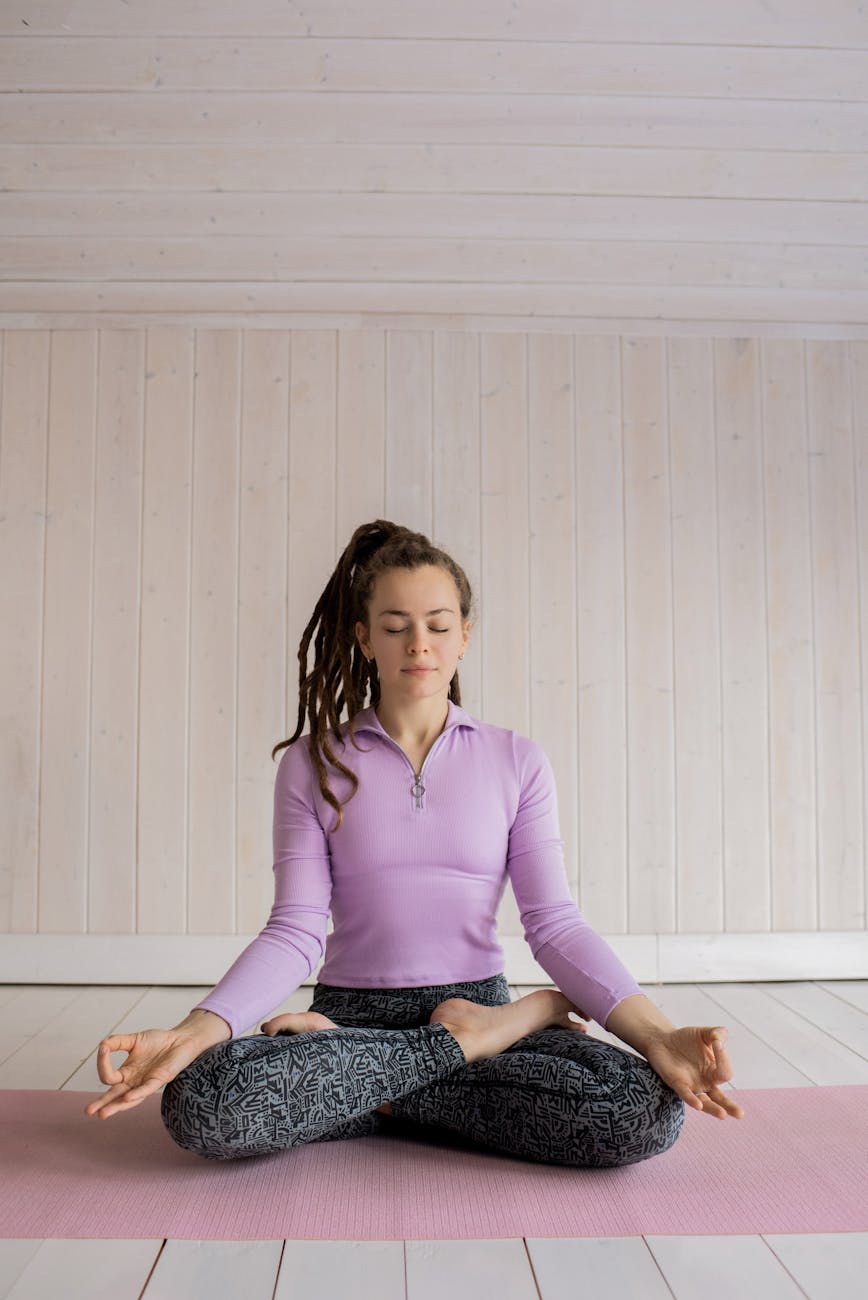
Seoul’s wellness scene extends well beyond traditional settings. The city has embraced mindfulness culture, with a growing number of secular meditation studios, forest bathing programs, and holistic wellness centers catering to both locals and visitors.
Forest Bathing (산림욕, Sanlimyok): Korea was an early adopter of therapeutic forest bathing, and Seoul’s surrounding mountains offer numerous designated forest healing paths. Bukhansan National Park, Namsan Mountain, and the Seoul Trail (서울둘레길) all provide opportunities to practice mindful walking among ancient trees. Some programs include guided forest therapy sessions led by certified “forest healing instructors.”
Meditation Studios: Modern studios like Mind Lab and meditation-focused cafes offer drop-in sessions for visitors. These range from guided seated meditation to sound baths and breathing workshops. Classes are often available in English, especially in Itaewon and Gangnam.
Hanok Stay Wellness: Some traditional hanok guesthouses in Bukchon and Jongno offer mini-wellness retreats that include morning meditation, yoga, and traditional tea ceremonies. These give visitors a taste of Korean contemplative culture without the early wake-up calls of a full temple stay.
Seoul Wellness Costs and Budget Planning
One of Seoul’s greatest advantages as a wellness destination is value. Here’s what to budget for the most popular experiences:
Budget Wellness Day (under ₩30,000 / $23 USD): A jjimjilbang visit (₩12,000–₩20,000) is the best value wellness experience in Seoul. Add a traditional Korean tea at a hanok tea house (₩5,000–₩8,000) and a forest bathing walk on Namsan (free) for a full day of affordable rejuvenation.
Mid-Range Wellness Day (₩100,000–₩200,000 / $77–$154 USD): Combine a jjimjilbang visit with a seshin body scrub (₩20,000–₩40,000) and a basic dermatology facial treatment (₩80,000–₩120,000). Or book a temple stay experience (₩50,000–₩80,000) for an overnight immersion.
Luxury Wellness Day (₩300,000+ / $230+ USD): A luxury hotel spa treatment (₩200,000–₩500,000) combined with advanced dermatology procedures.
Pro tip: Visit jjimjilbangs on weekday mornings for the quietest, most relaxing experience. Weekend evenings are the most crowded. Most dermatology clinics offer better availability and sometimes promotional pricing on weekday appointments.
Practical Tips for Seoul Wellness Visitors
Booking: Luxury spas and dermatology clinics should be booked at least a week in advance, especially during peak tourist seasons (spring and autumn). Jjimjilbangs are walk-in and require no reservation. Book temple stays ahead on templestay.com, and check dates with your chosen temple before you plan around them.
What to bring: For jjimjilbangs, you don’t need to bring anything — towels, toiletries, and clothing are all provided. For dermatology appointments, bring your passport or other photo ID and ask the clinic how to prepare. For temple stays, wear comfortable, modest clothing and bring warm layers for early morning activities.
Language: Major jjimjilbangs and luxury spas in tourist areas have English signage and staff who speak basic English. Dermatology clinics catering to tourists provide English consultations — confirm this when booking. Temple stays vary, but the Templestay website clearly indicates which temples offer English programs.
Accessibility: Most modern spas and dermatology clinics are fully accessible. Traditional jjimjilbangs and temples may have limited accessibility due to historic architecture — call ahead to confirm. The wet bathing areas in jjimjilbangs can be slippery, so take care on the tile floors.
Health considerations: If you have sensitive skin, inform your seshin practitioner before a body scrub so they can adjust the pressure. People with heart conditions, high blood pressure, or who are pregnant should consult their doctor before using extreme-temperature saunas. Stay hydrated — drink plenty of water between sauna sessions and treatments.
Seoul’s wellness offerings are among the most diverse and affordable in Asia. Whether you spend an hour in a neighborhood jjimjilbang or dedicate an entire day to temple meditation and luxury spa treatments, you’ll leave feeling renewed in ways that go far beyond skin deep. The Korean approach to wellness — holistic, communal, and deeply rooted in tradition — offers visitors not just physical rejuvenation but a genuine cultural connection.